


En savoir plus sur le livre
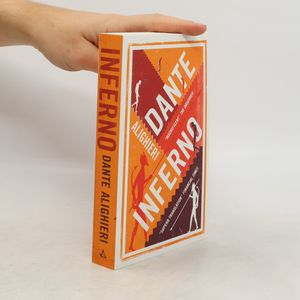
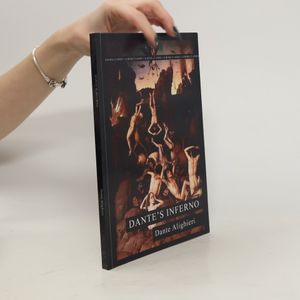
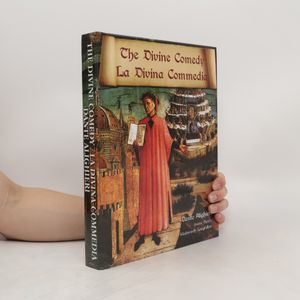
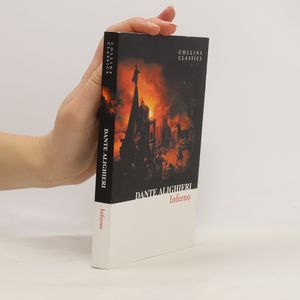
Of the great poets, Dante is one of the most elusive and therefore one of the most difficult to adequately render into English verse. In the Inferno, Dante not only judges sin but strives to understand it so that the reader can as well. With this major new translation, Anthony Esolen has succeeded brilliantly in marrying sense with sound, poetry with meaning, capturing both the poem’s line-by-line vigor and its allegorically and philosophically exacting structure, yielding an Inferno that will be as popular with general readers as with teachers and students. For, as Dante insists, without a trace of sentimentality or intellectual compromise, even Hell is a work of divine art. Esolen also provides a critical Introduction and endnotes, plus appendices containing Dante’s most important sources—from Virgil to Saint Thomas Aquinas and other Catholic theologians—that deftly illuminate the religious universe the poet inhabited.


Édition
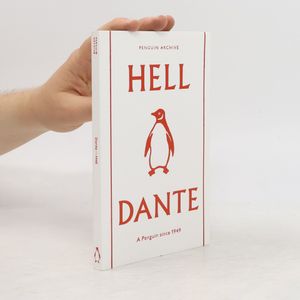
- 2024

- 2024
- 2024
- 2024
- 2024
- 2024
- 2023
- 2023
- 2023
- 2023
- 2023
- 2023
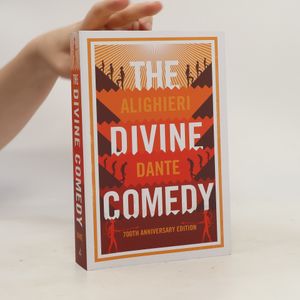
- 2022
- 2022
- 2022
- 2022
- 2022
- 2022
- 2022
- 2022
- 2022
- 2022
- 2022
- 2022
- 2022
- 2022
- 2022
- 2022
- 2022
- 2022
- 2022
- 2022
- 2022

- 2021
- 2021
- 2021
- 2021
- 2021
- 2021
- 2021
- 2021
- 2021
- 2021
- 2020
- 2020
- 2019
- 2019
- 2019
- 2019
- 2019
- 2019
- 2018
- 2018
- 2018
- 2018
- 2018
- 2018
- 2018
- 2018
- 2018
- 2017
- 2017
- 2017

- 2016
- 2016
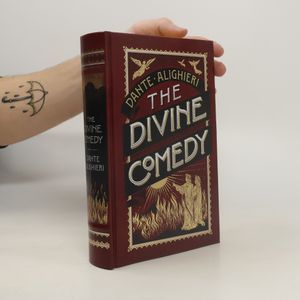
- 2015
- 2015
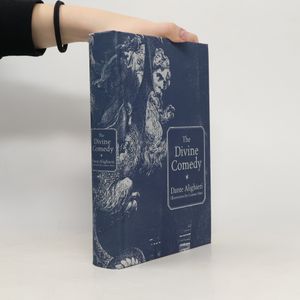
- 2015
- 2014
- 2014


- 2013
- 2013
- 2013
- 2013
- 2012
- 2012
- 2012

- 2011
- 2011
- 2011
- 2010
- 2010
- 2010
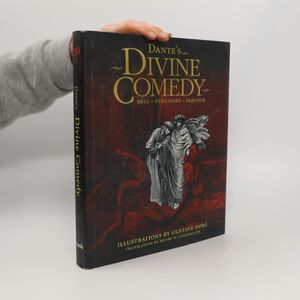
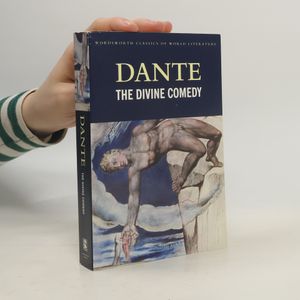
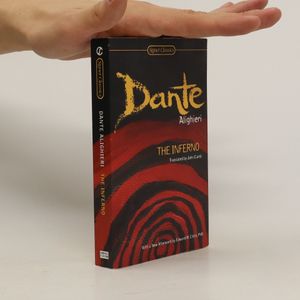
- 2009
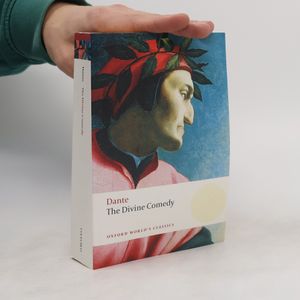
- 2008
- 2007
- 2007
- 2007
- 2007
- 2006
- 2005
- 2004

- 2003
- 2003
- 2003
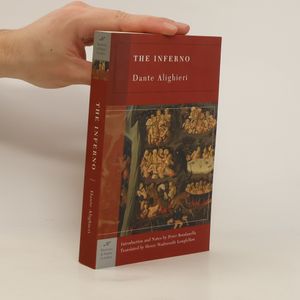
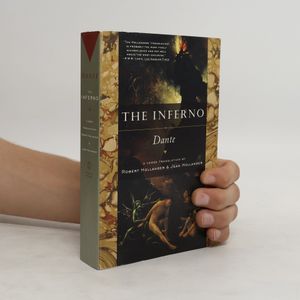
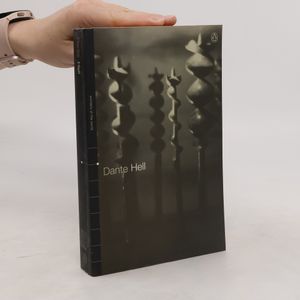
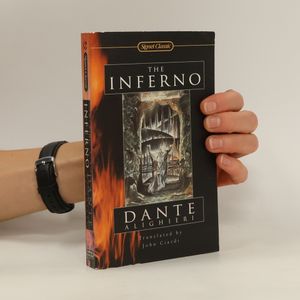
- 1997

- 1996


- 1995


- 1982




Achat du livre
Inferno, Dante Alighieri
- Langue

- Année de publication
- 2018
- product-detail.submit-box.info.binding
- (souple)
Modes de paiement
Il manque plus que ton avis ici.
- Titre
- Inferno
- Langue
- Anglais
- Auteurs
- Dante Alighieri
- Éditeur
- Arcturus Publishing Ltd
- Publié
- 2018
- Format
- souple
- Pages
- 192
- ISBN10
- 178888325X
- ISBN13
- 9781788883252
- Séries
- Mots clés
- Fiction, Littérature mondiale, Classiques
- Première publication
- 1321
- Titre original
- La Divina Commedia
- Évaluation
- 4 sur 5
- Description
- Of the great poets, Dante is one of the most elusive and therefore one of the most difficult to adequately render into English verse. In the Inferno, Dante not only judges sin but strives to understand it so that the reader can as well. With this major new translation, Anthony Esolen has succeeded brilliantly in marrying sense with sound, poetry with meaning, capturing both the poem’s line-by-line vigor and its allegorically and philosophically exacting structure, yielding an Inferno that will be as popular with general readers as with teachers and students. For, as Dante insists, without a trace of sentimentality or intellectual compromise, even Hell is a work of divine art. Esolen also provides a critical Introduction and endnotes, plus appendices containing Dante’s most important sources—from Virgil to Saint Thomas Aquinas and other Catholic theologians—that deftly illuminate the religious universe the poet inhabited.