Voluntarismus
Aufsätze, Texte und Zitate über die Freiheit


Murray Newton Rothbard fut un historien et économiste influent de l'École Autrichienne. Il a joué un rôle déterminant dans la définition du libertarianisme moderne, étendant l'accent de l'école sur l'ordre spontané et la critique de la planification centrale à un cadre anarchiste individualiste qu'il a appelé 'anarcho-capitalisme'. Son œuvre offre une perspective distinctive sur l'organisation économique et sociale.

Aufsätze, Texte und Zitate über die Freiheit
Der Text thematisiert die Idee, dass Sicherheitsdienstleistungen auf dem freien Markt das Prinzip der Gewaltlosigkeit in einer freien Gesellschaft fördern könnten. Es wird argumentiert, dass die Anwendung physischer Gewalt ausschließlich der Verteidigung dienen sollte, um das Leben und Eigentum der Menschen zu schützen. Dies führt zu der Vorstellung eines Systems ohne staatliche Kontrolle oder Regierung, was eine radikale Abkehr von traditionellen gesellschaftlichen Strukturen darstellt.
Rothbard erklärt in diesem Werk, dass der Staat, entgegen der Vorstellung seiner Befürworter, keine harmlose Institution ist. Der Staat ist eine gewaltsame Einrichtung, die in die freiwilligen Beziehungen auf dem Markt eingreift. Der Schwerpunkt aller Diskussionen im Buch liegt darauf, dass der Staat sich auf tausend Rechtfertigungen stützt, um seine Präsenz im Leben und im Geschäft der Menschen zu legitimieren; während die meisten Probleme der Gesellschaften gerade aus diesen Eingriffen resultieren. Rothbards Analyse des Staates ist so kritisch und radikal, dass er den Staat nicht einmal für Angelegenheiten wie Sicherheit und Verteidigung als notwendig erachtet und der Meinung ist, dass alle Angelegenheiten an den privaten Sektor übergeben werden können. Die Denkweise, die Rothbard verteidigt, ist als Anarchokapitalismus bekannt.
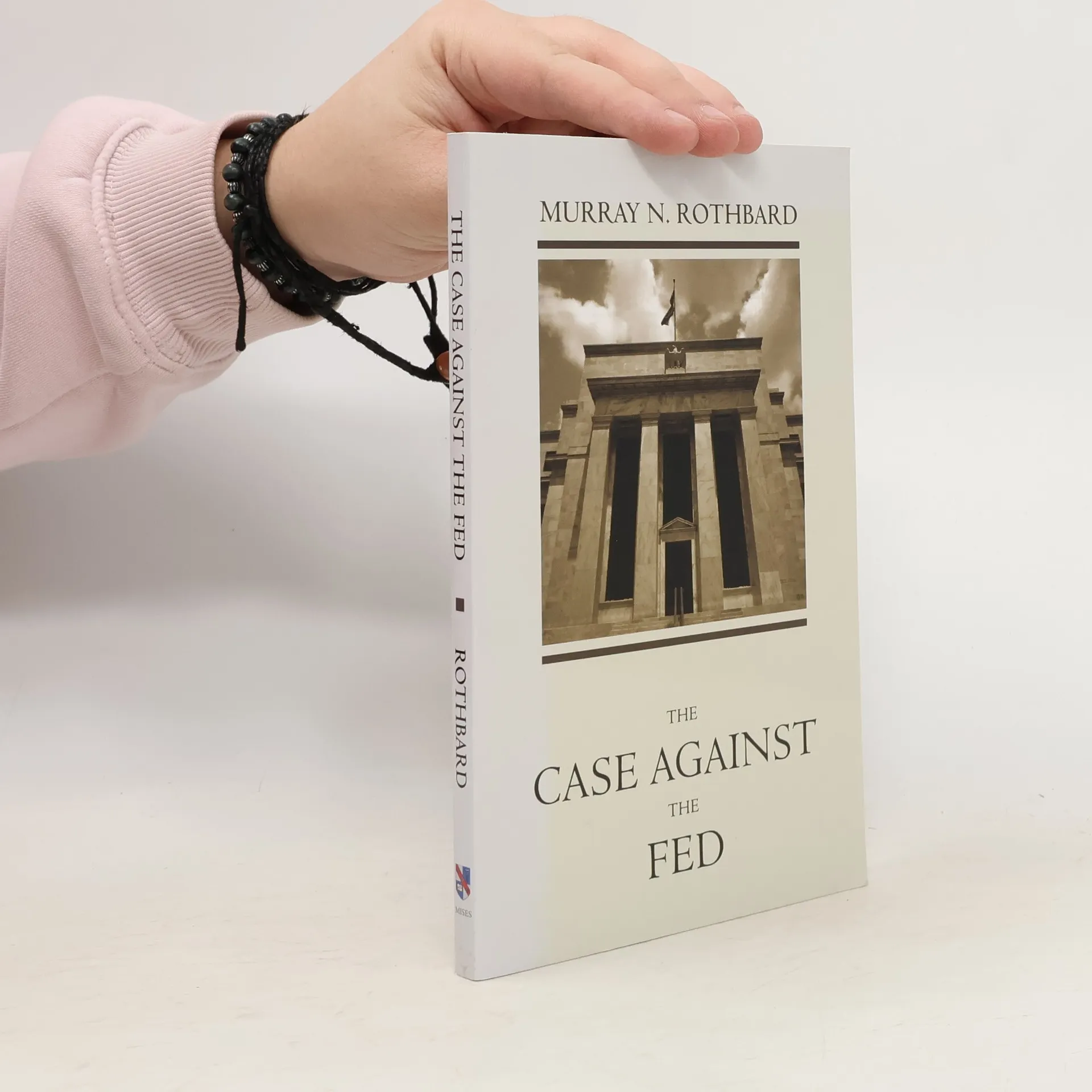
The most powerful case against the American central bank ever written. This work begins with a mini-treatment of money and banking theory, and then plunges right in with the real history of the Federal Reserve System. Rothbard covers the struggle between competing elites and how they converged with the Fed. Rothbard calls for the abolition of the central bank and a restoration of the gold standard. His popular treatment incorporates the best and most up-to-date scholarship on the Fed's origins and effects.
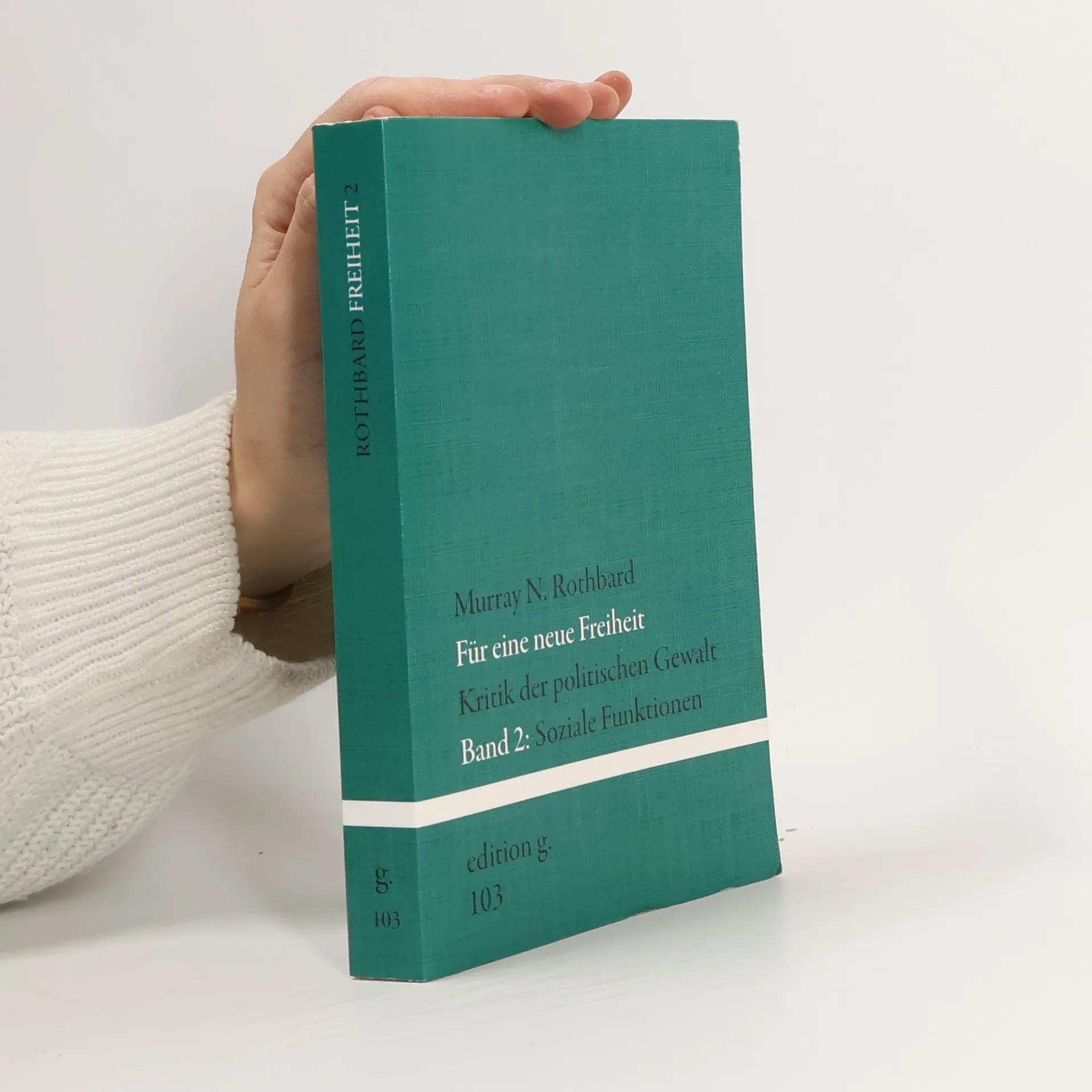
Das Buch thematisiert das Konzept der Intervention als aggressives Eingreifen in die Gesellschaft, bei dem freiwillige Handlungen durch Zwang ersetzt werden. Es untersucht die Auswirkungen und Implikationen solcher Eingriffe auf das soziale Gefüge und die individuellen Freiheiten. Der Autor beleuchtet die moralischen und ethischen Fragestellungen, die sich aus der Anwendung von physischer Gewalt zur Durchsetzung von Veränderungen ergeben.
Die Untersuchung fokussiert sich auf das grundlegende Axiom menschlichen Handelns, das besagt, dass Menschen stets zielgerichtet agieren und Bestrebungen verfolgen. Diese zentrale Wahrheit bildet die Basis für die Praxeologie und deren Teilgebiet, die Ökonomik. Durch die Analyse der logischen Implikationen dieses Konzepts wird ein tieferes Verständnis für menschliches Verhalten und wirtschaftliche Zusammenhänge angestrebt.
Články na téma národ, revoluce, náboženství, diskriminace, pořádek, levičáci, pravicový populismus.
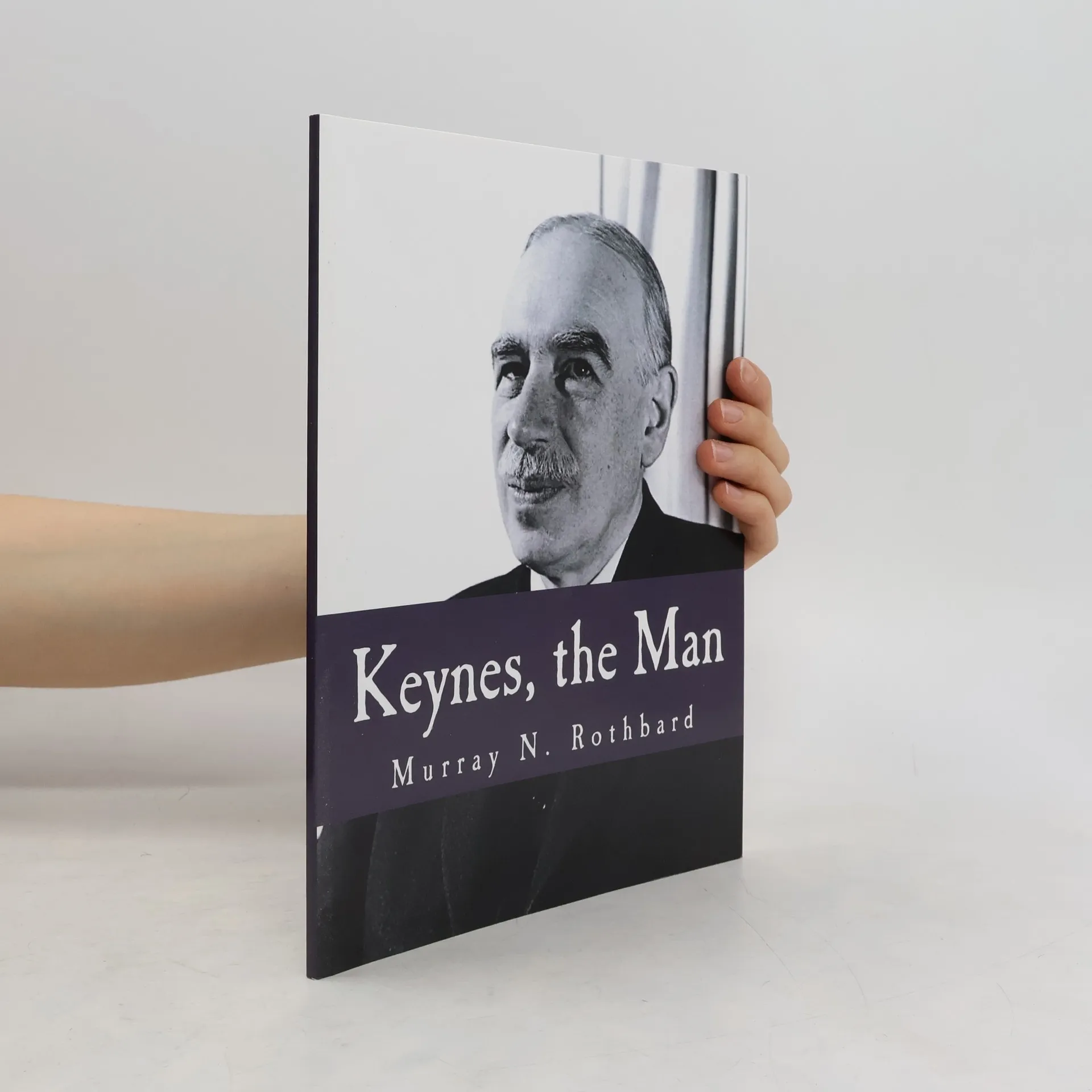
LARGE PRINT EDITION! More at LargePrintLiberty.com Here is Rothbard's mini-biography of Lord Keynes, one that makes use of all modern research to reconstruct Keynes's life and works in a way that is absolutely devastating. We read about his schooling, his secret societies, his political associations and sponsors - as well as his intellectual shifts and dodges throughout his life. To put it mildly, Keynes was not the genius liberal of his reputation. He shifty, duplicitous, and manipulative from beginning to end, and his deliberately obfuscating economic theory reflects those traits. When the newscasters go on about how Keynes saved us and will continue to do so, it would be good to be armed with the truth about the man who reconstructed economics as he saw fit. You will be alternately amazed and outraged that the thoughts of this man have inspired government policy for so many decades. In fact, as Murray demonstrates, that explains so much about what is wrong with government policy. Murray Rothbard writes with spunk and verve in this investigative report.
America's Great Depression is the classic treatise on the 1930s Great Depression and its root causes. Author Rothbard blames government interventionist policies for magnifying the duration, breadth, and intensity of the Great Depression. He explains how government manipulation of the money supply sets the stage for the familiar "boom-bust" phases of the modern market which we know all too well. He then details the inflationary policies of the Federal Reserve from 1921 to 1929 as evidence that the depression was essentially caused not by speculation, but by government and central bank interference in the market. Clearly we find history tragically repeating itself today. A must-read.
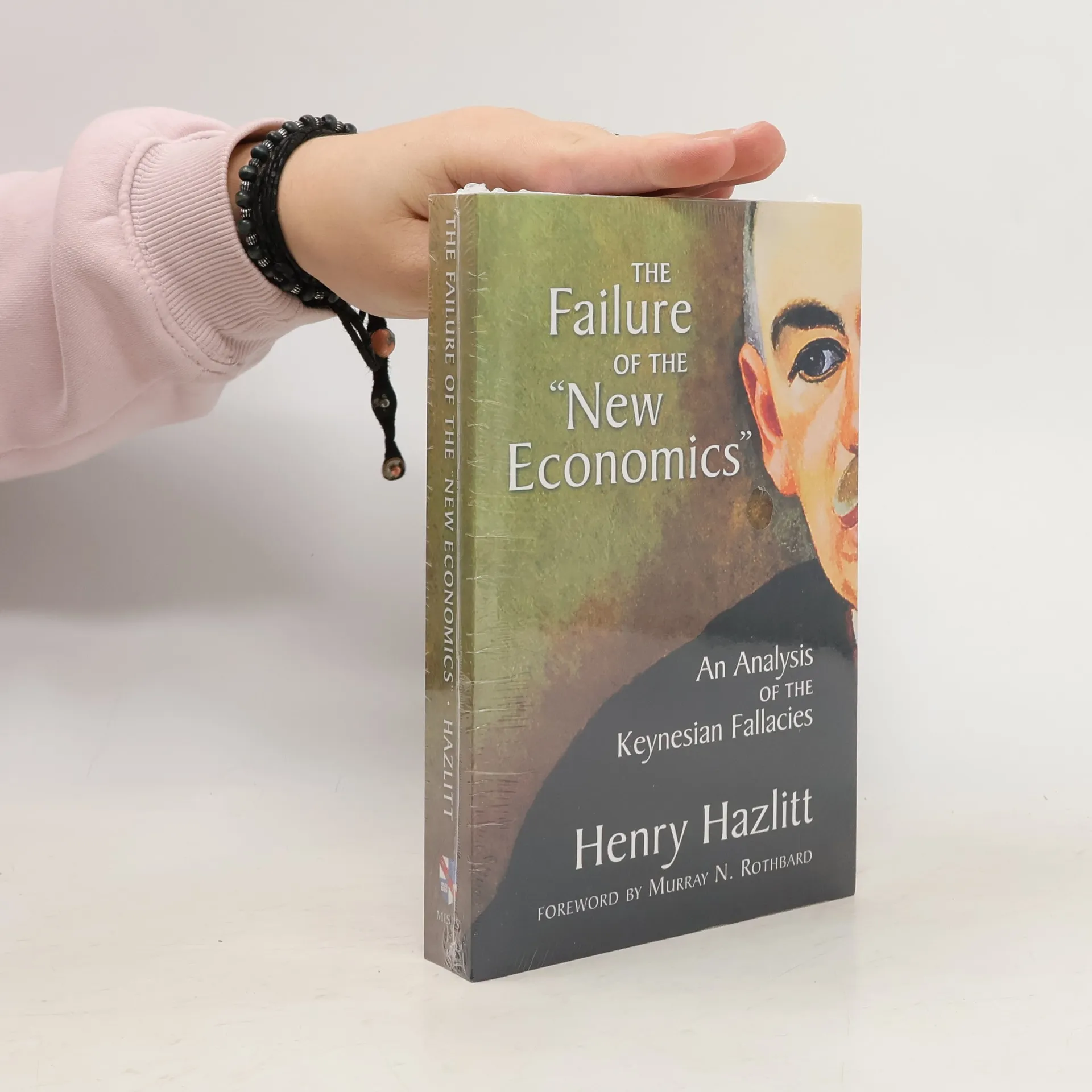
Henry Hazlitt did the seemingly impossible, something that was and is a magnificent service to all people everywhere. He wrote a line-by-line commentary and refutation of one of the most destructive, fallacious, and convoluted books of the century. The target here is John Maynard Keynes's General Theory, the book that appeared in 1936 and swept all before it. In economic science, Keynes changed everything. He supposedly demonstrated that prices don't work, that private investment is unstable, that sound money is intolerable, and that government was needed to shore up the system and save it. It was simply astonishing how economists the world over put up with this, but it happened. He converted a whole generation in the late period of the Great Depression. By the 1950s, almost everyone was Keynesian. But Hazlitt, the nation's economics teacher, would have none of it. And he did the hard work of actually going through the book to evaluate its logic according to Austrian-
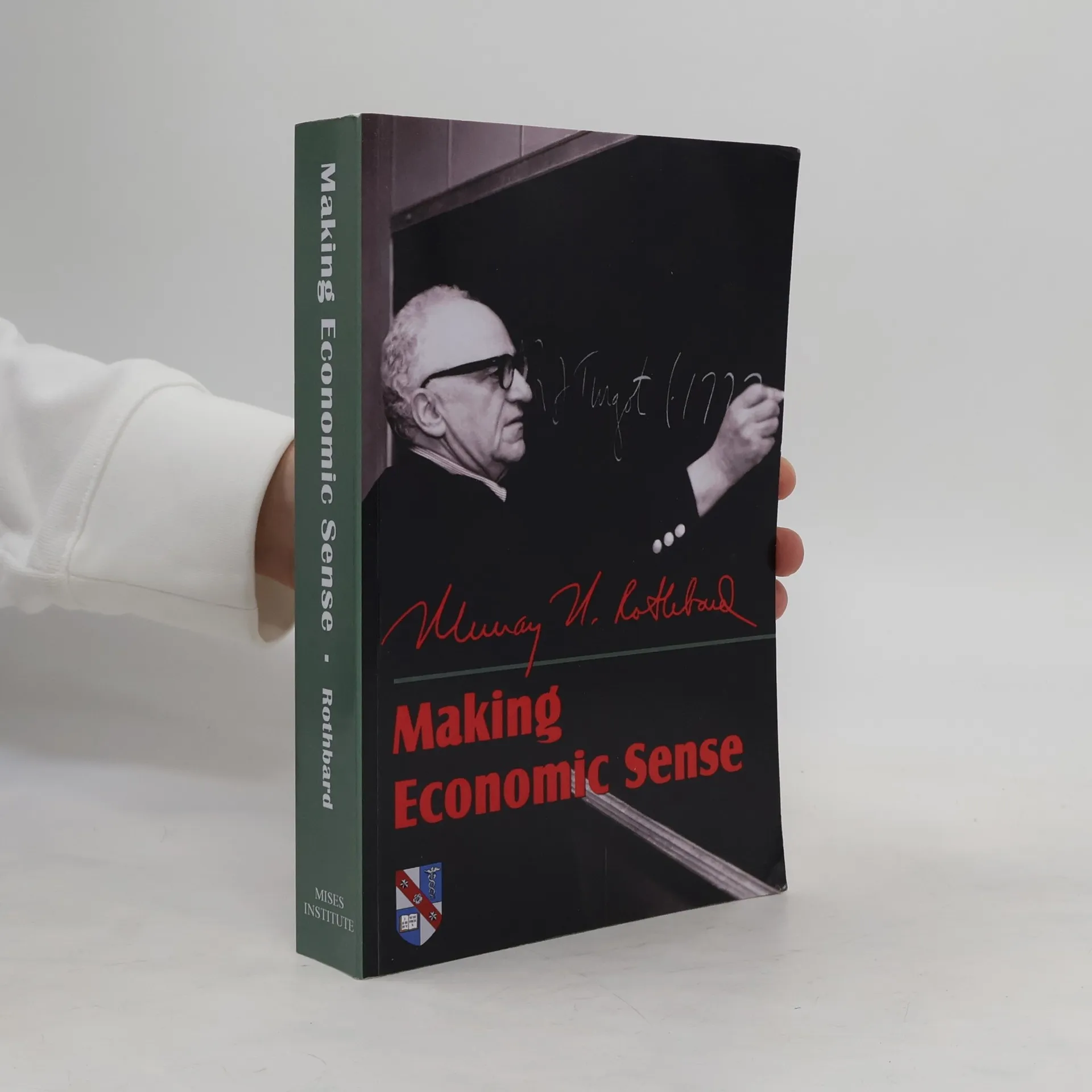
A hefty tome by this master economist. Here he is communicating with the public about economic theory and policy. No economist has ever written so clearly about subjects usually wrapped in mystery. Even when discussing exchange rates, interest rates, and central banking, Rothbard is clear and persuasive. That's what makes this book so wonderful, and so dangerous to the purveyors of economic fallacy and those who enforce their ideas on the public. This wonderfully lucid work could become the next Economics in One Lesson .
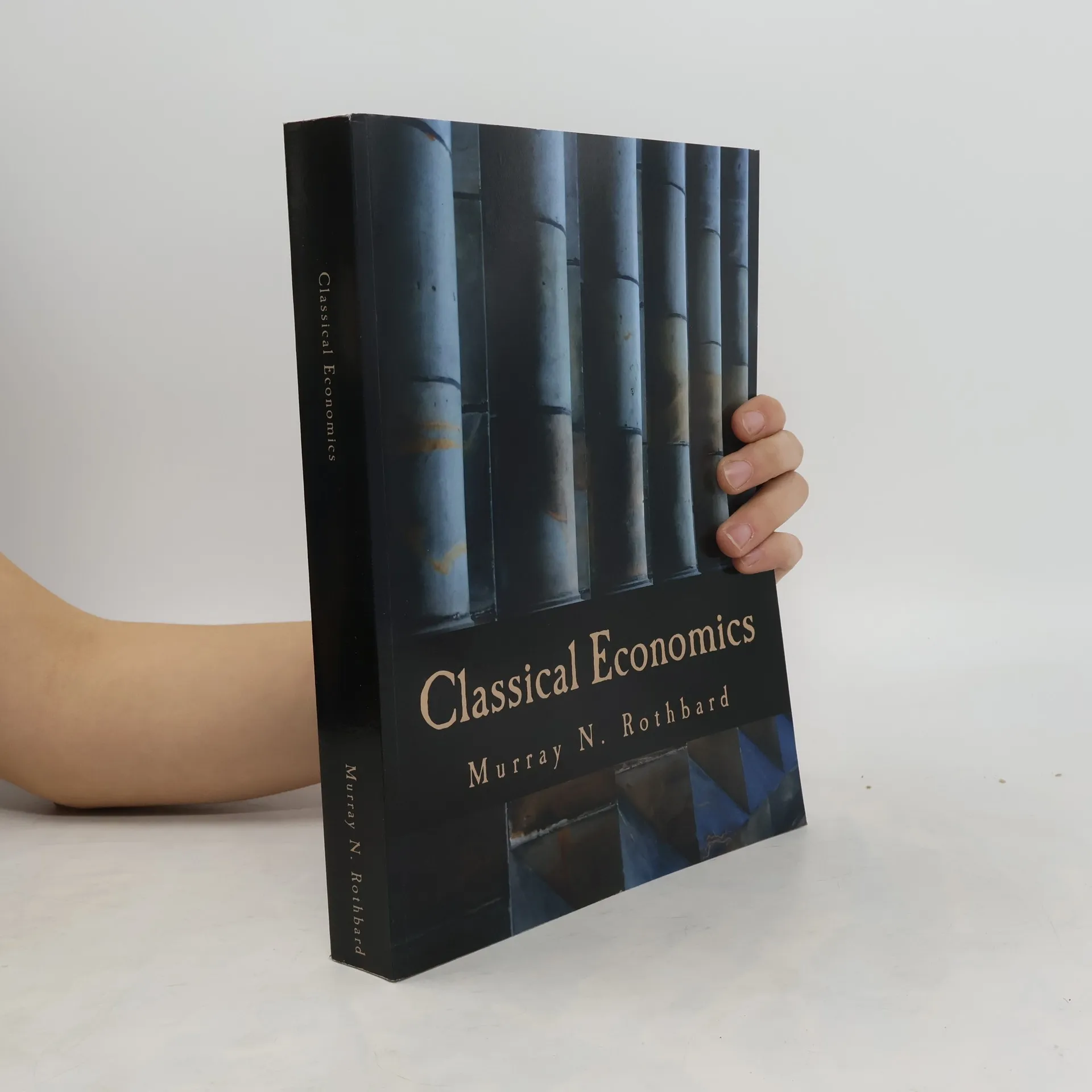
LARGE PRINT EDITION! More at LargePrintLiberty.com Here is the last masterpiece by Murray N. Rothbard (1926-1995), the result of a lifetime of research and his crowning achievement.This volume is the first comprehensive treatment of classical economics from a modern Austrian perspective, an important history of nineteenth-century economic thought that discusses the key members of each school and reassesses their work.Professor Rothbard's approach offers new perspectives on both Ricardo and Say and their followers. He suggests that Ricardianism declined after 1820 and was only revived with the work of John Stuart Mill. The book also resurrects the important Anglo-Irish school of thought at Trinity College, Dublin under Archbishop Richard Whatley. Later chapters focus on the roots of Karl Marx and the nature of his doctrines, and laissez-faire thought in France including the work of Frederic Bastiat.Also included is a comprehensive treatment of the bullionist versus the anti-bullionist and the currency versus banking school controversies in the first half of the nineteenth century, and their influence outside Great Britain.
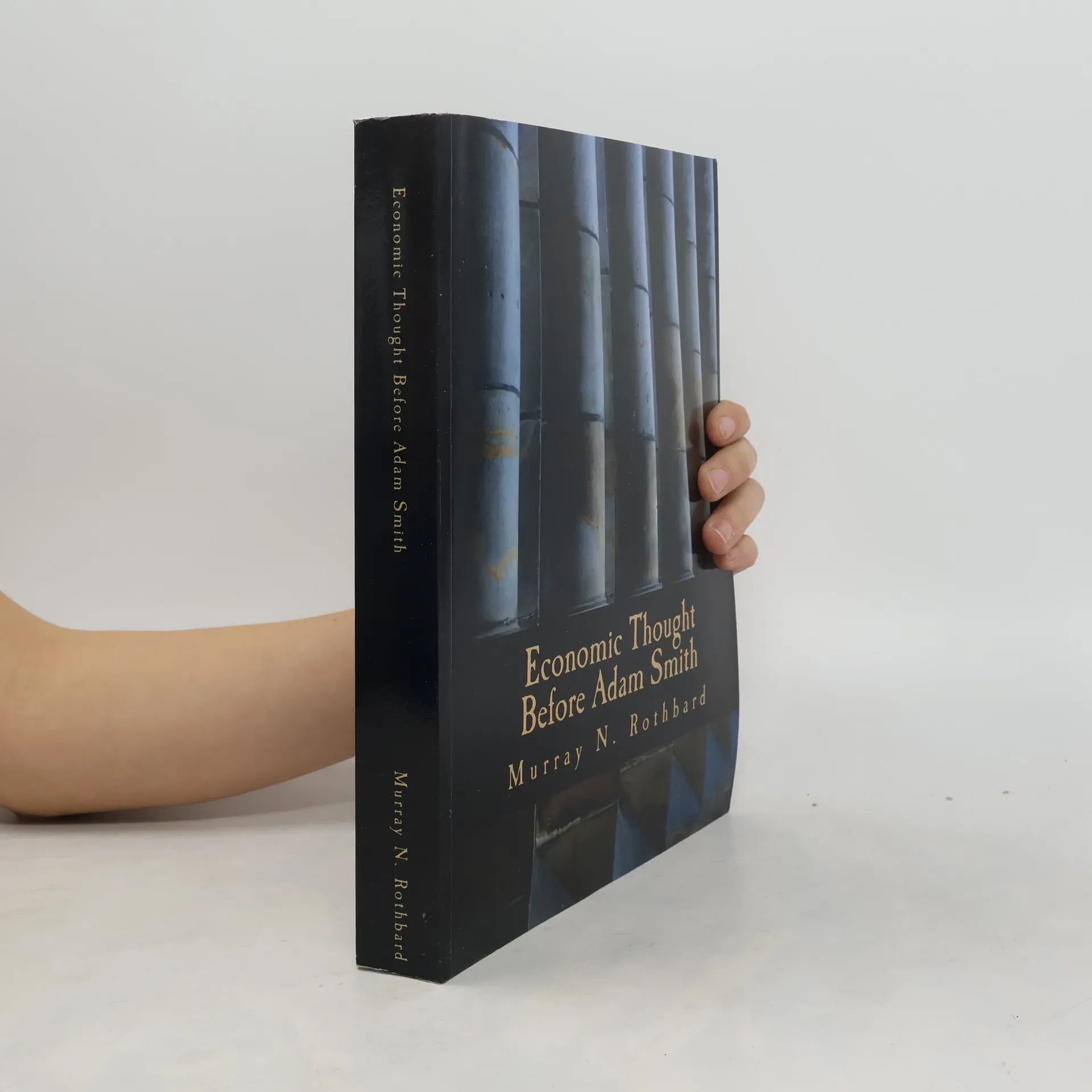
LARGE PRINT EDITION! More at LargePrintLiberty.com Here is the last masterpiece by Murray N. Rothbard (1926-1995), the result of a lifetime of research and his crowning achievement.This volume is the most extensive treatment from a modern Austrian perspective of the history of economic thought up to Adam Smith and, as such, takes into account the profound influences of religious, social, and political thought upon economics.Murray Rothbard traces economic ideas from ancient sources and shows that laissez-faire liberalism and economic thought itself began with the scholastics and early Roman and canon law. The scholastics, he argues, established and developed the subjective utility and scarcity theory of value, as well as the theory that prices, or the value of money, depend on its supply and demand.The Continental, or "pre-Austrian" tradition, was destroyed, rather than developed, by Adam Smith whose strong Calvinist tendencies toward glorifying labor, toil, and thrift is contrasted with emphasis in scholastic economic thought towards labor in the service of consumption.Tracing economic thought from the Greeks to the Scottish enlightenment, this book is notable for its inclusion of all of the important figures in each school of thought with their theories assessed in historical context.
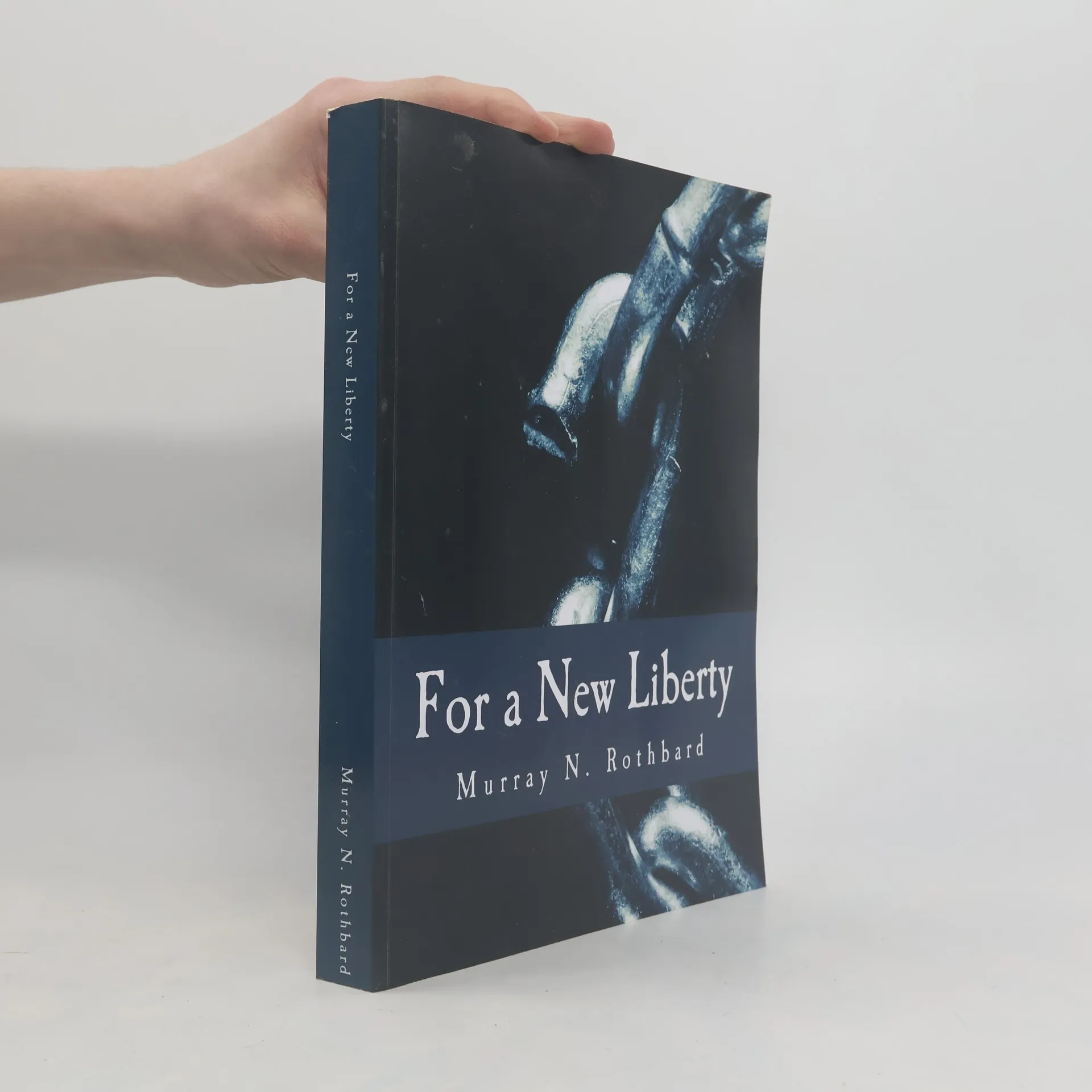
A classic that for over two decades has been hailed as the best general work on libertarianism available. Rothbard begins with a quick overview of its historical roots, and then goes on to define libertarianism as resting "upon one single axiom: that no man or group of men shall aggress upon the person or property of anyone else." He writes a withering critique of the chief violator of liberty: the State. Rothbard then provides penetrating libertarian solutions for many of today's most pressing problems, including poverty, war, threats to civil liberties, the education crisis, and more.
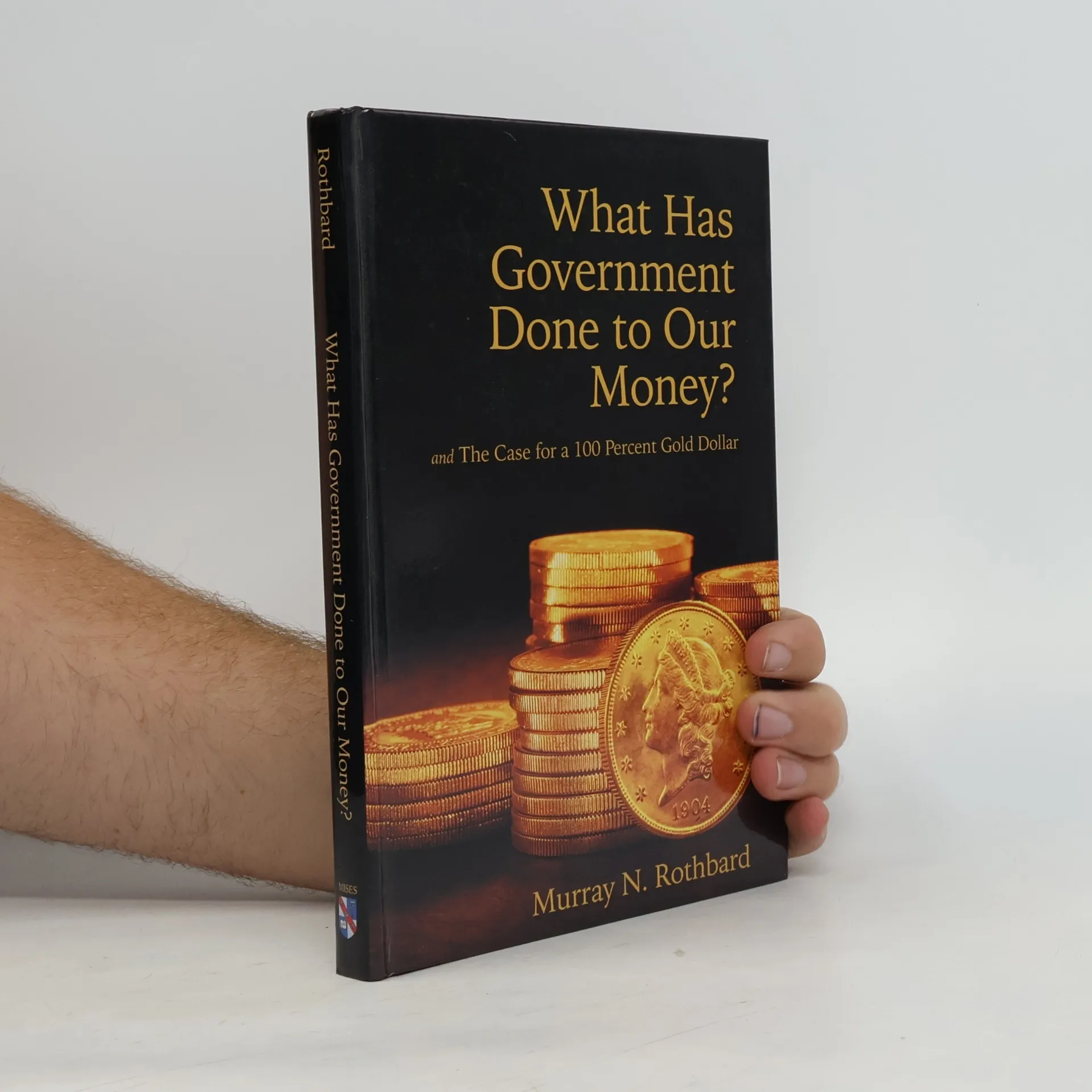
The Mises Institute presents a beautiful hardbound edition of Rothbard's influential monetary essay, which has shaped the thinking of economists, investors, and business professionals for generations. This edition includes a detailed reform proposal for a 100 percent gold dollar, written before the last remnants of the gold standard were abolished. Rothbard's plan for restoring sound money remains relevant today. Critics have noted that while he identifies issues with money, he also offers solutions, uniting problem and answer in a comprehensive whole. He explores the fundamentals of money and banking theory, tracing the dollar's decline from the 18th century to the present, while critiquing central banking, New Deal policies, Nixon's fiat money, and fixed exchange rates. Rothbard advances the theory by demonstrating how only government can destroy money on a mass scale and detailing the mechanisms behind this process. His passion for the subject shines through, engaging readers and inspiring some, like Ron Paul, to pursue political office. He elucidates how banks create money and the role of the central bank in this process, while illustrating how exchange and interest rates would function in a true free market. Rothbard's meticulous analysis of the end of the gold standard highlights the various interest groups involved. Scholars now recognize this work as one of his most significant contributions, emphasizing the necessity
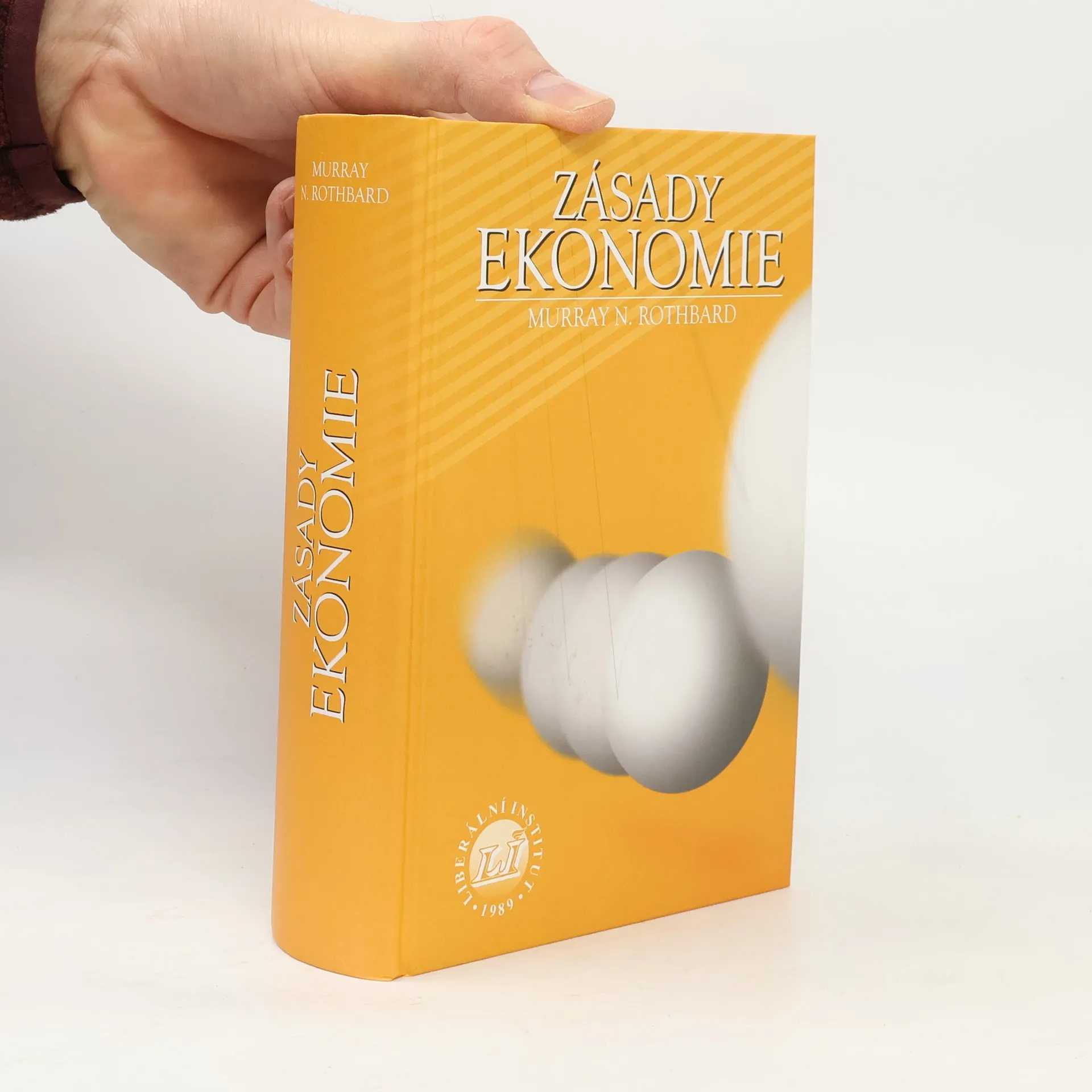
Poslední velké dílo v tradici klasických pojednání o ekonomii, ze kterého se přiučí jak začínající student ekonomie, tak vědomostí chtivý laik i profesor ekonomie. Srozumitelný výklad nadčasových principů ekonomické teorie - od teorie užitku a výroby k analýze monopolu, inflace a hospodářského cyklu.
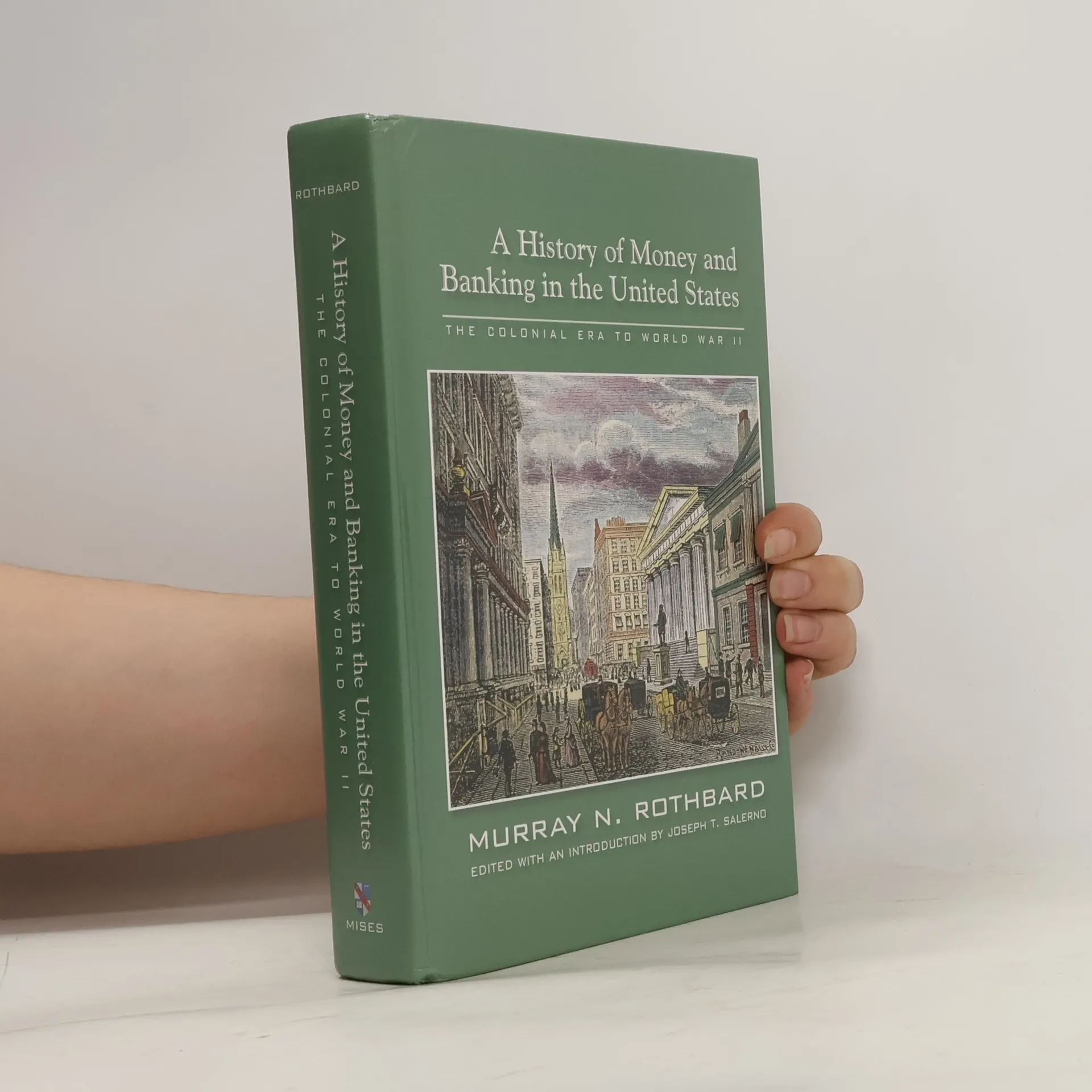
In what is sure to become the standard account, Rothbard traces inflations, banking panics, and money meltdowns from the Colonial Period through the mid-20th century to show how government's systematic war on sound money is the hidden force behind nearly all major economic calamities in American history. Never has the story of money and banking been told with such rhetorical power and theoretical vigor. You will treasure this volume. From the introduction by Joseph "Rothbard employs the Misesian approach to economic history consistently and dazzlingly throughout the volume to unravel the causes and consequences of events and institutions ranging over the course of U.S. monetary history, from the colonial times through the New Deal era. One of the important benefits of Rothbard's unique approach is that it naturally leads to an account of the development of the U.S. monetary system in terms of a compelling narrative linking human motives and plans that often-times are hidden, and devious, leading to outcomes that sometimes are tragic. And one will learn much more about monetary history from reading this exciting story than from poring over reams of statistical analysis. Although its five parts were written separately, this volume presents a relative integrated narrative, with very little overlap, that sweeps across three hundreds years of U.S. monetary history."
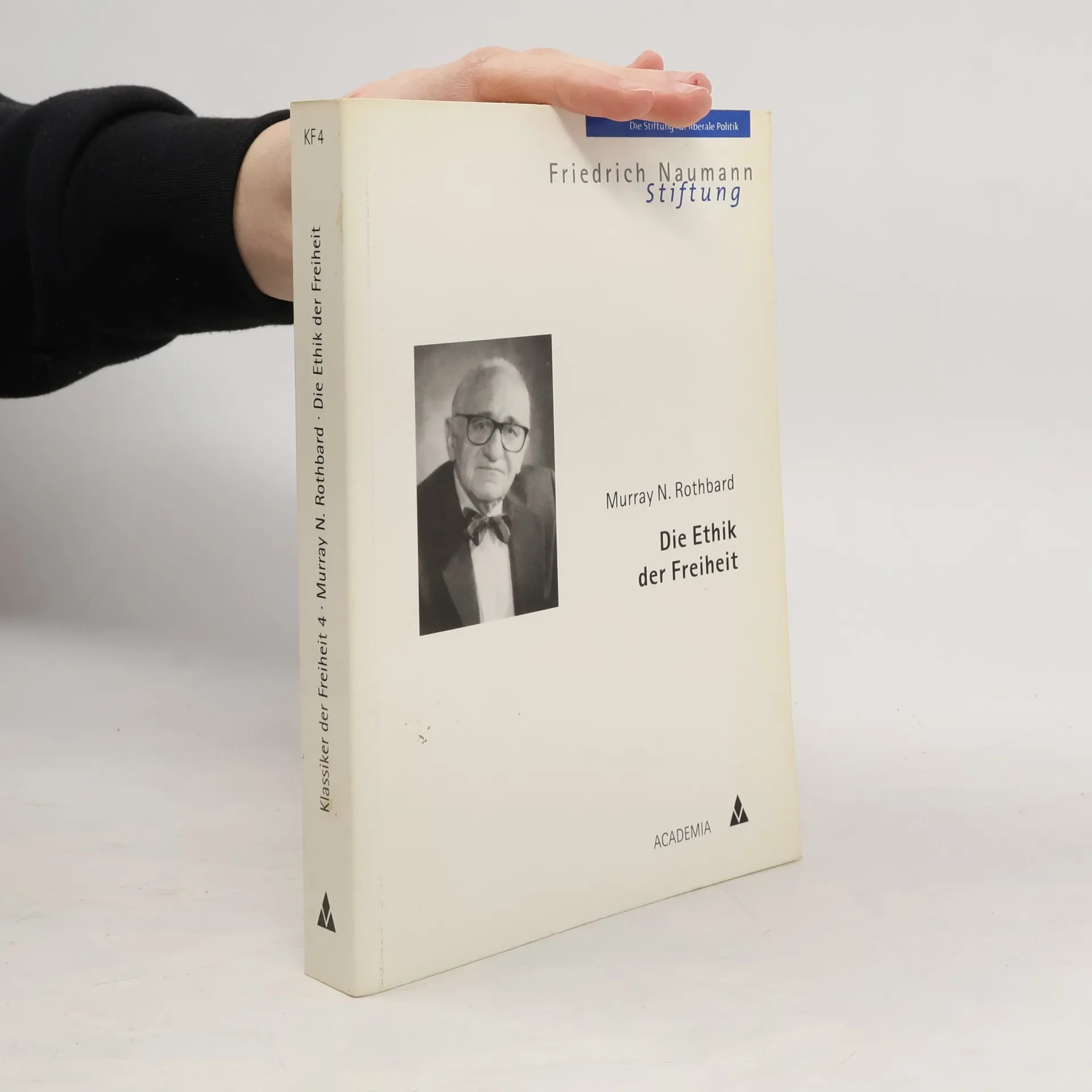
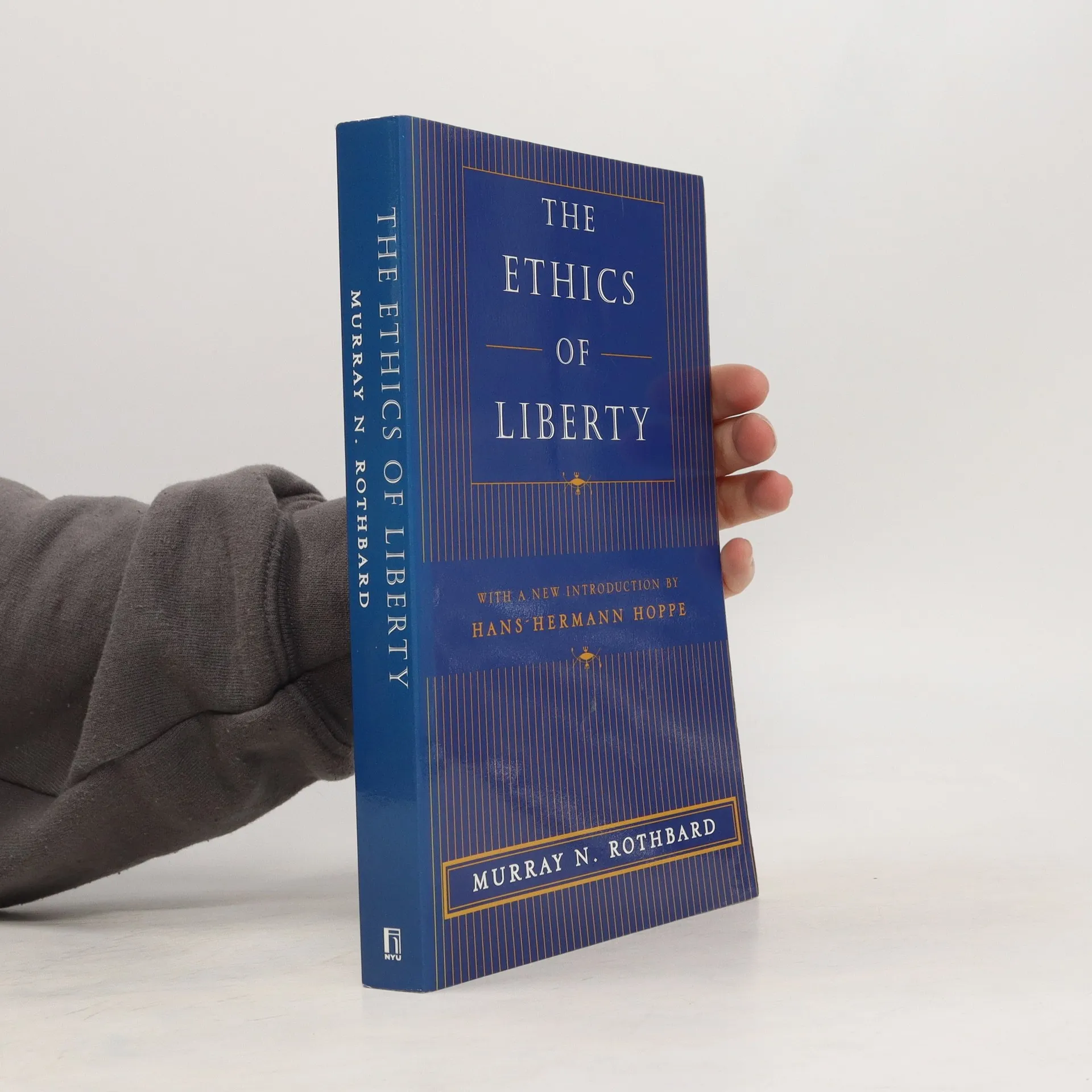
In recent years, libertarian impulses have increasingly influenced national and economic debates, from welfare reform to efforts to curtail affirmative action. Murray N. Rothbard's classicThe Ethics of Libertystands as one of the most rigorous and philosophically sophisticated expositions of the libertarian political position.What distinguishes Rothbard's book is the manner in which it roots the case for freedom in the concept of natural rights and applies it to a host of practical problems. An economist by profession, Rothbard here proves himself equally at home with philosophy. And while his conclusions are radical--that a social order that strictly adheres to the rights of private property must exclude the institutionalized violence inherent in the state--his applications of libertarian principles prove surprisingly practical for a host of social dilemmas, solutions to which have eluded alternative traditions.The Ethics of Libertyauthoritatively established the anarcho-capitalist economic system as the most viable and the only principled option for a social order based on freedom. This edition is newly indexed and includes a new introduction that takes special note of the Robert Nozick-Rothbard controversies.
Vývoj peněz na svobodném trhu a jejich úplné ovládnutí státy, to je téma proslulé. Rothbardovy knihy. Publikace byla sepsaná velmi působivě pro nejširší okruh čtenářů. a její obsah je stále aktuální. Zneužívání této ohromné moci nad penězi a celou ekonomikou je jen dalším logickým krokem. Profesor Rothbard popisuje mechanismus uchvácení peněz a popis ničivých vládních intervencí a zhoubné politiky centrálních bank do rozpadu brettonwoodského systému. Vývoj od 70. let až ke vzniku eura zachycuje a vysvětluje v obsáhlém doslovu Guido Hülsmann. Celá kniha prokazuje, že za inflaci a hospodářské krize jsou odpovědny centrální banky – nástroj, kterým stát ovládá peníze.
A distinct correlation exists between how free a society is and how much power its government has over money. Because the United State of America was supposed to be a free country, its government was granted comparatively few` monetary powers – only to borrow and coin money, and regulate its value. Yet today the same government possesses total power over every aspect of America’s monetary system. With an octopus-like stranglehold, Washington’s control extends to gold, money, banking and much more. How and why the Founders’ limited intention was converted into omnipotent government monetary power is the subject of this book – a collection of basic materials which, if properly understood, explain what happened. The author’s thoughtful analysis leads to its concluding a constitutional amendment wholly separating government from money, the only way – permanently – to eliminate government’s power over the monetary system.
Wie der Staat unser Geld zerstört
Die Diskussion über die Europäische Währungsunion ist oft zu eng gefasst. Europas Bürger haben nicht nur die Wahl zwischen nationalem und europäischem Papiergeld, sondern auch zwischen staatlichem und marktorientiertem Geld. Diese zentrale Aussage wird von Murray Rothbard in einem neu veröffentlichten Werk verdeutlicht. Rothbards Analyse der Rolle des Staates im Geldwesen ist sowohl überzeugend als auch ernüchternd. Nach der Lektüre wird niemand mehr so staatsorientiert über Geld denken wie zuvor. Die entscheidende Frage für Rothbard ist nicht, ob die staatliche Geldpolitik das Preisniveau oder die Geldmenge stabilisieren sollte, sondern ob der Staat überhaupt eine Rolle im Geldwesen spielen sollte. Wer dem Staat Geld anvertraut, öffnet der totalitären Kontrolle durch Interessengruppen Tür und Tor, was zu Wirtschafts- und Währungskrisen sowie dramatischen Preisverfällen führt. Rothbards klare Gedankenführung und umfassende Kenntnis der Literatur machen sein Werk sowohl für Wirtschaftswissenschaftler als auch für interessierte Laien zugänglich. Ein Nachwort von Dr. Jörg Guido Hülsmann ergänzt die Analyse und beleuchtet die jüngere Währungsgeschichte aus der Perspektive der „österreichischen Schule“. Es zeigt die Relevanz von Rothbards Ideen und thematisiert die Gefahren öffentlicher Schulden und staatlichen Zwangsgeldes.
This gives a succinct account of Rothbard’s view of the state. Following Franz Oppenheimer and Albert Jay Nock, Rothbard regards the state as a predatory entity. It does not produce anything but rather steals resources from those engaged in production. In applying this view to American history, Rothbard makes use of the work of John C. Calhoun.How can an organization of this type sustain itself? It must engage in propaganda to induce popular support for its policies. Court intellectuals play a key role here, and Rothbard cites as an example of ideological mystification the work of the influential legal theorist Charles Black, Jr., on the way the Supreme Court has become a revered institution.
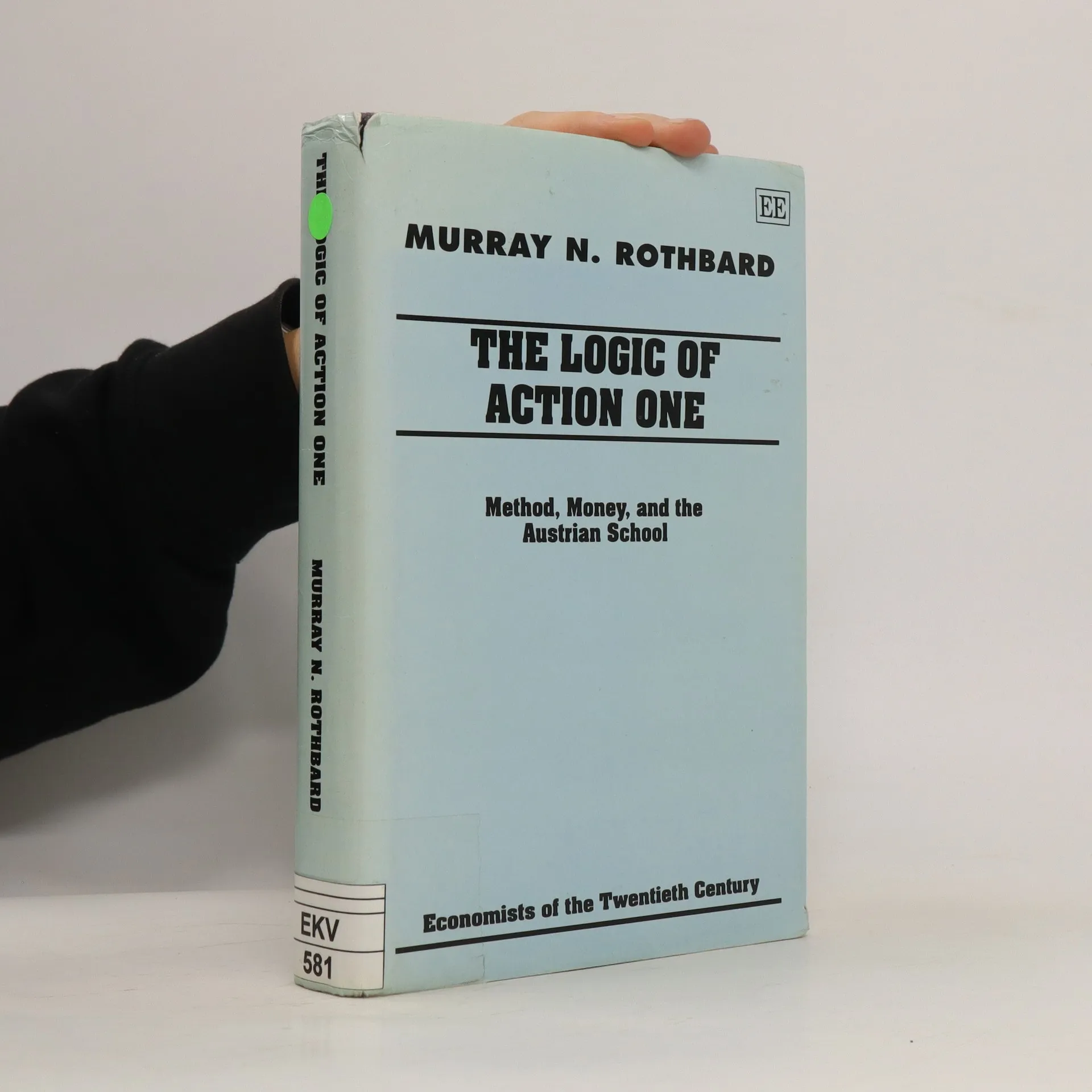
In this, the first of two volumes, Murray Rothbard - one of the major figures in twentieth-century Austrian economics - argues with clarity and force that economics is a deductive science based on the fundamental realities of action, scarcity and the passage of time. Such conviction is demonstrated in the first part of this book, where Professor Rothbard analyses method. The second part focuses on some of the theoretical debates within the Austrian school, including property and justice rights, welfare economics, value and efficiency. In the third section Rothbard considers the Austrian approach to money and calculation, including discussion of the definition of the supply of money, freely floating exchange rates and calculation and its role under socialism. This latest volume of Murray Rothbard's work goes some way to represent the important contributions he made to the field. The second volume of Murray Rothbard's essays on Austrian economics is also available.
In the second volume of his collected essays The Logic of Action, Murray Rothbard again demonstrates his extraordinary range of thought. This volume considers among other issues, criticisms of some of the most influential economists and economic theories of the present and previous centuries.
Booms and busts are not endemic to the free market, argues the Austrian theory of the business cycle, but come about through manipulation of money and credit by central banks. In this monograph, Austrian giants explain and defend the theory against alternatives. Includes essays by Mises, Rothbard, Haberler, and Hayek. In his later years, Professor Haberler distributed many of these monographs to friends and associates. New edition with an introduction by Roger Garrison and an index.
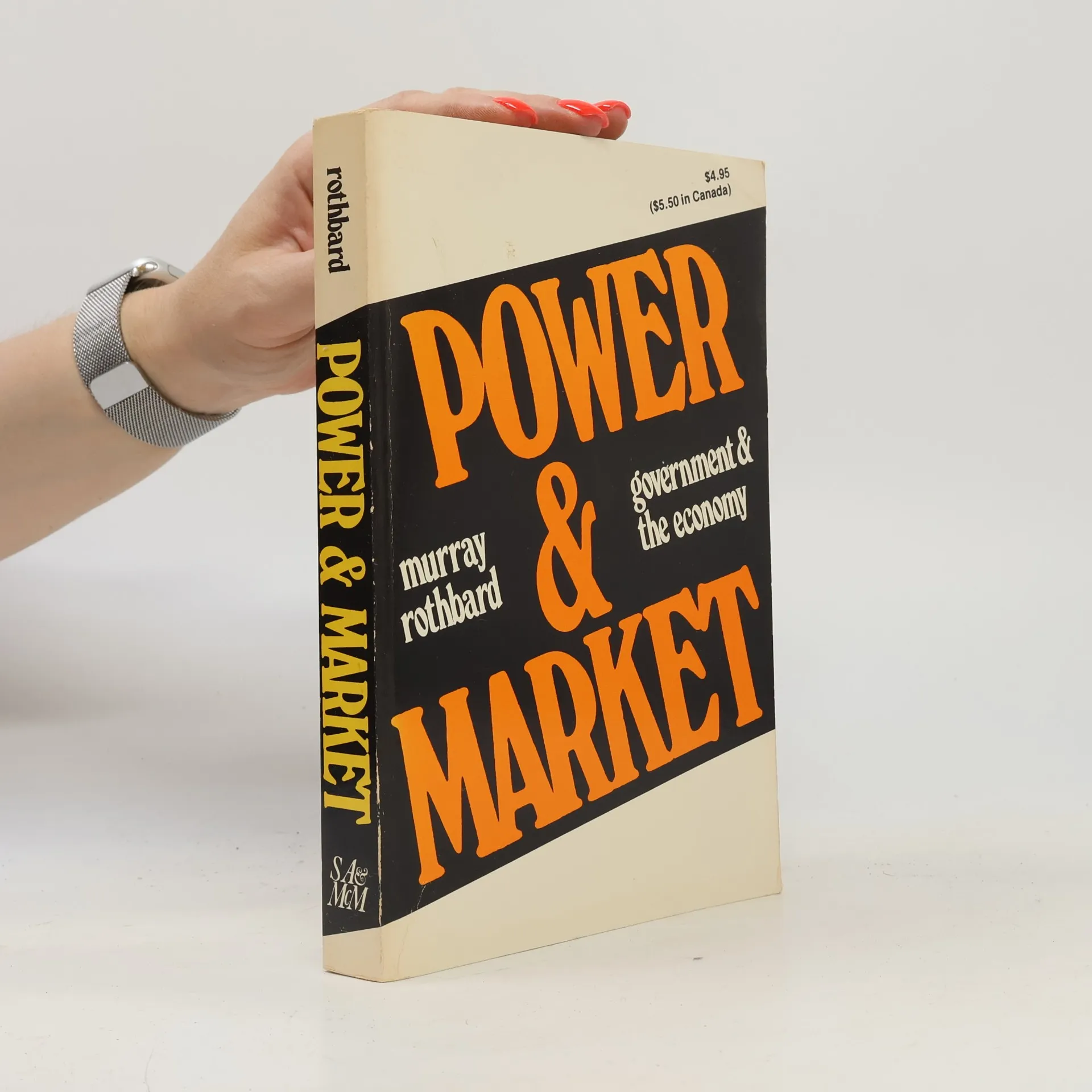
Government and the Economy
Binary intervention is when the state interferes directly with a private ... Man, Economy, and State with Power and Market, Scholar's edition (Auburn, Ala. ...