

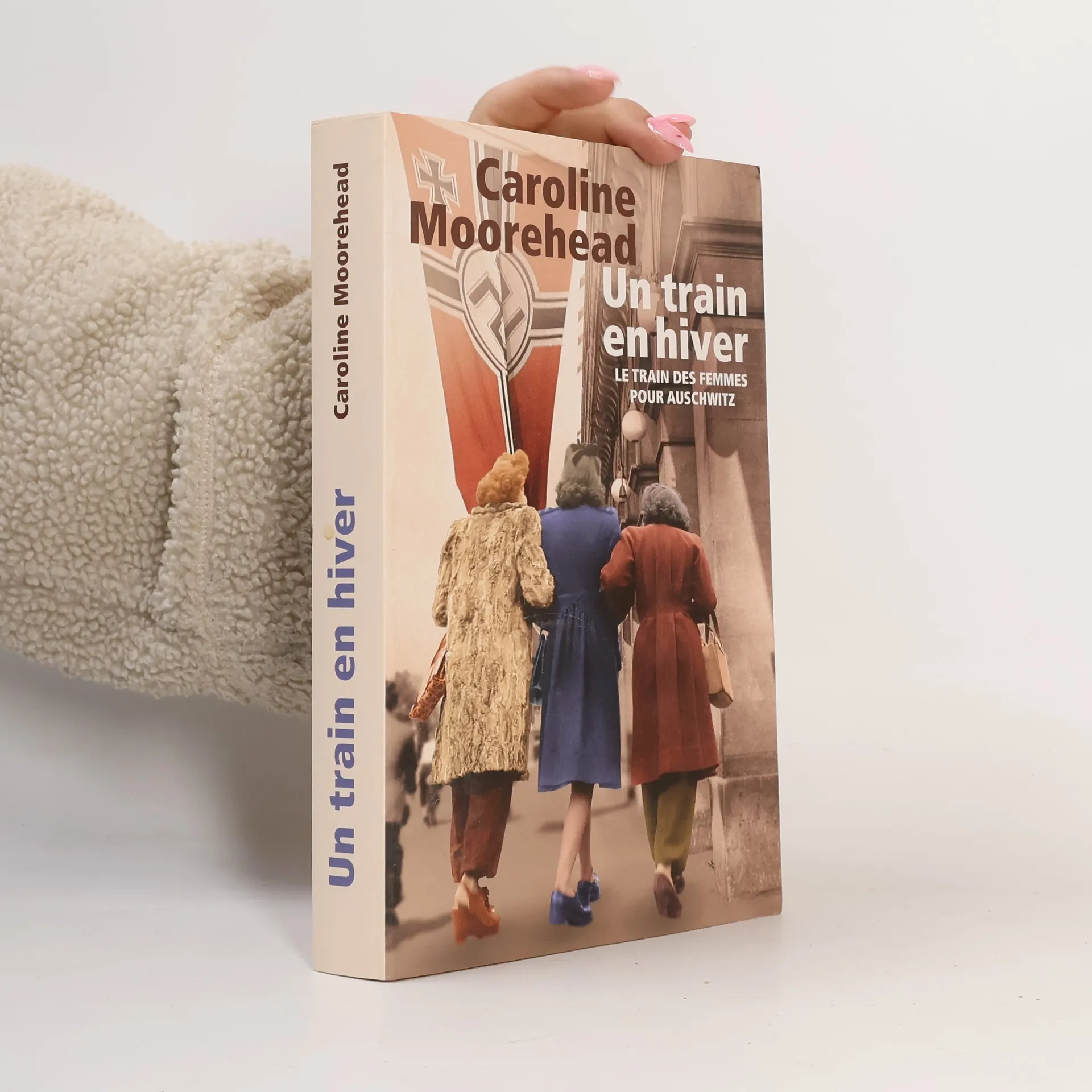
Par un matin glacial à Paris en janvier 1943, 230 femmes résistantes françaises furent arrêtées dans les camps de détention de la Gestapo et envoyées par train à Auschwitz, le seul train, en quatre ans d'occupation allemande, à transporter des femmes de la Résistance vers un camp de la mort. La plus jeune avait 15 ans, la plus âgée, 68 ans ; parmi elles se trouvaient des enseignantes, des biochimistes, des vendeuses, des secrétaires, des ménagères et des professeurs d'université. Six de ces femmes étaient encore en vie en 2010 et ont pu raconter leurs histoires d'affection et de camaraderie qui se sont développées au sein du groupe. Elles sont devenues amies, et c'est précisément cette amitié qui a permis à tant d'entre elles de survivre. S'appuyant sur des interviews avec des survivantes et leurs familles, ainsi que sur des archives allemandes, françaises et polonaises, ce livre couvre une période tragique de l'histoire, offrant un portrait de personnes ordinaires, de bravoure et de résilience, ainsi que des qualités particulières de l'amitié féminine.
Le Quatuor de la Résistance Séries
Cette série explore des récits authentiques de bravoure et de détermination pendant la Seconde Guerre mondiale. Elle met en lumière les actes de courage incroyables d'individus et de groupes qui se sont opposés à la tyrannie. Chaque volume révèle des moments passionnants et souvent poignants de la vie de ceux qui ont tout risqué. C'est un témoignage de l'esprit humain face à l'adversité inimaginable.

A House in the Mountains
- 416pages
- 15 heures de lecture
In the late summer of 1943, when Italy changed sides in the War and the Germans - now their enemies - occupied the north of the country, an Italian Resistance was born. Ada, Frida, Silvia and Bianca were four young Piedmontese women who joined the Resistance, living clandestinely in the mountains surrounding Turin. They were not alone. Between 1943 and 1945, as the Allies battled their way north, thousands of men and women throughout occupied Italy rose up and fought to liberate their country from the German invaders and their Fascist collaborators. The bloody civil war that ensued across the country pitted neighbour against neighbour, and brought out the best and worst in Italian society. The courage shown by the partisans was exemplary, and eventually bound them together as a coherent fighting force. The women's contribution was invaluable - they fought, carried messages and weapons, provided safe houses, laid mines and took prisoners. Ada's house deep in the mountains became a meeting place and refuge for many of them
A Bold and Dangerous Family
- 448pages
- 16 heures de lecture
A gripping tale of intrigue... I was enormously moved Observer
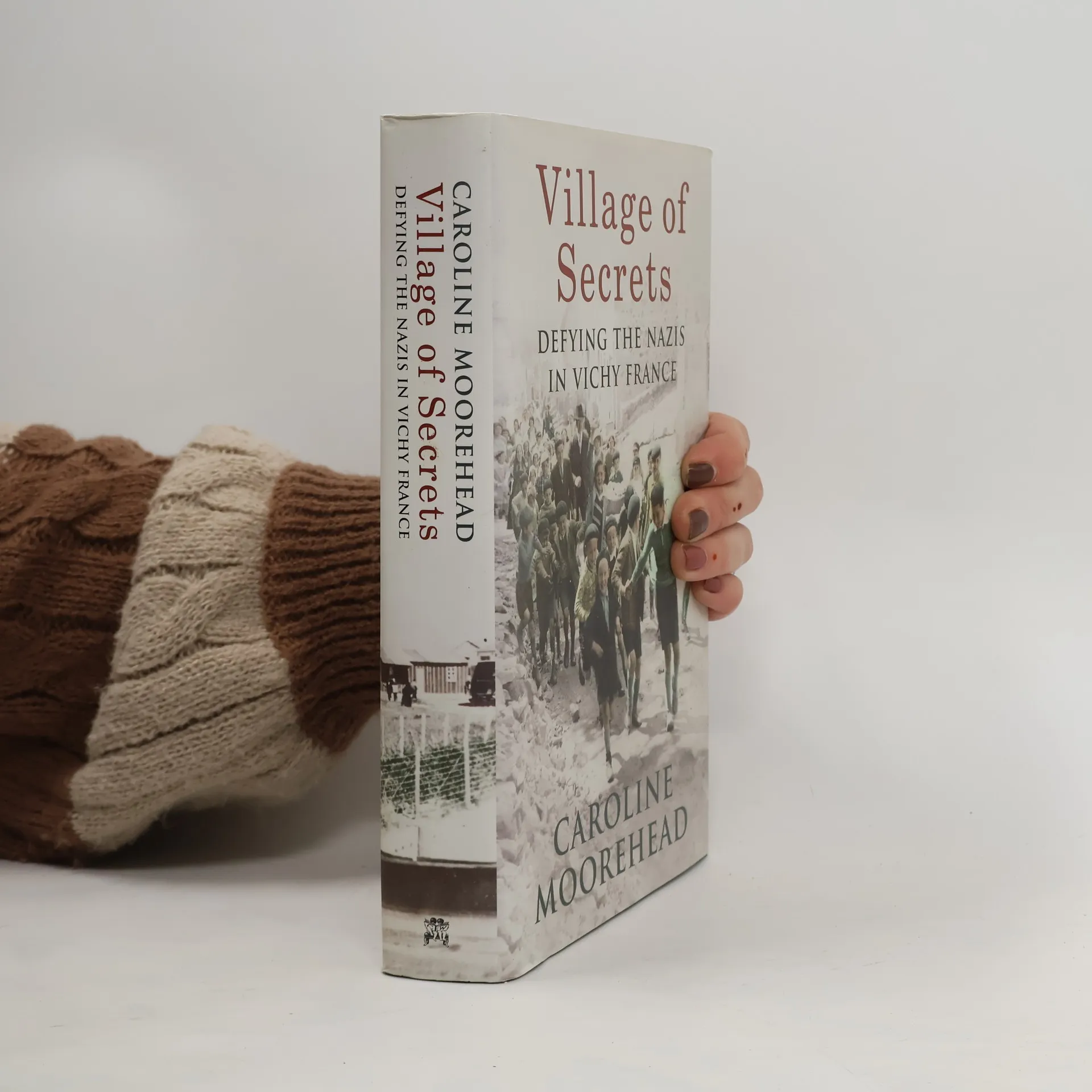
From the author of the bestseller A Train in Winter comes the remarkable tale of a French village that saved thousands, including many Jewish children, from the Gestapo during World War II. Le Chambon-sur-Lignon, a small village nestled in the mountains of the Ardèche, became a sanctuary for those pursued by the Nazis. Isolated by snow for long stretches in winter, its residents sheltered resisters, freemasons, communists, downed Allied airmen, and primarily Jews, many of whom were children separated from their deported parents. After the war, Le Chambon was uniquely recognized in its entirety in Yad Vashem's Dictionary of the Just. The full story of how this village managed to protect so many remains largely untold. Acclaimed biographer and historian Caroline Moorehead recounts a narrative of exceptional bravery and collective action against German rule. In a country notorious for denouncing Jews and resisters, not a single inhabitant of Le Chambon ever revealed the identities of those they sheltered. The village, united by a code of honor stemming from centuries of religious oppression, exemplifies how a small group of heroic individuals—many of them women—prioritized saving lives over their own safety, creating a powerful legacy of resistance and compassion.