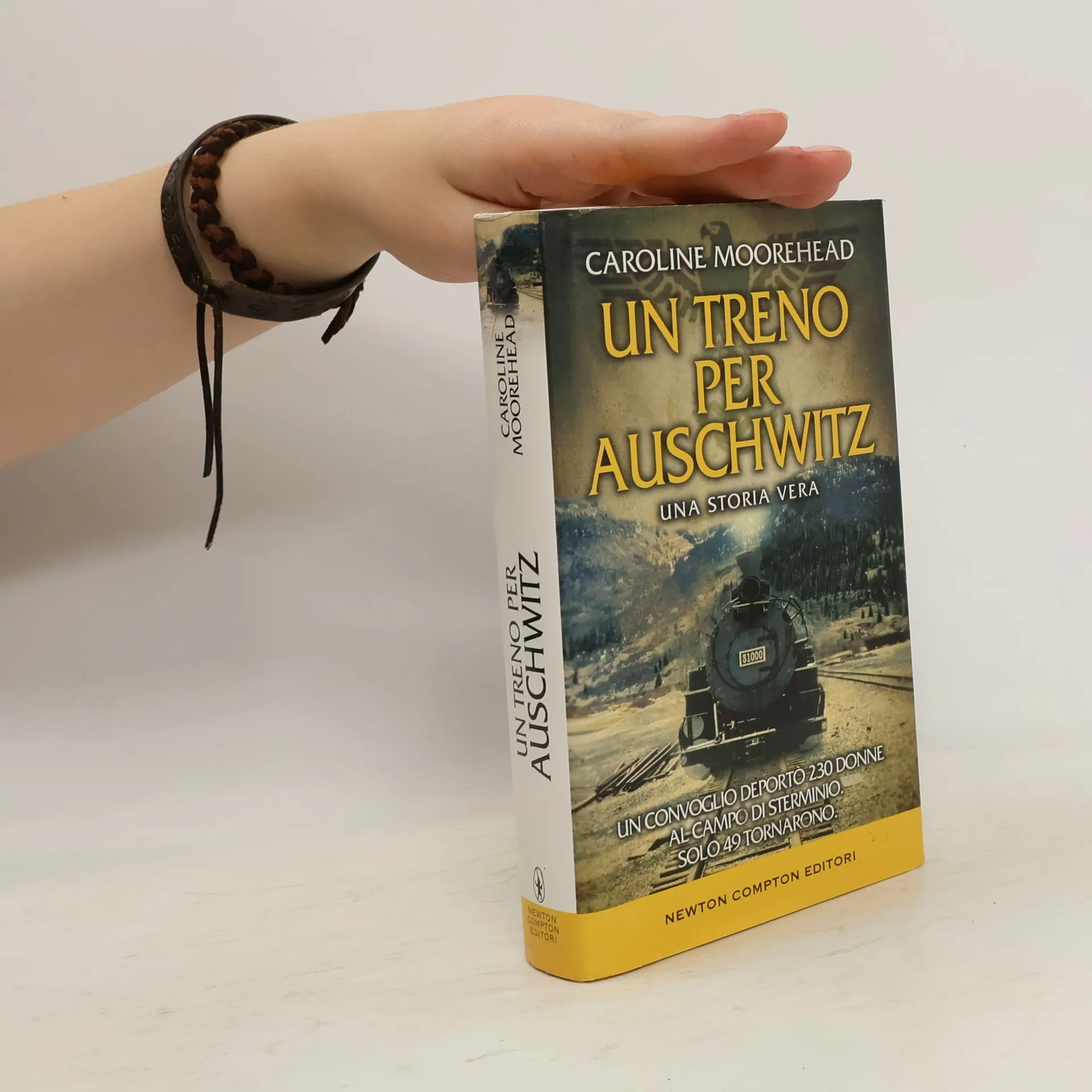
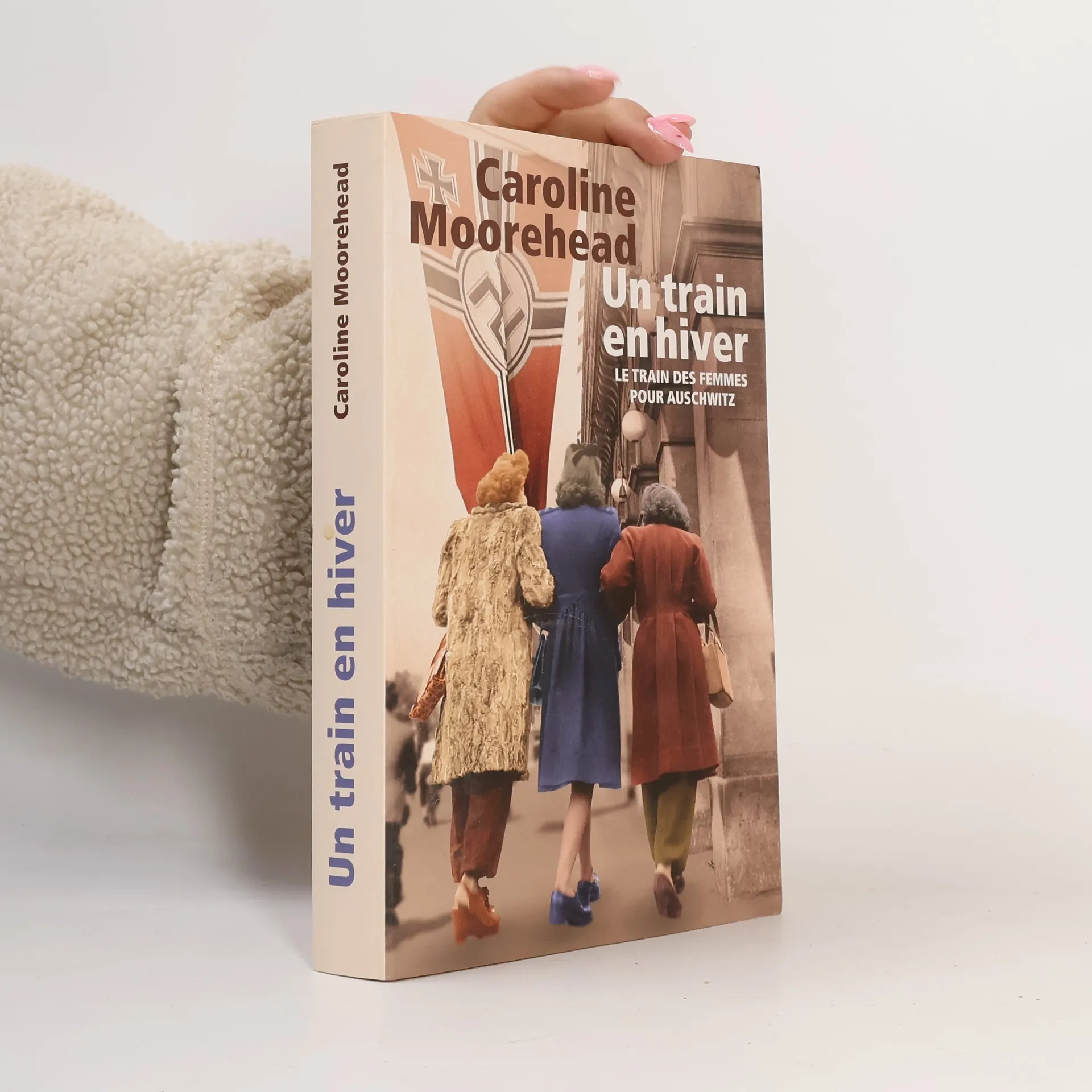
Par un matin glacial à Paris en janvier 1943, 230 femmes résistantes françaises furent arrêtées dans les camps de détention de la Gestapo et envoyées par train à Auschwitz, le seul train, en quatre ans d'occupation allemande, à transporter des femmes de la Résistance vers un camp de la mort. La plus jeune avait 15 ans, la plus âgée, 68 ans ; parmi elles se trouvaient des enseignantes, des biochimistes, des vendeuses, des secrétaires, des ménagères et des professeurs d'université. Six de ces femmes étaient encore en vie en 2010 et ont pu raconter leurs histoires d'affection et de camaraderie qui se sont développées au sein du groupe. Elles sont devenues amies, et c'est précisément cette amitié qui a permis à tant d'entre elles de survivre. S'appuyant sur des interviews avec des survivantes et leurs familles, ainsi que sur des archives allemandes, françaises et polonaises, ce livre couvre une période tragique de l'histoire, offrant un portrait de personnes ordinaires, de bravoure et de résilience, ainsi que des qualités particulières de l'amitié féminine.
Caroline Moorehead Livres
Caroline Moorehead est une auteure acclamée par la critique dont l'œuvre plonge profondément dans des récits historiques, se concentrant particulièrement sur la résistance et l'expérience humaine en temps difficiles. Son écriture se caractérise par une recherche méticuleuse et une capacité captivante à donner vie aux événements passés grâce à une narration engageante. Les contributions littéraires de Moorehead explorent souvent des thèmes de résilience et la force durable de l'esprit humain face à l'adversité. Elle crée des récits qui éclairent des moments historiques importants à travers le prisme du courage individuel et de l'action collective.

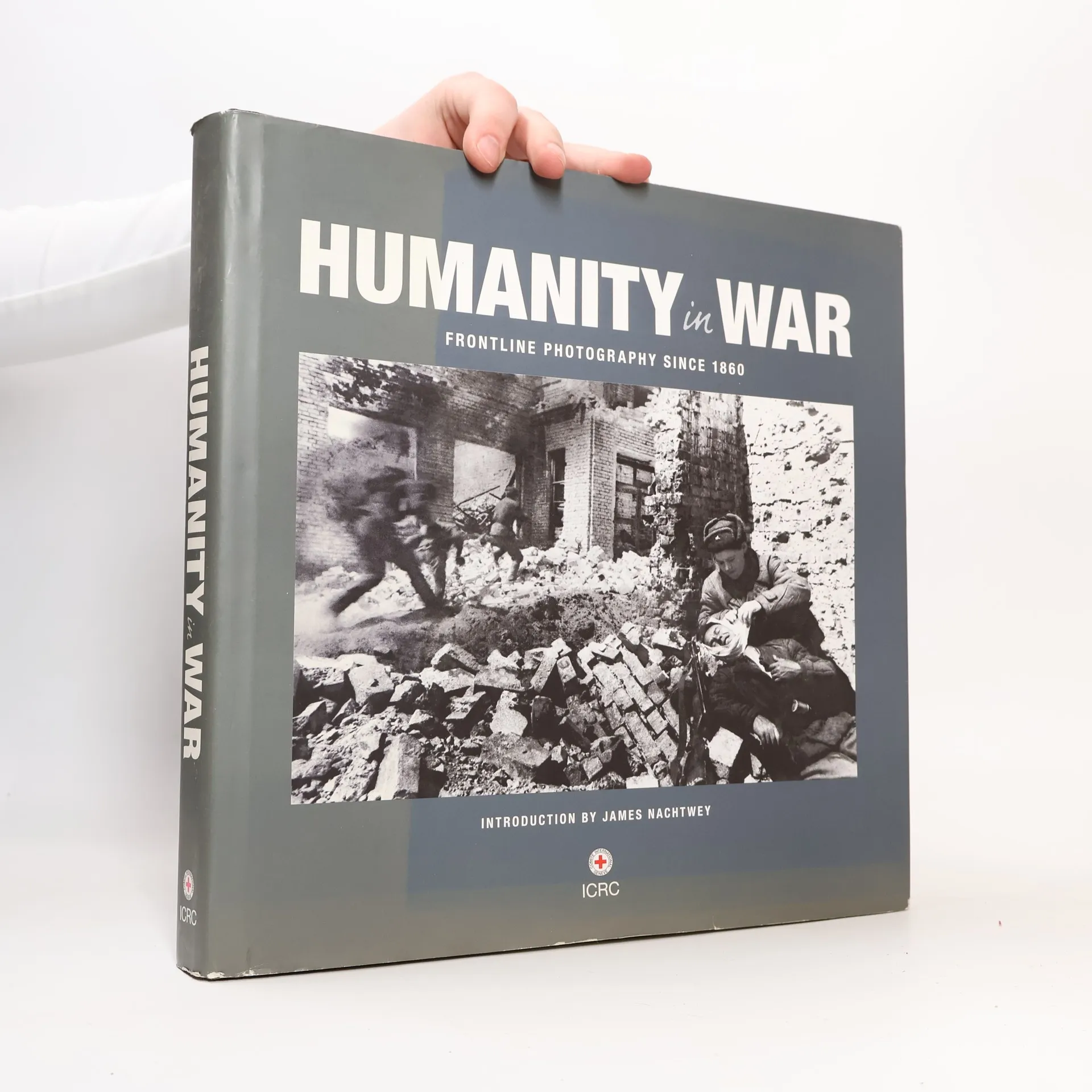
Published to commemorate the 150th anniversary of the Red Cross's founding idea at the Battle of Solferino, this work explores the history of the world's largest humanitarian organization through its remarkable photographic archive. These iconic images, part of an international campaign, document the harsh realities of war and highlight the Red Cross’s effectiveness in providing aid without discrimination. They also reflect the evolution of photography, showcasing moments from the American Civil War to contemporary works by renowned photographers like James Nachtwey and Sebastian Salgado. As warfare has transformed over the years, the Red Cross has adapted its mission, expanding beyond medical assistance to include educators, water specialists, nutritionists, and legal experts. Despite this evolution, its core activities—visiting detainees, facilitating prisoner exchanges, repatriating the wounded, tracing missing persons, and reconnecting families—remain vital. Caroline Moorehead, a biographer and journalist, has previously written about the International Committee of the Red Cross and Martha Gellhorn. James Nachtwey, an acclaimed American photojournalist, has received the Overseas Press Club's Robert Capa Gold Medal five times, underscoring his impact on war photography.
The nine hundred : the extraordinary young women of the first official transport to Auschwitz
- 416pages
- 15 heures de lecture
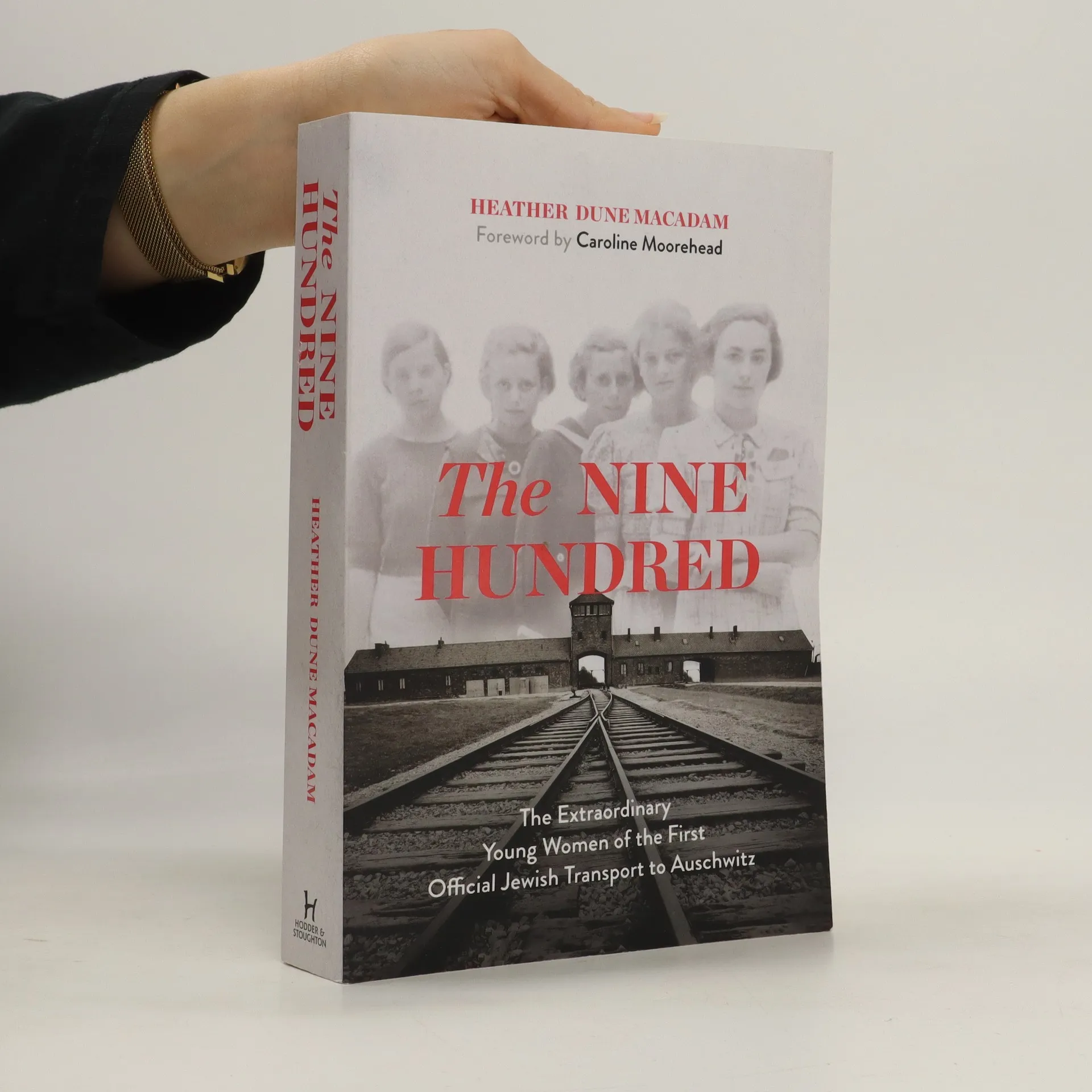
On March 25, 1942, nearly a thousand young, unmarried Jewish women boarded a train in Poprad, Slovakia. Filled with a sense of adventure and national pride, they left their parents' homes wearing their best clothes and confidently waving good-bye. Believing they were going to work in a factory for a few months, they were eager to report for government service. Instead, the young women-many of them teenagers-were sent to Auschwitz. Their government paid 500 Reichsmarks (about 160) apiece for the Nazis to take them as slave labour. Of those 999 innocent deportees, only a few would survive.The facts of the first official Jewish transport to Auschwitz are little known, yet profoundly relevant today. These were not resistance fighters or prisoners of war. There were no men among them. Sent to almost certain death, the young women were powerless and insignificant not only because they were Jewish-but also because they were female. Now, acclaimed author Heather Dune Macadam reveals their poignant stories, drawing on extensive interviews with survivors, and consulting with historians, witnesses, and relatives of those first deportees to create an important addition to Holocaust literature and women's history.
A Bold and Dangerous Family
- 448pages
- 16 heures de lecture
A gripping tale of intrigue... I was enormously moved Observer
This volume is the biography of a pioneer of field archeology, Heinrich Schliemann (1822-1890), retelling how Schliemann rose from grocer's apprentice in Germany to wealthy indigo merchant in St. Petersburg to his final re-creation as an archaeologist. Although Schliemann outraged scholars with his boastfulness, penchant for willful ambiguousness in his writings, and brutal methods of excavation, he amazed the world by discovering one of the most important and glorious sites in the history of mankind. The author emphasizes Schliemann's story to track the fate of Priam's Treasure. This cache of gold and other artifacts was discovered and stolen by Schliemann, later hidden by the Nazis, and then stolen and hidden by the Russians
A House in the Mountains
- 416pages
- 15 heures de lecture
In the late summer of 1943, when Italy changed sides in the War and the Germans - now their enemies - occupied the north of the country, an Italian Resistance was born. Ada, Frida, Silvia and Bianca were four young Piedmontese women who joined the Resistance, living clandestinely in the mountains surrounding Turin. They were not alone. Between 1943 and 1945, as the Allies battled their way north, thousands of men and women throughout occupied Italy rose up and fought to liberate their country from the German invaders and their Fascist collaborators. The bloody civil war that ensued across the country pitted neighbour against neighbour, and brought out the best and worst in Italian society. The courage shown by the partisans was exemplary, and eventually bound them together as a coherent fighting force. The women's contribution was invaluable - they fought, carried messages and weapons, provided safe houses, laid mines and took prisoners. Ada's house deep in the mountains became a meeting place and refuge for many of them
Edda Mussolini was Benito's favourite daughter- spoilt, venal, uneducated but clever, faithless but flamboyant, a brilliant diplomat, wild but brave, and ultimately strong and loyal. She was her father's confidante during the 20 years of Fascist rule, acting as envoy to both Germany and Britain, and playing a part in steering Italy to join forces with Hitler. From her early twenties she was effectively first lady of Italy. She married Galeazzo Ciano, who would become the youngest Foreign Secretary in Italian history, and they were the most celebrated and glamorous couple in elegant, vulgar Roman fascist society. Their fortunes turned in 1943, when Ciano voted against Mussolini in a plot to bring him down, and his father-in-law did not forgive him. In a dramatic story that takes in hidden diaries, her father's fall and her husband's execution, an escape into Switzerland and a period in exile, we come to know a complicated, bold and determined woman who emerges not just as a witness but as a key player in some of the twentieth century's defining moments. And we see Fascist Italy with all its glamour, decadence and political intrigue, and the turbulence before its violent end.
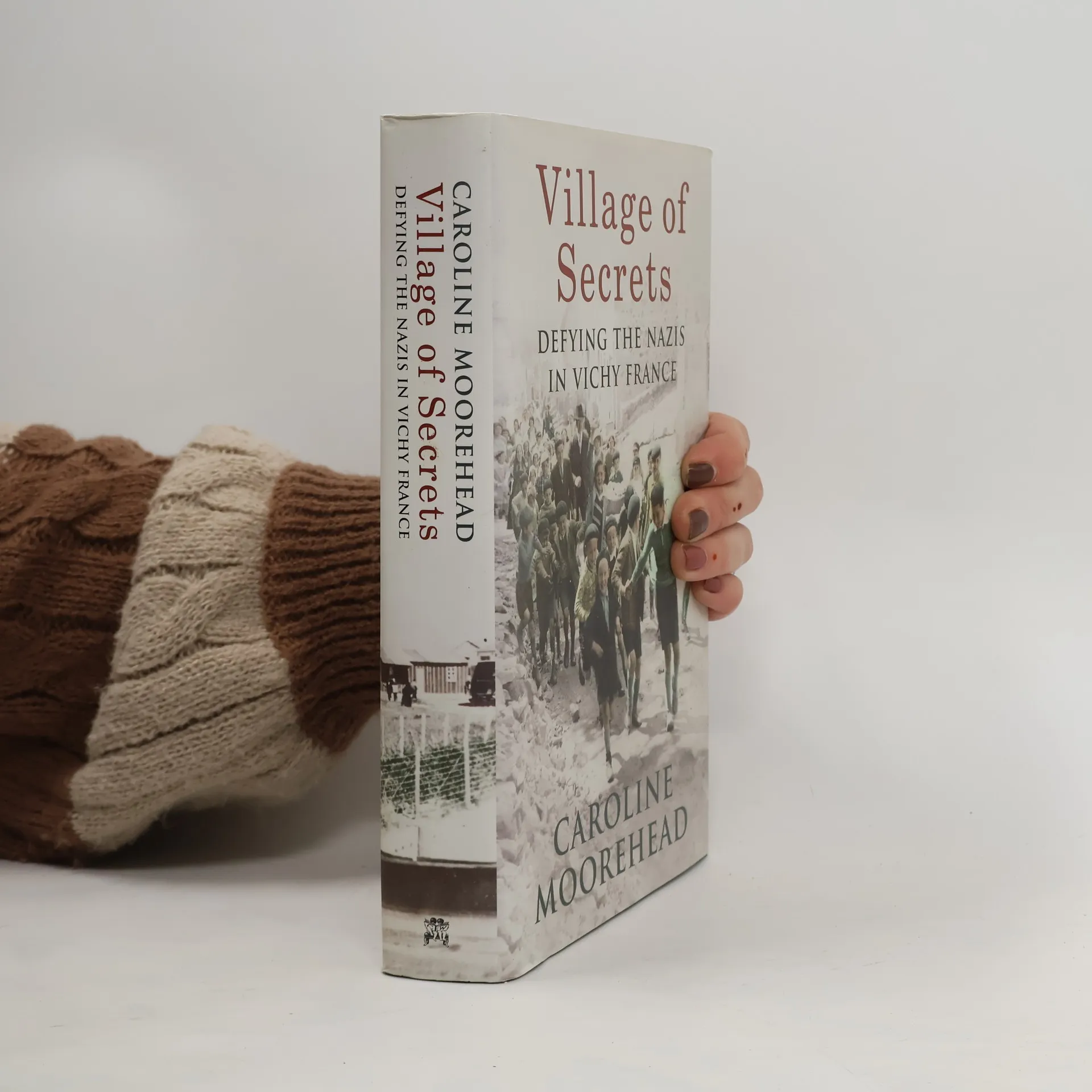
From the author of the bestseller A Train in Winter comes the remarkable tale of a French village that saved thousands, including many Jewish children, from the Gestapo during World War II. Le Chambon-sur-Lignon, a small village nestled in the mountains of the Ardèche, became a sanctuary for those pursued by the Nazis. Isolated by snow for long stretches in winter, its residents sheltered resisters, freemasons, communists, downed Allied airmen, and primarily Jews, many of whom were children separated from their deported parents. After the war, Le Chambon was uniquely recognized in its entirety in Yad Vashem's Dictionary of the Just. The full story of how this village managed to protect so many remains largely untold. Acclaimed biographer and historian Caroline Moorehead recounts a narrative of exceptional bravery and collective action against German rule. In a country notorious for denouncing Jews and resisters, not a single inhabitant of Le Chambon ever revealed the identities of those they sheltered. The village, united by a code of honor stemming from centuries of religious oppression, exemplifies how a small group of heroic individuals—many of them women—prioritized saving lives over their own safety, creating a powerful legacy of resistance and compassion.
"Edda Mussolini was the Italian dictator, Benito Mussolini's oldest and favorite child. At 19, she was married to Count Galleazzo Ciano, Il Duce's Minister for Foreign Affairs during the 1930s, the most turbulent decade in Italy's fascist history. In the years preceding World War II, Edda ruled over Italy's aristocratic families and the cultured and middle classes while selling Fascism on the international stage. How a young woman wielded such control is the heart of Caroline Moore's fascinating history. The issues that emerge reveal not only a great deal about the power of fascism, but also the ease with which dictatorship so easily took hold in a country weakened by war and a continent mired in chaos and desperate for peace. Drawing on a wealth of archival material, some newly released, along with memoirs and personal papers, Mussolini's Daughter paints a portrait of a woman in her twenties whose sheer force of character and ruthless narcissism helped impose a brutal and vulgar movement on a pliable and complicit society. Yet as Moorehead shows, not even Edda's colossal willpower, her scheming, nor her father's avowed love could save her husband from Mussolini's brutal vengeance." -- Publisher marketing