


En savoir plus sur le livre
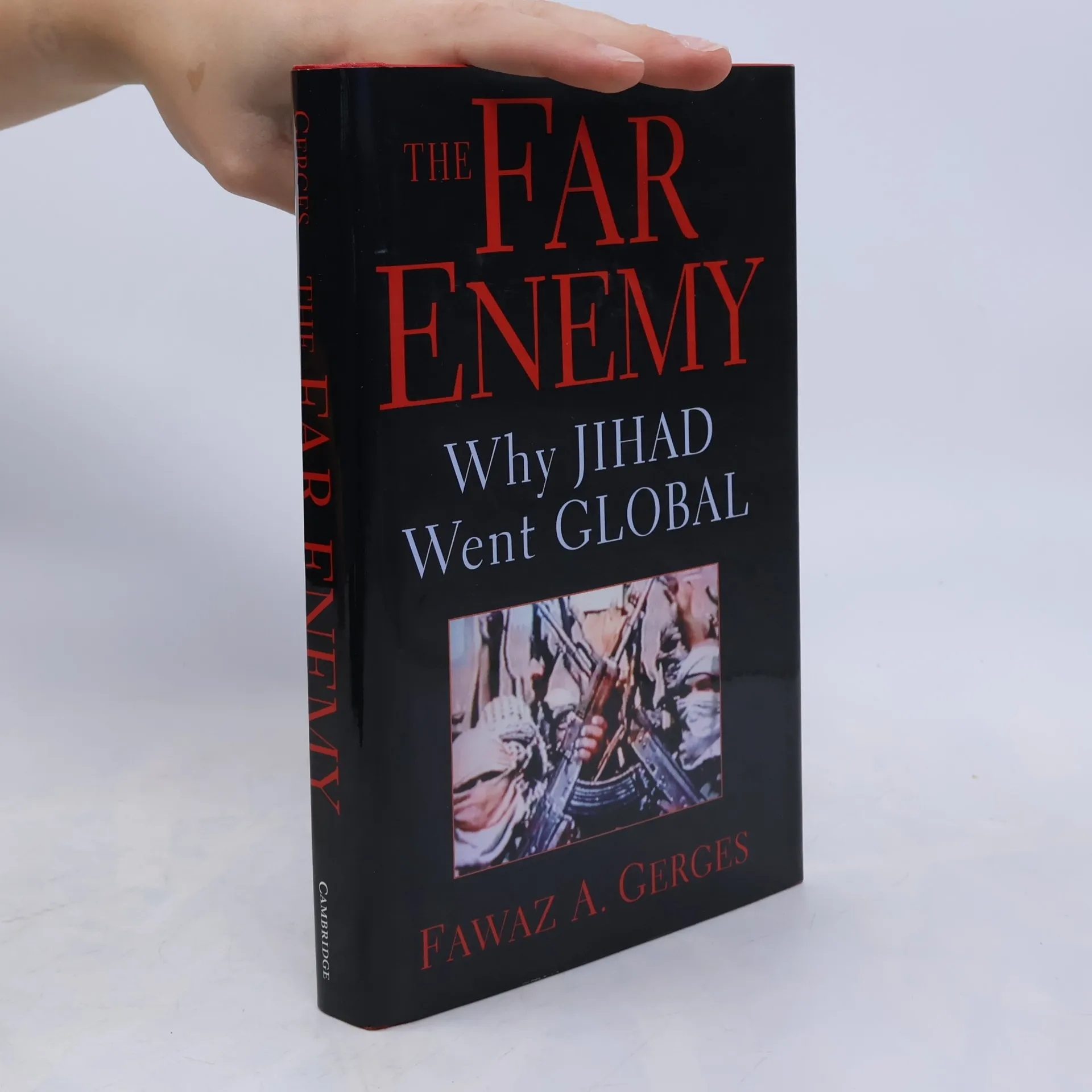
Since September 11, Al Qaeda has been portrayed as an Islamist front united in armed struggle, or jihad, against the Christian West. However, as the historian and commentator Fawaz A. Gerges argues, the reality is rather different and more complex. In fact, Al Qaeda represents a minority within the jihadist movement, and its strategies have been vehemently criticized and opposed by religious nationalists among the jihadis, who prefer to concentrate on changing the Muslim world rather than taking the fight global. It is this rift that led to the events of September 11 and that has dominated subsequent developments. Through several years of primary field research, the author unravels the story of the jihadist movement and explores how it came into being, the philosophies of its founding fathers, its structure, the rifts and tensions that split its ranks, and why some members, like Osama bin Laden and his deputy Ayman al-Zawahiri, favored international over local strategies in taking the war to the West. This is an articulate and original book that sheds light on the tactics used by the jihadis in the last three decades. As more alienated young Muslims are seduced into joining, the author asks where the jihadist movement is going and whether it can survive and shed its violent character. Fawaz A. Gerges holds the Christian A. Johnson Chair in International Affairs and Middle Eastern Studies at Sarah Lawrence College.He was educated at Oxford University and the London School of Economics and has previously been a Research Fellow at Harvard and Princeton universities. He is also a senior analyst and regular commentator for ABC television news. His books include America and Political Islam: Clash of Interests or Clash of Cultures? (Cambridge,1999) and The Journey of the Jihadis: A Biography of a State of Mind (Harcourt Press, 2006). He has written extensively on Arab and Muslim politics, Islamist movements, American foreign policy, and relations between the world of Islam and the West. His articles have appeared in several of the most prestigious journals and newspapers in the United States, Europe, and the Middle East.
Achat du livre
Cambridge Middle East Studies: The Far Enemy, Fawaz A. Gerges
- Langue

- Année de publication
- 2005
- Reliure
- (rigide),
- État du livre
- Très bon
- Prix
- 11,49 €
Modes de paiement
Personne n'a encore évalué .
- Titre
- Cambridge Middle East Studies: The Far Enemy
- Sous-titre
- Why Jihad Went Global
- Langue
- Anglais
- Auteurs
- Fawaz A. Gerges
- Éditeur
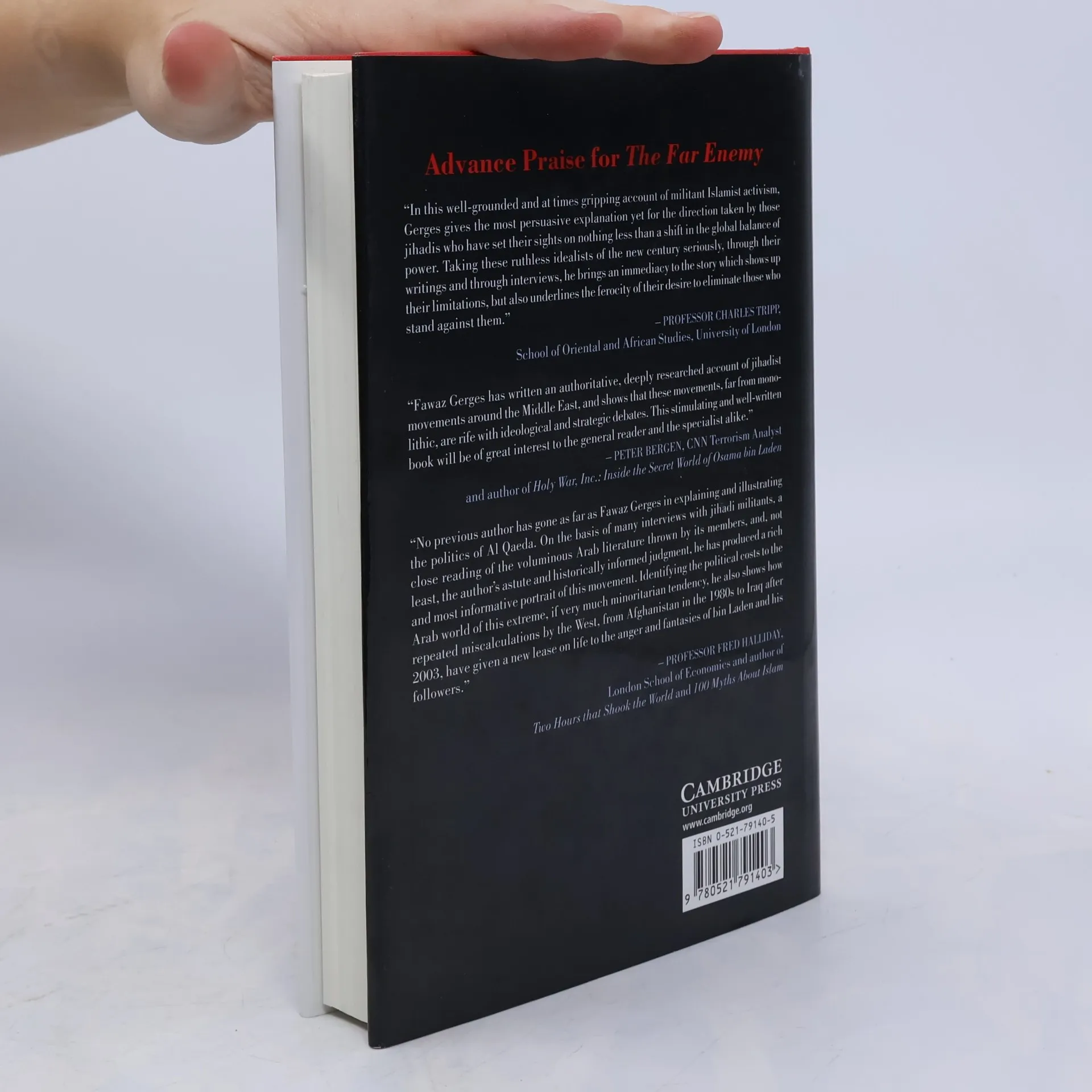
- Cambridge University Press
- Publié
- 2005
- Format
- rigide
- Pages
- 358
- ISBN10
- 0521791405
- ISBN13
- 9780521791403
- Séries
- Mots clés
- Nonfiction, Religion, Politique, Guerres, Théories politiques, Islam, Terrorisme, Islamisme, Jihad
- Description
- Since September 11, Al Qaeda has been portrayed as an Islamist front united in armed struggle, or jihad, against the Christian West. However, as the historian and commentator Fawaz A. Gerges argues, the reality is rather different and more complex. In fact, Al Qaeda represents a minority within the jihadist movement, and its strategies have been vehemently criticized and opposed by religious nationalists among the jihadis, who prefer to concentrate on changing the Muslim world rather than taking the fight global. It is this rift that led to the events of September 11 and that has dominated subsequent developments. Through several years of primary field research, the author unravels the story of the jihadist movement and explores how it came into being, the philosophies of its founding fathers, its structure, the rifts and tensions that split its ranks, and why some members, like Osama bin Laden and his deputy Ayman al-Zawahiri, favored international over local strategies in taking the war to the West. This is an articulate and original book that sheds light on the tactics used by the jihadis in the last three decades. As more alienated young Muslims are seduced into joining, the author asks where the jihadist movement is going and whether it can survive and shed its violent character. Fawaz A. Gerges holds the Christian A. Johnson Chair in International Affairs and Middle Eastern Studies at Sarah Lawrence College.He was educated at Oxford University and the London School of Economics and has previously been a Research Fellow at Harvard and Princeton universities. He is also a senior analyst and regular commentator for ABC television news. His books include America and Political Islam: Clash of Interests or Clash of Cultures? (Cambridge,1999) and The Journey of the Jihadis: A Biography of a State of Mind (Harcourt Press, 2006). He has written extensively on Arab and Muslim politics, Islamist movements, American foreign policy, and relations between the world of Islam and the West. His articles have appeared in several of the most prestigious journals and newspapers in the United States, Europe, and the Middle East.