


En savoir plus sur le livre
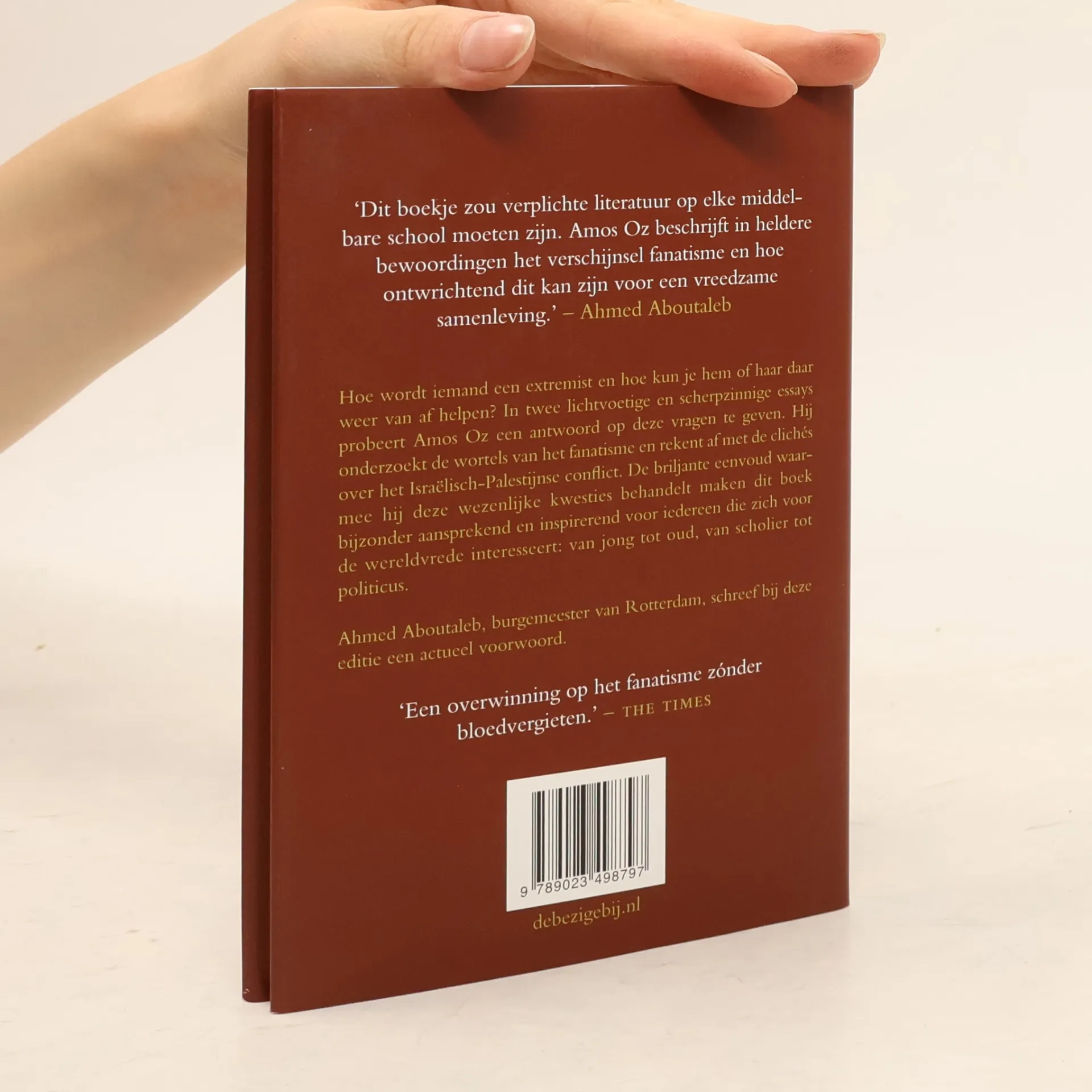
Internationally acclaimed novelist Amos Oz, who grew up in war-torn Jerusalem, offers powerful insights into fanaticism and a reasoned approach to the Israeli-Palestinian conflict in two concise essays. He argues that this conflict is fundamentally a real estate dispute rather than a clash of religions or cultures, emphasizing that resolution will come through painful compromise rather than increased understanding. Oz highlights that "the seeds of fanaticism always lie in uncompromising righteousness," a plague that has persisted for centuries. His essays are marked by brilliant clarity and a touch of ironic humor, breathing new life into an age-old debate. He underscores the importance of imagination in understanding and respecting others' spaces while analyzing the historical roots of Middle Eastern violence. In an extended interview, Oz addresses contemporary issues, including the Gaza pullout and the war in Iraq, and proposes a bold idea for Americans: a modern equivalent of the Marshall Plan to combat poverty and despair in the region. He advocates for tangible actions, such as building homes for Palestinian refugees who have languished in camps for decades. Fresh and inspiring, this work presents a voice of sanity in the tumultuous discourse surrounding Israeli-Palestinian relations—one that deserves attention.




Achat du livre
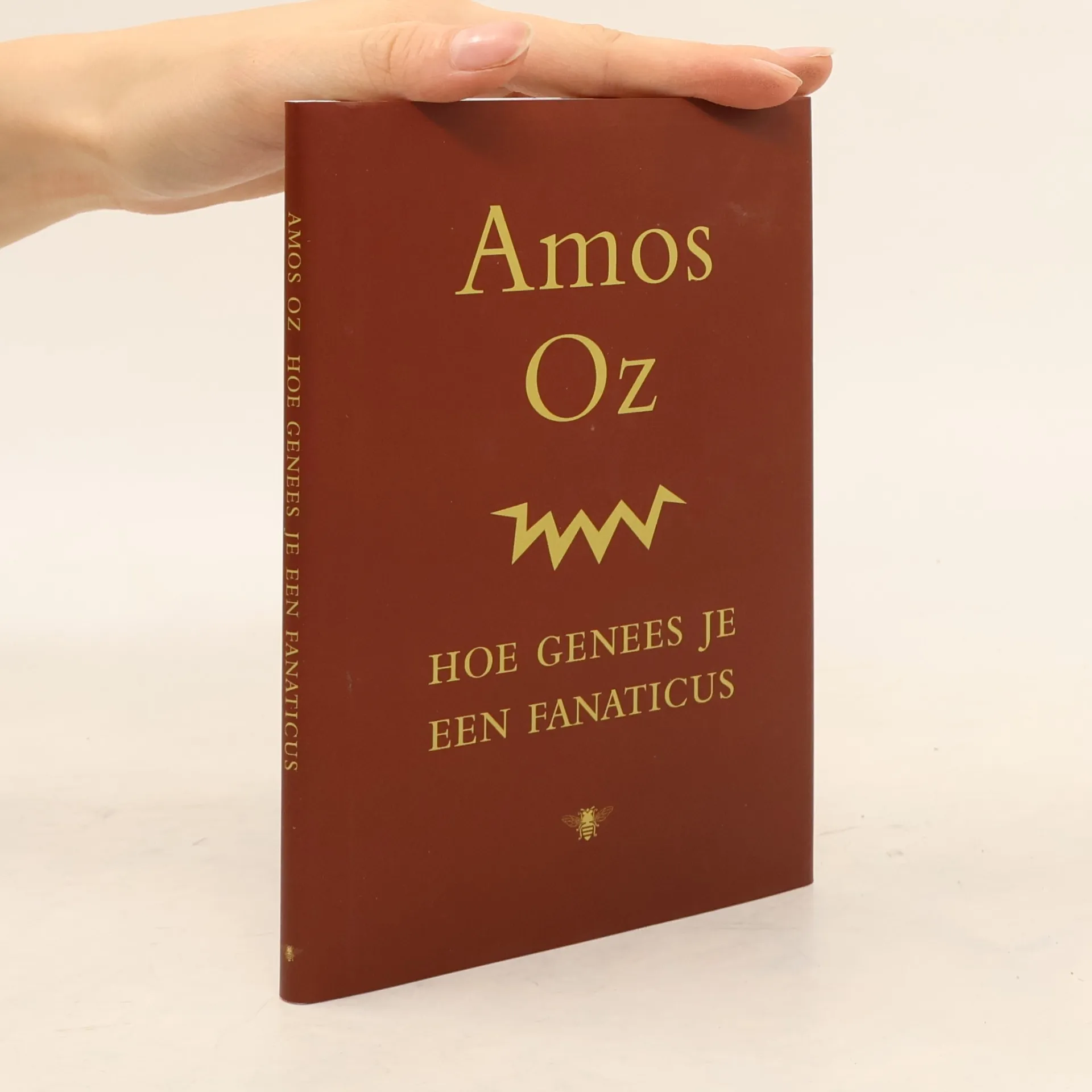
Hoe genees je een fanaticus, Amos Oz
- Langue

- Année de publication
- 2016
- Reliure
- (rigide),
- État du livre
- Bon
- Prix
- 24,99 €
Modes de paiement
Il manque plus que ton avis ici.
- Langue
- Néerlandais
- Auteurs
- Amos Oz
- Éditeur
- De Bezige Bij
- Publié
- 2016
- Format
- rigide
- Pages
- 64
- ISBN10
- 9023498798
- ISBN13
- 9789023498797
- Séries
- Mots clés
- Nonfiction, Sciences sociales, Thème historique, Histoire, Esotérisme & Religion, Histoires vraies, Sciences politiques & Politique, Thèmes religieux, Thématique philosophique, Philosophie, Politique, Presse d'opinion & Essais, Israël, Palestine
- Évaluation
- 3,25 sur 5
- Description
- Internationally acclaimed novelist Amos Oz, who grew up in war-torn Jerusalem, offers powerful insights into fanaticism and a reasoned approach to the Israeli-Palestinian conflict in two concise essays. He argues that this conflict is fundamentally a real estate dispute rather than a clash of religions or cultures, emphasizing that resolution will come through painful compromise rather than increased understanding. Oz highlights that "the seeds of fanaticism always lie in uncompromising righteousness," a plague that has persisted for centuries. His essays are marked by brilliant clarity and a touch of ironic humor, breathing new life into an age-old debate. He underscores the importance of imagination in understanding and respecting others' spaces while analyzing the historical roots of Middle Eastern violence. In an extended interview, Oz addresses contemporary issues, including the Gaza pullout and the war in Iraq, and proposes a bold idea for Americans: a modern equivalent of the Marshall Plan to combat poverty and despair in the region. He advocates for tangible actions, such as building homes for Palestinian refugees who have languished in camps for decades. Fresh and inspiring, this work presents a voice of sanity in the tumultuous discourse surrounding Israeli-Palestinian relations—one that deserves attention.