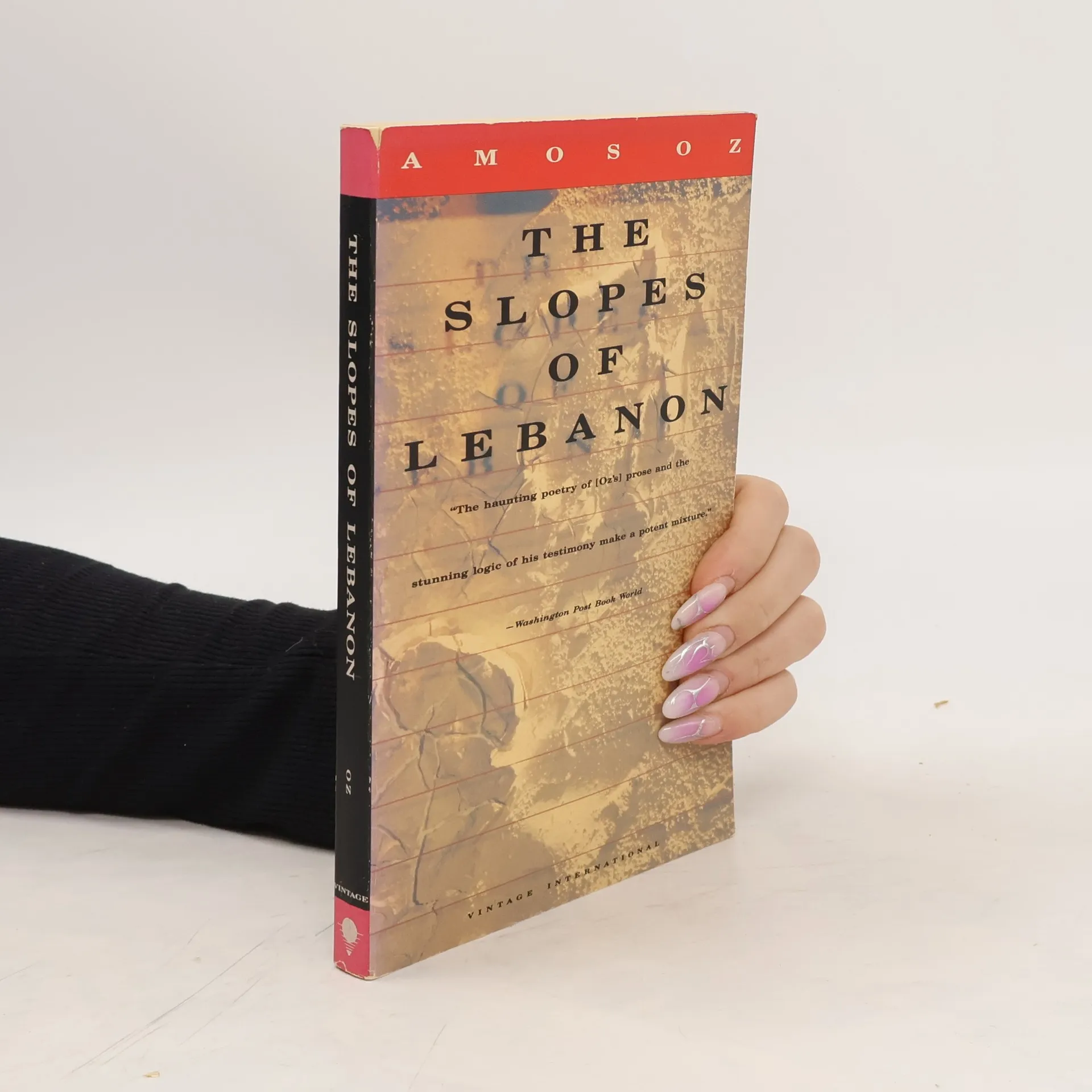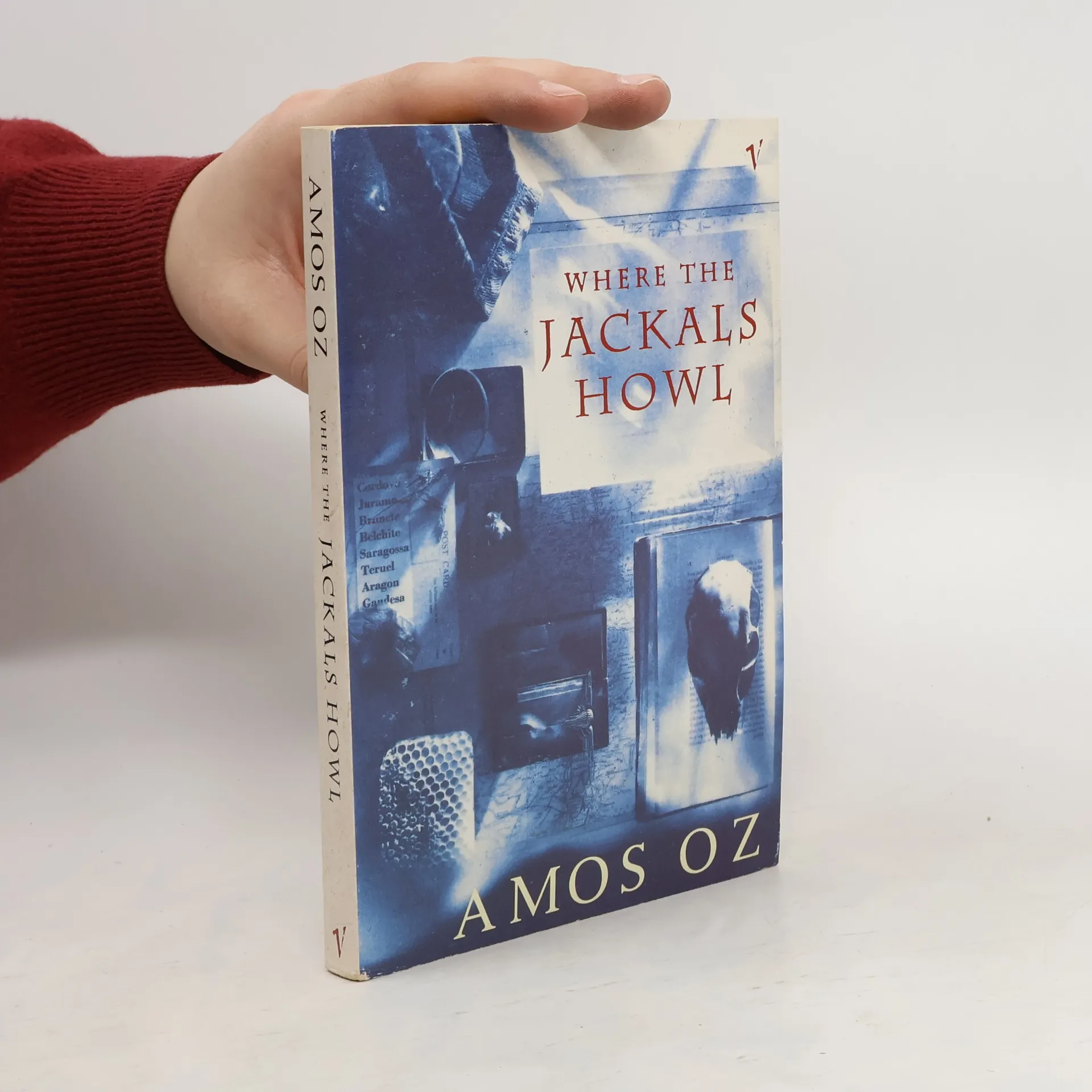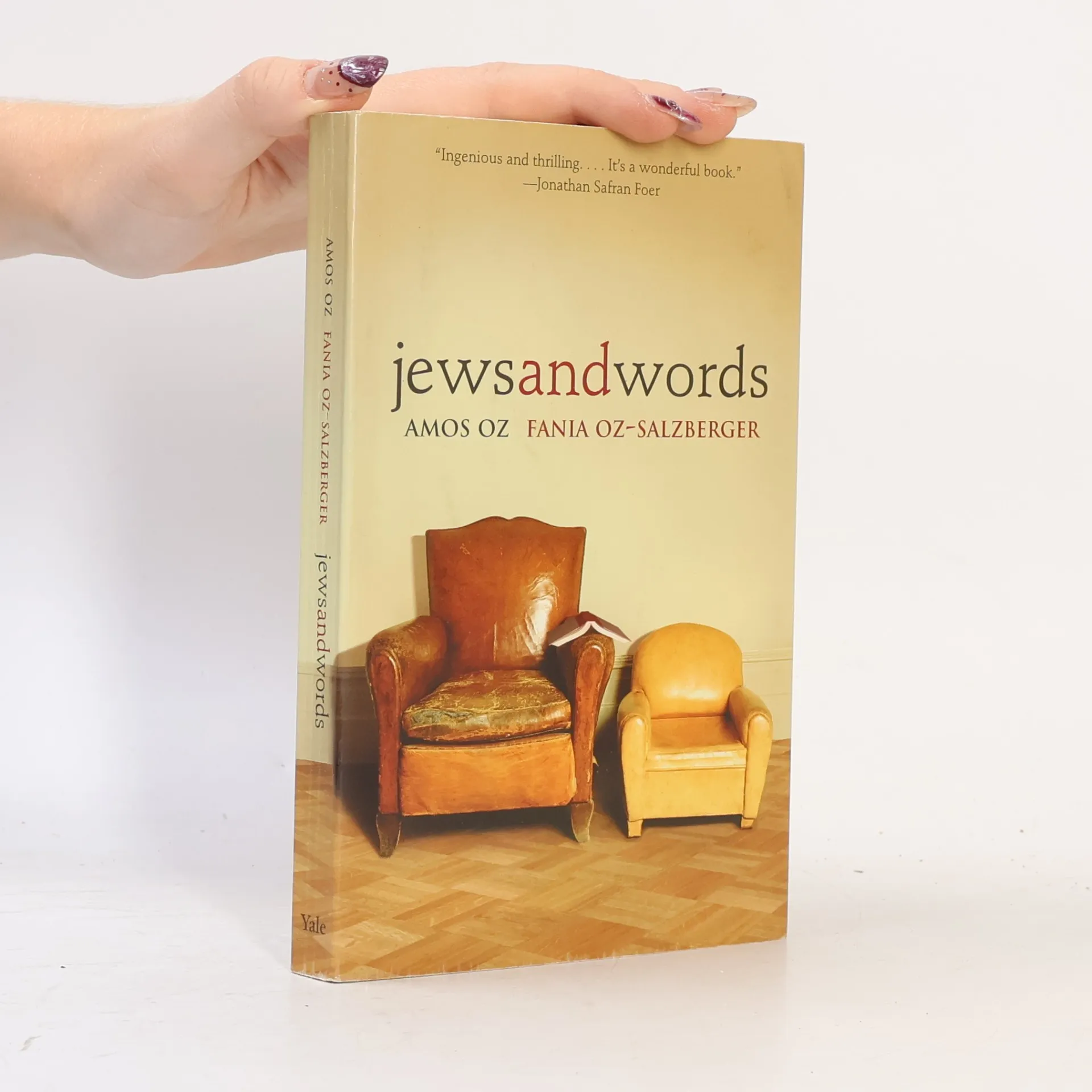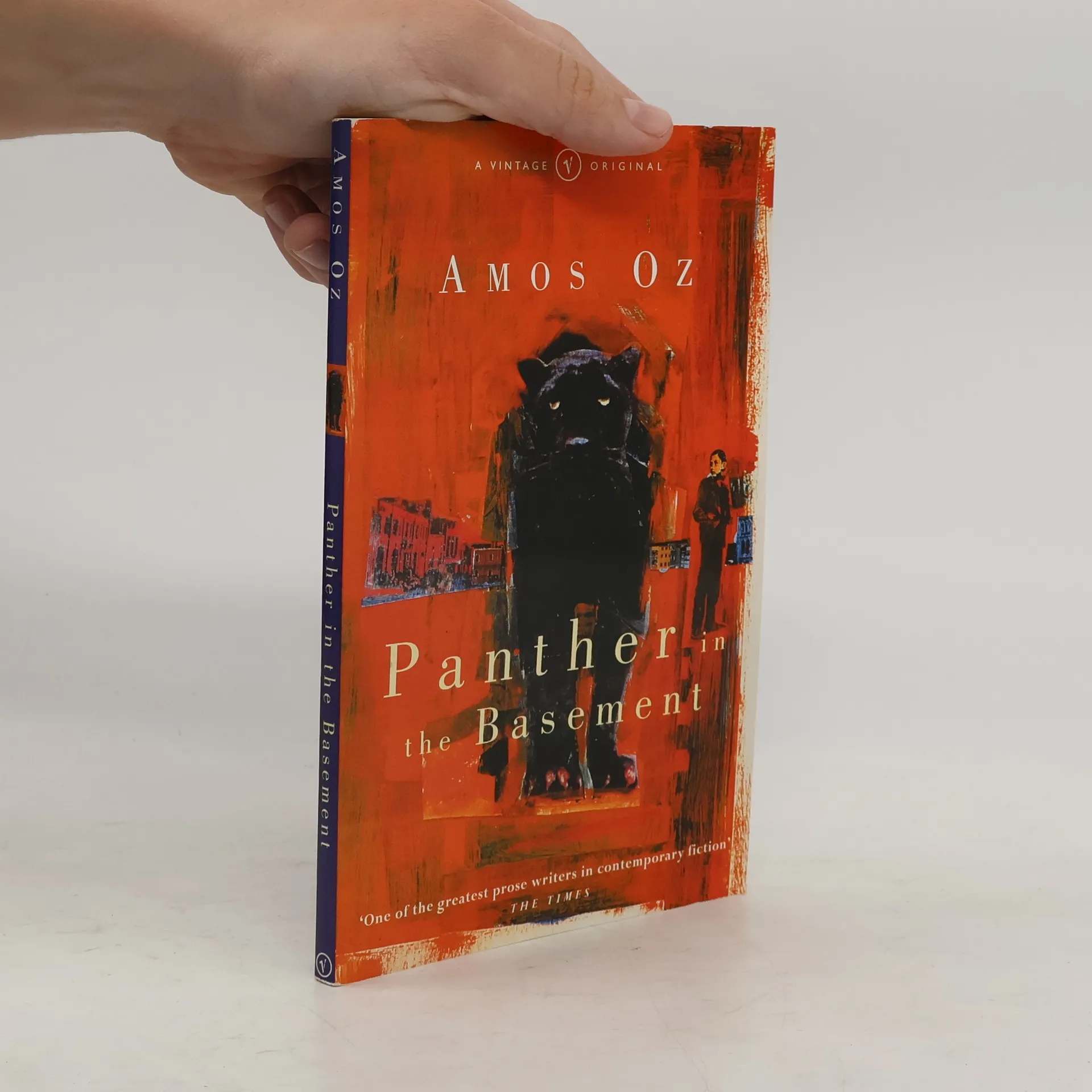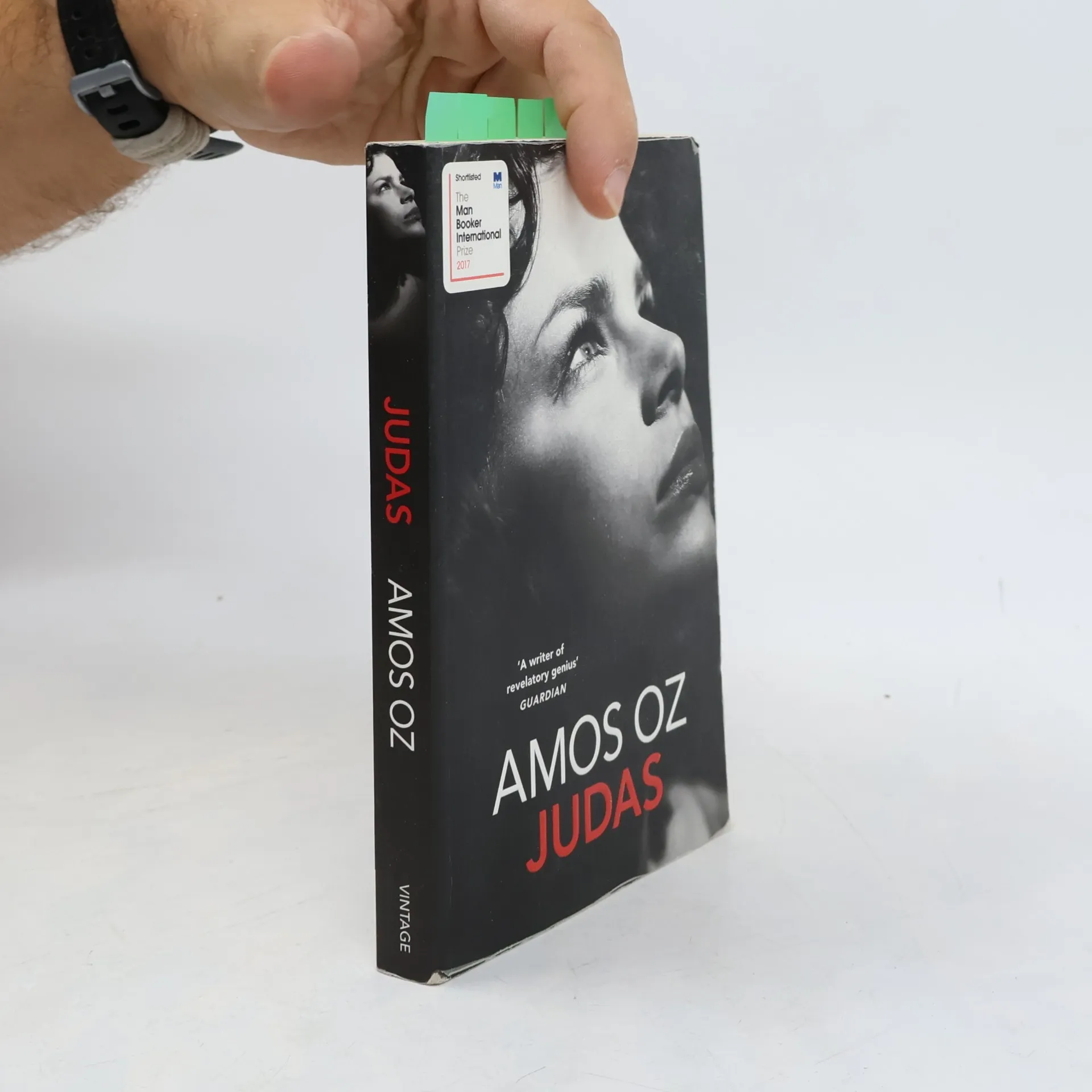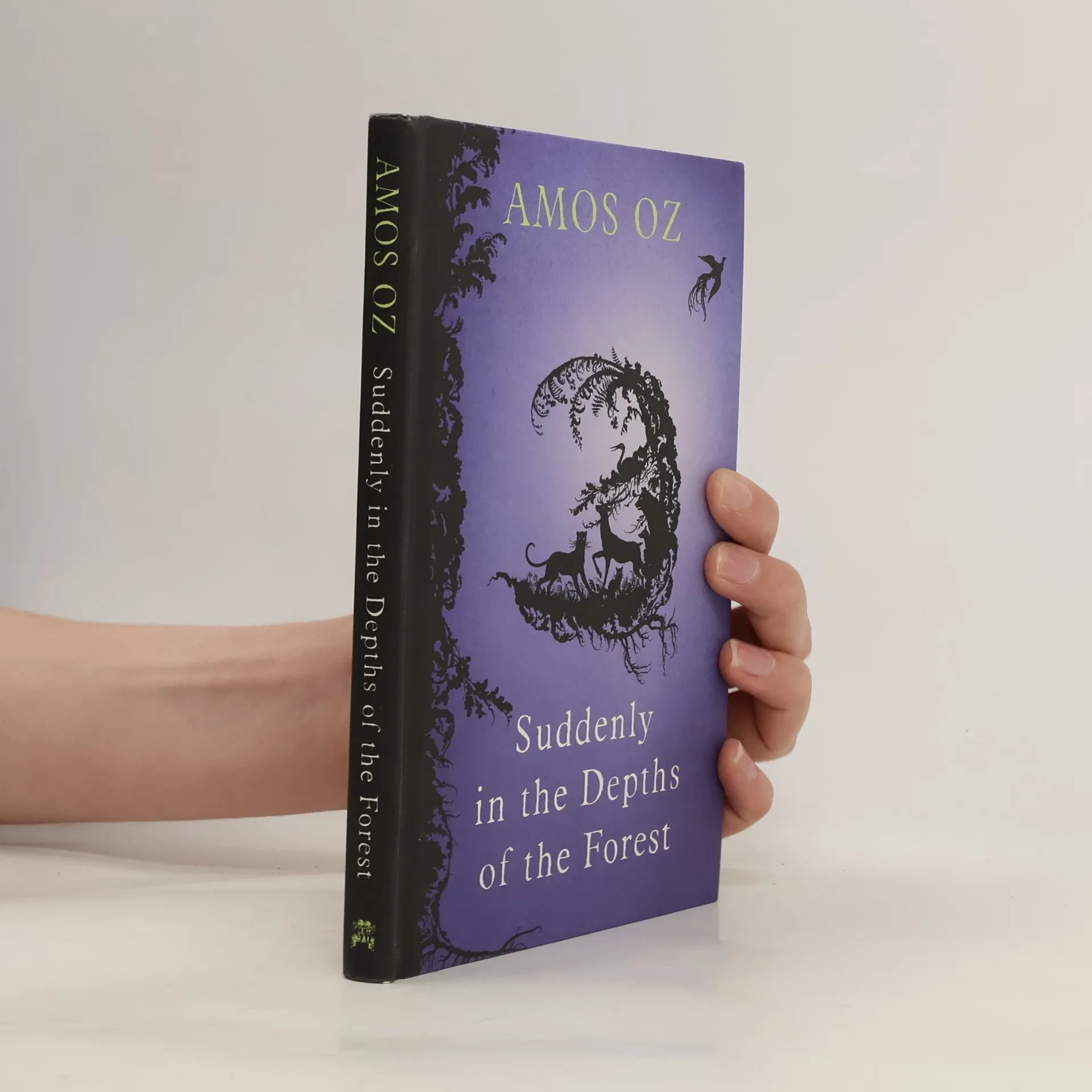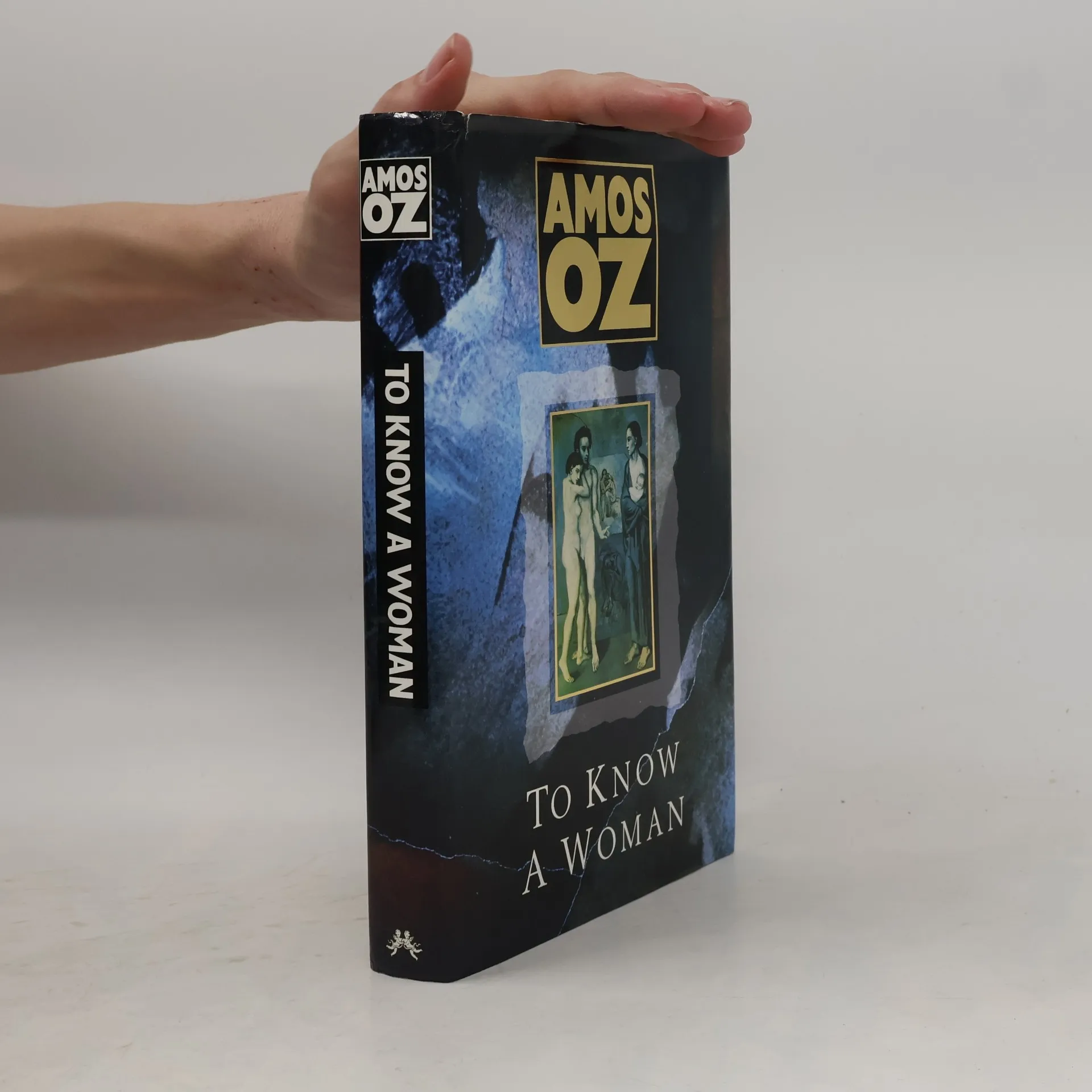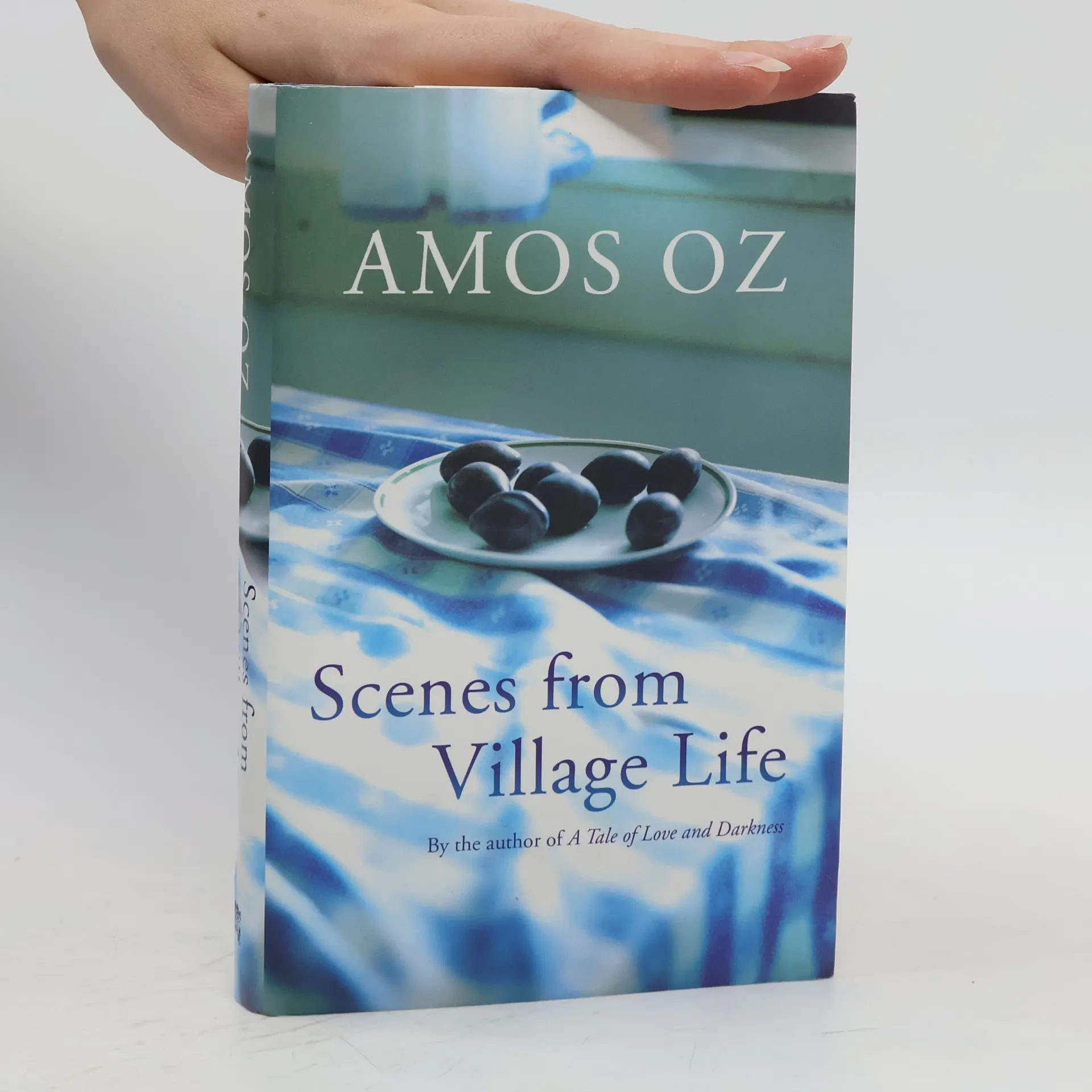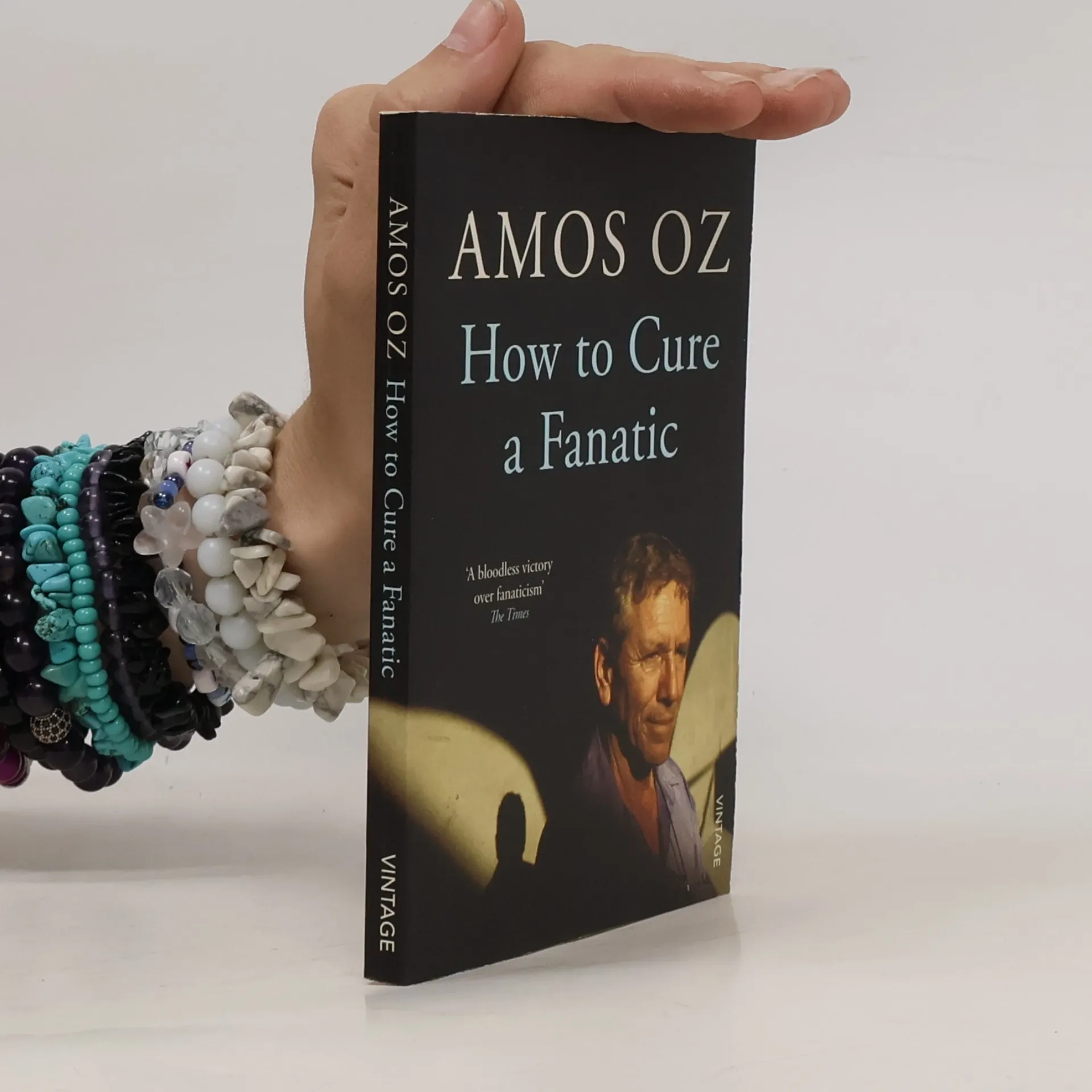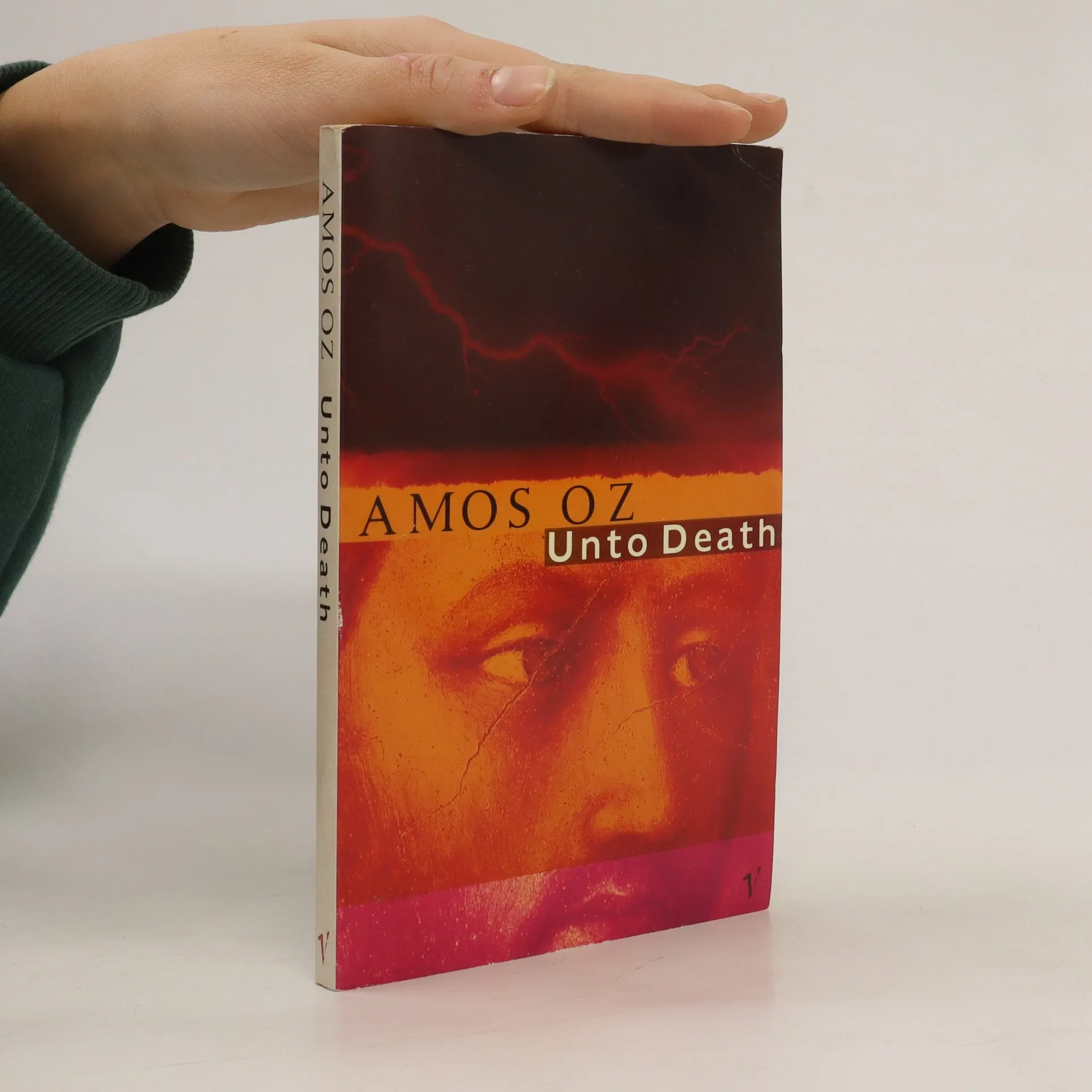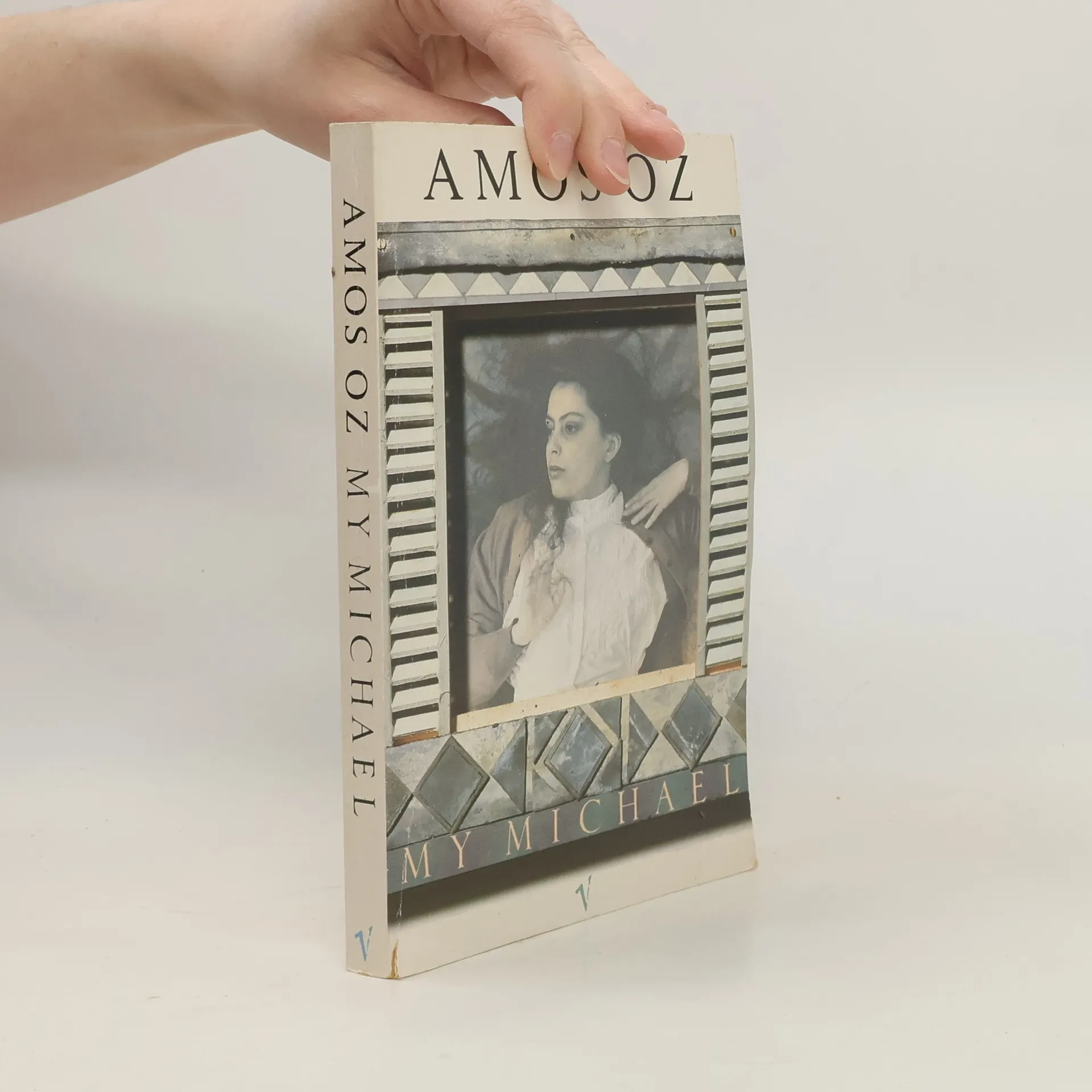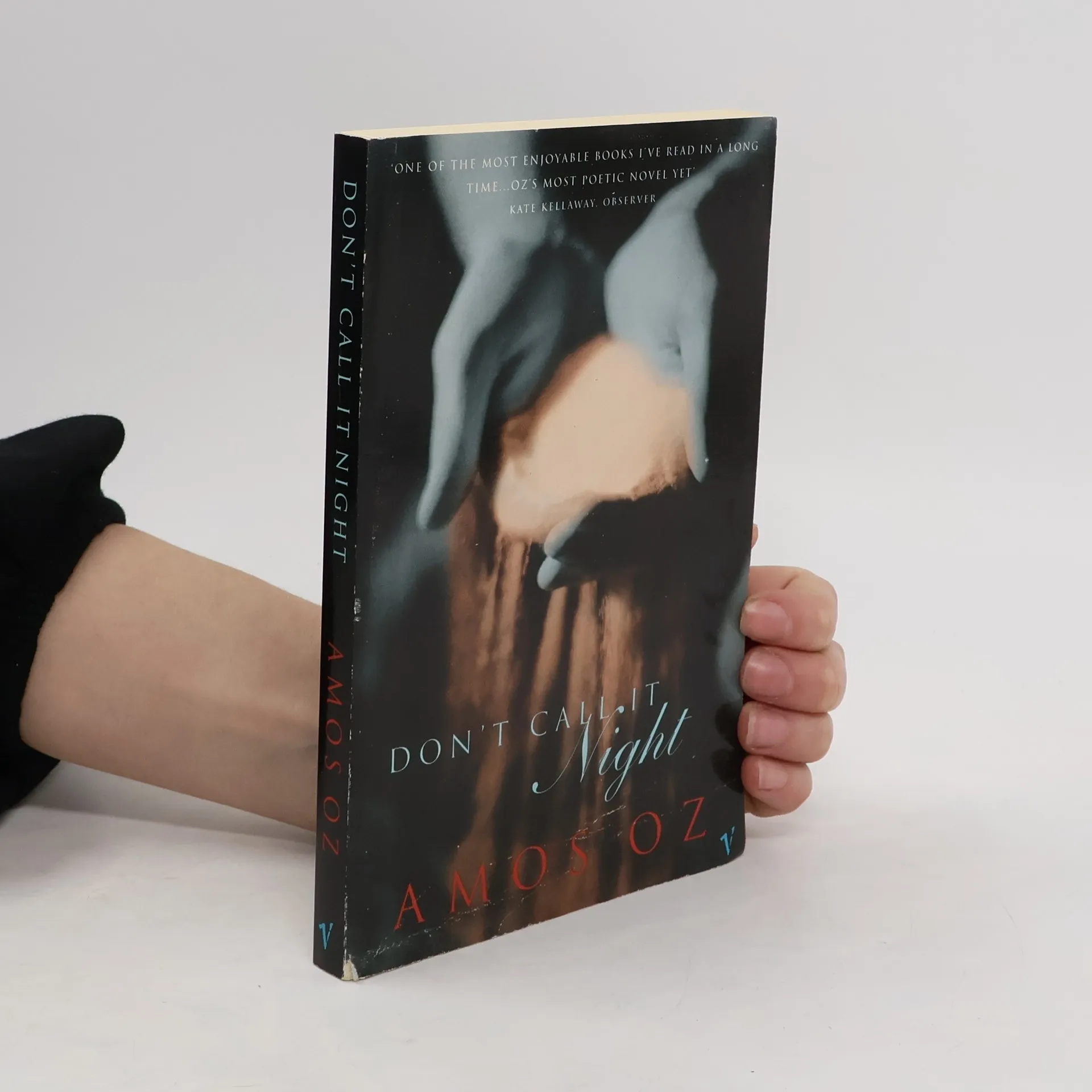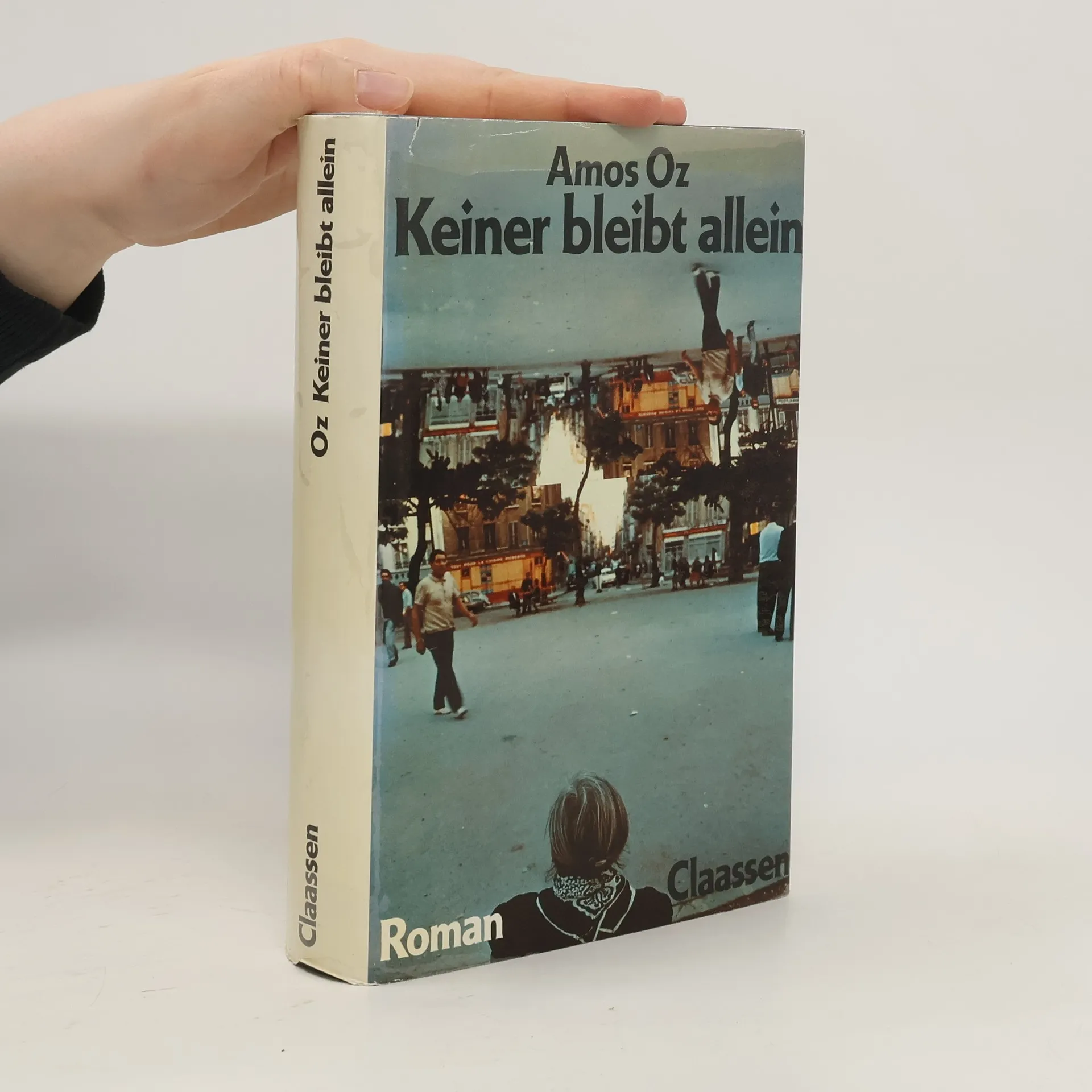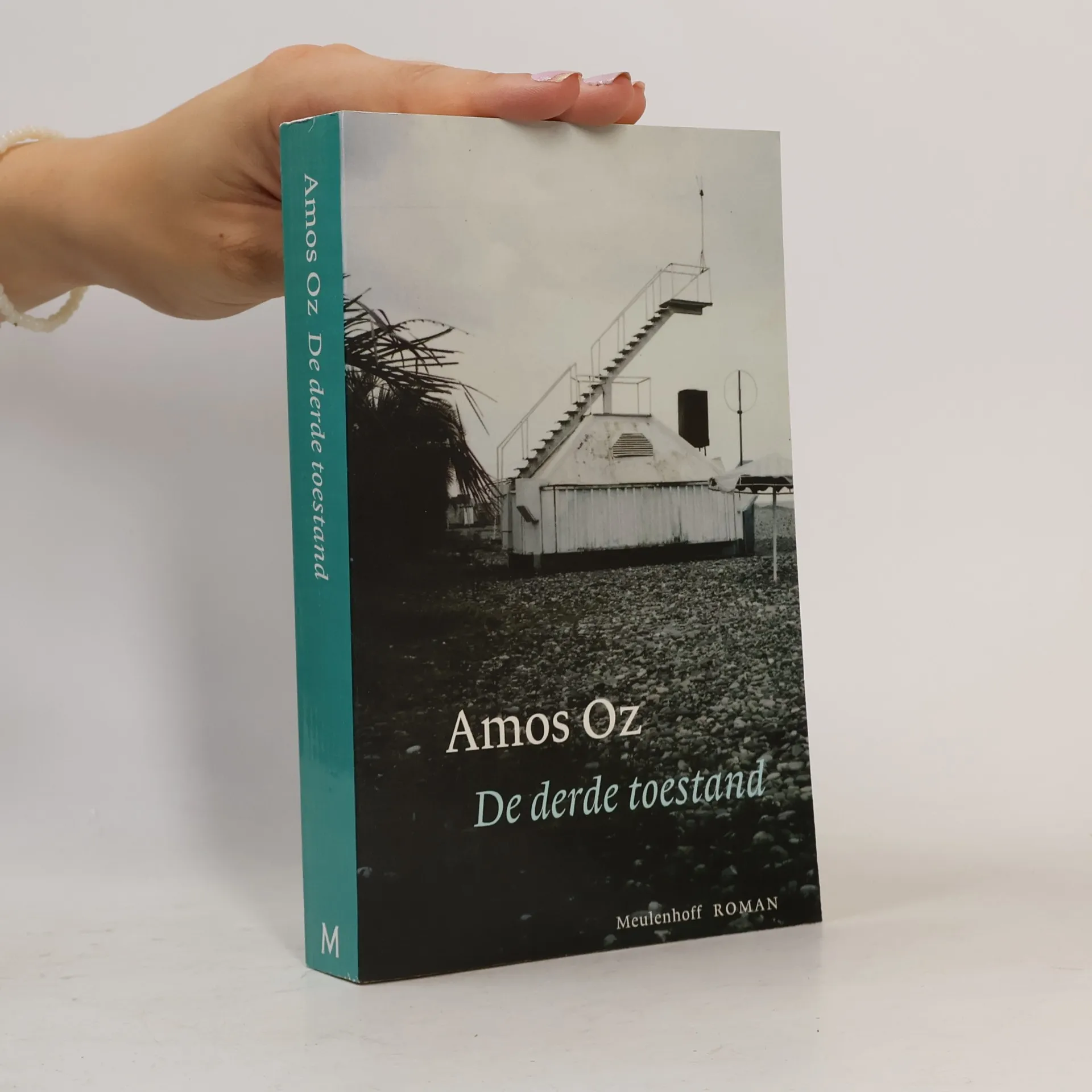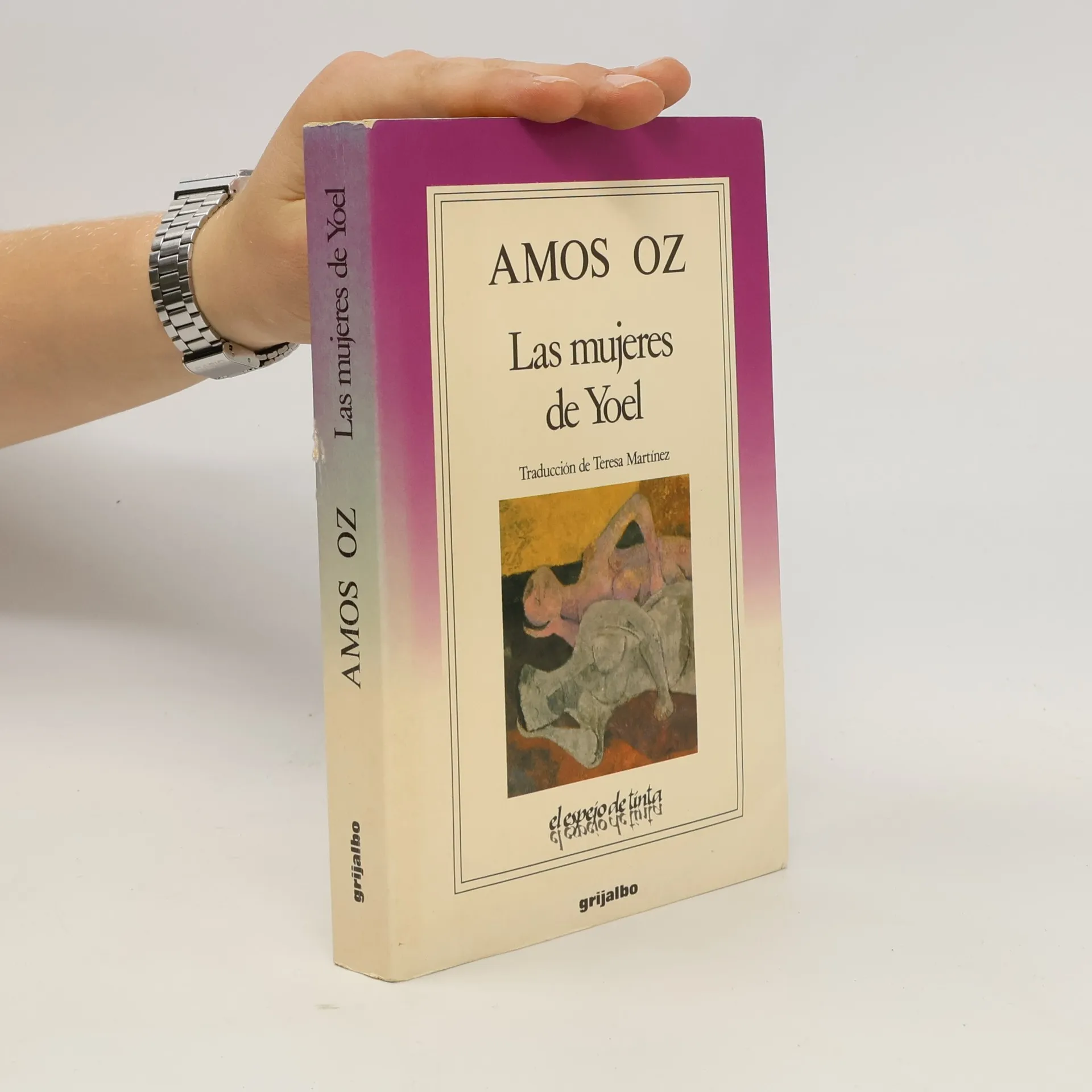

Bookbot

Amos Oz

    4 mai 1939 – 28 décembre 2018

    Amos Oz était un auteur israélien dont les œuvres ont obtenu une large reconnaissance et traduction. Son écriture explorait souvent les complexités de la société israélienne et de l'identité juive. Oz examinait les relations humaines et les dilemmes moraux avec une perspicacité pénétrante de la psyché humaine. Son style littéraire était réputé pour son élégance et sa capacité à capturer l'essence des sujets qu'il abordait.

    Amos Oz
    Scenes from Village Life
    In the Land of Israel
    What Makes an Apple?
    La Boîte Noire
    La troisième sphère
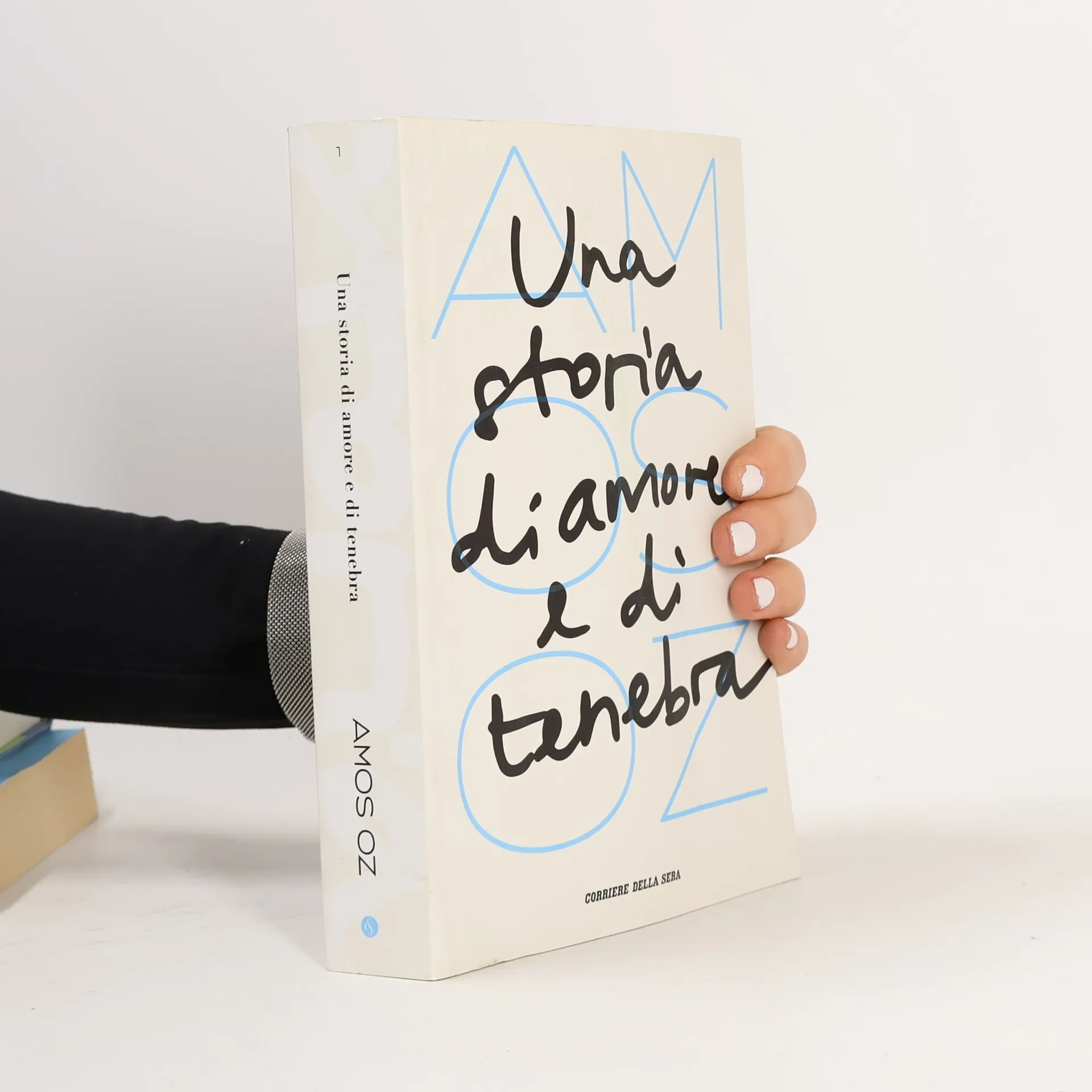
    Une histoire d'amour et de ténèbres
    • Une histoire d'amour et de ténèbres

      • 864pages
      • 31 heures de lecture
      4,3(7471)Évaluer

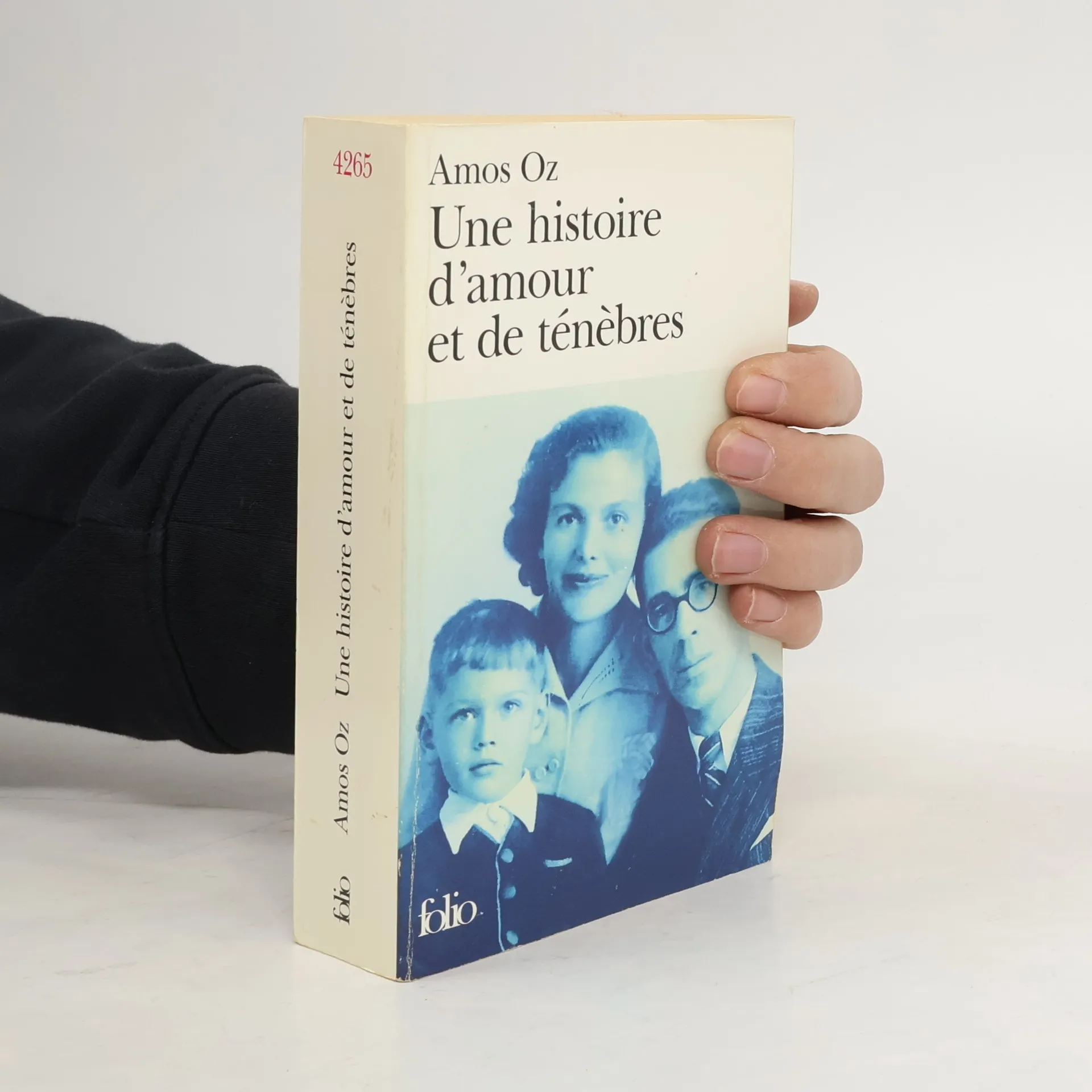
      « Tu veux jouer à inventer des histoires ? Un chapitre chacun ? Je commence ? Il était une fois un village que ses habitants avaient déserté. Même les chats et les chiens étaient partis. Et les oiseaux aussi. » Le petit garçon qui joue ainsi à inventer des histoires à la demande de sa mère est devenu un grand romancier. Sa mère n'est plus là, mais il tient malgré tout à poursuivre le récit de l'existence tumultueuse de sa famille et de ses aïeux. Son récit quitte donc le quartier modeste de Jérusalem où il est né, remonte le temps, retourne en Ukraine et en Lituanie, et fait revivre tous les acteurs de cette tragi-comédie familiale, qu'ils soient prophète tolstoïen, séducteur impénitent, mauvais poète, kibboutznik idéaliste, ou vrai savant. Leurs vies sont parfois broyées par la grande Histoire – l'Europe les rejette, l'Orient se montre hostile – et toujours marquées par leurs propres drames intimes, illusions perdues et rêves avortés. Au cœur d'une narration riche, d'une ampleur et d'une puissance romanesque jusque-là inconnues dans l'œuvre d'Amos Oz, la disparition tragique de la mère demeure la question à laquelle ce roman cherche une réponse. Une histoire d'amour et de ténèbres est un livre bouleversant où l'histoire d'un peuple et la vérité d'un homme se confondent.
      Une histoire d'amour et de ténèbres
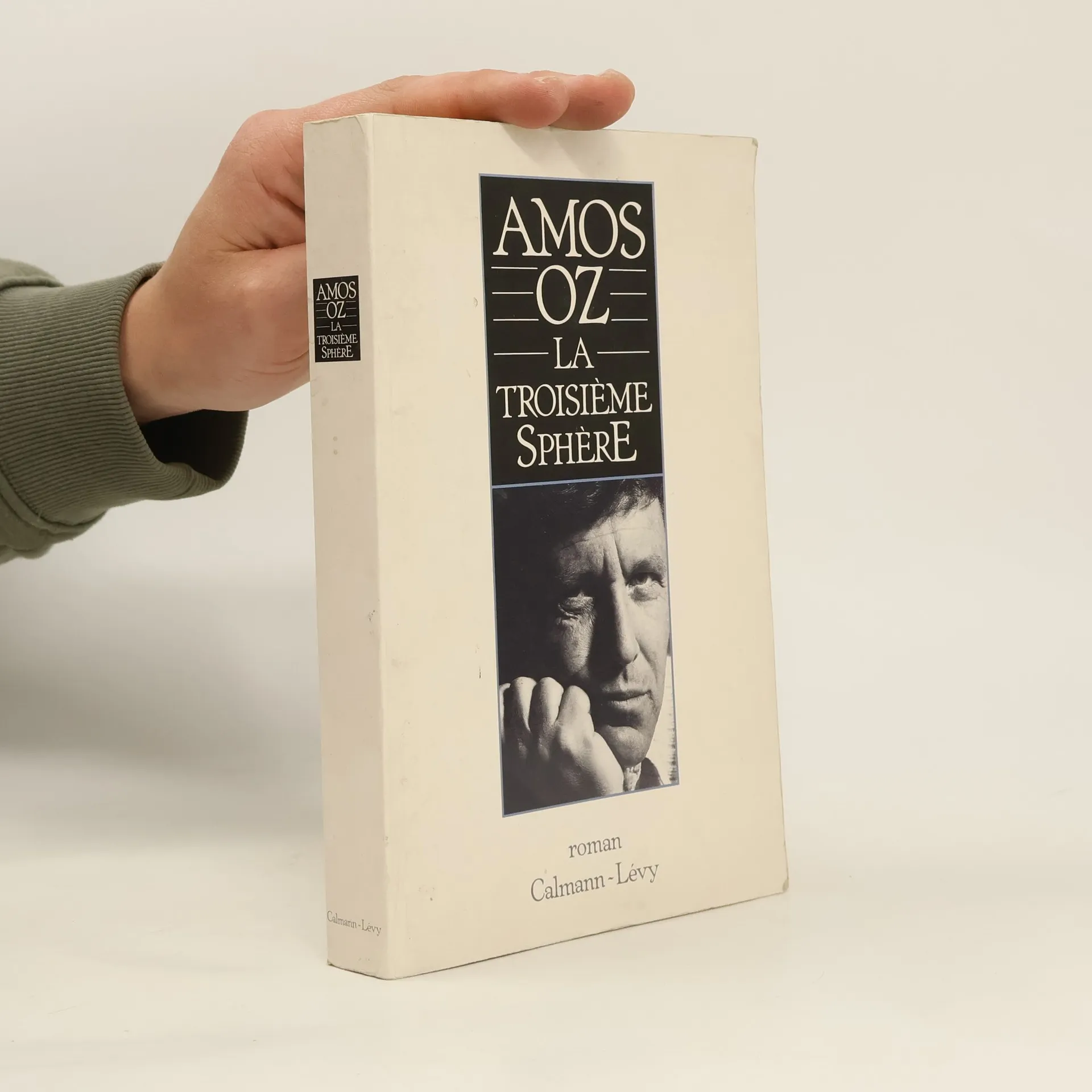
    • « Au fil des années, il en était quelques-uns qui avaient fini par apprécier l'étonnant amalgame de vivacité et d'absence, de tristesse et d'enthousiasme, de subtilité et d'impuissance, de profondeur et de bouffonnerie qui lui était propre. "Tiens, voilà Fima, disait-on. Encore à gesticuler pour démontrer qu'il a raison. On parie qu'il va gagner?" » Fima a cinquante-quatre ans. Divorcé, sans enfant, réceptionniste dans une clinique gynécologique, il possède d'exceptionnels talents que masque sa fainéantise. Lui qui sait distinguer le bien du mal, saura-t-il un jour mettre son savoir en pratique? Amos Oz nous raconte l'hilarante existence d'un dilettante, un homme de bonne volonté aux prises avec la vie et l'Histoire.

      La troisième sphère
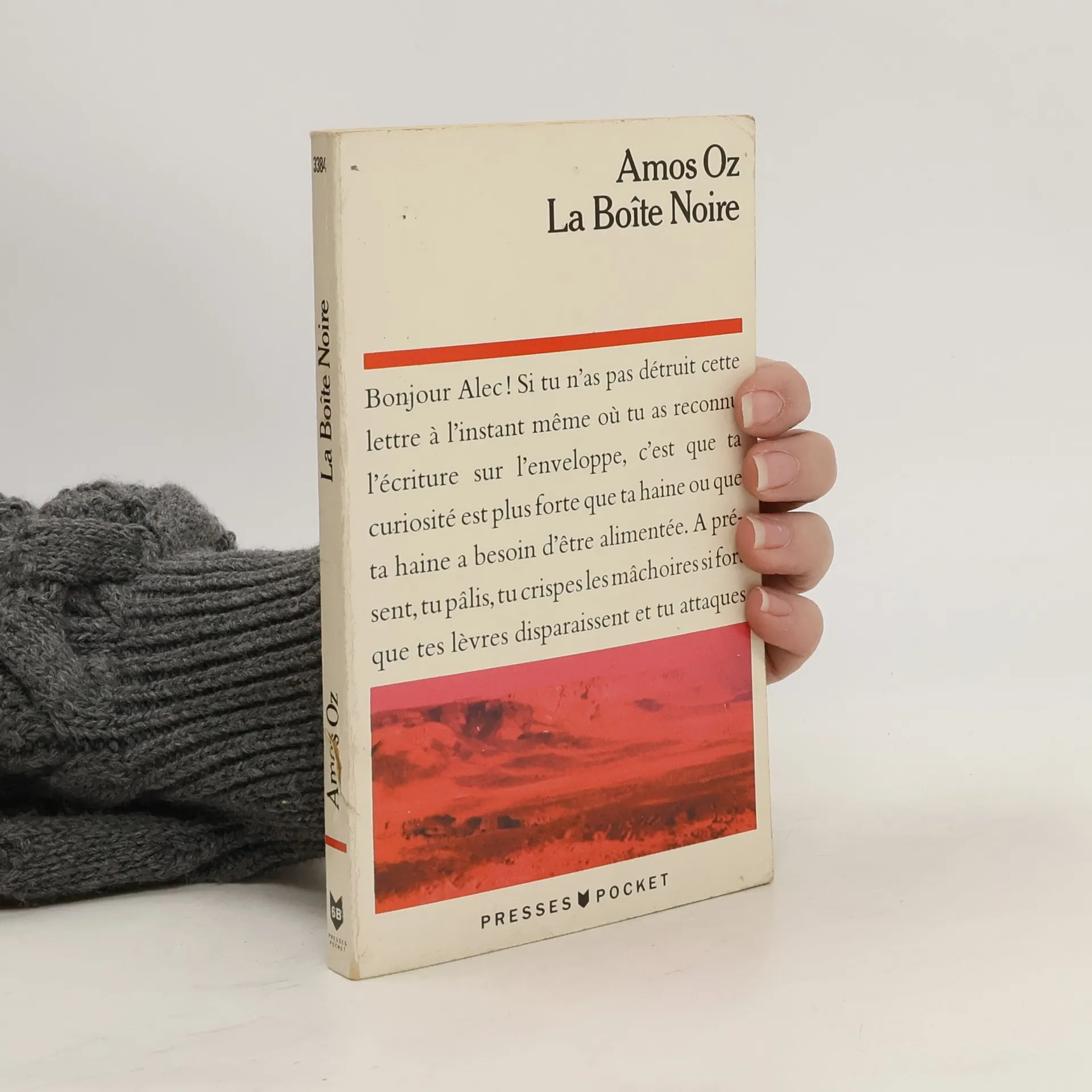
    • « Bonjour Alec ! Si tu n’as pas détruit cette lettre à l’instant même où tu as reconnu l’écriture sur l’enveloppe, c’est que ta curiosité est plus forte que ta haine ou que ta haine a besoin d’être alimentée. » Ainsi commence la première lettre d’Ilana à son ex-mari, Alec, après sept ans de silence. Il est devenu un intellectuel de renommée internationale et vit aux États-Unis. Elle s’est remariée à Michel Sommo, un juif sépharade religieux, et vit en Israël. Leur correspondance prend d’abord pour sujet Boaz, leur fils, une graine de voyou. Mais bien vite leurs échanges restituent leur vie passée : comme, après une catastrophe aérienne, le contenu de la boîte noire. Amoz Oz construit un étonnant roman épistolaire sur la manipulation au sein des familles. Il dessine, à partir de l’histoire intime de trois personnages, un portrait de l’Israël contemporain.

      La Boîte Noire
    • This book features six conversations between Amos Oz and Shira Hadad, who was his editor for the novel Judas. Conducted toward the end of Oz's life, these interviews delve into his thoughts on various themes that shaped his life and career, including writing, guilt, love, death, and the afterlife. In the first interview, "A Heart Pierced by an Arrow," Oz shares his journey to becoming a writer and discusses the challenges of his writing process. "Sometimes" reflects on his insights into men, women, and relationships. "A Room of Your Own" outlines his growth as a writer on the kibbutz and his decision to leave. In "When Someone Beats up Your Child," he addresses the critical reception of his work, while "What No Writer Can Do" covers his experiences teaching literature and his views on contemporary literary instruction. The final piece, "The Lights Have Been Changing Without Us for a Long Time," offers his reflections on fellow writers and the changes he has observed in himself and others over time. The title is inspired by a passage in the first interview, where Oz likens a story to an apple, formed from various elements yet distinct from them.

      What Makes an Apple?
    • In the Land of Israel

      • 272pages
      • 10 heures de lecture
      4,2(571)Évaluer

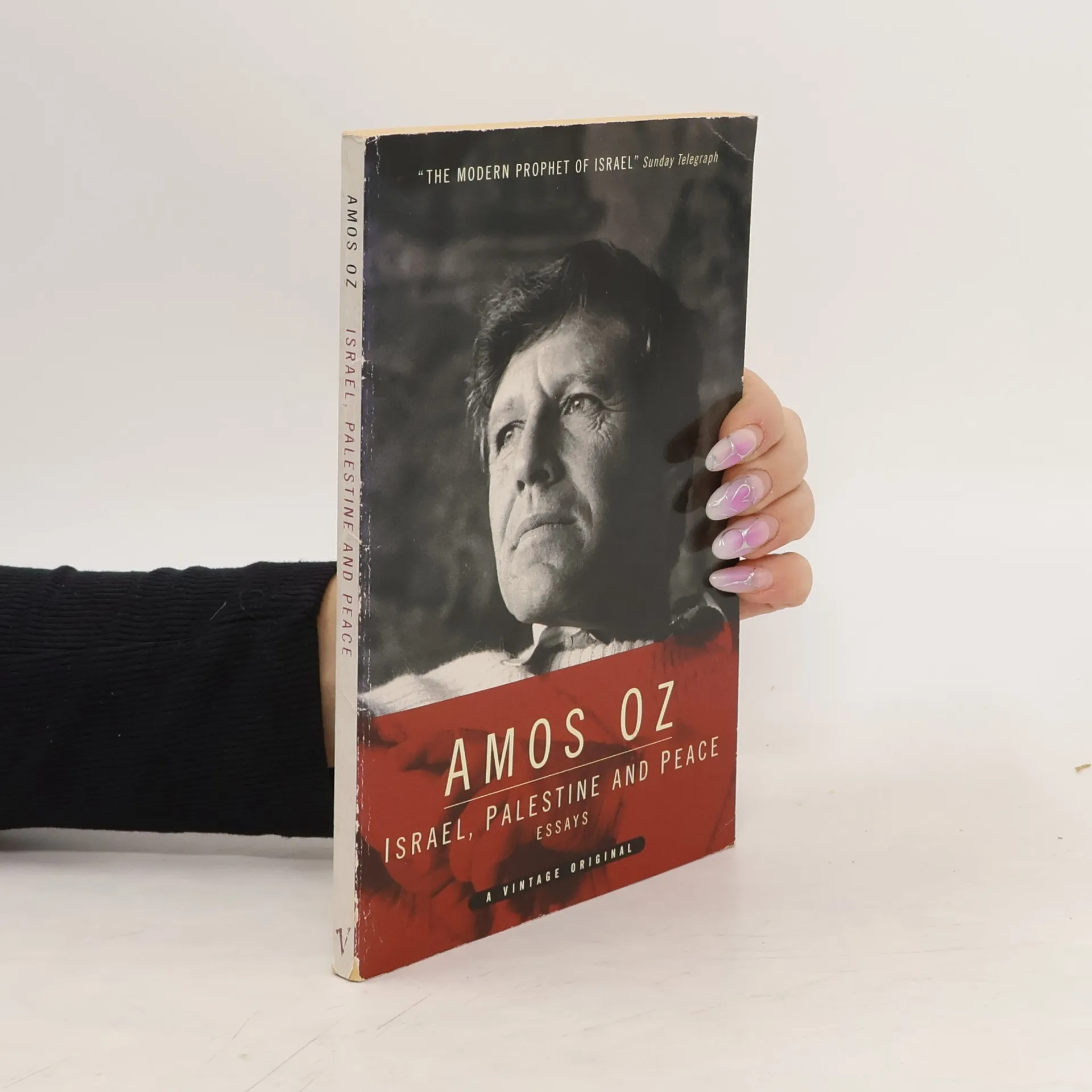
      "An exemplary instance of a writer using his craft to come to grips with what is happening politically and to illuminate certain aspects of Israeli society that have generally been concealed by polemical formulas." --"The New York Times" Notebook in hand, Amos Oz traveled throughout Israel and the West Bank in the early 1980s to talk with workers, soldiers, religious zealots, aging pioneers, new immigrants, desperate Arabs, and visionaries, asking them questions about Israel's past, present, and future. What he heard is set down here in those distinctive voices, alongside Oz's observations and reflections. A classic insider's view of a land whose complex past and troubled present make for an uncertain future. "Oz's vignettes . . . wondrously re-create whole worlds with an economy of words." --"Philadelphia Inquirer"

      In the Land of Israel
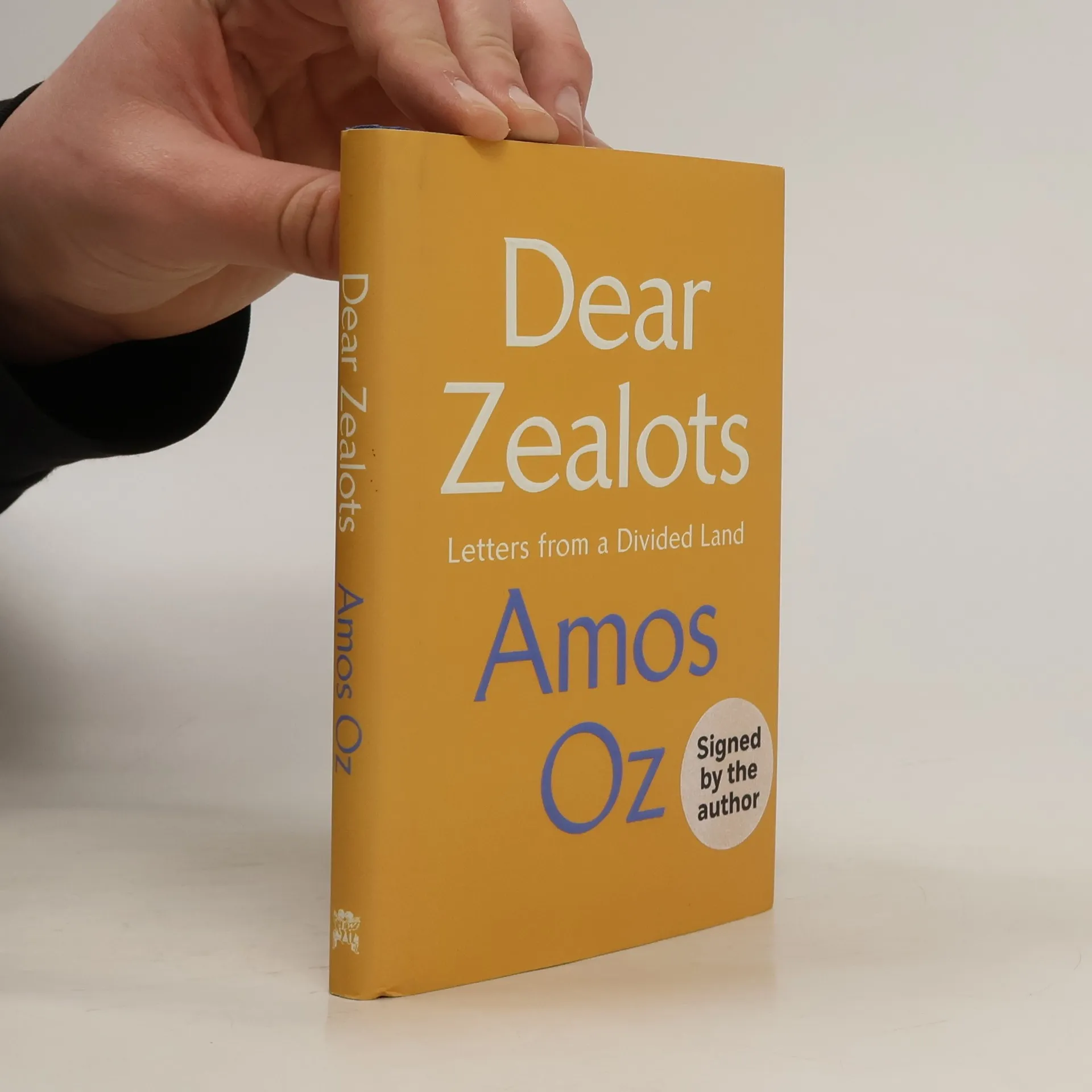
    • Dear Zealots

      • 144pages
      • 6 heures de lecture
      4,1(234)Évaluer

      'Concise, evocative... Dear Zealots is not just a brilliant book of thoughts and ideas - it is a depiction of the struggle of one man who, for decades, has insisted on keeping a sharp, strident and lucid perspective in the face of chaos and at times of madness' David Grossman, winner of the Man Booker International Prize This essential collection of three new essays was written out of a sense of urgency, concern, and a belief that a better future is still possible. It touches on the universal nature of fanaticism and its possible cures; the Jewish roots of humanism and the need for a secular pride in Israel; and the geopolitical standing of Israel in the wider Middle East and internationally. Amos Oz boldly puts forward his case for a two-state solution in what he calls 'a question of life and death for the State of Israel'. Wise, provocative, moving and inspiring, these essays illuminate the argument over Israeli, Jewish and human existence, shedding a clear and surprising light on vital political and historical issues, and daring to offer new ways out of a reality that appears to be closed down.

      Dear Zealots
    • Between friends

      • 208pages
      • 8 heures de lecture
      4,1(1321)Évaluer

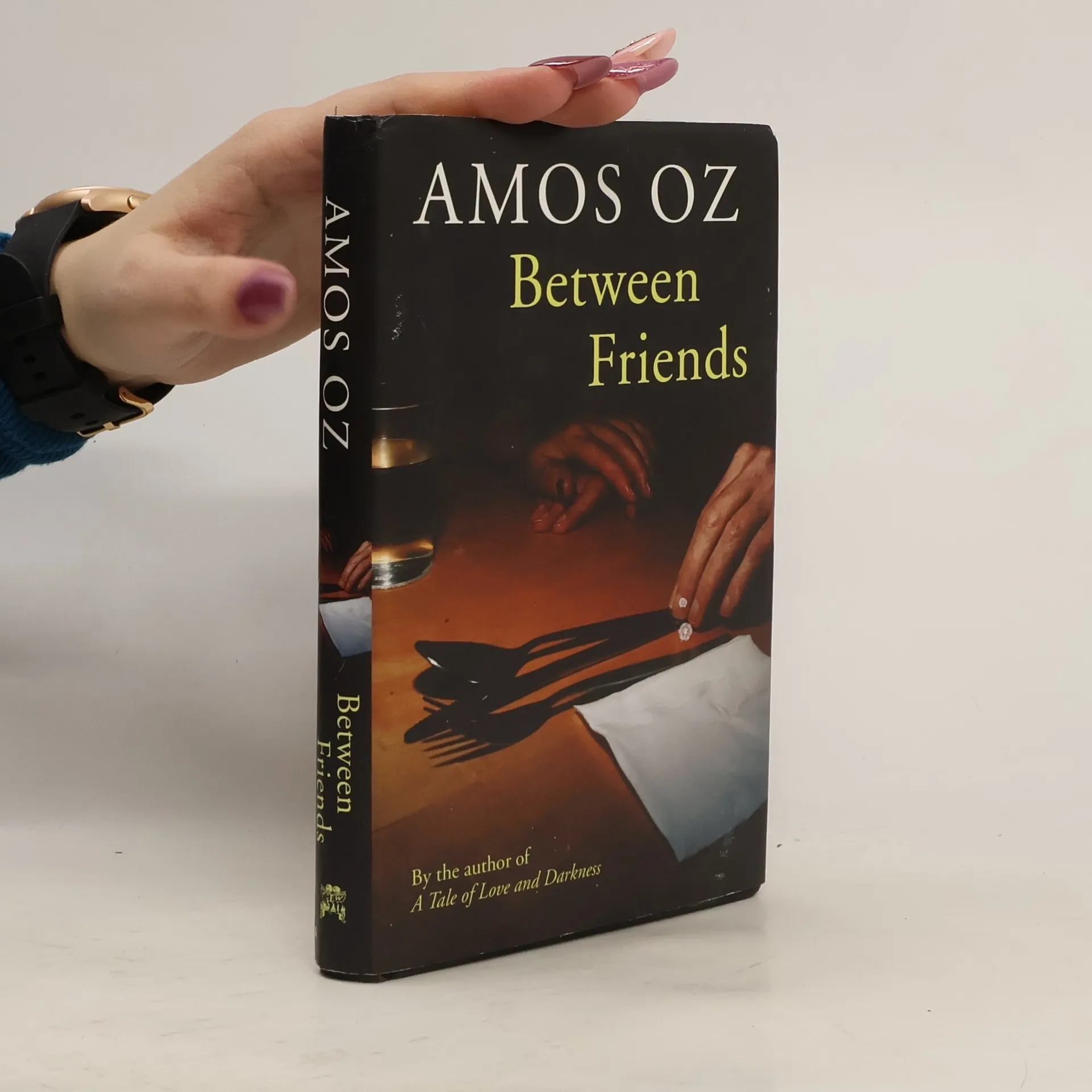
      'On the kibbutz it's hard to know. We're all supposed to be friends but very few really are' Ariella, unhappy in love, confides in the woman whose husband she stole. Nahum, a devoted father, can't find the words to challenge his daughter's promiscuous lover. The old idealists deplore the apathy of the young, while the young are so used to kibbutz life that they can't work out if they're impassioned or indifferent. And amid this group of people unwilling and unable to say what they mean, Martin attempts to teach Esperanto.
      Between friends
    • The Story Begins

      • 118pages
      • 5 heures de lecture
      2,0(1)Évaluer

      In these essays, Amos Oz brings his experience as novelist, teacher and critic to bear on the different ways in which diverse writers enter into contact with the reader - by wooing them or by shock tactics. He analyzes writers such as Chekoh, Kafka, Agnon, Garcia Marques, and Raymond Carver.

      The Story Begins