


Paramètres
- 526pages
- 19 heures de lecture
En savoir plus sur le livre
Meet Oskar Matzerath, "the eternal three-year-old drummer." On his third birthday, Oskar decides he will never grow up or become a politician or grocer, remaining physically the same for years while clinging to his drum. This story unfolds in Danzig, a city on the Polish-German border, where Oskar, a twisted puer aeternis, possesses a scream that can shatter glass. First published in 1959, the narrative depicts the Nazi era, revealing a world filled with corrupt politicians and brutal grocers. Oskar's experiences include witnessing the burning of a synagogue, where a grocer takes the opportunity to warm himself over the flames. As Oskar matures (but not in stature), the portents of war escalate into conflict, with Danzig becoming a battleground between Poles and Germans in 1939. Throughout his life, Oskar embarks on various adventures: joining traveling musicians, leading anarchists, falling in love, and becoming a recording artist. Ultimately, he is convicted of murder and confined to a mental hospital. The story employs savage comedy and magical realism to explore the madness of war and the darkness within humanity that enables such horrors. Grass's humor is sharp, evoking both laughter and pain, making this novel a significant contribution to the literature of World War II.





Achat du livre
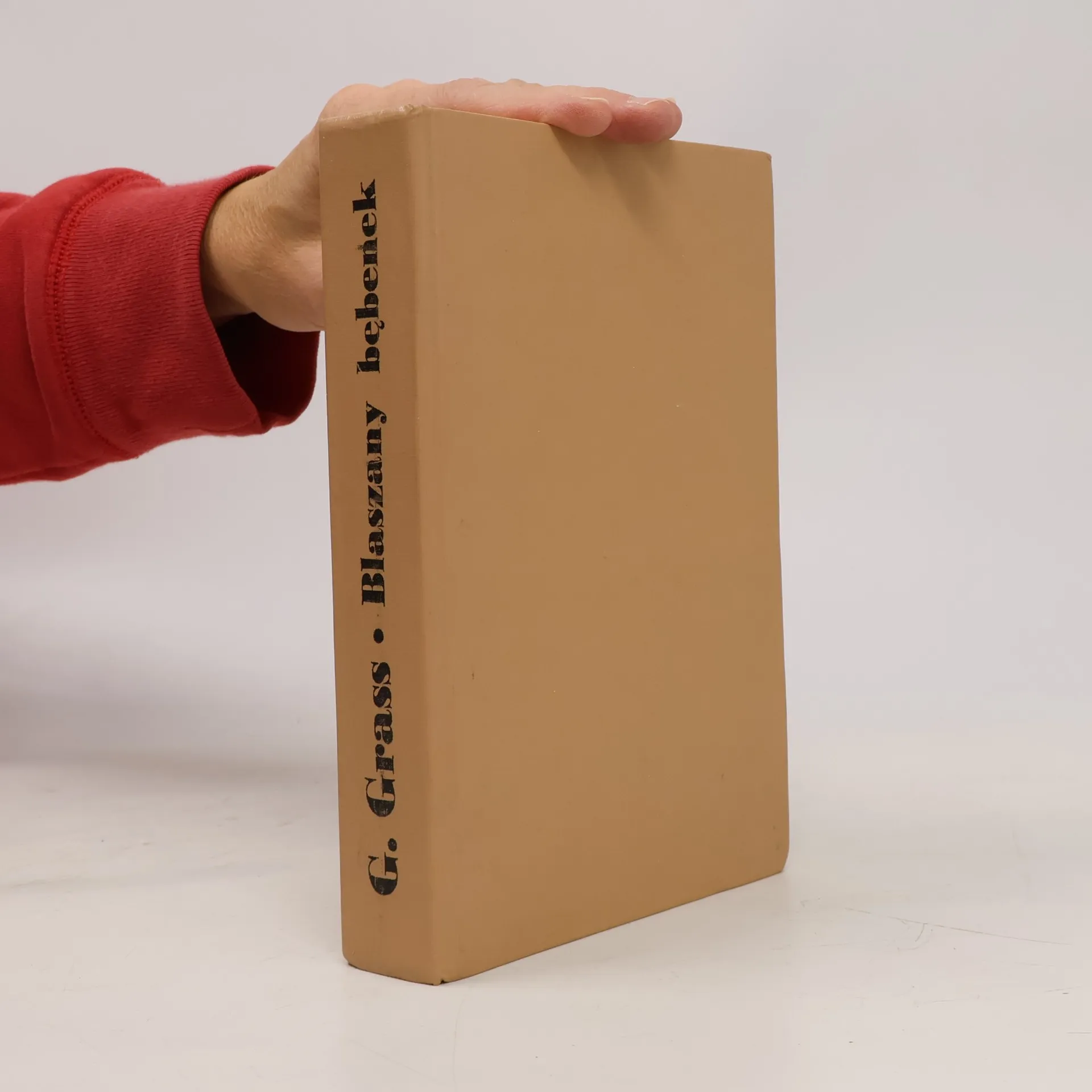
Blaszany bębenek, Slawomir Blaut, Günter Grass
- Langue

- Année de publication
- 1991
- Reliure
- (rigide),
- État du livre
- Bon
- Prix
- 6,09 €
Modes de paiement
Il manque plus que ton avis ici.
- Titre
- Blaszany bębenek
- Langue
- Polonais
- Auteurs
- Slawomir Blaut, Günter Grass
- Éditeur
- Wydawnictwo Morskie
- Publié
- 1991
- Format
- rigide
- Pages
- 526
- ISBN10
- 8321583164
- ISBN13
- 9788321583167
- Séries
- La Trilogie de Dantzig
- Mots clés
- Littérature allemande, Allemagne, Prose de guerre, Guerres, Seconde Guerre mondiale, Adapté au cinéma, Nazisme, Réalisme magique, Pologne, Psychiatrie, Prix Nobel, Meilleures ventes, Période post-guerre, Gdańsk, Littérature d'Europe centrale, Romans picaresques
- Première publication
- 1959
- Titre original
- Die Blechtrommel
- Évaluation
- 3,95 sur 5
- Description
- Meet Oskar Matzerath, "the eternal three-year-old drummer." On his third birthday, Oskar decides he will never grow up or become a politician or grocer, remaining physically the same for years while clinging to his drum. This story unfolds in Danzig, a city on the Polish-German border, where Oskar, a twisted puer aeternis, possesses a scream that can shatter glass. First published in 1959, the narrative depicts the Nazi era, revealing a world filled with corrupt politicians and brutal grocers. Oskar's experiences include witnessing the burning of a synagogue, where a grocer takes the opportunity to warm himself over the flames. As Oskar matures (but not in stature), the portents of war escalate into conflict, with Danzig becoming a battleground between Poles and Germans in 1939. Throughout his life, Oskar embarks on various adventures: joining traveling musicians, leading anarchists, falling in love, and becoming a recording artist. Ultimately, he is convicted of murder and confined to a mental hospital. The story employs savage comedy and magical realism to explore the madness of war and the darkness within humanity that enables such horrors. Grass's humor is sharp, evoking both laughter and pain, making this novel a significant contribution to the literature of World War II.