






Classique intemporel des Lumières à lire non seulement au lycée parmi les lectures obligatoires ! À travers les mésaventures d’un jeune homme candide confronté à la cruauté aux quatre coins du monde, Voltaire tourne en dérision l’optimisme de Leibniz, selon lequel tout irait pour le mieux dans le meilleur des mondes. Entre satire mordante et réflexion existentielle, Voltaire y critique les injustices, les dogmes et les absurdités de son époque, tout en interrogeant la quête du bonheur et du sens de la vie. Toujours d'actualité.
Épuisé
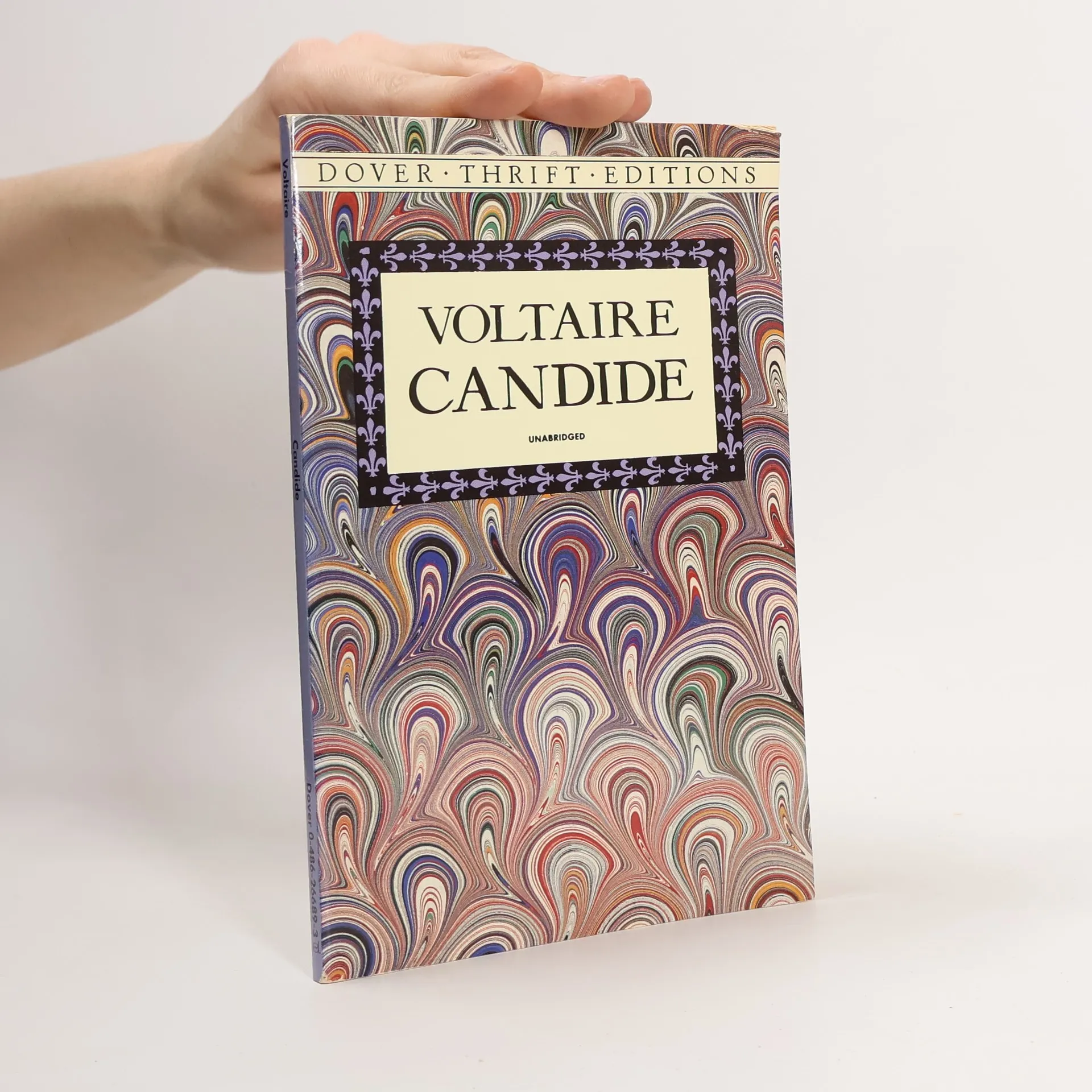
En savoir plus sur le livre
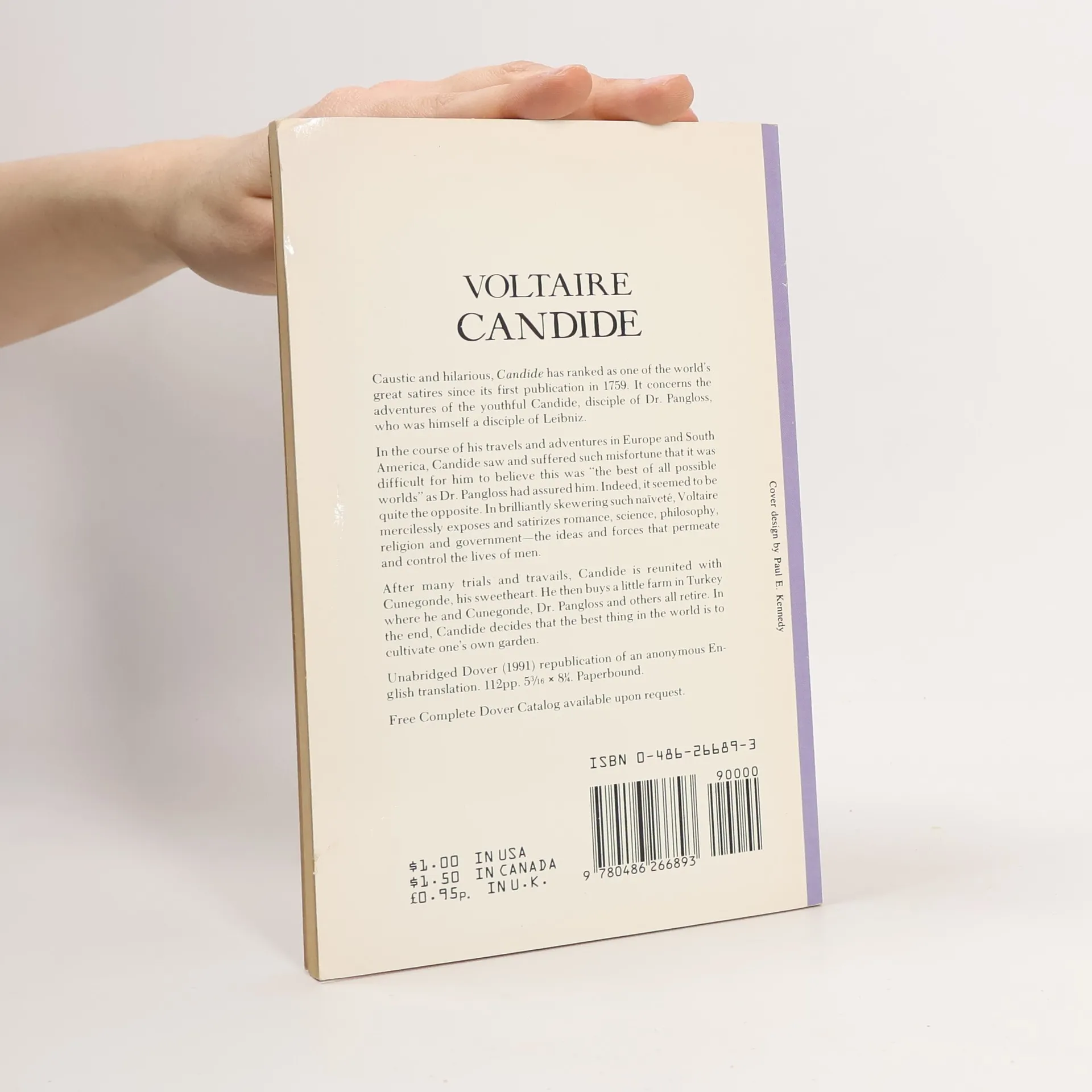
Caustic and hilarious, Candide has ranked as one of the world's great satires since its first publication in 1759. It concerns the adventures of the youthful Candide, disciple of Dr. Pangloss, who was himself a disciple of Leibniz. In the course of his travels and adventures in Europe and South America, Candide saw and suffered such misfortune that it was difficult for him to believe this was "the best of all possible worlds" as Dr. Pangloss had assured him. Indeed, it seemed to be quite the opposite. In brilliantly skewering such naïveté, Voltaire mercilessly exposes and satirizes romance, science, philosophy, religion, and government — the ideas and forces that permeate and control the lives of men. After many trials and travails, Candide is reunited with Cunegonde, his sweetheart. He then buys a little farm in Turkey where he and Cunegonde, Dr. Pangloss and others all retire. In the end, Candide decides that the best thing in the world is to cultivate one's own garden. A selection of the Common Core State Standards Initiative.
Achat du livre
Candide, Voltaire
- Langue

- Année de publication
- 1991
- Reliure
- (souple)
Nous vous informerons par e-mail dès que nous l’aurons retrouvé.
Modes de paiement
- Titre
- Candide
- Langue
- Anglais
- Auteurs
- Voltaire
- Publié
- 1991
- Format
- souple
- ISBN10
- 0486266893
- ISBN13
- 9780486266893
- Séries
- Mots clés
- Fiction, Thème historique, Aventure, Humour, Thématique philosophique, Classiques, France, Prose de guerre, Guerres, L'école, Littérature française, Romans courts, Critique sociale, Voyage, Bonheur, Fuite, Satire, XVIIIe siècle, Lectures obligatoires, L'Âge des Lumières, Malheur, Fiction philosophique, Paradis, Critique de la Religion
- Première publication
- 1759
- Titre original
- Candide
- Évaluation
- 3,7 sur 5
- Description
- Caustic and hilarious, Candide has ranked as one of the world's great satires since its first publication in 1759. It concerns the adventures of the youthful Candide, disciple of Dr. Pangloss, who was himself a disciple of Leibniz. In the course of his travels and adventures in Europe and South America, Candide saw and suffered such misfortune that it was difficult for him to believe this was "the best of all possible worlds" as Dr. Pangloss had assured him. Indeed, it seemed to be quite the opposite. In brilliantly skewering such naïveté, Voltaire mercilessly exposes and satirizes romance, science, philosophy, religion, and government — the ideas and forces that permeate and control the lives of men. After many trials and travails, Candide is reunited with Cunegonde, his sweetheart. He then buys a little farm in Turkey where he and Cunegonde, Dr. Pangloss and others all retire. In the end, Candide decides that the best thing in the world is to cultivate one's own garden. A selection of the Common Core State Standards Initiative.