

Épuisé, mais très demandé!
Paramètres
En savoir plus sur le livre
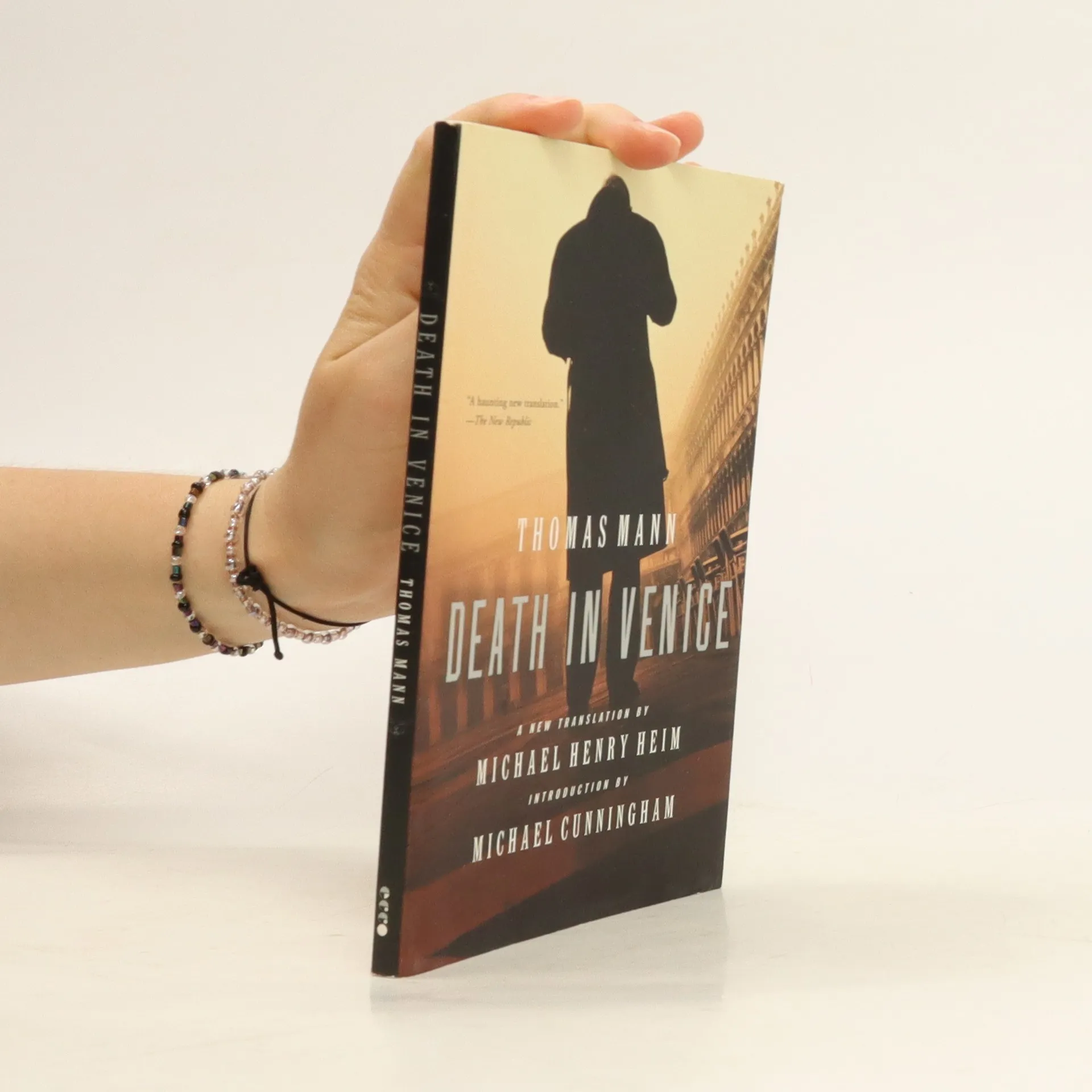
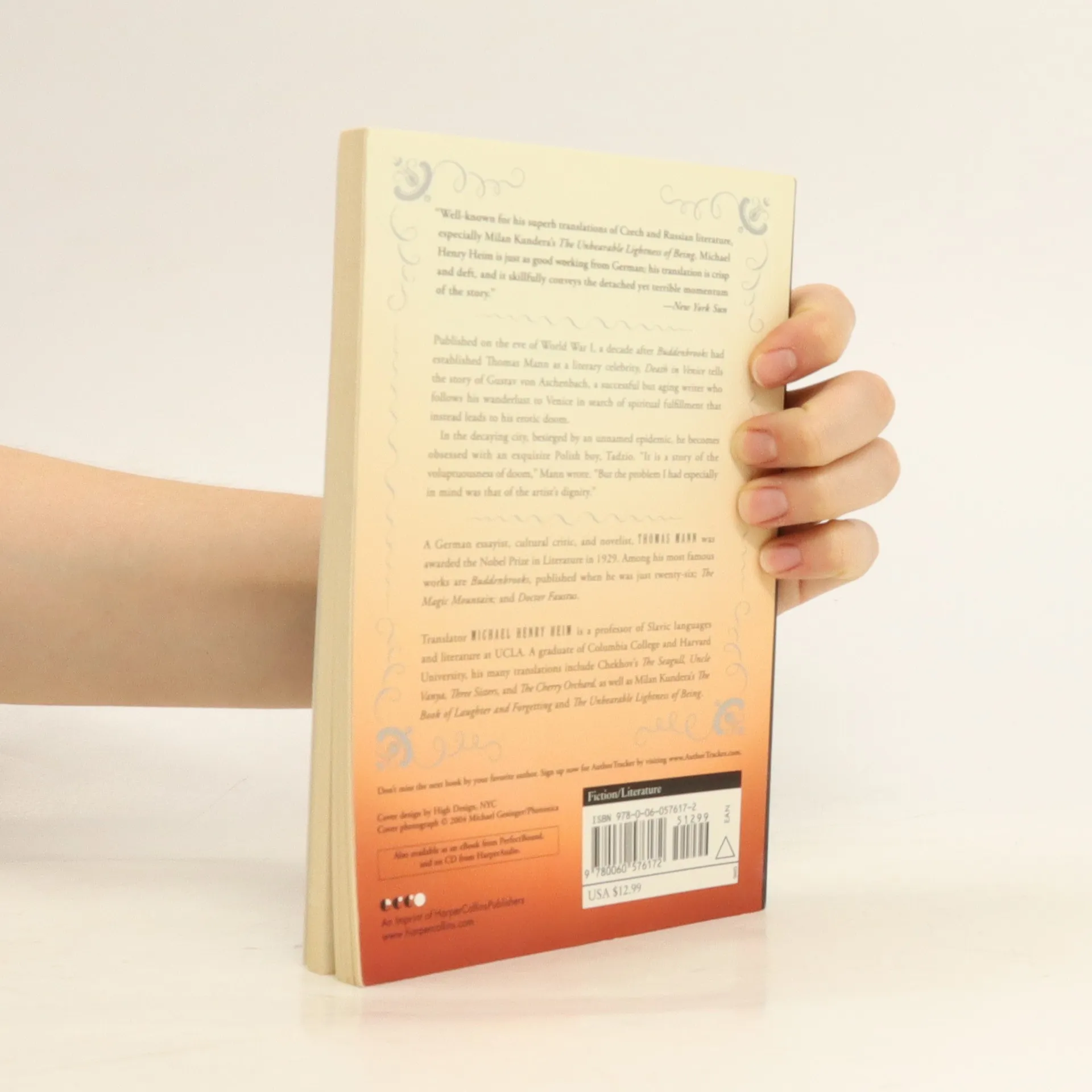
The world-famous masterpiece by Nobel laureate Thomas Mann -- here in a new translation by Michael Henry Heim.Published on the eve of World War I, a decade after Buddenbrooks had established Thomas Mann as a literary celebrity, Death in Venice tells the story of Gustav von Aschenbach, a successful but aging writer who follows his wanderlust to Venice in search of spiritual fulfillment that instead leads to his erotic doom.In the decaying city, besieged by an unnamed epidemic, he becomes obsessed with an exquisite Polish boy, Tadzio. "It is a story of the voluptuousness of doom," Mann wrote. "But the problem I had especially in mind was that of the artist's dignity."







Achat du livre
Death in Venice, Thomas Mann
- Langue

- Année de publication
- 2005
- Reliure
- (souple)
Modes de paiement
Il manque plus que ton avis ici.
- Titre
- Death in Venice
- Langue
- Anglais
- Auteurs
- Thomas Mann
- Éditeur
- Harper Perennial
- Publié
- 2005
- Format
- souple
- ISBN10
- 0060576170
- ISBN13
- 9780060576172
- Séries
- Mots clés
- Fiction, Thème historique, Art, Amour, Littérature allemande, Classiques, Nouvelles, Allemagne, 20e siècle, LGBTQ+, Histoires, Mort, Italie, Europe du Sud, Culture et Société, Adapté au cinéma, Romans courts, Inspiration, Voyage, Maladies, Écrivains, Lectures obligatoires, Homosexualité, Prix Nobel, Narration, Hôtels, Venise, Art graphique
- Première publication
- 1912
- Titre original
- Der Tod in Venedig
- Évaluation
- 3,75 sur 5
- Description
- The world-famous masterpiece by Nobel laureate Thomas Mann -- here in a new translation by Michael Henry Heim.Published on the eve of World War I, a decade after Buddenbrooks had established Thomas Mann as a literary celebrity, Death in Venice tells the story of Gustav von Aschenbach, a successful but aging writer who follows his wanderlust to Venice in search of spiritual fulfillment that instead leads to his erotic doom.In the decaying city, besieged by an unnamed epidemic, he becomes obsessed with an exquisite Polish boy, Tadzio. "It is a story of the voluptuousness of doom," Mann wrote. "But the problem I had especially in mind was that of the artist's dignity."