

En savoir plus sur le livre
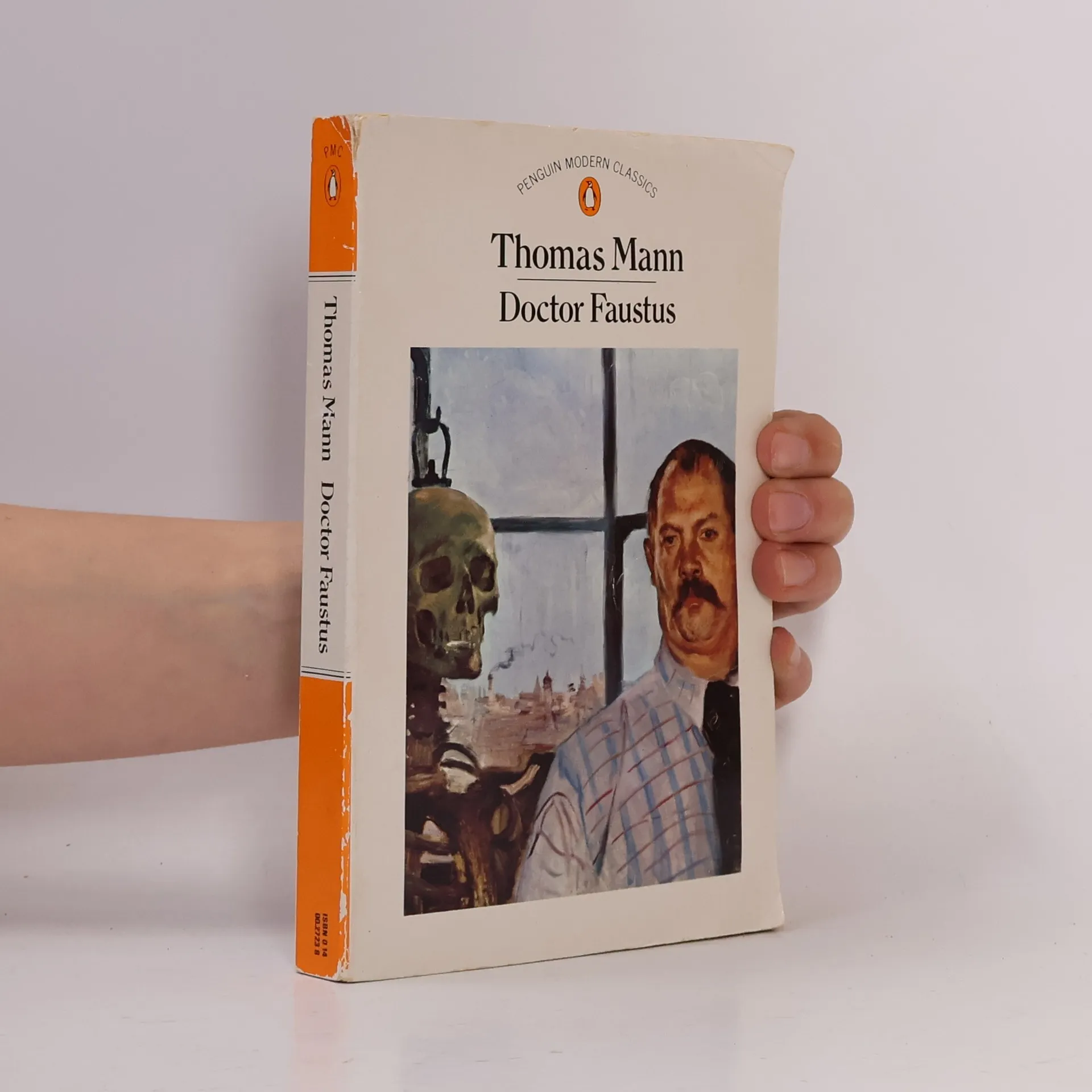
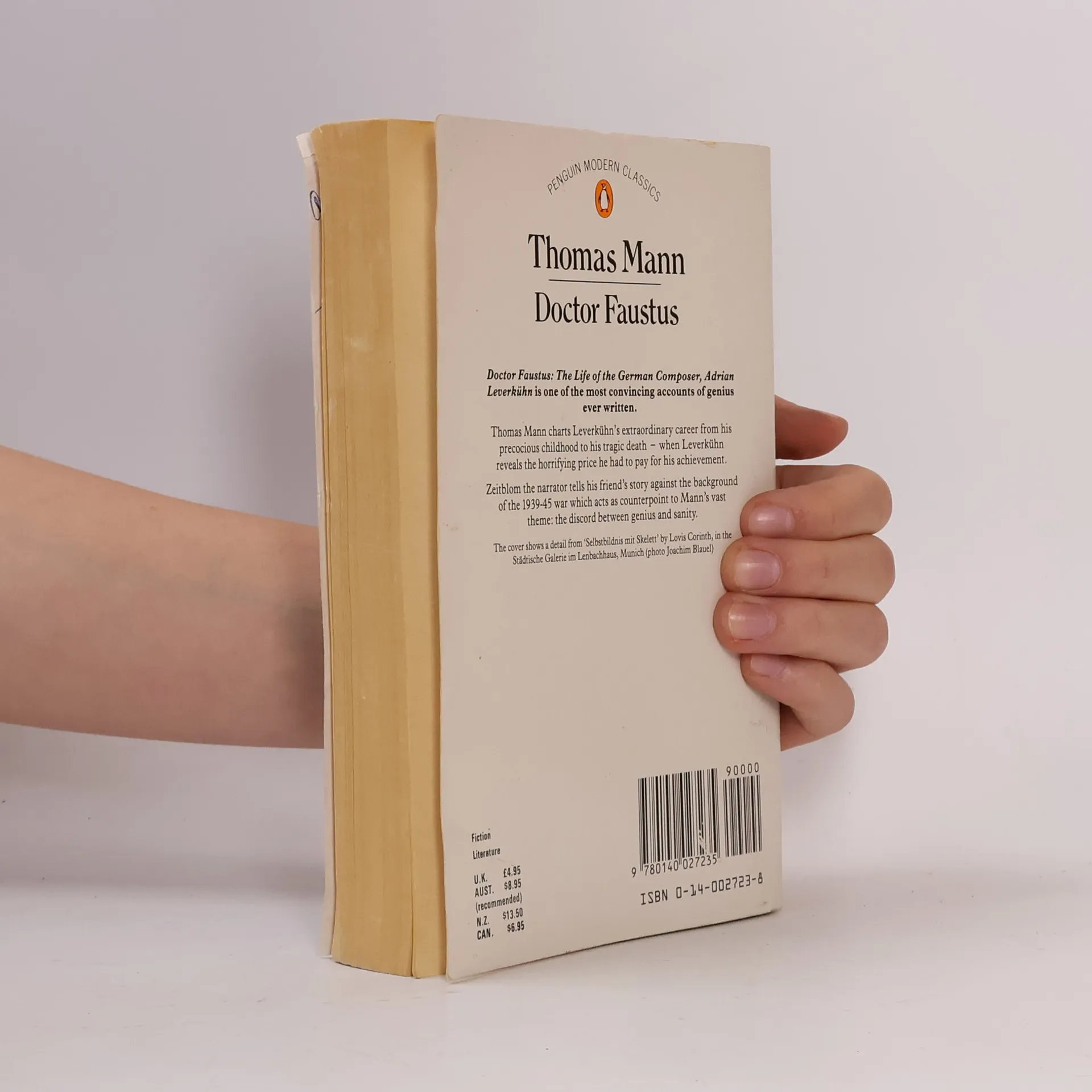
Thomas Mann's last great novel, first published in 1947 and now rendered into English by acclaimed translator John E. Woods, is a modern reworking of the Faust legend, in which Germany sells its soul to the Devil. Mann's protagonist, the composer Adrian Leverkühn, is the flower of German culture, a brilliant, isolated, overreaching figure, his radical new music a breakneck game played by art at the very edge of impossibility. In return for twenty-four years of unparalleled musical accomplishment, he bargains away his soul - and the ability to love his fellow man. Leverkühn's life story is a brilliant allegory of the rise of the Third Reich, of Germany's renunciation of its own humanity and its embrace of ambition and its nihilism. It is also Mann's most profound meditation on the German genius - both national and individual - and the terrible responsibilities of the truly great artist.






Achat du livre
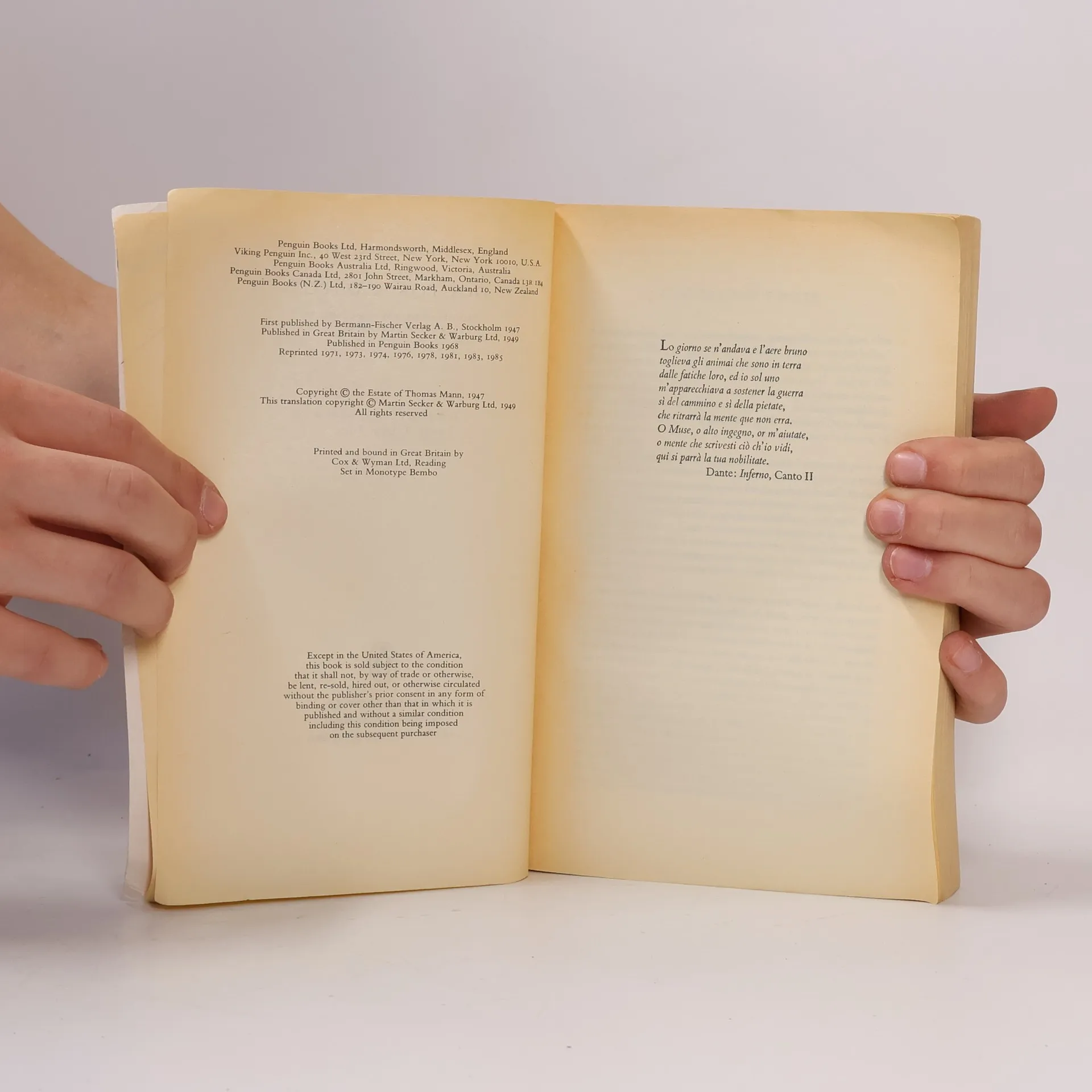
Doctor Faustus, Thomas Mann, H. T. Lowe Porter
- Langue

- Année de publication
- 1985
- product-detail.submit-box.info.binding
- (souple),
- État du livre
- Abîmé
- Prix
- 7,28 €
Modes de paiement
Il manque plus que ton avis ici.
- Titre
- Doctor Faustus
- Langue
- Anglais
- Auteurs
- Thomas Mann, H. T. Lowe Porter
- Éditeur
- Penguin Group
- Publié
- 1985
- Format
- souple
- Pages
- 496
- ISBN10
- 0140027238
- ISBN13
- 9780140027235
- Séries
- Mots clés
- Fiction, Littérature mondiale, Classiques, Lectures obligatoires
- Première publication
- 1947
- Titre original
- Doktor Faustus
- Évaluation
- 4,05 sur 5
- Description
- Thomas Mann's last great novel, first published in 1947 and now rendered into English by acclaimed translator John E. Woods, is a modern reworking of the Faust legend, in which Germany sells its soul to the Devil. Mann's protagonist, the composer Adrian Leverkühn, is the flower of German culture, a brilliant, isolated, overreaching figure, his radical new music a breakneck game played by art at the very edge of impossibility. In return for twenty-four years of unparalleled musical accomplishment, he bargains away his soul - and the ability to love his fellow man. Leverkühn's life story is a brilliant allegory of the rise of the Third Reich, of Germany's renunciation of its own humanity and its embrace of ambition and its nihilism. It is also Mann's most profound meditation on the German genius - both national and individual - and the terrible responsibilities of the truly great artist.