

Paramètres
- 681pages
- 24 heures de lecture
En savoir plus sur le livre
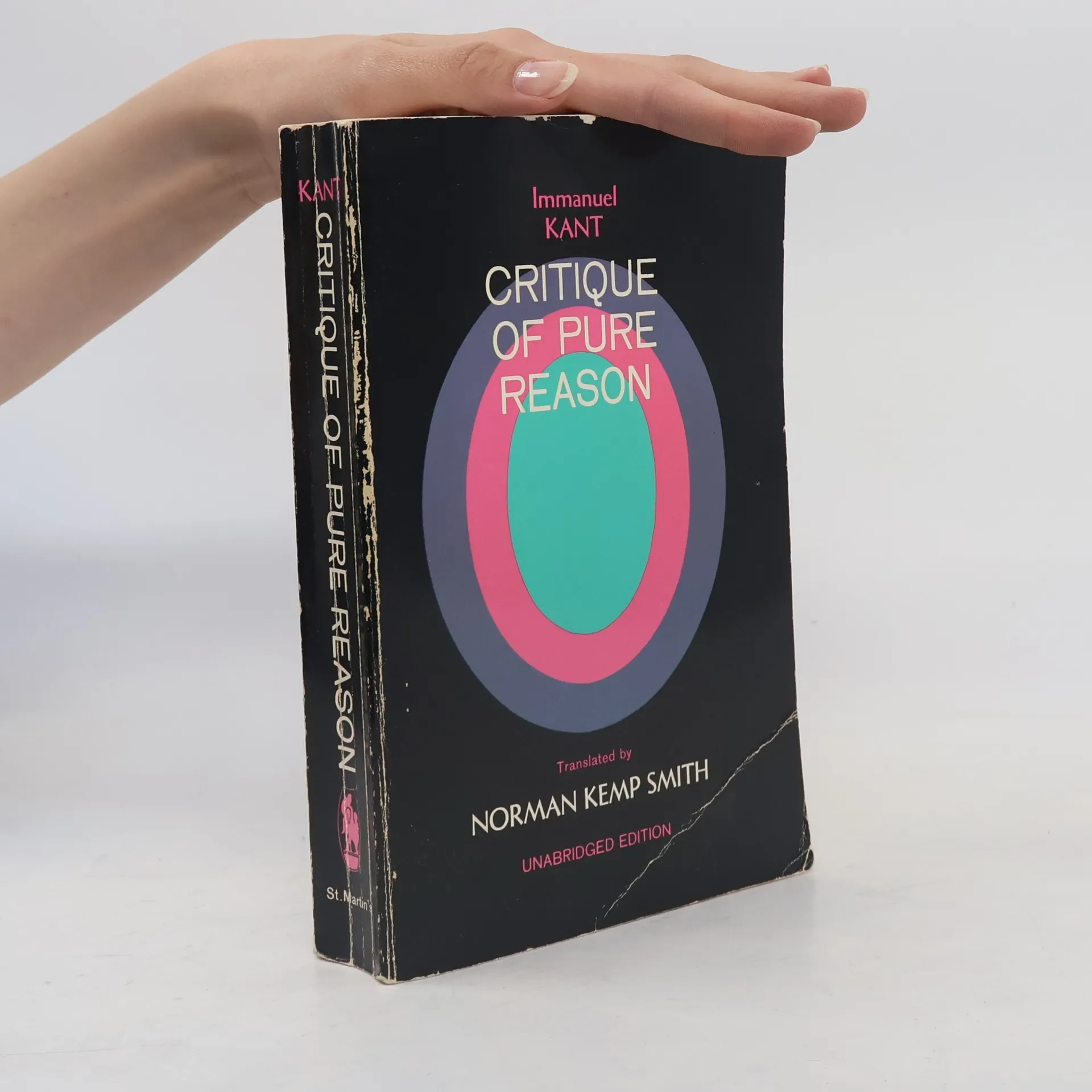
<b> <i>'The purpose of this critique of pure speculative reason consists in the attempt to change the old procedure of metaphysics and to bring about a complete revolution'</i> </b> Kant's <i>Critique of Pure Reason</i> (1781) is the central text of modern philosophy. It presents a profound and challenging investigation into the nature of human reason, its knowledge and its illusions. Reason, Kant argues, is the seat of certain concepts that precede experience and make it possible, but we are not therefore entitled to draw conclusions about the natural world from these concepts. The <i>Critique</i> brings together the two opposing schools of philosophy: rationalism, which grounds all our knowledge in reason, and empiricism, which traces all our knowledge to experience. Kant's transcendental idealism indicates a third way that goes far beyond these alternatives.






Achat du livre
Critique of Pure Reason, Immanuel Kant, Norman Kemp Smith
- Langue

- Année de publication
- 1965
- product-detail.submit-box.info.binding
- (souple),
- État du livre
- Abîmé
- Prix
- 12,60 €
Modes de paiement
Il manque plus que ton avis ici.
- Sous-titre
- Unabridged Edition
- Langue
- Anglais
- Auteurs
- Immanuel Kant, Norman Kemp Smith
- Éditeur
- St. Martin's Press
- Publié
- 1965
- Format
- souple
- Pages
- 681
- ISBN10
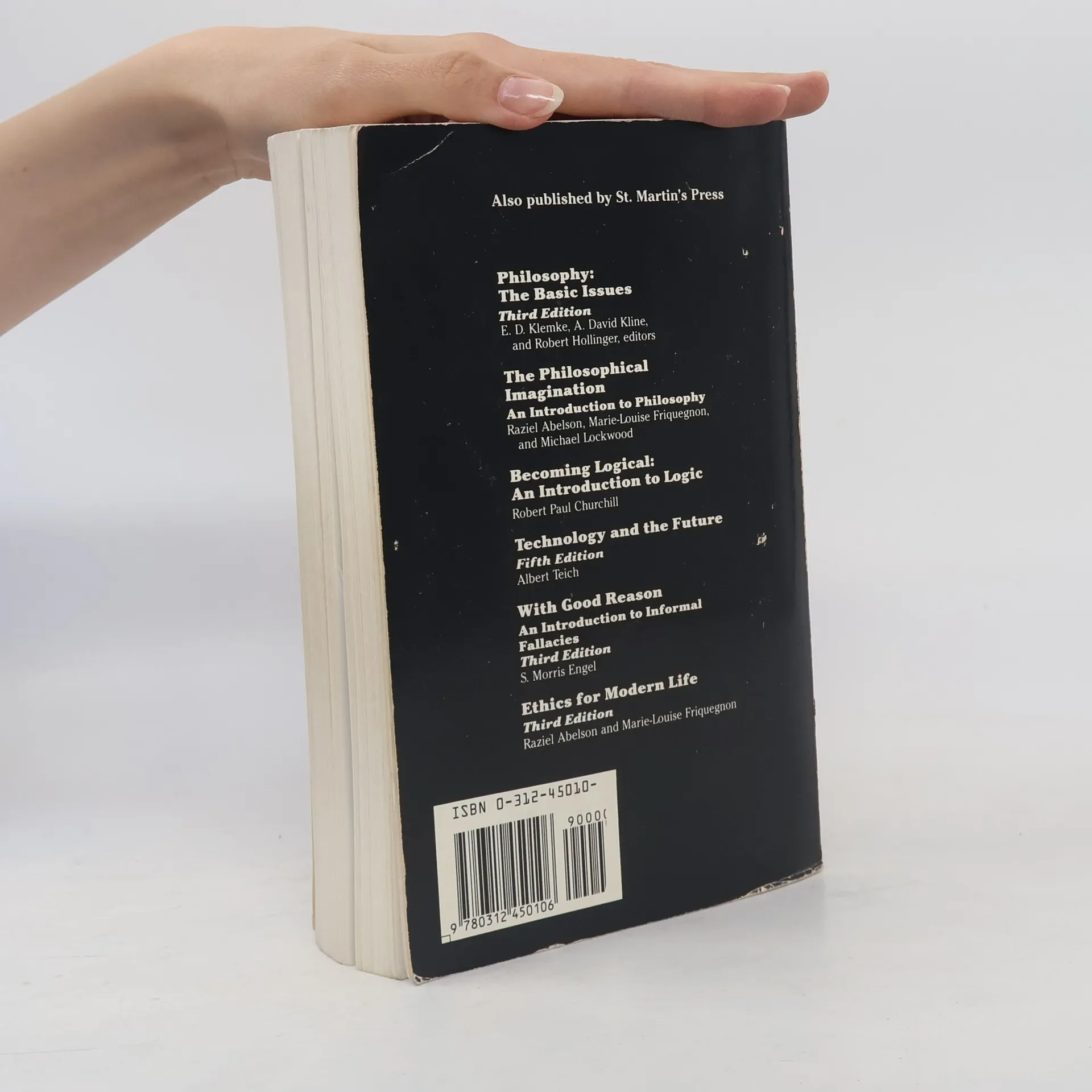
- 0312450109
- ISBN13
- 9780312450106
- Séries
- Mots clés
- Nonfiction, Sciences sociales, Sciences politiques & Politique, Thèmes psychologiques, Thématique philosophique, Politique, Littérature allemande, Cadeaux pour papy, Société, Théories scientifiques, XVIIIe siècle, Étude, Critique, Connaissances et savoir, L'Âge des Lumières, Dentelles, Raison, Gnoseologie, Épistémologie
- Première publication
- 1781
- Titre original
- Kritik der reinen Vernunft
- Évaluation
- 4,1 sur 5
- Description
- <b> <i>'The purpose of this critique of pure speculative reason consists in the attempt to change the old procedure of metaphysics and to bring about a complete revolution'</i> </b> Kant's <i>Critique of Pure Reason</i> (1781) is the central text of modern philosophy. It presents a profound and challenging investigation into the nature of human reason, its knowledge and its illusions. Reason, Kant argues, is the seat of certain concepts that precede experience and make it possible, but we are not therefore entitled to draw conclusions about the natural world from these concepts. The <i>Critique</i> brings together the two opposing schools of philosophy: rationalism, which grounds all our knowledge in reason, and empiricism, which traces all our knowledge to experience. Kant's transcendental idealism indicates a third way that goes far beyond these alternatives.