



Paramètres
- 257pages
- 9 heures de lecture
En savoir plus sur le livre
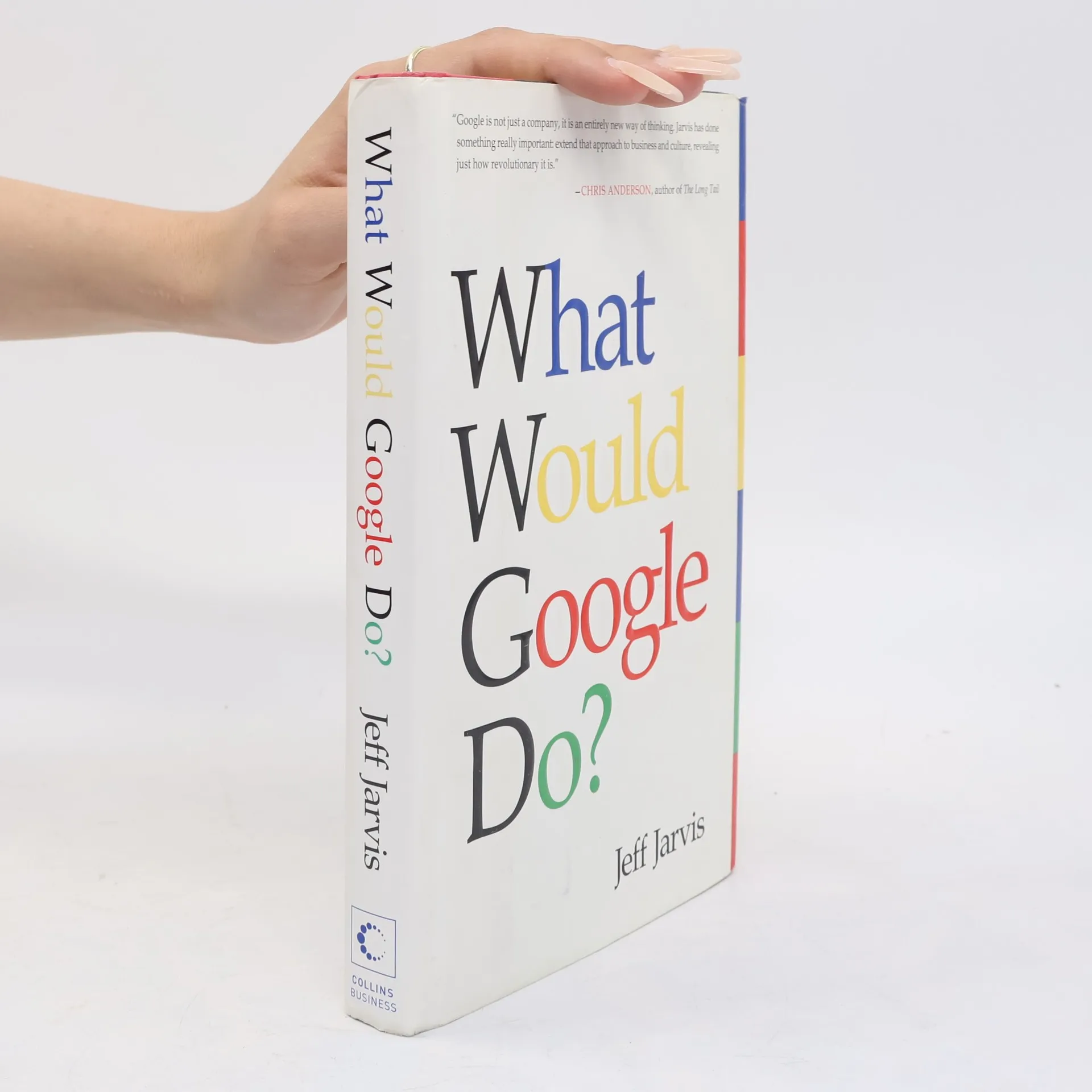
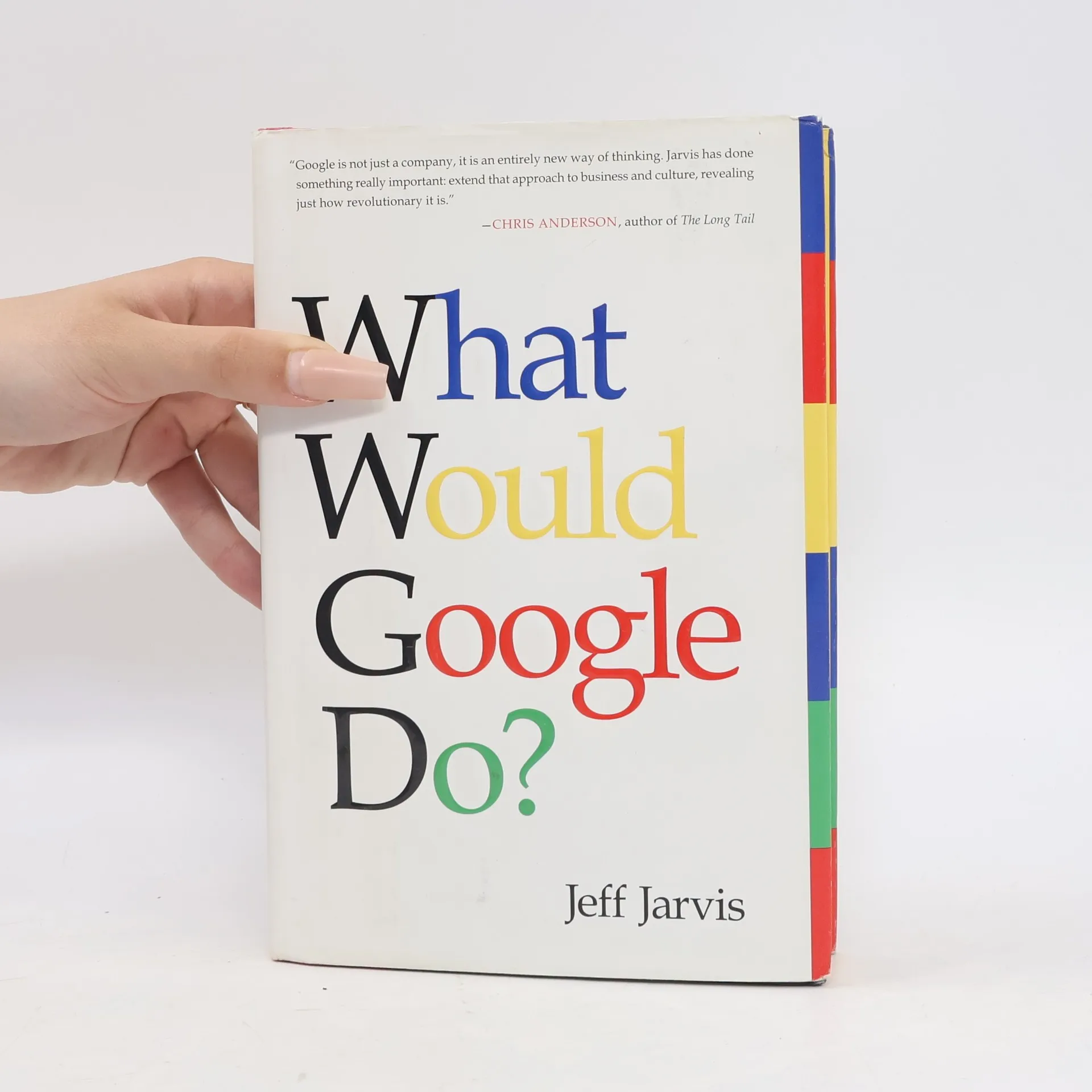
A bold and vital book that asks and answers the most urgent question of today: What Would Google Do? In a book that's one part prophecy, one part thought experiment, one part manifesto, and one part survival manual, internet impresario and blogging pioneer Jeff Jarvis reverse-engineers Google—the fastest-growing company in history—to discover forty clear and straightforward rules to manage and live by. At the same time, he illuminates the new worldview of the internet generation: how it challenges and destroys, but also opens up vast new opportunities. His findings are counterintuitive, imaginative, practical, and above all visionary, giving readers a glimpse of how everyone and everything—from corporations to governments, nations to individuals—must evolve in the Google era. Along the way, he looks under the hood of a car designed by its drivers, ponders a worldwide university where the students design their curriculum, envisions an airline fueled by a social network, imagines the open-source restaurant, and examines a series of industries and institutions that will soon benefit from this book's central question. The result is an astonishing, mind-opening book that, in the end, is not about Google. It's about you.






Achat du livre
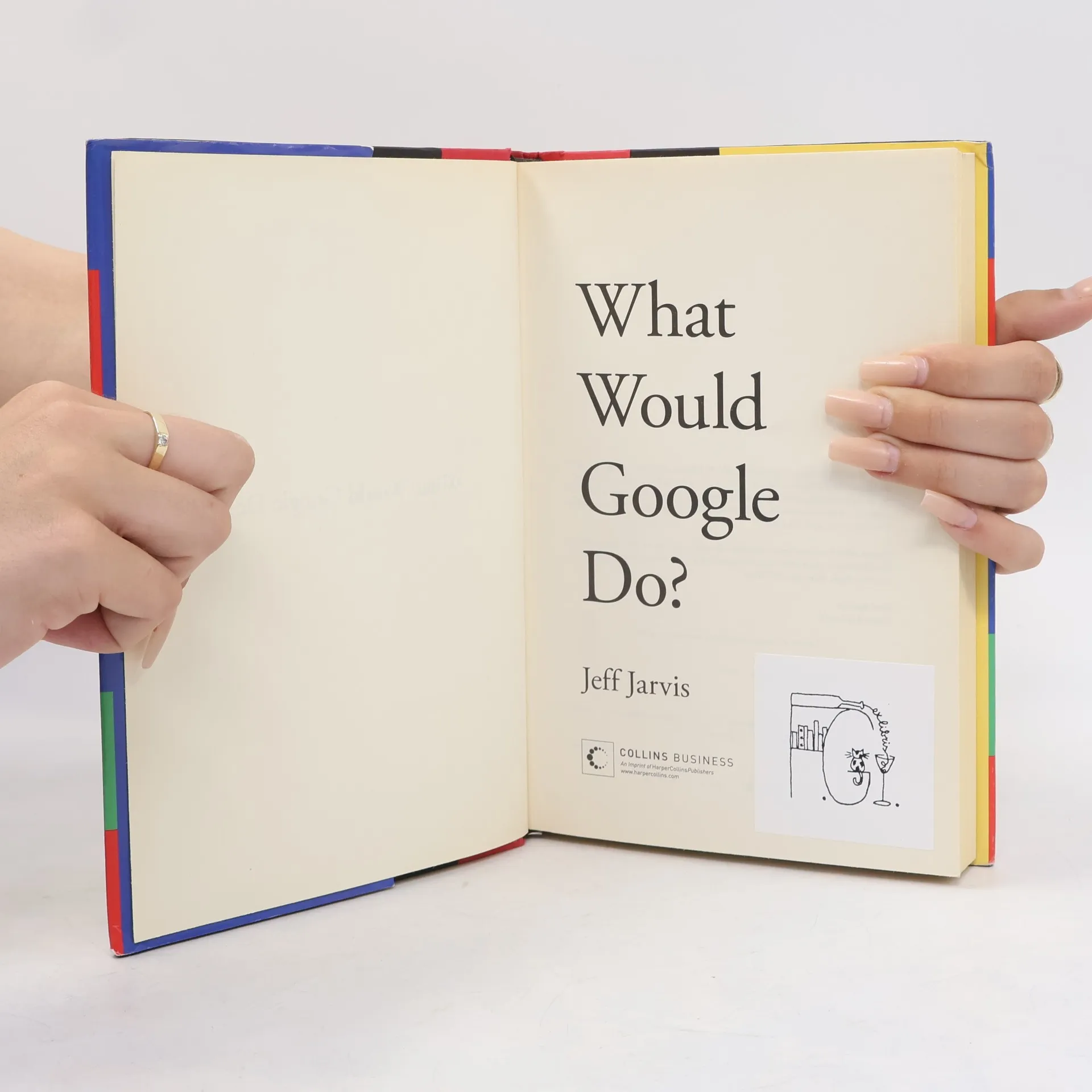
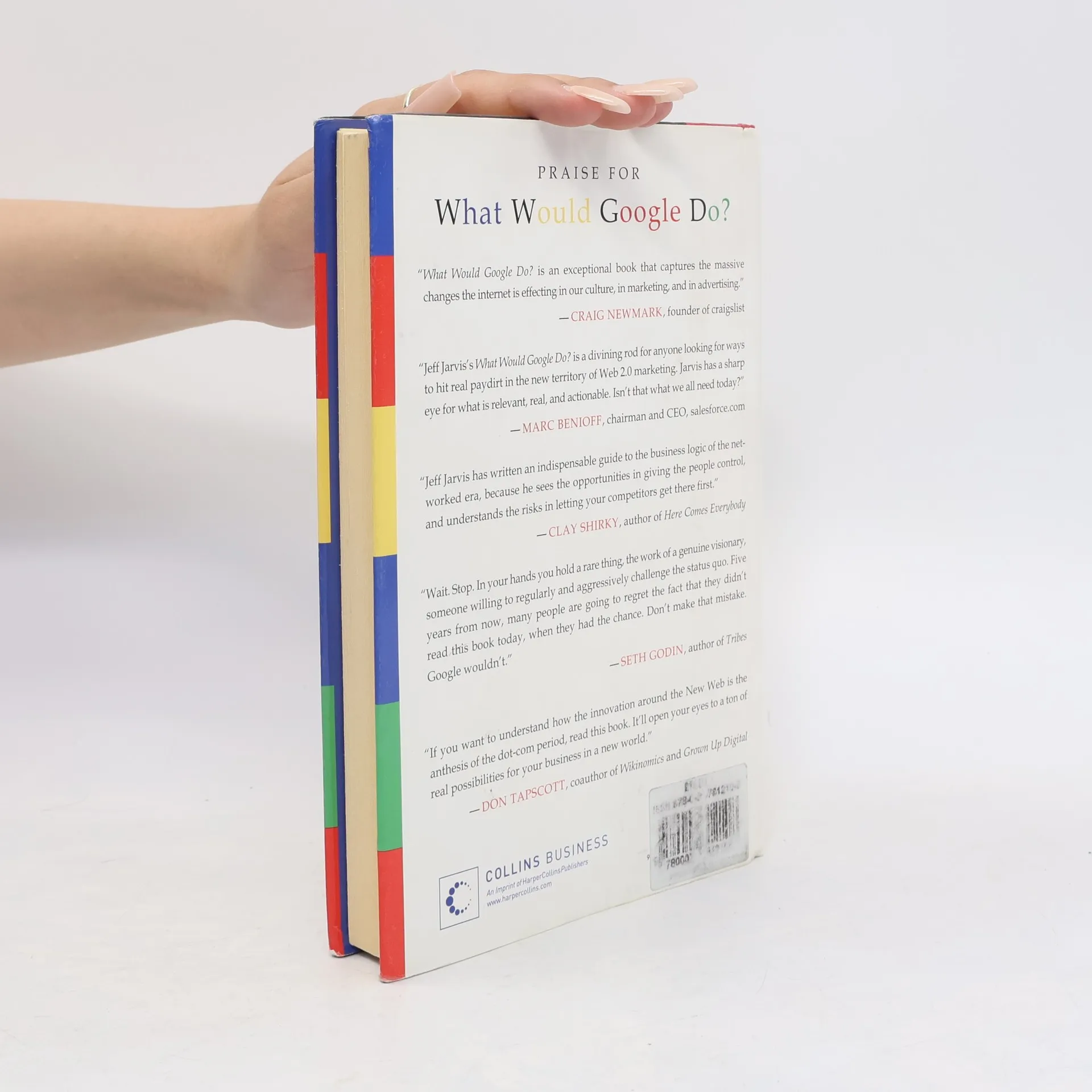
What Would Google Do?, Jeff Jarvis
- Langue

- Année de publication
- 2009
- product-detail.submit-box.info.binding
- (rigide),
- État du livre
- Abîmé
- Prix
- 1,20 €
Modes de paiement
Il manque plus que ton avis ici.
- Langue
- Anglais
- Auteurs
- Jeff Jarvis
- Éditeur
- HarperCollins Publishers
- Publié
- 2009
- Format
- rigide
- Pages
- 257
- ISBN10
- 0061709719
- ISBN13
- 9780061709715
- Séries
- Mots clés
- Nonfiction, Commerce, Affaires & Gestion, Technologie & Ingénierie, Motivation & Bien-être, Informatique & Internet, Technologie, Gestion & Ressources humaines, Marketing et relations publiques, Internet, Médias et communication médiatique, Publicité et promotion, Médias numériques, Google, Applications, Communication Internet
- Titre original
- What Would Google Do?
- Évaluation
- 3,9 sur 5
- Description
- A bold and vital book that asks and answers the most urgent question of today: What Would Google Do? In a book that's one part prophecy, one part thought experiment, one part manifesto, and one part survival manual, internet impresario and blogging pioneer Jeff Jarvis reverse-engineers Google—the fastest-growing company in history—to discover forty clear and straightforward rules to manage and live by. At the same time, he illuminates the new worldview of the internet generation: how it challenges and destroys, but also opens up vast new opportunities. His findings are counterintuitive, imaginative, practical, and above all visionary, giving readers a glimpse of how everyone and everything—from corporations to governments, nations to individuals—must evolve in the Google era. Along the way, he looks under the hood of a car designed by its drivers, ponders a worldwide university where the students design their curriculum, envisions an airline fueled by a social network, imagines the open-source restaurant, and examines a series of industries and institutions that will soon benefit from this book's central question. The result is an astonishing, mind-opening book that, in the end, is not about Google. It's about you.