Ce théoricien organisationnel américain est réputé pour avoir introduit des concepts fondamentaux tels que le "couplage lâche" ("loose coupling"), la "pleine conscience" ("mindfulness") et la "recherche de sens" ("sensemaking") dans les études organisationnelles. Son travail influence profondément notre compréhension et notre analyse des systèmes complexes et de la prise de décision au sein des organisations. Il excelle à révéler les dynamiques subtiles et les modes de fonctionnement des organisations malgré une ambiguïté apparente. Ses réflexions restent essentielles pour quiconque s'intéresse à la nature de la collaboration et de la gestion humaines.
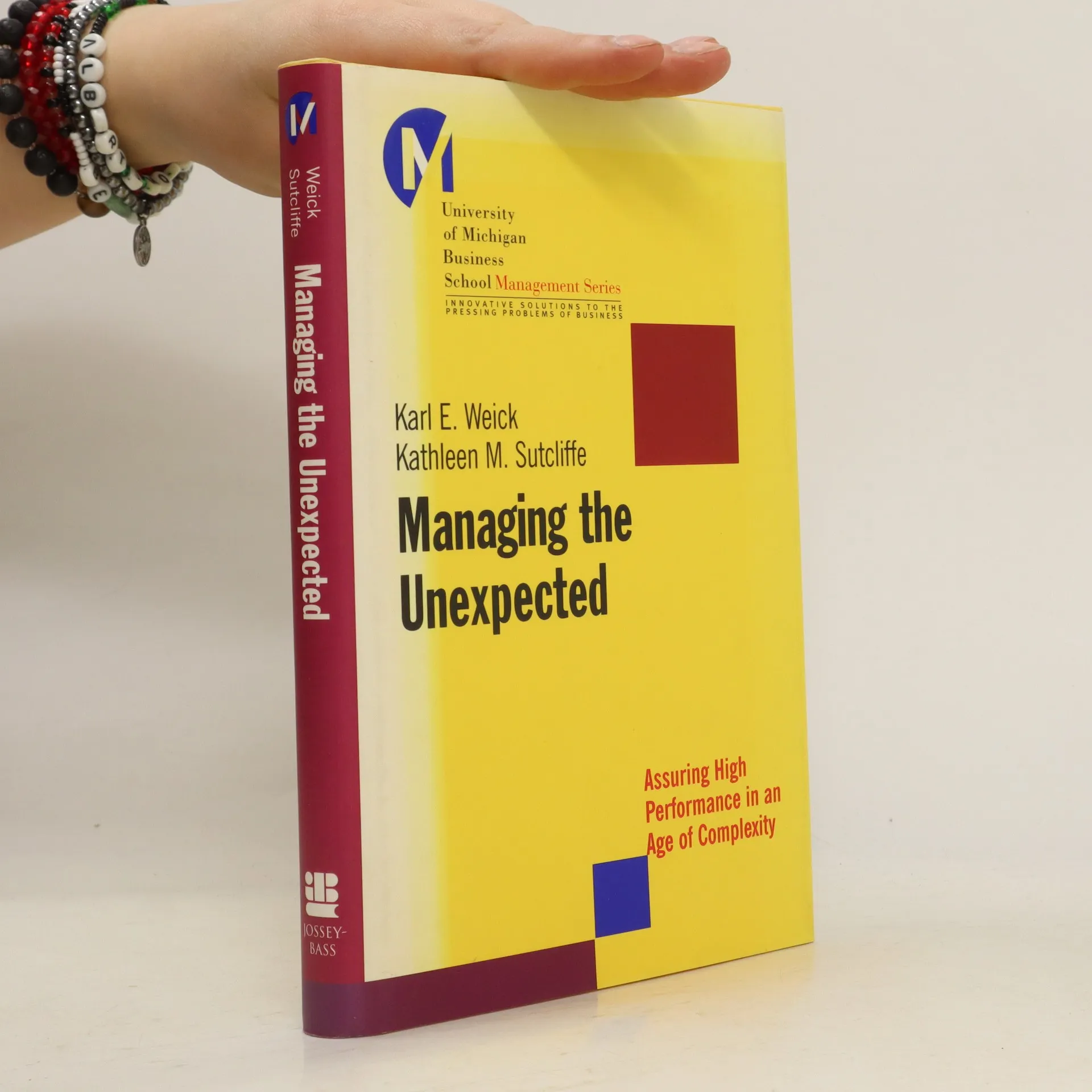
High reliability organizations (HROs), such as ER units in hospitals or firefighting units, are designed to perform under stress and pressure. This work aims to turn your organization into a panic-proof unit that can handle any emergency.
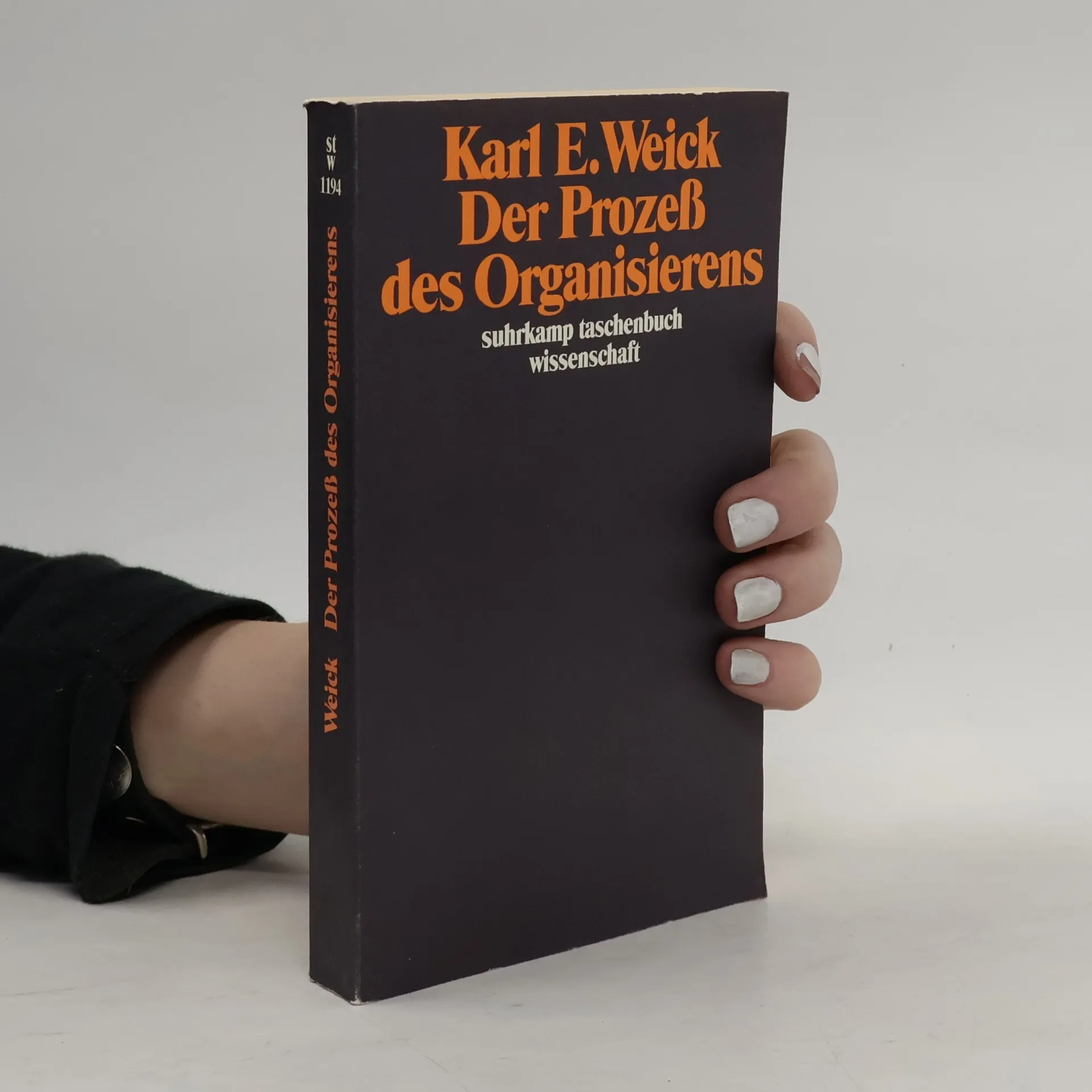
Weicks Sozialpsychologie des Organisierens ist keine Organisationstheorie im üblichen Sinne. Die strukturellen Merkmale von Organisationen, ihre Zielsetzungen, die Aufgabenteilung, die Ordnung der Entscheidungsprozesse - all dies zentrale Gegenstände der klassischen Organisationslehren - interessieren hier erst in zweiter Linie. Im Mittelpunkt steht vielmehr die Frage, wie Organisationen ihre Umwelt und sich selbst verstehen. Weick möchte eine Epistemologie des Organisierens schaffen, die selbst wieder eine Wirkung im Prozeß des Organisierens zu entfalten vermag, weil sie Begriffe bereitstellt, mit denen Menschen in Organisationen ihr Handeln begreifen können. In diesem Sinne wäre Weicks Theorie des Organisierens zugleich eine Metatheorie.