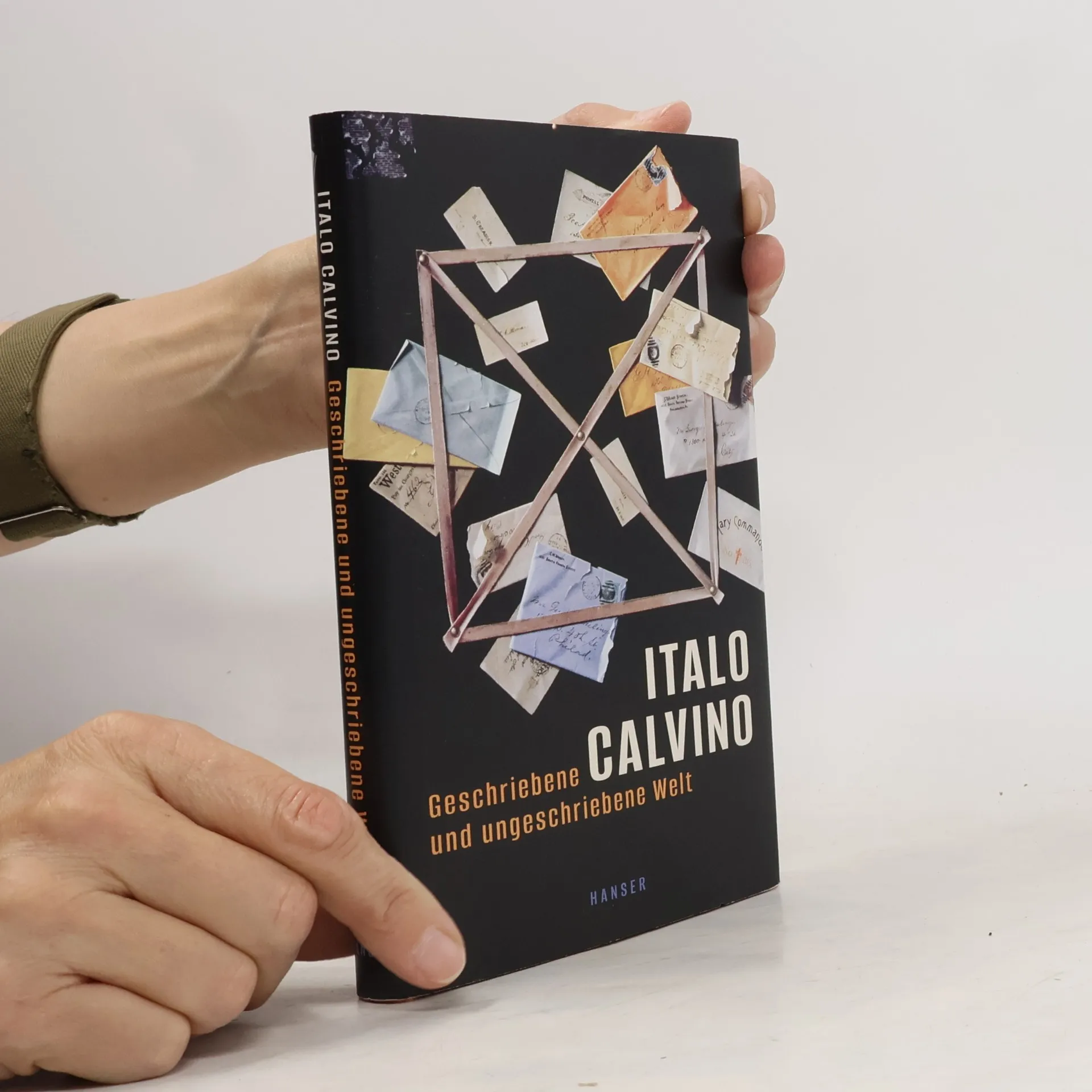
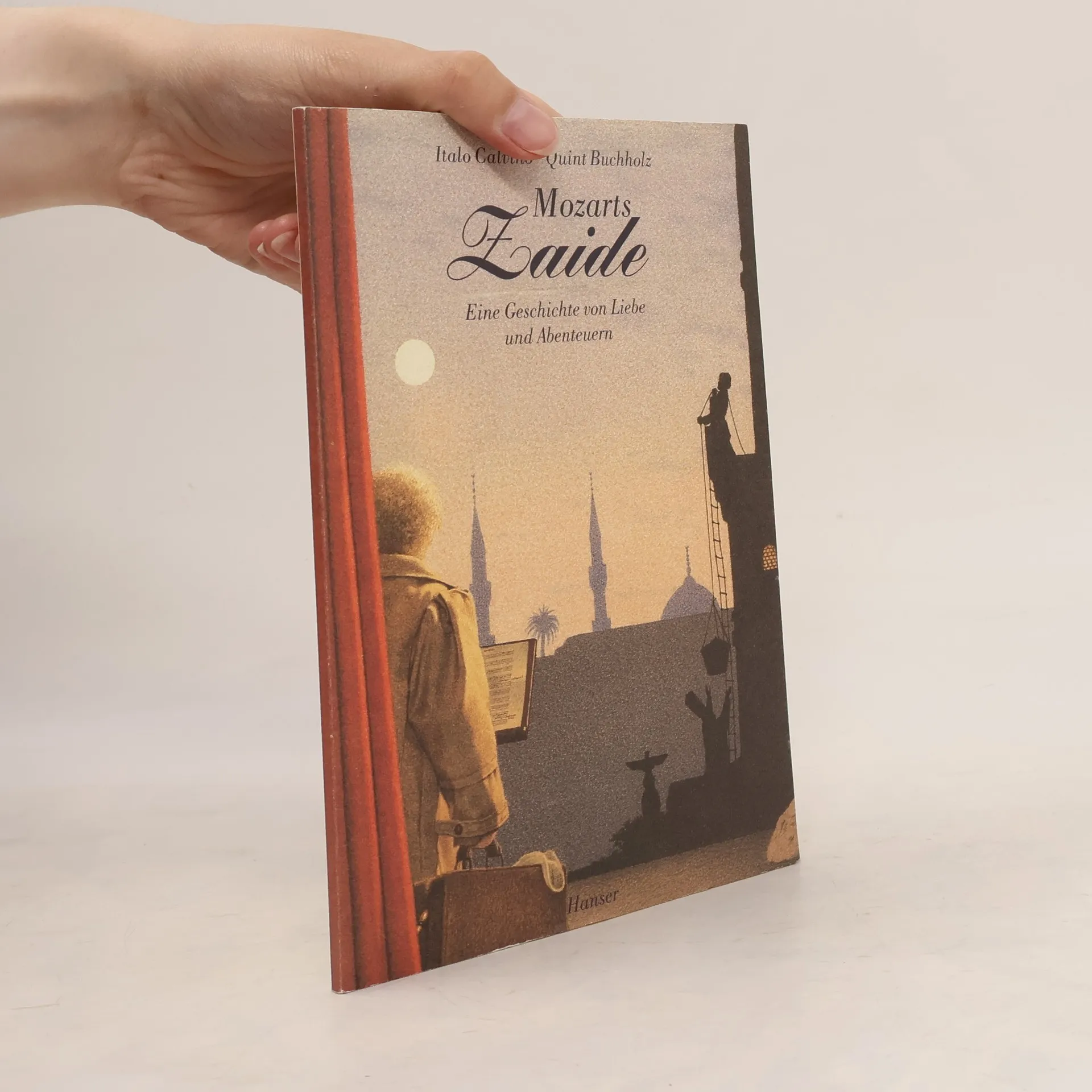
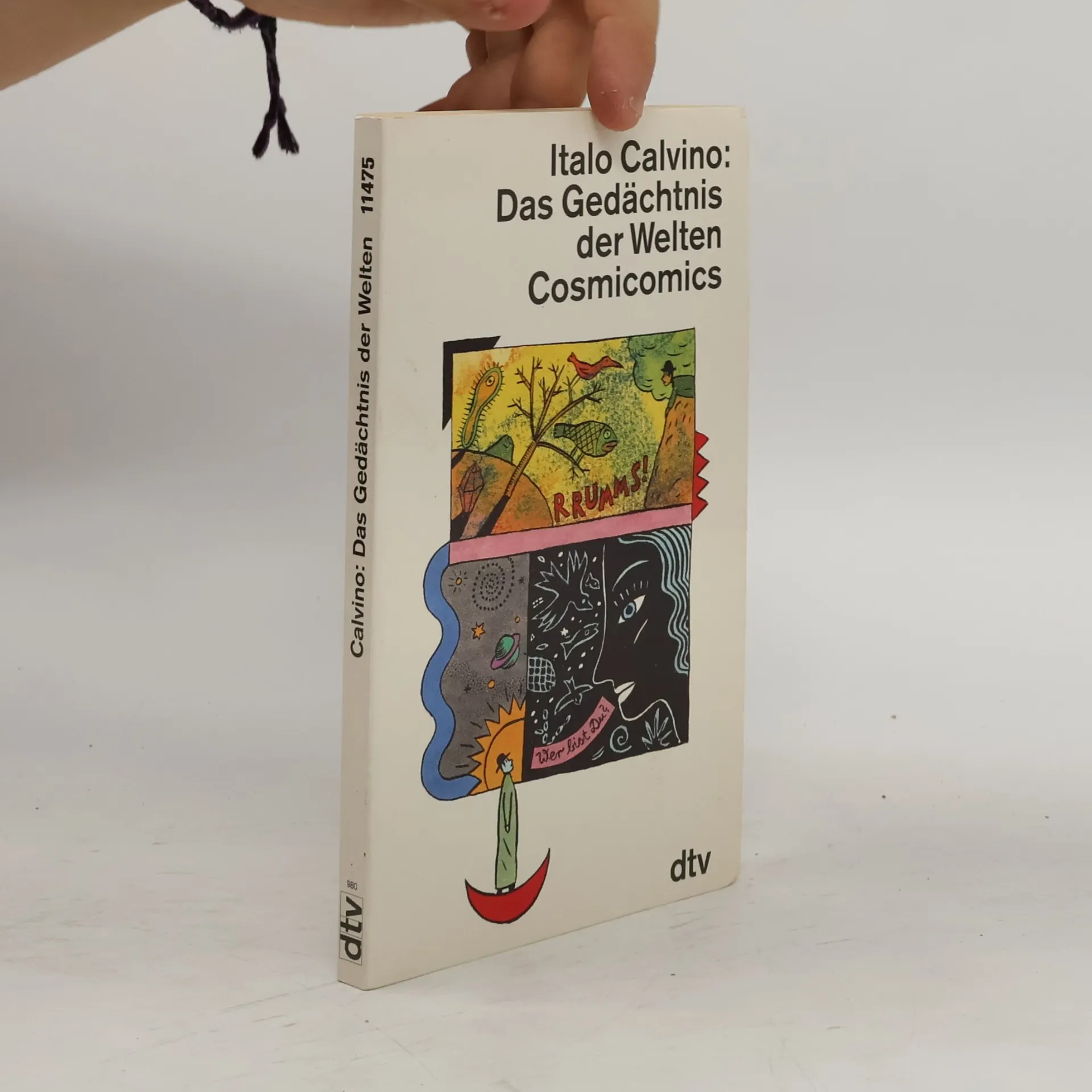
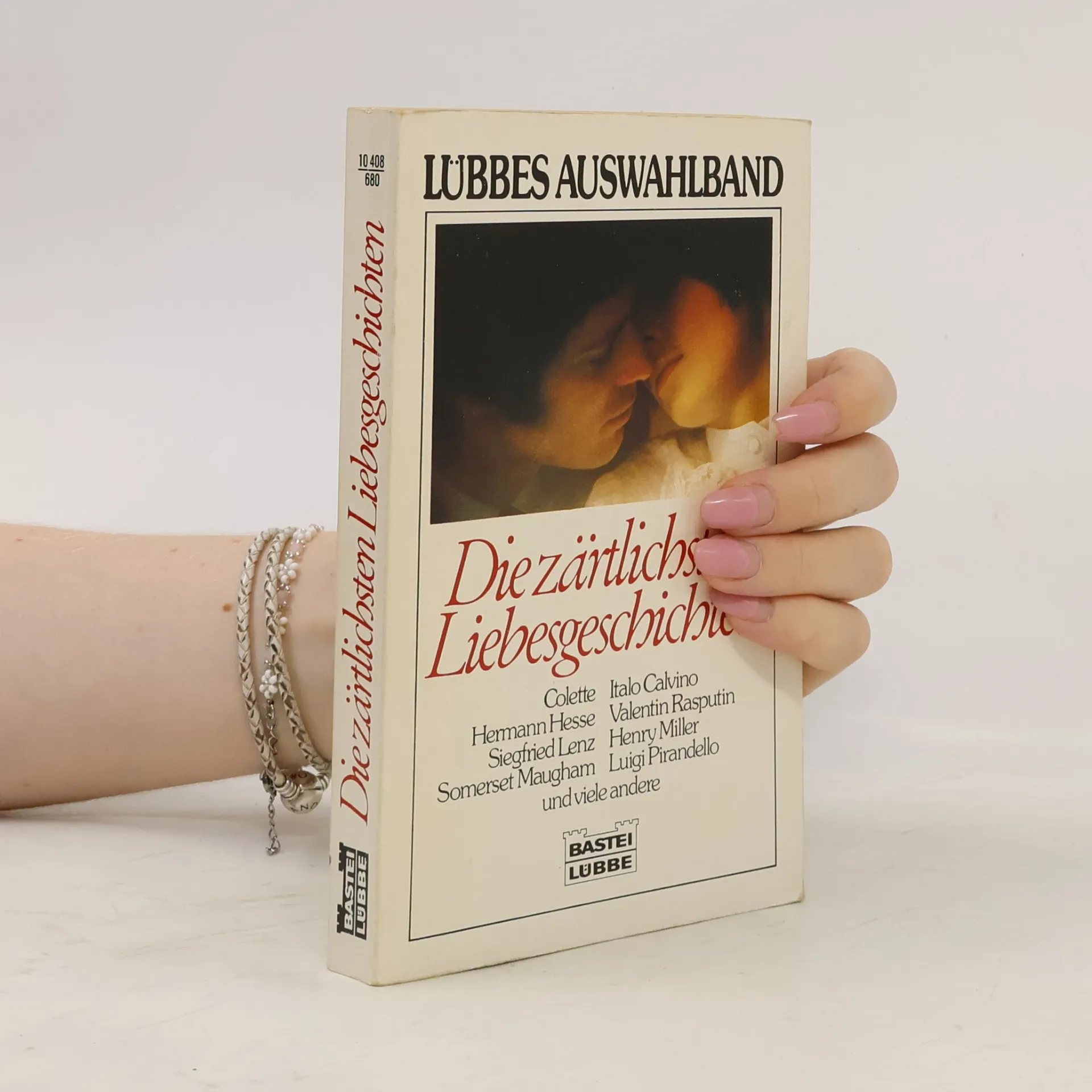
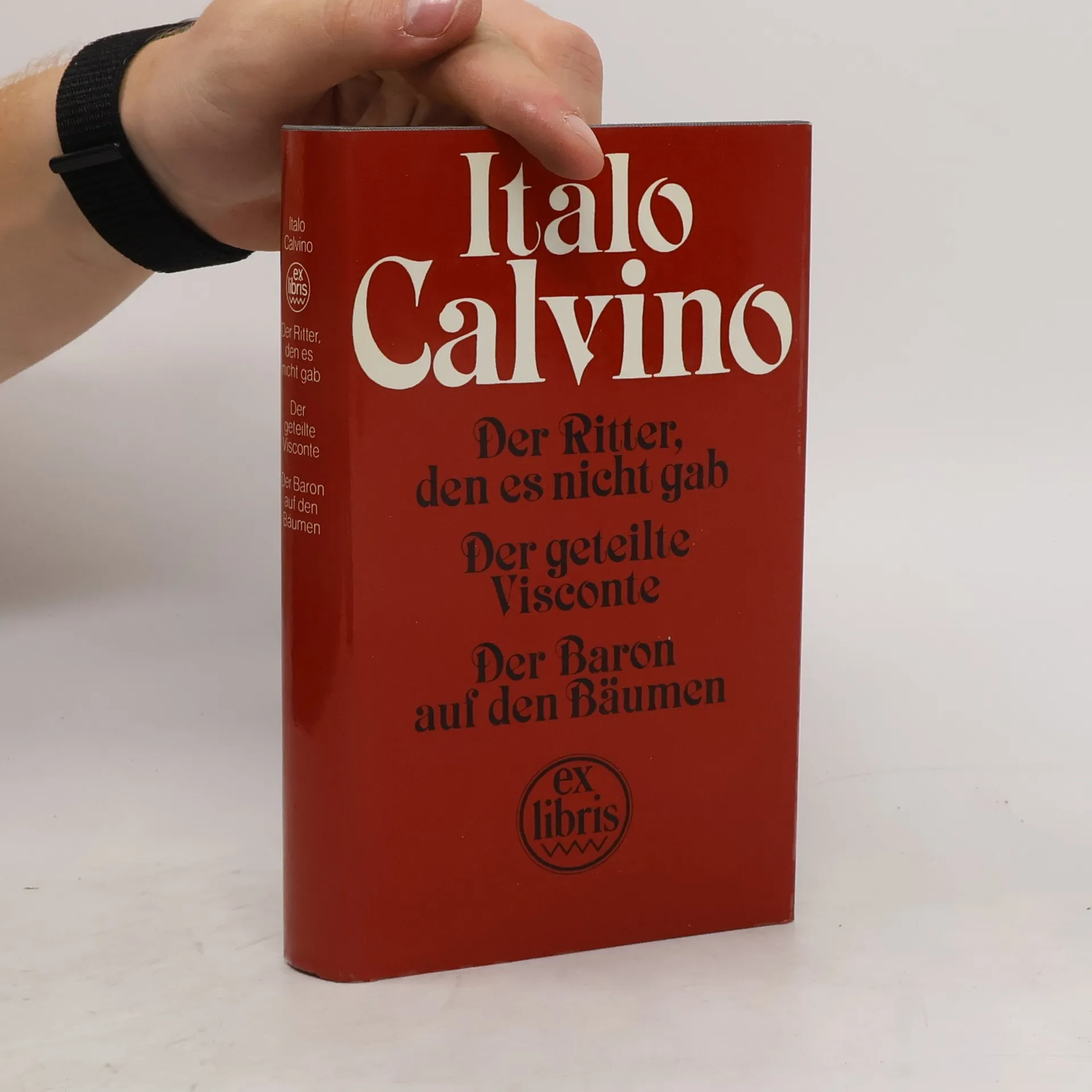
Geschriebene und ungeschriebene Welt
- 160pages
- 6 heures de lecture


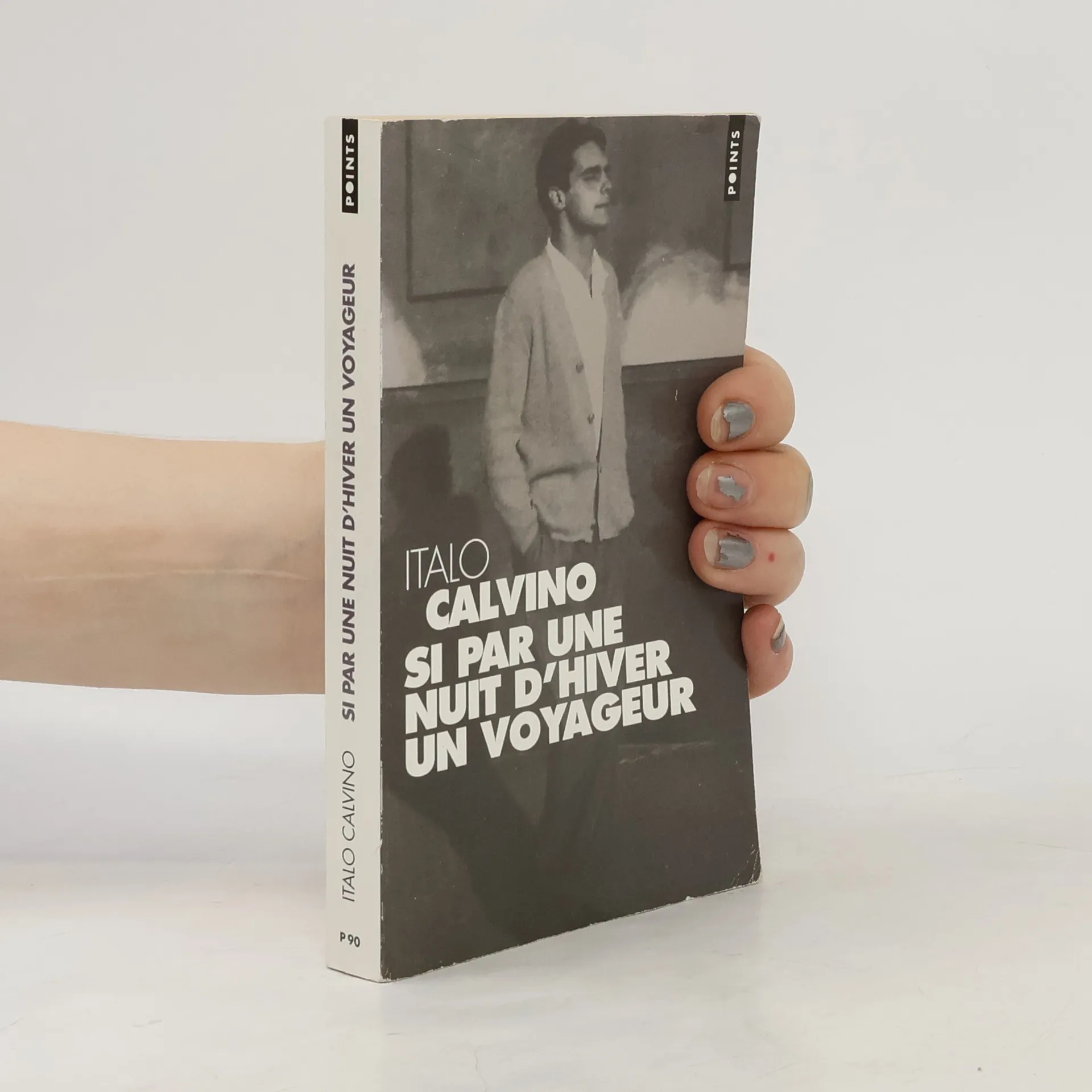
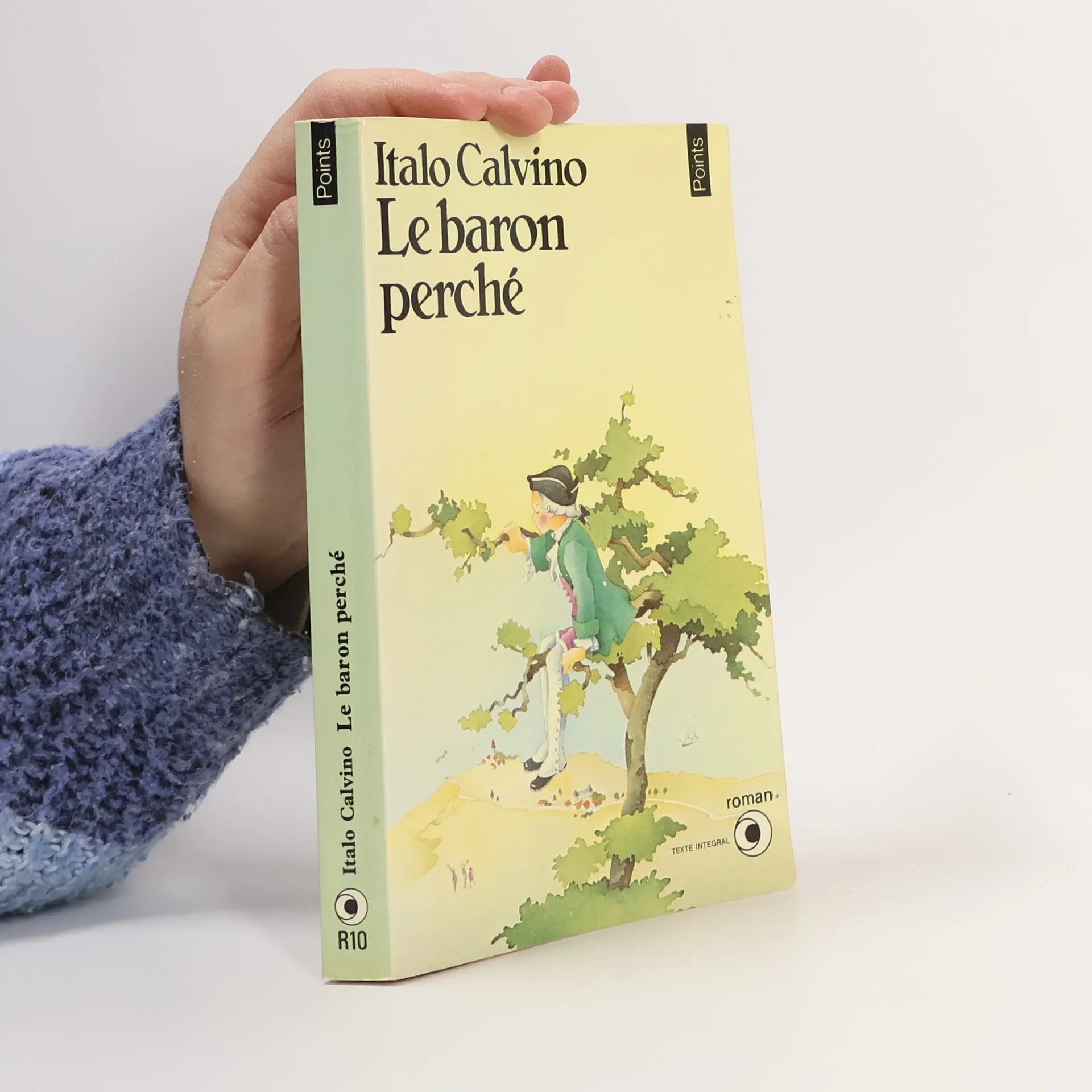
L'œuvre d'Italo Calvino défie une catégorisation facile, mêlant souvent des contes de fées fantastiques à un réalisme aigu et observationnel. Il a exploré la structure même des histoires et du langage, s'efforçant, comme il le disait, de « soustraire du poids ». Cette légèreté délibérée, appliquée aux personnages, aux villes et aux récits, crée une expérience littéraire unique. Les lecteurs trouveront son approche imaginative et sa profondeur philosophique convaincantes.

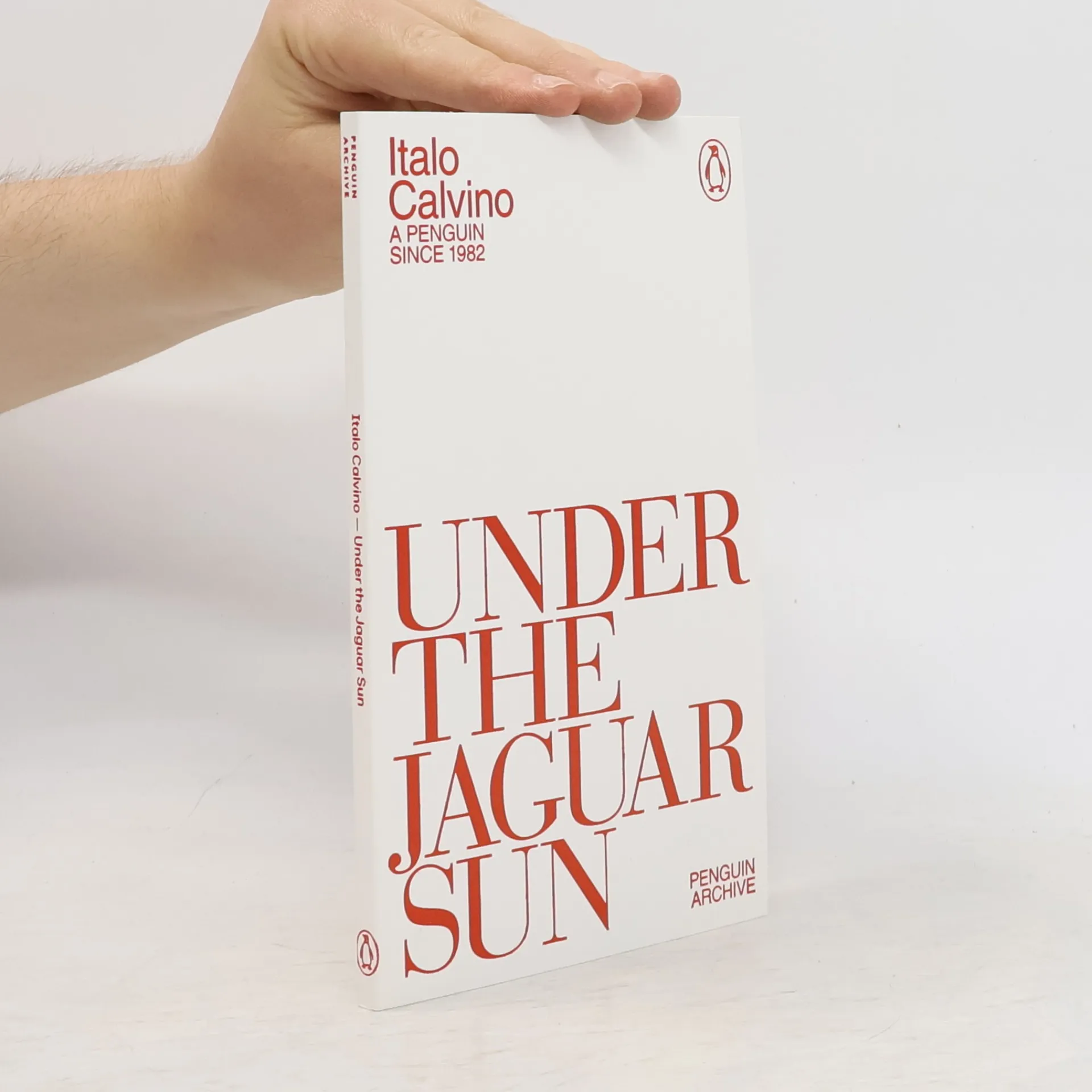
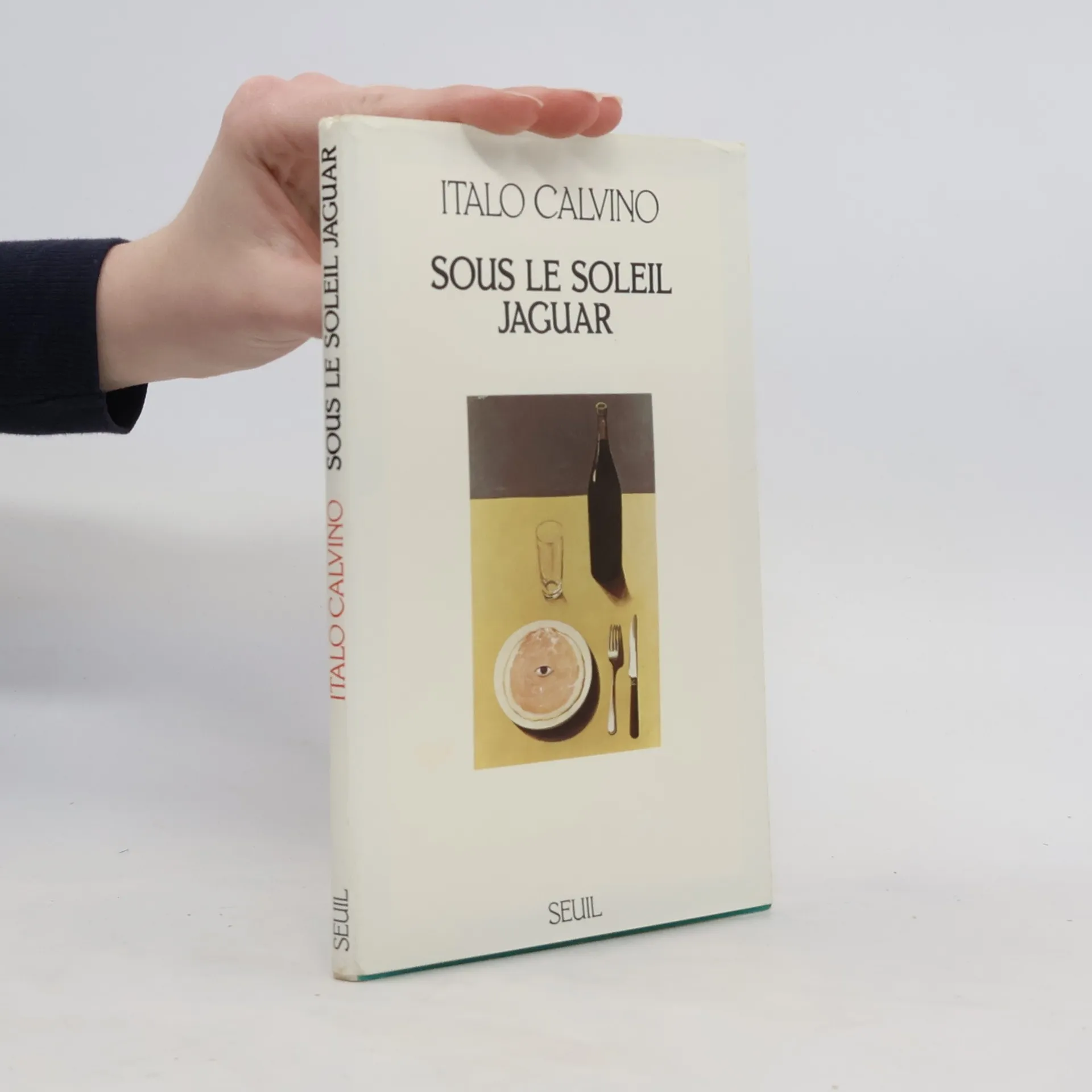
I went down, I climbed back up into the light of the jaguar sun - into the sea of the green sap of the leaves. The world spun, I plunged down, my throat cut by the knife of the king-priest ... The solar energy coursed along dense networks of blood and chlorophyll; I was living and dying in all the fibers of what is chewed and digested and in all the fibers that absorb the sun
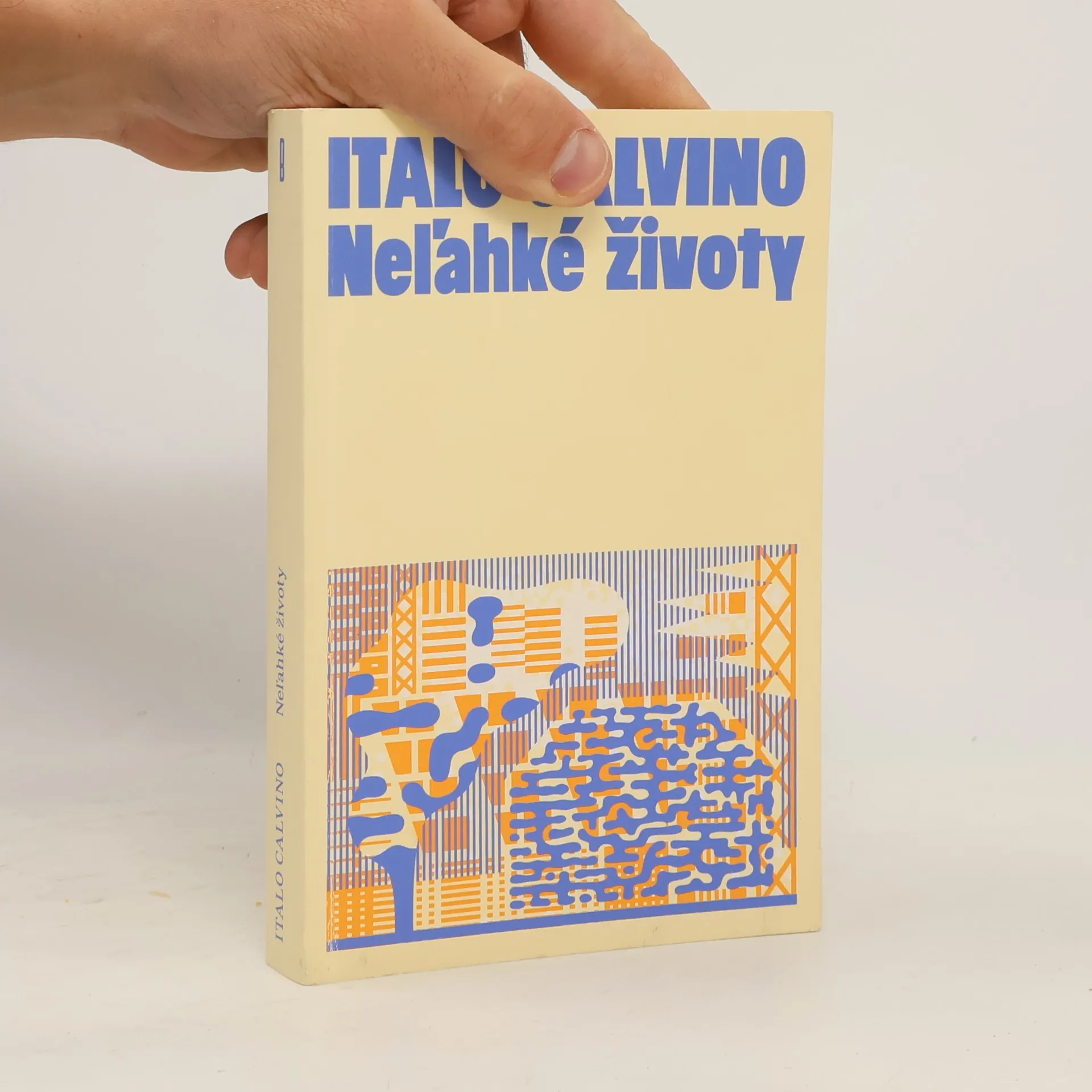
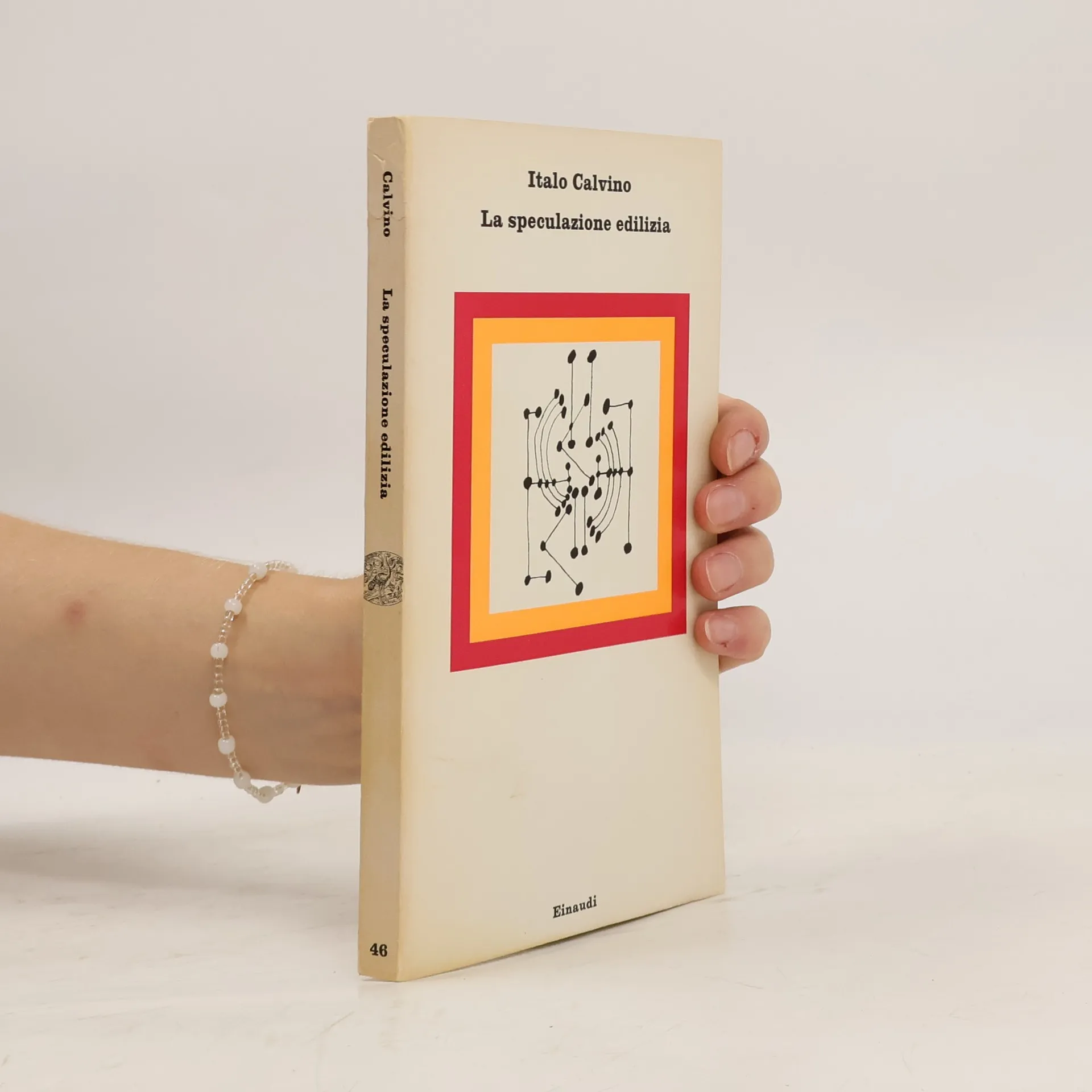
Italo Calvino je jeden z najvýznamnejších talianskych a európskych spisovateľov dvadsiateho storočia. Jeho dielo prešlo viacerými tvorivými fázami od príklonu k neorealizmu cez alegoricko – symbolické príbehy a texty inšpirované kombinatorikou, cez príklon k hnutiu OULIPO až k postmodernizmu. Tri novely (Argentínske mravce, Stavebné špekulácie a Oblak smogu) vyjdú pod spoločným názvom Neľahké životy. Kniha vychádza v preklade Miroslavy Vallovej. Italo Calvino, jeden z najvýznamnejších talianskych spisovateľov a mysliteľov dvadsiateho storočia, autor kultového románu Neviditeľné mestá, sa v zbierke troch noviel Neľahké životy zaoberá pálčivými témami, ktoré sú navýsosť aktuálne aj dnes. Bolestne naliehavou otázkou je pre neho trvalá udržateľnosť životného prostredia v atmosfére stavebného boomu povojnového Talianska. S rovnakou nástojčivosťou približuje aj dilemy a následné zlyhávanie intelektuála v tvorivom procese a zložitých výzvach neľahkého života.
dtv zweisprachig für Einsteiger – Italienisch
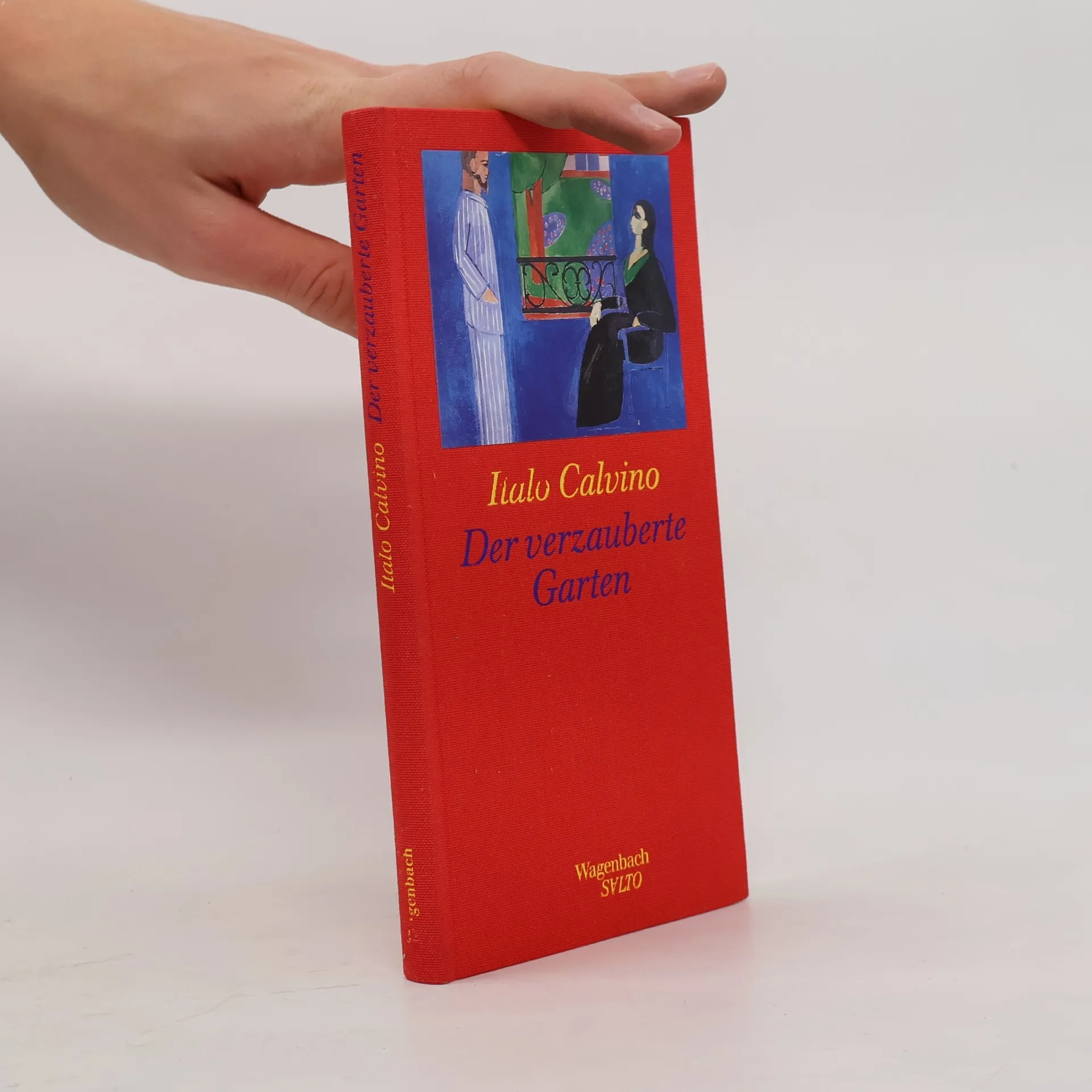
Kabinettstücke der italienischen Märchenliteratur Ninetta entdeckt einen geheimen Garten, in dem sich der Königssohn unsterblich in sie verliebt. Ein junges Mädchen muss ihr Elternhaus verlassen, weil sie vom Pech verfolgt wird, Pippina wird mit einem Fluch belegt und verwandelt sich, von der Sonne berührt, in eine Schlange. Caterina die Kluge überlistet ihren Ehemann, damit er bei ihr bleibt. Und eine junge Fürstin wird mithilfe ihres Dieners ihren geizigen Gatten los. Sie alle müssen sich den Herausforderungen stellen, die das Leben ihnen aufgibt, ehe sie Liebe und Lebensglück finden können. Diese fünf sizilianischen Märchen, aufgezeichnet von Italo Calvino, zeigen die Magie der mündlich überlieferten italienischen Fabeln, die reich an fantastischen Wesen und Zauber sind. dtv zweisprachig – Die Vielfalt der Sprachen auf einen Blick Die Reihe umfasst drei Sprach-Niveaus – Einsteiger, Fortgeschrittene und Könner – und mittlerweile über 130 Titel in vielen Sprachen. Landeskunde, Kulturgeschichte und Redewendungen, zeitgenössische und klassische Texte in unterschiedlichen Formen und Genres – von der Kurzgeschichte bis zum Krimi – für jeden Lesegeschmack ist etwas dabei. Einzigartig ist die konsequente Zeilengleichheit zwischen Originaltext und Übersetzung, damit man vom ersten bis zum letzten Wort in zwei Sprachwelten zuhause ist.
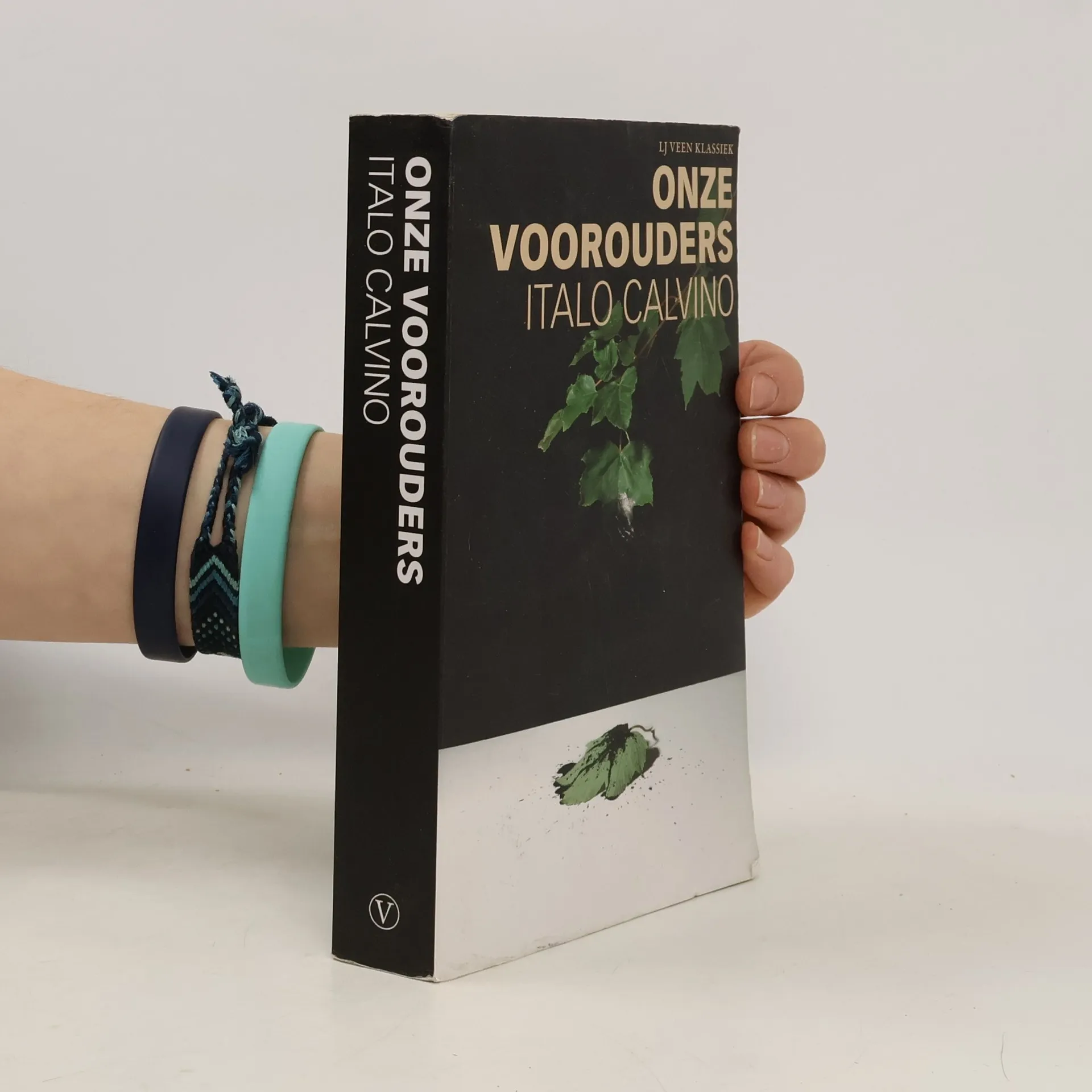
Absurde verhalen over gefingeerde historische figuren.
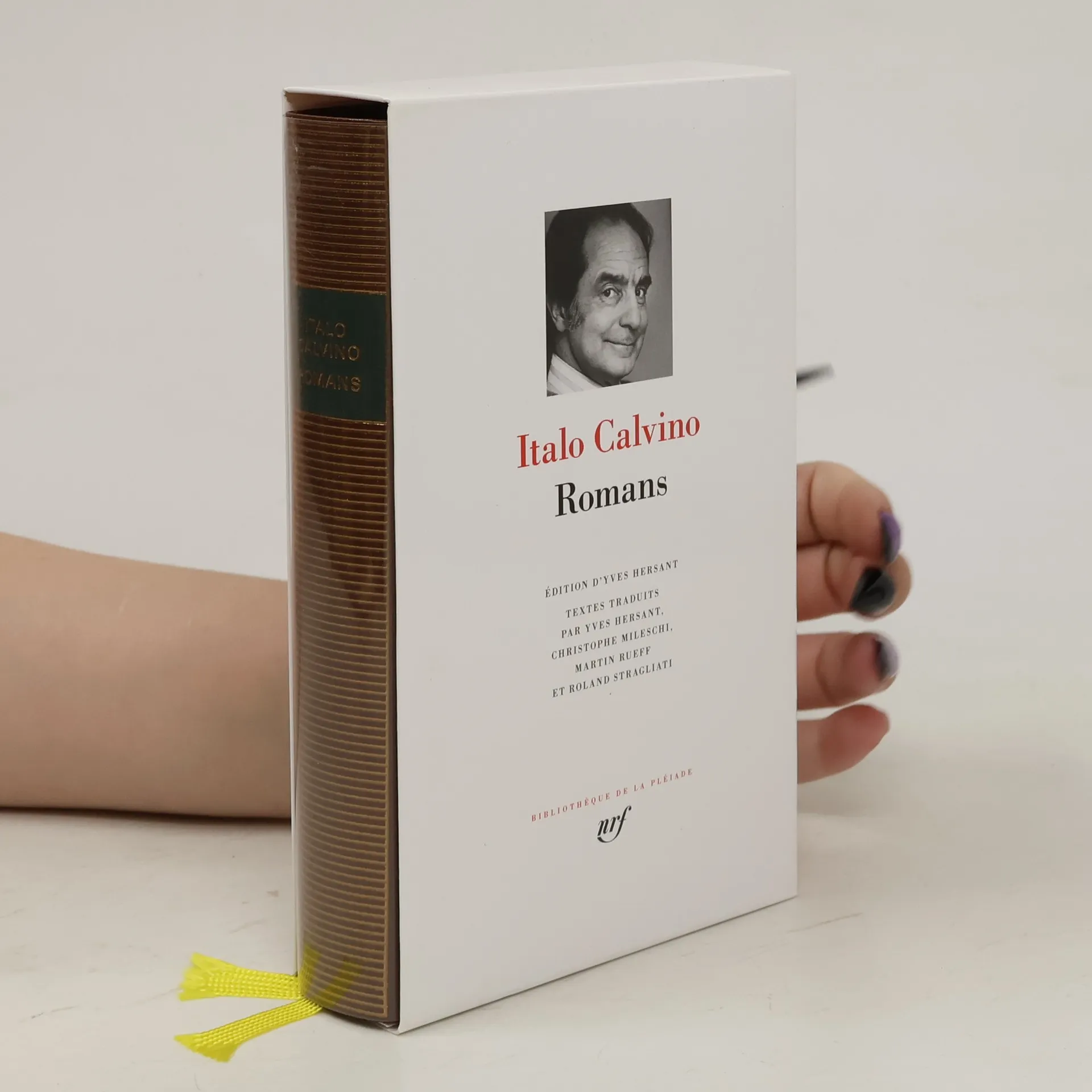
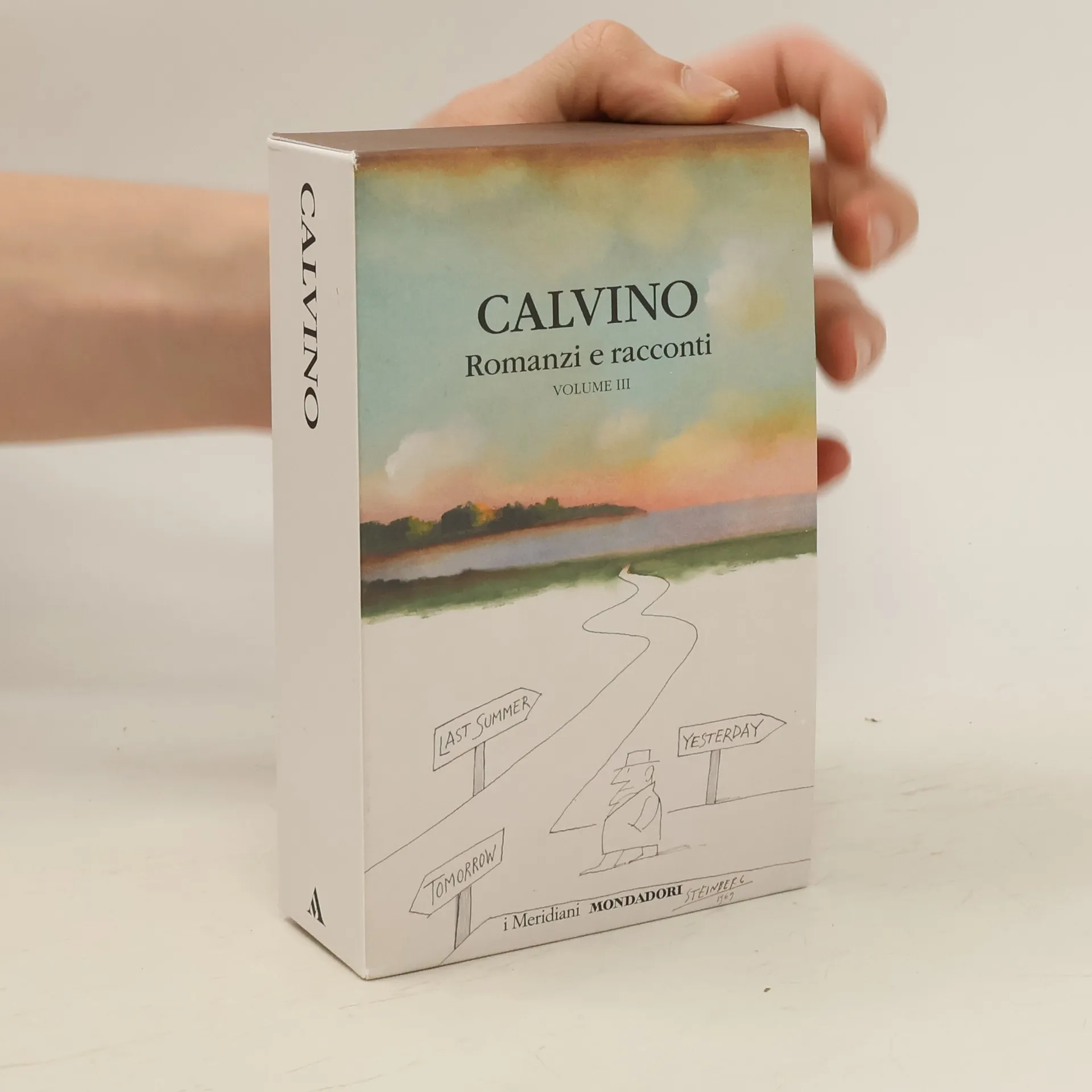
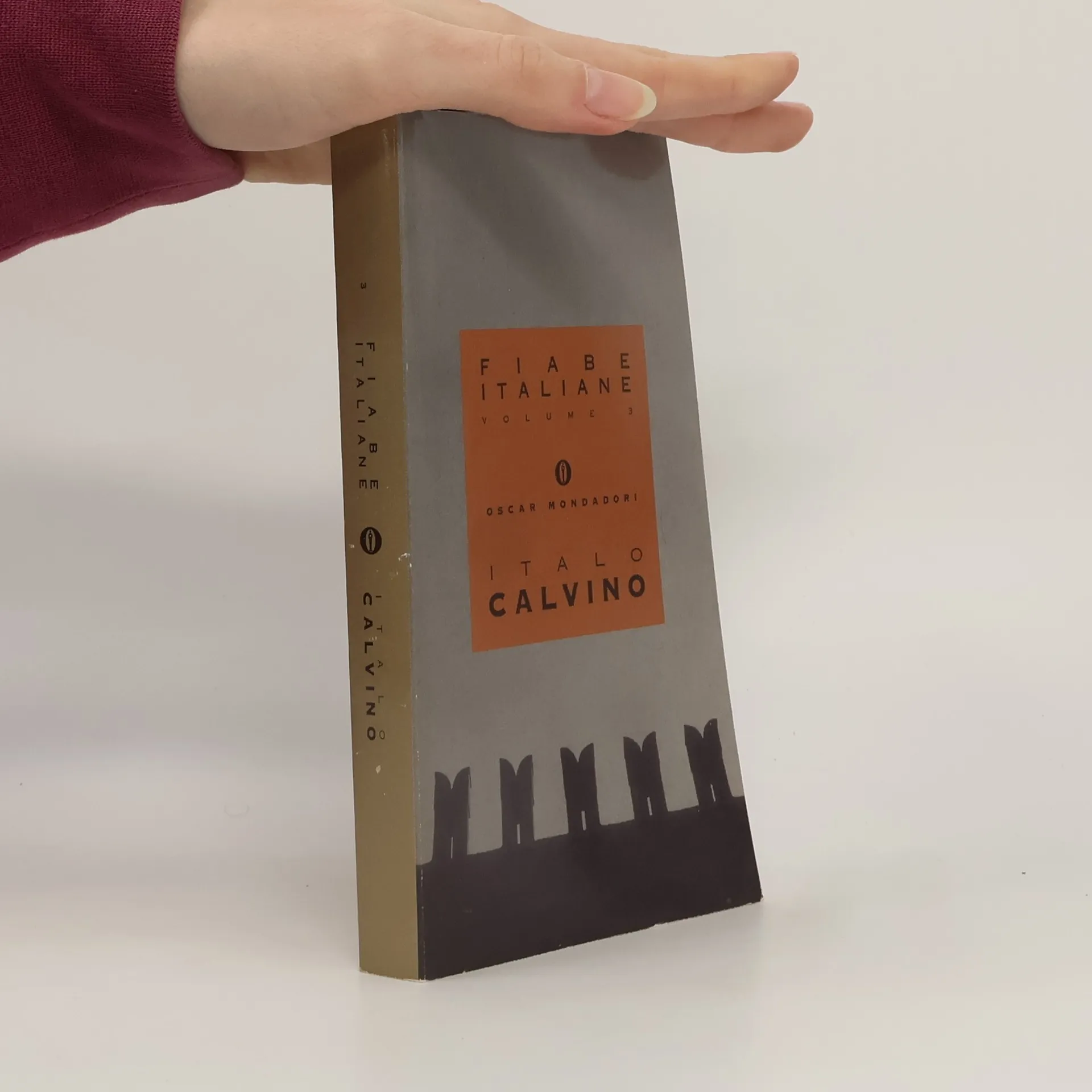
In tre Meridiani è raccolta in ordine cronologico l'intera produzione narrativa di Calvino, sia edita che inedita, arricchita da prefazioni d'autore presentate in un'apposita sezione. Le note e notizie sui testi forniscono preziose informazioni sulla genesi delle singole opere, sulle influenze letterarie che le hanno ispirate, sulle varianti che documentano le successive fasi di scrittura. In particolare, il terzo volume racchiude i Racconti sparsi e altri testi d'invenzione
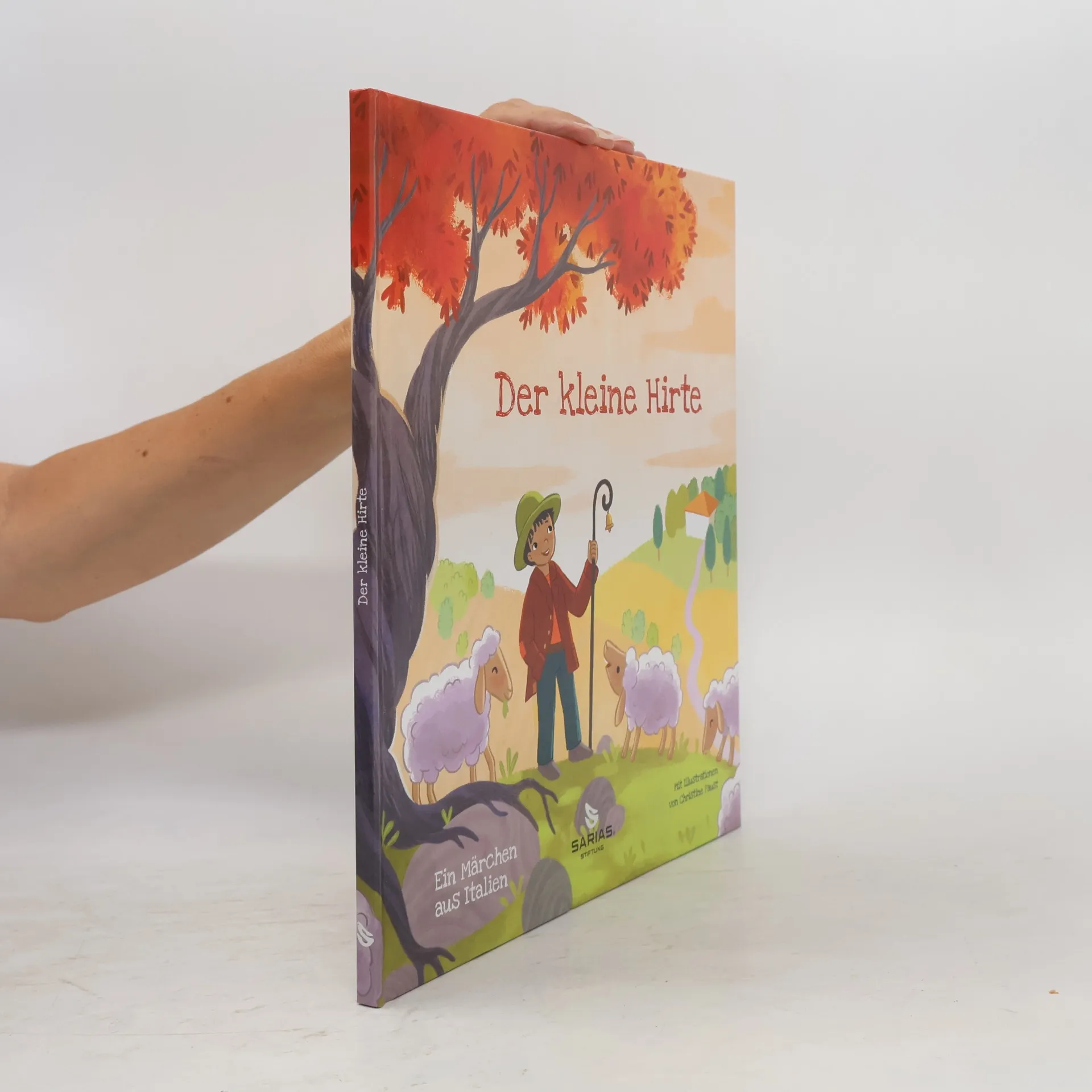
Ein Märchen aus Italien
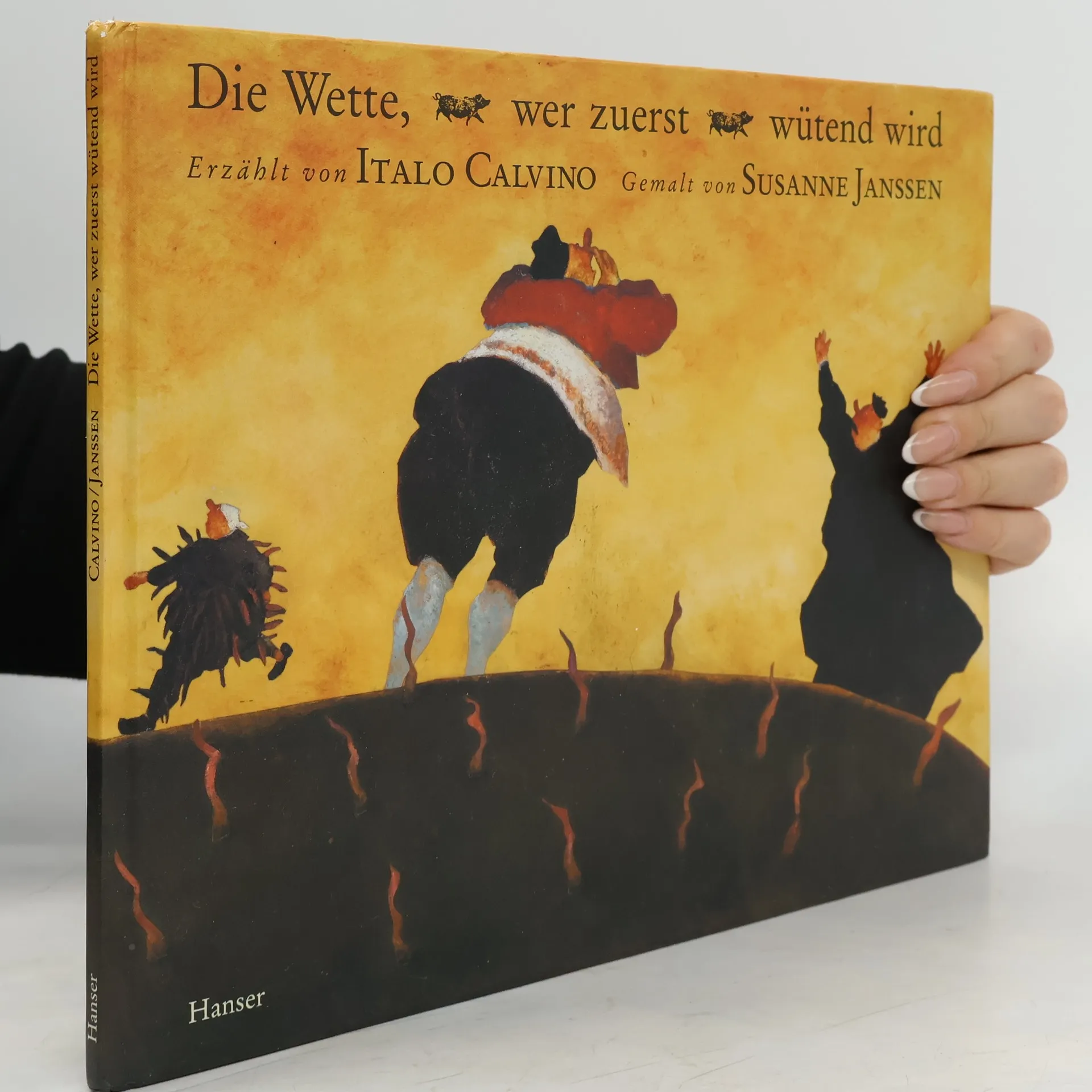
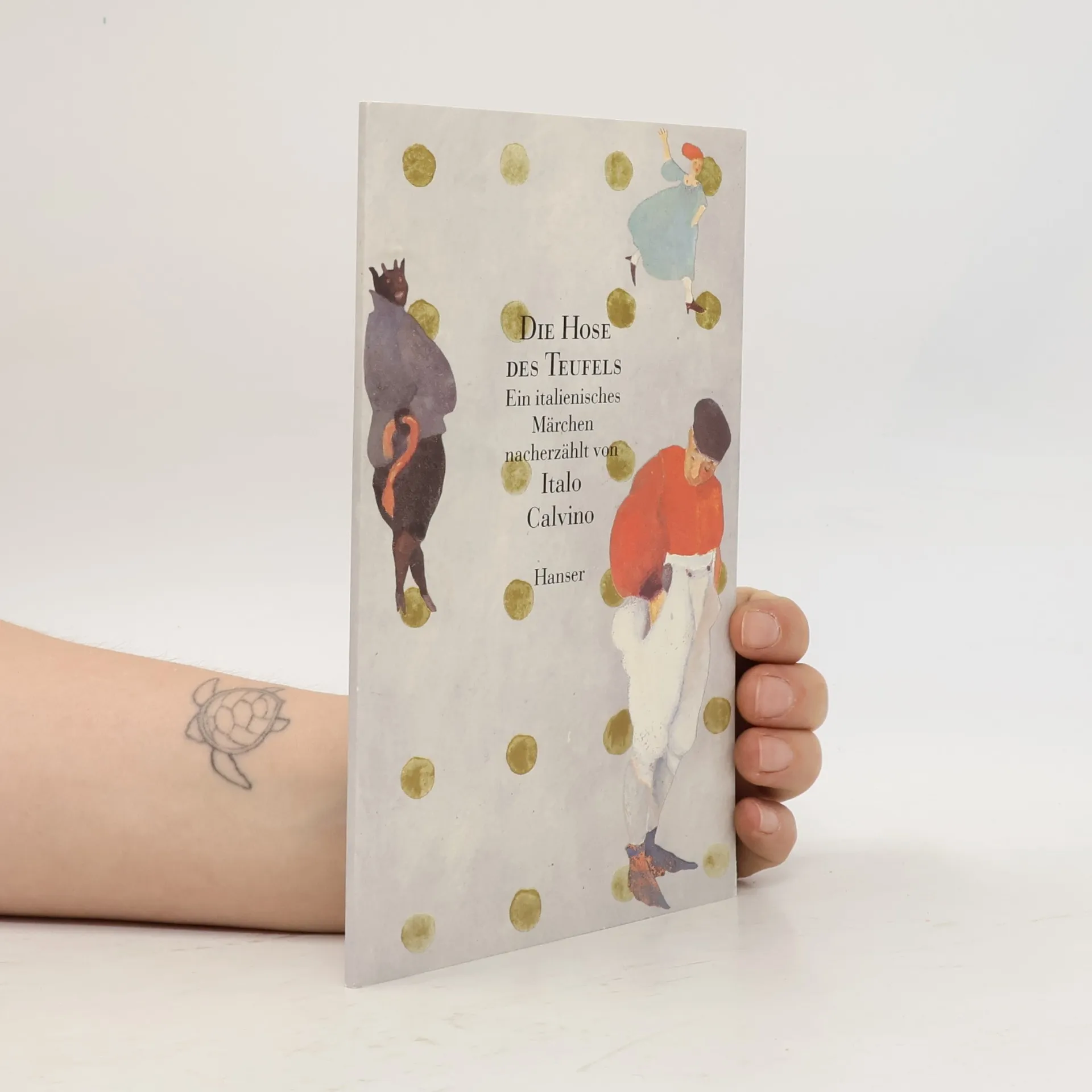
Als ein junger Hirte wegen eines Schabernacks verflucht wird, hört er auf zu wachsen. Er bleibt klein und dünn. Um den Fluch aufzuheben, muss er die schöne Bargaglina von den drei singenden Äpfeln finden. Bei seiner Suche begegnet er vielen hilfsbereiten Personen. Doch als er sein Ziel fast erreicht hat, da passiert etwas Unerwartetes. Ein Märchen aus Italien über Hilfsbereitschaft, Neid und Liebe. Für Kinder ab sechs Jahre und alle, die Märchen lieben.
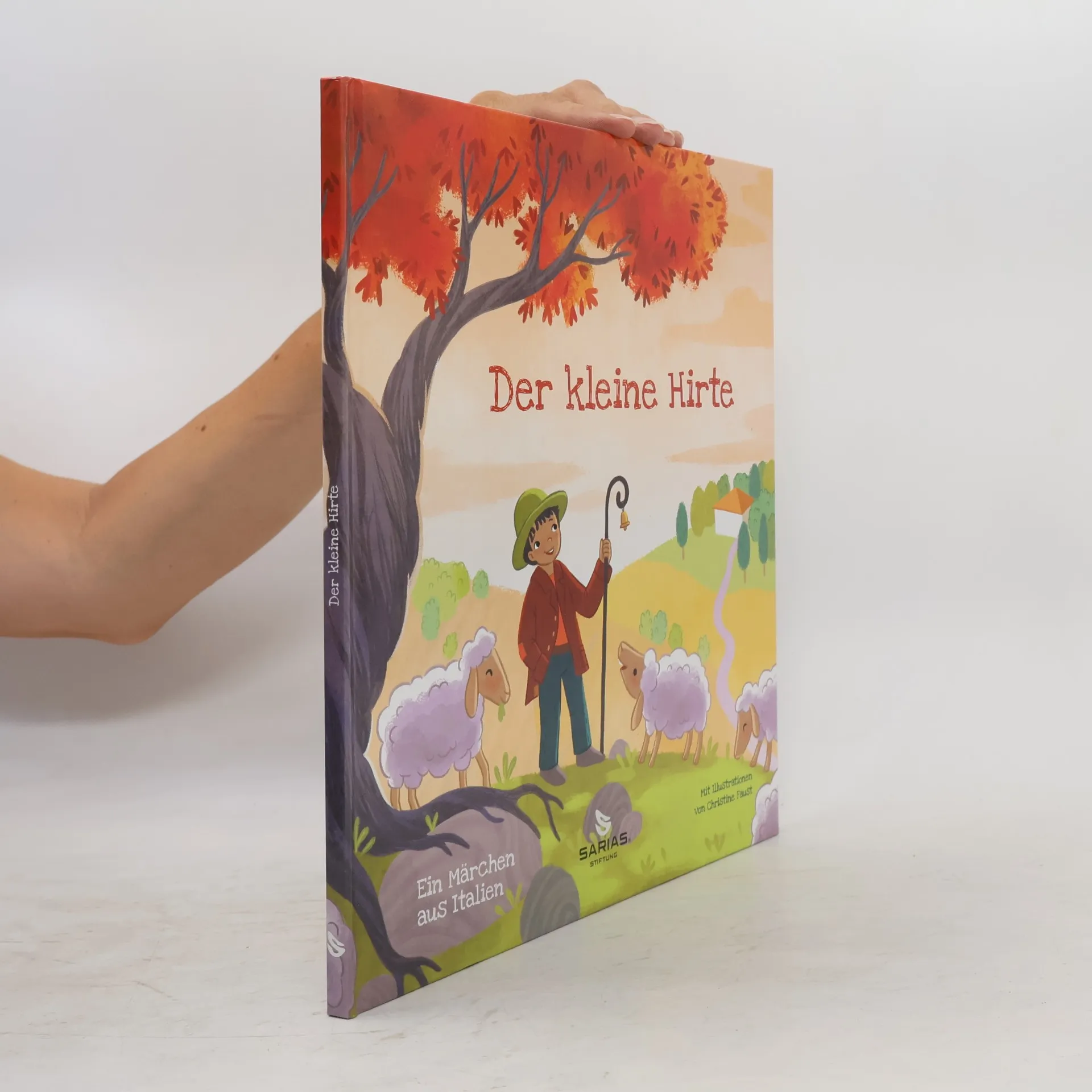
Ein Märchen aus Italien
Als ein junger Hirte wegen eines Schabernacks verflucht wird, hört er auf zu wachsen. Er bleibt klein und dünn. Um den Fluch aufzuheben, muss er die schöne Bargaglina von den drei singenden Äpfeln finden. Bei seiner Suche begegnet er vielen hilfsbereiten Personen. Doch als er sein Ziel fast erreicht hat, da passiert etwas unerwartetes. Ein Märchen aus Italien über Hilfsbereitschaft, Neid und Liebe. Für Kinder ab sechs Jahre und alle, die Märchen lieben.
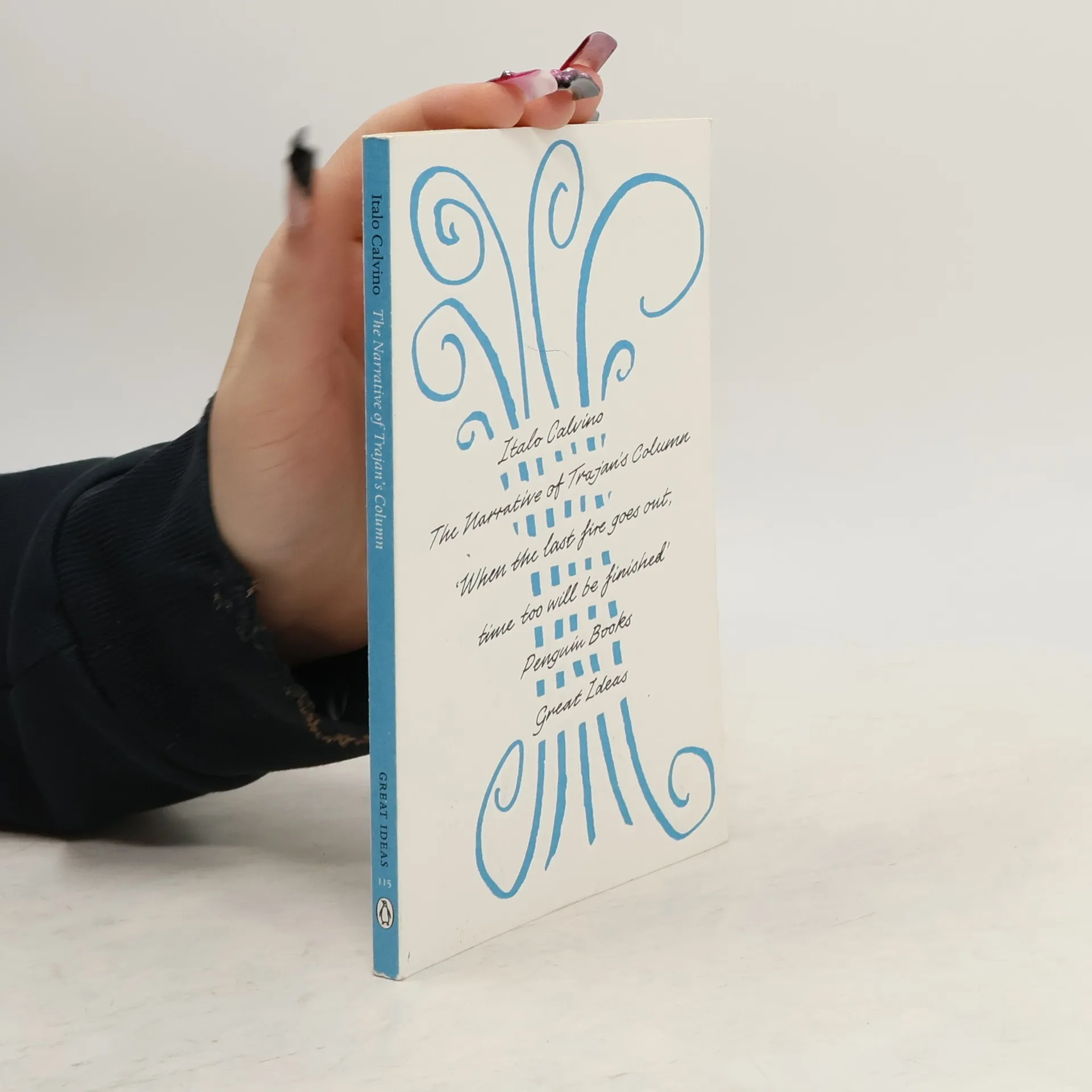
'When the last fire goes out, time too will be finished' Italo Calvino was one of the most joyful and imaginative writers of the twentieth century. Here he muses on what the things we leave behind - whether waxworks or ancient graffiti, enigmatic maps or a crumbling Roman column - tell us about the greater truths of the world, space and time.One of twenty new books in the bestselling Penguin Great Ideas series. This new selection showcases a diverse list of thinkers who have helped shape our world today, from anarchists to stoics, feminists to prophets, satirists to Zen Buddhists.
Jhumpa Lahiri's landmark collection brings together forty writers that reflect over a hundred years of Italy's vibrant and diverse short story tradition, including well known authors such as Italo Calvino, Elsa Morante and Luigi Pirandello, alongside many captivating rediscoveries. Poets, journalists, visual artists, musicians, editors, critics, teachers, scientists, politicians, translators: the writers that inhabit these pages represent a dynamic cross section of Italian society.
Noveller. Stories that interweave scientific fact with wordplay
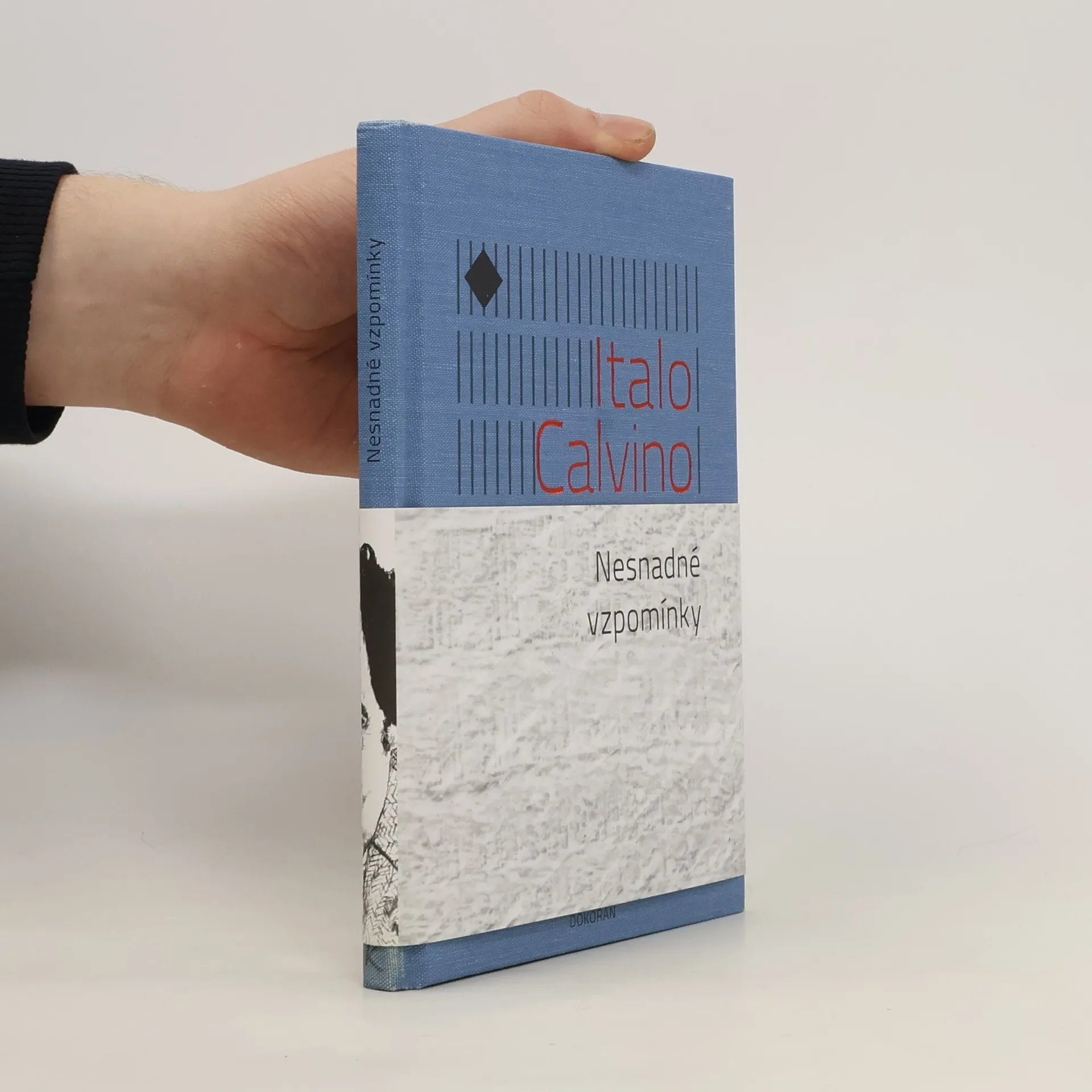
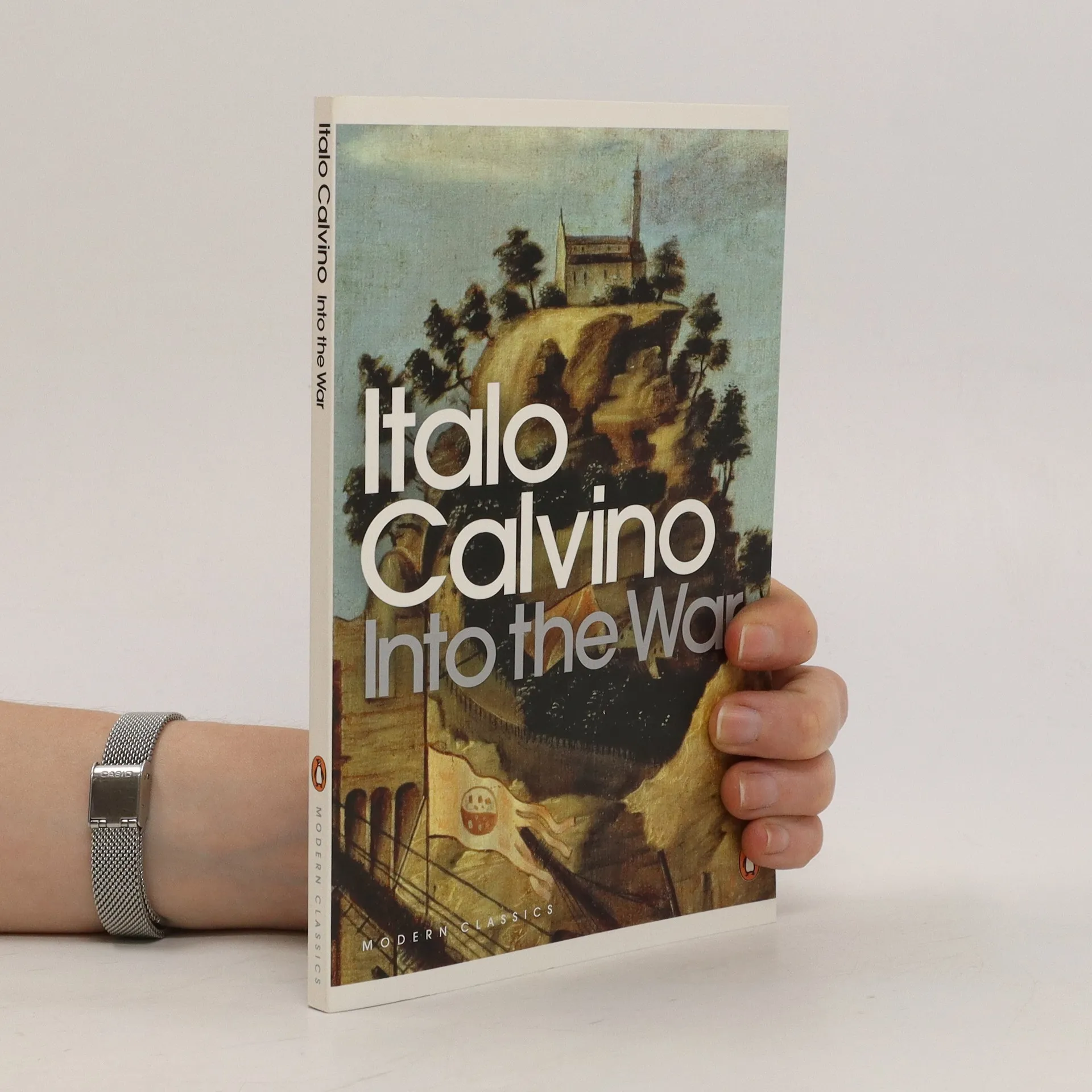
Nesnadné vzpomínky jsou pak tvořeny v první řadě pěti kratšími povídkami, v nichž se Calvino věnuje tématu vztahů mezi otci a syny, ale vrací se opět i k válce a partyzánskému odboji. Doplňují je tři autobiografické povídky, které prvotně tvořily svazek, v nichž Calvino popisuje vstup Itálie do války a průběh jejích prvních dnů.
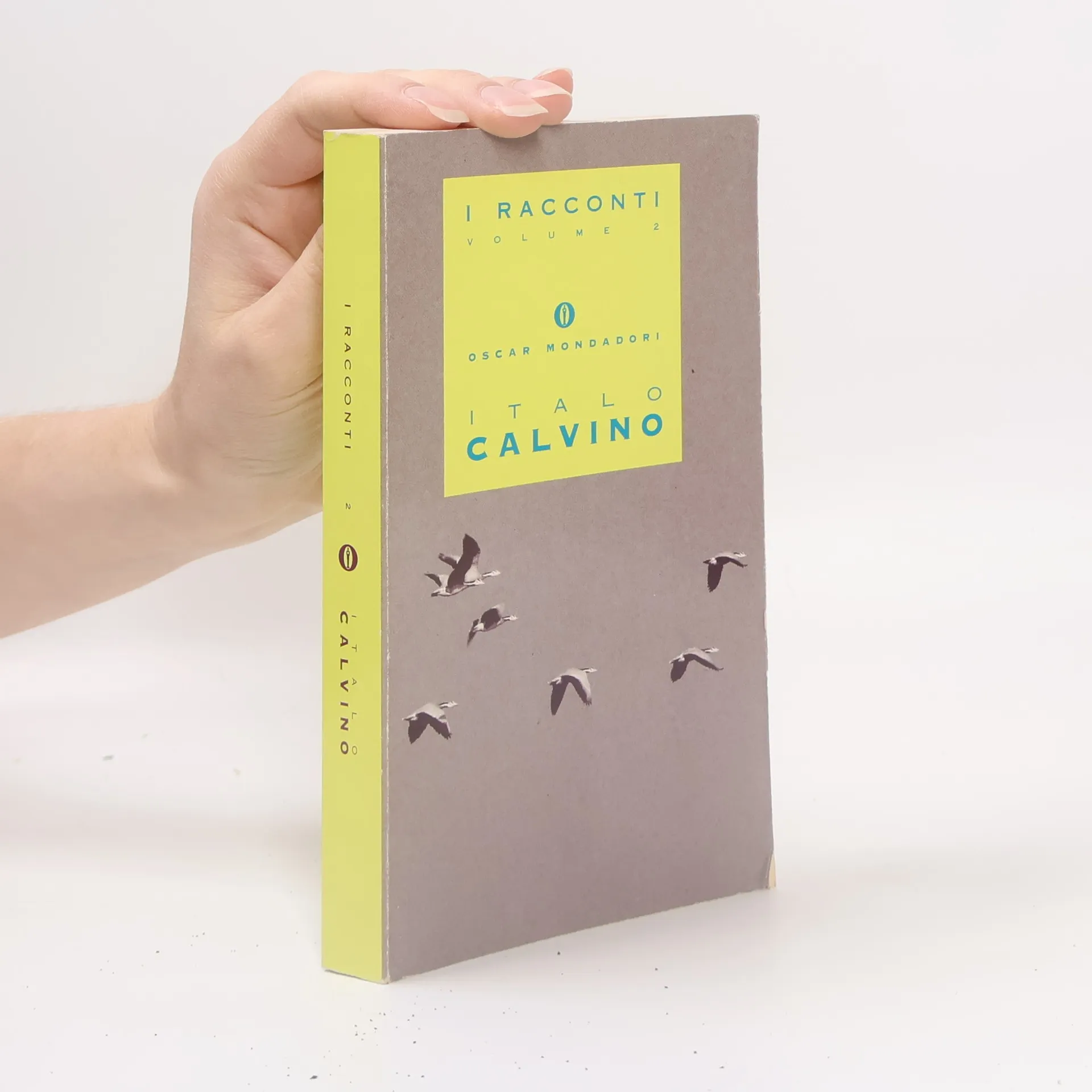
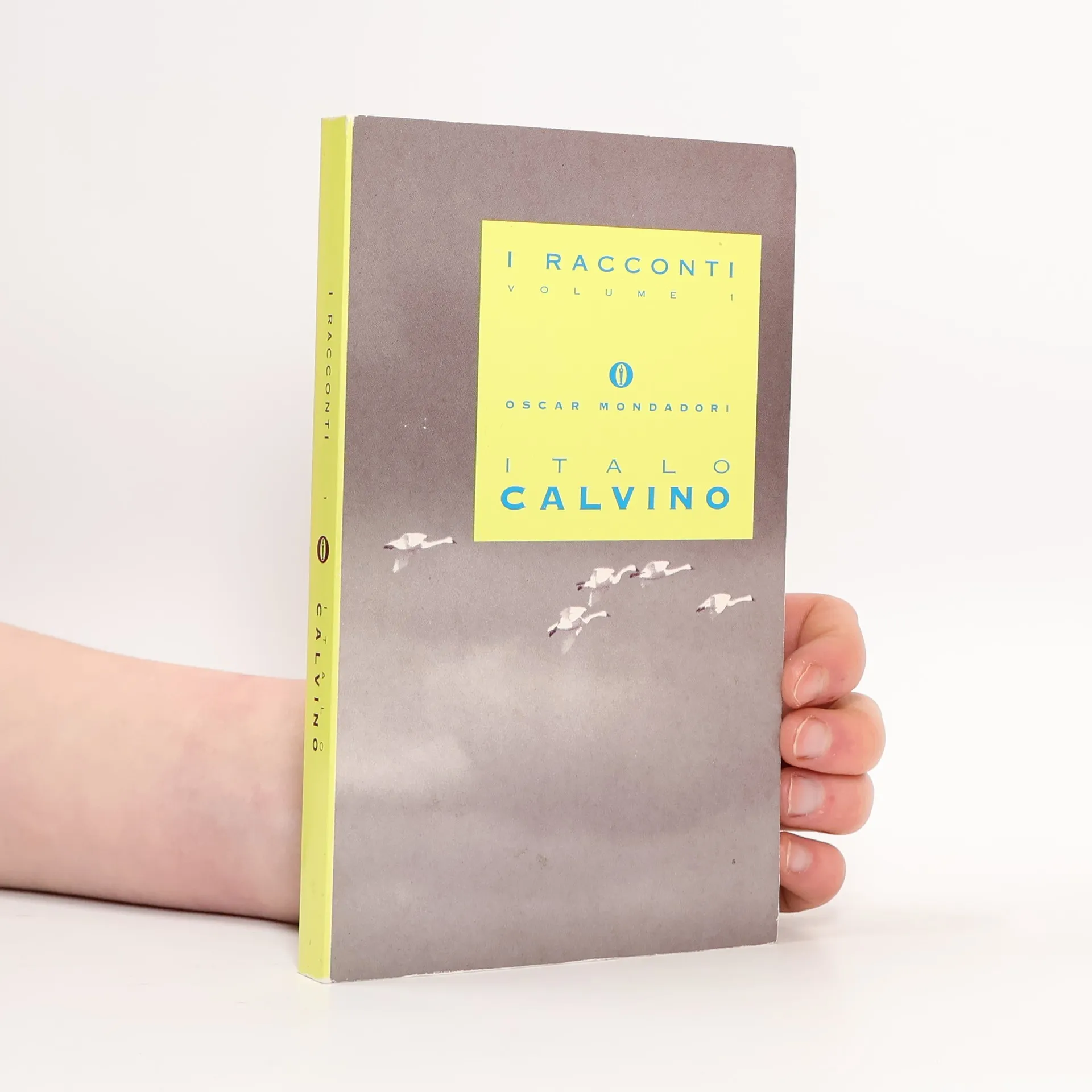
Souborné vydání 32 různorodých povídek známého italského autora z let 1945-1958. Jedná se o první svazek původního autorského souboru Povídky vydaného v roce 1958, zahrnuté texty jsou tematicky i stylisticky velmi různorodé. V několika povídkách autor přibližuje proces dospívání v Ligurii, kraji z jedné strany obehnaném horami a z druhé mořem. Část dalších povídek pracuje s pohádkovými motivy či na osudech prosťáčka Marcovalda zachycuje problémy objevující se v moderních velkoměstech. Povídky reflektující válečné zkušenosti a situace z odboje tematizují chladnokrevnost, zradu, odhodlání a okamžiky bezbřehého násilí. Je zde zachycen jedinečný úhel pohledu jednotlivých postav, který zpravidla vychází z jejich psychologického, sociálního a historického zakotvení.
Es war einmal eine Stadt, in der alle Einwohner Diebe waren. Jeder bestahl jeden und so hatte immer jeder etwas. Eines Tages kam ein Ehrlicher in die Stadt und brachte das bequeme Gleichgewicht durcheinander. Das Chaos beginnt zu regieren. Wie entstanden Reichtum und Armut auf der Welt? Italo Calvino entwickelt erzählerisch seine ganz eigene Theorie.
Autobiographisch sind alle Texte dieses Bandes, und so vielfältig wie das Leben. Gewitzte kleine »Erinnerungsstücke«, die ganz Unterschiedliches heraufbeschwören: Calvinos leidenschaftliche Liebe zum Kino der 30er Jahre, seine Hommage an Fellini, Reminiszenzen an seine Zeit bei den Partisanen, und die ebenso sachliche wie wehmütig-liebevolle Erinnerung an den Vater, einen großen Botaniker und Jäger, und an die Landschaft, in der Calvino seine Jugend verbracht hat: die ligurische Riviera mit ihren Hügeln, Weinbergen und dem Meer.
Part autobiography, part sociological study, part travel memoir - a reissue of Carlo Levi's classic book on life in a small, desolate Italian town during the 1930s.
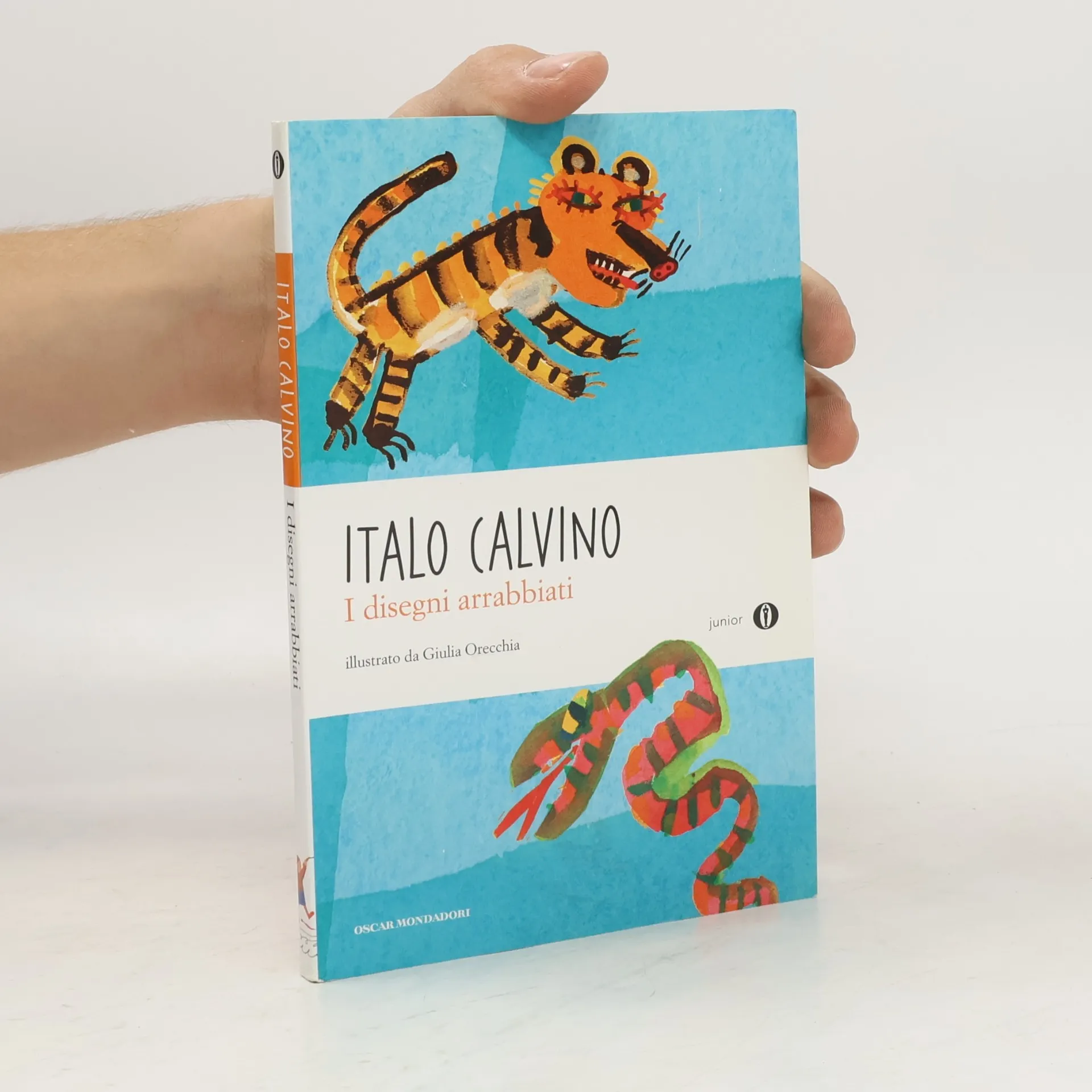
Lodolinda detesta Federico e non ha nessuna intenzione di giocare con lui. Preferisce dedicarsi a un disegno arrabbiato come lei: un toro inferocito. Anche Federico sa disegnare, e risponde con una tigre che manda il toro a zampe all'aria! Lodolinda la attacca con un boa e Federico risponde con un famelico avvoltoio, in un crescendo di furiosa creatività che coinvolgerà indiani, cowboy, bisonti, pianoforti... Chi vincerà la sfida a colpi di matita?
›Album Calvino‹ ist ein Bild-Text-Band, der Italo Calvinos intellektuelle Biographie anhand von bislang unbekannten Materialien neu erzählt. Unveröffentlichte Texte Calvinos gehören ebenso dazu wie Auszüge aus Briefen und Interviews. Die zahlreichen Fotos, darunter viele aus dem Privatarchiv der Familie, erlauben es, Gesichter, Orte und die zeitgenössische Atmosphäre zu rekonstruieren, von der kubanischen Kindheit Calvinos zu den Schuljahren in Ligurien und über die Teilnahme an der Resistenza bis hin zu den Jahren, als er bereits ein berühmter Autor war, der das Gesicht der Weltliteratur des 20. Jahrhunderts veränderte.
Una volta ci fu un Re che aveva due figli gemelli: Giovanni e Antonio... Così inizia la fiaba II palazzo delle scimmie, in cui un futuro re deve prendere in moglie... proprio una scimmia! I cinque scapestrati, invece, con le loro "arti" riescono a gabbare il re di Francia e la sua pazza figlia. E poi ci sono II soldato napoletano e due suoi amici che, sfidando i giganti, si trasformano in re e duchi. E furbi sono anche Cricche, Crocche e Manico d'Uncino che fanno una scommessa per vedere chi è il "mariuolo più fino". Mentre il povero Giufà è il protagonista di ben quattro fiabe, nelle quali si dimostra più allocco che mai: prima vuole vendere una tela a una statua, poi si fa truffare perfino dalle mosche, e infine decide di far finta di morire per non pagare i suoi debiti. Ma una buona dose di legnate nelle storie da ridere non manca mai ed è quello che accade nell'ultima, Giufà e l'otre. Otto racconti per ridere insieme dell'imprudenza, della sbadataggine e della furbizia del popolo, illustrati da Fabian Negrin. Le Fiabe italiane racchiudono il tesoro della tradizione fiabistica popolare degli ultimi cent'anni. Da quello scrigno Calvino stesso ha selezionato per i più piccoli queste storie, in cui le vite di persone e animali si intrecciano a magia e meraviglia senza tempo. Età di lettura: da 6 anni.
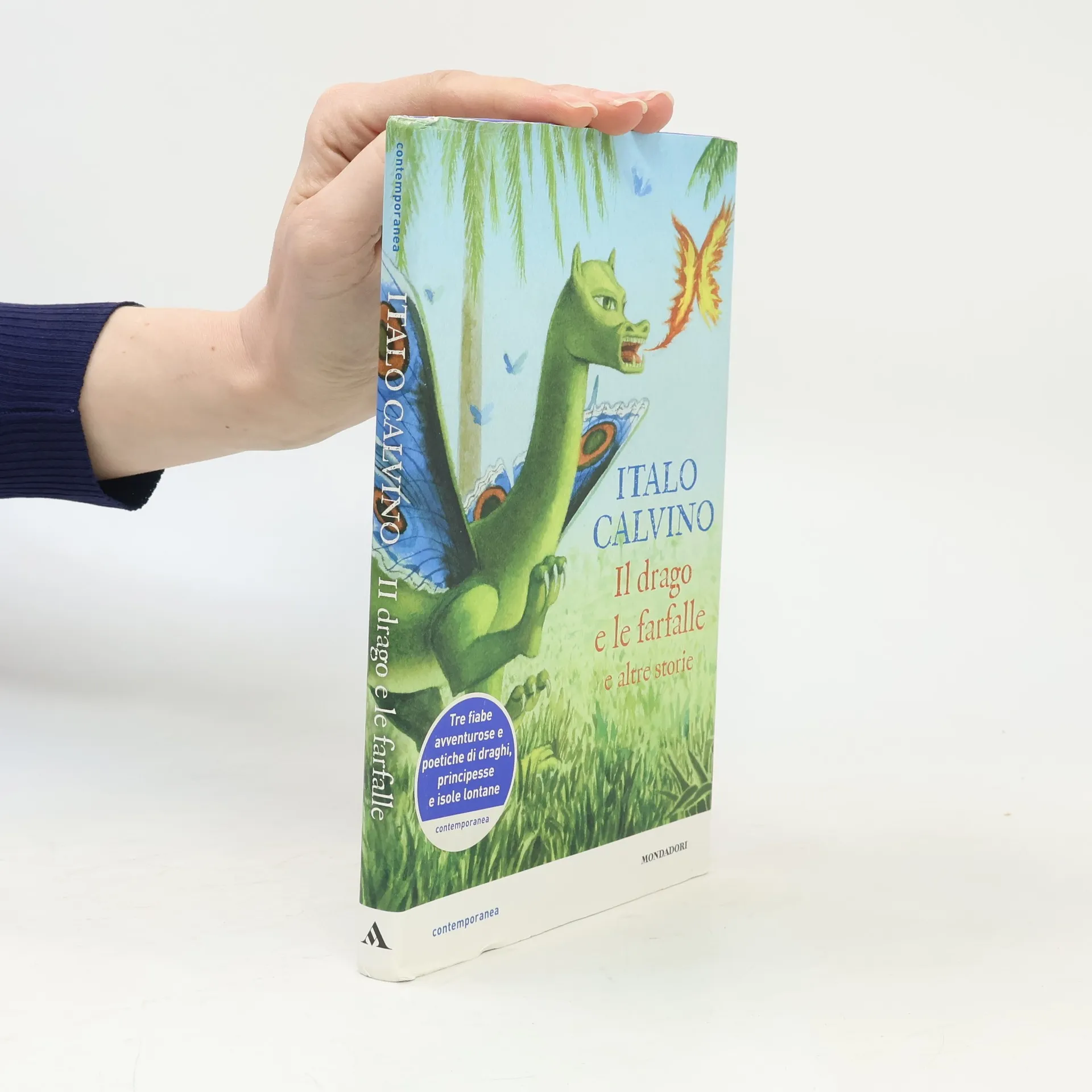
Un feroce drago vorrebbe diventare farfalla ma si imbatte nell'astuzia del naufrago Valdemaro, deciso a conquistare il tesoro nascosto nella sua tana e a sposare la bella Biancaperla; la luna svela una profezia d'amore al soldato Casimiro e alla dolce Consuelo; il mozzo Giromìno promette alla nonna di arrivare fino all'Isola Lontana per recuperare un tesoro che gli spetta come eredità, ma viene ostacolato da tre loschi pirati. "Il drago e le farfalle", "L'ussaro e la luna", "Le tre isole lontane", l'incanto, il mistero, il gioco e l'ironia danzano insieme in questi tre racconti magici, in cui il sapore classico della fiaba si colora del tocco lieve e surreale di Italo Calvino. Nate nel 1977 per i bozzetti dell'artista Toti Scialoja e destinate a una trasmissione per ragazzi, queste tre fiabe teatrali vengono pubblicate per la prima volta in un unico volume, illustrato dalle tavole di Fabian Negrin. Età di lettura: da 7 anni.
Il volume presenta brani didattizzati tratti da Il giardino incantato, Il visconte dimezzato, Il barone rampante, Il cavaliere inesistente, Il castello dei destini incrociati, Le città invisibili, Se una notte d'inverno un viaggiatore, Gli amori difficili, Marcovaldo, Palomar. Italo Calvino contiene, inoltre, una breve biografia dell'autore, note a piè di pagina, originali illustrazioni e una sezione di attività didattiche con le chiavi.
A collection of stories. Set in Italy in the summer of 1940, it explores the relationships between the different generations caught up in the war as well as the author's own experiences as a teenager
'The inspector ordered that the bird be searched.One of the agents stalled saying it made him feel sick, and after some fierce pecking another withdrew sucking a bleeding finger.' In these two stories from an inventive, comic master of the form, old friends and friendly rivals Pietro and Tommasso discover a treasure lost by the side of the road, and become suspected of a using a blameless chicken for devious ends. Italo Calvino�s writing explores the fringes of these small, unusual scenes and finds incalculable wisdom and humour there. This book contains The Queen's Necklace and The Workshop Hen.
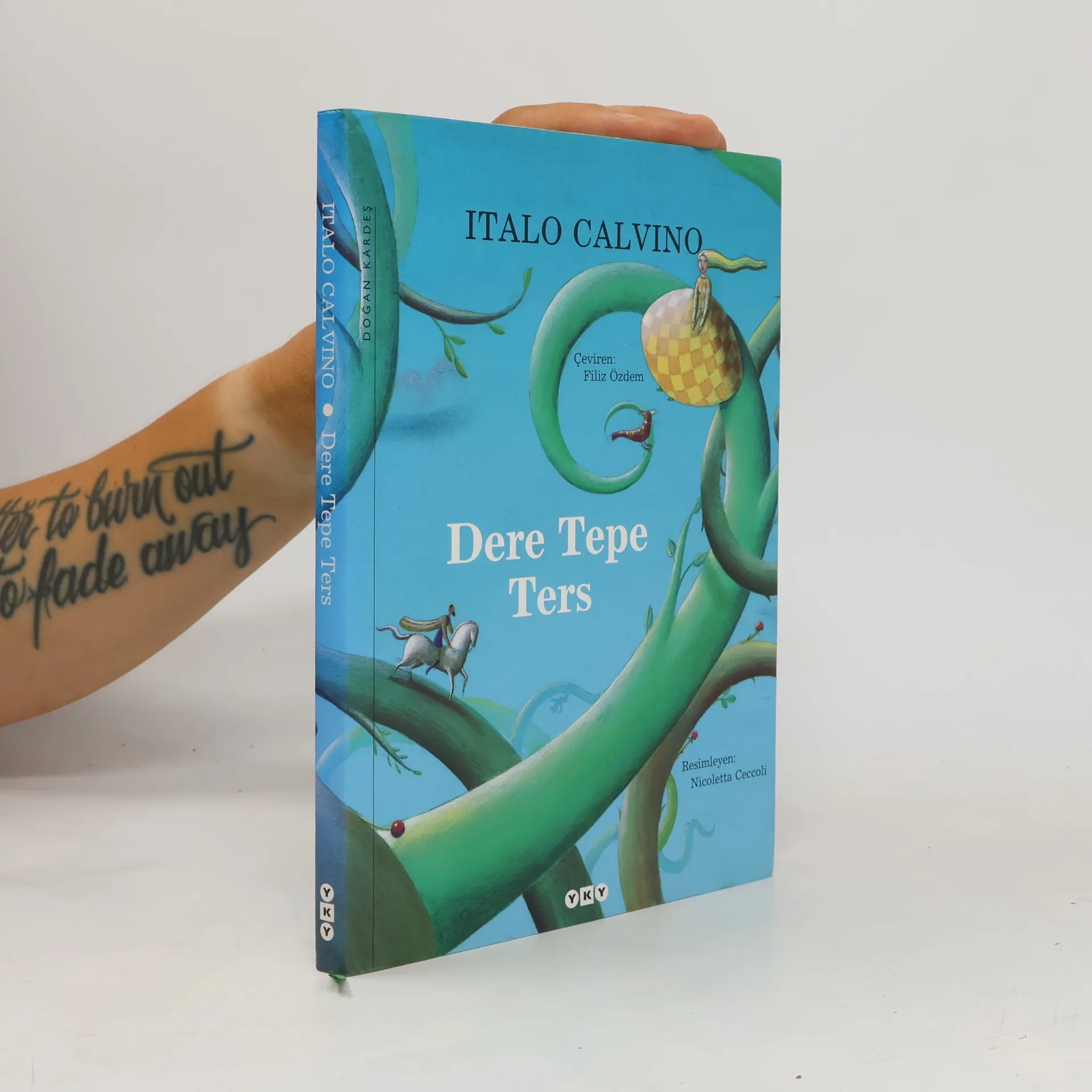
Kral Clodoveo savaştan dönmektedir ve nerenin yer nerenin gök olduğunun birbirine karıştığı ormanda kaybolmuştur. Kalbi hırsla, aklı ihanetle yanıp tutuşan Kraliçe Ferdibunda, Başvekil'le birlikte kraliyeti ele geçirmeyi planlamaktadır. Dünyayı değiştirmek isteyen masum Prenses Verbena üvey annesinin bu planını öğrenir ve babasını uyarmak ister. Birdenbire orman içinden çıkılmaz bir labirente dönüşür. Hepsi kaybolur. Yol gösterentek şey "Koğak, koğak!" diye bağıran garip bir kuştur. Kim bilir, belki de bu hangisinin dal, hangisinin kök olduğunu belirsiz labirent, doğaya yansıyan kötülüğün ta kendisidir ve bu labirentten çıkmaya yalnızca masumiyet yardım edecektir
Le bref retour d'un fils... La déchéance d'un " homme d'honneur "... Un bon repas apprécié tardivement... Un enfant qui se refuse à dormir... Une fille qui montre qu'elle vaut plus qu'un garçon... Un curieux personnage plus soucieux de son orthographe que la morale... La confession du fils au chevet du père mourant... Est surpris qui voulait surprendre...
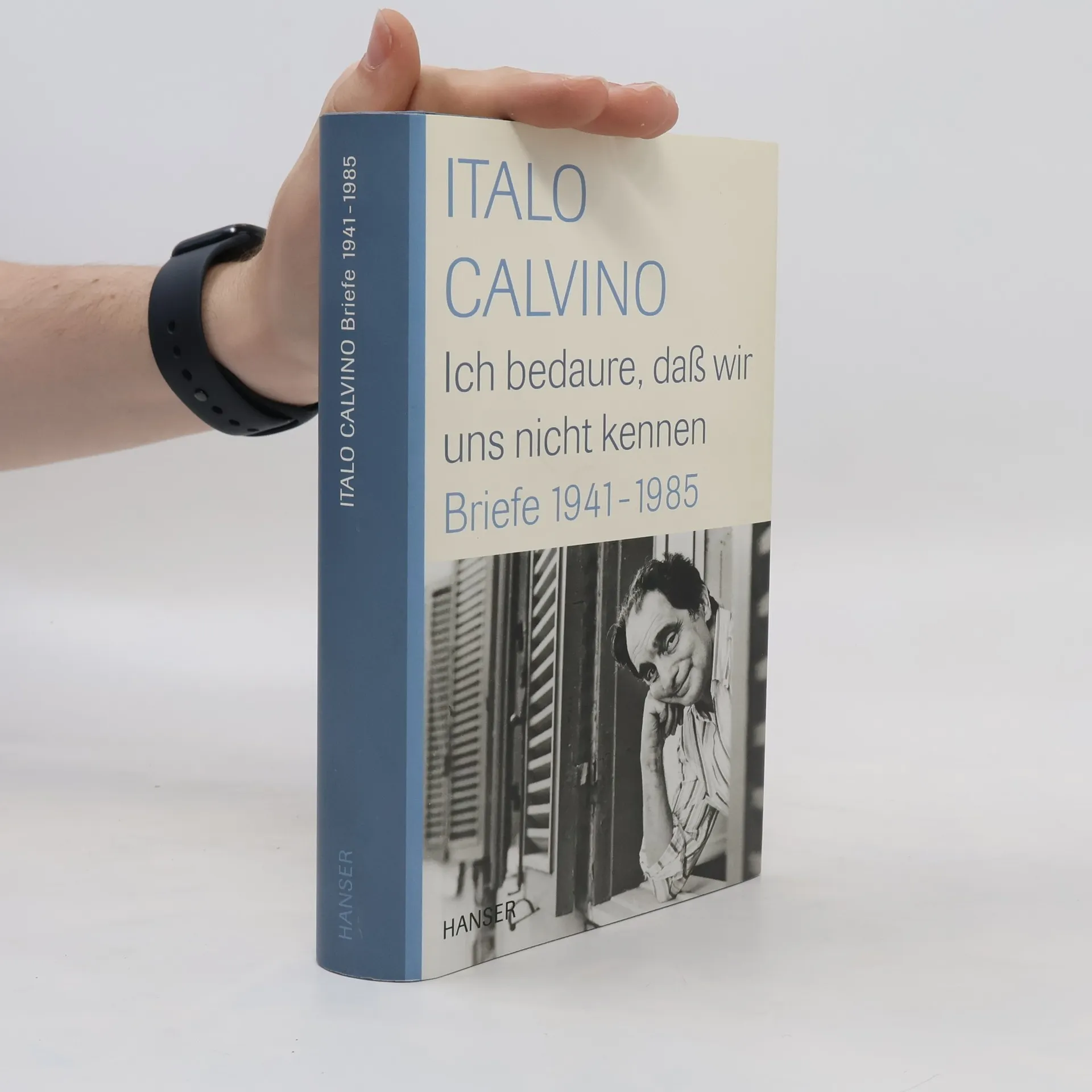
Briefe 1941-1985
Italo Calvino war nicht nur einer der phantasievollsten und beliebtesten Autoren Italiens, er war auch eine der größten Figuren im intellektuellen und literarischen Leben. Der vorliegende Band versammelt seine Briefe von 1941 bis zum seinem Tode 1985. Sie spiegeln die großen Ereignisse des 20. Jahrhunderts und dessen Persönlichkeiten wider: von der kulturellen Neugründung nach dem Faschismus bis zu den Revolutionen in Lateinamerika und dem Pariser Mai 1968, von Pier Paolo Pasolini und Franco Fortini bis zu Michelangelo Antonioni. Ein großes Buch über Italien und über das, was literarische und künstlerische Debatten bedeuten können.
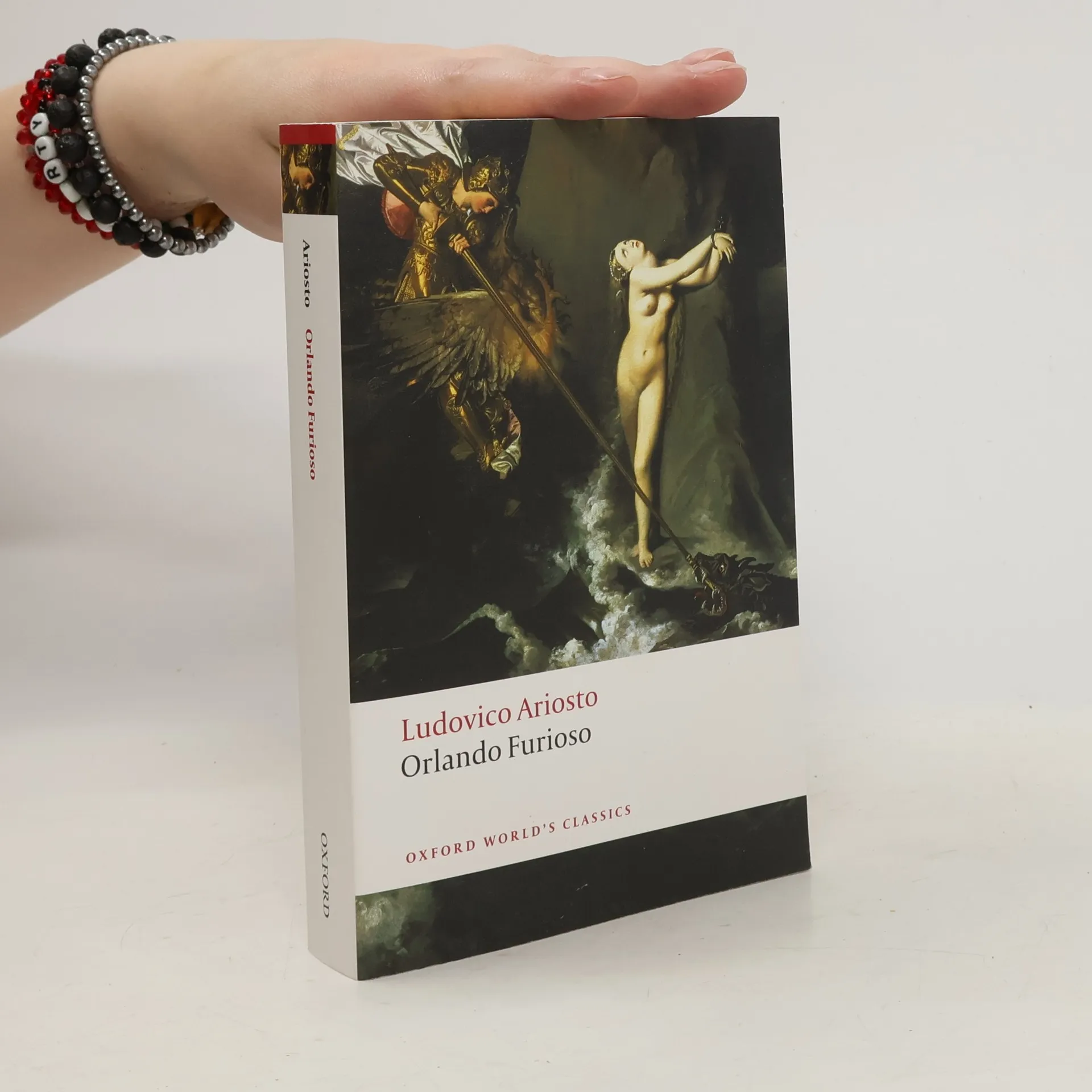
`I sing of knights and ladies, of love and arms, of courtly chivalry, of courageous deeds.' So begins Ariosto's Orlando Furioso (1532), the culmination of the chivalric legends of Charlemagne and the Saracen invasion of France. It is a brilliantly witty parody of the medieval romances, and a fitting monument to the court society of the Italian Renaissance which gave them birth. This unabridged prose translation faithfully captures the narrative entire and is a kaleidoscope of scenes and emotions of fact and fantasy. ABOUT THE SERIES: For over 100 years Oxford World's Classics has made available the widest range of literature from around the globe. Each affordable volume reflects Oxford's commitment to scholarship, providing the most accurate text plus a wealth of other valuable features, including expert introductions by leading authorities, helpful notes to clarify the text, up-to-date bibliographies for further study, and much more.
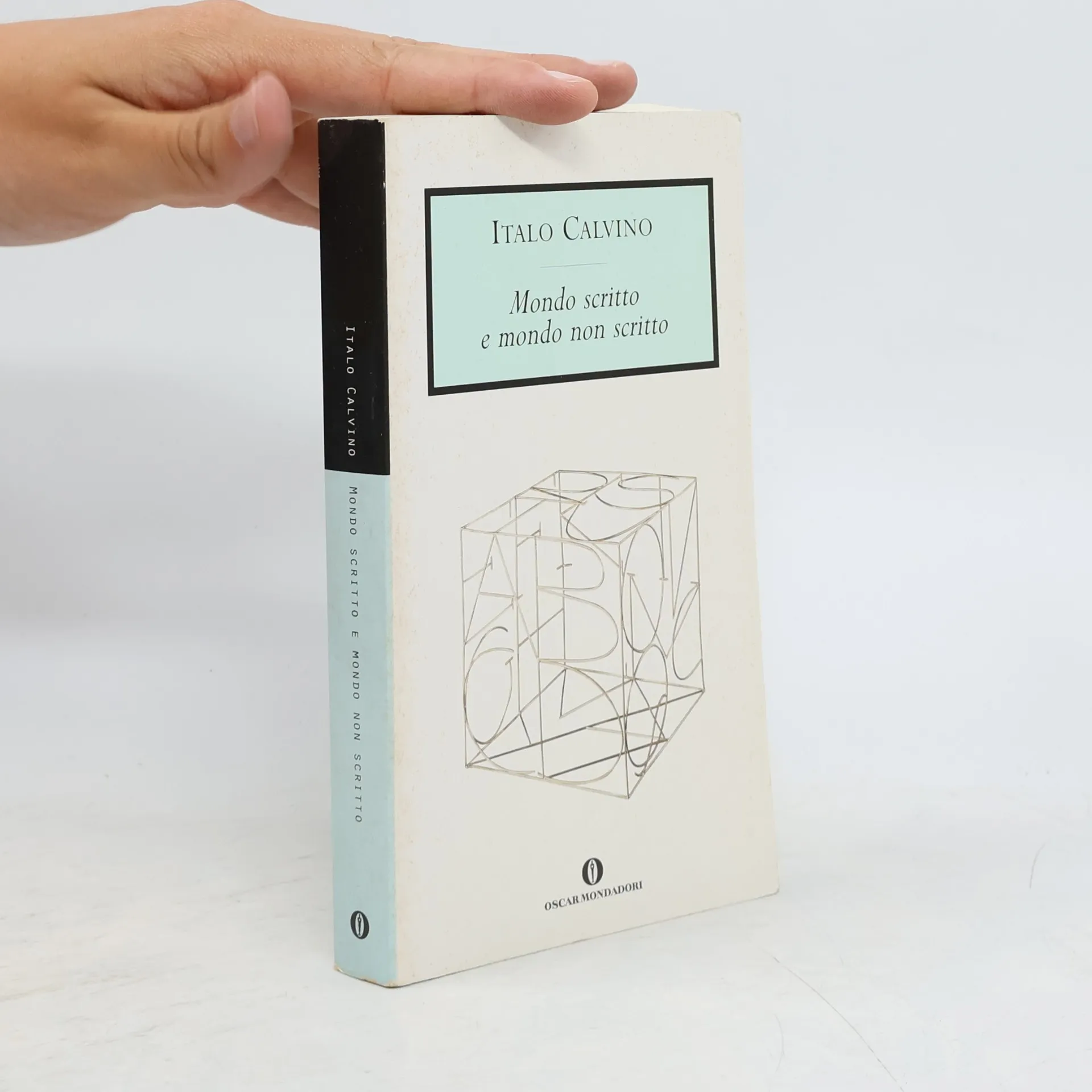
Una silloge di testi non narrativi di Italo Calvino: articoli apparsi su riviste e quotidiani, interventi a congressi, interviste, introduzioni,cataloghi, lettere... testi eterogenei per forma ma compatti per i temi trattati: dalla riflessione sul rapporto con il lettore al problema del tradurre, al legame con la tradizione e l'avanguardia.
Volume 3
Si tratta di una storia ambientata in un'ignota località della riviera ligure, nella quale Quinto, un giovane intellettuale che lavora in una grande città del Nord, fa ritorno. Siamo nel mezzo degli anni cinquanta, in un'epoca di bassa marea morale e Quinto, in una crisi di pensiero dovuta ai cambiamenti e al malessere sociale e intellettuale da essi causato, si trova a reagire attraverso la repressione delle sue naturali inclinazioni: mettendo in secondo piano il suo impegno intellettuale, si mette in affari, per sentirsi al passo coi tempi; così diventa socio di un impresario di cattiva fama dedito alla speculazione edilizia, collaborando ad ingrigire lo spettacolo paesaggistico della riviera ligure.
Quanto delle nostre radici viene dai libri che abbiamo letti?
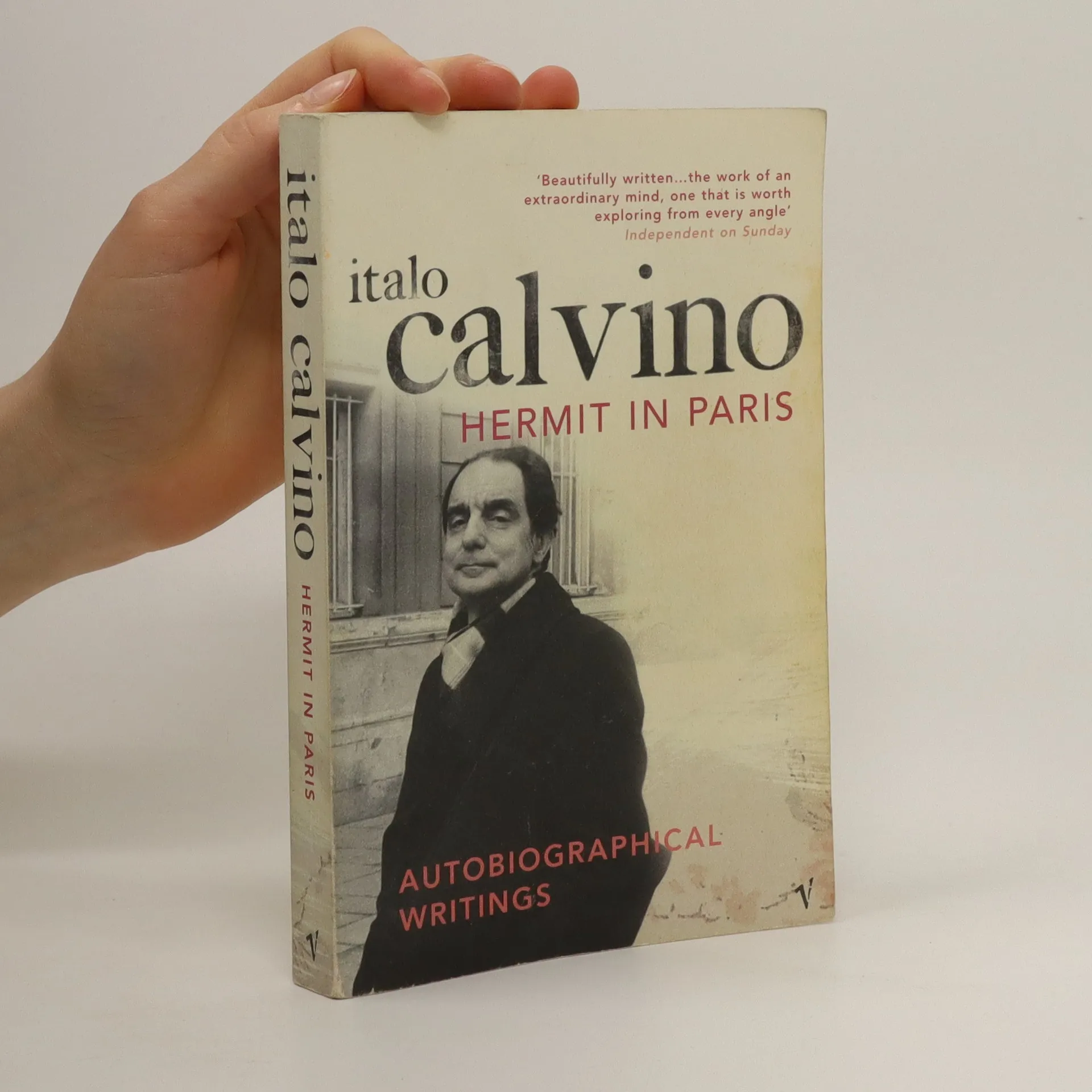
Italo Calvino once said that he preferred to give false details about his biography since he felt that even the genuine data of a writer's life shed no light on the creative work. But this volume of posthumously collected personal writings is the closest we will ever come to the autobiography of this most private of writers. The pieces collected here range from the early 1950s to his last interview, completed just before his sudden death in 1985. Apart from shedding light on his own formative experiences and evolution as an author, Calvino's autobiographical writings also examine the major events of twentieth-century history from a very personal viewpoint. This volume is, as ever, full of ideas on literature and other writers, all conveyed with the author's distinctive lightness and intelligence.
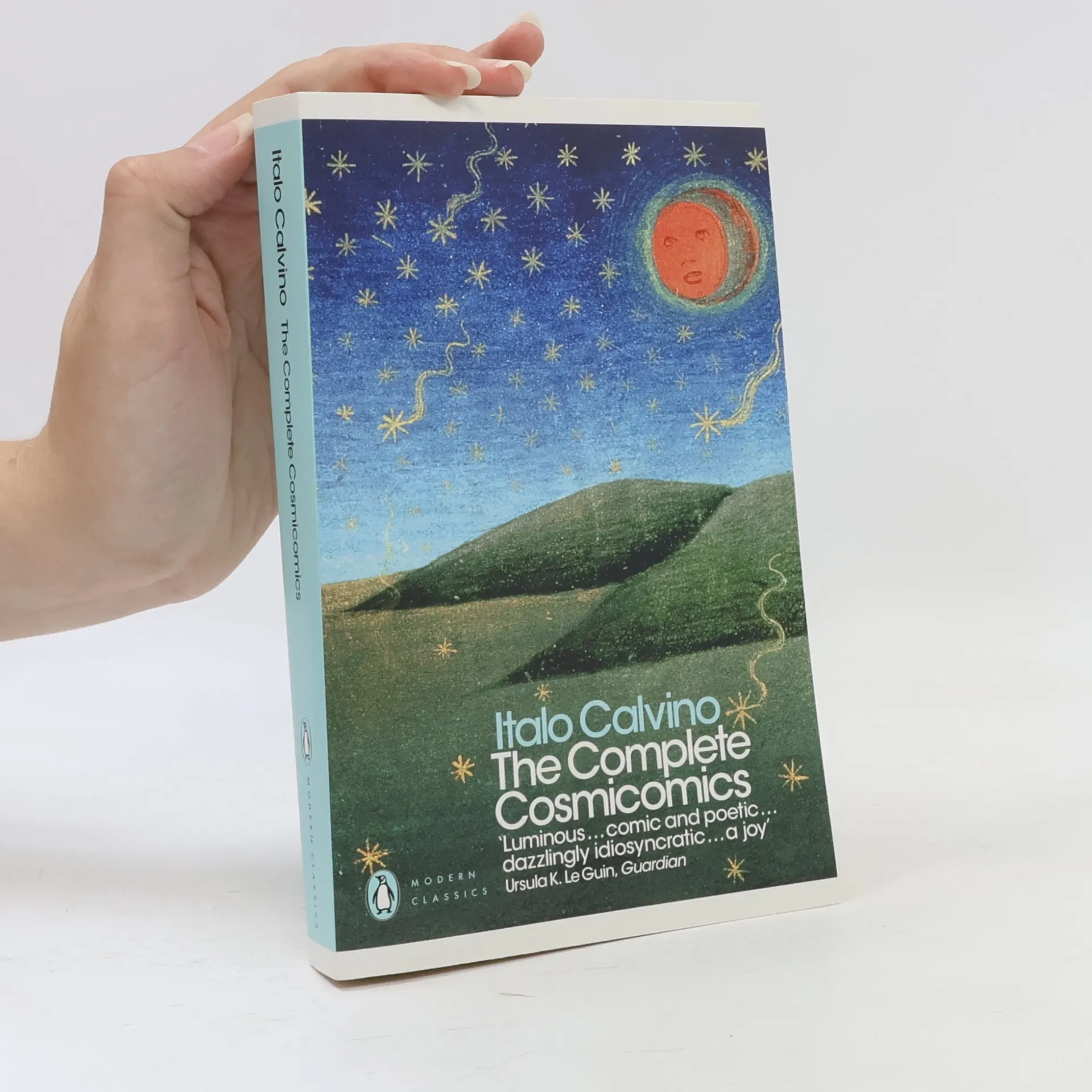
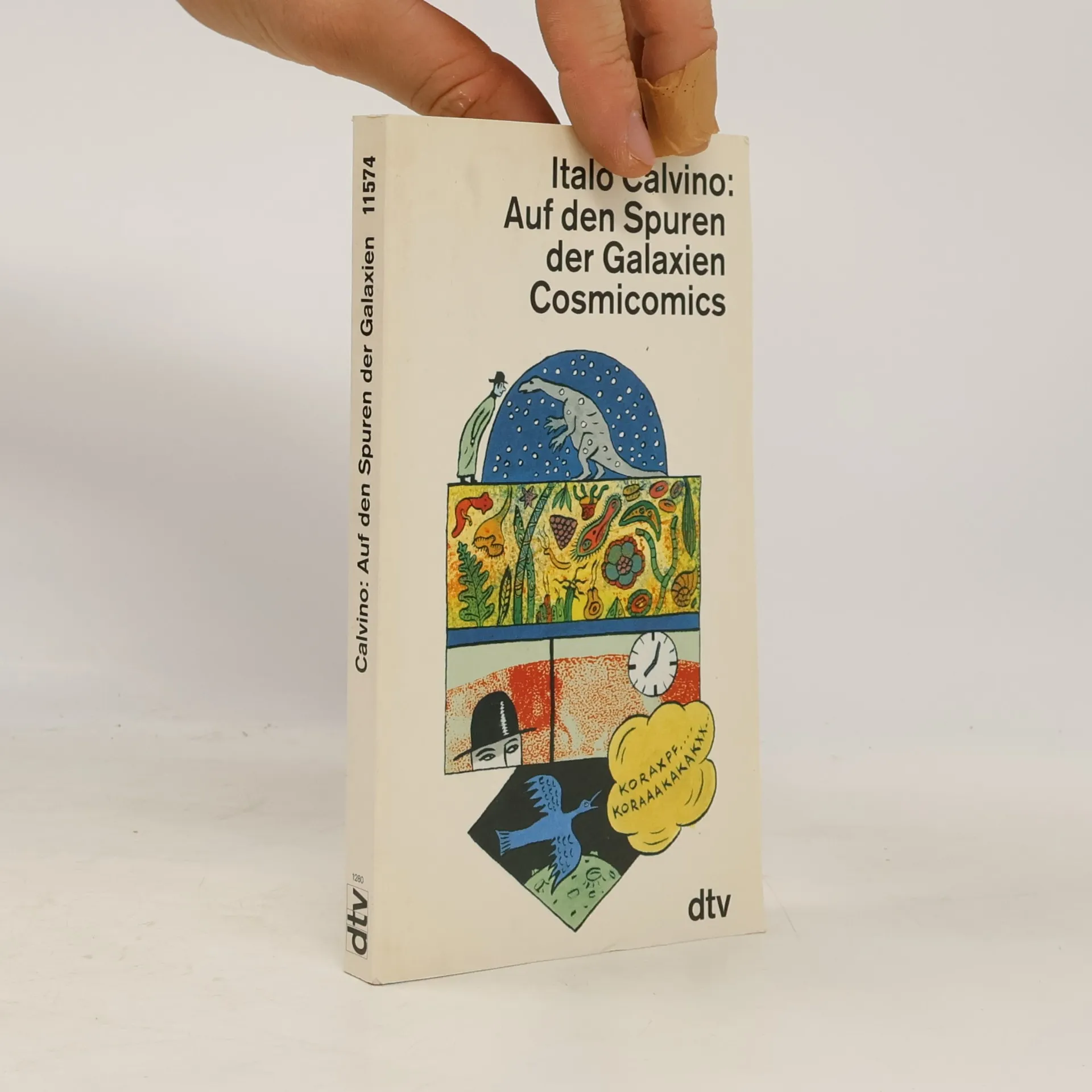
This title includes enchanting stories about the evolution of the universe, with characters that are fashioned from mathematical formulae and cellular structures. They disport themselves among galaxies, experience the solidification of planets, move from aquatic to terrestrial existence, play games with hydrogen atoms - and have time for a love life. 'Naturally, we were all there, old Qfwfq said, where else could we have been? Nobody knew then that there could be space. Or time either: what use did we have for time, packed in there like sardines?'.
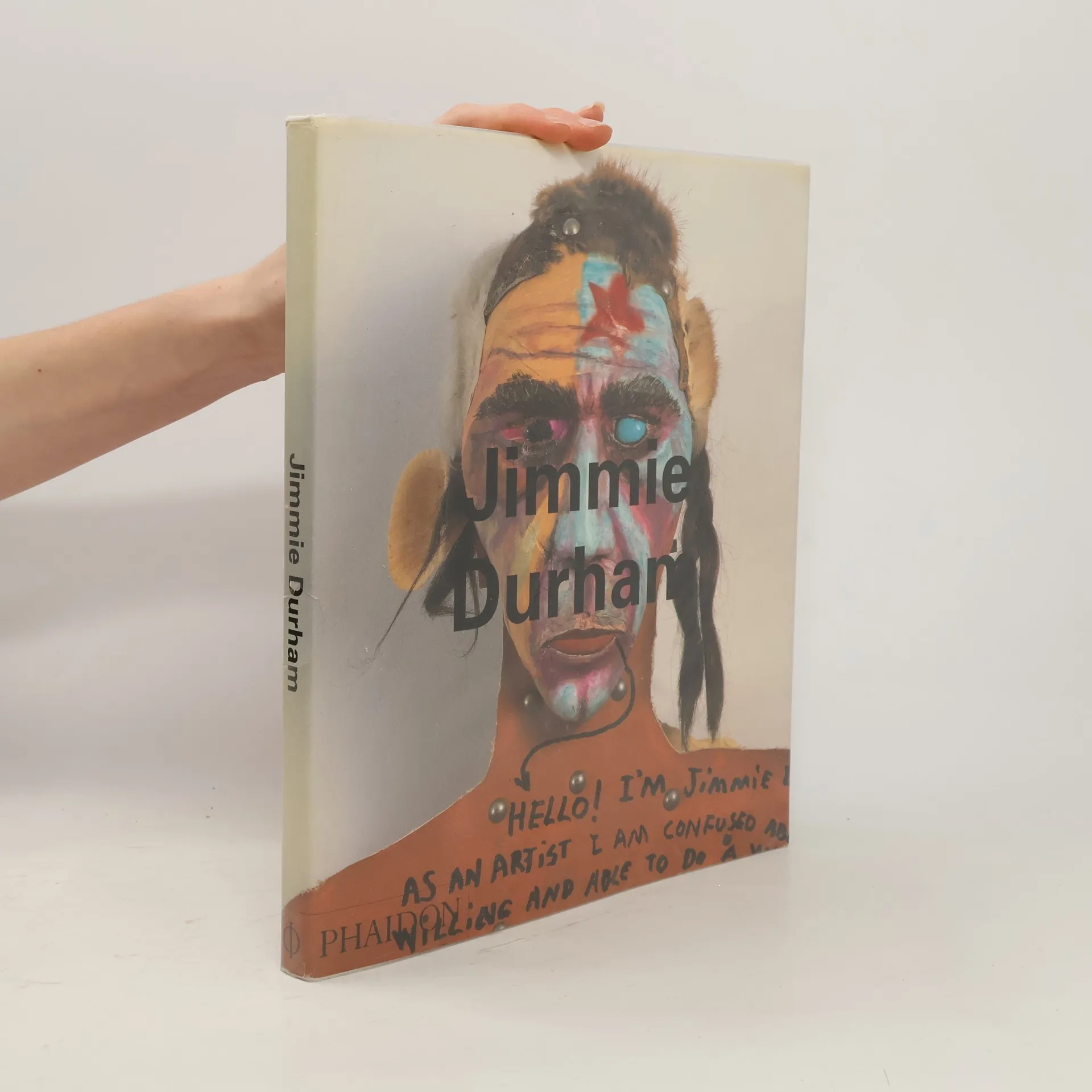
This text examines the work of Jimmie Durham, the sculptor and performance artist of Cherokee descent. The book is part of a series of studies of important artists of the late-20th century. Each title offers a comprehensive survey of the artist's work, providing analyses and multiple perspectives on contemporary art and its inspiration.
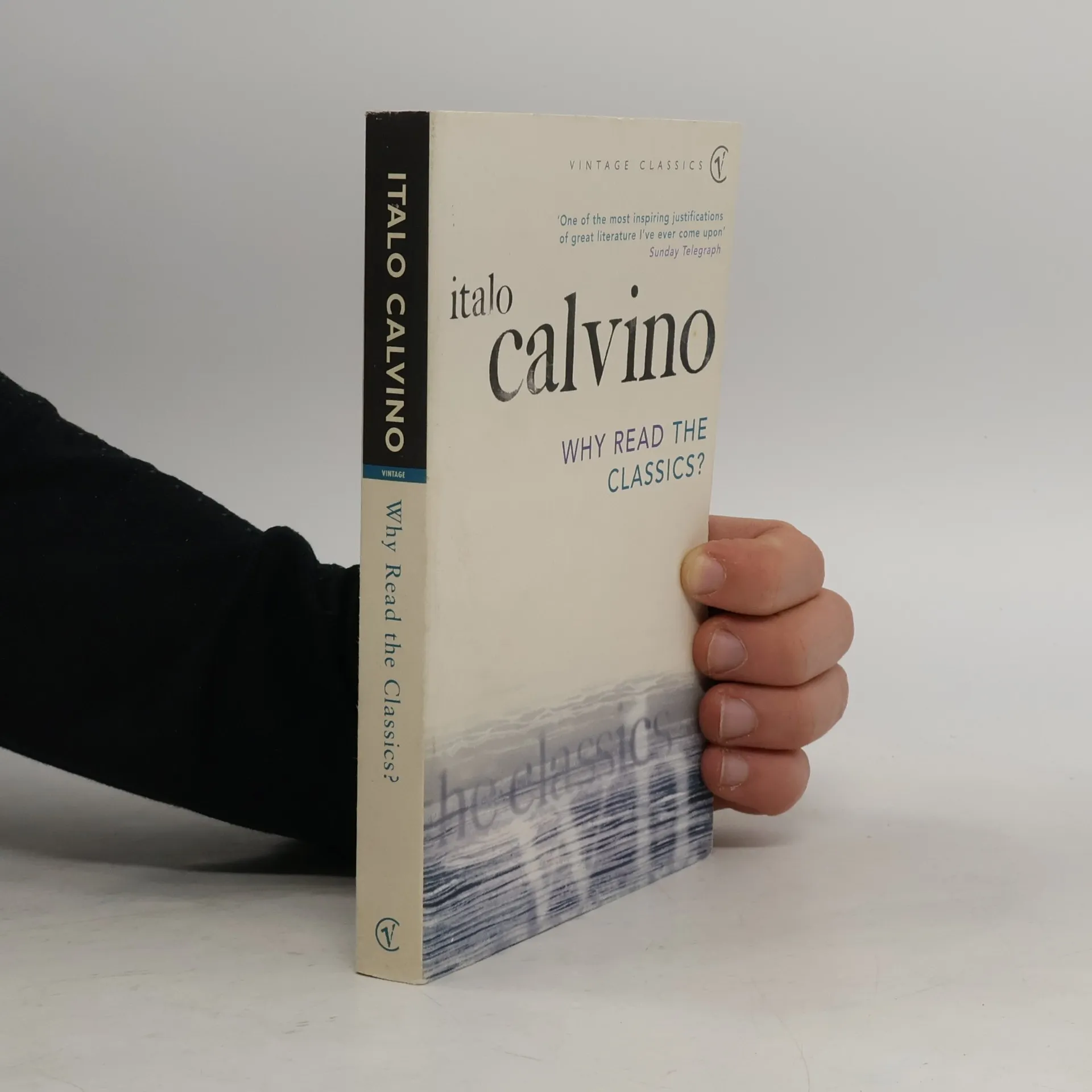
From the internationally-acclaimed author of some of this century's most breathtakingly original novels comes this posthumous collection of thirty-six literary essays that will make any fortunate reader view the old classics in a dazzling new light. Learn why Lara, not Zhivago, is the center of Pasternak's masterpiece, Dr. Zhivago , and why Cyrano de Bergerac is the forerunner of modern-day science-fiction writers. Learn how many odysseys The Odyssey contains, and why Hemingway's Nick Adams stories are a pinnacle of twentieth-century literature. From Ovid to Pavese, Xenophon to Dickens, Galileo to Gadda, Calvino covers the classics he has loved most with essays that are fresh, accessible, and wise. Why Read the Classics? firmly establishes Calvino among the rare likes of Nabokov, Borges, and Lawrence--writers whose criticism is as vibrant and unique as their groundbreaking fiction.
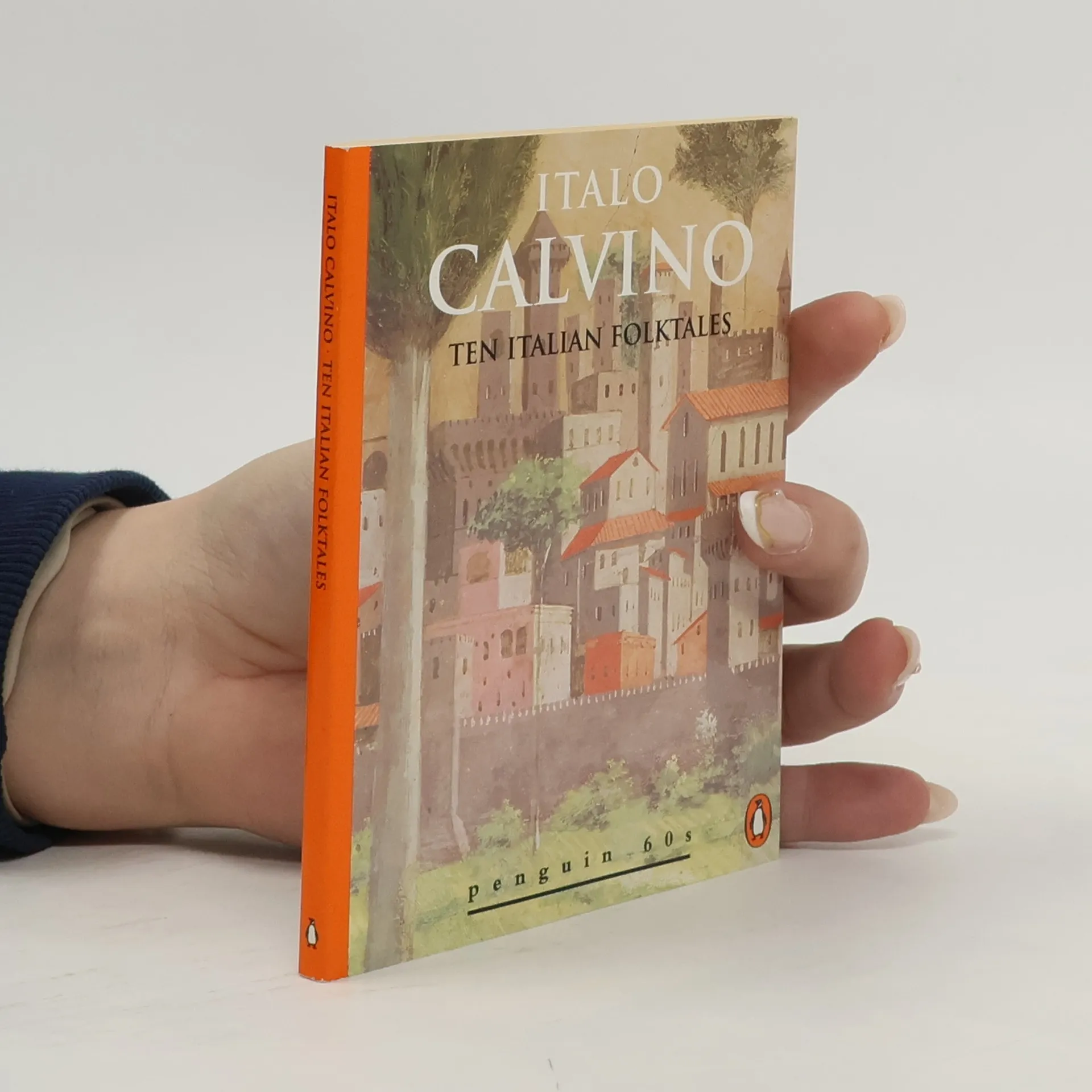
An excerpt of ten stories from Italian Folktales.
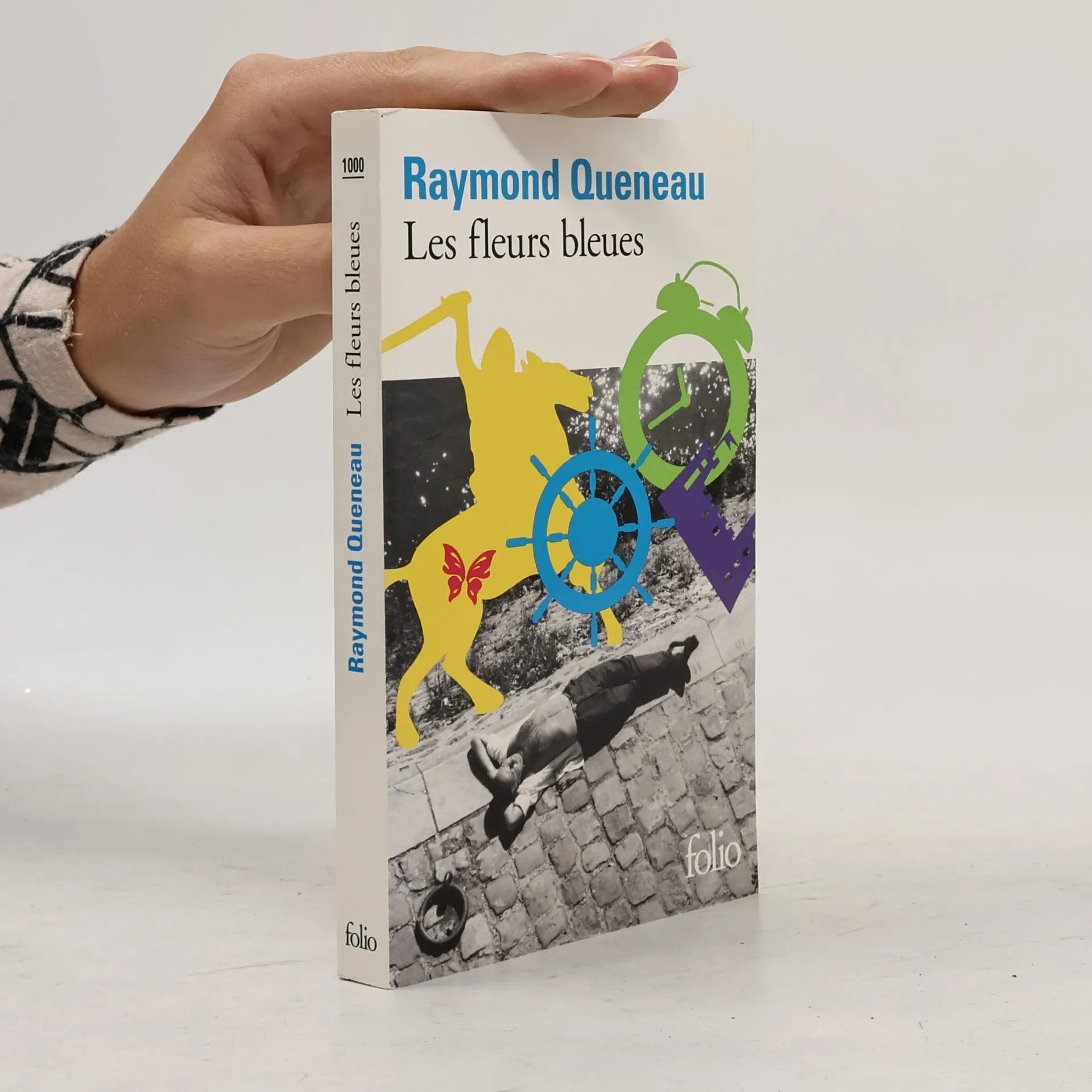
On connaît le célèbre apologue chinois : Tchouang-tseu rêve qu'il est un papillon, mais n'est-ce point le papillon qui rêve qu'il est Tchouang-tseu ? De même dans ce roman, est-ce le duc d'Auge qui rêve qu'il est Cidrolin ou Cidrolin qui rêve qu'il est le duc d'Auge ?
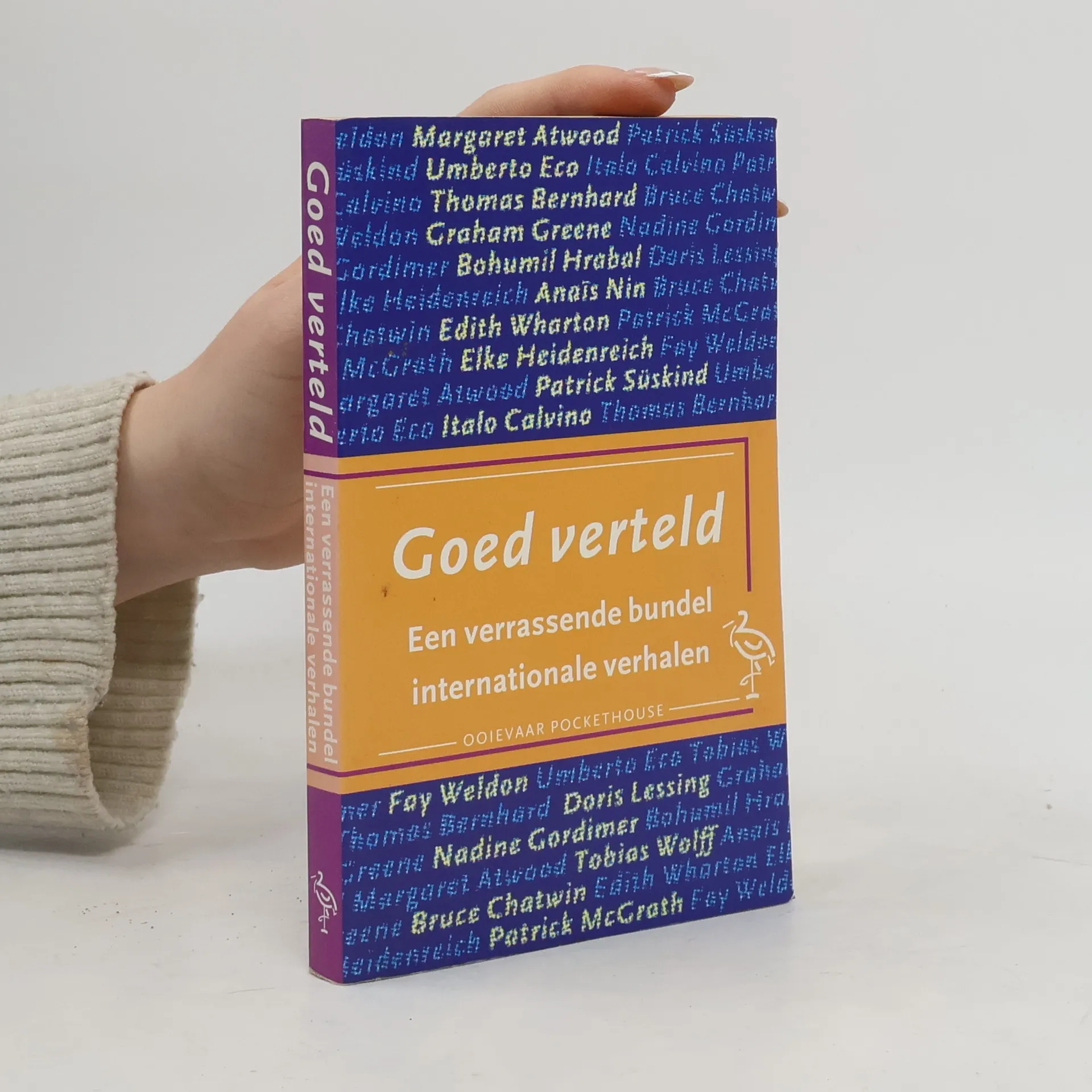
Keuze van verhalen van buitenlandse auteurs uit het fonds van de uitgeverijen Bert Bakker en Prometheus.
Das Märchen von den drei Brüdern, die ihr Geld vermehren wollen und dabei an einen listigen Pfarrer geraten.
Libri, oggetti antichi, luoghi lontani... Cose osservate e immaginate, pensieri e riflessioni, viaggi e contatti con altre civiltà, spiragli d'altre dimensioni della mente in un'affascinante raccolta di articoli di Calvino.
Il regista americano Joseph Losey scrive a Fellini: <> E Fellini risponde: <> In questo libro, gia' pubblicato nel 1980 e ora riproposto, Federico Fellini ha svelato per la prima volta i legami misteriosi, talvolta inquietanti, che lo avvincono al suo lavoro. Fra divagazioni estrose e vagabondaggi della memoria, egli racconta l'atmosfera in cui ha realizzato i suoi film, gli episodi bizzarri o drammatici, gli incontri che sembravano insignificanti e furono memorabili. Ma sopratutto Fellini racconta come si offre alla sua immaginazione l'idea di un film, a cui e' solito aspettato di diventare regista - esclama, in una pausa del racconto - ma poi dal primo giorno, dalla prima volta che gridai: "Motore! Azione! Stop!" mi e' sembrato di farlo da sempre, non avrei potuto fare altro, e quello ero io e quella la mia vita>>. Con l'Autobiografia di uno spettatore di Italo Calvino, una nota di Liliana Betti e una guida filmografica e bibliografica.
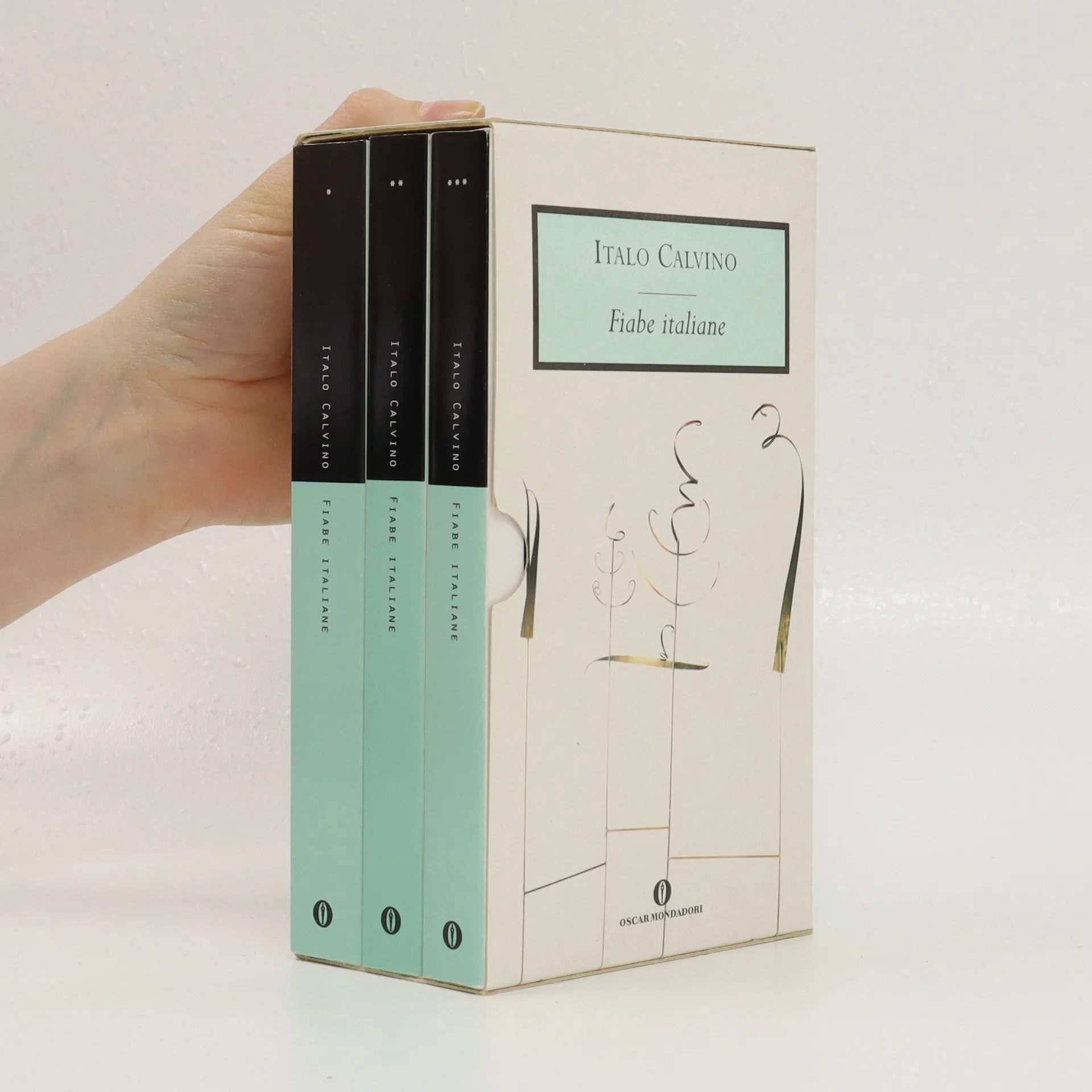
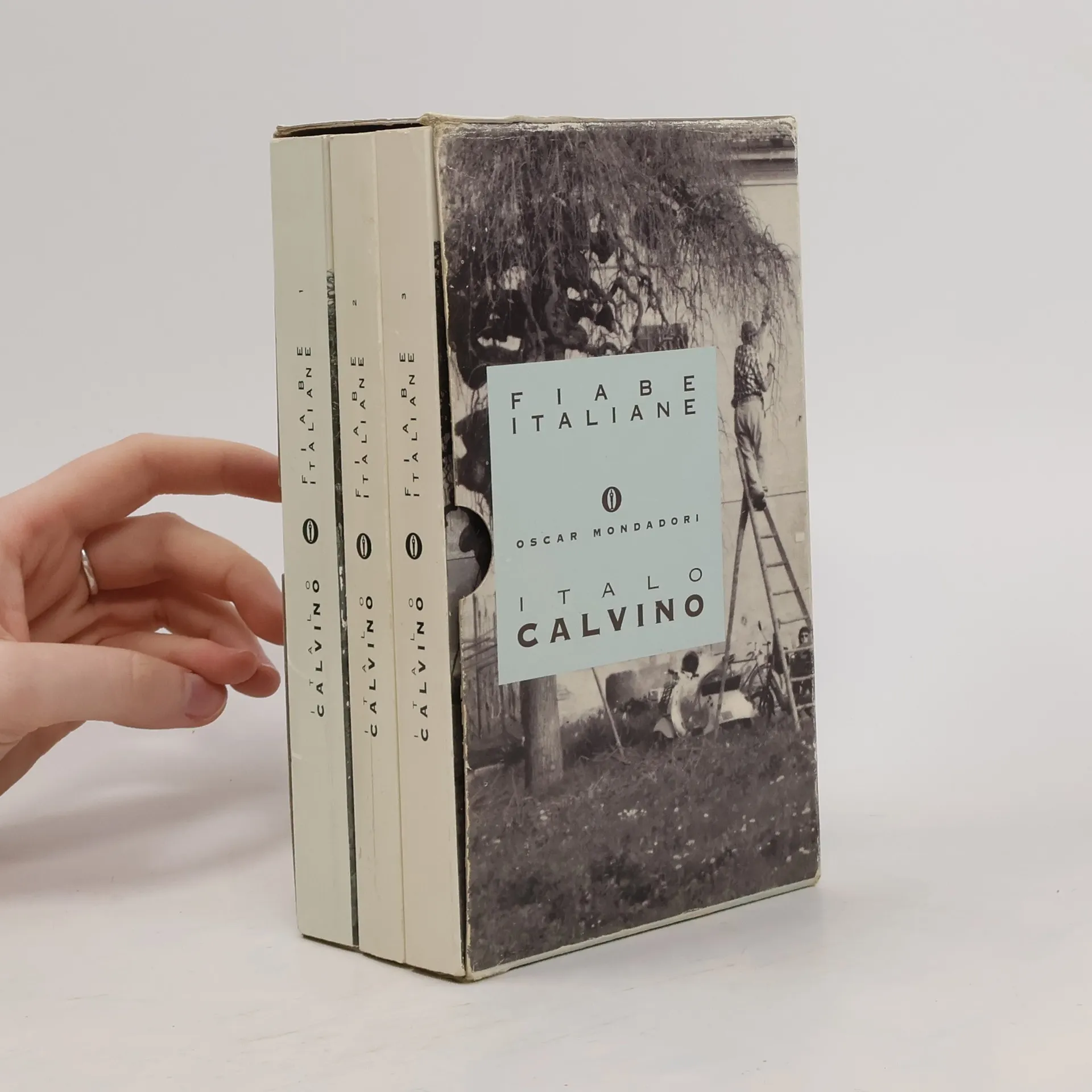
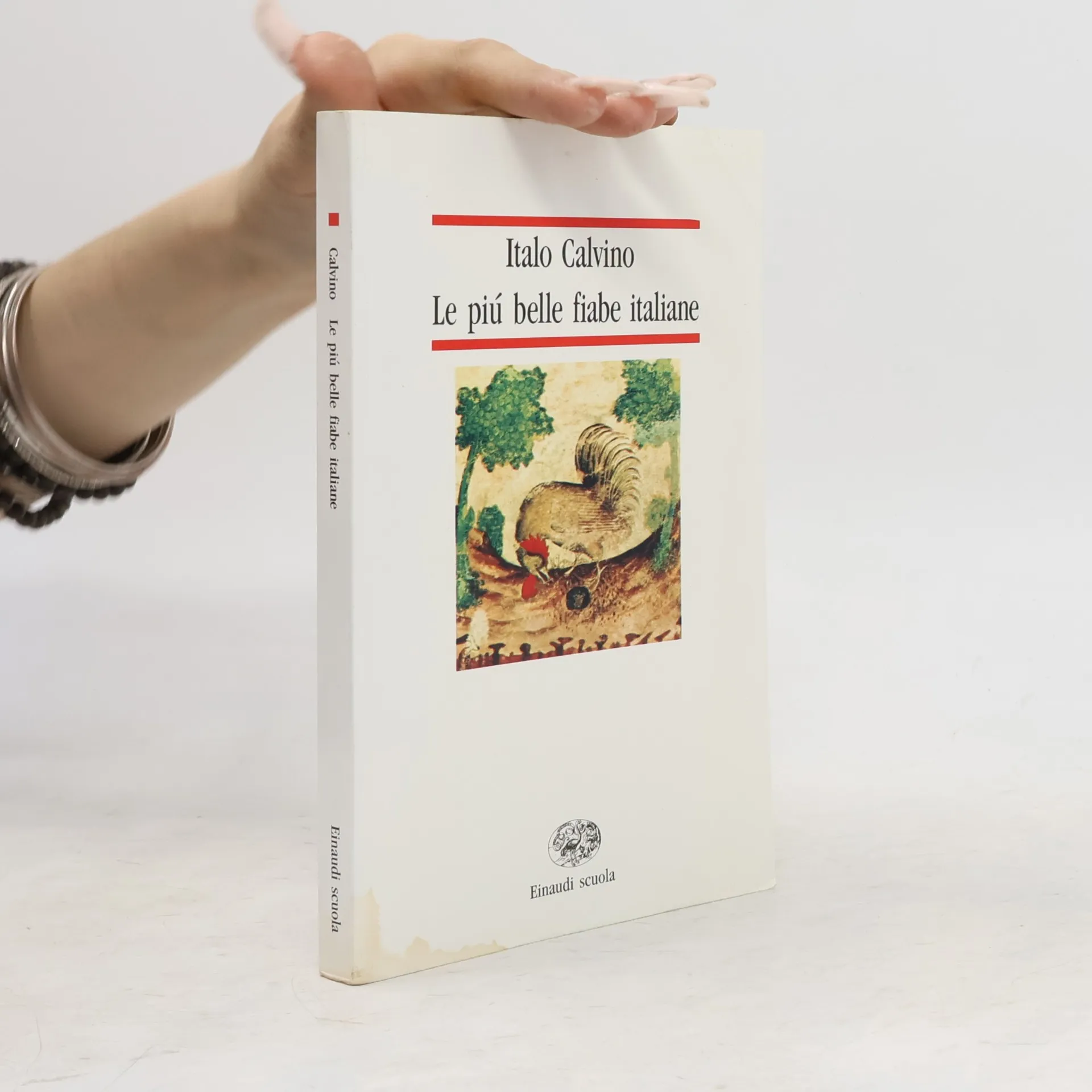
Il volume raccoglie una selezione di fiabe italiane, rielaborate e reinterpretate da Italo Calvino. Le storie spaziano tra vari temi, tra cui l'astuzia, la giustizia e il contrasto tra bene e male, riflettendo la ricca tradizione narrativa del folklore italiano. I personaggi principali includono eroi e antieroi, figure magiche, e animali parlanti, ognuno dei quali incarna valori e insegnamenti morali. Le fiabe presentano una struttura narrativa classica, con elementi di magia e avventura, e spesso culminano in una morale o in una lezione di vita. Calvino, attraverso il suo stile distintivo, riesce a rendere accessibili e affascinanti storie che affondano le radici nella cultura popolare, mantenendo viva l'essenza delle tradizioni orali. Il libro offre un'ampia panoramica della varietà e della complessità delle fiabe italiane, evidenziando non solo il divertimento e l'intrattenimento, ma anche la riflessione su temi universali e la condizione umana. Le narrazioni sono adatte a lettori di tutte le età, invitando a esplorare il mondo fantastico e simbolico delle fiabe.
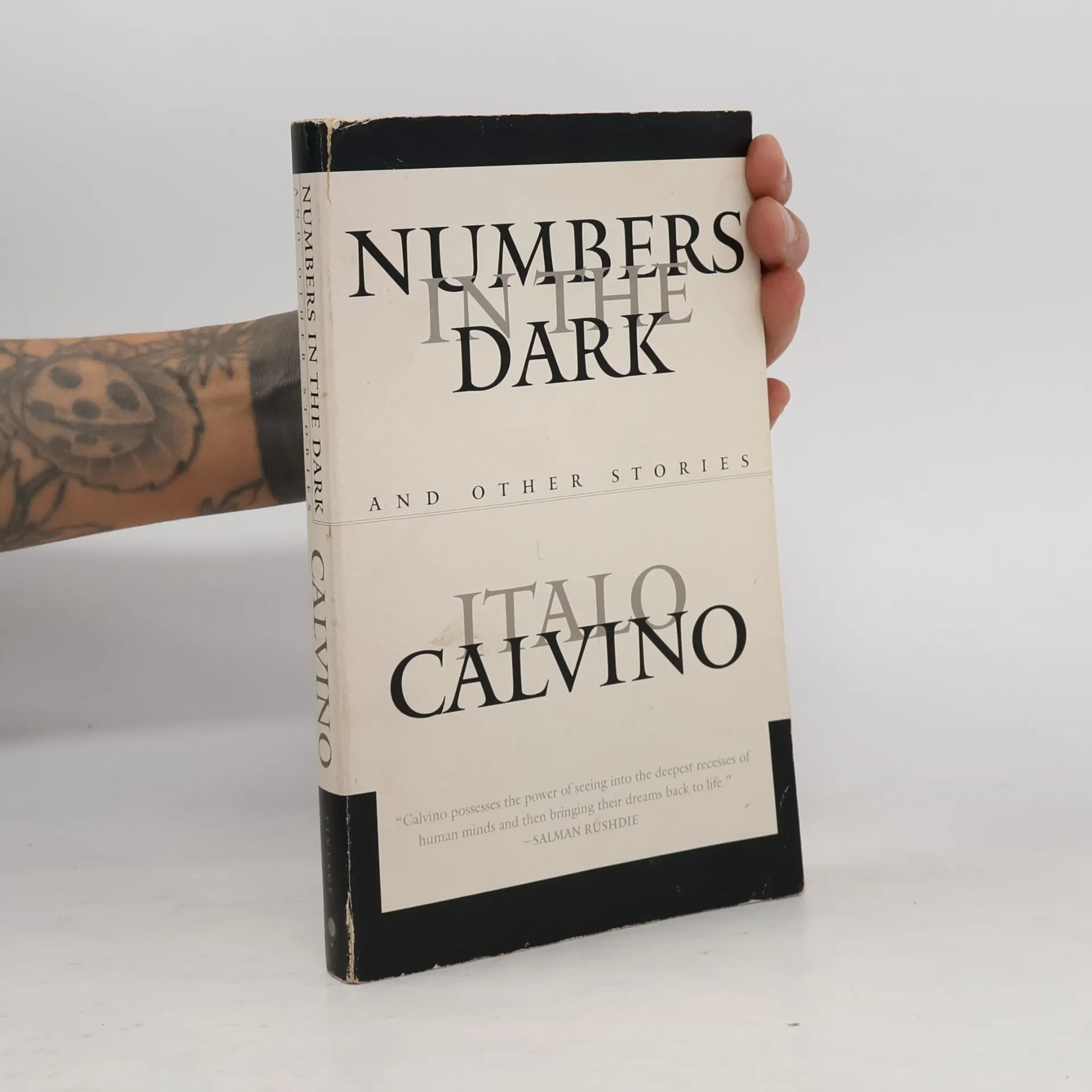
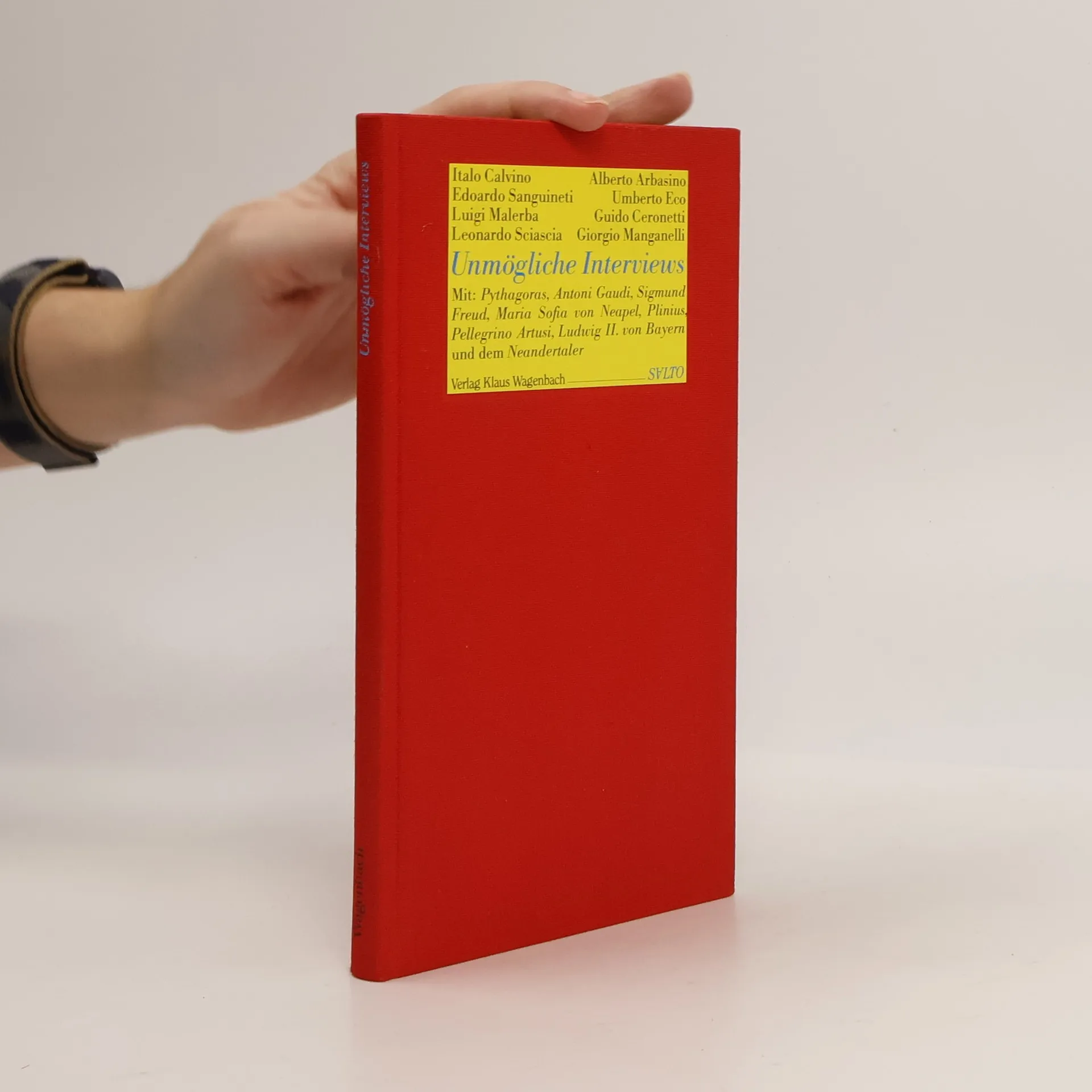
For the first time in paperback--a volume of thirty-seven diabolically inventive stories, fables, and "impossible interviews" from one of the great fantasists of the 20th century, displaying the full breadth of his vision and wit. Written between 1943 and 1984 and masterfully translated by Tim Parks, the fictions in Numbers in the Dark display all of Calvino's dazzling whimsy and horror, exuberance of style, and a cheerful grasp of the absurdities of the human condition.
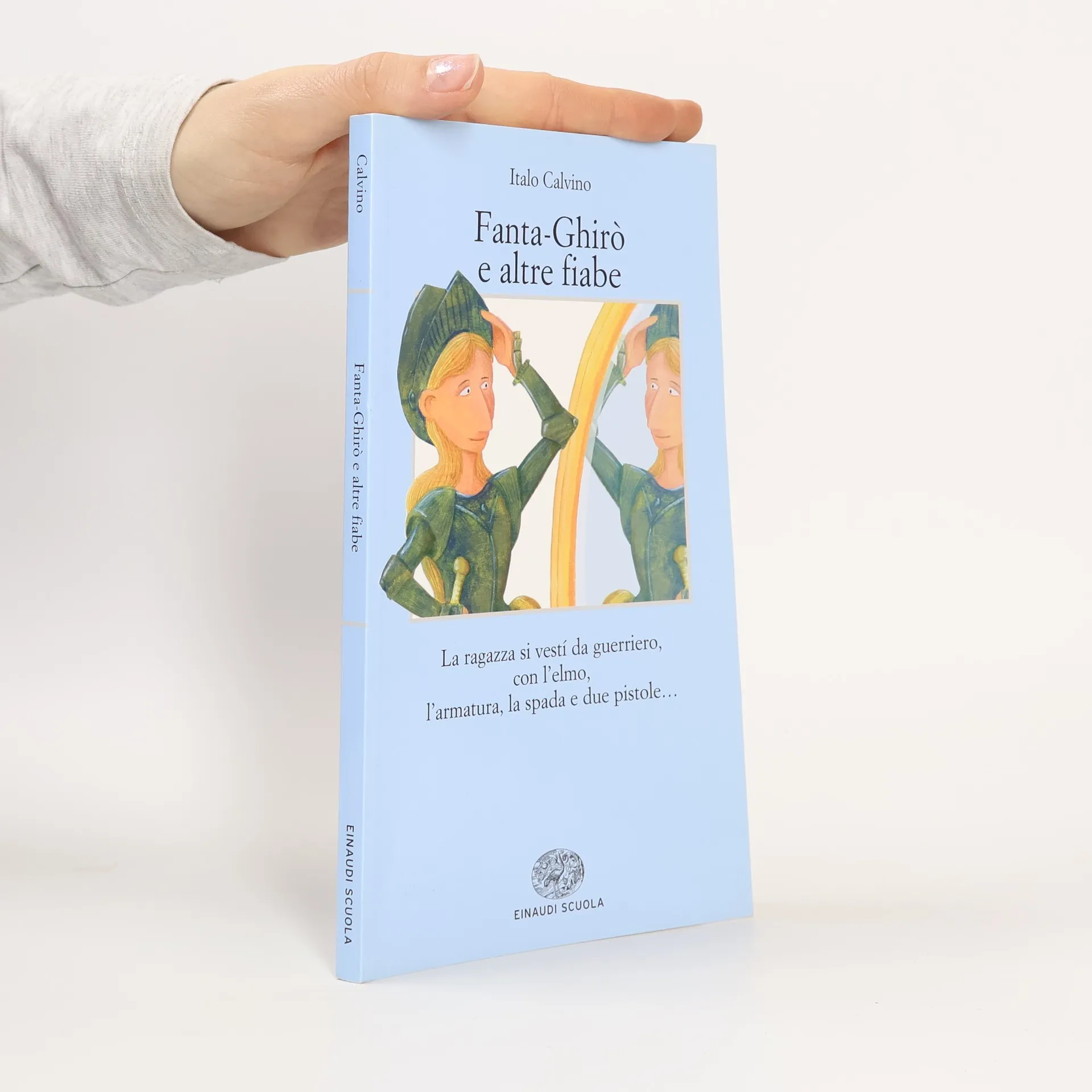
Un'antologia di fiabe «di magia», rappresentative di tutte le regioni italiane, scelte dalla raccolta che Italo Calvino compose nel 1956. Gli eroi, ragazze e giovani generosi e furbi, quasi sempre si allontanano da casa in cerca del loro destino; oppure devono liberarsi da un incantesimo. In prove rischiose, lottano contro il «Nemico», diavolo, mago, strega o forza della natura; sono destinati a vincere, anche perché vecchine, animali, corsi d'acqua spontaneamente forniscono loro un aiuto magico. Alla fine c'è il ritorno a casa, coronato dalla ricchezza, necessaria per la felicità propria e dei propri cari; a meno che l'eroe non si fermi là dove ha conquistato la mano di una principessa
Der Held Qfwfq erzählt fesselnde Liebesgeschichten aus dem All und raffinierte Anekdoten über die Liebe zu bezaubernden Mädchen im Universum.
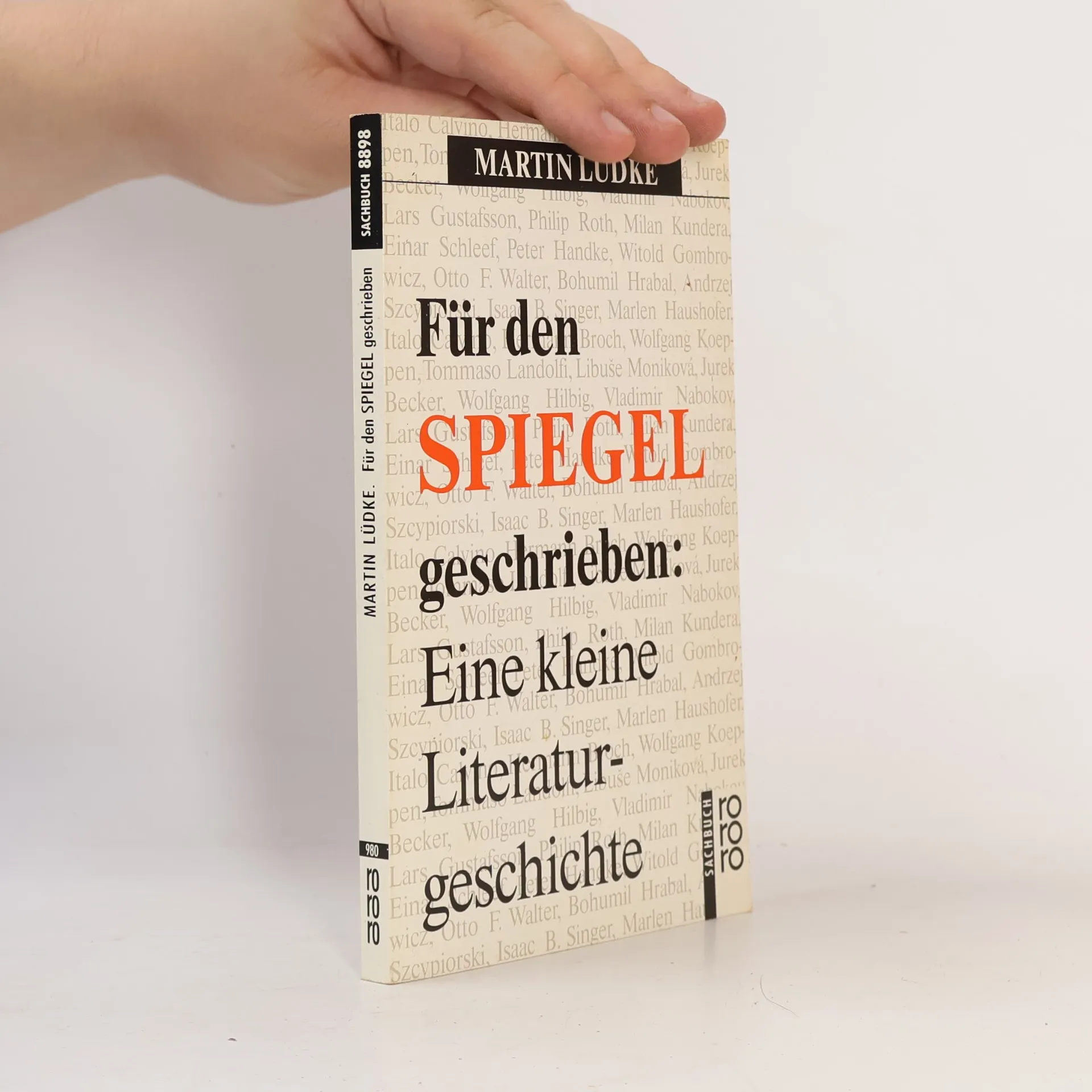
Eine kleine Literaturgeschichte
Sein Name ist unaussprechlich: Er heisst Qfwfq und ist der Erzähler der Cosmicomics. Er war in jeder Phase der Weltentwicklung dabei, in allen Gestalten, auch als Amöbe, auch als Mammut. In diesen »umgekehrten« Science-fiction-Geschichten verbindet sich der Reiz kühner Wissenschaftstheorien mit der Macht uralter kosmogonischer Mythen.
Il primo volume nei Meridiani Collezione nel quale è raccolta in ordine cronologico l'intera produzione narrativa di Calvino, sia edita che inedita, arricchita da prefazioni d'autore presentate in un'apposita sezione. Le note e notizie sui testi forniscono preziose informazioni sulla genesi delle singole opere, sulle influenze letterarie che le hanno ispirate, sulle varianti che documentano le successive fasi di scrittura.
L'infanzia, la guerra partigiana, i rapporti con il padre... Cinque scritti postumi sul tema della memoria.
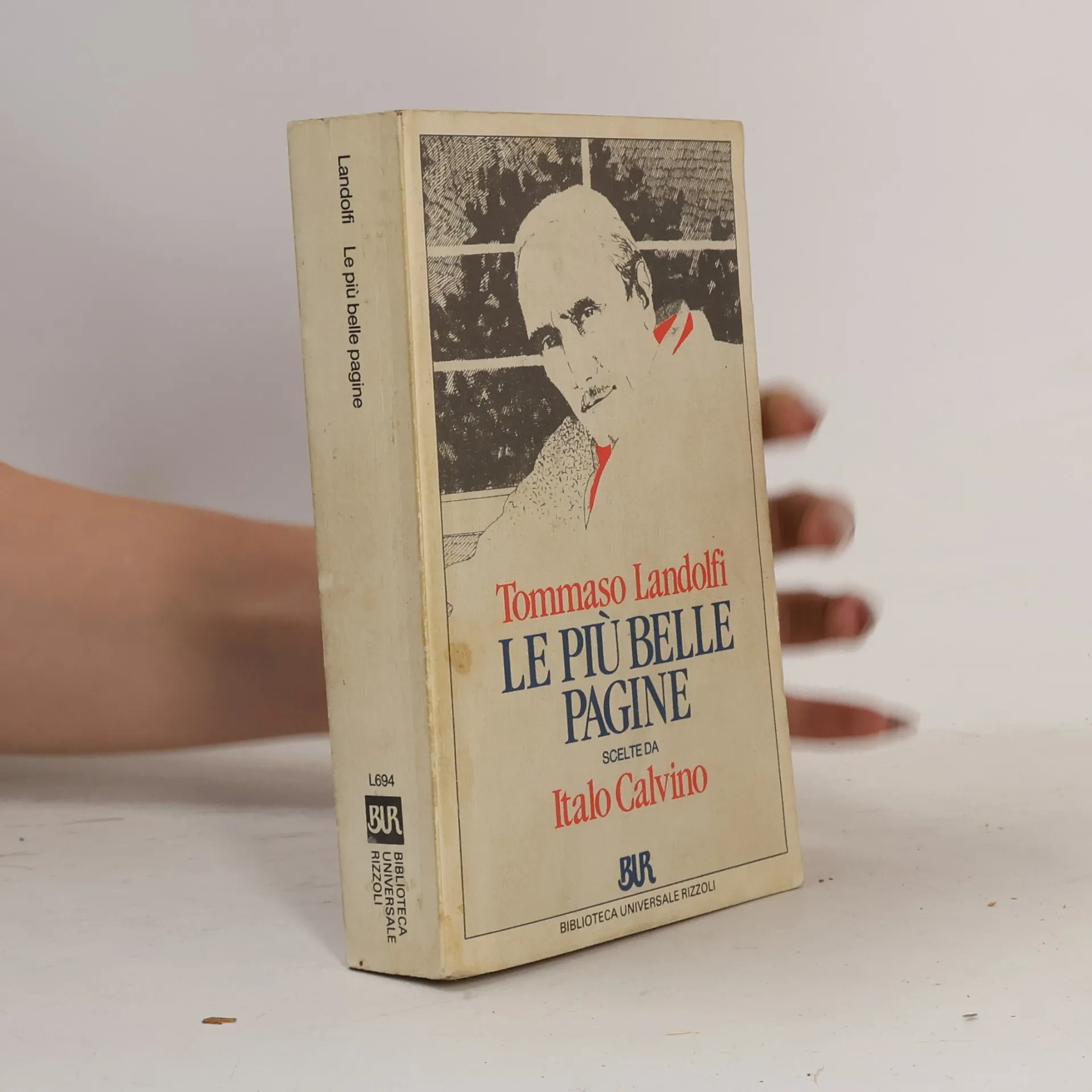
Nel 1982, muovendo dalla constatazione che Landolfi ebbe in sommo grado «la dote di catturare l’attenzione e la meraviglia del lettore» ma accompagnata da una «fama d’impraticabilità e stranezza», Italo Calvino si cimentò nell’ardua impresa di allestire un invito alla lettura sotto forma di antologia. Dopo aver setacciato le raccolte pubblicate da Landolfi nell’arco di oltre quarant’anni, Calvino scelse da ultimo cinquantatré testi. Organizzati in sette sezioni che corrispondono ad altrettanti luminosi spunti critici – «Racconti fantastici», «Racconti ossessivi», «Racconti dell’orrido», «Tra autobiografia e invenzione», «L’amore e il nulla», «Piccoli trattati», «Le parole e lo scrivere» –, essi consentono di cogliere in tutte le sue rifrazioni un’opera sconcertante. E soprattutto di cogliere il vero Landolfi, quello che «sperpera le sue puntate d’un colpo o le ritira bruscamente dal tavolo col gesto allucinato del giocatore».
Six Memos for the Millennium is a collection of five lectures Italo Calvino was about to deliver at the time of his death. Here is his legacy to us: the universal values he pinpoints become the watchwords for our appreciation of Calvino himself. What should be cherished in literature? Calvino devotes one lecture, or memo to the reader, to each of five indispensable qualities: lightness, quickness, exactitude, visibility, and multiplicity. A sixth lecture, on consistency, was never committed to paper, and we are left only to ponder the possibilities. With this book, he gives us the most eloquent defense of literature written in the twentieth century as a fitting gift for the next millennium.
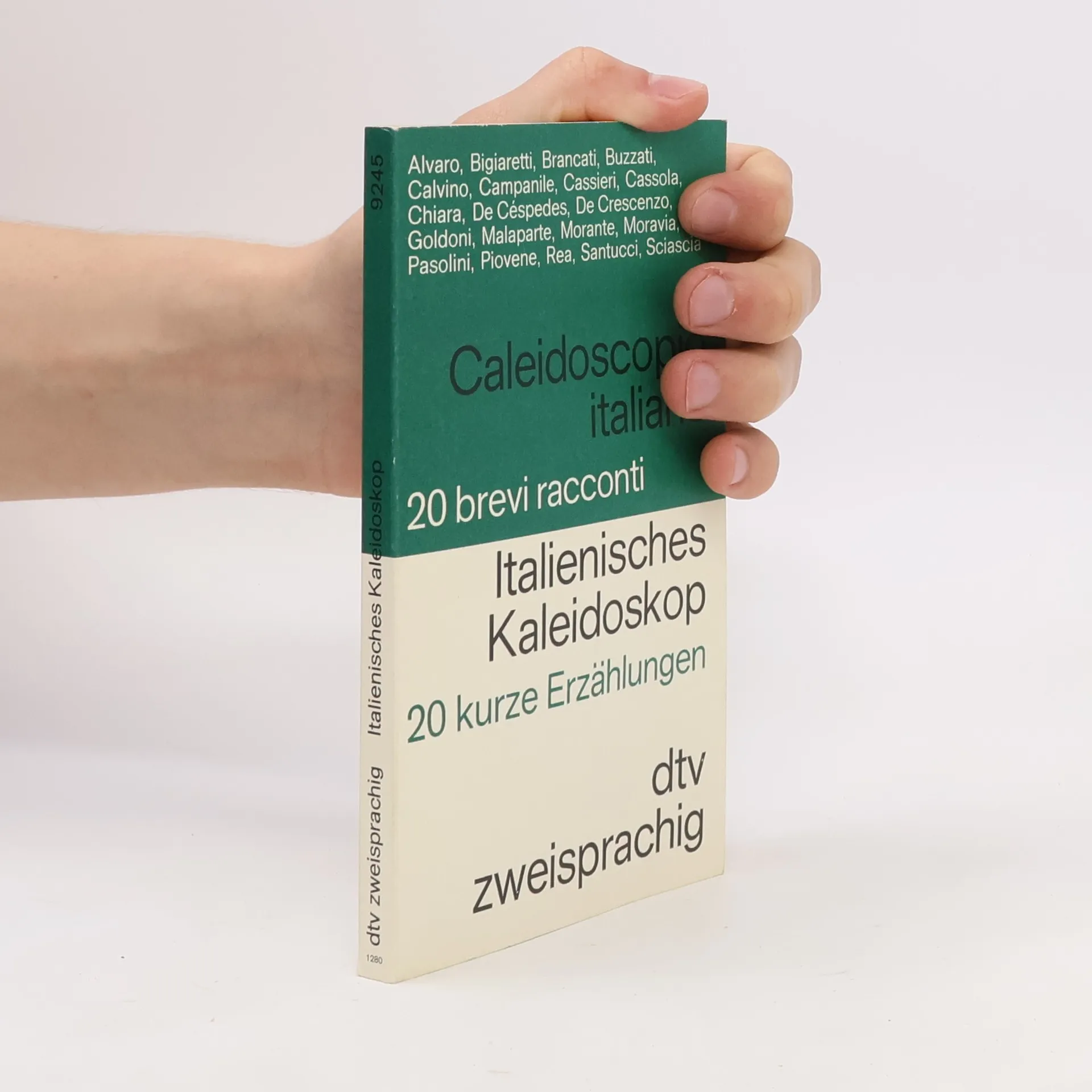
20 brevi racconti – 20 kurze Erzählungen
L'écrivain italien avait projeté un livre de récits groupés sous le titre : Les Cinq sens. Il n'aura eu le temps d'en écrire que trois, qui sont réunis ici : sur l'odeur, le goût et l'ouïe.
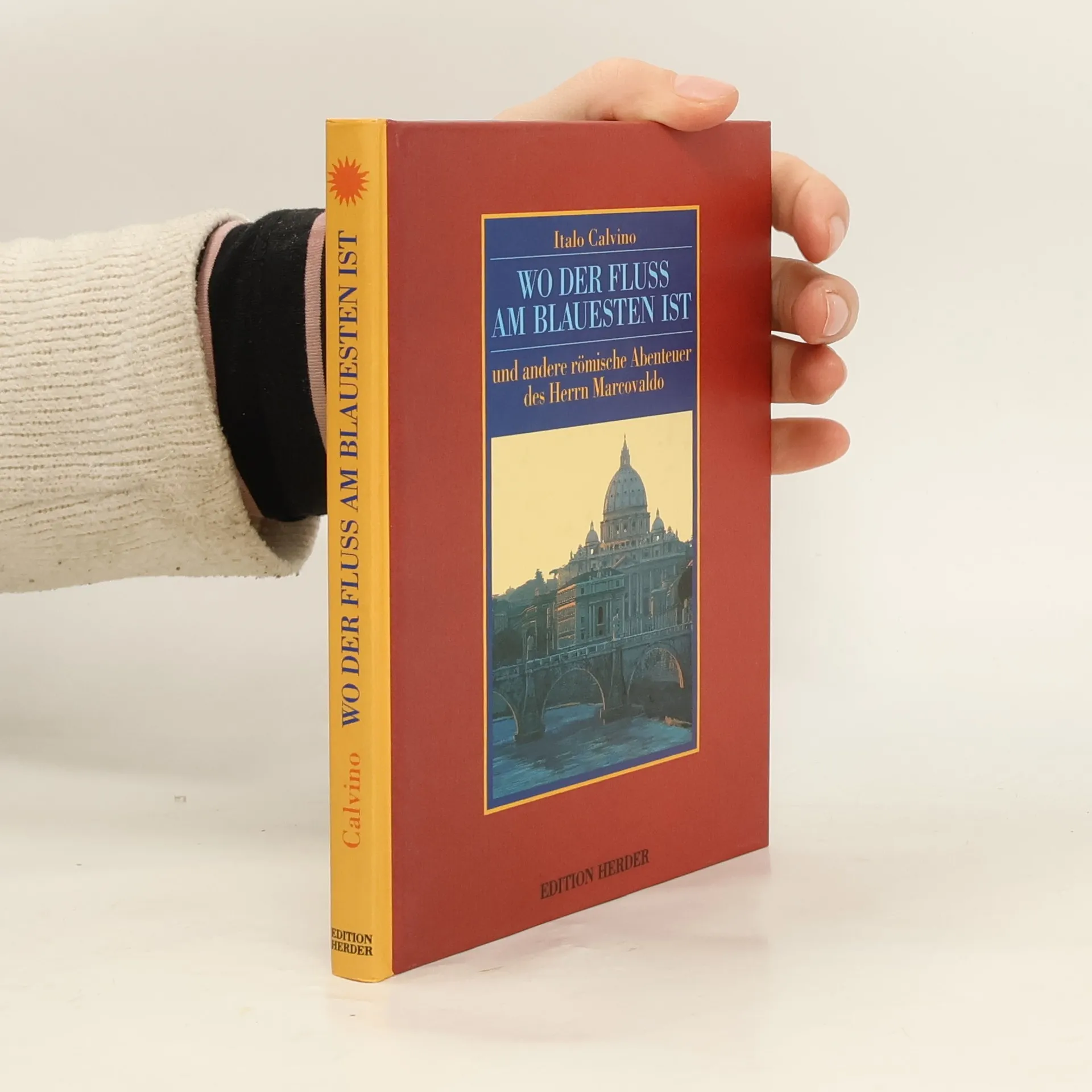
Marcovaldo is an unskilled worker in a drab industrial city in northern Italy. He is an irrepressible dreamer and an inveterate schemer. Much to the puzzlement of his wife, his children, his boss, and his neighbors, he chases his dreams-but the results are never the expected ones.
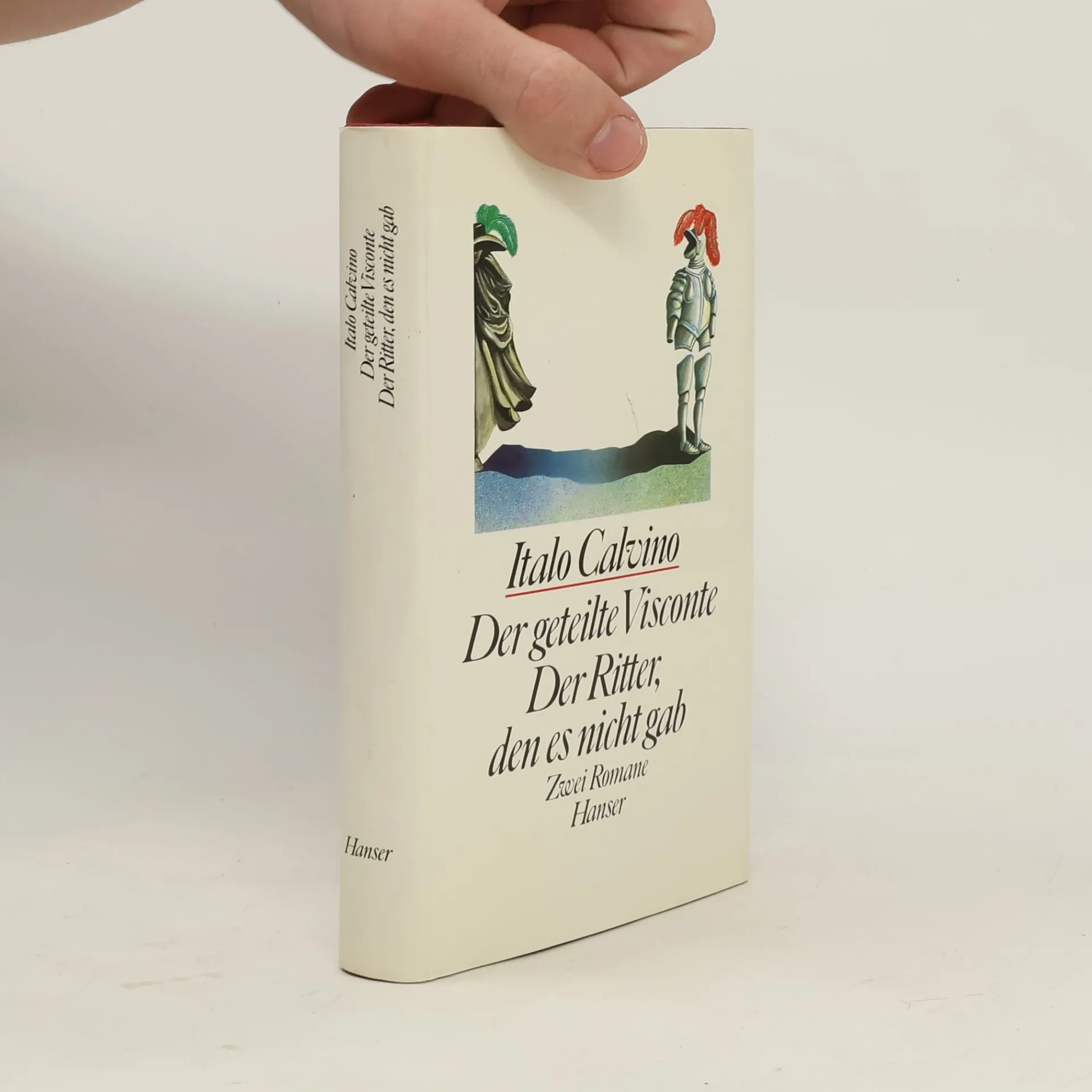
Zwei Novellen: die erste, eine Parodie auf das mittelalterliche Rittertum, erzählt von einer Nonne; die zweite, eine Fantasie über einen Adligen, der in seine guten und bösen Hälften geteilt wird.
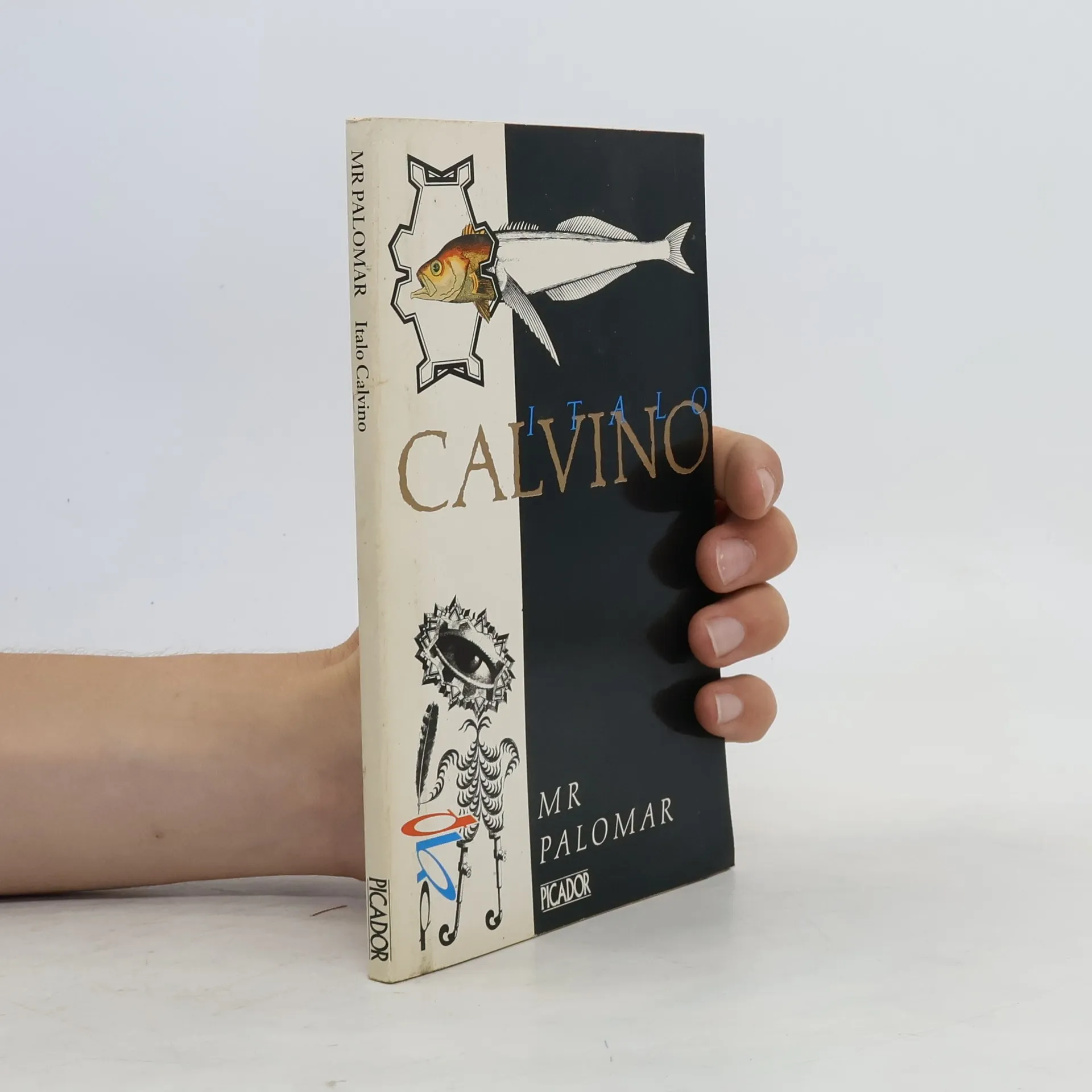
"Like the nervous hero of Mr. Palomar (superbly translated by William Weaver), Italo Calvino, always had a telescope's eye for what can only be called the thingness of things. Stars and planets, birds, a loaded food counter, all take on an extra reality, as though observed for the first time in wonder by a man previously blind. Mr Calvino was a magician whose voice commanded us: listen, look, understand. His tone was wryly humorous, his style perfect, his treatment literally fabulous. Through his minute attention to the surface of things he demonstrated the universal." — The Sunday Telegraph