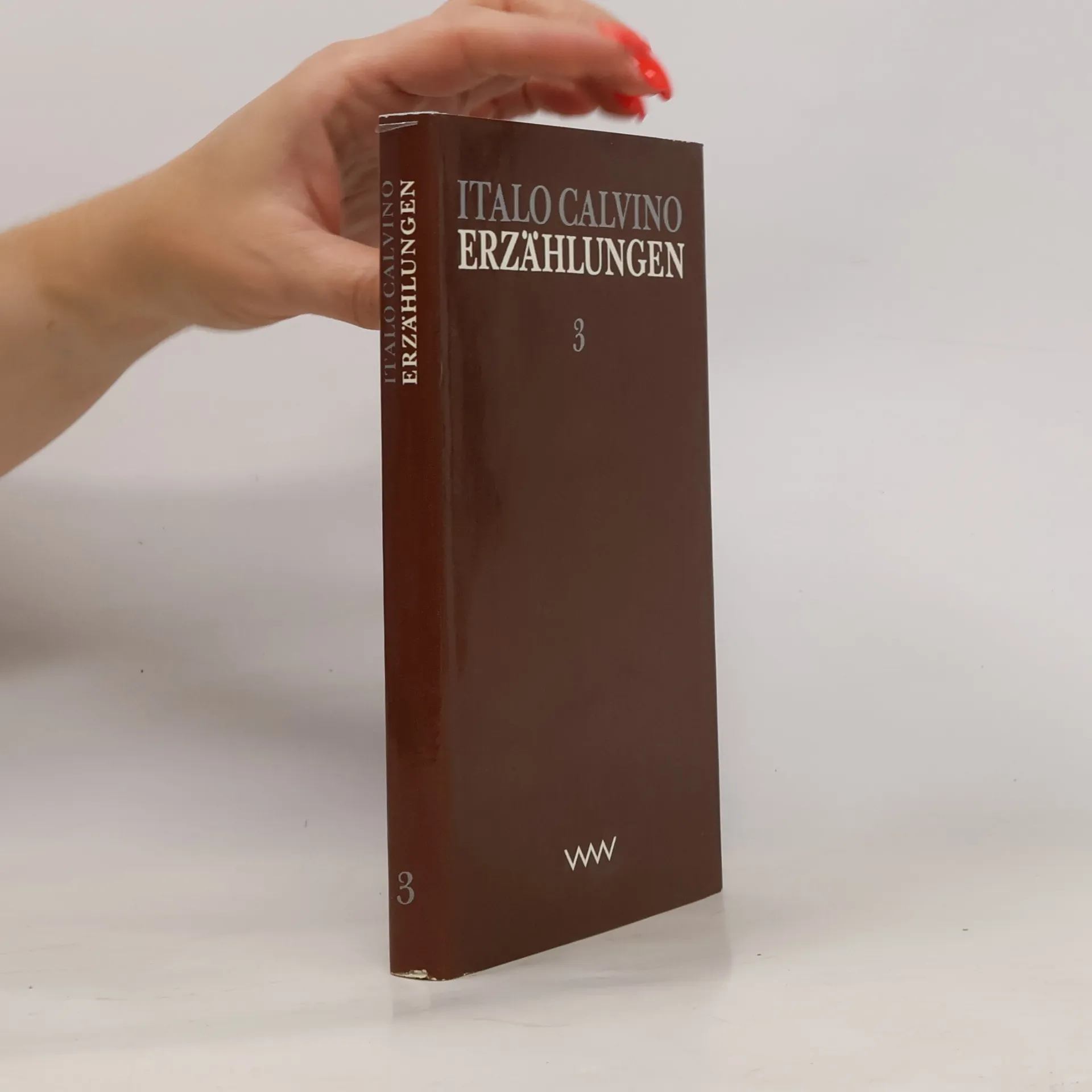
Bookbot

Italo Calvino

    15 octobre 1923 – 19 septembre 1985

    L'œuvre d'Italo Calvino défie une catégorisation facile, mêlant souvent des contes de fées fantastiques à un réalisme aigu et observationnel. Il a exploré la structure même des histoires et du langage, s'efforçant, comme il le disait, de « soustraire du poids ». Cette légèreté délibérée, appliquée aux personnages, aux villes et aux récits, crée une expérience littéraire unique. Les lecteurs trouveront son approche imaginative et sa profondeur philosophique convaincantes.

    Italo Calvino
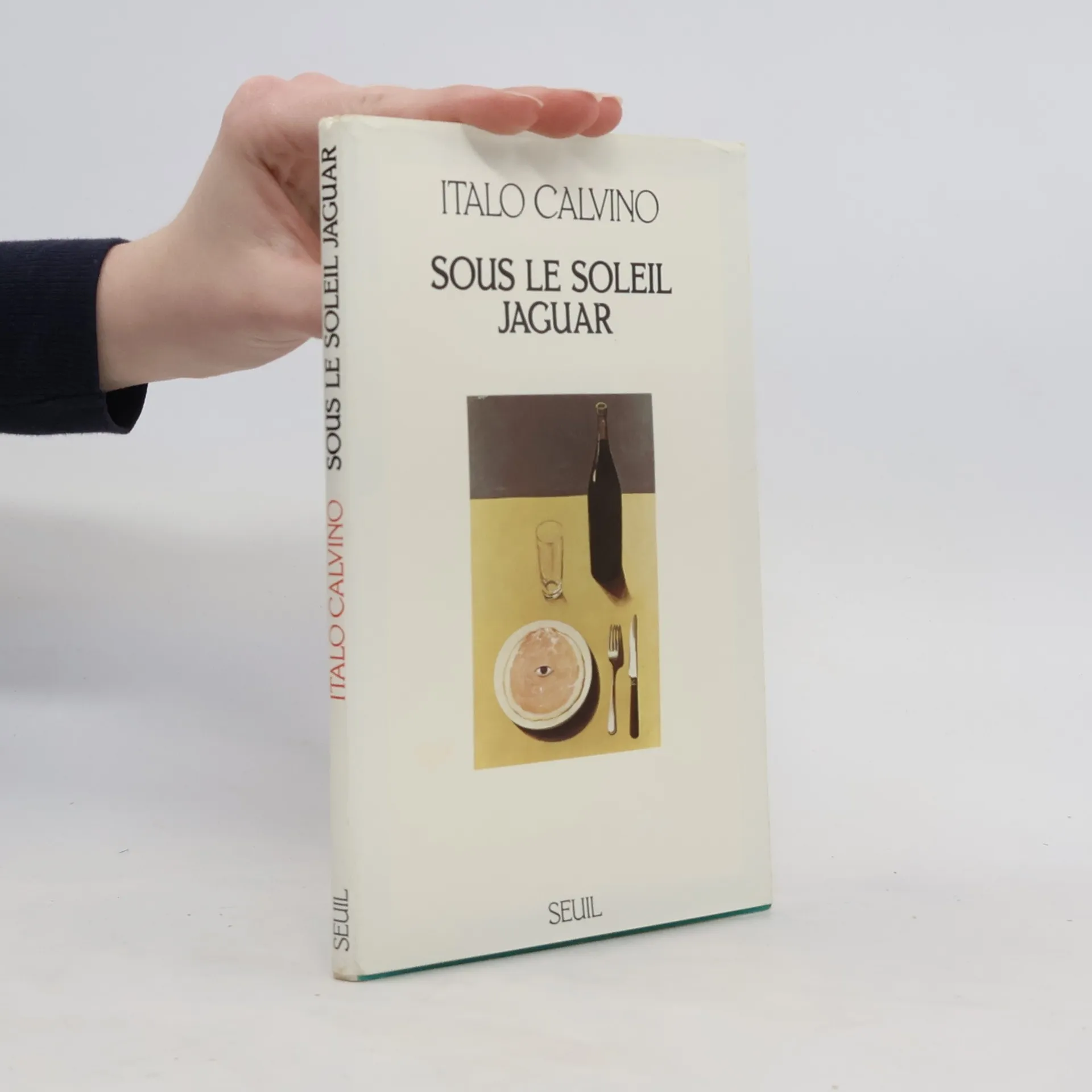
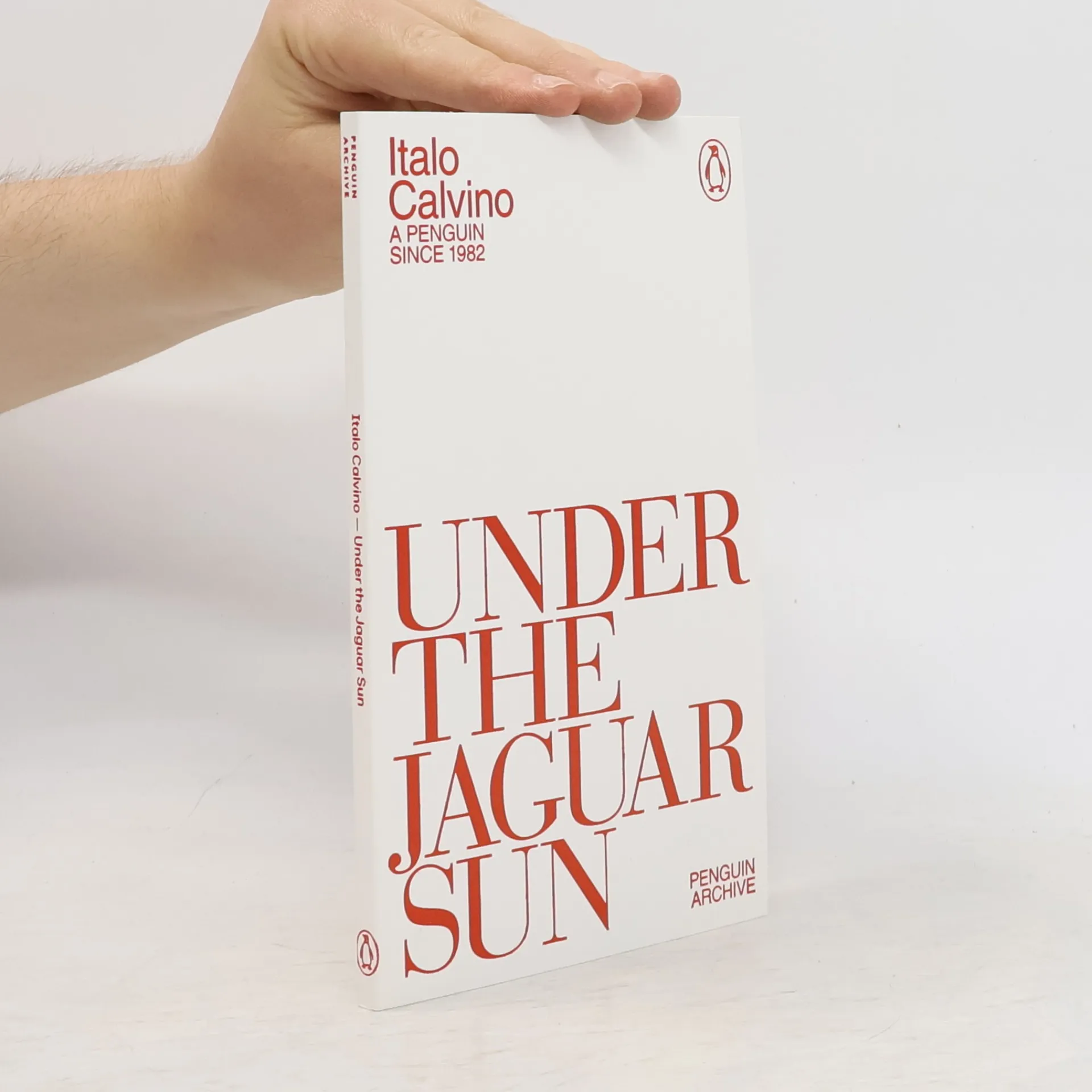
    Sous le soleil jaguar
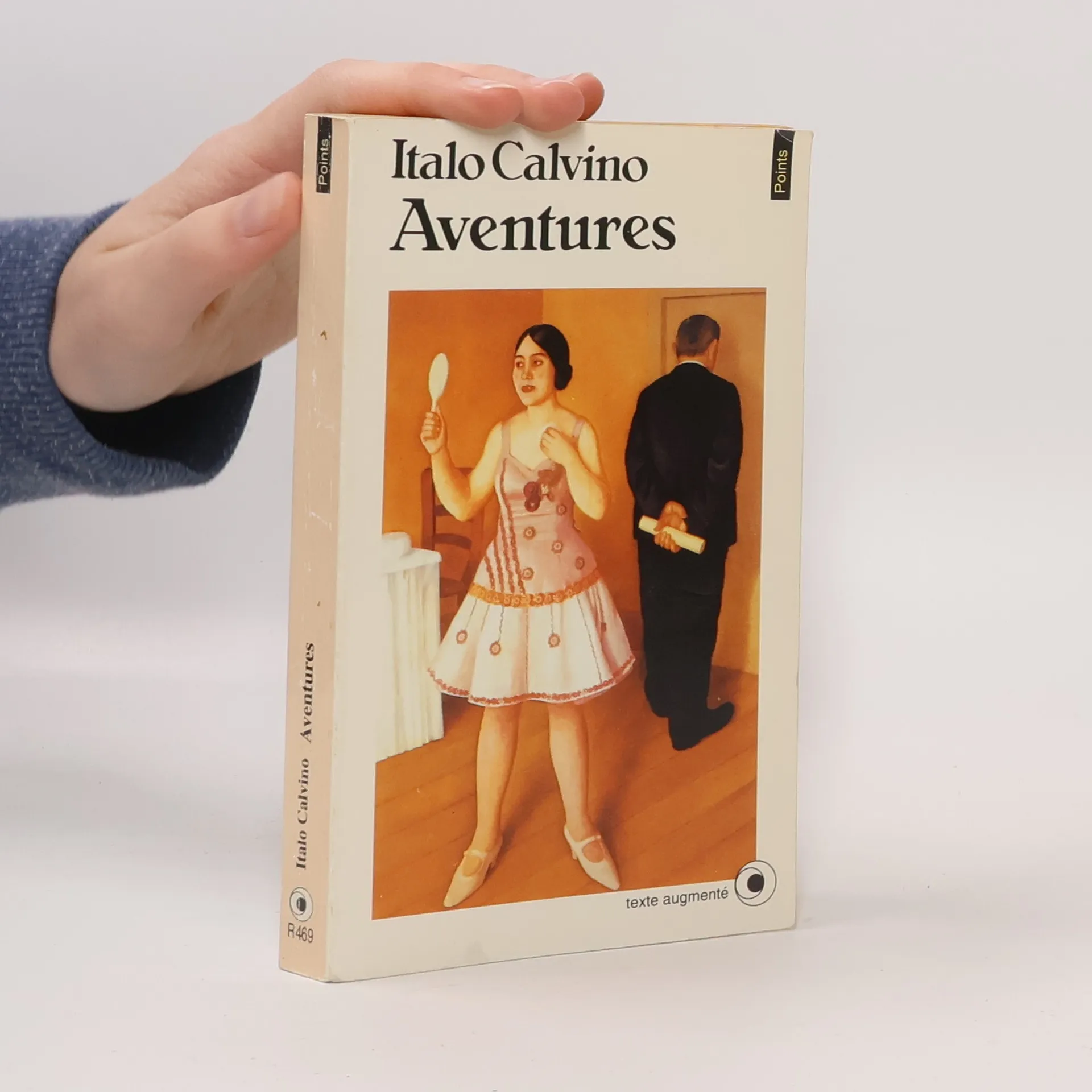
    Aventures
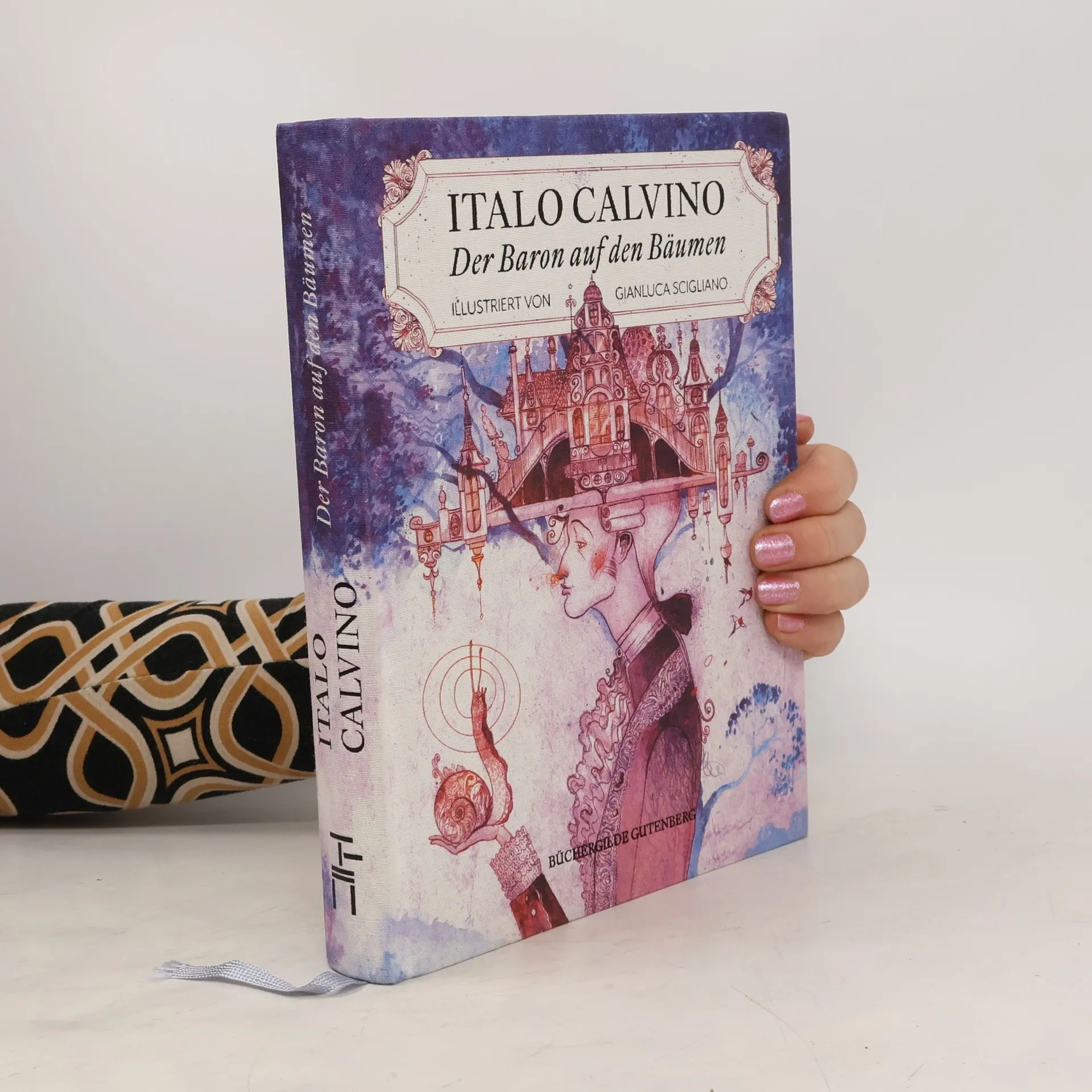
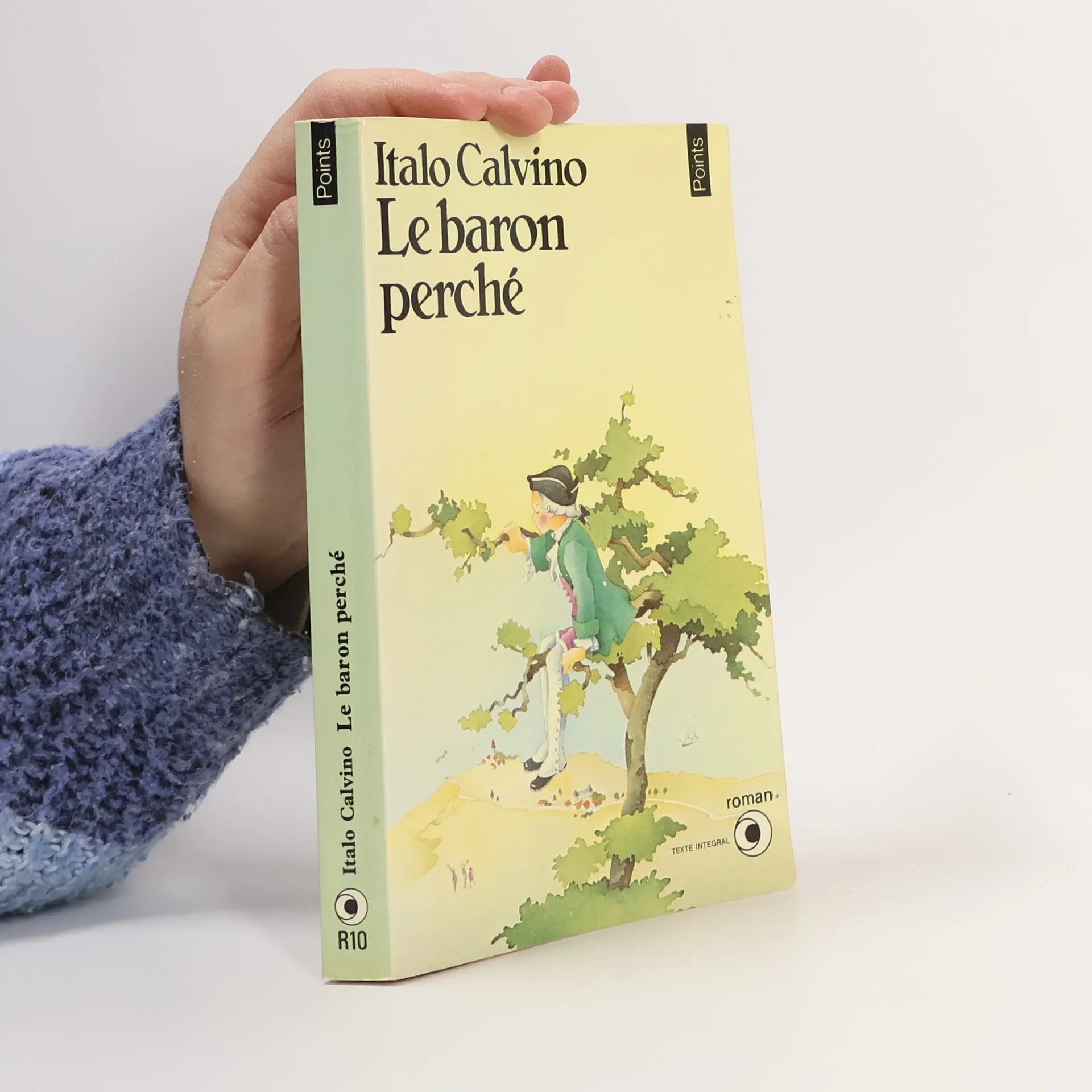
    Le Baron perché
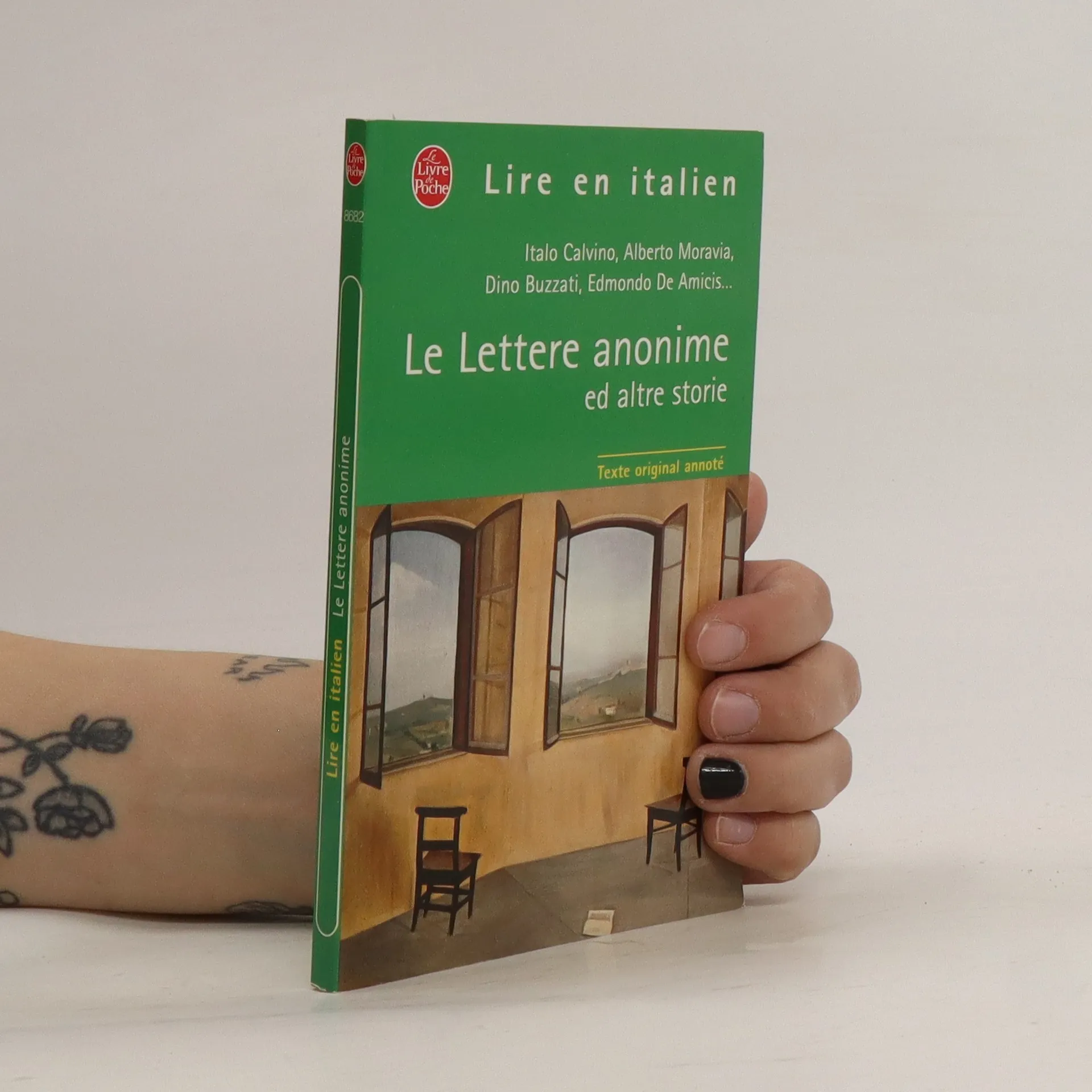
    Le Lettere anonime ed altre storie
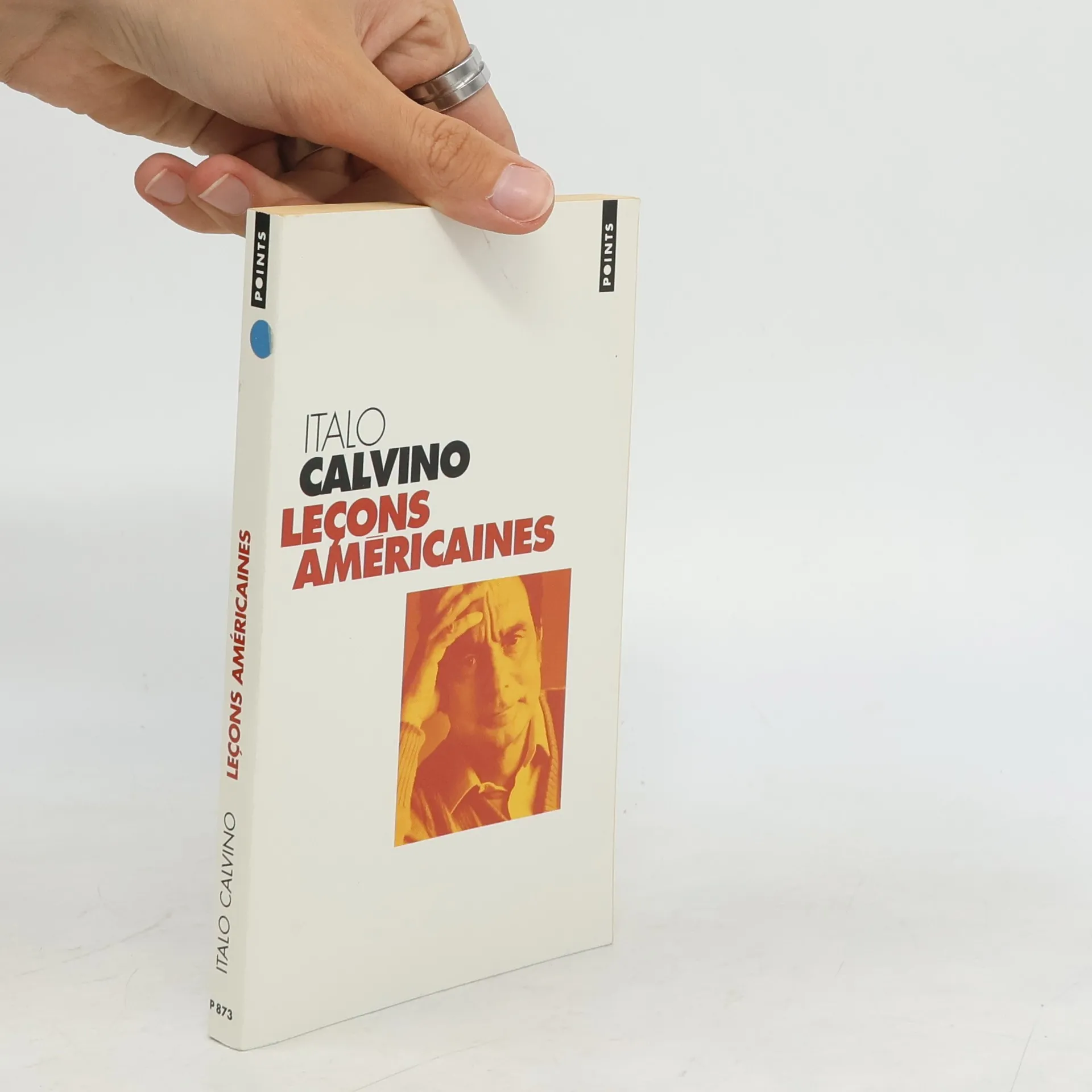
    Leçons américaines
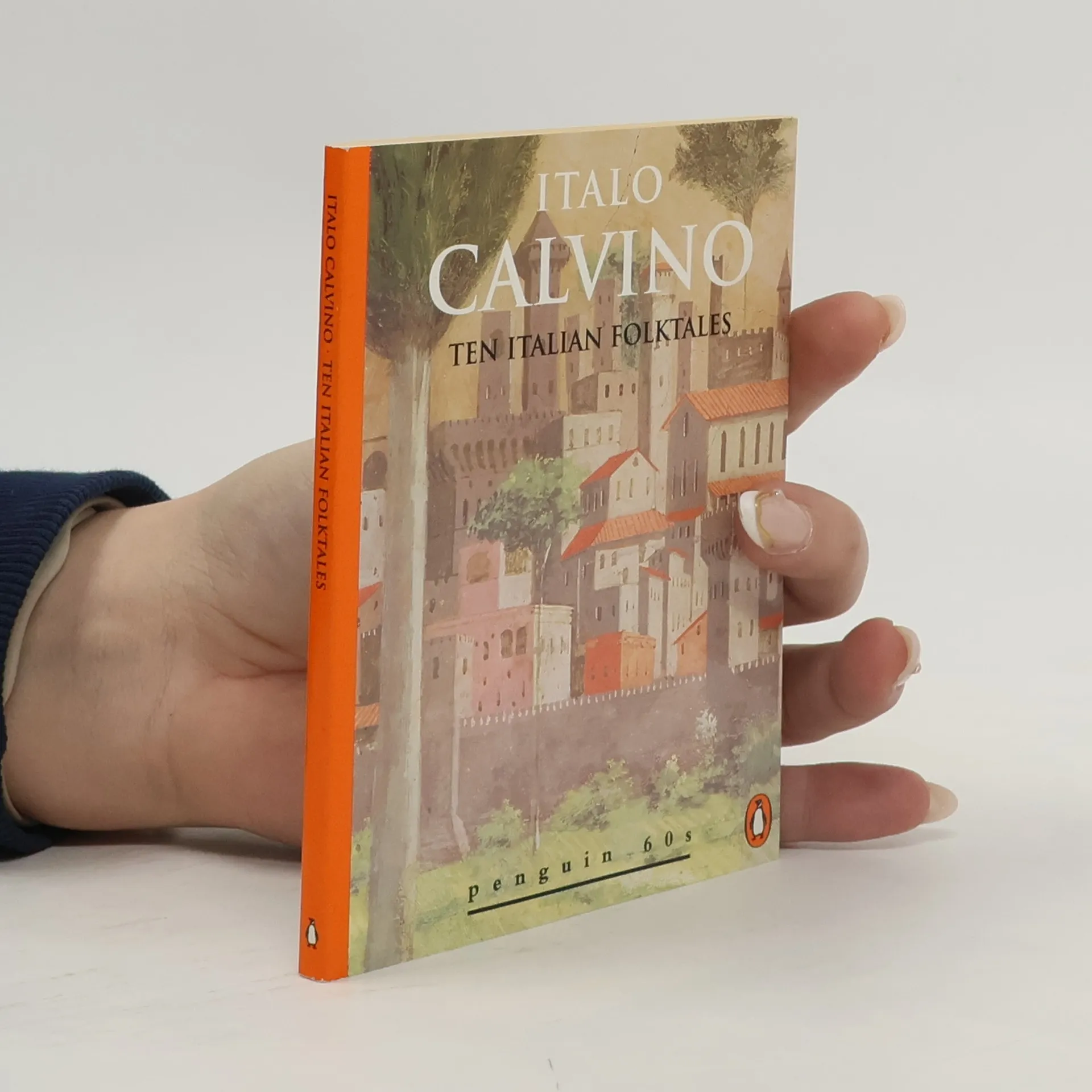
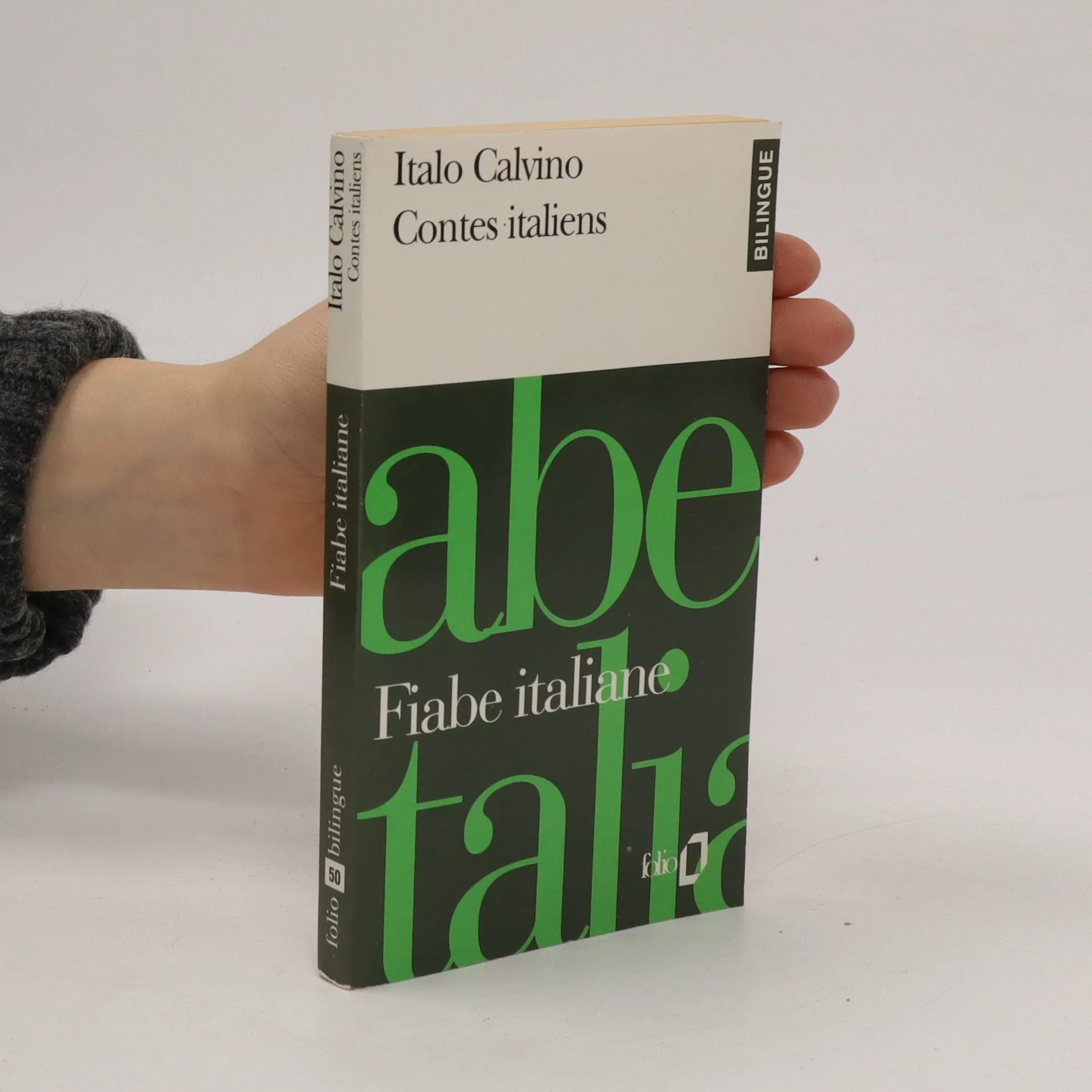
    Contes italiens. Fiabe Italiane
    • Contes italiens. Fiabe Italiane

      • 173pages
      • 7 heures de lecture

      Italo Calvino a fouillé dans la mémoire des régions italiennes, dont il a souvent transcrit ou réécrit le patois pour constituer ce recueil de contes. Travail de chercheur, d'ethnographe et surtout d'écrivain qu'il aborda avec curiosité pour se trouver jeté dans le monde fantastique du merveilleux populaire italien. Entre ironie et poésie, ces textes courts sont souvent de petites fables philosophiques qui s'adressent plus aux adultes qu'aux enfants.
      Contes italiens. Fiabe Italiane
      4,3
    • Leçons américaines

      • 196pages
      • 7 heures de lecture

      Six Memos for the Millennium is a collection of five lectures Italo Calvino was about to deliver at the time of his death. Here is his legacy to us: the universal values he pinpoints become the watchwords for our appreciation of Calvino himself. What should be cherished in literature? Calvino devotes one lecture, or memo to the reader, to each of five indispensable qualities: lightness, quickness, exactitude, visibility, and multiplicity. A sixth lecture, on consistency, was never committed to paper, and we are left only to ponder the possibilities. With this book, he gives us the most eloquent defense of literature written in the twentieth century as a fitting gift for the next millennium.

      Leçons américaines
      4,3
    • Le Lettere anonime ed altre storie

      • 160pages
      • 6 heures de lecture

      Le bref retour d'un fils... La déchéance d'un " homme d'honneur "... Un bon repas apprécié tardivement... Un enfant qui se refuse à dormir... Une fille qui montre qu'elle vaut plus qu'un garçon... Un curieux personnage plus soucieux de son orthographe que la morale... La confession du fils au chevet du père mourant... Est surpris qui voulait surprendre...

      Le Lettere anonime ed altre storie
      3,5
    • Le Baron perché

      • 283pages
      • 10 heures de lecture

      Une des inventions les plus étonnantes de toute l'histoire de la littérature : comment un enfant monté à douze ans dans les arbres y reste, comment l'homme y passe toute sa vie, pour prouver à ses contemporains ce que c'est la liberté et l'intelligence et pour leur prouver qu'ils n'agissent, eux, qu'en balourds et à l'étourdie : pas seulement dans leurs rapports à la nature, mais aussi bien dans leurs engagements historiques ou dans leurs amours si dépourvus de fantaisie.

      Le Baron perché
      4,2
    • Aventures

      • 260pages
      • 10 heures de lecture
      Aventures
      3,3
    • Sous le soleil jaguar

      • 85pages
      • 3 heures de lecture

      L'écrivain italien avait projeté un livre de récits groupés sous le titre : Les Cinq sens. Il n'aura eu le temps d'en écrire que trois, qui sont réunis ici : sur l'odeur, le goût et l'ouïe.

      Sous le soleil jaguar
      3,9
    • Si une nuit d'hiver un voyageur

      • 400pages
      • 14 heures de lecture

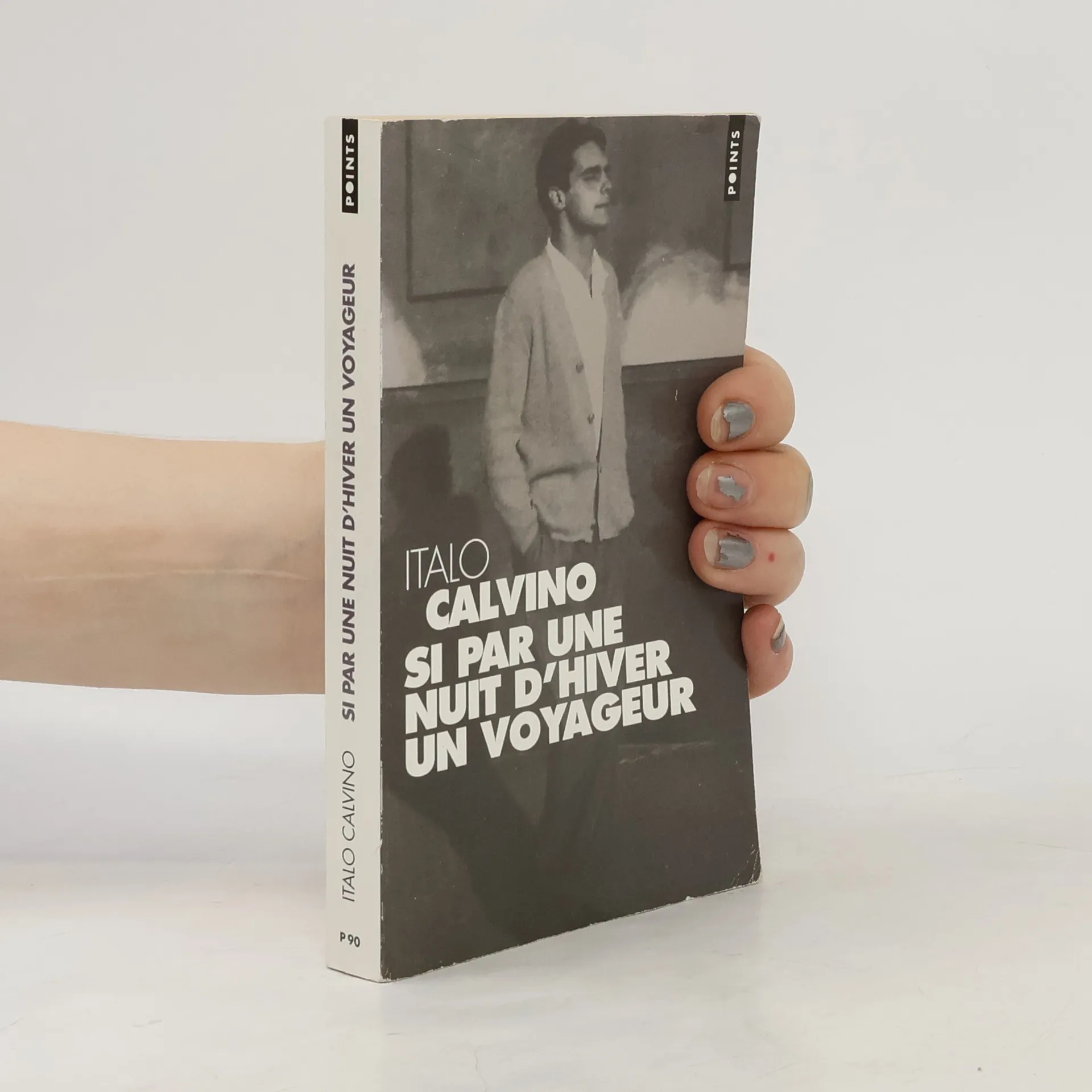
      "Ce livre est né du désir de lecture. Je me suis mis à l'écrire en pensant aux livres que j'aimerais lire. Je me suis dit alors : la meilleure façon d'avoir ces livres c'est de les écrire. Pas un livre, mais dix, l'un après l'autre, et tous à l'intérieur du même livre. Et chaque fois que je commençais, dans ce roman, un nouveau roman, ce qui me poussait, c'était encore et toujours le désir de lecture. J'ai vraiment voulu faire le livre du lecteur. Pas seulement parce que le lecteur est le seul véritable héros de ce livre, mais aussi parce que c'est son désir (et pas seulement le mien) de lecture qui dicte les différents livres", Italo Calvino (1979). Si par une nuit d'hiver un voyageur fut publié pour la première fois en juin 1979. Il est vite devenu un grand classique de la littérature du XXe siècle.

      Si une nuit d'hiver un voyageur
      3,9
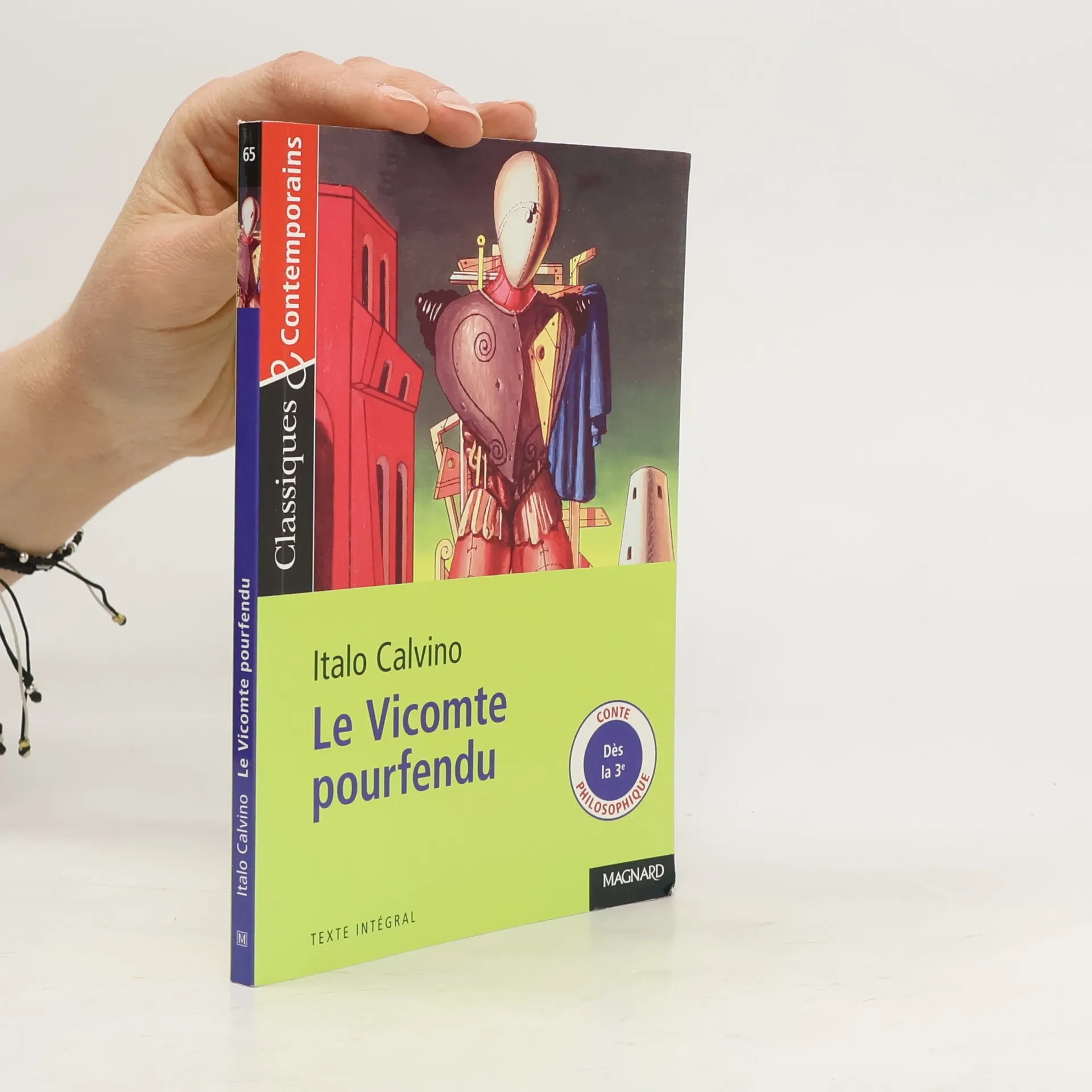
    • Le Vicomte pourfendu

      • 158pages
      • 6 heures de lecture

      Co się dzieje, gdy mężczyzna wraca z wojny z tylko prawą połową ciała? Jakie życie może wieść? Jaka możliwość jest mu zaoferowana, gdy jego druga połowa pojawi się ponownie? A jaki morał powinniśmy wyciągnąć z tej historii? Odkryjesz to, czytając historię wicehrabiego Médard de Terralba, który konfrontuje się z dwiema częściami swojej istoty, jedną, która dąży tylko do czynienia zła, a drugą, która grzeszy nadmiarem dobroci. Ta filozoficzna opowieść, w której poczesne miejsce zajmuje humor, pozwala pogłębić studium tekstu narracyjnego, pracować nad argumentacją i zrewidować pojęcia cudowności i fantastyki. Pierwsza część trylogii, możemy się założyć, że ta opowieść da uczniom chęć poznania dwóch pozostałych

      Le Vicomte pourfendu
      3,9
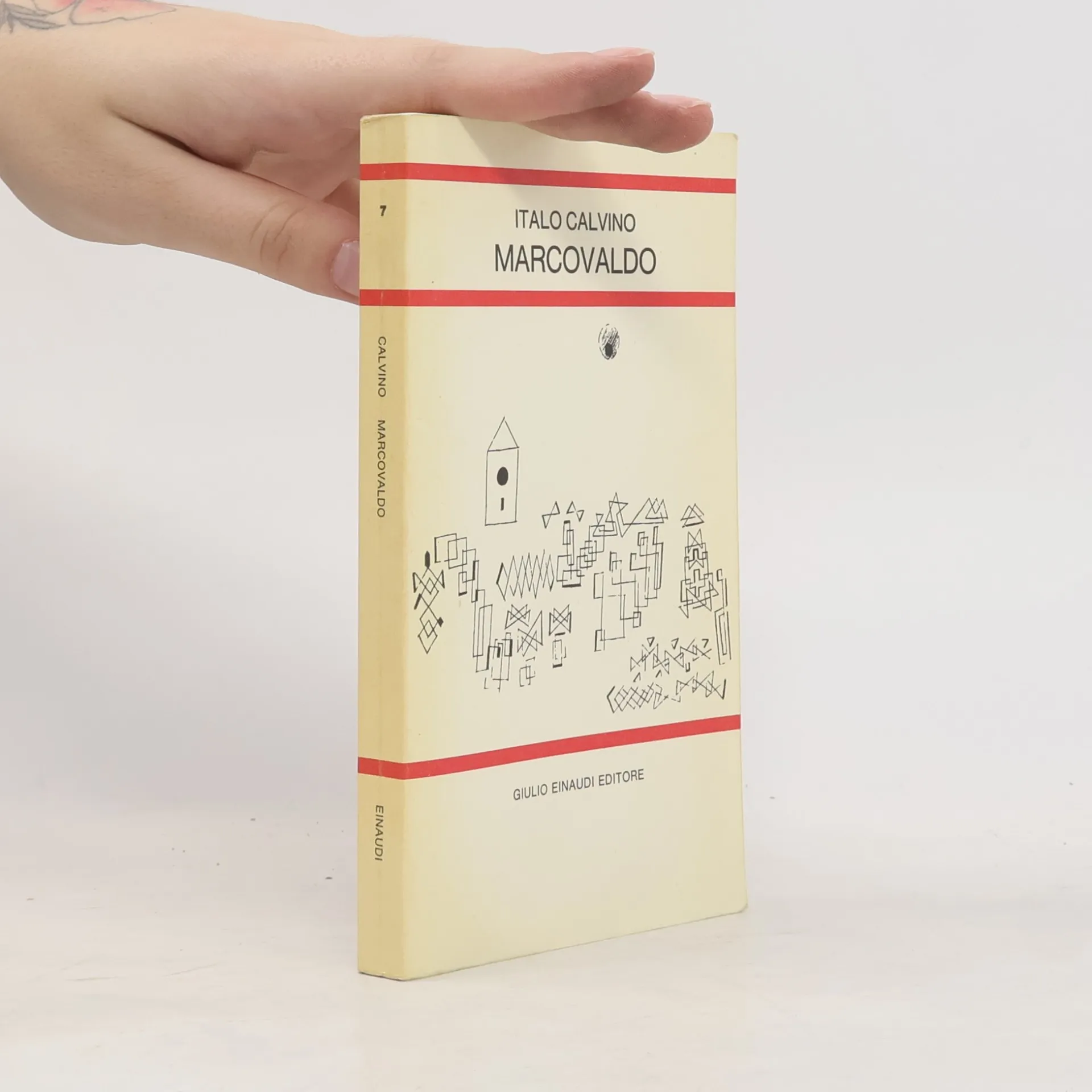
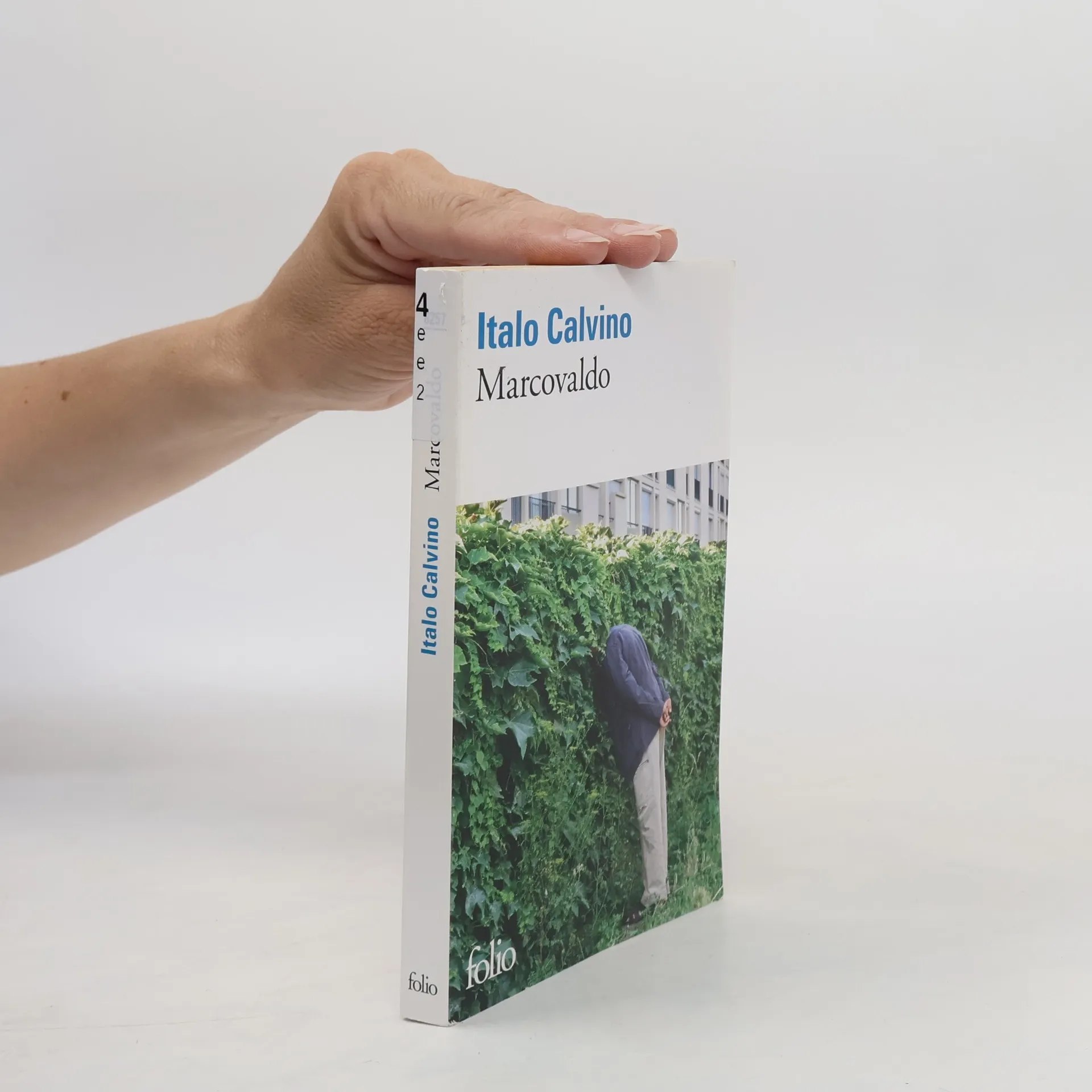
    • Marcovaldo

      • 185pages
      • 7 heures de lecture

      Marcovaldo est manœuvre. Il est pauvre et chargé de famille. Mais il rêve beaucoup. A la nature, surtout, qui n'est guère présente dans l'univers d'asphalte et de béton où il lui faut vivre. Cela lui vaudra une suite d'aventures et de mésaventures, où on le verra successivement cueillir des champignons à l'arrêt du tram, prendre un bien curieux bain de sable, s'amouracher d'une plante d'appartement singulièrement envahissante, être amené - par un chat dont il est l'ami et, accessoirement, par une truite - à rencontrer une étrange vieille marquise, et faire bien d'autres choses encore. On pourrait dire de Marcovaldo que c'est un Charlot père de famille.

      Marcovaldo
      3,8
    • Le corbeau vient le dernier

      • 251pages
      • 9 heures de lecture

      L'univers de Calvino est un monde de fable, mais il utilise ses mécanismes pour se concentrer avec une précision infaillible sur la réalité humaine. La nature dans ces récits possède une qualité magique, que ce soit dans le vol d'un corbeau, la trace irisée d'un escargot ou le saut latéral d'un chat errant. À travers des récits enchanteurs, Calvino explore les thèmes de l'identité, de la mémoire et de l'absurde, tout en tissant des réflexions sur la condition humaine. Ses personnages, souvent confrontés à des situations extraordinaires, révèlent la complexité des émotions et des relations humaines. L'écriture de Calvino, à la fois poétique et incisive, invite le lecteur à une réflexion profonde sur le monde qui l'entoure, tout en célébrant la beauté et la magie de l'existence.

      Le corbeau vient le dernier
      3,7
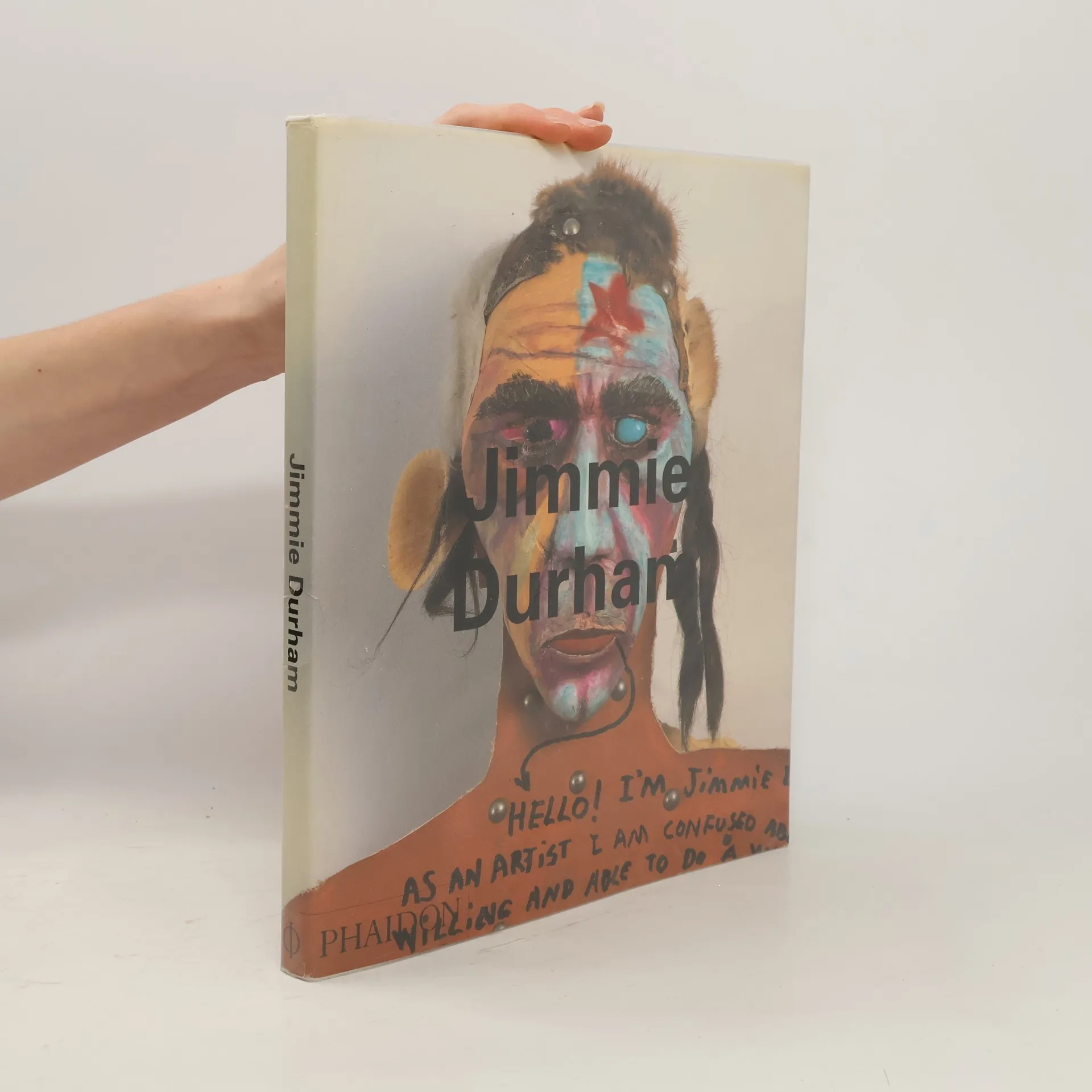
    • Jimmie Durham

      • 160pages
      • 6 heures de lecture

      This text examines the work of Jimmie Durham, the sculptor and performance artist of Cherokee descent. The book is part of a series of studies of important artists of the late-20th century. Each title offers a comprehensive survey of the artist's work, providing analyses and multiple perspectives on contemporary art and its inspiration.

      Jimmie Durham
      4,4
    • Cosmicomics

      • 160pages
      • 6 heures de lecture

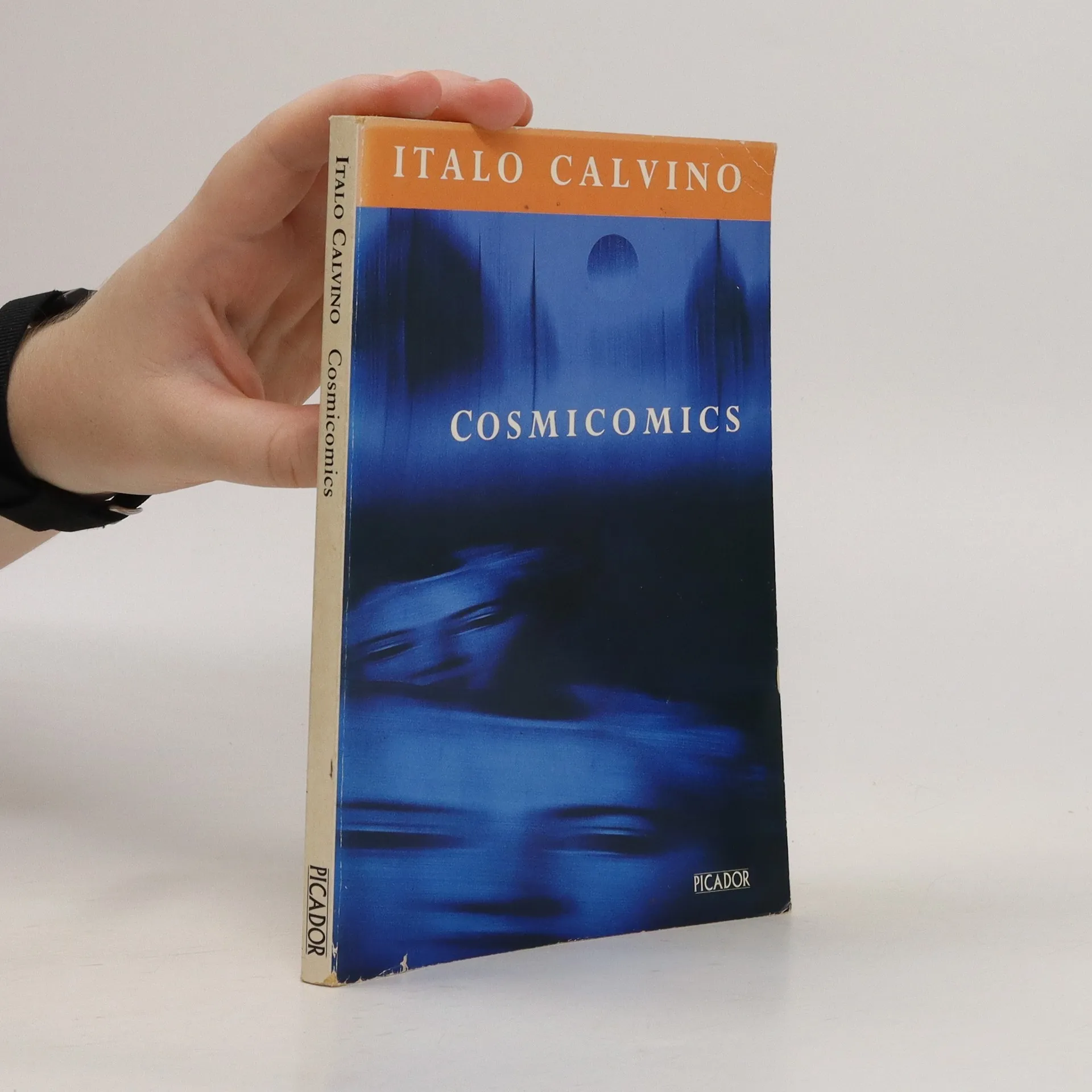
      Enchanting stories about the evolution of the universe, with characters that are fashioned from mathematical formulae and cellular structures. " Naturally, we were all there, - old Qfwfq said, - where else could we have been? Nobody knew then that there could be space. Or time either: what use did we have for time, packed in there like sardines?" Translated by William Weaver. A Helen and Kurt Wolff Book

      Cosmicomics
      4,3
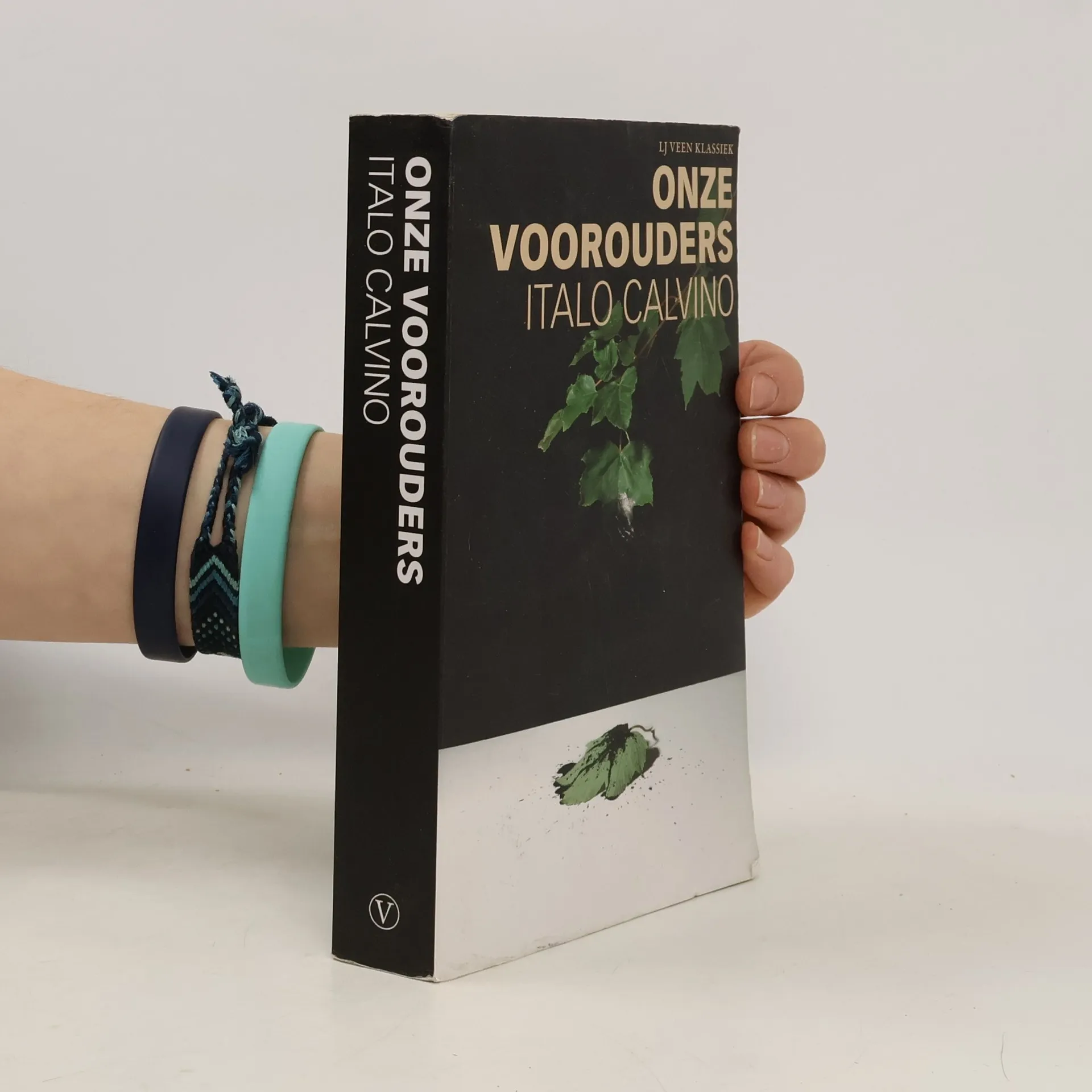
    • Our Ancestors

      • 388pages
      • 14 heures de lecture

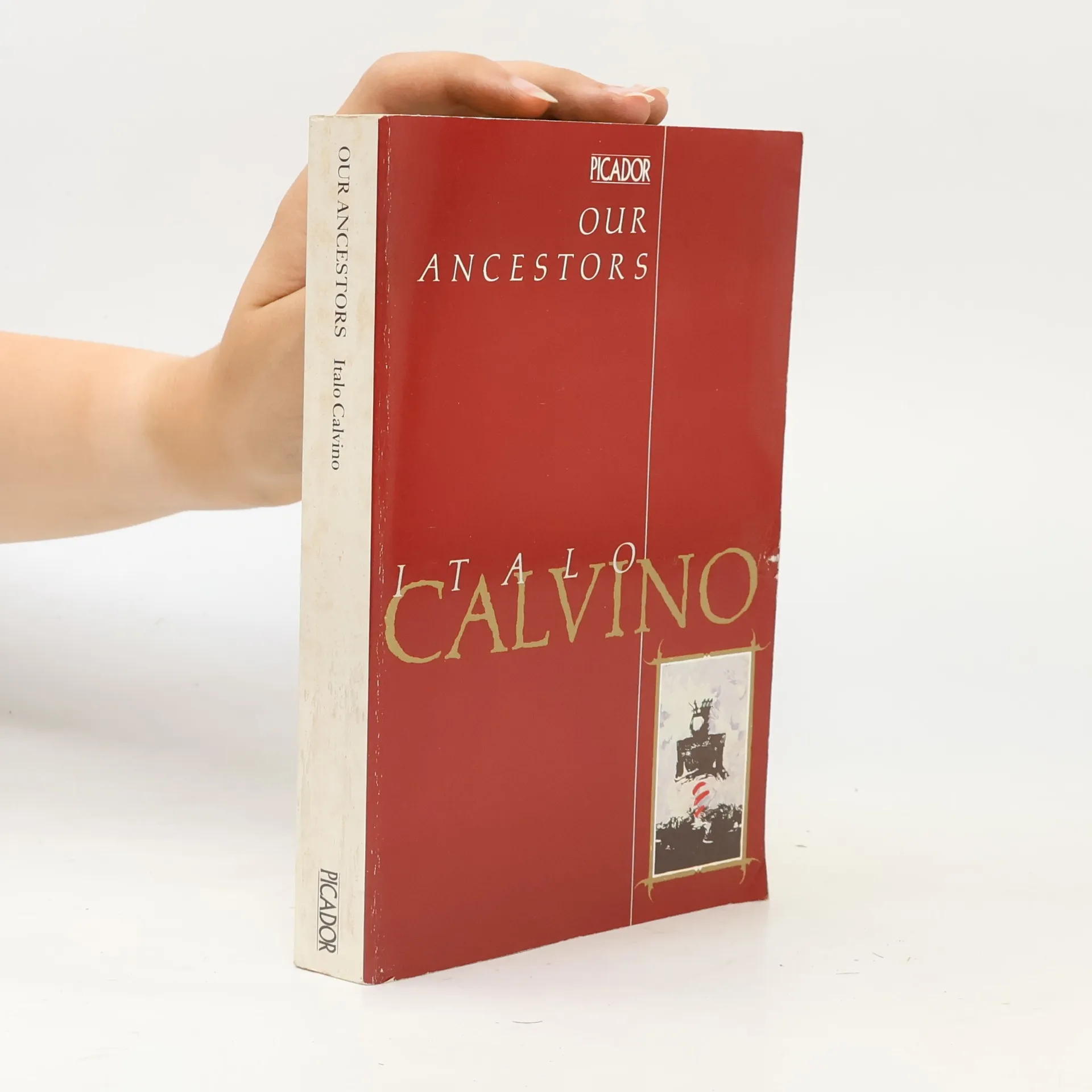
      Viscount Medardo is bisected by a Turkish cannonball on the plains of Bohemia; Baron Cosimo, at the age of twelve, retires to the trees for the rest of his days; Charlemagne's knight, Agiluf, is an empty suit of armour. These three vivid images are the points of departure for Calvino's classic triptych of moral tales, now published in one volume and all displaying the exuberant talent of a master storyteller.

      Our Ancestors
      4,3
    • This illustrated edition celebrates the 50th anniversary of a beloved work, featuring an introduction by acclaimed author Anthony Doerr, known for his Pulitzer Prize-winning storytelling. The edition enhances the reading experience with visual elements that complement the narrative, inviting both new readers and longtime fans to explore the themes and characters in a fresh light.

      Invisible Cities [50th Anniversary Edition]
      4,2
    • The Complete Cosmicomics

      • 434pages
      • 16 heures de lecture

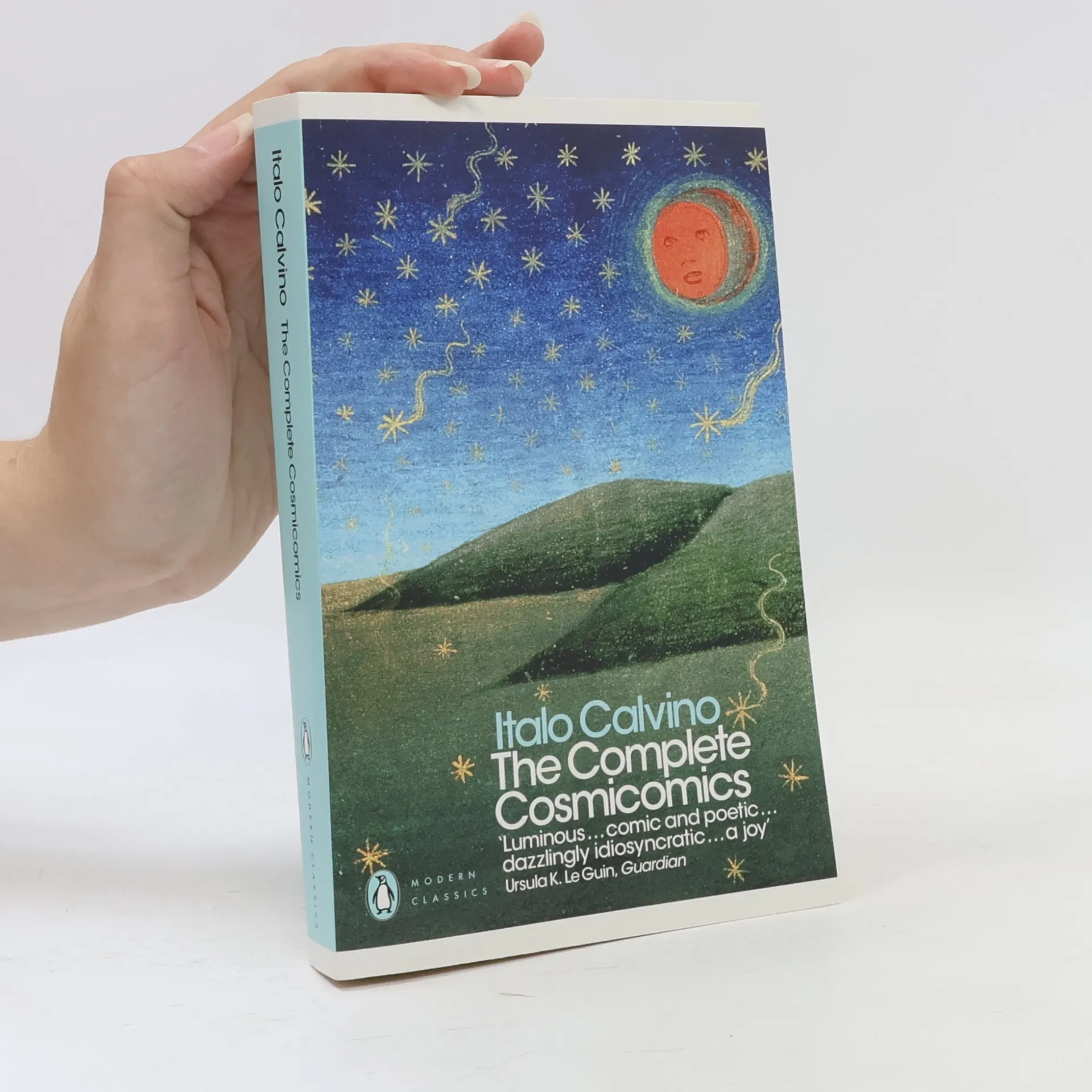
      This title includes enchanting stories about the evolution of the universe, with characters that are fashioned from mathematical formulae and cellular structures. They disport themselves among galaxies, experience the solidification of planets, move from aquatic to terrestrial existence, play games with hydrogen atoms - and have time for a love life. 'Naturally, we were all there, old Qfwfq said, where else could we have been? Nobody knew then that there could be space. Or time either: what use did we have for time, packed in there like sardines?'.

      The Complete Cosmicomics
      4,1
    • Contains stories which range geographically from Corsica and Sicily to Venice and the Alps. schovat popis

      Italian Folktales
      4,0
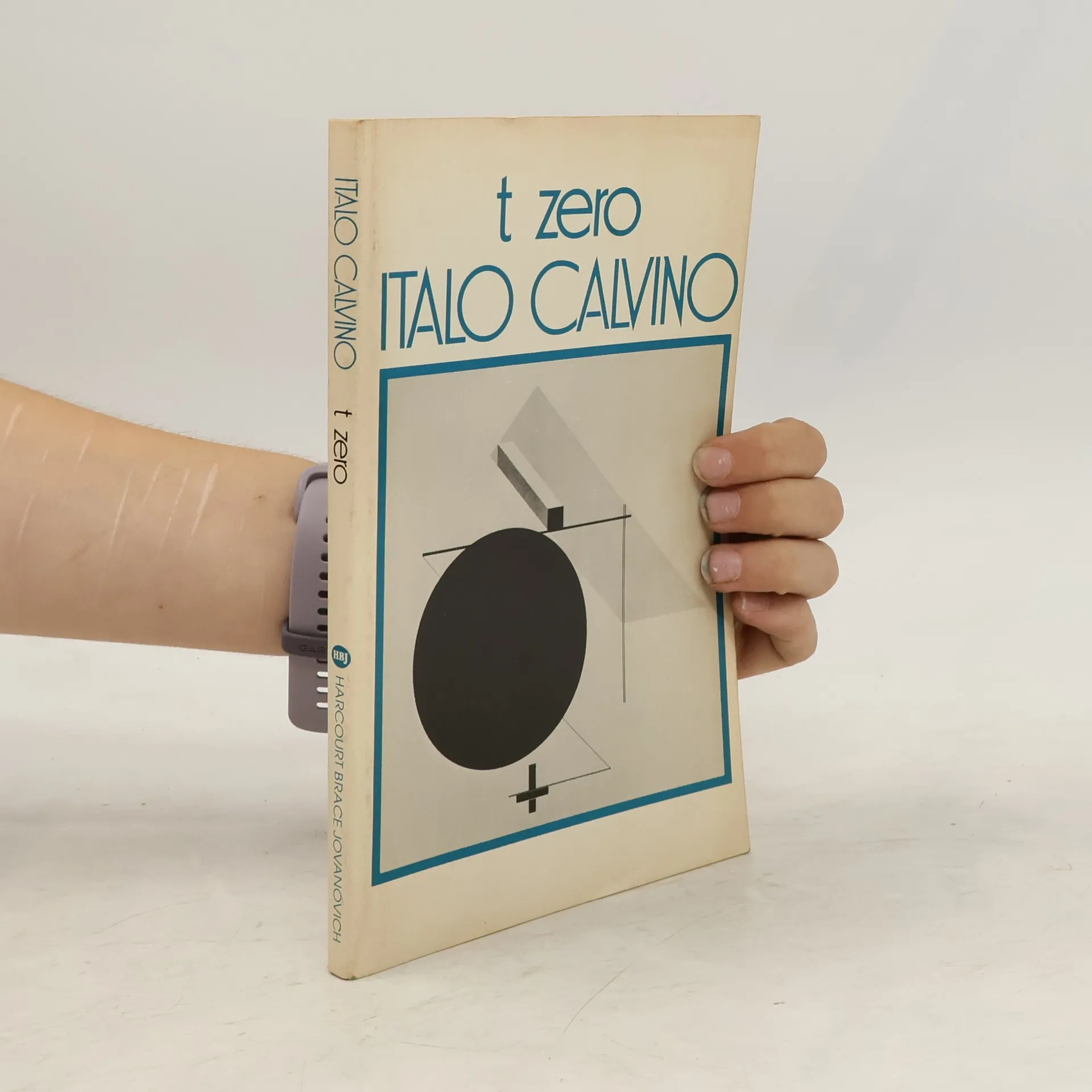
    • t zero

      • 168pages
      • 6 heures de lecture

      A collection of stories about time, space, and the evolution of the universe in which the author blends mathematics with poetic imagination. “Calvino does what very few other writers can do: he describes imaginary worlds with the most extraordinary precision and beauty” (Gore Vidal, New York Review of Books). Translated by William Weaver. A Helen and Kurt Wolff Book

      t zero
      4,0
    • Mr Palomar

      • 118pages
      • 5 heures de lecture

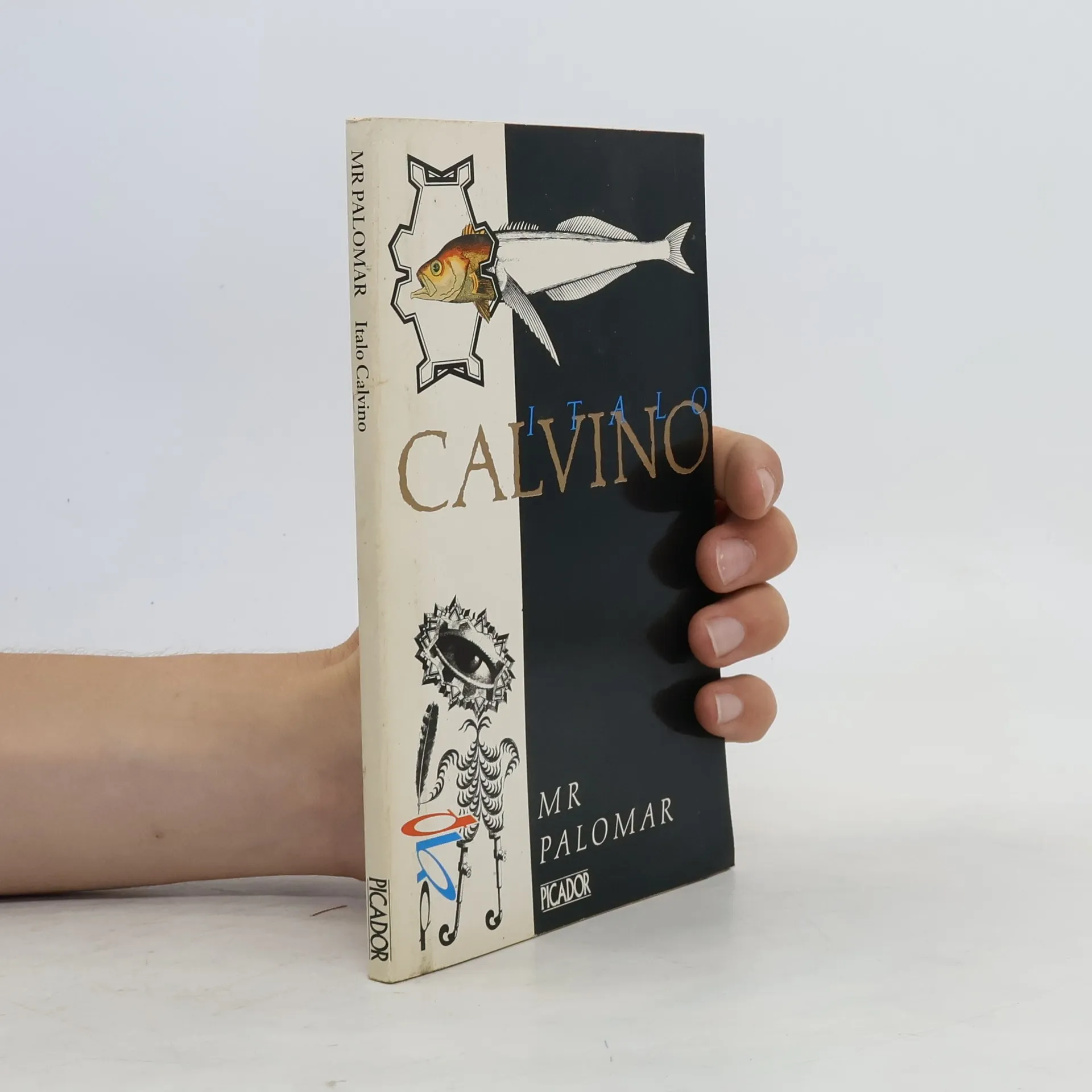
      "Like the nervous hero of Mr. Palomar (superbly translated by William Weaver), Italo Calvino, always had a telescope's eye for what can only be called the thingness of things. Stars and planets, birds, a loaded food counter, all take on an extra reality, as though observed for the first time in wonder by a man previously blind. Mr Calvino was a magician whose voice commanded us: listen, look, understand. His tone was wryly humorous, his style perfect, his treatment literally fabulous. Through his minute attention to the surface of things he demonstrated the universal." — The Sunday Telegraph

      Mr Palomar
      4,0
    • The Written World and the Unwritten World

      Essays

      • 384pages
      • 14 heures de lecture

      Calvino's anthology showcases his signature sparkling prose and witty exploration of ideas, inviting readers to reconsider conventional perspectives. With a blend of humor and open-mindedness, the collection promises to engage both long-time admirers and newcomers alike, making it a delightful read for anyone interested in thought-provoking literature.

      The Written World and the Unwritten World
      3,9
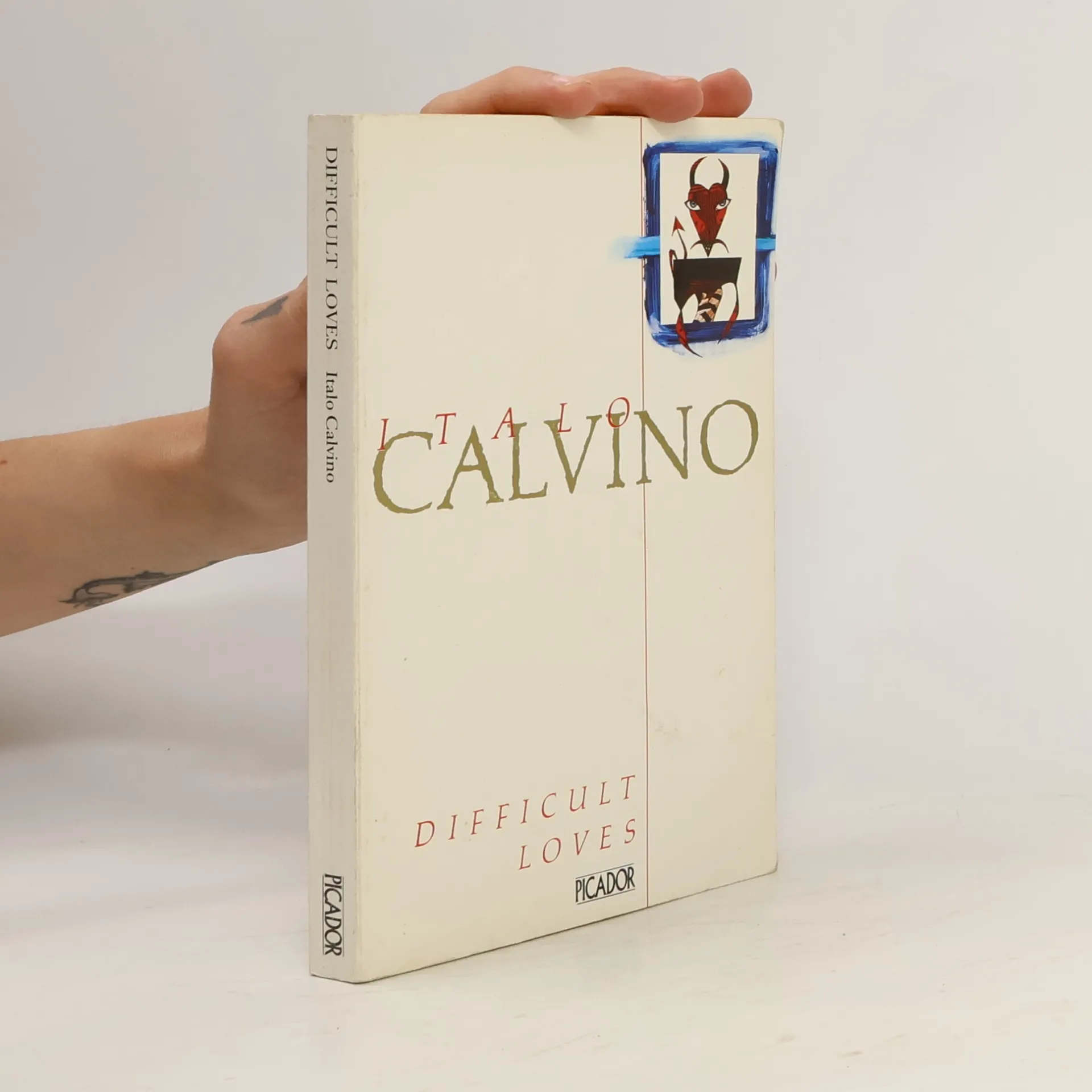
    • Difficult loves

      • 255pages
      • 9 heures de lecture

      Tales of love and loneliness in which the author blends reality and illusion. " The quirkiness and grace of the writing, the originality of the imagination at work, ...and a certain lovable nuttiness make this collection well worth reading" (Margaret Atwood). Translated by William Weaver, Peggy Wright, and Archibald Colquhoun. A Helen and Kurt Wolff Book

      Difficult loves
      3,9
    • A collection of essays, articles, interviews, correspondence, notes and other occasional pieces on writing, reading and interpreting books, this work gives us new insight into Italo Calvino's expansive, curious and generous mind

      The Written World and the Unwritten World
      3,8
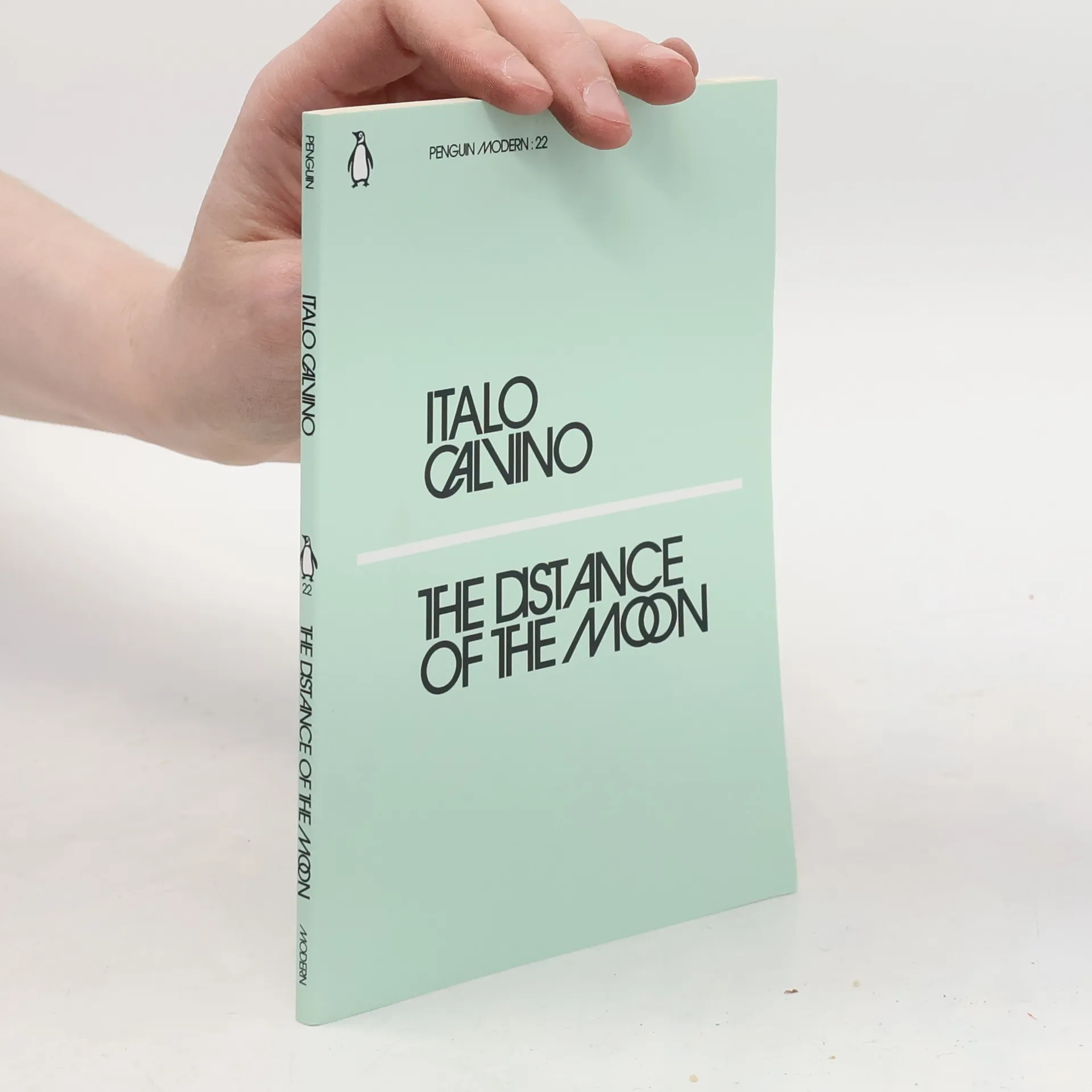
    • The Distance of the Moon

      • 64pages
      • 3 heures de lecture

      Noveller. Stories that interweave scientific fact with wordplay

      The Distance of the Moon
      3,9
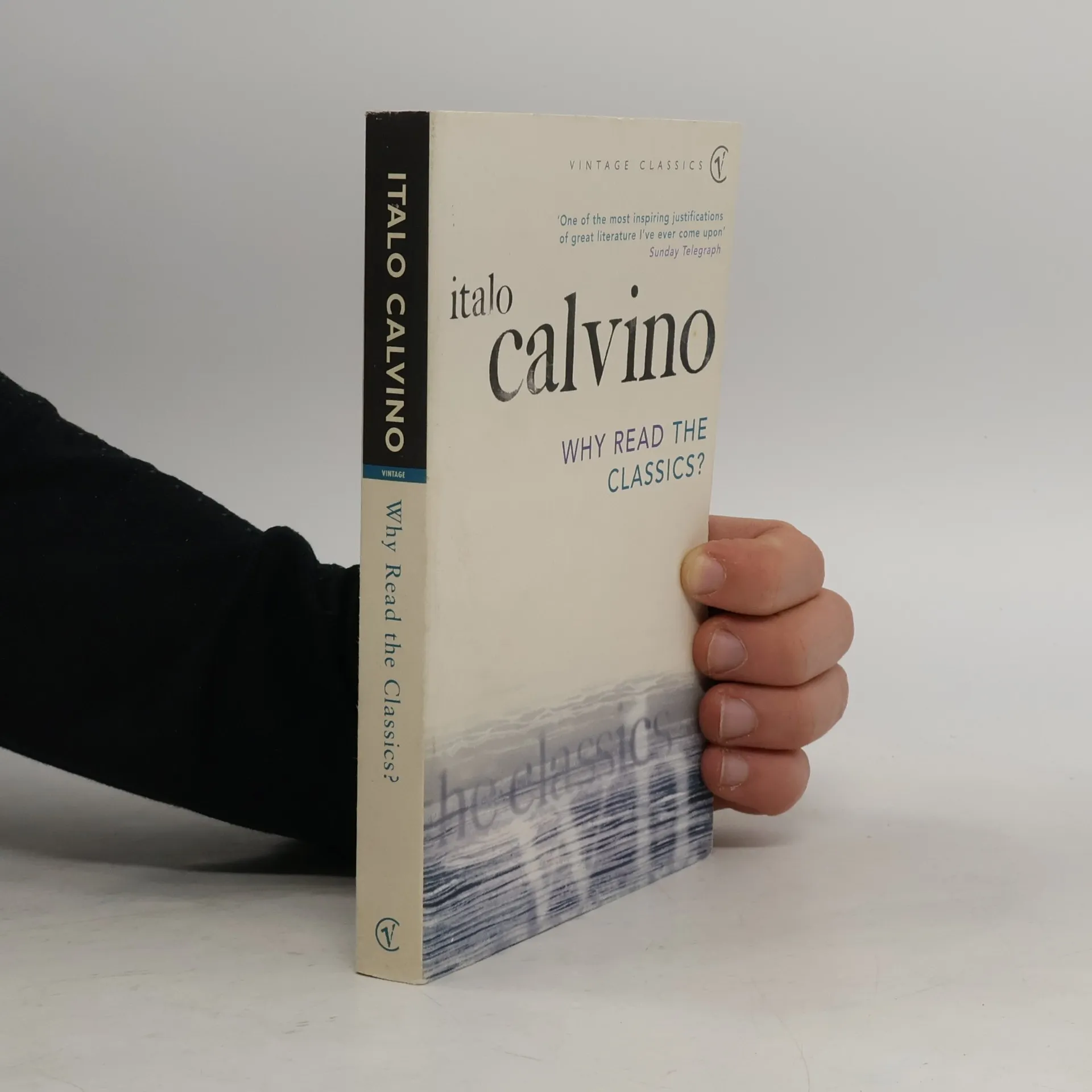
    • Why Read the Classics?

      • 288pages
      • 11 heures de lecture

      Beginning with an essay on the attributes that define a classic, this collection provides the author's criticism.

      Why Read the Classics?
      3,9
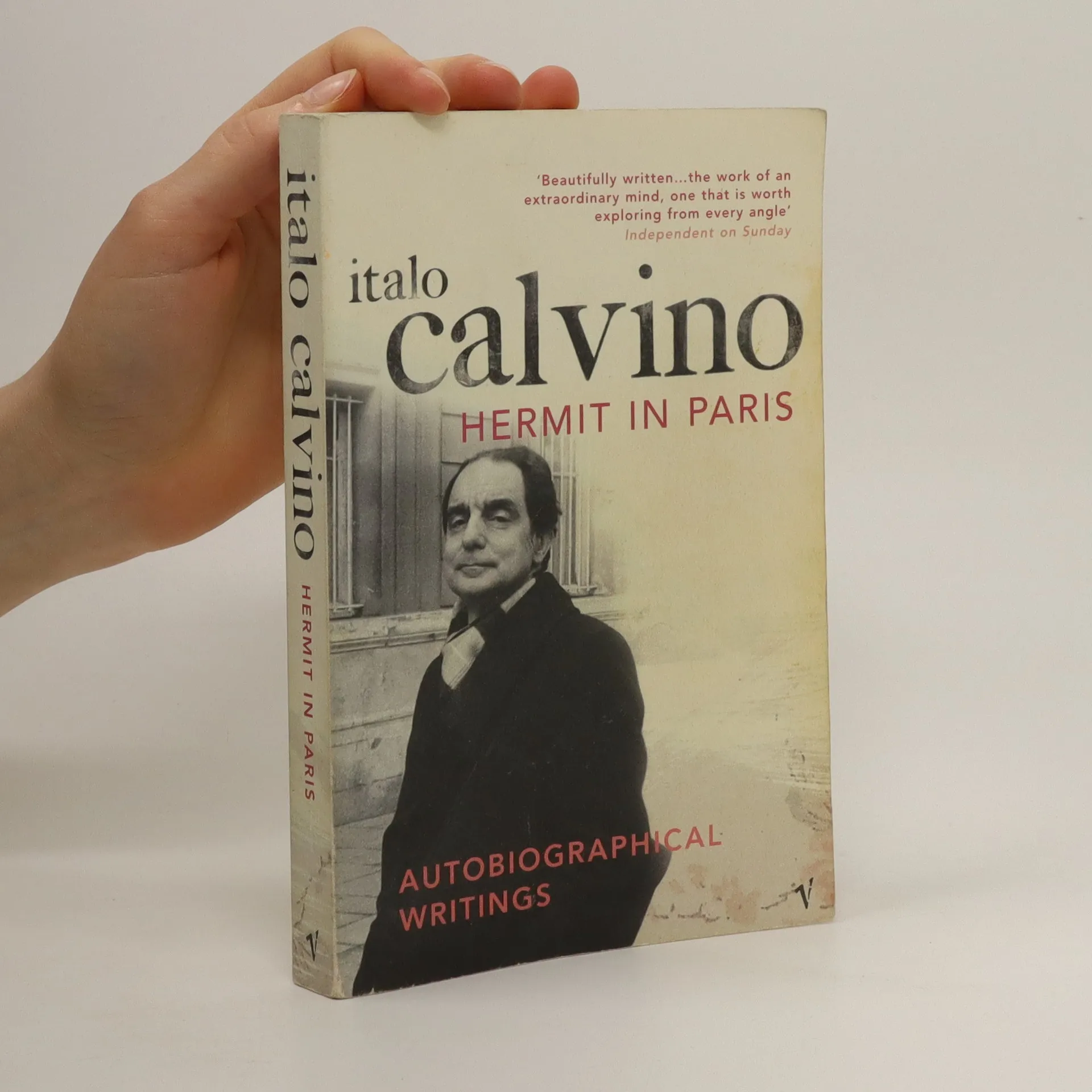
    • Italo Calvino once said that he preferred to give false details about his biography since he felt that even the genuine data of a writer's life shed no light on the creative work. But this volume of posthumously collected personal writings is the closest we will ever come to the autobiography of this most private of writers. The pieces collected here range from the early 1950s to his last interview, completed just before his sudden death in 1985. Apart from shedding light on his own formative experiences and evolution as an author, Calvino's autobiographical writings also examine the major events of twentieth-century history from a very personal viewpoint. This volume is, as ever, full of ideas on literature and other writers, all conveyed with the author's distinctive lightness and intelligence.

      Hermit in Paris : autobiographical writings
      3,7
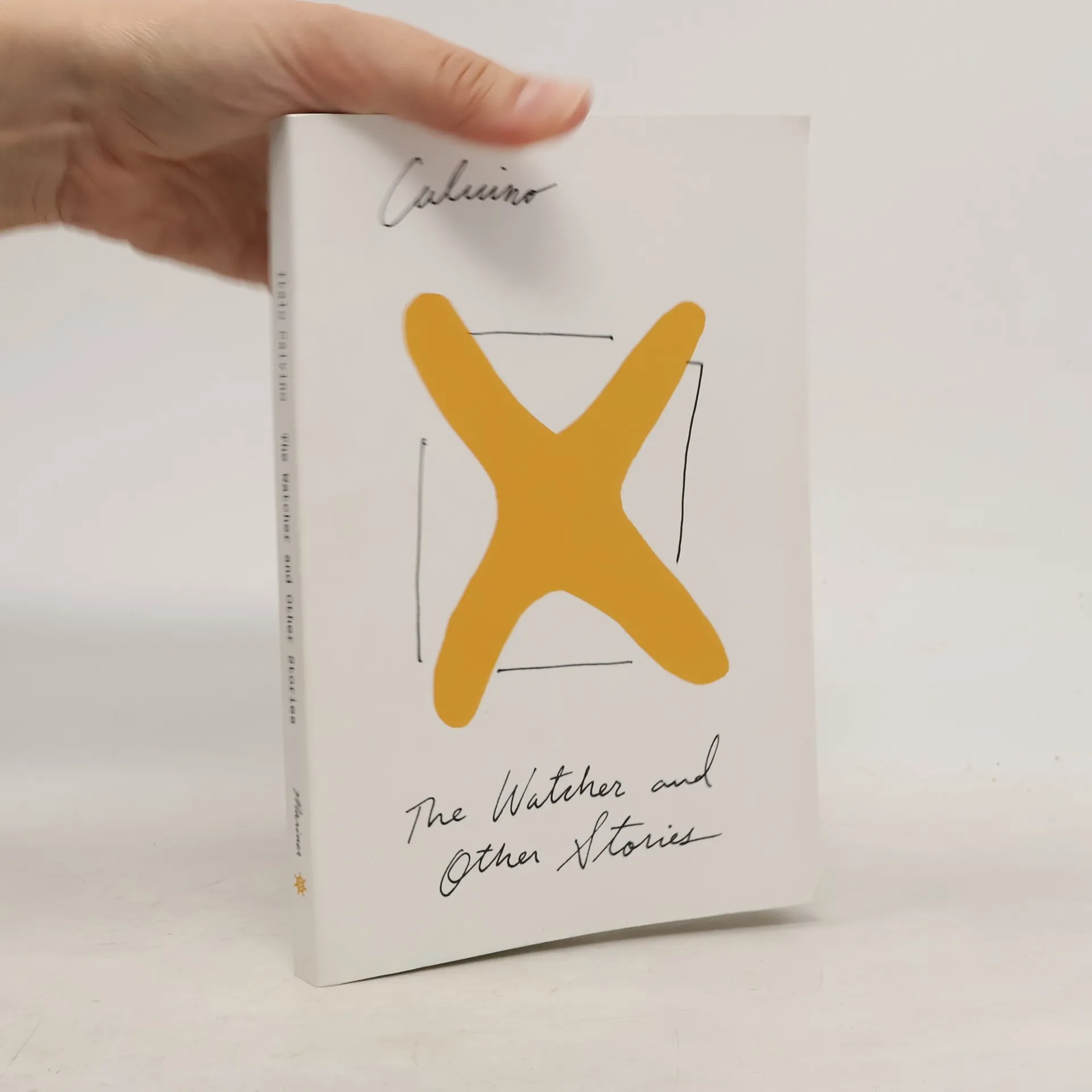
    • Alternate cover edition can be found here. In "The Watcher," a member of the Communist Party is assigned to a polling place in Turin's Hospital for Incurables, where he observes the rejects of humanity and a grotesque parody of the democratic process. "Smog" anticipates a preoccupation with pollution so lunatic that it casts a pall even over the hero's affair with a beautiful woman. "The Argentine Ant" is a piece of sustained horror with farcical undertones, illustrating man's defeat before an enemy too small to be overcome.

      The Watcher and Other Stories
      3,8
    • The Narrative of Trajan's Column

      • 112pages
      • 4 heures de lecture

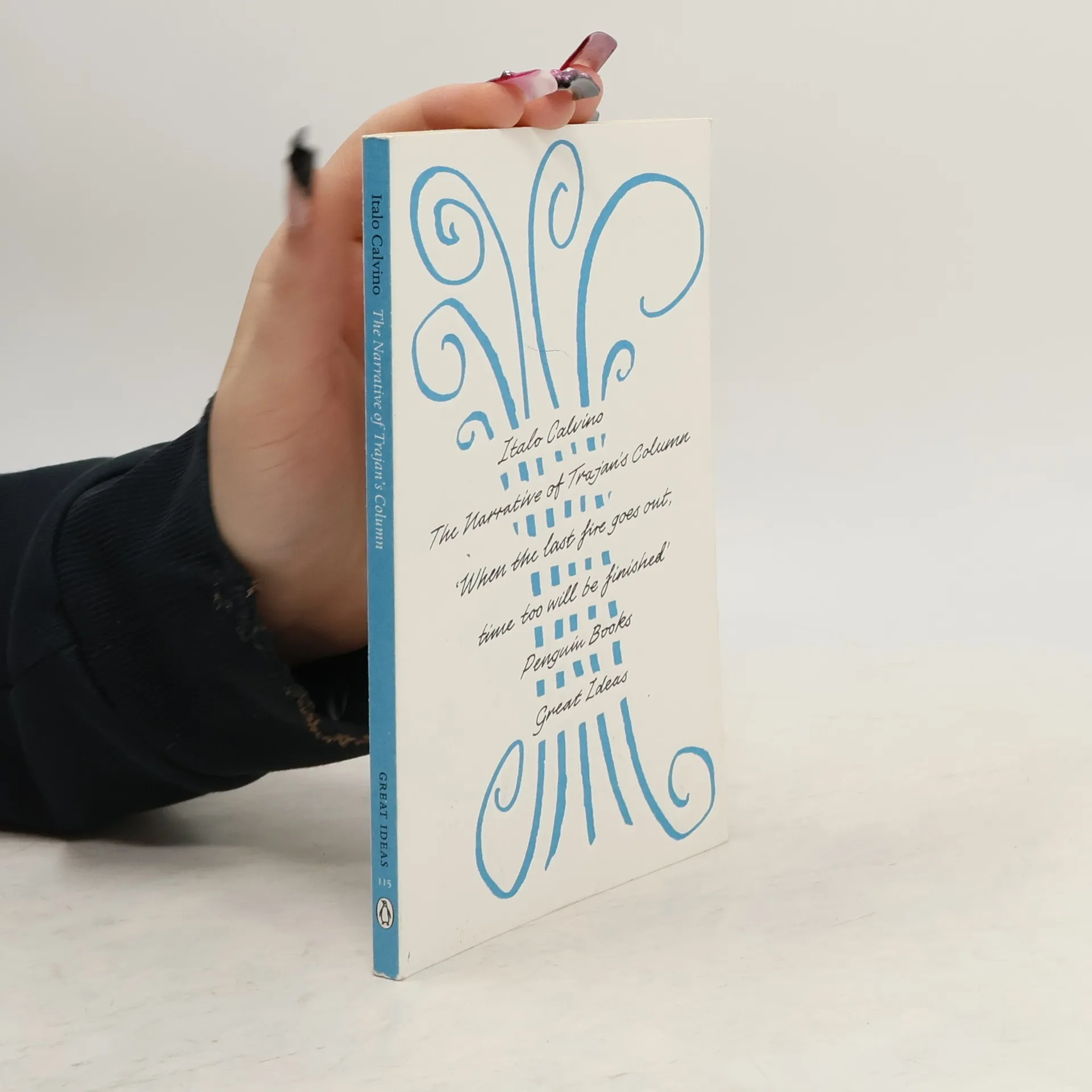
      'When the last fire goes out, time too will be finished' Italo Calvino was one of the most joyful and imaginative writers of the twentieth century. Here he muses on what the things we leave behind ­- whether waxworks or ancient graffiti, enigmatic maps or a crumbling Roman column - tell us about the greater truths of the world, space and time.One of twenty new books in the bestselling Penguin Great Ideas series. This new selection showcases a diverse list of thinkers who have helped shape our world today, from anarchists to stoics, feminists to prophets, satirists to Zen Buddhists.
      The Narrative of Trajan's Column
      3,7
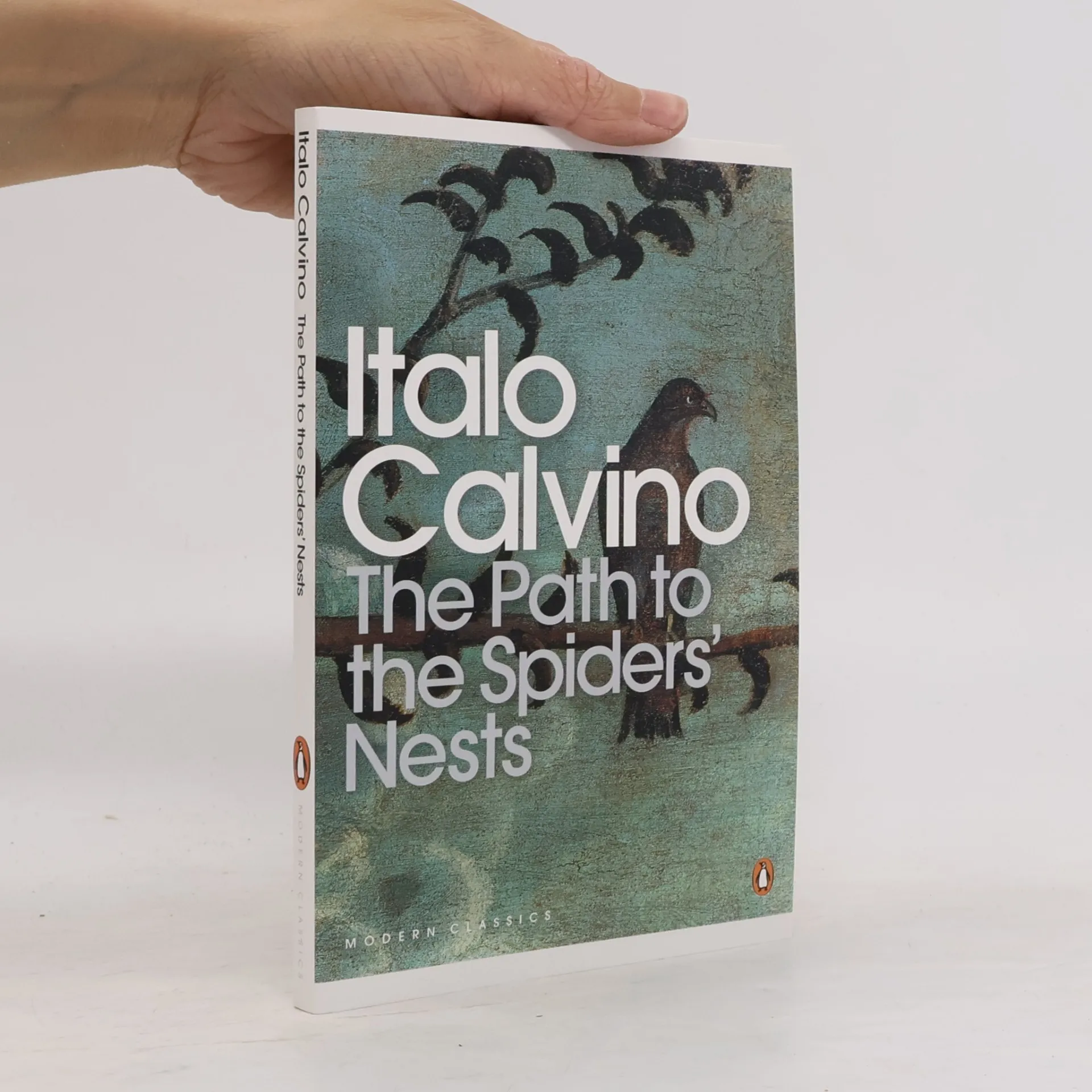
    • Italo Calvino was only twenty-three when he first published this bold and imaginative novel. It tells the story of Pin, a cobbler's apprentice in a town on the Ligurian coast during World War II. He lives with his sister, a prostitute, and spends as much time as he can at a seedy bar where he amuses the adult patrons. After a mishap with a Nazi soldier, Pin becomes involved with a band of partisans. Calvino's portrayal of these characters, seen through the eyes of a child, is not only a revealing commentary on the Italian resistance but an insightful coming-of-age story.Updated to include changes from Calvino's definitive Italian edition, previously censored passages, and his newly translated, unabridged preface, in which Calvino brilliantly critiques and places into historical context his own youthful work.The Path to the Spiders' Nests is animated by the formidable imagination that has made Italo Calvino one of the most respected writers of our time.
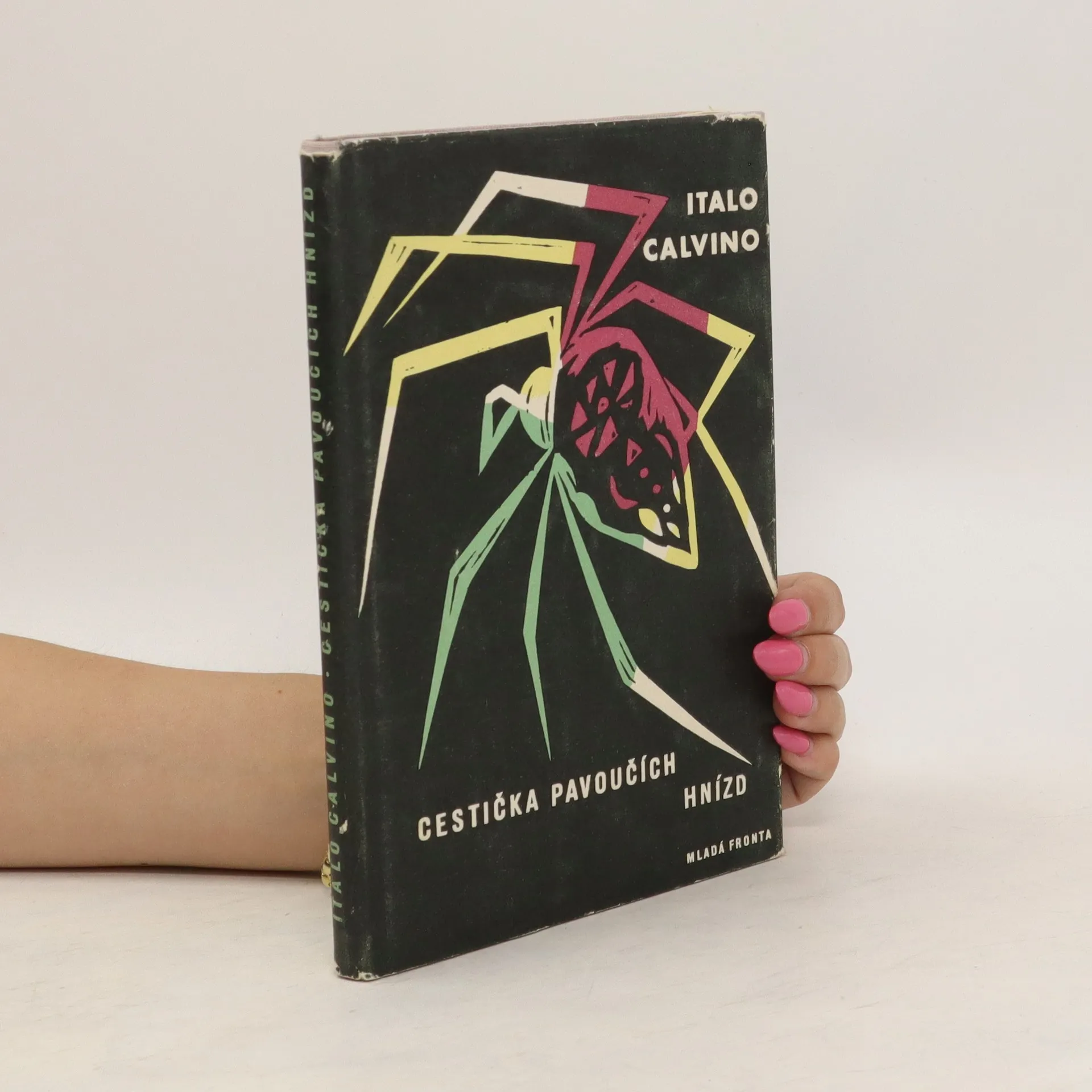
      The Path to the Spiders' Nests
      3,8
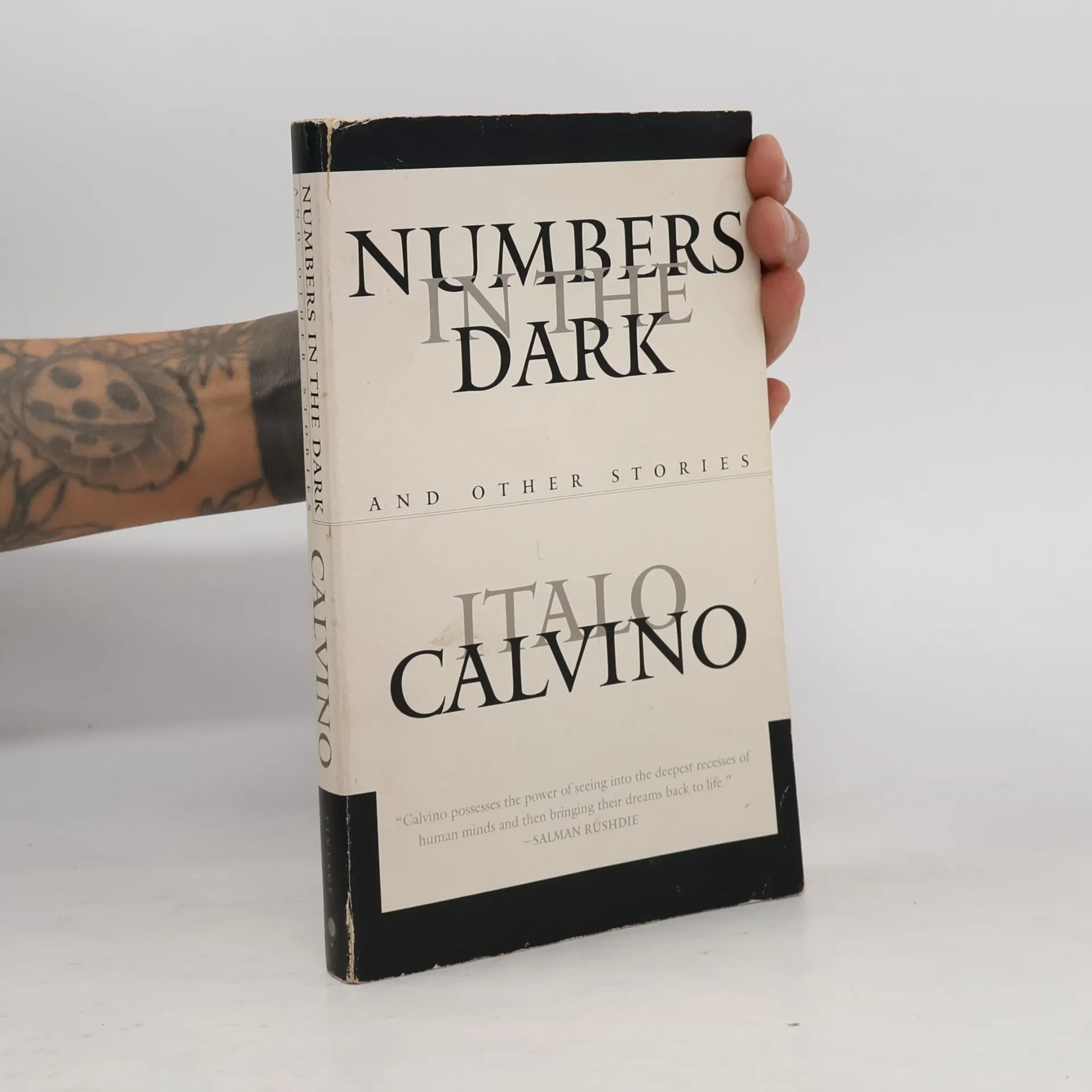
    • Numbers in the dark and other stories

      • 276pages
      • 10 heures de lecture

      Numbers in the Dark is a collection of short stories covering the length of Italo Calvino's extraordinary writing career, from when he was a teenager to shortly before his death. They include witty allegories and wise fables; a town where everything has been forbidden apart from the game of tip-cat; a pitiable tribe watching the flight paths of guided missiles from outside their mud huts; a computer programmer considering the possible sequence of a series of brutal acts; and dialogues with Henry Ford, a Neanderthal and the gloomy, overthrown Montezuma ...

      Numbers in the dark and other stories
      3,7
    • Translated by Archibald Colquhoun and revised by Martin McLaughlin 'Has the stark black-and-white quality of the classic Italian neo-realist films' The New York Times Pin is a bawdy, adolescent cobbler's assistant, both arrogant and insecure who - while the Second World War rages - sings songs and tells jokes to endear himself to the grown-ups of his town - particularly jokes about his sister, who they all know as the town's 'mattress'. Among those his sister sleeps with is a German sailor, and Pin is dared to steal his pistol, hiding it among the spiders' nests in an act of rebellion that entangles him in the adults' war. Published in 1947, Italo Calvino's first novel remains startling, and the 1964 preface is his most brilliant piece of literary self-examination. 'The crucial novel of Calvino's early years' Mail on Sunday

      Path to the Spiders' Nests. Wo Spinnen ihre Nester bauen, engl. Ausg.
      3,6
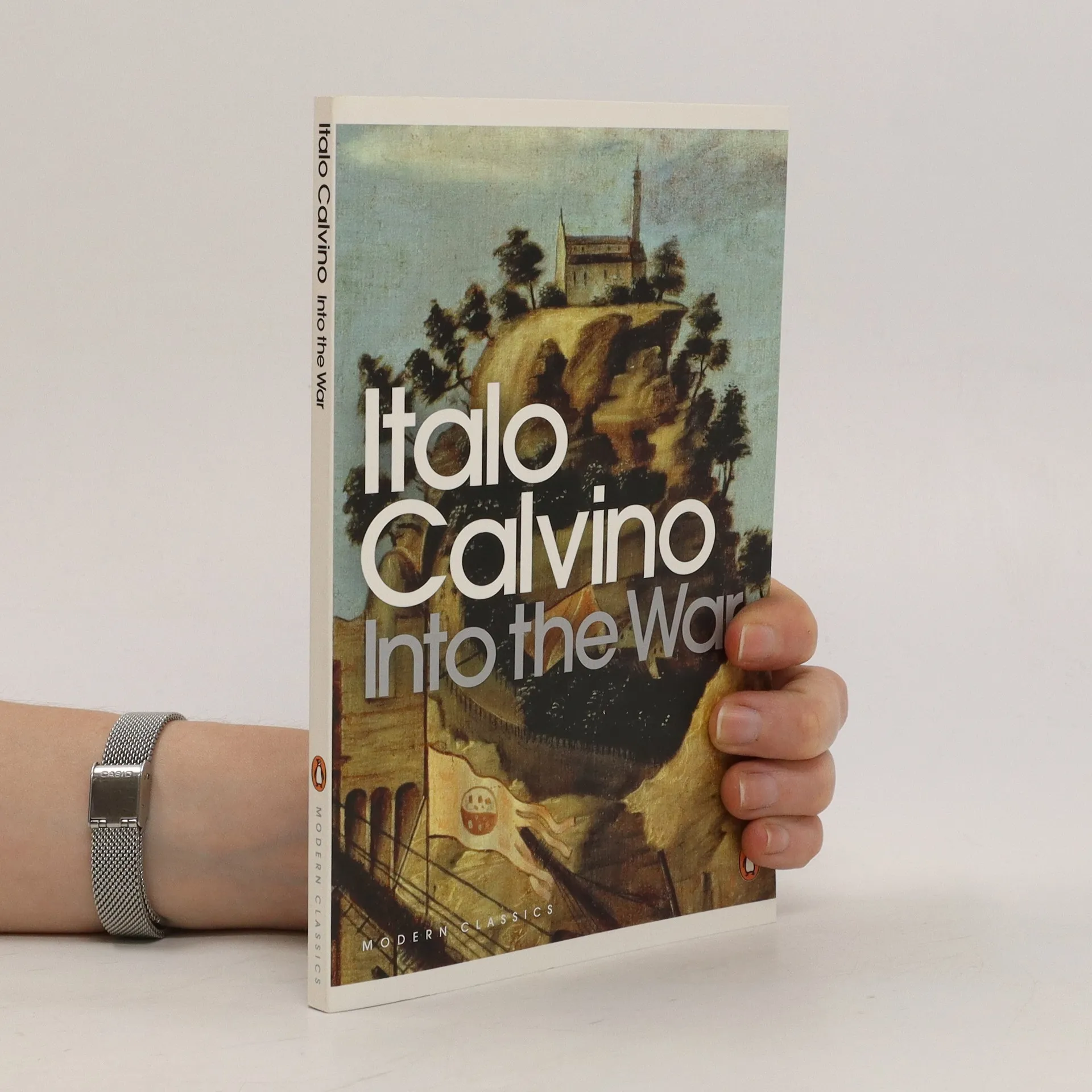
    • Into the War

      • 102pages
      • 4 heures de lecture

      A collection of stories. Set in Italy in the summer of 1940, it explores the relationships between the different generations caught up in the war as well as the author's own experiences as a teenager

      Into the War
      3,6
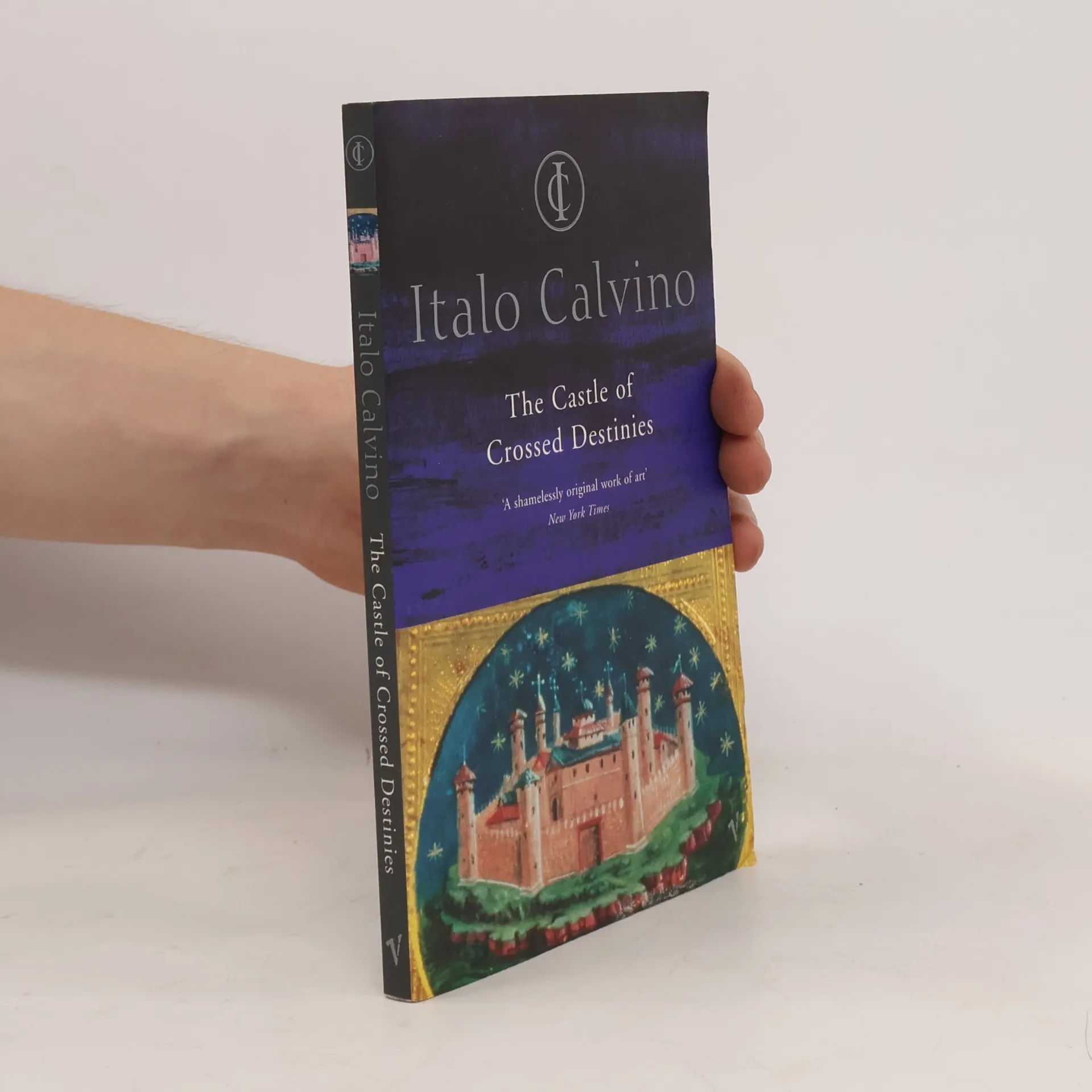
    • The Castle of Crossed Destinies

      • 144pages
      • 6 heures de lecture

      Calvino tells the mingled tales of The Castle of Crossed Destinies by means of tarot cards. Travellers meet in a castle - or, in a second section, a tavern - where their powers of speech are magically taken from them and a tarot card is placed at their di

      The Castle of Crossed Destinies
      3,4
    • 'The inspector ordered that the bird be searched.One of the agents stalled saying it made him feel sick, and after some fierce pecking another withdrew sucking a bleeding finger.' In these two stories from an inventive, comic master of the form, old friends and friendly rivals Pietro and Tommasso discover a treasure lost by the side of the road, and become suspected of a using a blameless chicken for devious ends. Italo Calvino�s writing explores the fringes of these small, unusual scenes and finds incalculable wisdom and humour there. This book contains The Queen's Necklace and The Workshop Hen.

      The Queen's Necklace
    • Saggi

      • 3081pages
      • 108 heures de lecture
      Saggi
      4,8
    • Nei racconti del volume Ti con zero, Italo Calvino sviluppa tematiche e strategie formali già avviate nelle Cosmicomiche, dimostrando che la sua verve sperimentale è intatta. Calvino ha sempre attribuito grande importanza al dialogo tra letteratura e scienza, convinto che le ipotesi scientifiche possano condurre lo scrittore a esplorare ciò di cui dovrebbe parlare: il dialogo con l'universo. Nel primo segmento, ritorna il narratore proteico Qfwfq, mentre nel successivo trittico Priscilla, Calvino crea un'immagine della vita "a livello cellulare". I racconti dell'ultima parte sono definiti dallo stesso autore come deduttivi, con un focus su situazioni concrete e una presenza quasi puntuale. I testi esplorano le alternative che ogni istante offre, da cui può dipendere il futuro. Tuttavia, narrazione e vita sono sempre, per Calvino, simili: in entrambi i casi si tratta di una pluralità di possibilità continuamente aperta, la cui combinatoria non può mai essere completamente esaurita.

      Ti Con zero
      4,9
    • Svazek obsahuje 3 původně samostatné příběhy: Neexistující rytíř, Rozpůlený vikomt a Baron na stromě. Všechny 3 příběhy vznikaly v rozmezí let 1950–1960. Společný jmenovatel všech je jejich nepravděpodobnost a to, že celé osudy i země, kde se odehrává děj, jsou smyšlené. Autor pojal podle svých slov celou trilogii jako tři různé způsoby, jak se může realizovat lidská bytost. První (Neexistující rytíř, 1959) vypráví o bojovníku, který neexistuje a přitom jako prázdné brnění bojuje po boku paladýnů Karla Velikého. Druhá (Rozpůlený vikomt, 1952) líčí vikomta, kterého dělová koule za rakousko-turecké vojny rozdělila na část dobrou a zlou. Třetí (Baron na stromě, 1957) je o baronovi, jenž tráví celý život v korunách stromů a jedině tak je schopen podílet se na všech stránkách aktivního života. Edice: Klub čtenářů, sv. 293. Pozn. o autorovi napsal Z. Digrin.

      Naši předkové
      4,5
    • Il primo volume nei Meridiani Collezione nel quale è raccolta in ordine cronologico l'intera produzione narrativa di Calvino, sia edita che inedita, arricchita da prefazioni d'autore presentate in un'apposita sezione. Le note e notizie sui testi forniscono preziose informazioni sulla genesi delle singole opere, sulle influenze letterarie che le hanno ispirate, sulle varianti che documentano le successive fasi di scrittura.

      Romanzi e racconti
      4,4
    • Das schwarze Schaf

      • 32pages
      • 2 heures de lecture

      Es war einmal eine Stadt, in der alle Einwohner Diebe waren. Jeder bestahl jeden und so hatte immer jeder etwas. Eines Tages kam ein Ehrlicher in die Stadt und brachte das bequeme Gleichgewicht durcheinander. Das Chaos beginnt zu regieren. Wie entstanden Reichtum und Armut auf der Welt? Italo Calvino entwickelt erzählerisch seine ganz eigene Theorie.

      Das schwarze Schaf
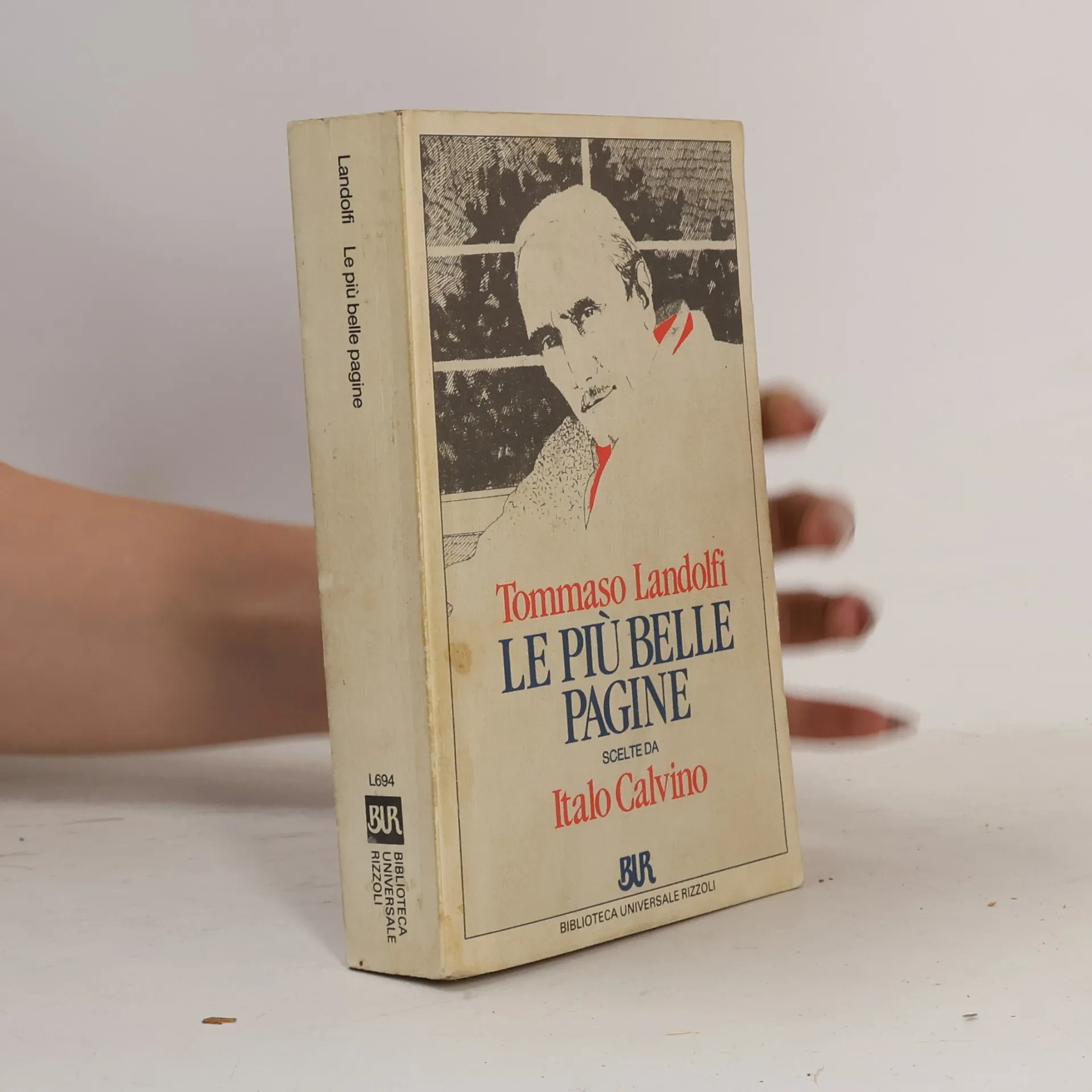
      5,0
    • Nel 1982, muovendo dalla constatazione che Landolfi ebbe in sommo grado «la dote di catturare l’attenzione e la meraviglia del lettore» ma accompagnata da una «fama d’impraticabilità e stranezza», Italo Calvino si cimentò nell’ardua impresa di allestire un invito alla lettura sotto forma di antologia. Dopo aver setacciato le raccolte pubblicate da Landolfi nell’arco di oltre quarant’anni, Calvino scelse da ultimo cinquantatré testi. Organizzati in sette sezioni che corrispondono ad altrettanti luminosi spunti critici – «Racconti fantastici», «Racconti ossessivi», «Racconti dell’orrido», «Tra autobiografia e invenzione», «L’amore e il nulla», «Piccoli trattati», «Le parole e lo scrivere» –, essi consentono di cogliere in tutte le sue rifrazioni un’opera sconcertante. E soprattutto di cogliere il vero Landolfi, quello che «sperpera le sue puntate d’un colpo o le ritira bruscamente dal tavolo col gesto allucinato del giocatore».

      Le più belle pagine scelte da Italo Calvino
      4,7
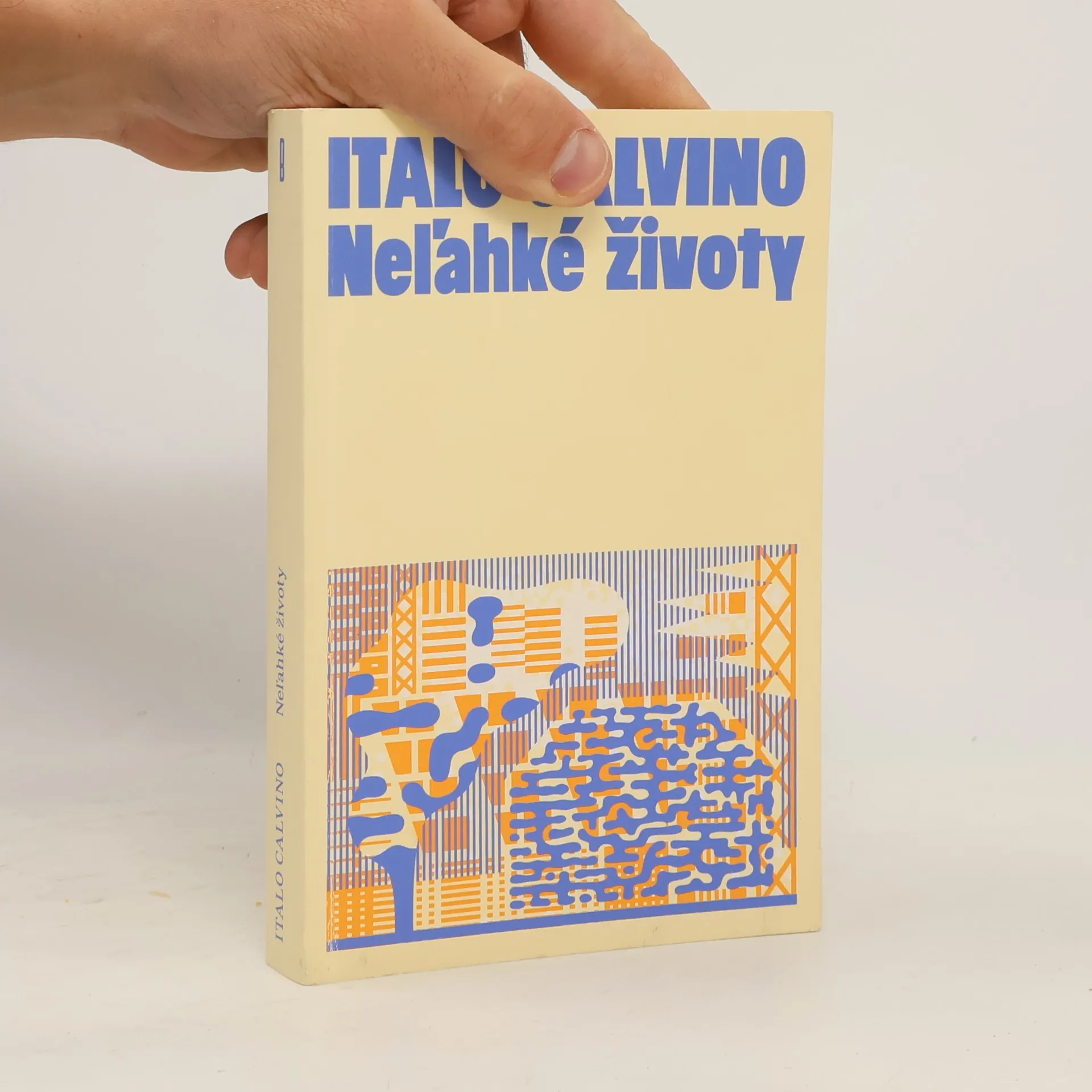
    • Neľahké životy

      • 230pages
      • 9 heures de lecture

      Italo Calvino je jeden z najvýznamnejších talianskych a európskych spisovateľov dvadsiateho storočia. Jeho dielo prešlo viacerými tvorivými fázami od príklonu k neorealizmu cez alegoricko – symbolické príbehy a texty inšpirované kombinatorikou, cez príklon k hnutiu OULIPO až k postmodernizmu. Tri novely (Argentínske mravce, Stavebné špekulácie a Oblak smogu) vyjdú pod spoločným názvom Neľahké životy. Kniha vychádza v preklade Miroslavy Vallovej. Italo Calvino, jeden z najvýznamnejších talianskych spisovateľov a mysliteľov dvadsiateho storočia, autor kultového románu Neviditeľné mestá, sa v zbierke troch noviel Neľahké životy zaoberá pálčivými témami, ktoré sú navýsosť aktuálne aj dnes. Bolestne naliehavou otázkou je pre neho trvalá udržateľnosť životného prostredia v atmosfére stavebného boomu povojnového Talianska. S rovnakou nástojčivosťou približuje aj dilemy a následné zlyhávanie intelektuála v tvorivom procese a zložitých výzvach neľahkého života.

      Neľahké životy
      4,3
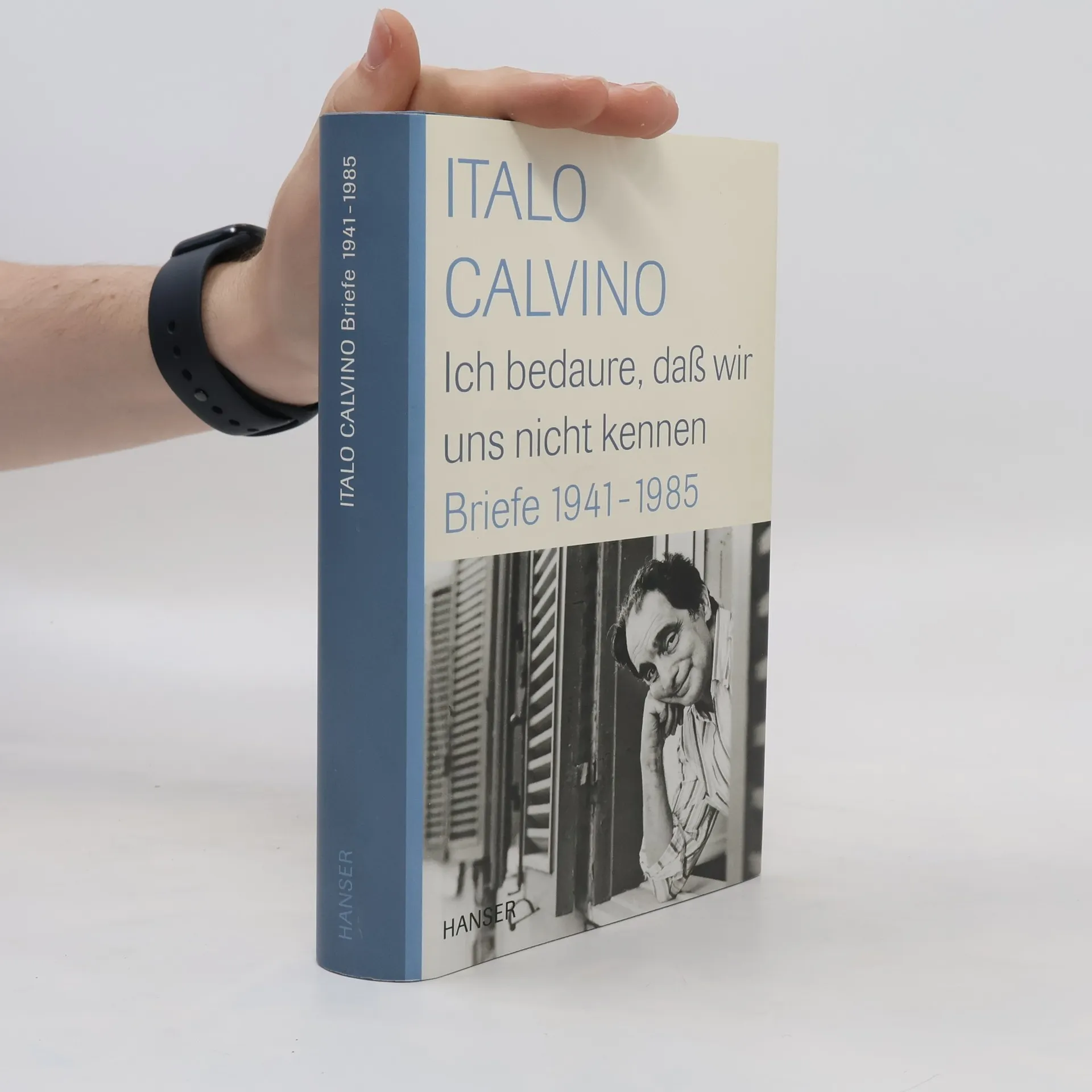
    • Italo Calvino war nicht nur einer der phantasievollsten und beliebtesten Autoren Italiens, er war auch eine der größten Figuren im intellektuellen und literarischen Leben. Der vorliegende Band versammelt seine Briefe von 1941 bis zum seinem Tode 1985. Sie spiegeln die großen Ereignisse des 20. Jahrhunderts und dessen Persönlichkeiten wider: von der kulturellen Neugründung nach dem Faschismus bis zu den Revolutionen in Lateinamerika und dem Pariser Mai 1968, von Pier Paolo Pasolini und Franco Fortini bis zu Michelangelo Antonioni. Ein großes Buch über Italien und über das, was literarische und künstlerische Debatten bedeuten können.

      Ich bedaure, daß wir uns nicht kennen
      5,0
    • Kybernetik und Gespenster

      • 238pages
      • 9 heures de lecture

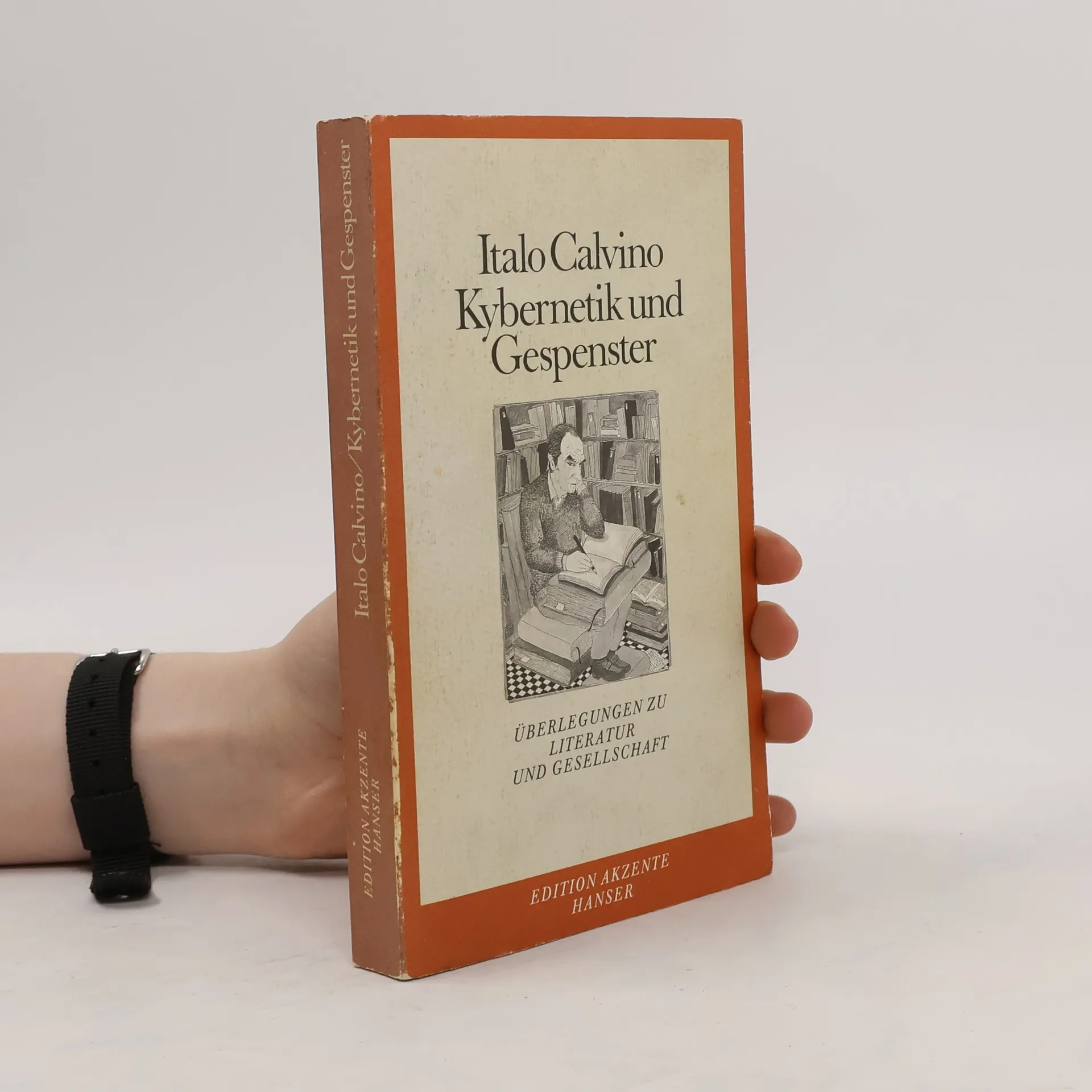
      Nur wenige Schriftsteller unserer Zeit haben so originell und erschöpfend über das Handwerk des Schreibens nachgedacht wie Italo Calvino. In dieser Sammlung seiner Essays zeigt sich Calvino nicht nur als Autor, sondern vor allem als Leser, dem die Beschäftigung mit der Literatur zum Überlebenstraining wird.

      Kybernetik und Gespenster
      4,5
    • Fischer Klassik: Sechs Vorschläge für das nächste Jahrtausend

      Harvard-Vorlesungen

      • 156pages
      • 6 heures de lecture

      Welche Literatur wird dem Verschleiß standhalten und die Jahrtausendwende überleben? Welche literarischen Tugenden muss ein Werk haben, damit es über die Epochenschwelle hinaus Leser findet? In seinen für die Harvard-Universität konzipierten Vorlesungen entwirft Calvino ein handliches Vademekum der Tugenden, die ihm beim Gang durch die Jahrhunderte bedeutsam erscheinen: Leichtigkeit, Schnelligkeit, Genauigkeit, Vielschichtigkeit, Haltbarkeit. Seine Beispiele entnimmt er der bekannten Literatur: vom Volksmärchen über Dante bis hin zu Milan Kundera.

      Fischer Klassik: Sechs Vorschläge für das nächste Jahrtausend
      4,4
    • Souborné vydání 32 různorodých povídek známého italského autora z let 1945-1958. Jedná se o první svazek původního autorského souboru Povídky vydaného v roce 1958, zahrnuté texty jsou tematicky i stylisticky velmi různorodé. V několika povídkách autor přibližuje proces dospívání v Ligurii, kraji z jedné strany obehnaném horami a z druhé mořem. Část dalších povídek pracuje s pohádkovými motivy či na osudech prosťáčka Marcovalda zachycuje problémy objevující se v moderních velkoměstech. Povídky reflektující válečné zkušenosti a situace z odboje tematizují chladnokrevnost, zradu, odhodlání a okamžiky bezbřehého násilí. Je zde zachycen jedinečný úhel pohledu jednotlivých postav, který zpravidla vychází z jejich psychologického, sociálního a historického zakotvení.

      Nesnadné idyly
      4,2
    • Kniha řazená mezi díla italského neorealismu. Calvino v ní líčí dobrodružství malého chlapce Pina, který stráví nějaký čas mezi partyzány a celou dobu sní o tom, že najde dospělého kamaráda, jemuž bude moci prozradit své tajemství: místo hluboko v lese, kde si pavouci stavějí svá hnízda. Již v této prvotině najdeme pohádkové prvky, které zůstanou konstantou v celé Calvinově tvorbě.

      Cestička pavoučích hnízd
      4,2
    • Nesnadné vzpomínky jsou pak tvořeny v první řadě pěti kratšími povídkami, v nichž se Calvino věnuje tématu vztahů mezi otci a syny, ale vrací se opět i k válce a partyzánskému odboji. Doplňují je tři autobiografické povídky, které prvotně tvořily svazek, v nichž Calvino popisuje vstup Itálie do války a průběh jejích prvních dnů.

      Nesnadné vzpomínky
      4,0
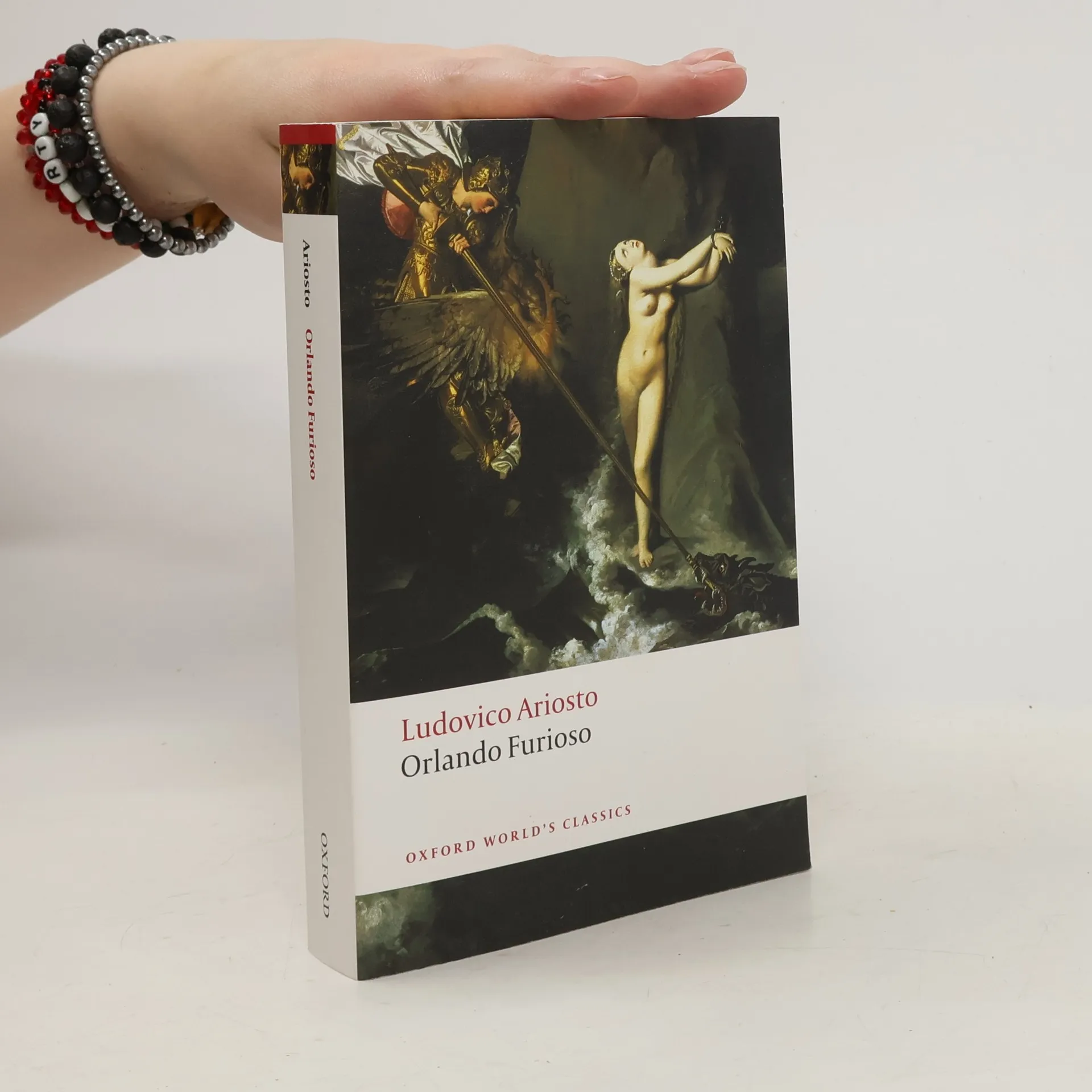
    • Orlando Furioso

      • 630pages
      • 23 heures de lecture

      `I sing of knights and ladies, of love and arms, of courtly chivalry, of courageous deeds.' So begins Ariosto's Orlando Furioso (1532), the culmination of the chivalric legends of Charlemagne and the Saracen invasion of France. It is a brilliantly witty parody of the medieval romances, and a fitting monument to the court society of the Italian Renaissance which gave them birth. This unabridged prose translation faithfully captures the narrative entire and is a kaleidoscope of scenes and emotions of fact and fantasy. ABOUT THE SERIES: For over 100 years Oxford World's Classics has made available the widest range of literature from around the globe. Each affordable volume reflects Oxford's commitment to scholarship, providing the most accurate text plus a wealth of other valuable features, including expert introductions by leading authorities, helpful notes to clarify the text, up-to-date bibliographies for further study, and much more.

      Orlando Furioso
      4,2
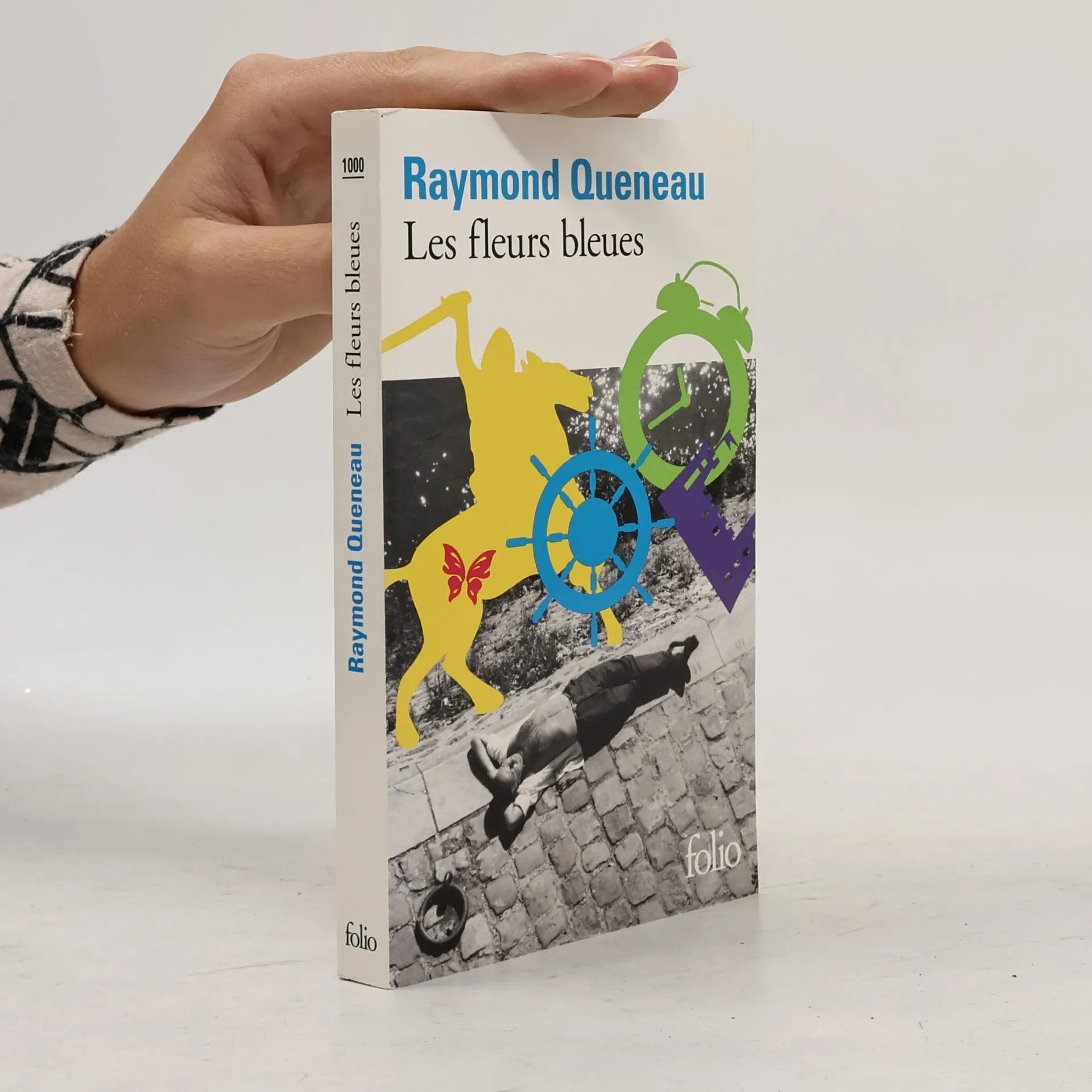
    • Les fleurs bleues

      • 275pages
      • 10 heures de lecture

      On connaît le célèbre apologue chinois : Tchouang-tseu rêve qu'il est un papillon, mais n'est-ce point le papillon qui rêve qu'il est Tchouang-tseu ? De même dans ce roman, est-ce le duc d'Auge qui rêve qu'il est Cidrolin ou Cidrolin qui rêve qu'il est le duc d'Auge ?

      Les fleurs bleues
      4,2
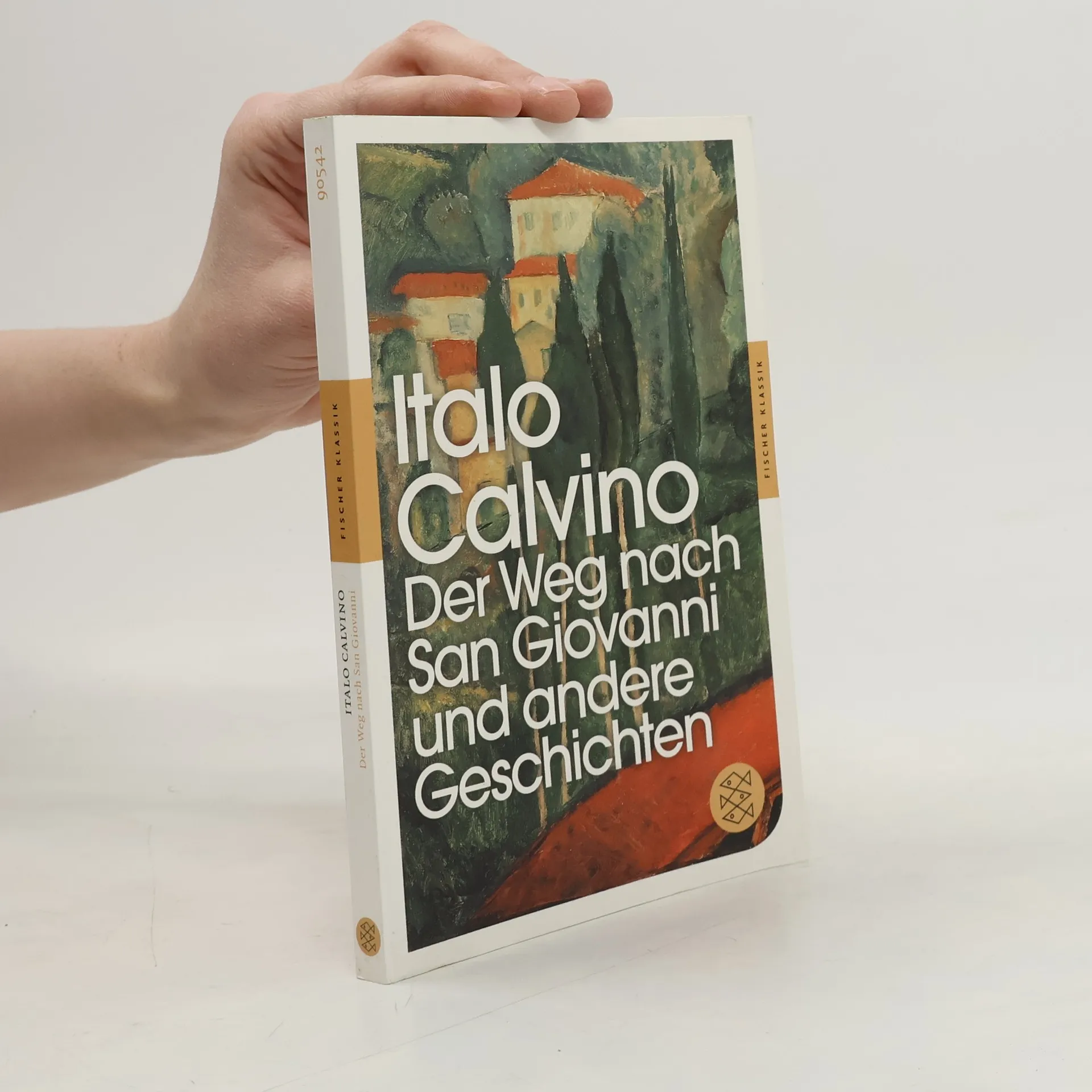
    • Autobiographisch sind alle Texte dieses Bandes, und so vielfältig wie das Leben. Gewitzte kleine »Erinnerungsstücke«, die ganz Unterschiedliches heraufbeschwören: Calvinos leidenschaftliche Liebe zum Kino der 30er Jahre, seine Hommage an Fellini, Reminiszenzen an seine Zeit bei den Partisanen, und die ebenso sachliche wie wehmütig-liebevolle Erinnerung an den Vater, einen großen Botaniker und Jäger, und an die Landschaft, in der Calvino seine Jugend verbracht hat: die ligurische Riviera mit ihren Hügeln, Weinbergen und dem Meer.

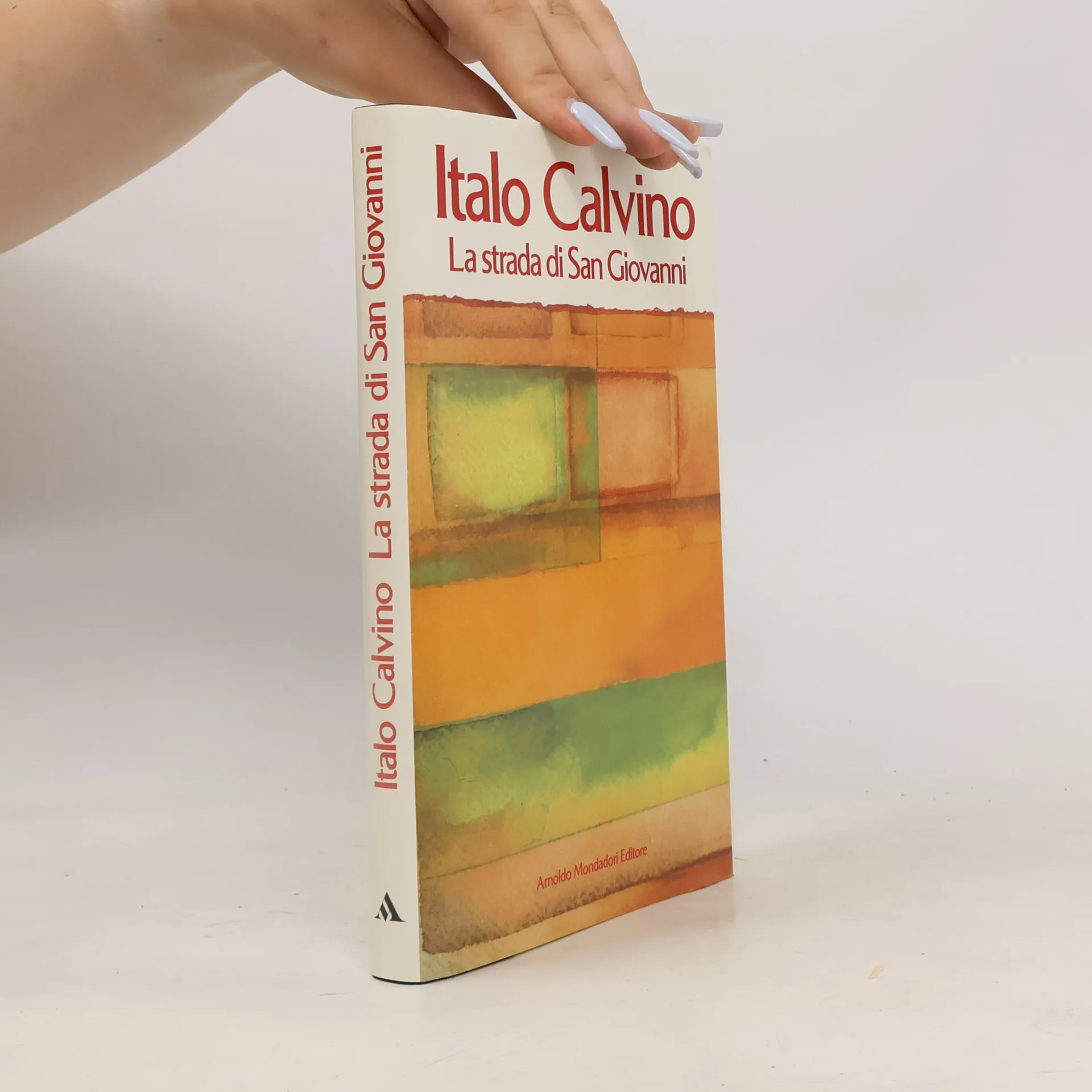
      Der Weg nach San Giovanni und andere Geschichten
      3,7
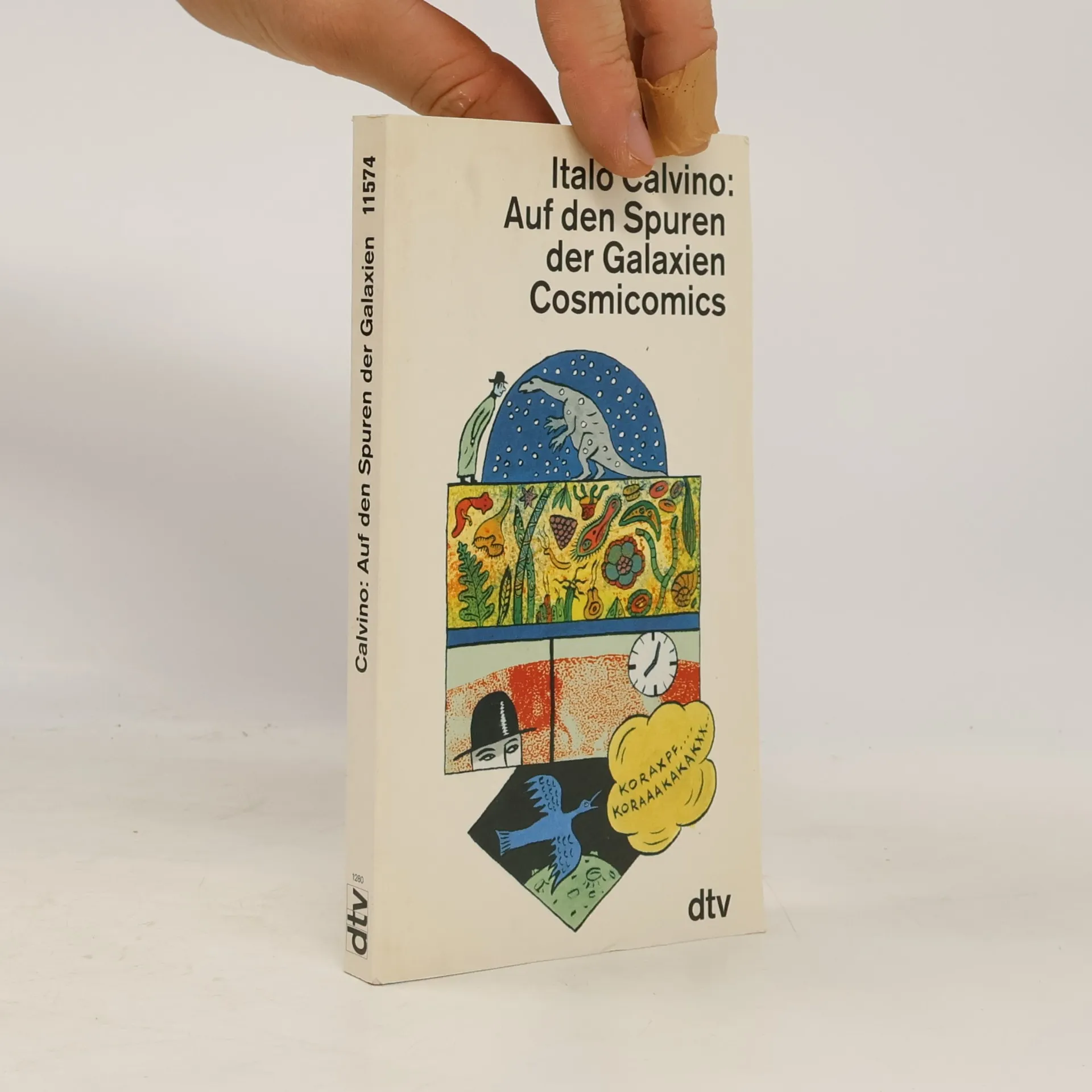
    • Der Held Qfwfq erzählt fesselnde Liebesgeschichten aus dem All und raffinierte Anekdoten über die Liebe zu bezaubernden Mädchen im Universum.

      Auf den Spuren der Galaxien. Cosmicomics
      3,8
    • Fiabe siciliane dalla Raccolta di Italo Calvino. Sizilianische Märchen aus der Sammlung von Italo Calvino

      dtv zweisprachig für Einsteiger – Italienisch

      • 112pages
      • 4 heures de lecture

      Kabinettstücke der italienischen Märchenliteratur Ninetta entdeckt einen geheimen Garten, in dem sich der Königssohn unsterblich in sie verliebt. Ein junges Mädchen muss ihr Elternhaus verlassen, weil sie vom Pech verfolgt wird, Pippina wird mit einem Fluch belegt und verwandelt sich, von der Sonne berührt, in eine Schlange. Caterina die Kluge überlistet ihren Ehemann, damit er bei ihr bleibt. Und eine junge Fürstin wird mithilfe ihres Dieners ihren geizigen Gatten los. Sie alle müssen sich den Herausforderungen stellen, die das Leben ihnen aufgibt, ehe sie Liebe und Lebensglück finden können. Diese fünf sizilianischen Märchen, aufgezeichnet von Italo Calvino, zeigen die Magie der mündlich überlieferten italienischen Fabeln, die reich an fantastischen Wesen und Zauber sind. dtv zweisprachig – Die Vielfalt der Sprachen auf einen Blick Die Reihe umfasst drei Sprach-Niveaus – Einsteiger, Fortgeschrittene und Könner – und mittlerweile über 130 Titel in vielen Sprachen. Landeskunde, Kulturgeschichte und Redewendungen, zeitgenössische und klassische Texte in unterschiedlichen Formen und Genres – von der Kurzgeschichte bis zum Krimi – für jeden Lesegeschmack ist etwas dabei. Einzigartig ist die konsequente Zeilengleichheit zwischen Originaltext und Übersetzung, damit man vom ersten bis zum letzten Wort in zwei Sprachwelten zuhause ist.

      Fiabe siciliane dalla Raccolta di Italo Calvino. Sizilianische Märchen aus der Sammlung von Italo Calvino
      3,7
    • Christ Stopped at Eboli

      • 253pages
      • 9 heures de lecture

      «Le Christ s'est arrêté à Éboli», disent les paysans de Gabliano, petit village de Lucanie, tellement ils se sentent abandonnés, misérables. L'auteur, antifasciste, a vécu là, en résidence surveillée, de 1935 à 1936. L'histoire de son séjour forcé parmi ces gens frustes et douloureux a été un des grands événements de la littérature italienne.

      Christ Stopped at Eboli
      4,1
    • Heikle Erinnerungen. Erzählungen

      • 176pages
      • 7 heures de lecture

      In "Heikle Erinnerungen" präsentiert Calvino zwölf frühe Erzählungen, die seine präzise Beobachtungsgabe und feine Ironie zeigen. Die Protagonisten befinden sich in heiklen Situationen, während groteske und phantastische Elemente aufblitzen, die seinen späteren Erzählstil prägen. Ein Muss für Calvino-Fans und Neulinge.

      Heikle Erinnerungen. Erzählungen
      4,1
    • Prima che tu dica «Pronto»

      • 320pages
      • 12 heures de lecture

      For the first time in paperback--a volume of thirty-seven diabolically inventive stories, fables, and "impossible interviews" from one of the great fantasists of the 20th century, displaying the full breadth of his vision and wit. Written between 1943 and 1984 and masterfully translated by Tim Parks, the fictions in Numbers in the Dark display all of Calvino's dazzling gifts: whimsy and horror, exuberance of style, and a cheerful grasp of the absurdities of the human condition.

      Prima che tu dica «Pronto»
      3,9
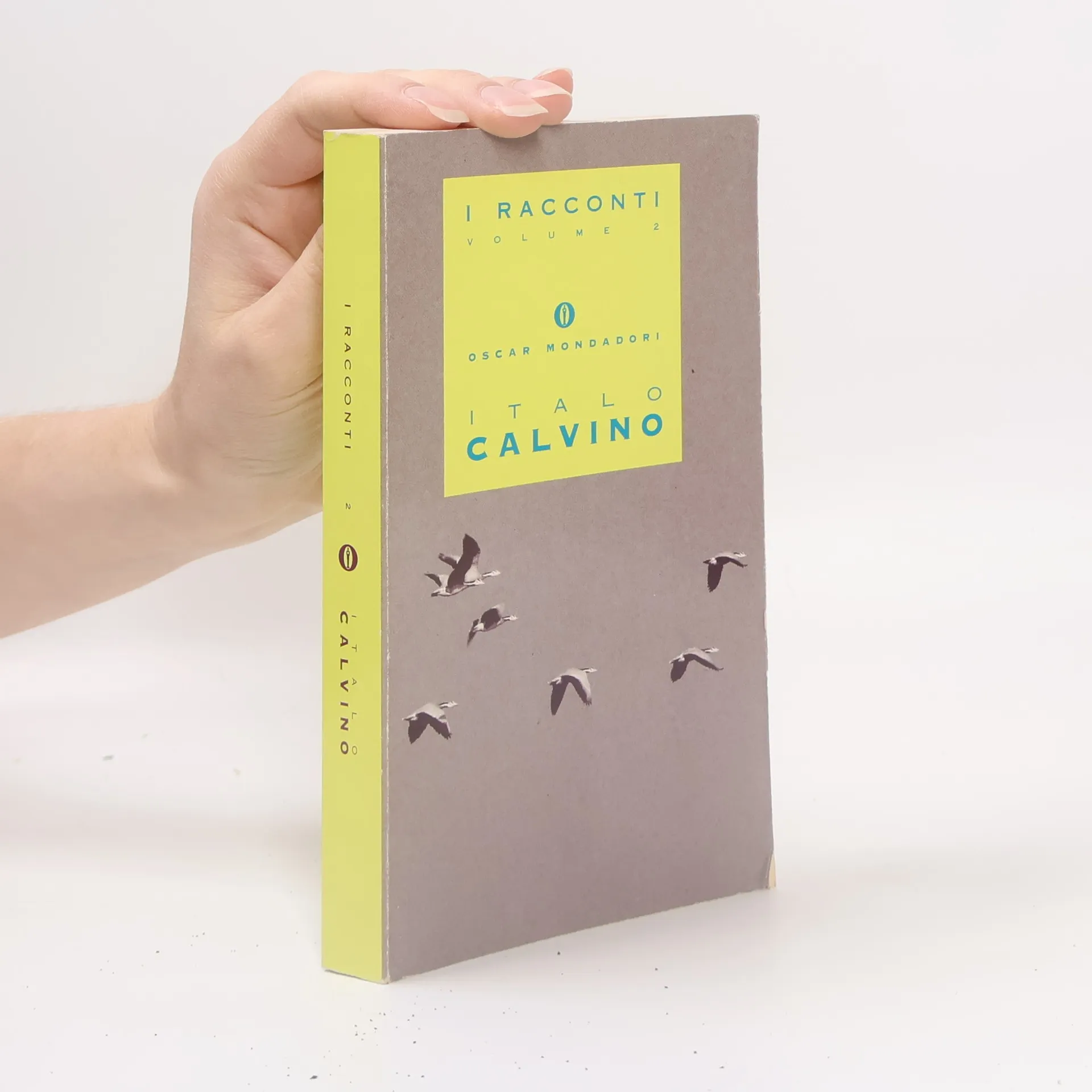
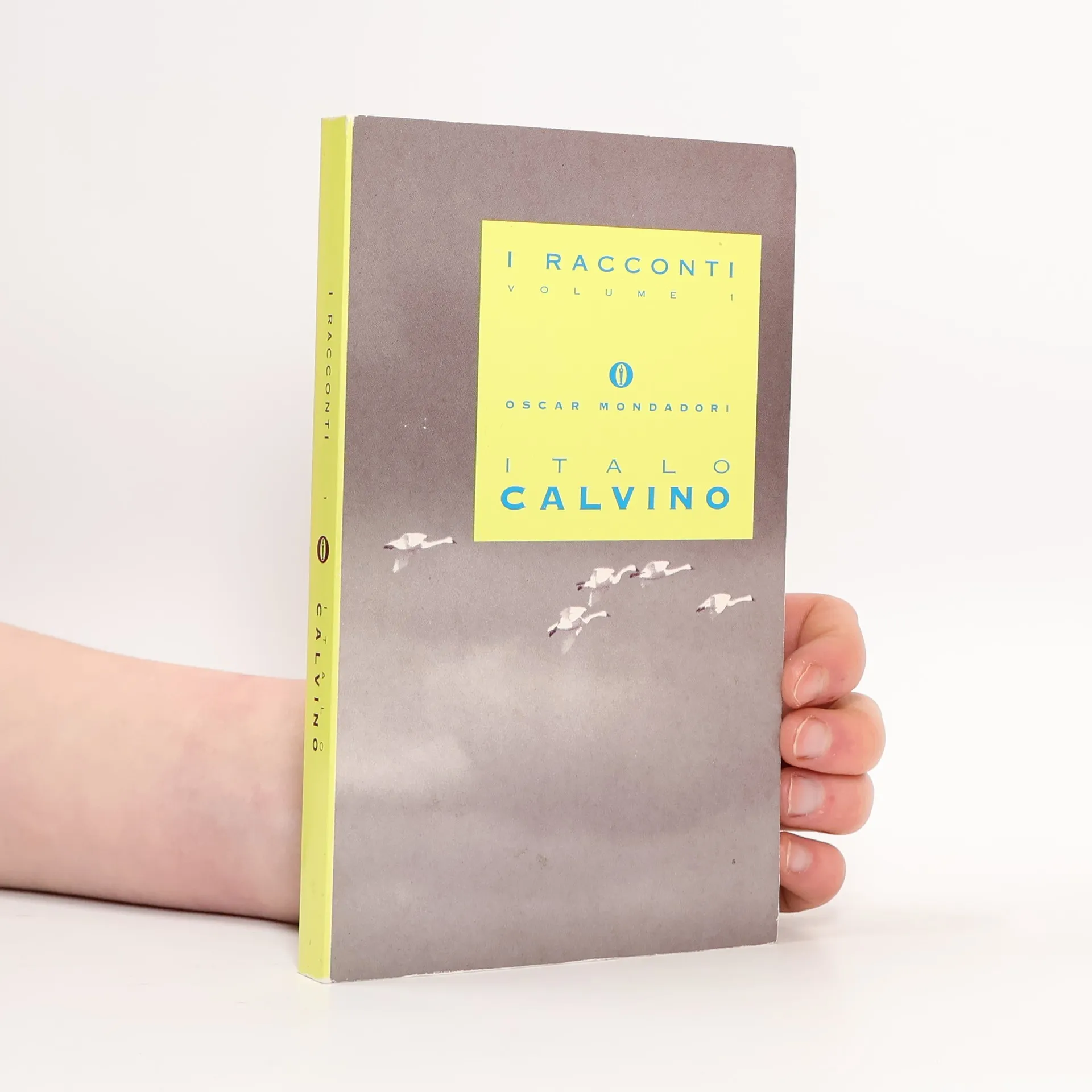
    • I racconti

      volume 2

      • 630pages
      • 23 heures de lecture
      I racconti
      4,0
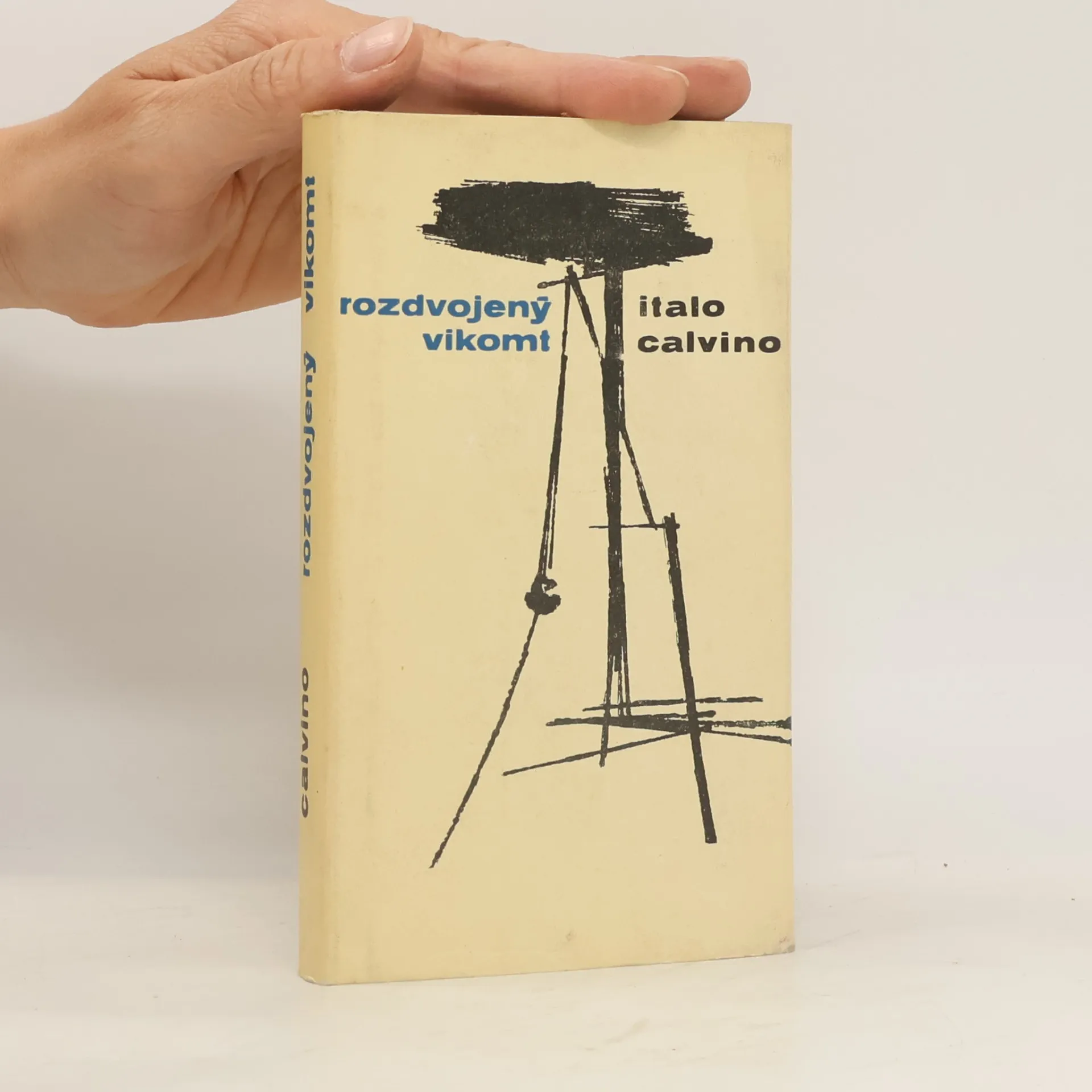
    • Príbeh sa odohráva na konci 17. storočia v dobe rakúsko-tureckej vojny, kedy je náš hrdina priletivejšou tureckou guľou rozpolený na časť dobrú a zlú, a tak je mu súdené zažiť opäť mnoho dobrodružstiev.

      Rozdvojený vikomt
      3,7
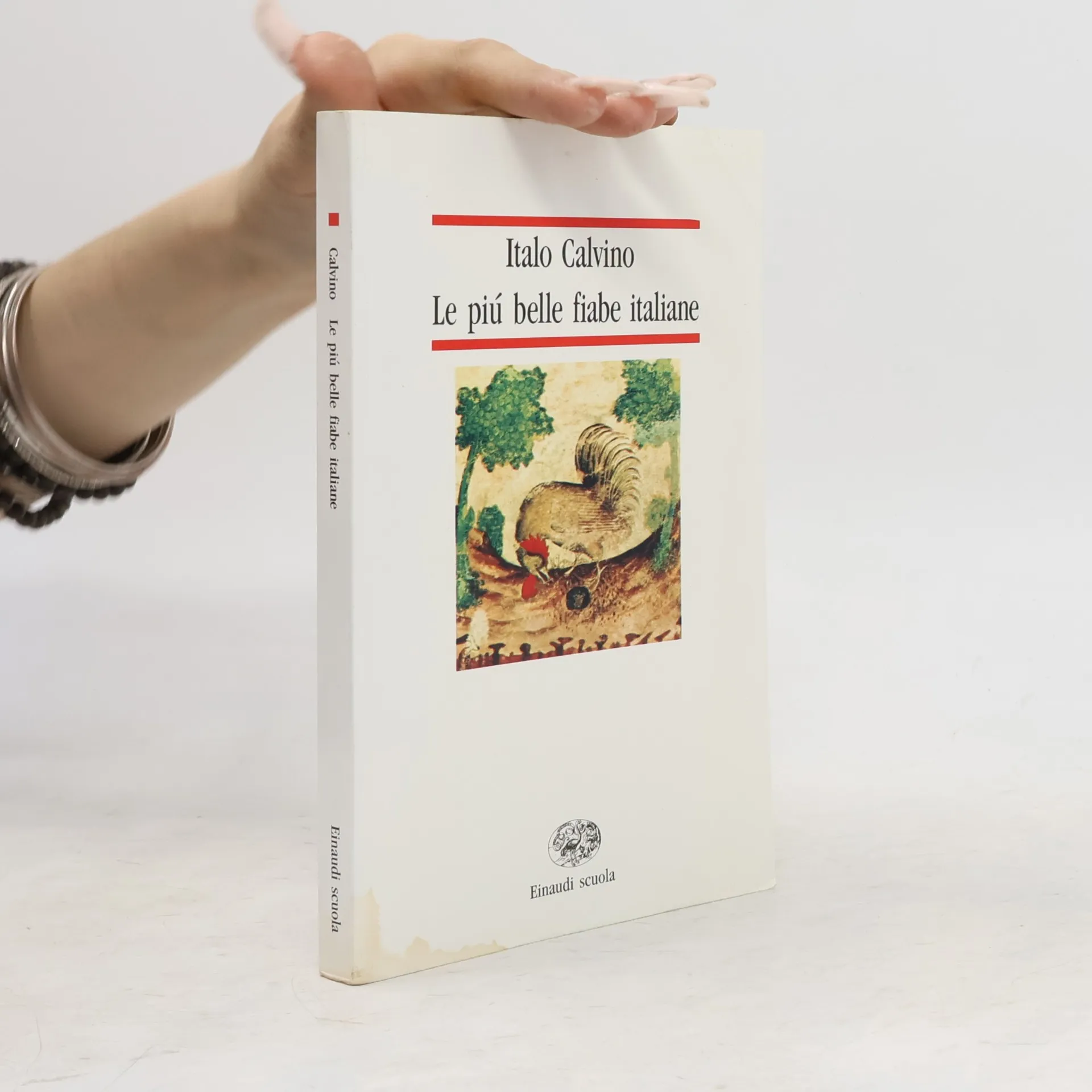
    • Le più belle fiabe italiane

      • 247pages
      • 9 heures de lecture

      Un'antologia di fiabe «di magia», rappresentative di tutte le regioni italiane, scelte dalla raccolta che Italo Calvino compose nel 1956. Gli eroi, ragazze e giovani generosi e furbi, quasi sempre si allontanano da casa in cerca del loro destino; oppure devono liberarsi da un incantesimo. In prove rischiose, lottano contro il «Nemico», diavolo, mago, strega o forza della natura; sono destinati a vincere, anche perché vecchine, animali, corsi d'acqua spontaneamente forniscono loro un aiuto magico. Alla fine c'è il ritorno a casa, coronato dalla ricchezza, necessaria per la felicità propria e dei propri cari; a meno che l'eroe non si fermi là dove ha conquistato la mano di una principessa

      Le più belle fiabe italiane
      4,0
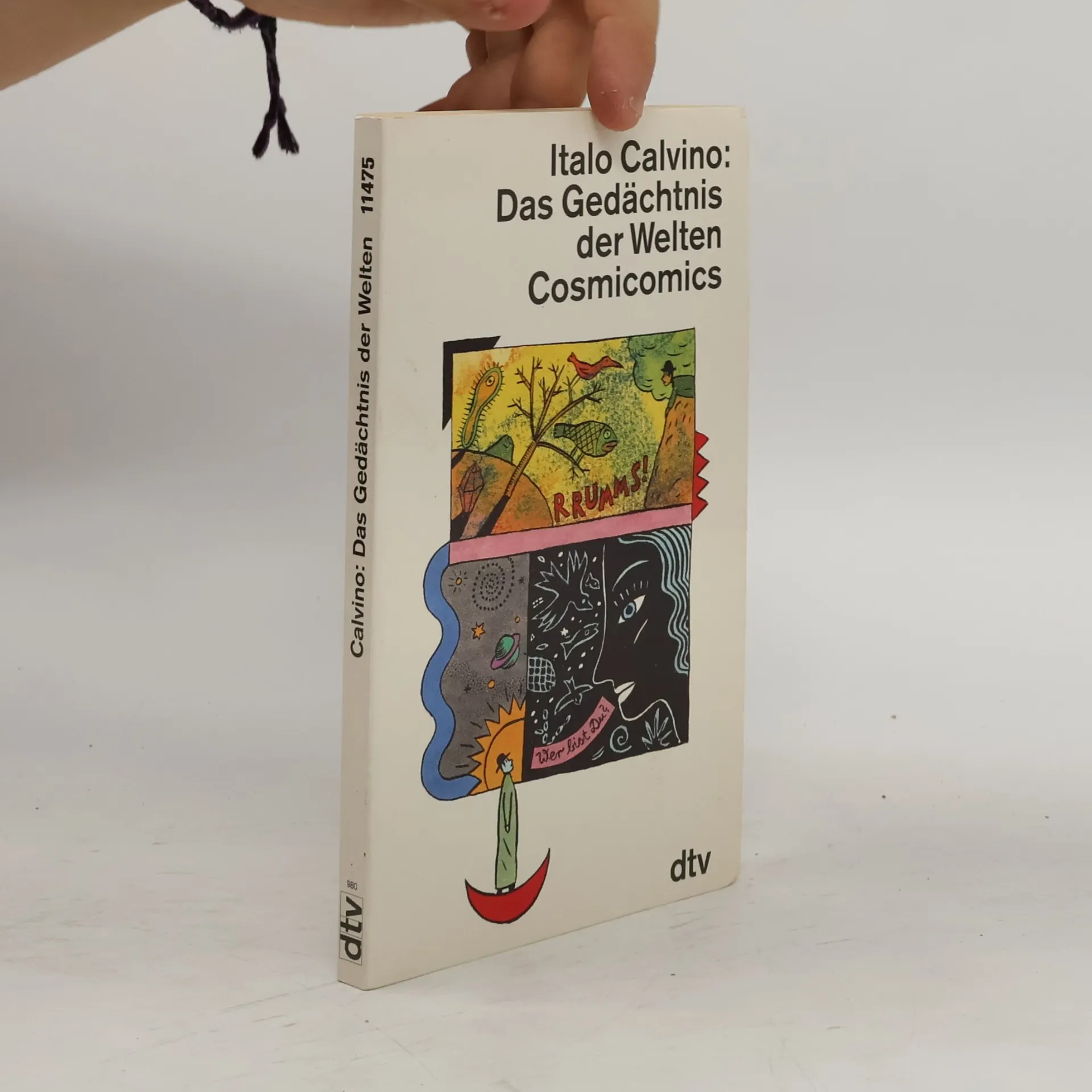
    • Das Gedächtnis der Welten

      • 198pages
      • 7 heures de lecture

      Sein Name ist unaussprechlich: Er heisst Qfwfq und ist der Erzähler der Cosmicomics. Er war in jeder Phase der Weltentwicklung dabei, in allen Gestalten, auch als Amöbe, auch als Mammut. In diesen »umgekehrten« Science-fiction-Geschichten verbindet sich der Reiz kühner Wissenschaftstheorien mit der Macht uralter kosmogonischer Mythen.

      Das Gedächtnis der Welten
      3,7
    • Autors Moderns - 44: Marcovaldo

      • 127pages
      • 5 heures de lecture

      Marcovaldo is an unskilled worker in a drab industrial city in northern Italy. He is an irrepressible dreamer and an inveterate schemer. Much to the puzzlement of his wife, his children, his boss, and his neighbors, he chases his dreams-but the results are never the expected ones.

      Autors Moderns - 44: Marcovaldo
      3,3
    • Diese Auswahl aus Calvinos Essays, Skizzen, Miniaturen und Traktaten ist das letzte Buch, das zu Lebzeiten des Autors erschien. Die Texte haben allesamt, direkt oder indirekt, mit der Erkundung der Welt durch den Blick zu tun. Der große italienische Schriftsteller zeigt auch in der kleinen Form seine unnachahmliche Meisterschaft.

      Gesammelter Sand
      3,9
    • Die Mülltonne und andere Geschichten

      • 154pages
      • 6 heures de lecture

      Italo Calvino entfaltet in »Die Mülltonne« eine tiefsinnige Geschichte über den Mülleimer als Symbol für Informationen, Müll und Kants kategorischen Imperativ. Er thematisiert Geschlechterrollen und die Vergänglichkeit. Calvinos autobiographische Texte sind eine Hommage an Fellini und die Traumfabrik Kino. Pflichtlektüre!

      Die Mülltonne und andere Geschichten
      3,9
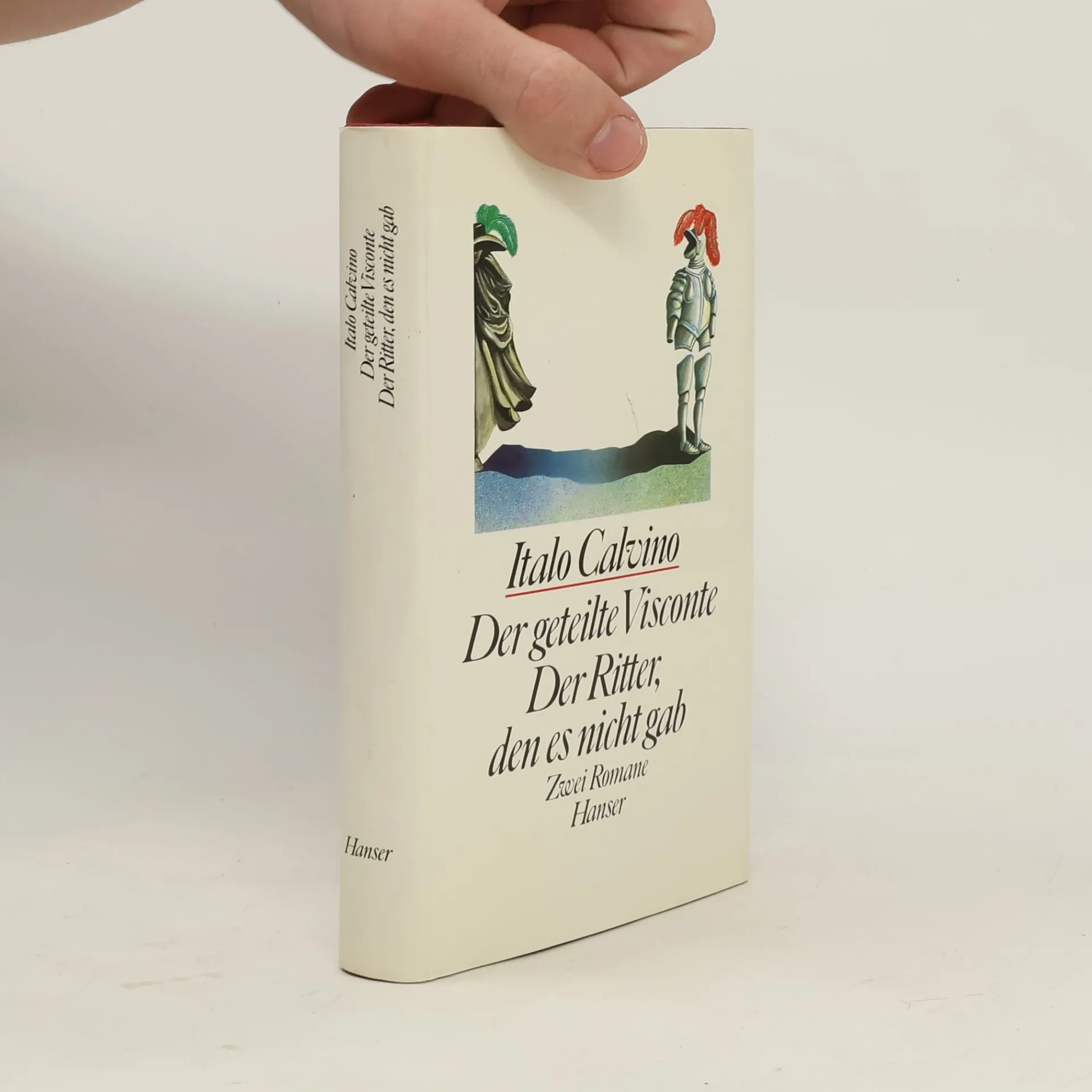
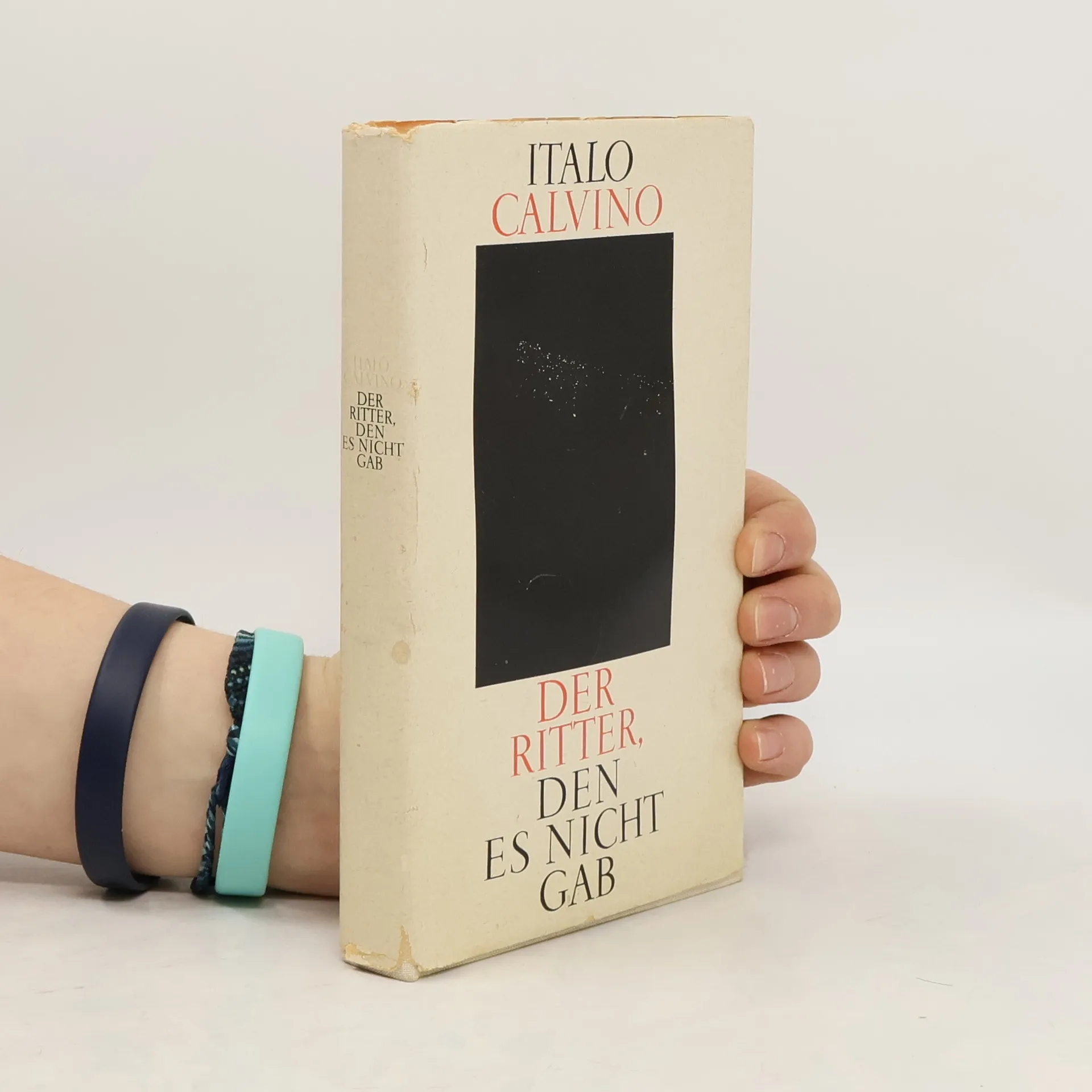
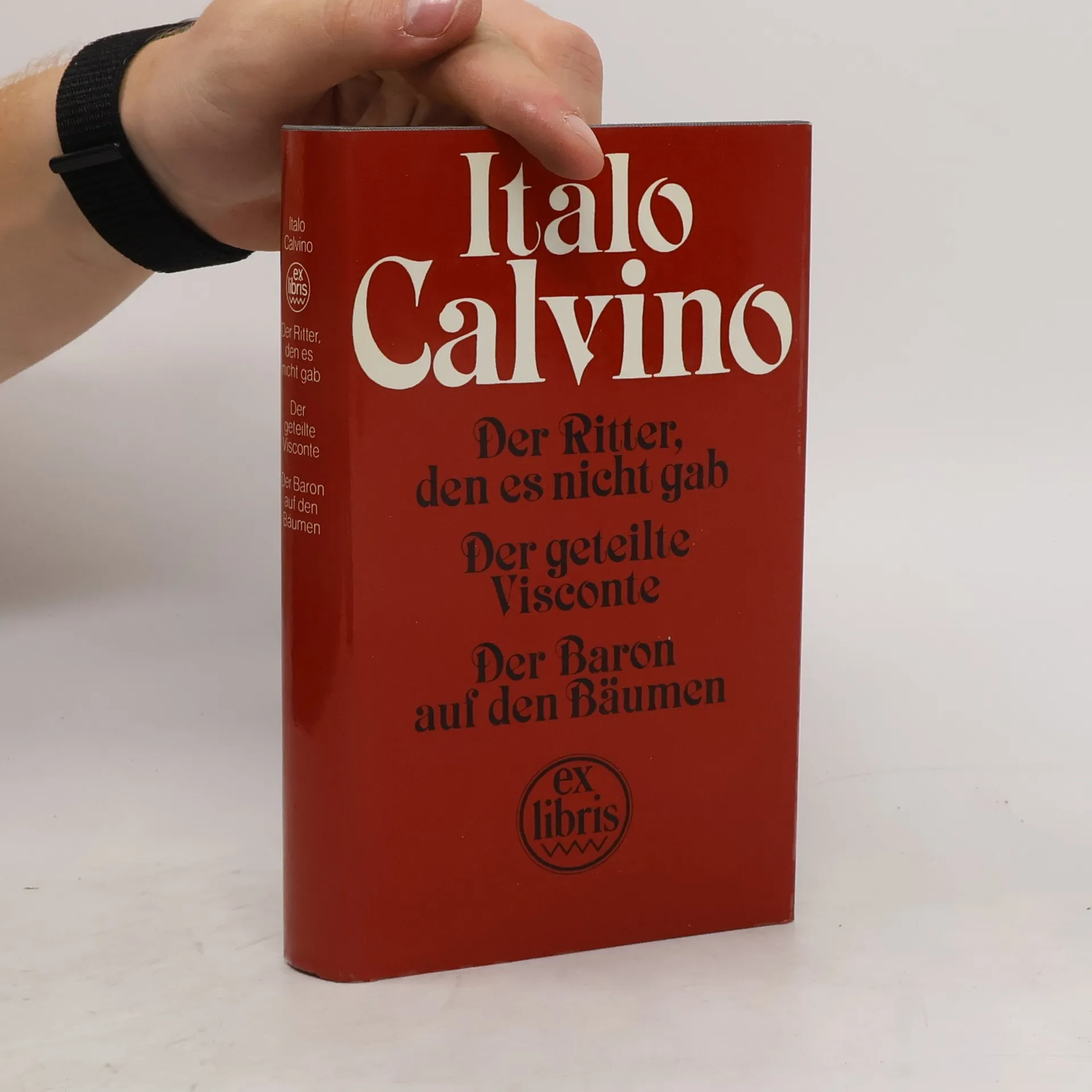
    • Innen hohl, besteht Ritter Agilulf nur aus Rüstung, Kampfgeist und Pflichtgefühl: Das Musterbild eines ordentlichen Soldaten. Doch ausgerechnet diesen ergebensten Kämpfer Karls des Großen trifft der Verdacht, zu Unrecht zum Ritter geschlagen worden zu sein.

      Der Ritter, den es nicht gab
      3,9
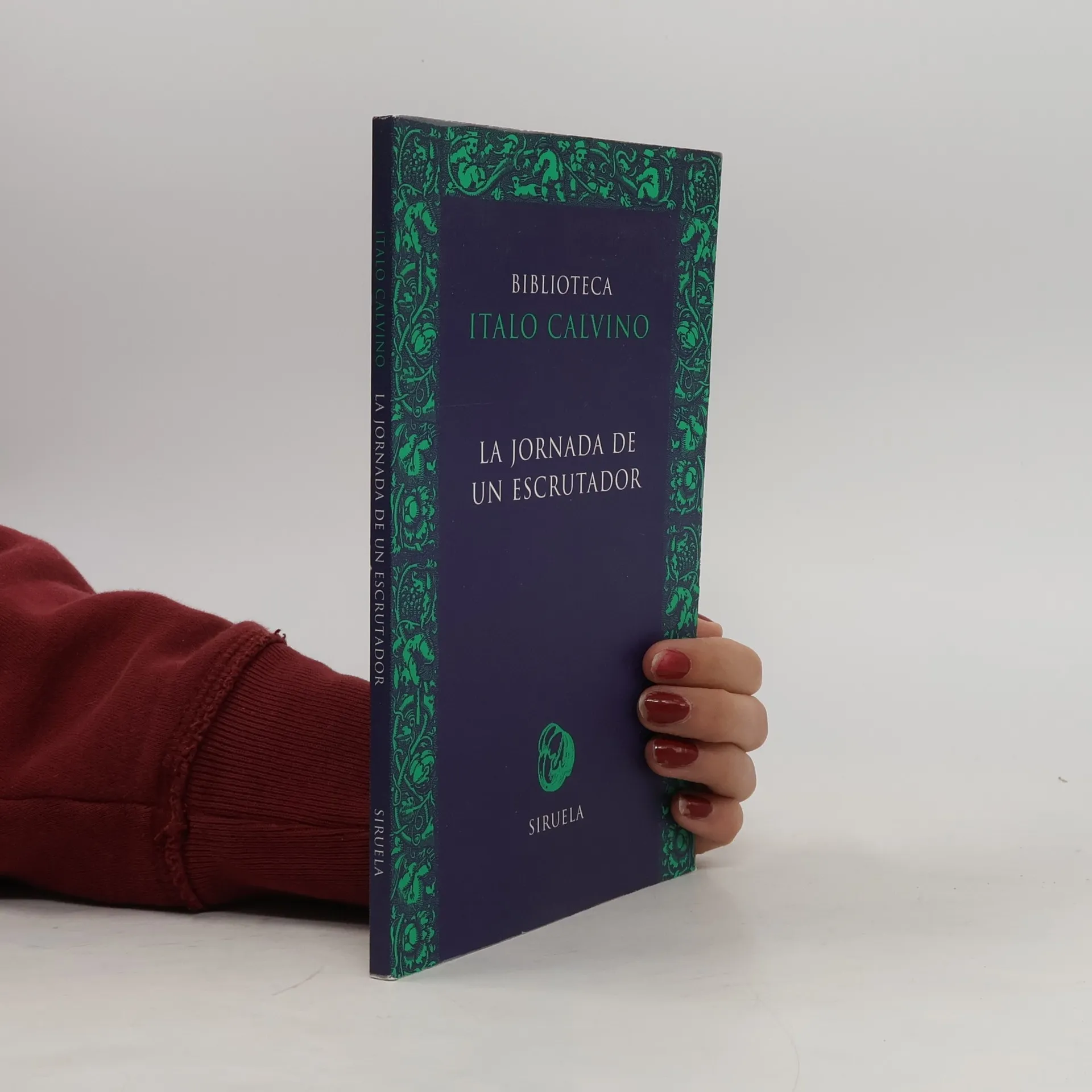
    • La giornata d'uno scrutatore

      • 97pages
      • 4 heures de lecture

      «I temi che tocco con La giornata d'uno scrutatore, quello dell'infelicità di natura, del dolore, la responsabilità della procreazione, non avevo mai osato sfiorarli prima d'ora. Non dico ora d'aver fatto più che sfiorarli, ma già l'ammettere la loro esistenza, il sapere che si deve tenerne conto, cambia molte cose.» (Dalla presentazione scritta da Calvino nel 1963)

      La giornata d'uno scrutatore
      3,7
    • Jeżeli t=0

      • 256pages
      • 9 heures de lecture

      Przywracamy autonomię zbiorkowi opowiadań Itala Calvina Jeżeli t = 0, wydanemu niegdyś w Polsce w ramach Wszystkich opowieści kosmikomicznych, co dotkliwie pozbawiło go podmiotowości. W oryginale został opublikowany w roku 1967 jako osobny tomik i stał się punktem granicznym twórczości Calvina: między nurtem prozy fantastyczno-naukowej a literaturą eksperymentalno-kombinatoryczną. Stanowi zbiór jedenastu opowiadań w trzech autonomicznych częściach. Pierwsza ma za przedmiot mitologię naukowych hipotez; narracja drugiej części prowadzona jest według zasad fizyki kwantowej, gdzie każdy odcinek czasu rozwidla się i stanowi zapowiedź alternatywnych wariantów; część ostatnia ma charakter dedukcyjny. Punktem wyjścia dla Calvina są paradoksy, jak ten, od którego pochodzi tytuł tomu, czy paradoks strzały Zenona z Elei. Jeżeli t = 0 to forpoczta Zamku skrzyżowanych losów (1969), Niewidzialnych miast (1972) czy Jeśli zimową nocą podróżny (1979).

      Jeżeli t=0
      3,8
    • ... il Furioso è un libro unico nel suo genere e può - quasi direi deve - esser letto senza far riferimento a nessun altro libro precedente o seguente; è un universo a sé in cui si può viaggiare in lungo e in largo, entrare, uscire, perdercisi. ... Ariosto sembra un poeta limpido, ilare e senza problemi, eppure resta misterioso: nella sua ostinata maestria a costruire ottave su ottave sembra occupato soprattutto a nascondere se stesso. Egli è certo lontano dalla tragica profondità che avrà Cervantes, quando un secolo dopo, nel Don Chisciotte , compirà la dissoluzione della letteratura cavalleresca. Ma tra i pochi libri che si salvano, quando il curato e il barbiere dànno alle fiamme la biblioteca che ha condotto alla follia l'hidalgo della Mancia c'è il Furioso... Italo Calvino

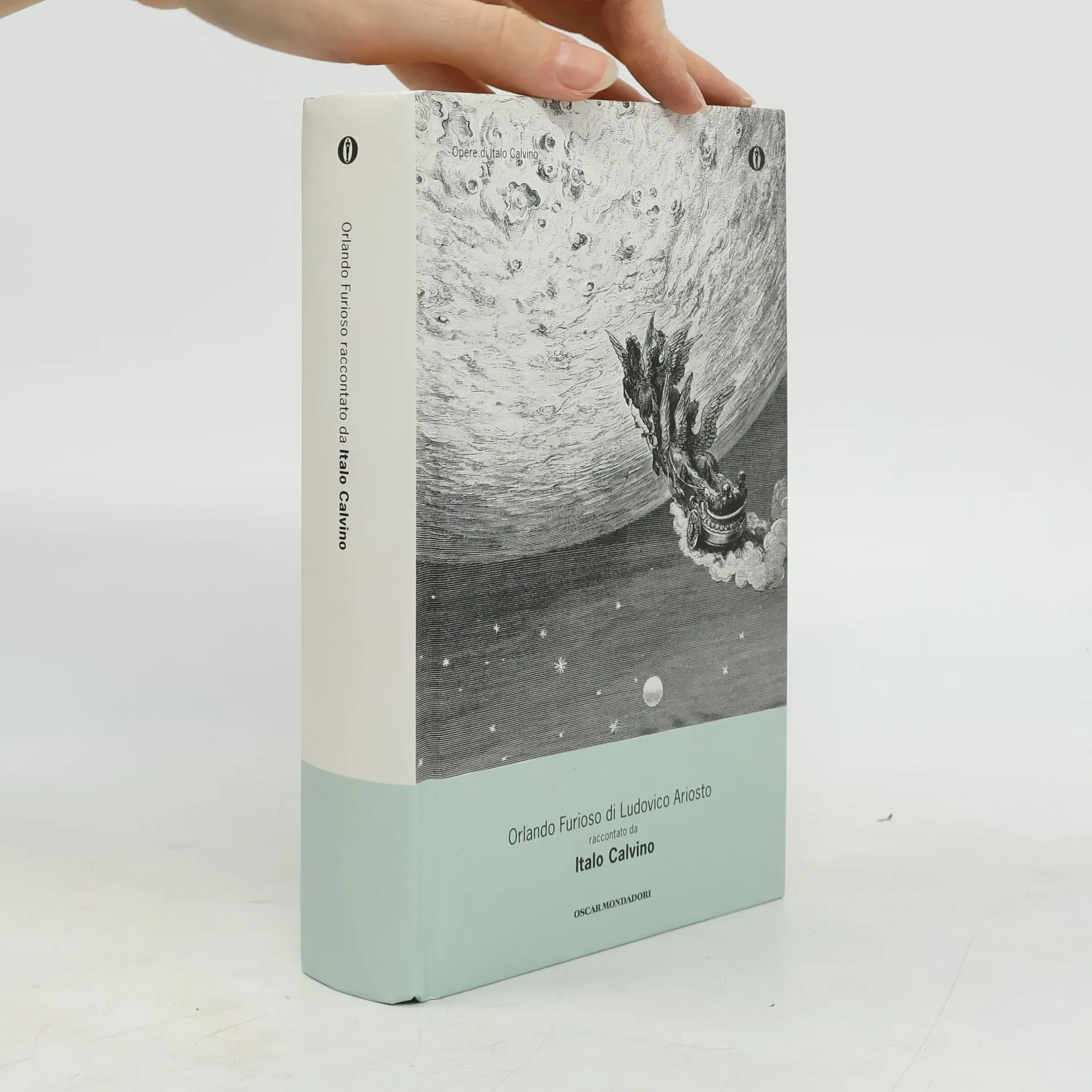
      Oscar grandi classici - 58: Orlando Furioso di Ludovico Ariosto raccontato da Italo Calvino
      3,8
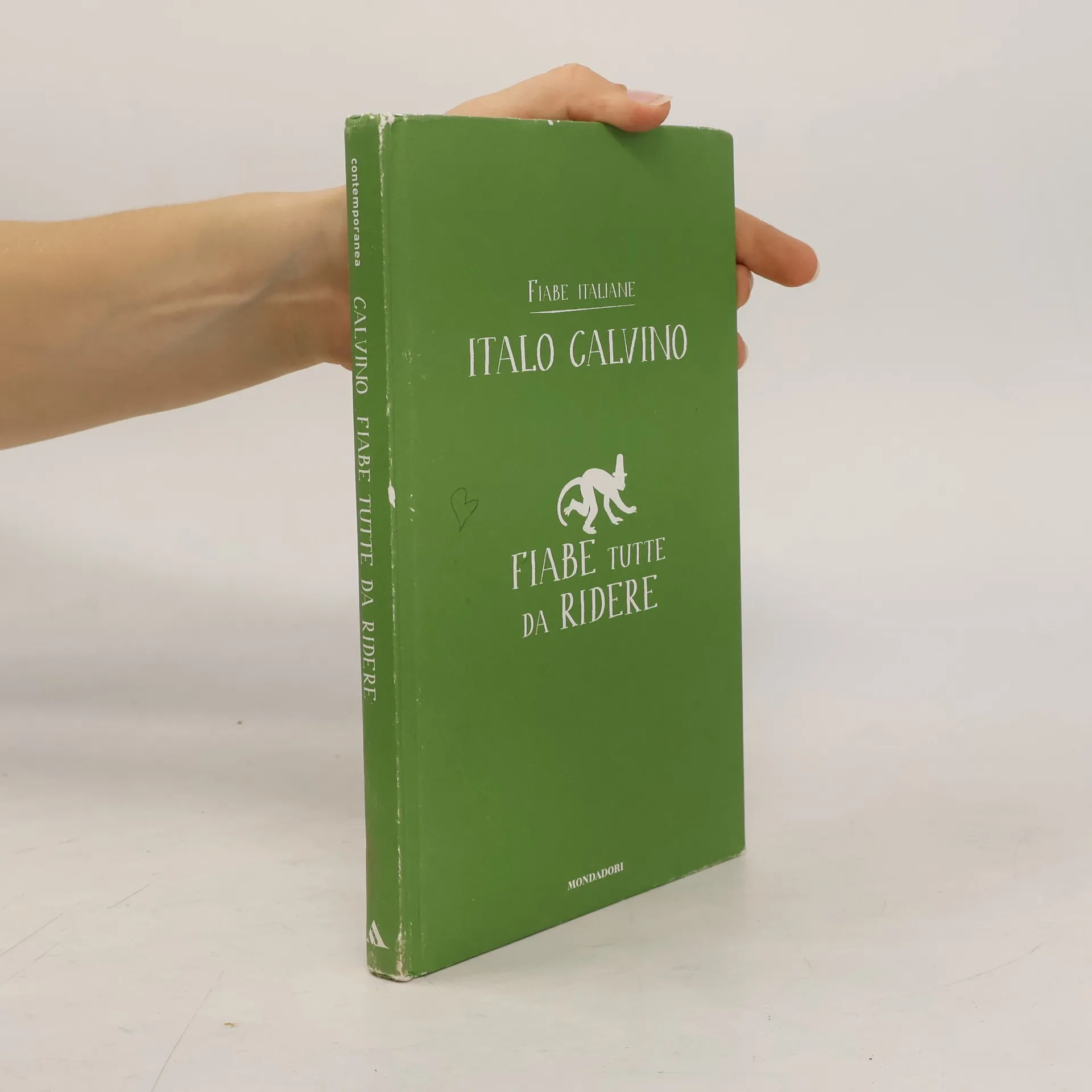
    • Una volta ci fu un Re che aveva due figli gemelli: Giovanni e Antonio... Così inizia la fiaba II palazzo delle scimmie, in cui un futuro re deve prendere in moglie... proprio una scimmia! I cinque scapestrati, invece, con le loro "arti" riescono a gabbare il re di Francia e la sua pazza figlia. E poi ci sono II soldato napoletano e due suoi amici che, sfidando i giganti, si trasformano in re e duchi. E furbi sono anche Cricche, Crocche e Manico d'Uncino che fanno una scommessa per vedere chi è il "mariuolo più fino". Mentre il povero Giufà è il protagonista di ben quattro fiabe, nelle quali si dimostra più allocco che mai: prima vuole vendere una tela a una statua, poi si fa truffare perfino dalle mosche, e infine decide di far finta di morire per non pagare i suoi debiti. Ma una buona dose di legnate nelle storie da ridere non manca mai ed è quello che accade nell'ultima, Giufà e l'otre. Otto racconti per ridere insieme dell'imprudenza, della sbadataggine e della furbizia del popolo, illustrati da Fabian Negrin. Le Fiabe italiane racchiudono il tesoro della tradizione fiabistica popolare degli ultimi cent'anni. Da quello scrigno Calvino stesso ha selezionato per i più piccoli queste storie, in cui le vite di persone e animali si intrecciano a magia e meraviglia senza tempo. Età di lettura: da 6 anni.

      Fiabe Italiane: Fiabe tutte da ridere
      3,4