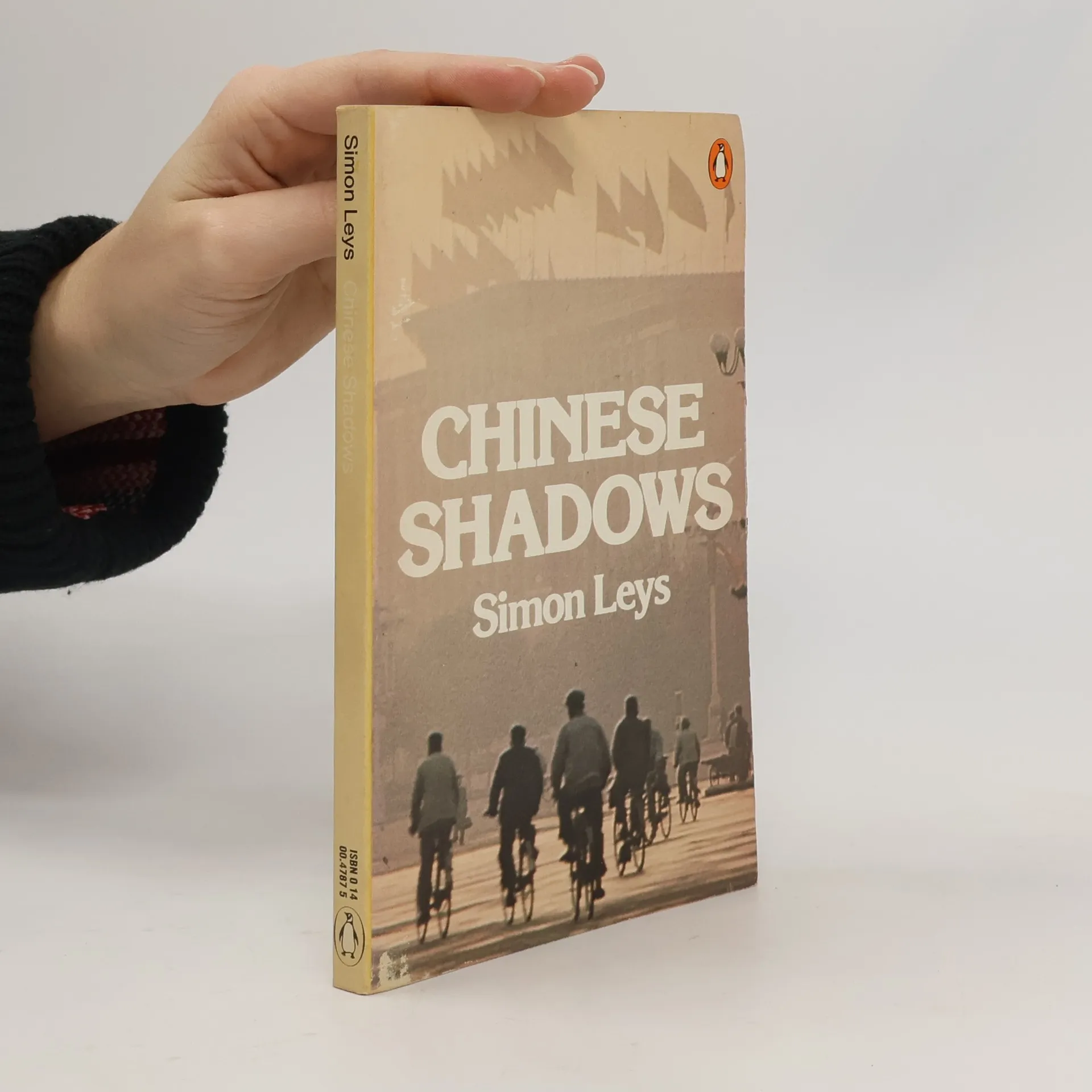
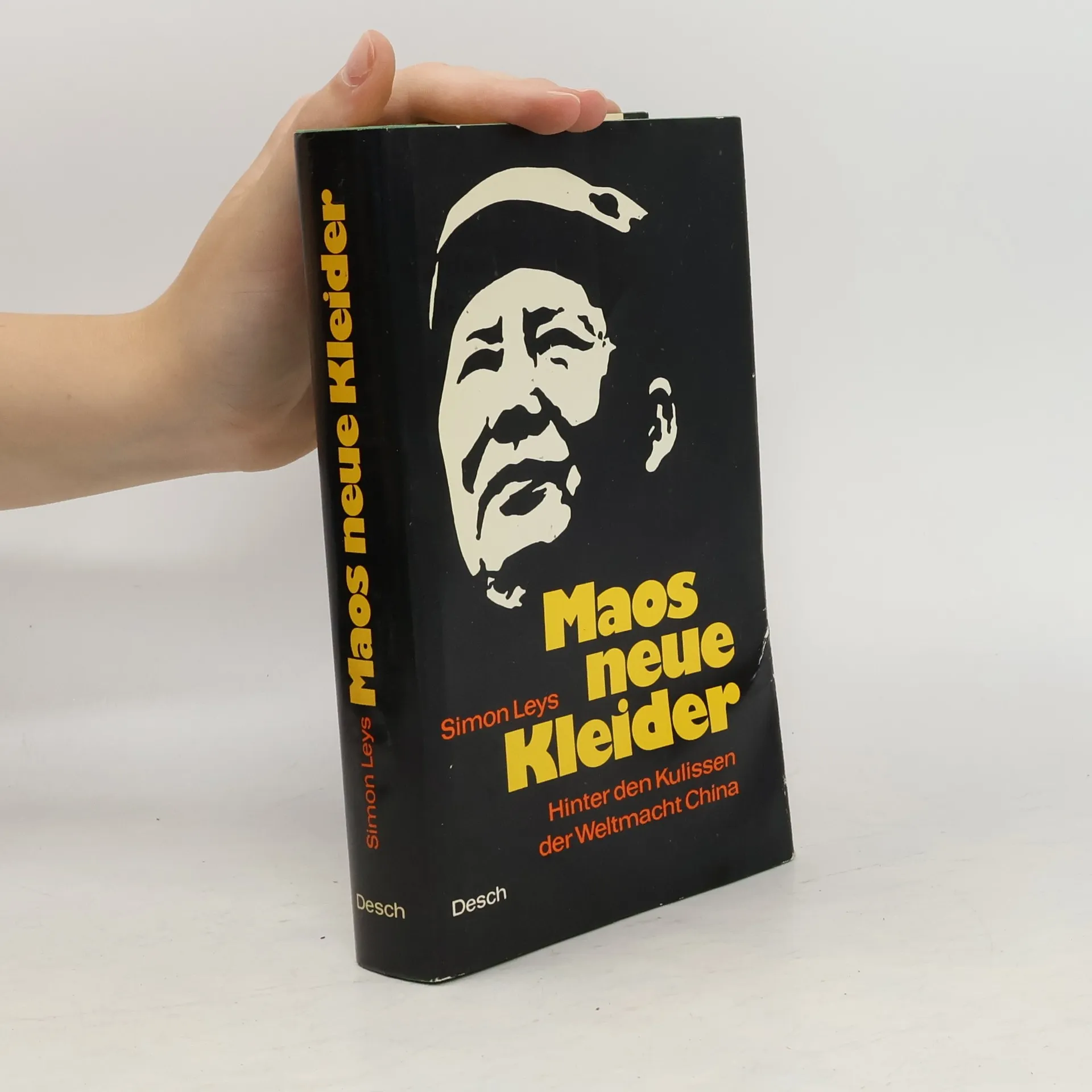
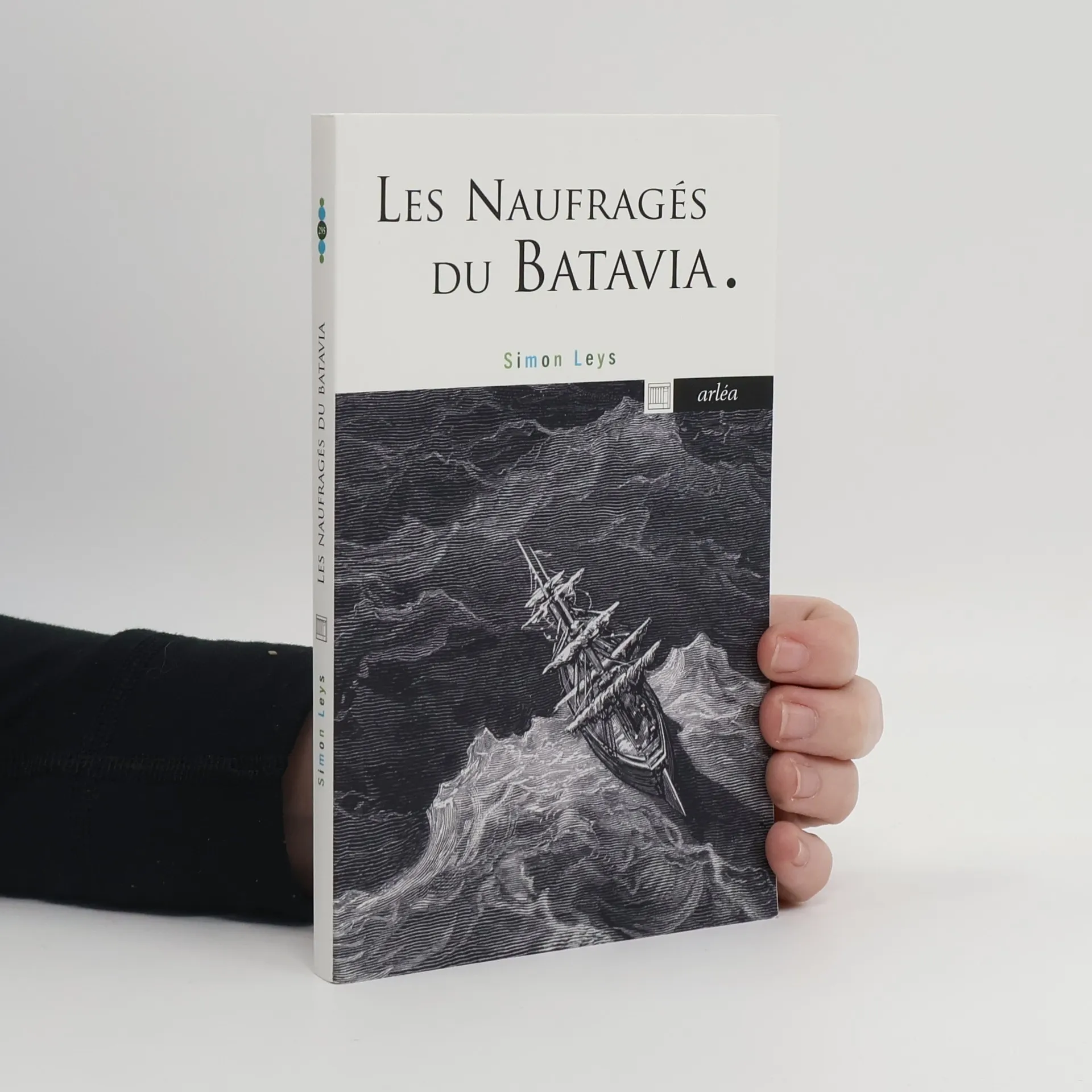
Les Naufragés du Batavia
Suivi de Prosper


Simon Leys, pseudonyme de Pierre Ryckmans, fut un érudit littéraire et sinologue belge dont les écrits ont éclairé les complexités de la littérature et de la politique chinoises. Écrivant en trois langues, il a joué un rôle crucial en révélant la véritable nature de la Révolution Culturelle, obtenant une reconnaissance internationale pour son analyse incisive. Leys fut célébré pour son intellect vif et sa capacité à mêler critique littéraire et commentaire politique, offrant aux lecteurs des aperçus profonds sur des phénomènes sociaux complexes. Son œuvre reste une ressource essentielle pour la compréhension de la culture et de l'histoire chinoises.
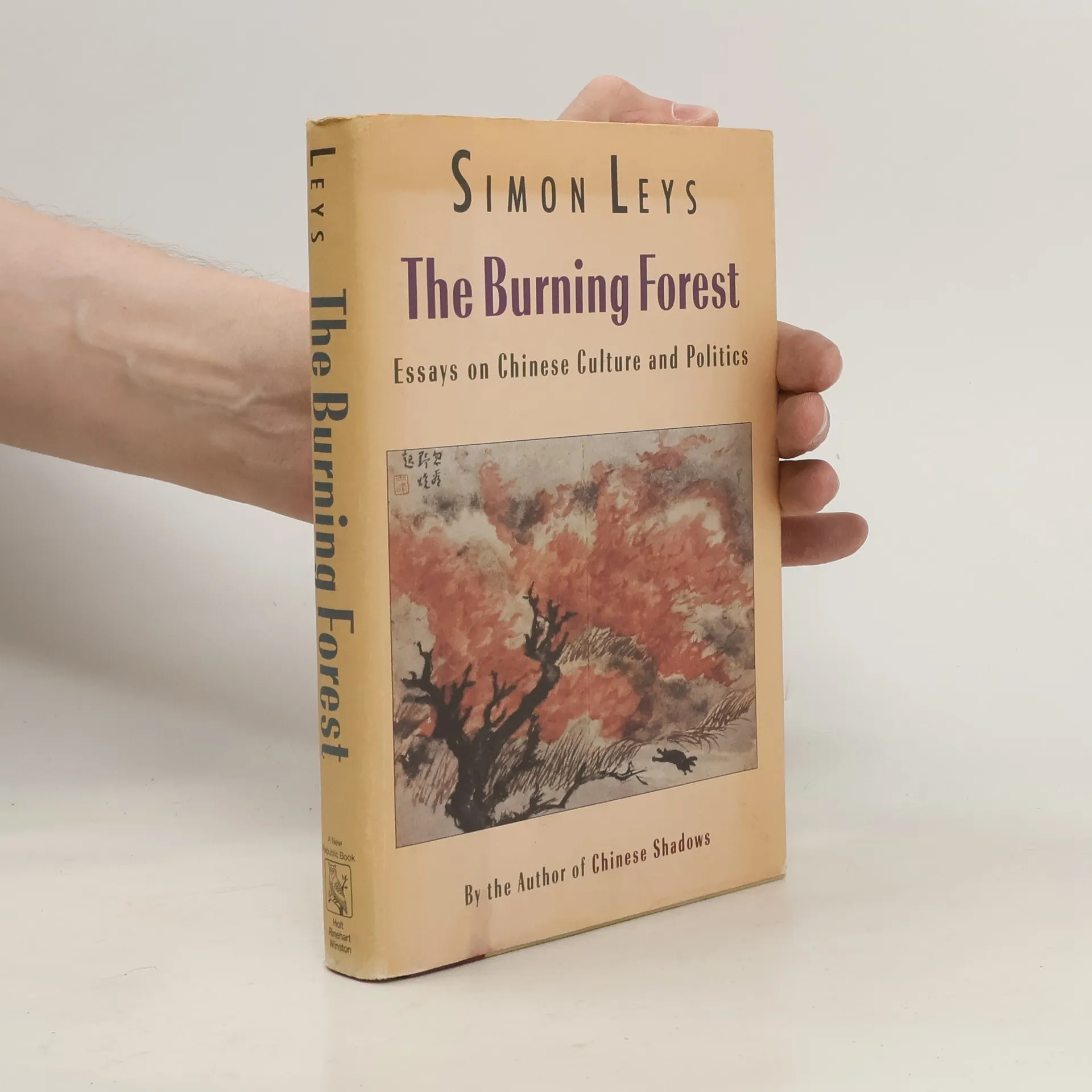
Suivi de Prosper
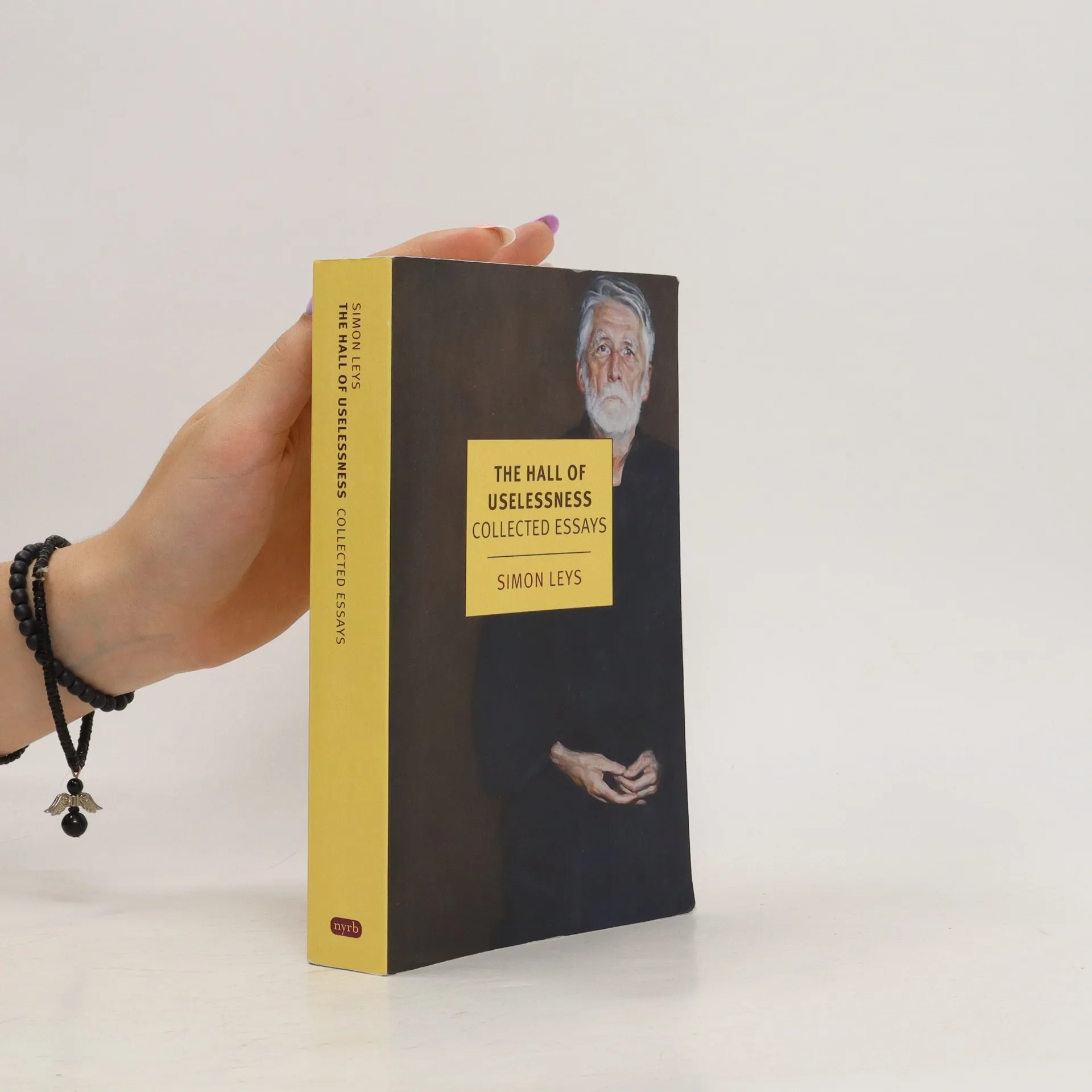
An NYRB Classics Original Simon Leys is a Renaissance man for the era of globalization. A distinguished scholar of classical Chinese art and literature and one of the first Westerners to recognize the appalling toll of Mao’s Cultural Revolution, Leys also writes with unfailing intelligence, seriousness, and bite about European art, literature, history, and politics and is an unflinching observer of the way we live now. The Hall of Uselessness is the most extensive collection of Leys’s essays to be published to date. In it, he addresses subjects ranging from the Chinese attitude to the past to the mysteries of Belgium and Belgitude; offers portraits of André Gide and Zhou Enlai; takes on Roland Barthes and Christopher Hitchens; broods on the Cambodian genocide; reflects on the spell of the sea; and writes with keen appreciation about writers as different as Victor Hugo, Evelyn Waugh, and Georges Simenon. Throughout, The Hall of Uselessness is marked with the deep knowledge, skeptical intelligence, and passionate conviction that have made Simon Leys one of the most powerful essayists of our time.
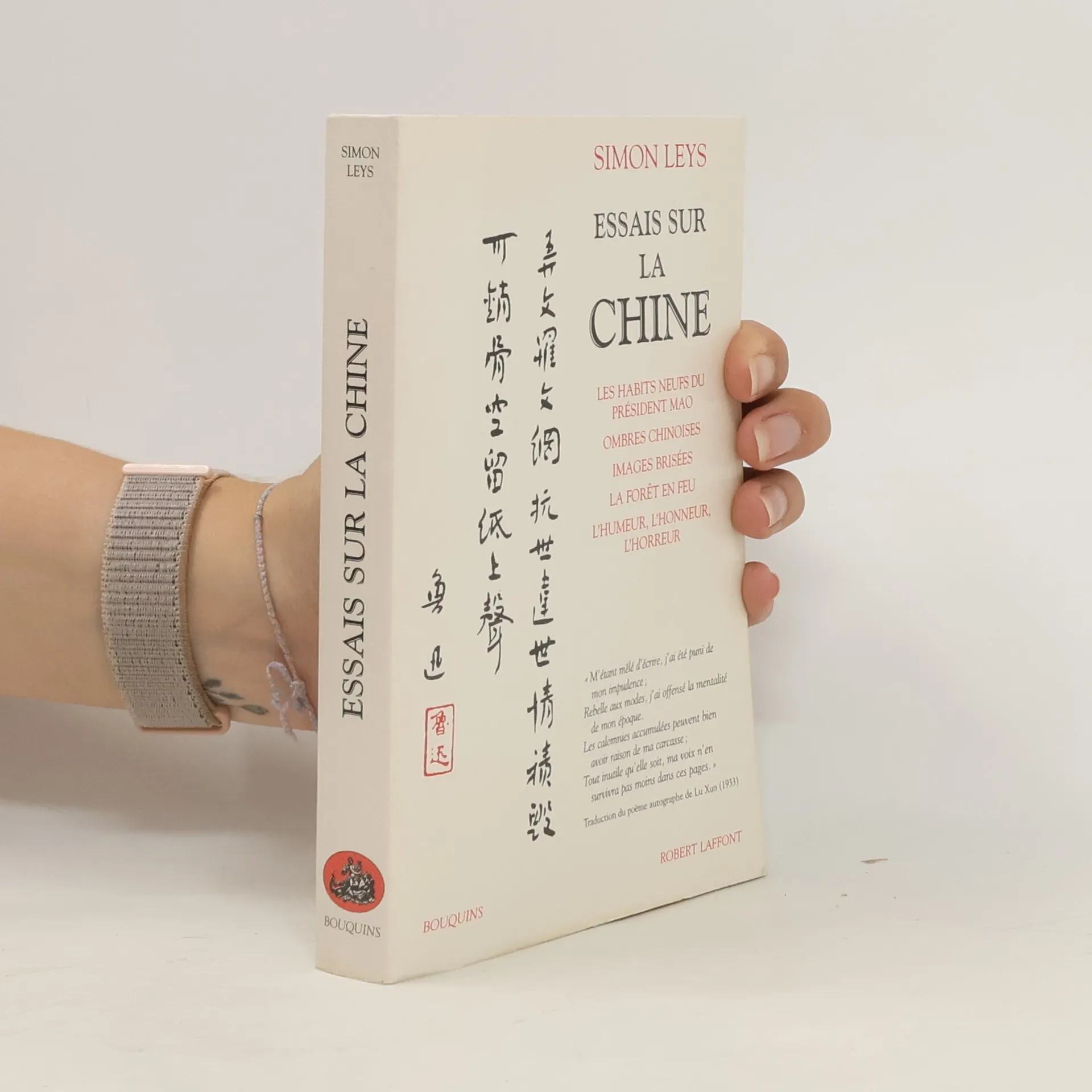
Une interprétation et une dénonciation de la Chine contemporaine à travers ces cinq essais iconoclastes aussi lucides et lumineux qu'implacables. Des textes rétifs à toute récupération politique.
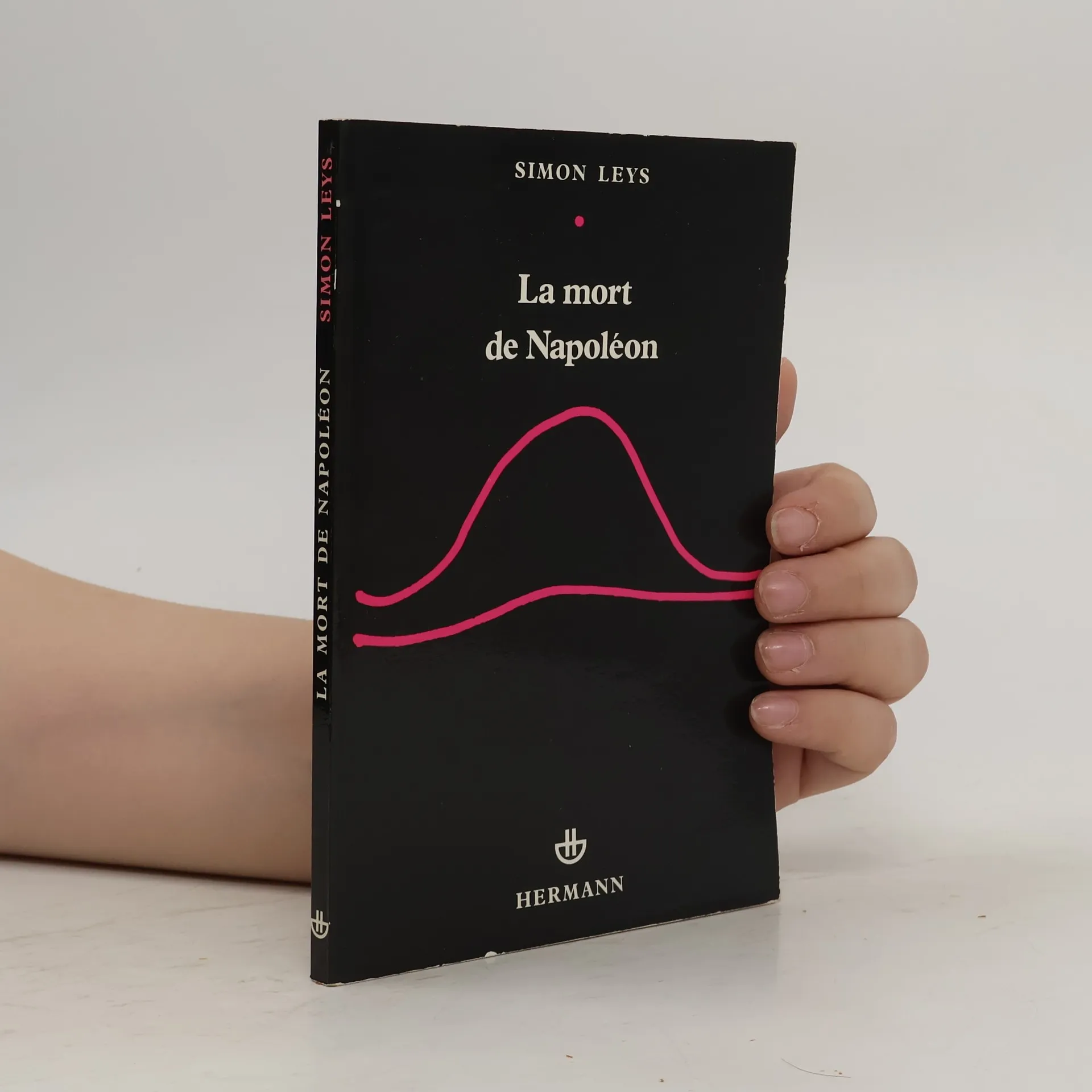
« Mesdames et messieurs, hélas ! L'Empereur est mort. » La nouvelle se répand à travers l'Europe, mais en réalité, Napoléon n'est pas mort. Grâce à une évasion ingénieuse, il est revenu sur le Continent, laissant un sosie à Sainte-Hélène, et c'est ce double qui est décédé de manière inattendue et problématique. Voyageant incognito, l'Empereur vit une série d'aventures bizarres qui le confrontent au mythe de Napoléon tel qu'il se joue de manière déconcertante dans la vie quotidienne. Après une visite à Waterloo et une arrestation manquée à la frontière française, il arrive finalement à Paris, où il se lie avec des vétérans bonapartistes et visite un asile où la plupart des pensionnaires croient à tort être lui. Napoléon parviendra-t-il à retrouver sa véritable identité ? Qui est-il, maintenant que « l'Empereur est mort » ? La fable truculente et délicieuse de Simon Leys soulève ces questions et d'autres dans une œuvre de fiction rare, continuellement surprenante et effervescente.
As is.
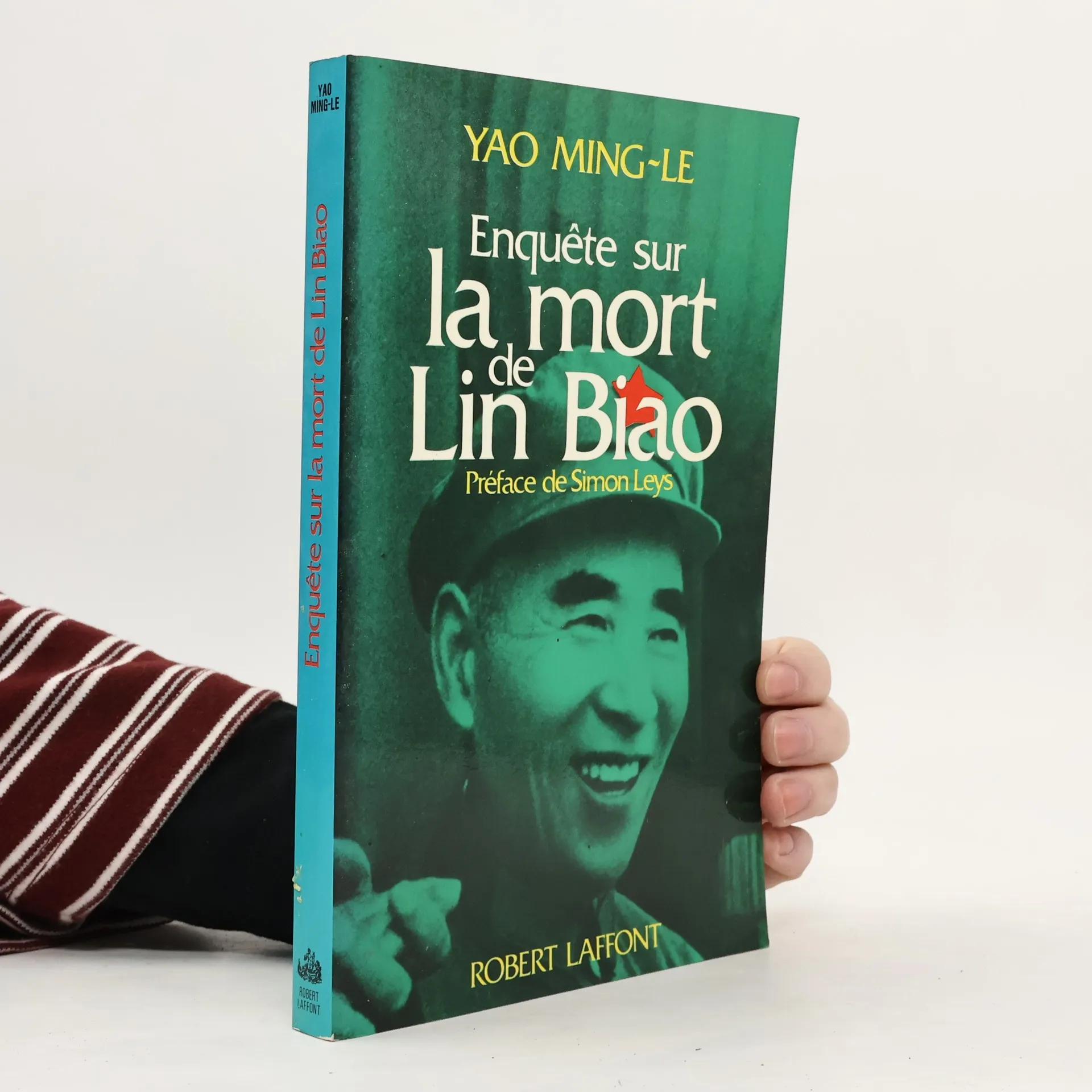
The second of Leys's trilogy on China's Cultural Revolution, describing the cultural and political upheaval under Mao's regime and expressing criticism of its Western supporters.