
Acheter 10 livres pour 10 € ici !
Bookbot

Lucius A. Seneca

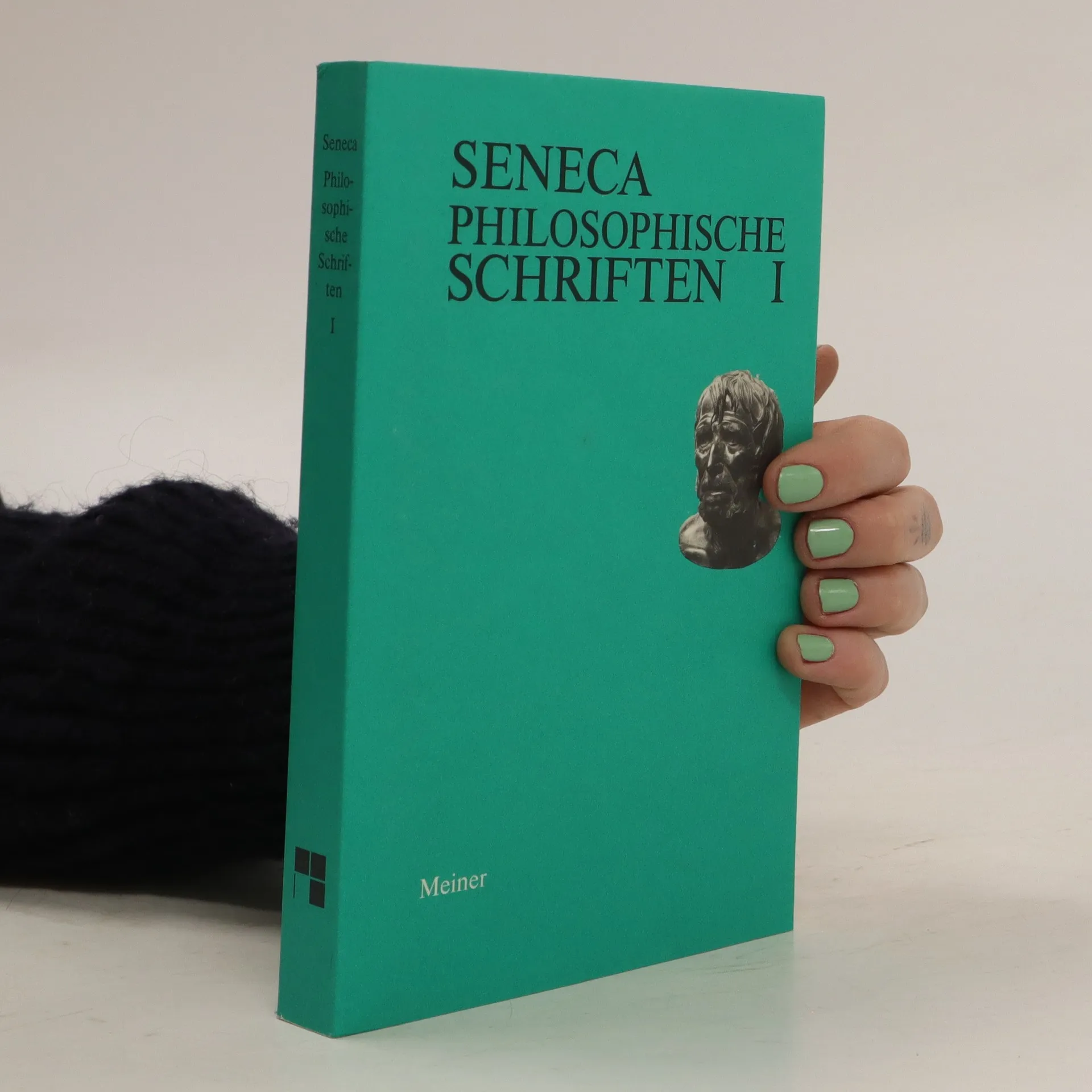
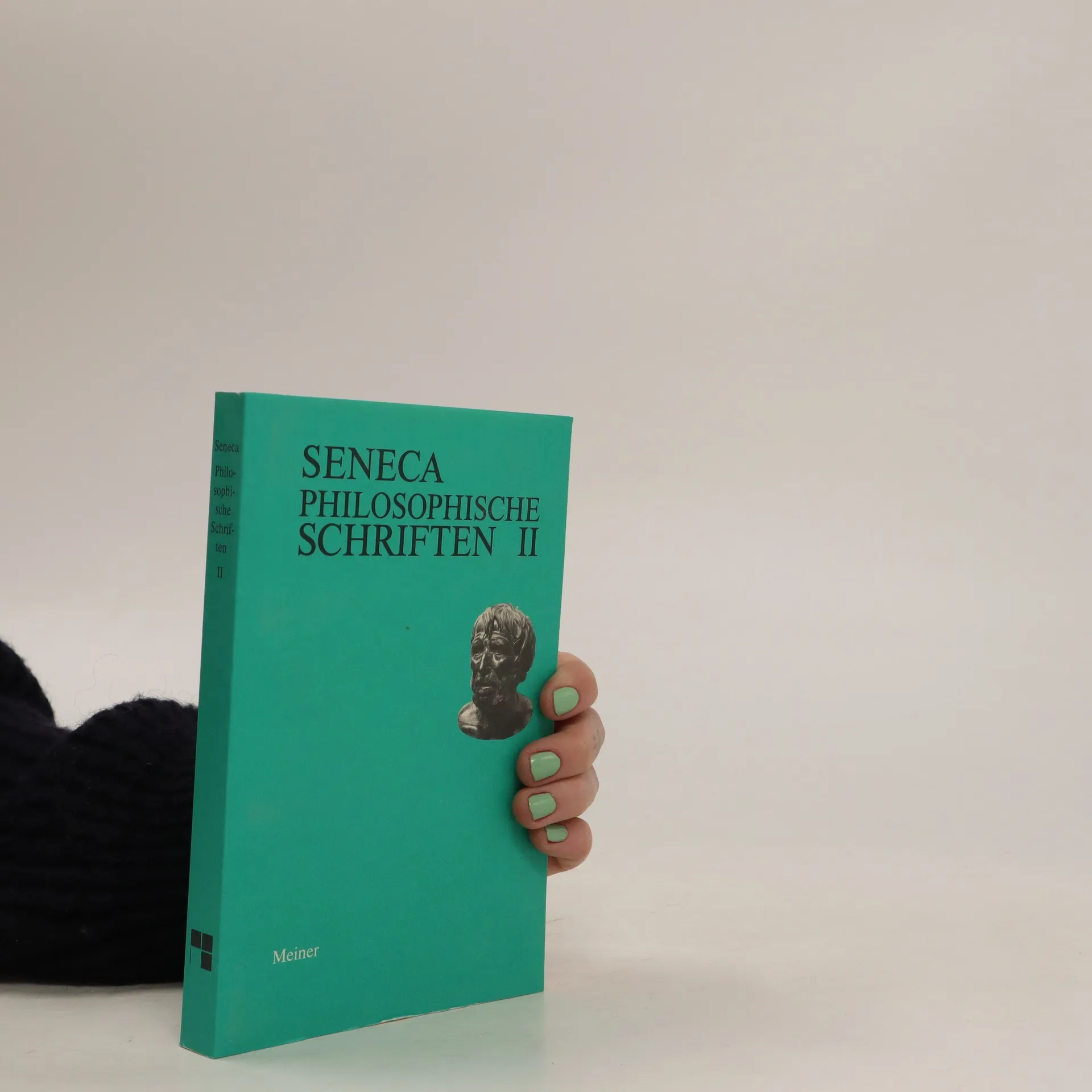
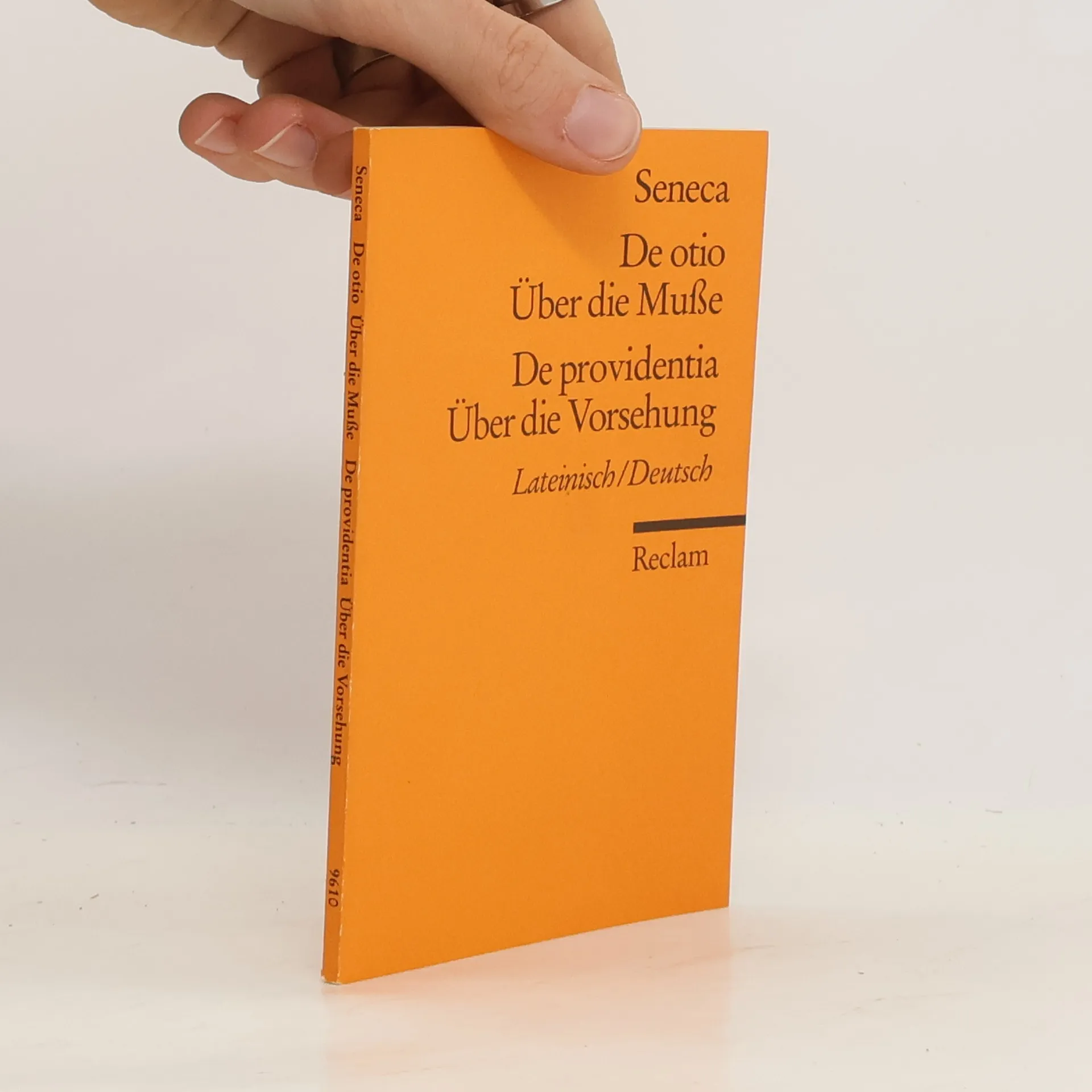
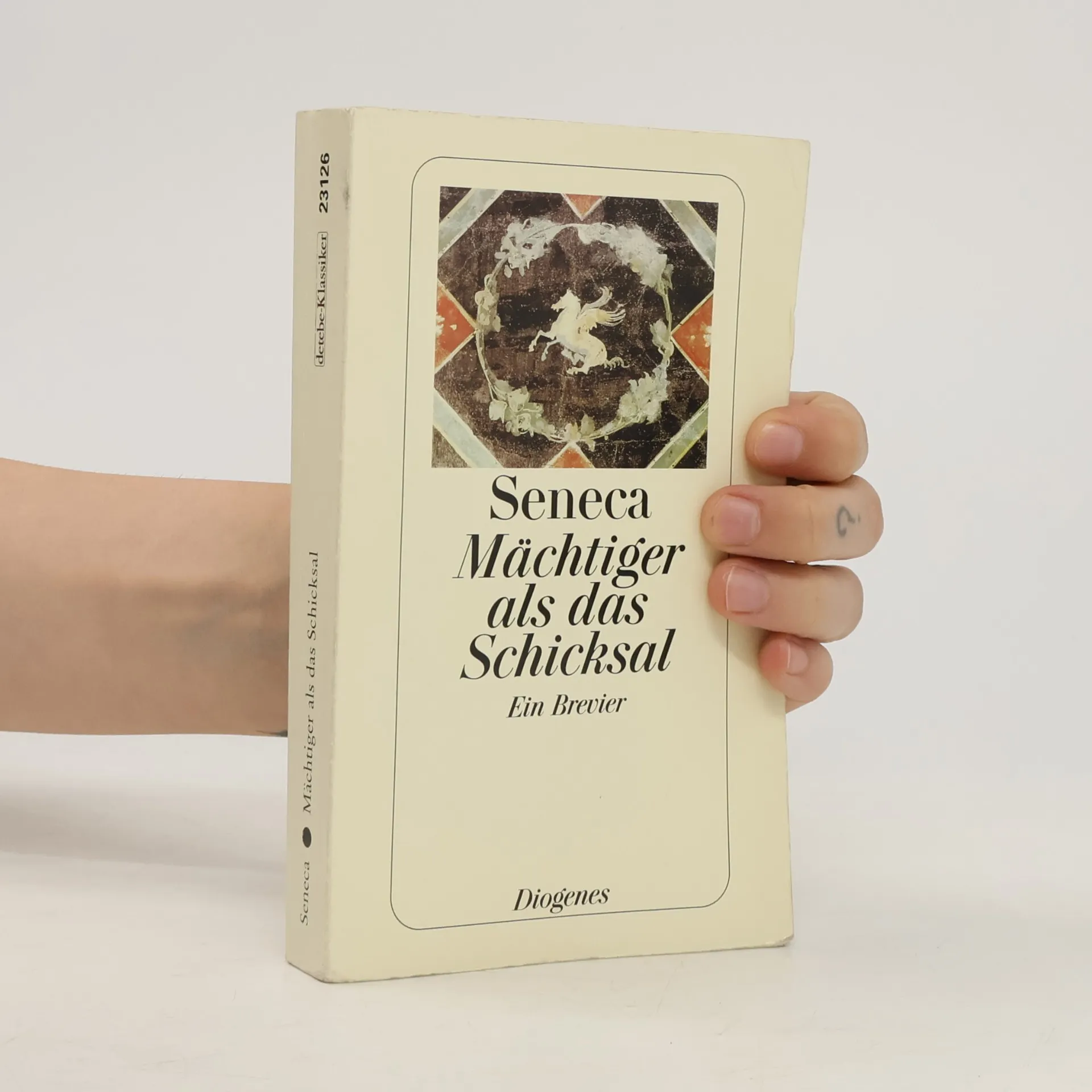
    Lucius Annaeus Seneca fut un philosophe stoïcien et un dramaturge romain de l'Âge d'Argent de la littérature latine. Son œuvre explore des thèmes philosophiques profonds, mettant l'accent sur l'éthique et la moralité, avec un style marqué par sa perspicacité et sa maîtrise rhétorique. Seneca s'est penché dans ses écrits sur la connaissance de soi, la régulation des émotions et la quête de la tranquillité intérieure dans un monde tumultueux. Ses réflexions philosophiques et ses pièces dramatiques continuent d'inspirer les lecteurs par leur sagesse intemporelle et leur puissance littéraire.

    Lucius A. Seneca
    Epistulae Morales
    Hardship and Happiness
    Letters on Ethics: To Lucilius
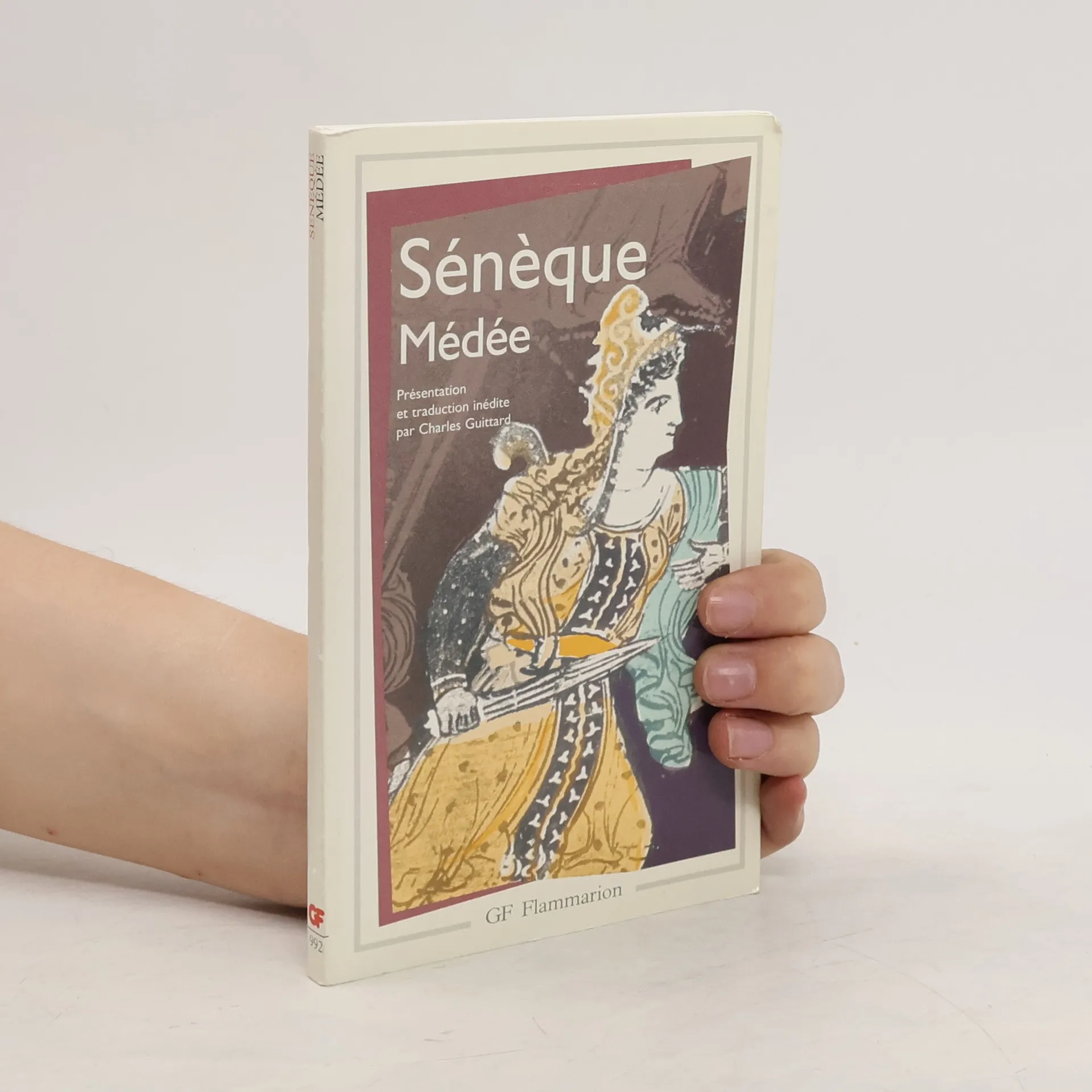
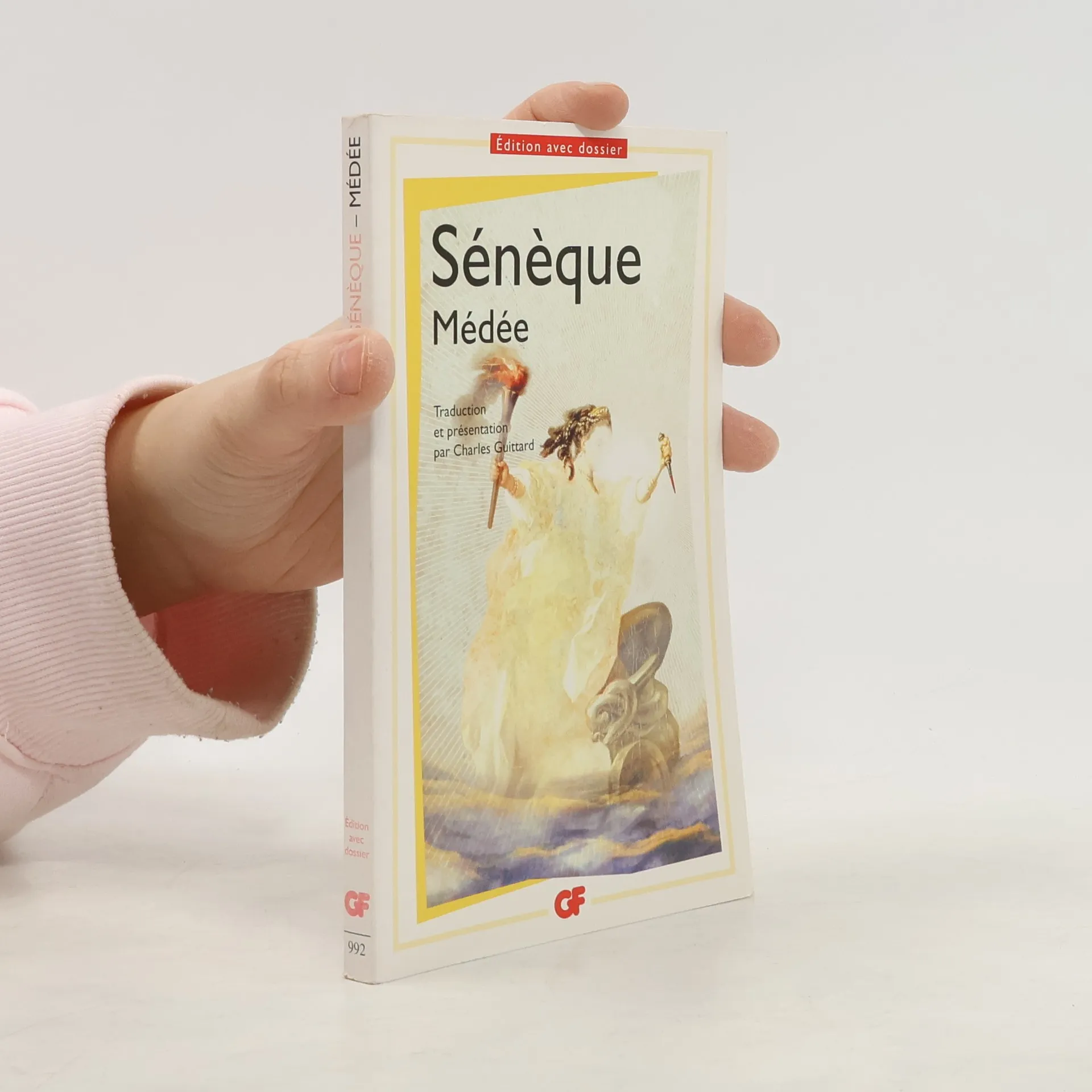
    Médée, tragédie
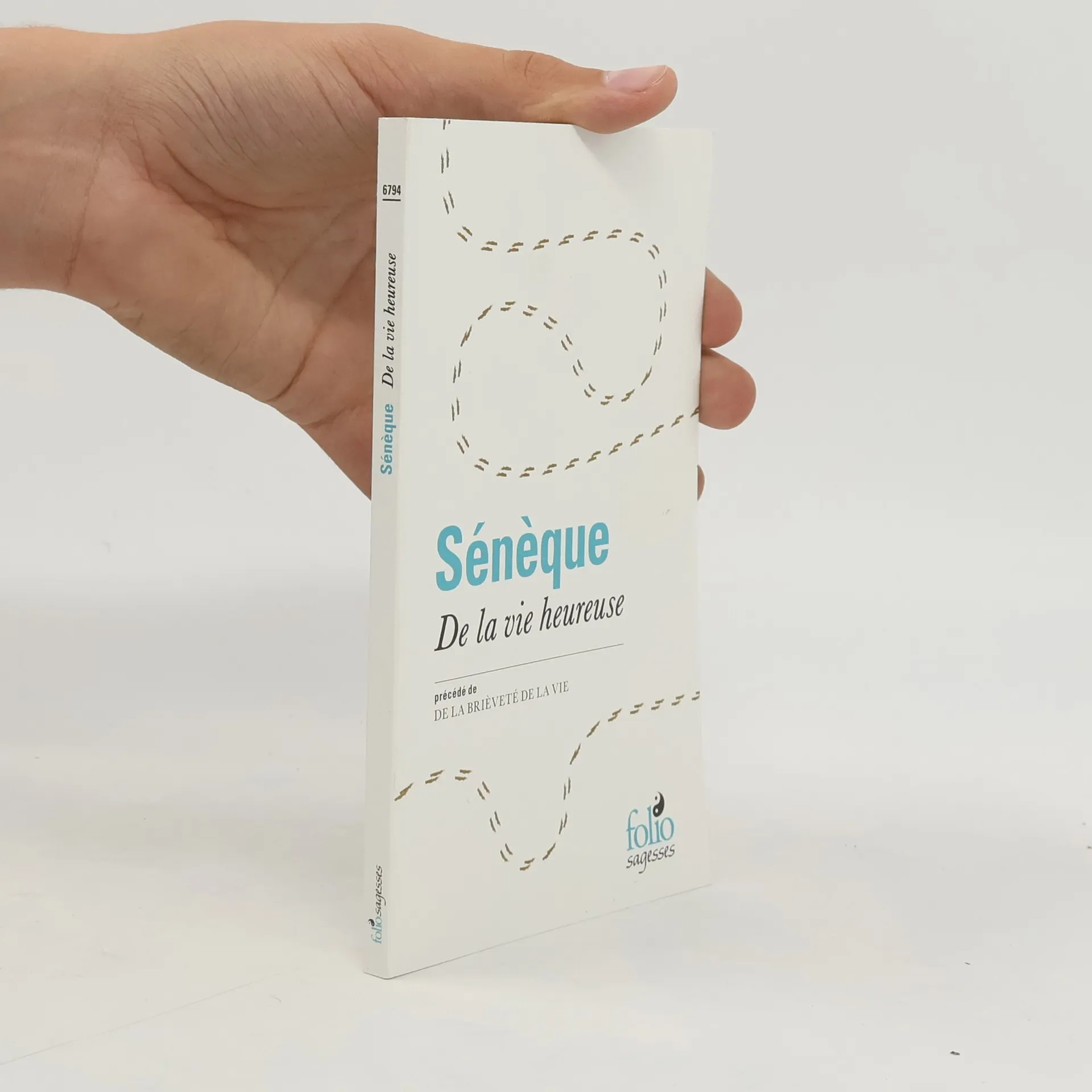
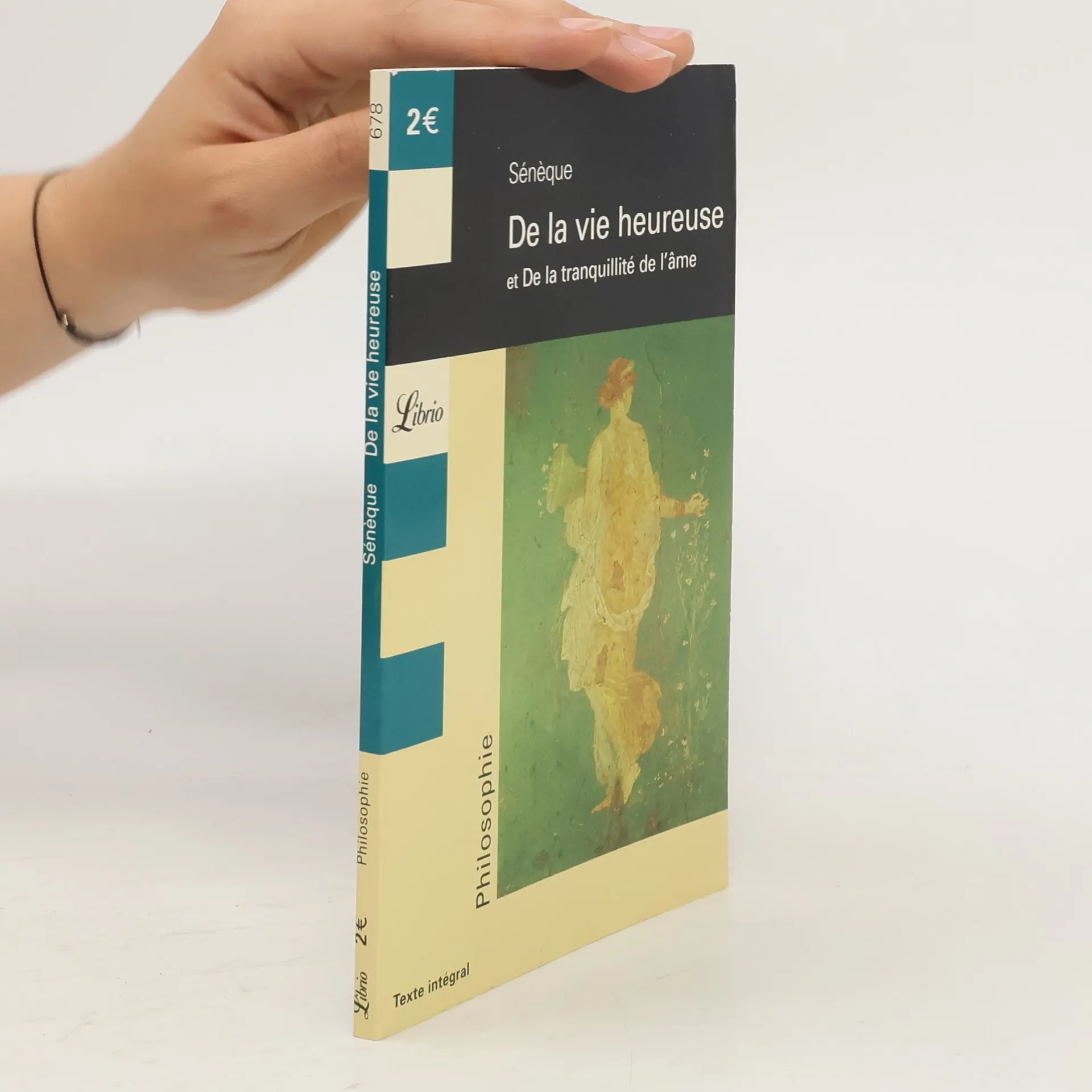
    De la vie heureuse
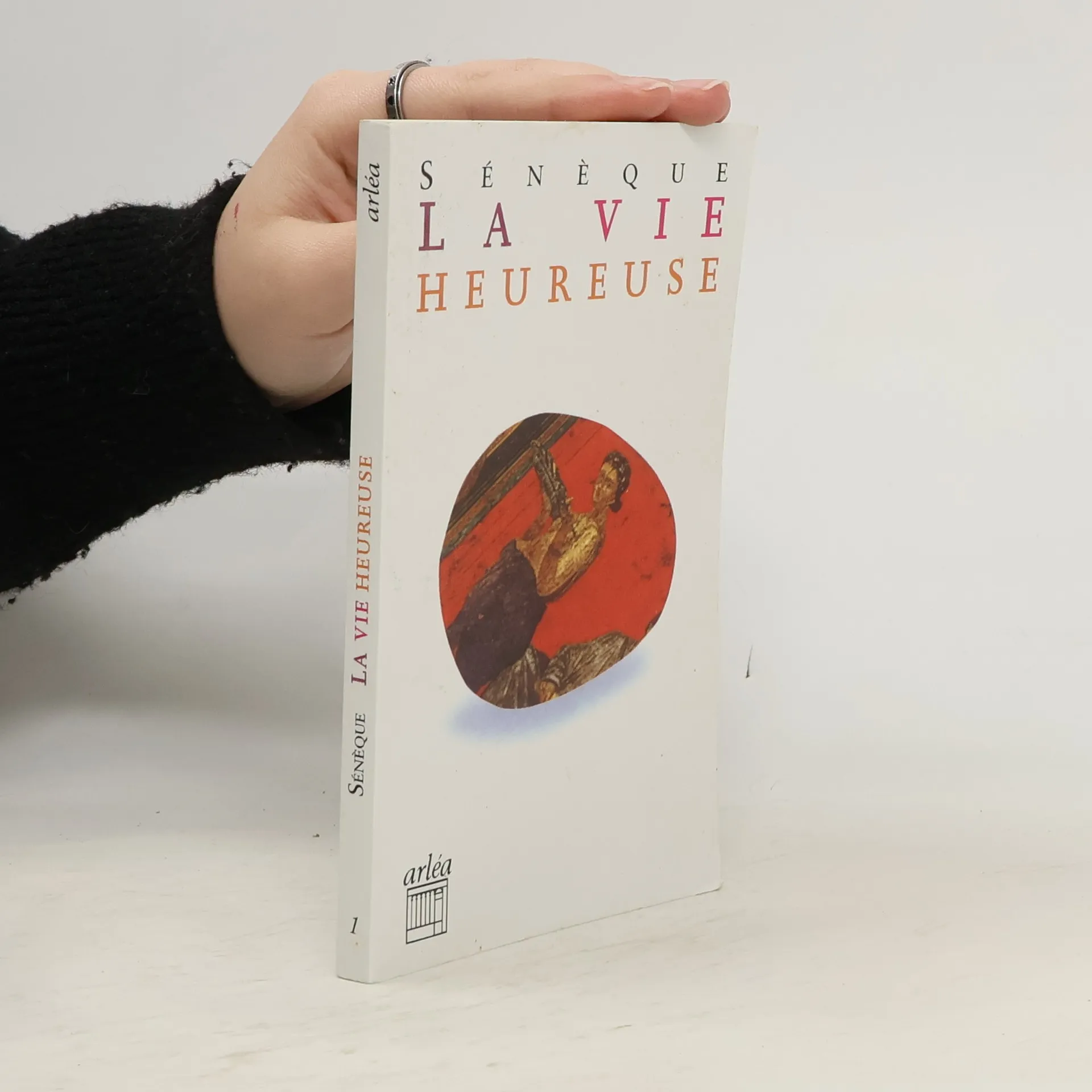
    La vie heureuse 1
    • La vie heureuse 1

      • 192pages
      • 7 heures de lecture
      3,9(45)Évaluer

      Peut-on être philosophe dans n'importe quelle société et dans n'importe quelle situation? Ou, plus précisément, peut-on philosopher quand on est l'homme le plus riche de son temps? Peut-on philosopher quand on est pris dans les obligations de la vie sociale? Ces interrogations sont peut-être les avatars d'une question plus fondamentale, celle du rapport de la philosophie au pouvoir politique - question qui ne pouvait manquer de passionner Sénèque, philosophe stoïcien, homme fabuleusement riche et précepteur de l'empereur Néron. Traductions par José Kany - Turpin et Pierre Pellegrin Couverture: Illustration Virginie Berthemet.

      La vie heureuse 1
    • De la vie heureuse

      et De la tranquillité de l'âme

      3,9(31)Évaluer

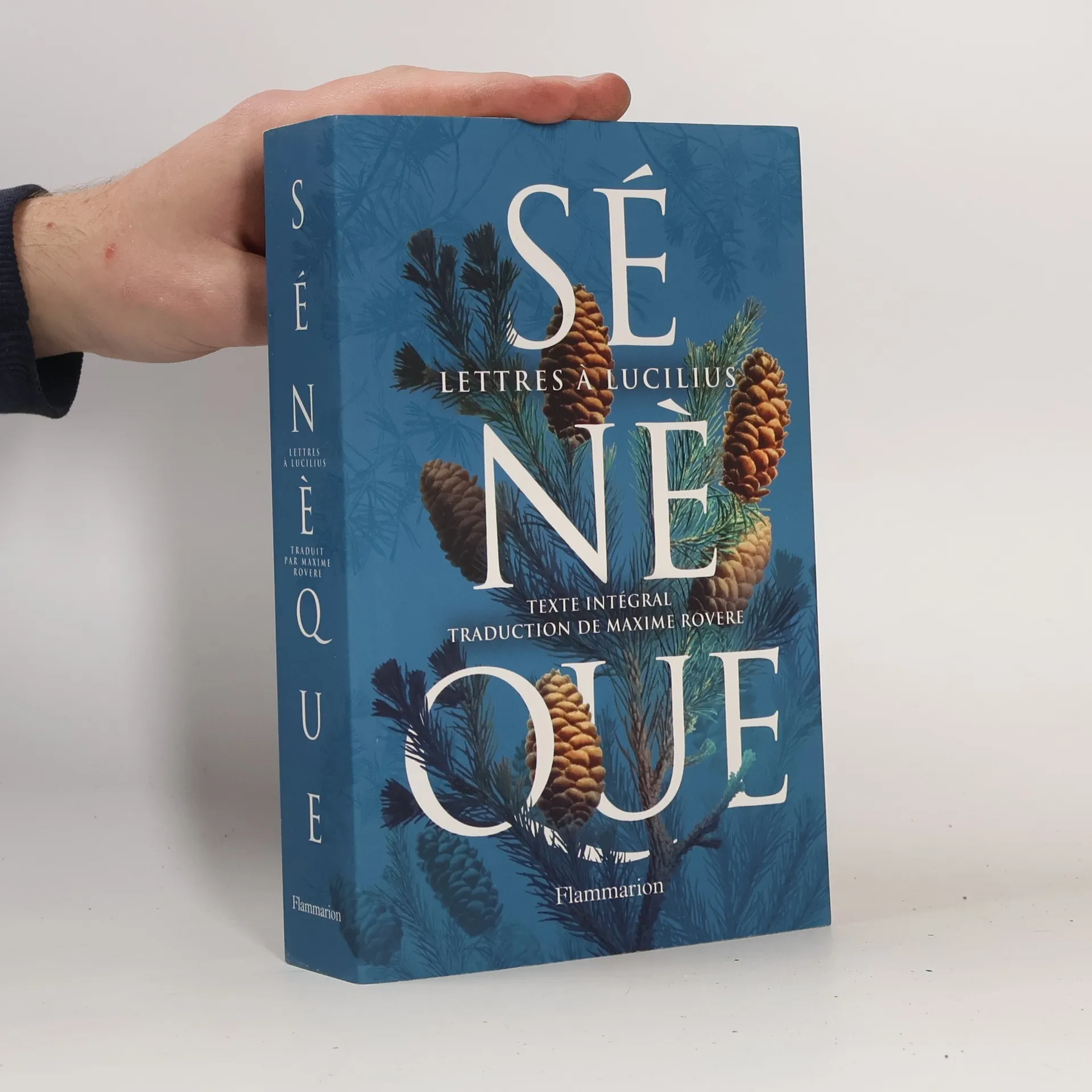
      Il n'est certes pas facile de parvenir à la vie heureuse, et on s'en éloigne d'autant plus que l'on court plus rapidement après elle, si l'on s'est trompé de chemin. " Voici deux dialogues fondateurs de la pensée de Sénèque. De la vie heureuse est dédié au frère du philosophe, Gallion, et nous livre à la fois une réflexion sur le bonheur et une critique de l'épicurisme. Dans De la tranquillité de l'âme, Sénèque répond aux doutes de son ami Sérénus, soucieux de retrouver le repos intérieur. Tout en lui dessinant les contours d'un engagement politique salutaire, il lui prodigue aussi des conseils quant au choix de ses amis, à l'attitude à adopter face à l'adversité, ou au rapport à l'argent... Le philosophe entend ainsi nous enseigner les valeurs chères aux stoïciens, vertu et détachement, qui jalonnent le chemin d'une vie heureuse.
      De la vie heureuse
    • Letters on Ethics: To Lucilius

      • 604pages
      • 22 heures de lecture
      4,6(33)Évaluer

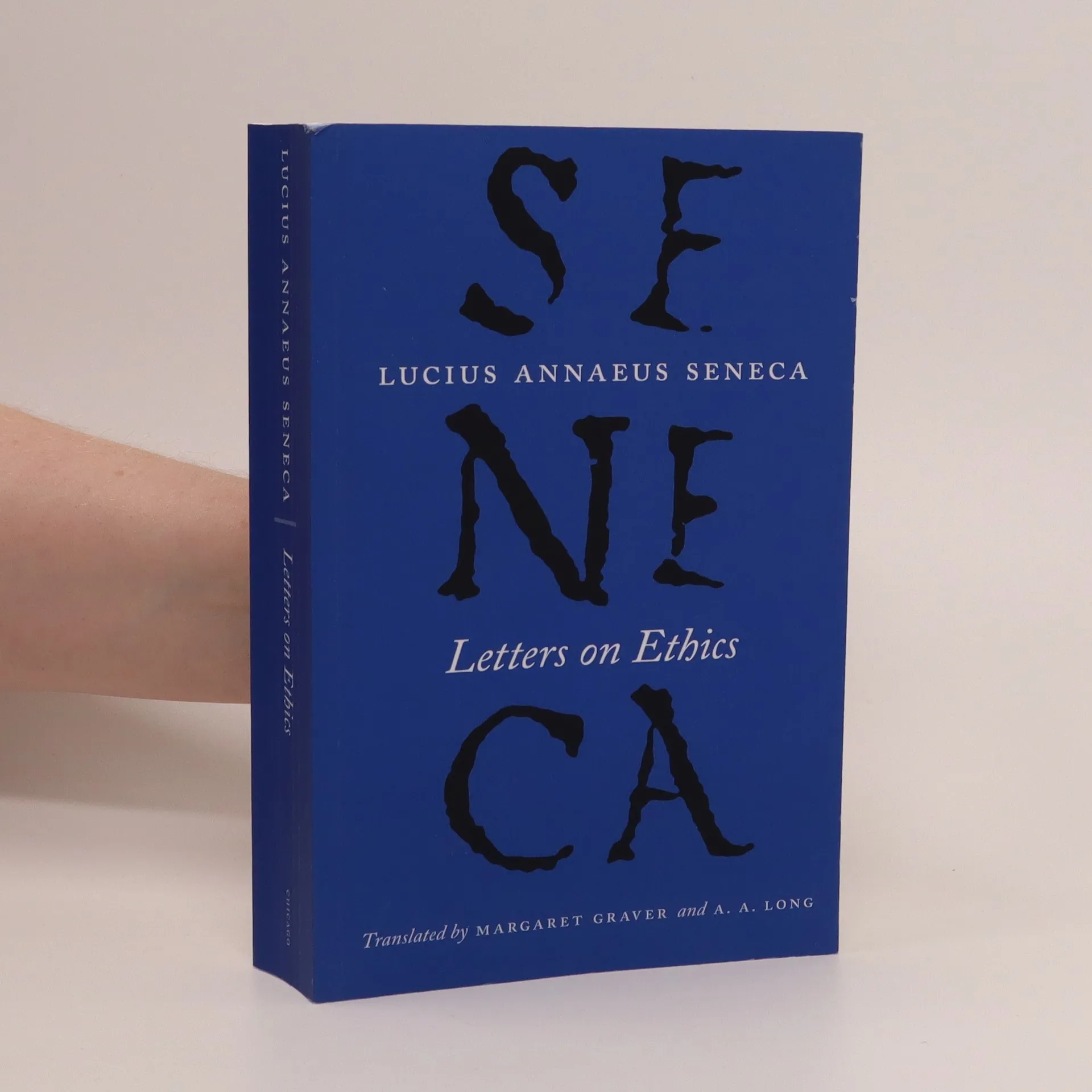
      The Roman statesman and philosopher Seneca (4 BCE–65 CE) recorded his moral philosophy and reflections on life as a highly original kind of correspondence. Letters on Ethics includes vivid descriptions of town and country life in Nero’s Italy, discussions of poetry and oratory, and philosophical training for Seneca’s friend Lucilius. This volume, the first complete English translation in nearly a century, makes the Letters more accessible than ever before. Written as much for a general audience as for Lucilius, these engaging letters offer advice on how to deal with everything from nosy neighbors to sickness, pain, and death. Seneca uses the informal format of the letter to present the central ideas of Stoicism, for centuries the most influential philosophical system in the Mediterranean world. His lively and at times humorous expositions have made the Letters his most popular work and an enduring classic. Including an introduction and explanatory notes by Margaret Graver and A. A. Long, this authoritative edition will captivate a new generation of readers.

      Letters on Ethics: To Lucilius
    • Hardship and Happiness

      • 348pages
      • 13 heures de lecture
      4,5(101)Évaluer

      The collection features Seneca's remaining essays, focusing on themes of consolation, happiness, and tranquility amid life's challenges. These writings, often used in undergraduate philosophy courses, aim to provide edification and insight into achieving a fulfilling life. Fantham's translation is highlighted as a standout element of the volume, enhancing the accessibility and impact of Seneca's thought.

      Hardship and Happiness
    • In 124 epistles Seneca (c. 4-65 CE) writes to Lucilius, occasionally about technical problems of philosophy, but more often in a relaxed style about moral and ethical questions, relating them to personal experiences. He thus presents a Stoic philosopher's thoughts about the good life in a contemporary context.

      Epistulae Morales
    • On Benefits

      • 184pages
      • 7 heures de lecture
      5,0(2)Évaluer

      Lucius Annaeus Seneca (4 BCE–65 CE) was a Roman Stoic philosopher, dramatist, statesman, and advisor to the emperor Nero, all during the Silver Age of Latin literature. The Complete Works of Lucius Annaeus Seneca is a fresh and compelling series of new English-language translations of his works in eight accessible volumes. Edited by world-renowned classicists Elizabeth Asmis, Shadi Bartsch, and Martha C. Nussbaum, this engaging collection restores Seneca—whose works have been highly praised by modern authors from Desiderius Erasmus to Ralph Waldo Emerson—to his rightful place among the classical writers most widely studied in the humanities. On Benefits, written between 56 and 64 CE, is a treatise addressed to Seneca’s close friend Aebutius Liberalis. The longest of Seneca’s works dealing with a single subject—how to give and receive benefits and how to express gratitude appropriately—On Benefits is the only complete work on what we now call “gift exchange” to survive from antiquity. Benefits were of great personal significance to Seneca, who remarked in one of his later letters that philosophy teaches, above all else, to owe and repay benefits well.

      On Benefits
    • Ad Lucilium Epistulae Morales

      • 344pages
      • 13 heures de lecture
      5,0(2)Évaluer

      The Epistulae morales ad Lucilium (Moral letters to Lucilius) is a bundle of 124 letters which were written by Seneca the Younger at the end of his life. These letters all start with the phrase "Seneca Lucilio suo salutem" (Seneca greets his Lucilius) and end with the word "Vale" (Farewell). In these letters, Seneca gives Lucilius tips on how to become a more devoted Stoic. Lucilius was, at that time, the Governor of Sicily, although he is known only through Seneca's writings. Some of the letters include "On Noise" and "Asthma". Others include letters on "the influence of the masses" and "how to deal with one's slaves". Although they deal with Seneca's eclectic form of Stoic philosophy, they also give us valuable insights in the daily life in ancient Rome.

      Ad Lucilium Epistulae Morales
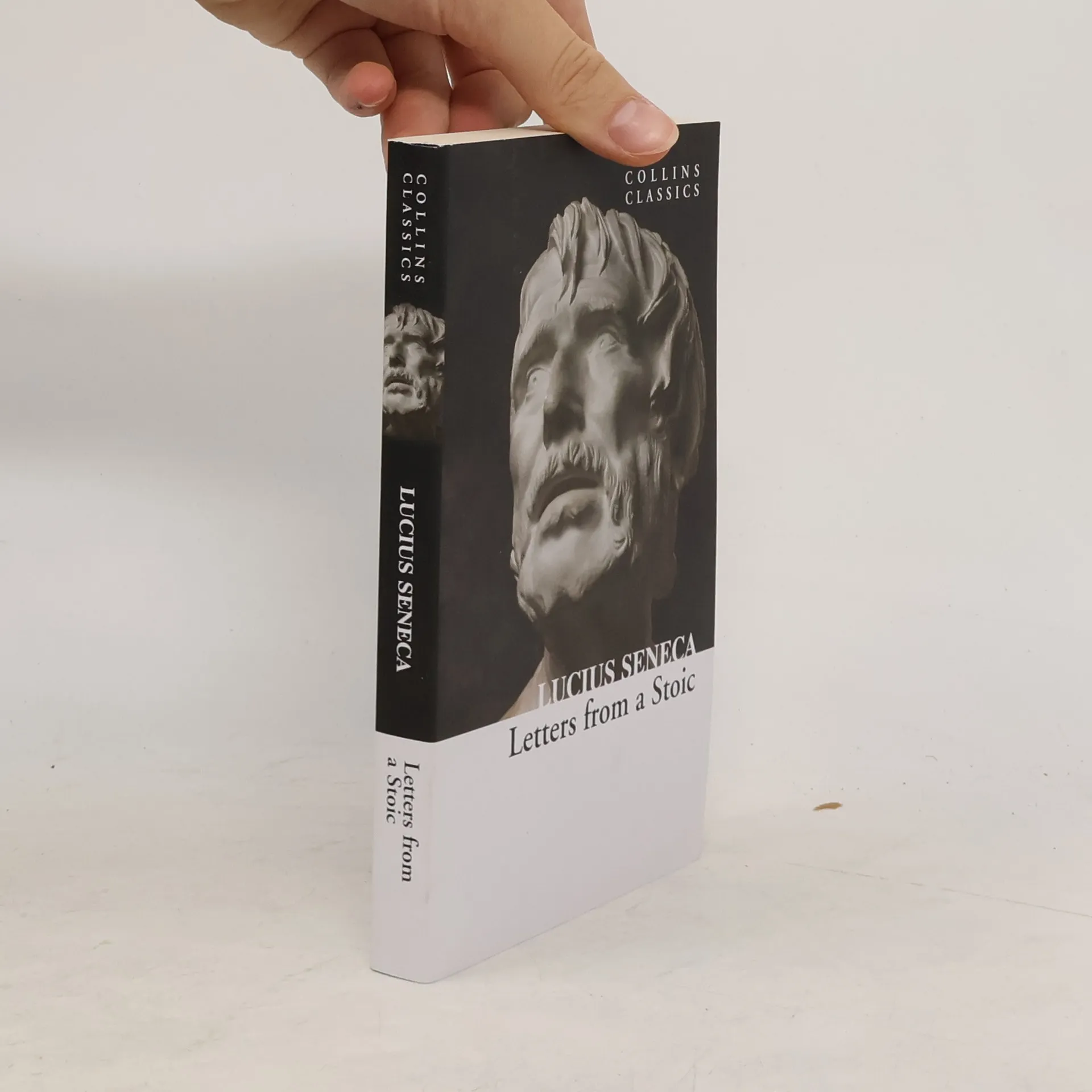
    • Letters from a Stoic

      • 256pages
      • 9 heures de lecture
      4,4(39031)Évaluer

      HarperCollins is proud to present its incredible range of best-loved, essential classics. No man can live a happy life, or even a supportable life, without the study of wisdom Lucius Annaeus Seneca (4 BC-AD 65) is one of the most famous Roman philosophers. Instrumental in guiding the Roman Empire under emperor Nero, Seneca influenced him from a young age with his Stoic principles. Later in life, he wrote Epistulae Morales ad Lucilium, or Letters from a Stoic, detailing these principles in full. Seneca's letters read like a diary, or a handbook of philosophical meditations. Often beginning with observations on daily life, the letters focus on many traditional themes of Stoic philosophy, such as the contempt of death, the value of friendship and virtue as the supreme good. Using Gummere's translation from the early twentieth century, this selection of Seneca's letters shows his belief in the austere, ethical ideals of Stoicism - teachings we can still learn from today.

      Letters from a Stoic
    • The collection features 124 letters by Seneca, exploring core themes of Stoic philosophy, including the acceptance of death, the resilience of the wise, and the pursuit of virtue as the highest good. Through personal reflections and practical advice, Seneca emphasizes the importance of inner strength and moral integrity, offering timeless insights into leading a meaningful life.

      Letters from a Stoic (Complete) (Royal Collector's Edition) (Case Laminate Hardcover with Jacket)