
Bookbot

D. C. Dennett

    28 mars 1942 – 19 avril 2024

    Daniel Dennett est un philosophe éminent dont l'œuvre explore la philosophie de l'esprit, la science et la biologie, particulièrement dans leurs intersections avec la biologie évolutive et les sciences cognitives. Reconnu pour sa perspective séculière, il contribue de manière significative à la compréhension de la conscience et de sa place dans le monde naturel. Son écriture se caractérise par la clarté et une volonté de relier des domaines de pensée apparemment distincts.

    D. C. Dennett
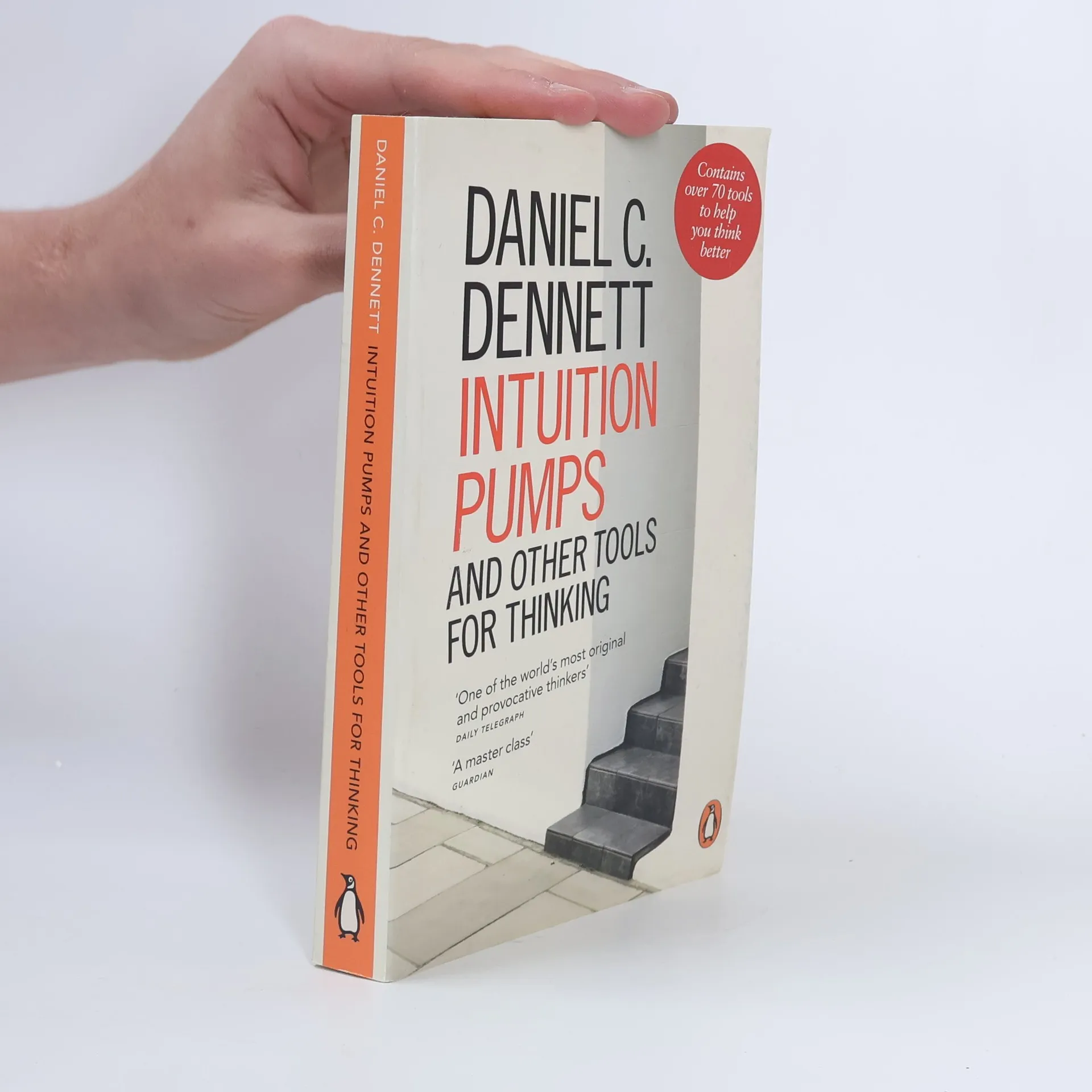
    Intuition Pumps And Other Tools for Thinking
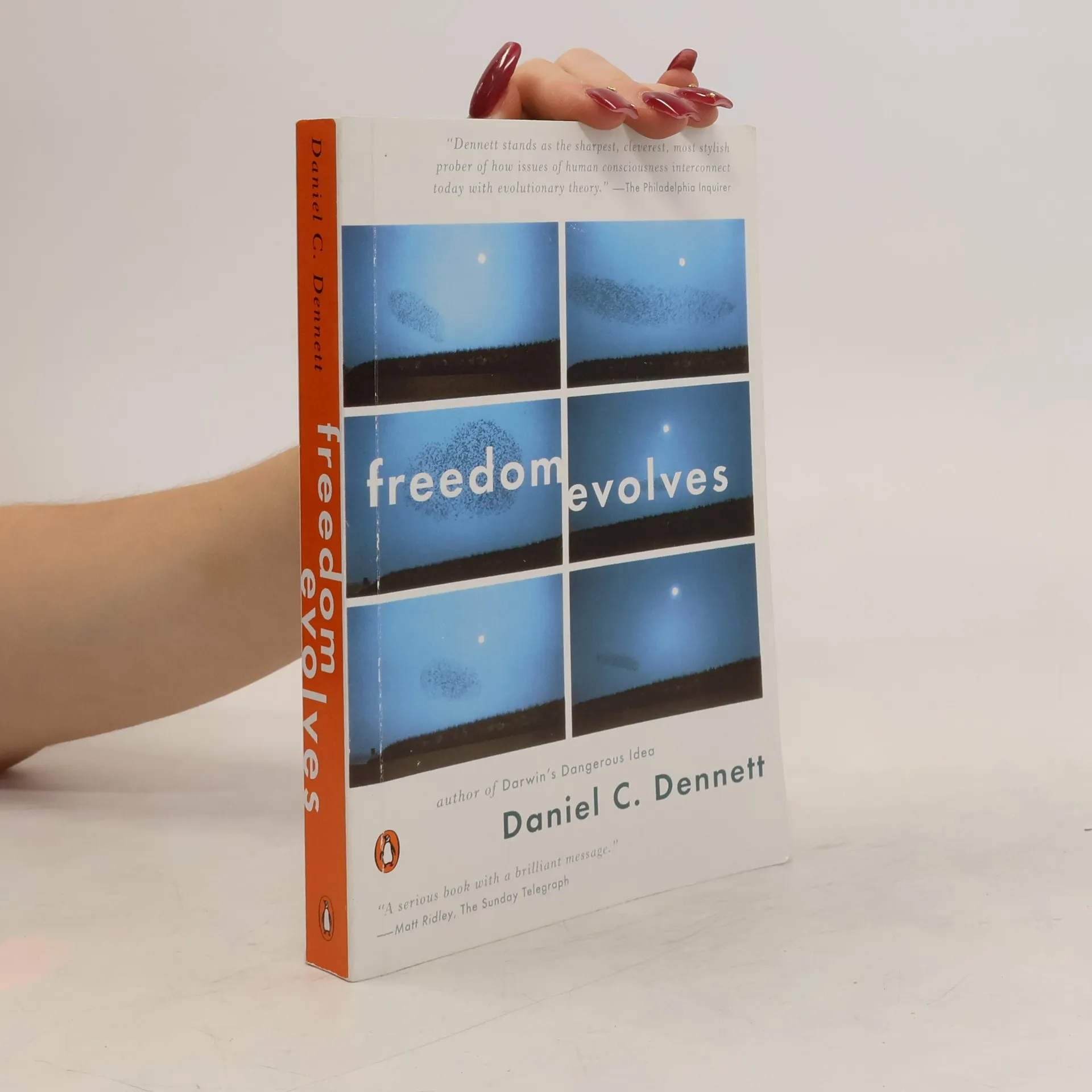
    Freedom Evolves
    Breaking the Spell
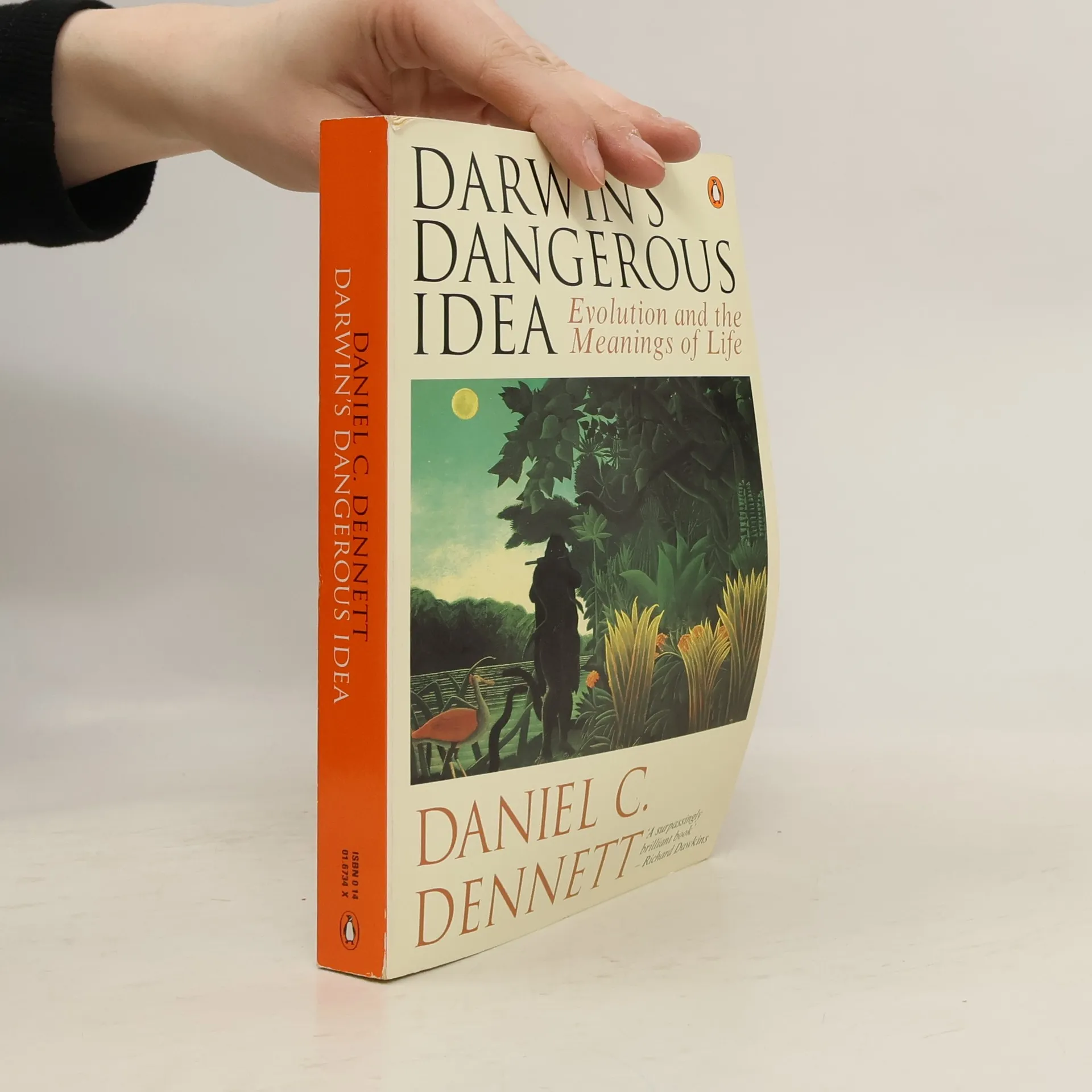
    Darwin's Dangerous Idea
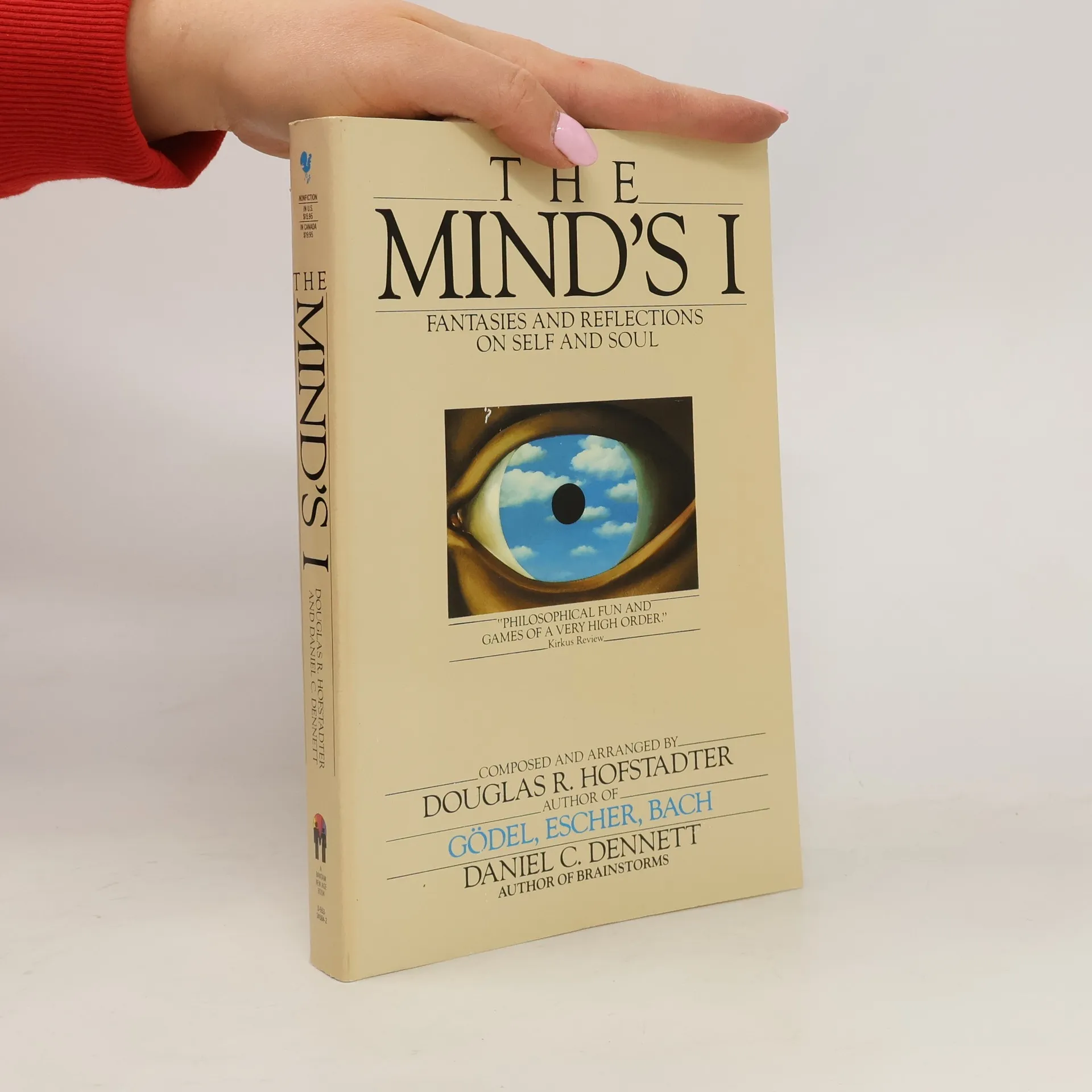
    The mind's I : fantasies and reflections on self and soul
    Just Deserts
    • Just Deserts

      • 200pages
      • 7 heures de lecture
      4,1(16)Évaluer

      The concept of free will is profoundly important to our self-understanding, our interpersonal relationships, and our moral and legal practices. If it turns out that no one is ever free and morally responsible, what would that mean for society, morality, meaning, and the law? Just Deserts brings together two philosophers – Daniel C. Dennett and Gregg D. Caruso – to debate their respective views on free will, moral responsibility, and legal punishment. In three extended conversations, Dennett and Caruso present their arguments for and against the existence of free will and debate their implications. Dennett argues that the kind of free will required for moral responsibility is compatible with determinism – for him, self-control is key; we are not responsible for becoming responsible, but are responsible for staying responsible, for keeping would-be puppeteers at bay. Caruso takes the opposite view, arguing that who we are and what we do is ultimately the result of factors beyond our control, and because of this we are never morally responsible for our actions in the sense that would make us truly deserving of blame and praise, punishment and reward. Just Deserts introduces the concepts central to the debate about free will and moral responsibility by way of an entertaining, rigorous, and sometimes heated philosophical dialogue between two leading thinkers.

      Just Deserts
    • Brilliant, shattering, mind-jolting,The Mind's Iis a searching, probing nook--a cosmic journey of the mind--that goes deeply into the problem of self and self-consciousness as anything written in our time. From verbalizing chimpanzees to scientific speculations involving machines with souls, from the mesmerizing, maze-like fiction of Borges to the tantalizing, dreamlike fiction of Lem and Princess Ineffable, her circuits glowing read and gold,The Mind's I opens the mind to the Black Box of fantasy, to the windfalls of reflection, to new dimensions of exciting possibilities.
      The mind's I : fantasies and reflections on self and soul
    • Darwin's Dangerous Idea

      • 592pages
      • 21 heures de lecture
      4,1(16184)Évaluer

      Argues that the theory of evolution can demystify the miracles of life without devaluing our most cherished beliefs. In this book, the author explores every aspect of evolutionary thinking to show why it is so fundamental to our existence, and why it affirms - not threatens - our convictions about the meaning of life.

      Darwin's Dangerous Idea
    • Breaking the Spell

      • 448pages
      • 16 heures de lecture
      3,9(691)Évaluer

      The New York Times bestseller – a “crystal-clear, constantly engaging” (Jared Diamond) exploration of the role that religious belief plays in our lives and our interactions For all the thousands of books that have been written about religion, few until this one have attempted to examine it scientifically: to ask why—and how—it has shaped so many lives so strongly. Is religion a product of blind evolutionary instinct or rational choice? Is it truly the best way to live a moral life? Ranging through biology, history, and psychology, Daniel C. Dennett charts religion’s evolution from “wild” folk belief to “domesticated” dogma. Not an antireligious screed but an unblinking look beneath the veil of orthodoxy, Breaking the Spell will be read and debated by believers and skeptics alike.

      Breaking the Spell
    • Freedom Evolves

      • 368pages
      • 13 heures de lecture
      3,8(2515)Évaluer

      Can there be freedom and free will in a deterministic world? Renowned philosopher Daniel Dennett emphatically answers "yes!" Using an array of provocative formulations, Dennett sets out to show how we alone among the animals have evolved minds that give us free will and morality. Weaving a richly detailed narrative, Dennett explains in a series of strikingly original arguments—drawing upon evolutionary biology, cognitive neuroscience, economics, and philosophy—that far from being an enemy of traditional explorations of freedom, morality, and meaning, the evolutionary perspective can be an indispensable ally. In Freedom Evolves, Dennett seeks to place ethics on the foundation it deserves: a realistic, naturalistic, potentially unified vision of our place in nature.

      Freedom Evolves
    • 3,8(2577)Évaluer

      One of the world's leading philosophers offers aspiring thinkers his personal trove of mind-stretching thought experiments. Includes 77 of Dennett's most successful "imagination-extenders and focus-holders.O

      Intuition Pumps And Other Tools for Thinking
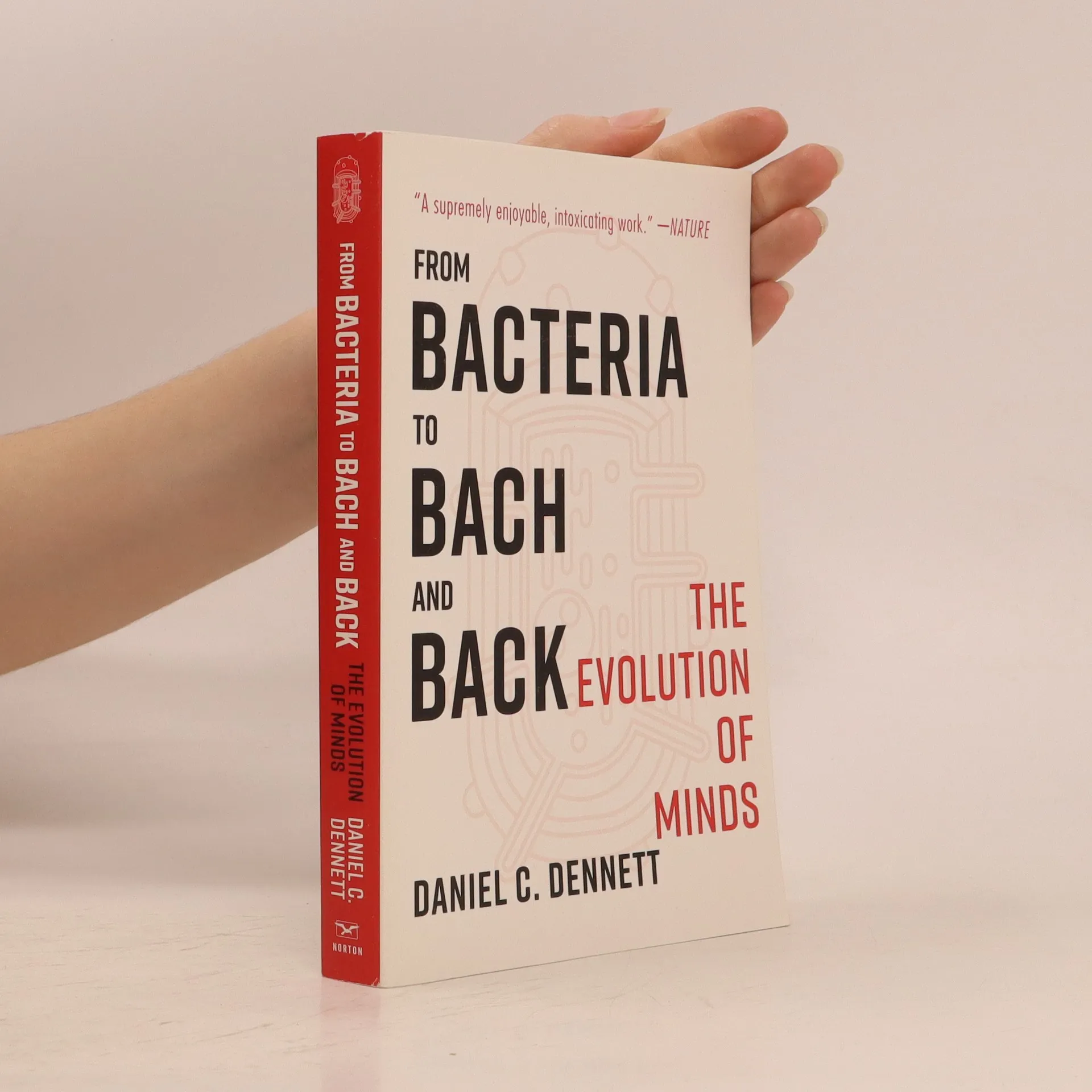
    • From Bacteria to Bach and Back

      • 496pages
      • 18 heures de lecture
      3,7(762)Évaluer

      One of America's foremost philosophers offers a major new account of the origins of the conscious mind.

      From Bacteria to Bach and Back
    • 'One of today's most readable, intellectually nimble and scientifically literate philosophers' Nature 'Who would have guessed that a philosopher's life could be so full of adventures?' Daniel C. Dennett, philosopher and cognitive scientist, has spent his career considering consciousness. I've Been Thinking traces the development of Dennett's own intellect and instructs us how we too can become good thinkers. Dennett's restless curiosity leads him from his childhood in Beirut to Harvard, and from Parisian jazz clubs to 'tillosophy' on his tractor in Maine. Along the way, he encounters and debates with a host of legendary thinkers, and reveals the breakthroughs and misjudgments that shaped his paradigm-shifting philosophies. Thinking, Dennett argues, is hard, and risky. In fact, all good philosophical thinking is inevitably accompanied by bafflement, frustration and self-doubt. It is only in getting it wrong that we, very occasionally, find a way to get it right. This memoir by one of the greatest philosophers of our time will speak to anyone who seeks a life of the mind with adventure and creativity.

      I've Been Thinking
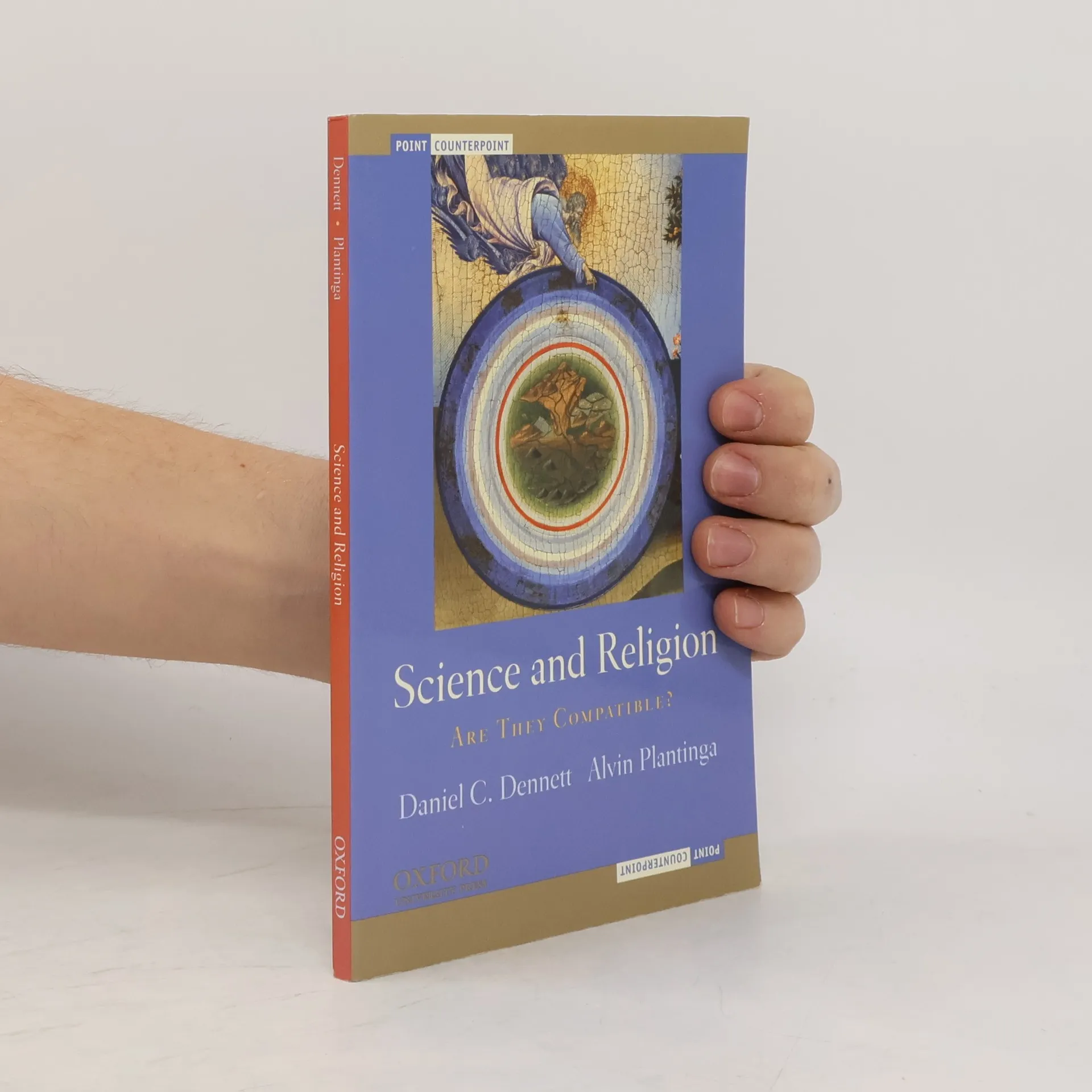
    • Science and Religion

      • 82pages
      • 3 heures de lecture
      3,5(200)Évaluer

      An enlightening discussion that will motivate students to think critically, the book opens with Plantinga's assertion that Christianity is compatible with evolutionary theory because Christians believe that God created the living world, and it is entirely possible that God did so by using a process of evolution.

      Science and Religion
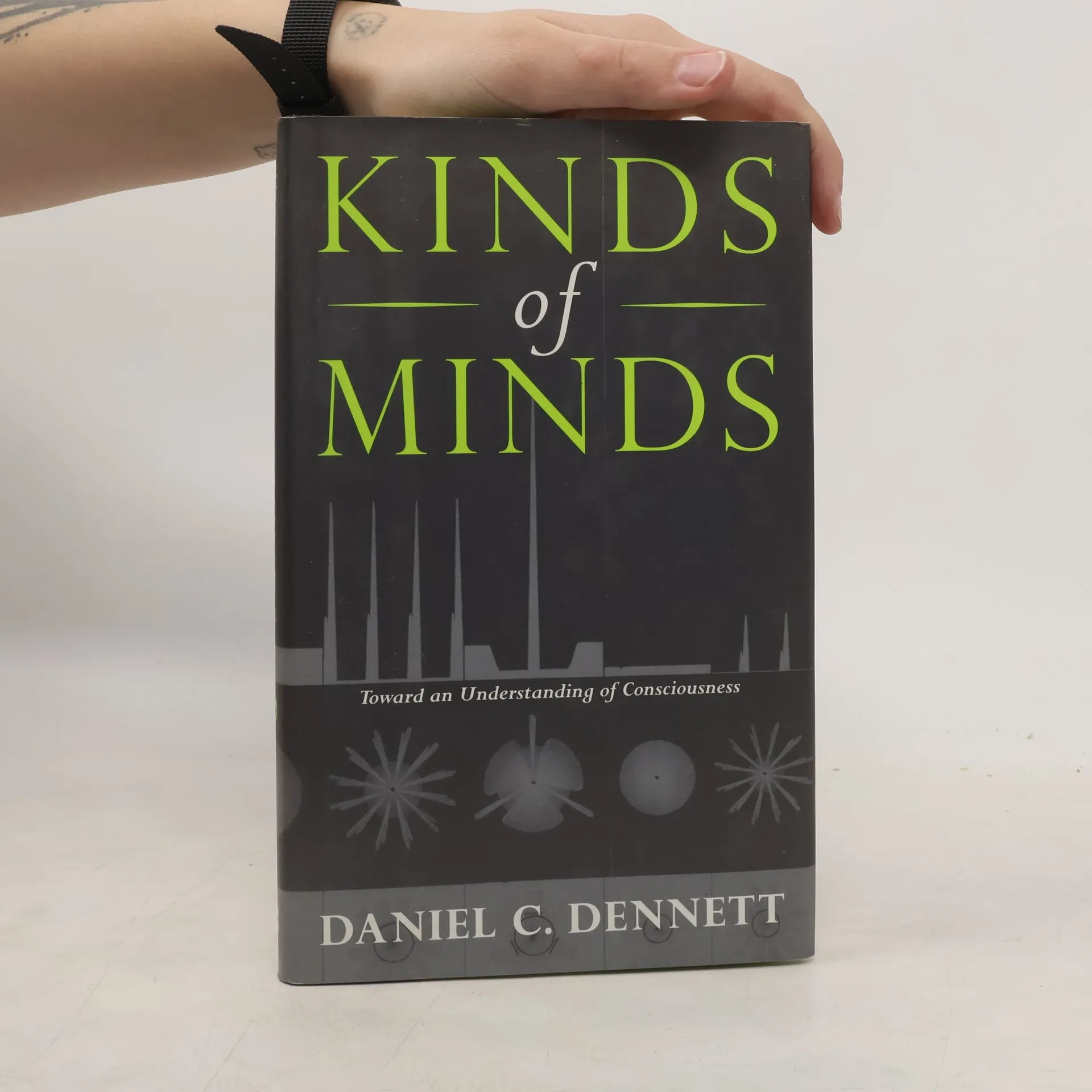
    • Kinds of Minds

      Toward an Understanding of Consciousness

      • 184pages
      • 7 heures de lecture

      Combining ideas from philosophy, artificial intelligence, and neurobiology, Daniel Dennett leads the reader on a fascinating journey of inquiry, exploring such intriguing possibilities as: Can any of us really know what is going on in someone else's mind? What distinguishes the human mind from the minds of animals, especially those capable of complex behavior? If such animals, for instance, were magically given the power of language, would their communities evolve an intelligence as subtly discriminating as ours? Will robots, once they have been endowed with sensory systems like those that provide us with experience, ever exhibit the particular traits long thought to distinguish the human mind, including the ability to think about thinking? Dennett addresses these questions from an evolutionary perspective. Beginning with the macromolecules of DNA and RNA, the author shows how, step-by-step, animal life moved from the simple ability to respond to frequently recurring environmental conditions to much more powerful ways of beating the odds, ways of using patterns of past experience to predict the future in never-before-encountered situations. Whether talking about robots whose video-camera ”eyes” give us the powerful illusion that ”there is somebody in there” or asking us to consider whether spiders are just tiny robots mindlessly spinning their webs of elegant design, Dennett is a master at finding and posing questions sure to stimulate and even disturb.

      Kinds of Minds