

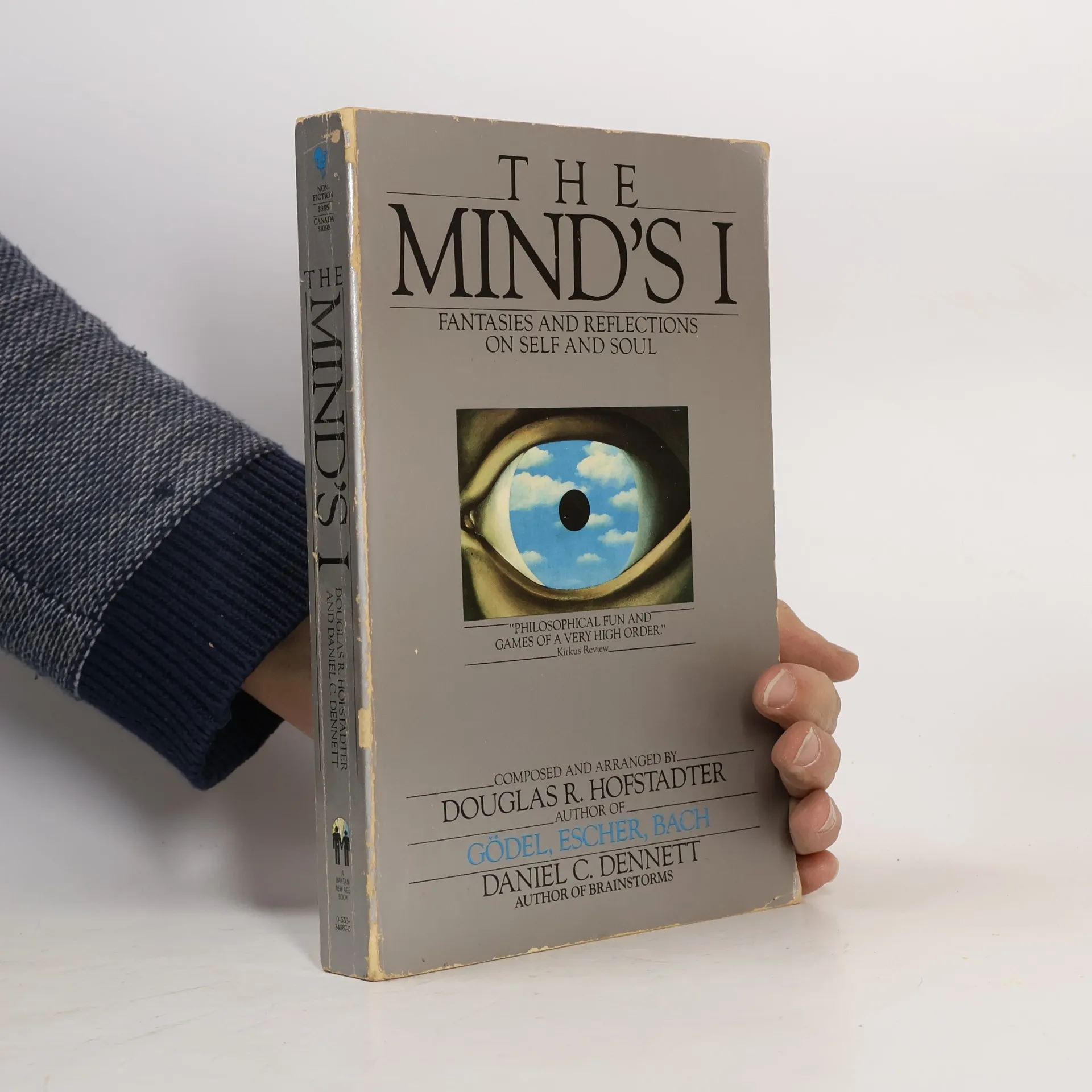
The Mind's I
Fantasies and Reflections on Self and Soul
Évaluation du livre
Paramètres
- 501pages
- 18 heures de lecture
En savoir plus sur le livre
Ever wondered who you really are? This collection enlivens this central question in the philosophy of mind, addressing the ultimate inquiries about the self. Editors Hofstadter and Dennett, prominent figures in cognitive science and philosophy, present a variety of approaches to the question, "Who am I?" Each selection is accompanied by reflections that elaborate on main themes, making complex ideas accessible to a general audience. The essays are organized into six categories, progressively raising philosophical stakes and introducing new levels of complexity. Readers confront challenging questions such as the nature of free will, our place in the metaphysical world, and the potential of artificial intelligence. The book concludes with a thought-provoking piece by Robert Nozick, who ponders whether this world is fictional or real, leaving readers to consider which reality they hope for. This exploration invites deep reflection on identity and existence, making it a significant contribution to modern philosophical discourse.


Achat du livre
The Mind's I, D. C. Dennett, Douglas Hofstadter
- Langue

- Année de publication
- 1982
- Reliure
- (souple)
Modes de paiement
Il manque plus que ton avis ici.
- Titre
- The Mind's I
- Sous-titre
- Fantasies and Reflections on Self and Soul
- Langue
- Anglais
- Auteurs
- D. C. Dennett, Douglas Hofstadter
- Éditeur
- Bantam Books (NY/Toronto)
- Publié
- 1982
- Format
- souple
- Pages
- 501
- ISBN10
- 0553014129
- ISBN13
- 9780553014129
- Séries
- Catégories
- Mots clés
- Thèmes psychologiques, Thématique philosophique, Science, Littérature spécialisée, Intelligence Artificielle, Neurosciences
- Évaluation
- 4,15 sur 5
- Description
- Ever wondered who you really are? This collection enlivens this central question in the philosophy of mind, addressing the ultimate inquiries about the self. Editors Hofstadter and Dennett, prominent figures in cognitive science and philosophy, present a variety of approaches to the question, "Who am I?" Each selection is accompanied by reflections that elaborate on main themes, making complex ideas accessible to a general audience. The essays are organized into six categories, progressively raising philosophical stakes and introducing new levels of complexity. Readers confront challenging questions such as the nature of free will, our place in the metaphysical world, and the potential of artificial intelligence. The book concludes with a thought-provoking piece by Robert Nozick, who ponders whether this world is fictional or real, leaving readers to consider which reality they hope for. This exploration invites deep reflection on identity and existence, making it a significant contribution to modern philosophical discourse.