Bookbot

Marc Augé

    2 septembre 1935 – 24 juillet 2023

    Marc Augé est un anthropologue français dont l'œuvre examine les dynamiques de la société moderne. Sa carrière a évolué d'une focalisation sur des régions spécifiques à une perspective mondiale plus large. Augé explore comment les phénomènes locaux sont façonnés par les contextes mondiaux. Son écriture offre un cadre théorique pour comprendre notre monde interconnecté.

    Marc Augé
    Oblivion
    No Fixed Abode
    Paris, années 30
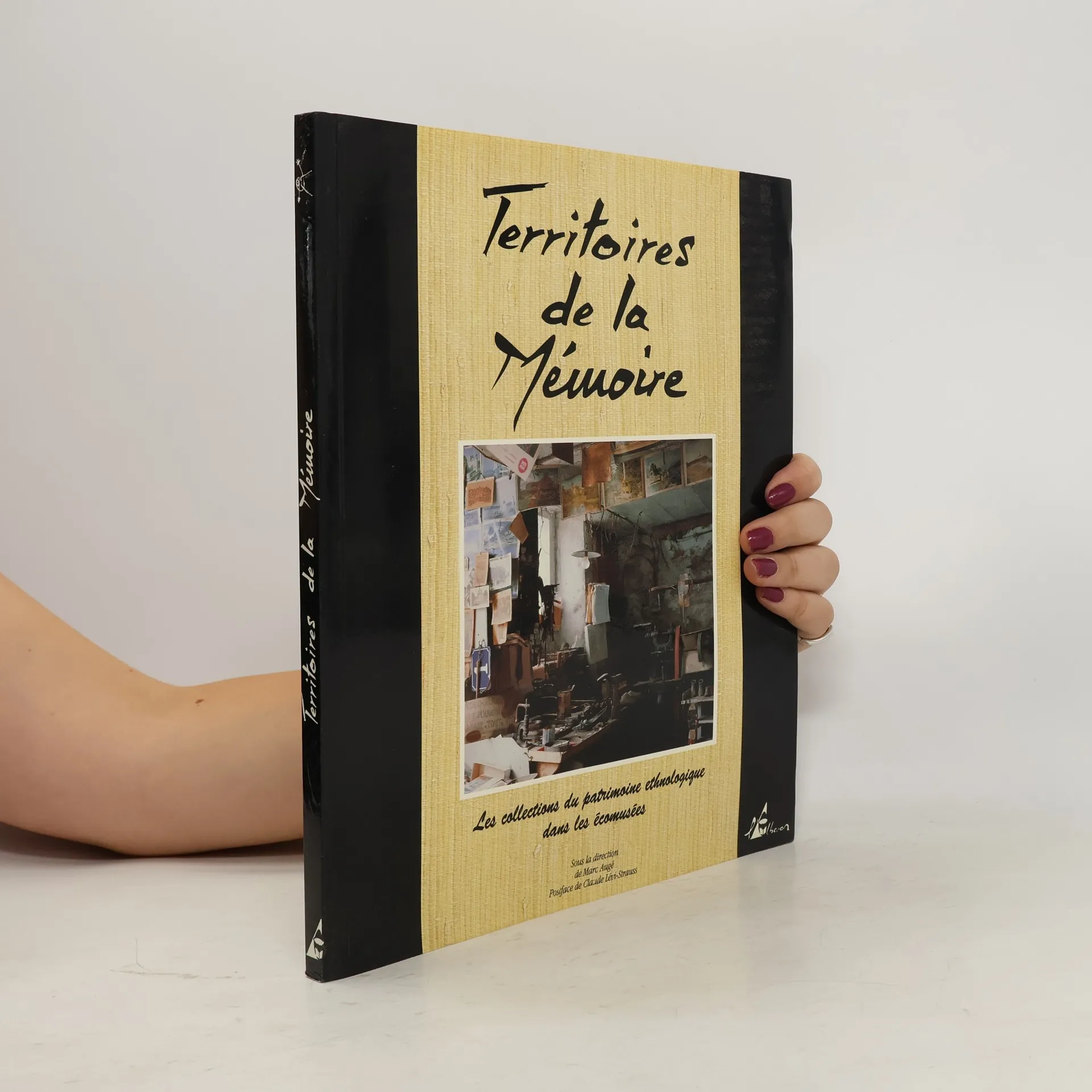
    Territoires de la Mémoire
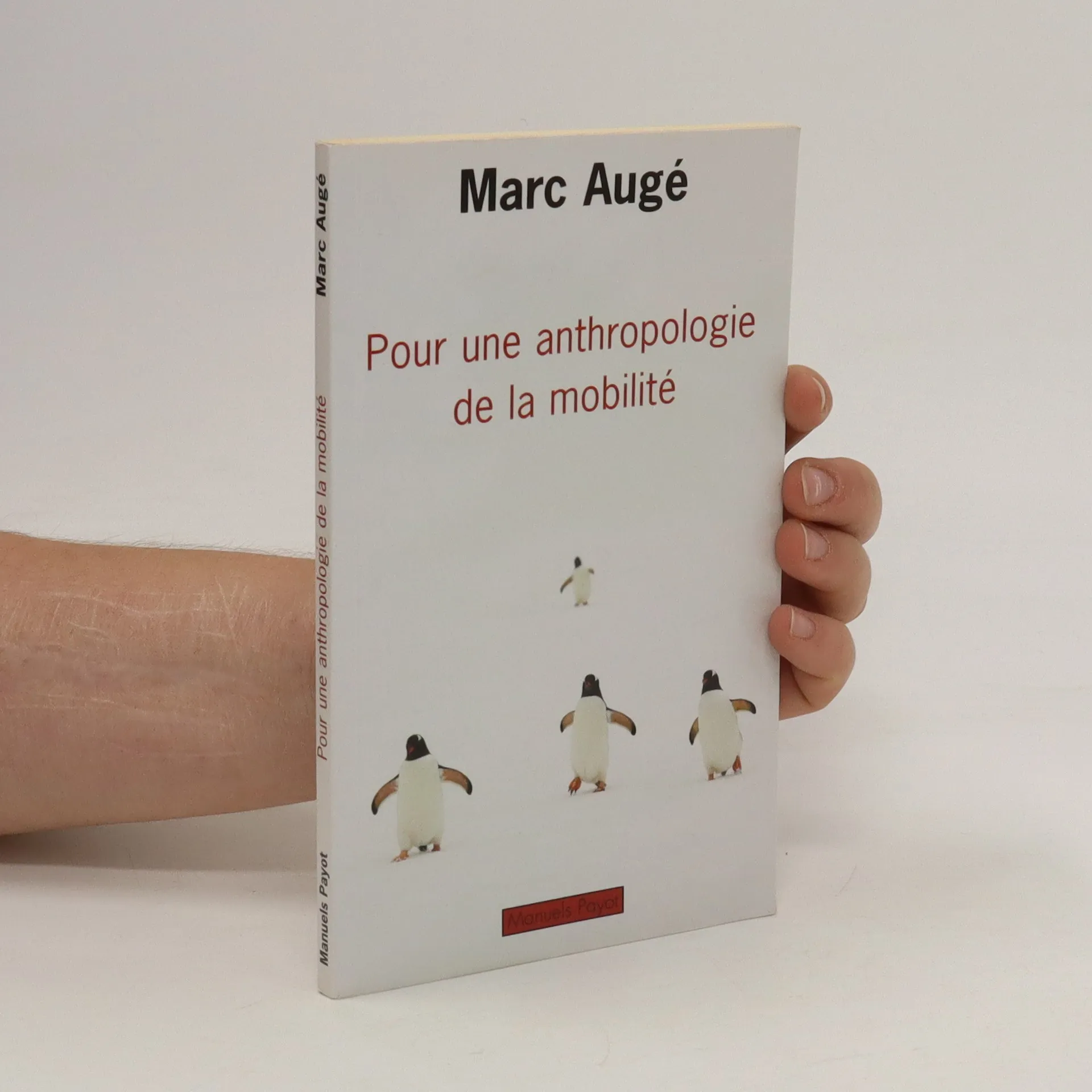
    Pour une anthropologie de la mobilité
    Non-lieux
    • Marc Augé poursuit son anthropologie du quotidien en explorant les non-lieux, ces espaces d'anonymat qui accueillent chaque jour des individus plus nombreux. Les non-lieux, ce sont aussi bien les installations nécessaires à la circulation accélérée des personnes et des biens que les moyens de transport eux-mêmes. Mais également les grandes chaînes hôtelières aux chambres interchangeables, les supermarchés ou encore, différemment, les camps de transit prolongé où sont parqués les réfugiés de la planète. Le non-lieu est donc tout le contraire d'une demeure, d'une résidence. Seul, mais semblable aux autres, l'utilisateur du non-lieu entretient avec celui-ci une relation contractuelle symbolisée par le billet de train ou d'avion, la carte présentée au péage ou même au chariot poussé dans les travées d'une grande surface. Dans ces non-lieux, on ne conquiert son anonymat qu'en fournissant la preuve de son identité - passeport, carte de crédit, chèque ou tout autre permis qui en autorise l'accès

      Non-lieux
    • Pour une anthropologie de la mobilité

      • 90pages
      • 4 heures de lecture
      3,2(15)Évaluer

      La notion de frontière -- L'urbanisation du monde -- L'aveuglement des regards -- Le scandale du tourisme -- Le déplacement de l'utopie -- Penser la mobilité

      Pour une anthropologie de la mobilité
    • Paris, années 30

      • 686pages
      • 25 heures de lecture

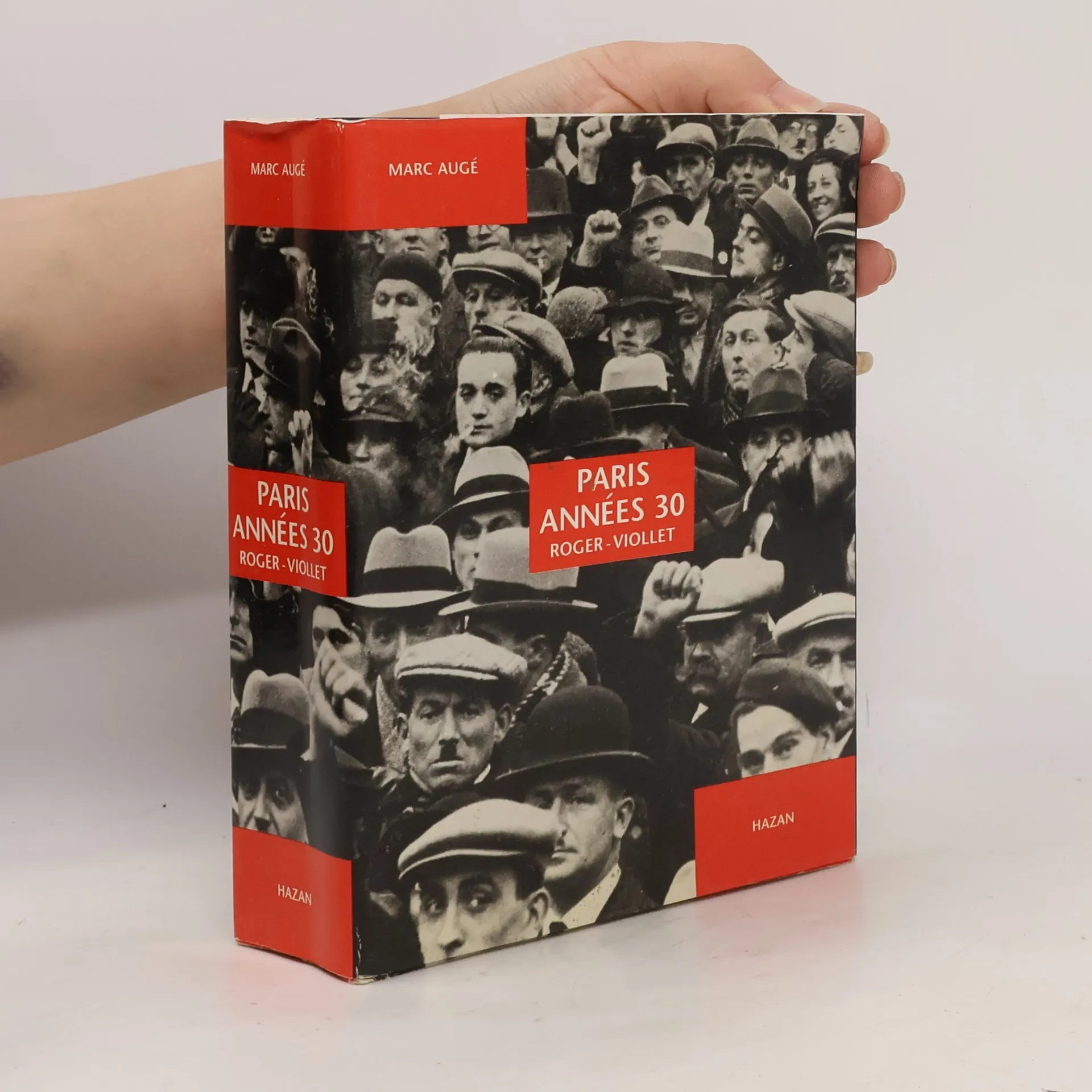
      Paris, années 30 documents on 640 pages the life of Paris between the wars. The politics, cultural life, fashion, industry and sports are arrestingly caught in marvellous photos. Portraits of the celebrities - Anouihl, Gance, Cocteau, Colette, de Saint-Exupery, Breton, Malreaux, Claudel, Gide, Chagall, Dali, LeCorbusier, Leger, Duchamp, Picasso - capture a whole era and directly arouse our interest and fascination. The era depicted covers the years 1930-39. These turbulent years following one war and presaging another were stirred by the forces competing for political and social power. As a portrait of the time the book reflects accurately upon Paris in the 1930's.
      Paris, années 30
    • No Fixed Abode

      • 80pages
      • 3 heures de lecture
      3,7(3)Évaluer

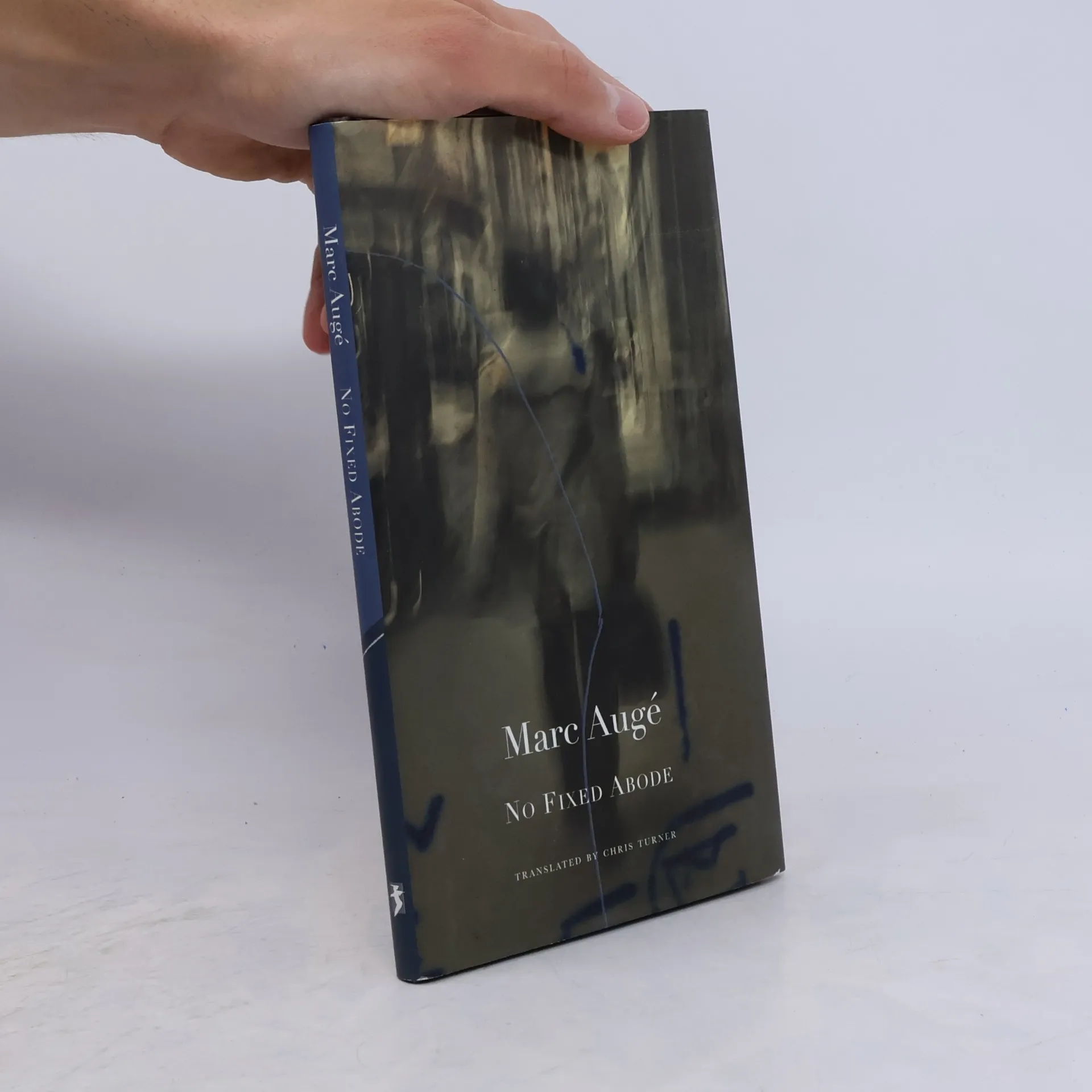
      In recent years, social workers have raised a new concern about the appearance of a new category among the working poor. Even employed, there are people so overburdened by the cost of living and so undercompensated that they cannot afford a place to sleep. According to the website for the Coalition for the Homeless, forty-four percent of the homeless in first world countries actually have jobs. In No Fixed Abode, Marc Augé's pathbreaking ethnofiction--a fictional ethnography--a man named Henri narrates his strange existence in the margins of Paris. By day he walks the streets, lingers in conversation with the local shopkeepers, and sits writing in cafés, but at night he takes shelter in an abandoned house. From here, we see a progressive erosion of Henri's identity, a loss of bearings, and a slow degeneration of his ability to relate to others. But then he meets the artist Dominique, whose willingness to share her life with him raises questions about who he has become and about what a person needs in order to be a part of society. This is a book about how we live in geographical space and how work and patterns of domicile affect our status and our inner being. Despite the apparent simplicity of the fictional premise, Augé's book asks serious questions about the nature of our culture.

      No Fixed Abode
    • Oblivion

      • 112pages
      • 4 heures de lecture
      4,0(61)Évaluer

      For the health of the psyche and the culture, for the individual and the whole society, oblivion is as necessary as memory. One must know how to forget, Marcus Auge suggests, not just to live fully in the present but also to comprehend the past.

      Oblivion
    • The Future

      • 106pages
      • 4 heures de lecture
      3,6(22)Évaluer

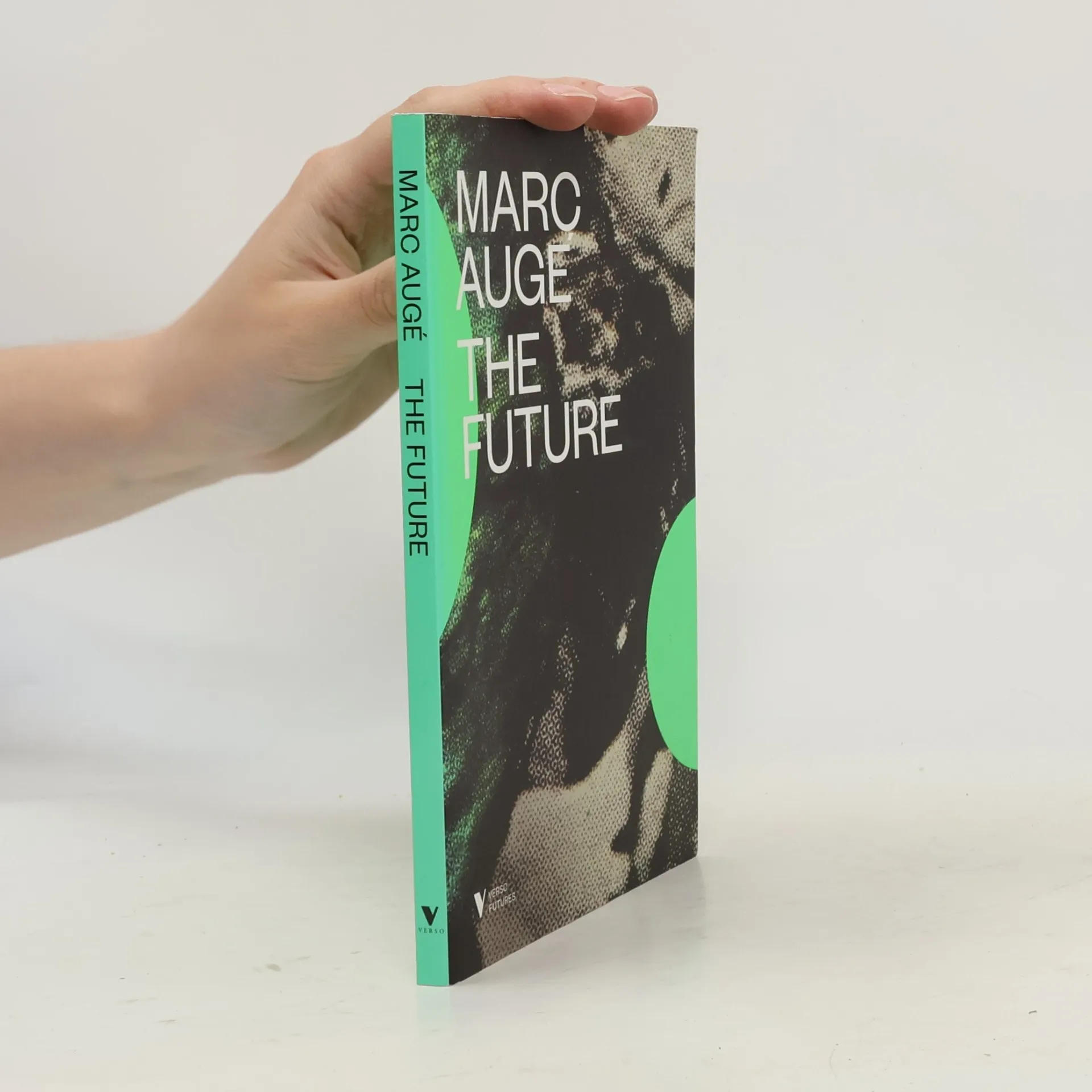
      For Marc Augé, best-selling author of Non-Places, the prevailing idea of “the Future” rests on our present fears of the contemporary world. It is to the future that we look for redemption and progress; but it is also where we project our personal and apocalyptic anxieties. By questioning notions of certainty, truth, and totality, Augé finds ways to separate the future from our eternal, terrified present and liberates the mind to allow it to conceptualize our possible futures afresh.

      The Future
    • A provocative study of the 'non-space' which defines our age's love for excess of information and space

      Non-Places
    • Part memoir, part manifesto, this is a celebration of the bicycle by French anthropologist Marc Auge.

      In Praise of the Bicycle