Bookbot

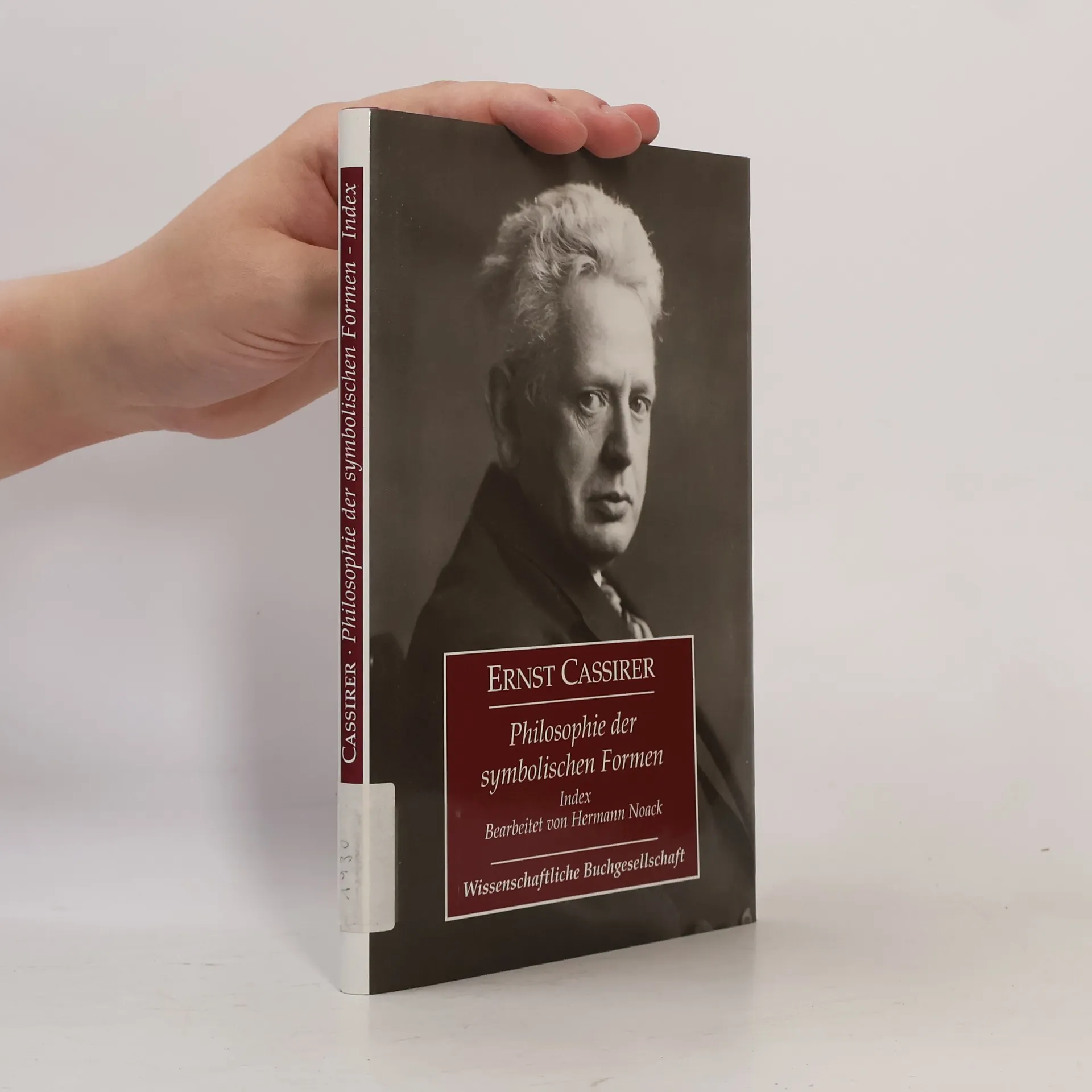
Ernst Cassirer

    28 mai 1874 – 13 avril 1945

    Ernst Cassirer fut une figure majeure de l'idéalisme philosophique dans la première moitié du XXe siècle. Issu de la tradition de Marbourg du néokantisme, il développa une philosophie de la culture fondée sur une théorie des symboles et une phénoménologie de la connaissance. Son œuvre explore les questions profondes de la compréhension humaine et de sa manifestation à travers diverses formes culturelles.

    Ernst Cassirer
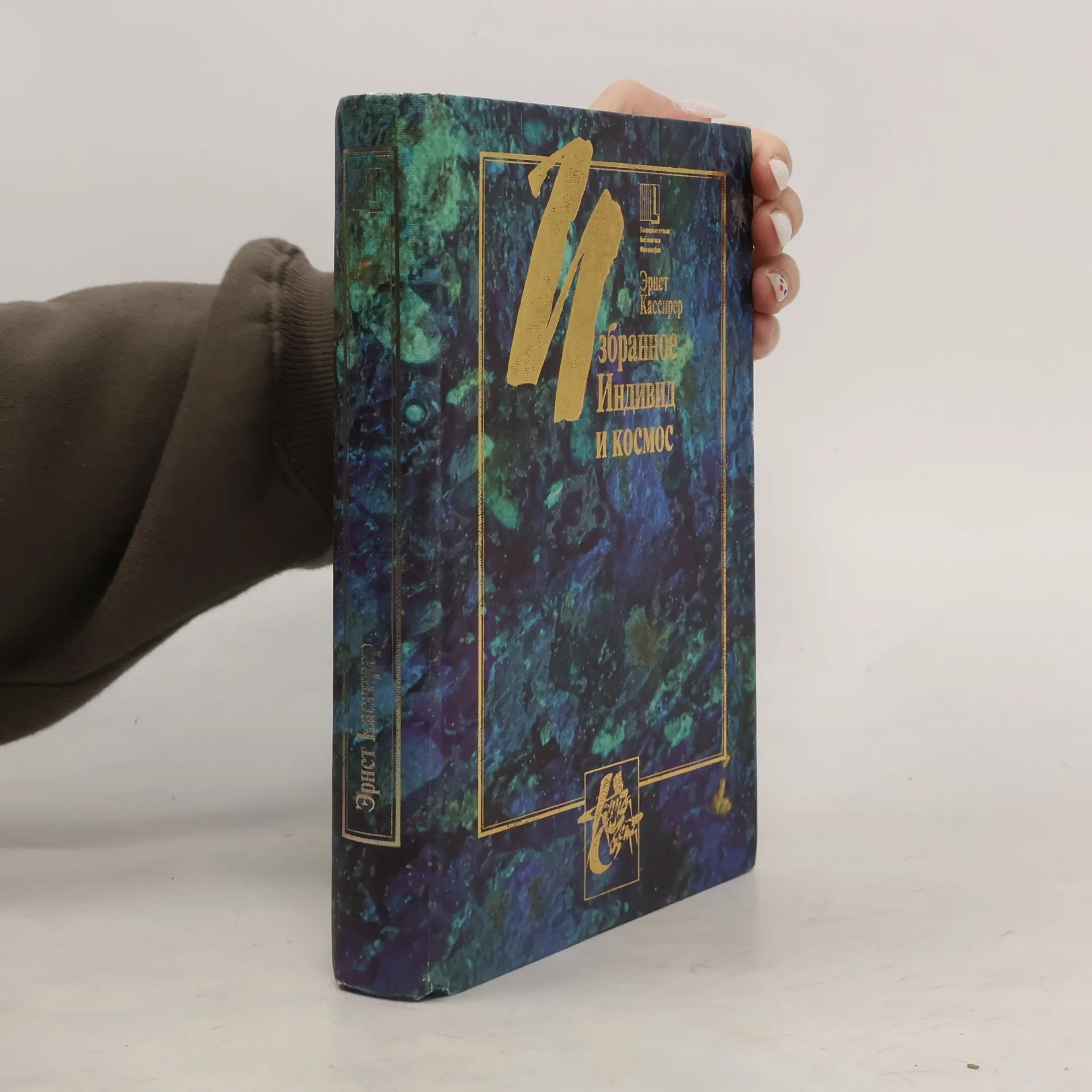
    The Individual and the Cosmos in Renaissance Philosophy
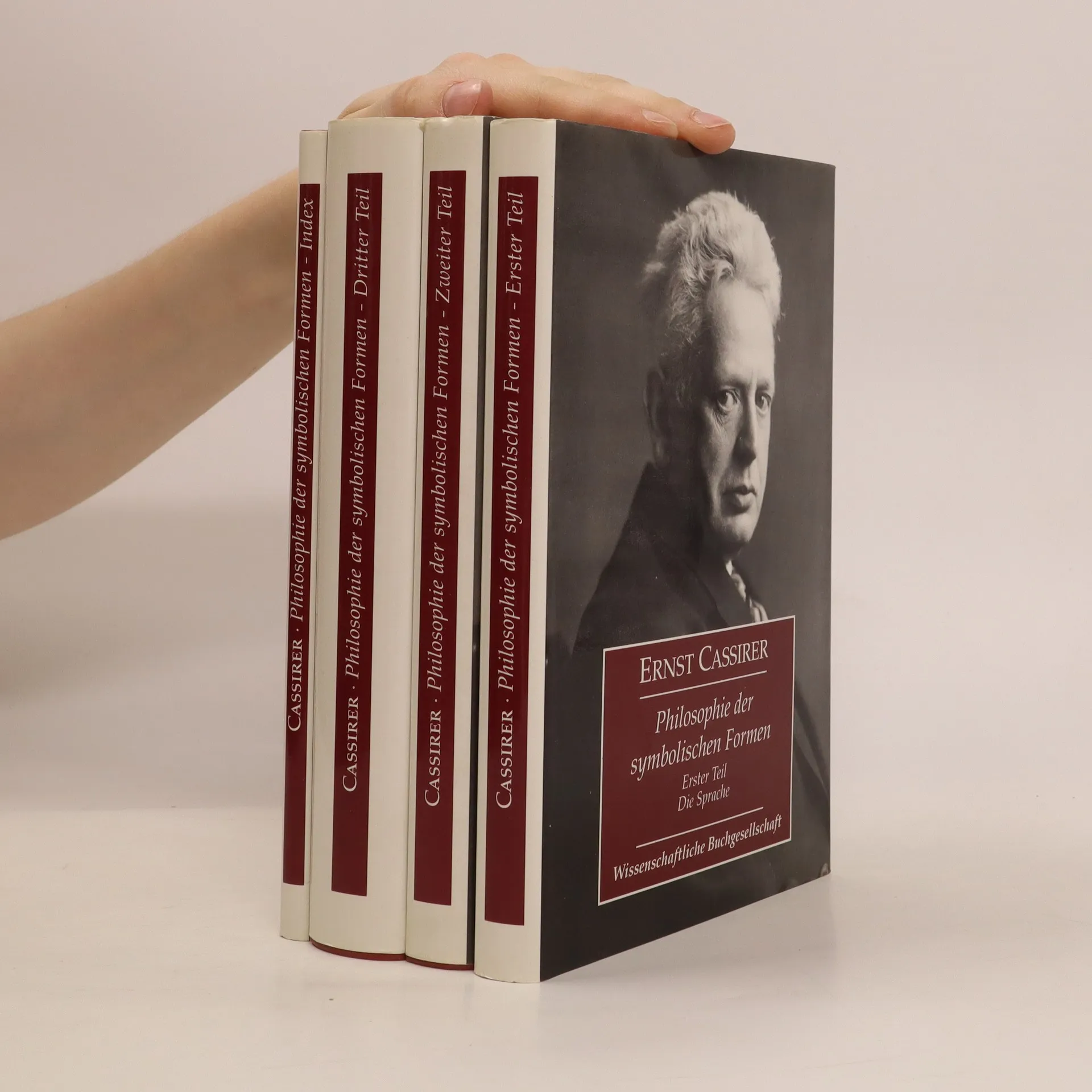
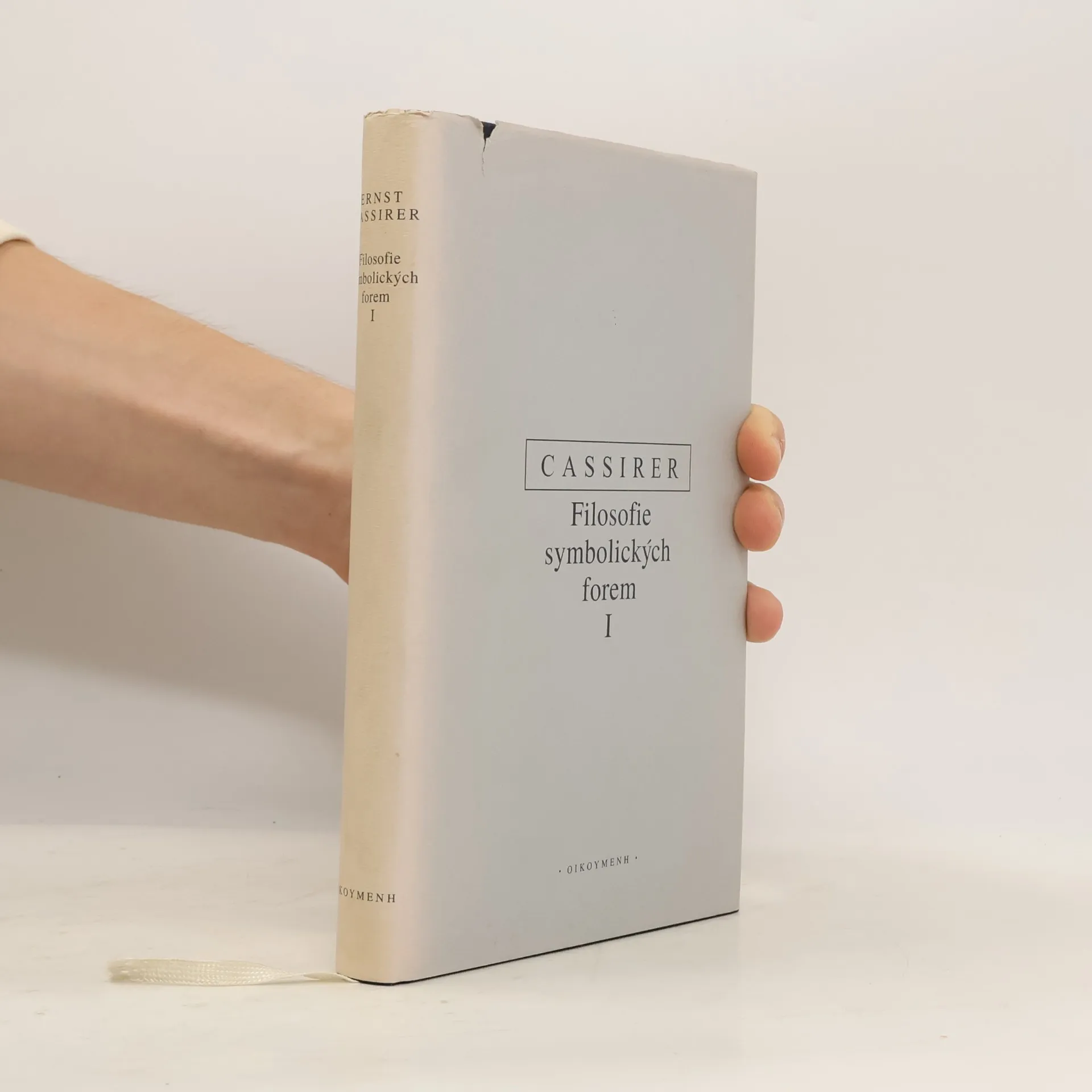
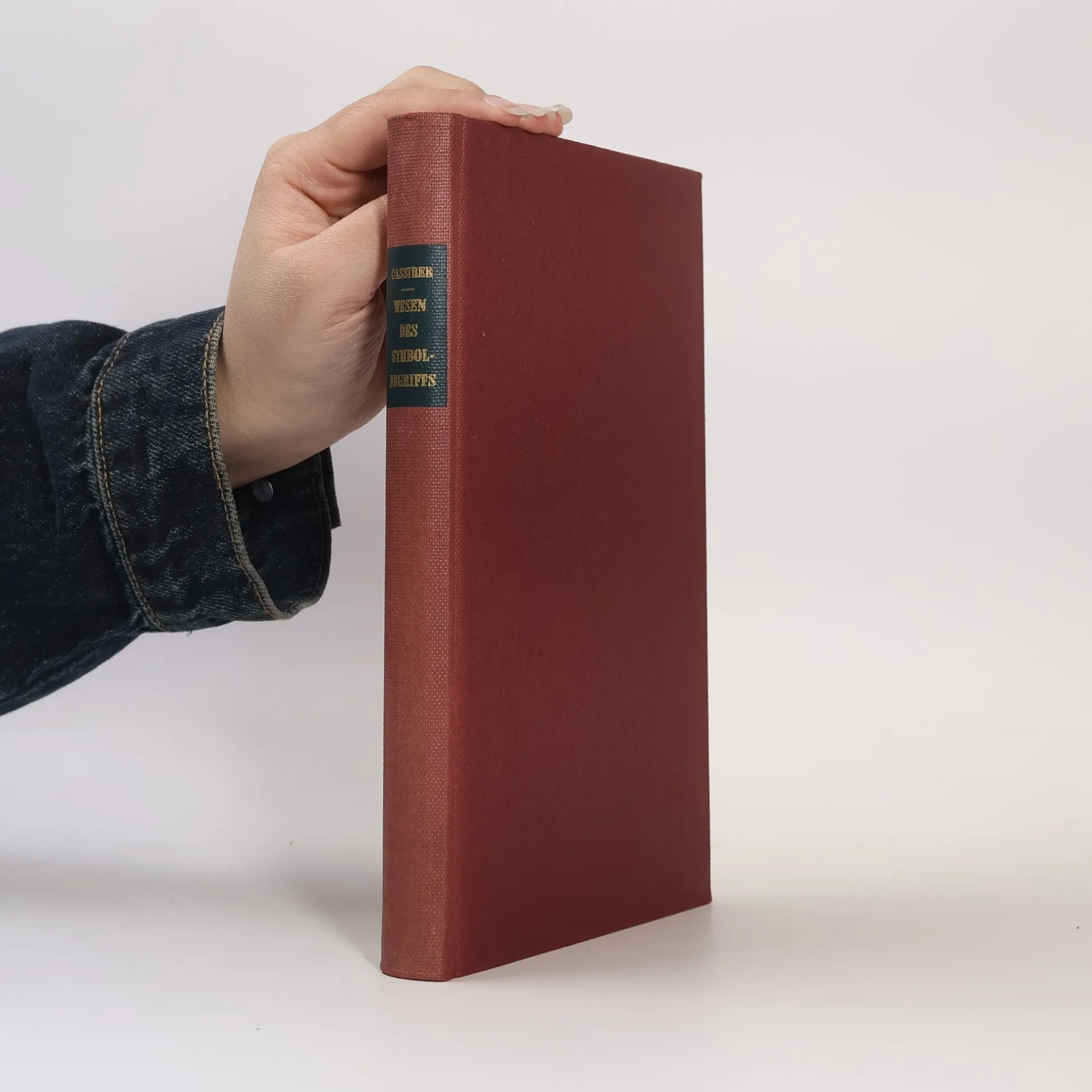
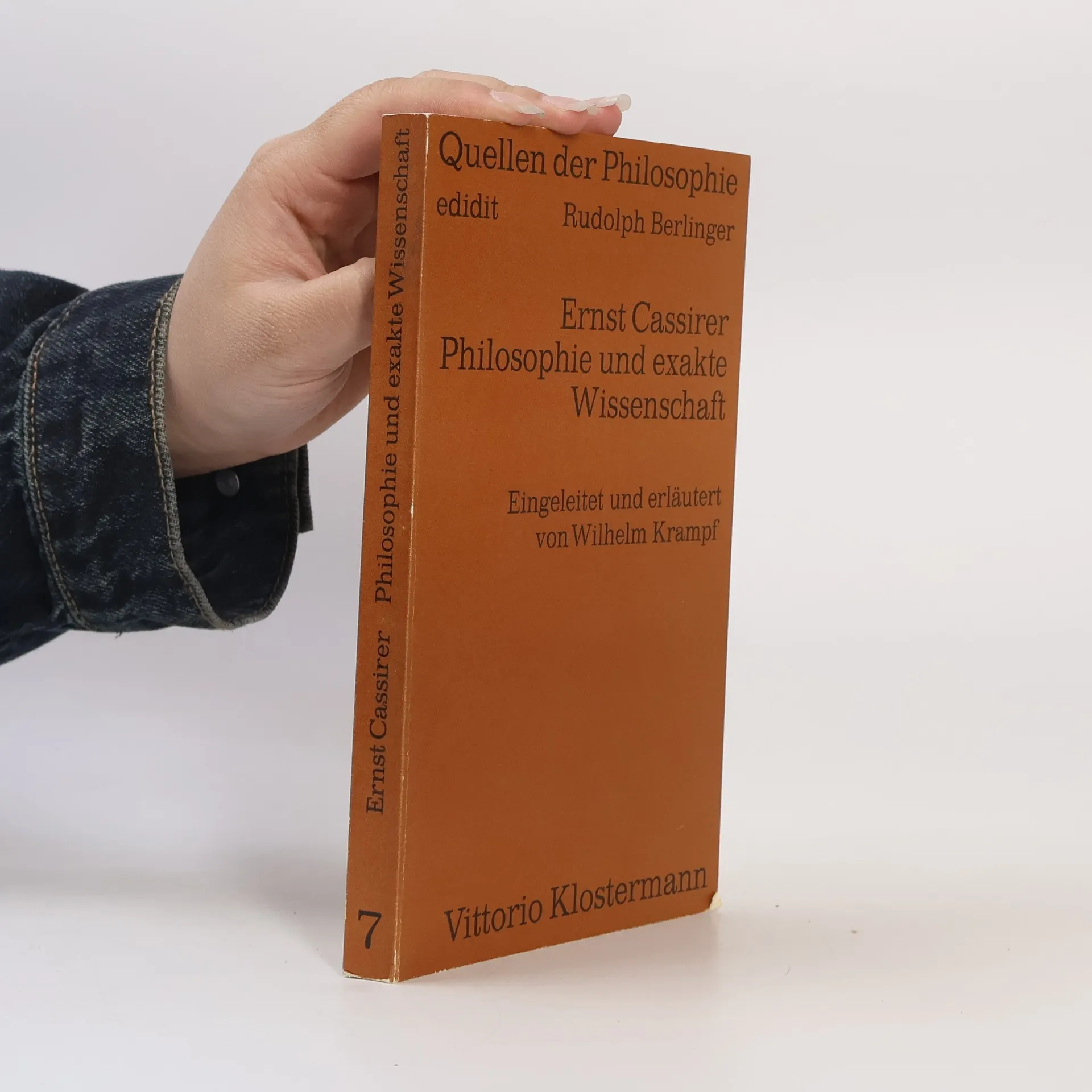
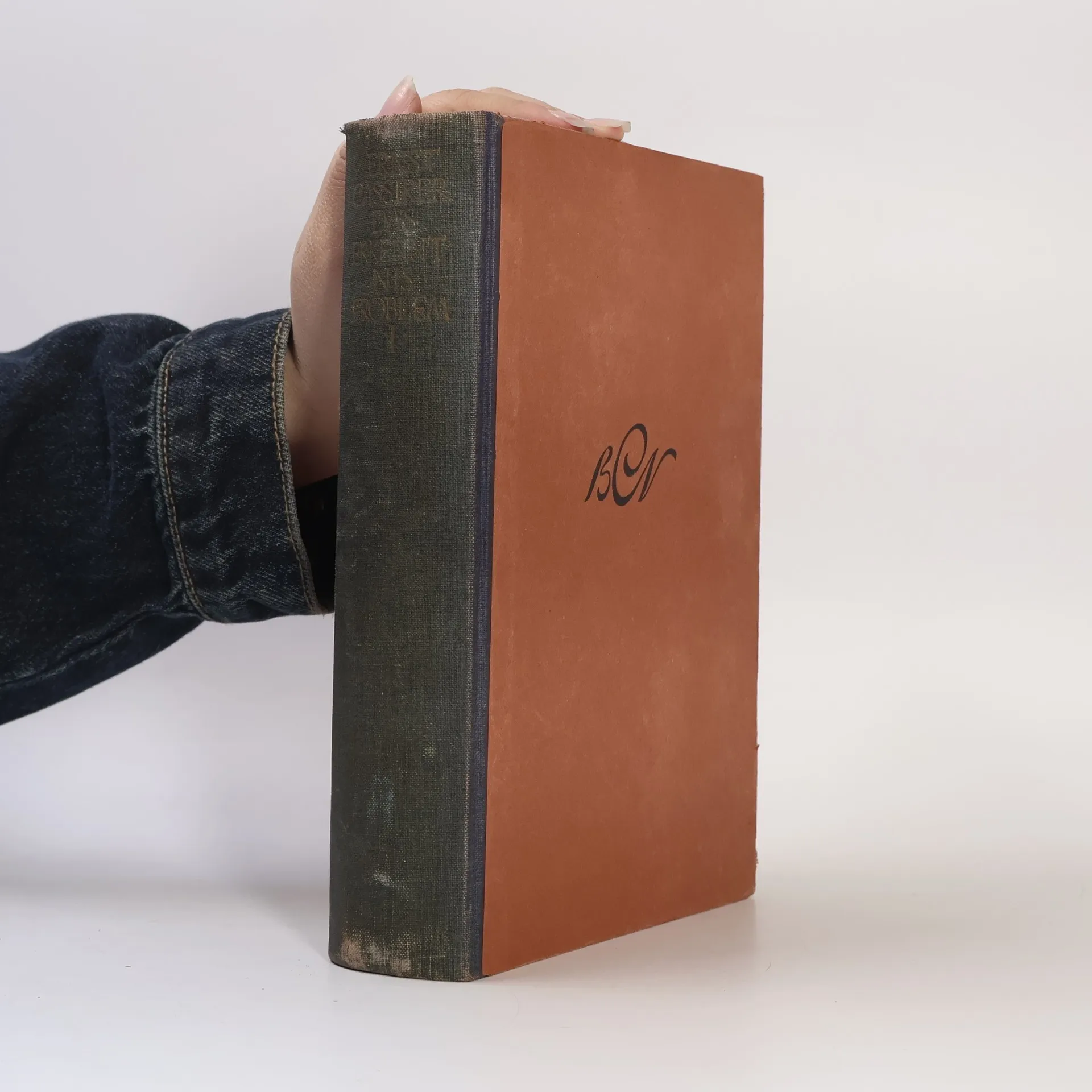
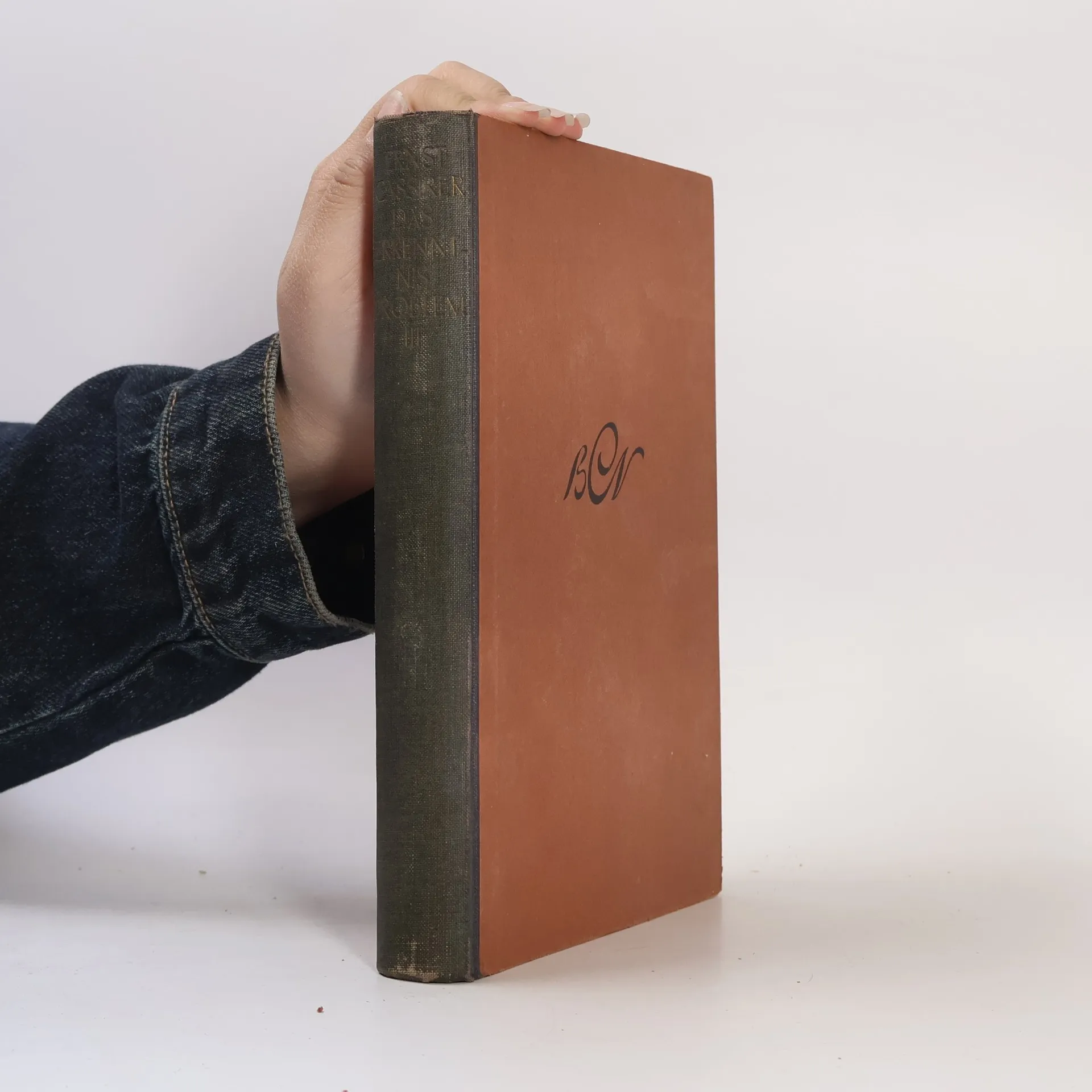
    The Philosophy of Symbolic Forms, Volume 1
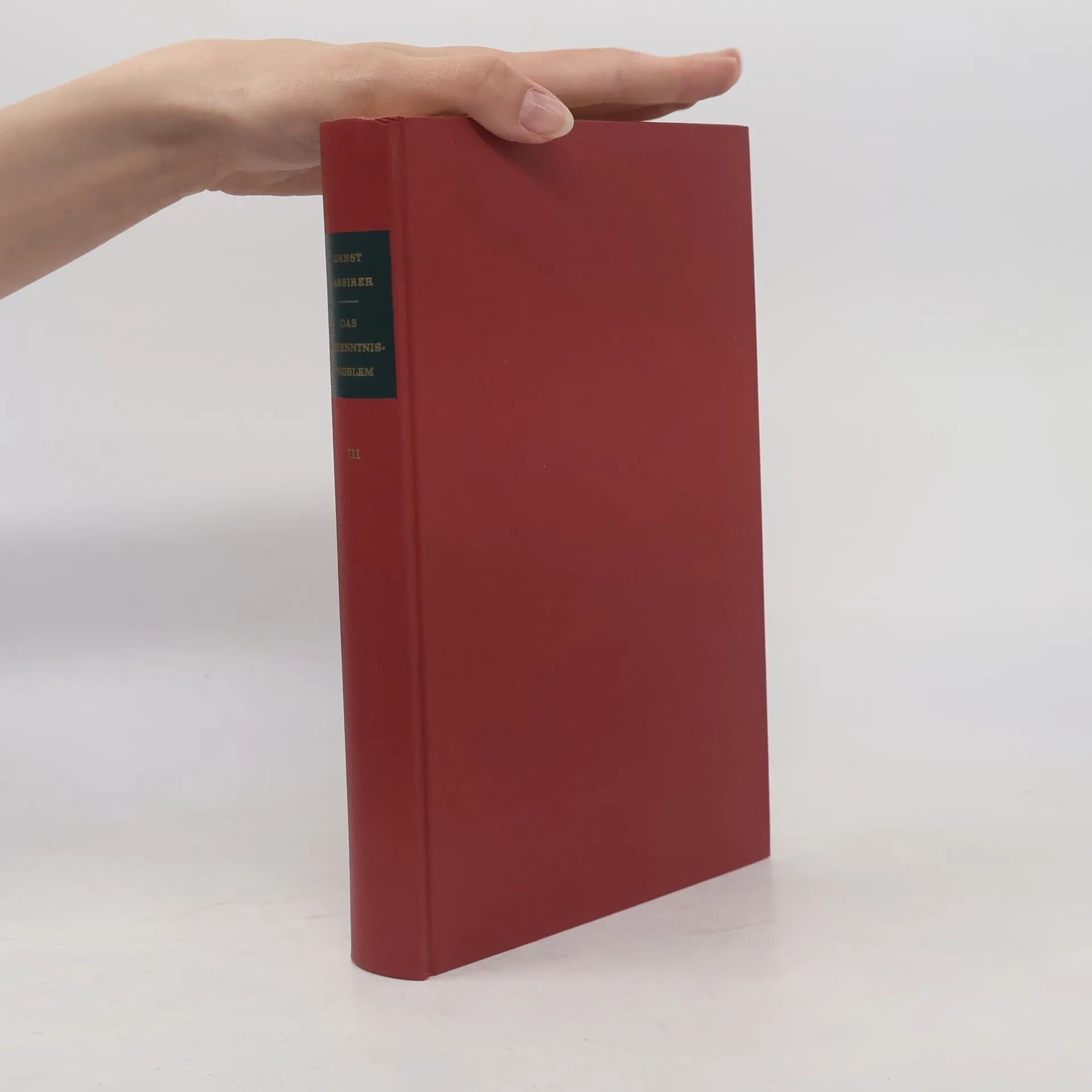
    The Philosophy of Symbolic Forms, Volume 3
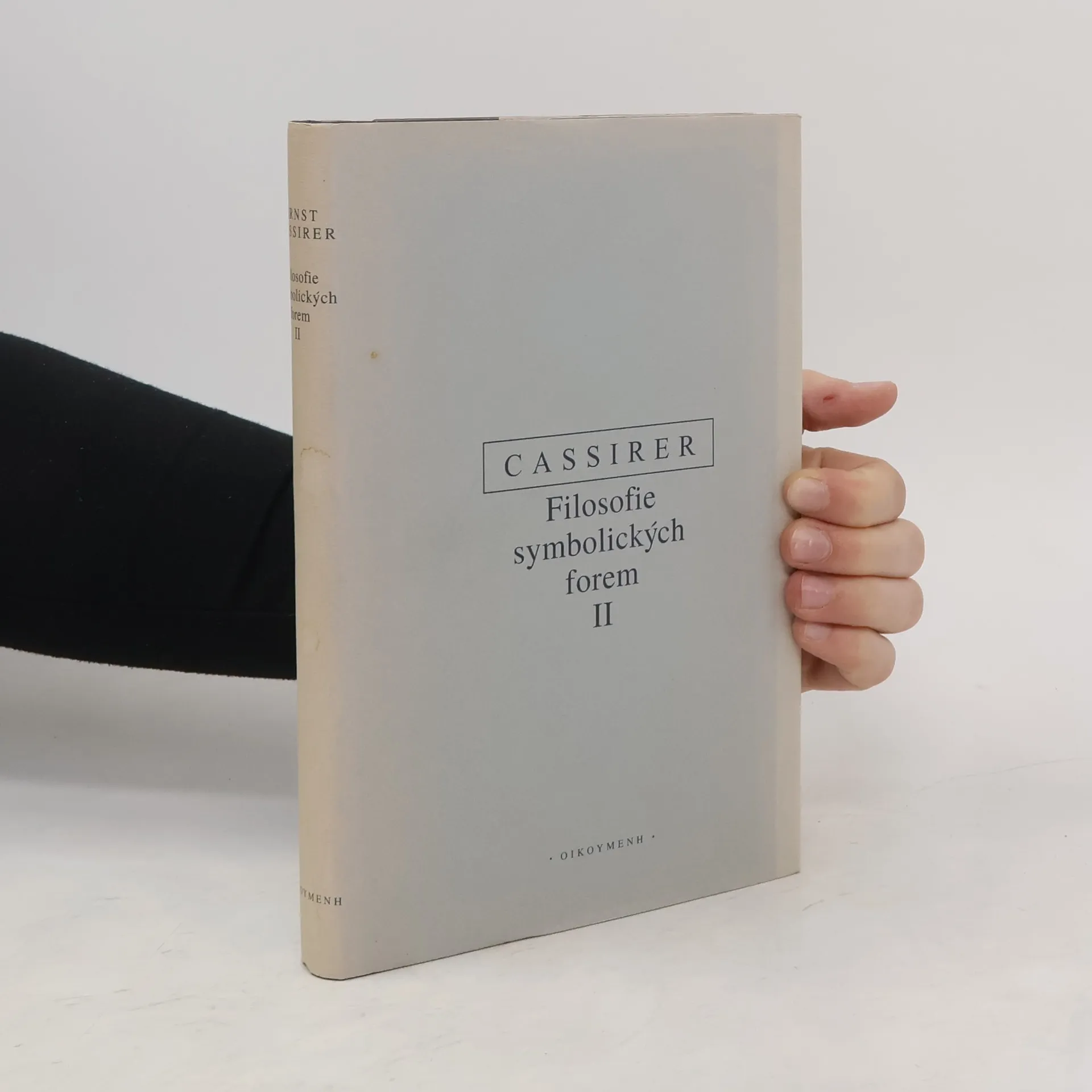
    The Philosophy of Symbolic Forms, Volume 2
    Essai sur l'homme
    Rousseau, Kant, Goethe
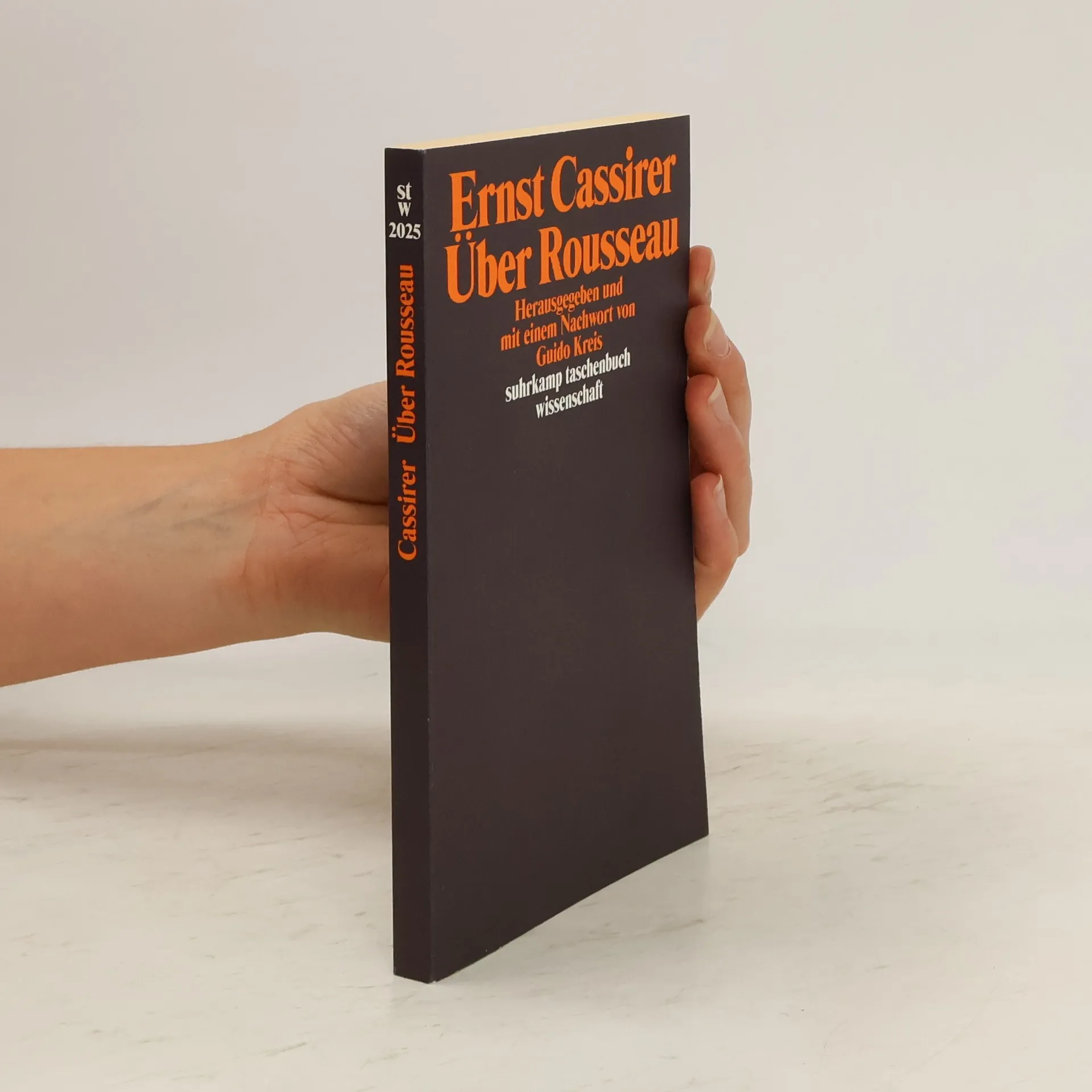
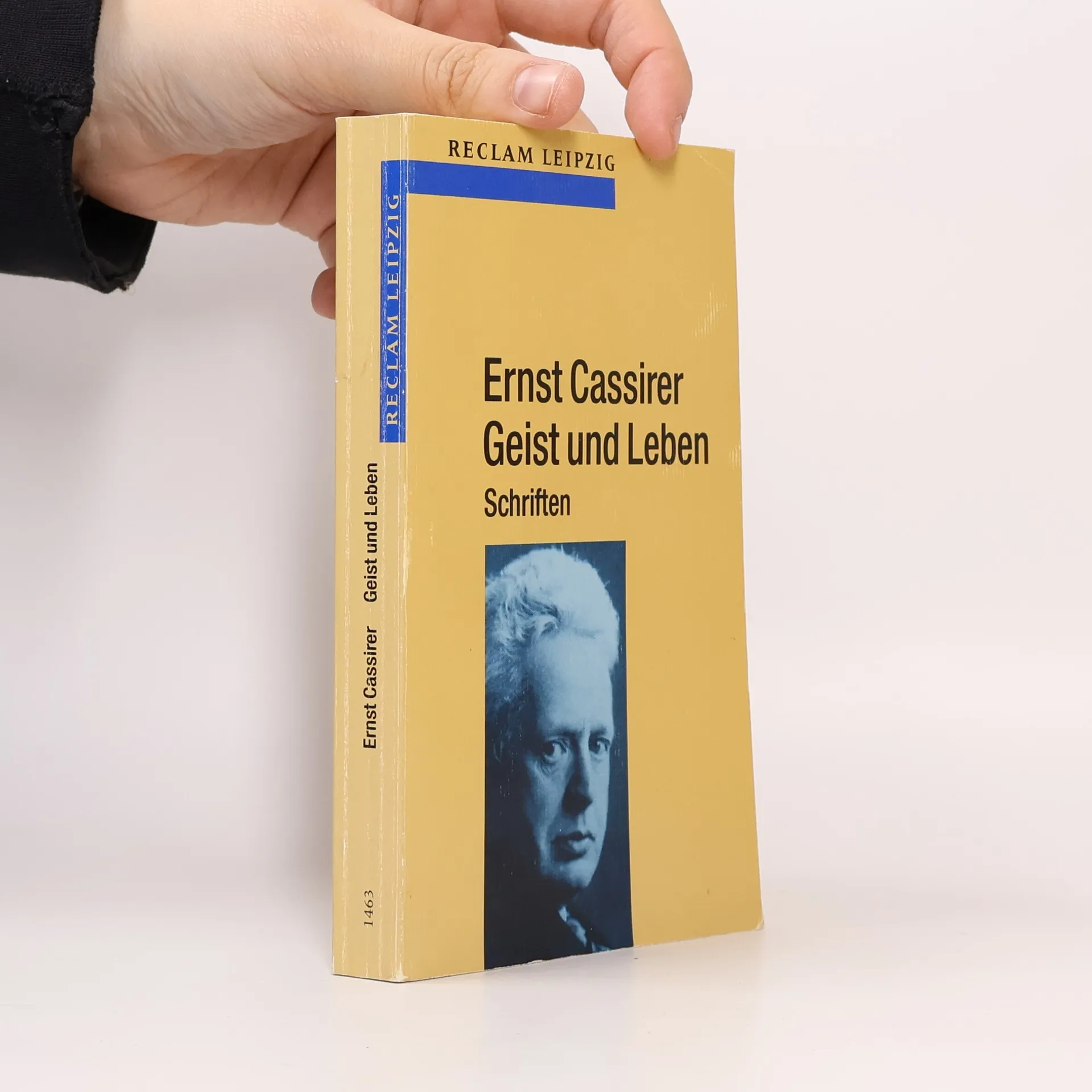
    • Ce volume réunit deux ultimes essais d'Ernst Cassirer, parus initialement en 1945 (année de la mort de leur auteur). Consacrés à Rousseau, Kant et Goethe, trois figures essentielles du Siècle des Lumières, et aux relations entre leurs pensées, ces textes sont d'une précision et d'une subtilité insurpassables. Mais, en filigrane, l'auteur de la Philosophie des Formes symboliques revient aussi sur lui-même et sur l'effort de pensée de toute une vie. « C'est en allemand, souligne Jean Lacoste dans sa préface, qu'il rédige ces deux monographies ... comme si [...] il avait voulu arracher aux ruines et préserver des menaces de la barbarie nazie ce qu'il y avait de plus précieux, de plus humain, de plus "européen" dans la culture allemande ». Cet ouvrage est la réédition en poche d'un livre publié en 1991 dans la collection « L’Extrême contemporain », dirigée par Michel Deguy.
      Rousseau, Kant, Goethe
    • Essai sur l'homme

      • 344pages
      • 13 heures de lecture

      Dans Essai sur l'homme, ouvrage qu'il crivit la fin de sa vie, Ernst Cassirer prsente une thorie gnrale du mythe et de la religion, du langage, de l'art, de l'histoire et de la science qui se fonde sur une thorie unitaire de la fonction symbolique : en plus d'un point, Cassirer prcise et nuance les acquis de ses recherches antrieures - par exemple en ce qui concerne la relation entre sa thorie du symbolisme et le structuralisme linguistique - en mme temps qu'il en systmatise les rsultats.

      Essai sur l'homme
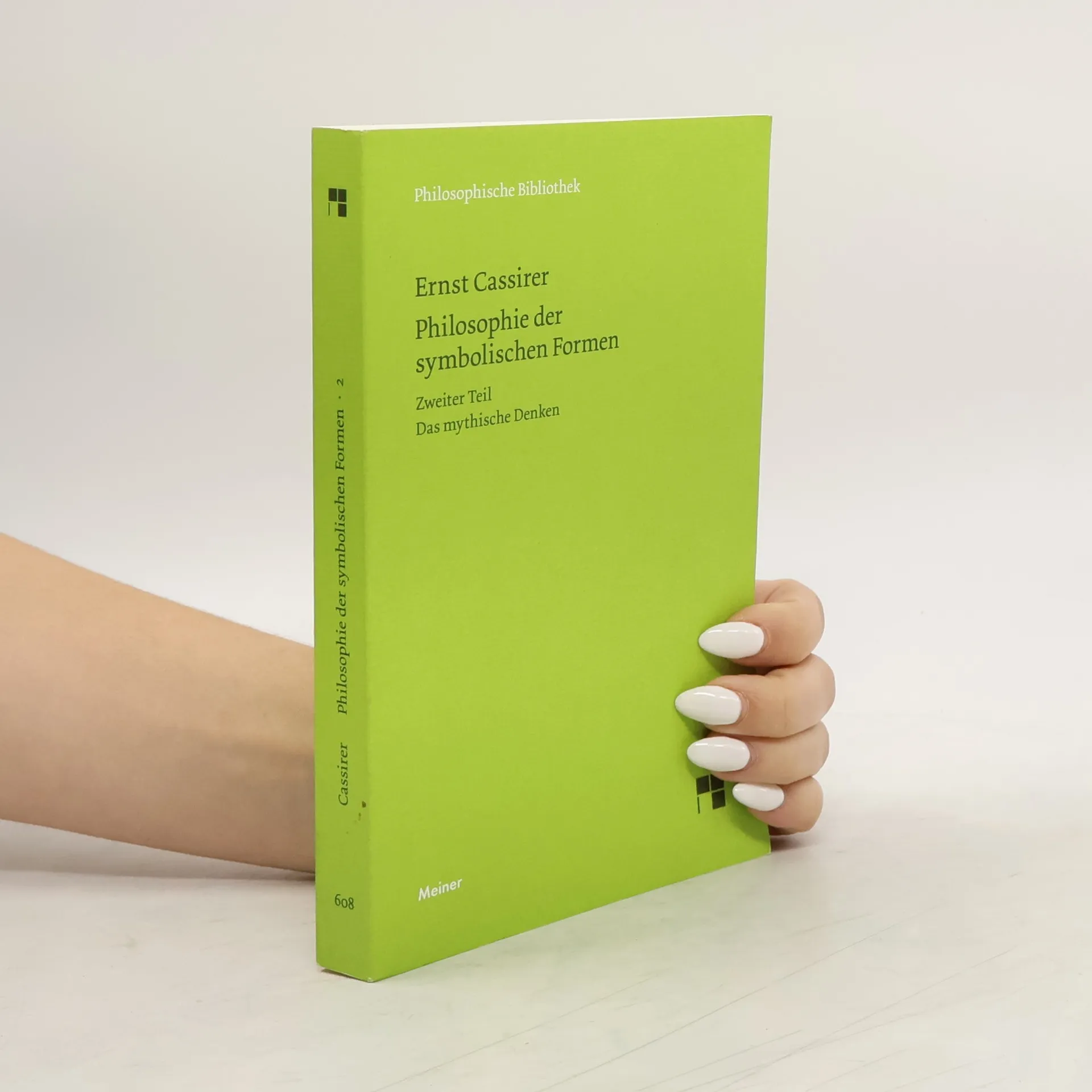
    • The Philosophy of Symbolic Forms, Volume 2

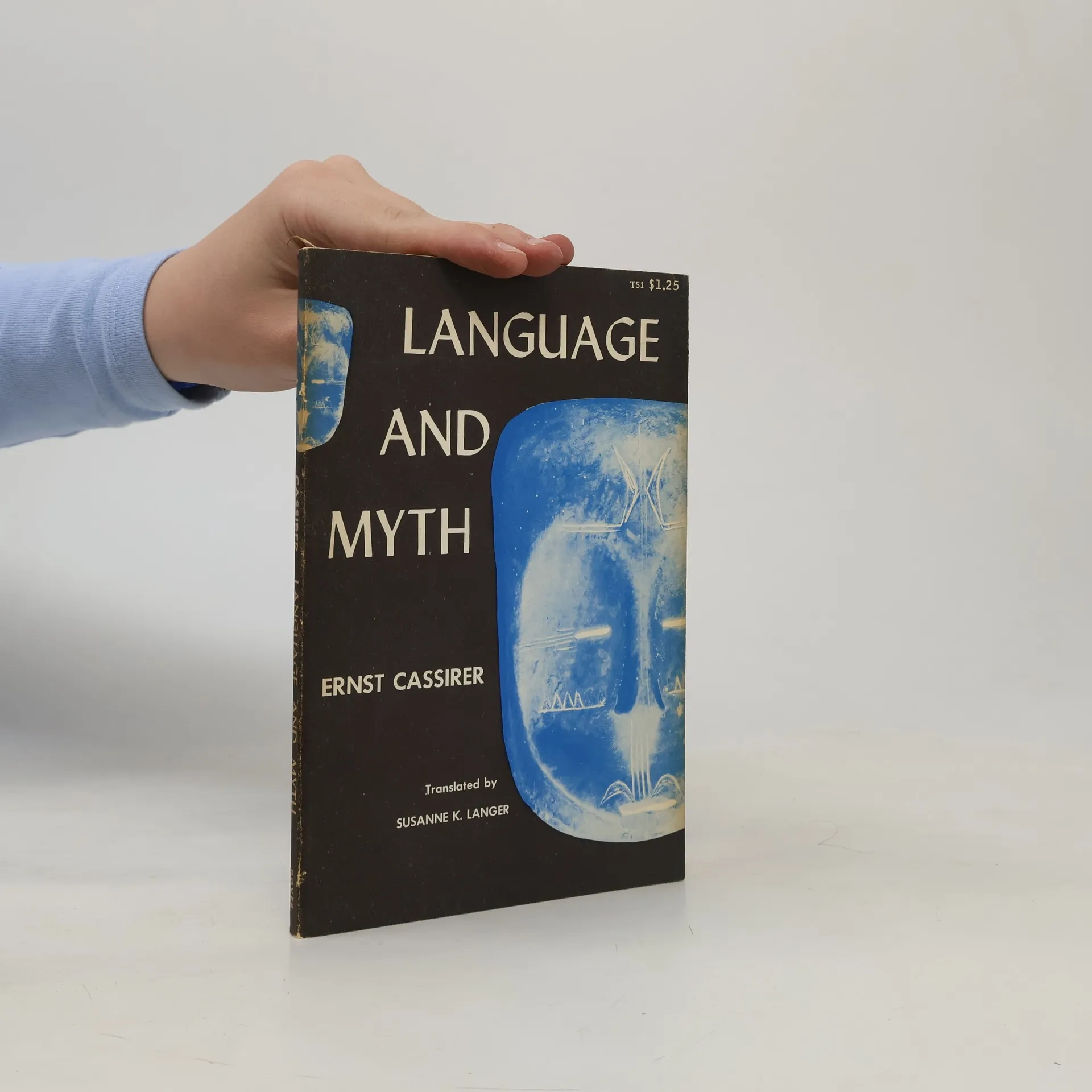
      Mythical Thinking

      • 334pages
      • 12 heures de lecture
      4,5(2)Évaluer

      Exploring the significance of myth in human thought and expression, this volume delves into how mythical frameworks shape our understanding of the world. Cassirer's influential work offers a profound analysis of symbolic forms, emphasizing the interplay between myth and culture. This new translation makes his insights accessible to contemporary students and scholars, ensuring that his contributions to philosophy continue to resonate.

      The Philosophy of Symbolic Forms, Volume 2
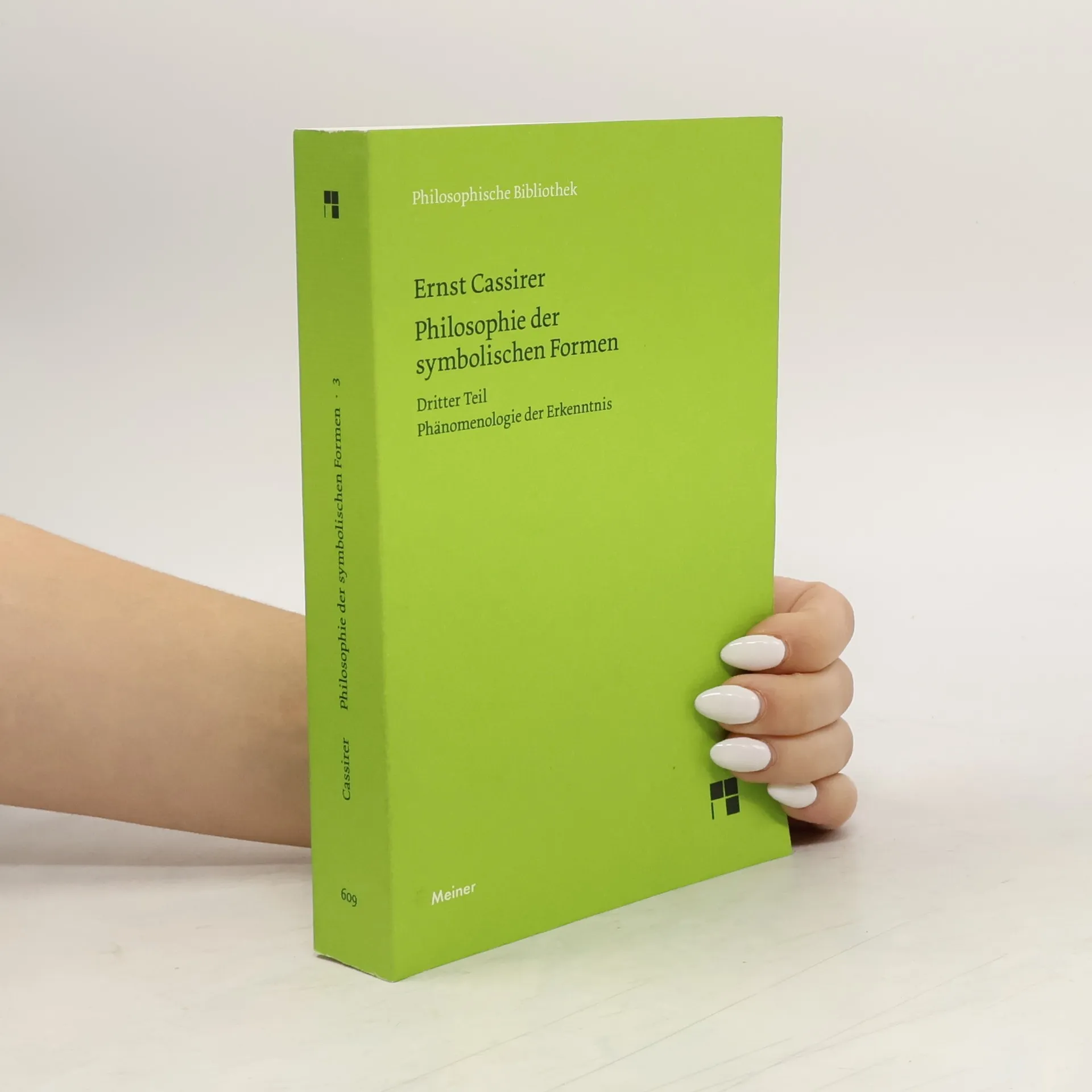
    • The Philosophy of Symbolic Forms is Cassirer's most important work. This major new translation brings his magnum opus to a new generation of students and scholars. Volume 3: The Phenomenology of Knowledge is an exploration of epistemology, perception and consciousness across the human sciences

      The Philosophy of Symbolic Forms, Volume 3
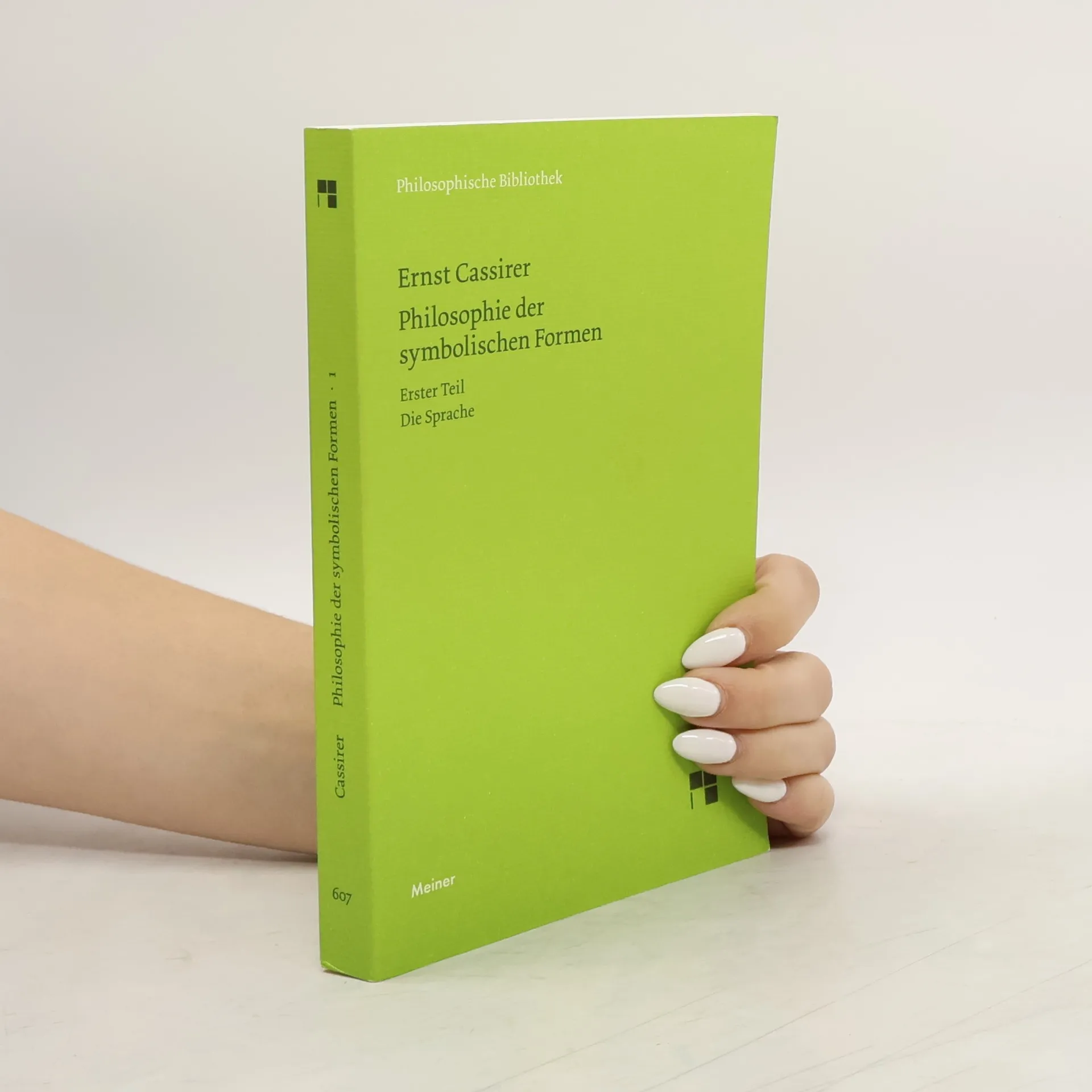
    • The Philosophy of Symbolic Forms, Volume 1

      Language

      • 314pages
      • 11 heures de lecture
      4,4(3)Évaluer

      Focusing on the intricate relationship between human language and symbolic expression, this major work by Cassirer delves into the nature of language as a foundational system of communication. The new translation makes this essential text accessible for contemporary students and scholars, highlighting its significance in the study of philosophy and symbolism. Volume 1 serves as a critical exploration of how language shapes human experience and understanding.

      The Philosophy of Symbolic Forms, Volume 1
    • Exploring the intricate relationships between philosophy, language, art, and science, Ernst Cassirer delves into the contributions of influential thinkers such as Leonardo, Galileo, Pico della Mirandola, and Giordano Bruno. This classic work highlights the interconnectedness of human thought and creativity, emphasizing how these elements shape our understanding of the cosmos and individual existence.

      The Individual and the Cosmos in Renaissance Philosophy
    • One of the twentieth century’s greatest philosophers presents the results of his lifetime study of man’s cultural achievements. An Essay on Man is an original synthesis of contemporary knowledge, a unique interpretation of the intellectual crisis of our time, and a brilliant vindication of man’s ability to resolve human problems by the courageous use of his mind. What the thinkers of the past have thought of the human race, what can be said of its art, language, and capacities for good and evil in the light of modern knowledge are discussed by a great philosopher who had a profound experience of the past and of his own time.

      An Essay on Man
    • One of the twentieth century's greatest philosophers presents the results of his lifetime study of man's cultural achievements An Essay on Man is an original synthesis of contemporary knowledge, a unique interpretation of the intellectual crisis of our time, and a brilliant vindication of man's ability to resolve human problems by the courageous use of his mind. In a new introduction Peter E. Gordon situates the book among Cassirer's greater body of work, and looks at why his "hymn to humanity in an inhuman age" still resonates with readers today. "The best-balanced and most mature expression of [Cassirer's] thought."--Journal of Philosophy "No reader of this book can fail to be struck by the grandeur of its program or by the sensitive humanism of the author."--Ernest Nagel, The Humanist "A rare work of philosophy and a rare work of art."--Tomorrow
      Essay on Man
    • Dieser Band präsentiert erstmals Cassirers Vorlesungen zur antiken Philosophie von 1935 und 1942. Er untersucht den Übergang vom mythischen zum theoretischen Denkstil in der griechischen Kultur und bietet einen Überblick über die Entwicklung des Denkens von den Ioniern bis zu den Neuplatonikern, mit Fokus auf Platon und Aristoteles.
      Lectures on Ancient Philosophy