Bookbot

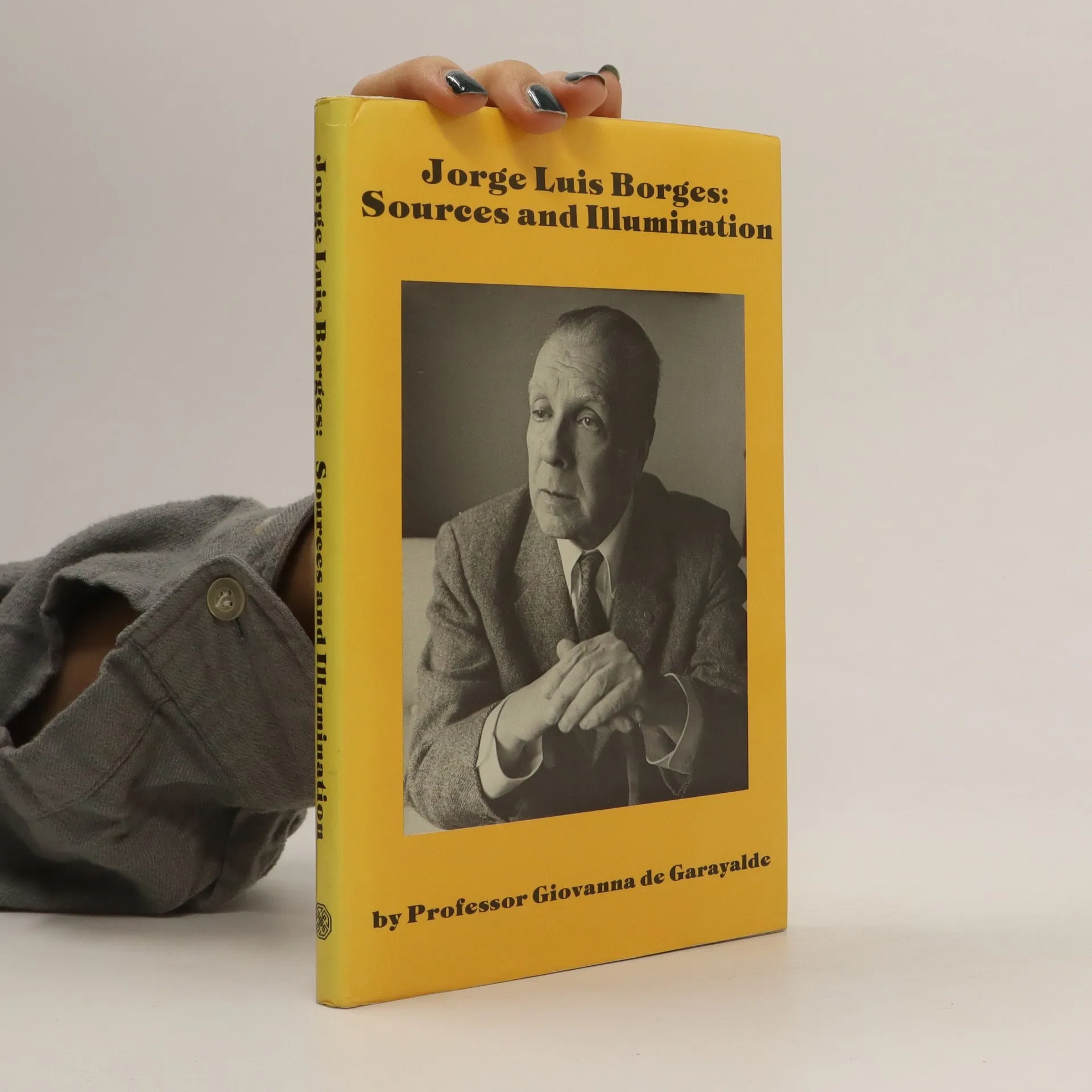
Jorge Luis Borges

    24 août 1899 – 14 juin 1986

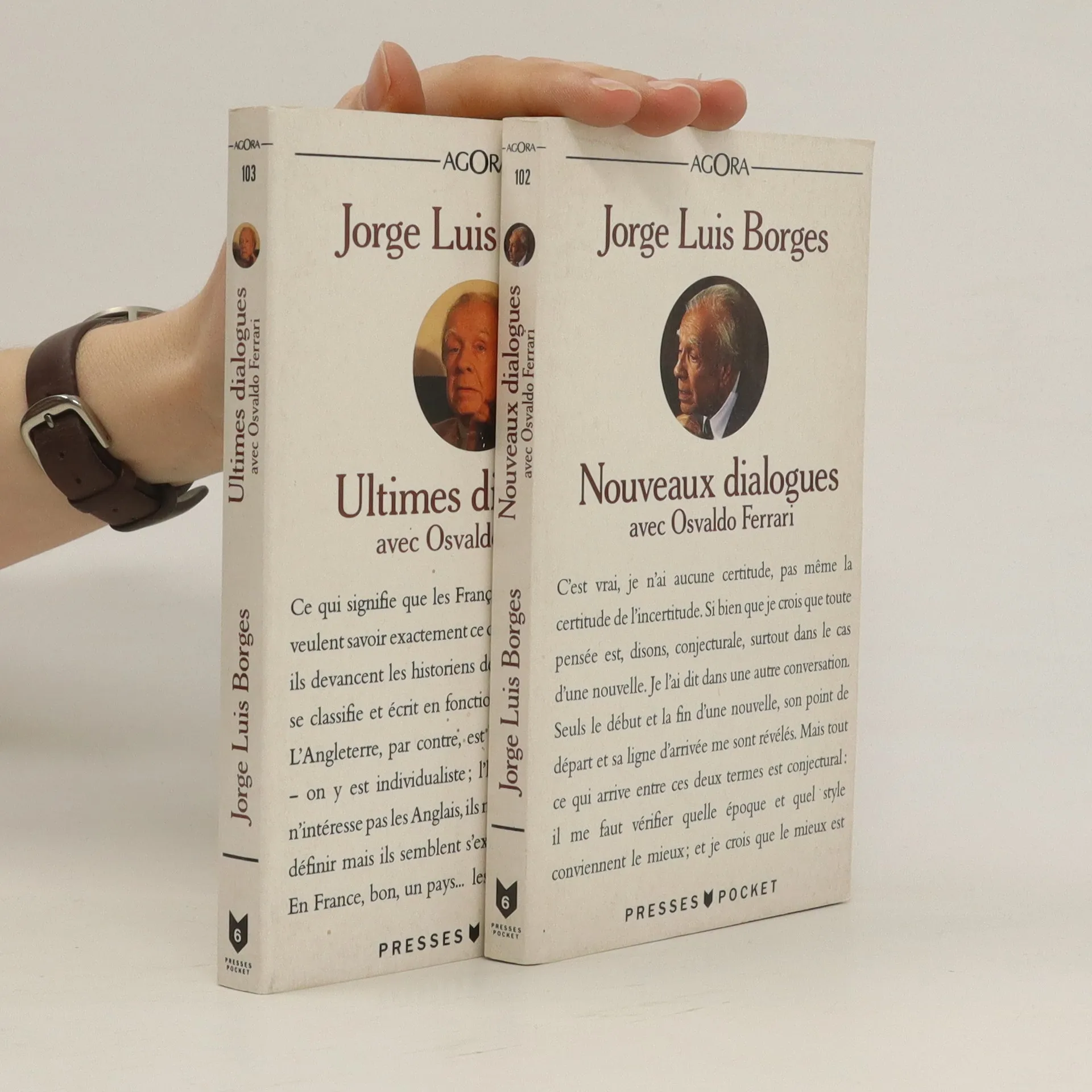
    Jorge Luis Borges était un écrivain et poète argentin qui a profondément remodelé la littérature moderne. Ses écrits sont célébrés pour leur profondeur philosophique, leurs labyrinthes complexes de pensée et leur exploration de royaumes métaphoriques tels que les rêves, les miroirs et le temps. Borges a magistralement fusionné divers genres et styles littéraires, explorant constamment les thèmes de l'identité, de la réalité et de la nature de l'existence. Son approche narrative innovante et ses profondes enquêtes thématiques en ont fait une figure fondamentale de la littérature mondiale du XXe siècle.

    Jorge Luis Borges
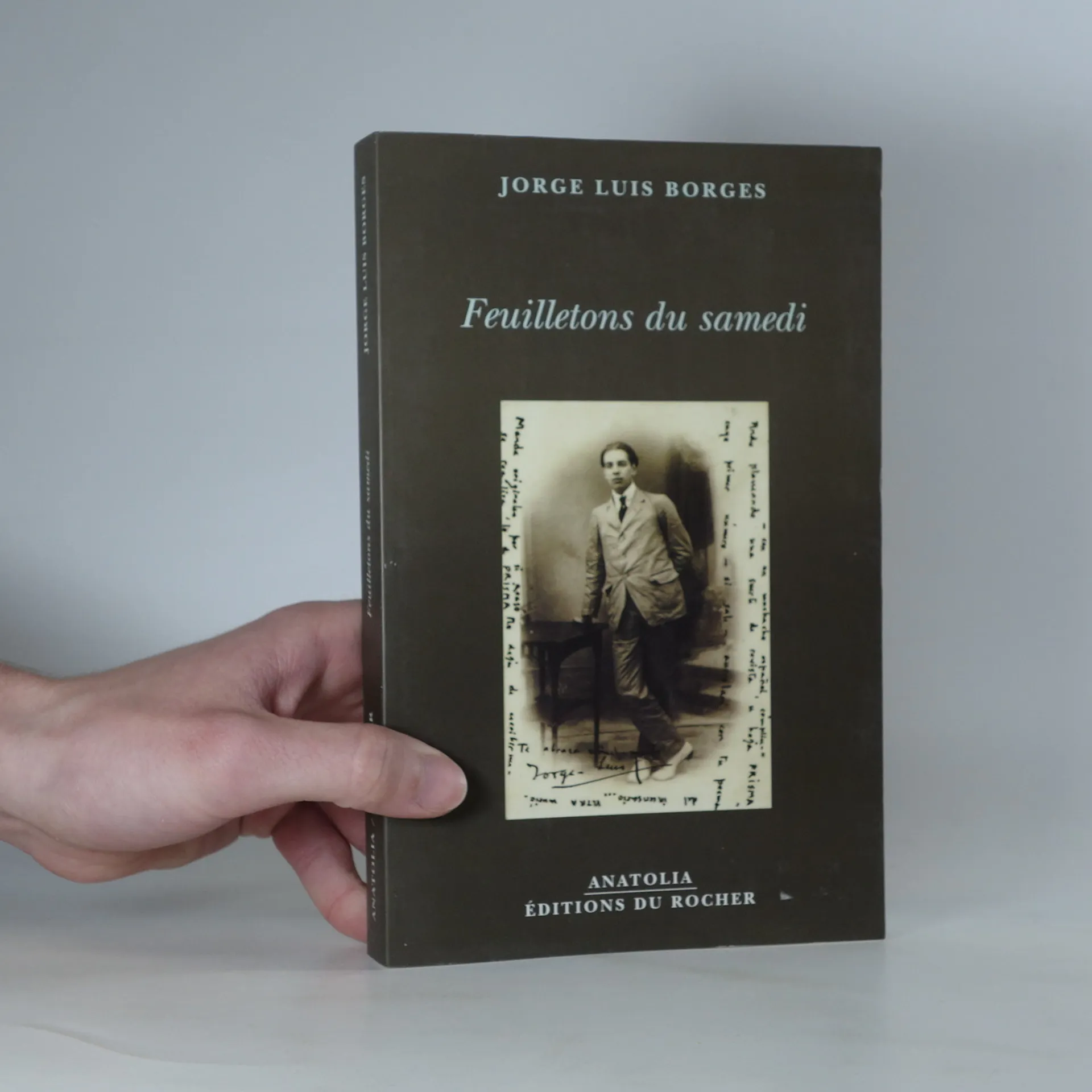
    Feuilletons du samedi
    2x Jorge Luis Borges
    Manuel de zoologie fantastique
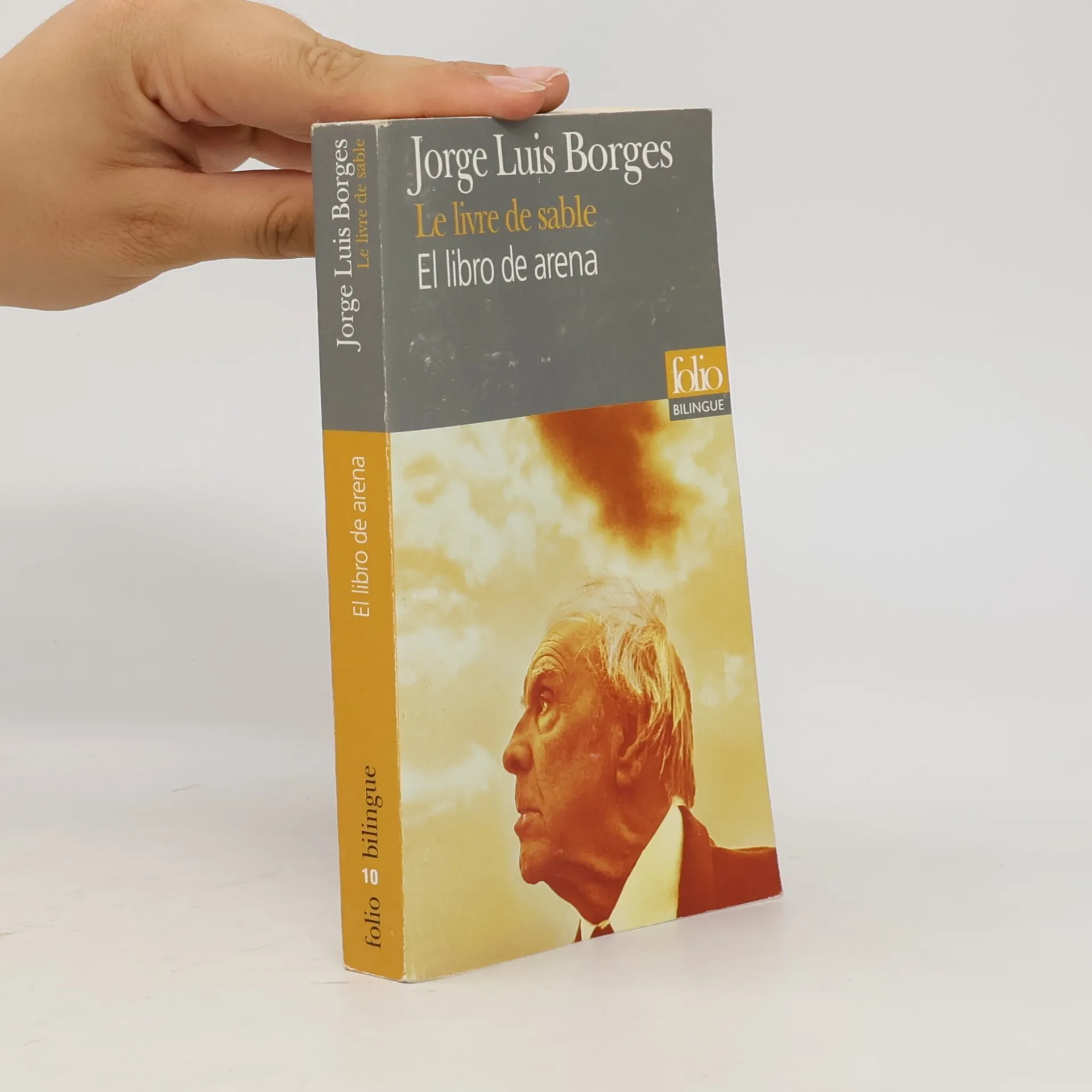
    El Libro de arena
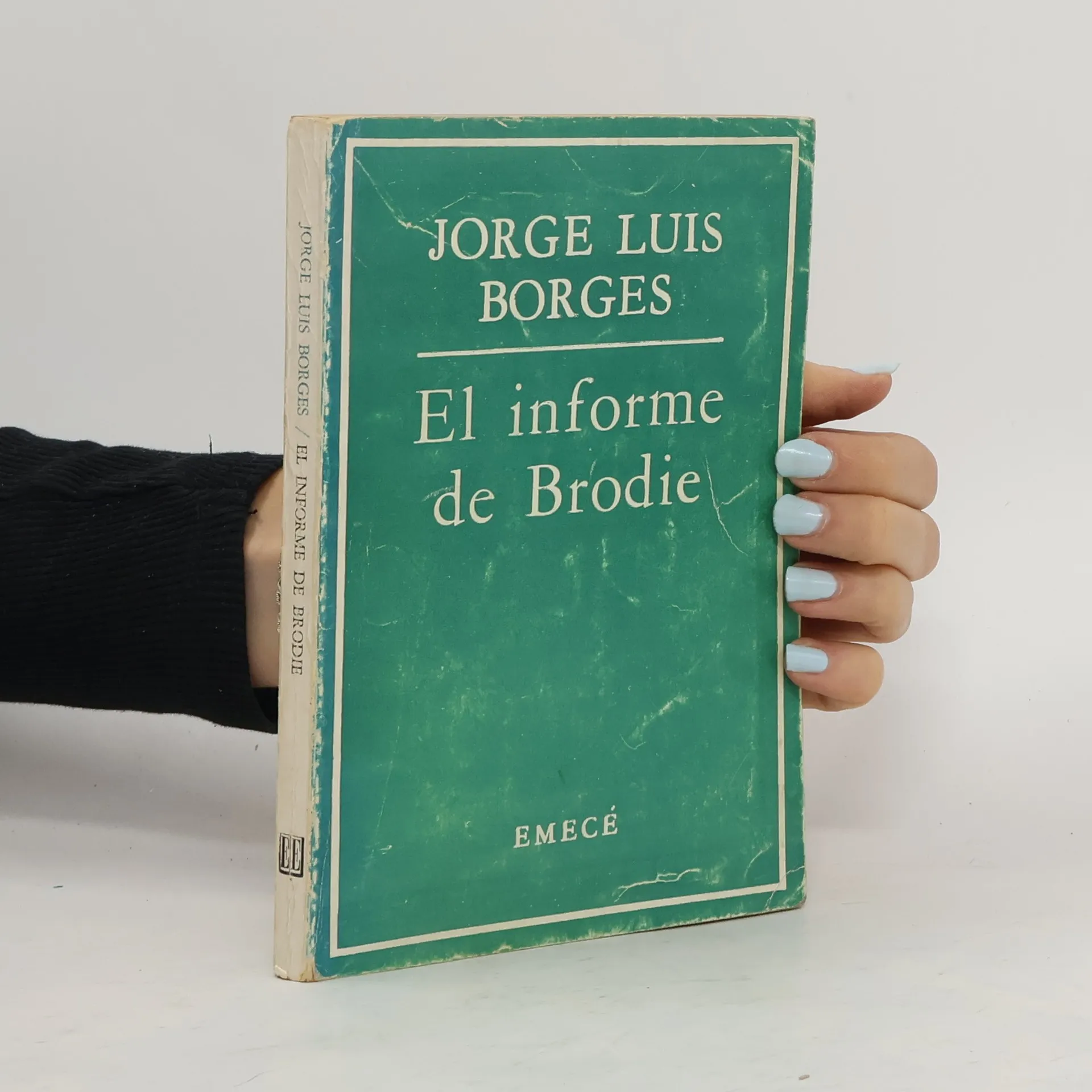
    El informe de Brodie
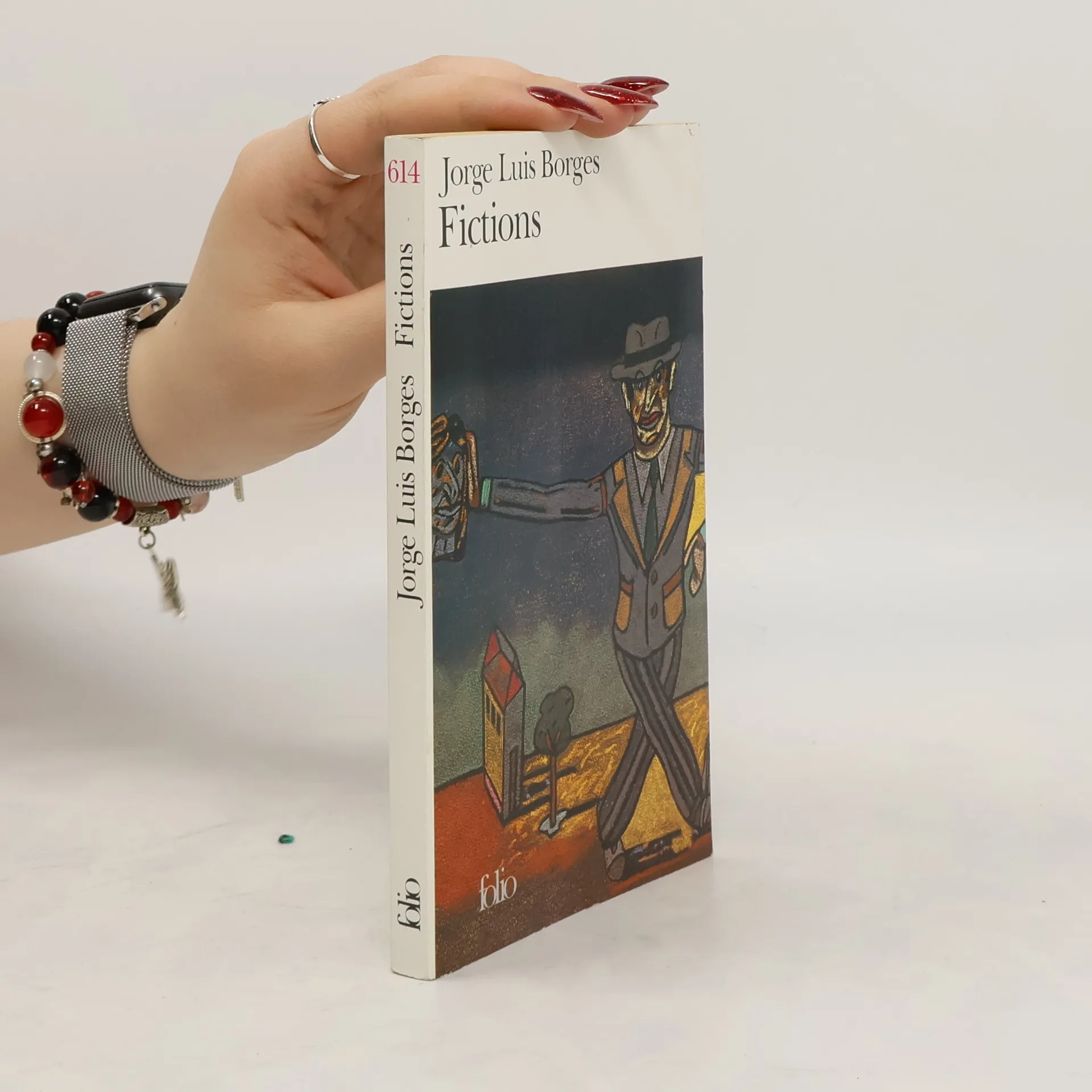
    Fictions
    • Fictions

      • 185pages
      • 7 heures de lecture

      Reprise de deux recueils publiés en 1941 et 1944, contenant 14 nouvelles ou contes brefs relevant du fantastique moderne dont l'écrivain argentin est l'un des meileurs représentants. Maître de l'insolite, à l'érudition vertigineuse, Borges possède à merveille cet art subtil et allusif qui plonge le lecteur dans un état second où la réalité prend un relief étrange et dépaysant. Ouvrage important pour le genre. Excellente préface d'initiation.

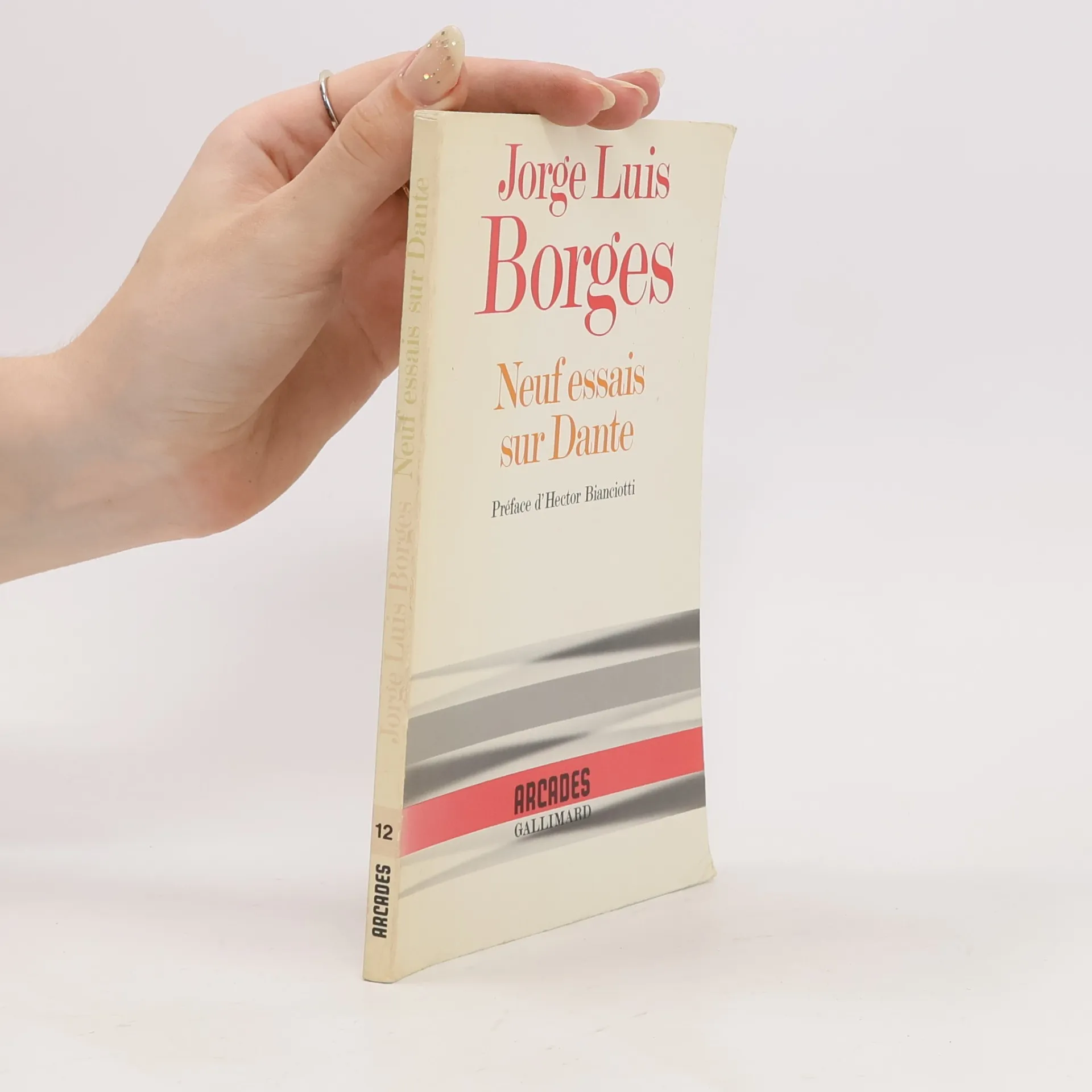
      Fictions
      4,5
    • Borges est devenu mondialement connu principalement en tant qu'auteur de nouvelles, mais son œuvre de fiction est étroitement liée, voire se confond parfois, avec l'essai. Il a créé un style spécifique qui allie une description apparemment légère des destins de ses protagonistes, limitée à quelques points clés, aux réflexions philosophiques les plus sérieuses ; la rationalité et l'ironie se mêlent à des dénouements inattendus et des éléments d'émerveillement. Le recueil de ses courtes prose, "El informe de Brodie", est rempli d'histoires mystérieuses, parfois horrifiques, évoquant l'art narratif des "Mille et Une Nuits". Jorge Luis Borges (1899 - 1986), écrivain, poète et essayiste argentin, est né à Buenos Aires dans une ancienne famille créole d'origine anglaise par sa mère. Il a vécu la Première Guerre mondiale en Europe, puis a résidé alternativement en Suisse, en Espagne et plus tard en France. Il a travaillé comme rédacteur en chef de revues littéraires et a été actif à la Bibliothèque nationale d'Argentine. Une maladie oculaire incurable l'a conduit à la cécité totale à un âge avancé.

      El informe de Brodie
      4,1
    • El libro se inicia con "El Otro," donde Borges aborda el viejo tema del doble: los personajes son lo bastante distintos como para ser dos y lo bastante parecidos como para ser uno. El unico elemplo de cuento de amor es "Ulrica." Luego vienen, entre otros, "El Congreso," acerca de una empresa tan vasta que confunde al fin con el cosmos y con la suma de los dias; "La Secta de los Treinta," historia de una herejia posible; "Undr" y "El Espejo y la Mascara," sobre literaturas seculares que constan de una sola palabra; "El Soborno," que refleja la obsesion etica de los americanos del Norte; y finalmente, cierra el volumen "El Libro de Arena," objeto inconcebible.

      El Libro de arena
      3,8
    • Labyrinths

      • 287pages
      • 11 heures de lecture

      This is a collection, in translation, of the short, the very short stories, and a few of the critical essays of Argentina's most avant-garde writer. He was born of mixed Spanish, English, and remotely Portuguese-Jewish ancestry in Buenos Aires in 1899, inheriting as well the flux and inconsistency of a far-flung border area of Western culture. Borges began his litarary career as a poet, and then turned to these prose-poem stories and fables. They display an intellectual pyrotechnical brilliance, carried to the farthest limit. Borge's nihilism also far outstrips Sartre or Becket, and in comparison with his elegance, invention and universal culture, they are not much more than bourgeois humanists. This Argentinian, with a cabalistic turn of mind, takes all literature, philosophy and metaphysics as his domain and they become, as Andre Maurois says in his preface, "a game of the mind". Borges seeks to astonish and does so successfully.

      Labyrinths
      4,5
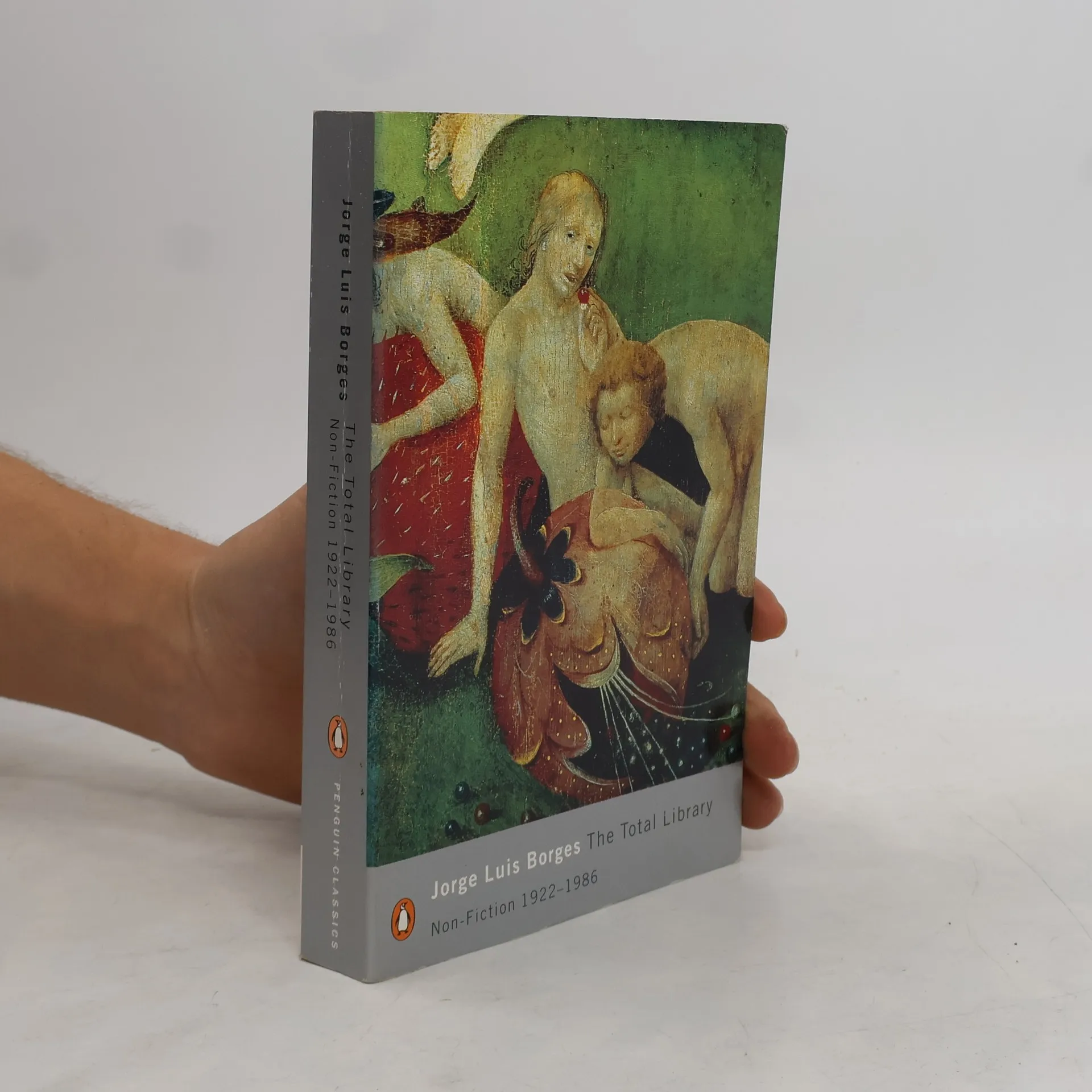
    • The Total Library : Non-fiction, 1922-1986

      • 576pages
      • 21 heures de lecture

      Though best known in the English speaking world for his short fictions and poems, Borges is revered in Latin America equally as an immensely prolific and beguiling writer of non-fiction prose. In THE TOTAL LIBRARY, more than 150 of Borges' most brilliant pieces are brought together for the first time in one volume - all in superb new translations. More than a hundred of the pieces have never previously been published in English. THE TOTAL LIBRARY presents Borges at once as a deceptively self-effacing guide to the universe and as the inventor of a universe that is an indispensible guide to Borges

      The Total Library : Non-fiction, 1922-1986
      4,5
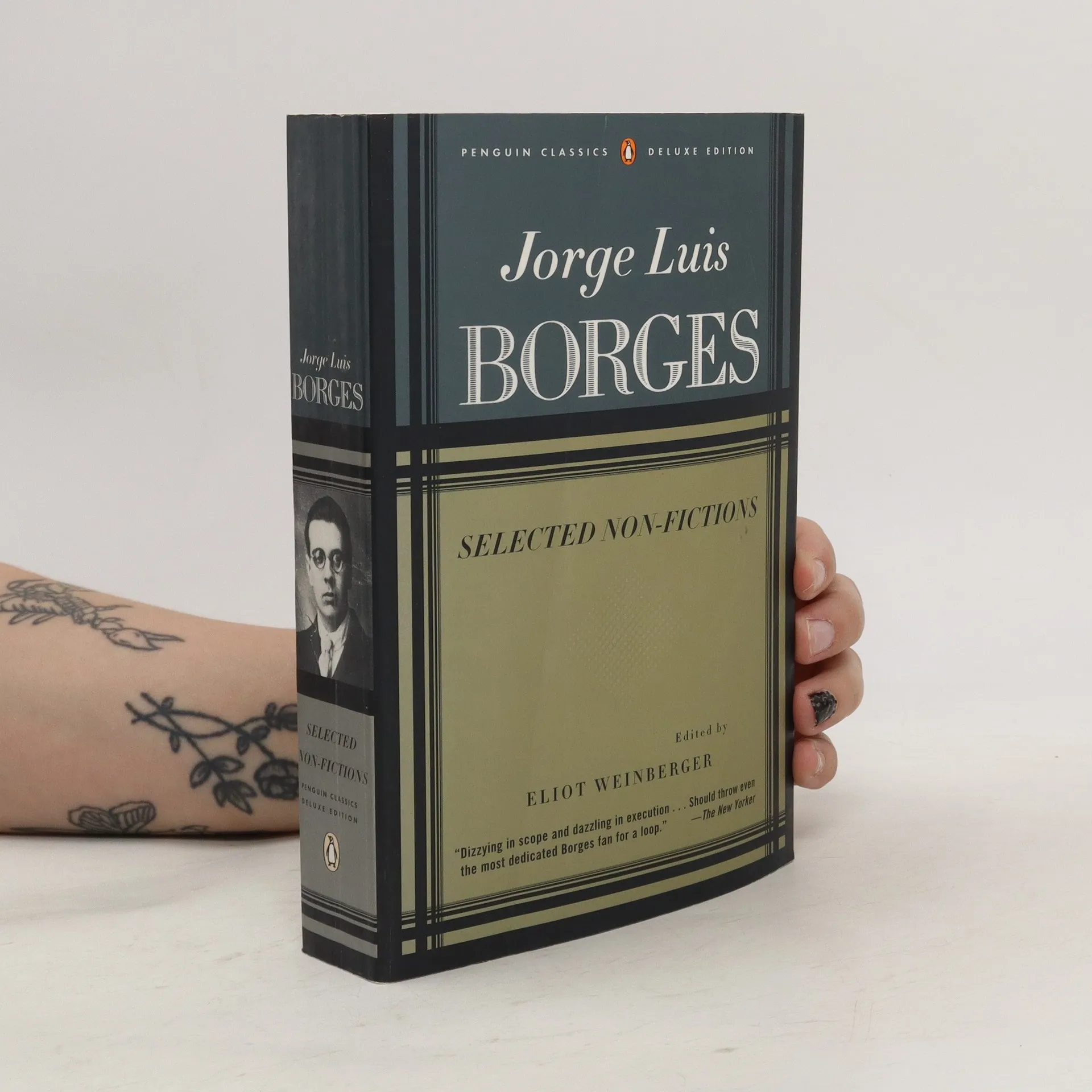
    • Borges

      • 560pages
      • 20 heures de lecture

      A collection of writings includes essays, literary and film criticism, biographical sketches, and lectures

      Borges
      4,5
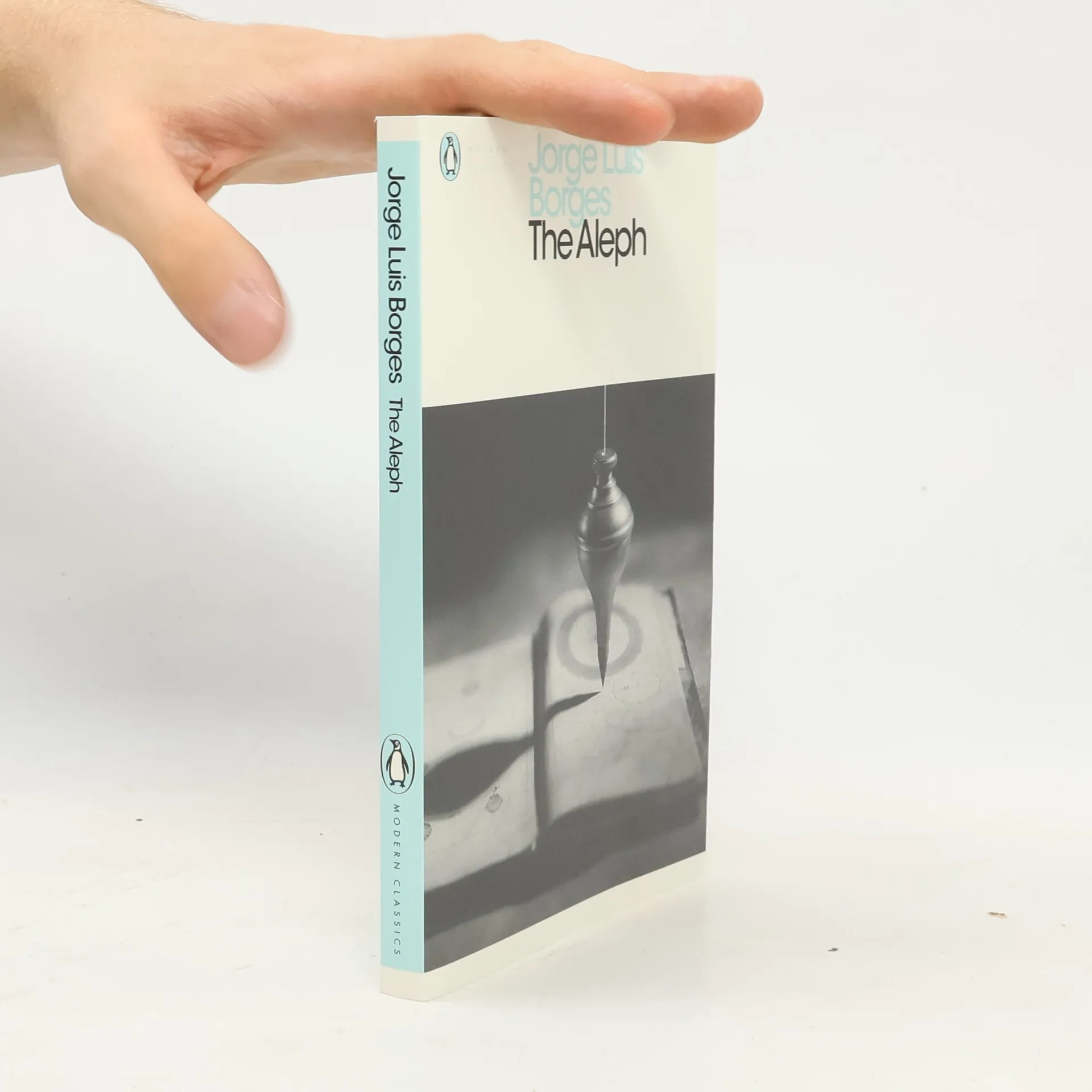
    • The Aleph

      • 224pages
      • 8 heures de lecture

      Borges' stories have a deceptively simple, almost laconic style. In maddeningly ingenious stories that play with the very form of the short story, Borges returns again and again to his themes: dreams, labyrinths, mirrors, infinite libraries, the manipulations of chance, gaucho knife-fighters, transparent tigers and the elusive nature of identity itself. schovat popis

      The Aleph
      4,5
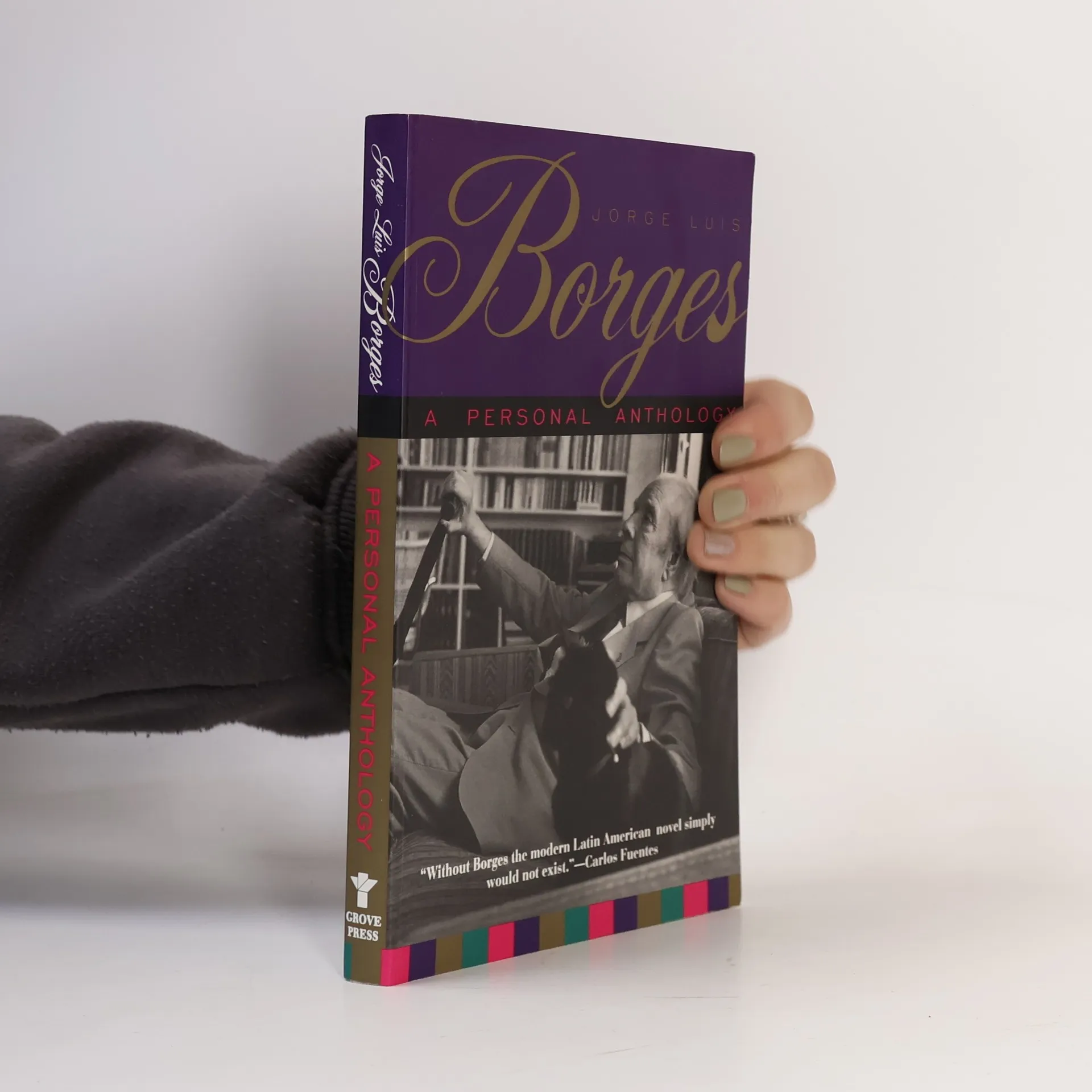
    • A Personal Anthology

      • 224pages
      • 8 heures de lecture

      After almost a half a century of scrupulous devotion to his art, Jorge Luis Borges personally compiled this anthology of his work—short stories, essays, poems, and brief mordant “sketches,” which, in Borges’s hands, take on the dimensions of a genre unique in modern letters.In this anthology, the author has put together those pieces on which he would like his reputation to rest; they are not arranged chronologically, but with an eye to their “sympathies and differences.” A Personal Anthology, therefore, is not merely a collection, but a new composition.

      A Personal Anthology
      4,4
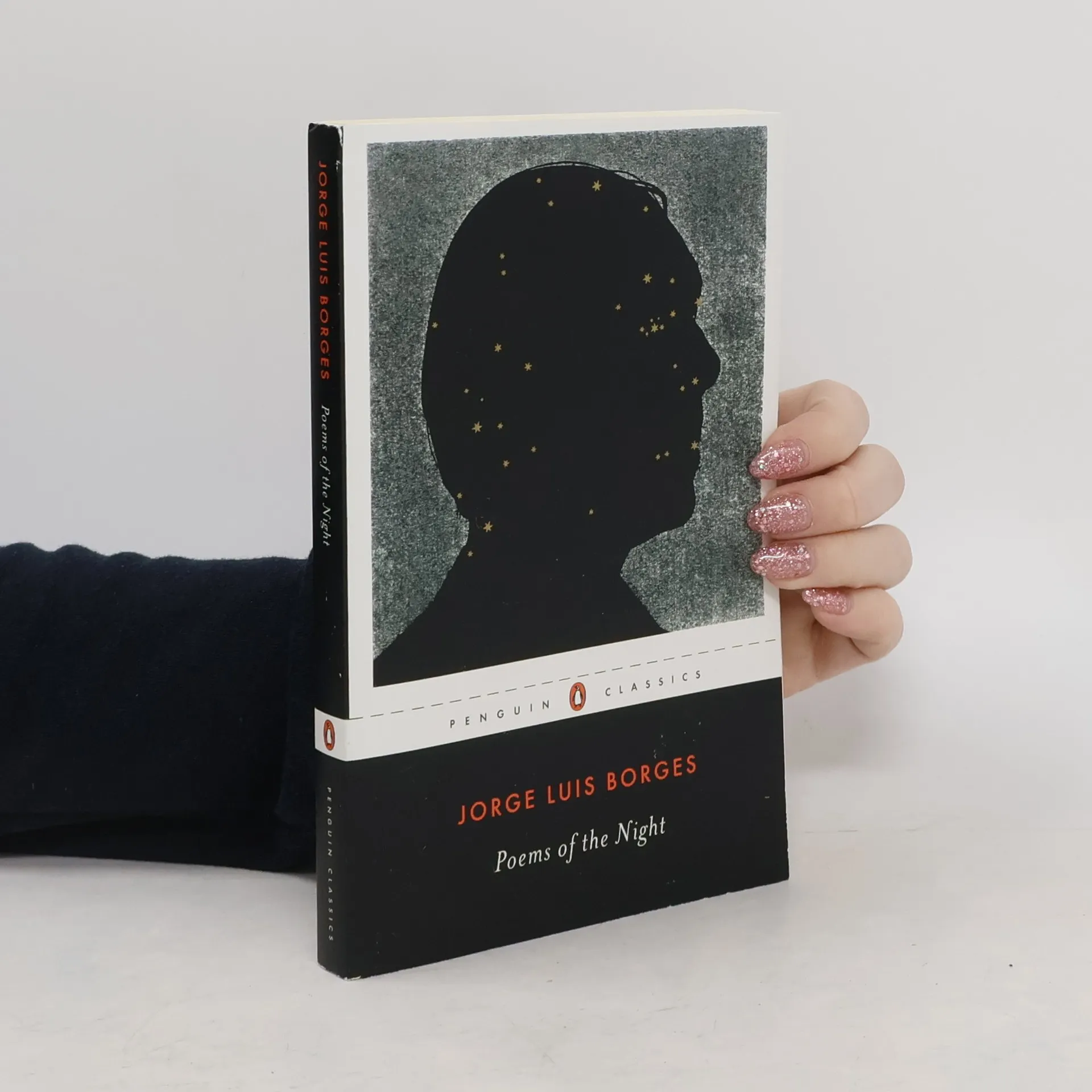
    • Revered for his magnificent works of fiction, Jorge Luis Borges thought of himself primarily as a poet. Poems of the Night is a moving collection of the great literary visionary's poetic meditations on nighttime, darkness, and the crepuscular world of visions and dreams, themes that speak implicitly to the blindness that overtook Borges late in life-and yet the poems here are drawn from the full span of Borges's career. Featuring such poems as "History of the Night" and "In Praise of Darkness" and more than fifty others in luminous translations by an array of distinguished translators-among them W.S. Merwin, Christopher Maurer, Alan Trueblood, and Alastair Reid-this volume brings to light many poems that have never appeared in English, presenting them en face with their Spanish originals. For more than seventy years, Penguin has been the leading publisher of classic literature in the English-speaking world. With more than 1,700 titles, Penguin Classics represents a global bookshelf of the best works throughout history and across genres and disciplines. Readers trust the series to provide authoritative texts enhanced by introductions and notes by distinguished scholars and contemporary authors, as well as up-to-date translations by award-winning translators.

      Poems of the Night: A Dual-Language Edition with Parallel Text
      4,4
    • Selected Poems

      • 496pages
      • 18 heures de lecture

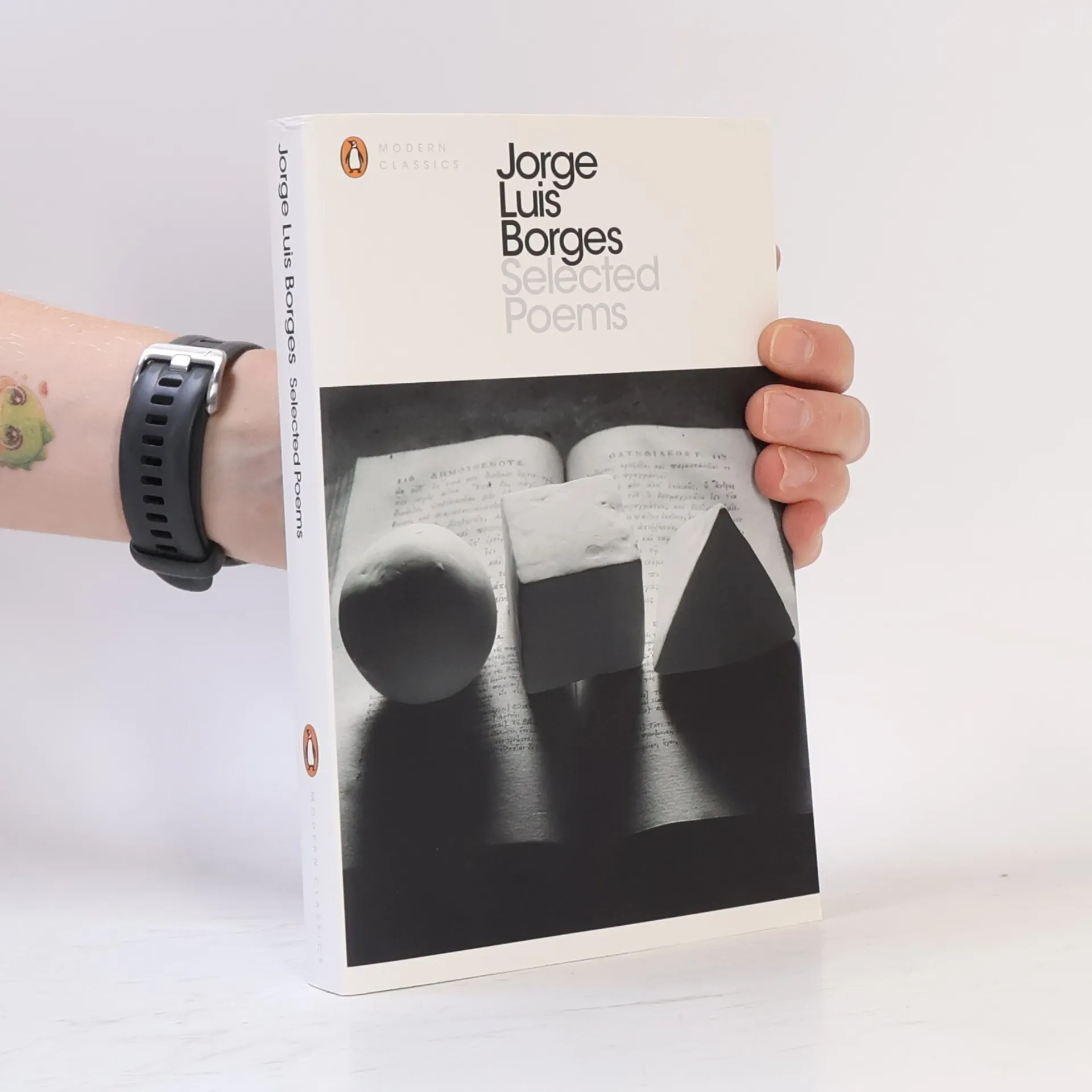
      Selected Poems brings together some two hundred poems - the largest collection of Borges' poetry ever assembled in English, including many never previously translated. The brilliance of the Spanish originals is matched with luminous English versions rendered by a remarkable cast of translators, among them W.S. Merwin, John Updike, Robert Fitzgerald, Mark Strand and Alastair Reid.

      Selected Poems
      4,4
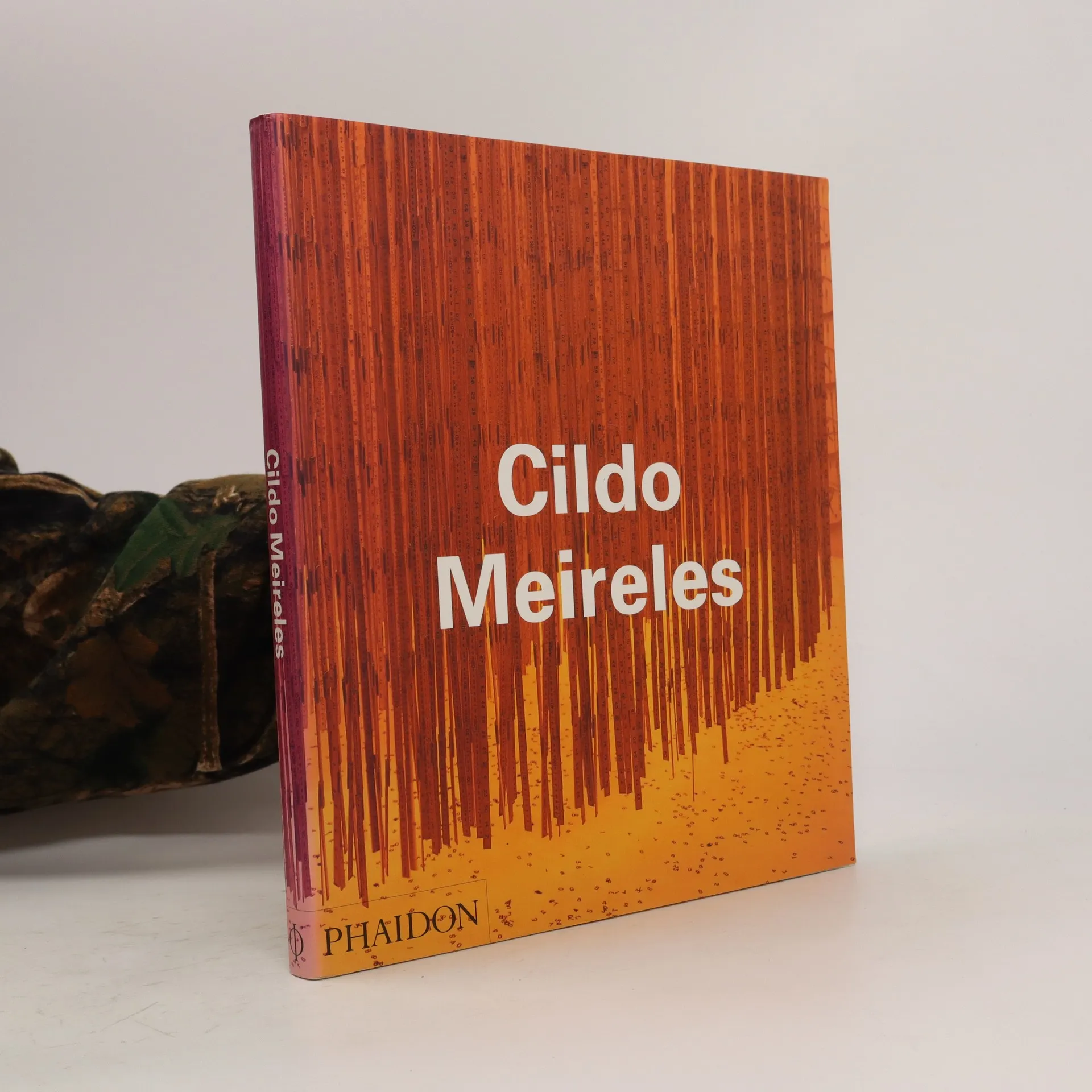
    • Cildo Meireles

      • 160pages
      • 6 heures de lecture

      Born in 1948 and based in Rio de Janeiro, Cildo Meireles is a Brazilian sculptor and installation artist active since the late 1960s. The artist is best known for his often dramatic and politically charged walk-in environments

      Cildo Meireles
      4,3
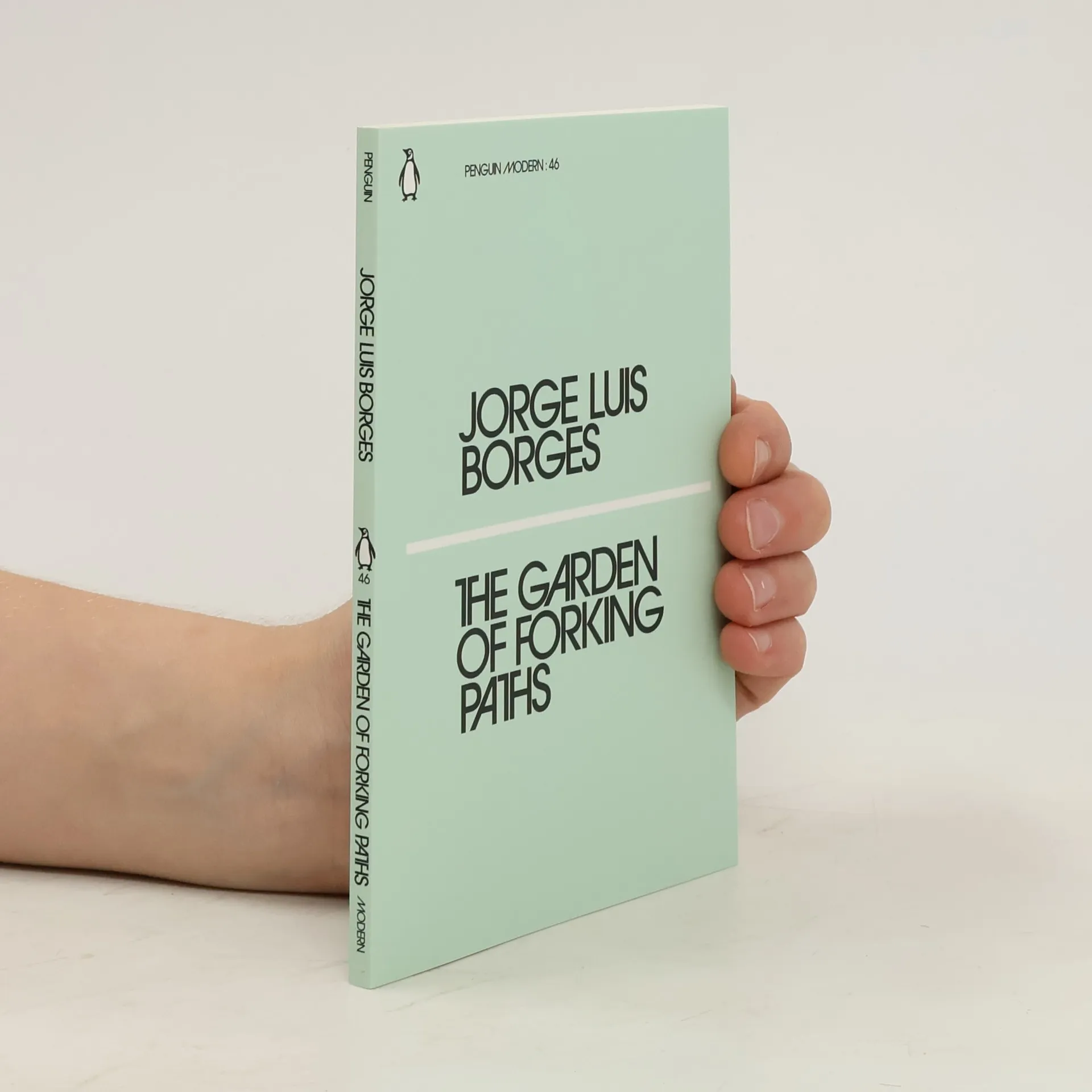
    • The Garden of Forking Paths

      • 64pages
      • 3 heures de lecture

      Summer was drawing to a close, and I realized that the book was monstrous.' These labyrinthine short stories dissolve the boundary between reality and illusion and describe the limits of infinity.

      The Garden of Forking Paths
      4,3
    • The Lottery in Babylon

      • 20pages
      • 1 heure de lecture

      "The drunkard who comes out with an absurd order, the dreamer who suddenly wakes and with his bare hands strangles the woman sleeping beside him - are they perhaps not carrying out one of the Company's secret decisions? These silent workings, so like those of God, give rise to all manner of speculation." The affairs of Babylon are dictated by a lottery. Discreetly administered by a mysterious and seemingly omnipotent Company, the lottery can elevate citizens to positions of wealth and power or condemn them to the most shameful punishments. Taking this fantastical conceit as its starting point, Jorge Luis Borges's short story is a characteristically brilliant achievement - a haunting mediation on the nature of chance, paranoia and divinity.

      The Lottery in Babylon
      4,0
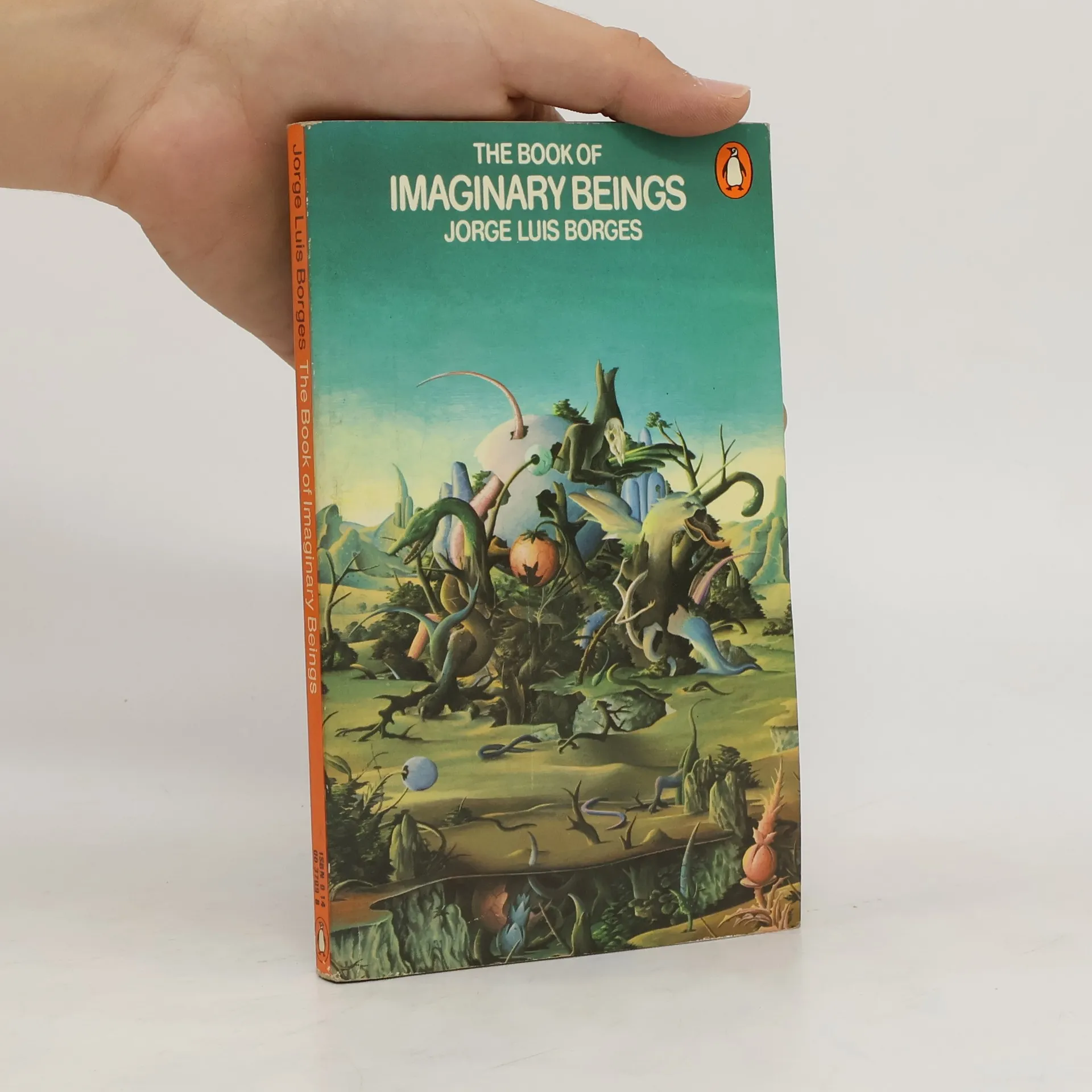
    • As we all know, there is a kind of lazy pleasure in useless and out-of-the-way erudition-The compilation and translation of this volume have given us a great deal of such pleasure; we hope the reader will share some of the fun we felt when ransacking the

      The Book of Imaginary Beings
      4,2
    • Jorge Luis Borges: The Last Interview

      • 184pages
      • 7 heures de lecture

      “Believe me: the benefits of blindness have been greatly exaggerated. If I could see, I would never leave the house, I’d stay indoors reading the many books that surround me.” —Jorge Luis Borges Days before his death, Borges gave an intimate interview to his friend, the Argentine journalist Gloria Lopez Lecube. That interview is translated for the first time here, giving English-language readers a new insight into his life, loves, and thoughts about his work and country at the end of his life. Accompanying that interview are a selection of the fascinating interviews he gave throughout his career. Highlights include his celebrated conversations with Richard Burgin during Borges's time as a lecturer at Harvard University, in which he gives rich new insights into his own works and the literature of others, as well as discussing his now oft-overlooked political views. The pieces combine to give a new and revealing window on one of the most celebrated cultural figures of the past century.

      Jorge Luis Borges: The Last Interview
      4,1
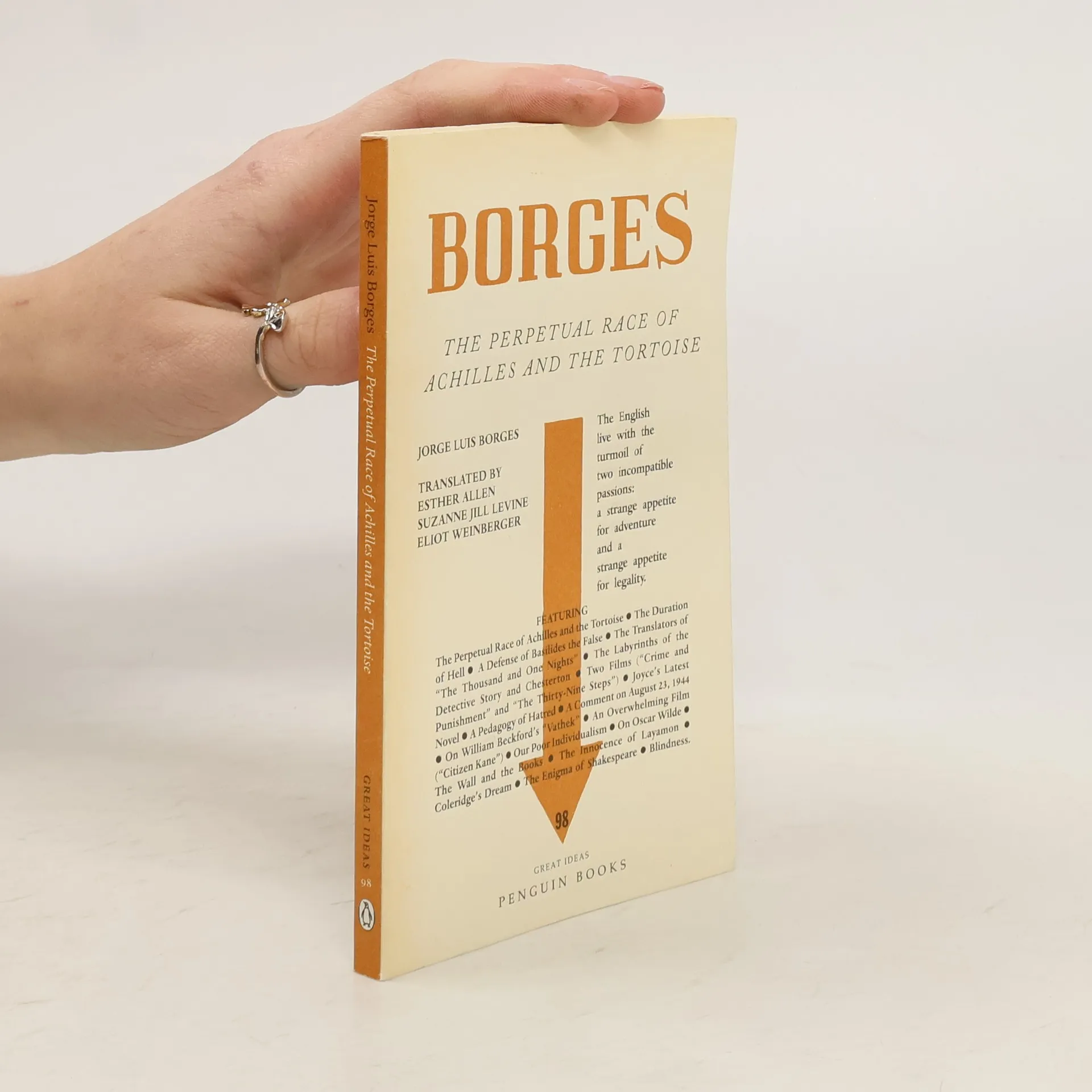
    • In this collection of wise, witty and fascinating essays, Borges discusses the existence (or non-existence) of Hell, the flaws in English literary detectives, the philosophy of contradictions, and the many translators of 1001 Nights. Varied and enthralling, these pieces examine the very nature of our lives, from cinema and books to history and religion.

      The Perpetual Race of Achilles and the Tortoise
      4,1
    • In his writing, Borges always combined high seriousness with a wicked sense of fun. Here he reveals his delight in re-creating (or making up) colorful stories from the Orient, the Islamic world, and the Wild West, as well as his horrified fascination with knife fights, political and personal betrayal, and bloodthirsty revenge. Spark-ling with the sheer exuberant pleasure of story-telling, this collection marked the emergence of an utterly distinctive literary voice.

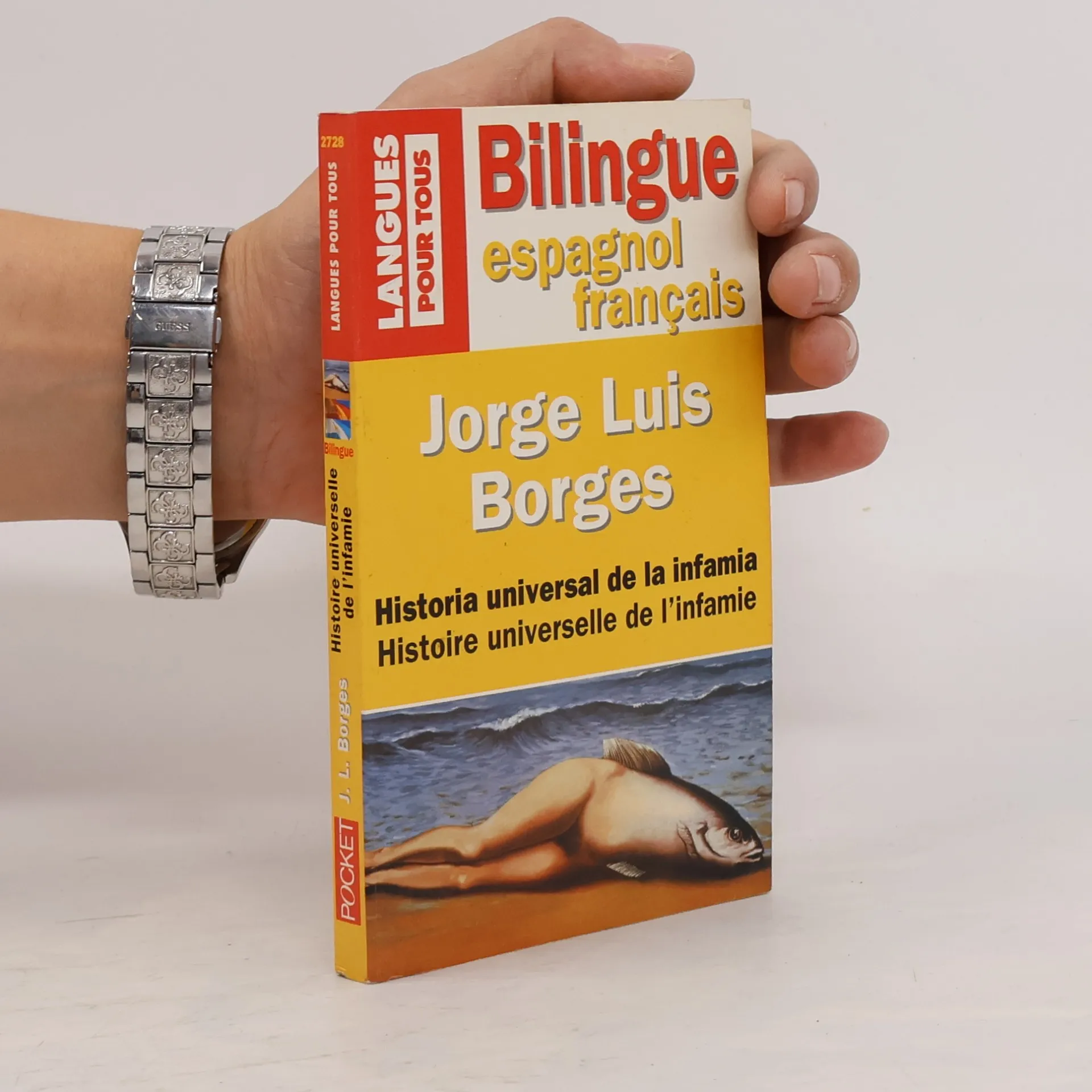
      A Universal History of Infamy
      4,1
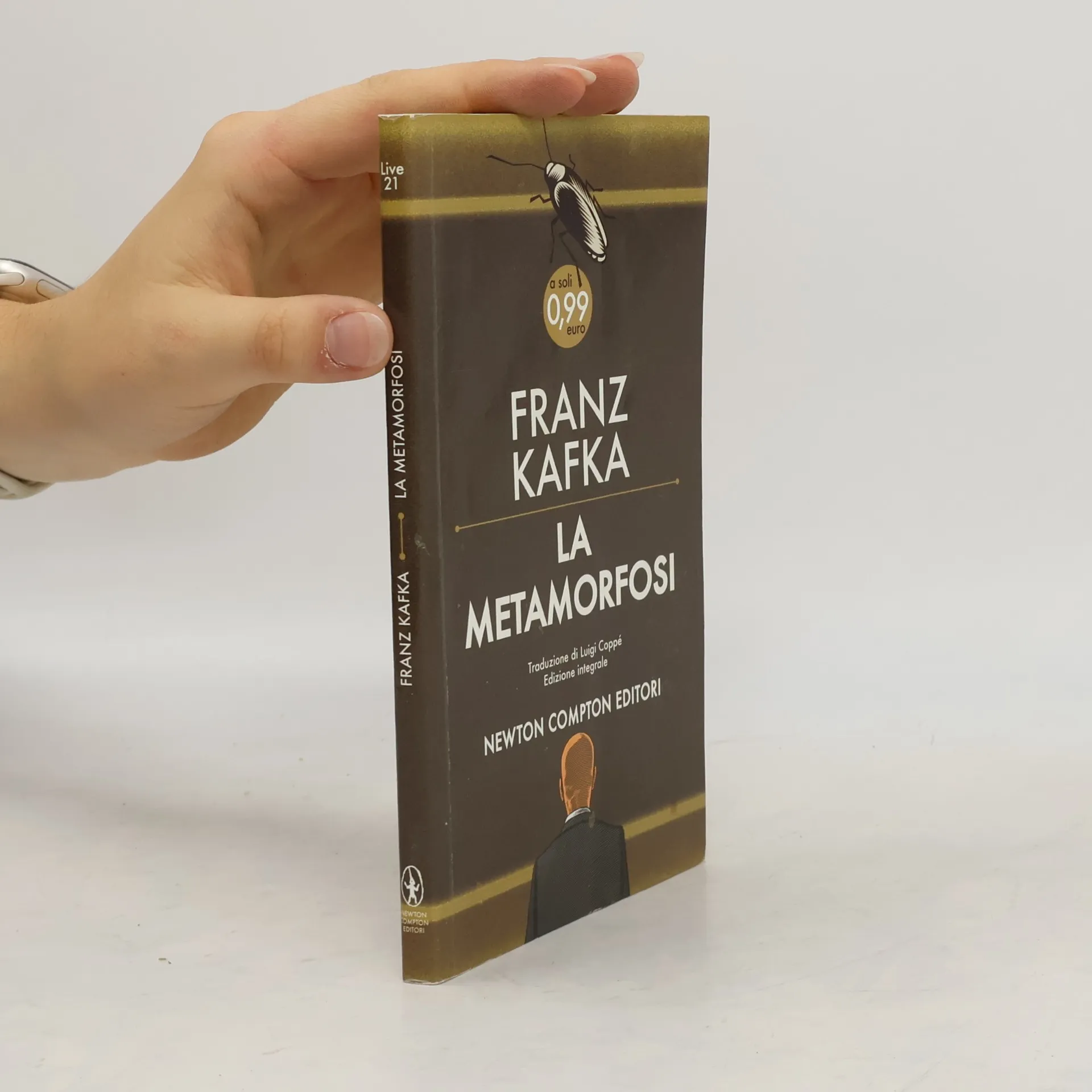
    • Lorsque Gregor Samsa s'éveilla un matin au sortir de rêves agités, il se retrouva dans son lit changé en un énorme cancrelat. Il était couché sur le dos, dur comme une carapace et, lorsqu'il levait un peut la tête, il découvrait un ventre brun, bombé, partagé par des indurations en forme d'arc, sur lequel la couverture avait de la peine à tenir et semblait à tout moment près de glisser. Ses nombreuses pattes pitoyablement minces quand on les comparait à l'ensemble de sa taille, papillotaient maladroitement devant ses yeux.

      La métamorphose
      4,1
    • Mirror of ink

      • 64pages
      • 3 heures de lecture

      Every book tells a story . . . And the 70 titles in the Pocket Penguins series are emblematic of the renowned breadth and quality that formed part of the original Penguin vision in 1935 and that continue to define our publishing today. Together, they tell one version of the unique story of Penguin Books. Jorge Luis Borges wrote playful and deeply imaginative short stories that explore philosophy, paradox and the nature of existence, and Penguin Modern Classics introduced many of his most famous works, including Labyrinths, The Aleph and Fictions, to a wide audience. This collection includes seven of his most famous tales, which intrigue, inspire and mesmerize through their singular genius.

      Mirror of ink
      4,0
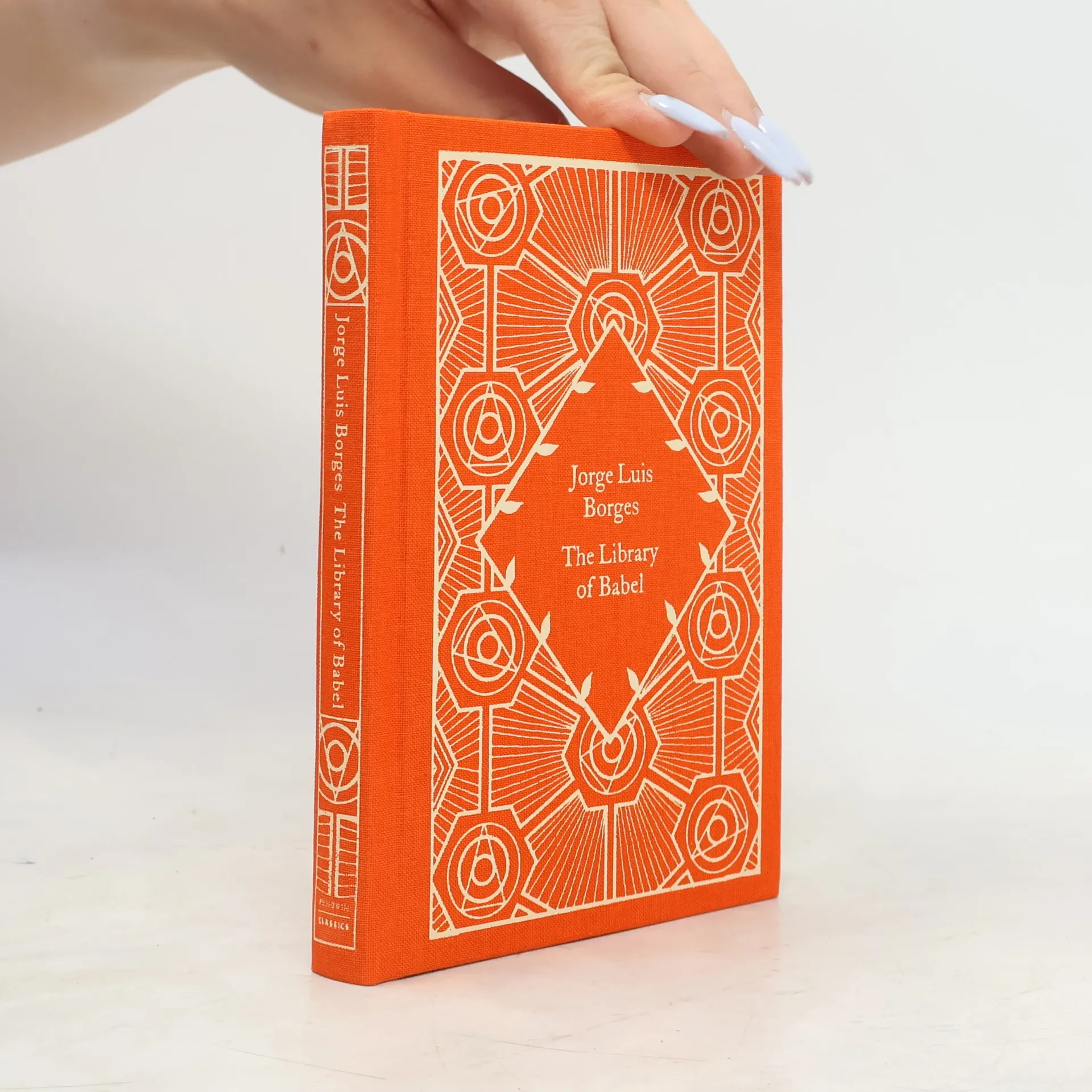
    • Jorge Luis Borges remains one of the most influential short story writers of the twentieth century, whose spellbinding tales of magic, mystery and murder are shot through with deep philosophical paradoxes. This collection brings together many of his greatest stories, including 'The Garden of Forking Paths', 'The Book of Sand' and 'Shakespeare's Memory'.

      The Library of Babel
      4,0
    • The World of the Short Story

      A 20th Century Collection

      • 847pages
      • 30 heures de lecture

      At age 82, Clifton Fadiman continues his prolific publishing career, here presenting 62 of the world's best short stories from 16 countries. His criteria? "Each story had to be both interesting and of high literary merit." Fadiman fulfills both requirements and much more, offering a cornucopia of superior 20th-century writers that includes Franz Kafka, D. H. Lawrence, Isaac Babel, F. Scott Fitzgerald, William Faulkner, Ernest Hemingway, John Cheever, Sean O'Faolain, Graham Greene, Robert Penn Warren, Colette, John Updike, Donald Barthelme, and James Thurber. (Regrettably, J. D. Salinger is not included due to lack of permission.) Here is a truly remarkable collection of this century's short stories that readers from all over the world will read with delight.

      The World of the Short Story
      3,8
    • Gangs of New York

      • 253pages
      • 9 heures de lecture

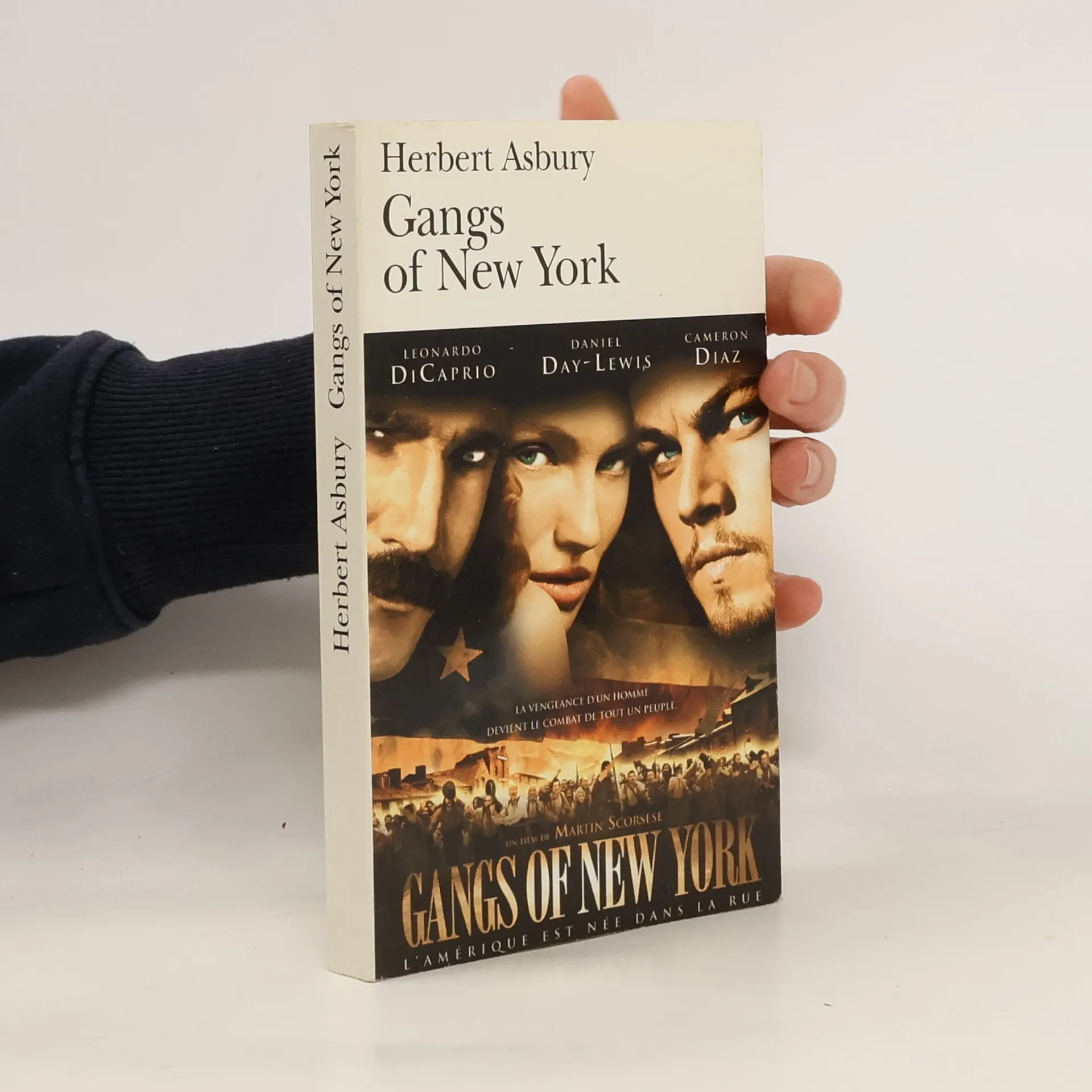
      1840, New York est la ville de l'or et du crime. Fraîchement débarqués sur les rives de Manhattan, les truands fondent des empires éphémères. Dans les lupanars de Five Points et les bas-fonds de Mulberry End, les trafiquants d'armes et d'alcool affrontent les caïds du jeu et de la prostitution. À la tête de ces armées tentaculaires s'illustrent des chefs aux noms bibliques tel Moïse, le colosse roux qui traverse l'Hudson à la nage, ou Leslie le lettré, génie du coffre-fort.

      Gangs of New York
      3,6
    • Conversations - Volume 3

      • 208pages
      • 8 heures de lecture

      "I wrote a poem this morning, and one of the themes of the poem is that languages are not equivalent, that each language is a new way of feeling the world."--Jorge Luis Borges Recorded during Borges' final years, this third volume of his conversations with Osvaldo Ferrari offers a rare glimpse into the life and work of Argentina's master writer and favorite conversationalist. In Conversations: Volume 3, Borges and Ferrari discuss subjects as diverse as film criticism, fantastic literature, science fiction, the Argentinian literary tradition, and the works of writers such as Bunyan, Wilde, Joyce, and Yeats, among others. With his signature wit, Borges converses on the philosophical basis of his writing, his travels, and his fascination with religious mysticism. He also ruminates on more personal themes, including the influence of his family on his intellectual development, his friendships, and living with blindness. The recurrent theme of these conversations, however, is a life lived through books. Borges draws on the resources of a mental library that embraces world literature, both ancient and modern. He recalls the works that were a constant presence in his memory and maps his changing attitudes to a highly personal canon. These conversations are a testimony to the supple ways that Borges explored his own relation to numerous traditions--the conjunction of his life, his lucidity, and his imagination.
      Conversations - Volume 3
    • Borges esencial

      • 637pages
      • 23 heures de lecture

      El presente volumen incluye los textos íntegros de Ficciones y El Aleph, dos de sus obras narrativas más representativas, así como una selección de sus poemas y textos ensayísticos.The present volume includes the full texts of Fictions and The Aleph, two of his more representative narrative works, as well as a selection of his poems and essays.MAY 2017

      Borges esencial
      4,7
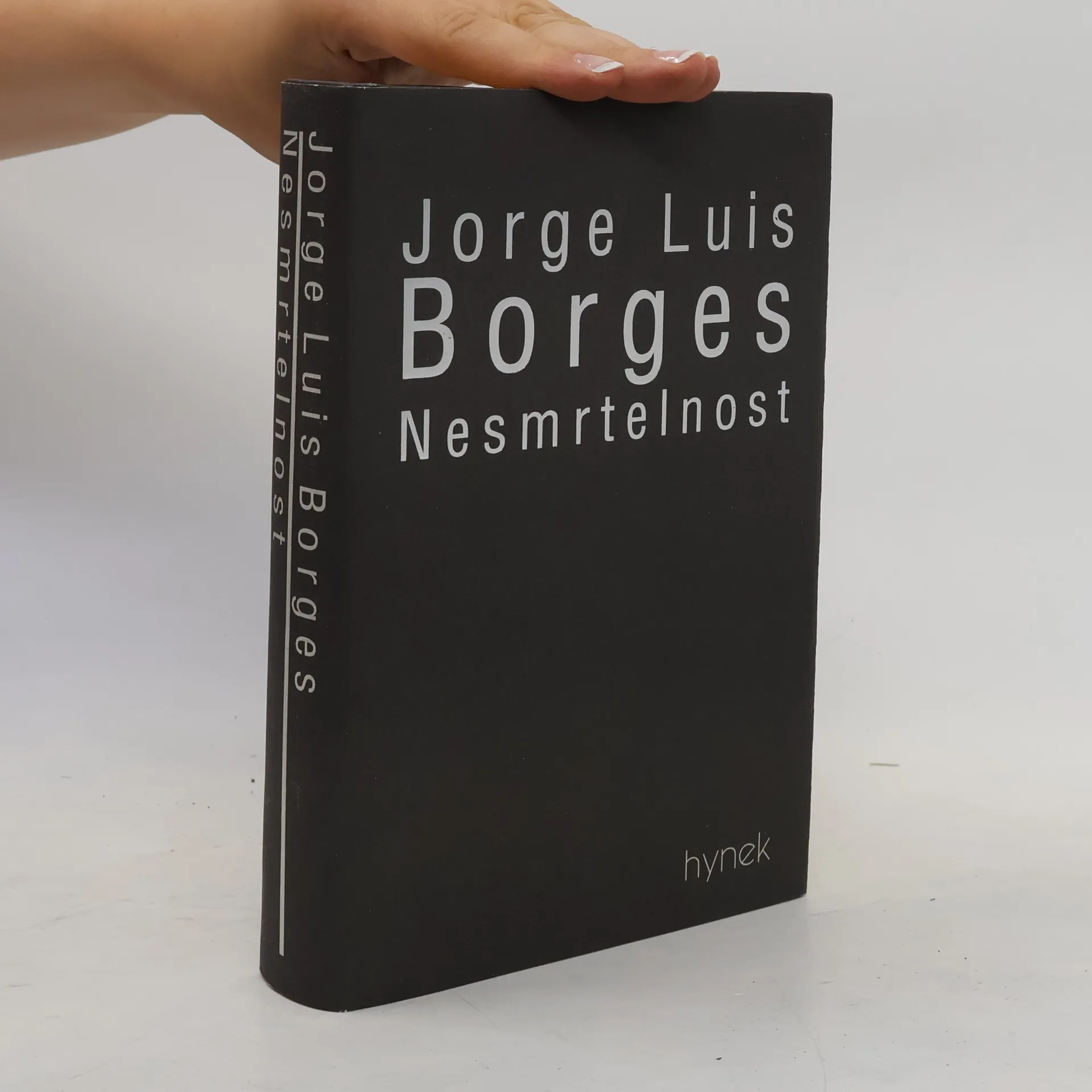
    • Souborné vydání většiny povídkových cyklů proslulého argentinského básníka, prozaika a esejisty. Autor ve svém díle vytvořil zcela specifickou spekulativní prózu na pomezí literární fantastiky a eseje, která byla inspirována jeho studiem řady náboženských a filozofických směrů a cyklických teorií času. Ve svých povídkách tak důsledně zpochybňuje empirickou skutečnost, v jejich metaforách rozvrací čas i lidskou identitu, aby tak lépe pronikl pod povrch věcí a dějů k podstatě člověka....

      Nesmrtelnost
      4,8
    • Spiegel und Maske

      • 243pages
      • 9 heures de lecture

      »Ich schreibe für mich selber, für meine Freunde und um das Verrinnen der Zeit weniger schmerzhaft zu verspüren.« Dieser Satz von Jorge Luis Borges steht wie ein Motto über den späten Erzählungen des berühmten argentinischen Schriftstellers, die er, bereits erblindet, in »David Brodies Bericht«, »Das Sandbuch« und »Shakespeares Gedächtnis« sammelte. Sie bieten phantastische Erzählungen, kriminalistische Glossen und autobiographische Geschichten. Daneben stehen abgründige Meditationen über Raum und Zeit – die metaphysischen Konstanten eines der erstaunlichsten Werke des 20. Jahrhunderts. »In meinem Schreibtisch in der Calle México bewahre ich das Gemälde auf, das jemand in Tausenden von Jahren malen wird, mit Substanzen, die heute noch über den ganzen Erdball verstreut sind.«
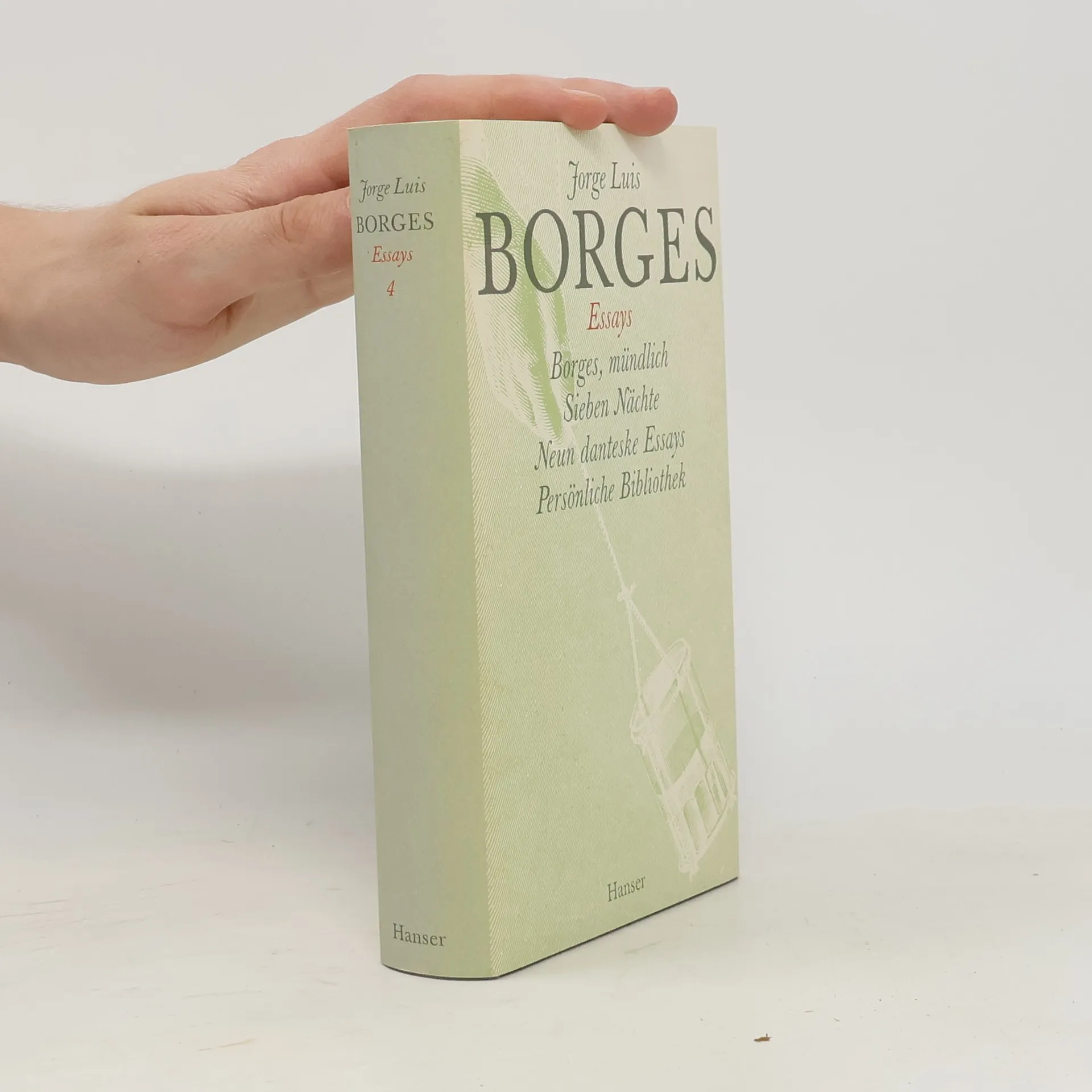
      Spiegel und Maske
      4,6
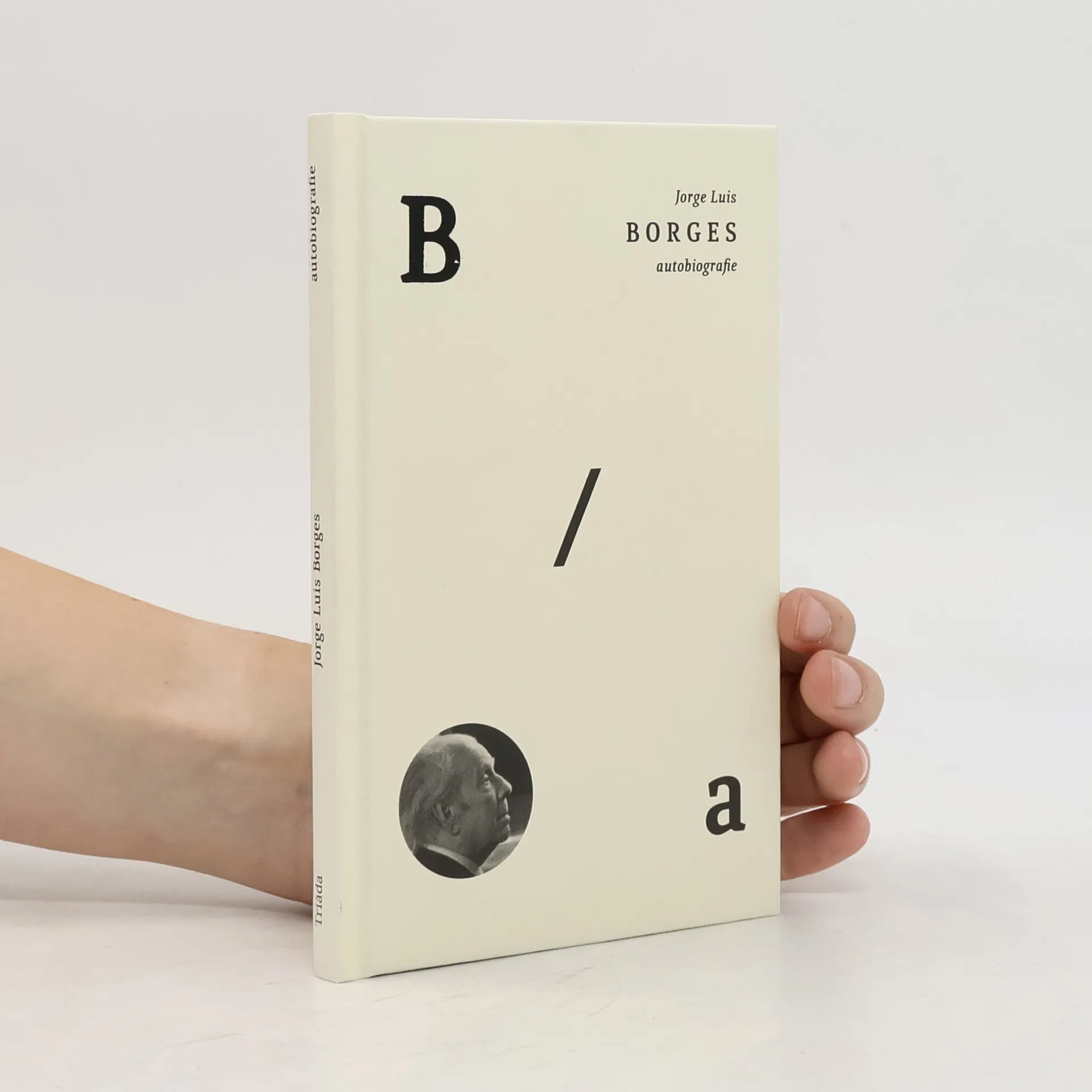
    • Proslulý argentinský spisovatel zachytil svůj životní příběh do krátké autobiografie, která se dělí na kapitoly s názvy jako Rodina a dětství, Evropa, Buenos Aires, Dospělost a Přeplněná léta. Autobiografie vznikla v úzké spolupráci s jeho přítelem Normanem Thomasem di Giovannim, který se dlouhodobě věnoval překladu Borgesova díla do angličtiny. Di Giovanni si uvědomil, že čtenáři často postrádají kontext, v němž je Borgesovo psaní zakořeněno, a proto se snažil, aby se Borges držel stanovených témat. Text autobiografie byl diktován di Giovannimu kvůli Borgesově oční nemoci, která ho trápila posledních dvacet let. Autobiografie poprvé vyšla v americkém časopise The New Yorker 19. září 1970 a později byla zařazena do svazku The Aleph and Other Stories, 1933–1969. Španělský překlad se objevil až v roce 1999. Borges v ní reflektuje své literární názory a pocity ve stáří, kdy si uvědomuje své limity a hodnotu svých dřívějších děl. Věří, že jeho nejlepší práce už jsou za ním, což mu přináší tiché uspokojení a klid.

      Autobiografie
      4,7
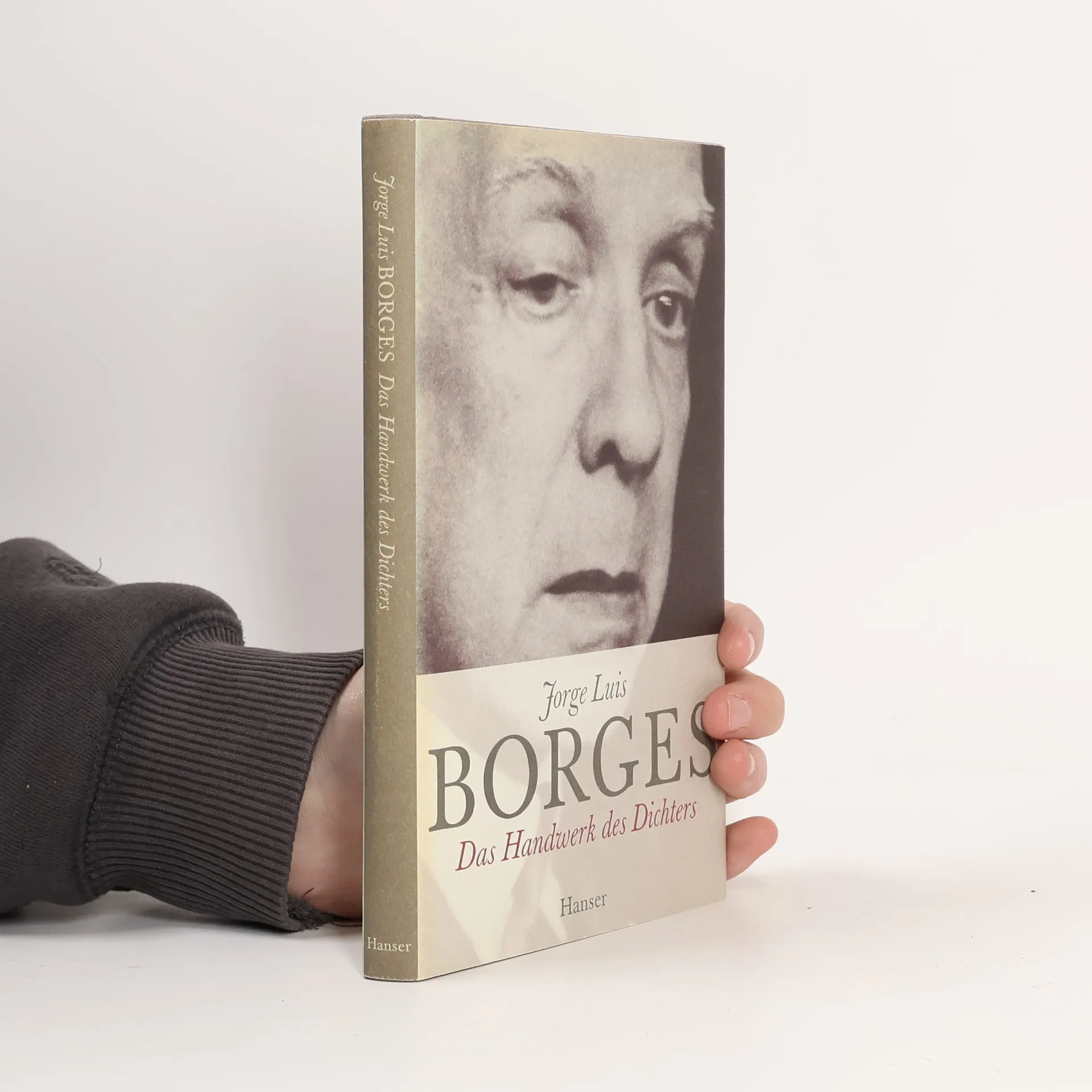
    • Das Handwerk des Dichters

      • 112pages
      • 4 heures de lecture

      Lang galten Jorge Luis Borges sechs legendäre Harvard-Vorlesungen aus dem Jahren 1967/1968 als verschollen, bis man endlich die Tonbänder eines Mitschnitts entdeckte. Der Fund war eine Sensation, denn in ihnen schreitet der zu dem Zeitpunkt halberblindete Lyriker, Erzähler, Essayist und Historiker den ganzen Umkreis seines Werkes ab und legt so die konzentrierteste Einführung in sein Werk und Denken vor: »Ich habe mein Leben damit verbracht, zu lesen, zu analysieren, zu schreiben (oder mich am Schreiben zu versuchen) und zu genießen. Ich fand, dass letzteres das wichtigste von allem war.« Dass das Glück des Lesens das Glück zu schreiben aufzuheben vermag, dass der Kommentar zu einem verlorenen Vers glänzender sein kann als die verschollenen Worte selbst, dass eine altnordische Metapher uns unmittelbarer berühren kann wie die Schilderung einer zeitgenössischen Kaffeehausszene – all diese großen Rätsel seines Werkes reicht er hier seinen Lesern weiter.› Das Handwerk des Dichters‹ ist der zentrale poetologische Text eines der größten Dichter des zwanzigsten Jahrhunderts.

      Das Handwerk des Dichters
      4,6
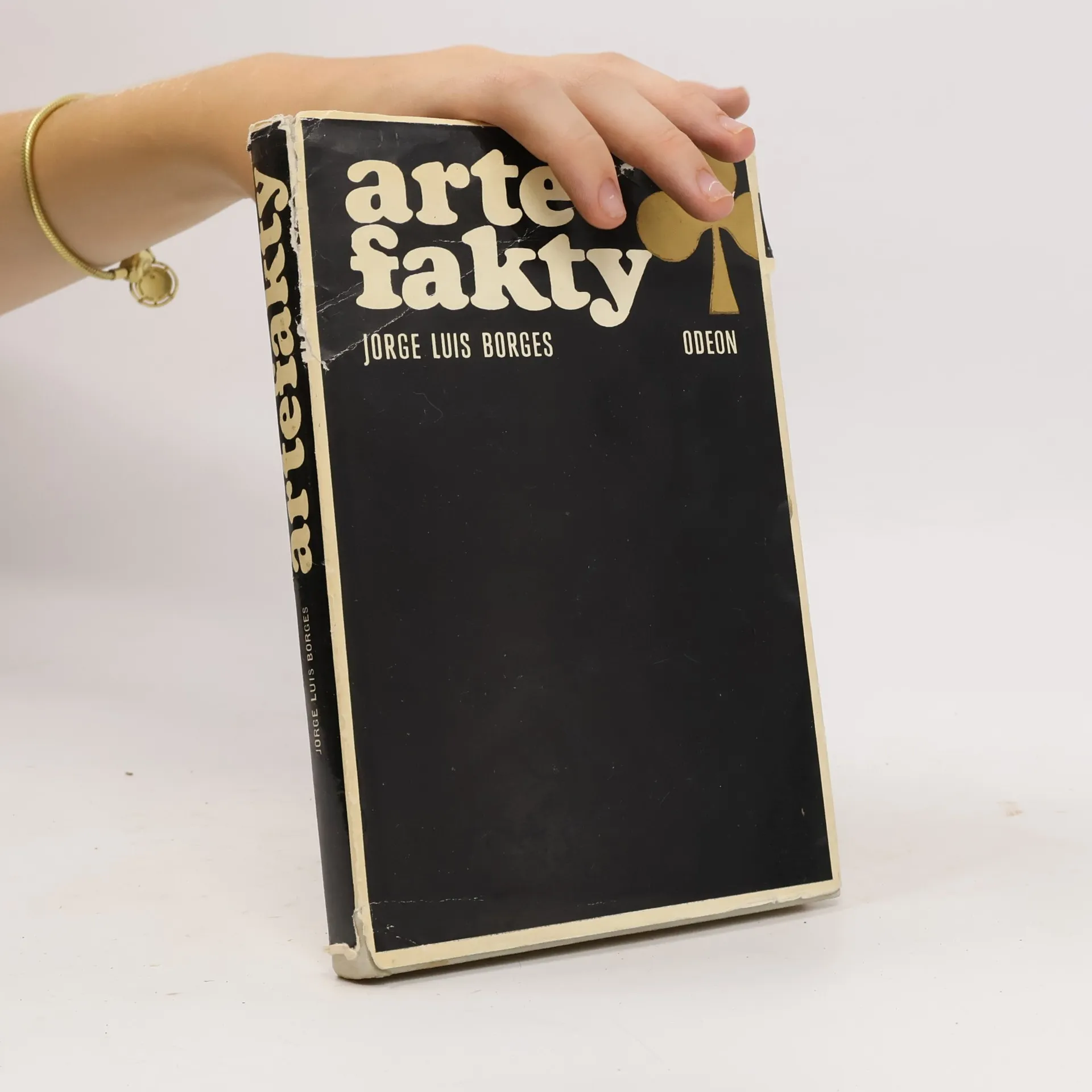
    • V Borgesových fantastických povídkách dochází k popírání skutečnosti, respektive k nahrazení skutečnosti jinou. Soubor povídek největšího žijícího spisovatele Latinské Ameriky, rozdělený do oddílů Zahrada, v které se cestičky rozvětvují (1941), Artefakty (1944), Alef (1949) a zahrnující povídky fantastické, detektivní či přesněji kriminalisticko-fantastické povídky zasazené do argentinského prostředí městského i venkovského. Příběhy, v nichž autor suverénně rozehrává složitá témata tajnosti, hrůzy a chaosu, infikující duševní život dnešního člověka.

      Artefakty
      4,6
    • Borges se cítil především čtenářem. Za největší událost svého života považoval setkání s otcovou knihovnou, k řadě autorů a děl se stále znovu vracel. Pátý svazek jeho spisů obsahuje texty vztahující se pouze k literatuře: dva soubory komentářů (předmluv) k jeho oblíbeným knihám, mezi něž patří jak díla proslulá (Aeneida, Macbeth, Poeovy povídky, Whitmanova Stébla trávy, Kafkova Proměna), tak tituly a autoři českému čtenáři málo známí (např. představitelé argentinské gaučovské poezie). Samostatný soubor Devět dantovských esejů (1982) je věnován Božské komedii, které se Borges obdivoval celý život.

      Předmluvy s předmluvou předmluv / Devět dantovských esejí / Osobní knihovna
      4,7
    • Gesammelte Werke

      • 148pages
      • 6 heures de lecture

      Inhalt: Autobiographischer Essay; Seminar über Fiktion; Seminar über Dichtung; Epilog. Der Band bietet authentische Selbstinterpretationen, die Borges' Seminaren an der Columbia University in New York entstammen.

      Gesammelte Werke
      5,0
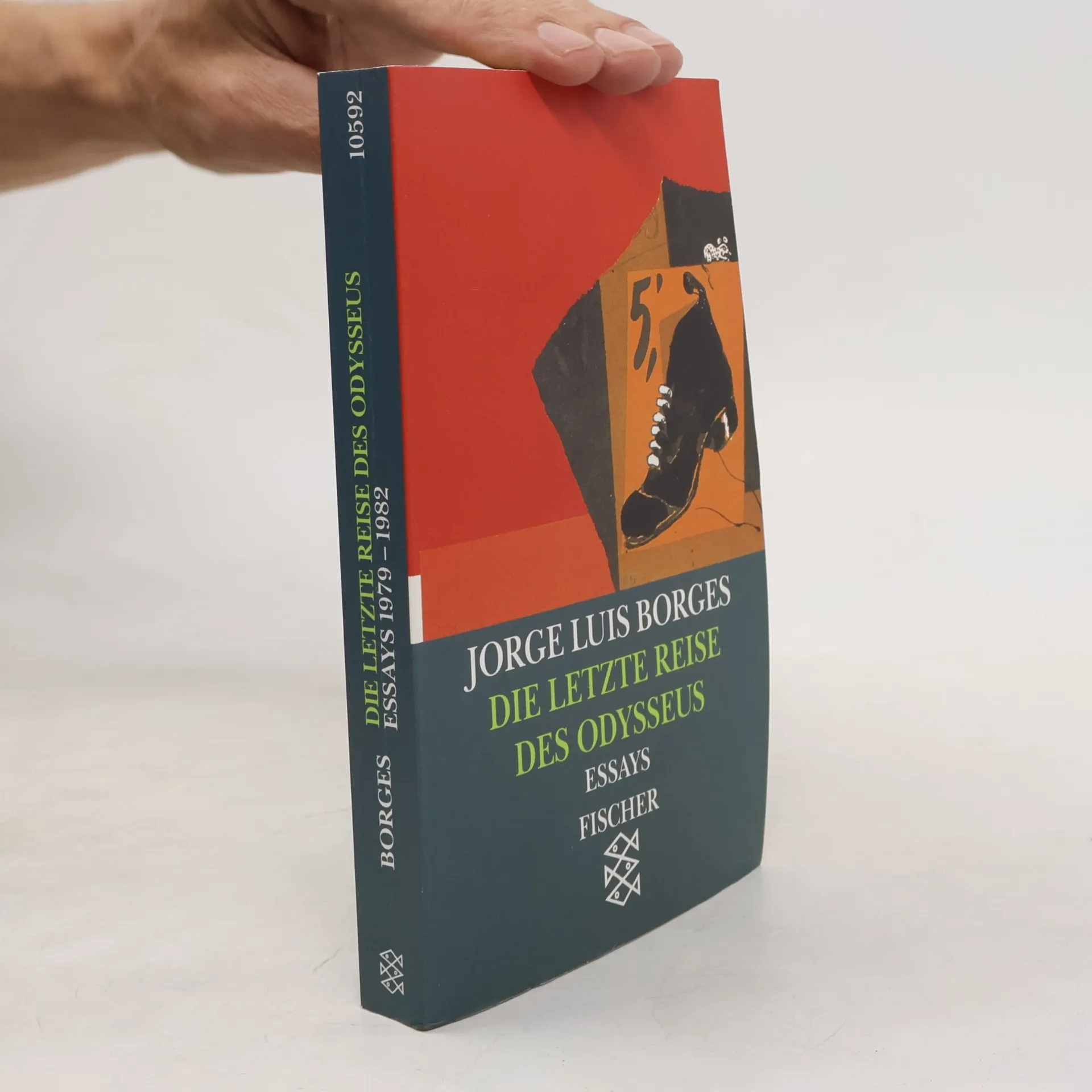
    • Die letzten Vorträge und Essays von Borges befassen sich noch einmal aus zum Teil überraschenden Blickwinkeln mit den Dingen, die ihn sein Leben lang beschäftigt haben: das Problem der Zeit, die Unsterblichkeit, die Kabbala und der Buddhismus, die Summe seines innigen Umgangs mit Dan-tes "Komödie", die Blindheit, "Die Dichtung, jenes mysteriöse Schachspiel, über das ich mich neigen werde, wenn ich gestorben bin".

      Die letzte Reise des Odysseus
      4,6
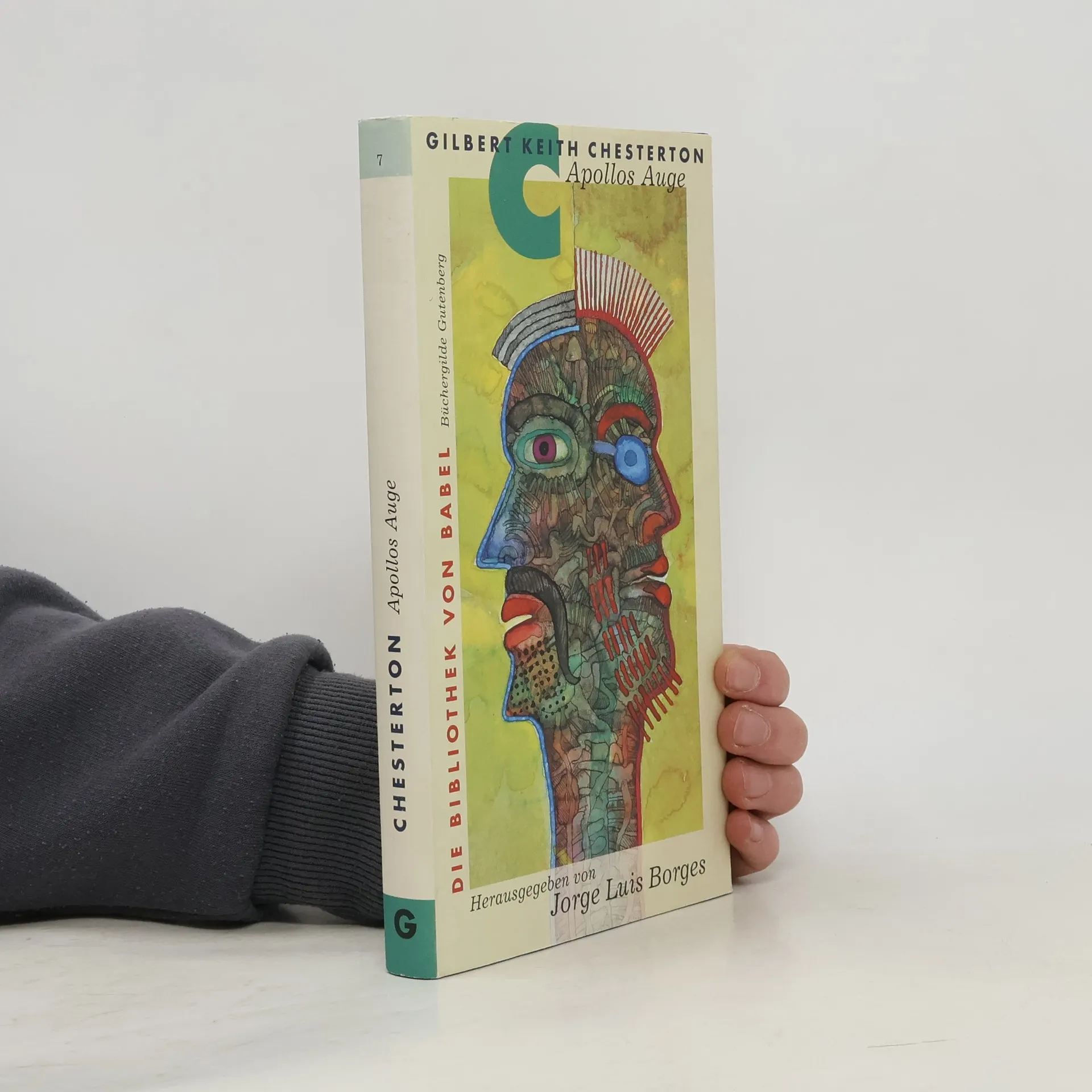
    • Aus dem ehemaligen Meisterdieb Flambeau ist durch Pater Browns Hilfe ein ehrbarer Privatdetektiv geworden. Als Flambeau dem Pater stolz sein neues Büro in London präsentiert, geschieht ein grausames Unglück, bei dem eine junge Frau ihr Leben verliert. Aber vielleicht war es gar kein Unglück? Undwas hat Flambeaus Hausgenosse, ein Priester der "Kirche des Apoll", mit dieser Sache zu tun?

      Apollos Auge
      4,7
    • Fünf Erzählungen aus dem Bereich der phantastischen Literatur zeigen Borges’ Können, seine Lust an Grenzüberschreitungen und Gedankenexperimenten. Dieser Band, der auch ein Interview beinhaltet, gibt Auskunft über die schillernde und faszinierende Persönlichkeit des argentinischen Ausnahmeschriftstellers und Herausgebers der vorliegenden Reihe. „Borges’ dichterische Präsenz in diesem Jahrhundert übergreift Epochen und Kulturkreise, auch wenn sich Jahreszahlen und Orte nennen lassen.“ Martin Gregor-Dellin

      25. [Fünfundzwanzigster] August 1983 und andere Erzählungen
      4,5
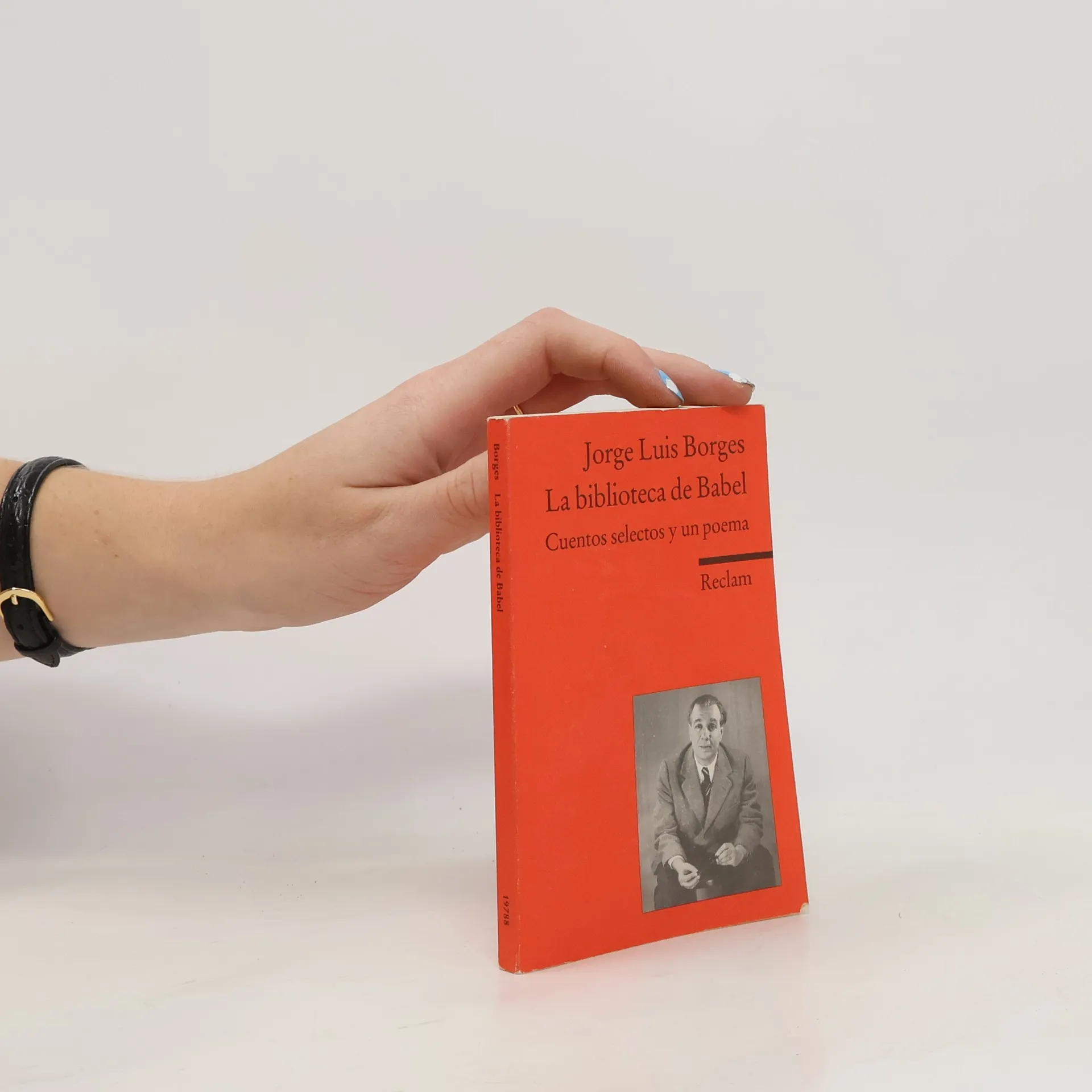
    • Spanische Literatur in Reclams Roter Reihe: das ist der spanische Originaltext – ungekürzt und unbearbeitet mit Worterklärungen am Fuß jeder Seite, Nachwort und Literaturhinweisen. Eine repräsentative Auswahl kürzerer und sprachlich nicht zu schwieriger Erzählungen aus dem Gesamtwerk des großen Argentiniers: La intrusa – Las ruinas circulares – La biblioteca de Babel – El sur – El milagro secreto – El libro de arena – El otro – La casa de Asterión – Deutsches Requiem – Los dos reyes y los dos laberintos – Hombre de la esquina rosada – La trama – Diálogo sobre un diálogo – El cautivo. Als Auftakt enthält die Anthologie Borges' Hommage an die deutsche Sprache: Al idioma alemán. Spanische Lektüre: Niveau B2 (GER) Sprachen: Spanisch, Deutsch

      La biblioteca de Babel
      4,4
    • Seven Nights

      • 121pages
      • 5 heures de lecture

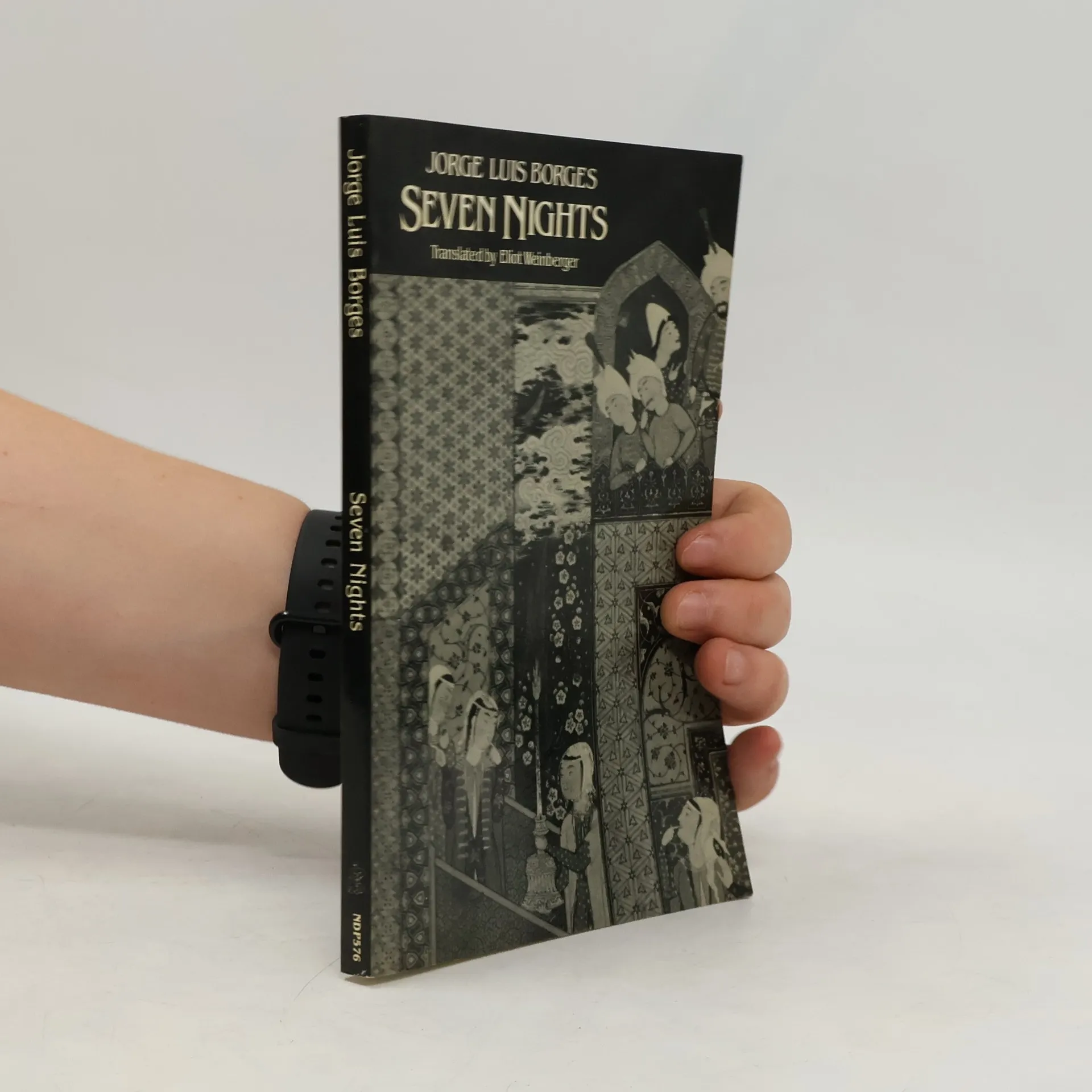
      Lectures discuss The Divine Comedy, nightmares, The Thousand and One Nights, Buddhism, poetry, the Kabbalah, and blindness

      Seven Nights
      4,4
    • Antologia da Literatura Fantástica

      • 448pages
      • 16 heures de lecture

      Numa noite de 1937, ao conversar sobre ficções fantásticas, três amigos – Jorge Luis Borges, Adolfo Bioy Casares e Silvina Ocampo – resolveram criar uma antologia com seus autores preferidos. Três anos depois, foi lançada a Antologia da literatura fantástica, consolidada em sua edição definitiva 25 anos depois, obtendo enorme sucesso não só de estima como de público. Do filósofo Martin Buber ao explorador Richard Burton, passando pela tradição dos contos orientais, além de Cortázar, Kafka, Cocteau, Joyce, Wells e Rabelais, são 75 histórias – não só contos, como fragmentos de romance e peças de teatro -- que nos apresentam uma literatura marcada pelo imaginário e por um modo diferente de representar a realidade.

      Antologia da Literatura Fantástica
      4,3
    • Cuentos memorables

      • 384pages
      • 14 heures de lecture

      25 años después de la muerte de Borges, Alfaguara recoge los relatos que él eligió como los más memorables de la literatura universal: Poe, Conrad, Kipling y Maupassant, entre otros, se dan cita en estas páginas. “No sé si soy un buen escritor; creo ser un excelente lector o, en todo caso, un sensible y agradecido lector.” Esta frase de Borges, citada infinidad de veces, sigue reencontrando su sentido inequívoco. El 26 de julio de 1935, en una sección de la revista argentina El Hogar titulada “Un cuento, joya de la literatura”, Borges explicaba por qué elegía el relato de May Sinclair “Donde su fuego nunca se apaga” como el cuento más memorable que había leído, al tiempo que mencionaba otros once. Esa declaración ha inspirado la presente antología, que reúne un variado grupo de magníficos relatos.

      Cuentos memorables
      4,3
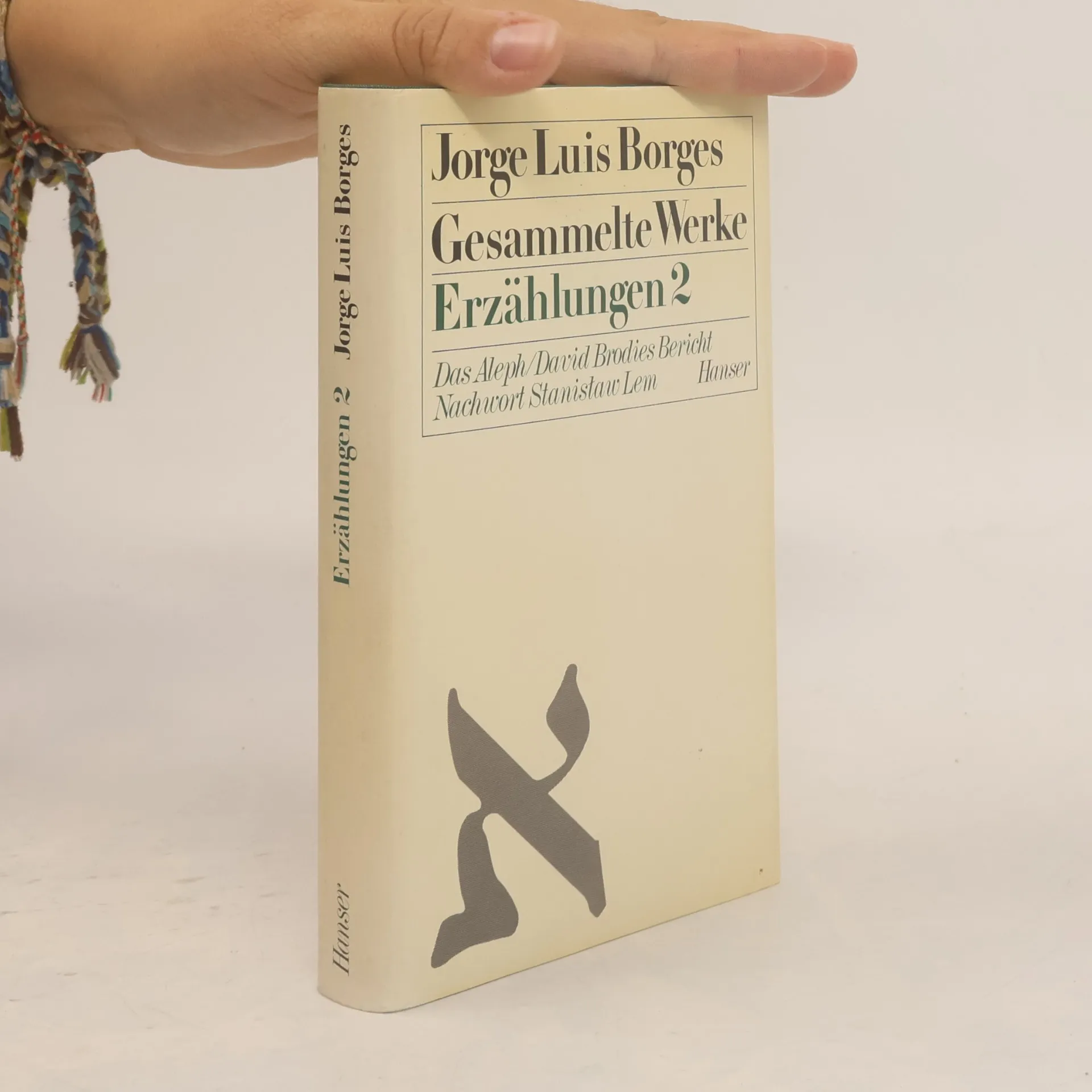
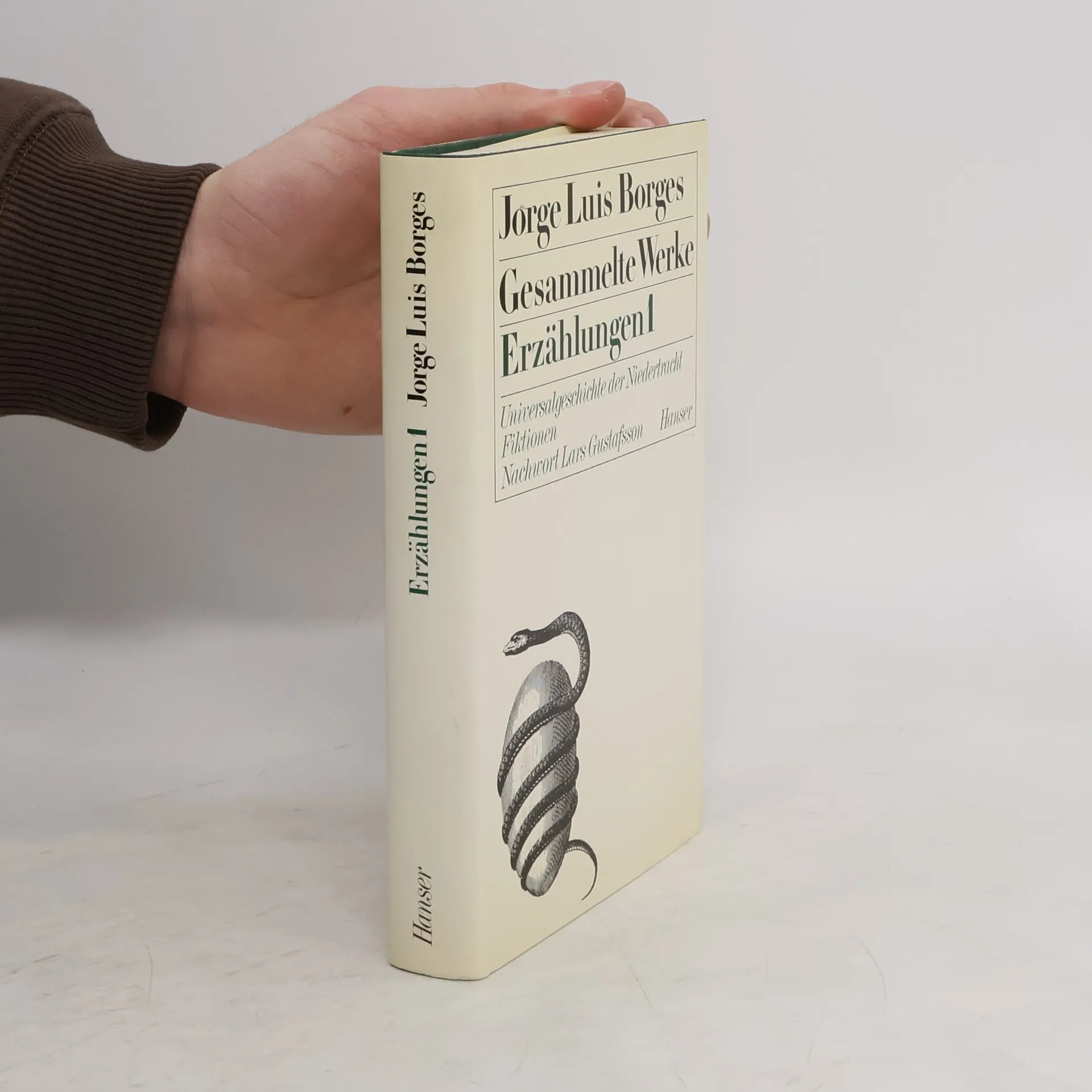
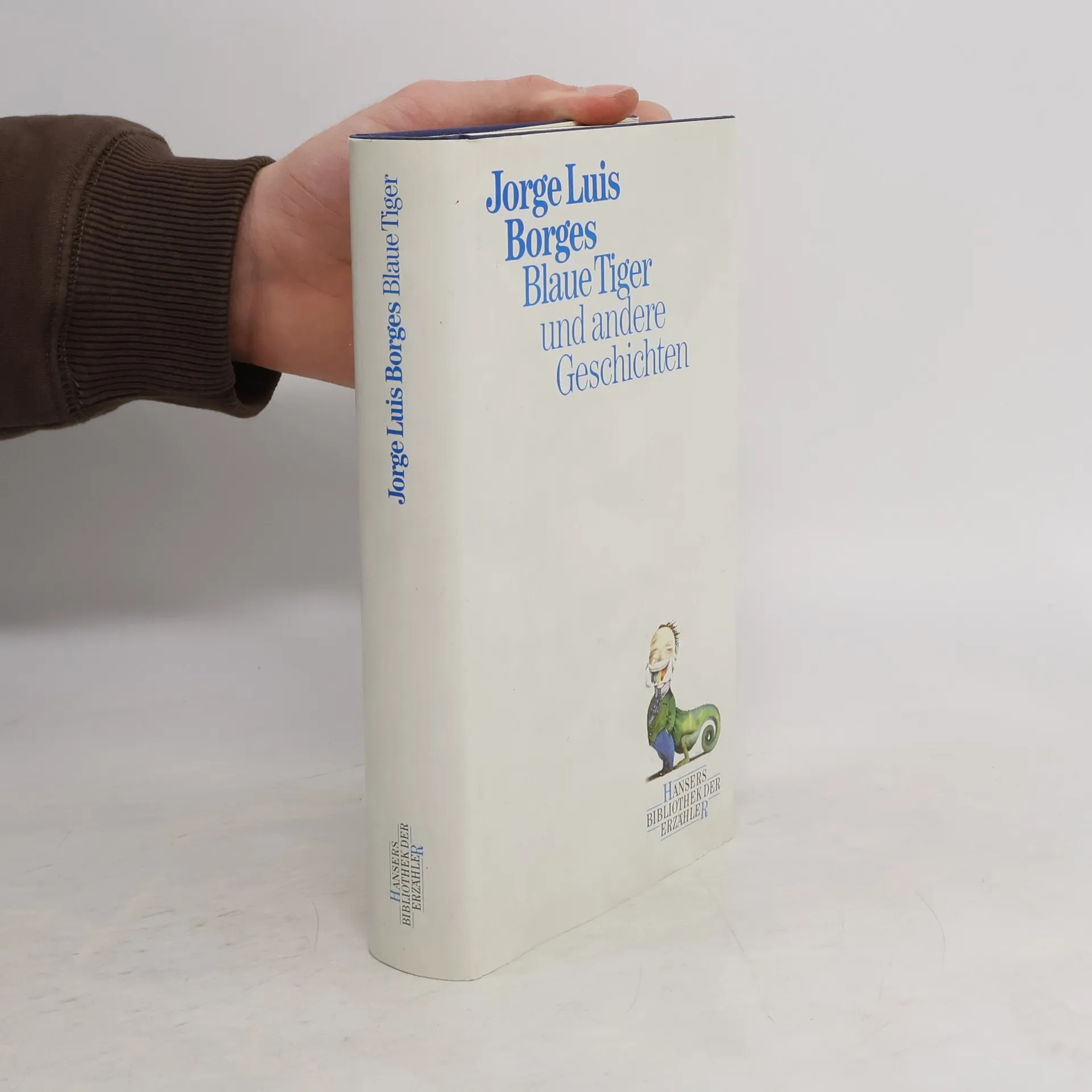
    • Inhalt: Universalgeschichte der Niedertracht; Etcetera; Fiktionen; Der Garten der Pfade, die sich verzweigen; Kunststücke. Verstand und Phantasie finden in den Erzählungen von Borges auf unvergleichliche Weise zusammen. Sie haben Borges Weltruhm eingebracht. »Die Größe des Borges liegt darin, daß er den Leser an Vergessenes erinnert, und die andere Größe des Borges ist es, den Leser zu zwingen, daß er lernt, auch an die Fragwürdigkeit dieses Weltengeheimnisses zu glauben …« DIE PRESSE, Wien

      Gesammelte Werke. Erzählungen
      4,5
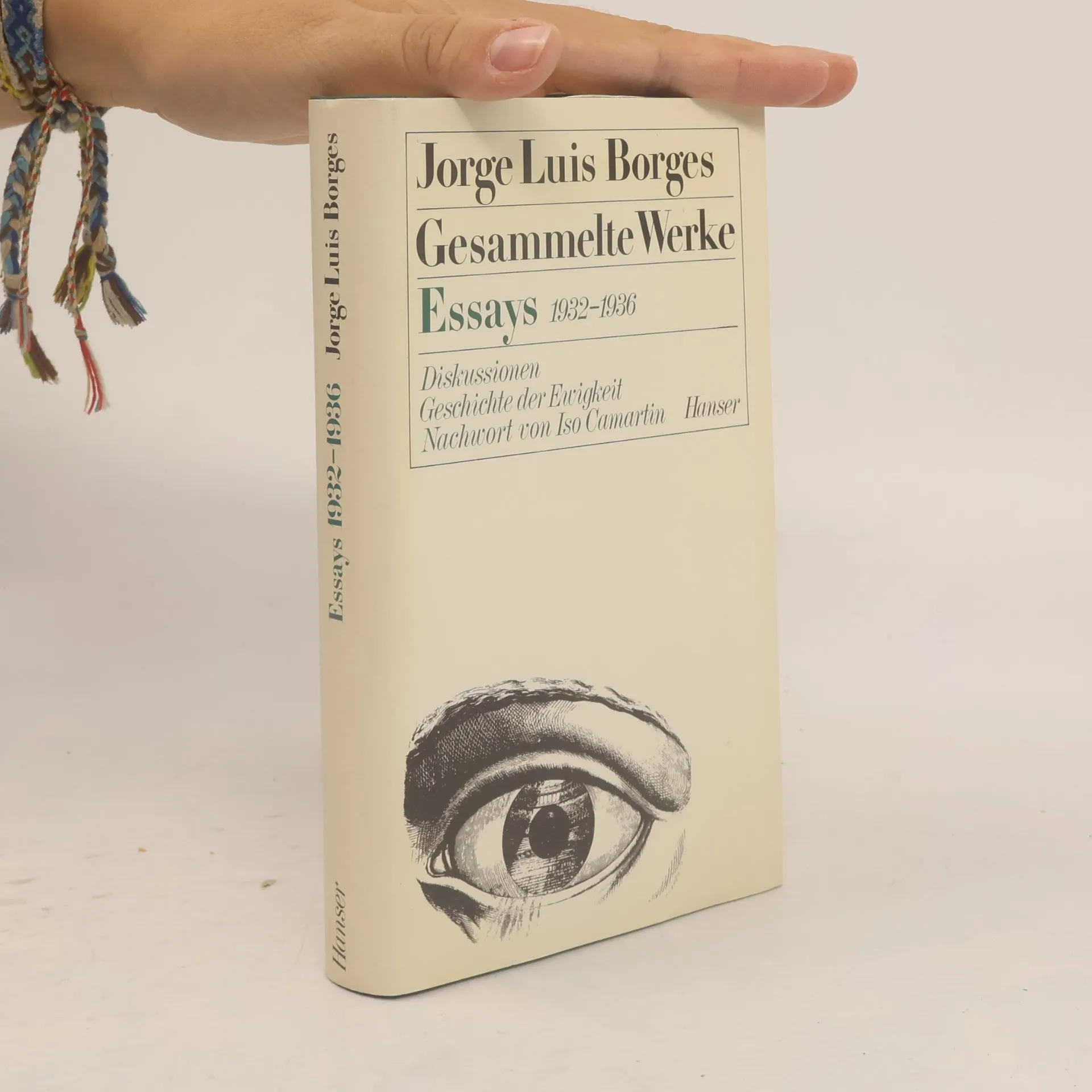
    • Gesammelte Werke. Essays

      • 308pages
      • 11 heures de lecture

      Inhalt: Diskussionen; Anmerkungen; Geschichte der Ewigkeit; Zwei Anmerkungen. Schon früh hat Borges den Grenzbereich zwischen Essay und Erzählung planmäßig ausgekundschaftet. So sind seine Texte mit dem Begriff »Essay«, wie er im Deutschen gebraucht wird, nur schwer zu vereinbaren. Es handelt sich nicht um Aufsätze, sondern um Anmerkungen, um Glossen, die nicht weniger literarisch sind als seine Erzählungen.

      Gesammelte Werke. Essays
      5,0
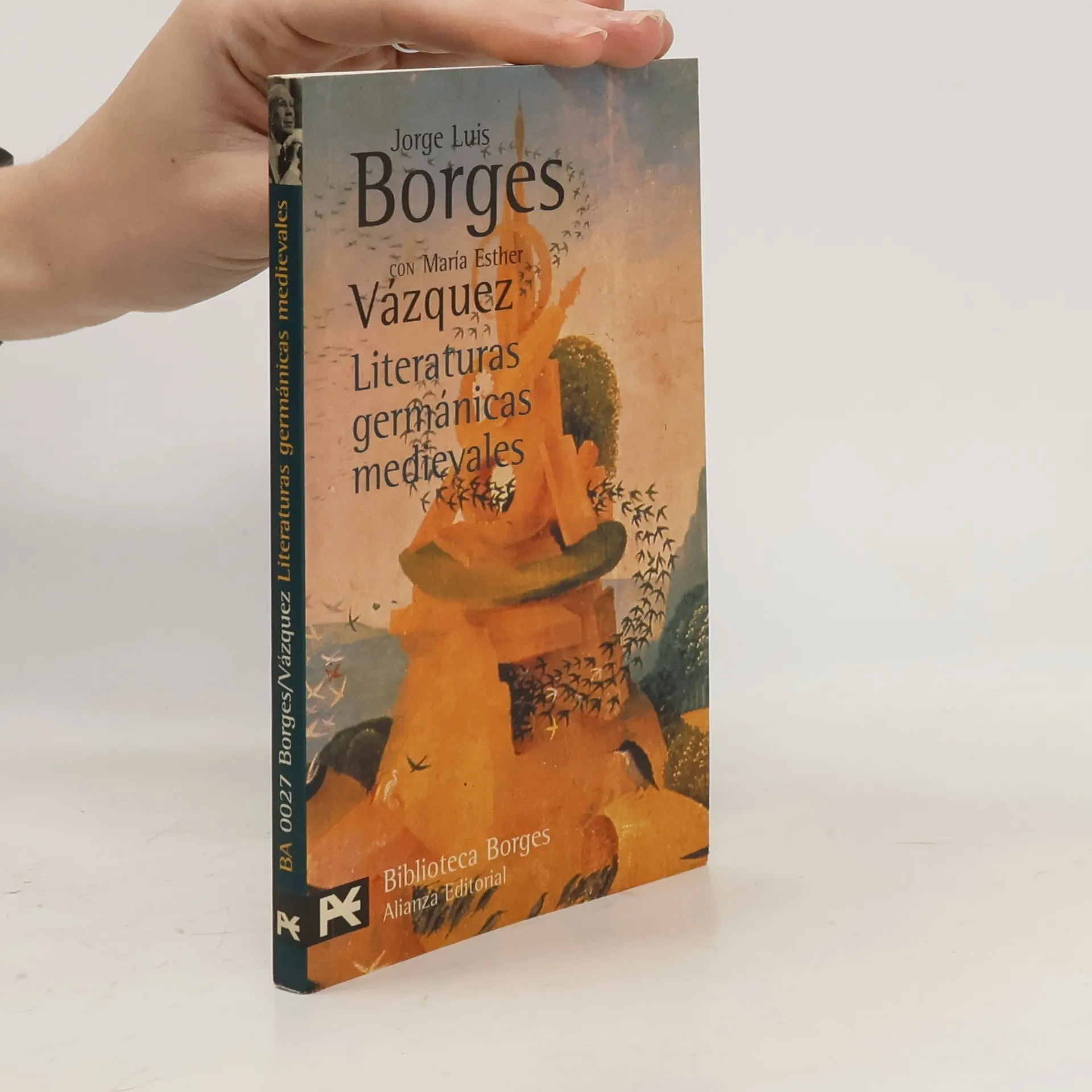
    • Literaturas germánicas medievales

      • 192pages
      • 7 heures de lecture

      Escrita en colaboración con María Esther Vázquez, esta obra de Jorge Luis Borges reconstruye los orígenes de tres literaturas - escandinava, alemana y de la Inglaterra sajona - alejadas entre sí en virtud de complejas vicisitudes históricas, pero surgidas de una raíz común; el territorio que Tácito denominó Germania, menos una región geográfica que un conjunto de tribus cuyos hábitos, lenguas, tradiciones y mitologías eran afines.

      Literaturas germánicas medievales
      4,3
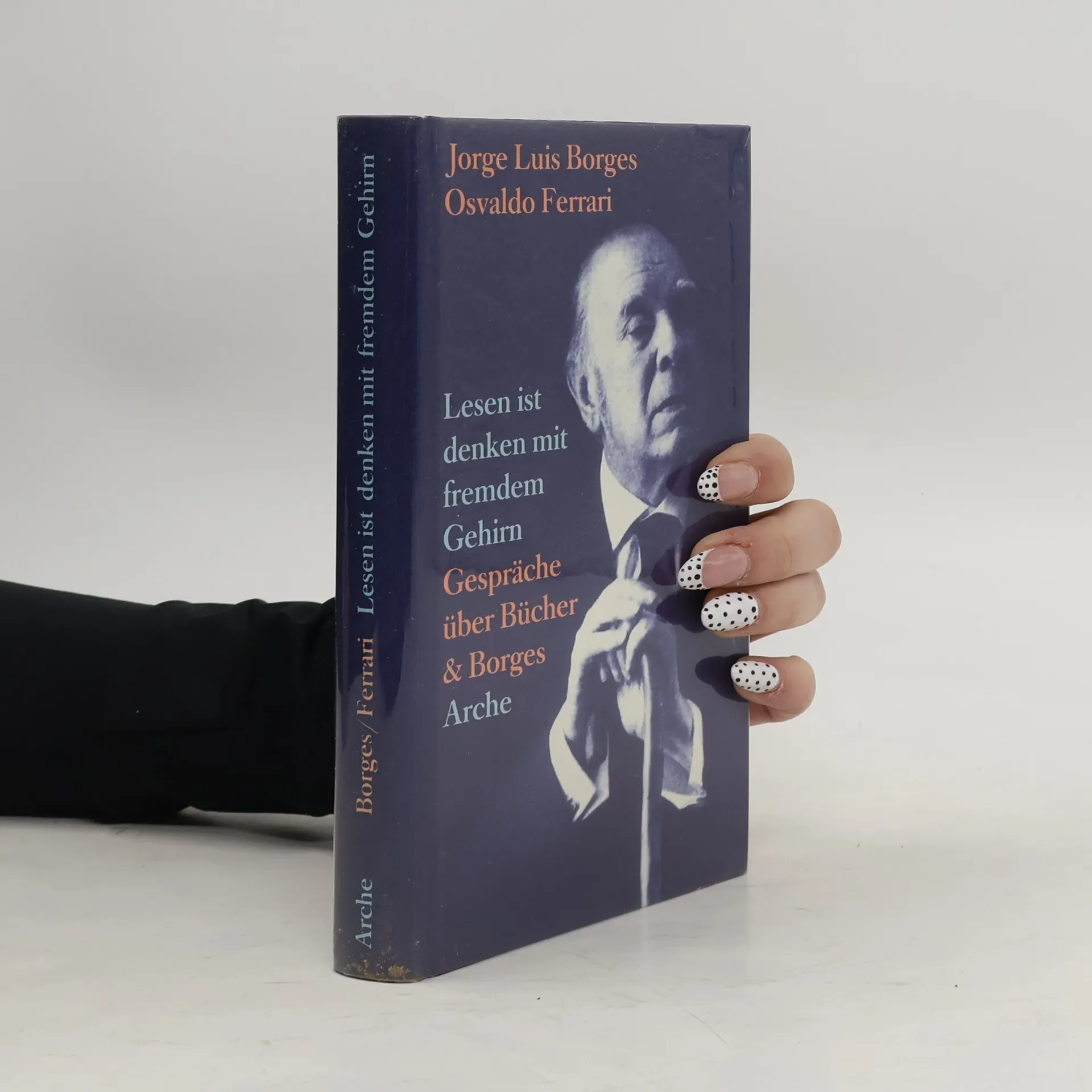
    • Lesen ist denken mit fremdem Gehirn

      • 305pages
      • 11 heures de lecture

      Es begann in Buenos Aires, in der Bibliothek seines Vaters, über die Borges einmal sagte, wahrscheinlich habe er nie aus ihr herausgefunden. Nach dem Tod des Vaters trat er eine Stelle in einer städtischen Bibliothek an, »neun Jahre soliden Unglücks«, aber er hatte Zeit zum Lesen – und zum Schreiben von (im Doppelsinn) phantastischen Erzählungen wie Die Bibliothek von Babel. Die vierte Bibliothek seines Lebens war die argentinische Nationalbibliothek, der Borges ab 1955 vorstand. Im selben Jahr erblindete er: »Eine Ironie Gottes, der mir zugleich die Bücher und die Nacht gab.« Die Bücher blieben, und von ihnen erzählte er dem argentinischen Autor Osvaldo Ferrari in dreißig kurzen Gesprächen zwischen 1984 und 1986. So kurz diese Dialoge sind, so reich das Innenleben, das sie offenbaren. Und Borges gewährt nicht nur Einblick in seine geistige Bibliothek, er erzählt von seinem Faible für Dolche und Messer, dass er sich von seiner Blindheit nicht das Reisen verderben lasse und davon, dass er dem Tod ungeduldig entgegensehe. Es entsteht ein Memoir in Fragmenten, reich an farbigen Anekdoten und verblüffenden Details – eine Fundgrube literarischer Perlen.

      Lesen ist denken mit fremdem Gehirn
      5,0
    • Borges celosvětově proslul nejen jako povídkář, ale též jako vynikající esejista. Jeho rozsáhlé esejistické dílo nejen významně dotváří jeho tvorbu povídkářskou, ale esej lze chápat jako základní žánr Borgesovy tvorby. Oba žánry se blíží i svými tématy, která se u Borgese stále navracejí: čas, sny, knihy a literatura... Ve třetím svazku jeho spisů se v češtině představí poprvé dvě jeho esejistické knihy: Dějiny věčnosti z r. 1936 a jeho nejznámější soubor esejí Další pátrání z r. 1952.

      Další pátrání / Dějiny věčnosti
      4,3
    • Fikce. Alef

      • 384pages
      • 14 heures de lecture

      Povídky Spisů I pocházejí z autorových prvních povídkových sbírek (Fikce, 1944; Alef, 1949) a patří k jeho nejznámějším dílům. Mistrovské texty jako Zahrada, ve které se cestičky rozvětvují, Babylonská knihovna či Alef zásadně ovlivnily několik generací čtenářů a spisovatelů a učinily z Borgese klasika fantastické prózy. Významnou polohu jeho tvorby představují povídky z argentinského prostředí. Pro českého čtenáře má pak specifické kouzlo povídka Tajný zázrak, kterou Borges umístil do Prahy.

      Fikce. Alef
      4,3
    • Ve druhém svazku jsou zahrnuty Borgesovy pozdní povídkové knihy Brodiova zpráva (1970) a Kniha z písku (1975) a posmrtně vydaný soubor Shakespearova paměť (1983), jehož titulní povídka zde vychází česky poprvé. Po úspěchu svých povídek ze 40. let se Borges na delší dobu přestal tomuto žánru věnovat. K povídkám se vrátil s odstupem téměř dvou desetiletí, když po ztrátě zraku nadiktoval texty sbírky Brodiova zpráva, po níž následovalo jeho poslední povídkové dílo Kniha z písku.

      Brodiova zpráva / Kniha z písku / Shakespearova paměť
      4,3
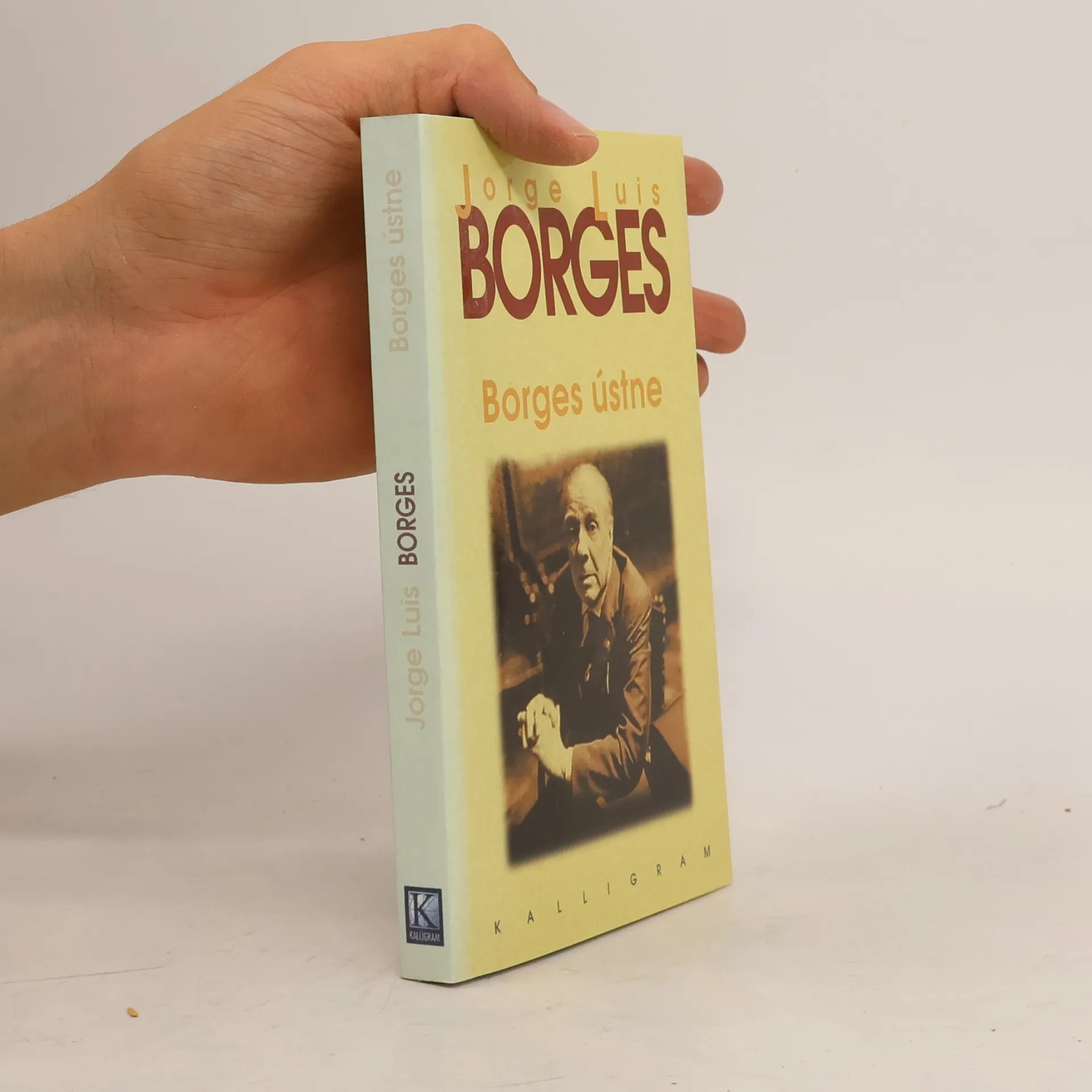
    • Borges ústne

      • 288pages
      • 11 heures de lecture

      Esejistické majstrovstvo tohto veľkého poviedkára sa tentoraz prezentuje v knihe prednášok o filozofických témach (Nesmrteľnosť, Čas), ale i o diele Emanuela Swedenborga či detektívnom žánri v literatúre. Formálna dokonalosť jednotlivých prednášok a zmysel pre nachádzanie nových kontextov sú potvrdením Borgesovho prejavu, ako ho poznáme z jeho prozaických prác, ba v mnohom môžu čitateľa prekvapiť.

      Borges ústne
      4,5
    • ET: Finzioni

      • 154pages
      • 6 heures de lecture

      «Debbo la scoperta di Uqbar alla congiunzione di uno specchio e di un'enciclopedia. [...] Il fatto accadde un cinque anni fa. Bioy Casares, che quella sera aveva cenato da noi, stava parlando d'un suo progetto di romanzo in prima persona, il cui narratore, omettendo o deformando alcuni fatti, sarebbe incorso in varie contraddizioni, che avrebbero permesso ad alcuni lettori - a pochissimi lettori - di indovinare una realtà atroce o banale. Dal fondo remoto del corridoio lo specchio ci spiava». Uscito in Argentina nel 1944 e tradotto da Franco Lucentini nel 1955, Finzioni è il libro che ha rivelato Borges in Italia, e che da allora ha acquistato anche da noi la statura di un classico contemporaneo. Diviso in due parti - Il giardino dei sentieri che si biforcano e Artifici - il volume è composto di racconti che di volta in volta sono fantastici, simbolisti, polizieschi, esoterici, tutti volti a creare una sorta di «enciclopedia illusoria» di cui Borges è il magistrale compilatore.

      ET: Finzioni
      4,3
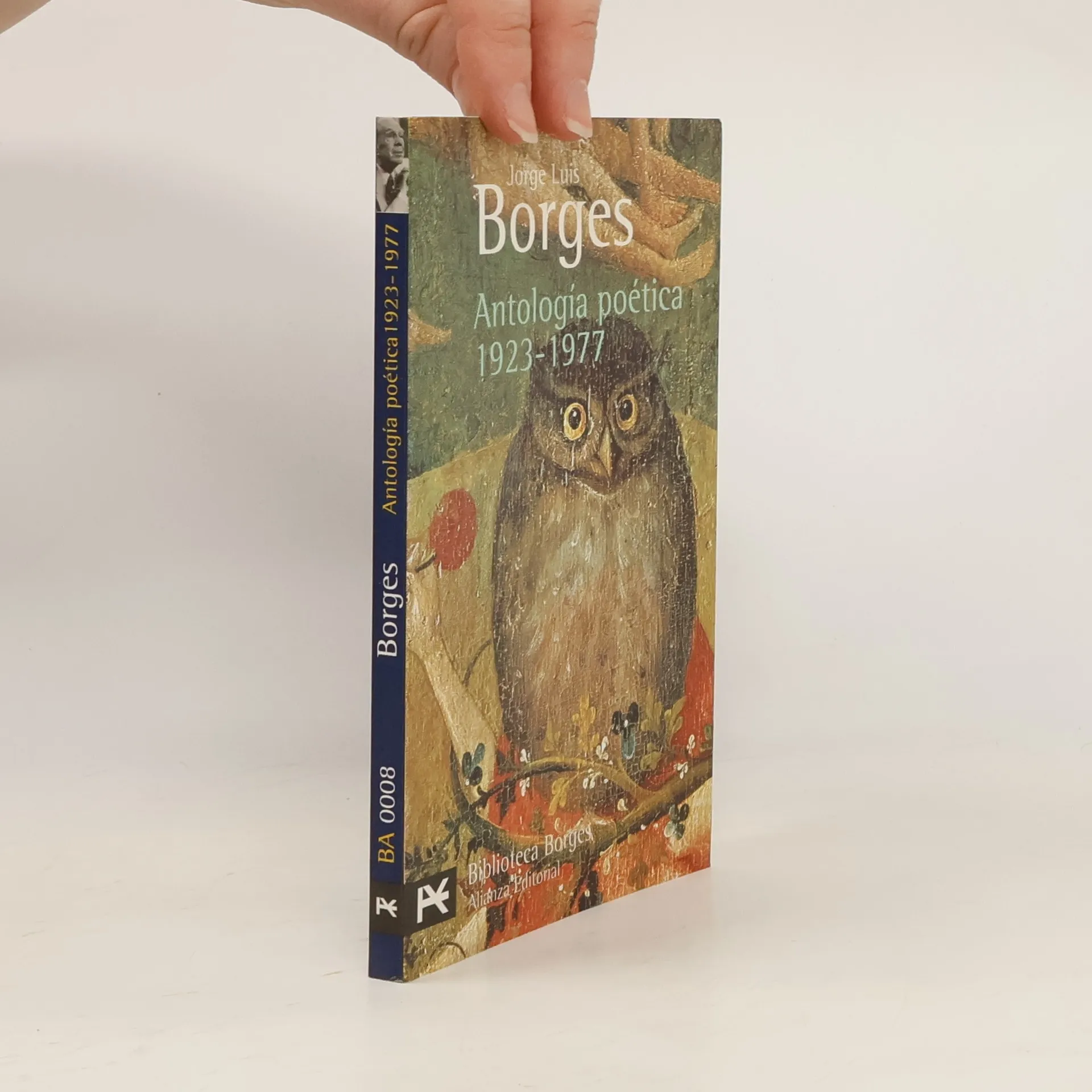
    • Antología poética 1923-1977

      • 149pages
      • 6 heures de lecture

      Antología Poética 1923-1977 reúne una selección de poemas que, excluyendo cualquier enfoque académico, llevó a cabo el propio Jorge Luis Borges: ""Yo desearía que este volumen fuera leído sub quadam specie aeternitatis, de un modo hedónico, no en función de teorías, que no profeso, o de mis circunstancias biográficas. Lo he compilado hedónicamente; sólo he recogido lo que me agrada o lo que me agradaba en el instante en que lo elegí".

      Antología poética 1923-1977
      4,3
    • Borges fu una figura chiave del movimento poetico ultraista. Durante la prima guerra mondiale, studiò a Ginevra e poi si trasferì in Spagna, dove partecipò a vivaci dibattiti sul futuro della poesia. Nel 1921, nacque l'ultraismo, in sintonia con altre avanguardie del periodo. A Buenos Aires, fondò "Prisma" e "Proa", riviste che rappresentavano il movimento. Nel 1923, con la pubblicazione di Fervor de Buenos Aires, Borges affrontò critiche dai suoi compagni ultraisti, accusato di eccesso di sentimento nella sua lirica. Tra Fervor de Buenos Aires e Altre inquisizioni del 1952, passarono trent'anni che consacrarono Borges come un classico della cultura occidentale. Altre inquisizioni riflette un'arte dedicata al culto del raro e dell'immagine simbolica, esplorando temi come il destino, il sogno e l'enigma della creazione. Il libro ci guida attraverso labirinti culturali ironici e paradossali, senza temere verità presunte, ma rispettando la dignità dell'essere umano. Si tratta di un'opera di saggi letterari che offre anche un indice dei gusti di Borges, presentando ritratti inediti di scrittori famosi.

      Universale Economica - 674: Altre inquisizioni
      4,3
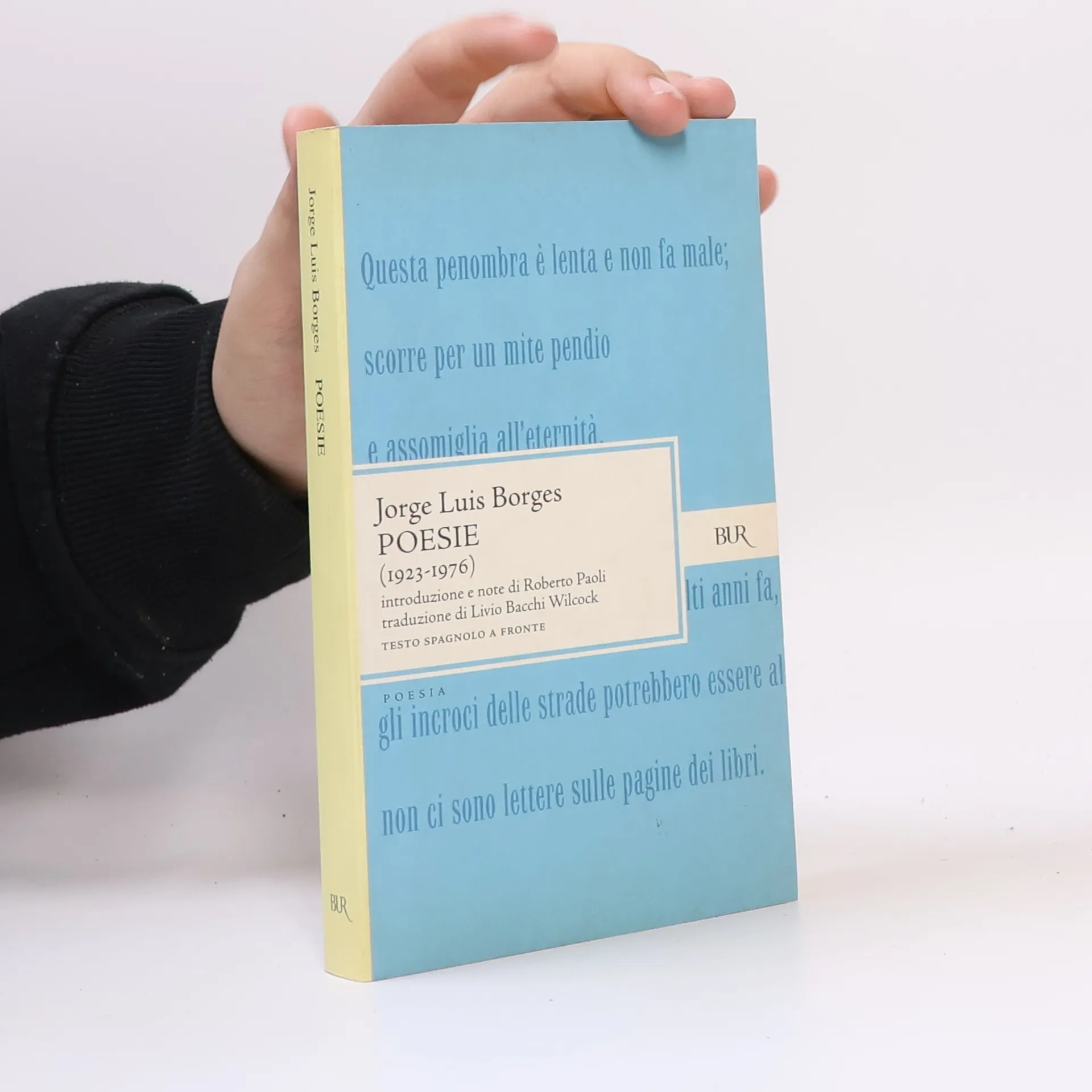
    • In una antologia personale, le più belle poesie di uno dei maggiori scrittori del XX secolo. Città che rivelano mille volti, ingannevoli, multiformi, cangianti, sempre uguali e diversi; i libri, la passione di una vita, riletti, che parlano, seducono, affascinano; i personaggi e le loro storie, gli orologi che segnano ore sempre diverse e uguali, gli specchi che riflettono e moltiplicano all'infinito una realtà sfuggente e indefinibile; i ricordi, i miti, la memoria...

      Poesie (1923-1976). Testo spagnolo a fronte
      4,3
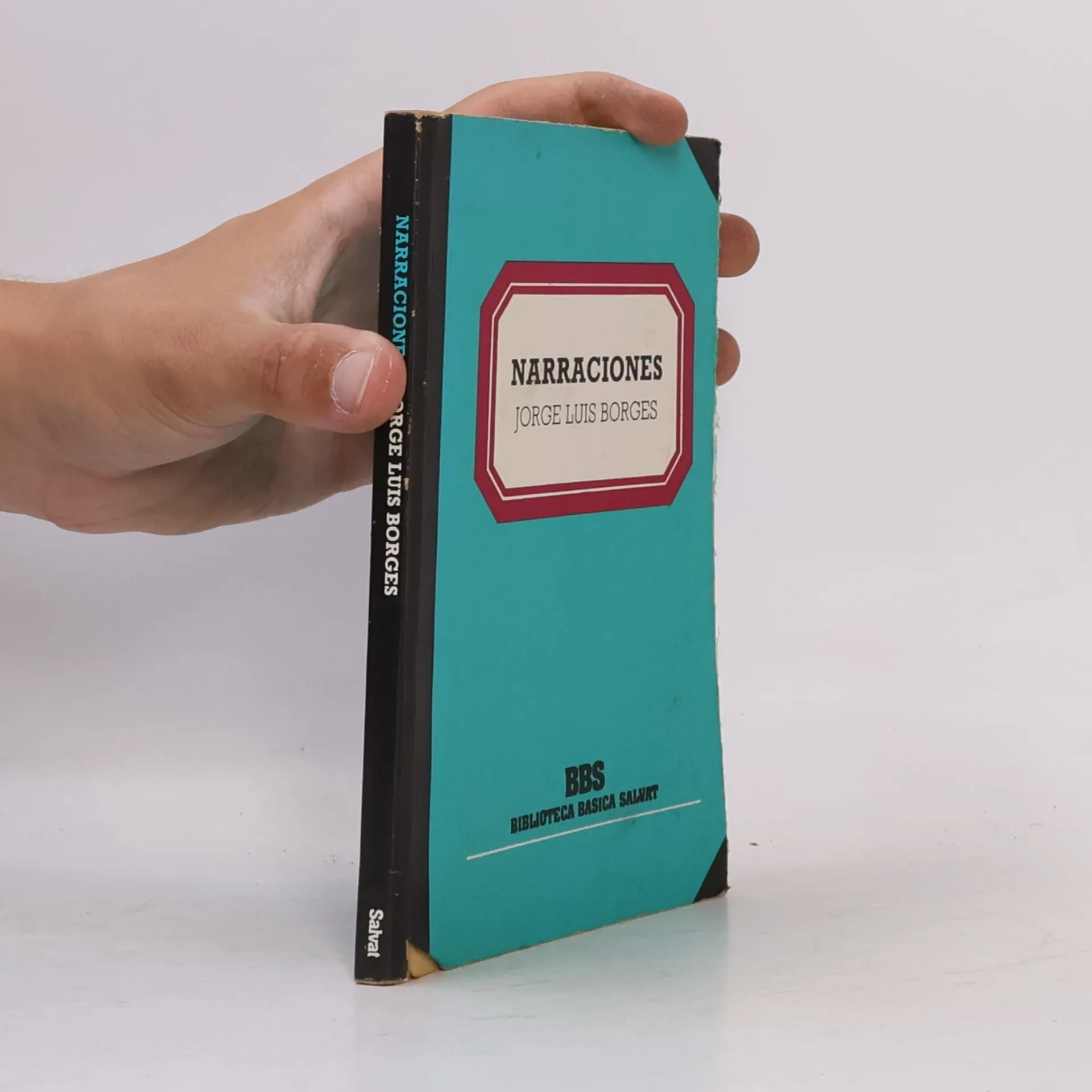
    • Aparecen reunidos en este volumen y rigurosamente seleccionados los relatos de Jorge Luis Borges que universalmente gozan de la más alta consideración. Entre ellos, «Hombre de la esquina rosada», «La biblioteca de Babel», «El aleph», «El informe de Brodie» y «El libro de arena». Este apretado panorama da una idea de la gran renovación de la escritura que Borges realiza mediante su fantástico poder de creación y su compleja elaboración intelectual. Antecede a los textos un extenso y documentado estudio de Marcos Ricardo Barnatán, que ha dedicado ya tres libros al estudio del autor y su obra.

      Narraciones
      4,3
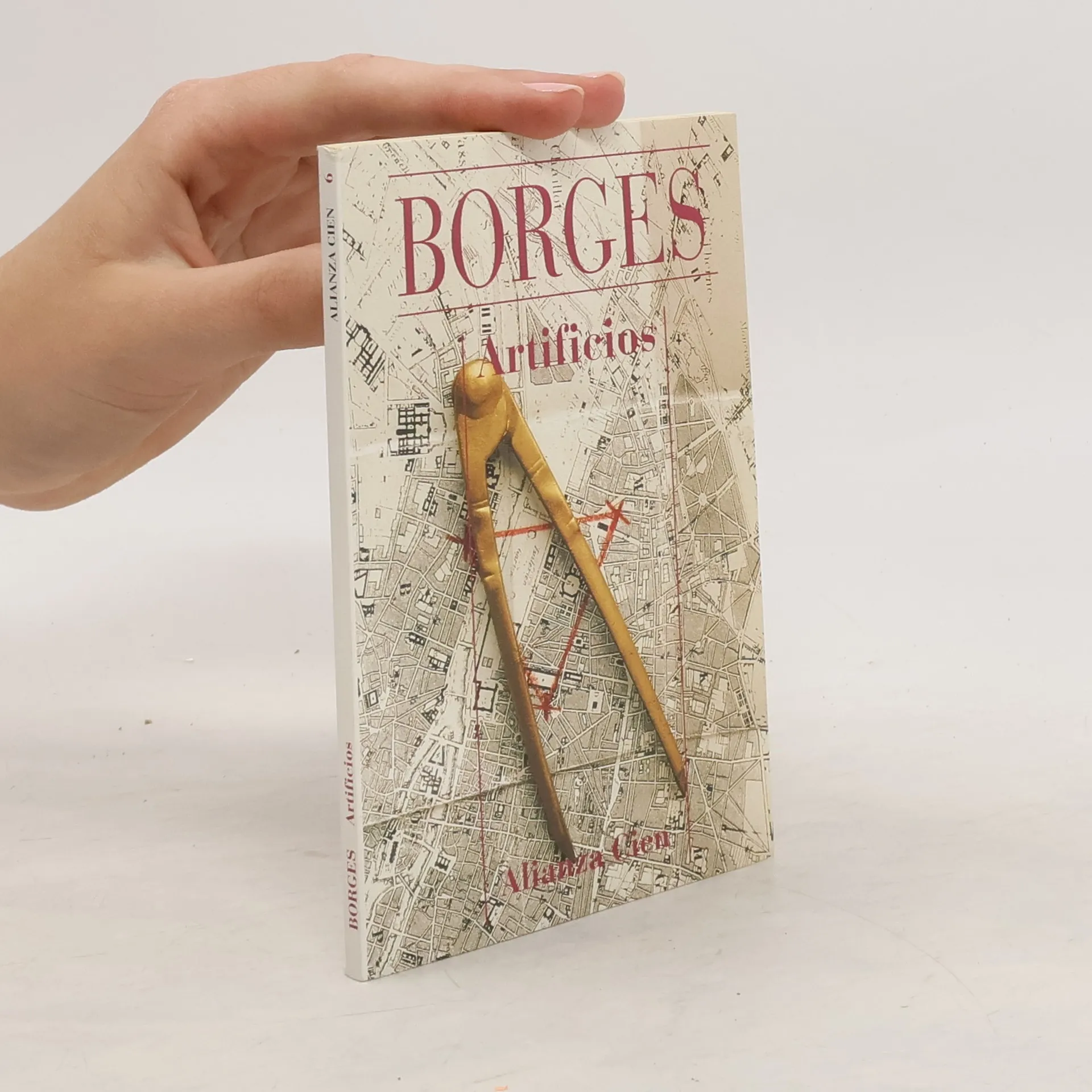
    • Artificios

      • 89pages
      • 4 heures de lecture
      Artificios
      4,3
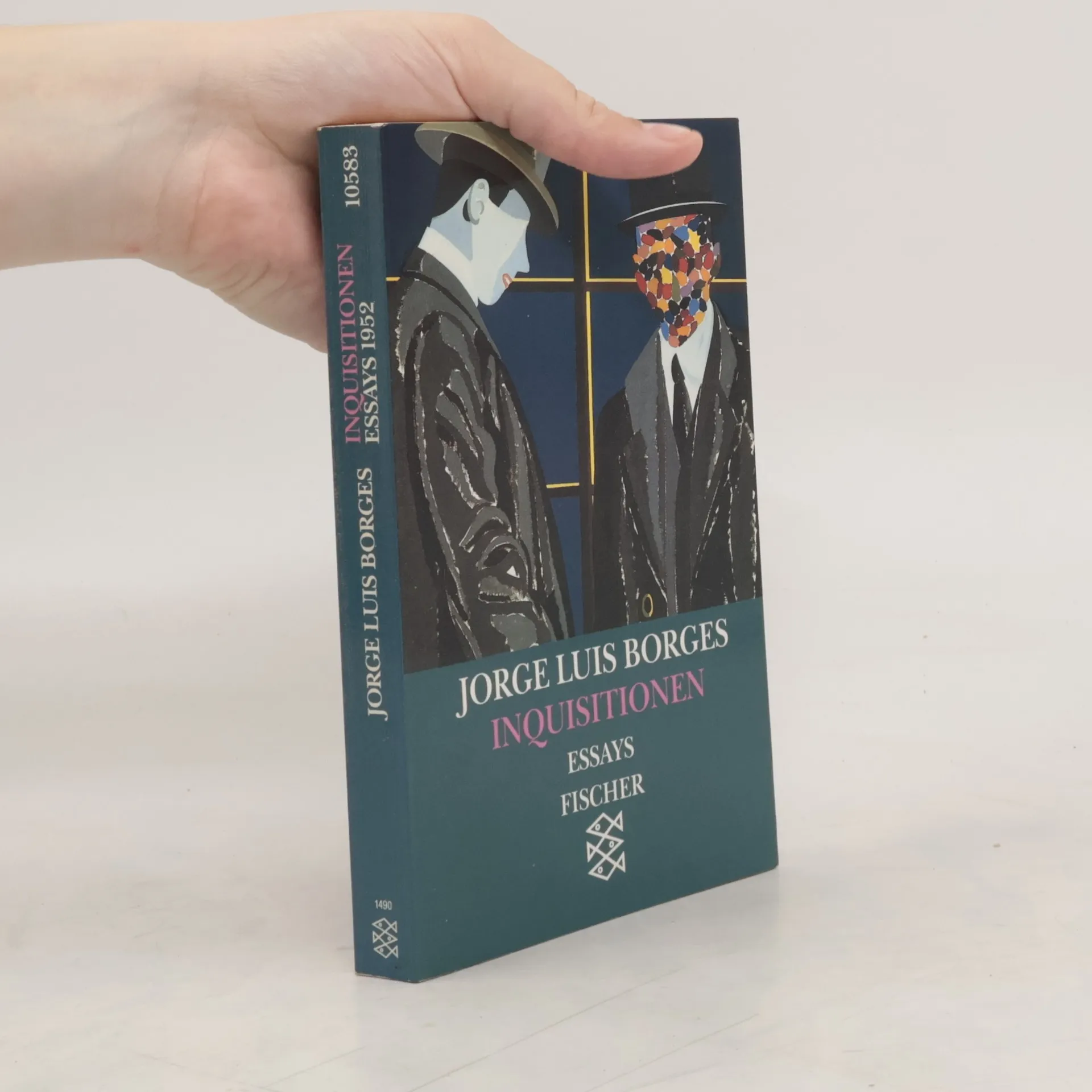
    • Inquisitionen

      • 237pages
      • 9 heures de lecture

      Dieser zuerst 1952 erschienene Band mit Essays zeigt die erstaunliche Vielfalt der Interessen und Denkansätze von Jorge Luis Boges und macht deutlich, weshalb sein Rang als geistvoller und eleganter Essayist einzigartig ist. Neben scharfsinnigen Analysen universaler Dinge – der ›Ästhetische Vorgang‹, Traum, Zeit, Sprache, Geschichte – finden sich zahlreiche Auseinandersetzungen mit Autoren und bestimmten, zum Teil nie vorher wahrgenommenen Aspekten ihrer Werke: Coleridge, Cervantes, Hawthorne, Valéry, Wilde, Chesterton, Wells, Kafka, Shaw u.a.

      Inquisitionen
      4,3
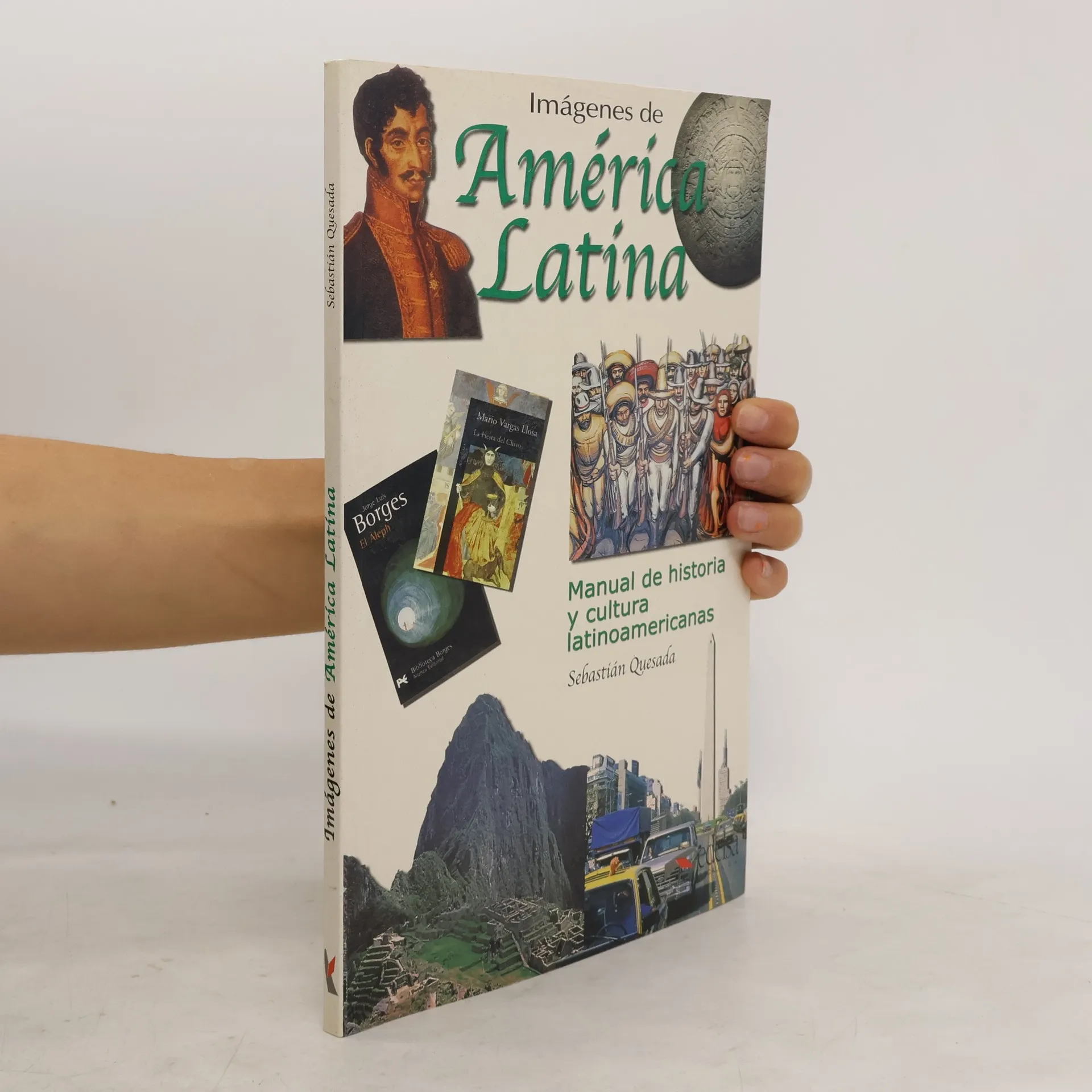
    • Imágenes de América Latina

      Manual de historia y cultura latinoamericanas

      • 140pages
      • 5 heures de lecture

      Material de practicas es un complemento al libro de cultura y civilizacion Imagenes de America Latina. En el se desarrolla la competencia discursiva y se profundiza en el conocimiento del lexico, a la vez que propone una reflexion intercultural sobre la realidad historica descrita en el manual.Este Material de practicas esta concebido para trabajar tanto en autonomia como en el aula. A partir de una misma estructura, el lector puede acercarse en cada capitulo a la historia de un modo activo, para lo cual se aprovechan los recursos ofrecidos por las nuevas texto en su contexto. Revision de los contenidos historicos.El orden del texto. Reflexion y practica con el vocabulario.La imagen del texto. Trabajo de escritura a partir de una imagen.Mas alla del texto. Diversidad de modelos textuales y trabajo sobre su contenido.Propuestas para el debate. Reflexion intercultural a partir del analisis de la realidad iberoamericana.Internet. Las nuevas tecnologias al servicio de la ensenanza intercultural.

      Imágenes de América Latina
      4,0
    • Die Bibliothek von Babel. Erzählung

      • 96pages
      • 4 heures de lecture

      Jorge Luis Borges, 1899 in Buenos Aires geboren, gründete schon als junger Mann mit Freunden zusammen literarische Zeitschriften. Sein erster Gedichtband erschien 1923. Von 1950 bis 1953 war er Präsident des argentinischen Schriftstellerverbands und von 1955 bis 1973 Direktor der Nationalbibliothek von Buenos Aires. 1961 erhielt er, zusammen mit Beckett, den Internationalen Literaturpreis Formentor, dem bis zu seinem Tod 1986 in Buenos Aires zahlreiche internationale Ehrungen folgten. Kaum ein Schriftsteller des 20. Jahrhunderts hat so viele andere Autoren beeinflusst wie Borges.

      Die Bibliothek von Babel. Erzählung
      4,2
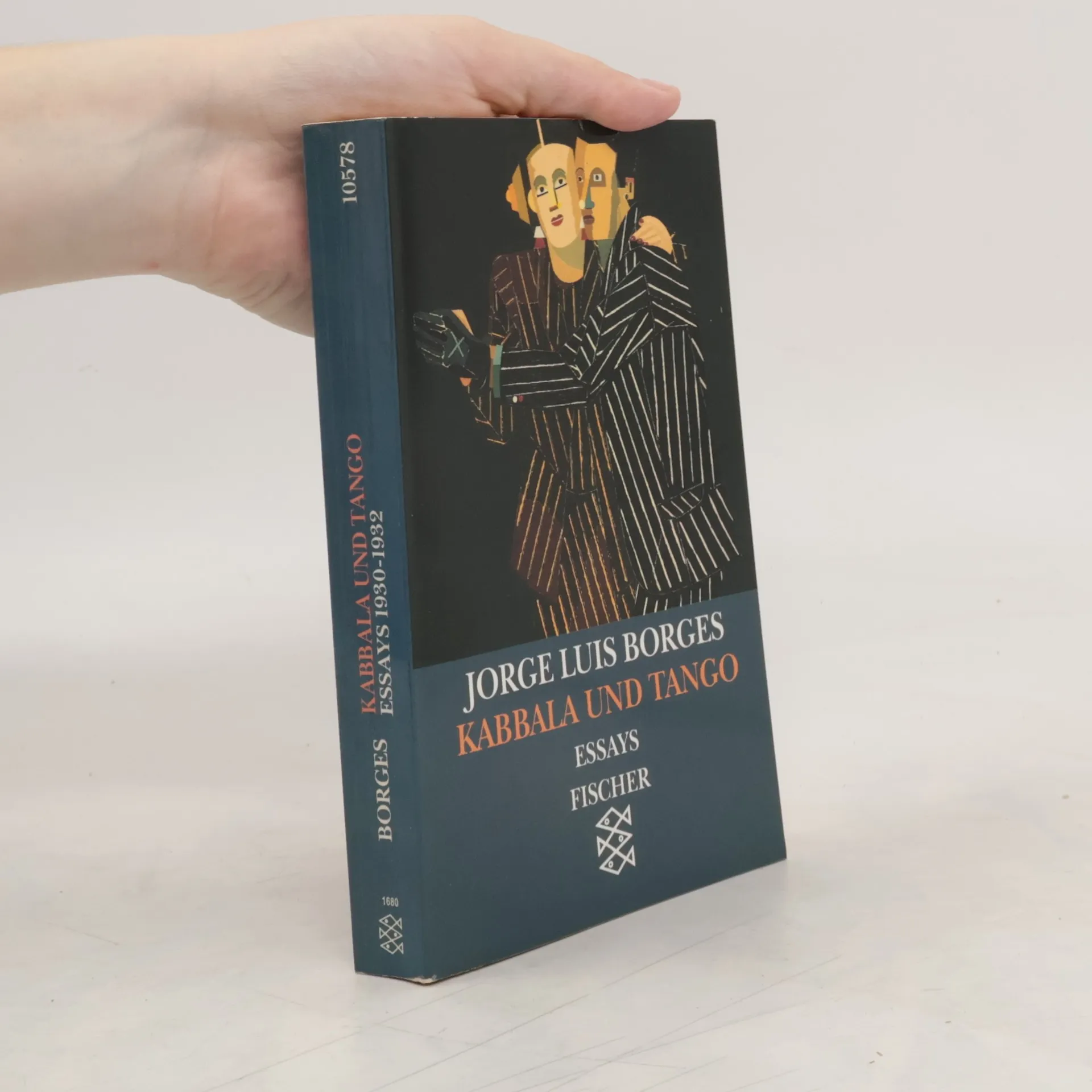
    • Kabbala und Tango

      • 317pages
      • 12 heures de lecture

      Der erste Teil dieses Bandes, "Evaristo Carriegcx", lag bisher auf Deutsch nicht vor. Der zweite Teil, "Diskussionen" (1932), ist Borges' erste "überlebende" Essaysammlung (drei frühere Bände wurden von ihm selbst unterdrückt). Borges hat sich immer darum bemüht, auch schwierige Dinge verständlich auszudrücken; die Klarheit und Präzision seiner Sprache ist ebenso beeindruckend wie die Vielfalt der Themen - von der Gaucho-Dichtung über Probleme des Realismus und Teilaspekte der gnostischen Kabbala bis zu scharfsinnigen Bemerkungen über Walt Whitman oder Flaubert.

      Kabbala und Tango
      4,2
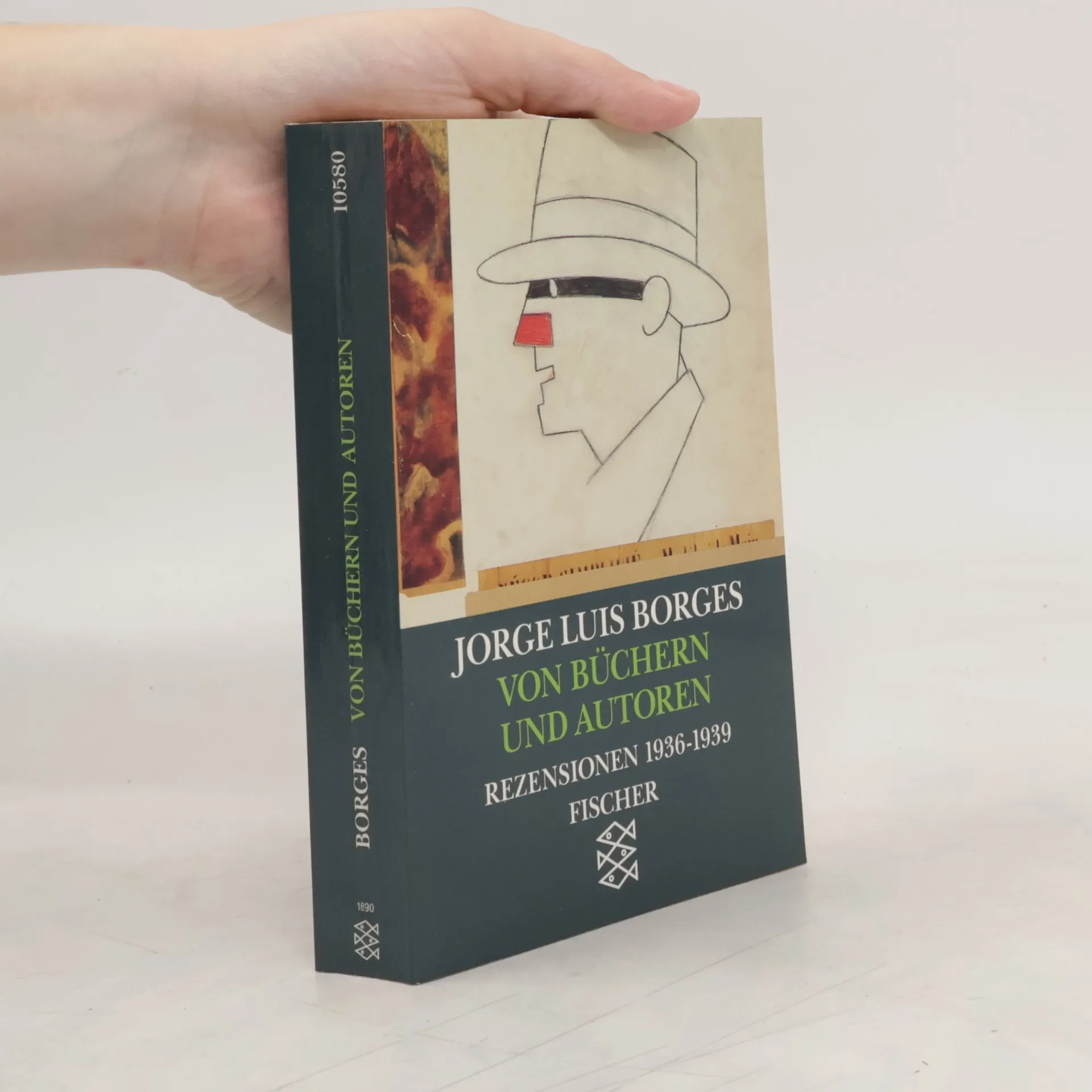
    • Von Büchern und Autoren

      • 374pages
      • 14 heures de lecture

      Der große Erzähler und Dichter Borges war zugleich einer der hellsichtigsten Kritiker seiner Zeit. Von 1936 bis1939 betreute er in Buenos Aires den Literaturteil der Zeitung »El Hogar« und verfasste dazu zahllose Autorenporträts, Rezensionen und Polemiken. Von Thomas Mann zu Kafka und Döblin, von Edgar Allen Poe bis T. S. Eliot und Virginia Woolf, von H. G. Wells zu James Joyce und Ernest Hemingway ist ihm in der Ferne von Buenos Aires scheinbar nichts entgangen. Und gleichzeitig begegnet uns in seinen Essays immer wieder die Signatur seines Werks: der Mensch, das Labyrinth, die Zeit.

      Von Büchern und Autoren
      4,0
    • Russische Erzählungen

      • 197pages
      • 7 heures de lecture

      Am dreizehnten Januar des Jahres 1865 gegen halb ein Uhr vormittags äußerte Jelena Iwanowna, die Gattin Iwan Matwejewitsch, meines gebildeten Freundes, Kollegen und entfernten Verwandten den Wunsch, das Krokodil zu sehen, das in der Passage gegen Eintrittsgeld gezeigt wurde. Iwan Matwejewitsch hatte bereits seinen Auslandspass (weniger Krankheitshalber als aus Liebe an der Kultur) in der Tasche, war also auf Urlaub und daher an diesem Morgen vollkommen frei. Daher widersprach er nicht nur keineswegs dem unbezwingbaren Wunsch seiner Gattin, sondern wurde sogar selbst von ihrer Neugier angesteckt. "Eine ausgezeichnete Idee", sagte er zufrieden, "sehen wir uns das Krokodil an! Ehe man nach Europa reist, ist es gut, sich mit den Einwohnern jener Länder vertraut zu machen."Die Bibliothek von Babel ist eine einzigartige Sammlung von bisher weitgehend unbekannten Meisterwerken phantastischer Literatur aus drei Jahrhunderten, verfasst von weltberühmten Autoren. Jorge Luis Borges, der bedeutende lateinamerikanische Schriftsteller, wählte sie aus seinen persönlichen Lieblingsbüchern aus.

      Russische Erzählungen
      4,0
    • Die Erzählungen! Immer wieder die selben, vielzitierten Erzählungen. Doch Borges kann nicht erzählen, ohne zu denken, und nicht denken, ohne zu erzählen. Deshalb sind seine Essays nicht weniger phantastisch, radikal und fabelhaft als seine Ficciones - ja, vielleicht steckt in ihnen sogar der eigentliche Kern seiner Autorschaft. Sonderbar, daß sie in keiner handlichen Ausgabe auf dem Markt zu finden sind. Viele von ihnen nennen sich Historien, Träume oder Rätsel, und alle sprengen den hergebrachten Begriff des Essays und verleihen der Gattung einen neuen, irisierenden Glanz. Die frühesten unter diesen Stücken, kaum bekannt, sind achtzig Jahre alt, und sie wirken so frisch und überraschend wie am ersten Tag. Die Themen sind so vielfältig, daß man sich an den Kopf greift. Von der Kunst des Schmähens handeln sie, von der Dauer der Hölle, von Kabbalisten und Schildkröten, Denkmaschinen und Engeln. Bisher unbekannt war hierzulande, was Borges über die Deutschen, die Juden und den Zweiten Weltkrieg schrieb. Diese Texte widerlegen die schwarze Legende, derzufolge man es mit einem unpolitischen oder gar rechten Schriftsteller zu tun hat. Es ist kein Zufall, daß Borges sich so gerne mit Rechtfertigungen und Widerlegungen befaßt hat. Den Zeitgeist hat er stets verachtet, und zum Mainstream wird er nie gehören.

      Eine neue Widerlegung der Zeit und 66 andere Essays
      4,0
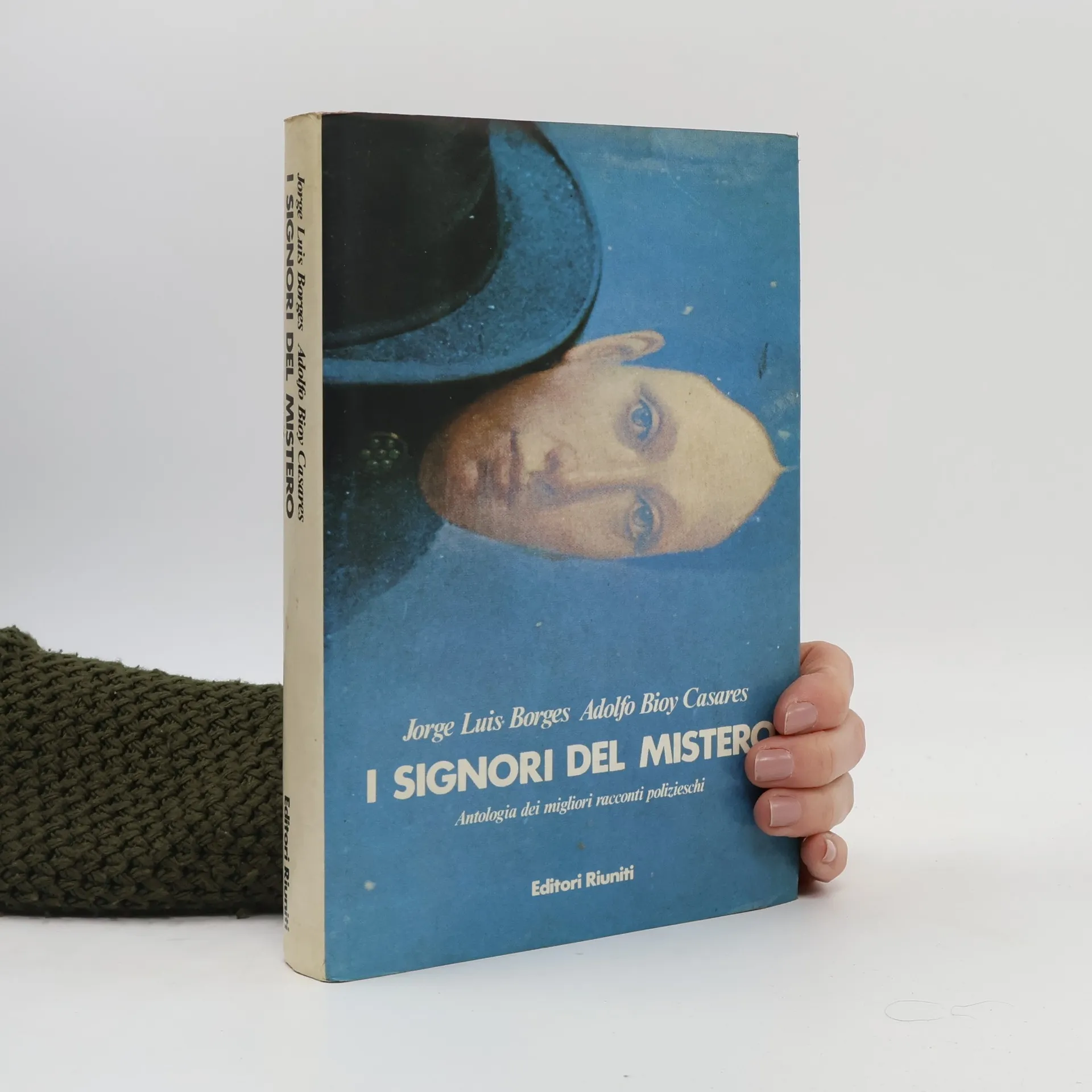
    • I signori del mistero

      • 364pages
      • 13 heures de lecture

      "A partir de 1841, fecha de la publicaci

      I signori del mistero
      3,0
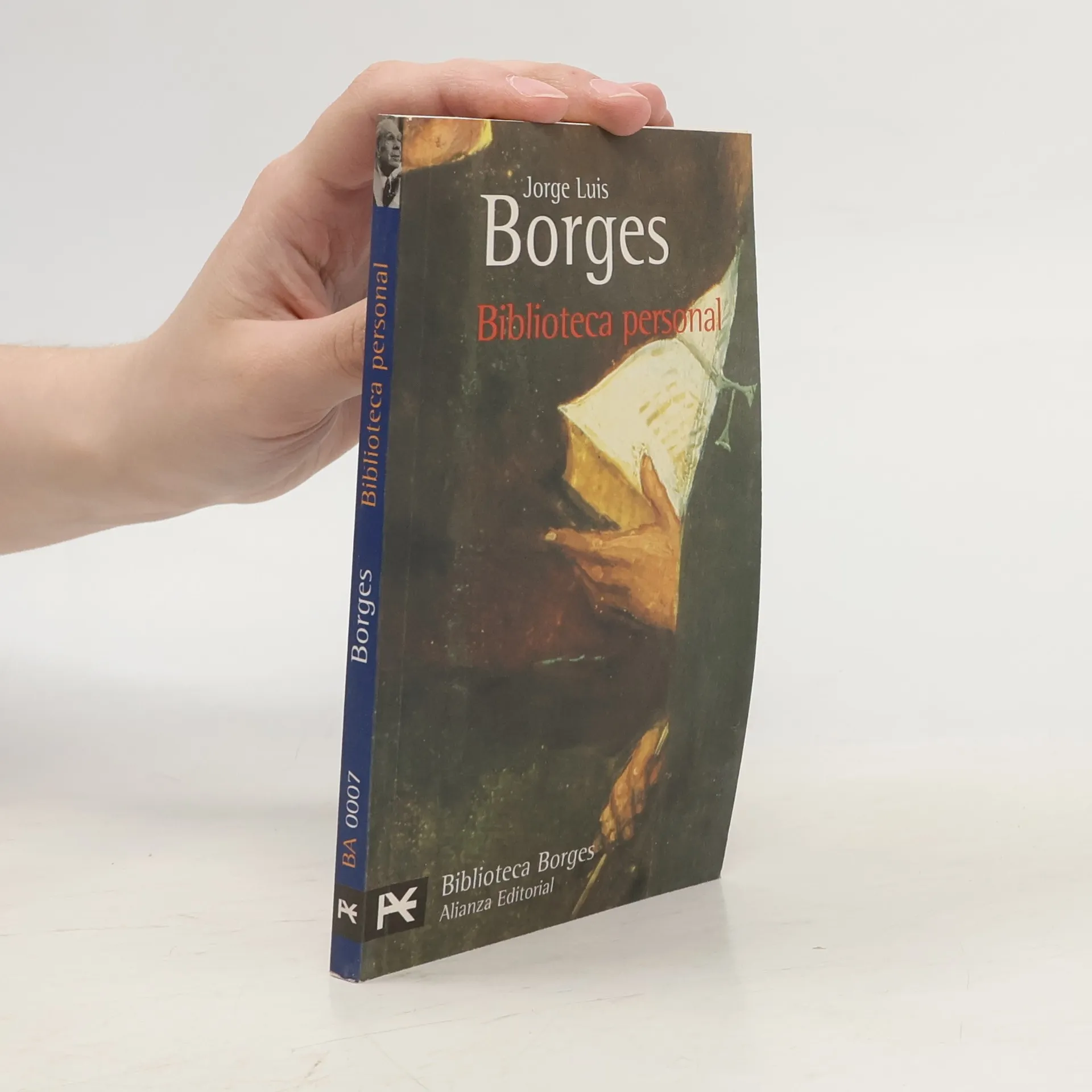
    • Biblioteca Borges: Biblioteca personal

      • 173pages
      • 7 heures de lecture

      En el momento de su fallecimiento, Borges había completado los prólogos a los primeros sesenta y cuatro títulos de una selección de cien que habrían de constituir una colección cerrada escogida por él mismo. De estos textos, testimonio de sus preferencias literarias, escribió: "Deseo que esta biblioteca sea tan diversa como la no saciada curiosidad que me ha inducido, y sigue induciéndome, a la exploración de tantos lenguajes y de tantas literaturas".

      Biblioteca Borges: Biblioteca personal
      4,2
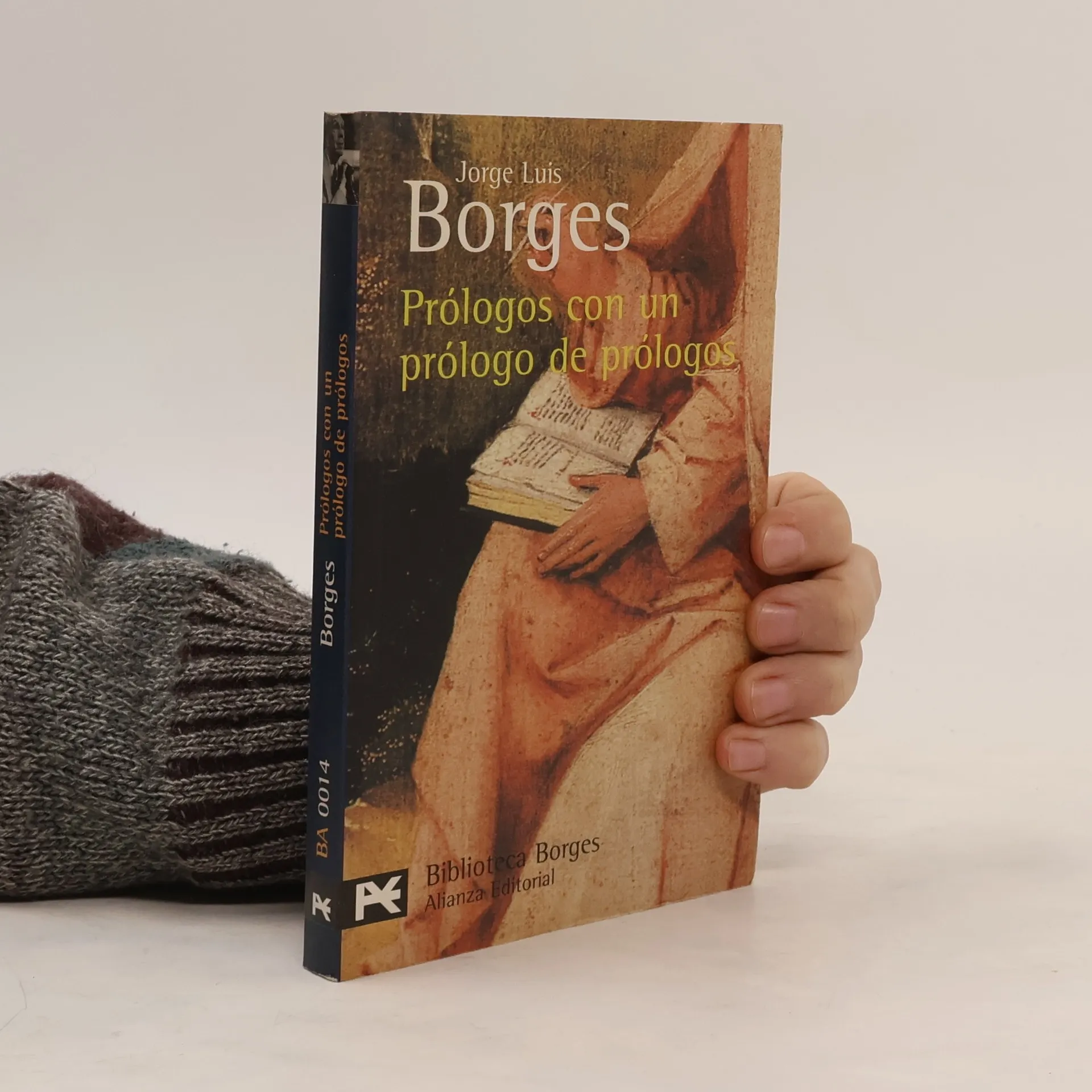
    • Prólogos con un prólogo de prólogos

      • 272pages
      • 10 heures de lecture

      Recopilación de prólogos diversos que abarcan desde 1923 a 1974, PRÓLOGOS CON UN PRÓLOGO DE PRÓLOGOS recoge decenas de textos dispersos pertenecientes a este peculiar género en el cual Jorge Luis Borges ejerció también su magisterio. En este volumen hallan eco, entre otros muchos avatares literarios: «las narraciones de un Cervantes que no había acabado aún de soñar el segundo Quijote, el mito genial de Facundo, la vasta voz continental de Walt Whitman, el ajedrez onírico de Lewis Carroll, las eleáticas postergaciones de Kafka, los concretos cielos de Swedenborg, el sonido y la furia de Macbeth...»

      Prólogos con un prólogo de prólogos
      4,2
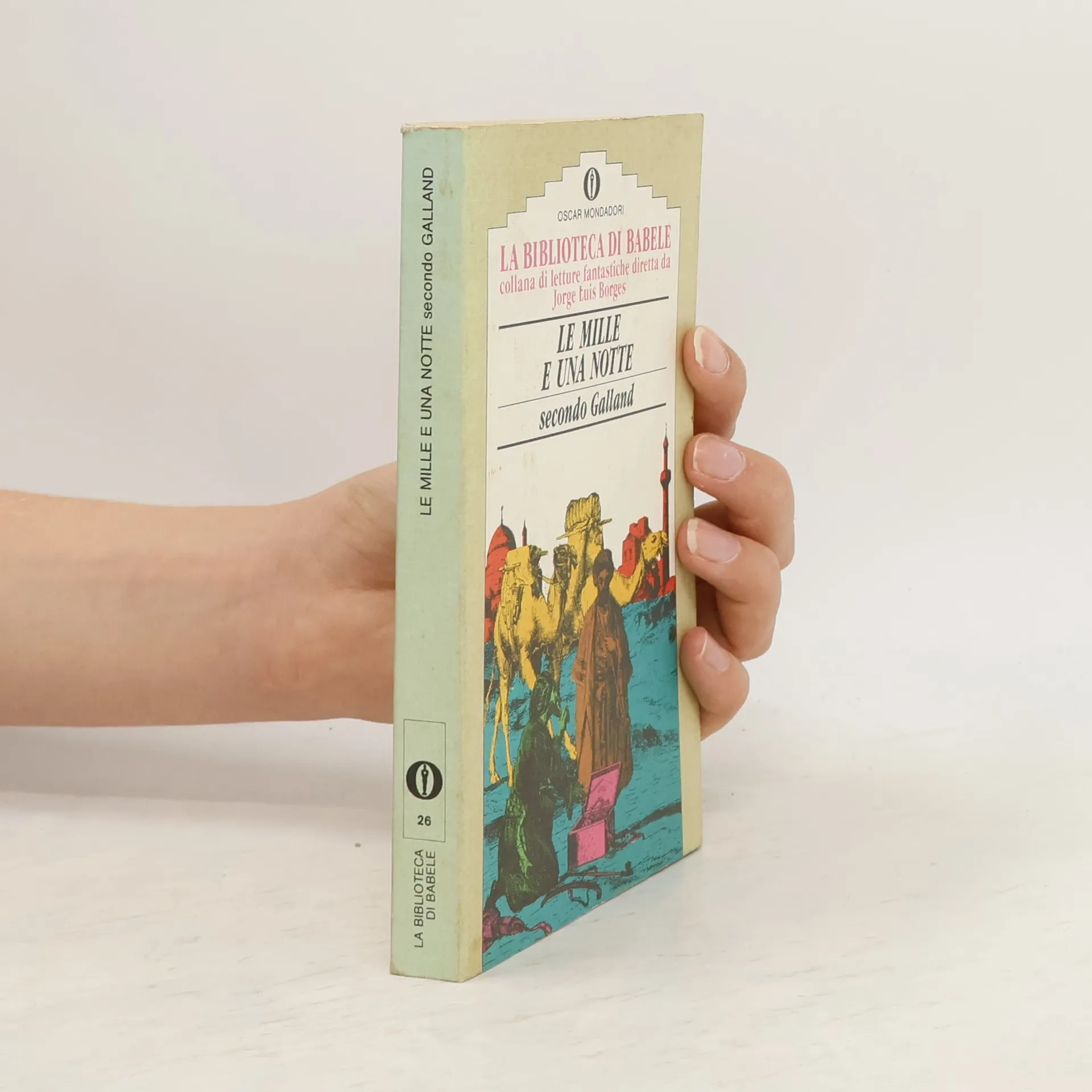
    • In questa edizione, libero da aggiunte arbitrarie, contaminazioni, interventi e censure, Le mille e una notte riacquista il suo fascino originario. A tessere la sterminata e labirintica trama di storie è Shahrazâd, eroina e affascinante odalisca. Per scampare alla condanna dello spieiato re Shahriyâr, che intende vendicare sulle vergini del suo regno il tradimento subito, Shahrazâd sfrutta le proprie doti affabulatorie offrendo al sovrano, notte dopo notte, racconti straordinari, rinchiusi l'uno nell'altro come in un sistema di scatole cinesi. Rapito dalla magia della narrazione, e dal fascino della cantastorie, Shahriyâr dimentica le ragioni dell'odio e annulla la condanna. Traduzione di Antoine Galland.

      La Biblioteca di Babele - 26: Le mille e una notte secondo Galland
      4,0
    • Besitz des Gestern

      • 216pages
      • 8 heures de lecture

      »Ich weiß, ich habe so viele Dinge verloren, daß ich sie nicht zählen könnte, und daß diese Verluste heute das sind, was mir gehört... Es gibt keine Paradiese als die verlorenen.« Jorge Luis Borges»Die Ziffer« und »Die Verschworenen« bilden die letzten beiden Gedichtbände des argentinischen Dichters.

      Besitz des Gestern
      4,0
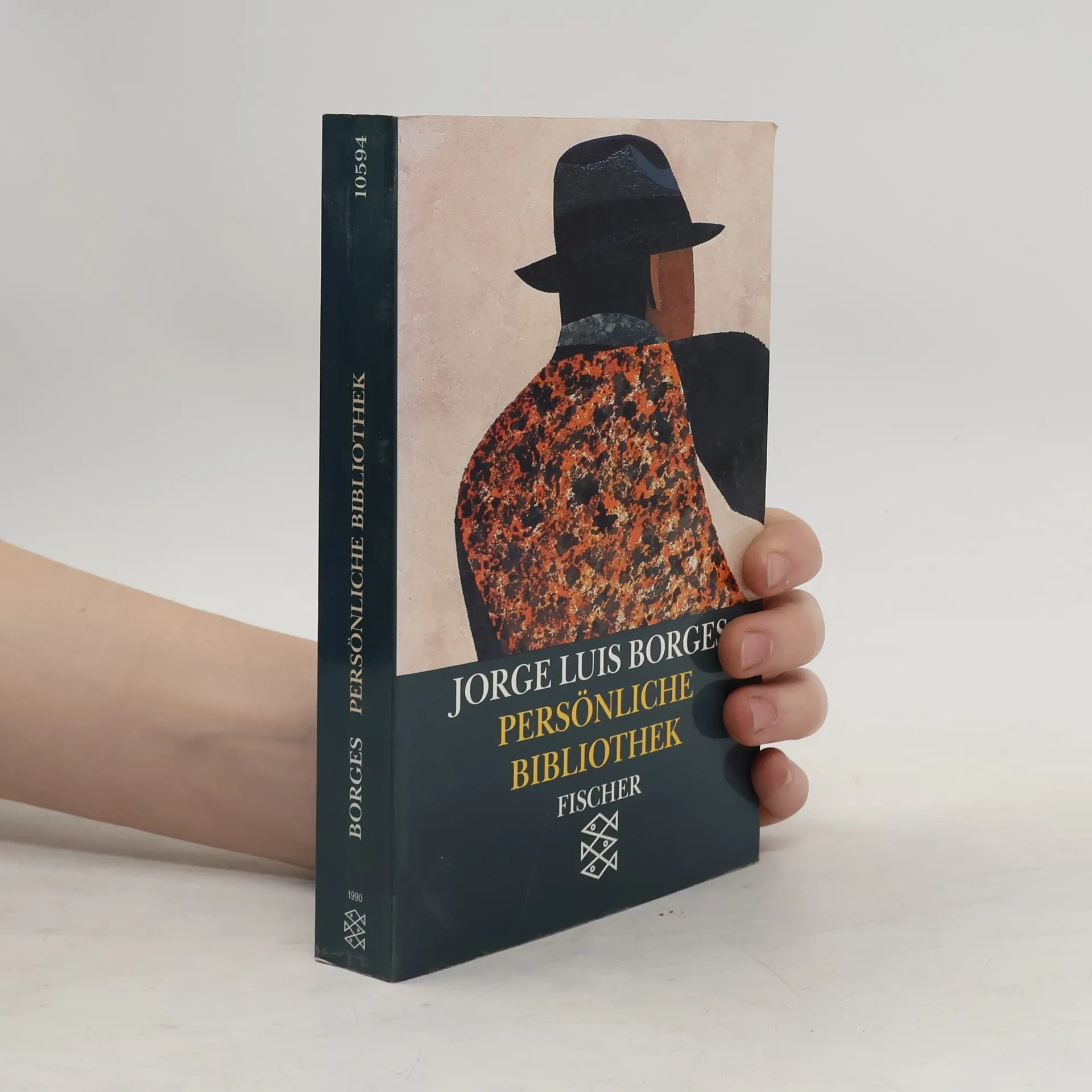
    • Persönliche Bibliothek

      • 361pages
      • 13 heures de lecture

      Borges führt in diesem Band kenntnisreich und prägnant in die Werke hispanischer Autoren ein, wie Almafuerte, Bioy Casares, Cervantes, Sarmiento, Macedonio Fernández, Ascásubi, del Campo, Martín Fierro, aber auch in Bücher von Autoren, die ihn immer wieder beschäftigt haben, wie Bradbury, Carlyle, Gibbon, Melville und Valéry sowie Kafka und Whitman, die er beide auch selbst ins Spanische übersetzt hat. Dazuhin stellt Borges seine Lieblingsbücher vor - angefangen mit Tausendundeine Nacht bis zu Herodot, Voltaire, Shaw, Wells, Kipling, Chesterton, Cortázar, Rulfo u. a. Der Autor erschließt den Kosmos der Weltliteratur - und damit auch seinen eigenen.

      Persönliche Bibliothek
      4,0
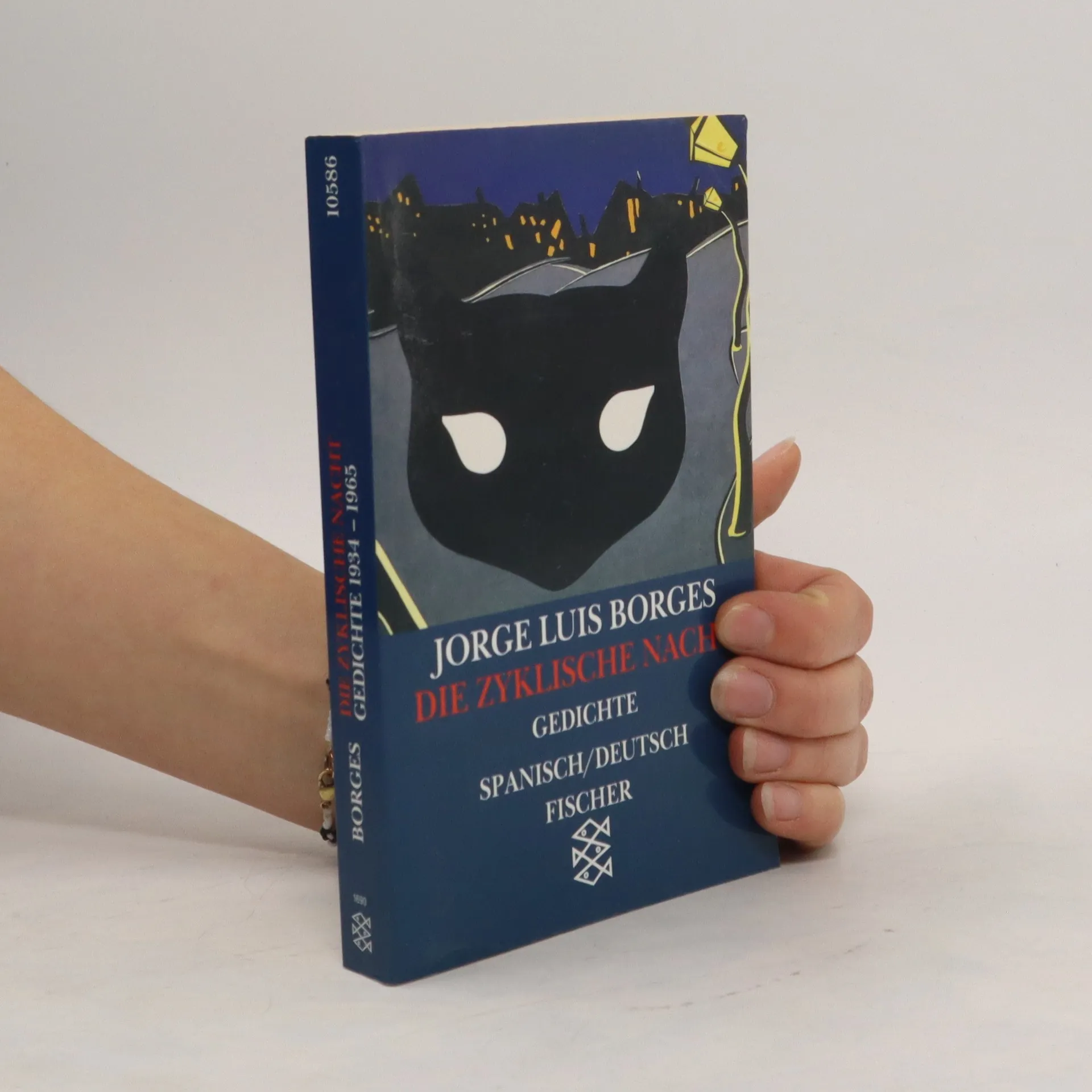
    • Die zyklische Nacht

      • 266pages
      • 10 heures de lecture

      Borges war als Essayist ein Erzähler und als Erzähler ein Dichter. Wie kein anderer Autor des 20. Jahrhunderts wechselte er die Gattungen und Formen, um schließlich doch nur ein Labyrinth zu zeichnen: das seines Werkes. In Gedichten von »Die zyklische Nacht« finden wir Hymnen an seine Heimatstadt Buenos Aires, Liebeserklärungen an den Tanz und die Milonga, Hymnen an die Nacht und ihre Geisel, die Schlaflosigkeit, sowie Widmungen an die großen Meister und Doppelgänger im Geiste. Die Gedichte aus mehr als drei Jahrzehnten spiegeln seine Entwicklung von einem Avantgardisten zum Klassiker der lateinamerikanischen Literatur.

      Die zyklische Nacht
      4,0
    • Tvůrce. Atlas. Spříseženci

      • 276pages
      • 10 heures de lecture

      Do 6. svazku Borgesových Spisů byly zařazeny vůbec první překlady Borgesovy poezie do češtiny. Kniha obsahuje tři sbírky: autorovu nejoblíbenější sbírku Tvůrce (1960) a dvě sbírky z 80. let, Atlas (1984) a Spříseženci (1985). Spojení krátkých prozaických textů – mini-esejů a mini-povídek – a básní ukazuje čtenáři dosud neznámou tvář tohoto argentinského tvůrce.

      Tvůrce. Atlas. Spříseženci
      4,0