Napoleon's 1796 Italian Campaign
- 352pages
- 13 heures de lecture
First translation into English of Clausewitz's most important campaign history, which offers key insights into his theoretical classic On War.


Carl von Clausewitz était un soldat, historien militaire et théoricien prussien dont l'œuvre fondamentale a façonné la compréhension de la guerre. Ses écrits explorent la nature du conflit, soulignant son lien intrinsèque avec les objectifs politiques et son imprévisibilité inhérente. Clausewitz a analysé méticuleusement l'interaction entre la stratégie militaire et les buts politiques, établissant des concepts fondamentaux qui restent influents. Ses profondes idées continuent d'informer la pensée stratégique et l'étude du conflit armé.




First translation into English of Clausewitz's most important campaign history, which offers key insights into his theoretical classic On War.
If, in the next place, we keep once more to the pure conception of War, then we must say that the political object properly lies out of its province, for if War is an act of violence to compel the enemy to fulfil our will, then in every case all depends on our overthrowing the enemy, that is, disarming him, and on that alone.
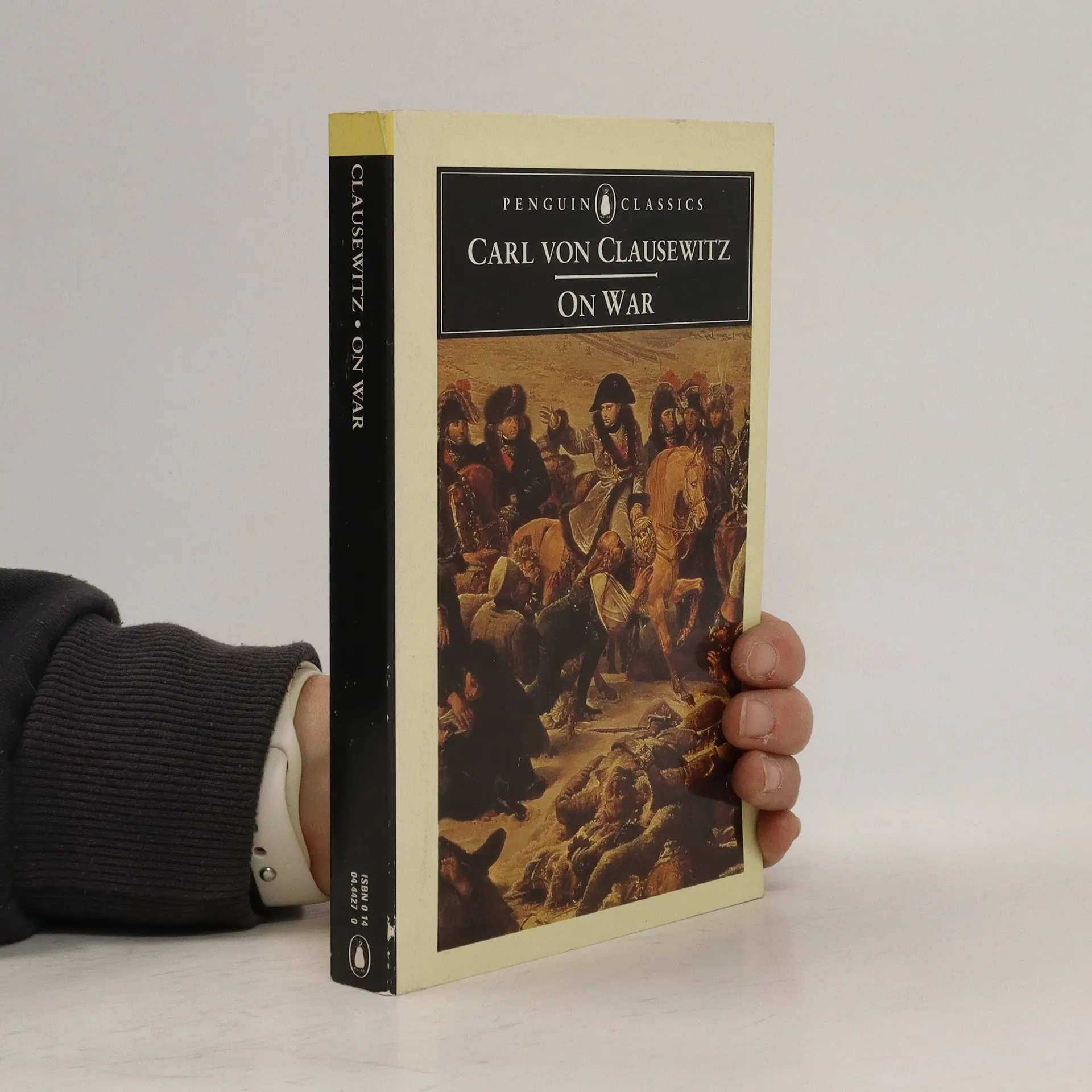
"War is not merely a political act, but also a real political instrument, a continuation of political commerce, a carrying out of the same by other means." -Carl von Clausewitz, On War, 1832 On War is Carl von Clausewitz' masterpiece on war and military strategy, which was written between 1816 and 1830 and was published posthumously by his wife Marie von Clausewitz (née von Brühl) in 1832. Three main concepts of war stand out: war should be seen as an instrument of politics; the military objectives in war that support one's political objectives fall into two types: "war to achieve limited aims" and war to "disarm" the enemy; and the course of war will tend to favor the party with the stronger emotional and political motivations, but especially the defender. This edition is the classical translation of On War (1873) by Col. J.J. Graham, with an introduction and notes by Colonel F.N. Maude, published in three volumes. A must-read for military historians and theorists, policy makers, and anyone interested in understanding the philosophy and concepts of war.
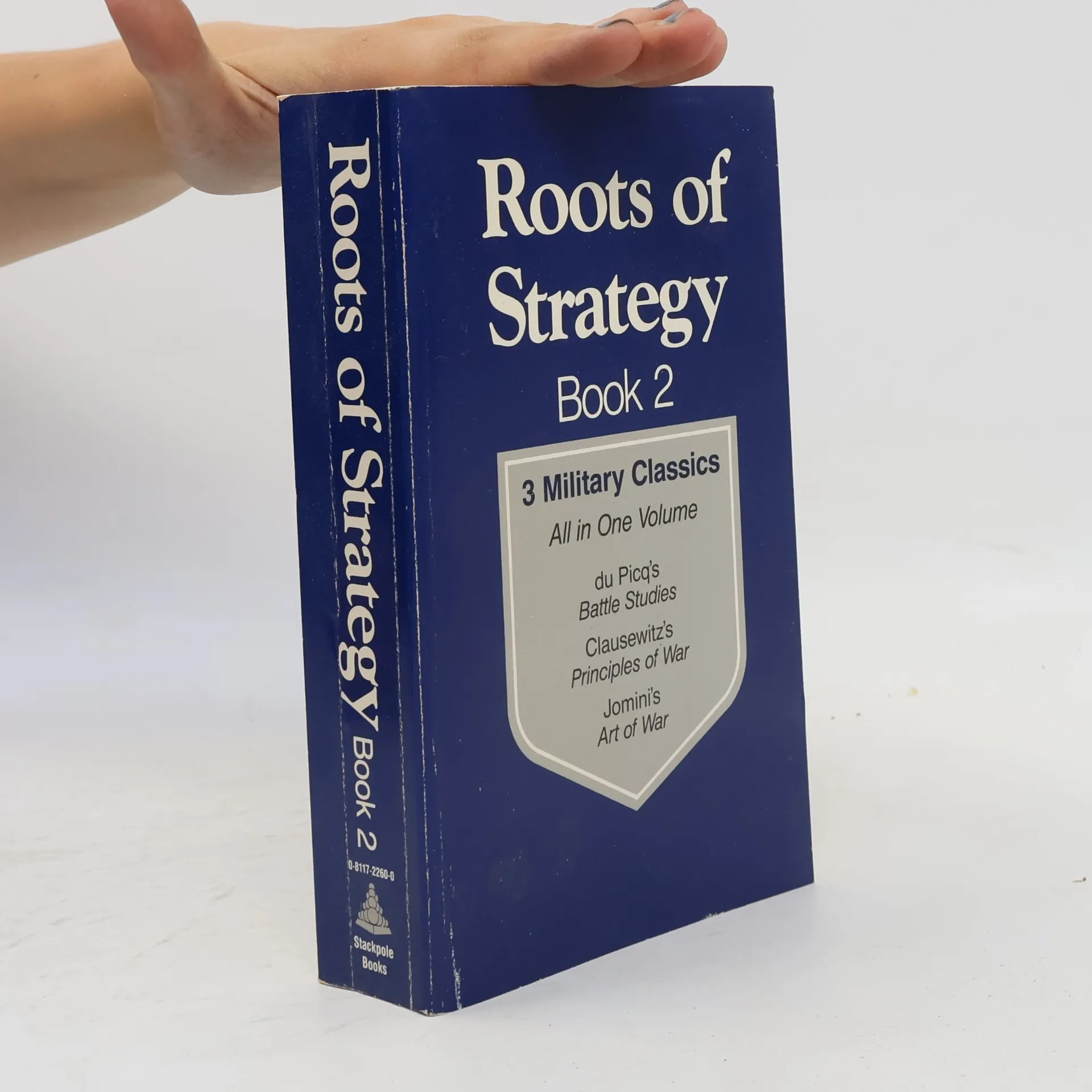
3 Military Classics: All in One Volume - Du Picq's Battle Studies, Clausewitz's Principles of War, Jomini's Art of War
Ardant du Picq's Battle Studies, Clausewitz's Principles of War, and Jomini's Art of War.
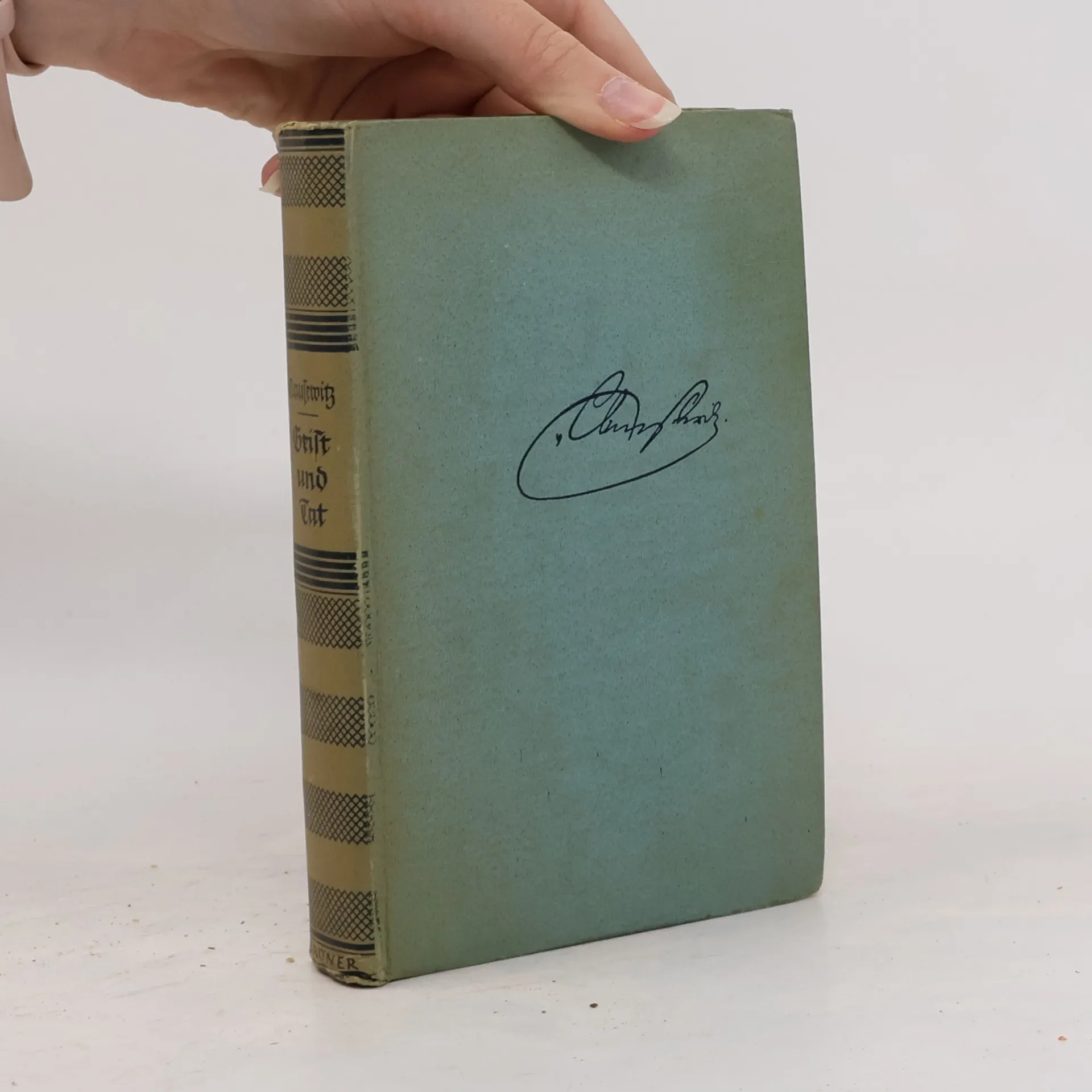
Carl von Clausewitz - Lebensbild eines patriotischen Militärs und fortschrittlichen Militärtheoretikers
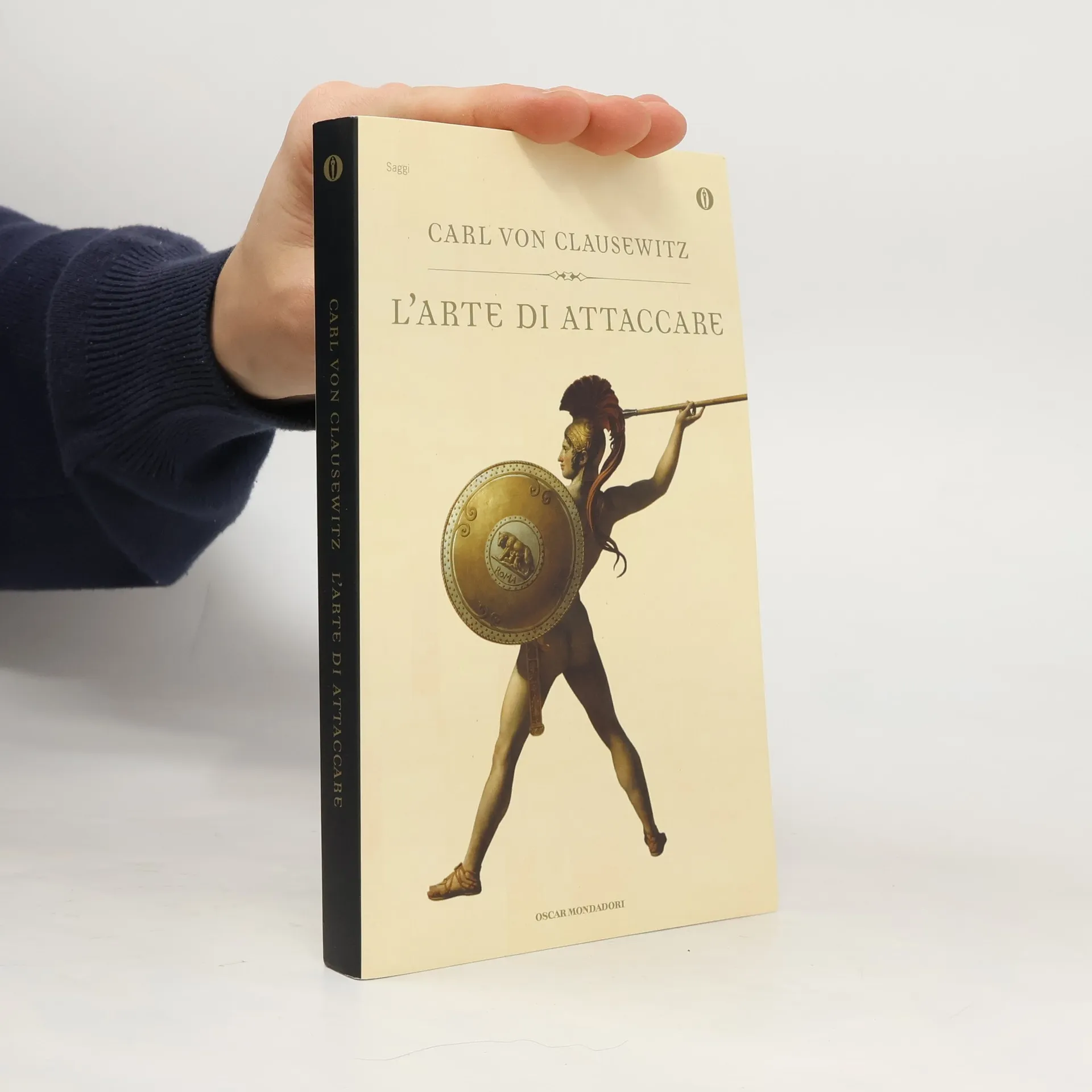
L'offensiva è l'elemento fondamentale della guerra. Lo dimostra in queste pagine un grandissimo teorico dell'arte militare, forse il più grande di tutti, Carl von Clausewitz. Questa antologia di brani tratti dal suo celeberrimo trattato "Della guerra", curata da uno dei massimi studiosi di storia militare, Gastone Breccia, è dedicata principalmente alle strategie offensive, sui campi di battaglìa e nella vita. Perché tutti noi siamo come piccoli Stati, determinati a raggiungere i nostri obiettivi anche a costo di metterci in contrasto con altri individui. E spesso ci troviamo costretti a "muovere guerra": è indispensabile tenere presenti allora le regole fondamentali che rispecchiano la natura stessa dei conflitti. Qui si rivelano tutta la genialità e l'attualità del grande teorico prussiano di inizio Ottocento. Nessuno ha saputo analizzare l'essenza e i caratteri della guerra con tale profondità, ed è per questo che leggere il suo testo, dopo duecento anni e in un mondo socialmente, politicamente e tecnologicamente così diverso, è di estremo interesse non solo per gli specialisti ma per chiunque si trovi a misurarsi con una situazione conflittuale. Il che, prima a poi, capita davvero a tutti.
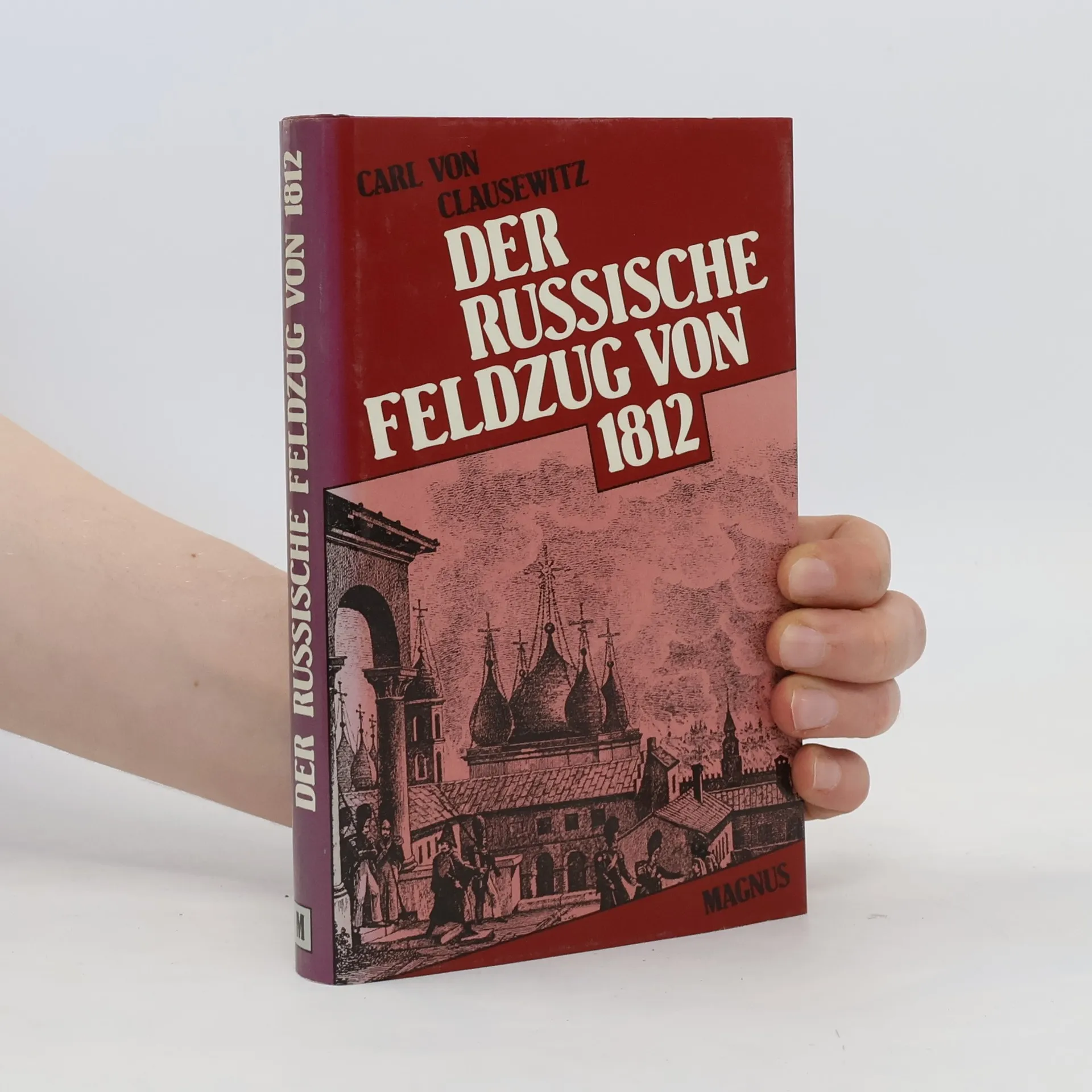
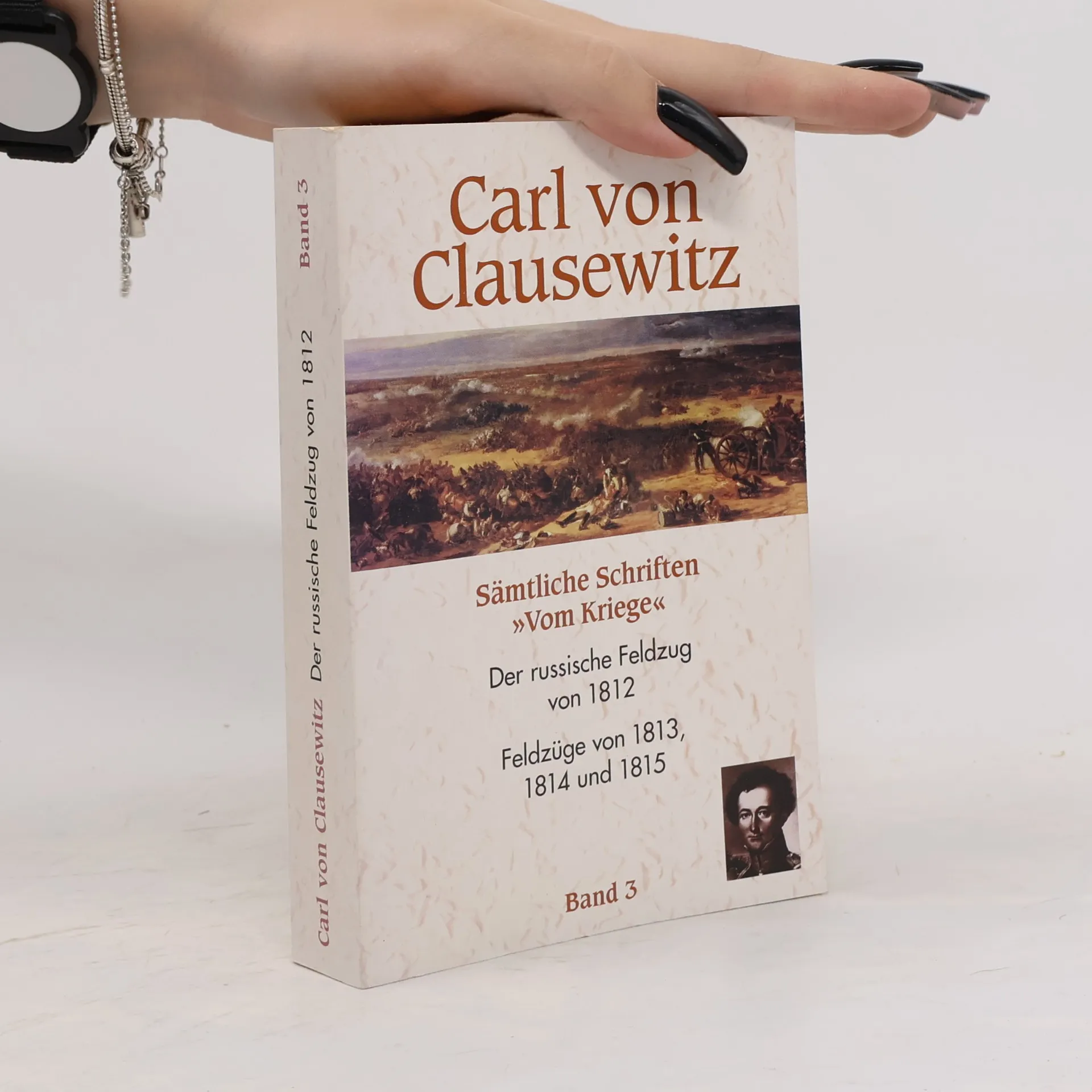
Am 23. Juni 1812 überschritt Napoleons Grande Armée mit über 500.000 Mann die russische Grenze. Einer ebenso massiven russischen Armee stand sie gegenüber. Die darauf folgende Kampagne war eine Katastrophe für Napoleon. Obwohl die Schlacht von Borodino, die auf beiden Seiten schwere Verluste verursachte, Napoleon den Eintritt in Moskau ermöglichte, war sein Aufenthalt in dieser leeren und verwüsteten Stadt katastrophal. Als Napoleon Ende November zum Fluss Berezina zurückkehrte, war seine Grande Armée nur noch ein Fünftel ihrer ursprünglichen Stärke. Sein Rückzug war zu einer Niederlage geworden, und seine Verbündeten begannen, ihn zu verlassen. In diesem Buch analysiert Clausewitz alle bedeutenden Akteure mit scharfen und aufschlussreichen Charakterisierungen und bietet vielleicht die besten Augenzeugenberichte über die Schlacht von Borodino und die Konvention von Tauroggen. Die Kampagne von 1812 in Russland ist eine brillant beobachtete Studie eines der wichtigsten Wendepunkte der Geschichte.
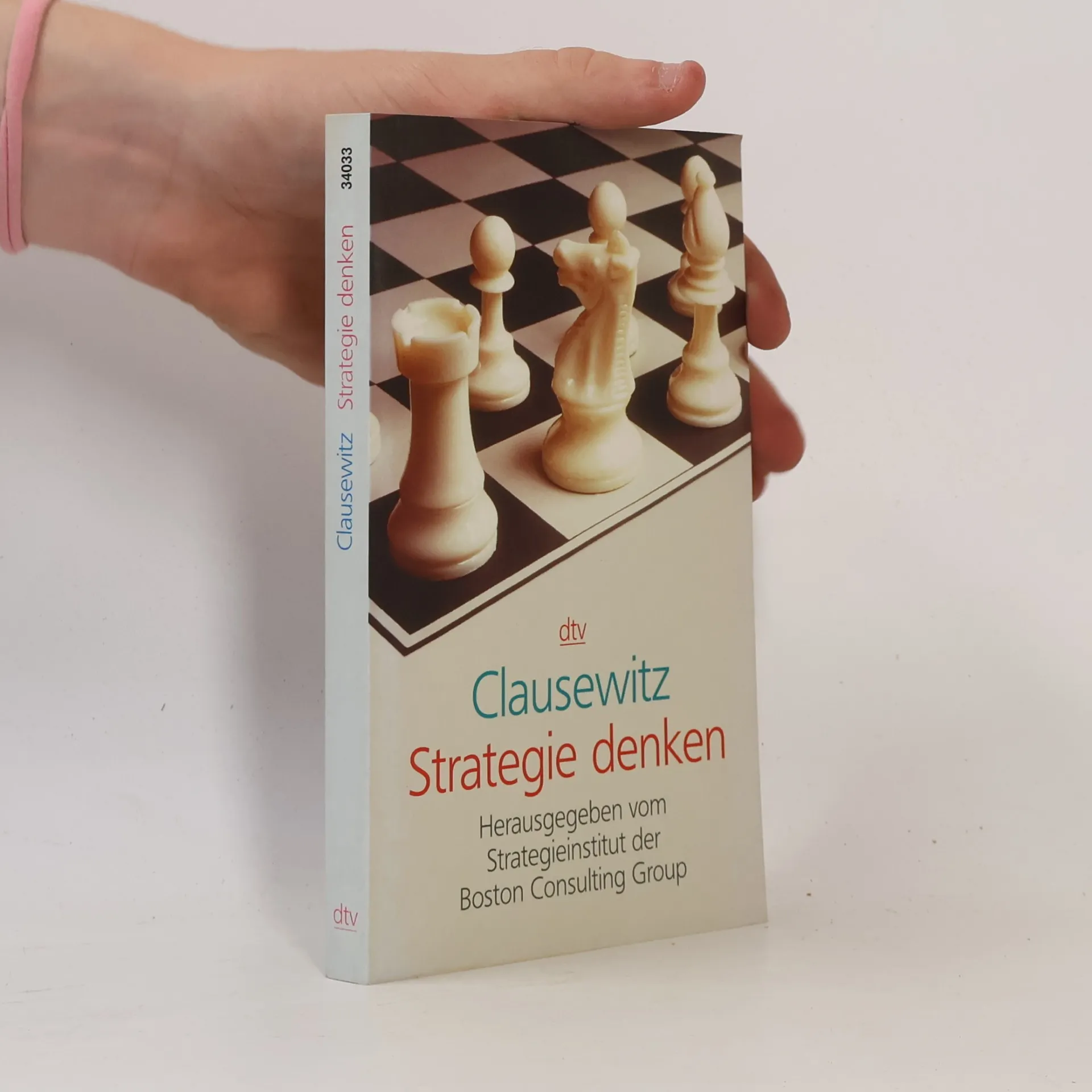
Ein völlig neuer Blick auf den verkannten Klassiker Carl von Clausewitz (1780-1831) gilt als einer der bedeutendsten strategischen Denker. Heute ist der preußische Visionär so aktuell wie nie zuvor: Die Parallelen zwischen der fundamentalen Umbruchsituation seiner Zeit und den rasanten Umwälzungen des 20. und 21. Jahrhunderts sind unübersehbar. Clausewitz entwickelt keine Lehre mit festen Regeln, sondern bietet kluge Wege des Denkens an, wie man sich in Zeiten der Unsicherheit strategischen Entscheidungen nähert. Führende Analytiker des Bostoner Strategieinstituts haben für diesen Band zentrale und prägnante Texte von Clausewitz selbst zusammengestellt und liefern eine zeitgemäße Interpretation für das heutige Management. Ein »herausragendes Buch.« Dagmar Deckstein, Süddeutsche Zeitung
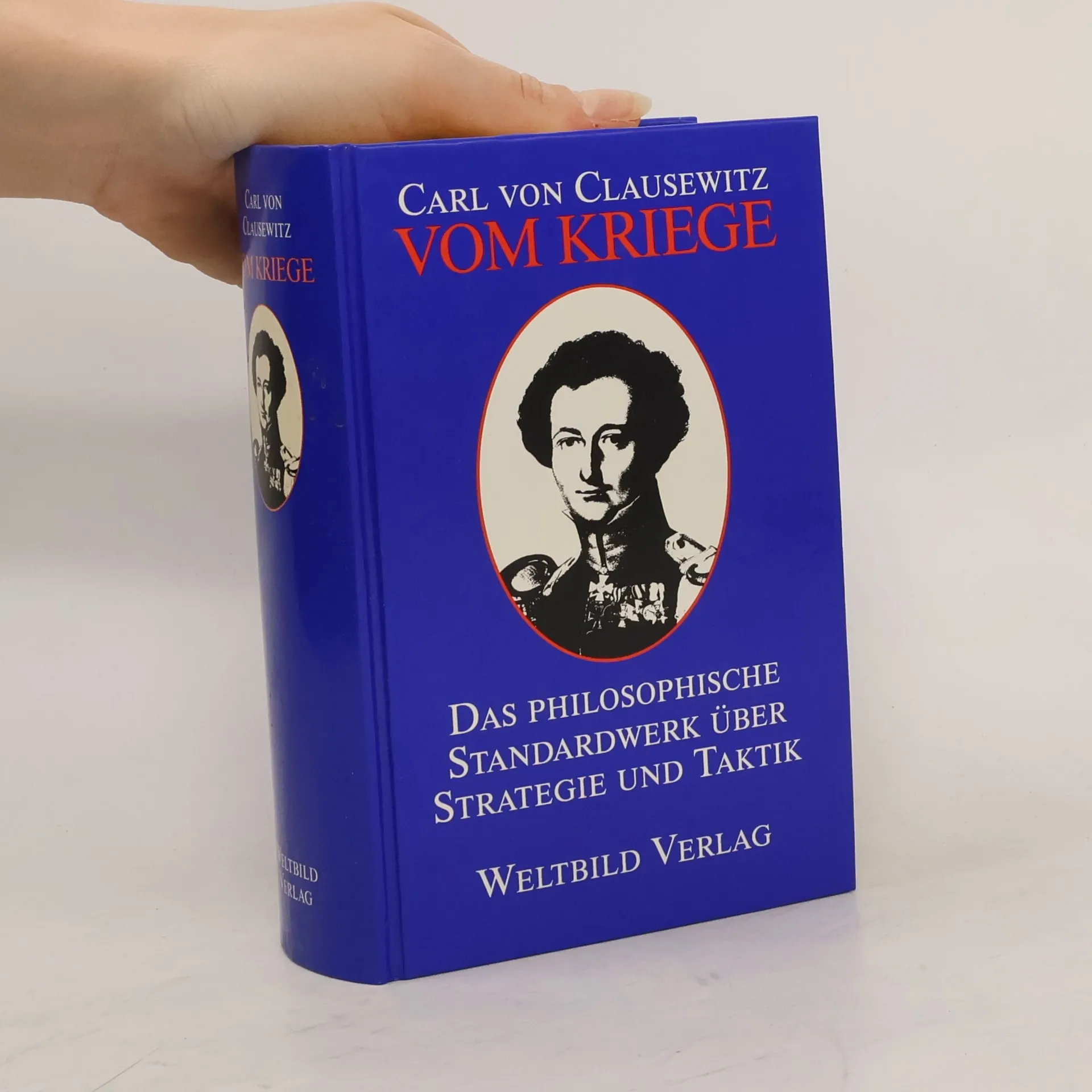
Der Krieg ist nichts als die fortgesetzte Staatspolitik mit anderen Mitteln. - Der Krieg ist ein erweiterter Zweikampf. Jeder sucht den andern durch physische Gewalt zur Erfüllung seines Willens zu zwingen. - Der Krieg ist ein Akt der Gewalt, und es gibt in der Anwendung der Gewalt keine Grenzen. - Menschenfreundliche Seelen könnten leicht denken, es gäbe ein Entwaffnen oder Niederwerfen des Gegners, ohne zu viel Wunden zu verursachen, und das sei die wahre Kriegskunst. Wie gut sich das auch ausnimmt, so muß man diesen Irrtum doch zerstören, denn in so gefährlichen Dingen, wie der Krieg eins ist, sind die Irrtümer, die aus Gutmütigkeit entstehen, gerade die schlimmsten. Wer sich der Gewalt rücksichtslos bedient, bekommt ein Übergewicht, wenn der Gegner anders handelt. So muß man die Sache ansehen, und es ist ein unnützes, sogar verkehrtes Bestreben, aus Widerwillen gegen das rohe Element die Natur des Krieges zu verkennen. [Textauszug]
Das Werk von Carl von Clausewitz gilt als eines der Standardwerke über das Thema der Kriegsführung. Geprägt durch die Napoleonischen Kriegen und der vernichtenden Niederlage der Franzosen im Krieg gegen Russland, zeigt der Autor auf, welche Faktoren erfolgreiche Feldherren ausmachen und welche zum Scheitern im Krieg führen. Von Clausewitz greift bei seinen Gedanken auf einen breiten Fundus an praktischer Kriegserfahrungen zurück, bezieht sich aber auch auf historische Persönlichkeiten. Die Ausgabe wurde mit einigen erklärenden Fußnoten ergänzt, ebenso wurde die Rechtschreibung an aktuelle Regeln angepasst.
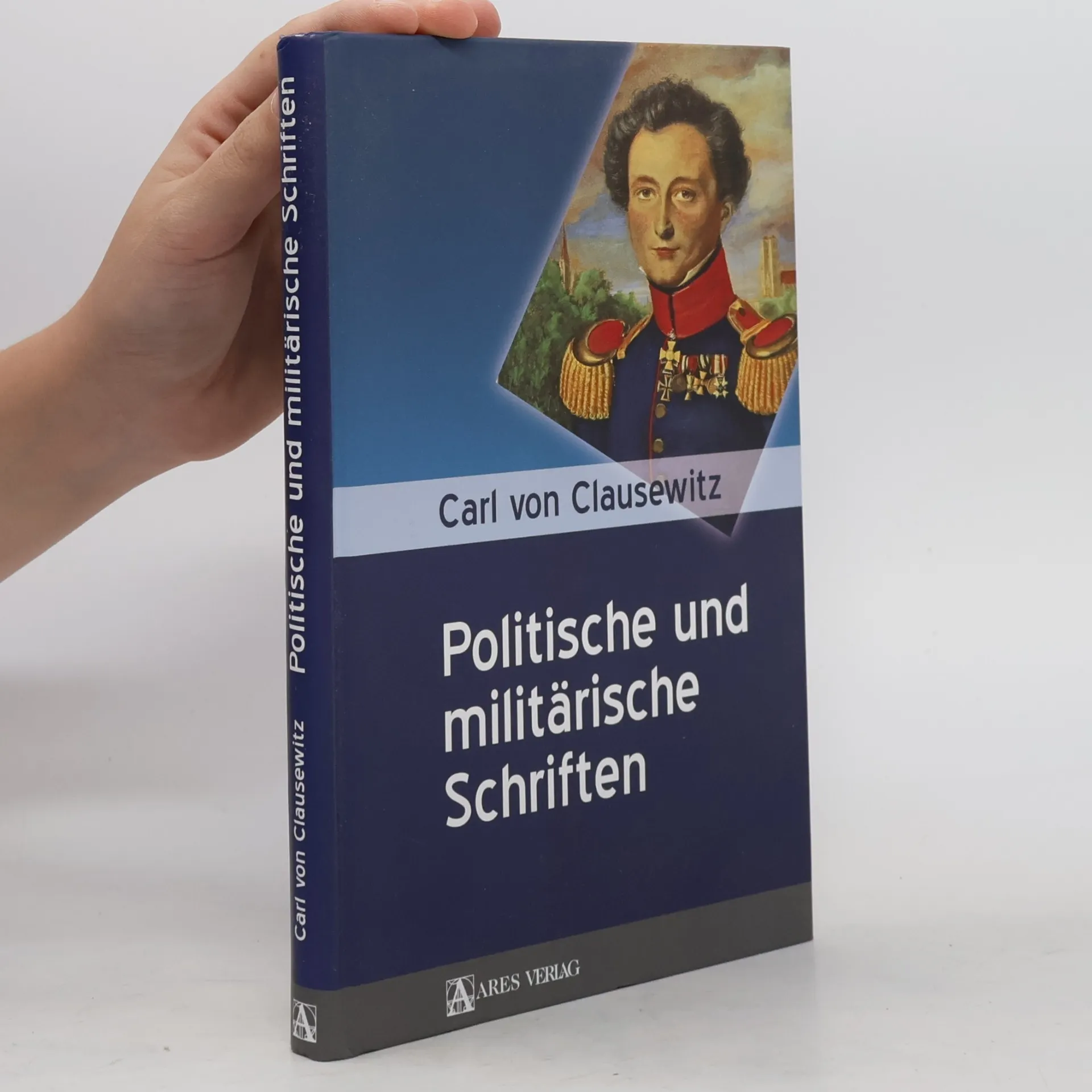
Eine neue Anthologie aus Schriften Carl von Clausewitz‘ zeigt seine Gedankenschärfe und stilistische Klarheit sowie seine politische Bedeutung. Kein Militärtheoretiker hat so großen Ruhm und Einfluss erlangt wie Clausewitz. Seine Definition des Krieges als „Fortsetzung der Politik mit anderen Mitteln“ ist ein bekanntes Zitat, das in vielen Kontexten verwendet wird. Sein Werk hat weit über militärische Kreise hinaus Wirkung entfaltet, von Karl Marx und Friedrich Engels bis hin zu Che Guevara und darüber hinaus. Auch in der Wirtschaft finden sich Anleihen bei ihm. Dies macht es notwendig, seine Schriften einem breiteren Publikum zugänglich zu machen, da die letzte Veröffentlichung aus der DDR lediglich die militärische Perspektive beleuchtete. Die aktuelle Anthologie bietet ein umfassenderes Bild von Clausewitz, indem sie wesentliche Abschnitte seines Klassikers „Vom Kriege“ sowie andere politische und militärische Schriften präsentiert. Herausgeber Olaf Rose hat sorgfältig ausgewählt, um Einblicke in die Schärfe seiner Argumentation und die Klarheit seines Stils zu geben. Besonders in seinen politischen Schriften wird Clausewitz als bedeutender Reformer sichtbar, der den Wiederaufstieg Preußens zur Großmacht intellektuell mitgestaltete.
Das Vermächtnis des Soldaten und Denkers
Die Beschreibung thematisiert die Streitkräfte des französischen Heeres zur Zeit von Ludwig XVIII. und den unterschiedlichen Angaben zur Truppenstärke. Während einige Quellen von 115.000 Mann sprechen, gibt Bonaparte selbst die Zahl der aktiven Soldaten mit nur 93.000 an. Diese Diskrepanz spiegelt die politischen Spannungen und die Unsicherheiten der damaligen Zeit wider.