Mamco revue - 1 et 2: Retour d'y voir
- 280pages
- 10 heures de lecture


Ce penseur a exploré les phénomènes de la société moderne, des romans policiers au cinéma et à la culture du divertissement de masse. Ses analyses se sont concentrées sur la manière dont les individus se tournent vers les "industries de la distraction" lorsqu'ils se sentent à la dérive spirituelle, ce qui a conduit à de vives critiques du capitalisme et des régimes totalitaires. Les travaux de Kracauer jettent les bases de la critique cinématographique moderne et explorent les fondements psychologiques des phénomènes sociaux.


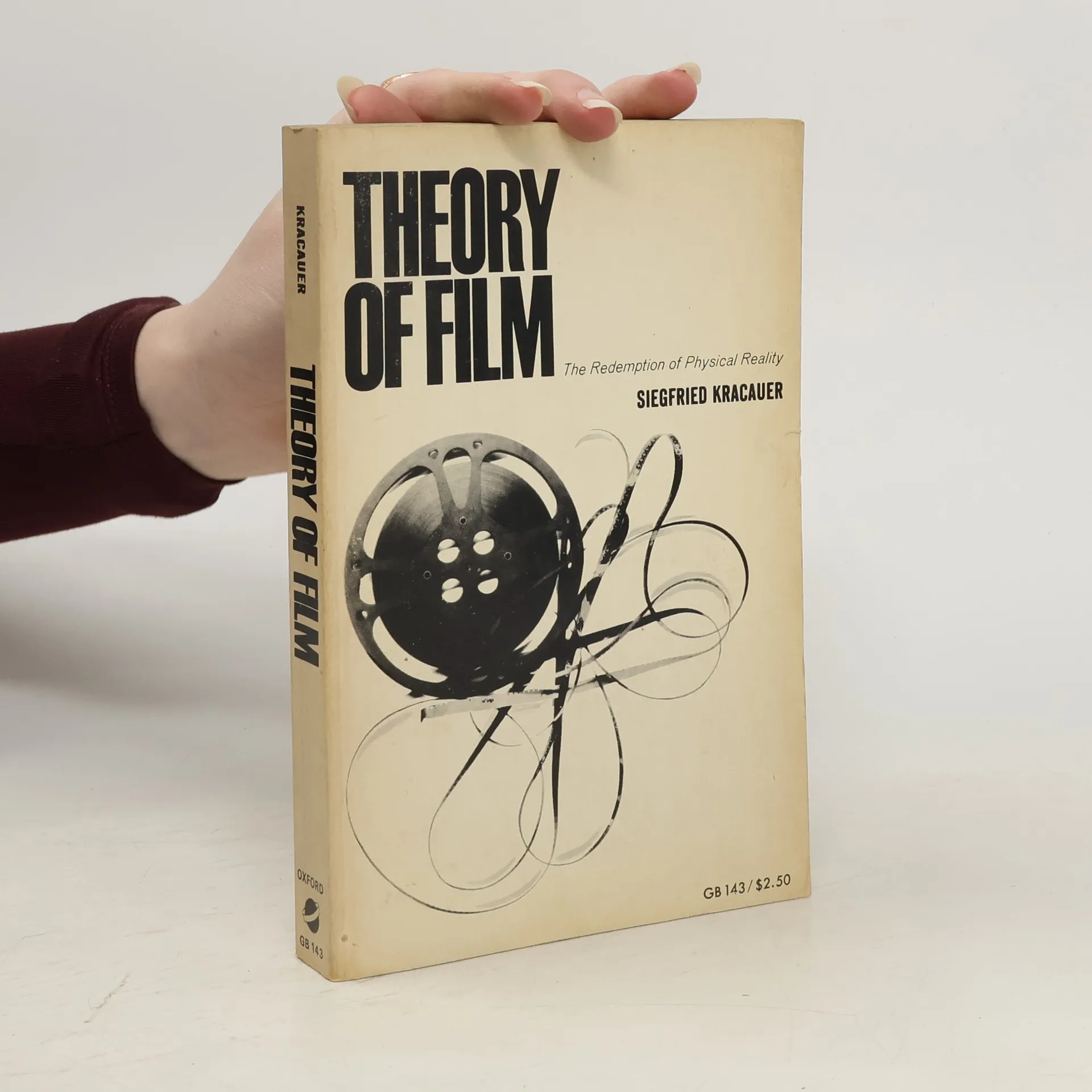
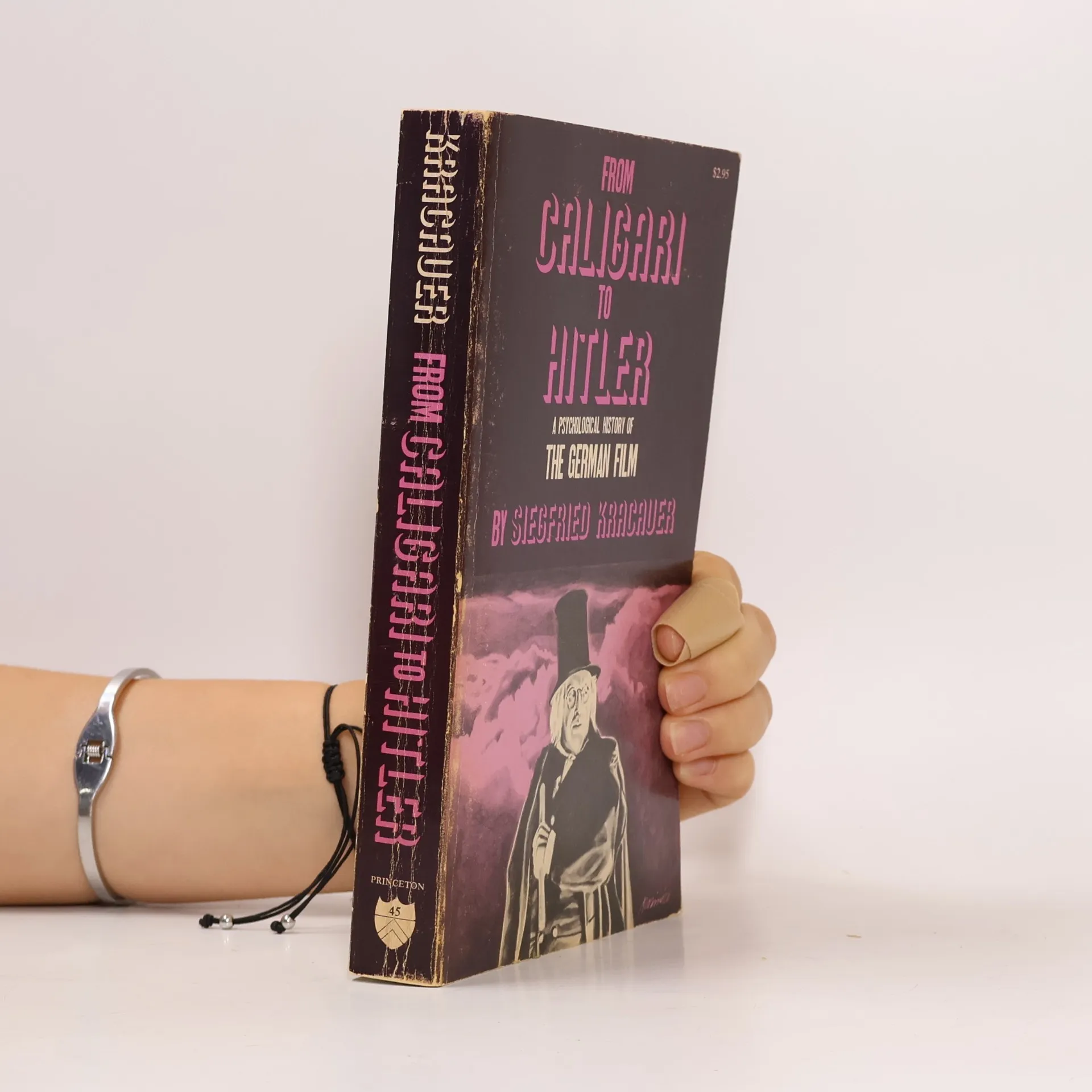
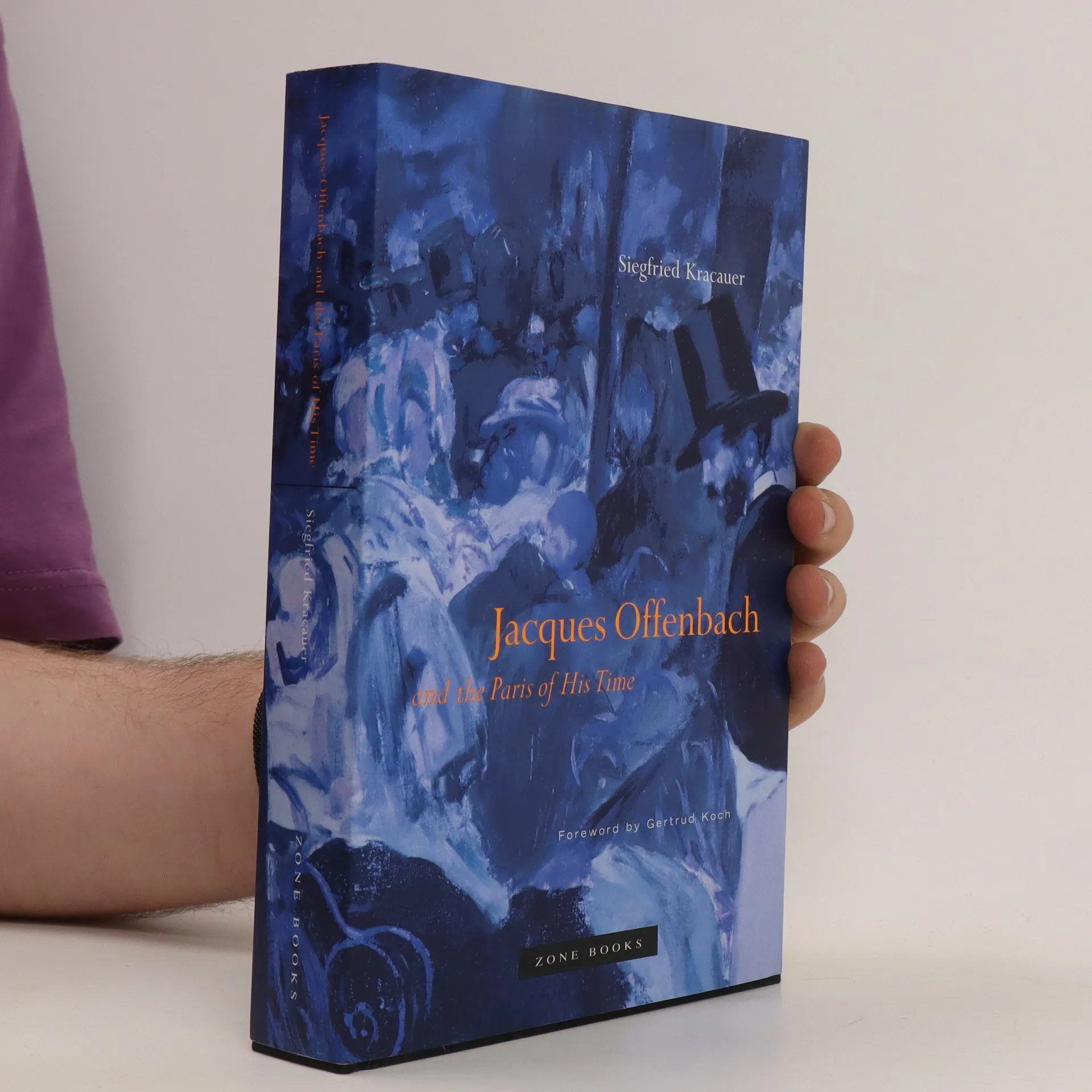
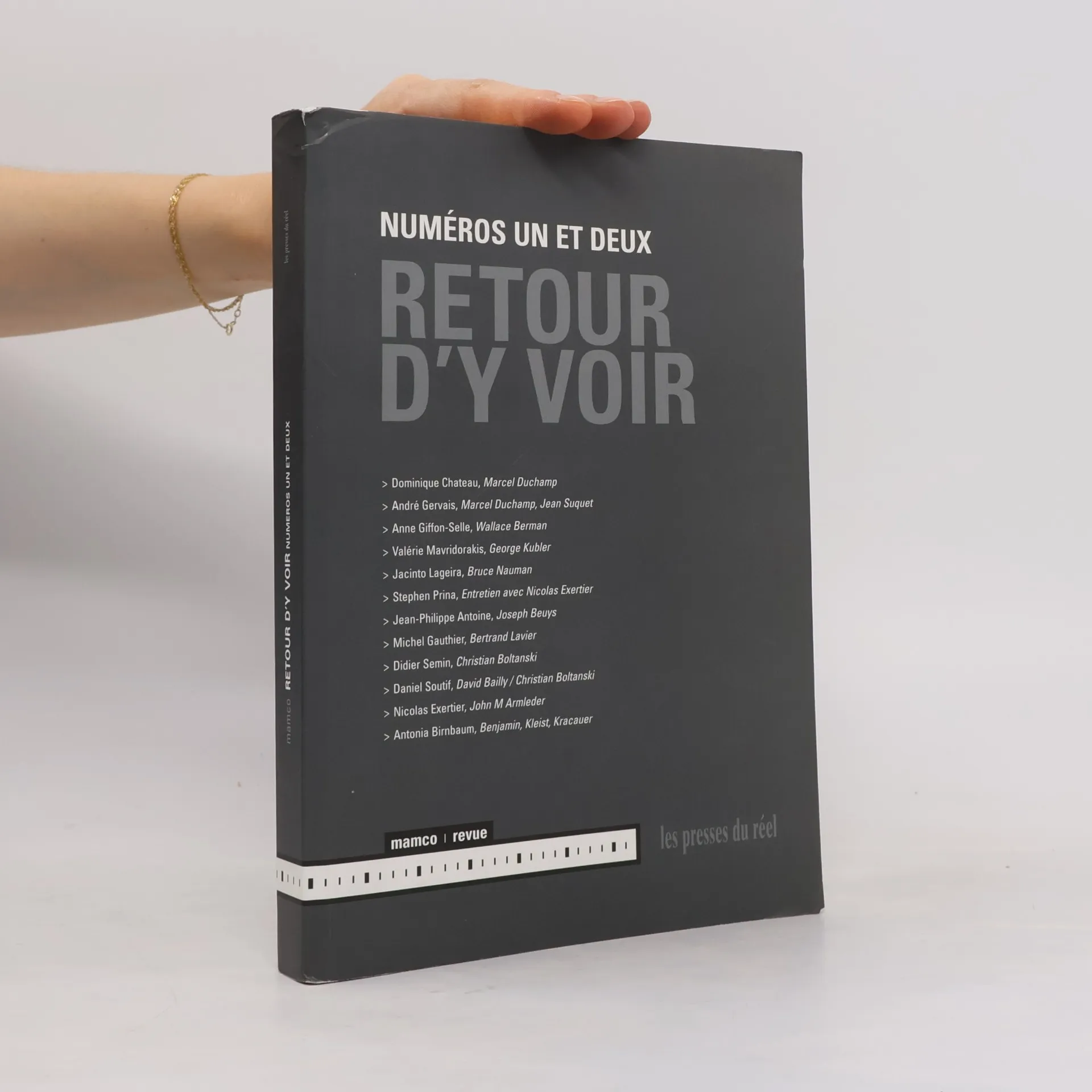
This book brings together a broad selection of Siegfried Kracauer's work on media and political communication, much of it previously unavailable in English. It features writings spanning more than two decades, from the 1930s to the early Cold War period.
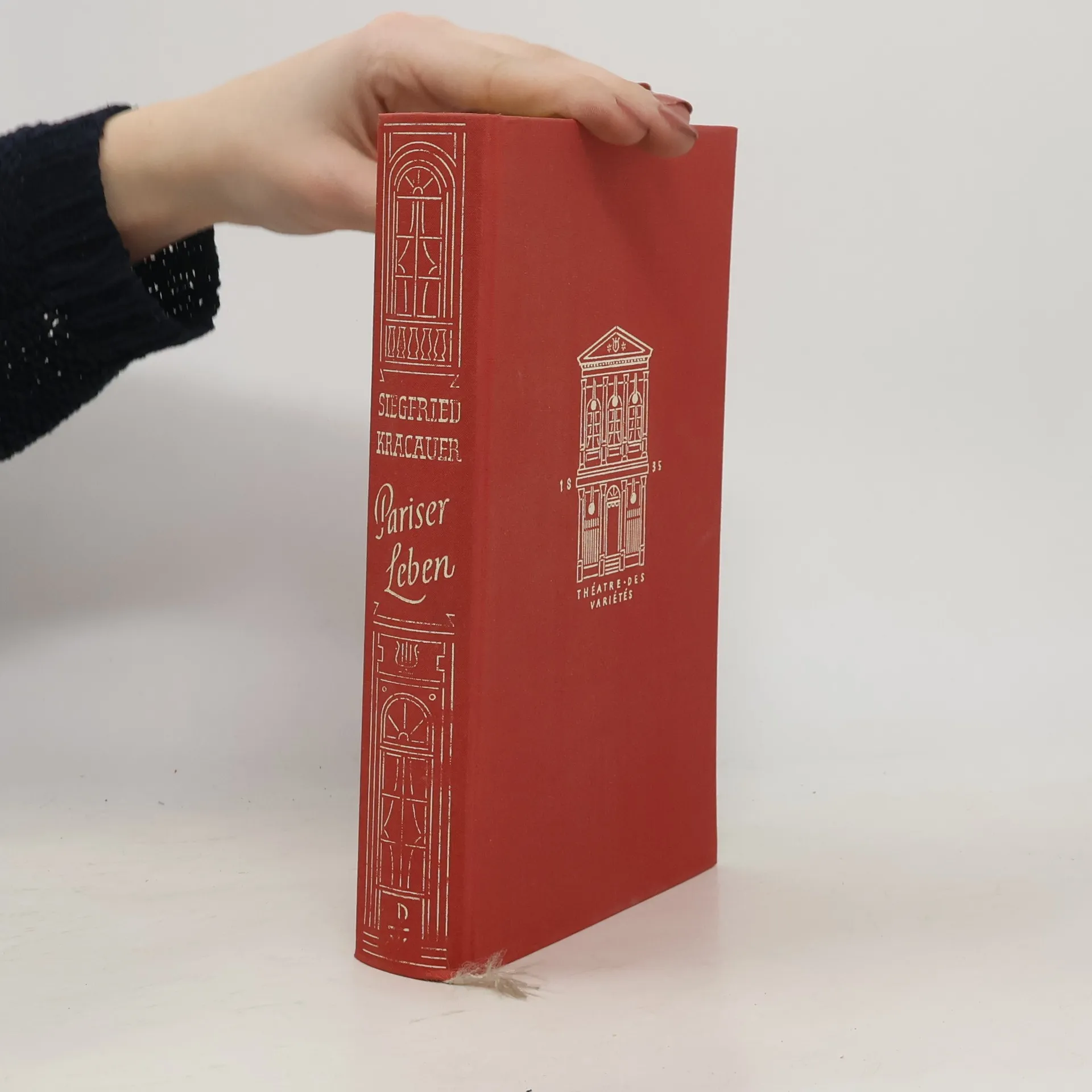
The book features dandies, bohemians, courtesans, old and new nobility, financial aristocrats, journalists, and the common people. The settings include boulevards, salons, theaters, and cafes. Events encompass premieres, world exhibitions, revolutions, and everyday life. In this brilliant exploration of Offenbach, the renowned intellectual Siegfried Kracauer engages in a clever mimicry of the biographical novel genre, which he had previously critiqued. Some passages read like ironic quotations, exposing the pseudo-individualism and illusory immediacy of the genre's clichés.
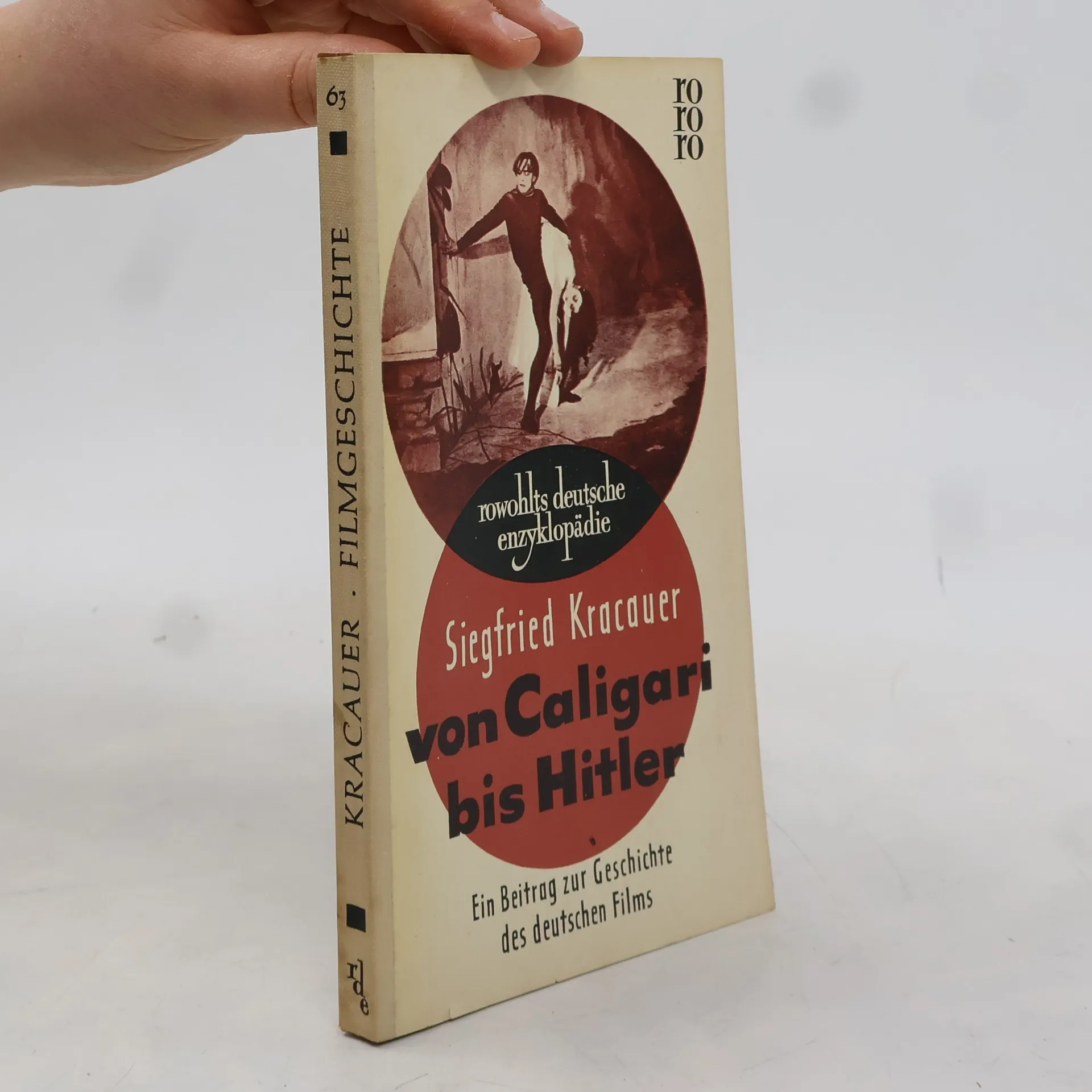
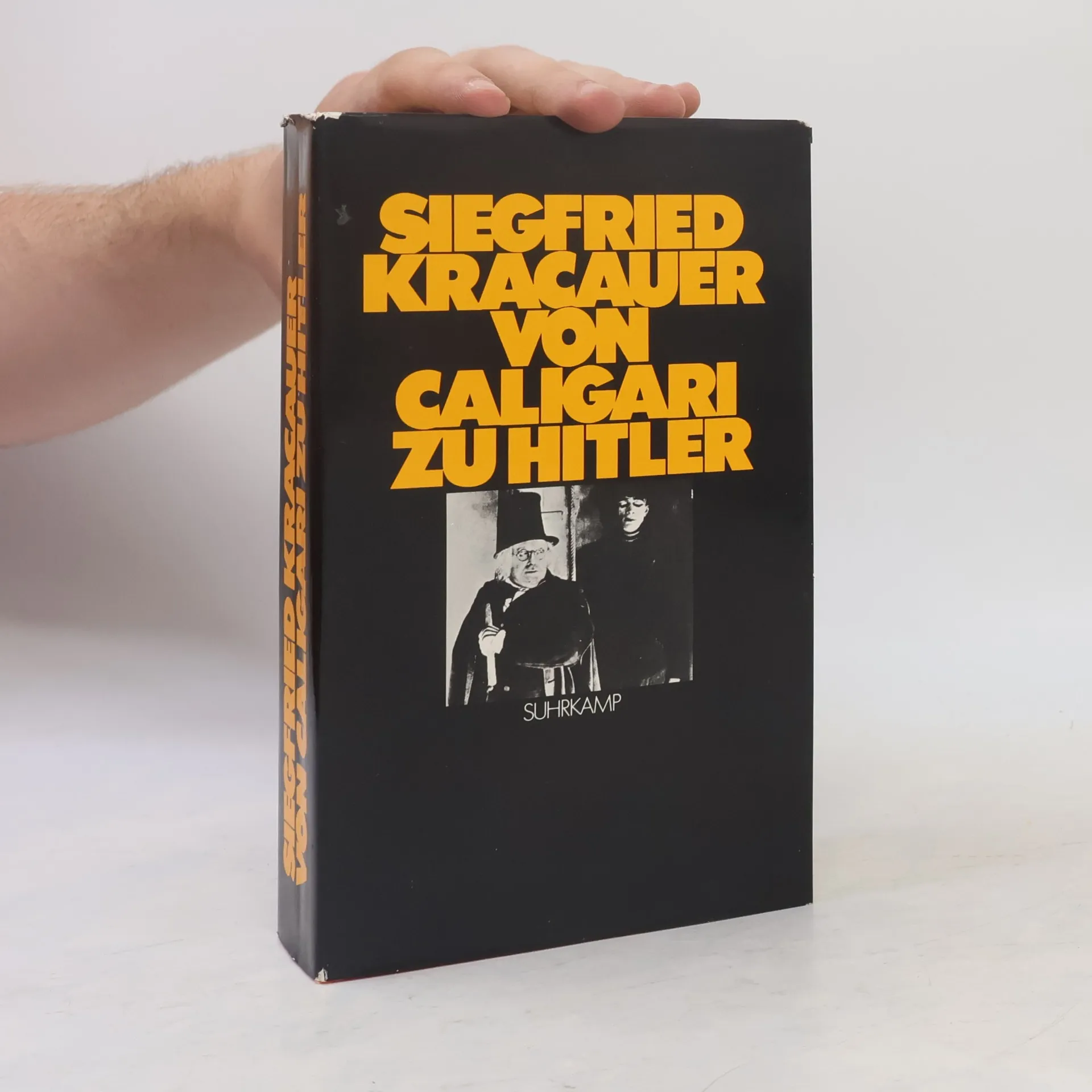
A landmark study of the cinematic history of the Weimar Republic, this classic work was first published in 1947 by Princeton University Press. Siegfried Kracauer, a prominent German film critic and member of an influential intellectual circle, explored the connections between film aesthetics, the psychological state of Germans during the Weimar era, and the evolving social and political realities of the time. Examining German history from 1921 to 1933 through films like The Cabinet of Dr. Caligari, M, Metropolis, and The Blue Angel, Kracauer's pioneering book has remained in print ever since. This beautifully designed new edition reintroduces Kracauer for the twenty-first century, featuring a critical introduction by film scholar Leonardo Quaresima, along with an updated bibliography, index, and corrections to inaccuracies from the first edition. Kracauer's controversial claim that films reveal the unconscious motivations and fantasies of a nation is central to his analysis. He identified visual and narrative tropes in 1920s cinema that expressed fears of chaos and a yearning for order, even at the risk of authoritarianism. Despite critiques of its historical connections, this work remains Kracauer's most influential and a seminal text in film studies.
Kracauer's profound theoretical investigation revealed film as the form that best captured the new modes of experience that characterize modernity.
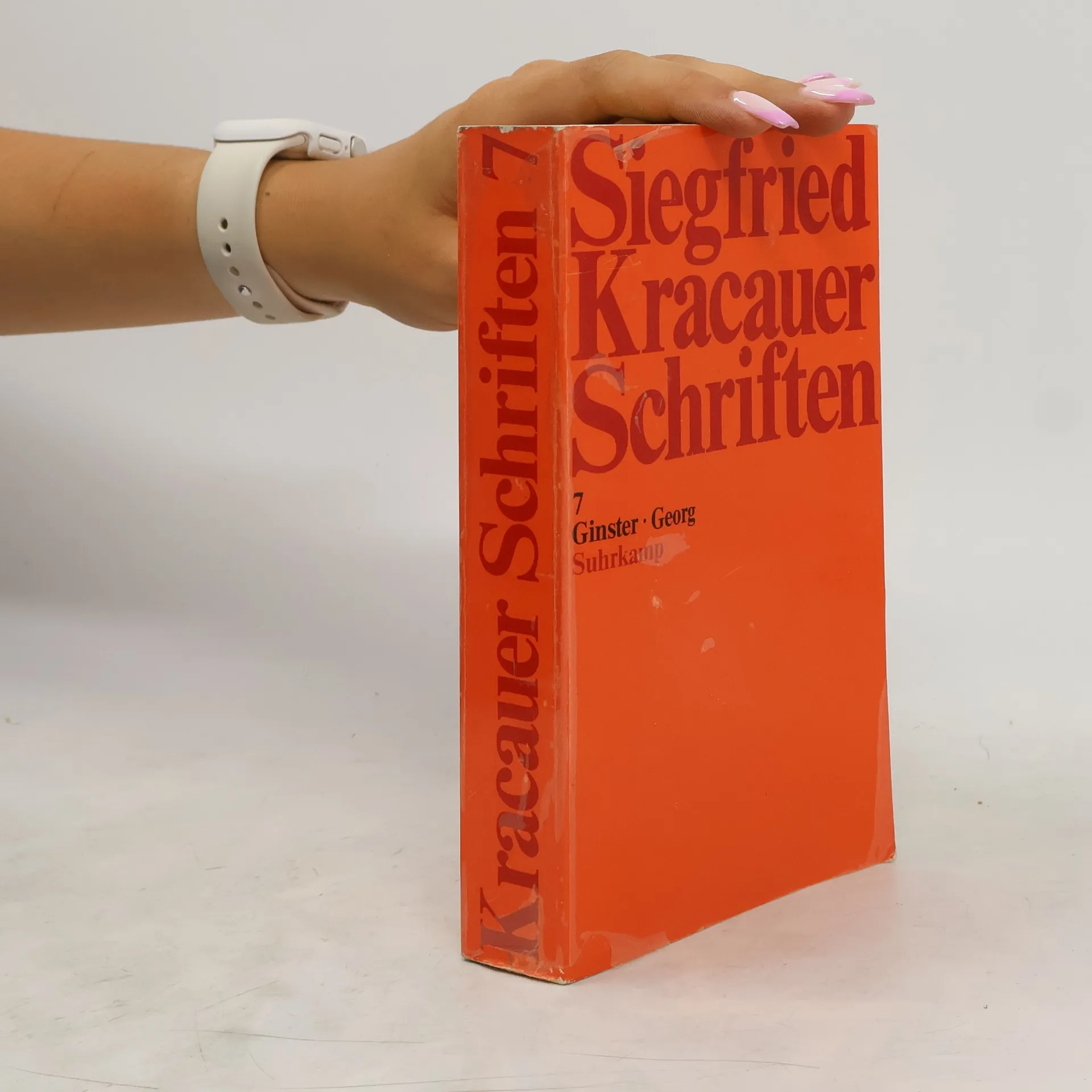
Set against the backdrop of World War I, the story follows a young architecture student in Munich who cleverly avoids military enlistment. Through the character of Ginster, a Chaplinesque antihero, the narrative explores themes of self-absorption and societal demands. The horrors of war remain largely offstage, with civilian life heavily influenced by military language. As Ginster grapples with his desires and the relentless pressures of the world around him, the novel reflects on the absurdity of war and its pervasive impact on everyday life, making it resonate in contemporary times.
Aufzeichnungen aus Europa (1960-1965)
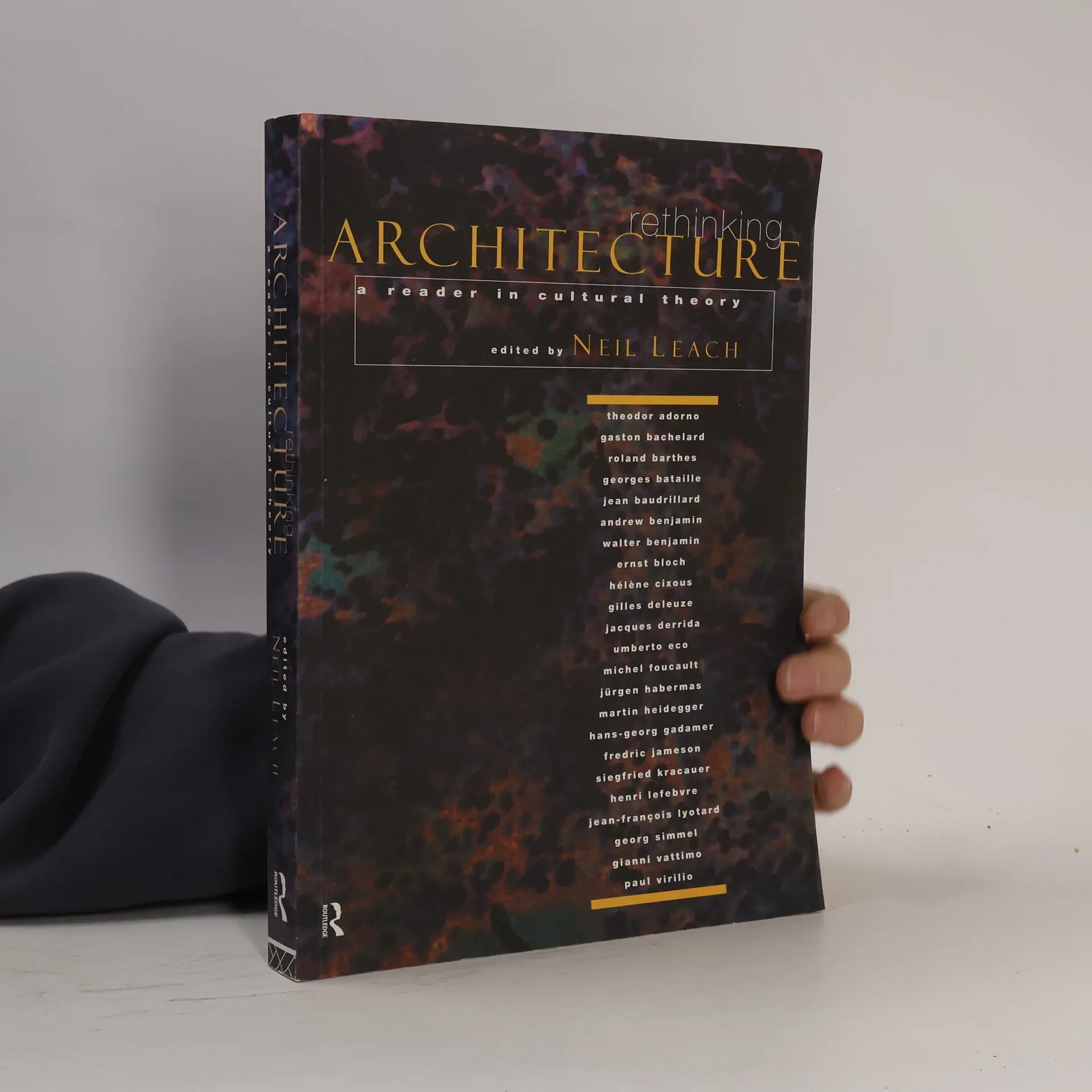
The collection features essential writings from influential philosophers and cultural theorists of the twentieth century, exploring the foundational ideas that have shaped urban environments and architectural experiences. It delves into the theoretical frameworks that underpin contemporary architecture, offering insights into the cultural and philosophical contexts that inform our understanding of space and design. This compilation serves as a critical resource for those interested in the intersection of architecture, philosophy, and urban theory.
Containing 30 essays that embody the history of photography, this collection includes contributions from Niepce, Daguerre, Fox, Talbot, Poe, Emerson, Hine, Stieglitz, and Weston, among others.
Das Buch, das Sie in den Händen halten, präsentiert den Entwurf einer Theorie über die Freundschaft, die sich zwischen Philosophie und Soziologie bewegt. Freundschaft ist ein klassisches Thema, das bereits von Platon, Aristoteles, Cicero oder Montaigne behandelt wurde. Die Romantik hob sie als Form der Beziehung zwischen schöpferischen Individuen hervor und brachte bemerkenswerte literarische Ausarbeitungen darüber hervor. In diesem Werk greift Kracauer die epistolaren Beziehungen zwischen Johann Wolfgang von Goethe und Friedrich von Schiller, Achim von Arnim oder Friedrich Jacobi auf. In den ersten Jahrzehnten des 20. Jahrhunderts hatte sich das Konzept der Individualität verändert und war einerseits stark bedroht durch massenhaftierende soziale Tendenzen und andererseits in seiner Einheit durch die Kritik des Psychoanalyse an seinem bewussten Untergrund in Frage gestellt. Neue analytische Werkzeuge, von der Gegenüberstellung des Gemeinschaftlichen und des Sozialen bis hin zur Untersuchung der Sprachbeziehungen und der Erfahrungen, ermöglichten es, das Thema Freundschaft erneut aufzugreifen, zumal das romantische Ideal in den Jugendbewegungen oder in männlichen Bünden mit offensichtlichen erotischen Konnotationen und in einigen Fällen, wie die Werke von Hans Blüher belegen, mit einer philofaschistischen Orientierung zu neuem Leben erwachte.
Die Errettung der äusseren Wirklichkeit
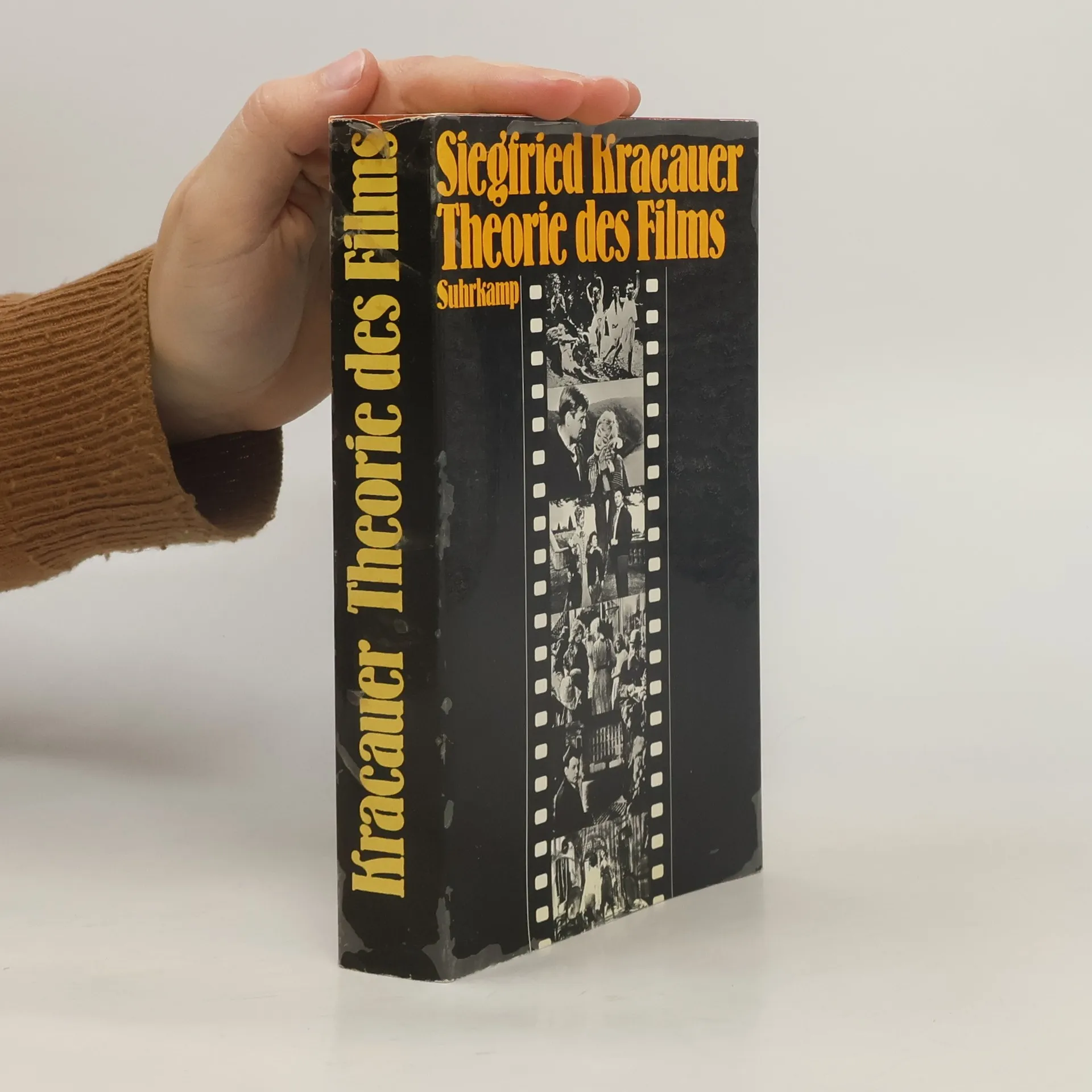
Kracauers zuerst 1960 in Amerika erschienene Theorie des Films ist eine materiale Ästhetik, die sich mit Inhalten beschäftigt. Sie beruht auf der Annahme, daß der Film im wesentlichen eine Erweiterung der Fotografie ist und daher eine ausgesprochene Affinität zur sichtbaren Welt hat. Das bedeutet eine Absage an alle Filme mit ›theatralischer‹ Story, mit ›künstlerischen‹ oder ideologischen Ambitionen. Filme, die ihrem Medium gerecht werden, registrieren jedoch nicht nur, sondern enthüllen, ›erretten‹ die äußere Wirklichkeit: sie öffnen unseren Blick für das Kleine, Zufällige, Unbeabsichtigte und Unbestimmte.
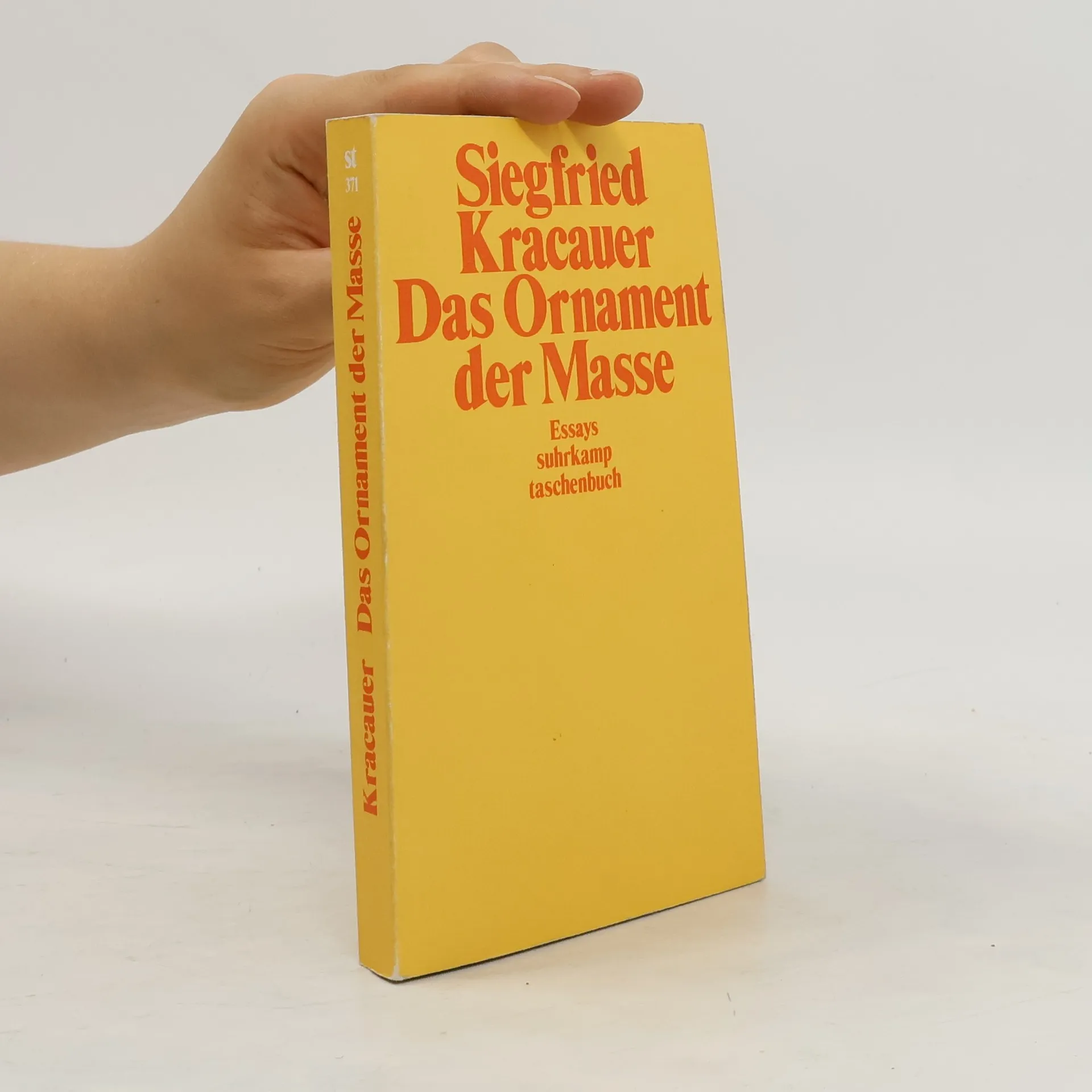
Knabe und Stier. Zwei Flächen. Analyse eines Stadtplans. Die Photographie. Die Reise und der Tanz. Das Ornament der Masse. Über Erfolgsbücher und ihr Publikum. Die Biographie als neubürgerliche Kunstform. Aufruhr der Mittelschichten. Die Wartenden. Die Gruppe als Ideenträger. Die Hotelhalle. Die Bibel auf Deutsch. Katholizismus und Relativismus. Die Wissenschaftskrisis. Georg Simmel. Zu den Schriften Walter Benjamins. Franz Kafka. Kalikowelt. Die kleinen Ladenmädchen gehen ins Kino. Film 1928. Kult der Zerstreuung. Langeweile. Abschied von der Lindenpassage.
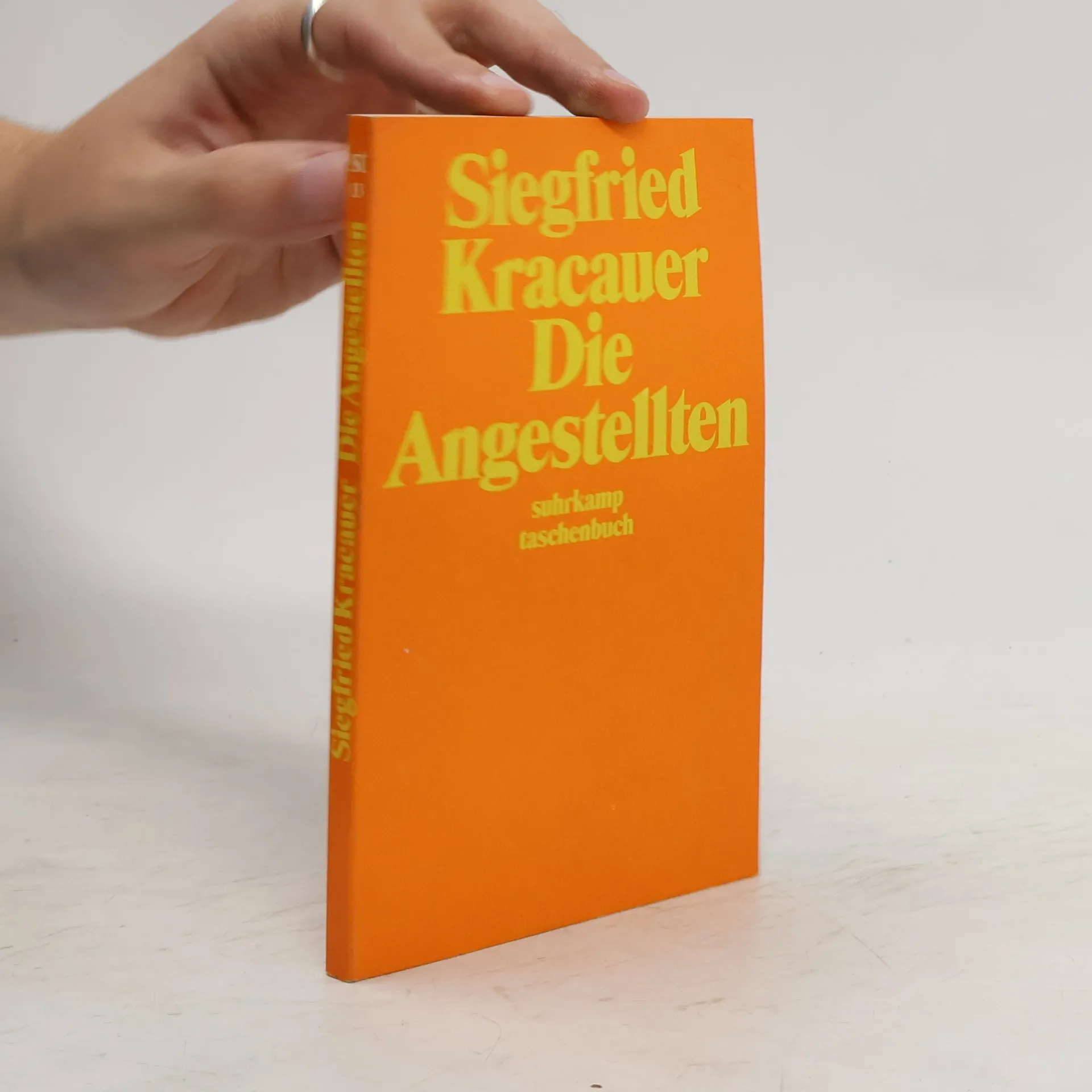
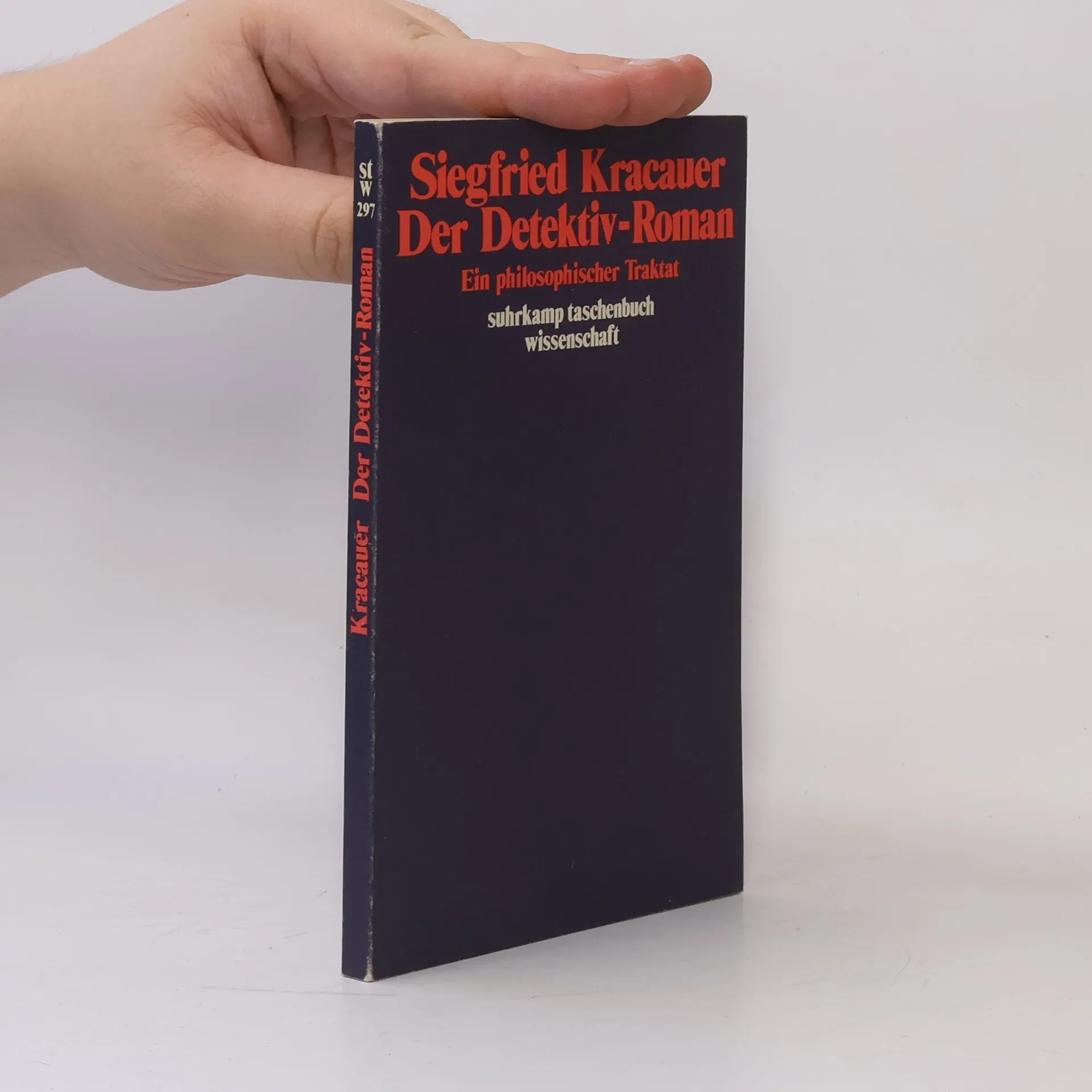
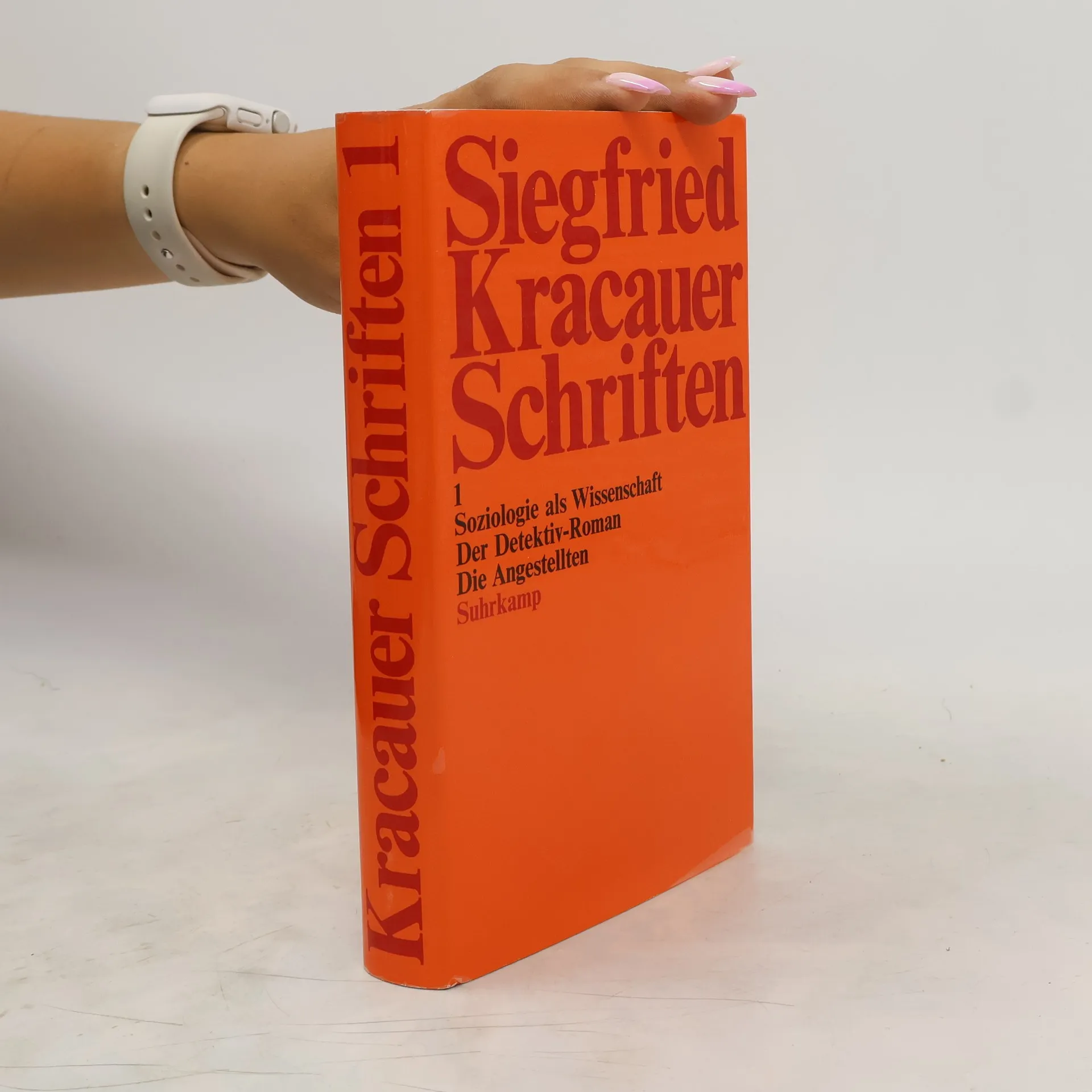
Dieser Band vereint drei bedeutende monographische Studien von Kracauer aus den 1920er Jahren: die erkenntnistheoretische Abhandlung "Soziologie als Wissenschaft" (1922), den unpublizierten Traktat "Der Detektiv-Roman" und die soziologische Untersuchung "Die Angestellten" (1929/30).
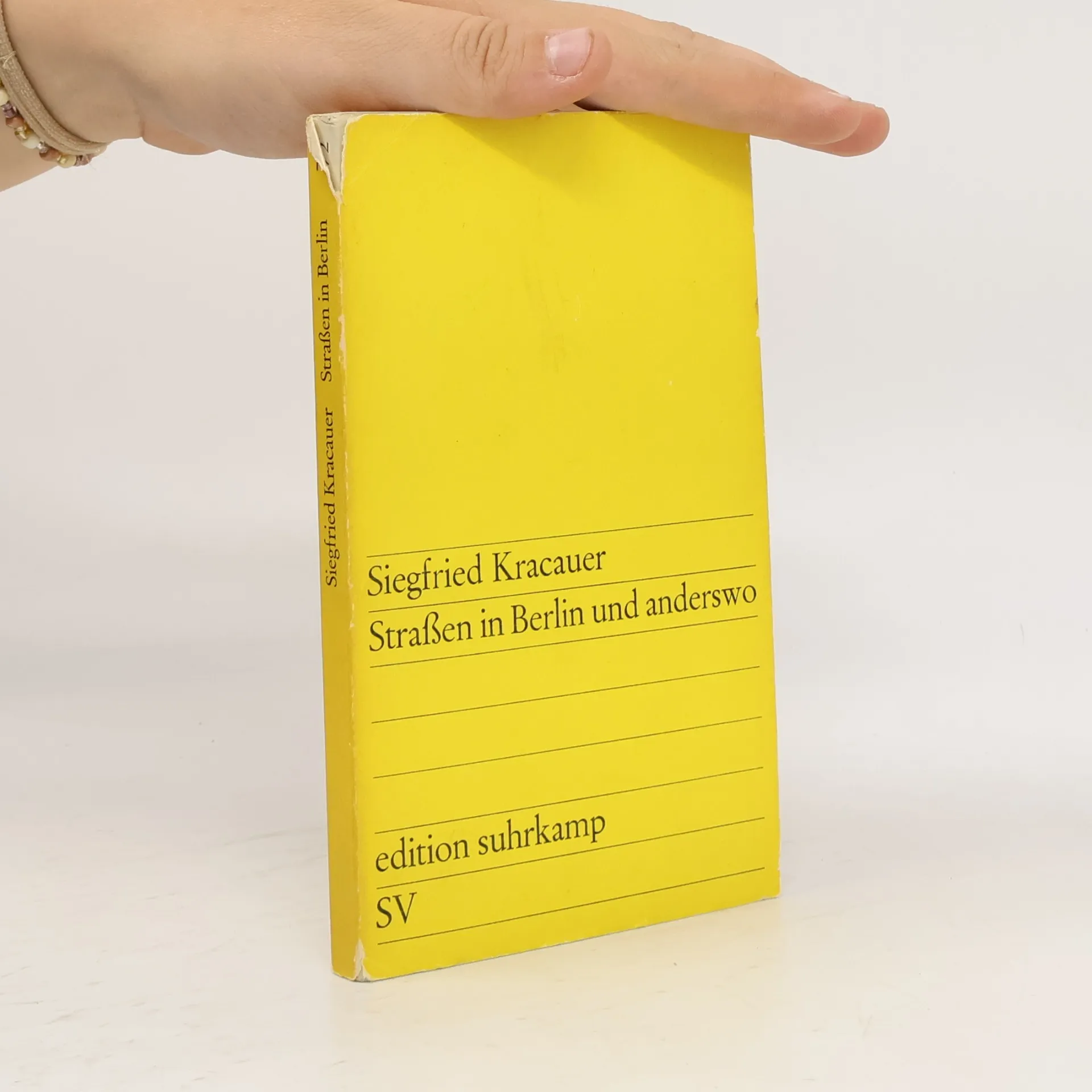
Es hat Kracauer nicht gut getan, daß er im Schatten der Freunde stand, vor allem in dem Benjamins. Das hat zu Kurzschlüssen Anlaß gegeben. Man sah in ihm einen Flaneur, in seinen Texten Denkbilder – oder aber man führte ihn als den authentischeren Materialisten gegen jene Freunde ins Feld. Schließlich tat einer von ihnen, der gestrenge Adorno, ein übriges und machte Kracauer und Benjamin gemeinsam den Vorwurf, sie hätten zuviel Respekt vor der Faktizität. Kracauers Straßen-Buch, das auf Blochschen Spuren und durch die Benjaminsche Einbahnstraße zu wandeln scheint, geht jedoch eigene Wege. Es spendet keinen mimetischen Trost, läutert die Dinge nicht zur Idee und entzündet keine Hoffnung im Abseits. Vielmehr deutet es auf etwas Beunruhigendes, ja Grauenerregendes, das nicht gebannt, sondern nur aufgewiesen und benannt werden kann. Und zwar in einer Sprache, die weder Müßiggang noch Eitelkeit kennt. Sie ist nicht hermetisch, sondern hat Fugen, durch die fremd der Wind des Alltäglichen weht. Keinen bösen, aber einen unbestechlichen, nicht einmal einen kühlen, sondern einen teilnehmenden Blick richtet Kracauer auf die Welt – auf eine verlassene Welt. Die Zeit ist gekommen, Kracauers Straßen-Buch, erschienen 1964, mit Skizzen und Essays aus den Jahren 1926 bis 1933, neu zu lesen, frei von der Bevormundung durch Bilder und Konstruktionen, denen er sich verweigert hat.
Kracauers Angestellten-Buch ist ein Klassiker der analytisch-dokumentarischen Literatur, der seit seinem Erscheinen (1930) kaum etwas an Aktualität eingebüßt hat. »Der Wirklichkeit wird so sehr zugesetzt, dass sie Farbe bekennen muß.« Walter Benjamin
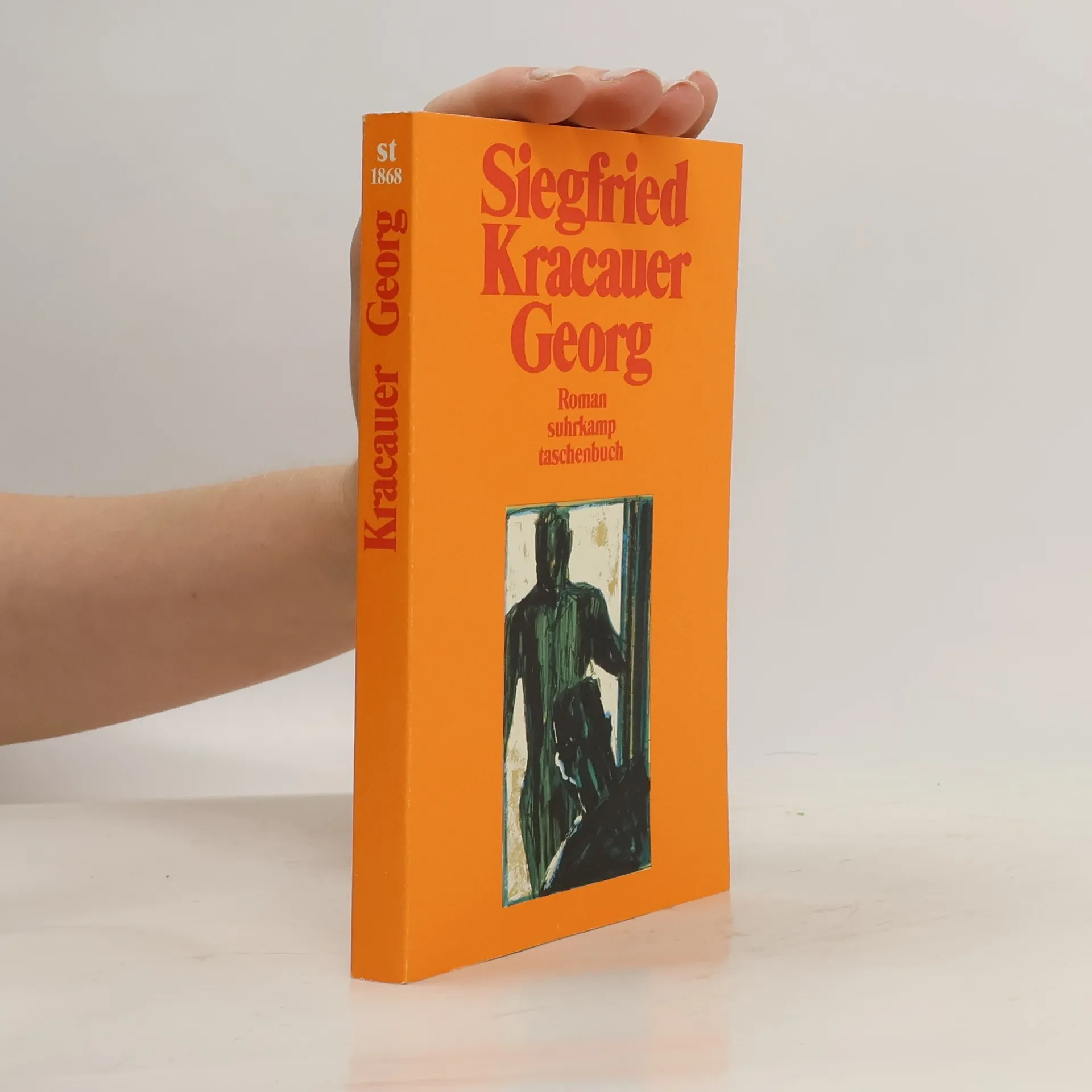
Siegfried Kracauer, geboren am 8. Februar 1889 in Frankfurt am Main, war Architekt, Soziologe, Filmkritiker und Geschichtsphilosoph. Er gilt als einer der bedeutendsten Feuilletonisten der Weimarer Republik und leitete von 1930 bis 1933 die Feuilleton-Redaktion der Frankfurter Zeitung. Mit Die Angestellten veröffentlichte Kracauer 1930 die erste empirisch-soziologische Studie in Deutschland. Er wird darüber hinaus zu den Begründern der Filmsoziologe gezählt. 1933 floh Kracauer mit seiner Frau nach Paris und 1941, nach Kriegsbeginn, nach New York. Am 26. November 1966 starb er dort an einer Lungenentzündung. Zu den wichtigsten Werken Kracauers zählen neben Die Angestellten u. a. die Theorie des Films , die Essaysammlung Von Caligari zu Hitler und der Roman Ginster .
"In diesem 1925 abgeschlossenen Text zeigt sich bereits deutlich, was Kracauers ganzes Denken auszeichnet: der Blick des »wunderlichen Realisten« saugt sich gleichsam an den Sachen fest; apokryphe Phänomene, z. B. die banalen Topoi eines literarischen Genres, werden ihm zu geschichtsphilosophischen Allegorien, die Licht werfen auf die gesellschaftliche Wirklichkeit, als deren Ablagerung sie erscheinen."
Ein Beitrag zur Geschichte des deutschen Films
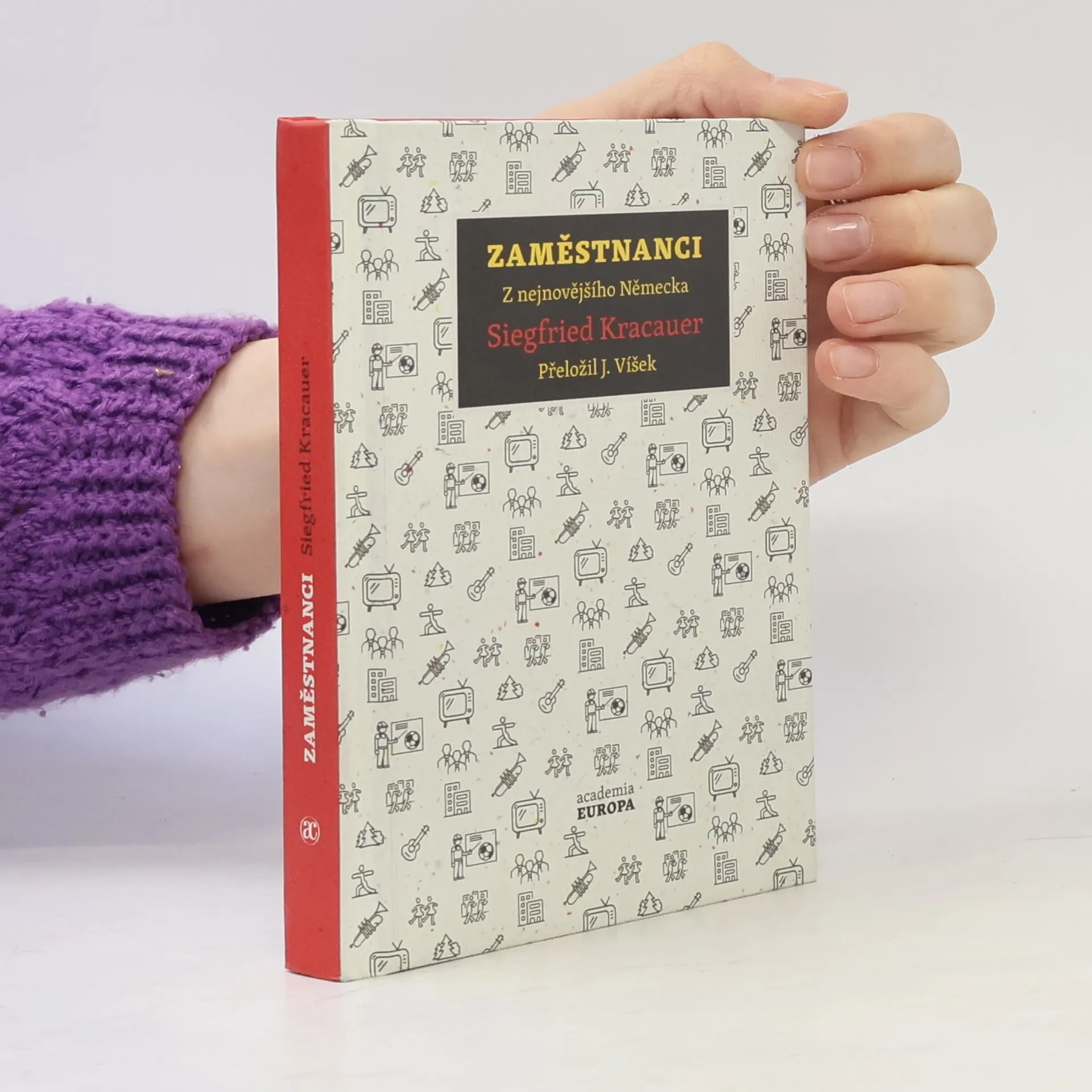
Titul vyšel poprvé v Německu v roce 1930 a již následující rok byl přeložen do češtiny. Autor zde popisuje proletarizaci a ideologické „bezdomovectví“ zaměstnanců. Na základě rozhovorů a příkladů analyzuje pozici zaměstnanců mezi industrializovanou prací, městským prostředím a zábavní kulturou. Autor se ke „kultuře zaměstnanců“ staví kriticky, negativně hodnotí úniky z každodenního života prostřednictvím kultury a sportu, které podle něj vedou k potlačování reality.
Die Sammlung umfasst sämtliche filmtheoretischen Texte von Siegfried Kracauer aus den Jahren 1921 bis 1961, darunter rund 800 Kritiken, Essays und Entwürfe. Sie bietet einen umfassenden Einblick in die Entwicklung seiner Filmtheorie und dokumentiert die Vielfalt der Filmgeschichte. Kracauers präzise und reflektierte Analyse ermöglicht es, sowohl bekannte als auch vergessene Filme im Hinblick auf ihren ästhetischen Anspruch sowie ihren historischen und kulturellen Kontext neu zu entdecken.
Kaum jemand hat sich intensiver mit den Mechanismen und Medien nationalsozialistischer und faschistischer Propaganda auseinandergesetzt als Siegfried Kracauer. Den Propagandafilm beschreibt er etwa als Versuch, die Tatsache zu kaschieren, daß seine Wirklichkeit einzig die von Potemkinschen Dörfern ist: eine Hülle ohne jede Tiefe. Auch in seiner großen, zu Lebzeiten unpublizierten Studie Totalitäre Propaganda ist die Wirklichkeit reiner Schein, der aber, um nicht als solcher enthüllt zu werden, auf Dauer gestellt werden muß. Totalitäre Propaganda ist ein Meisterwerk ihres Genres und erscheint hier erstmals mit zusätzlichen, bisher unveröffentlichten Dokumenten, u. a. der von Theodor W. Adorno erstellten gekürzten Fassung.
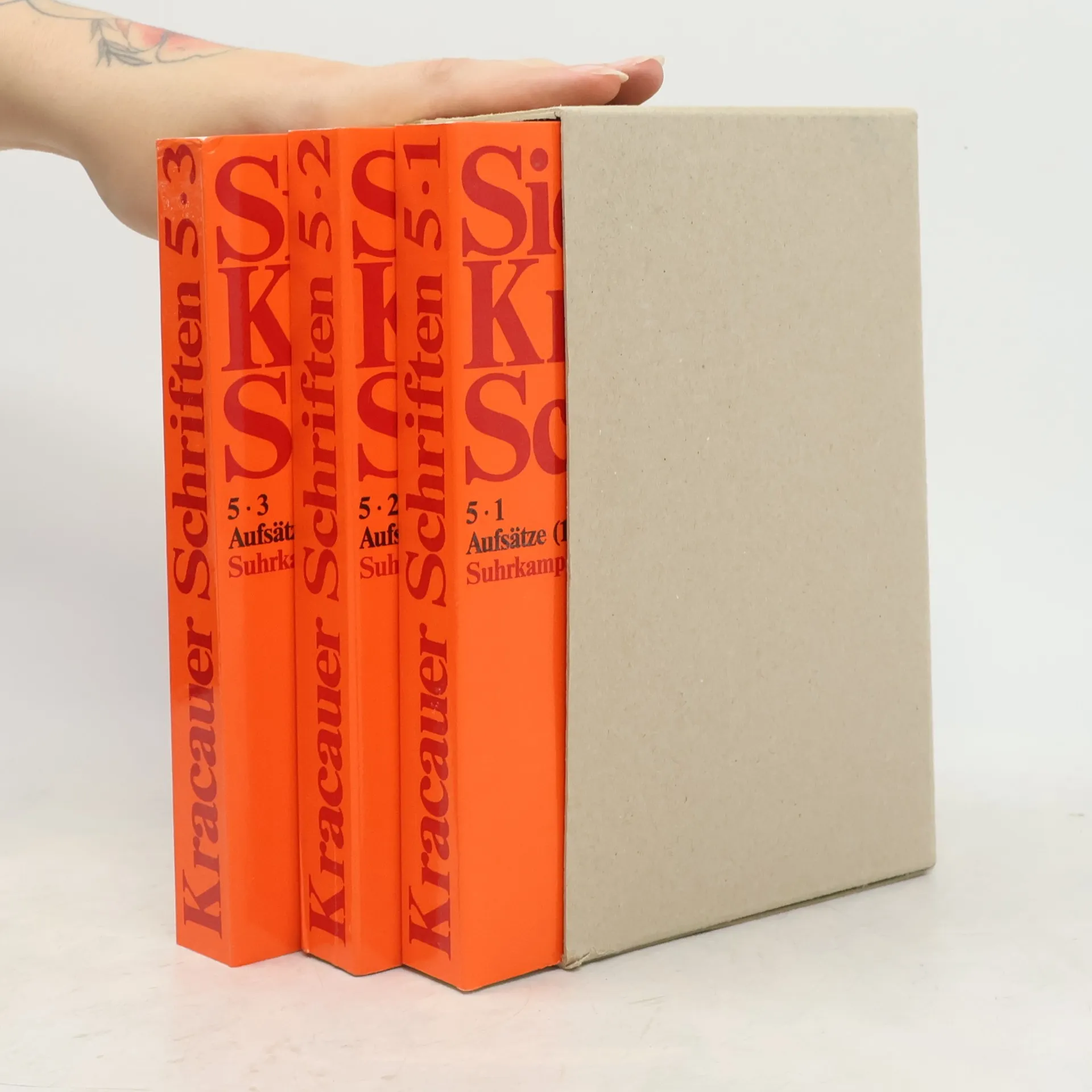
Band 5: Essays, Feuilletons, Rezensionen
Die Sammlung versammelt etwa 780 Artikel und Aufsätze von Siegfried Kracauer aus den Jahren 1906 bis 1965, mit einem besonderen Fokus auf seinen Arbeiten aus der "Frankfurter Zeitung" zwischen 1921 und 1933. Diese Texte, darunter Essays, Feuilletons und Reportagen, reflektieren die dynamischen gesellschaftlichen Veränderungen der Zwischenkriegszeit und thematisieren Massen- und Populärkultur. Kracauers scharfsinnige Beobachtungen schaffen ein bedeutendes kulturgeschichtliches Archiv und dokumentieren den Einfluss eines der wichtigsten Intellektuellen seiner Zeit.
Eine psychologische Geschichte des deutschen Films, mit 64 Abb., übersetzt von Ruth Baumgarten und Karsten Witte
Siegfried Kracauers "Von Caligari zu Hitler" bietet eine psychologische Analyse des deutschen Films und dessen Entwicklung. Das Buch enthält 64 Abbildungen und ist Teil der Schriftenreihe Band 2. Es wurde von Ruth Baumgarten und Karsten Witte übersetzt und erschien 1979 im Suhrkamp Verlag.
German
Ausgewählte Reportagen und Feuilletons
Siegried Kracauer arbeitete in den 1920er Jahren als Journalist bei der Frankfurter Zeitung. Seine Reportagen beschäftigen sich mit dem gewöhnlichen Stadtleben, der Kunst und den architektonischen Umbrüchen jener Zeit. Viele der Artikel waren Grundlage für seinen späteren Roman Ginster. Gemeinsam sind sie ein „Guckloch in die Welt von gestern.“
Die Verbindung zwischen Historiographie und visuellen Medien wie Film und Fotografie steht im Mittelpunkt von Siegfried Kracauers Analyse. Er entdeckt zahlreiche Parallelen zwischen der Darstellung historischer Realität und der Kamerarealität, wobei beide darauf abzielen, auch verborgene Aspekte der Wirklichkeit zu enthüllen. In seinem Werk reflektiert Kracauer über die Theorien bedeutender Historiker wie Leopold von Ranke und Marc Bloch und integriert Einblicke aus Gesprächen mit zeitgenössischen Historikern, um eine umfassende Theorie der Geschichte und Geschichtsschreibung zu entwickeln.
German