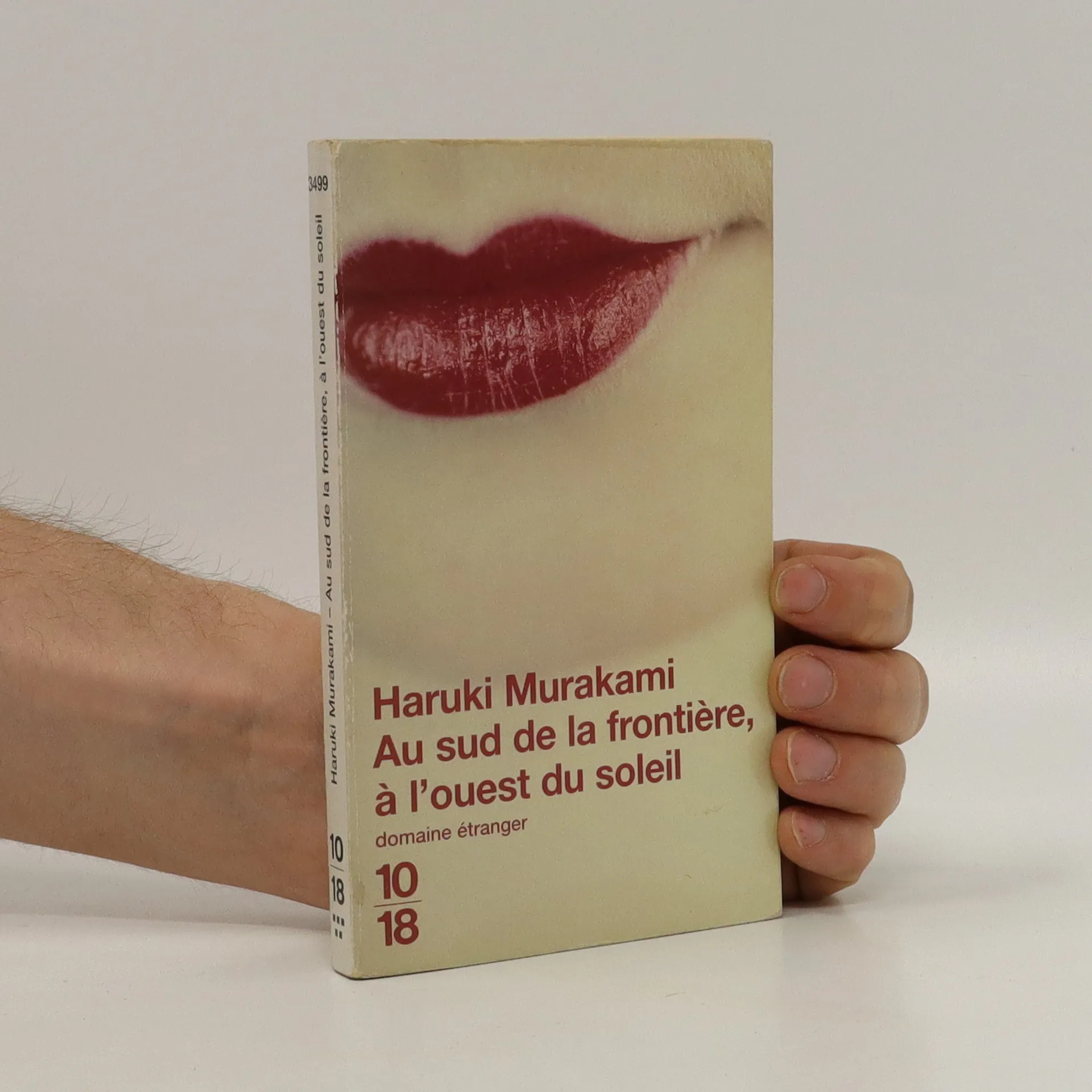
Philip Gabriel est l'un des principaux traducteurs en anglais des œuvres du romancier japonais Haruki Murakami. Ses efforts de traduction rapprochent le style distinctif et les préoccupations thématiques de Murakami d'un lectorat mondial. La profonde compréhension de Gabriel de la culture et de la littérature japonaises garantit que ses traductions capturent fidèlement l'esprit de l'original tout en restant accessibles à un public anglophone. Sa formation universitaire enrichit davantage sa capacité à interpréter des œuvres littéraires complexes.
Le retour de l'auteur japonais le plus lu en France.Parution le 2 janvier 2025Evènement !!! Le grand retour du maître Murakami pour un roman éblouissant, dans la lignée de ses grandes œuvres -Kafka sur le rivageou1Q84- et sept ans après son dernier roman -Le Meurtre du commandeur.
How can you save your friend's life if she doesn't want to be rescued? In a tranquil neighbourhood of Tokyo, seven teenagers wake to find their bedroom mirrors are shining. At a single touch, they are pulled from their lonely lives to a wondrous castle filled with winding stairways, watchful portraits and twinkling chandeliers. In this new sanctuary, they are confronted with a set of clues leading to a hidden room where one of them will be granted a wish. But there's a catch: if they don't leave the castle by five o'clock, they will be punished. As time passes, a devastating truth emerges: only those brave enough to share their stories will be saved.
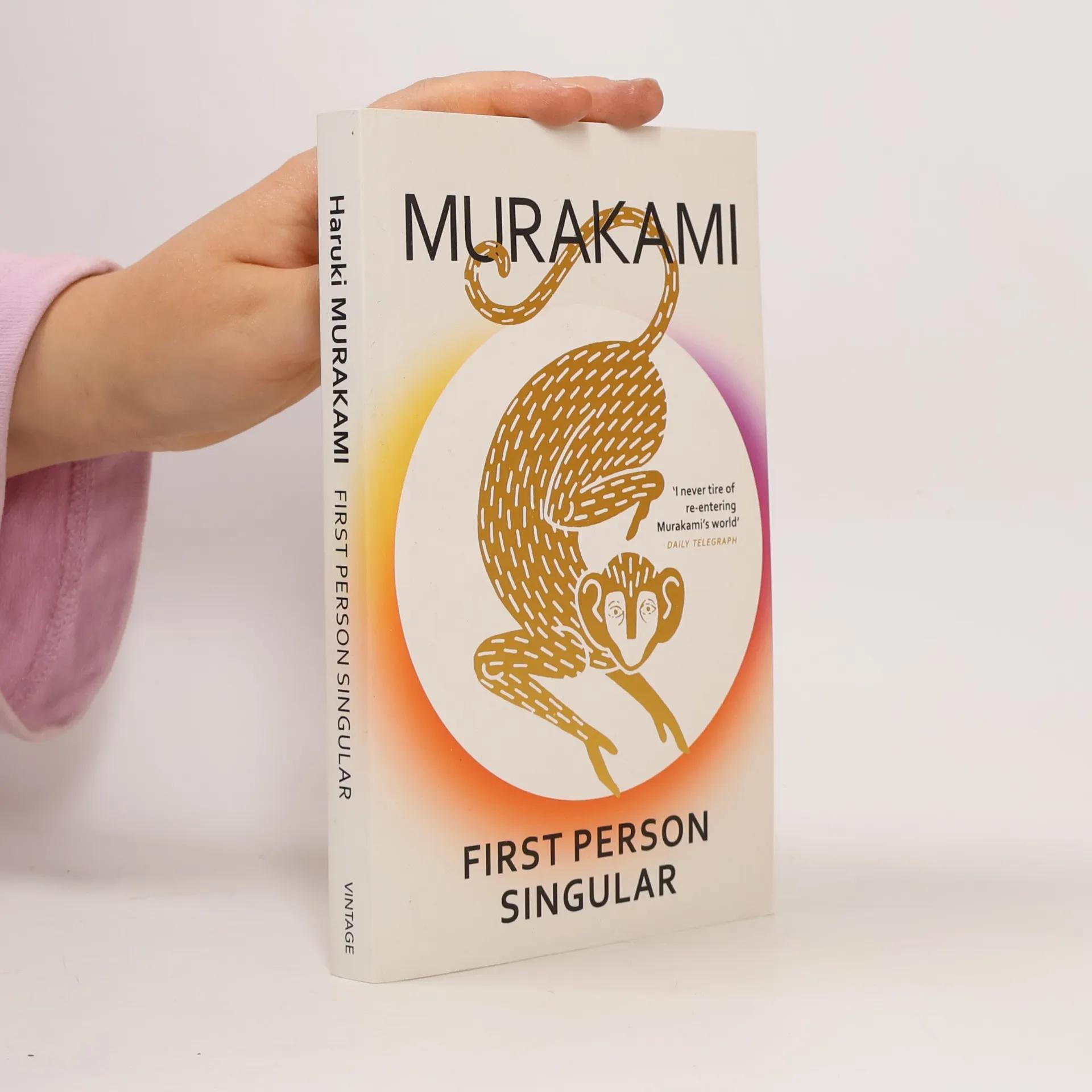
The eight stories in this new book are all told in the first person by a classic Murakami narrator. From memories of youth, meditations on music, and an ardent love of baseball, to dreamlike scenarios and invented jazz albums, together these stories challenge the boundaries between our minds and the exterior world. Occasionally, a narrator may or may not be Murakami himself. Is it memoir or fiction? The reader decides. Philosophical and mysterious, the stories in First Person Singular all touch beautifully on love and solitude, childhood and memory. . . all with a signature Murakami twist.
Tomura is startled by the hypnotic sound of a piano being tuned in his school. It seeps into his soul and transports him to the forests, dark and gleaming, that surround his beloved mountain village. From that moment, he is determined to discover more. Under the tutelage of three master piano-tuners -- one humble, one cheery, one ill-tempered -- Tomura embarks on his training, never straying too far from a single, unfathomable question: do I have what it takes? Set in small-town Japan, this warm and mystical story is for the lucky few who have found their calling -- and for the rest of us who are still searching. It shows that the road to finding one's purpose is a winding path, often filled with treacherous doubts and, for those who persevere, astonishing moments of revelation
Livre 1. Le narrateur est peintre. Après que sa femme lui a annoncé vouloir divorcer, il trouve refuge en pleine montagne dans une maison isolée appartenant à un ami, l'artiste Tomohiko Amada. Il y passe son temps à lire et à écouter de l'opéra jusqu'au jour où il trouve dans le grenier un tableau représentant le meurtre d'un vieillard. C'est le meurtre du Commandeur. Cette peinture obsède le narrateur, et va le pousser aux frontières du réel
Dans ce recueil comme un clin d’œil à Hemingway, des hommes cherchent des femmes qui les abandonnent ou qui sont sur le point de le faire. Musique, solitude, rêve et mélancolie, le maître au sommet de son art. « À ce que je sais, votre épouse était vraiment une femme merveilleuse [...] vous devez vous sentir reconnaissant d'avoir vécu presque vingt ans auprès d'une femme comme elle. Je le crois profondément. Néanmoins, vous aurez beau penser que vous avez compris quelqu'un, que vous l'avez aimé, il n'en reste pas moins impossible de voir au plus profond de son cœur. Vous aurez pu vous y efforcer, mais vous n'aurez réussi qu'à vous faire du mal. Vous ne pouvez voir qu'au fond de votre propre cœur, et encore, seulement si vous le voulez vraiment, et si vous faites l'effort d'y parvenir. En fin de compte, notre seule prérogative est d'arriver à nous mettre d'accord avec nous-même, honnêtement, intelligemment. Si nous voulons vraiment voir l'autre, nous n'avons d'autre moyen que de plonger en nous-même. Telle est ma conviction. »
A Nagoya, ils étaient cinq amis, inséparables. L'un, Akamatsu, était surnommé Rouge ; Omi était Bleu ; Shirane était Blanche et Kurono, Noire. Tsukuru Tazaki, lui, était sans couleur. Puis Tsukuru a gagné Tokyo. Un jour, ils lui ont signifié qu'ils ne voulaient plus jamais le voir. Sans raison. Pendant seize ans, celui qui est devenu architecte a vécu séparé du monde. Avant de rencontrer Sara. Pour vivre cet amour, Tsukuru devra entamer son pèlerinage et confronter le passé pour comprendre ce qui a brisé le cercle.
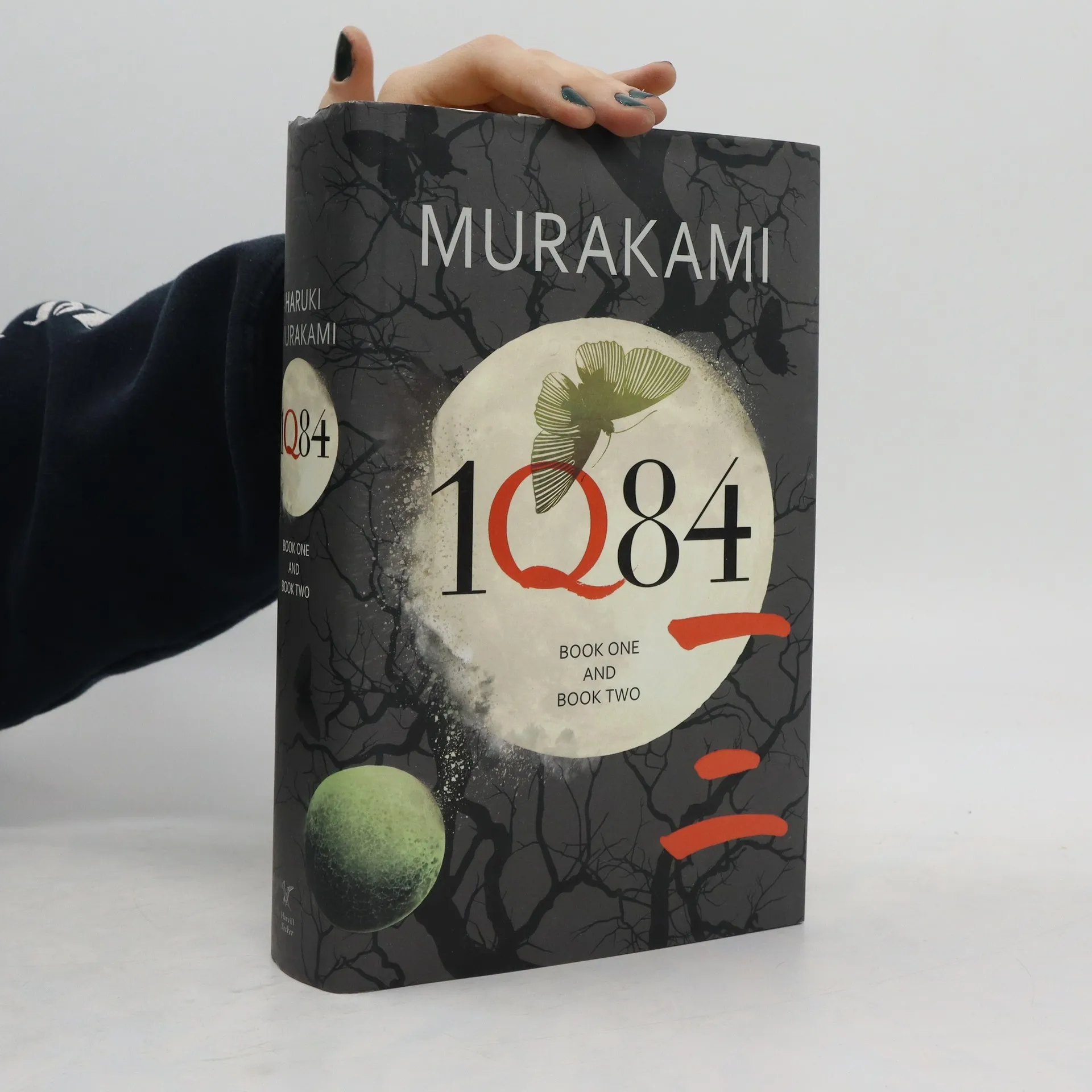
The long-awaited magnum opus from Haruki Murakami, in which this revered and bestselling author gives us his hypnotically addictive, mind-bending ode to George Orwell's 1984.The year is 1984. Aomame is riding in a taxi on the expressway, in a hurry to carry out an assignment. Her work is not the kind that can be discussed in public. When they get tied up in traffic, the taxi driver, Tengo, suggests a bizarre 'proposal' to her. Having no other choice she agrees, but as a result of her actions she starts to feel as though she is gradually becoming detached from the real world. She has been on a top secret mission, and her next job leads her to encounter the superhuman founder of a religious cult. Meanwhile, Tengo is leading a nondescript life but wishes to become a writer. He inadvertently becomes involved in a strange disturbance that develops over a literary prize
Sous le double scintillement de 1084, le temps s'accélère et les vérités se confondent. La voix du détective Ushikawa s'invite, oscillant entre révélation et menace, sur la trace d'Aomamé et Tengo. D'un reflet à l'autre, dans la clairvoyance hypnotique de ce troisième volet, le passé s'apprête à livrer son chaos au seuil d'un nouveau rêve...
Le 1er avril 1978, Murakami décide de vendre son club de jazz pour écrire un roman. Assis à sa table, il fume soixante cigarettes par jour et commence à prendre du poids. S'impose alors la nécessité d'une discipline. La course à pied lui permet de cultiver sa patience, sa persévérance. Courir devient une métaphore de son travail d'écrivain. Journal, essai, au fil de confidences inédites, Murakami nous livre une méditation lumineuse sur la vie, qui, comme la course, ne tire pas son sens de sa fin inéluctable.
Hajime a connu pour la première fois l'amour en compagnie de la douce Shimamoto-San. Séparés par la vie, il n'a pourtant jamais oublié. Aujourd'hui, à l'aube de la quarantaine, Hajime est devenu un homme ordinaire et s'est construit une vie agréable entre sa famille et un métier qui lui plaît. Ce fragile équilibre résistera-t-il à ses retrouvailles avec Shimamoto-San ?
Conteur hors pair, Haruki Murakami explore dans ces vingt-trois nouvelles délicatement ciselées, une multitude de mondes oscillant perpétuellement entre le réel et le rêve. Parmi ces vies suspendues, de troublants portraits : un homme d'affaires hanté par son premier amour, un couple adultérin réfugié sur une île grecque, un homme obsédé par les spaghettis, ou encore un gardien de nuit poursuivi par son reflet... Qu'ils guettent un présage ou un miroir, la mort ou un kangourou, tous sont empreints d'une mélancolie poétique qui fascine et résonne en chacun de nous.
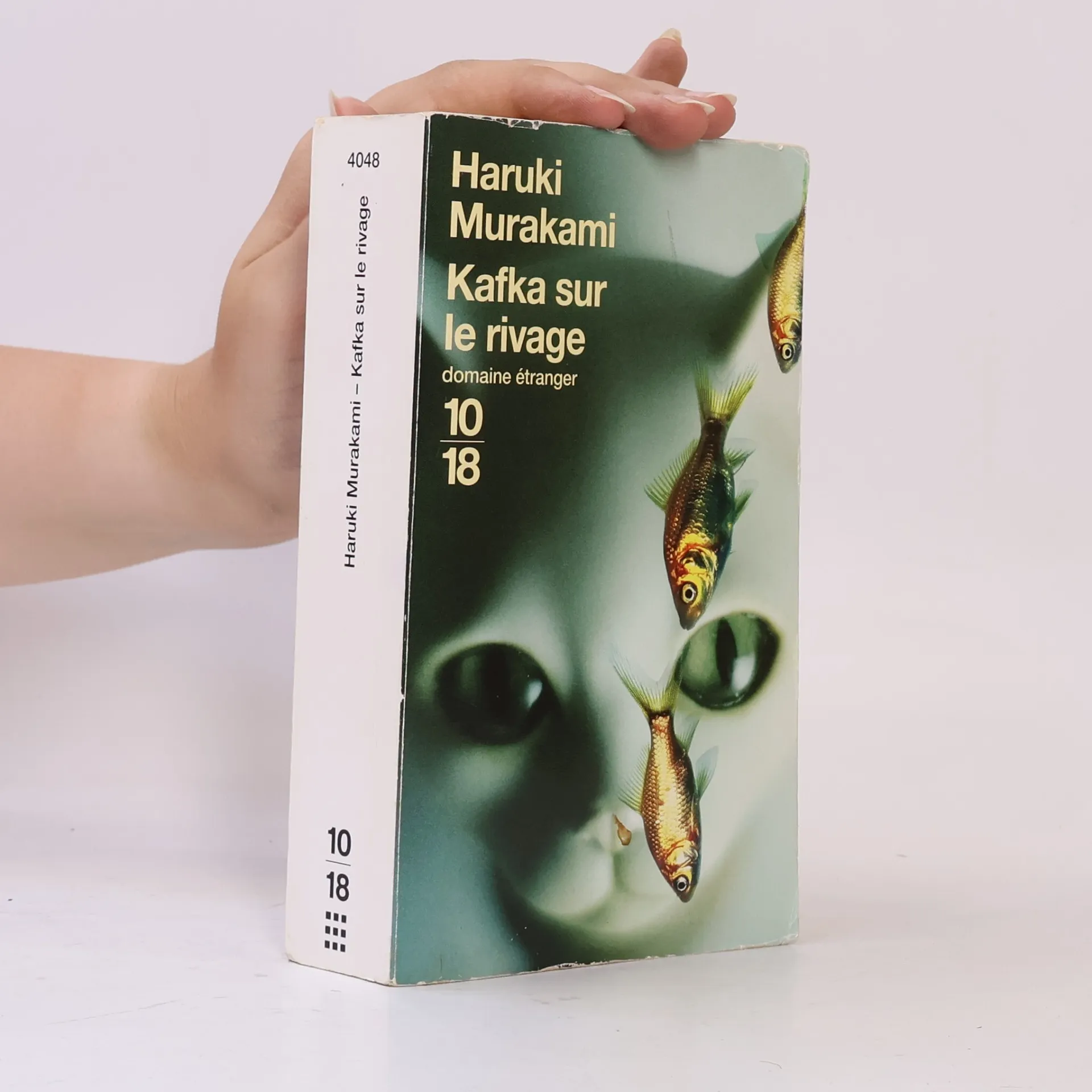
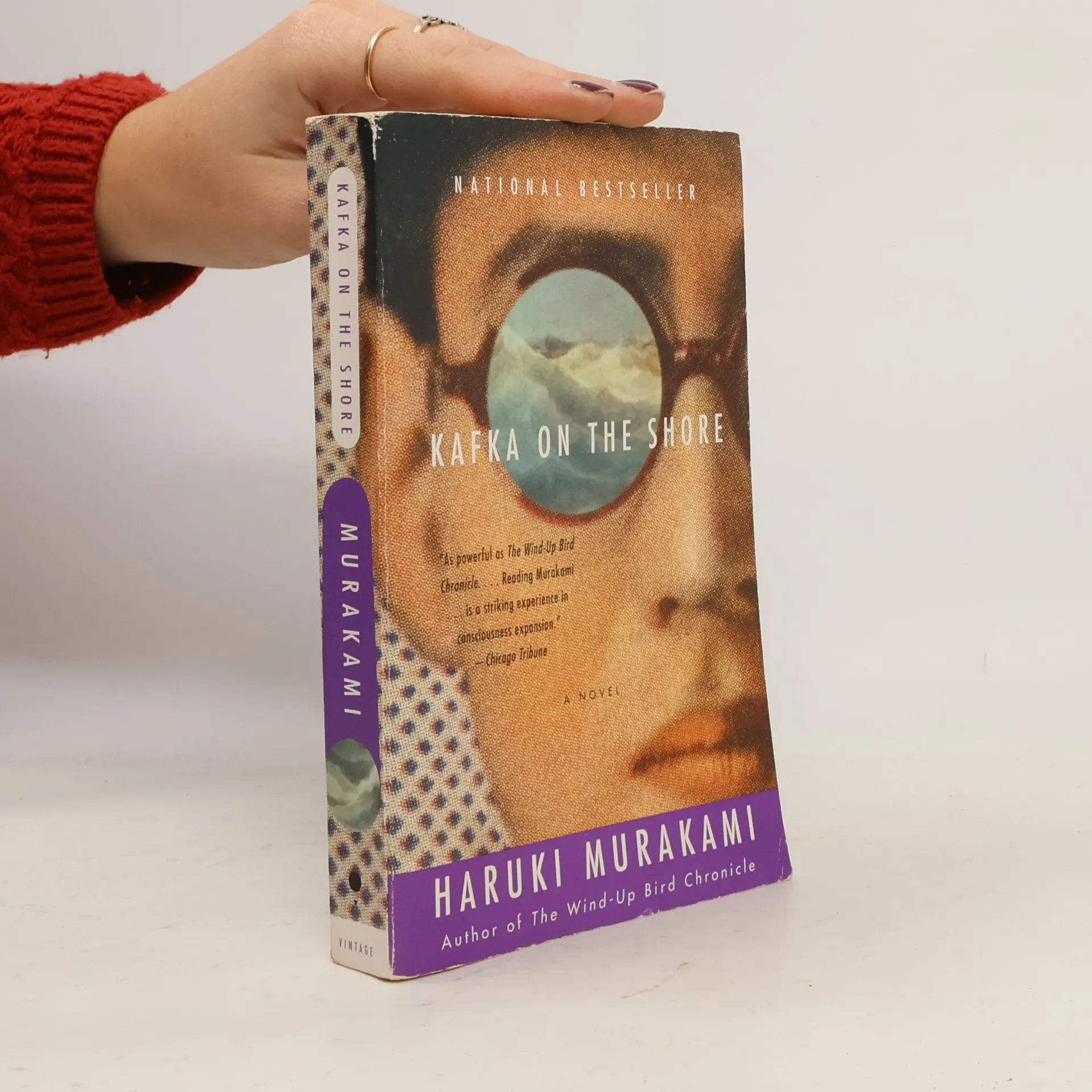
Kafka Tamura, quinze ans, s'enfuit de sa maison de Tokyo pour échapper à la terrible prophétie que son père a prononcée contre lui. De l'autre côté de l'archipel, Nakata, un vieil homme amnésique décide lui aussi de prendre la route. Leurs deux destinées s'entremêlent pour devenir le miroir l'une de l'autre tandis que, sur leur chemin, la réalité bruisse d'un murmure enchanteur. Les forêts se peuplent de soldats échappés de la dernière guerre, les poissons tombent du ciel et les prostituées se mettent à lire Hegel. Conte initiatique du XXIe siècle, Kafka sur le rivage nous plonge dans une odyssée moderne et onirique au cœur du Japon contemporain.
K est amoureux de Sumire, mais dissimule ses sentiments sous une amitié sincère. La jeune fille est insaisissable, et voue un amour destructeur à une mystérieuse femme mariée. Un jour, Sumire disparaît, sans laisser de traces. K. part à sa recherche sur une île grecque, dans les rues de Tokyo, ou tout le ramène à elle.