Bookbot

Gabriel Chevallier

    3 mai 1895 – 6 avril 1969

    Gabriel Chevallier fut un romancier français réputé pour ses observations satiriques incisives. Ses écrits explorent les folies des conventions sociales et la condition humaine, utilisant l'humour et un esprit vif pour dénoncer les absurdités sous-jacentes. S'inspirant d'expériences personnelles profondes, y compris les épreuves de la guerre, il a créé des récits qui ont examiné de manière critique le conflit et ses conséquences. Le style littéraire unique de Chevallier et sa critique perspicace continuent de résonner auprès des lecteurs.

    Gabriel Chevallier
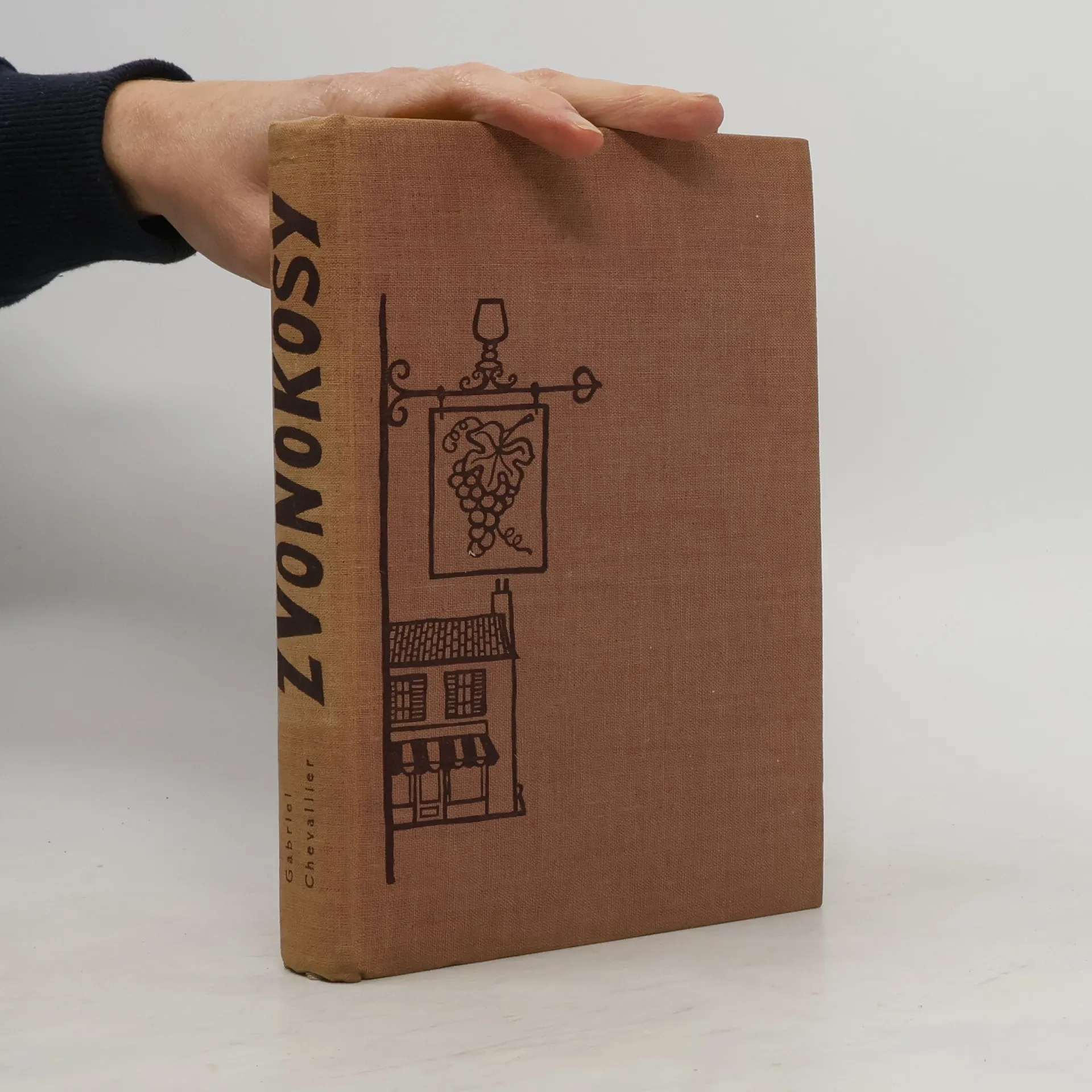
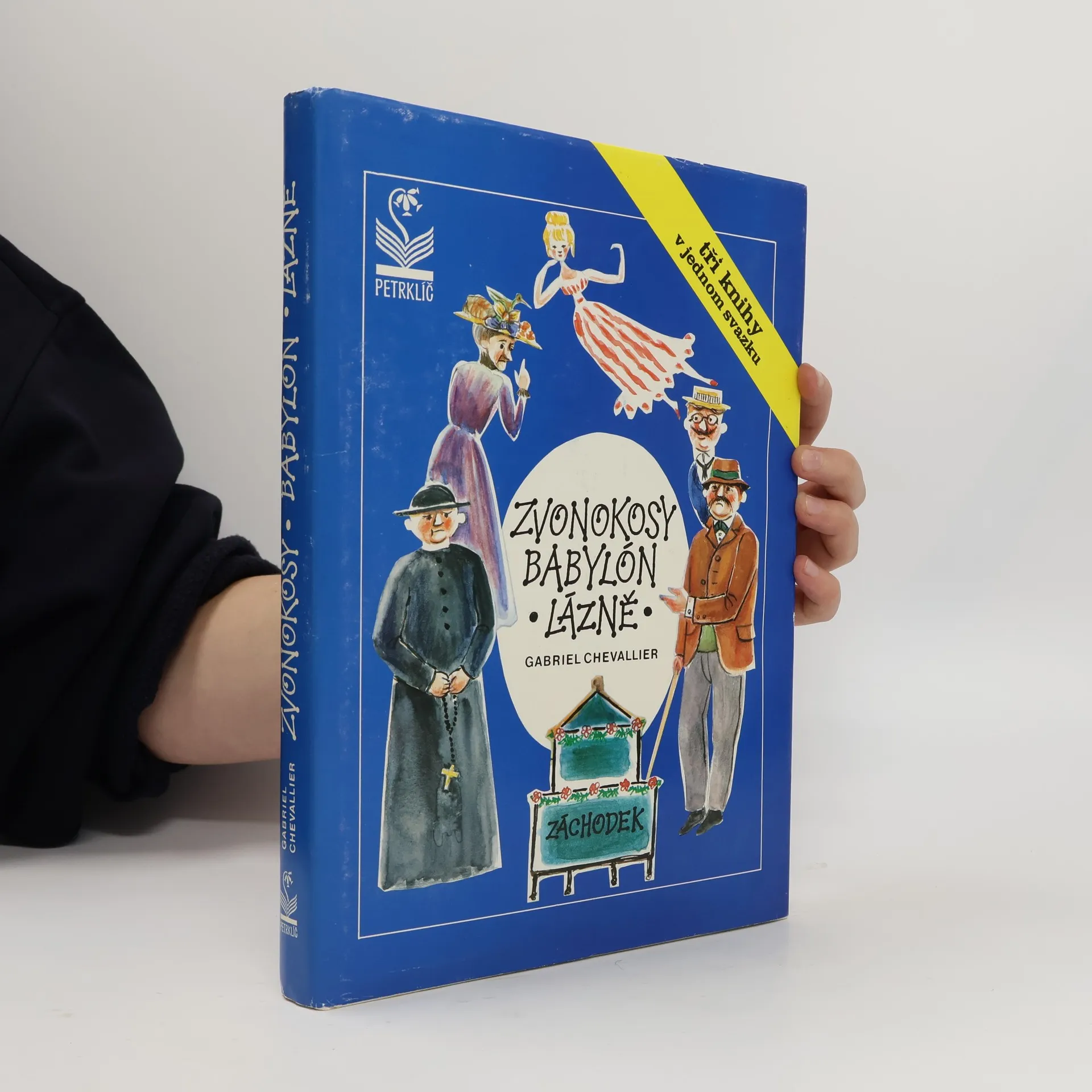
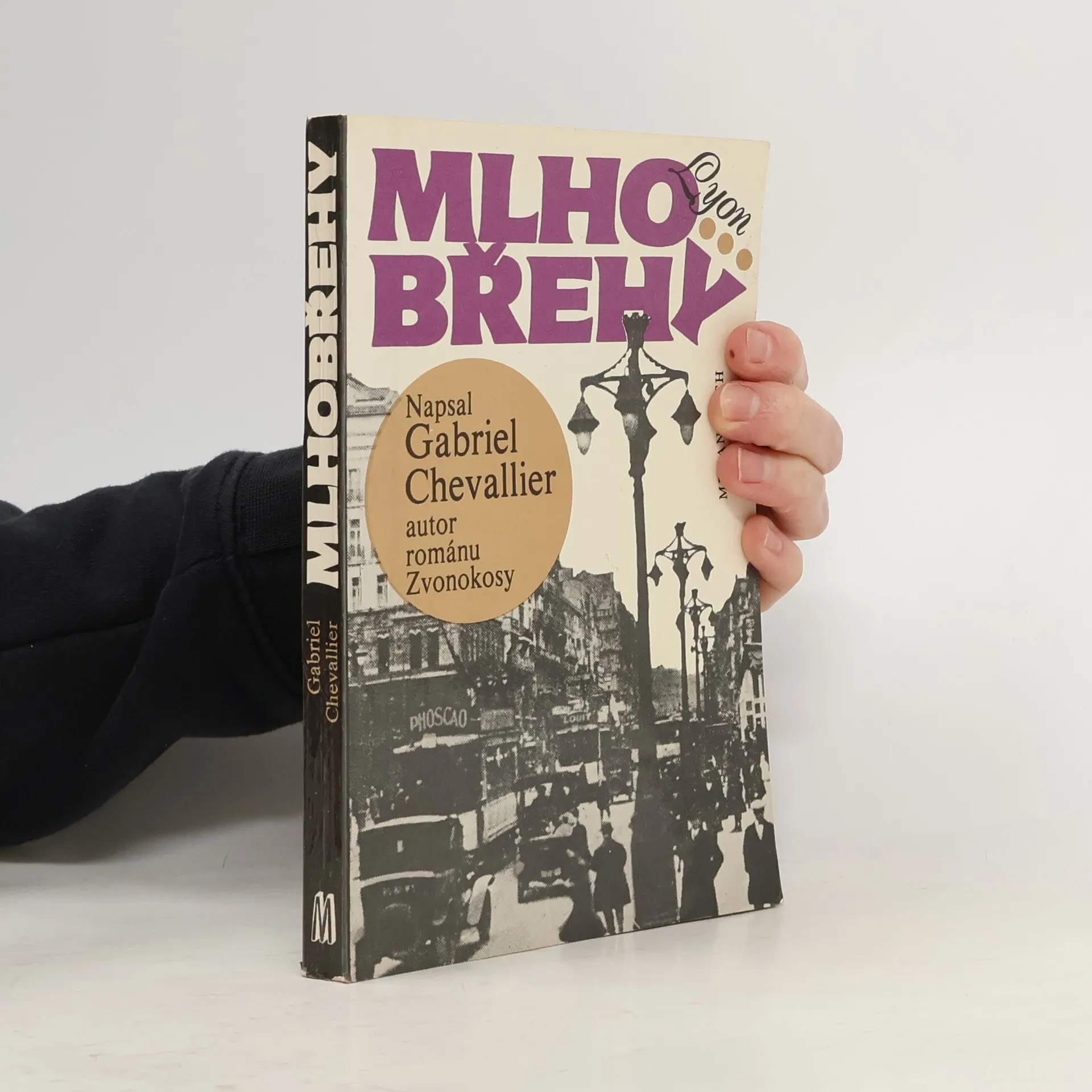
    Zvonokosy. Babylón. Lázně
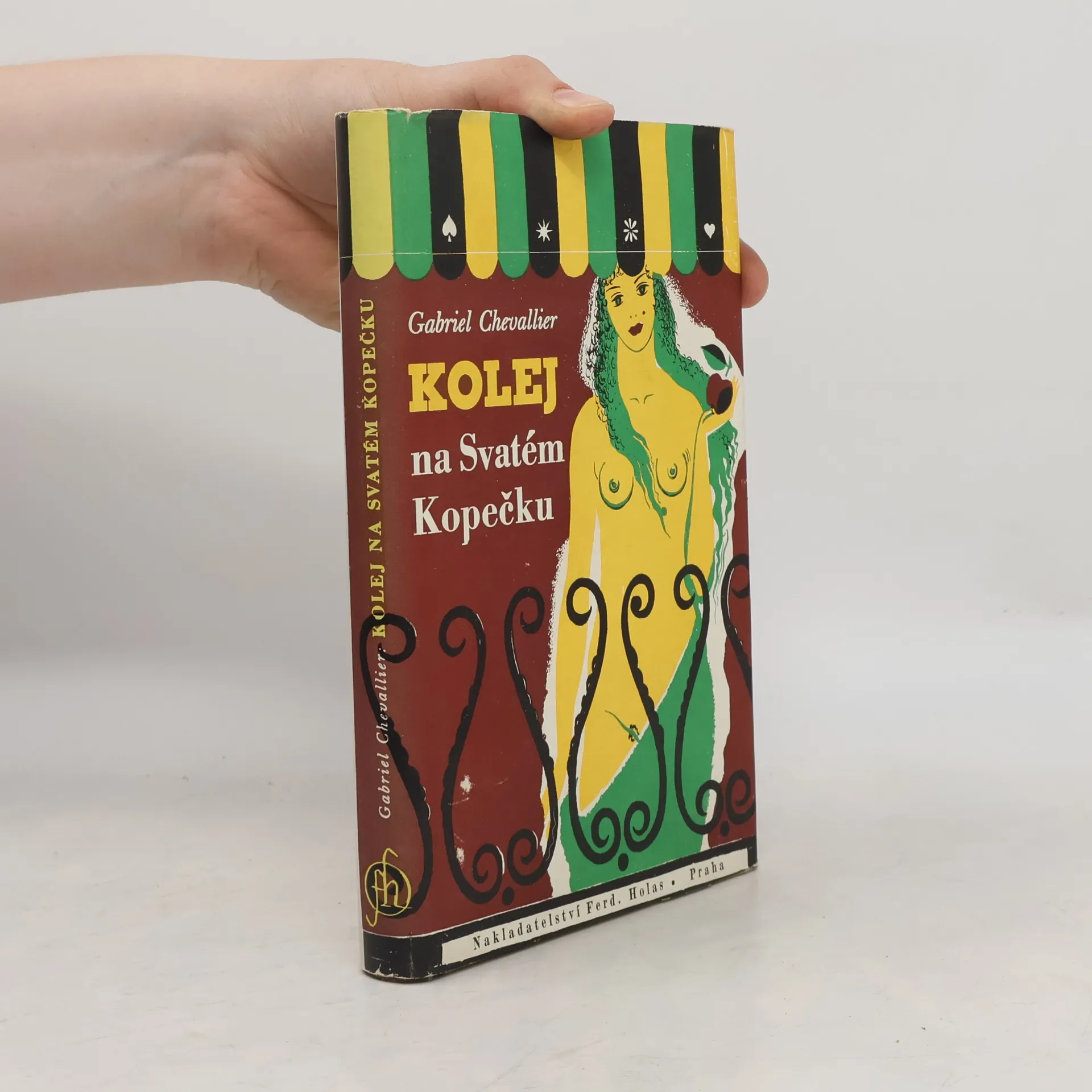
    Kolej na Svatém kopečku
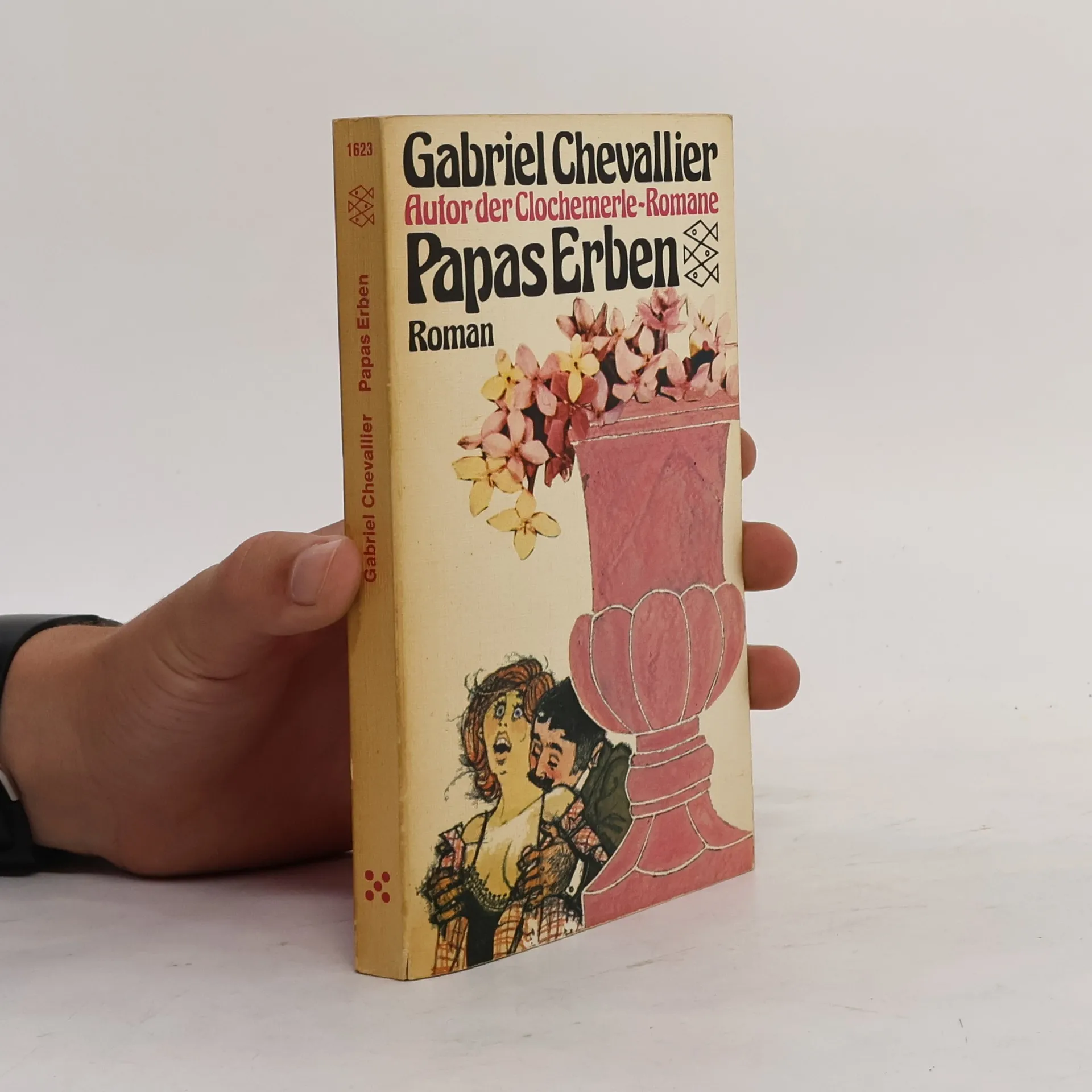
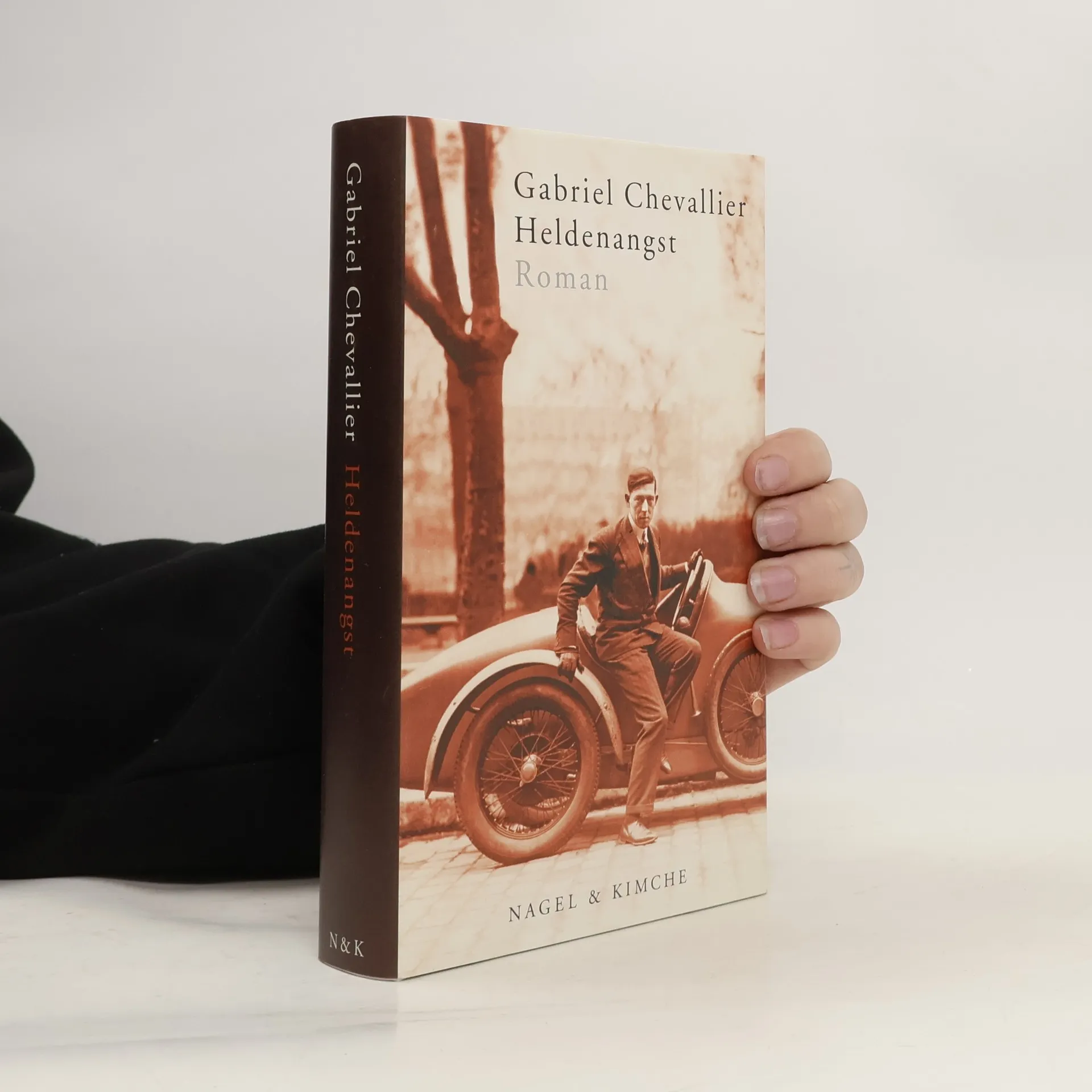
    Heldenangst
    Fear: A Novel of World War I
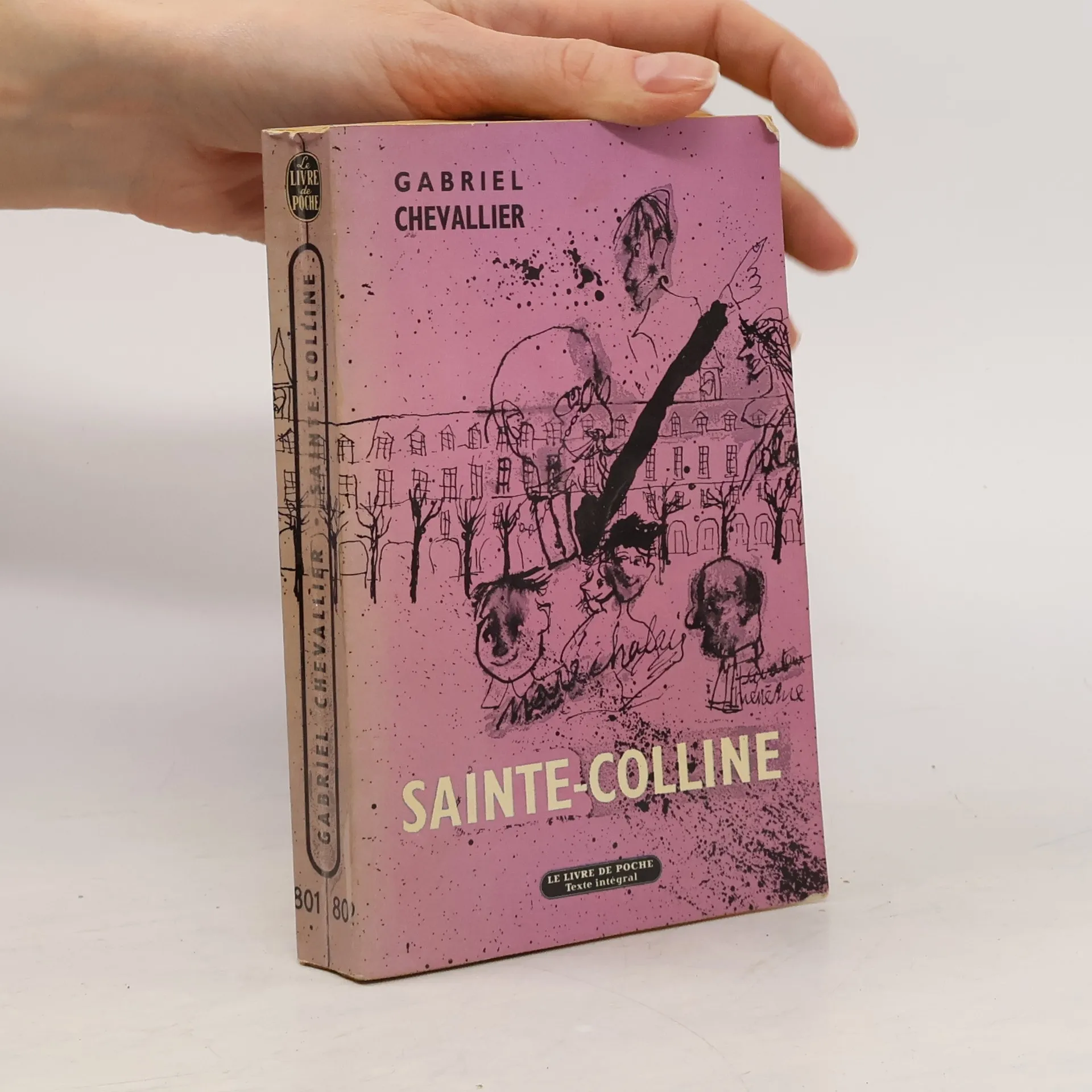
    Sainte-colline
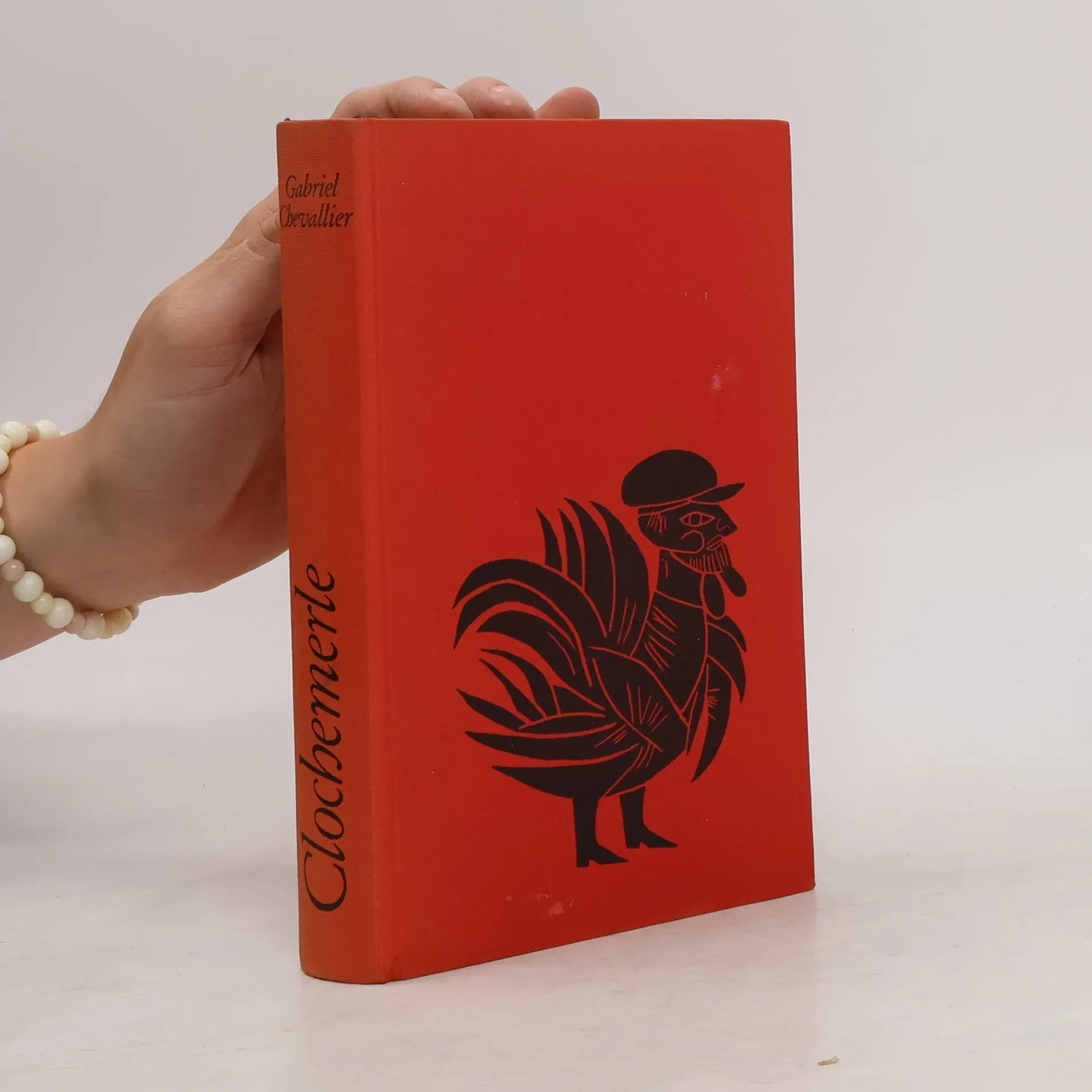
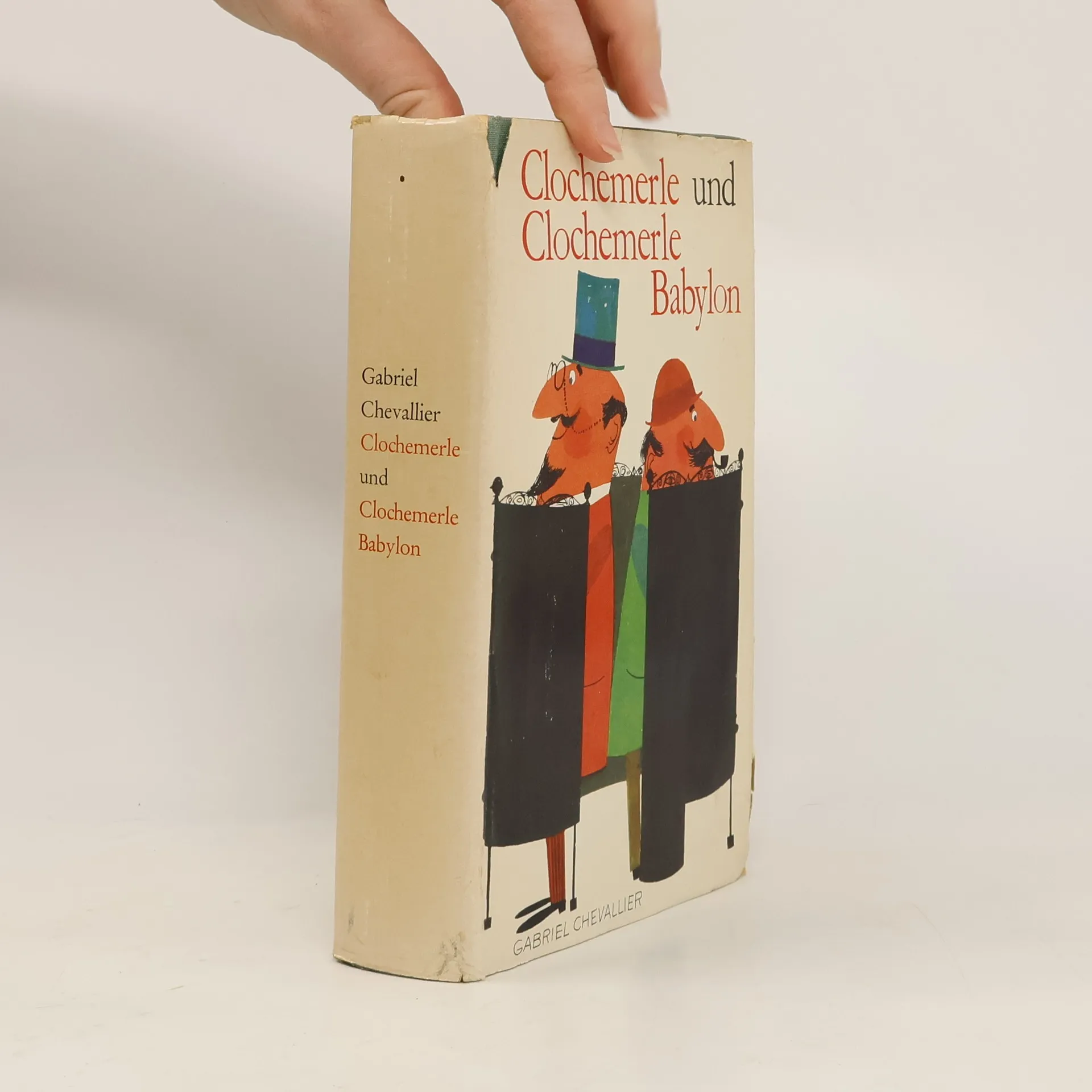
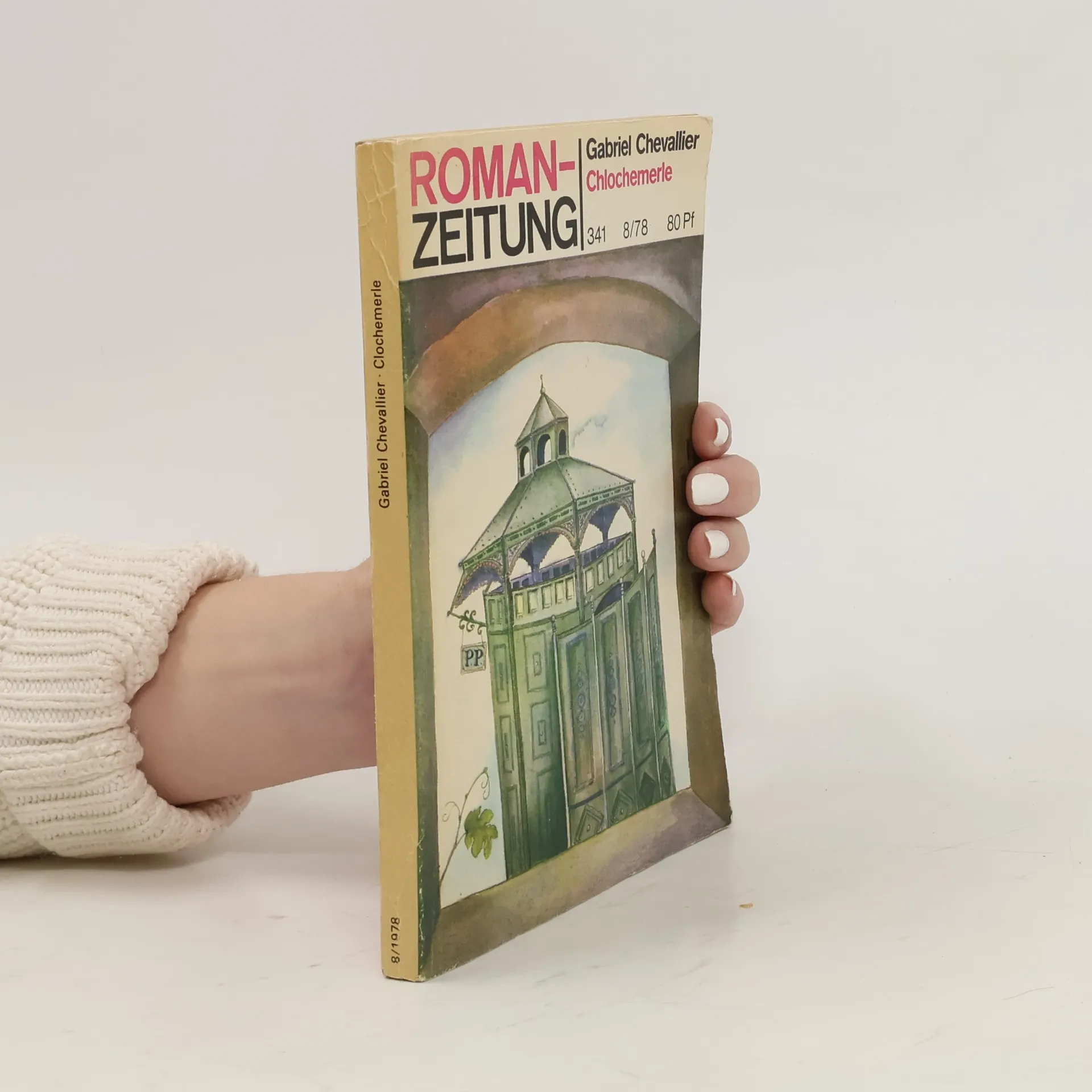
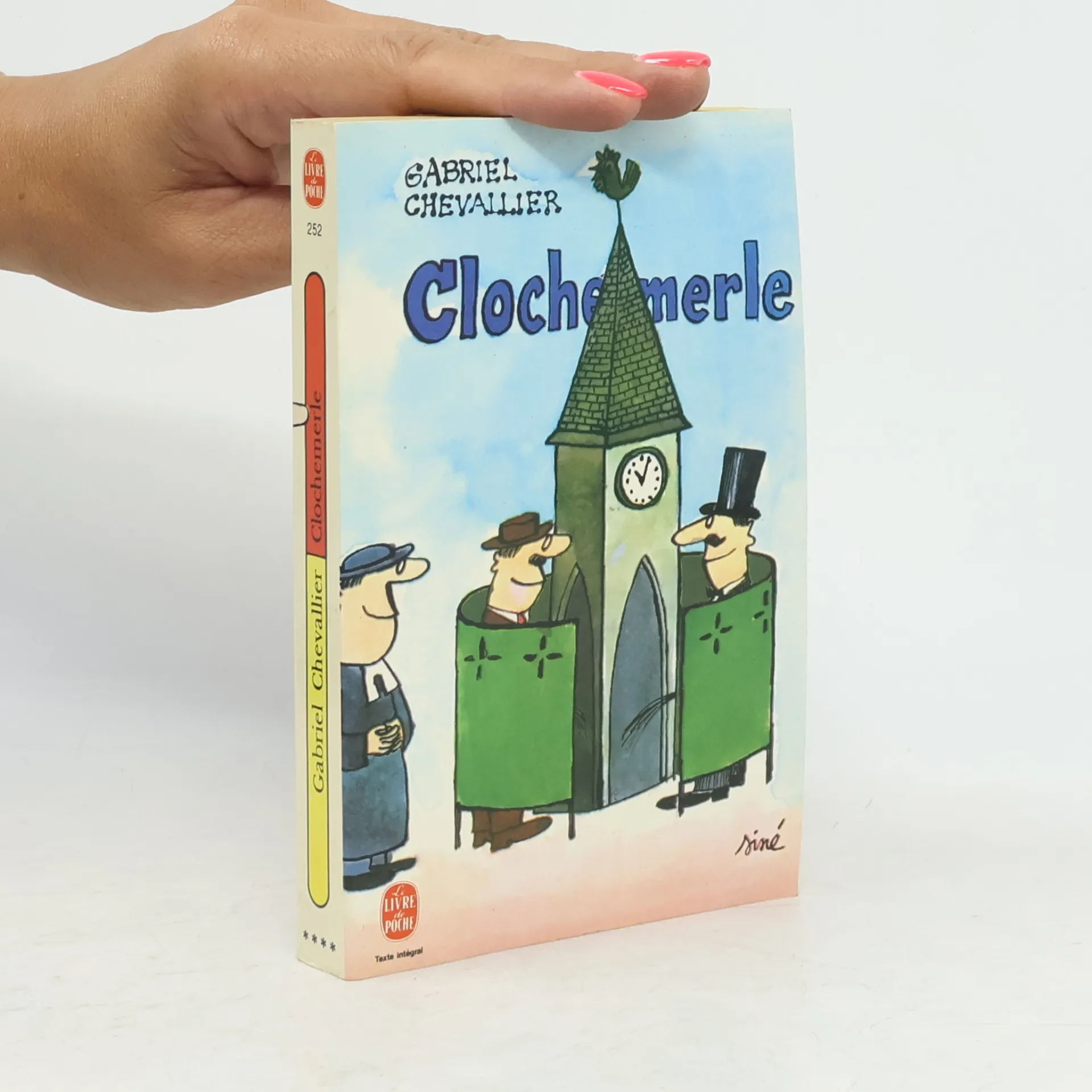
    Clochemerle
    • Tout a commencé quand Barthélemy Piéchut, maire de Clochemerle-en-Beaujolais, dévoila à Ernest Tafardel, l'instituteur, son projet :« Je veux faire construire un urinoir, Tafardel. Un urinoir ! s'écria l'instituteur, tout saisi, tant la chose aussitôt lui parut d'importance. Le maire se méprit sur le sens de l'exclamation : Enfin, dit-il, une pissotière ! »Cette vespasienne, destinée, bien plus peut-être, à confondre Mme la baronne Alphonsine de Courtebiche, le curé Ponosse, le notaire Girodot et les suppôts de la réaction, qu'à procurer un grand soulagement à la gent virile de Clochemerle, sera édifiée tout près de l'église où Justine Putet, aride demoiselle, exerce une surveillance étroite. Dès sa publication en 1934, Clochemerle, chronique rabelaisienne, a connu un énorme succès qui ne s'est jamais démenti. C'est maintenant un classique de la littérature comique.

      Clochemerle
    • Fear: A Novel of World War I

      • 305pages
      • 11 heures de lecture
      4,2(1042)Évaluer

      A NYRB Classics Original Winner of the Scott Moncrieff Prize for Translation A young soldier learns the true meaning of fear amidst the carnage of World War I in this literary masterpiece and “one of the most effective indictments of war ever written” (Wall Street Journal) 1915: Jean Dartemont heads off to the Great War, an eager conscript. The only thing he fears is missing the action. Soon, however, the vaunted “war to end all wars” seems like a war that will never end—whether mired in the trenches or going over the top, Jean finds himself caught in the midst of an unimaginable, unceasing slaughter. After he is wounded, he returns from the front to discover a world where no one knows or wants to know any of this. Both the public and the authorities go on talking about heroes—and sending more men to their graves. But Jean refuses to keep silent. He will speak the forbidden word. He will tell them about fear. John Berger has called Fear “a book of the utmost urgency and relevance.” A literary masterpiece, it is also an essential and unforgettable reckoning with the terrible war that gave birth to a century of war.

      Fear: A Novel of World War I
    • Ein Antikriegsroman von 1930, dessen Neuausgabe in Frankreich 2008 hymnisch gefeiert wurde, vergleichbar mit den Werken von Remarque, Céline oder Norman Mailer: Nach dem Ersten Weltkrieg, den er als Infanterist an der Front verbrachte, beschrieb Gabriel Chevallier seine Erlebnisse in Romanform: Der junge Student Jean Dartemont wird eingezogen und an die Front geschickt, und dort bleibt er vier Jahre lang, unterbrochen nur von einem Lazarettaufenthalt. Monatelang harrt er mit seinen Kameraden in den Schützengräben aus, bedroht von Kugeln, Kälte, Durchfall und grenzenloser Angst. Bei seinem Ersterscheinen löste der Roman seiner Direktheit wegen einen Skandal aus und wurde angesichts des neuen Krieges 1939 zurückgezogen. Jetzt ist er erstmals auf Deutsch zugänglich.

      Heldenangst
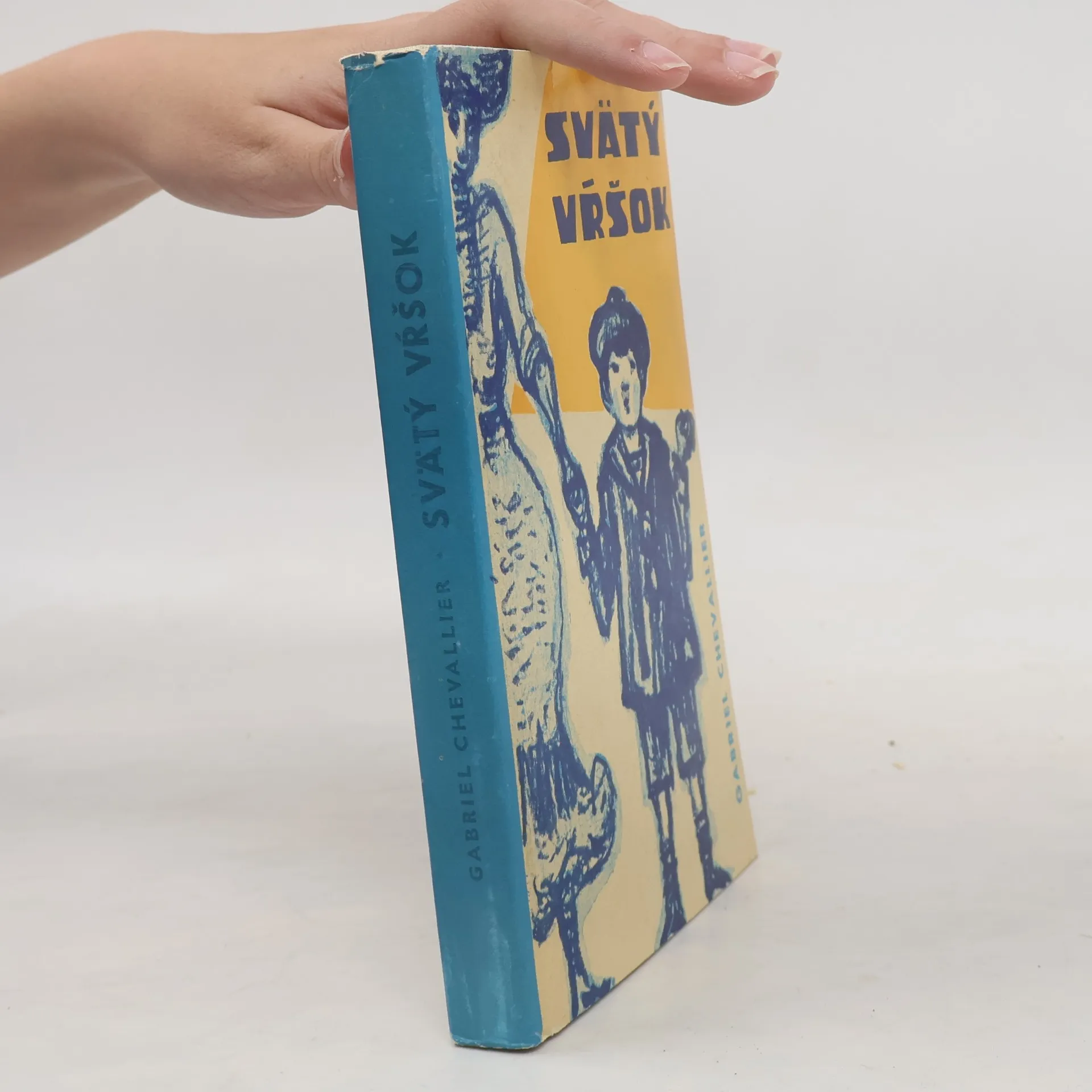
    • Satiricko-humoristický román ze školního prostředí, inspirován pobytem autora v církevním semináři.

      Kolej na Svatém kopečku
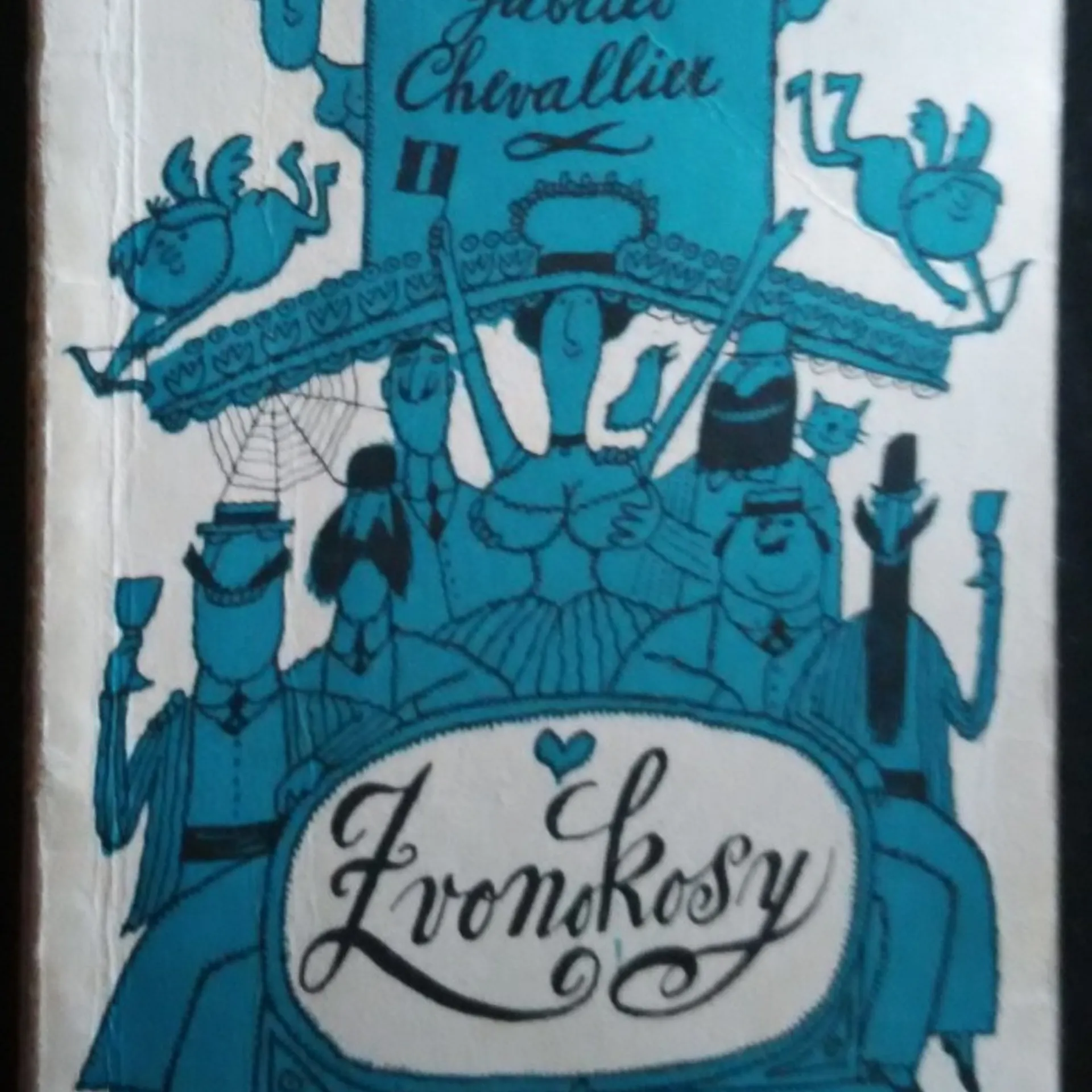
    • Zvonokosy. Babylón. Lázně

      • 386pages
      • 14 heures de lecture
      4,0(14)Évaluer

      Veselá kronika malého města z jihofrancouzského vinařského kraje Beaujolais. Autor se zde formou satiry vypořádává s francouzskými veřejnými poměry po 1. světové válce.

      Zvonokosy. Babylón. Lázně