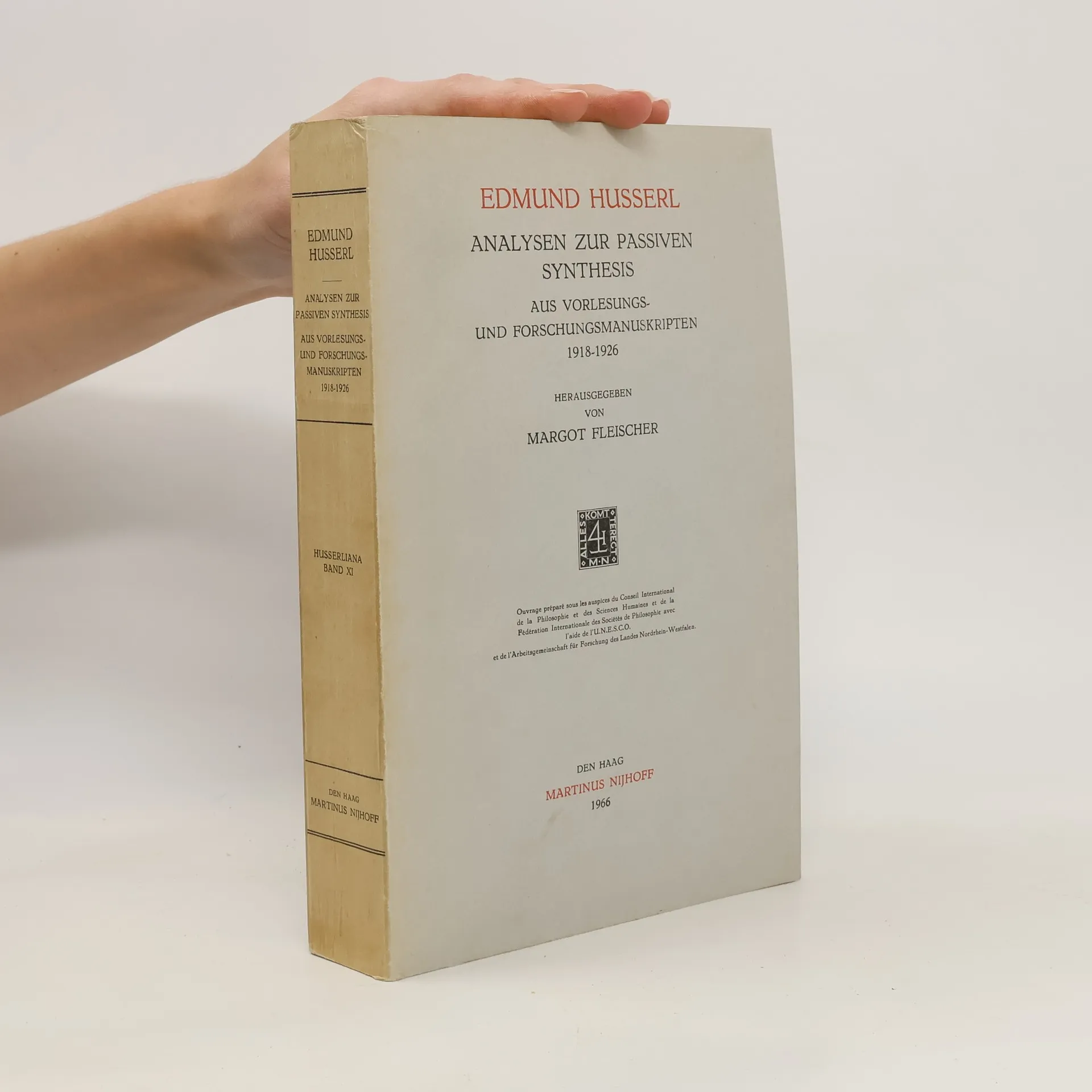
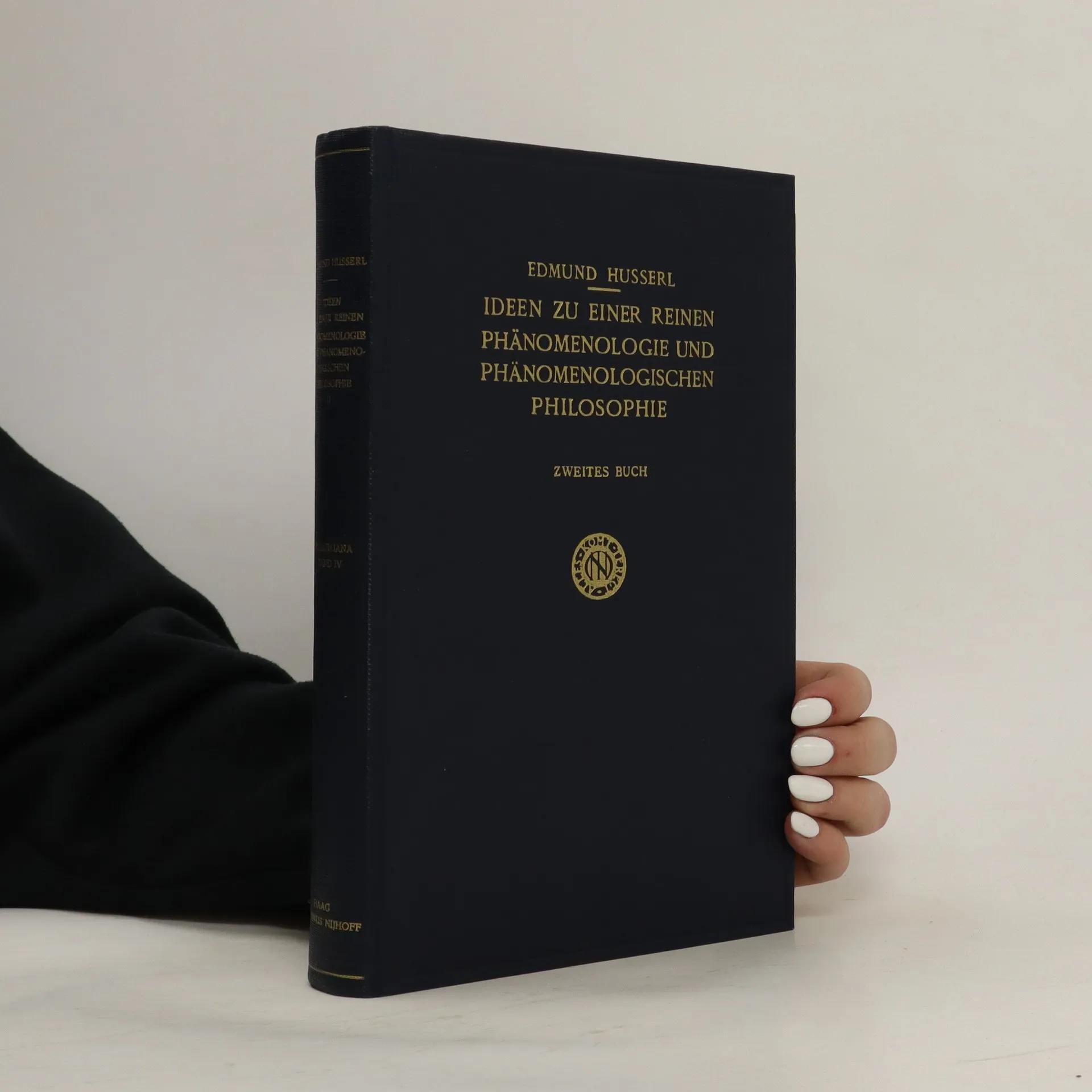
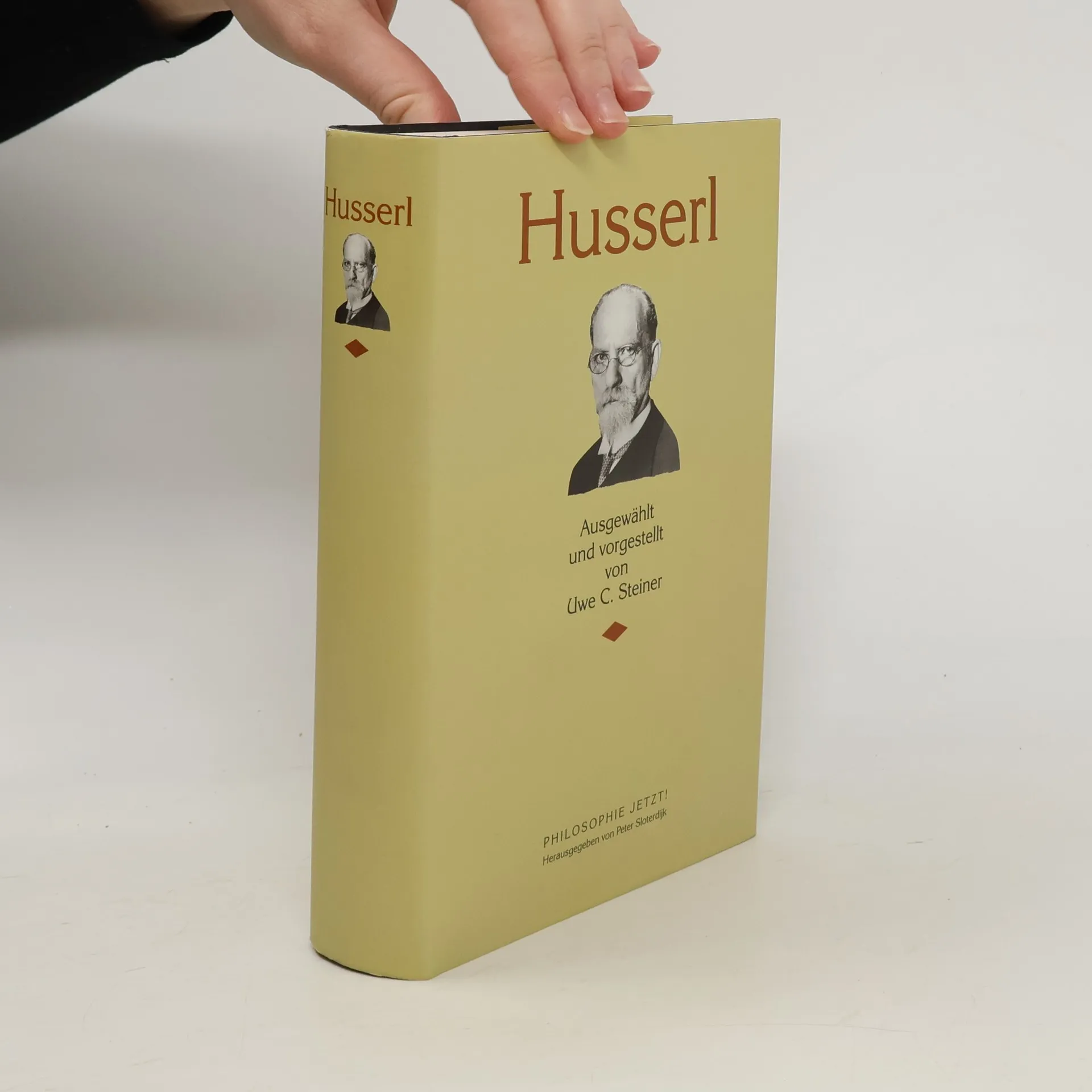
Les cinq leçons dont se compose L'idée de la phénoménologie furent prononcées à l'Université de Göttingen, en avril-mai 1907. Husserl traversait alors une crise tant personnelle (le retard persistant à l'accès au statut de professeur ordinaire en philosophie) que théorique (aucune publication depuis les Recherches logiques de 1900-1901, mal comprises d'ailleurs par ses contemporains. D'où une nouvelle décision: " En premier lieu, je nomme le problème général que je me dois de résoudre pour moi, si je veux pouvoir me donner le titre de philosophe. Je veux dire une critique de la raison (...). J'ai plus qu'assez goûté aux tourments de l'obscurité, du doute qui va et vient. Je dois parvenir à une intime assurance. Je sais bien qu'il s'agit là d'une grande, d'une très grande chose, je sais bien que de grands génies y ont échoué et, si je voulais me comparer à eux, je devrais me désespérer par avance. " (Journal, en date du 25 septembre 1906, Hua., I, p. VII-VIII). De cette crise, Husserl sortira en atteignant la certitude du Je transcendantal dégagé par la réduction phénoménologique. Mieux, de cette crise sortira la réduction phénoménologique elle-même. Du coup la phénoménologie deviendra, selon les mots mêmes de Husserl, d'une " psychologie descriptive ", une " phénoménologie transcendantale ".
Edmund Husserl Livres
Edmund Husserl est reconnu comme le fondateur de la phénoménologie, façonnant profondément la pensée philosophique du XXe siècle. Il s'est écarté de l'orientation positiviste de son époque, affirmant que toute connaissance provient de l'expérience. Son œuvre explore les structures de la conscience et emploie des méthodes phénoménologiques pour découvrir l'essence des phénomènes. Les écrits de Husserl invitent à une contemplation plus profonde sur la nature de la réalité et notre perception du monde.



La crise des sciences européennes et la phénoménologie transcendantale
- 589pages
- 21 heures de lecture
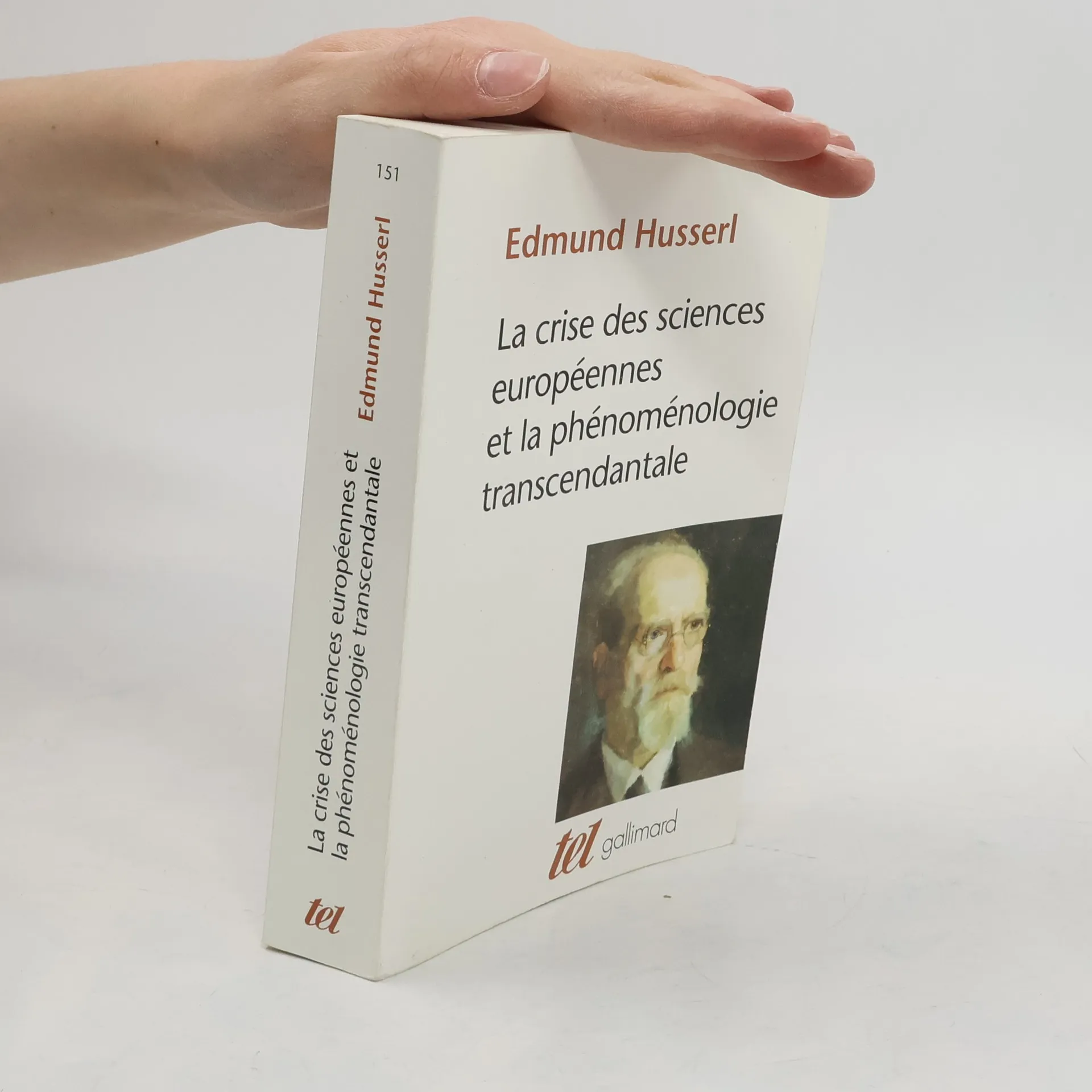
La Krisis, dont le manuscrit principal date de 1935-1936, est en vérité le testament de Husserl. Cela seul suffit à en assurer l'importance, du point de vue des études husserliennes. Mais la fascination que ce texte exerce a une origine et des raisons plus profondes. C'est qu'en lui ne se termine pas seulement, l'histoire de l'entreprise phénoménologique, commence un tiers de siècle plus tôt, ni seulement (du même coup) l'histoire de la philosophie occidentale moderne - cette odyssée du Savoir dans le retour au Soi ; en lui s'achève également le destin qui gouverne cette histoire. La méditation husserlienne est ici construite entièrement sur un renversement : dans un premier mouvement, en effet, on recule en deçà de la ration pura des modernes par une longue et magnifique dé-construction de l'histoire de la philosophie moderne, jusqu'à faire apparaître dans la Lebenswelt le refoulé et l'oublié de toute cette histoire. Mais dans un deuxième mouvement, la Lebenswelt se scinde en Welt et Leben - dissociation dans laquelle le premier devient un constitué, le second sa constitution dans l'égologie absolue. Le pivot du renversement étant l'équivoque de la phénoménologie de la perception.
Analyses Concerning Passive and Active Synthesis
Lectures on Transcendental Logic
- 736pages
- 26 heures de lecture
The book presents a first English translation of Husserl's influential lectures on "passive synthesis," delivered from 1920 to 1926, during a pivotal period of his work. It explores the application of genetic phenomenology to perceptual experience and its relationship to judgment and cognition. Additionally, the lectures reflect on the crisis in contemporary thought, delve into the layers of meaning within experience, and outline the evolution of judgment through "active synthesis."
Phantasy, Image Consciousness, and Memory (1898-1925)
- 725pages
- 26 heures de lecture
This first English translation of Husserliana XXIII presents a collection of posthumous texts by Edmund Husserl, focusing on representational consciousness. It includes lectures and sketches that provide an in-depth exploration of image consciousness, phantasy, perception, and memory.
Such a phenomenology would advance the "critique of knowledge," in which the problem of knowledge is clearly formulated and the possibility of knowledge rigorously secured. that is, he attempts to secure the possibility of the knowledge of the possibility of knowledge, not the possibil ity of knowledge in general (see below, pp.
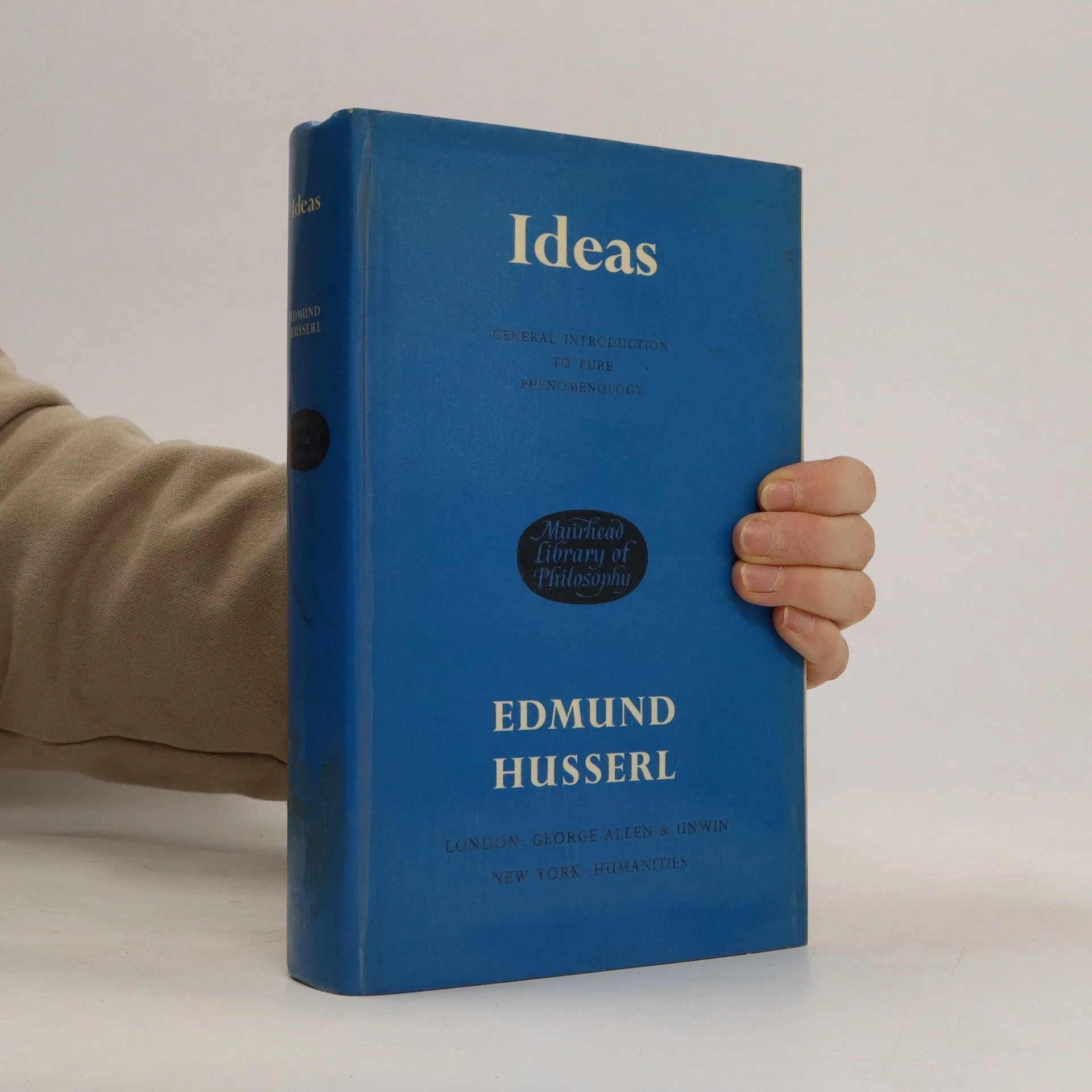
Edmund Husserl's work is a foundational text in phenomenology, a pivotal movement in twentieth-century philosophy. In "Ideas," originally published in 1913, Husserl expands his earlier, narrower conception of phenomenology to explore the essence of consciousness and thought itself. This shift sparked significant debate about consciousness and experience, influencing major philosophers like Martin Heidegger and Jean-Paul Sartre. The reprint preserves the original's integrity, offering readers insight into the evolution of philosophical thought and its lasting impact.
The Essential Husserl, the first anthology in English of Edmund Husserl's major writings, provides access to the scope of his philosophical studies, including selections from his key works: Logical Investigations, Ideas I and II, Formal and Transcendental Logic, Experience and Judgment, Cartesian Meditations, The Crisis of European Sciences and Transcendental Phenomenology, and On the Phenomenology of the Consciousness of Internal Time. The collection is an indispensable resource for anyone interested in twentieth-century philosophy.
2017 Reprint of 1931 Edition. Full facsimile of the original edition, not reproduced with Optical Recognition software. Widely regarded as the principal founder of phenomenology, one of the most important movements in twentieth century philosophy, Edmund Husserl's Ideas is one of his most important works and a classic of twentieth century thought. Husserl's early thought conceived of phenomenology - the general study of what appears to conscious experience - in a relatively narrow way, mainly in relation to problems in logic and the theory of knowledge. The publication of Ideas in 1913 witnessed a significant and controversial widening of Husserl's thought, changing the course of phenomenology decisively. Husserl argued that phenomenology was the study of the very nature of what it is to think, "the science of the essence of consciousness" itself. Husserl's arguments ignited a heated debate regarding the nature of consciousness and experience that has endured throughout the twentieth and continues in the present day. No understanding of twentieth century philosophy is complete without some understanding of Husserl, and his work influenced some of the great philosophers of the twentieth century, such as Martin Heidegger and Jean-Paul Sartre.
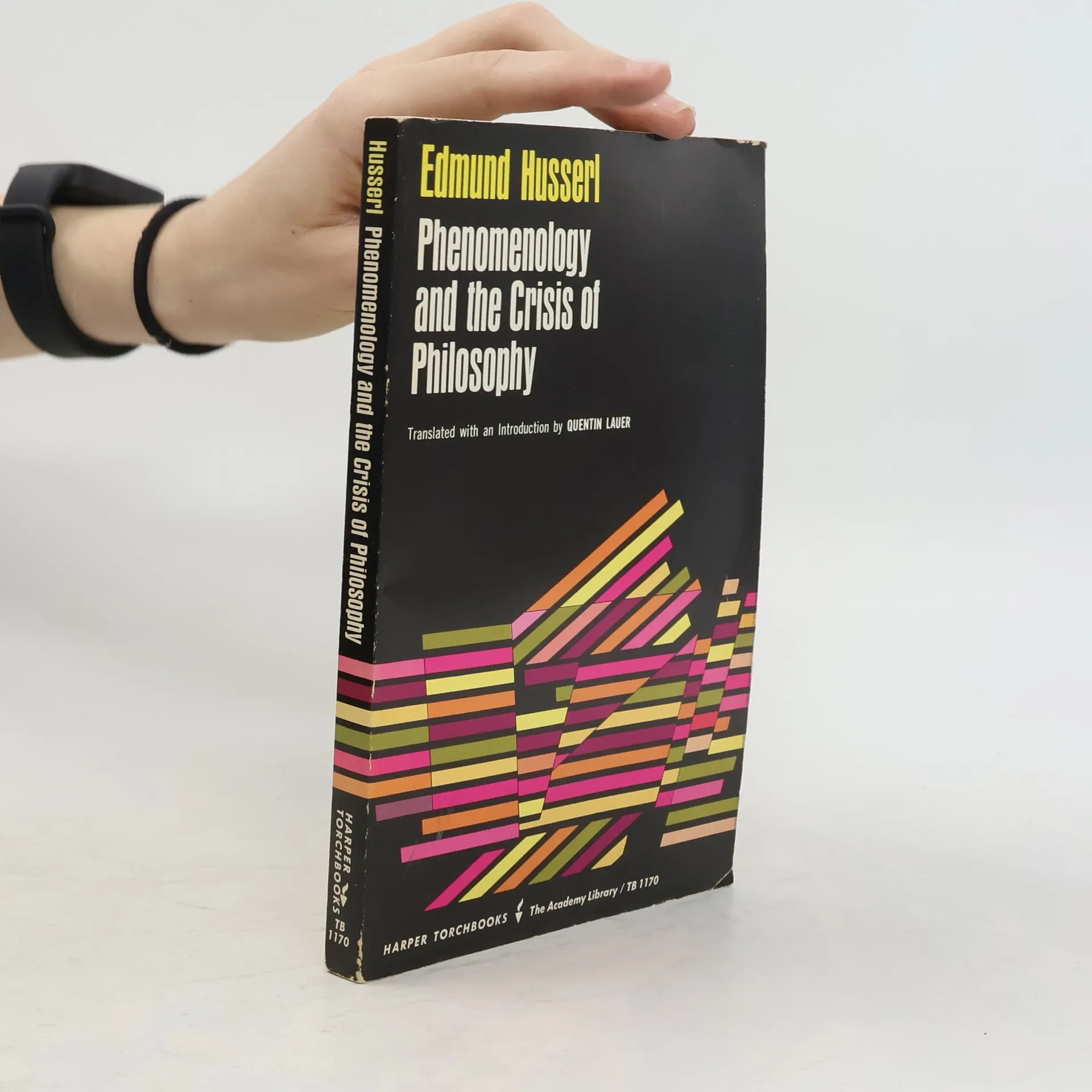
Phenomenology and the Crisis of Philosophy
- 192pages
- 7 heures de lecture
Contents: I) " Philosophy as a Rigorous Science." II) "Philosophy and Crisis of European Man." From book's Introduction by Quentin Lauer: "It is hoped that the two essays chosen for translation in this volume will contribute towards filling a gap which those who are interested in contemporary phenomenology cannot but feel. The first essay can be said to represent Husserl early in his career, when he was seeking to gain a hearing for his 'radically new' scientific manner of philosophizing. The second dates from the years immediately preceding the cessation of Husserl's philosophical activity. Together they constitute a striking testimony to the continuity of Husserl's 'scientific' ideal in philosophy. The intervening years saw considerable development of the detailed method for attaining the goal of universal rationality, but it is significant that the position achieved as a result of this development in no way involved relinquishing any major position adopted at the beginning or along the way. Thus we have in these two essays on only an early in a late stage in the genetic growth of Husserl's thought but also an introduction to what can be called his definitive attitude toward the very nature of philosophical thinking."
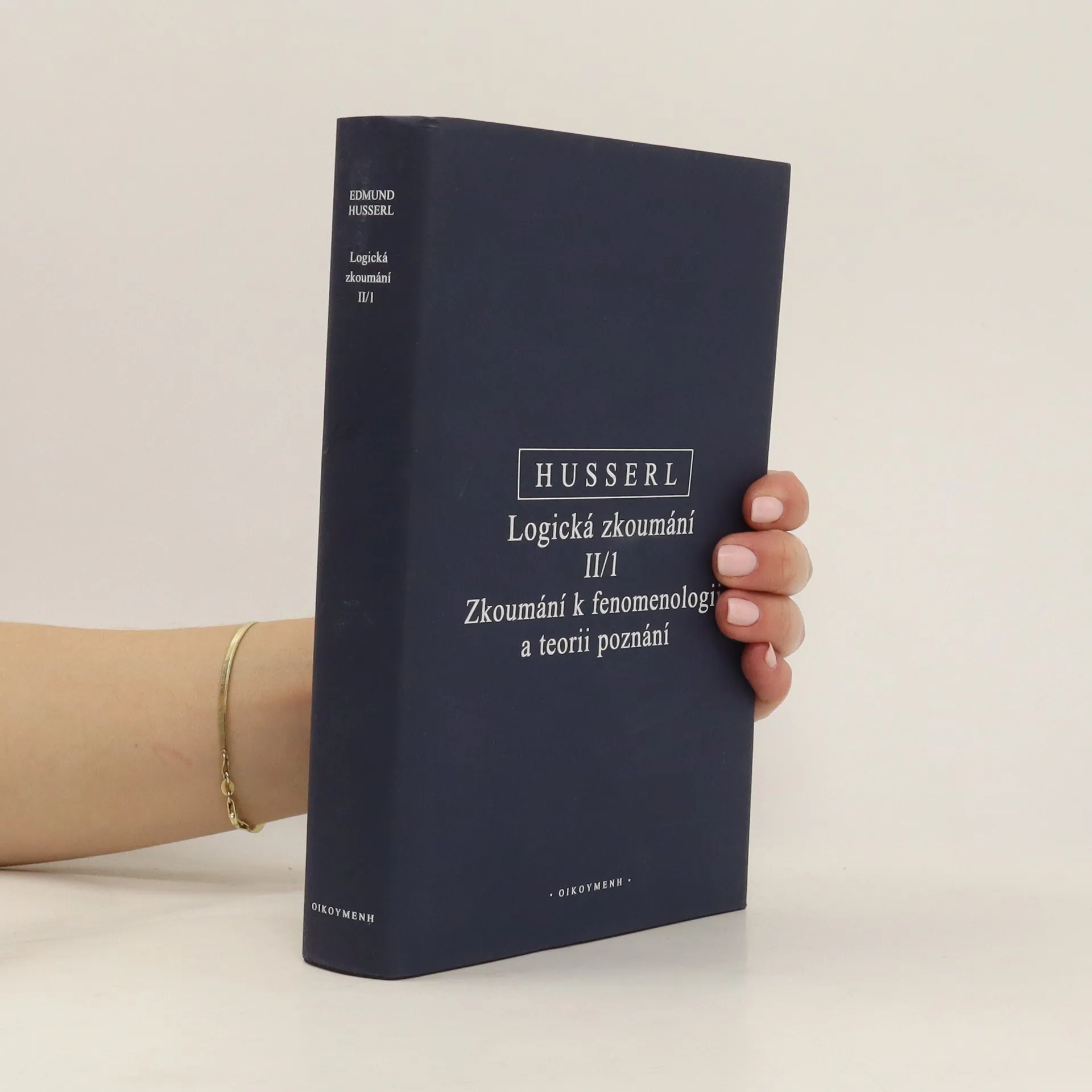
Logická zkoumání II/1
- 501pages
- 18 heures de lecture
Po vydání Prolegomen se Husserl rozhodl uveřejnit šest volně souvisejících logických zkoumání, která znamenala převrat v pohledu na povahu a výkony subjektivního vědomí. Husserl se v hlavní části svých analýz snaží ukázat, jak je možno skloubit realitu konkrétně se odehrávajících aktů, jež mají intencionální povahu, s jejich ideálně intencionální podstatou a jak je na tomto základě možno nově položit a vyjasnit problematiku poznání. Druhý svazek připravovaný k vydání obsahuje první čtyři logická zkoumání (I: Výraz a význam, II: Ideální jednota species a novější teorie abstrakce, III: K nauce o celcích a částech, IV: Rozdíl samostatných a nesamostatných významů a idea čisté gramatiky).
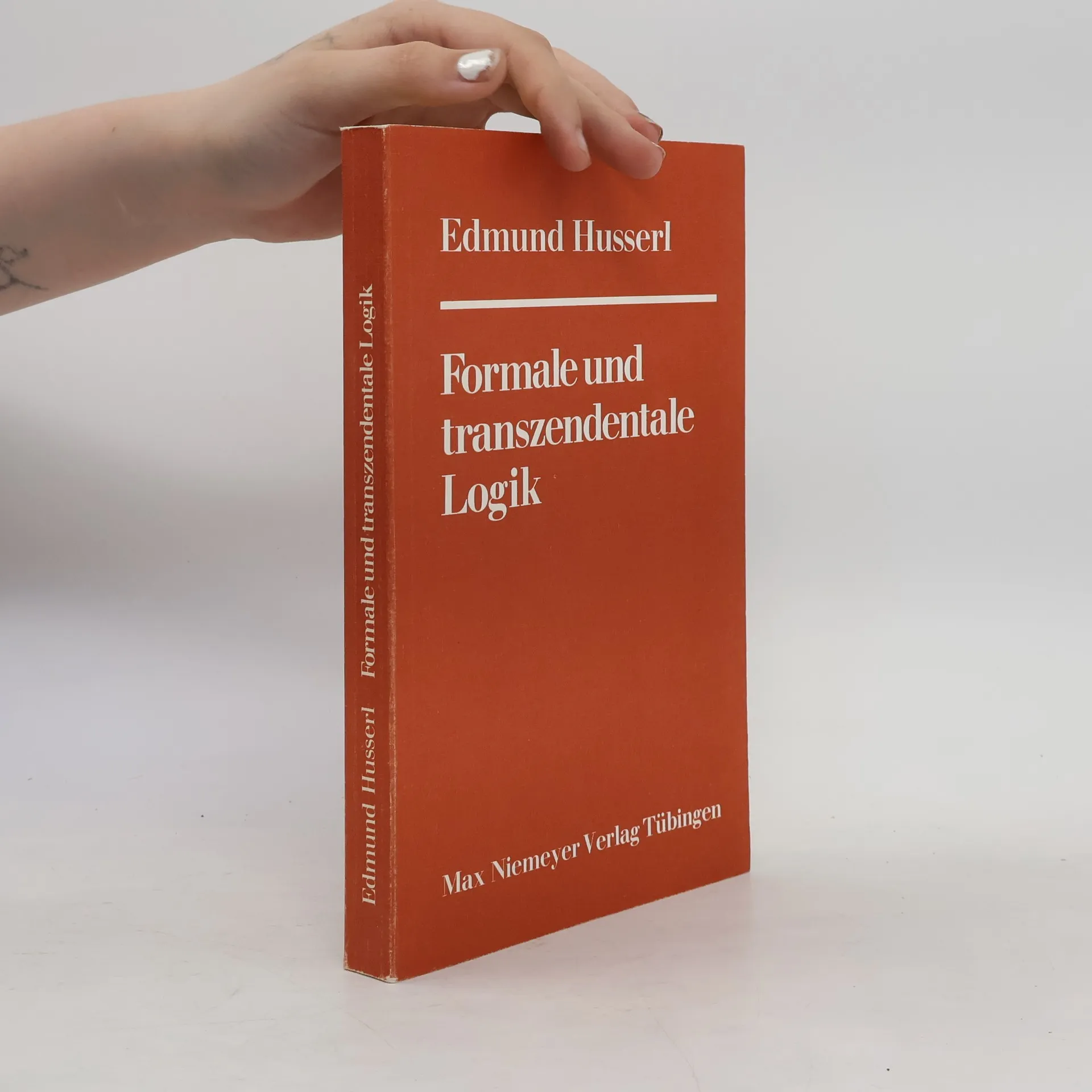
Formale und transzendentale Logik
- 298pages
- 11 heures de lecture
In diesem Buch wird die Entwicklung des Wissenschaftsbegriffs erörtert, beginnend mit der platonischen Logik. Wissenschaft wird nicht mehr als naive Betätigung verstanden, sondern als eine Disziplin, die ihre Methoden und Theorien bewusst rechtfertigt und auf prinzipiellen Einsichten basiert.
Der Begriff der Zahl umfasst verschiedene Kategorien, darunter Grundzahlen, Ordnungszahlen und Gattungszahlen. Diese Zahlwörter sind sprachlich miteinander verbunden und zeigen, dass sie in einem hierarchischen Verhältnis zueinander stehen. Die Anzahlen bilden die Basis für komplexere Konzepte und deren Verwendung in der Sprache.
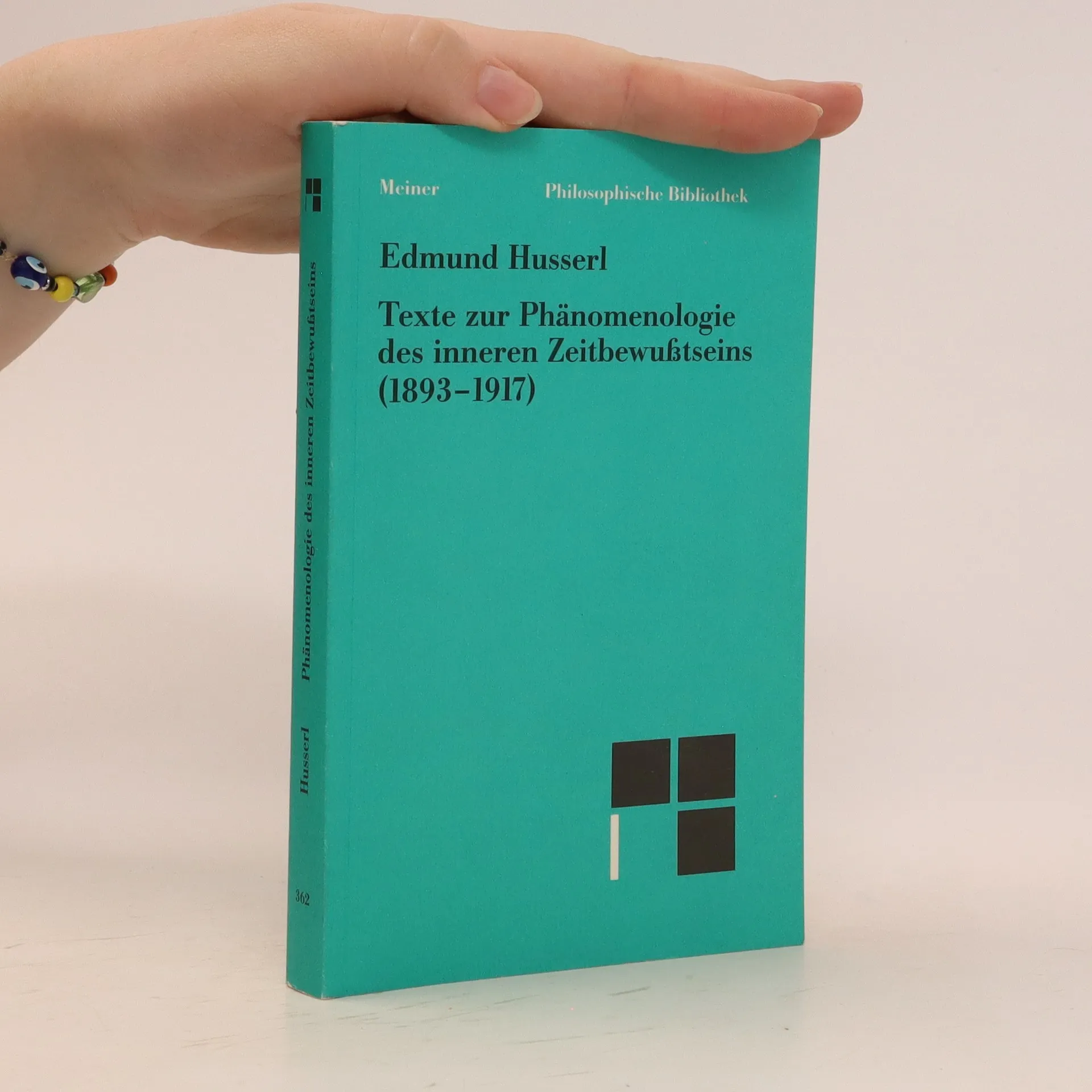
Texte zur Phänomenologie des inneren Zeitbewusstseins
- 255pages
- 9 heures de lecture
Husserls Studien zum Zeitbewußtsein bilden in ihrer chronologischen Folge sachlich und historisch entscheidende Teilschritte auf dem Weg zur Grundlegung der Phänomenologie. Der 1928 von Edith Stein veröffentlichte Text verdeckt jedoch die Möglichkeit, die Fortschritte in der Analyse des Zeitbewußtseins methodisch nachzuvollziehen, und läßt seine Theorie in wesentlichen Punkten sogar als widersprüchlich erscheinen. Eine fruchtbare Auseinandersetzung mit dieser Theorie muß sich daher auf die hier edierten Manuskripte stützen. Vollständiger Abdruck des zweiten Teils (Ergänzende Texte zur Darstellung der Problementwicklung) von Band X der kritischen Ausgabe (Husserliana). Enthalten ist eine chronologisch angeordnete Sammlung von nachgelassenen Texten zur Zeitproblematik aus den Jahren 1893-1917. Sämtliche Anmerkungen sind der Husserliana entnommen, Korrekturen und Verbesserungen der Datierungen sind vorgenommen worden. Mit Einleitung, Bibliographie sowie Namen- und Sachregister.
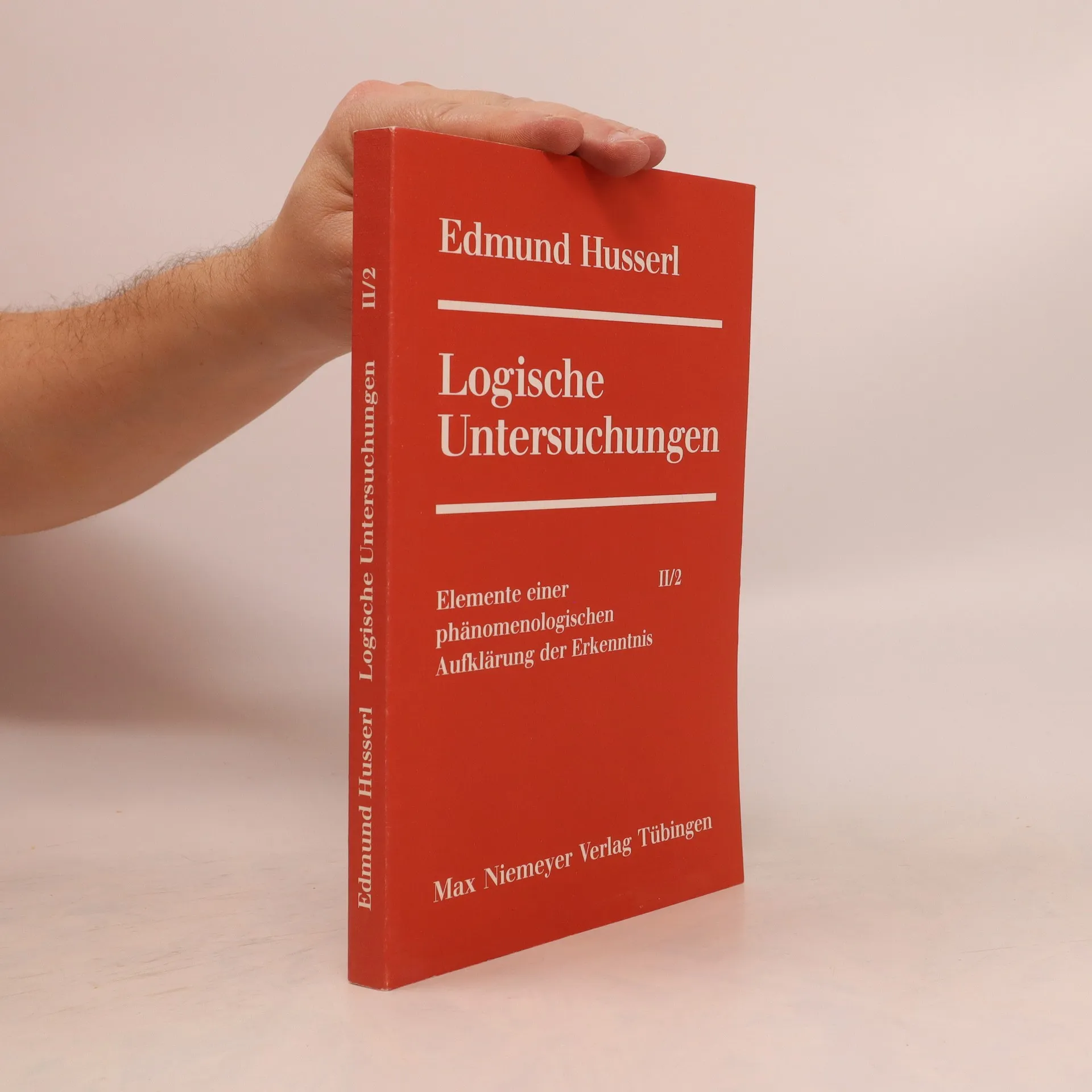
Logická zkoumání. II/2, Základy fenomenologického objasnění poznání
- 229pages
- 9 heures de lecture
6. logické zkoumání Edmunda Husserla představuje nejvýznamnější ze všech šesti zkoumání druhého svazku jeho "průlomového díla". Právě toto zkoumání bylo nejvíce studováno další generací fenomenologů a mnohé z nich také silně ovlivnilo, jak přiznává M. Heidegger. Po položení obecných základů teorie intencionálního vztahu vědomí a jeho předmětu v 5.…
Druhá kniha z původně plánovaných tří svazků Idejí k čisté fenomenologii patří mezi filosofická díla první poloviny 20. století, jež základním způsobem ovlivnila myšlení Heideggera a Merleau-Pontyho. Husserl v ní prohlubuje obsahové porozumění fenomenologii a objasňuje její vztah k přírodním a duchovním vědám.
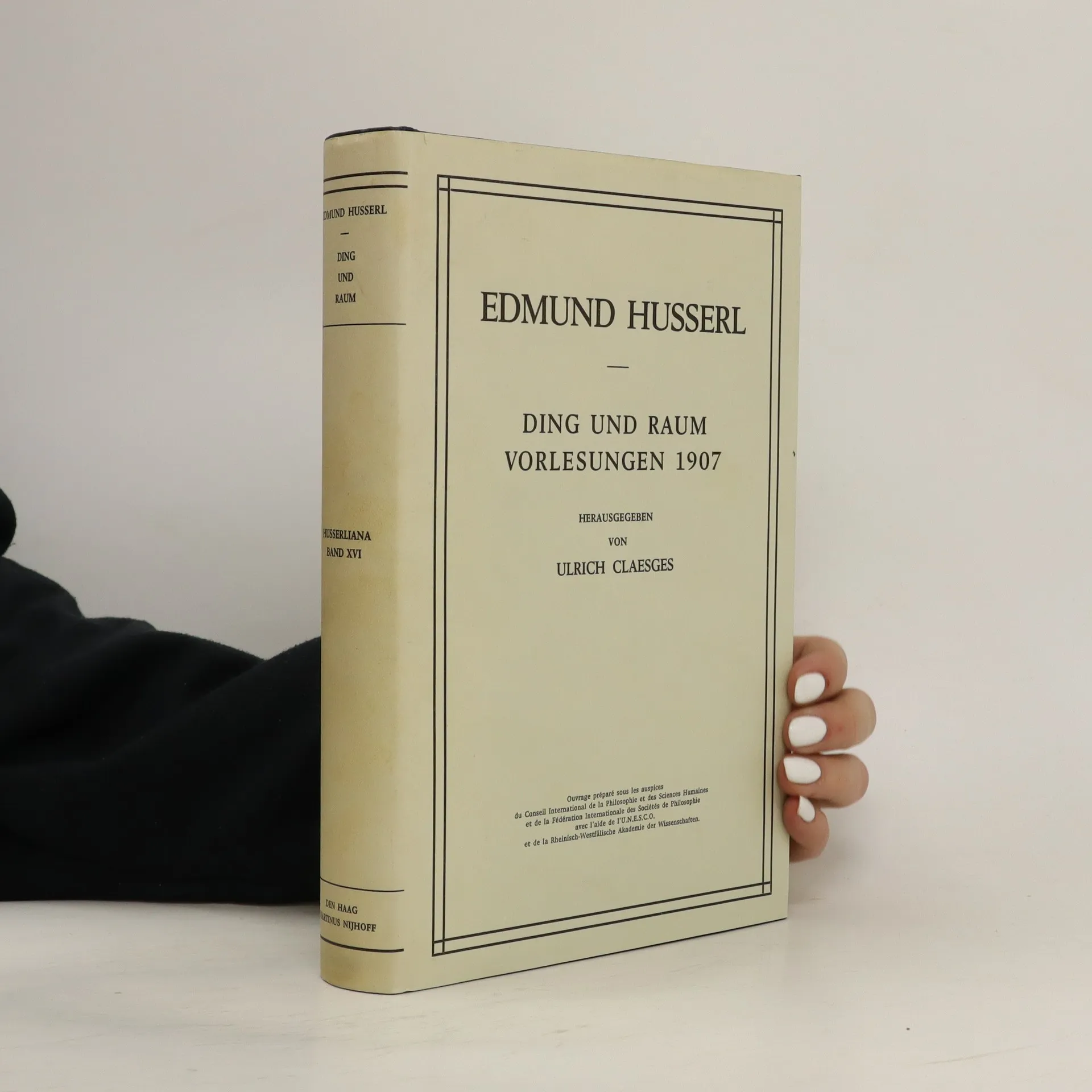
Ding und Raum Vorlesungen 1907
- 460pages
- 17 heures de lecture
Die unmittelbare Wahrnehmung ist eng verbunden mit unseren Wahrnehmungsmöglichkeiten und gegenwärtigen Anschauungen. In den Zusammenhängen der Wahrnehmung finden sich Leitfäden, die uns von einer Erfahrung zur nächsten führen, während wir die Dinge in räumlicher Ordnung erfassen. Auch unsere zeitliche Umgebung spielt eine Rolle; wir erinnern uns an vergangene Ereignisse, die nicht nur statisch waren, sondern jetzt in einer Beziehung des Erinnertwerdens zu uns stehen. Diese Erinnerung agiert als Leitfaden, der uns schrittweise in die Vergangenheit zurückführt, wodurch neue räumlich-zeitliche Wirklichkeiten zu uns in Beziehung treten. Die Zukunft hingegen wird durch unsere Erwartungen beeinflusst. Auf diesen grundlegenden Wahrnehmungen basieren komplexere Denk- und Schlussfolgerungsprozesse, die uns helfen, uns theoretisch mit der Welt auseinanderzusetzen. Zudem kommen emotionale Akte hinzu, die neue Beziehungen schaffen, auch wenn sie einer anderen Sphäre angehören. Wir bewerten Erlebnisse als angenehm oder unangenehm, gut oder schlecht, und intervenieren aktiv in die Welt.
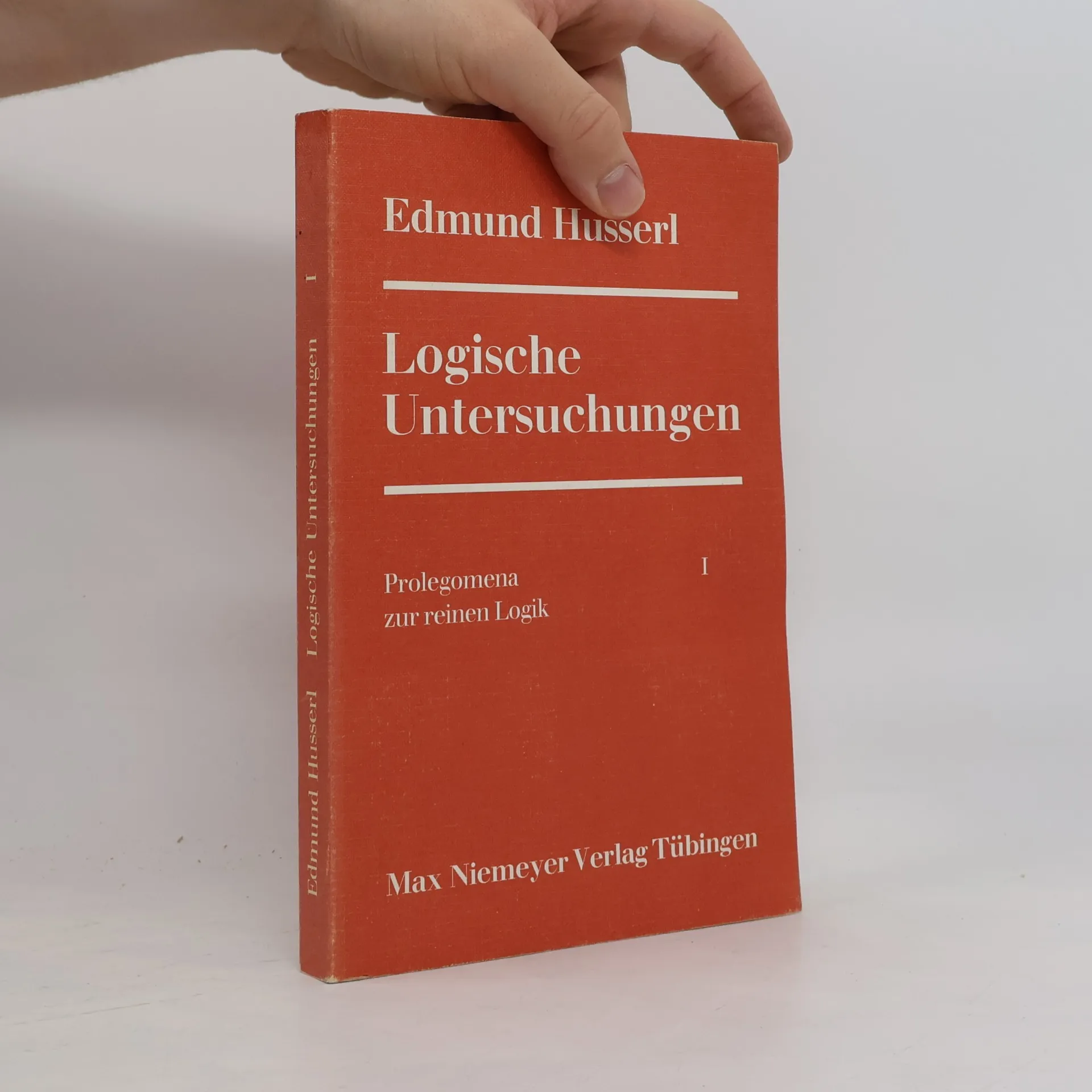
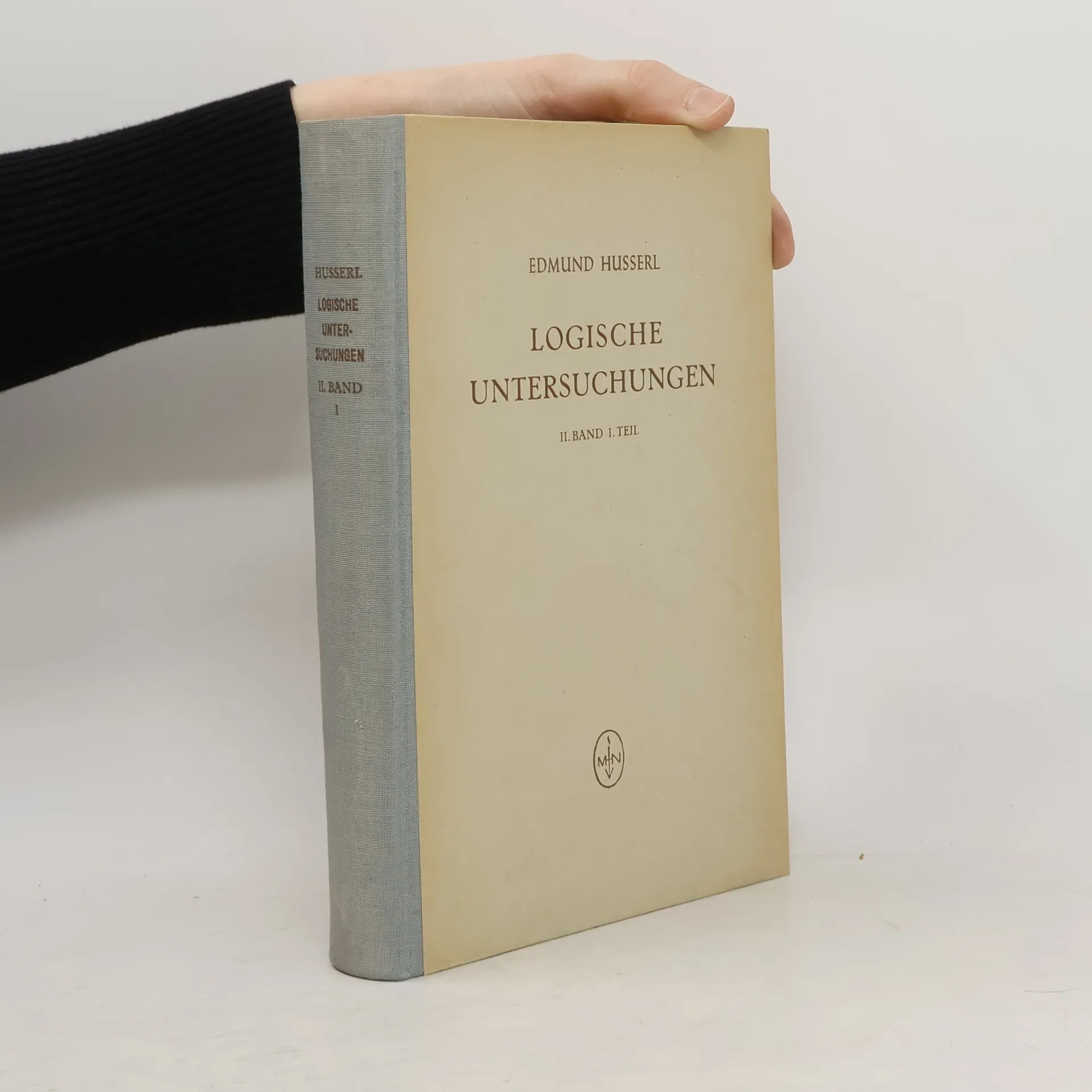
Husserls Logische Untersuchungen sind eines der folgenreichsten Werke der neueren Philosophiegeschichte. Mit dem ersten Erscheinen in den Jahren 1900 und 1901 (Max Niemeyer Verlag, Halle/Saale) nimmt jene Schule ihren Anfang, deren Name im Untertitel des zweiten Bandes zum ersten Mal sinnfallig wird: die Phanomenologie. Husserl sah damals in diesem Werk Versuche zur Neubegrundung der reinen Logik und Erkenntnistheorie, die den Grund zu einem groeren Gedankengebaude zu legen imstande waren. Sie wollten freilich kein bloes Programm sein, sondern Fundamentalarbeit an den unmittelbar erschauten und ergriffenen Sachen darstellen. Die weitere Arbeit an der Auspragung der phanomenologischen Philosophie fuhrte schon nach wenigen Jahren zu neuen Problemen, zu vertieften Erkenntnissen und zu scharferen Formulierungen. Ihnen tragt die zweite, zum Teil tiefgreifend umgearbeitete Auflage Rechnung, deren Text seither in unveranderter Form immer wieder nachgedruckt wurde.
Husserls Logische Untersuchungen sind eines der folgenreichsten Werke der neueren Philosophiegeschichte. Mit dem ersten Erscheinen in den Jahren 1900 und 1901 (Max Niemeyer Verlag, Halle/Saale) nimmt jene Schule ihren Anfang, deren Name im Untertitel des zweiten Bandes zum ersten Mal sinnfallig wird: die Phanomenologie. Husserl sah damals in diesem Werk Versuche zur Neubegrundung der reinen Logik und Erkenntnistheorie, die den Grund zu einem groeren Gedankengebaude zu legen imstande waren. Sie wollten freilich kein bloes Programm sein, sondern Fundamentalarbeit an den unmittelbar erschauten und ergriffenen Sachen darstellen. Die weitere Arbeit an der Auspragung der phanomenologischen Philosophie fuhrte schon nach wenigen Jahren zu neuen Problemen, zu vertieften Erkenntnissen und zu scharferen Formulierungen. Ihnen tragt die zweite, zum Teil tiefgreifend umgearbeitete Auflage Rechnung, deren Text seither in unveranderter Form immer wieder nachgedruckt wurde.
Phänomenologische Psychologie
- 234pages
- 9 heures de lecture
Alle geisteswissenschaftlichen Disziplinen nutzen Begriffe wie Wahrnehmung, Erinnerung und Bewusstsein, klären diese jedoch nicht, sondern setzen sie als bereits verstanden voraus. Das menschliche Bewusstsein stellt ein komplexes Forschungsgebiet dar. Husserls Generalthema der Phänomenologie ist die Untersuchung, wie wir in subjektiven Bewusstseinsakten auf objektive Inhalte Bezug nehmen. In den Vorlesungen über Phänomenologische Psychologie möchte Husserl auf die ungeprüften Voraussetzungen in den Geisteswissenschaften hinweisen, die nur durch eine apriorische Wissenschaft vom Bewusstsein, also durch Phänomenologie, fundiert werden können. Diese Wissenschaft kann der empirischen Psychologie reine, apriorische Grundlagen bieten. Die durchgeführten Analysen sind psychologisch, wenn man Psychologie als die Wissenschaft von den allgemeinsten Formen und Gesetzen geistiger Tatsachen versteht. Sie sind zudem apriorisch, da sie durch eidetische Variation von der empirischen Faktizität einzelner Beispiele abstrahieren. Die Vorlesungen wurden im Sommersemester 1925 an der Universität Freiburg gehalten und der Text wird seitenidentisch nach dem Band IX der Reihe Husserliana wiedergegeben.
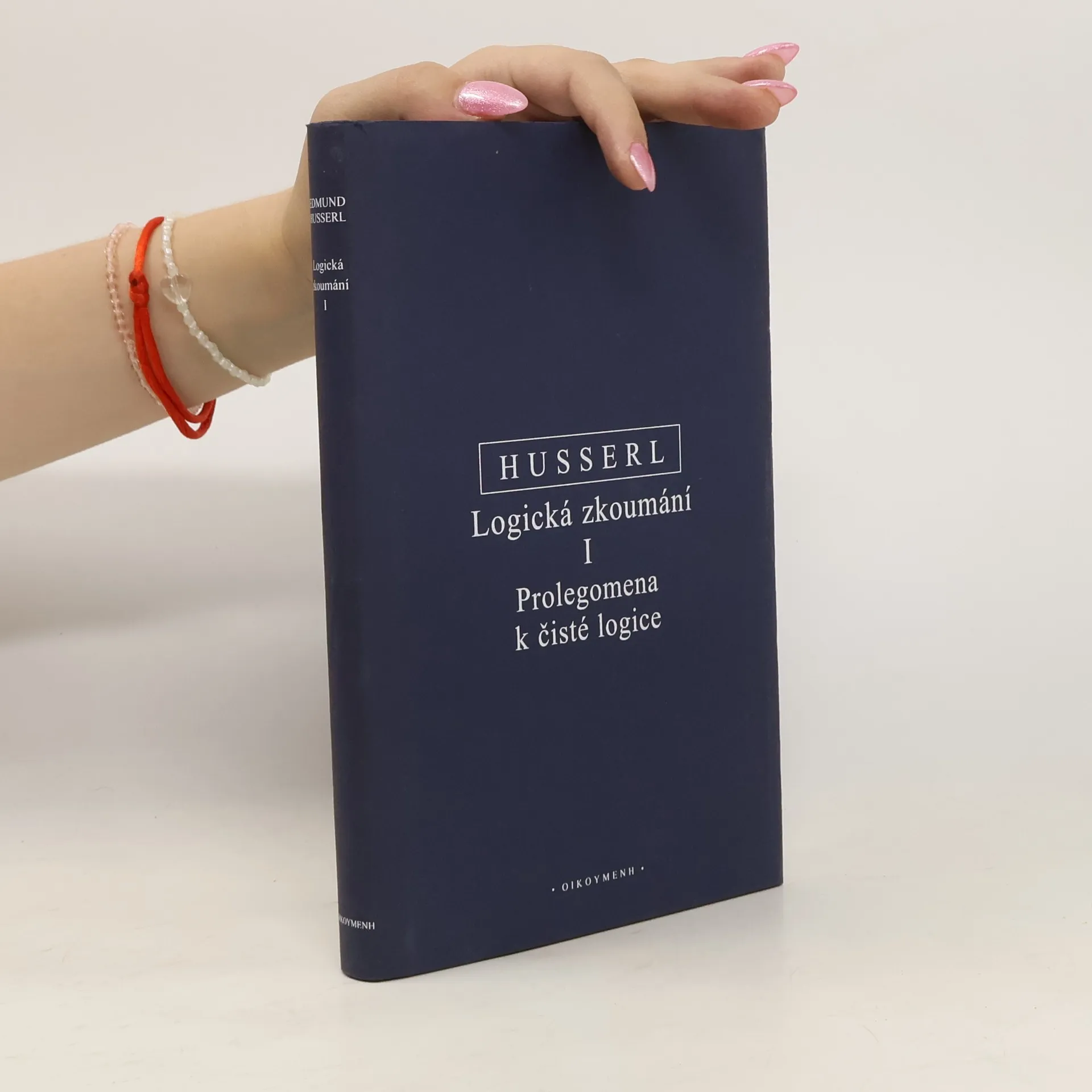
Logická zkoumání. I, Prolegomena k čisté logice
- 234pages
- 9 heures de lecture
Polemický spis věnovaný problému uplatnění psychologické argumentace při výkladu logiky. Obsahuje zásadní diskusi a rozlišení psychologických a logických zákonů myšlení spolu s pozoruhodnými náběhy k obecnější fenomenologické problematice, které autor později zasvětil nejvýznamnější část svého filosofického působení.
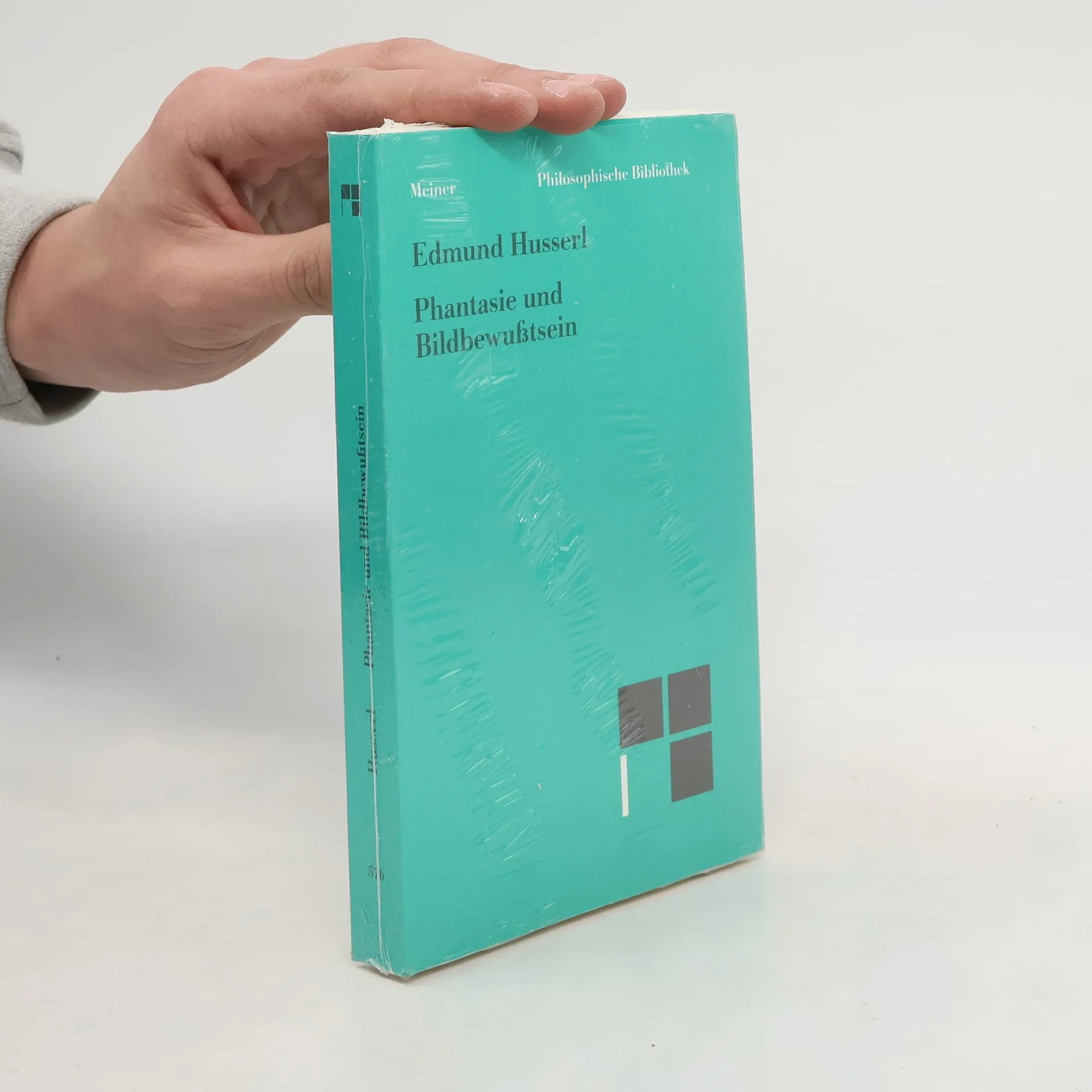
Phantasie und Bildbewußtsein
- 256pages
- 9 heures de lecture
In den Texten aus dem Nachlass, die in dieser Studienausgabe versammelt sind, wird der Fokus auf die Klarheit der unterschiedlichen Phänomene des Vergegenwärtigens im Vergleich zum Wahrnehmen gelegt, basierend auf reflexiver Bewusstseinsanalyse. Husserl beschreibt Phantasie als »das als Vergegenwärtigung charakterisierte Bewusstsein« und betont das Wesen des Nichtgegenwärtigkeits-Bewusstseins. Während wir in einer Gegenwart leben und ein Wahrnehmungsfeld haben, existieren auch Erscheinungen, die außerhalb dieses Feldes liegen. Technisch betrachtet, analysiert Husserl Grundformen des Bewusstseins, spezifische Intentionen und Modifikationen der Aktcharaktere sowie der gegenständlichen Korrelate von Bewusstseinserlebnissen. Die Texte thematisieren die phänomenologische Bestimmung der verschiedenen Weisen des Bewusstseins, insbesondere die intentionale Beziehung auf Gegenständliches, wie in der fünften der Logischen Untersuchungen (1901) dargelegt. Im Detail wird innerhalb der Erlebnisklasse der Vorstellungen, im Gegensatz zu Urteilen und Gefühlen, die Charakteristik der Intention anschaulicher Vorstellungen im Vergleich zu begrifflichen Vorstellungen untersucht.
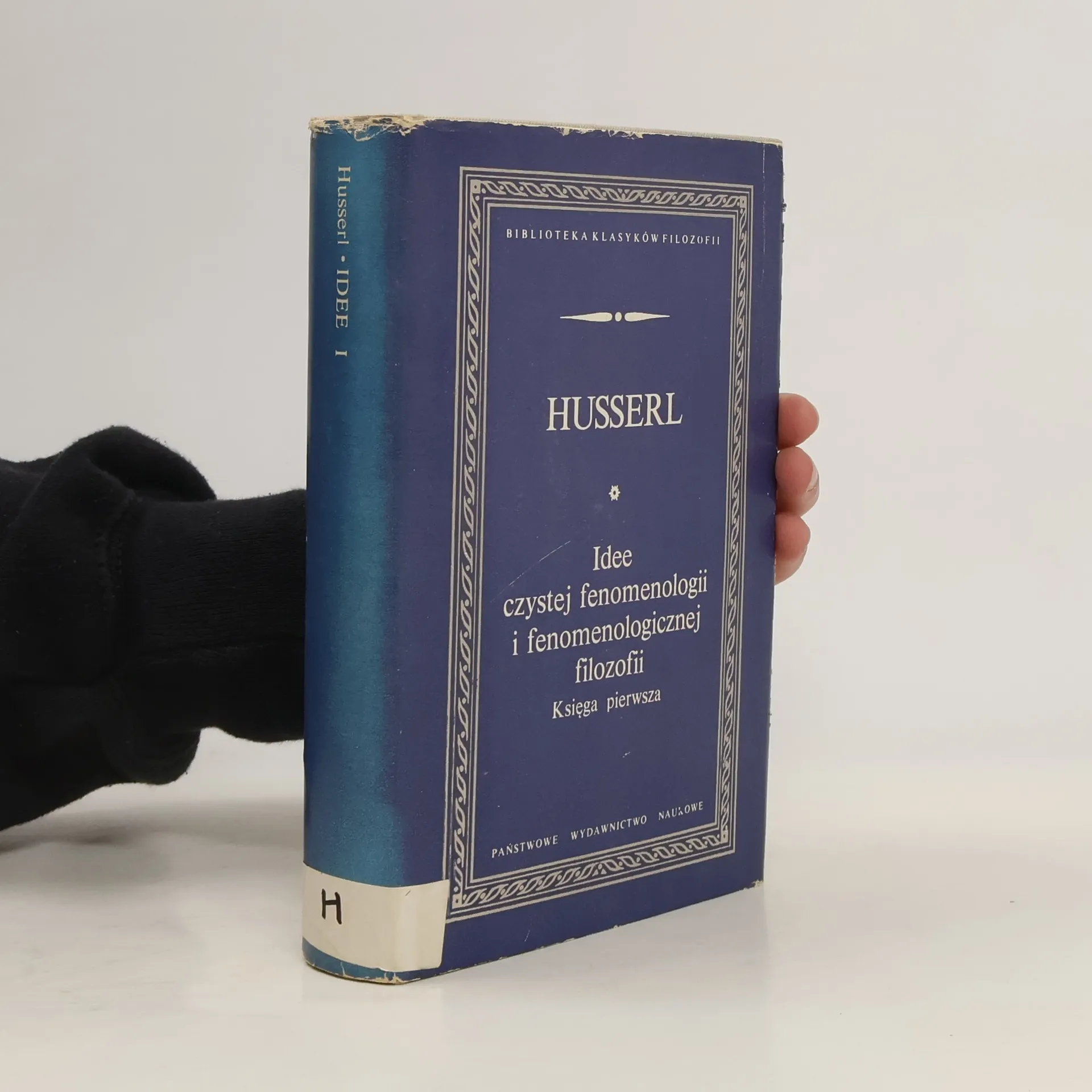
Ideje k čisté fenomenologii a fenomenologické filosofii I.
- 339pages
- 12 heures de lecture
Husserl v tomto svazku provádí základní rozlišení mezi empirickým a eidetickým zkoumáním, vysvětluje přístup závorkování, základní rozdíl mezi světem vnímaným jako objekt o sobě a světem vnímaným jako fenomén, pojmy čistého vědomí a fenomenologické pojetí rozumu.
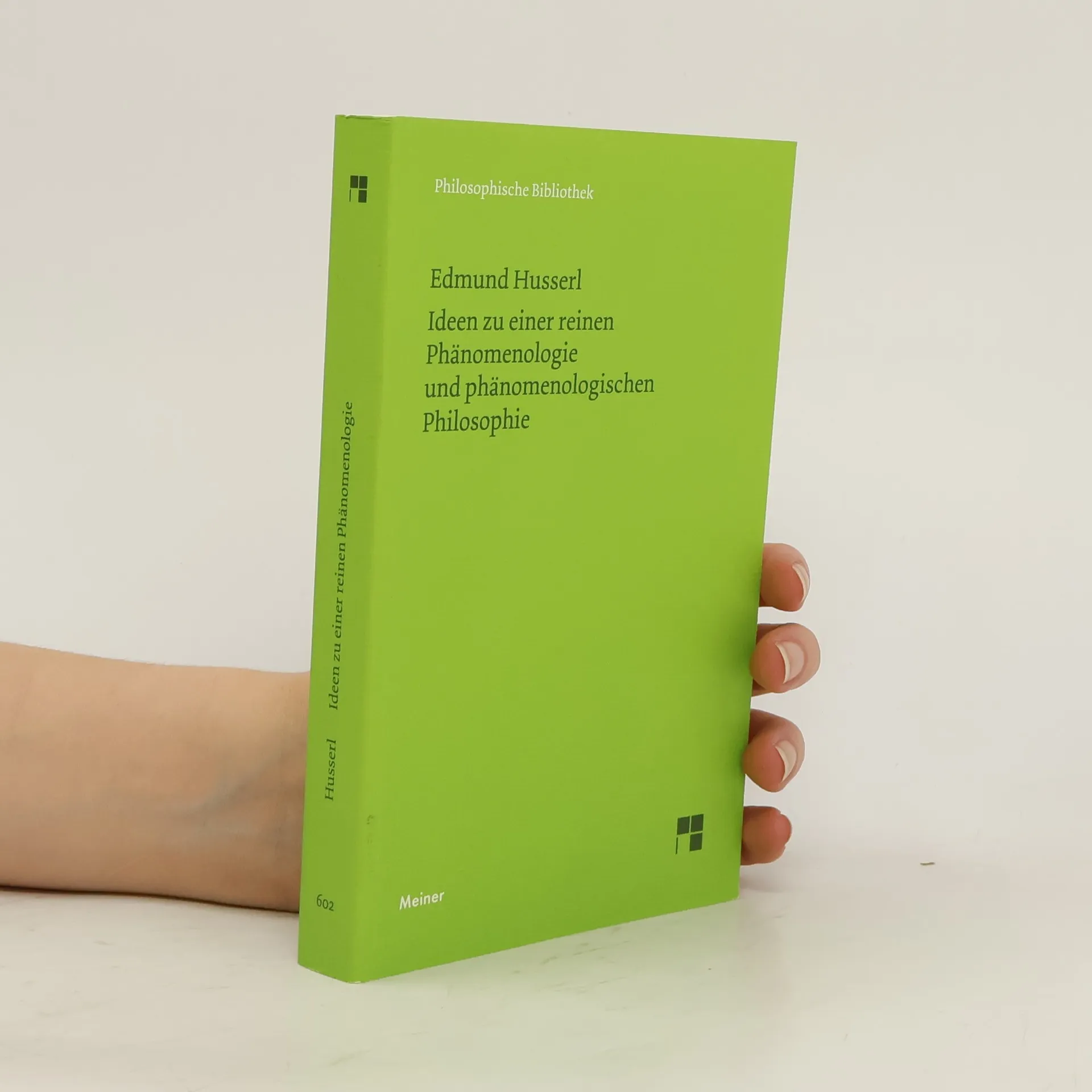
Ideen zu einer reinen Phänomenologie und phänomenologischen Philosophie
- 462pages
- 17 heures de lecture
Mit den »Ideen zu einer reinen Phänomenologie und phänomenologischen Philosophie« von 1913, von ihm selbst nur als eine »Allgemeine Einführung in die reine Phänomenologie« angezeigt, zog Edmund Husserl die Konsequenz aus seinen Logischen Untersuchungen (PhB 601), die ihn 1900/01 berühmt gemacht hatten: Ausgehend von der dort entwickelten Phänomenologie der intentionalen Erlebnisse sieht er jetzt in der Aufdeckung der Leistungen des »reinen Bewußtseins«, dem die uns bekannte natürliche Welt nur als »Bewußtseinskorrelat« gegeben ist, den eigentlichen Gegenstand philosophischer Erkenntnis und in den von ihm eingeführten methodologischen Begriffen der »Reduk tion« und der »Epoché« den Weg, sich über die Beschaffenheit dieses »reinen Bewußtseins«, aus dem alle Erkenntnis entspringt, Klarheit zu verschaffen.«
Komentář k Husserlovu "Původu geometrie". Podrobný rozbor této úvahy, která se zařazuje mezi dodatky ke "Krizi evropských věd", je věnován především problémům sedimentace smyslu, různých stupňů ideality a teleologie historického rozumu ve vztahu k možnosti ustavení přísné vědy. Derrida zde překvapivě vystupuje jako obhájce některých Husserlových základních tezí proti kritice vznesené W. Biemelem či M. Merleau-Pontym.
Husserls Logische Untersuchungen sind eines der folgenreichsten Werke der neueren Philosophiegeschichte. Mit dem ersten Erscheinen in den Jahren 1900 und 1901 (Max Niemeyer Verlag, Halle/Saale) nimmt jene Schule ihren Anfang, deren Name im Untertitel des zweiten Bandes zum ersten Mal sinnfallig wird: die Phanomenologie. Husserl sah damals in diesem Werk Versuche zur Neubegrundung der reinen Logik und Erkenntnistheorie, die den Grund zu einem groeren Gedankengebaude zu legen imstande waren. Sie wollten freilich kein bloes Programm sein, sondern Fundamentalarbeit an den unmittelbar erschauten und ergriffenen Sachen darstellen. Die weitere Arbeit an der Auspragung der phanomenologischen Philosophie fuhrte schon nach wenigen Jahren zu neuen Problemen, zu vertieften Erkenntnissen und zu scharferen Formulierungen. Ihnen tragt die zweite, zum Teil tiefgreifend umgearbeitete Auflage Rechnung, deren Text seither in unveranderter Form immer wieder nachgedruckt wurde.
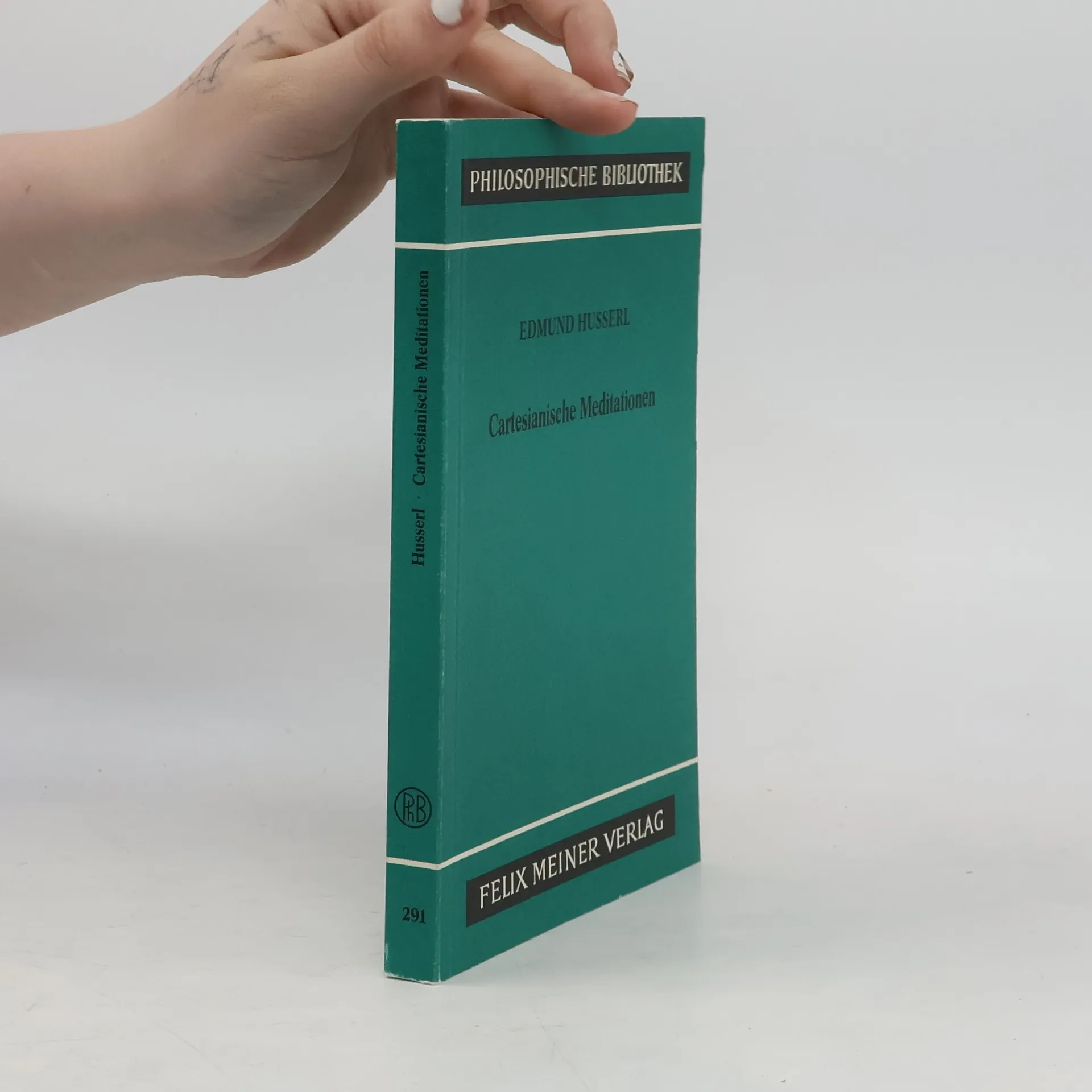
Cartesianische Meditationen
- 172pages
- 7 heures de lecture
Die Cartesianischen Meditationen sind aus Vorträgen hervorgegangen, die Edmund Husserl (1859–1938) Mitte Februar 1929 an der Sorbonne gehalten hat. Bei der Grundfragestellung Descartes’ einsetzend, entfaltet Husserl die transzendentale Phänomenologie als »Umbildung und Neubildung« des Cartesischen Programms der prima philosophia im Sinne einer Reform der Philosophie zu einer absoluten Wissenschaft aus absoluter Begründung. Eine französische Ausgabe, in der Übersetzung von Emmanuel Levinas und Gabrielle Pfeiffer, erschien 1931 bei A. Colin in Paris. Husserls Arbeiten an dem Manuskript für die deutsche Ausgabe, die gegenüber der französischen erheblich erweitert werden sollte, blieben, nicht zuletzt wegen der 1933 veränderten politischen Situation, unvollendet. So erschien die erste deutschsprachige Ausgabe der Cartesianischen Meditationen erst postum in dem von Stephan Strasser herausgegebenen Band 1 der Husserliana (Edmund Husserl, Gesammelte Werke), Den Haag 1950.
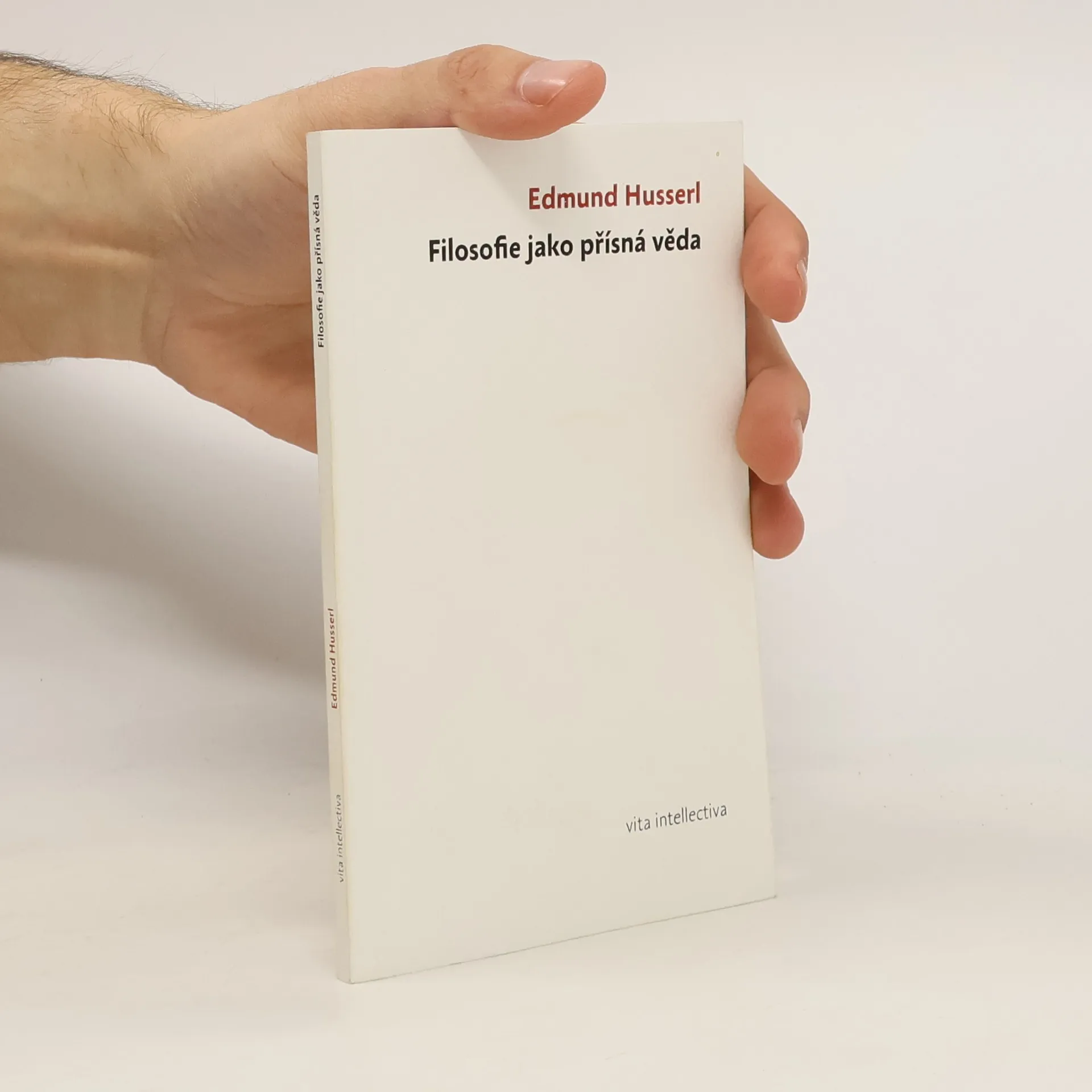
Po více jak sto letech poprvé do češtiny přeložený text Filosofie jako přísná věda je klíčový pro založení a pozdější zformování Husserlovy fenomenologie. Vznikl narychlo na přelomu roků 1910/11 a šlo o první větší Husserlovu publikaci od vydání Logických zkoumání (1900/01). Fenomenologickou metodu zde vymezuje proti „exaktně vědecké“ naturalistické filosofii na straně jedné a proti populární filosofii světového názoru na straně druhé. Programový a konfrontační charakter Husserlova textu slouží jako nejlepší uvedení do fenomenologie. V tomto textu se též objeví známá maxima „k věcem samým!“, jež platí za bojové heslo nejen husserlovské fenomenologie. Pozoruhodná je shodná situace, ve které se i po sto letech filosofie nachází, kdy na jedné straně čelí „exaktně vědecké“ evoluční psychologii a na straně druhé populární kulturologii a antropologii, jež nejsou nic než dědici filosofie světového názoru.
Manuskripte zur Konstitution von Raumdingen - aus den D-Manuskripten
- 215pages
- 8 heures de lecture
Der vorliegende Band enthält Forschungsmanuskripte von Edmund Husserl zur Konstitution von Raumdingen aus den Jahren 1909-1934, ausgewählt aus der Manuskriptgruppe D. Die meisten Analysen vertiefen die Themen der Vorlesung „Ding und Raum“ (1906/07). Der Ausgangspunkt sind die visuellen und taktilen Sinnesfelder, gefolgt von Untersuchungen über die höheren Stufen der Raumkonstitution, Phantome und Dinge, die von den kinästhetischen Systemen abhängen. Die Ordnung der Konstitution reicht von einfachen zu komplexeren Kinästhesen, einschließlich der Augen, des Kopfes und des Gehens, das entscheidend für die Konstitution des Ferndings ist. Die Manuskripte D 17 und D 18 bieten eine „anti-kopernikanische“ Interpretation der Sinnesgenese von Raum und Bewegung. Während die Physik sagt, dass wir durch das Universum rasen, erleben wir die Erde als unbewegt: „Die Ur-Arche Erde dreht sich nicht!“. Husserl argumentiert, dass unsere Vorstellungen von Raum und Bewegung auf der Erfahrung des Gehens auf einer als stationär erlebten Erde basieren. Dieser Text richtet sich an Absolventen und Forscher, die im Bereich der phänomenologischen Forschung von Husserl tätig sind.
Die Vorlesung von Husserl aus dem Sommersemester 1912 beschäftigt sich mit der Phänomenologie und untersucht zentrale Bewusstseinsphänomene wie Wahrnehmung, Erinnerung und Zeitbewusstsein. Ursprünglich als "Urteilstheorie" angekündigt, wurde das Thema angepasst, um die notwendigen Grundlagen für ein tieferes Verständnis zu schaffen. Im Mittelpunkt stehen die wesentlichen Konzepte der phänomenologischen Methode: die Wesensschau und die phänomenologische Reduktion, die als Grundpfeiler für die Analyse des Bewusstseins dienen.
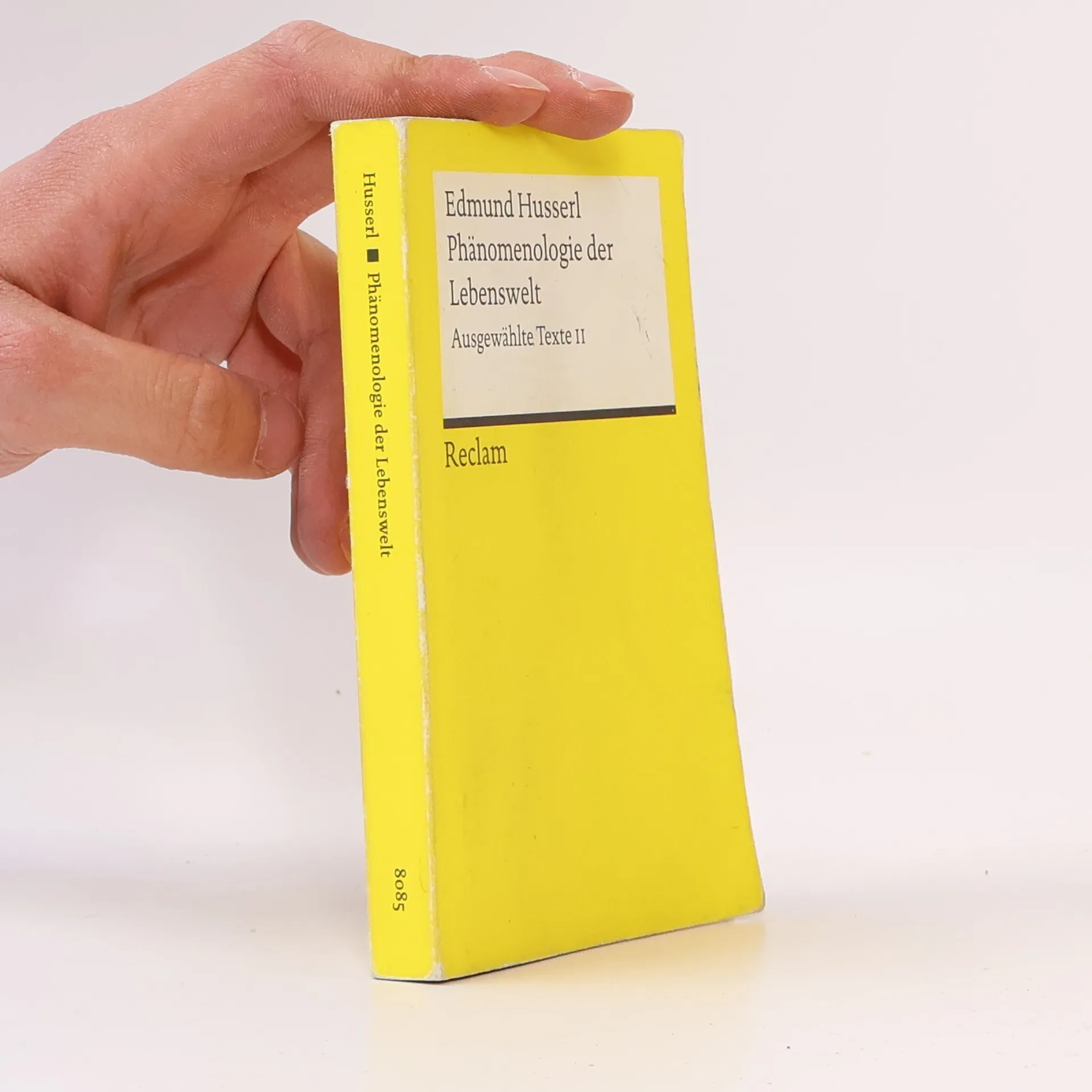
Phänomenologie der Lebenswelt
- 367pages
- 13 heures de lecture
Ideen zu einer reinen Phänomenologie und phänomenologischen Philosophie
Allgemeine Einführung in die reine Phänomenologie
- 449pages
- 16 heures de lecture
Es ist nicht ein Schulsystem, das die Herausgeber [des Jahrbuchs für Philosophie und phänomenologische Forschung] verbindet, und das gar bei allen künftigen Mitarbeitern vorausgesetzt werden soll; was sie vereint, ist vielmehr die gemeinsame Überzeugung, daß nur durch Rückgang auf die originären Quellen der Anschauung und auf die aus ihr zu schöpfenden Wesenseinsichten die großen Traditionen der Philosophie nach Begriffen und Problemen auszuwerten sind, daß nur auf diesem Wege die Begriffe intuitiv geklärt, die Probleme auf intuitivem Grunde neu gestellt und dann auch prinzipiell gelöst werden können. Sie sind der gemeinsamen Überzeugung, daß der Phänomenologie ein unbegrenztes Feld streng wissenschaftlicher und höchst folgenreicher Forschung eigentümlich ist, das, wie für die Philosophie selbst, für alle anderen Wissenschaften, fruchtbar gemacht werden muß - wo immer Prinzipielles in ihnen in Frage steht. [Aus dem Vorwort der Herausgeber, zu denen Edmund Husserl gehörte]
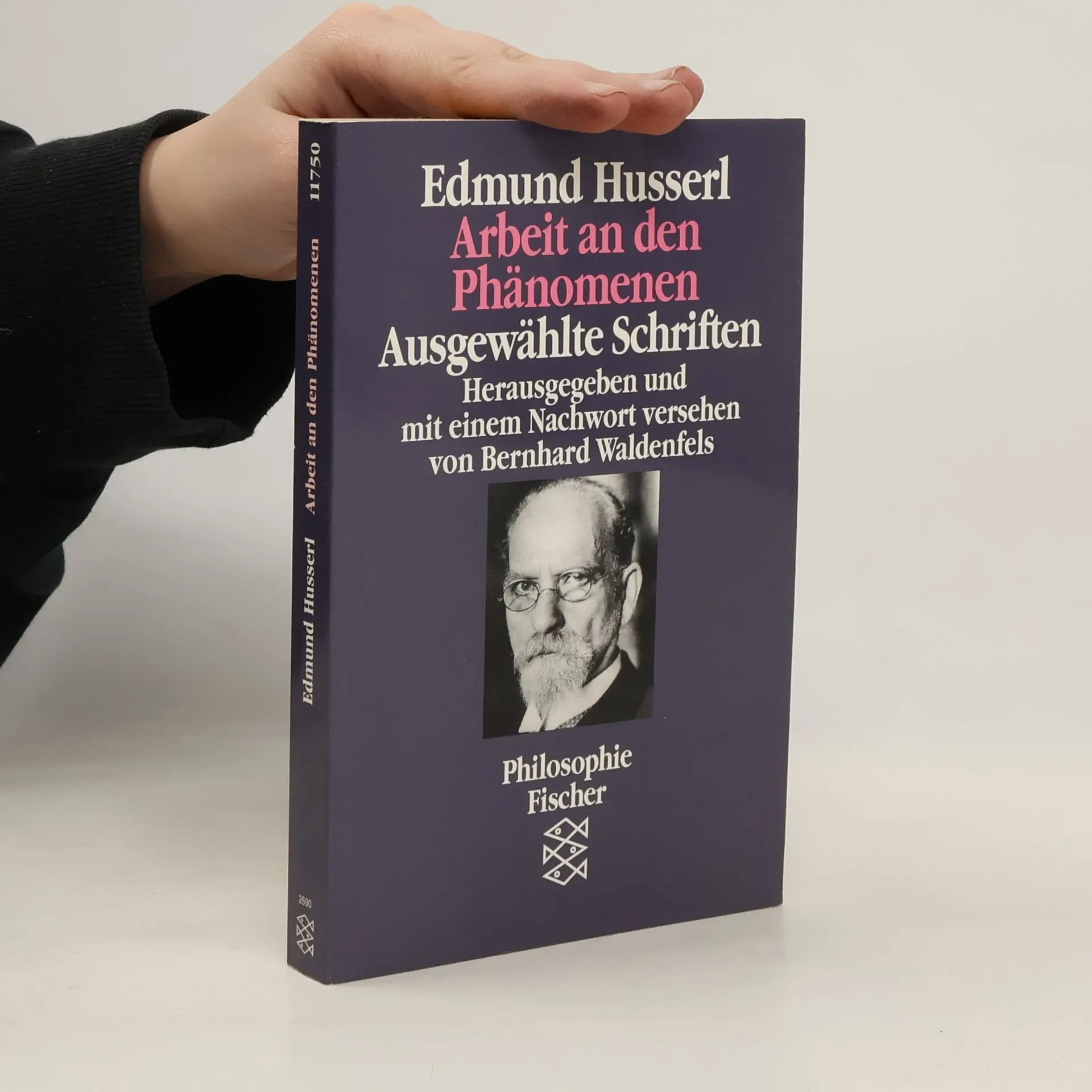
Edmund Husserl gehört zu den international einflußreichsten deutschen Philosophen dieses Jahrhunderts. Obwohl wichtige Werke in Einzelausgaben vorliegen und seit 1950 seine Gesammelten Werke (Husserliana) erscheinen, fehlt es überraschenderweise bis heute an einer Auswahl seiner Texte, die neben den zu Lebzeiten veröffentlichten Arbeiten auch den enormen Nachlaß mit seinen reichhaltigen Forschungsmanuskripten berücksichtigt, der bislang nur bei philosophischen Experten Beachtung fand. Bernhard Waldenfels ist es mit seiner Textauswahl gelungen, dem philosophisch interessierten Leser einen Blick in die vielfach gemiedene Denkwerkstatt Husserls zu ermöglichen. Waldenfels hat sich nicht auf den geläufigen, 'repräsentativen' Husserl beschränkt, sondern Texte zusammengestellt, die den experimentierenden Duktus phänomenologischen Denkens offenlegen, das die Vielfältigkeit menschlicher Erfahrungen erhellen will. Die Erläuterungen des Herausgebers weisen auf die philosophischen Motive hin, die in Husserls Philosophie Eingang fanden, und verfolgen die erstaunliche Wirkungsgeschichte dieses Denkens. Vom Abenteuer der „Verstrickung in die Erfahrung“, so das Nachwort, geht die anhaltende Faszination der Husserlschen Arbeit an den Phänomenen aus.
In der Vorlesung Grundprobleme der Phänomenologie (1910/1911) gelingt Husserl der methodische Durchbruch zur Einbeziehung der Intersubjektivität in das thematische Feld der reinen Phänomenologie. Die Ausdehnung der phänomenologischen Erfahrung auf das Fremde erlaubt Husserl später den Ausbau seines Denkansatzes zur umfassenden „Ersten Philosophie“ auf der Grundlage des „natürlichen Weltbegriffs“.
Husserl (1859-1938) hatte sich in seinem Werk „Formale und transzendentale Logik“ das Ziel gesetzt, den inneren Sinn, die Gliederung und Zusammengehörigkeit all dessen nachzuweisen, was bislang an logischen Problemen behandelt worden war, und die Notwendigkeit einer phänomenologischen Durchleuchtung der gesamten logischen Problematik darzutun. Ein Hauptstück der analytisch-deskriptiven Untersuchungen, die einer solchen phänomenologischen Begründung der Logik dienen, ist „Erfahrung und Urteil“. Das Buch entstand in Zusammenarbeit mit Schülern und Mitarbeitern.
Diese Ausgabe basiert auf Manuskripten, die im Wesentlichen zwischen 1913 und 1917 entstanden sind. Husserl entwickelt hier eine erste Phänomenologie der Lebenswelt. Kernstück dieser Theorie der „Göttinger Lebenswelt“, die Ansätze von Avenarius, Dilthey und Pfänder aufnimmt und fortführt, ist der Versuch einer Grundlegung der Geisteswissenschaften durch Aufklärung der Konstitution ihres Gegenstandes.
Fenomenologické studie k prostorovosti 2.
- 291pages
- 11 heures de lecture
Grundprobleme der Phänomenologie 1910/11
- 135pages
- 5 heures de lecture
Die beiden in dieser Studienausgabe veroffentlichten Haupt texte wurden von Husserl vom Oktober bis Dezember 1910 ge schrieben. Sie wurden zum erst en Mal 1973 im Band XIII der H usserliana, Edmund H usserl, Gesammelte Werke, veroffent licht.! Beim ersten Text (S. 1ft) handelt es sich urn eine person liche Vorbereitung fur die Vorlesungen "Grundprobleme der Phanomenologie" vom Wintersemester 1910/11, beim zweiten Text (S. 15ft) urn Husserls Manuskript dieser Vorlesungen. Dieses hier abgedruckte Manuskript gibt nicht die ganzen wahrend eines Semesters in zwei W ochenstunden gehaltenen Vorlesungen wie der, sondern nur ihren erst en Teil, wohl bis Weihnachten 1910. N ach Husserls eigenen Angaben knupften sich an dies en Teil Dis kussionen, in denen er ohne Manuskript frei sprach.2 Diese Vorlesungen "Grundprobleme der Phanomenologie" wa ren fur Husserl von entscheidender Bedeutung. In zwei von ihm selbst publizierten Schriften, in Formale und transzendentale Lo gik (1929) (Husserliana XVII, S. 250, Anm. 1) und im Nachwort zu meinen Ideen (1930) (Husserliana V, S. 150, Anm.), weist Husserl auf diese Vorlesungen, und auch in seinem Nachlass wird 1 Und zwar als Texte Nr. 5 und Nr. 6. Diese Nummerierung sowie auch diejenige der zugehorigen Beilagen wurde in dieser Studienausgabe beibehalten. Die urspriing lichen Seitenzahlen der Husserliana-Ausgabe werden in eckigen Klammern wieder gegeben.
Gesammelte Schriften 1-9
- 8volumes
- 2500pages
- 88 heures de lecture
Die "Gesammelten Schriften 1-9" von Edmund Husserl bieten einen umfassenden Einblick in das Werk eines der einflussreichsten Philosophen des 20. Jahrhunderts. Die Sammlung umfasst zentrale Texte, die Husserls Entwicklung der Phänomenologie dokumentieren, sowie seine Auseinandersetzungen mit Themen wie Bewusstsein, Intentionalität und der Struktur der Erfahrung. In diesen Bänden werden grundlegende Konzepte wie die Epoché, die Lebenswelt und die Analyse der subjektiven Erfahrung behandelt. Husserl untersucht die Grundlagen der Erkenntnis und die Rolle des Subjekts in der Philosophie, was zu einem tiefen Verständnis der menschlichen Wahrnehmung und der Beziehung zur Welt führt. Die Werke sind sowohl theoretisch als auch praktisch ausgerichtet und reflektieren Husserls Dialog mit zeitgenössischen Denkern sowie seine Reaktionen auf die Herausforderungen seiner Zeit. Die Sammlung ist ein bedeutendes Dokument für das Studium der modernen Philosophie und bietet eine wertvolle Ressource für das Verständnis der Entwicklung phänomenologischer Ansätze. Die Texte sind in einem klaren, akademischen Stil verfasst und richten sich an Leser, die sich mit den Grundlagen und der Evolution der phänomenologischen Methode auseinandersetzen möchten.
Logická zkoumání 1-2
- 3volumes
Gesammelte Schriften Band 1-9
- 9volumes