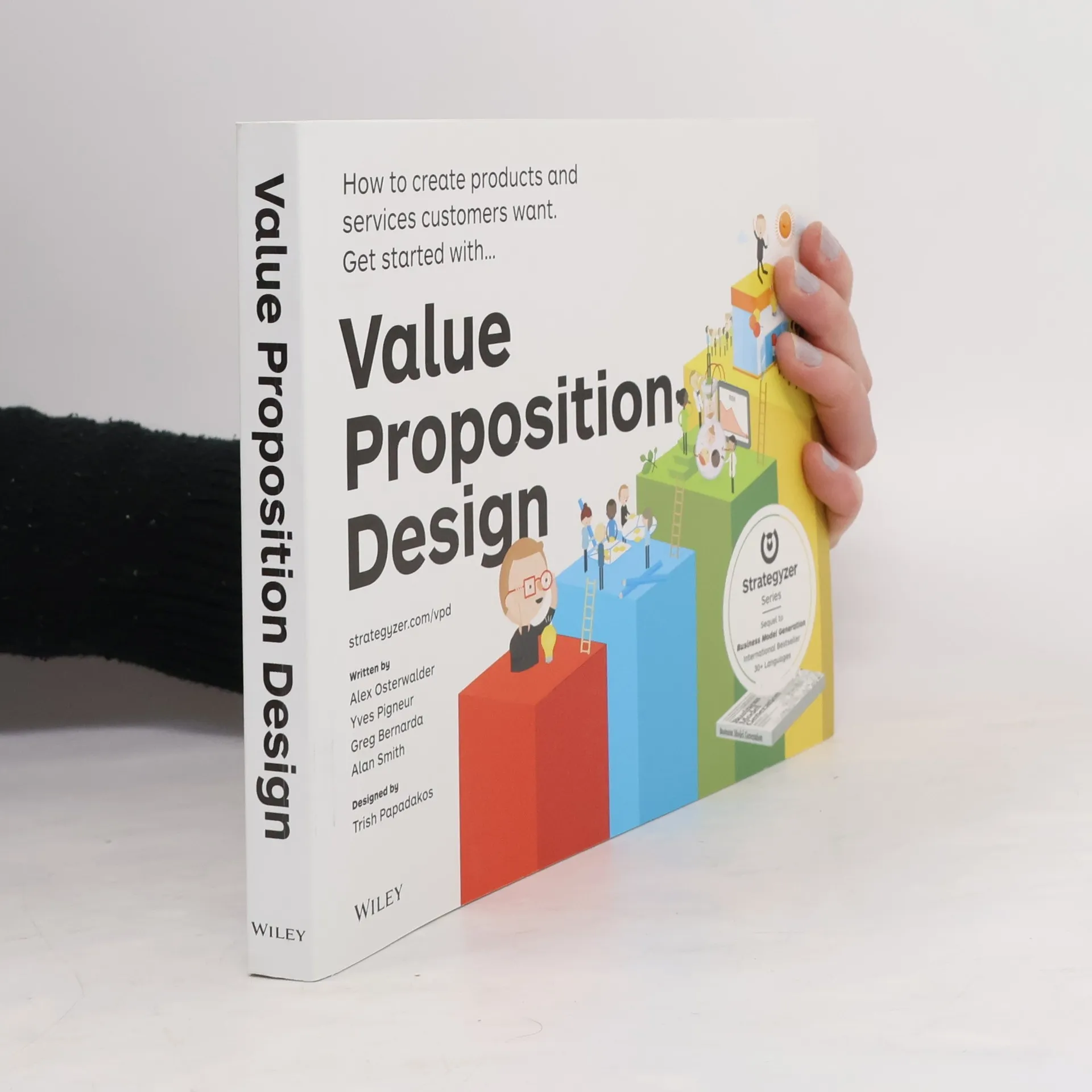
The book will help you understand the patterns of great value propositions, get closer to customers, and avoid wasting time with ideas that won't work. You'll learn the simple but comprehensive process of designing and testing value propositions, taking the guesswork out of creating products and services that perfectly match customers' needs and desires. Practical exercises, illustrations and tools help you immediately improve your product, service, or new business idea. In addition the book gives you exclusive access to an online companion on Strategyzer.com.
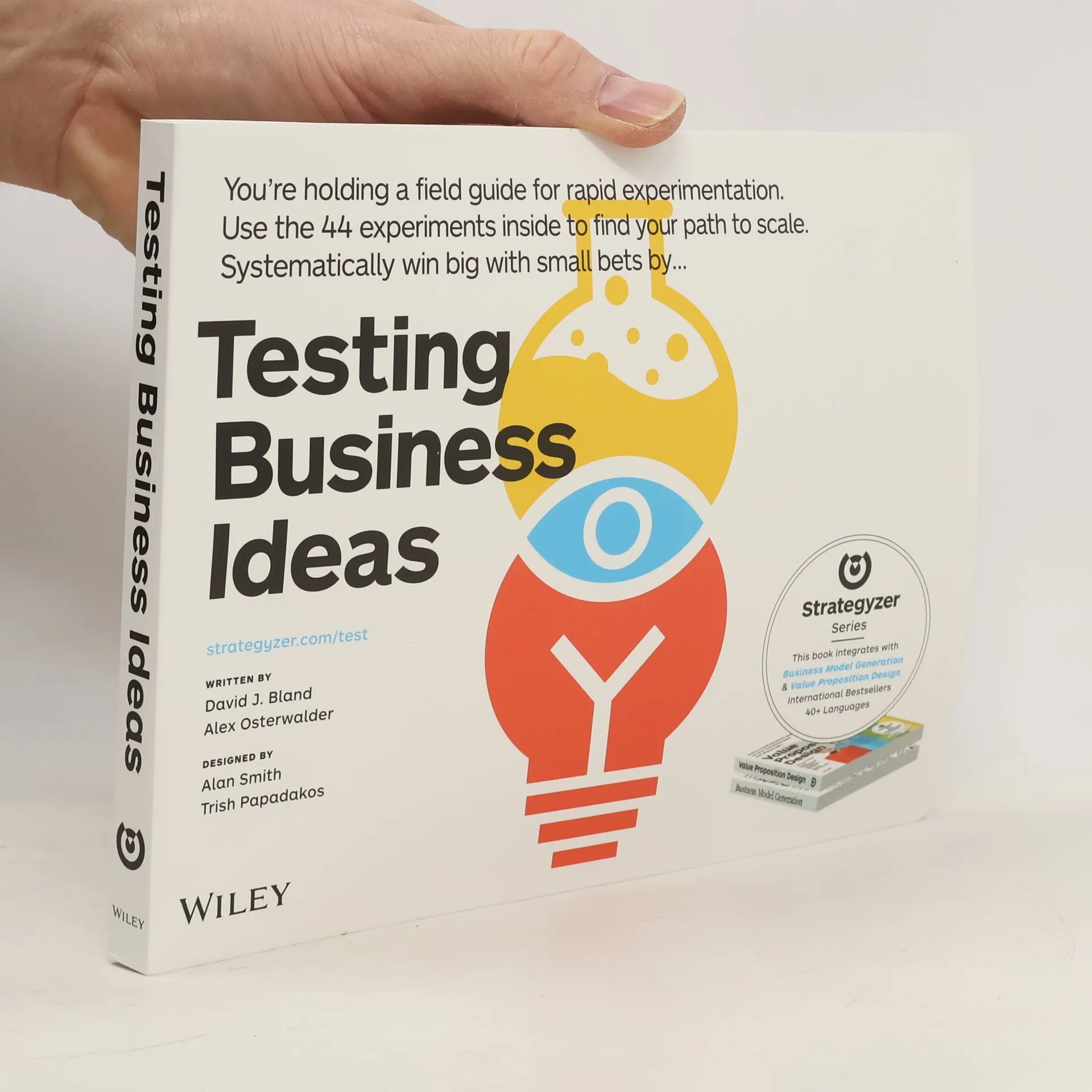
A practical guide to effective business model testing 7 out of 10 new products fail to deliver on expectations. Testing Business Ideas aims to reverse that statistic. In the tradition of Alex Osterwalder’s global bestseller Business Model Generation, this practical guide contains a library of hands-on techniques for rapidly testing new business ideas. Testing Business Ideas explains how systematically testing business ideas dramatically reduces the risk and increases the likelihood of success for any new venture or business project. It builds on the internationally popular Business Model Canvas and Value Proposition Canvas by integrating Assumptions Mapping and other powerful lean startup-style experiments. Testing Business Ideas uses an engaging 4-color format to: Increase the success of any venture and decrease the risk of wasting time, money, and resources on bad ideas Close the knowledge gap between strategy and experimentation/validation Identify and test your key business assumptions with the Business Model Canvas and Value Proposition Canvas A definitive field guide to business model testing, this book features practical tips for making major decisions that are not based on intuition and guesses. Testing Business Ideas shows leaders how to encourage an experimentation mindset within their organization and make experimentation a continuous, repeatable process.
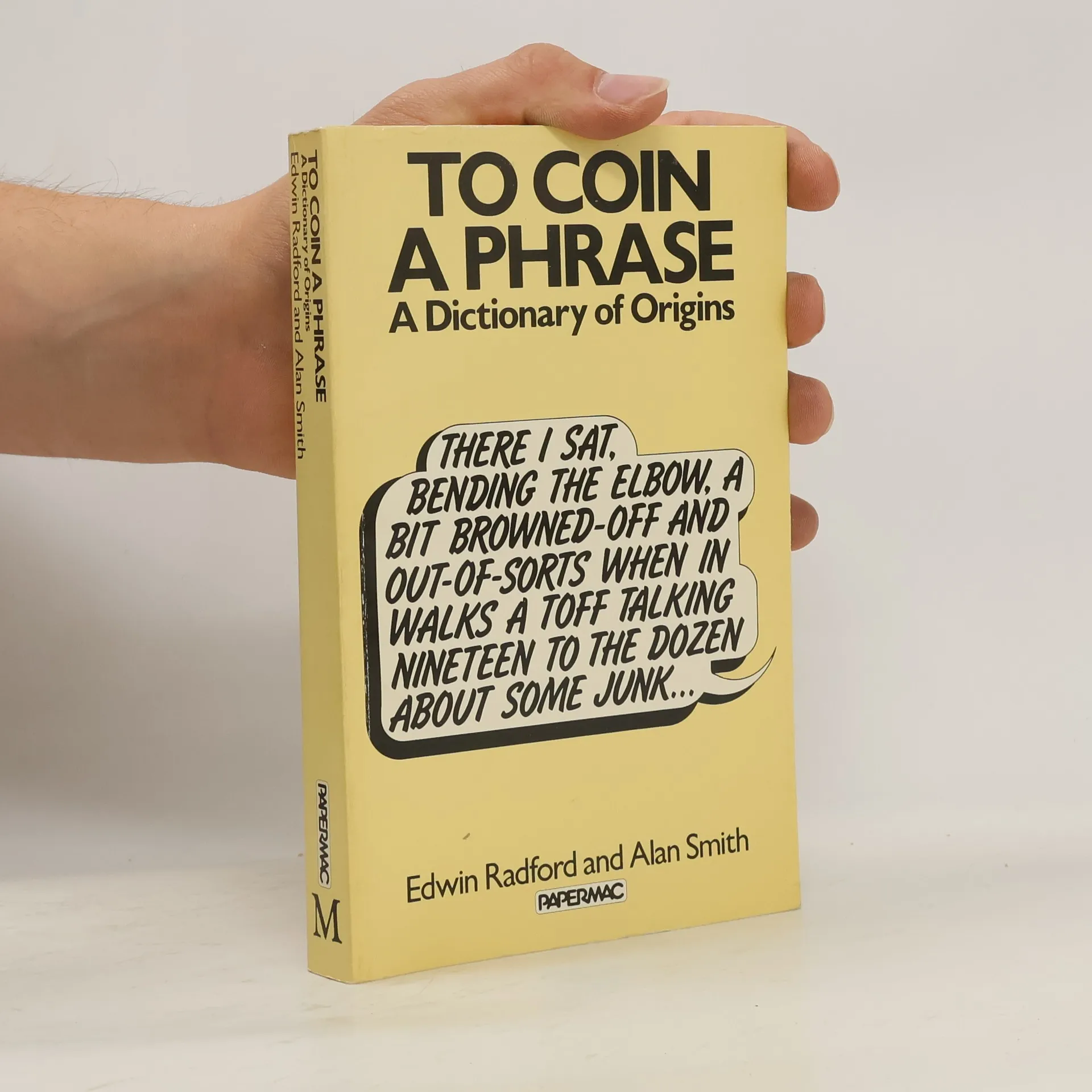
A dictionary of unusual, obscure and frequently misunderstood words in the English language. It deals with what people really say, the reasons why. It gives the stories which lie behind the odd and puzzling words and phrases which we use daily without a second thought until we wonder why.
Profoundly influenced by contemporary linguistics, these original contributions explore various perspectives on significant issues within a controversial field of study. The focus is primarily on central linguistic structures and language-related processes, such as syntactic structures, phonological representations, and semantic readings, rather than peripheral aspects like acoustic-phonetic structures. Each section begins with a summarizing introduction.
Section I addresses the intersection of linguistics and neurology, covering topics such as the concept of a mental organ for language, neural mechanisms and aphasia, brain-based versus non-brain-based models of language, and the relationship between vocal learning and synaptic and neuronal replacement.
Section II delves into linguistic and psycholinguistic matters, discussing infant language acquisition, the linguistic analysis of aphasic syndromes, clinical descriptions of aphasia, psycholinguistic interpretations of aphasias, the organization of language production processing structures, and the neuropsychology of bilingualism.
Section III focuses on neural issues, exploring the location of the speech area, determinants of recovery from aphasia, the anatomy of language, insights from comparative anatomy, event-related potentials and language, and neural models with limited information about language. This work is part of the Studies in Neuropsychology and Neurolinguis
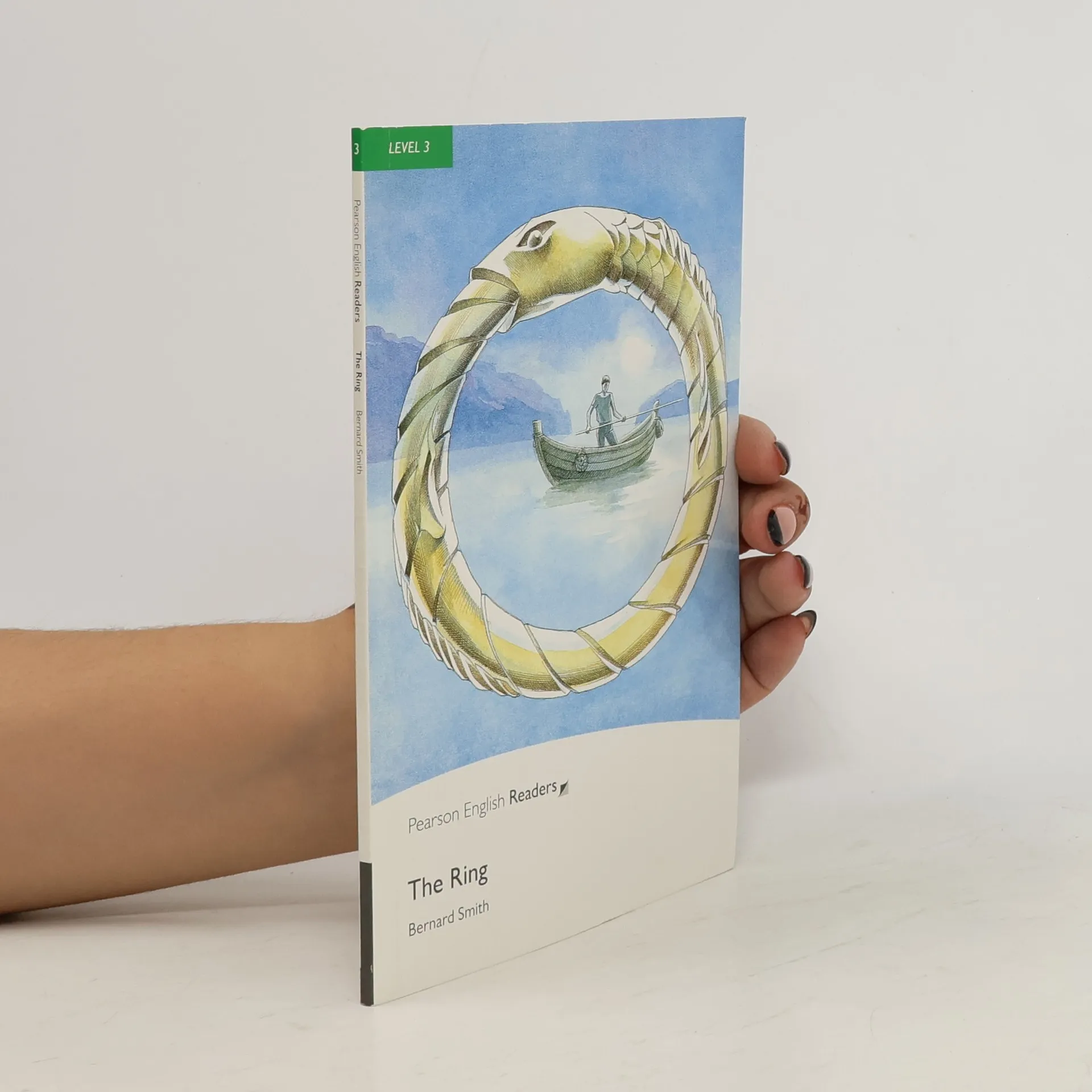
One day Rafael was well, the next day he was completely mad. What happened to
him? The story of Rafael and his gold ring is a strange story of murder,
mystery and love. Many people know part of the story. But only Rafael knows
the true facts. And Rafael is mad.
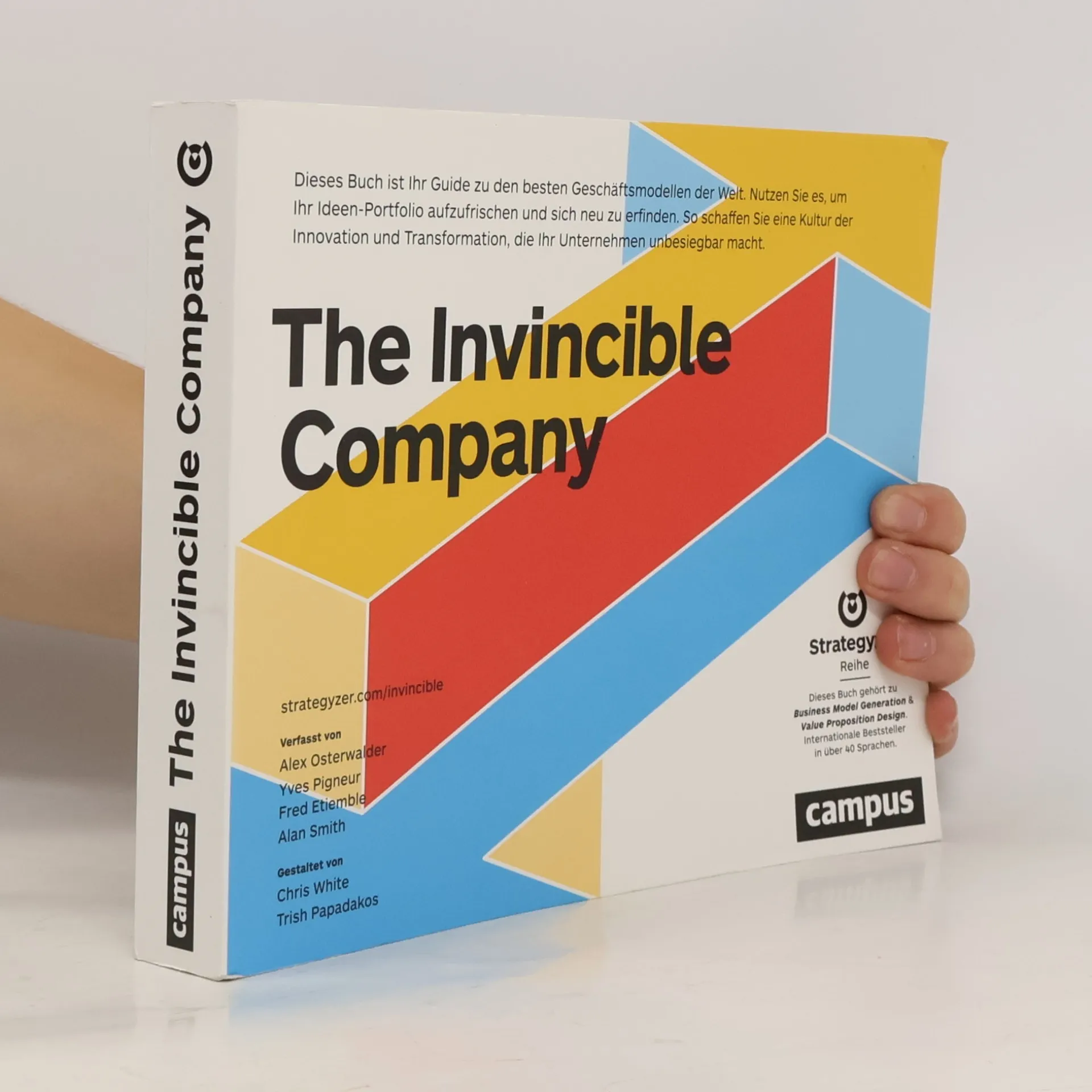
So schaffen Sie eine Kultur der Innovation und Transformation, die Ihr Unternehmen unbesiegbar macht
395pages
14 heures de lecture
Dieses Handbuch bietet ein essentielles Leadership-Toolkit für Entscheidungsträger, Innovatoren und Unternehmer, um ein erfolgreiches Unternehmen aufzubauen. Es hilft Ihnen, strategische Entscheidungen zu treffen und festzulegen, worin Sie sich messen möchten. Mit der Portfolio-Map können Sie Ihr Ideen-Portfolio und Geschäftsmodell verfeinern. Ein solider Innovationsfunnel ermöglicht es Ihnen, Ihr Business kontinuierlich neu zu erfinden, während Sie Risiken und Unsicherheiten managen. Die Culture-Map hilft dabei, Ihre Innovationsbereitschaft zu bewerten und eine erstklassige Innovationskultur zu schaffen. Anstatt sich nur an Einzelaspekten wie Produkt oder Preis zu messen, sollten Sie sich mit den besten Geschäftsmodellen vergleichen.
Das Buch ist Teil der Strategyzer-Reihe, die auch Werke wie Business Model Generation und Value Proposition Design umfasst. Es enthält verschiedene Werkzeuge und Mustersammlungen, die sich auf Portfolio-Management, strategische Lenkung und Innovationskultur konzentrieren. Die Kapitel bieten praktische Anleitungen zur Auslotung und Ausschöpfung von Portfolios, zur Bewertung von Disruptionen und zur Gestaltung einer Innovationskultur. Mit Fragen für Führungskräfte und einer klaren Struktur unterstützt es Sie dabei, Ihr Unternehmen zukunftssicher zu machen.
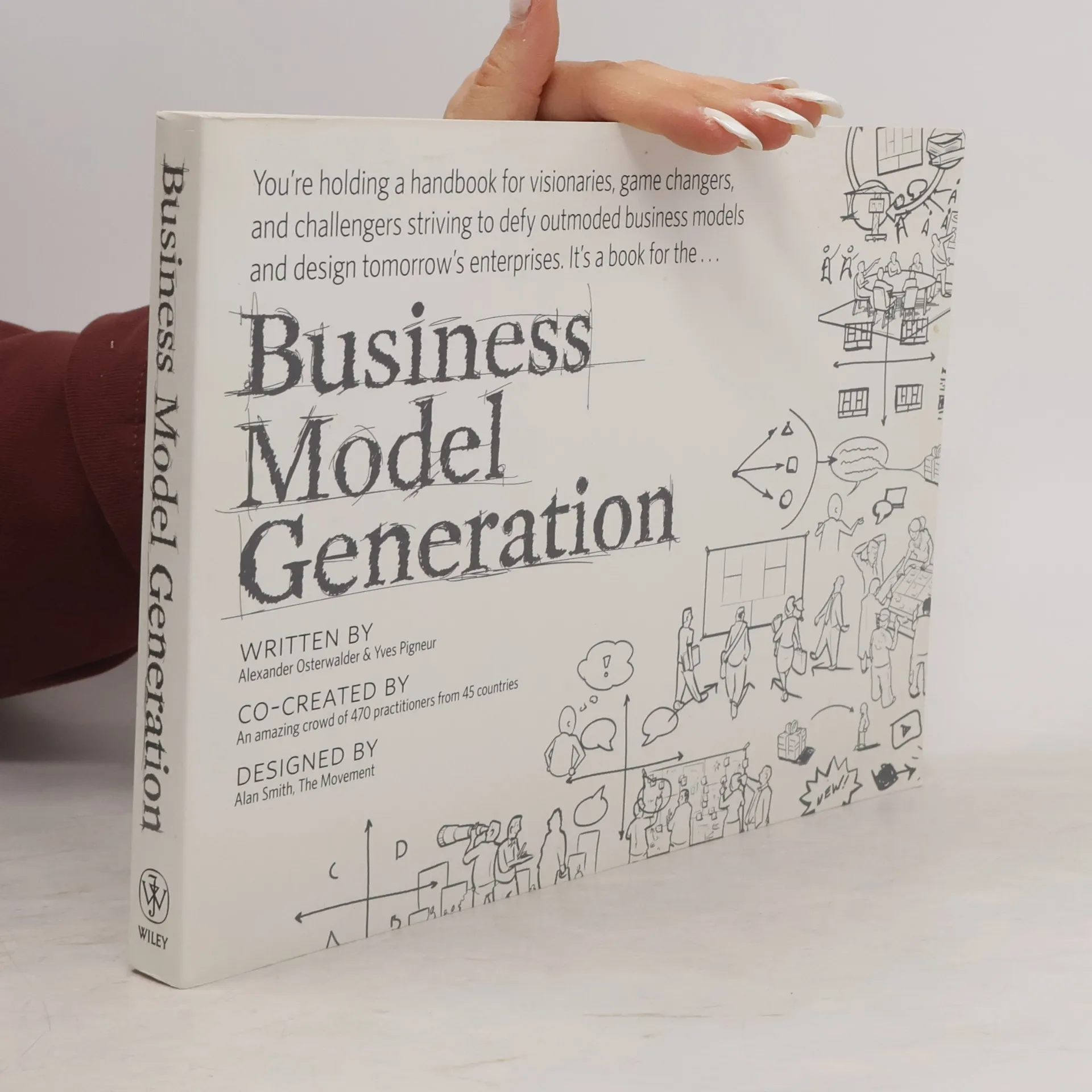
A handbook for visionaries, game changers, and challengers
288pages
11 heures de lecture
This handbook is designed for visionaries and challengers eager to redefine outdated business models and create future enterprises. If your organization must adapt to new realities but lacks a competitive strategy, this resource is essential. Co-created by 470 practitioners from 45 countries, it features a visually engaging 4-color design that simplifies the implementation of strategic ideas and tools. The book outlines common business model patterns derived from leading thinkers, guiding you to reinterpret them for your unique context. You will learn to systematically understand, design, and implement transformative business models or renovate existing ones. This process enhances your understanding of customers, distribution channels, partners, revenue streams, costs, and core value propositions. It includes practical innovation techniques utilized by top consultants and companies like 3M, Ericsson, Capgemini, and Deloitte. Aimed at doers ready to discard outdated thinking, it serves executives, consultants, entrepreneurs, and leaders across all organizations. If you are prepared to change the rules, this resource is for you.
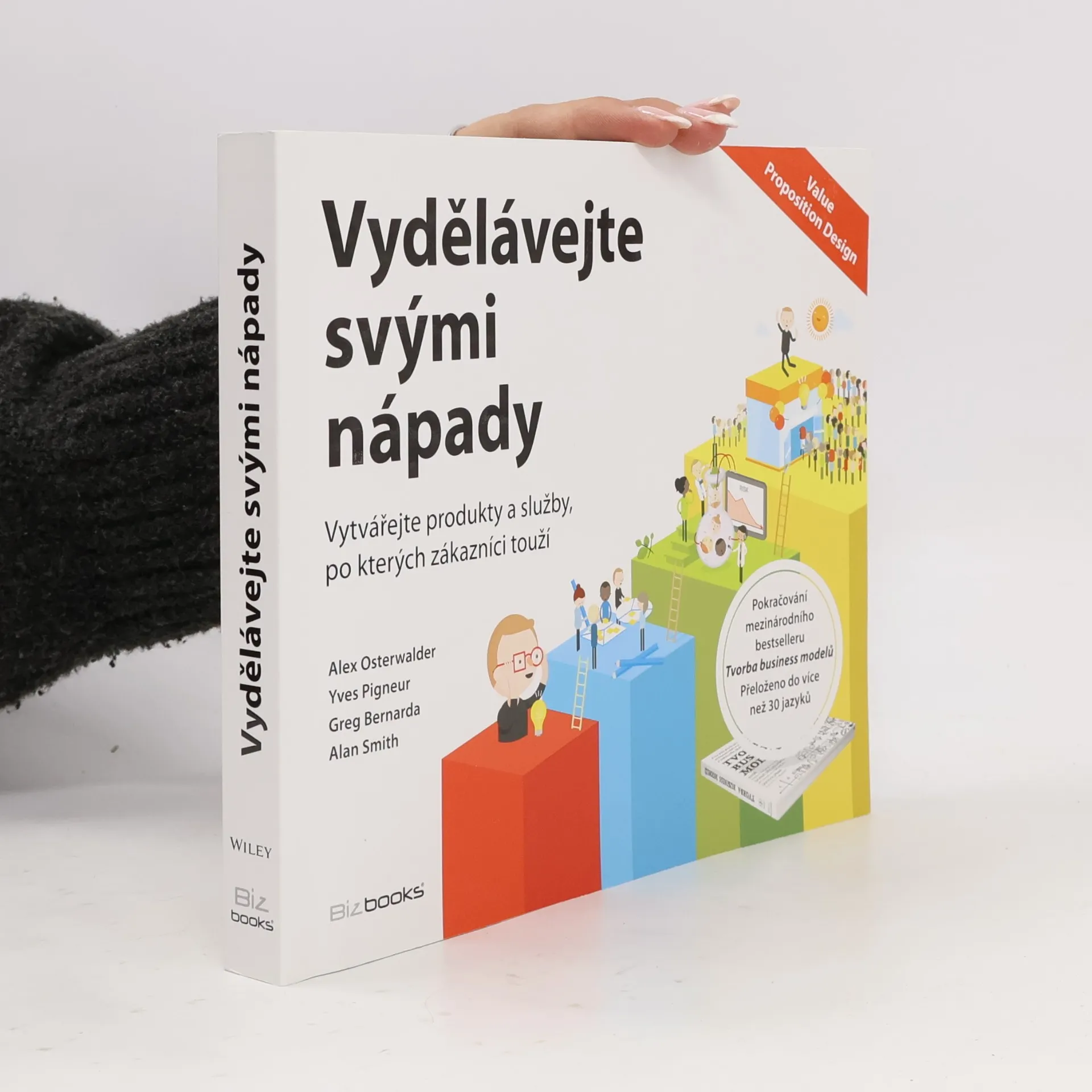
Vytvářejte produkty a služby, po kterých zákazníci touží
312pages
11 heures de lecture
Autoři mezinárodního bestselleru Tvorba business
modelů ve své nové knize vysvětlují, jak do svého
podnikání zařadit tvorbu hodnotových nabídek
(value proposition design) a navrhnout tak přesvěd-
čivé produkty a služby, kterým zákazníci neodolají.
Čím je kniha výjimečná: obsahuje praktická cvičení,
nástroje a ilustrace, které vám pomohou okamžitě
zlepšit váš produkt; umožňuje přístup k on-line
aplikaci Strategyzer.com, plné interaktivních cvičení
a testů; má originální vizuální formát.
A one-page tool to reinvent yourself and your career The global bestseller Business Model Generation introduced a unique visual way to summarize and creatively brainstorm any business or product idea on a single sheet of paper. Business Model You uses the same powerful one-page tool to teach readers how to draw "personal business models," which reveal new ways their skills can be adapted to the changing needs of the marketplace to reveal new, more satisfying, career and life possibilities. Produced by the same team that created Business Model Generation, this book is based on the Business Model Canvas methodology, which has quickly emerged as the world's leading business model description and innovation technique. This book shows readers how to: Understand business model thinking and diagram their current personal business model Understand the value of their skills in the marketplace and define their purpose Articulate a vision for change Create a new personal business model harmonized with that vision, and most important, test and implement the new model When you implement the one-page tool from Business Model You, you create a game-changing business model for your life and career.