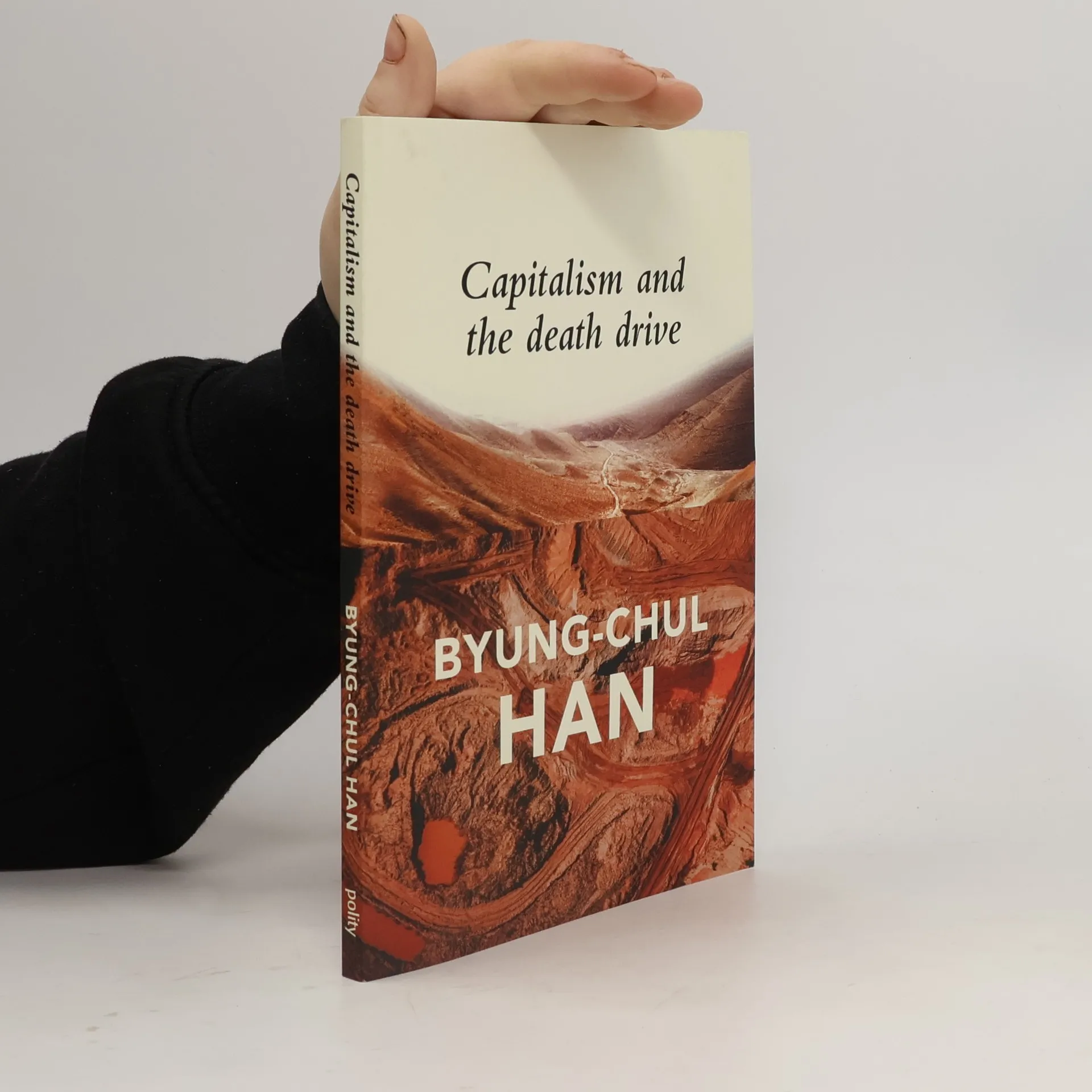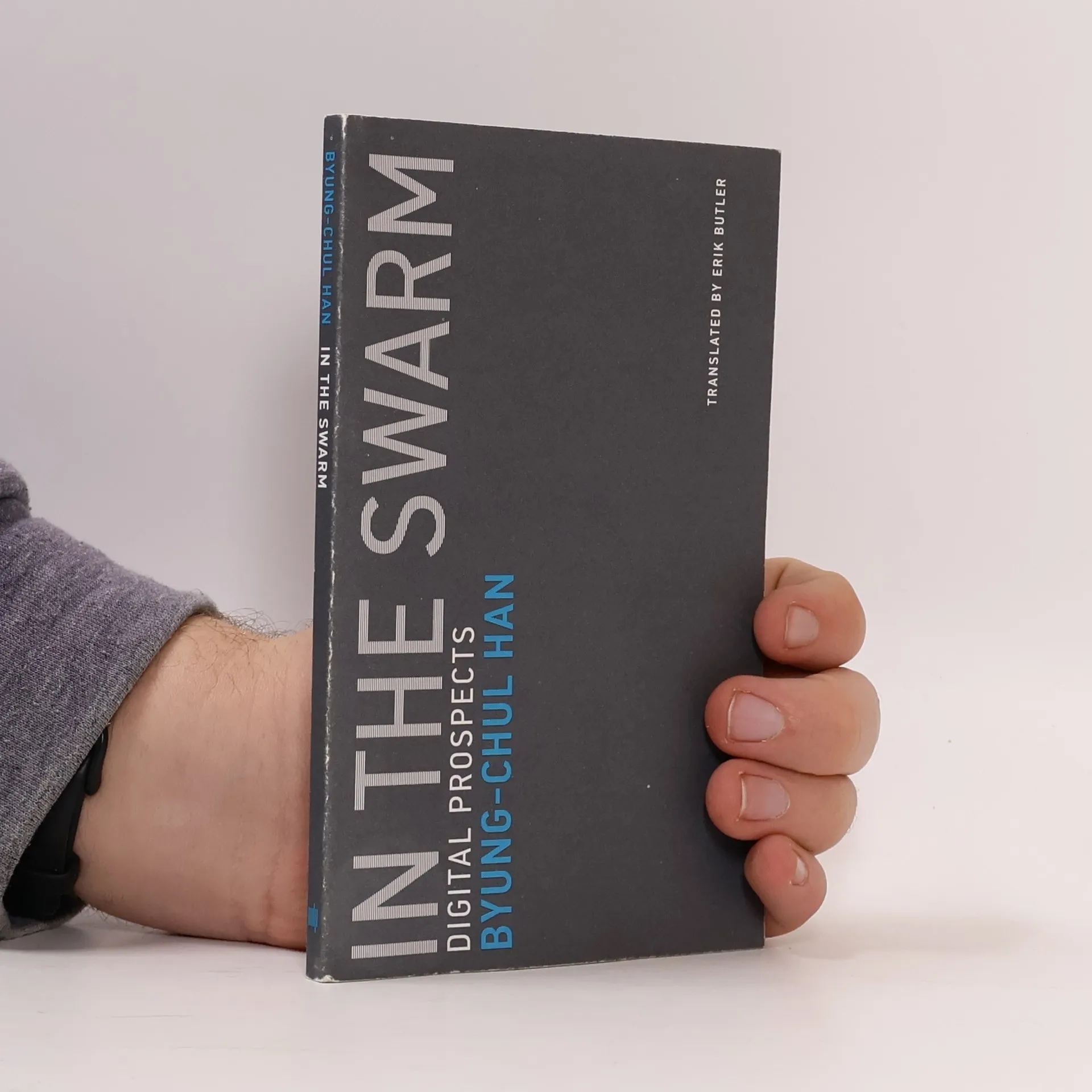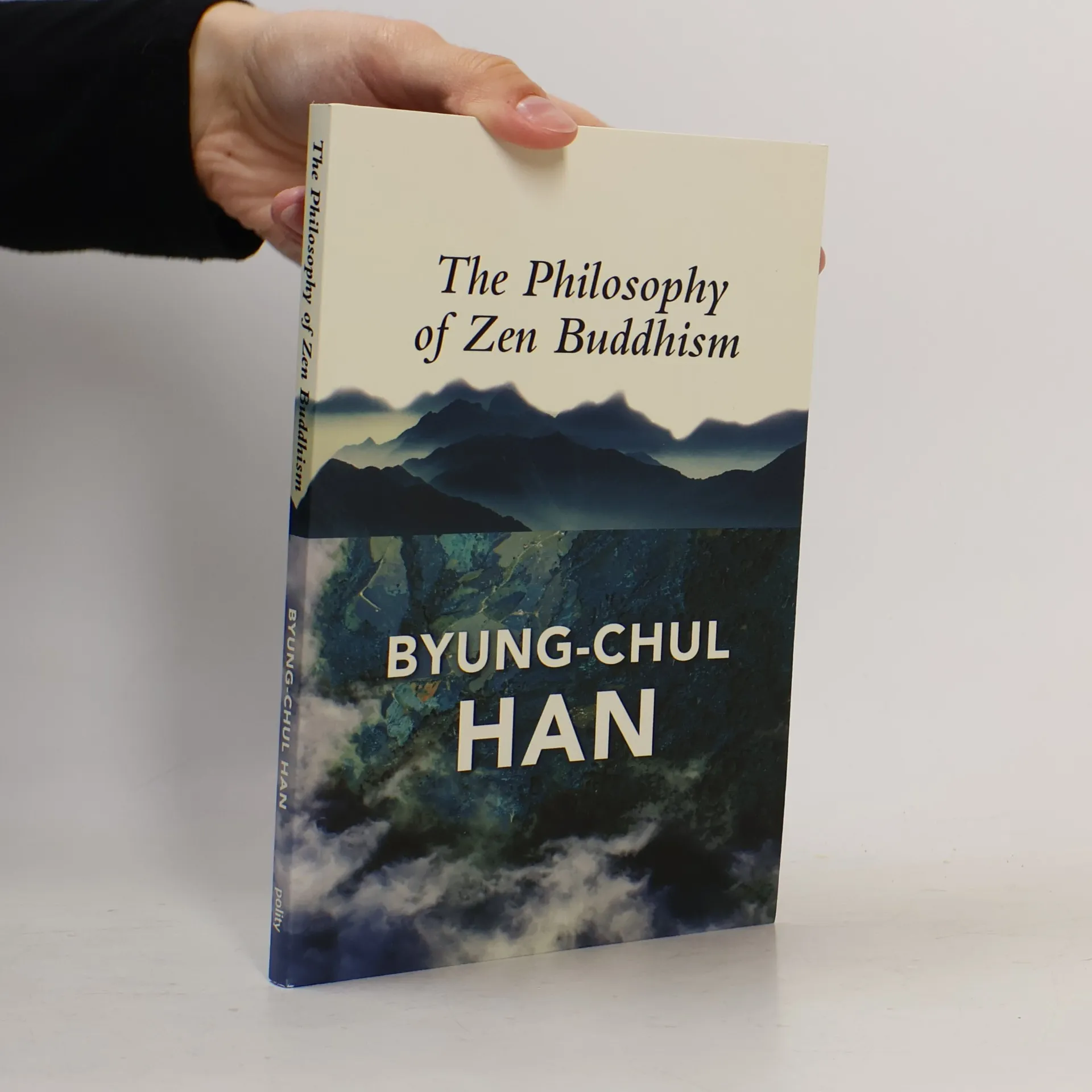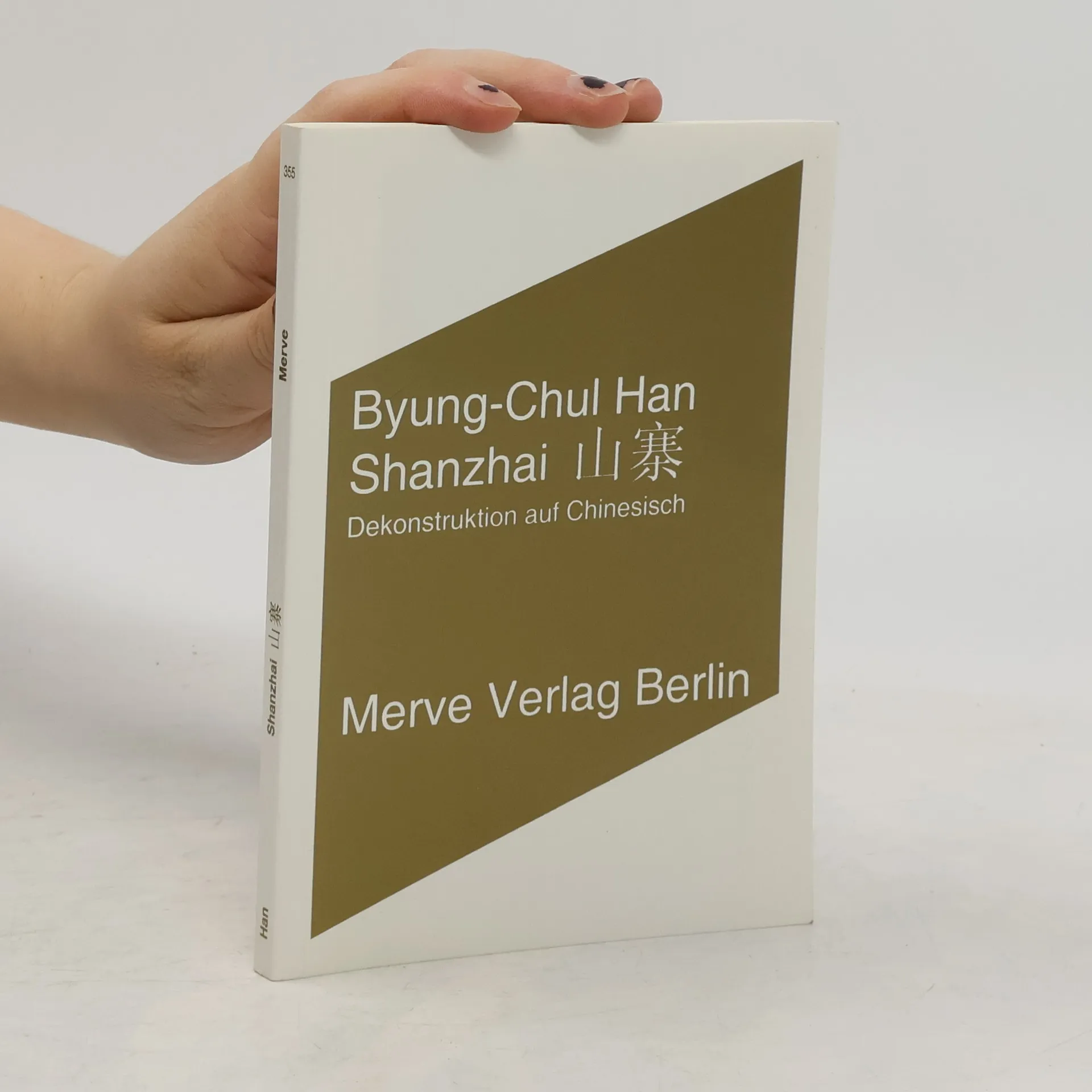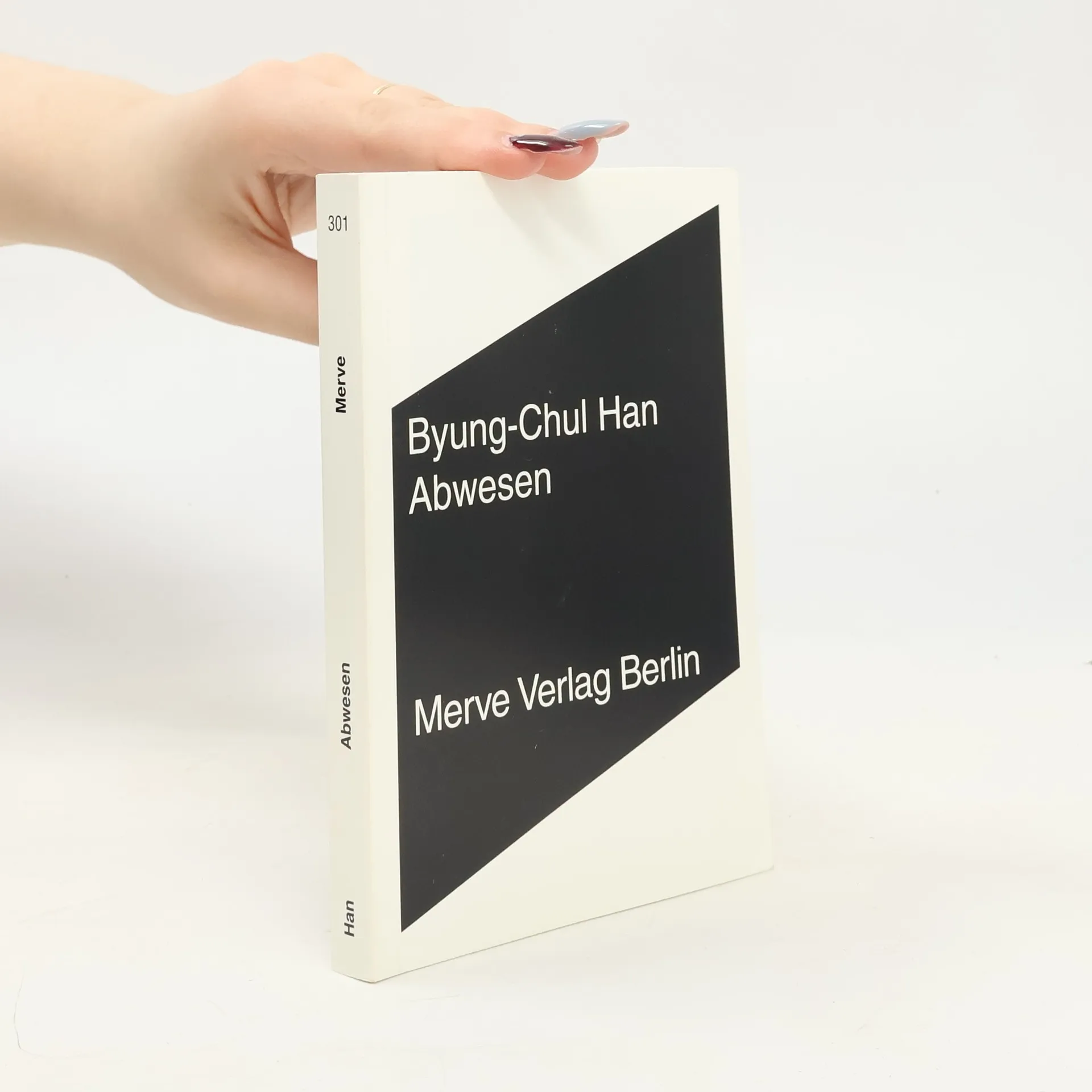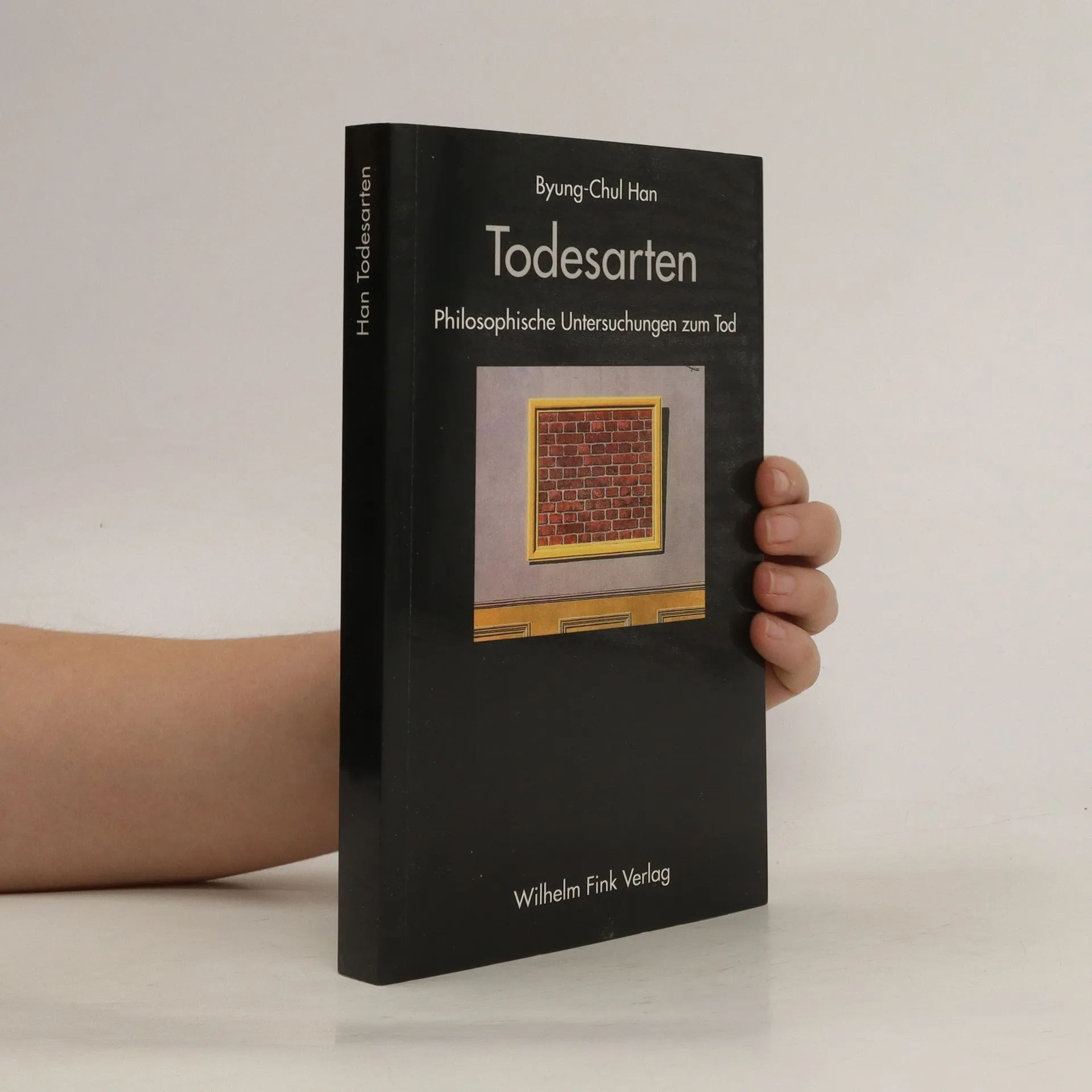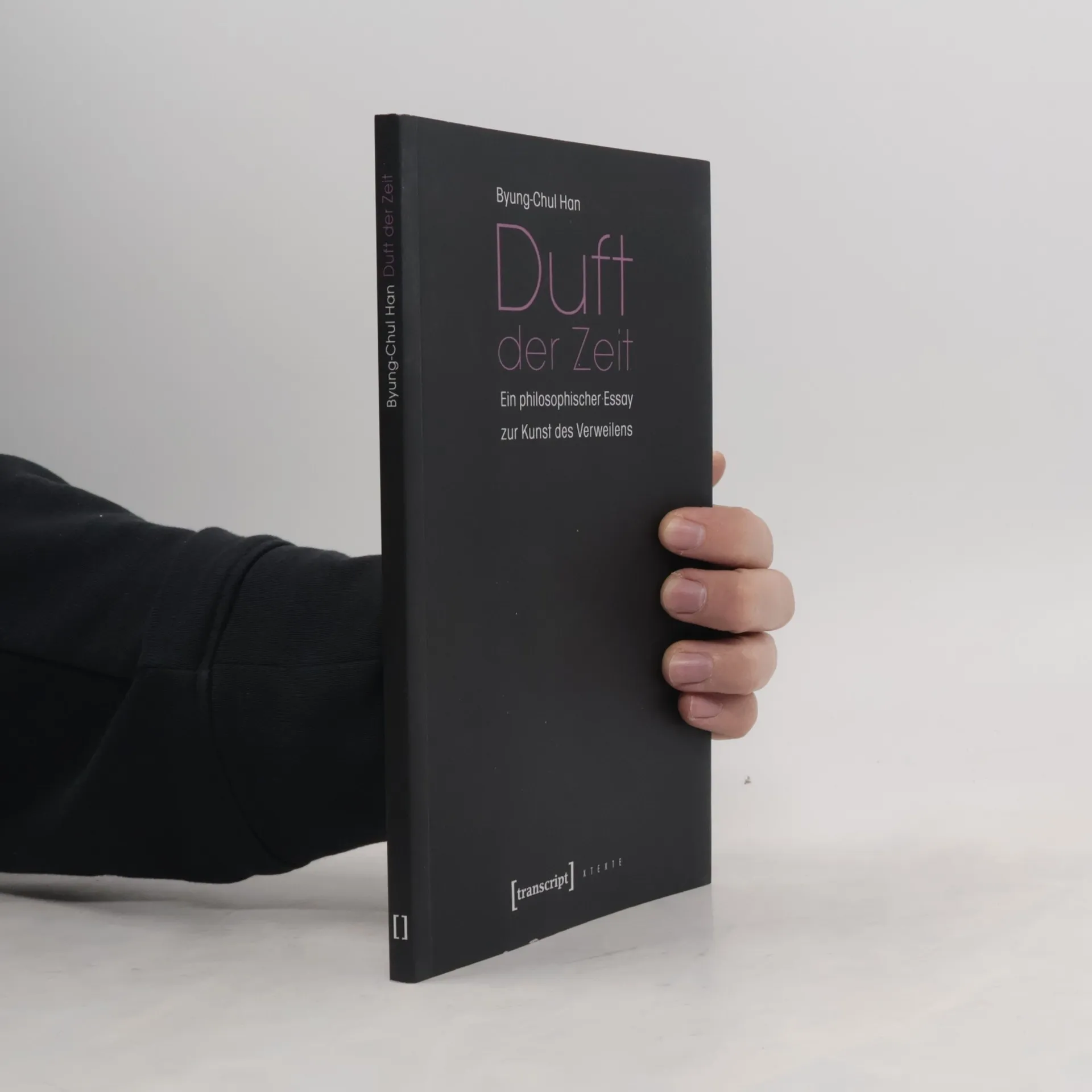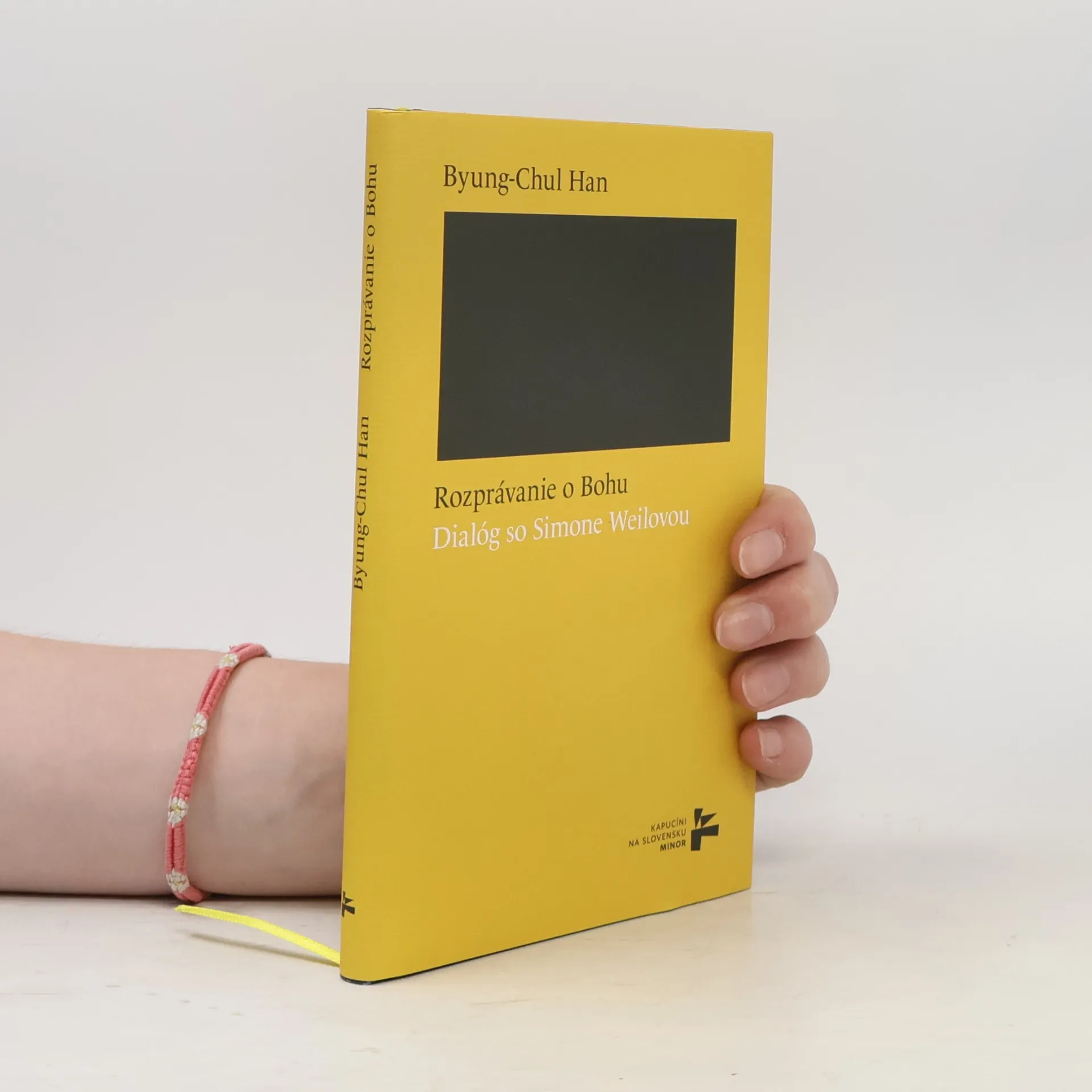
"Après son best-seller sur la société de fatigue, le philosophe berlinois Byung-Chul Han poursuit sa critique du néolibéralisme. Il expose la technique de domination et de pouvoir du régime néolibéral qu'au contraire de la biopolitique de Michel Foucault il découvre dans la Psyché entendue comme une force productive. Han décrit la psychopolitique néolibérale dans toutes ses facettes qui mènent aujourd'hui à une crise de la liberté. Dans le cadre de cette analytique de la technique du pouvoir néolibéral il nous présente, en outre, la première théorie du Big Data et la phénoménologie lucide de l'émotion qu'elle présuppose. Donc, Han dans ce nouvel essai invente des contre-modèles contre la psychopolitique néolibérale."-- Page 4 de la couverture
Han Byung Chul Livres
Byung-Chul Han est un penseur contemporain qui explore les questions cruciales de notre époque. Son travail examine de manière critique comment la société moderne, animée par des forces néolibérales, cultive des normes de transparence et de divulgation constante. Han réfléchit profondément aux conséquences de cette "société de la fatigue" et "société de la transparence", où des valeurs telles que la honte et la vie privée diminuent. Ses essais offrent un regard pénétrant sur la manière dont la numérisation et le capitalisme façonnent notre subjectivité et nos relations interpersonnelles.


The tsunami of information unleashed by digitization is threatening to overwhelm us, drowning us in a sea of frenzied communication and disrupting many spheres of social life, including politics. Election campaigns are now being waged as information wars with bots and troll armies, and democracy is degenerating into infocracy. In this new book, Byung-Chul Han argues that infocracy is the new form of rule characteristic of contemporary information capitalism. Whereas the disciplinary regime of industrial capitalism worked with compulsion and repression, this new information regime exploits freedom instead of repressing it. Surveillance and punishment give way to motivation and optimization: we imagine that we are free, but in reality our entire lives are recorded so that our behaviour might be psychopolitically controlled. Under the neoliberal information regime, mechanisms of power function not because people are aware of the fact of constant surveillance but because they perceive themselves to be free. This trenchant critique of politics in the information age will be of great interest to students and scholars in the humanities and social sciences and to anyone concerned about the fate of politics in our time.
The book explores the overwhelming impact of digital information on society, particularly how it affects political landscapes. It delves into the transformation of election campaigns into battles of information, highlighting the roles of bots and troll armies. This shift is leading to a decline in democratic processes, which the author terms "infocracy," where the quality of information supersedes the democratic ideals it was meant to uphold.
The Disappearance of Rituals
- 186pages
- 7 heures de lecture
A sharp critique of our contemporary societies in which pseudo-communication and narcissism have replaced community--
Topology of violence
- 168pages
- 6 heures de lecture
Our societies today are characterized by a universal algophobia: a generalized fear of pain. We strive to avoid all painful conditions – even the pain of love is treated as suspect. This algophobia extends into society: less and less space is given to conflicts and controversies that might prompt painful discussions. It takes hold of politics too: politics becomes a palliative politics that is incapable of implementing radical reforms that might be painful, so all we get is more of the same. Faced with the coronavirus pandemic, the palliative society is transformed into a society of survival. The virus enters the palliative zone of well-being and turns it into a quarantine zone in which life is increasingly focused on survival. And the more life becomes survival, the greater the fear of death, which has become increasingly visible again. Everywhere, the prolongation of life at any cost is the preeminent value, and we are prepared to sacrifice everything that makes life worth living for the sake of survival. This trenchant analysis of our contemporary societies by one of the most original cultural critics of our time will be of interest to a wide readership.
Absence: On the Culture and Philosophy of the Far East
- 128pages
- 5 heures de lecture
Western thinking has long been dominated by essence, by a preoccupation with that which dwells in itself and delimits itself from the other. By contrast, Far Eastern thought is centred not on essence but on absence. The fundamental topos of Far Eastern thinking is not being but ‘the way’ (dao), which lacks the solidity and fixedness of essence. The difference between essence and absence is the difference between being and path, between dwelling and wandering. ‘A Zen monk should be without fixed abode, like the clouds, and without fixed support, like water’, said the Japanese Zen master Dōgen. Drawing on this fundamental distinction between essence and absence, Byung-Chul Han explores the differences between Western and Far Eastern philosophy, aesthetics, architecture and art, shedding fresh light on a culture of absence that may at first sight appear strange and unfamiliar to those in the West whose ways of thinking have been shaped for centuries by the preoccupation with essence.
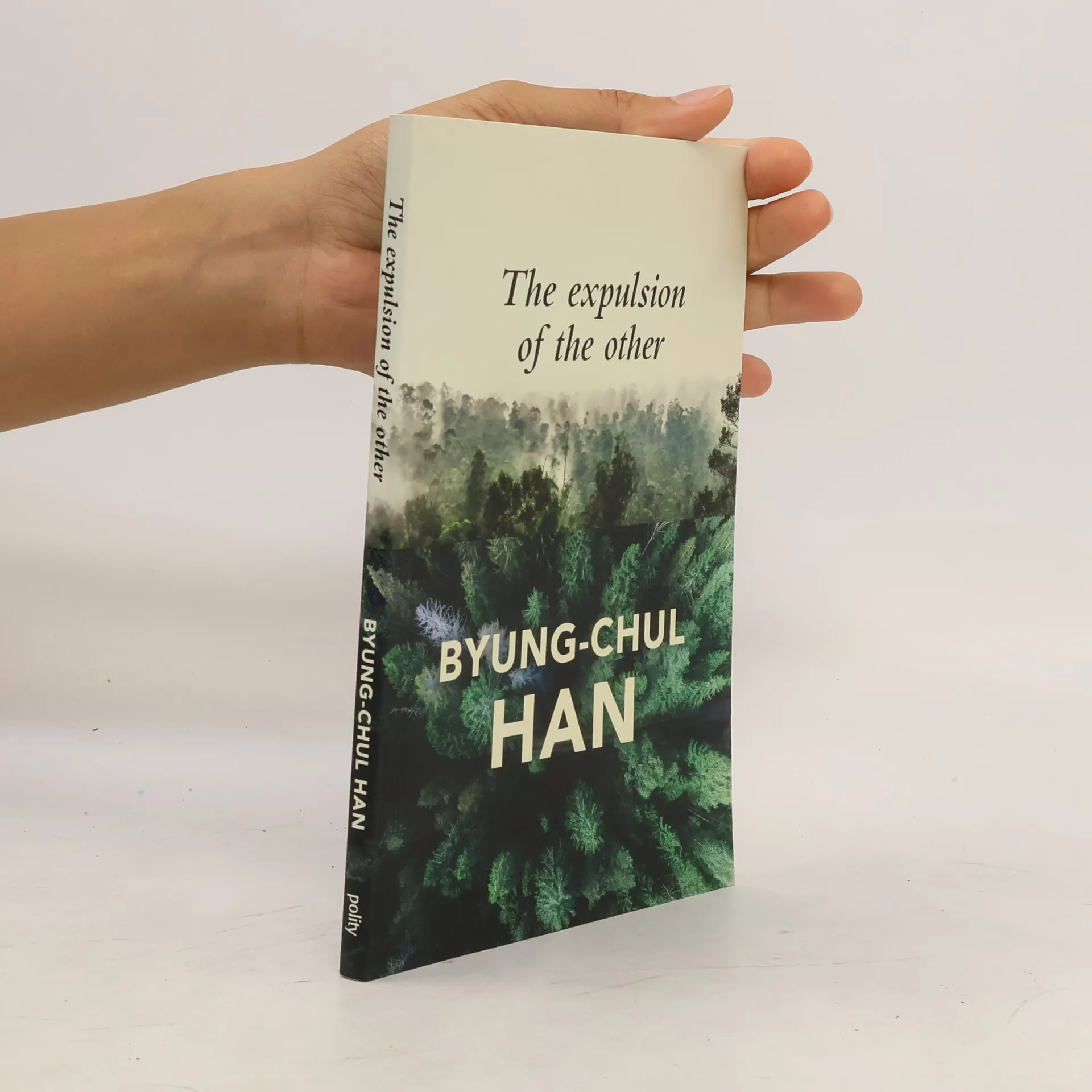
The Expulsion of the Other
- 100pages
- 4 heures de lecture
The days of the Other are over in this age of excessive communication, information and consumption. What used to be the Other, be it as friend, as Eros or as hell, is now indistinguishable from the self in our narcissistic desire to assimilate everything and everyone until there are no boundaries left.
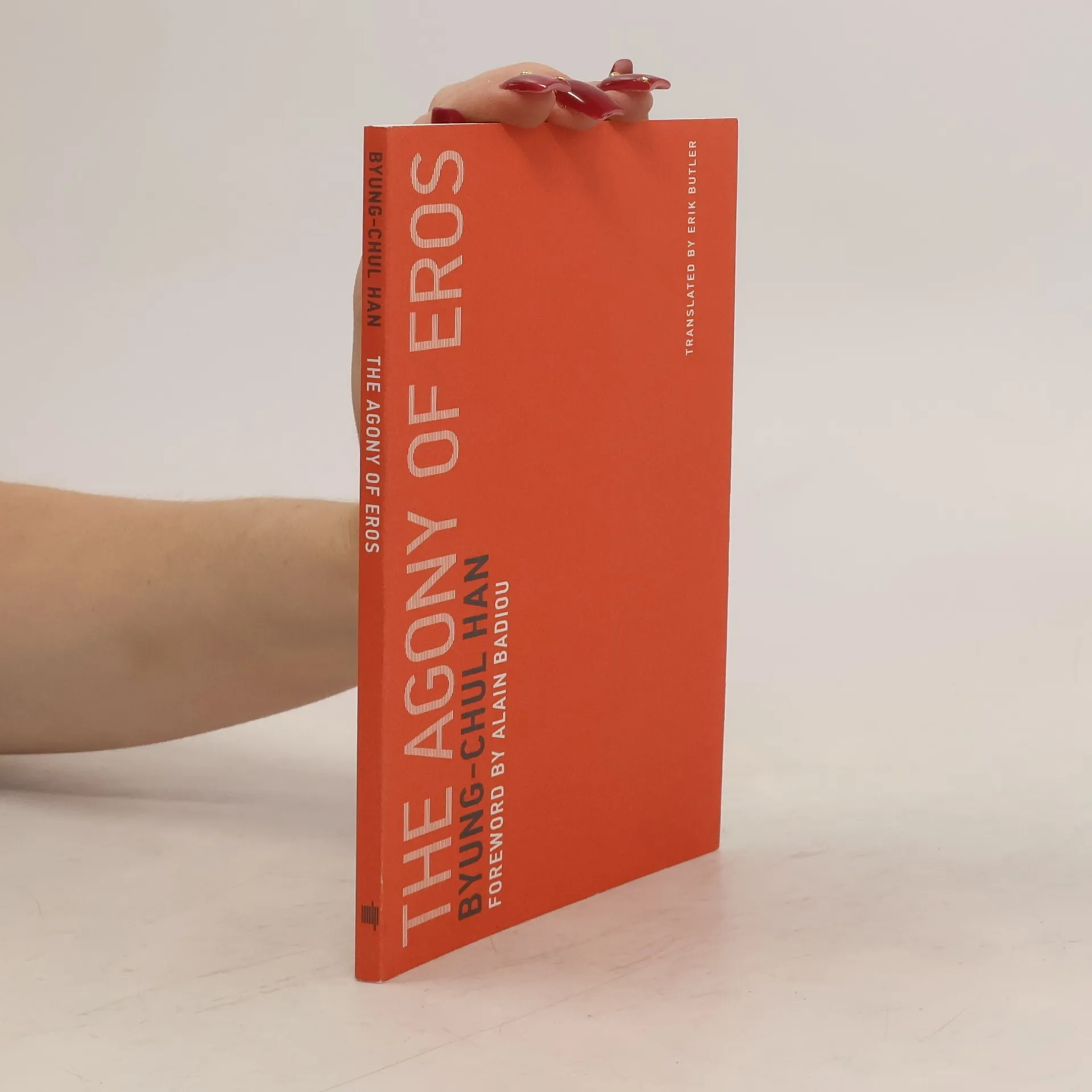
The agony of eros
- 88pages
- 4 heures de lecture
Byung-Chul Han, a prominent European philosopher, explores the contemporary threats to love and desire in this bestselling work. He argues that true love requires the courage to embrace self-negation to discover the Other, a concept increasingly endangered by today's fetishized individualism and technology-driven social interactions. In a narcissistic society, love and desire are often sought within the confines of the self. Han examines various cultural references, including Lars von Trier's *Melancholia*, Wagner's *Tristan und Isolde*, and *Fifty Shades of Grey*, while critiquing Michel Foucault's views on power. He addresses the pornographication of society, arguing that it profanes Eros, and discusses how capitalism erases essential differences. Furthermore, he reflects on the politics of Eros in a burnout society, asserting that a lack of love equates to a lack of thought. This concise yet profound essay contributes significantly to Han's critique of modern society, offering a compelling intellectual experience. It invites readers to engage in the vital struggle for love's reinvention, echoing Rimbaud's desire for a renewed understanding of love.
The transparency society
- 70pages
- 3 heures de lecture
Transparency is the order of the day. It is a term, a slogan, that dominates public discourse about corruption and freedom of information. Considered crucial to democracy, it touches our political and economic lives as well as our private lives. Anyone can obtain information about anything. Everything—and everyone—has become transparent: unveiled or exposed by the apparatuses that exert a kind of collective control over the post-capitalist world. Yet, transparency has a dark side that, ironically, has everything to do with a lack of mystery, shadow, and nuance. Behind the apparent accessibility of knowledge lies the disappearance of privacy, homogenization, and the collapse of trust. The anxiety to accumulate ever more information does not necessarily produce more knowledge or faith. Technology creates the illusion of total containment and the constant monitoring of information, but what we lack is adequate interpretation of the information. In this manifesto, Byung-Chul Han denounces transparency as a false ideal, the strongest and most pernicious of our contemporary mythologies.