

Les archives des sentiments
- 224pages
- 8 heures de lecture
L'écriture de Peter Stamm se distingue par sa précision et son souci du détail, explorant souvent les thèmes de la mémoire, de l'identité et des liens humains. Son style est caractérisé par son calme et sa simplicité apparente, sous lesquels se cache une profonde complexité psychologique. Stamm se concentre sur l'examen de la vie intérieure de ses personnages et de leur quête de compréhension de soi et d'orientation dans le monde qui les entoure. Ses œuvres offrent un regard fascinant sur la fragilité de l'existence humaine et la recherche constante de sens.


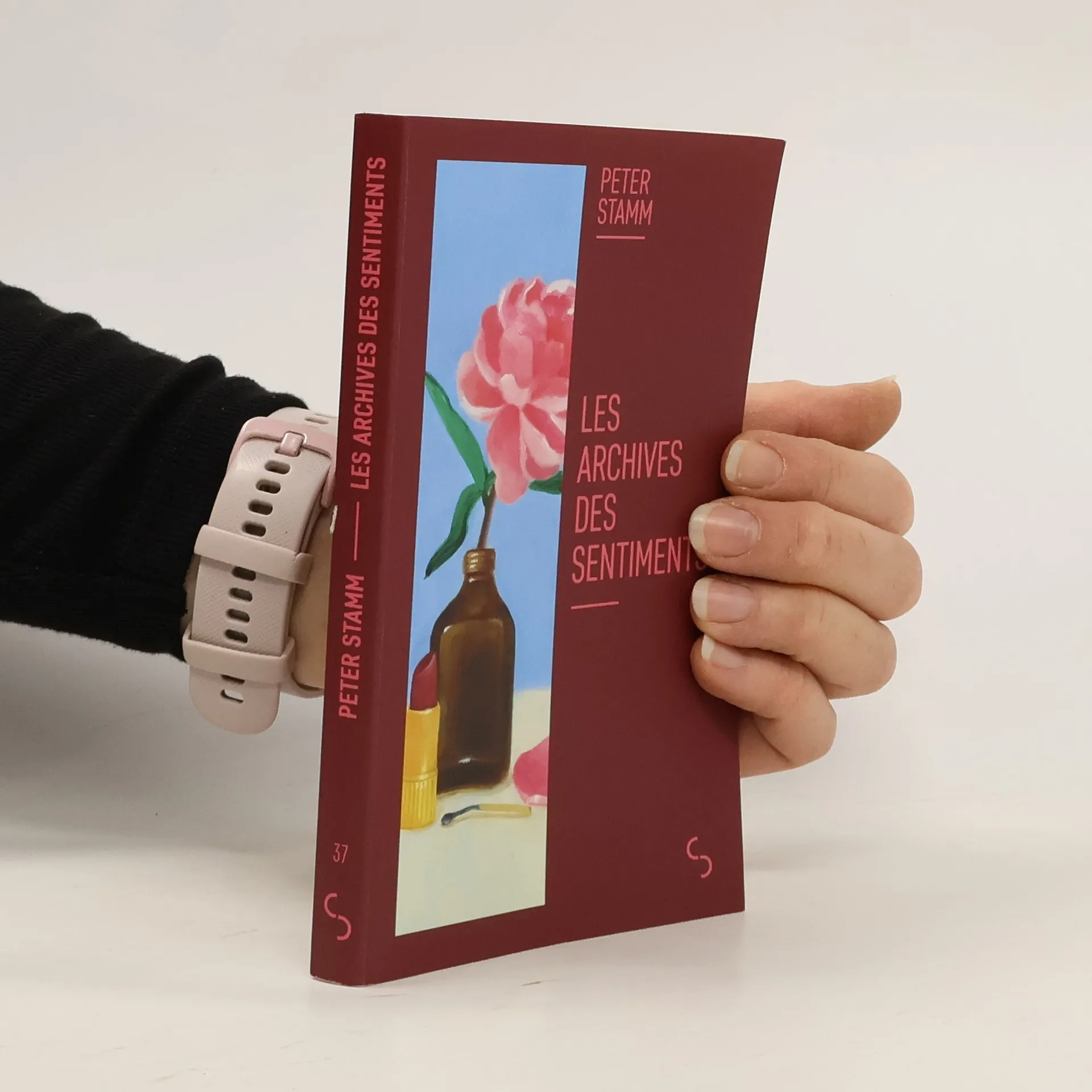
C’est la fin de l’été dans une petite bourgade suisse. Une famille rentre de vacances, elle s’apprête à reprendre le cours d’une existence paisible : Astrid est une mère dévouée, Thomas est un père aimant, Ella et Konrad, élèves de collège, semblent épanouis. Rien ne semble présager la situation à laquelle ils vont se trouver confrontés. Lorsque Astrid se réveille le matin suivant, Thomas est parti. Commence alors une longue errance à travers les montagnes, vers une nouvelle vie. Le roman de Peter Stamm, qui s’ouvre sur une vie de famille et un retour au quotidien décrit à l’unisson, alterne progressivement les points de vue de Thomas et d’Astrid, comme pour trouver un sens au départ, à la disparition – thème majeur de l’œuvre de l’auteur – ce, jusqu’à la chute de Thomas dans une crevasse. À la vie à la maison, avec les enfants peu compatissants et un irrépressible désir de revenir en arrière, s’oppose la vie sur les routes, la nature et la volonté de se confronter à son hostilité. Avec un style dépouillé et sobre, sans jugement de valeur ou de résolution définitive, l’écrivain suisse s’interroge encore une fois sur la notion de couple et de solitude propre à chaque être humain. Qu’est-ce qui lie deux personnes entre elles et jusqu’à quel point ? Quelles sont les limites de notre compréhension de l’autre ?
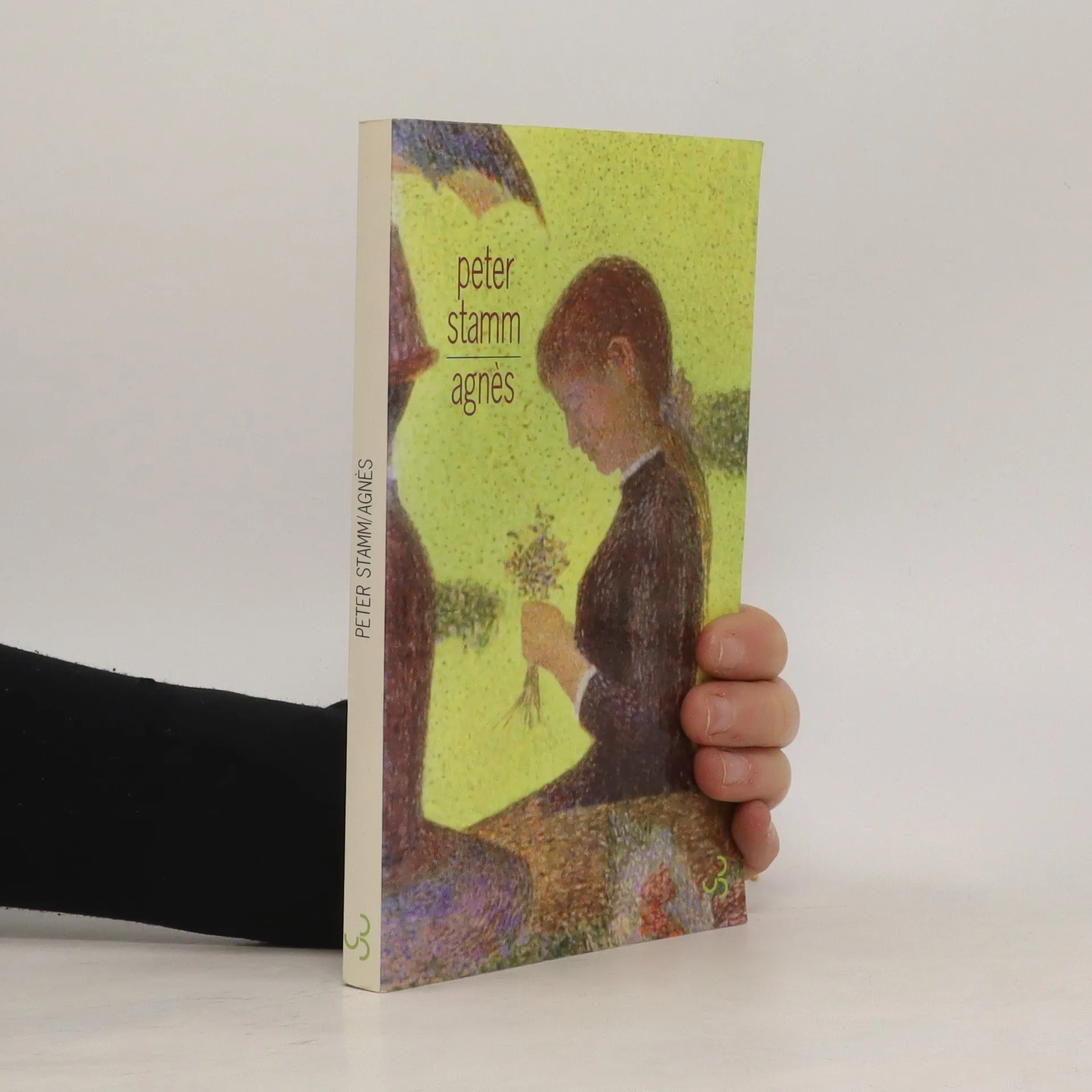
Dans la salle de lecture surchauffée de la bibliothèque municipale ils échangèrent leurs premiers regards. Puis autour d'un café, leurs premiers mots. Il est suisse et fait des recherches sur les wagons de luxe américains. Elle est américaine, étudiante en physique, et rédige sa thèse de doctorat. Ils dînent ensemble, partent en excursion dans les forêts environnantes, visitent les musées et tombent en arrêt devant une toile de Seurat. Un jour Agnès lui demande d'écrire son portrait. Soir après soir, il confie leur histoire à son ordinateur. Au début c'est un jeu, puis, peu à peu, leur vie se conforme aux aléas du récit qui finalement prend le pas sur la réalité.
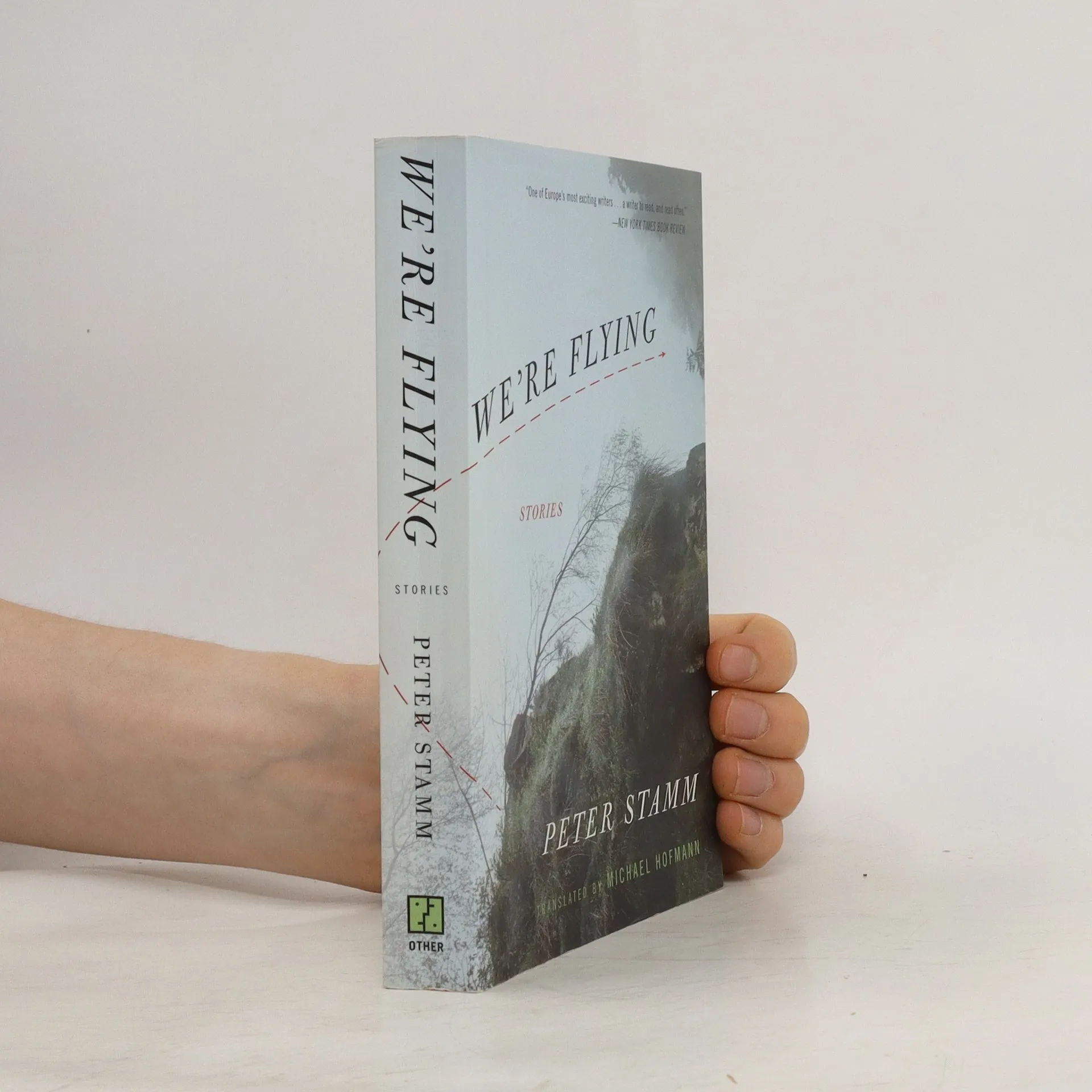
Following the publication of the widely acclaimed novel Seven Years comes a trove of stories from the Swiss master Peter Stamm. They all possess the traits that have built Stamm’s reputation: the directness of the prose, the deceptive surface simplicity of the narratives, and deep psychological insight into the existential dilemmas of contemporary life. Stamm does not waste a word, nor does he spare the reader’s feelings. These stories are a superb introduction to his work and a gift for all those who have come to regard his fiction as a precise rendering of the contemporary human psyche.
Georg is on the verge of retirement. No one notices him anymore at the office, and there is no dinner waiting for him at home. He seems to dissolve slowly and a nameless horror seizes him.Sabrina is flattered when an artist approaches her. But when she sees herself as a work of art for the first time, she shudders.David wants to rob a bank. He already has a mask for the purpose, but he won't be using it today. He's heard that bank robbers often study the scene for weeks before they strike. So he's started to lurk.We think we know our world, but then the familiar suddenly turns strange, and even frightening. In these powerfully affecting, minutely constructed stories, Peter Stamm illustrates how fragile our reality really is, how susceptible to tricks of the heart and mind.
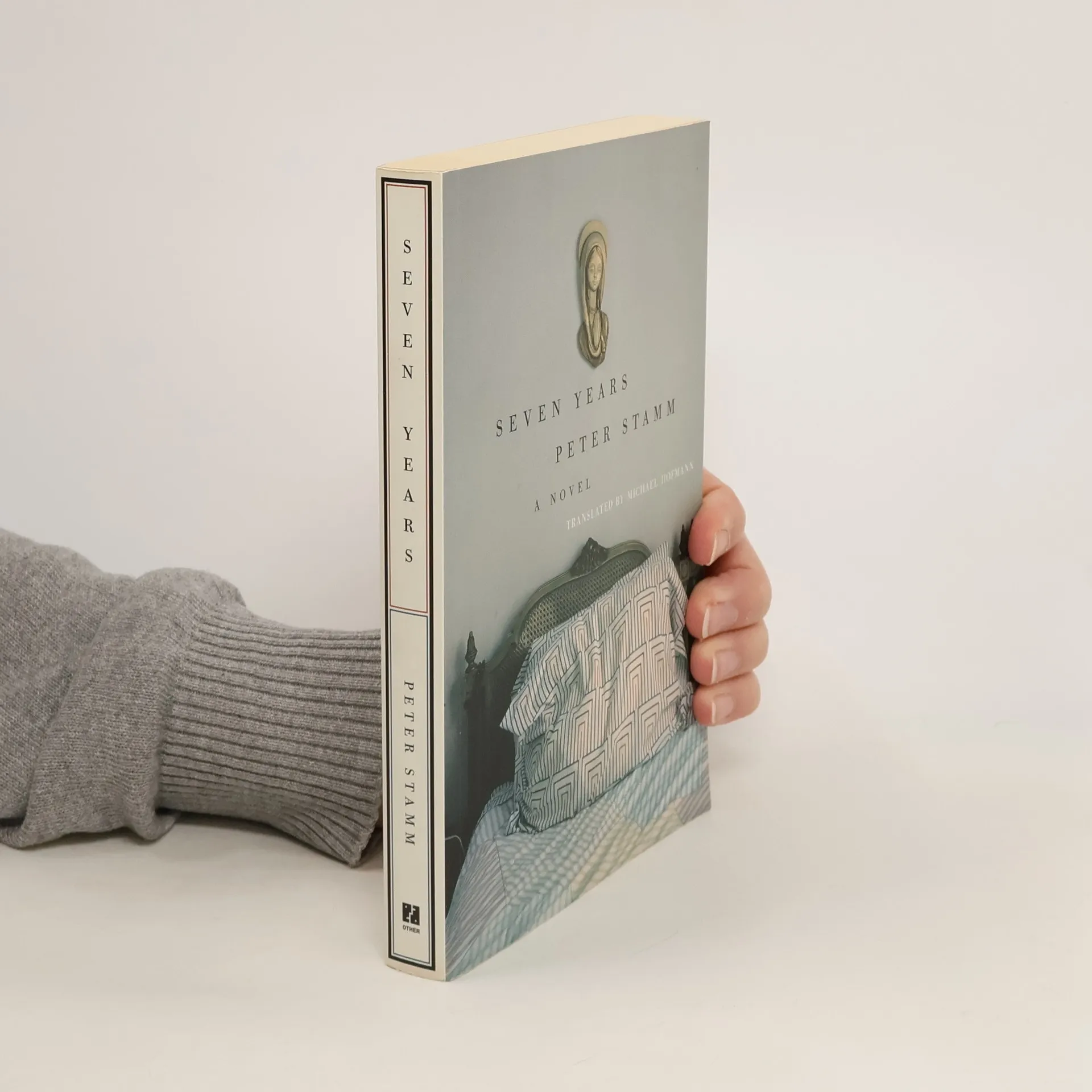
Alex has spent the majority of his adult life between two very different women—and he can’t make up his mind. Sonia, his wife and business partner, is everything a man would want. Intelligent, gorgeous, charming, and ambitious, she worked tirelessly alongside him to open their architecture firm and to build a life of luxury. But when the seven-year itch sets in, their exhaustion at working long hours coupled with their failed attempts at starting a family get the best of them. Alex soon finds himself kindling an affair with his college lover, Ivona. The young Polish woman who worked in a Catholic mission is the polar opposite of Sonia: dull, passive, taciturn, and plain. Despite having little in common with Ivona, Alex is inexplicably drawn to her while despising himself for it. Torn between his highbrow marriage and his lowbrow affair, Alex is stuck within a spiraling threesome. But when Ivona becomes pregnant, life takes an unexpected turn, and Alex is puzzled more than ever by the mysteries of his heart. Peter Stamm, one of Switzerland’s most acclaimed writers, is at his best exploring the complexities of human relationships. Seven Years is a distinct, sobering, and bold novel about the impositions of happiness in the quest for love.
A miniature masterpiece from acclaimed writer Peter Stamm, in which he asks unsettling questions about destiny and desire.
The narrative follows documentary filmmaker Andrea as she investigates the life of the elusive author Richard Wechsler in his Swiss hometown. After struggling to capture his essence during initial shoots in Paris, Andrea defies their agreement and delves into Wechsler's past. Her quest leads her to revisit his writings, uncovering a clue about a long-lost childhood love who significantly shaped his life. This exploration reveals the complexities of Wechsler's character and the hidden influences that have remained unknown to the public.
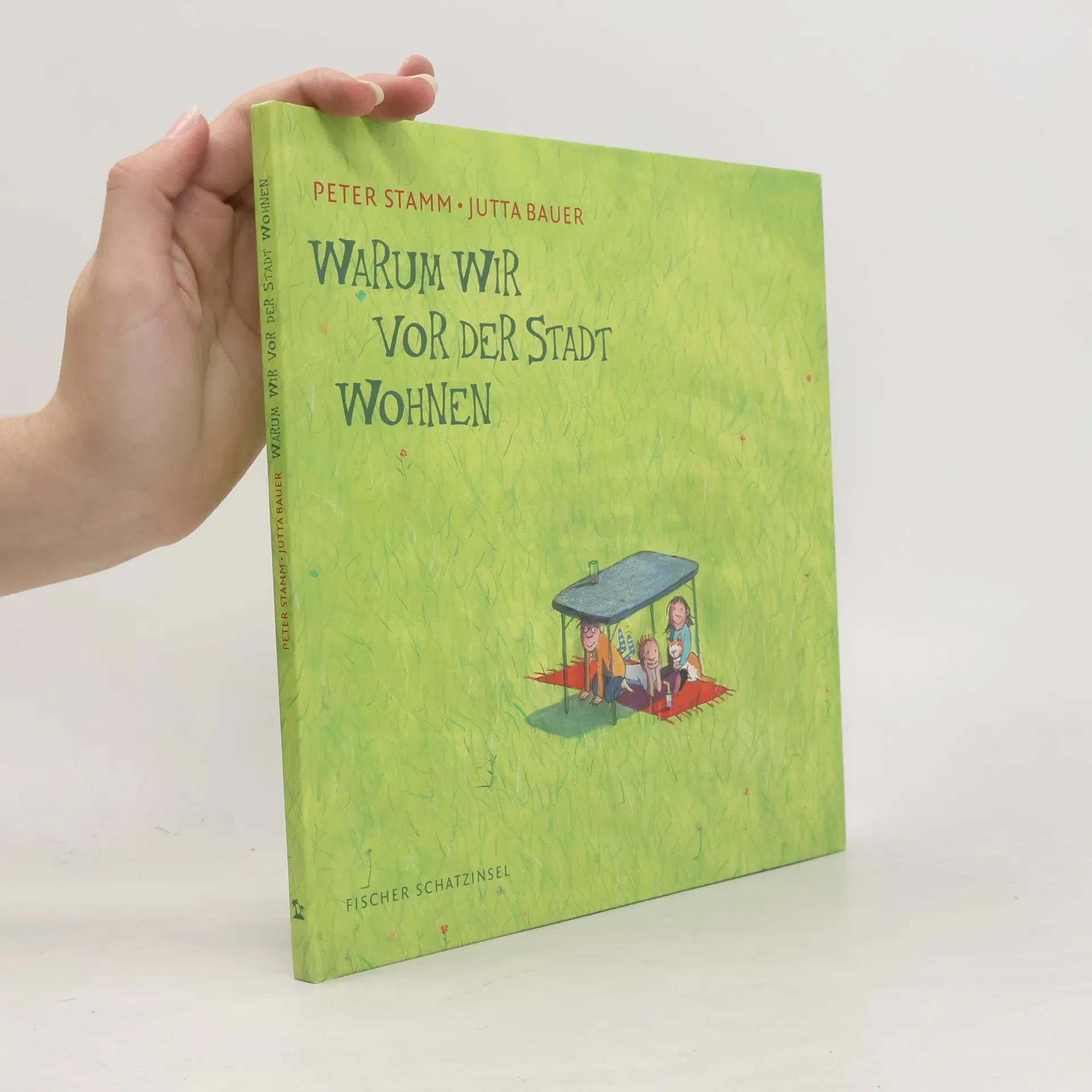
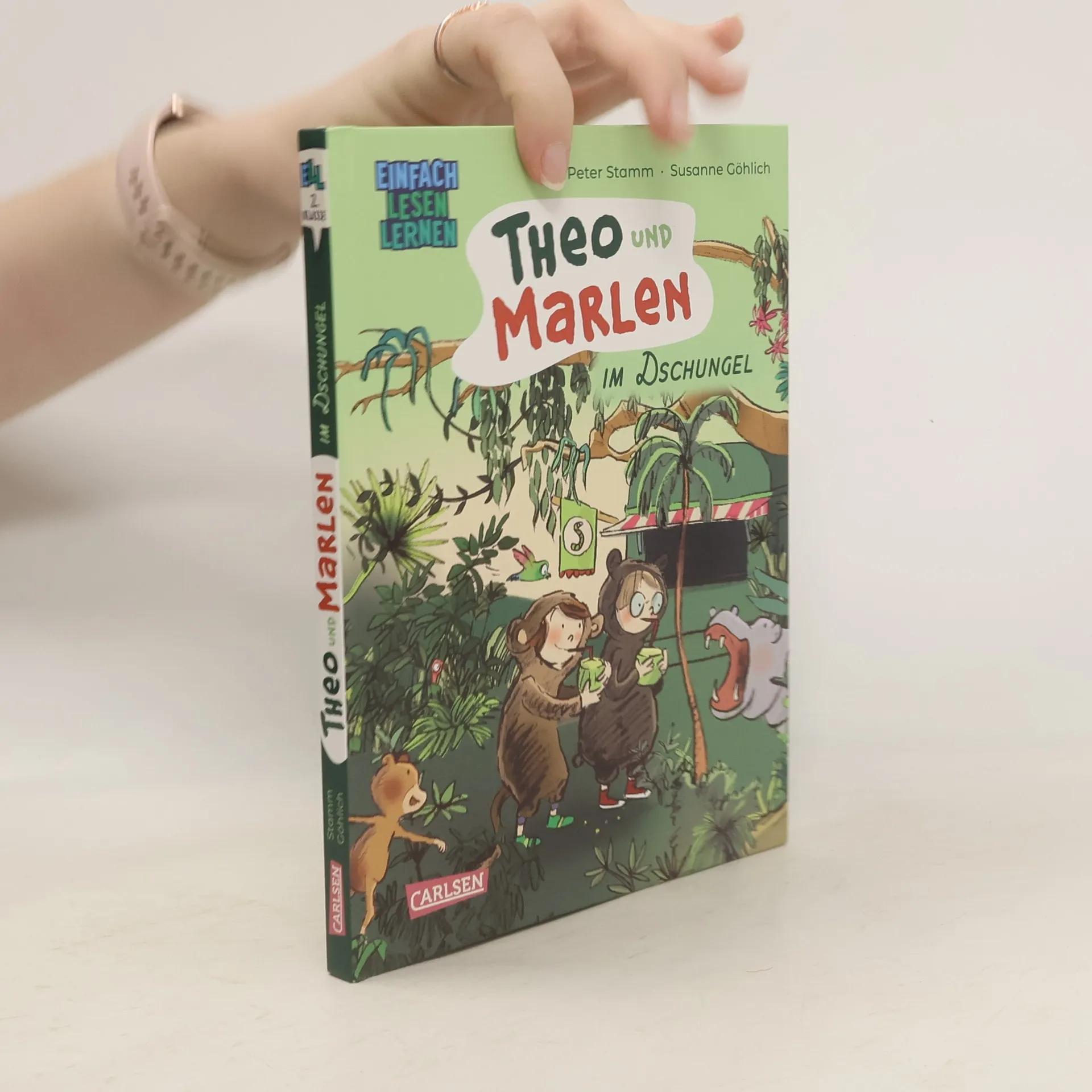
Ein wunderbares Buch für die ganze Familie, das vom Suchen nach einem Ort erzählt, an dem man sich zuhause fühlt. Peter Stamm und Jutta Bauer haben eine fantastische Reise kreiert, die zum Erkunden anregt. Die Geschichte folgt einer Familie – Großeltern, Eltern, drei Kinder und einer Katze – die an ungewöhnlichen Orten lebt. Sie fragen sich, ob man auf dem Hut des Onkels oder auf dem Dach der Kirche wohnen kann, und erleben Abenteuer in der Geige der Tante, wo es nach Holz und Kolophonium riecht. Wenn die Tante übt, halten sie sich die Ohren zu, und wenn sie weiterziehen, geht es in ein Haus mit drei Telefonen oder sogar auf den Mond. Die Erzählung ist voller Stationen, in denen Realität und Fantasie verschwimmen. Einmal wohnen sie im Kino, wo sie nachmittags aufstehen und abends Eis und Popcorn genießen. Die Familie bleibt stets zusammen, egal wo sie sind, sei es unter einer Brücke, im Wald oder im Meer. Ihre Suche nach einem bleibenden Ort endet in einem gewöhnlichen Haus, wo sie sich endlich zuhause fühlen. Das Buch lädt dazu ein, die Welt mit allen Sinnen zu entdecken und regt an, eigene Hütten zu bauen. Peter Stamm möchte die Leser neugierig machen und ihnen die Wahrnehmungen verschiedener Wohnorte näherbringen, ohne fertige Bilder zu zeichnen.
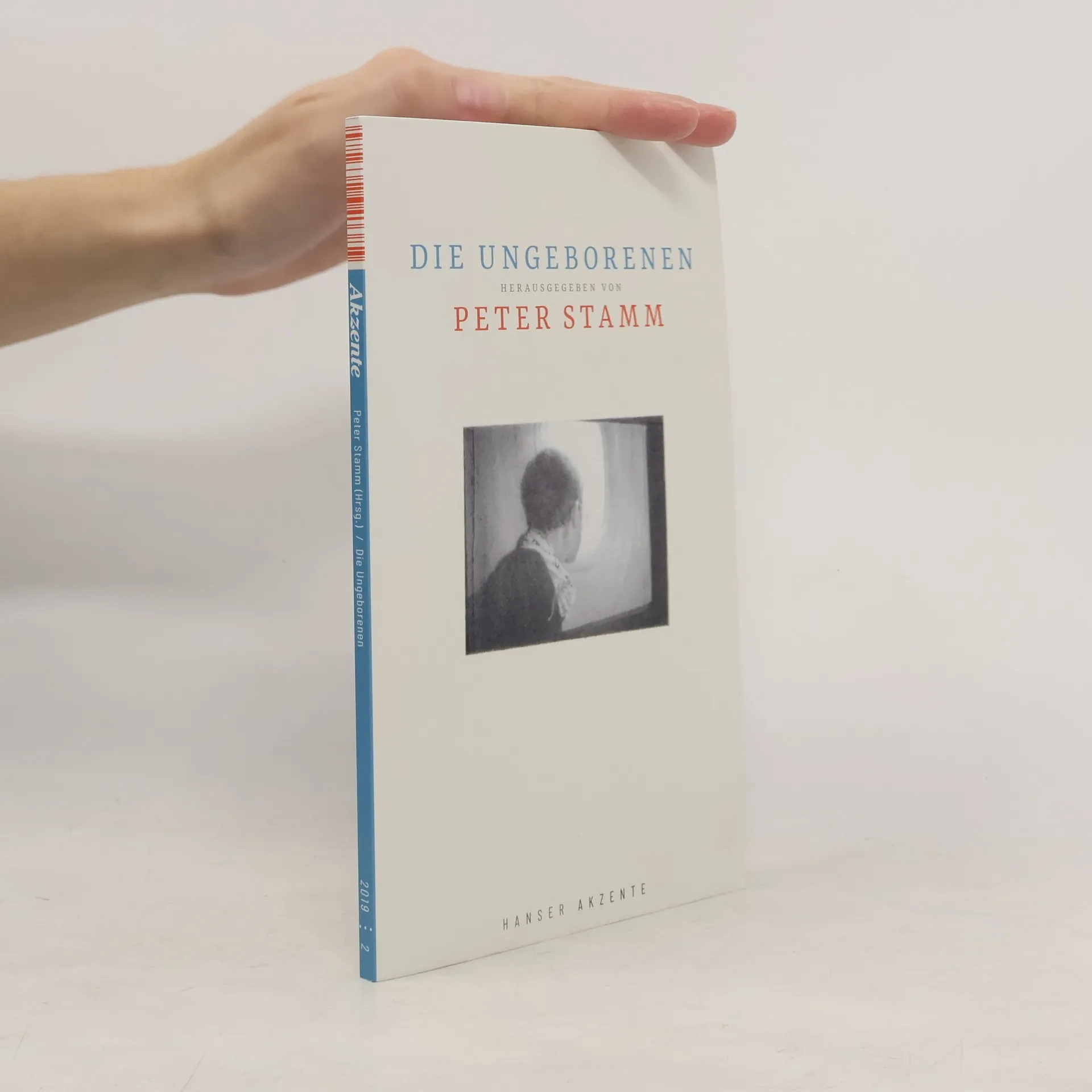
Bamberger Vorlesungen und verstreute Texte
Peter Stamm über das eigene Schreiben Im Sommer 2014 hält Peter Stamm die Bamberger Poetikvorlesungen. Zum ersten Mal erzählt er vom Erzählen, versucht eine Antwort zu finden auf die Frage, was er da eigentlich tut. Diese Frage führt ihn zurück in das Paradies seiner Kindheit und Jugend, zurück an die Anfänge seines Schreibens und zu den Fragen nach dem Leben überhaupt, den Fragen, die so fruchtbar sind für die Literatur: »Der Text ist (…) oft der Weg«, schreibt er, »den man beim vergeblichen Suchen nach der Antwort zurücklegt.« Stamm gibt uns Einblicke in sein Denken und Schreiben, als wäre eine Poetikvorlesung eine Geschichte, die erzählt werden will. Zahlreiche bisher nur verstreut veröffentlichte poetologische, journalistische und essayistische Texte ergänzen den Band.