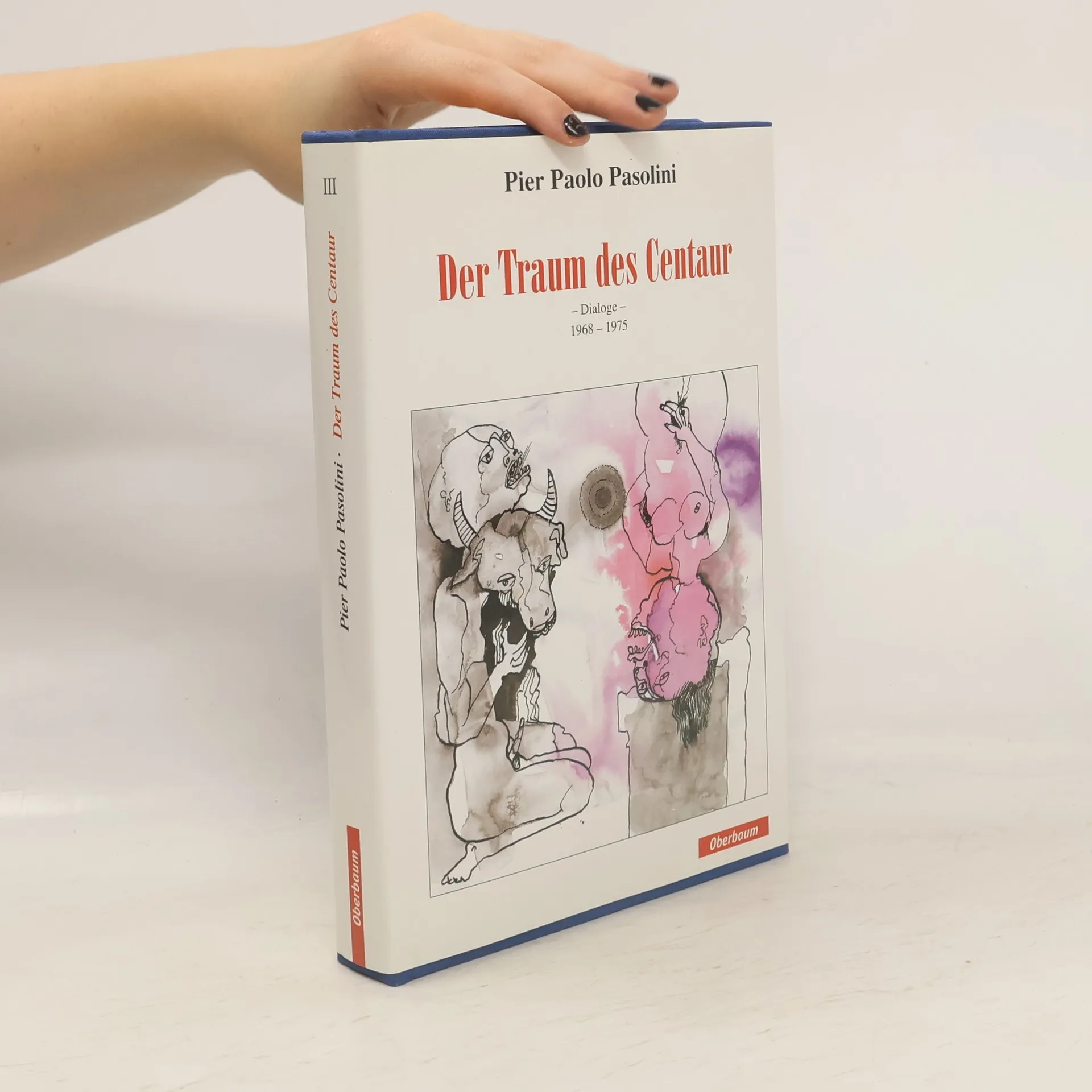
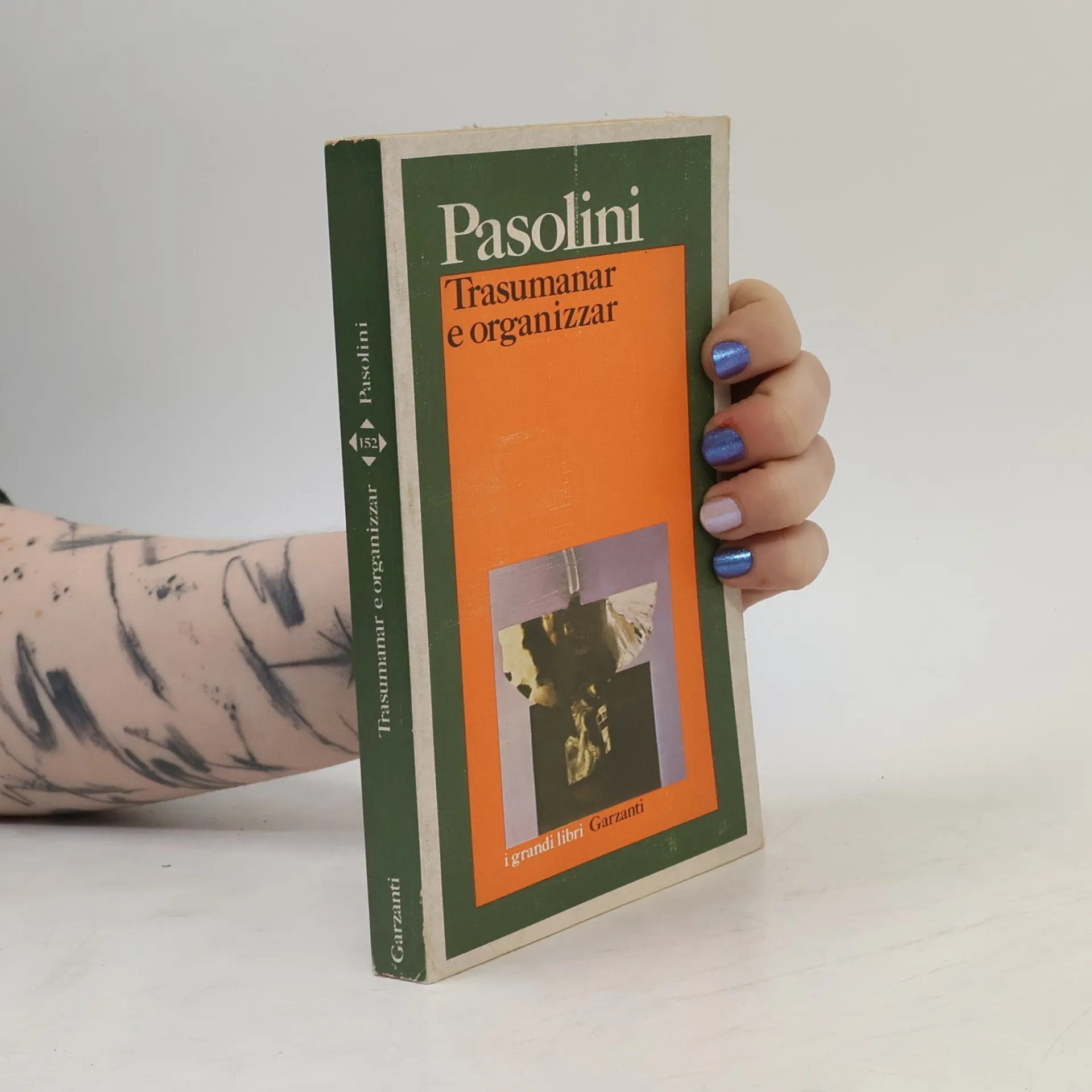
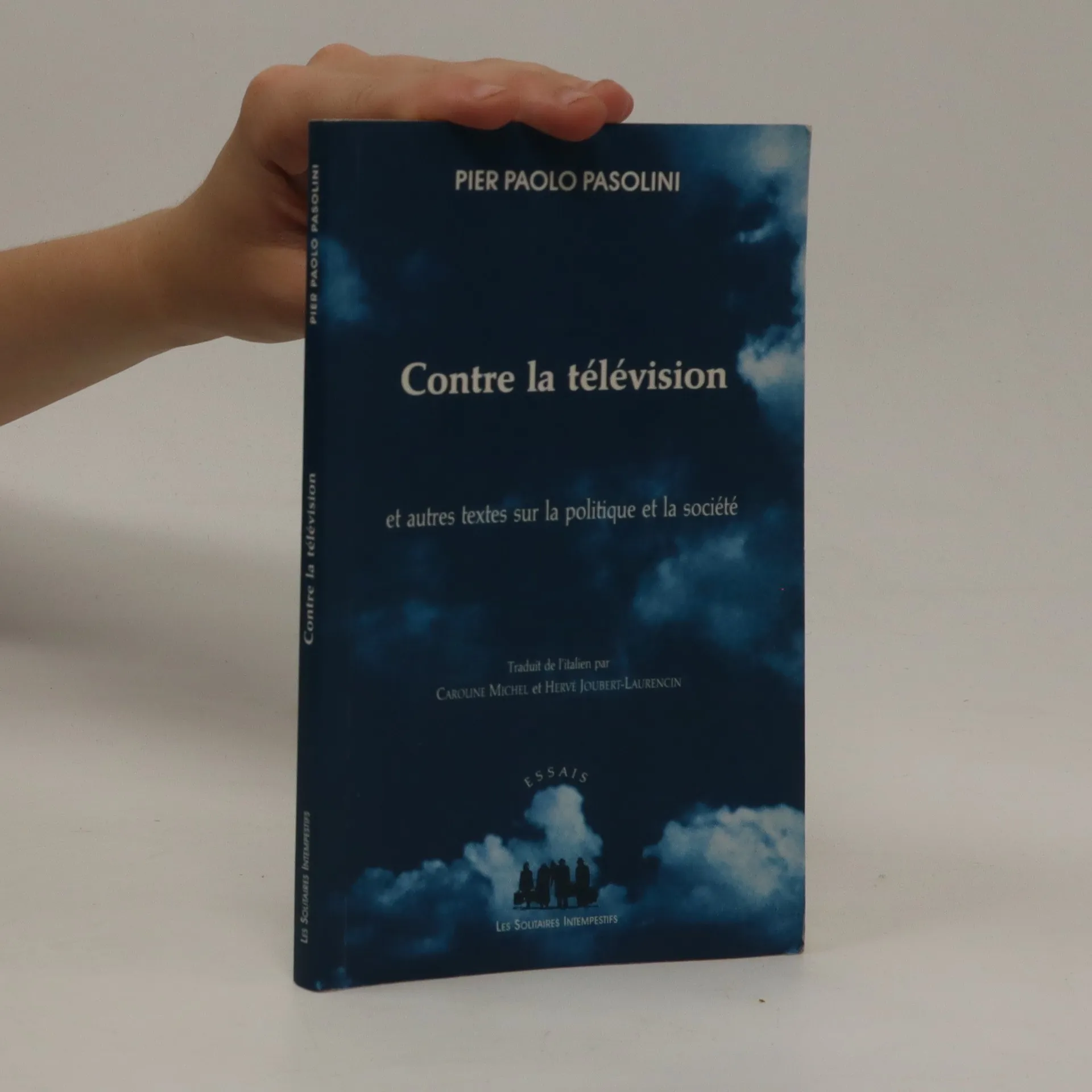
À travers ce recueil de textes choisis, présentés et contextualisés, tous inédits en français, on découvre le Pasolini politique « en version originale » : dans toute sa violence verbale mais aussi sa très dérangeante subtilité rhétorique.Dès les années soixante, c’est Pasolini qui « voit loin » quand il réfléchit sur le pouvoir de la prétendue télévision. Il y voit l’incroyable férocité d’un contrôle totalement intégré par tous ceux qui s’y prêtent, à commencer par ses plus proches amis, les artistes et les intellectuels de gauche.Peu après mai 68, et renversant sa propre caricature masochiste du vieux poète qui s’est mis du côté des flics prolos contre les étudiants « fils à papa », sa réflexion sur l’extrémisme et le système de passation des valeurs entre générations au temps du capitalisme triomphant prend une valeur universelle.« Mieux vaut être un ennemi du peuple qu’un ennemi de la réalité. »
Pier Paolo Pasolini Livres
Pier Paolo Pasolini était un poète, romancier, critique et journaliste italien dont l'œuvre associait souvent des images choquantes à une perspective catholique marxiste pour exposer le vide de la société moderne. Il était connu pour sa critique passionnée du capitalisme et son désir de changement social, ce qui lui valut de nombreux ennemis. Ses écrits, souvent provocateurs et ambigus, jouaient avec des sujets tabous et exploraient les aspects les plus sombres de l'existence humaine. La prose de Pasolini se caractérise par une forte conscience sociale et une recherche incessante de la vérité, aussi inconfortable soit-elle.

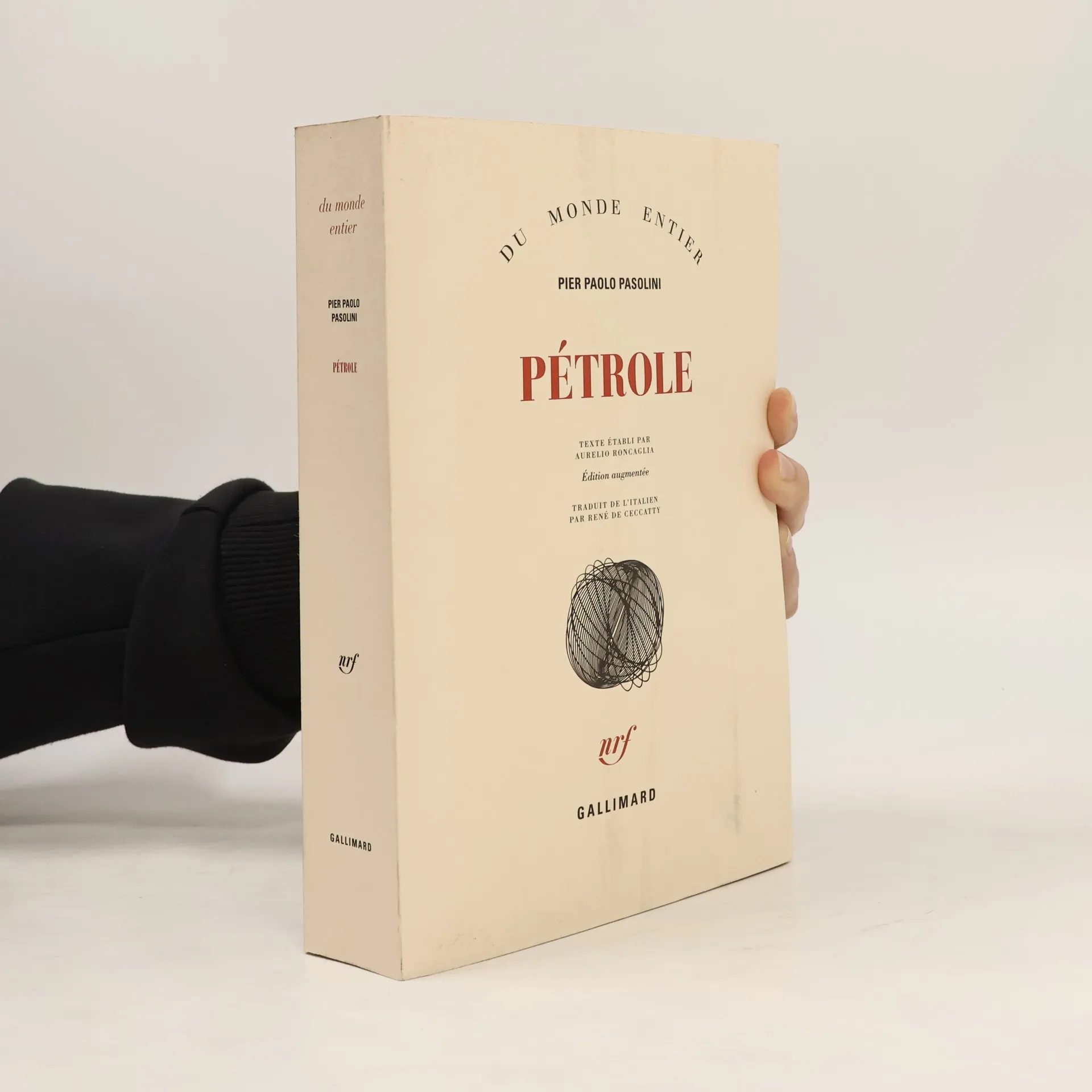
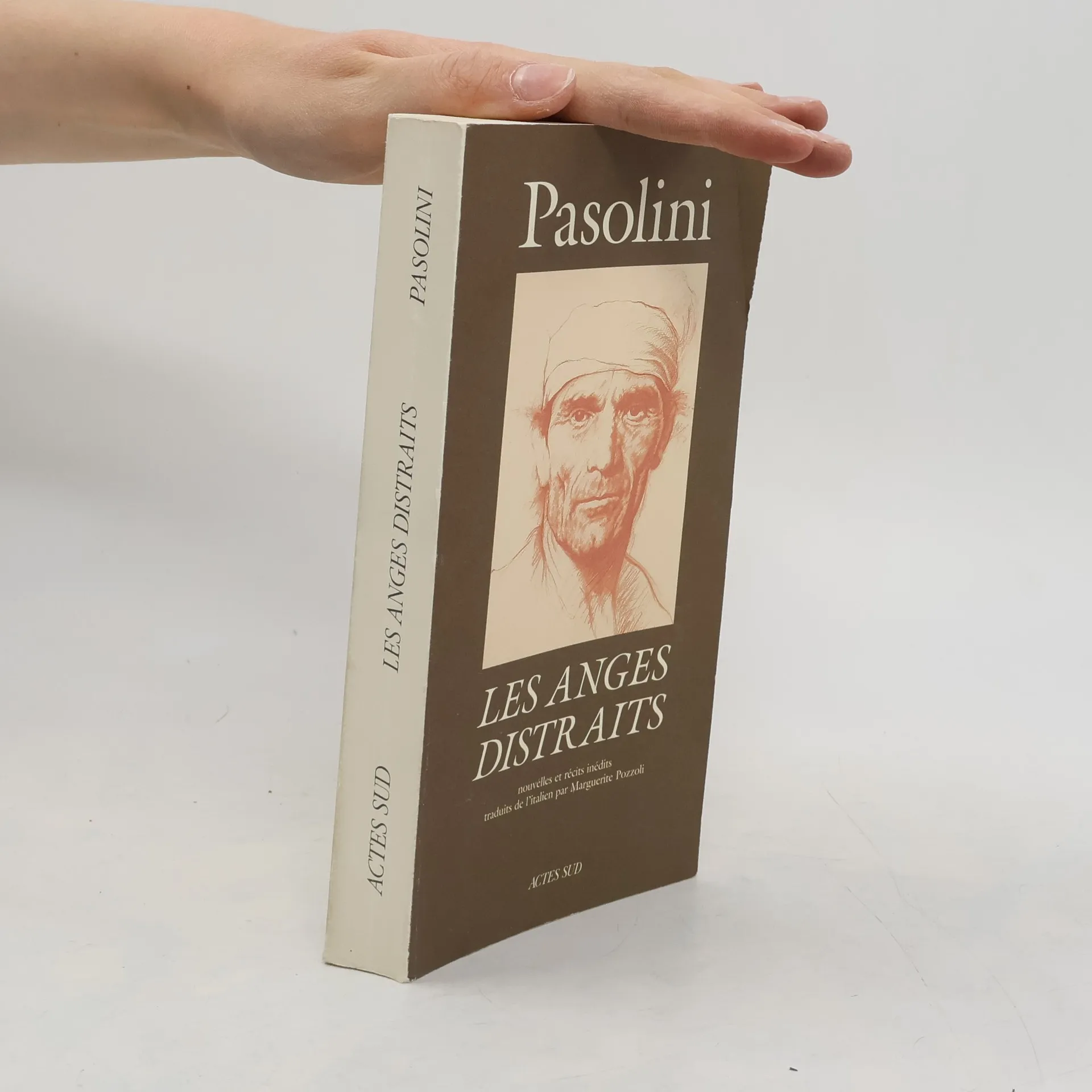
Les anges distraits
- 293pages
- 11 heures de lecture
Une quinzaine de nouvelles et de récits autobiographiques, ainsi que deux courts romans composent ce recueil qui tire son unité du lieu où ils ont été écrits : le Frioul. Région natale de la mère de Pasolini, pays de vacances et de jeunesse pour lui-même, c'est là que, dans la première moitié de sa vie, il s'imprègne de souvenirs et de paysages, élabore ses convictions sociales et politiques, fait l'expérience, particulièrement décisive, de l'enseignement, et enfin découvre, dans un mélange douloureux de crainte et de bonheur, son attirance pour «les anges distraits», enfants et adolescents dont la beauté le bouleverse.Ces textes sont donc extrêmement précieux, non seulement par leurs qualités intimes et littéraires (lyrisme, poésie, pouvoir de suggestion, ironie), mais aussi parce qu'ils nous permettent de mieux comprendre la formation et le destin d'un très grand créateur qui fut souvent victime de sa propre "légende".
Pétrole - Édition augmentée
- 649pages
- 23 heures de lecture
En projetant et en commençant d'écrire mon roman, j'ai bien réalisé autre chose que de projeter et d'écrire mon roman : j'ai organisé en moi le sens et la fonction de la réalité ; et une fois que j'ai organisé le sens et la fonction de la réalité, j'ai essayé de m'emparer de la réalité. M'emparer peut-être, sur le plan doux et intellectuel de la connaissance ou de l'expression ; mais malgré tout, essentiellement, brutalement et violemment, comme cela se passe pour chaque possession, pour chaque conquête. [...] Au moment même où je projetais et écrivais mon roman, autrement dit où je recherchais le sens de la réalité et en prenais possession, précisément dans l'acte créatif que tout cela impliquait, je désirais aussi me libérer de moi-même, c'est-à-dire mourir. Mourir dans ma création : mourir comme en effet on meurt, en accouchant : mourir, comme en effet on meurt, en éjaculant dans le ventre maternel. P. P. P.
Théâtre
- 560pages
- 20 heures de lecture
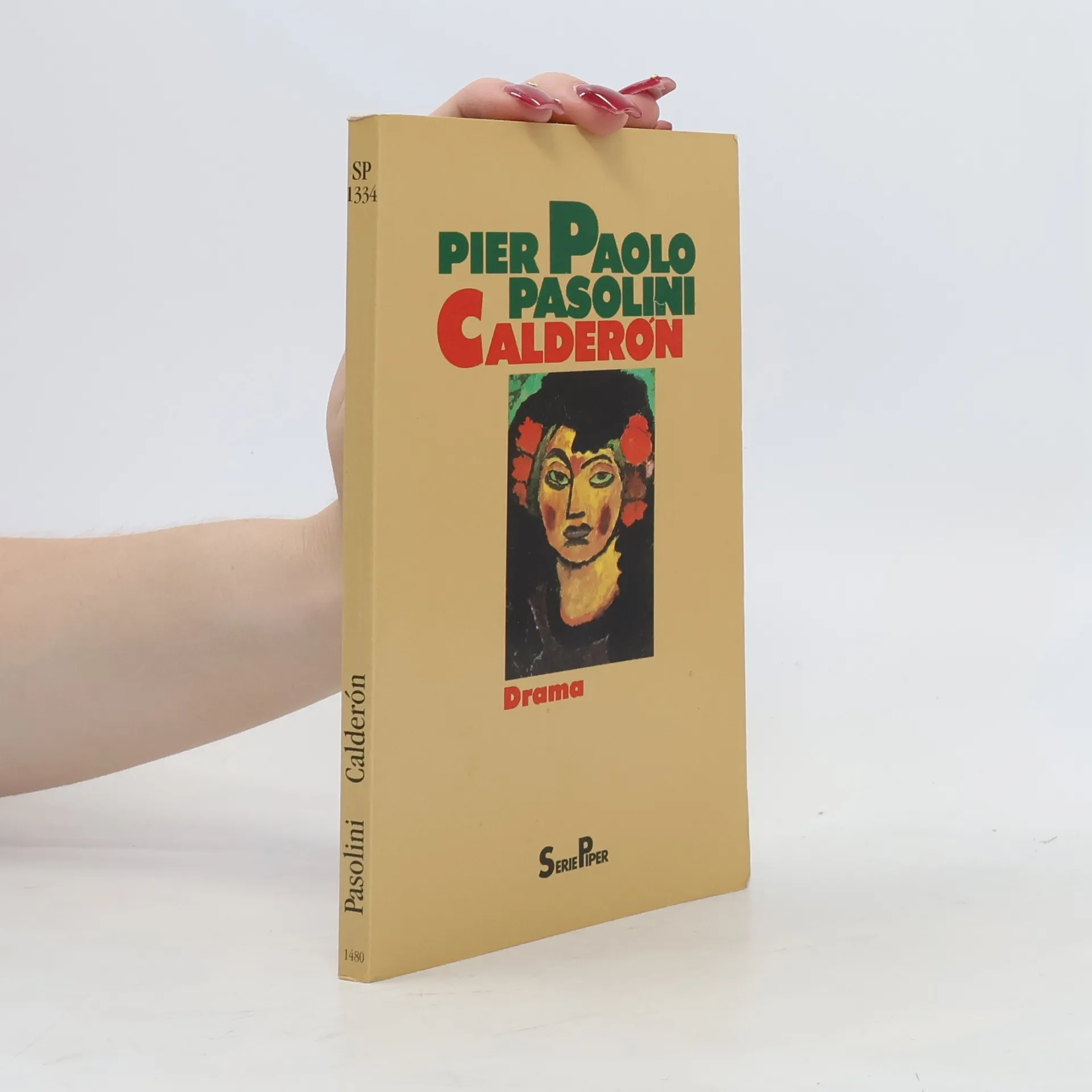
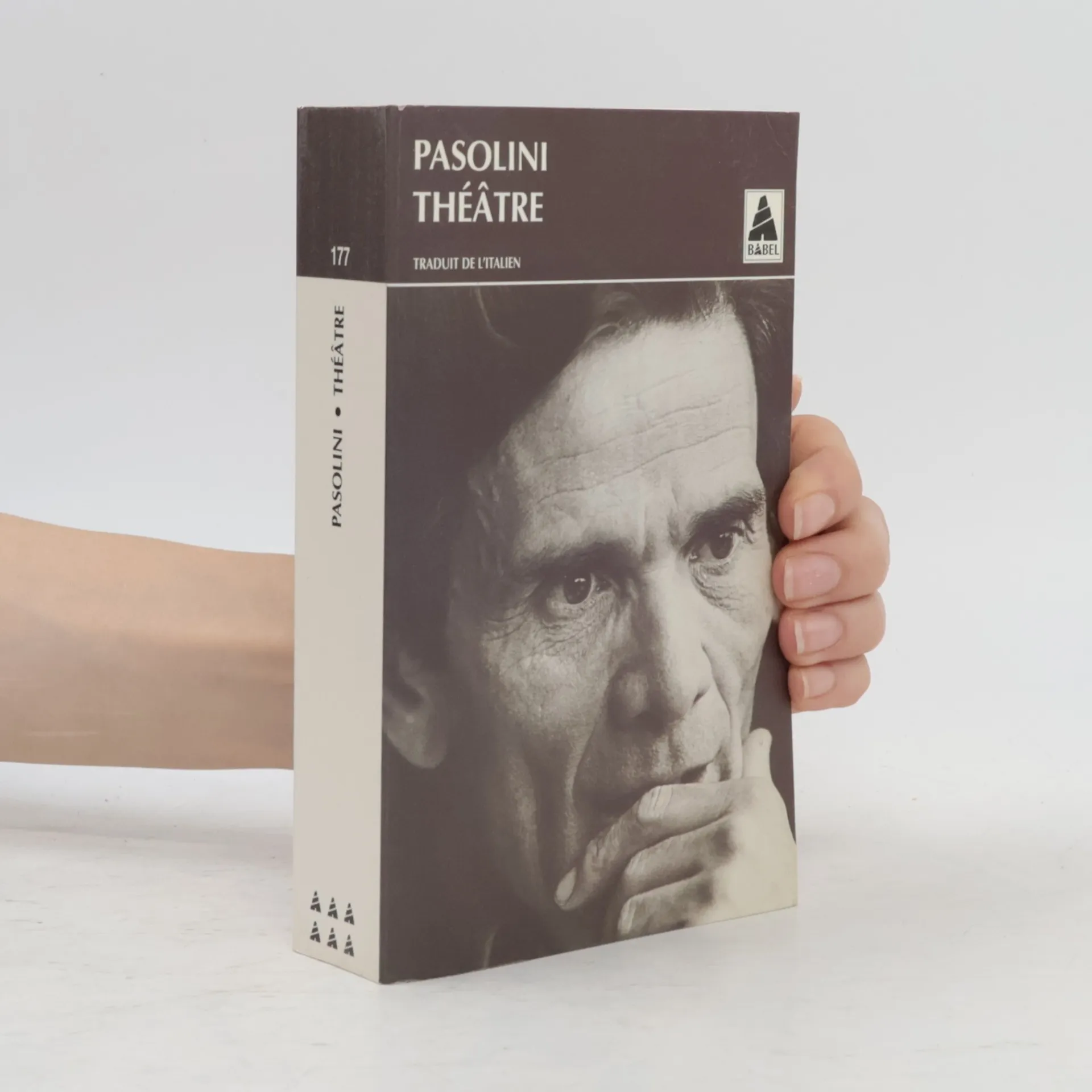
Les six pièces de ce recueil représentent l'ensemble de son théâtre paru à ce jour en Italie. «Calderón »De la bourgeoisie à l'Armée rouge en passant par le quartier des prostituées et la clinique psychiatrique, Pasolini interroge notre histoire du théâtre.«Affabulazione »Pasolini entre le mythe et l'histoire, hanté par le mythe - ici celui d'oedipe - et rattrapé par l'histoire. L'histoire a effacé les pères, ils ne sont plus incontournables, aucun désir de meurtre n'habite plus les fils, c'est donc le père qui devra tuer.«Pylade »Après les Euménides, après le jugement des dieux qui l'absout, Oreste revient à Argos métamorphosé par son passage à Athènes où, pour la première fois de sa vie, il a assisté à un jugement édicté par les hommes et non par les dieux. Il va instaurer ce nouveau régime dans sa cité.«Porcherie »Ce pourrait être l'histoire banale d'un fils de bourgeois attiré par des amours bizarres, si l'on n'y lisait aussi le drame d'une génération perdue dans l'Allemagne amnésique de l'après-guerre.«Orgie»Les dernières scènes de la vie d'un couple, comme une Passion sans Judas, à deux. Ailleurs et dans un autre temps, c'eût été une grande histoire d'amour et de jouissance.«Bête de style »Poésie et histoire s'affrontent : contre la violence de l'histoire et contre le poids des modèles hérités des pères et des maîtres, le poète clame des vérités impossibles.
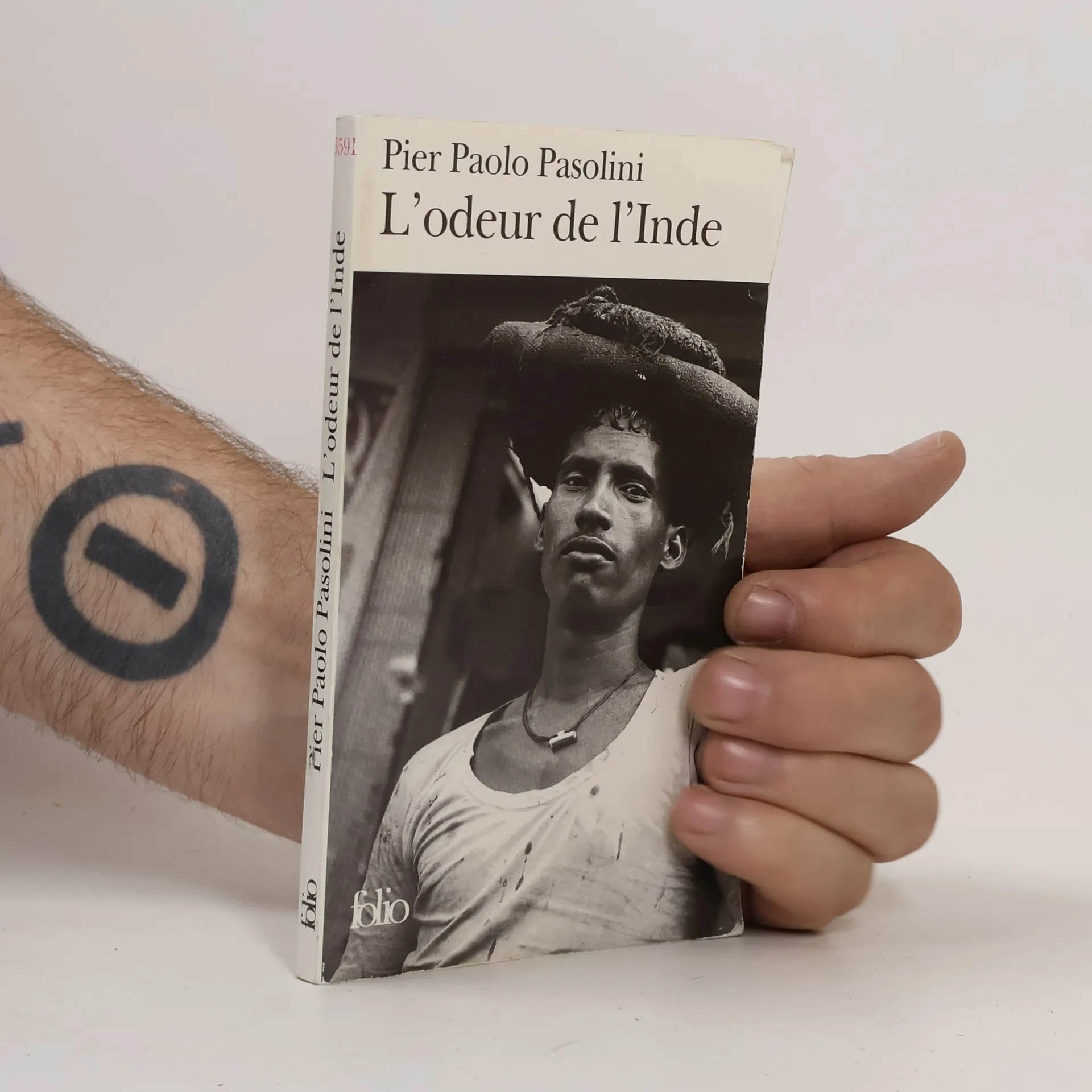
L'odeur de l'Inde
- 160pages
- 6 heures de lecture
«Ce sont les premières heures de ma présence en Inde et je ne sais pas dominer la bête assoiffée, en moi emprisonnée, comme en cage. Je persuade Moravia de faire quelques pas et de respirer quelques bouffées de cet air, d'une première nuit en Inde...» En 1961, Pasolini fit un voyage avec Alberto Moravia et Elsa Morante. Le livre intensément lyrique qu'il en rapporta n'est pas vraiment un récit, mais une «odeur» respirée au cours de ses errances nocturnes. Les visions de l'extrême misère, les spectacles d'une étrange spiritualité sont pour lui comme autant d'étapes d'une descente au sein d'une humanité primitive, moins éloignée qu'on pourrait le croire du décor des Ragazzi ou d'Une vie violente.
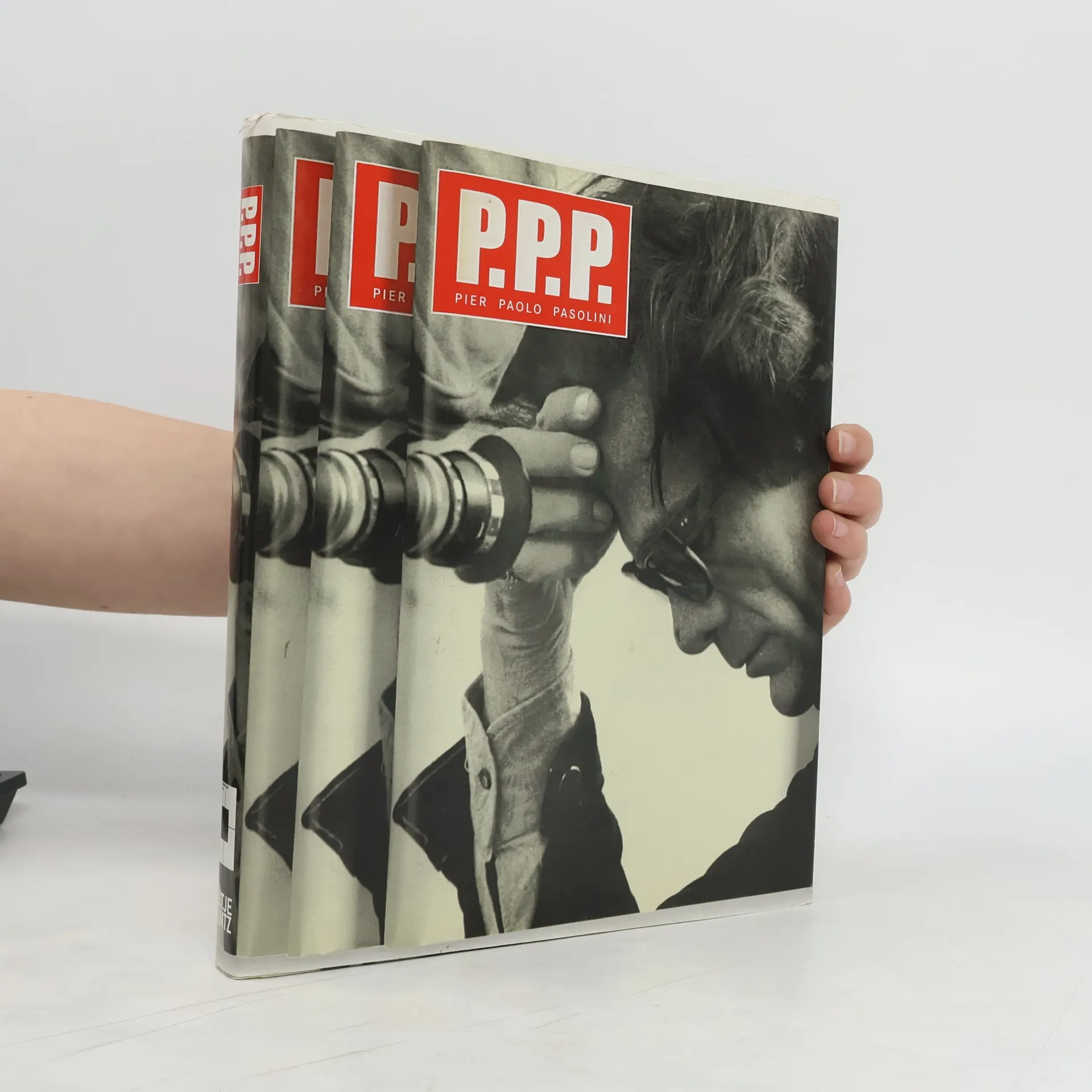
PPP - Pier Paolo Pasolini
- 208pages
- 8 heures de lecture
Pier Paolo Pasolini ist einer der herausragenden und schillerndsten Protagonisten des intellektuellen Europa in der zweiten Hälfte des 20. Jahrhunderts. Als Autor von Gedichten in der Sprache seiner friaulischen Heimat, von Romanen und theoretischen Aufsätzen, als Regisseur Aufsehen erregender Filme, aber auch als Zeichner und Maler richtete sich sein Blick in erster Linie auf zeitlose, archaische Themen: das Schicksal des Menschen, das bäuerliche Leben, die Religion, die Sexualität, den Tod. Dabei bewegte er sich stets außerhalb jeder Normalität, fand Bilder von außergewöhnlicher Klarheit und Schärfe und wurde dabei zum größten Provokateur der italienischen Gesellschaft. Anlässlich seines 30. Todestages gibt der Band anhand seiner Schriften, Filme, Zeichnungen und Malerei Einblick in Pasolinis Wertvorstellungen und Ideale. Einen der Ausgangspunkte bildet die These, dass Pasolinis Kunstverständnis und seine Weltsicht schon früh die Idee eines gewaltsamen Todes in sich trugen, den er schließlich bewusst gesucht haben könnte, um durch ihn die Einheit von Leben und Werk herzustellen. (Deutsche Ausgabe erhältlich ISBN 3-7757-1632-7) Ausstellung: Pinakothek der Moderne, München 17.11.2005-5.2.2006
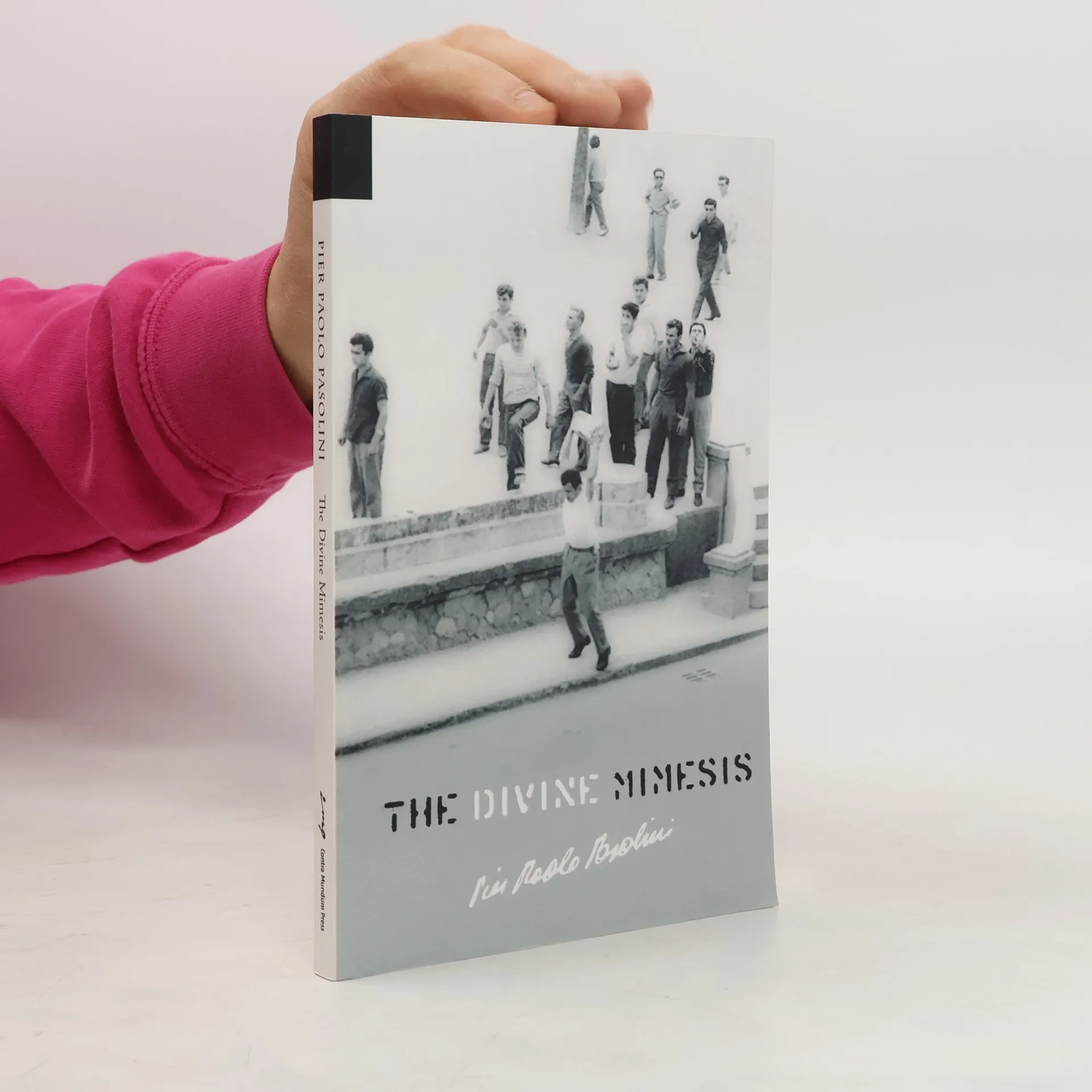
The Divine Mimesis
- 176pages
- 7 heures de lecture
Set against the backdrop of 1960s Italy, this work serves as a powerful critique of contemporary society and the intelligentsia. Pasolini reflects on the decline of the expressive Italian language, contrasting it with a stark, technological mode of communication. In this reinterpretation of Dante's Commedia, he places two versions of himself in the roles of the pilgrim and guide, navigating an underworld that mirrors his own disillusionment and the fading civic ideals he once championed.
Stories From the City of God
- 232pages
- 9 heures de lecture
Stories From the City of God collects legendary filmmaker Pier Paolo Pasolini's short fiction and nonfiction from 1950 to 1966. In these pieces, we see the machinations of the creative mind in consideration of the character of Rome after World War II.Presenting a portrait of the city that is at once poignant and intimate, as honest as if it were the author's journal, we find here artistic witness to the customs, dialect, squalor, and beauty of the ancient imperial capital that has succumbed to modern warfare, marginalization, and mass culture.The sketches portray the impoverished masses that he calls "the sub-proletariat", those who live under Third World conditions and for whom simple pleasures, such as a blue sweater in a storefront window, are completely out of reach. In the chronicles, Pasolini faithfully renders life in Rome in the infinite stretches of public housing on the periphery of the city.Pasolini's art develops throughout the works collected here, from his early lyricism to tragicomic outlines for screenplays, and finally to the maturation of his Neo-realism in eight chronicles on the shantytowns of Rome. The pieces in this collection were all published in Italian journals and newspapapers, and then later edited by Walter Siti in the original Italian edition. Marina Harss of The New Yorker has translated the work for its first publication in English by Other Press.
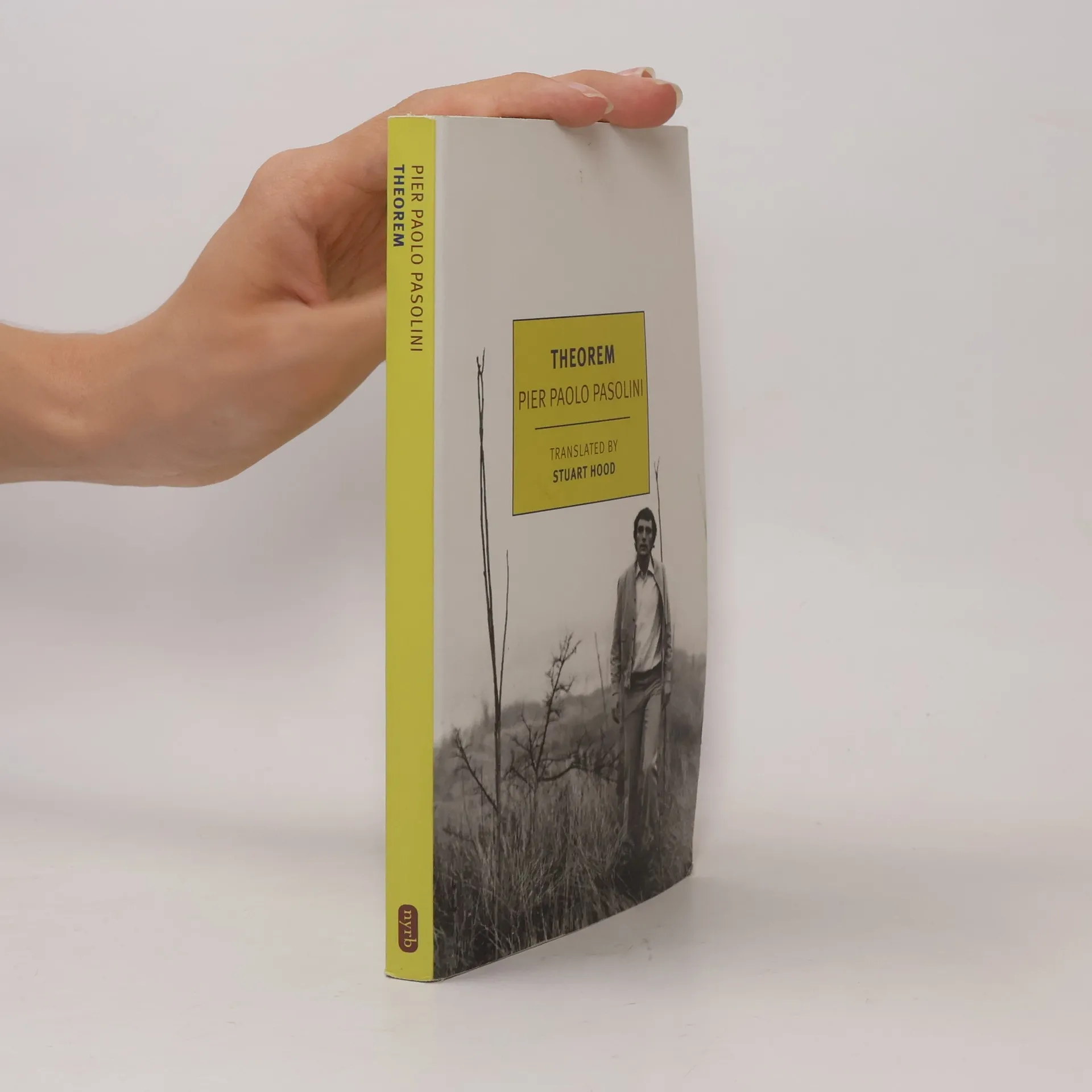
This tale about seduction, obsession, family, and the confines of capitalism is one of director Pier Paolo Pasolini's most fascinating creations, based on his transcendent film of the same name. Theorem is the most enigmatic of Pier Paolo Pasolini’s four novels. The book started as a poem and took shape both as a work of fiction and a film, also called Theorem, released the same year. In short prose chapters interspersed with stark passages of poetry, Pasolini tells a story of transfiguration and trauma. To the suburban mansion of a prosperous Milanese businessman comes a mysterious and beautiful young man who invites himself to stay. From the beginning he exercises a strange fascination on the inhabitants of the house, and soon everyone, from the busy father to the frustrated mother, from the yearning daughter to the weak-willed son to the housemaid from the country, has fallen in love with him. Then, as mysteriously as he appeared, the infatuating young man departs. How will these people he has touched so deeply do without him? Is there a passage out of the spiritual desert of modern capitalism into a new awakening, both of the senses and of the soul? Only questions remain at the end of a book that is at once a bedroom comedy, a political novel, and a religious parable.
My Death My Life by Pier Paolo Pasolini imagines the Italian filmmaker and writer returning to the Roman homosexual hustlers he knew, in a "scathing commentary on false values in art" (The Hartford Courant).
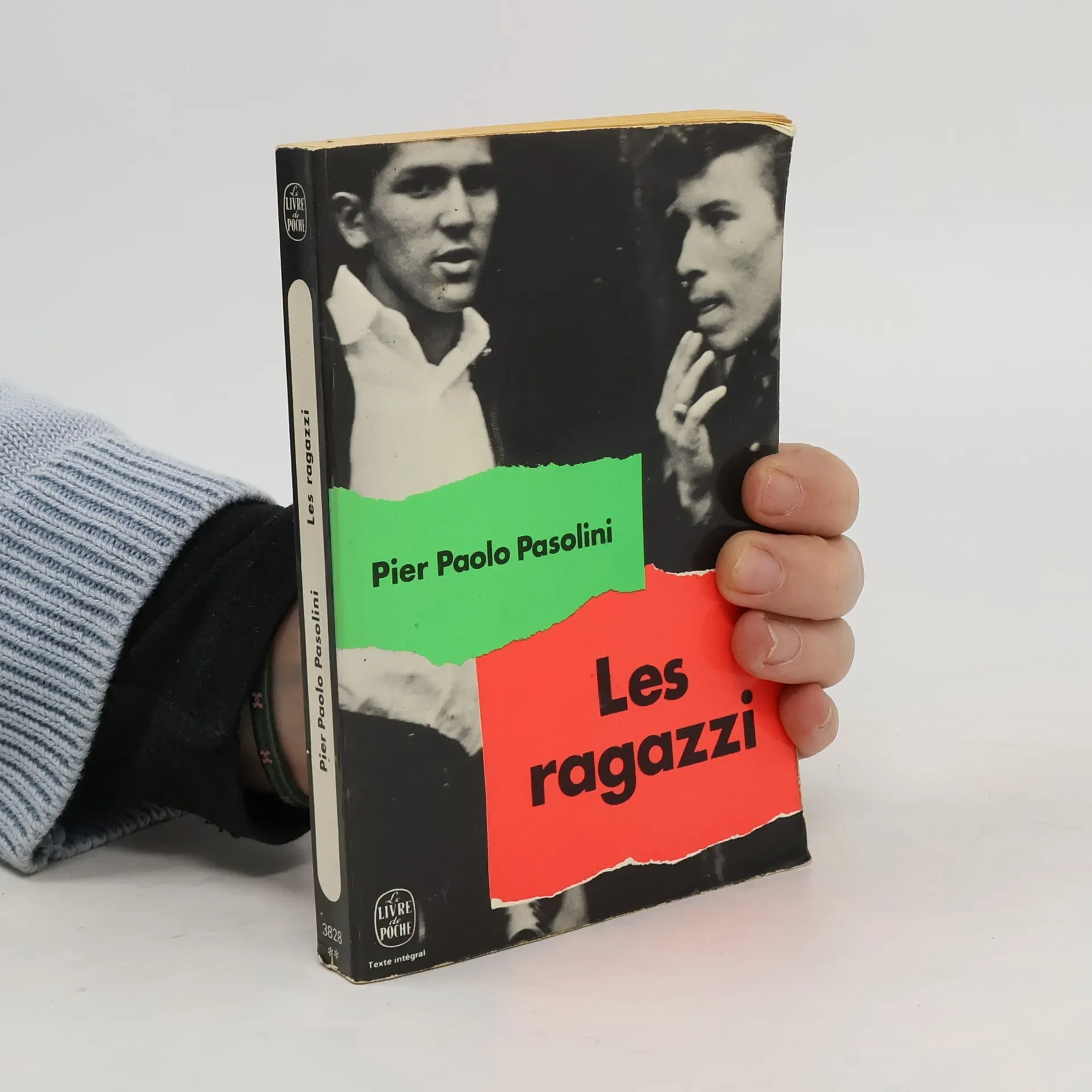
A daring, once-censored novel about the harrowing lives of Rome's unhoused youth, written by one of Italy's greatest film directors, Pier Paolo Pasolini. Published in 1955, this was his first novel and remains his most renowned work of fiction. After a provincial sex scandal, Pasolini moved to Rome, where the city's vibrant dialect and postwar squalor profoundly influenced him. He realized that respectability was no longer an option, feeling akin to literary figures like Rimbaud and Wilde. Urgently seeking independence through teaching, acting, and journalism, he connected with outcasts who rejected bourgeois values, living intensely and carelessly. Despite the socialist climate of the time, Pasolini's narrative is devoid of sentimentalism regarding the underprivileged. Instead, he revels in the vitality of their squalor, crafting an urban inferno that is both hideous and dynamic. Lacking a grand plot, his narrative voice locks onto intense situations filled with conflict and comedy. The young characters, possessing nothing, fight to survive and seek enjoyment, viewing boredom as death. Money is acquired through looting and hustling, only to be squandered on clothes, drink, and gambling. Boasting and exhibitionism dominate their lives, with each boy aspiring to be the toughest on the block. As episodes unfold—a heist, gambling, or a search for sex—the reader anticipates disaster, with unpredictability at every turn. Tim Park
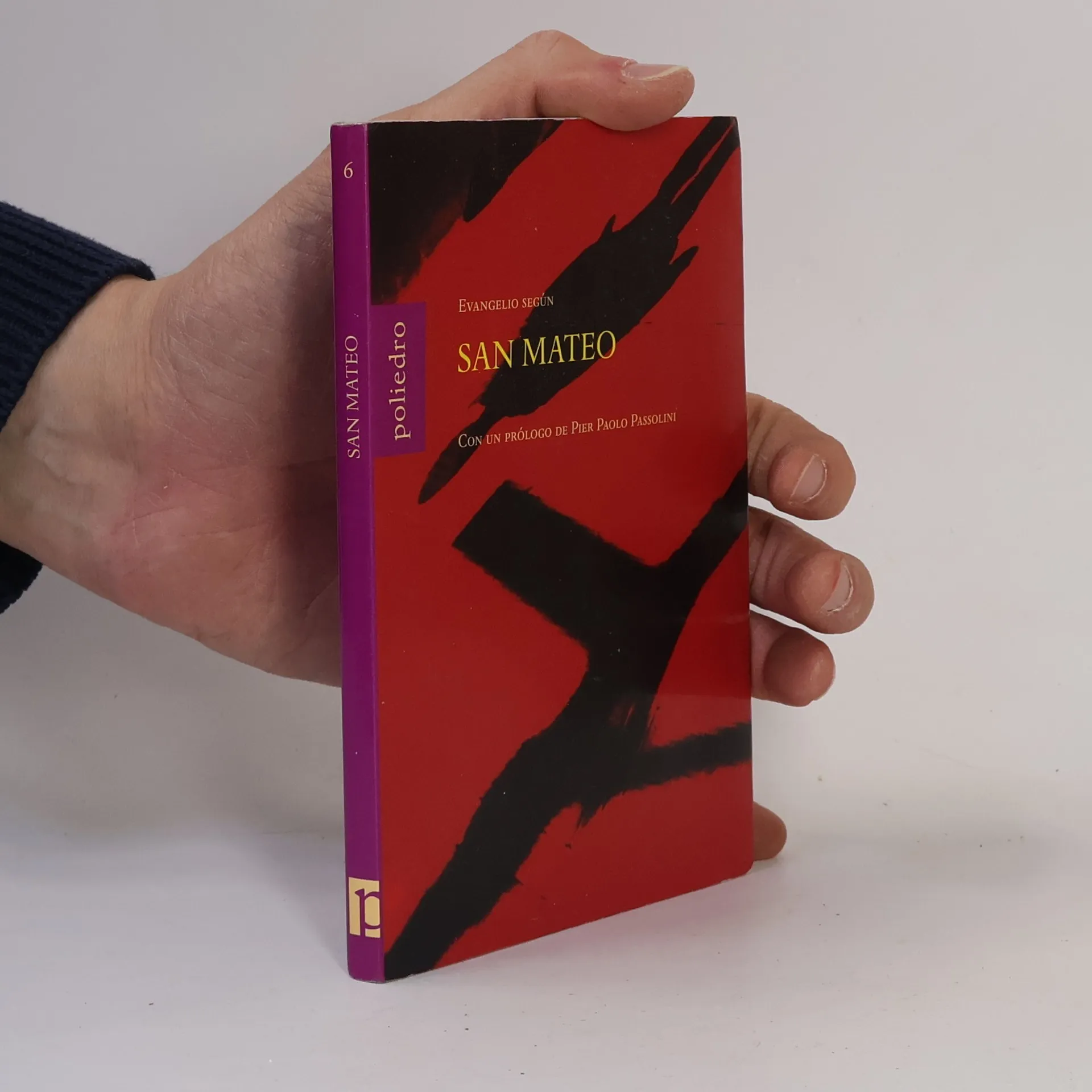
Evangelio según San Mateo
- 106pages
- 4 heures de lecture
“¿Qué podía hacer yo por san Mateo? Porque algo tenía que hacer: no era posible permanecer inerte, inactivo, tras semejante emoción, tan profunda estéticamente, que pocas veces me había asaltado de esta manera en la vida. He dicho “emoción estética”. Y con toda sinceridad, ya que fue ése el aspecto en el que se presentó, prepotente y visionario, el aumento de la vitalidad.”
Unter freiem Himmel
- 160pages
- 6 heures de lecture
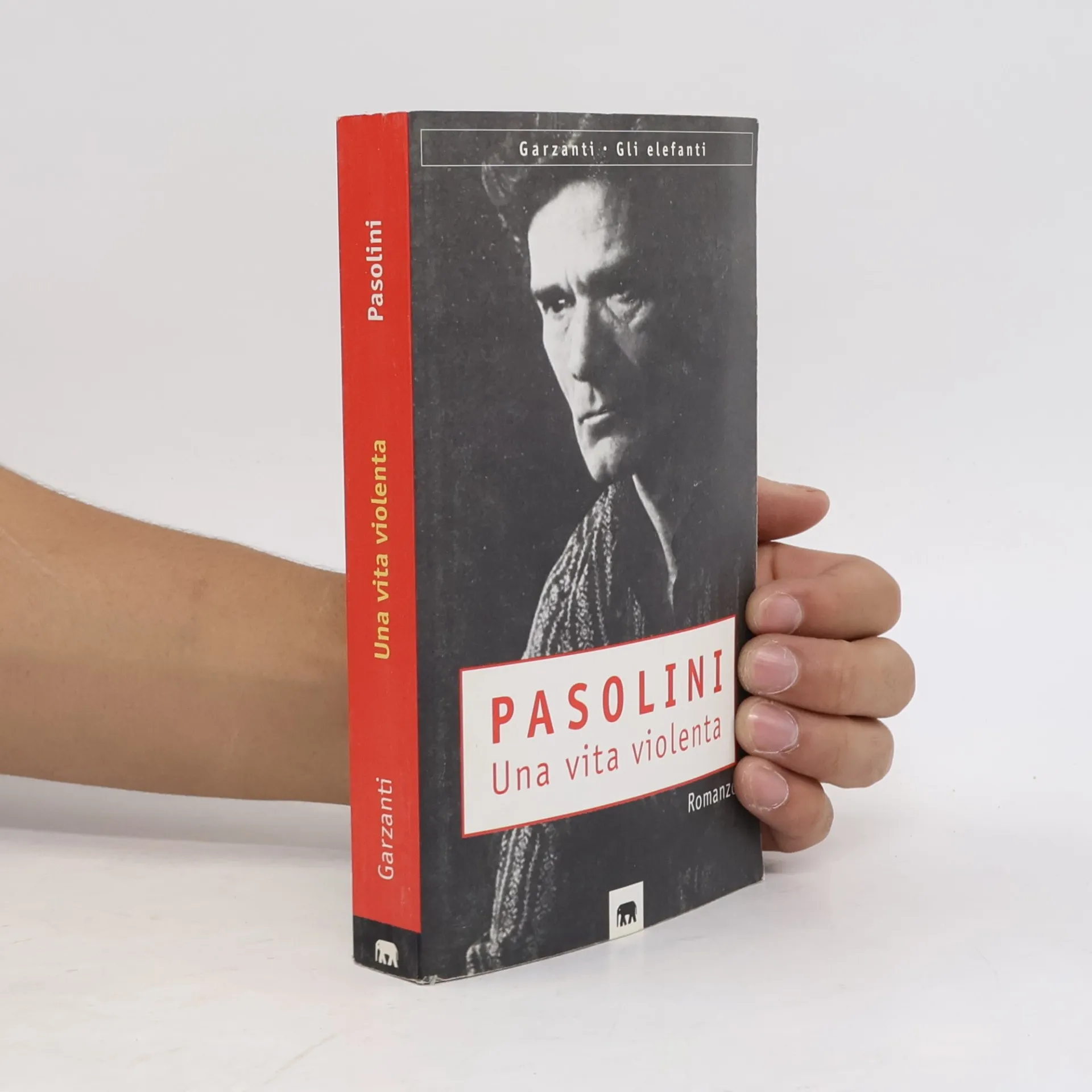
Una vita violenta
- 362pages
- 13 heures de lecture
Pubblicato per la prima volta nel 1959, questo romanzo venne giudicato dalla critica uno dei romanzi più importanti del dopoguerra. Lungi dal servire effetti coloriti e pittoreschi, il gergo fu utilizzato qui da Pasolini per dare una rappresentazione «lucida e spietata, delle persone e degli atti, dell'ambiente e delle fatalità» (Gadda) delle borgate romane.
Serie Piper: Chaos. Gegen den Terror
- 207pages
- 8 heures de lecture
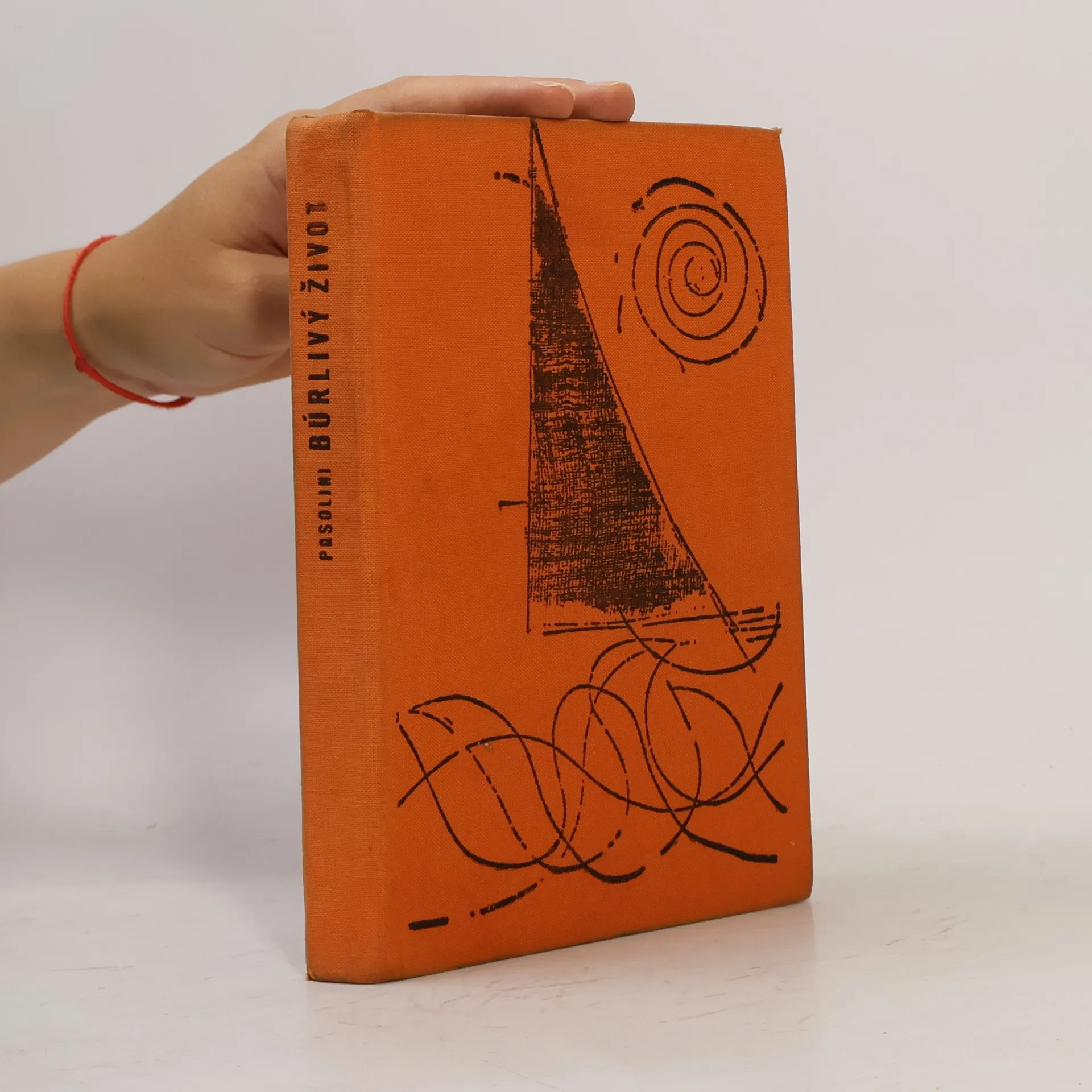
Román patrí medzi popredné diela neorealizmu. Hlavná postava Tomasso, žije v prostredí rímskeho podsvetia, špinavého predmestia rímskych nezamestnaných a len ťažko sa dostáva k uvedomelému a konštruktívnemu spôsobu života. Je rozhodnutý pracovať, žiť životom hodným človeka, ale nakoniec ho choroba privádza do hrobu.
Il film dei miei ricordi
- 517pages
- 19 heures de lecture
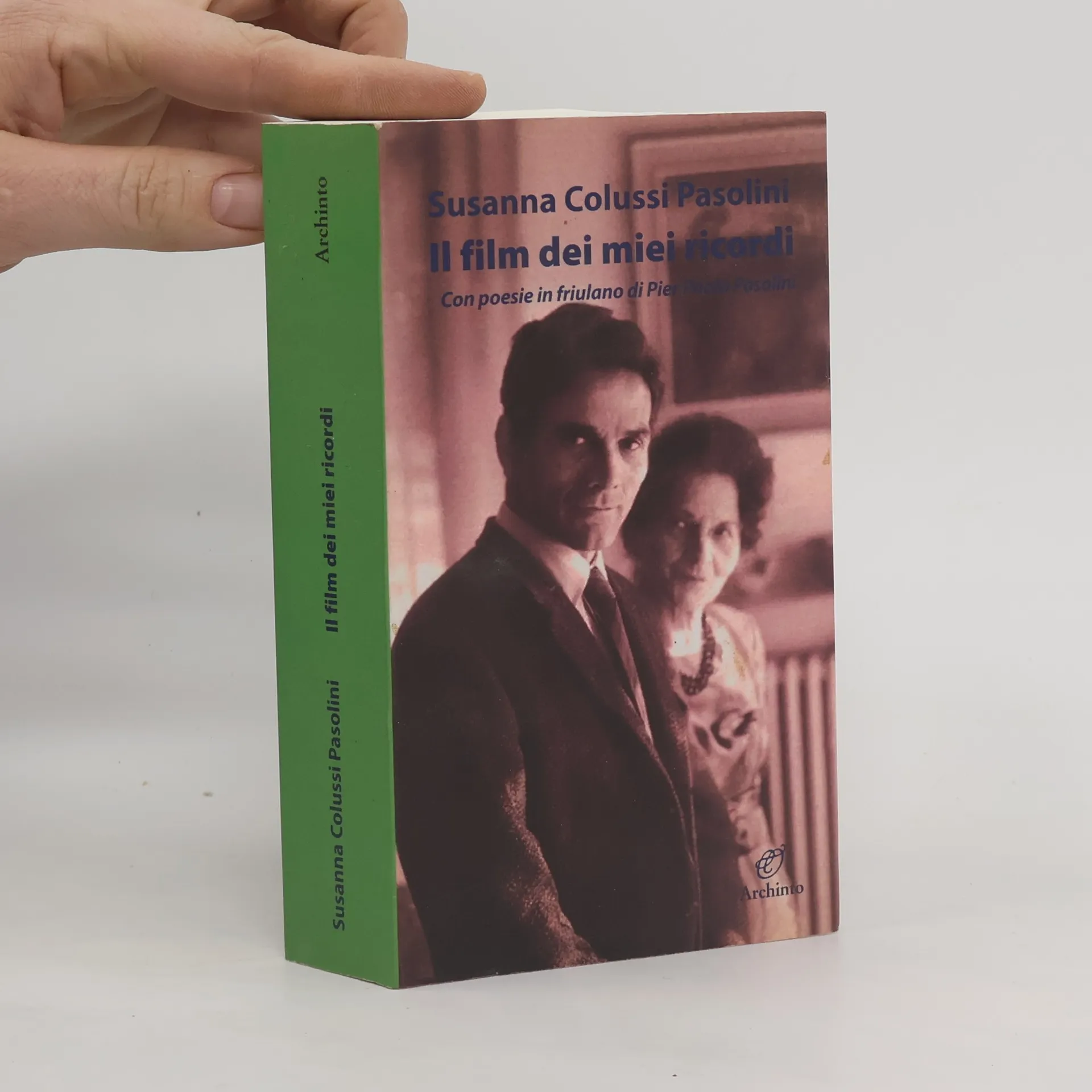
Tra le carte di casa Pasolini sono stati trovati quaderni scritti a penna con grafia ordinata, contenenti il manoscritto di un romanzo compiuto. L'autore, però, non è il noto scrittore, ma sua madre, Susanna Colussi, che ha vissuto accanto al figlio. La passione di Pasolini per la scrittura era quindi nel suo DNA. Probabilmente, Pier Paolo non ha mai letto quelle pagine, ignaro che la madre si ritirava in camera per scrivere un lungo racconto dedicato ai Colussi, originari di Casarsa della Delizia, in Friuli. La storia della famiglia di Susanna si estende dal periodo napoleonico fino alla prima decade del Novecento, presentando ritratti e fatti con meticolosa attenzione ai dettagli. Ne emerge un affresco storico che descrive, in modo solare e drammatico, la dignitosa povertà con cui l'Italia entra nel nuovo secolo. Alcuni episodi e personaggi di questo sorprendente romanzo appaiono anche nell'opera giovanile di Pasolini, segno che Susanna ha condiviso con il figlio le storie vere della sua famiglia, alimentando così il suo interesse per la narrazione della realtà. Tuttavia, il romanzo vive di vita propria, capace di appassionare al di là delle parentele di chi l'ha scritto. (A cura di Graziella Chiarcossi)
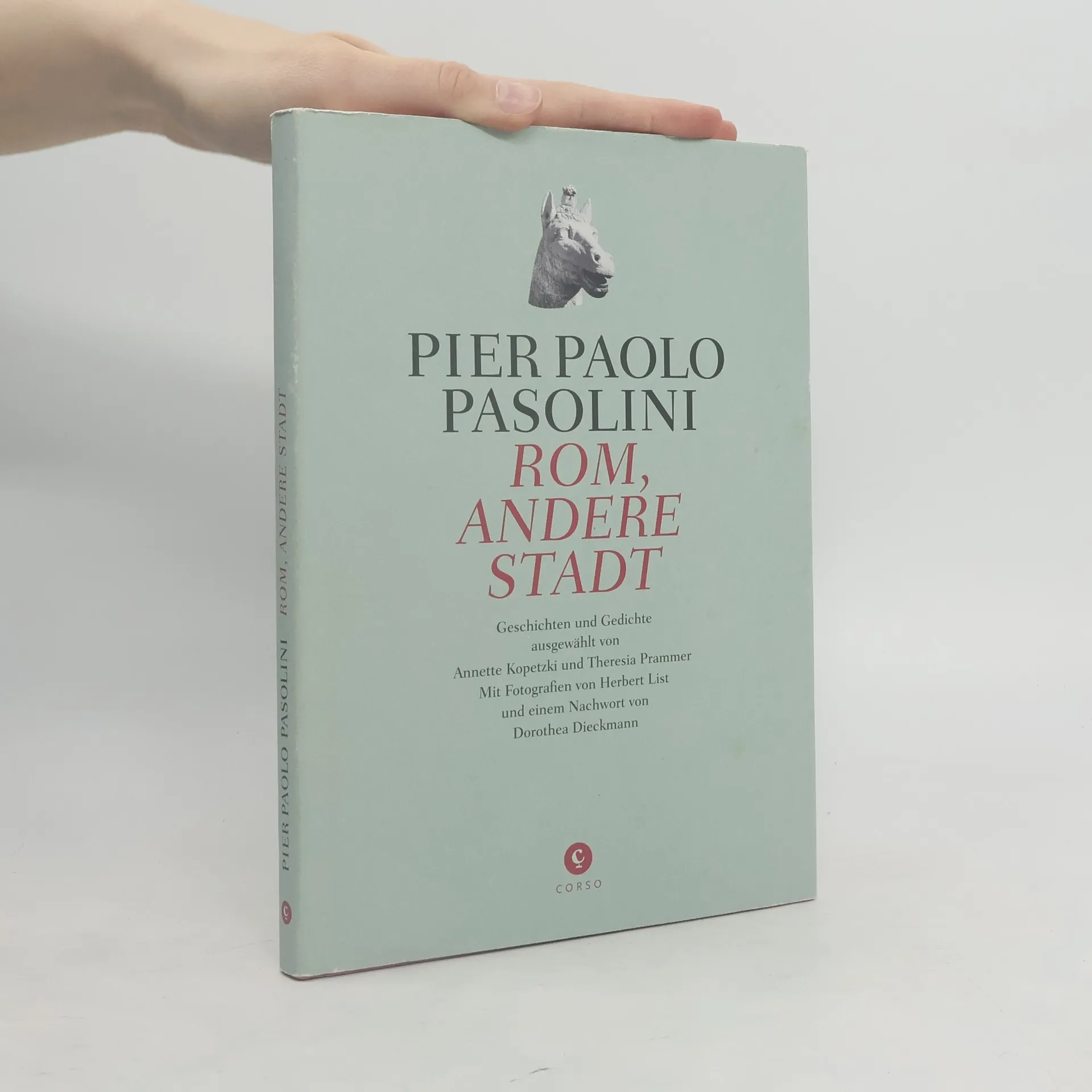
Jede dieser Geschichten ist eine zärtliche Liebeserklärung an die Stadt Rom und ihre Bewohner, besonders an die benachteiligten unter ihnen, die in den Vorstädten leben und ins Zentrum kommen, um – unter Anwendung aller möglichen faulen Tricks – etwas Geld zu verdienen: als Röstkastanienverkäufer, als Fischhändler, als Kofferträger. Und um sich zu vergnügen, einen Kopfsprung vom Ponte Sisto in den Tiber zu wagen, für 150 Lire Boot zu fahren oder auch nur mit dem Oberleitungsbus auf der Via del Mare, während die Zeit verglüht im kalten Funken des Leitungsdrahts oder zu Staub zerrinnt in der kargen Landschaft am Stadtrand. Pier Paolo Pasolini schreibt einen anderen Baedeker Roms, denjenigen seiner Bewohner, der grausam und gefährlich sein kann – und dann wieder mild, im weichen Licht des Abends auf der Tiberinsel und am Ufer von Trastevere. Der junge Dichter bemächtigt sich der Stadt, ihrer Armut und ihrer Schönheit. Er erzählt uns, wie alles zusammenkommt – Lebensängste und Zukunftsträume, Überlebenstaktiken und Dolce Vita. Mit einer Biographie Pasolinis und zahlreichen Rom-Fotos der 1950er Jahre.
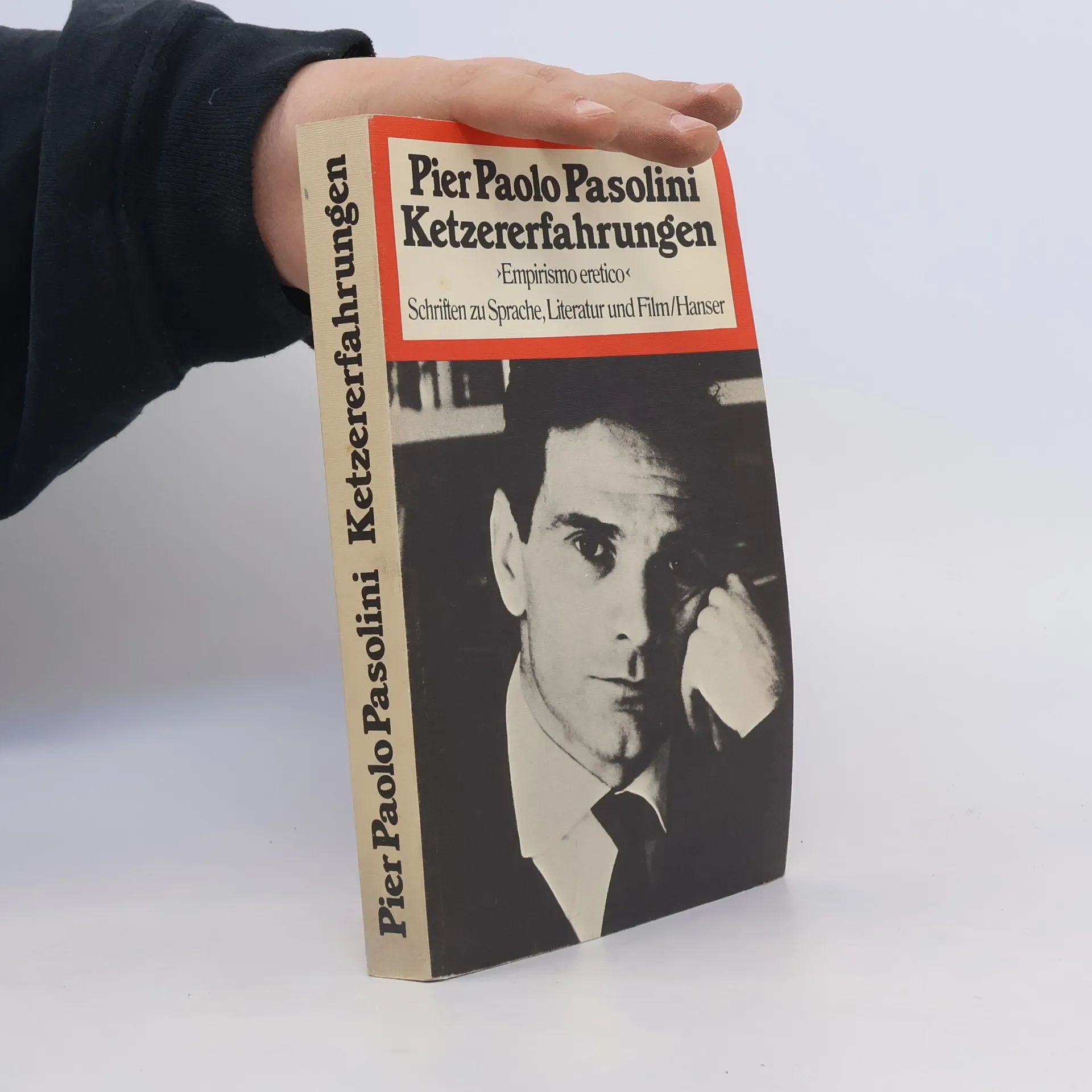
In "Ketzererfahrungen" versammelt Pasolini 1972 seine kritischen und polemischen Beiträge zu drei grundlegenden Themenbereichen: Sprache, Literatur und Kino. Diese zwischen Ende der 1960er Jahre und Anfang des folgenden Jahrzehnts verfassten Artikel und Essays sind das Ergebnis des ästhetischen, sozialen und politischen Engagements des Autors und beleuchten seine Rolle in einer Zeit voller Neuerungen, Bewegungen und Widersprüche.
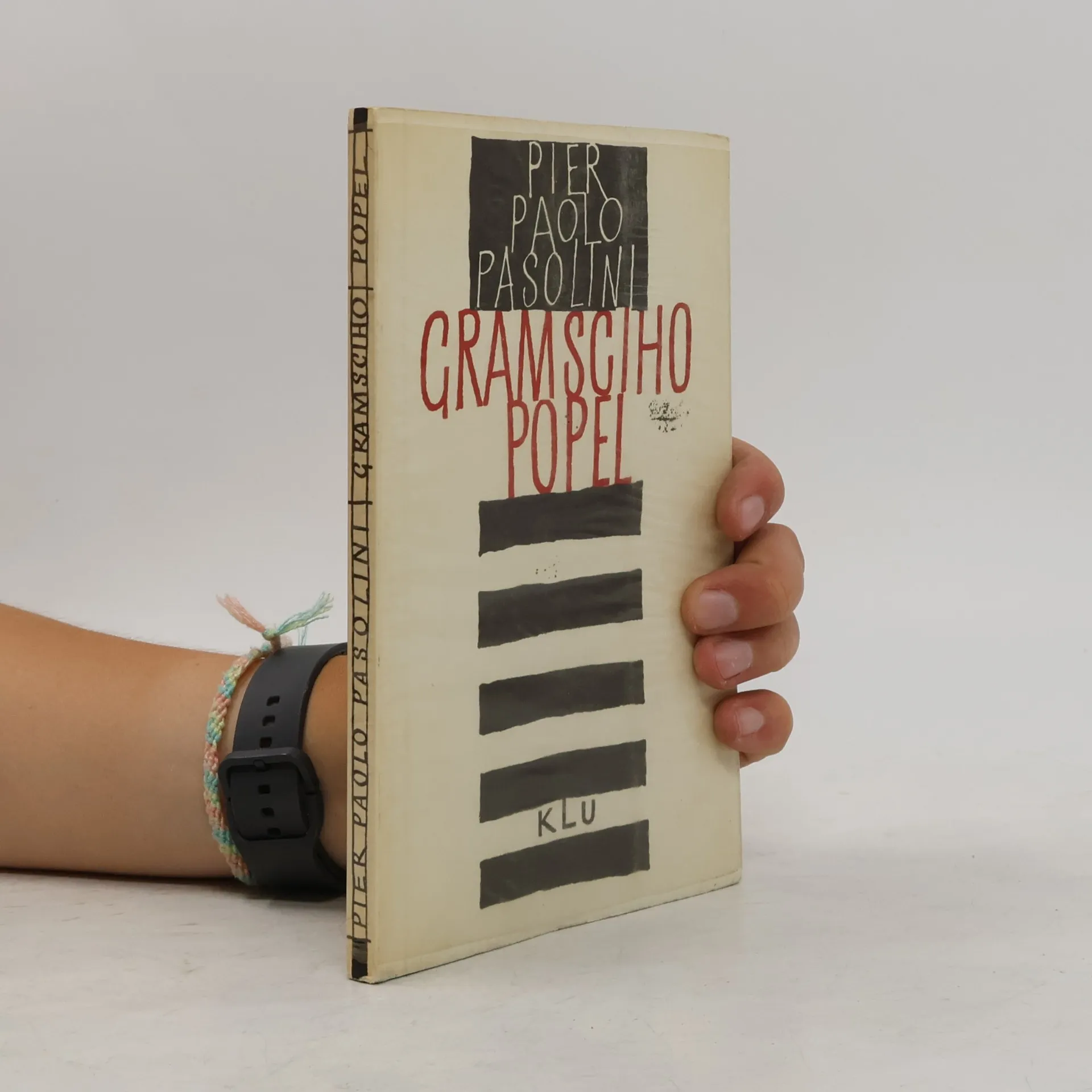
Pier Paolo Pasolini (1922 – 1975) je znám především jako režisér dnes již klasických filmů světové kinematografie Accattone, Evangelium svatého Matouše, Teoréma nebo kontroverzního snímku Salo aneb 120 dnů Sodomy. On sám se však pokládal hlavně za básníka a psaní veršů se věnoval průběžně po celý, bohužel předčasně ukončený život. Dosud byl český čtenář seznámen s jeho básnickou tvorbou jen fragmentárně, např. z Mikešova překladu sbírky z roku 1957 Gramsciho popel. Prvý rozsáhlý průřez jeho básnickým dílem přináší až tento svazek zahrnující ukázky ze všech jeho sbírek, včetně těch, které psal ve furlanském dialektu, jenž byl nářečím jeho milované matky (např. sbírka Básně v Caserse, 1942). Těžištěm tohoto dvojjazyčného souboru básní v překladech Alice Flemrové a Tomáše Matrase, který reprezentativní výbor rovněž uspořádal a doprovodil úvodní studií, je autobiografická a konfesijní kompozice Il poeta delle ceneri / Básník popela, v níž Pasolini odhaluje skryté pravdy o politické a ekonomické moci a o důvodném riziku rozpadu moderní a postmoderní společnosti. Svazek výtvarně obohacují grafické listy Giovanniho Battisty Piranesiho.
Wer ich bin
- 77pages
- 3 heures de lecture
Prólogo de Piero GelliTraducción de Fernando González GarcíaPoeta de las Cenizas es un texto autobiográfico brutal, descarnado, episódico, en el que vemos a Pasolini recorrer momentos importantes de su pasado, ganglios vitales de su el Friuli de Casarsa, la madre, la muerte del hermano, la relación con el padre, la fuga a Roma, las primeras publicaciones, los acontecimientos que el lector italiano de entonces conocía bien, o por estar diseminados en muchas obras, o por pertenecer a la crónica diaria. Además de ello, el autor explica su compleja relación con la poesía y el cine, reflexionando sobre obras tan fundamentales en la creación contemporánea como Teorema.Poeta de las cenizas se convierte así en un intenso retrato de Pasolini, de su voluntad de enfrentarse al poder en todas sus formas, y también en un largo poema de asombrosa modernidad.Cuando el 2 de noviembre de 1975 el cuerpo destrozado de Pasolini fue hallado en el hidropuerto de Ostia, al horror y al dolor por esa muerte, rápidamente convertida en simbólica por mitografías literarias y religiosas, le siguió una especie de sorpresa, de turbación, de vacío para todos los que, de distintas maneras y por motivos diferentes, habían recorrido su propia existencia cultural reflejándose en aquella presencia dominante, ineludible, en el escándalo con el que aparecía en el candelero y en el que inevitablemente moría.
San Paolo
- 180pages
- 7 heures de lecture
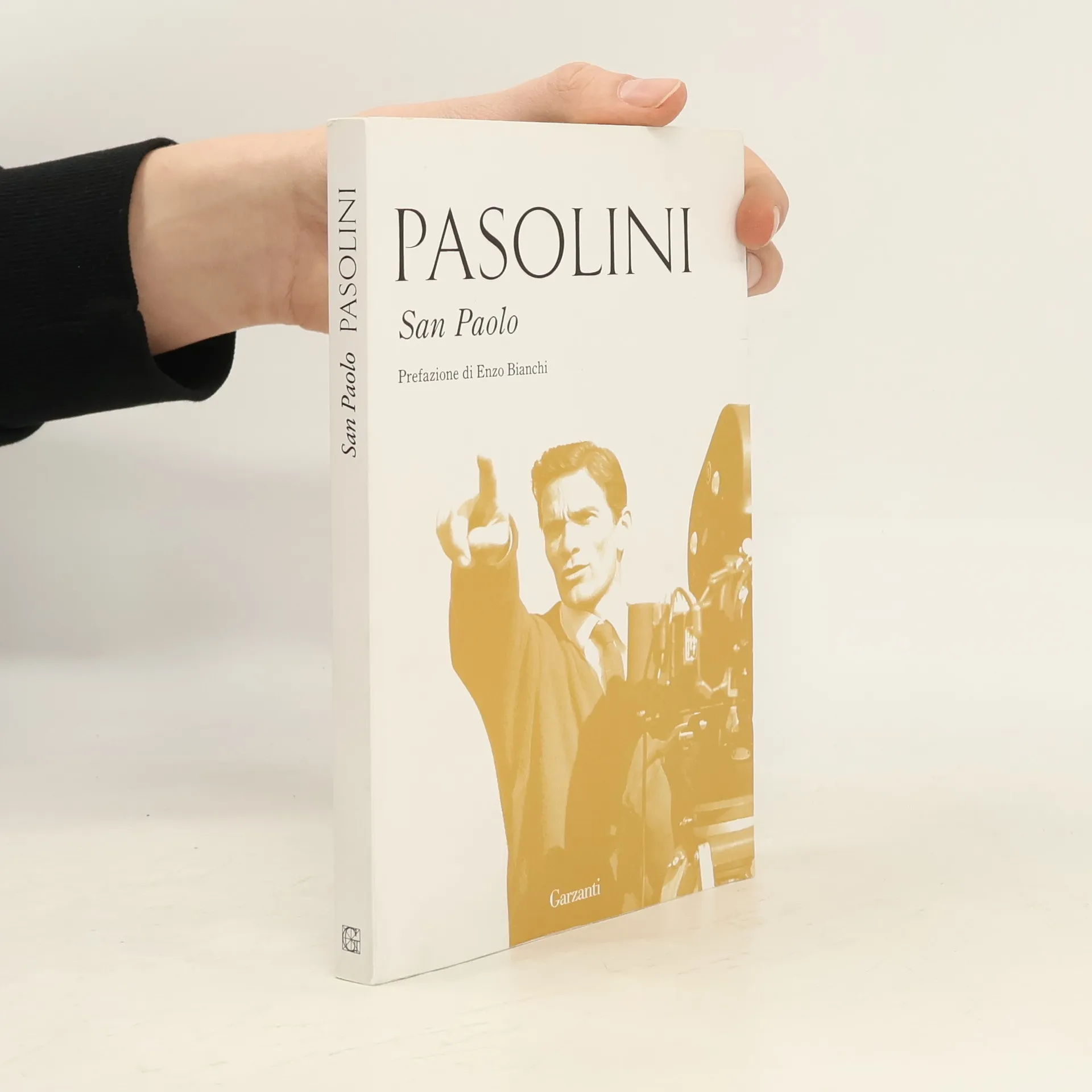
Perché ho l'intenzione di trascrivere questo percorso terrestre nella nostra durata presente? Semplicemente per rendere, cinematograficamente, in modo diretto e violento, l'impressione, la convinzione della sua attualità. In definitiva, per dire allo spettatore, in modo esplicito, senza nemmeno obbligarlo a riflettere, che "san Paolo è qui, oggi, tra noi" e che lo è quasi fisicamente, materialmente: che è alla nostra società che si rivolge, che è sulla nostra società che piange, che è la nostra società che ama, minaccia e perdona, aggredisce e abbraccia teneramente. Nessun deserto sarà mai più deserto di una casa, una piazza, una strada dove vivono gli uomini mille nove cento settanta anni dopo Gesù Cristo. Qui, c'è la solitudine. Spalla a spalla con il tuo vicino che si veste negli stessi grandi magazzini di te, frequenta le stesse boutique di te, legge gli stessi giornali di te, guarda la stessa televisione di te, c'è il silenzio. Non c'è altra metafora del deserto che la vita quotidiana.
Diese Texte über Rom aus den 50er und 60er Jahren – die hier zum ersten Mal ins Deutsche übersetzt erscheinen – sind Pasolinis 8 berührende Liebeserklärungen an die »grande metropoli popolare« und ihr poetischer Abgesang. Pasolini erzählt von seiner Liebe zu dieser Stadt, die sich aber durch den aufziehenden »Zentralismus des Konsumismus« schon zu seinen Lebzeiten veränderte: eine Liebe mit unglücklichem Ausgang. Ein“Muss“ für alle Pasolini-Leser, das „Soll“ für all jene, die hinter Roms Gegenwartskulisse schauen wollen. Die Fotografien von Herbert List aus der Entstehungszeit der Texte geben dem Buch seine besondere Atmosphäre. Dorothea Diekmanns Nachwort berichtet von der unerfüllten Liebe Pasolinis zur Ewigen Stadt.
Le belle bandiere : dialoghi 1960-1965
- 384pages
- 14 heures de lecture
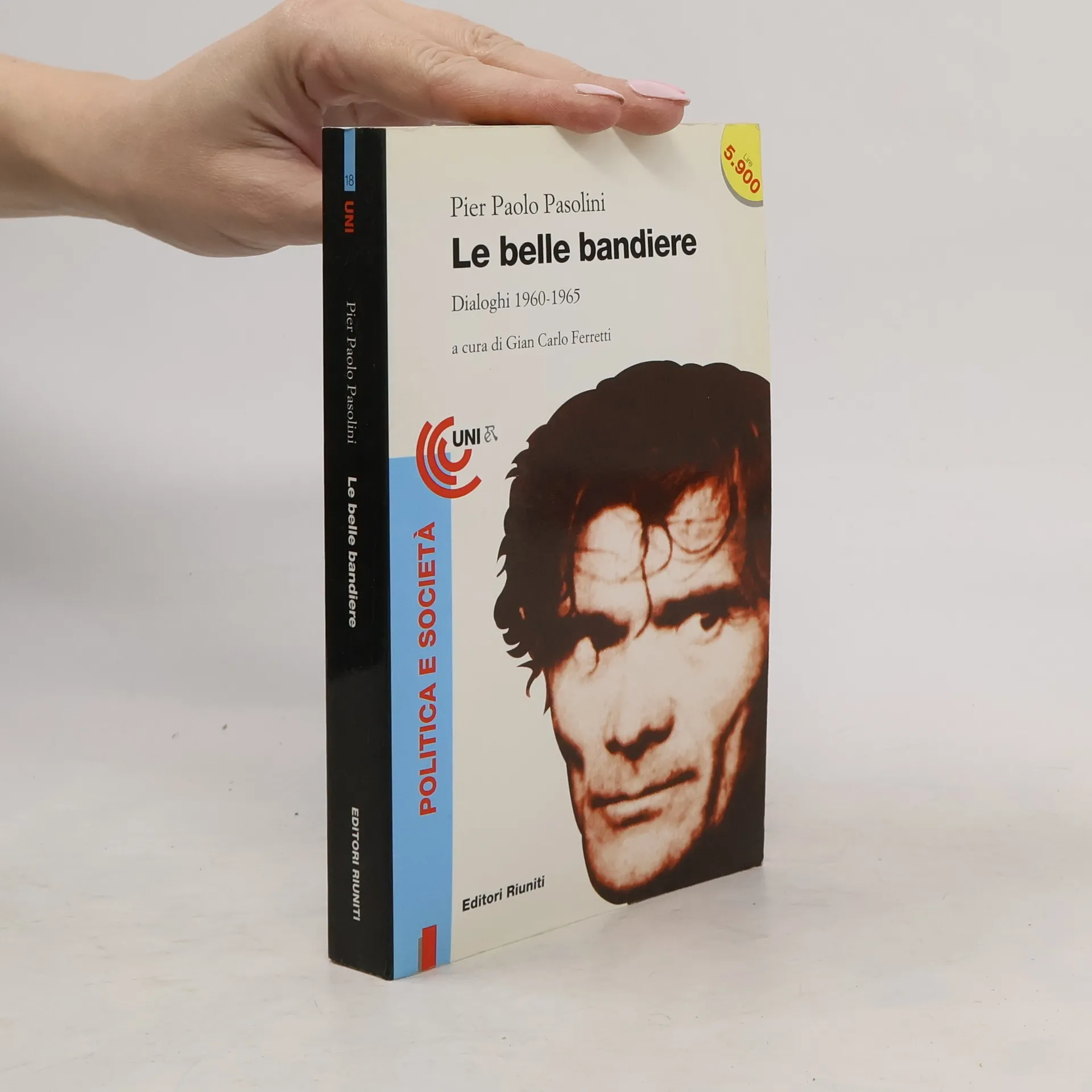
«Non si lotta solo nelle piazze, nelle strade, nelle officine, o con i discorsi, con gli scritti, con i versi: la lotta più dura è quella che si svolge nell’intimo delle coscienze, nelle suture più delicate dei sentimenti.»Nel giugno del 1960, mentre è impegnato nel suo esordio alla regia con Accattone, Pier Paolo Pasolini inaugura una rubrica di corrispondenza con i lettori sul settimanale di politica e cultura «Vie nuove». Inizia così un vero e proprio dibattito epistolare che durerà, pur con diverse interruzioni, cinque anni: a scrivergli sono operai, studenti, disoccupati, soprattutto giovani e giovanissimi che «fanno della cultura non la loro specializzazione, ma il loro nutrimento». Pasolini si fa compagno di strada e confidente, supera la cronaca quotidiana per cercare di interpretare i grandi fenomeni storici in corso, e introduce nella discussione pubblica temi che diventeranno cruciali negli anni a venire: il ruolo della donna, le nuove e necessarie politiche scolastiche, il movimento progressista che si sta facendo largo nella Chiesa, l’ingannevole idea di uno sviluppo illimitato. Il risultato è un dialogo aperto, senza sconti, schietto e coinvolgente, che si legge ancora oggi come una delle più profonde e affascinanti rappresentazioni del nostro paese.
Il sogno di una cosa
- 216pages
- 8 heures de lecture
Concepito e scritto nel 1948-1949, "Il sogno di una cosa" viene pubblicato solo nel 1962. Così si trova ad essere, al tempo stesso, romanzo d'esordio e di conclusione, cartone preparatorio di una stagione narrativa e ripensamento finale sulla validità di quell'esperimento. Tre ragazzi friulani alla soglia dei vent'anni vivono la loro breve giovinezza e affrontano il mondo: la miseria delle origini, la fuga in Jugoslavia, le lotte contadine, l'emigrazione..., ma anche l'amicizia, l'amore, la solidarietà. Si comincia con l'ebbrezza di una festa, si finisce con la tristezza di una morte: "la meglio gioventù" è già conclusa.
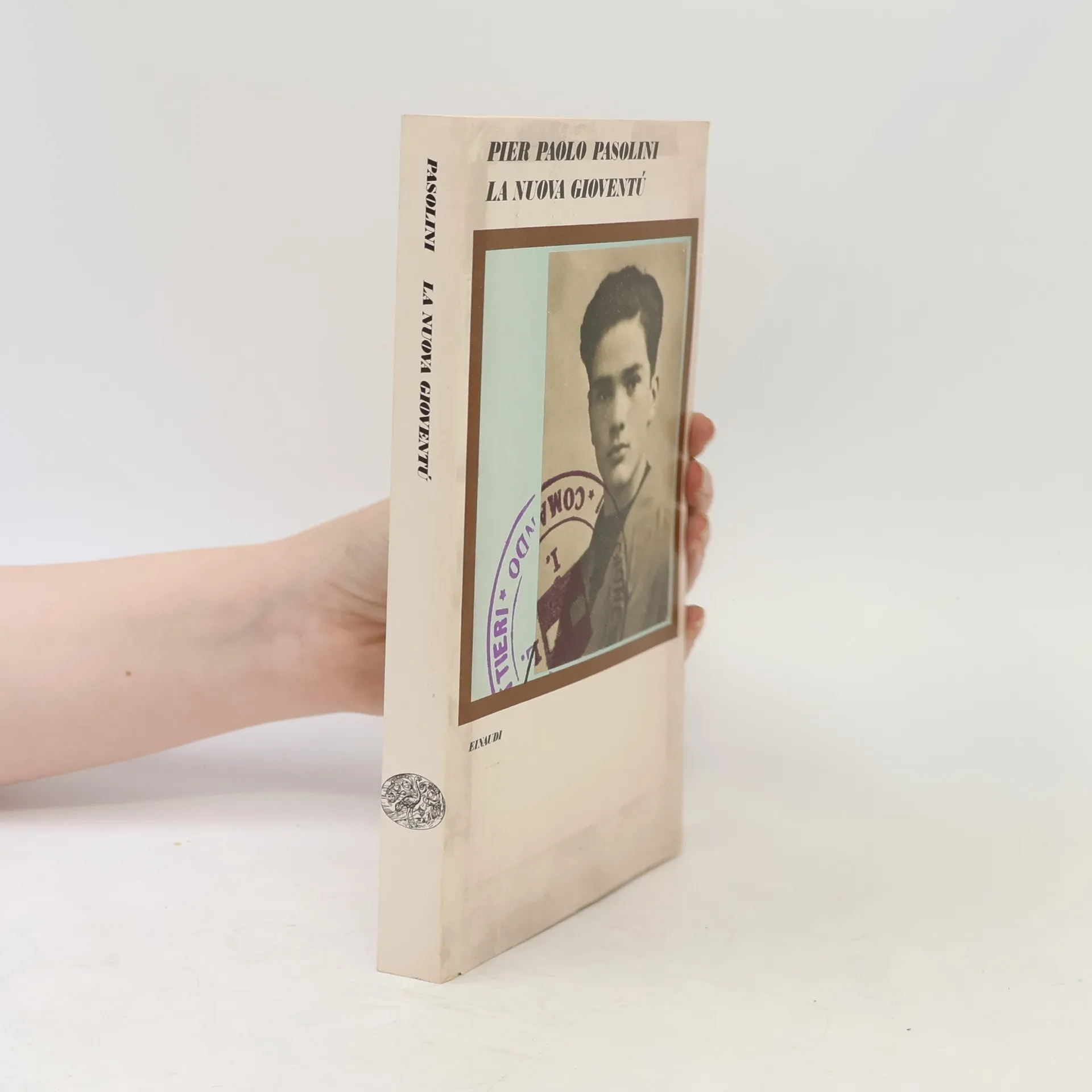
Pier Paolo Pasolinis erste Buchveröffentlichung war der Gedichtband Poesie a Casarsa von 1942, geschrieben in der Sprache des Städtchens Casarsa im Friaul. Pasolinis Liebe galt einer von ihm nie gesprochenen Muttersprache, einer Sprache des Begehrens nach einer anderen, eigenen, vor allem nicht väterlichen und nicht faschistischen Herkunft. Das Friulanische, den Dialekt seiner Mutter Susanna, hat der kaum Zwanzigjährige zu einer Kunstsprache erhoben, die das mütterliche Idiom den symbolischen Formen Pascolis und d'Annunzios anverwandelte. Diese ihm immer schon verlorene, nur durch philologische Rekonstruktion zugängliche Sprache eines anderen Ich greift Pasolini über dreißig Jahre später noch einmal auf. In seiner letzten Buchveröffentlichung zu Lebzeiten La nuova gioventù von 1975 wiederholt er seine frühesten Gedichte und erhebt dabei ihre Sprache zur Sprache des Paradieses, zur Sprache des Eros der «bessern Jugent», zur Sprache auch seines politischen Kampfes gegen den Übergang einer archaischen, agrarischen Ordnung in ein neues, globalisiertes System der Massenkultur. Die erste Übersetzung ins Deutsche macht die erstaunliche Struktur dieser Obsession sichtbar: Gedicht gegen Gedicht, cuárp dentro cuárp, leyp wider leyp.
Der Zorn ist ein filmisches Gedicht in Prosa und Versen, ein polemischer Essay, der Radikalität und Lyrik verbindet. Man findet hier den schärfsten und klarsten Pasolini. Der Text ist das politischste literarische Werk von Pasolini. Indem er die Ereignisse und die Gesellschaft seiner Zeit hinterfragt, bevor die endgültige Uniformierung eintritt, beleuchtet Der Zorn auf eindringliche Weise unsere Gegenwart. "Die Freude des Amerikaners, der sich identisch mit einer anderen Million Amerikanern in der Liebe zur Demokratie fühlt: das ist die Krankheit der zukünftigen Welt! Wenn die klassische Welt erschöpft sein wird ― wenn alle Bauern und Handwerker tot sein werden ― wenn die Industrie den Zyklus von Produktion und Konsumtion unaufhaltsam gemacht hat ― dann wird unsere Geschichte enden."
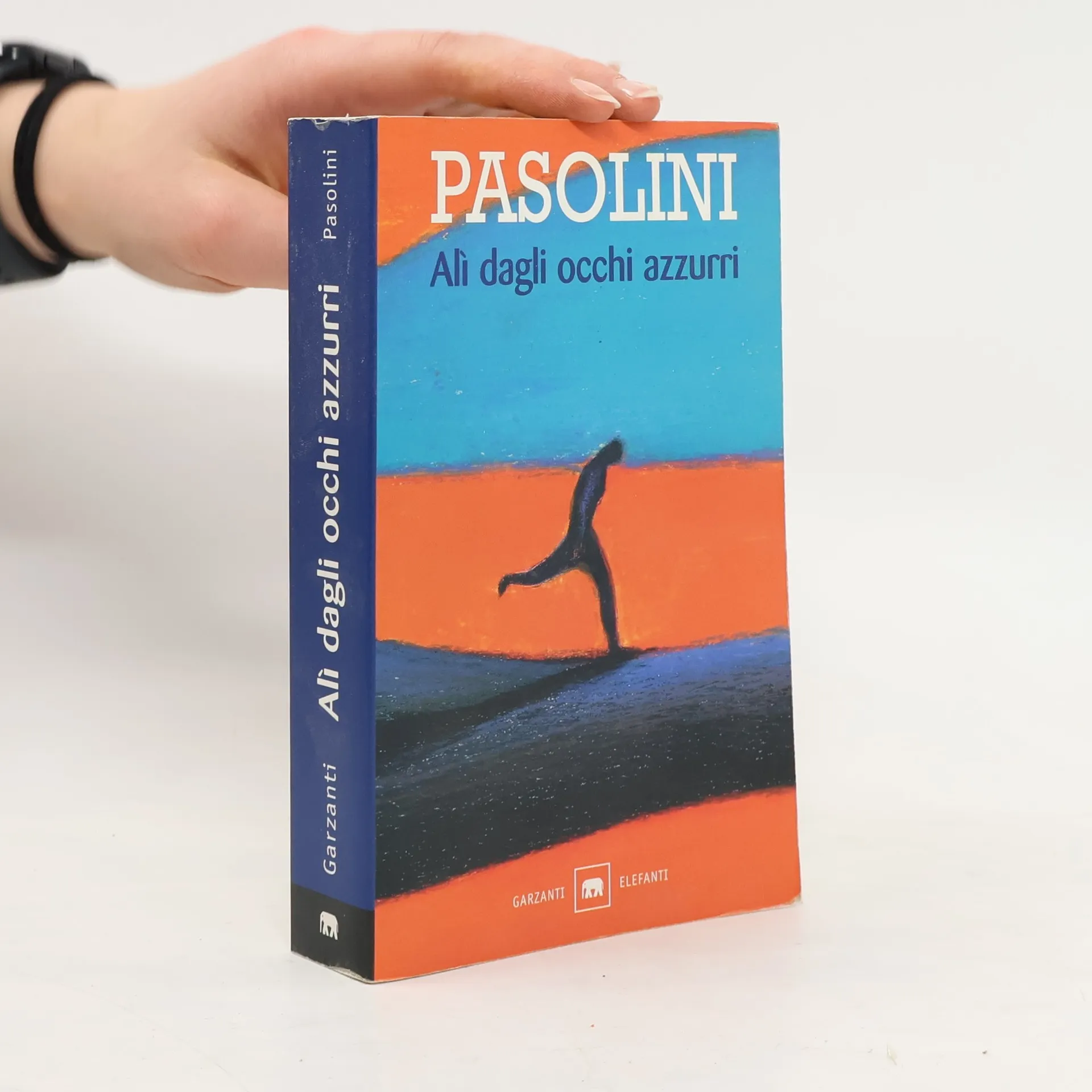
Alì dagli occhi azzurri
- 515pages
- 19 heures de lecture
Scritti tra il 1950 e il 1965, questi racconti documentano l'evoluzione e la ricerca di Pasolini durante un periodo particolarmente intenso e significativo della nostra storia culturale: dalle prime prove realistiche, accompagnate dal rifiuto dell'italiano colto e dall'adozione di una mimesi stilistica dialettale, alle sceneggiature per i film, alle provepiù sperimentali del «racconto che non si farà», dove un'estrema raffinatezza letteraria scalza le precedenti ipotesi di lavoro realistiche (per esempio, proprio il dialetto come lingua arcaica e preborghese), ormai scadute, agli occhi di Pasolini, a formule passive e irritanti.
Nach meinem Tod zu veröffentlichen
Späte Gedichte. Zweisprachige Ausgabe
Zu Beginn der sechziger Jahre hat Pasolini in Rom Fuß gefasst, er hat zwei gefeierte Romane veröffentlicht und sich eine neue, flammende Leidenschaft erschlossen, das Kino. Doch der Ort, an dem sich seine Passion, die sozialen und politischen Verhältnisse der Welt festzuhalten, am dringlichsten äußert, ist seine Lyrik. Kompromisslos wirft Pasolini den eigenen Körper in den Kampf, prangert die verlogenen Ideologien der Machthaber an und protestiert gegen die Seelenlosigkeit des Kapitalismus. Zugleich sind seine Gedichte eine Liebeserklärung an den Menschen, an das römische Subproletariat, es sind Verse voller Nostalgie, Zärtlichkeit und Solidarität.Nach meinem Tod zu veröffentlichen versammelt erstmals unübersetzte und aus dem Nachlass erschlossene späte Gedichte Pasolinis – Gedichte von äußerster politischer Luzidität und belebendem Pathos. Es ist das Protokoll einer Krise linken Denkens, das rund sechzig Jahre nach seinem Entstehen an Dringlichkeit und Anmut nichts eingebüßt hat.
Ein Unfall im Kosmos
112 Sonette
Pier Paolo Pasolinis Nachlass barg über Jahrzehnte einen ungewöhnlichen Schatz: einen Zyklus von Sonetten, an denen der Autor zwischen 1971 und 1973 arbeitete. Auslöser für diese Liebes-, Schmerz- und Schmähgedichte war ein »Unfall im Kosmos« – Ninetto Davoli, Pasolinis langjähriger Begleiter und Protagonist vieler seiner Filme, hatte sich von ihm abgewandt und beschlossen, seine Freundin Patrizia zu heiraten. In 112 Anläufen, die sich wie Notrufe aneinanderreihen, sucht der verzweifelte Pasolini das Zwiegespräch mit dem abtrünnigen Geliebten. Leise Liebeserklärungen folgen auf blindwütige Tiraden und Vorwürfe, zärtliches Pathos der Erinnerung weicht beleidigtem Rückzug. Immer wieder lässt die Fassungslosigkeit des Verlassenen die Form der Sonette ausufern – literarischer Anspruch und menschlicher Schiffbruch bleiben untrennbar verwoben. Theresia Prammer hat Pasolinis späte Sonette einfühlsam und in all ihrer Sprengkraft ins Deutsche übertragen.
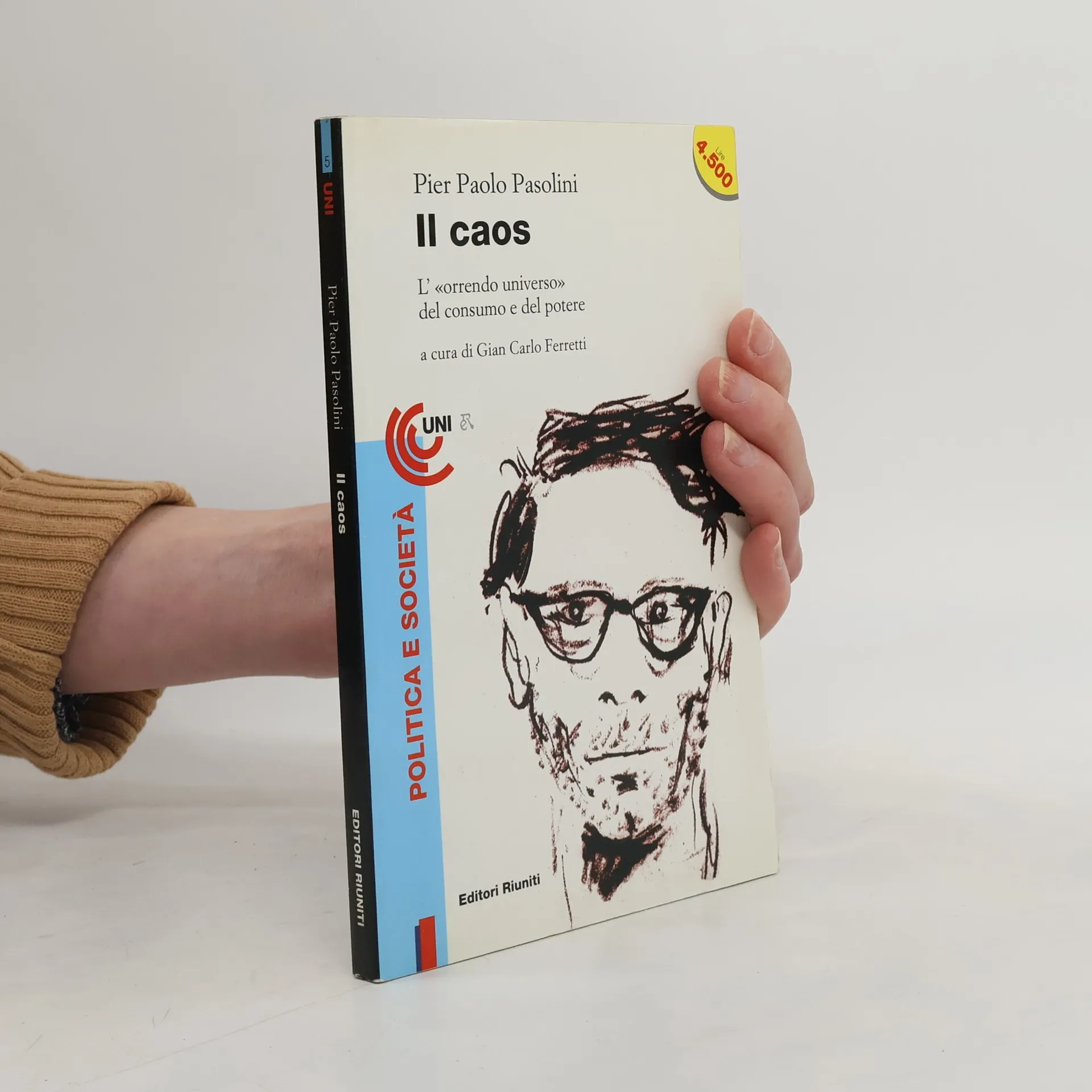
«Io non ho alle mie spalle nessuna autorevolezza: se non quella che mi proviene paradossalmente dal non averla o dal non averla voluta; dall'essermi messo in condizione di non avere niente da perdere, e quindi di non esser fedele a nessun patto che non sia quello con il lettore.» «L'invisibile rivoluzione conformistica di cui Pasolini parlava con tanto accanimento e sofferenza dal 1973 al 1975, non era affatto un fenomeno invisibile. Chi ricorda anche vagamente le polemiche giornalistiche di allora, a rileggere questi Scritti corsari può restare sbalordito. Il fatto è che per Pasolini i concetti sociologici e politici diventavano evidenze fisiche, miti e storie della fine del mondo. Finalmente, così, Pasolini trovava il modo di esprimere, di rappresentare e drammatizzare teoricamente e politicamente le sue angosce… di parlare in pubblico del destino presente e futuro della società italiana, della sua classe dirigente, della fine irreversibile e violenta di una storia secolare.» (dalla Prefazione di Alfonso Berardinelli)
"Un po' di febbre" raccoglie i testi in prosa scelti da Penna stesso nel 1973. Nei racconti, come nelle pagine di diario, il lettore ritrova le sue immagini più tipiche: la luce, la meraviglia, la vita che è il «ricordarsi di un risveglio»; ma soprattutto l'icona del fanciullo, puer aeternus che trascende ogni temporalità per diventare simbolo di un'infanzia assoluta, materia di un'incessante mitografia. È solo nella giovinezza, infatti, nella giovinezza senza tempo dei poeti, che può nascere quello sguardo capace di riconoscere il mondo, abbandonandosi a un primitivo stupore. Ma perché quello stupore possa manifestarsi è necessario ciò che Penna indica fin dal titolo: un «rapporto febbrile con la realtà».
Nell'ultimo anno della sua vita Pasolini condusse, dalle colonne del "Corriere della Sera" e del "Mondo", una rovente requisitoria contro l'Italia che vedeva intorno, "distrutta esattamente come l'Italia del 1945". Partendo dall'analisi delle mutazioni culturali, Pasolini rintracciava i segni di un inarrestabile degrado: la crisi dei valori umanistici e popolari; le lusinghe del consumismo, più forte e corruttore di qualsiasi altro potere; le distruzioni operate dalla classe politica; una invincibile e generalizzata "ansia di conformismo"; le mistificazioni di certi intellettuali autoproclamatisi progressisti. Non è vero che la Storia va sempre avanti: l'individuo e la società possono regredire.
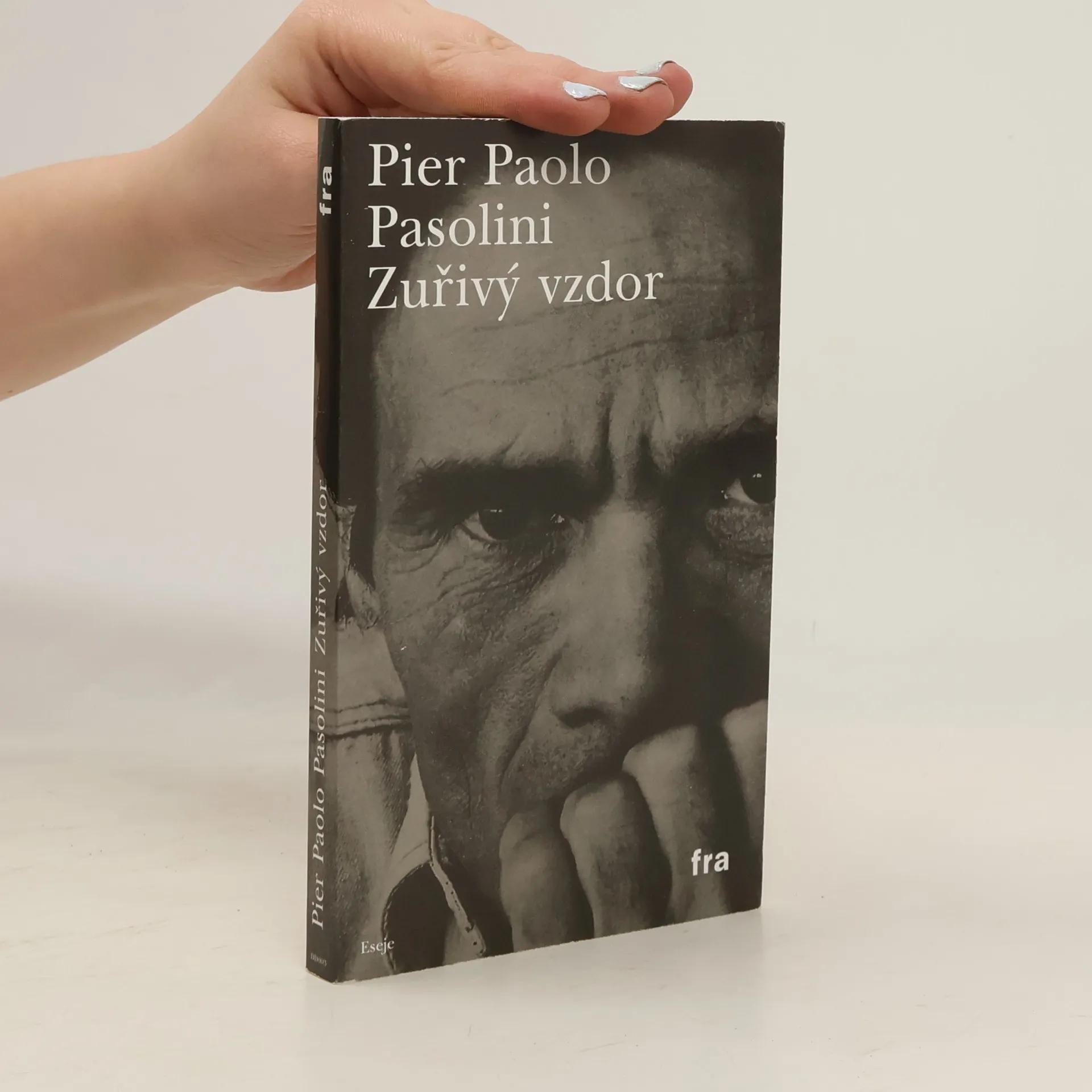
Zuřivý vzdor
- 170pages
- 6 heures de lecture
Pier Paolo Pasolini (1922–1975) je světově proslulý režisér, který během svého života vytvořil také rozsáhlé literární dílo. V esejích má čtenář možnost se seznámit s jeho vyhraněnými názory na umění, náboženství, erotiku, politiku a svět vůbec. Texty jsou výrazně polemické, racionální, často se objevují teoretické argumenty inspirované dobovým strukturalismem. Kniha sestává ze dvou sbírek: Korzárské spisy (1975) a Luteránské listy (1976). Píše o ustrnulé levici, buržoazii, církvi a také o všem tom, co je podle jeho mínění spojeno s pokračováním fašismu.
Pronto! moderne Italiaanse verhalen (Meulenhoff pocket editie)
- 159pages
- 6 heures de lecture
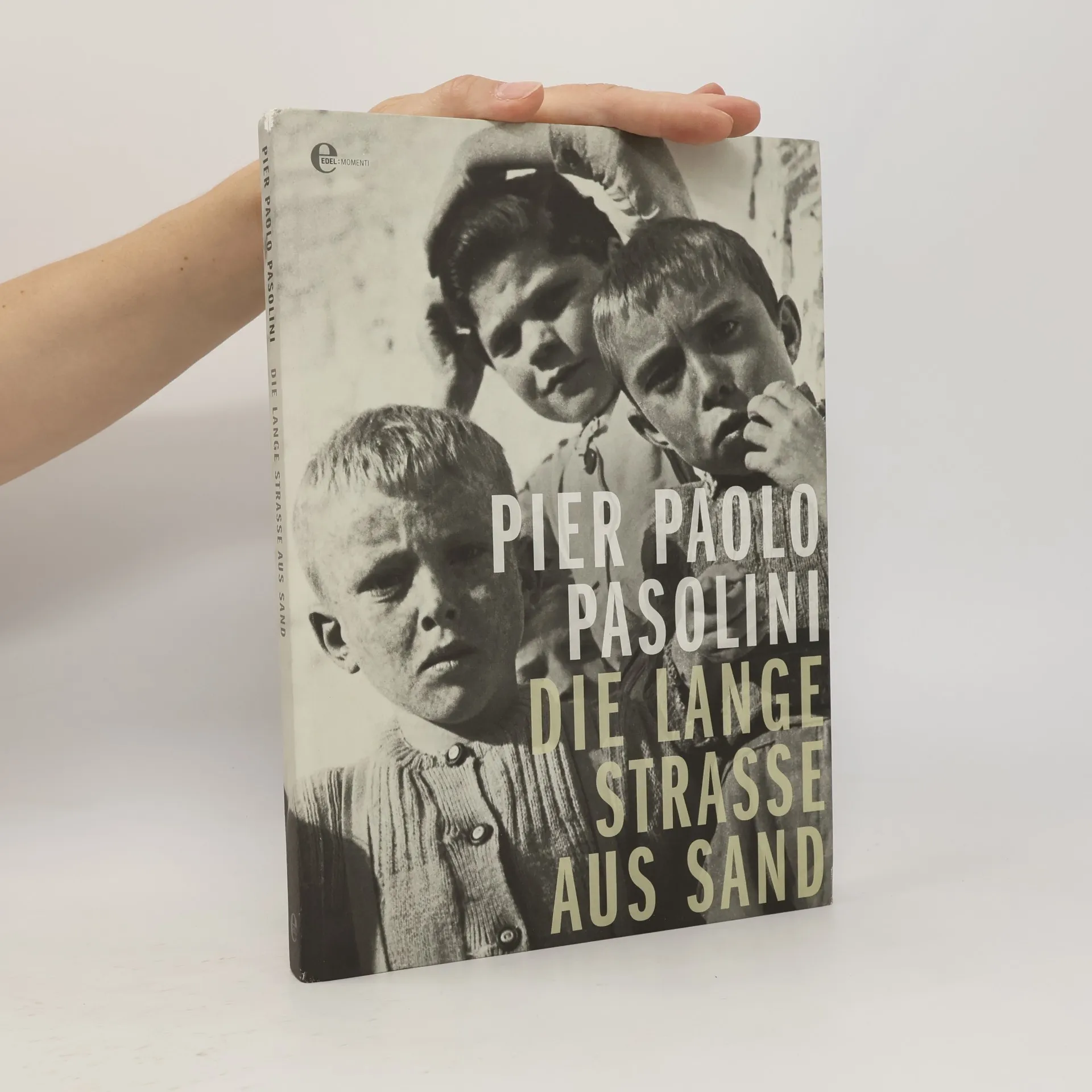
Die lange Straße aus Sand
- 144pages
- 6 heures de lecture
Während Pasolini 1959 gerade seinen zweiten Roman, Una vita violenta, veröffentlicht, arbeitet er auch für verschiedene Zeitschriften. Für die Illustrierte Successo unternimmt er in einem Fiat 500 eine Reise entlang der italienischen Küste, von Ventimiglia bis Triest. Das Tagebuch dieser Reise, La lunga strada di sabbia ('Die lange Straße aus Sand'), ist das eigenwillige Dokument einer Zeit zwischen dem Ende der Traditionen und dem Beginn des 'Zeitalters der Herrschaft des Konsumismus' (Pasolini).
Passione e ideologia
- 561pages
- 20 heures de lecture
"Passione e ideologia" costituisce la massima e la più organica espressione dell'attività critica di Pasolini. Al centro del volume sono le due ampie panoramiche dedicate rispettivamente alla poesia dialettale e alla poesia popolare italiane del nostro secolo; nella seconda parte, i saggi su figure di spicco della nostra letteratura: Pascoli, Gadda, Saba, Rèbora, Penna, Bertolucci, fino ad affrontare il problema dello sperimentalismo...
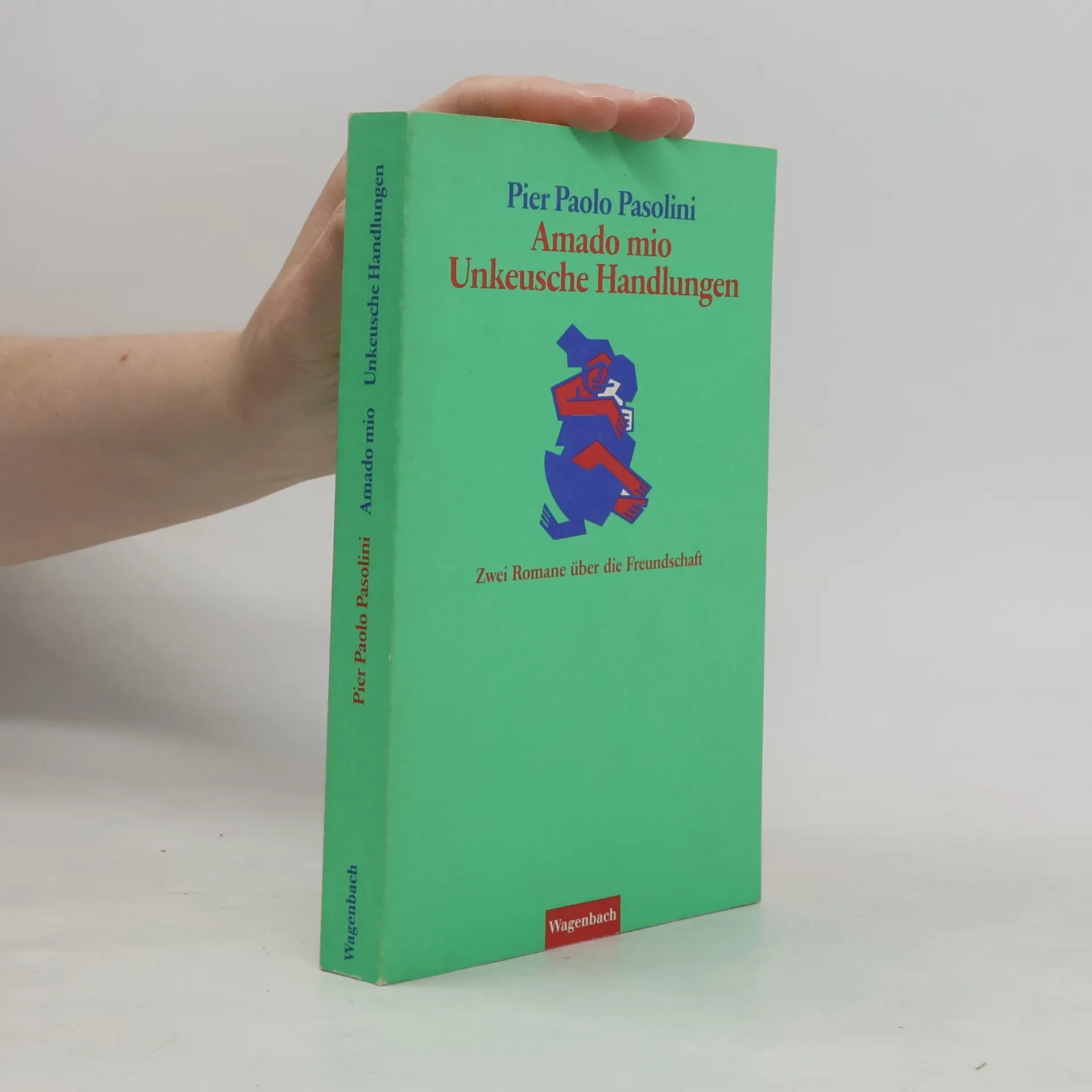
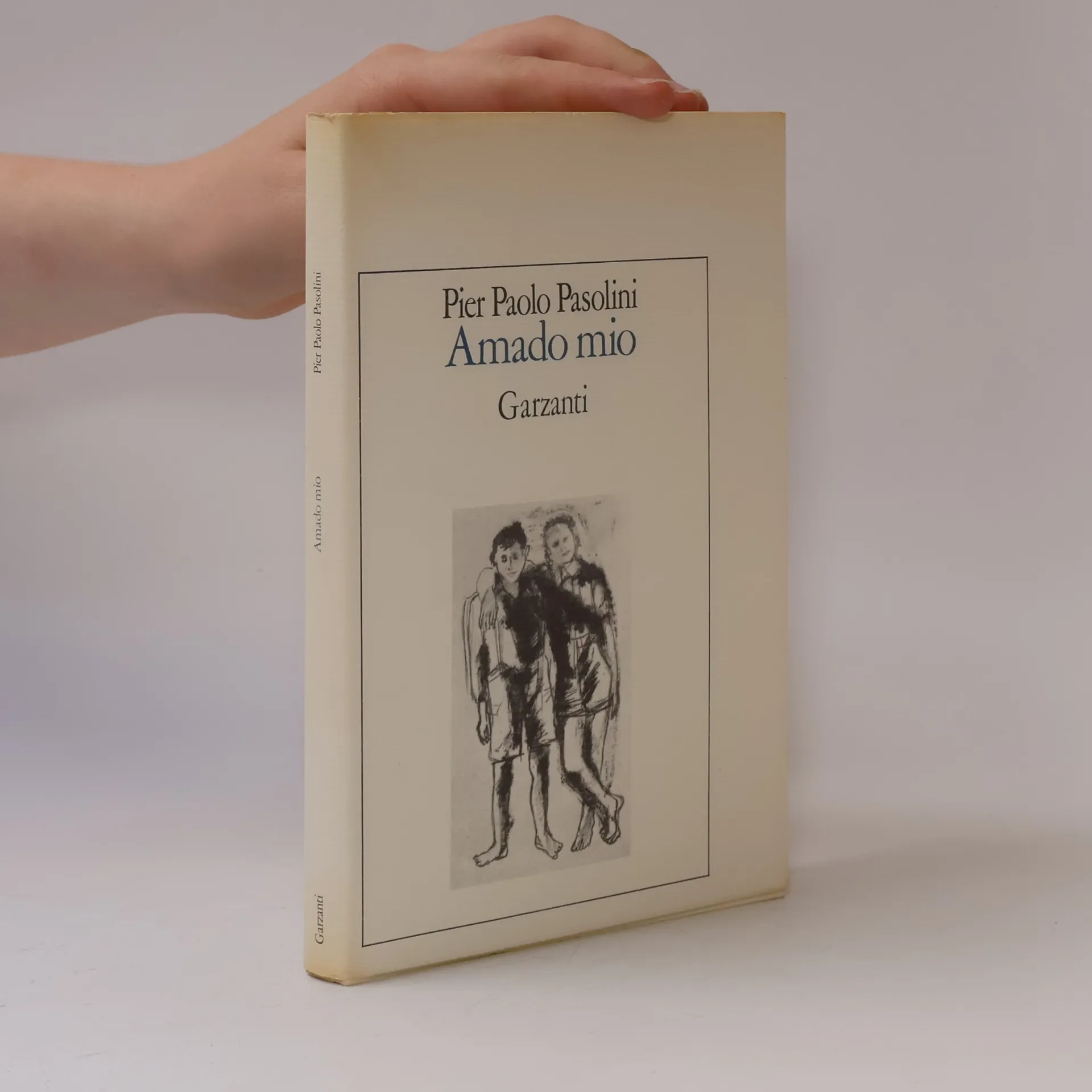
Zwei Romane über eine leidenschaftliche Obsession und die Erinnerung an eine fast bukolische Heimat im Friaul.§'Amado mio' ist die zarte Skizze einer ungehörigen Zuneigung, beim Baden, beim Tanz - die Erinnerung an einen heißen Sommer.§Das Tagebuch über 'Unkeusche Handlungen' beschreibt den Zusammenstoß mit der Gesellschaft und ihren Normen.§Zwei Texte von großer innerer Dramatik, die erst nach Pasolinis Tod veröffentlicht werden konnten.
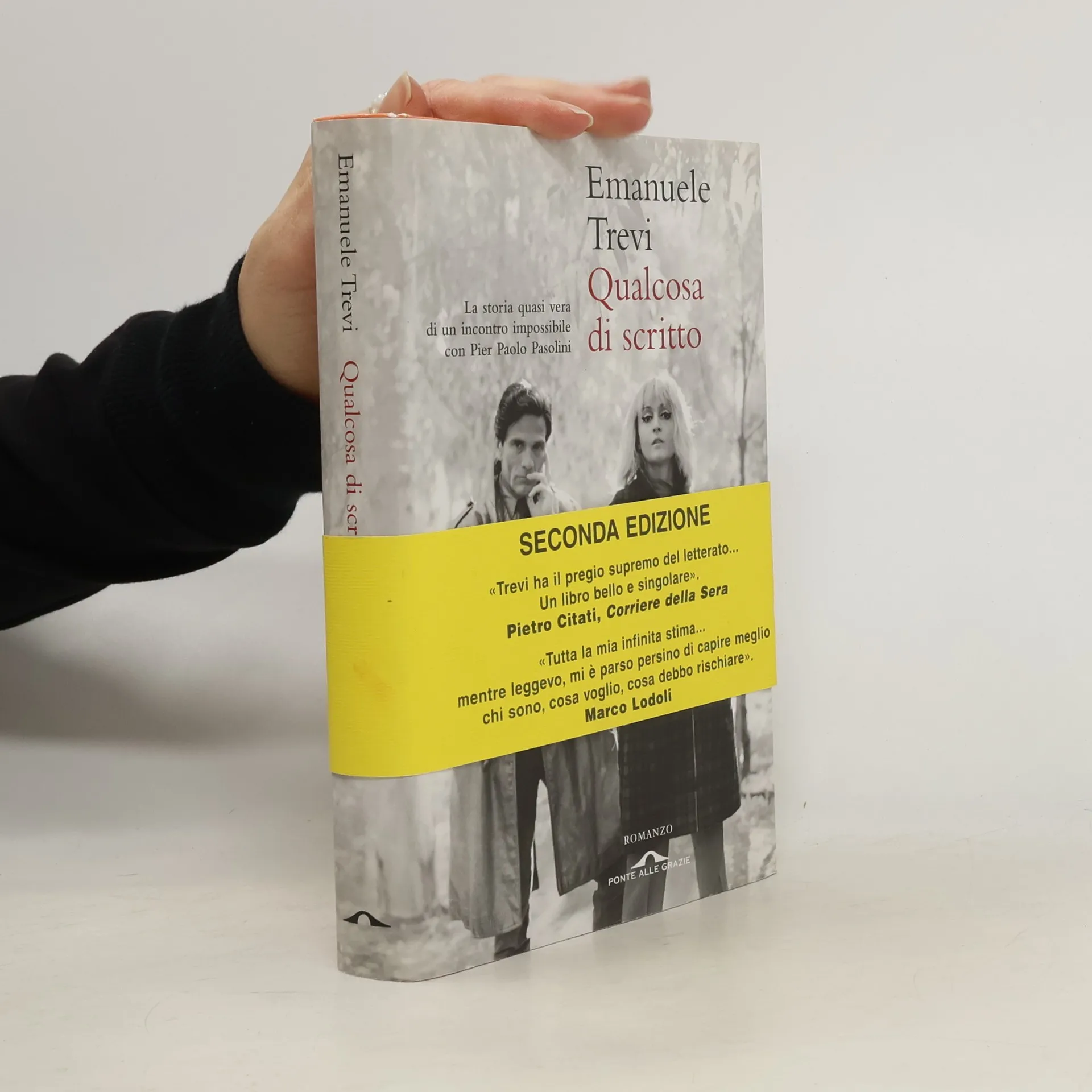
Qualcosa di scritto
La storia quasi vera di un incontro impossibile con Pier Paolo Pasolini - Seconda edizione
- 246pages
- 9 heures de lecture
Roma, primi anni Novanta. Mentre i sogni del Novecento volgono a una fine inesorabile e Berlusconi si avvia a prendere il potere, un giovane scrittore trova lavoro in un archivio, il Fondo Pier Paolo Pasolini. Qui, sotto la supervisione di una bisbetica Laura Betti, incontra una figura folle e affascinante, che si presenta come l'erede spirituale del poeta friulano. Questo incontro diventa per lui un contatto diretto con Pasolini, come se l'attrice di "Teorema" fosse intrisa della sua presenza e del suo percorso di sperimentazione sessuale e provocazione artistica. La narrazione esplora il contagio di questa influenza e il congedo inevitabile da essa, segnando una transizione dall'adolescenza a una nuova consapevolezza. Si svela anche un'altra storia, quella di un'iniziazione ai misteri e ai segreti più profondi della vita, legata al romanzo incompiuto di Pasolini, "Petrolio", pubblicato nel 1992. Questa vicenda conduce il lettore in Grecia, alla sacra Eleusi, attraverso il libro postumo di Pasolini e il disincanto dell'epoca attuale, dove, nonostante tutto, può ancora brillare il paradossale lampo del mistero.
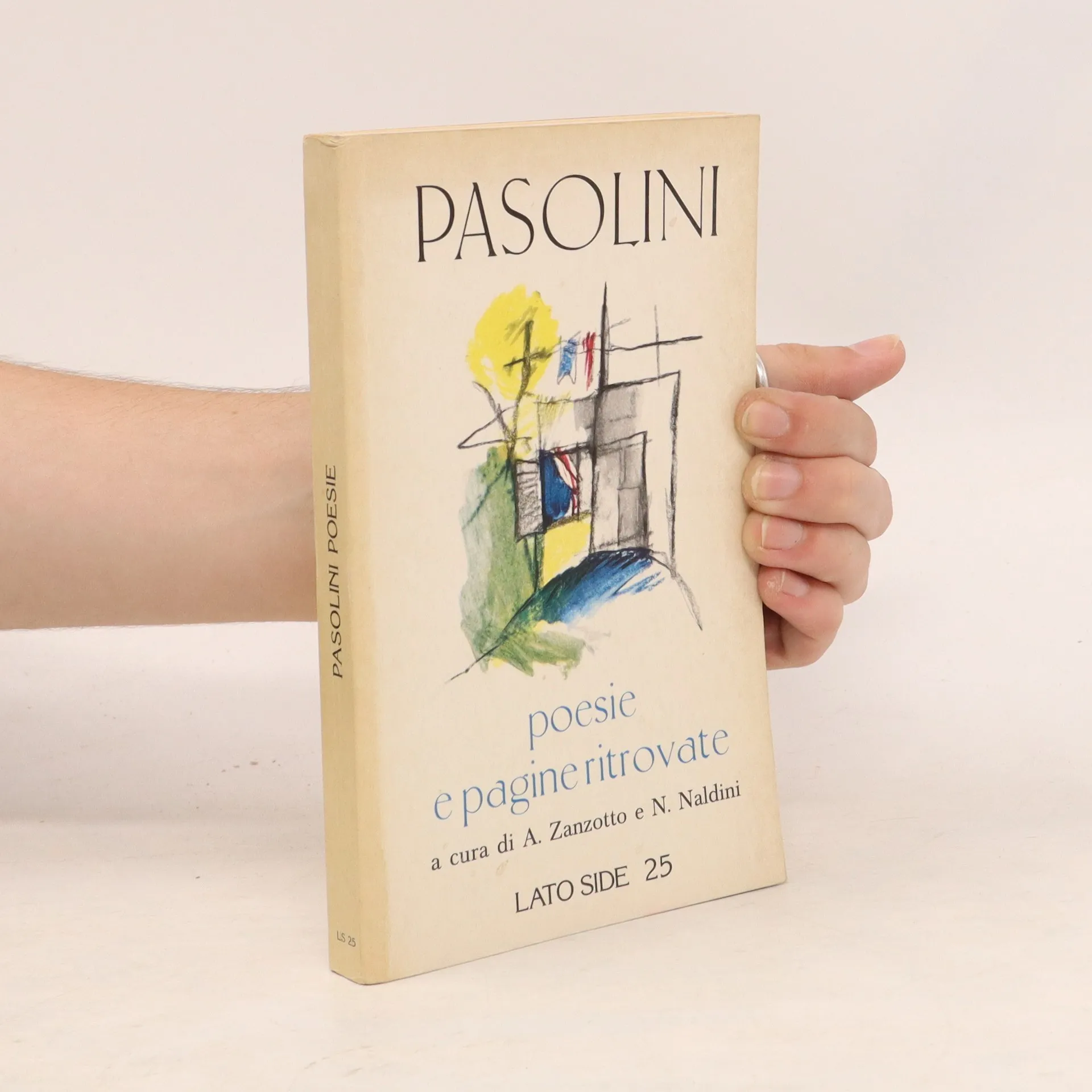
Il libro poetico più presago, più ricco di fermenti, in cui si ripropongono, oltre ai temi sociali delle Ceneri di Gramsci , i motivi del passato friulano, alluso ed evocato con crescente insistenza.
«È un brusio la vita, e questi persi in essa, la perdono serenamente, se il cuore ne hanno pieno: a godersi eccoli, miseri, la sera: e potente in essi, inermi, per essi, il mito rinasce... Ma io, con il cuore cosciente di chi soltanto nella storia ha vita, potrò mai più con pura passione operare, se so che la nostra storia è finita?»
Dialoge mit Pasolini
- 240pages
- 9 heures de lecture
Von 1960 bis 1965 beantwortet Pier Paolo Pasolini – kontroverser Autor von »Ragazzi di Vita«, angehender Filmemacher und Lieblingsfeind der Konservativen – Briefe seiner Leserinnen und Leser. Die Rubrik »Dialog mit Pasolini« in der linken Wochenzeitschrift ›Vie nuove‹ sammelt unterschiedlichste Stimmen aus ganz Italien: kalabrische Kommunisten und Bergarbeiter aus Grosseto, bürgerliche D’Annunzio-Verehrer und immer wieder junge Menschen, die mit ihren politischen Überzeugungen und denen der anderen ringen. Sie bitten um Rat, Wahlempfehlungen oder literarische Urteile, stellen Fragen zu Sexualität oder zum Erbe des Faschismus; manche äußern heftige Kritik an Pasolinis Werken, andere loben ihn ausdrücklich. Die Briefeschreiber erzählen von sich selbst, ihrer Arbeit, ihren Ängsten. Und Pasolini erwidert: leidenschaftlich, persönlich, mit aller Hoffnung auf die Jugend. Durch dieses einzigartige Archiv populärer Rede – hier erstmals ins Deutsche übersetzt – entsteht das facettenreiche Bild einer enorm politisierten italienischen Nachkriegsgesellschaft: zwischen Wirtschaftsaufschwung und Massenprotest, Konformismus und Bildungshunger, industrialisiertem Norden und vergessenem Süden.
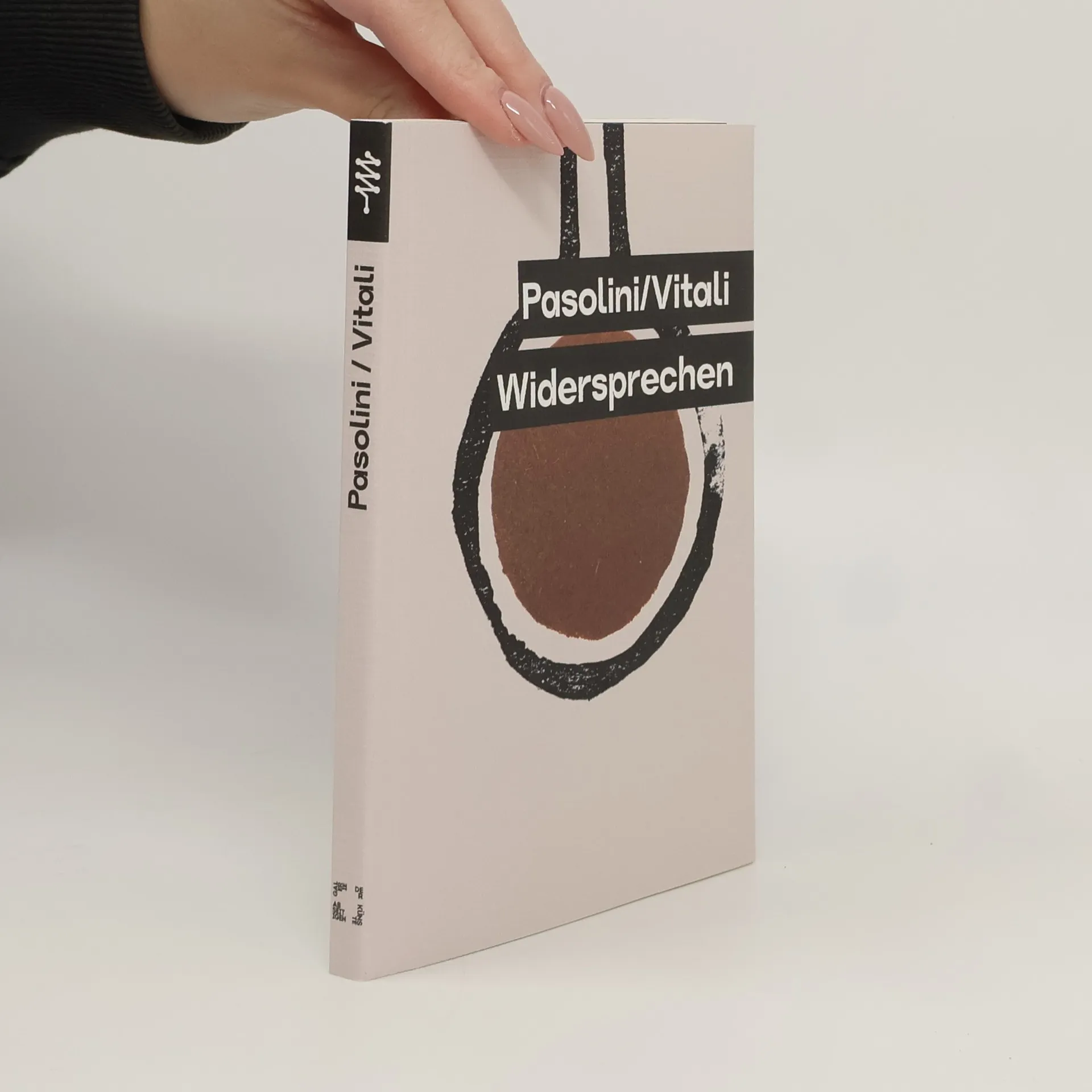
Florenz, 6. September 1975. Am runden Tisch der Festa deU’Unità verteidigt Pasolini seine Thesen zum Konsumfaschismus. Doch etwas an jenem Abend lässt seine Rede aus ihren pessimistischen Bahnen ausbrechen. Überwältigt von der Präsenz zahlreicher Jugendlicher, »Träger einer lebendigen Kultur der Freiheit«, äußert er die Vermutung, dass das negative Bild, das er sich in den letzten Jahren von der Gegenwart gemacht hatte, widerlegt werden könne. In der Bereitschaft Pasolinis, sich und seine Thesen öffentlich zur Diskussion zu stellen, kommt ein dialektisches Moment zur Geltung, das auch in den düstersten seiner Reden zur anthropologischen Mutation wie ein Irrlicht aufscheint. Der Literaturwissenschaftler Fabien Vitali zeigt in seinem Essay, dass Pasolinis Kulturkritik nicht allein auf der Wortebene zu begreifen ist, sondern im Rahmen einer Praxis des Dialogs und der Erfahrung des Anderen. Als solche liest Vitali sie neu: als performative Geste des Widerspruchs, als »Brüskierung festgefahrener Denkordnungen« – und stellt die Frage nach den Möglichkeiten eines anderen gesellschaftlichen Selbst
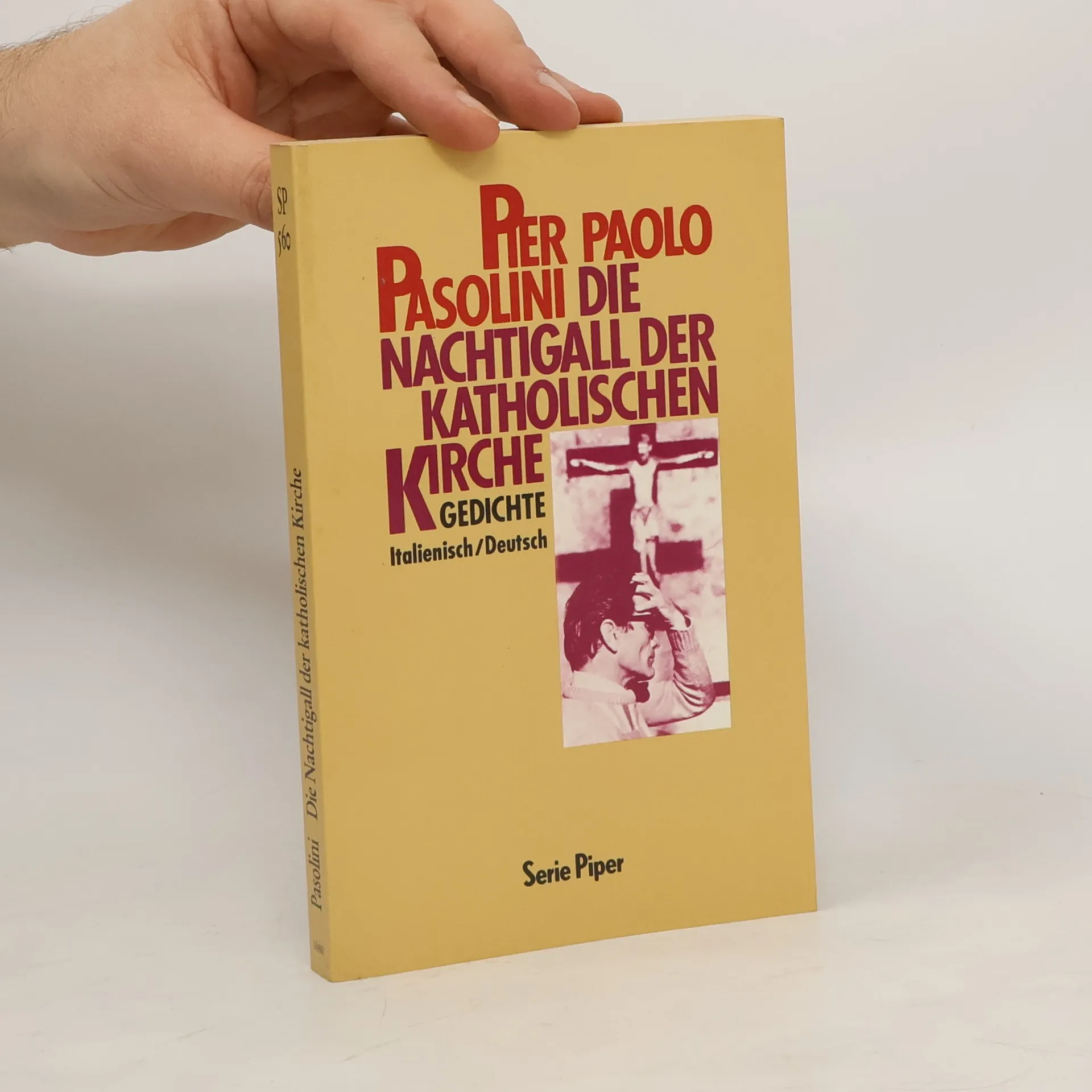
Die Sammlung "Die Nachtigall der katholischen Kirche" umfasst Gedichte, die zwischen 1943 und 1949 geschrieben wurden, jedoch erst 1958 veröffentlicht wurden. Das Werk thematisiert einen inneren Konflikt, der in Form einer heiligen Darstellung ausgedrückt wird. Die fast barocken Verse sind darauf ausgelegt, die Härte der Welt und der sozialen Beziehungen festzuhalten. Die Bekennung der eigenen Homosexualität erfolgt mit einer Stimme, die als „falsetto“ beschrieben wird, eine Stimme, die arm an Harmonien und Resonanzen ist, eine verhüllte und durchsichtige Stimme, die von einer zweiten, schmerzhaften Geburt in der Welt der Erwachsenen und der Rationalität spricht.
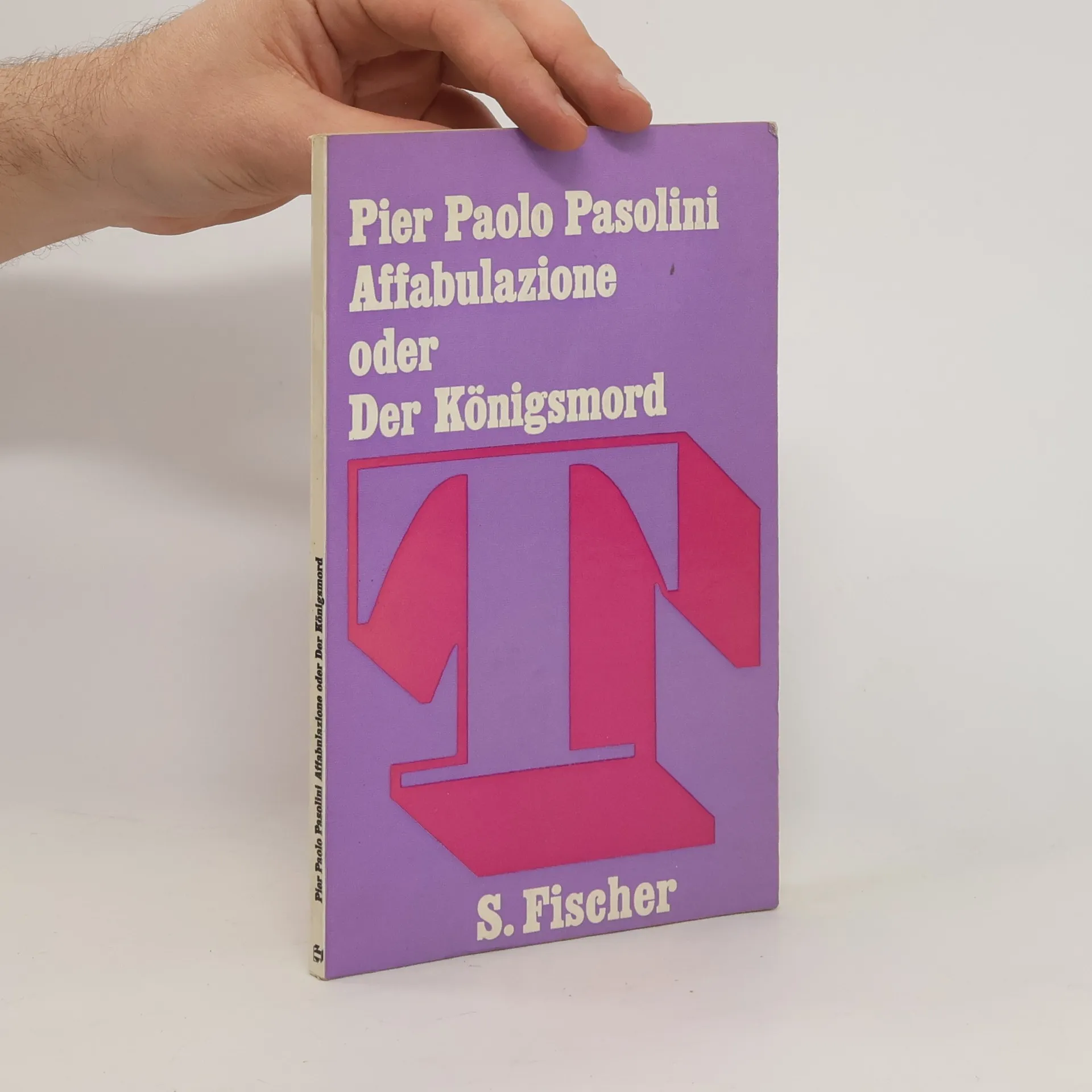
Affabulazione oder der Königsmord
- 70pages
- 3 heures de lecture
Tvaroh – Evangelium – Svatý Pavel
- 144pages
- 6 heures de lecture
Pier Paolo Pasolini je pro italské prostředí postava vpravdě ikonická, uctívaná levicí i částí katolíků, komentovaná intelektuály i využívaná v popkultuře. V českém prostředí má jeho jméno stále nádech jakési skandálnosti a okrajovosti a jeho dílo je známo jen částečně. Tato kniha chce nejen zaplnit jednu z mezer v poznání Pasoliniho, ale také propojit, co je v jeho českém vnímání stále odděleno: jeho dílo filmové a literární, jeho levicovost a jeho křesťanství. Přináší totiž výbor textů, které předcházejí nebo doprovázejí, komentují a zrcadlí jeho tři biblické filmy. Za film La Ricotta (1963) byl Pasolini odsouzen jakožto rouhač; za Evangelium svatého Matouše (1964) obdržel katolickou cenu; scénář k filmu Svatý Pavel už nerealizoval. Plánované filmy jsou tedy tři, realizované však vlastně také tři, neboť jako „doprovodný“ film k Evangeliu Pasolini natočil dokument Obhlídky v Palestině, v němž komentuje své dojmy ze Svaté země a své rozhodnutí natočit Evangelium raději doma v Itálii. Pasolini chápal své scénáře jako plnohodnotná literární díla a samotné natáčení pak komentoval v řadě básní, takže literárnost a filmovost se neustále potkávají.
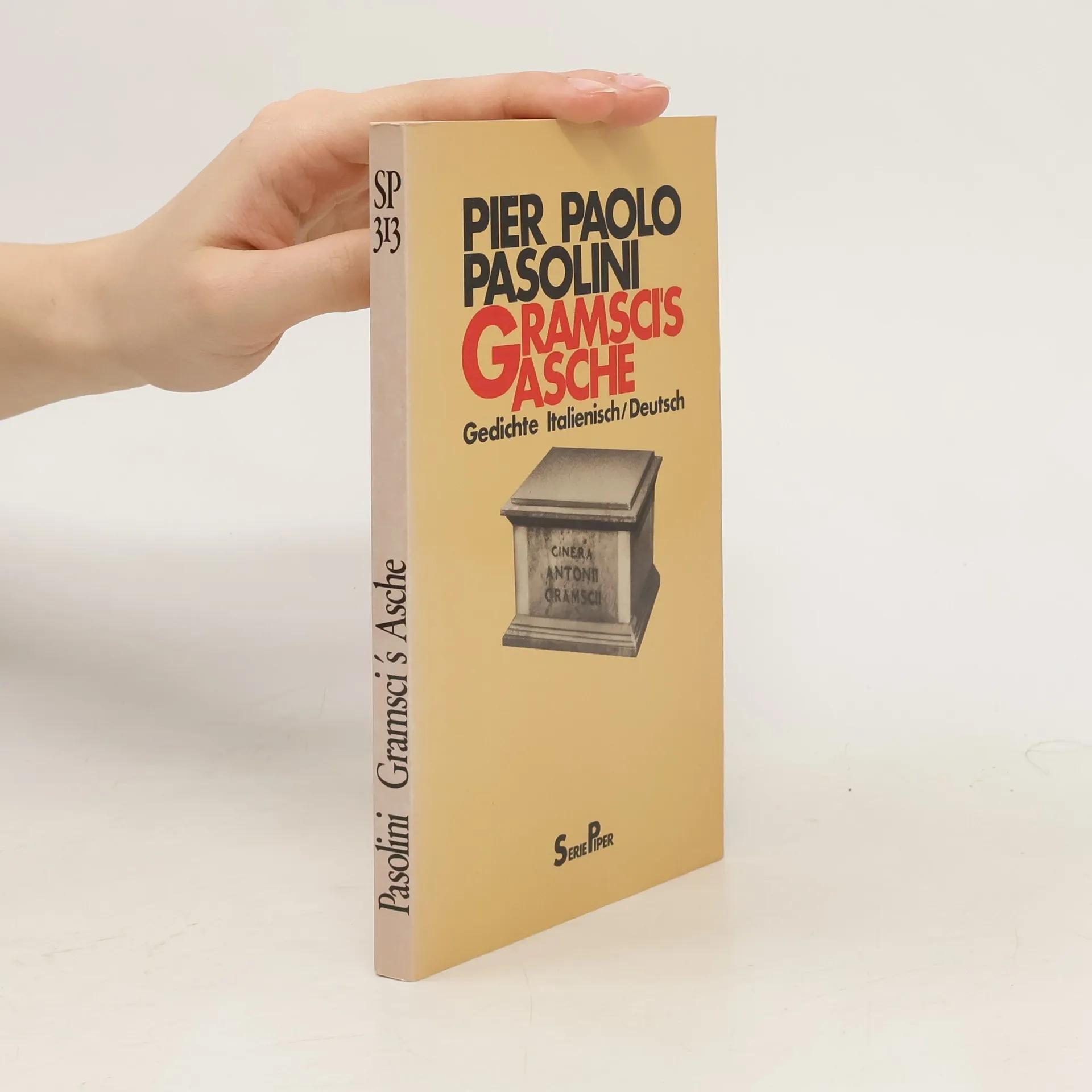
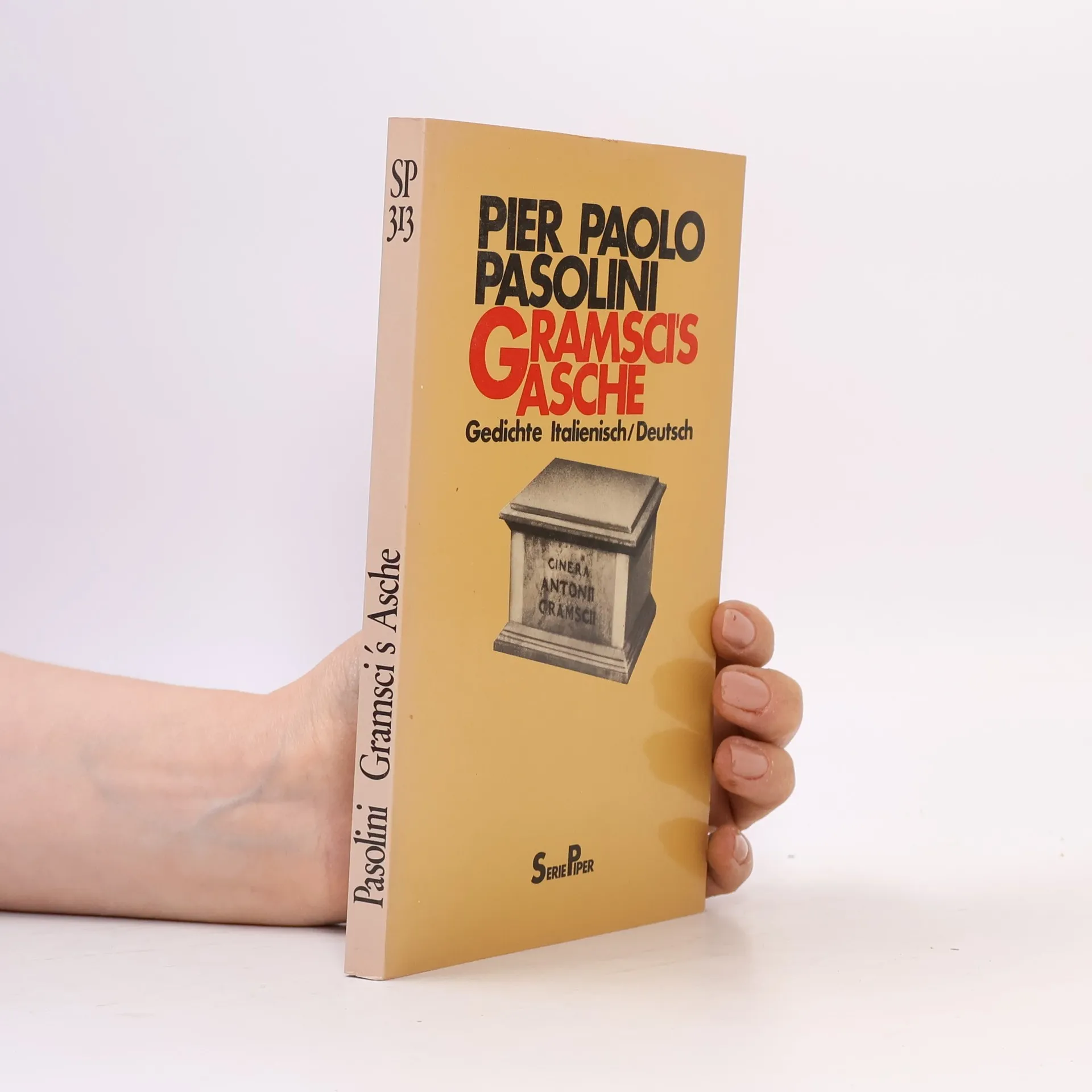
Gramsci's Asche
- 185pages
- 7 heures de lecture
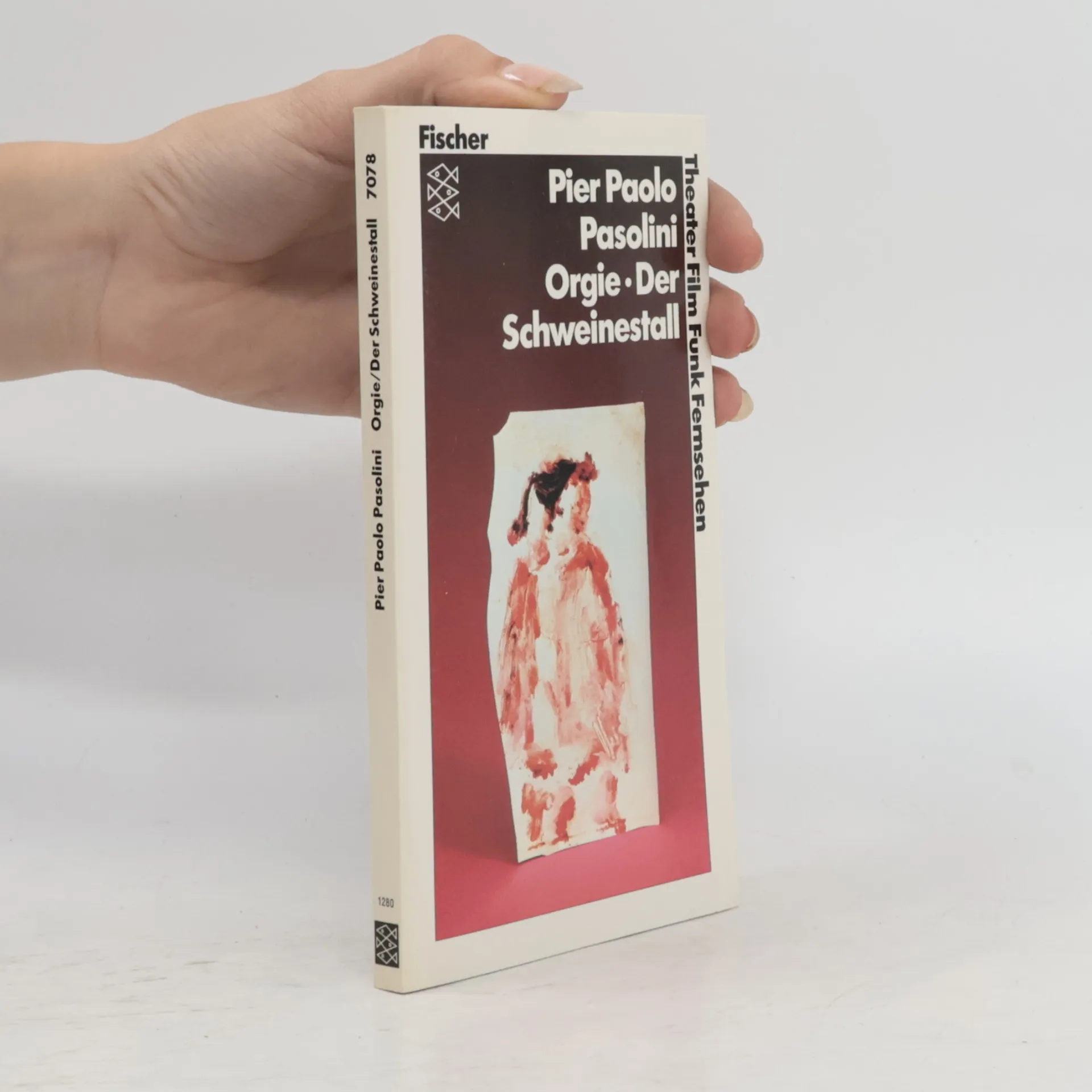
Orgie. Der Schweinestall
- 175pages
- 7 heures de lecture
Nur fünf Wochen vor seinem Tod stellte Pier Paolo Pasolini die letzte Fassung des Treatments zu seinem Filmprojekt "Porno - Theo - Kolossal" fertig, das bis in die 1960er Jahre zurückreicht. Es sollte sein letzter Film werden, bevor er sich ganz dem Schreiben widmen wollte. Sein gewaltsamer Tod am 2. November 1975 verhinderte dies. Das provisorisch gebliebene Drehbuch wurde posthum veröffentlicht, erst knapp fünfzehn Jahre nach seinem Tod, und erscheint hier erstmals in deutscher Übersetzung mit ausführlichem Kommentar und begleitenden Texten. Hinter dem provokanten Titel verbirgt sich ein Roadmovie, in dem ein alter Gelehrter aus Neapel (geplanter Hauptdarsteller: Eduardo De Filippo) den Stern des neu- oder wiedergeborenen Messias sieht. Zusammen mit seinem kauzigen Diener (Ninetto Davoli) folgt er ihm, ähnlich den Weisen aus dem Morgenland in der Kindheitsgeschichte des Matthäus. Diese transkulturelle Reise führt durch verschiedene, teils mythische, teils reale Städte: von Neapel nach Sodom (Rom), Gomorra (Mailand) und Numantia (Paris), bis zur archaischen Stadt Ur im Zweistromland. Während dieser Reise versammelt Pasolini zentrale Themen seines Lebens sowie seine Kultur-, Gesellschafts- und Ideologiekritik. Die literarische Fassung des Projekts wird so zu einem Schlüsselwerk für Pasolini und soll die "Summe" seines filmischen Schaffens darstellen.
Pier Paolo Pasolini in persona
Gespräche und Selbstzeugnisse
Interviews gebe er nur widerwillig, erklärte Pasolini. Dennoch hat er seit Mitte der fünfziger Jahre eine beträchtliche Anzahl gewährt: in großen Tages- und Wochenzeitungen, in Magazinen wie der Vogue, in Gesprächsbänden und zunehmend auch im Fernsehen. Er erzählt Dacia Maraini von seiner Kindheit, er spricht über alten und neuen Faschismus, seine Schwierigkeiten mit den 68ern, über antidemokratische Massenmedien, Sex als Metapher und über sein liebendes Irrewerden an Italien – bis zum letzten Interview wenige Stunden vor seinem Tod. Die Interviews bezeugen nicht nur die erstaunliche mediale Präsenz eines öffentlichen Intellektuellen, der sich manchmal sogar selbst befragt. Sie begleiten und ergänzen das vielfältige Schaffen des künstlerisch-publizistischen Multitalents Pasolini. In den Gesprächen erprobt er Thesen, setzt sich gegen Kritik an seinen Romanen und Filmen zur Wehr, verkörpert gleichsam den linken Ketzer, den maßlos angefeindeten und mitunter selbst maßlosen Polemiker. Vor allem aber zeichnet diese Auswahl von Gesprächen – sowie kaum bekannten autobiografischen Texten – ein facettenreiches Bild des Menschen Pasolini, dessen Wunsch nach Nähe und Dialog verzweifelt lebendig bleibt.
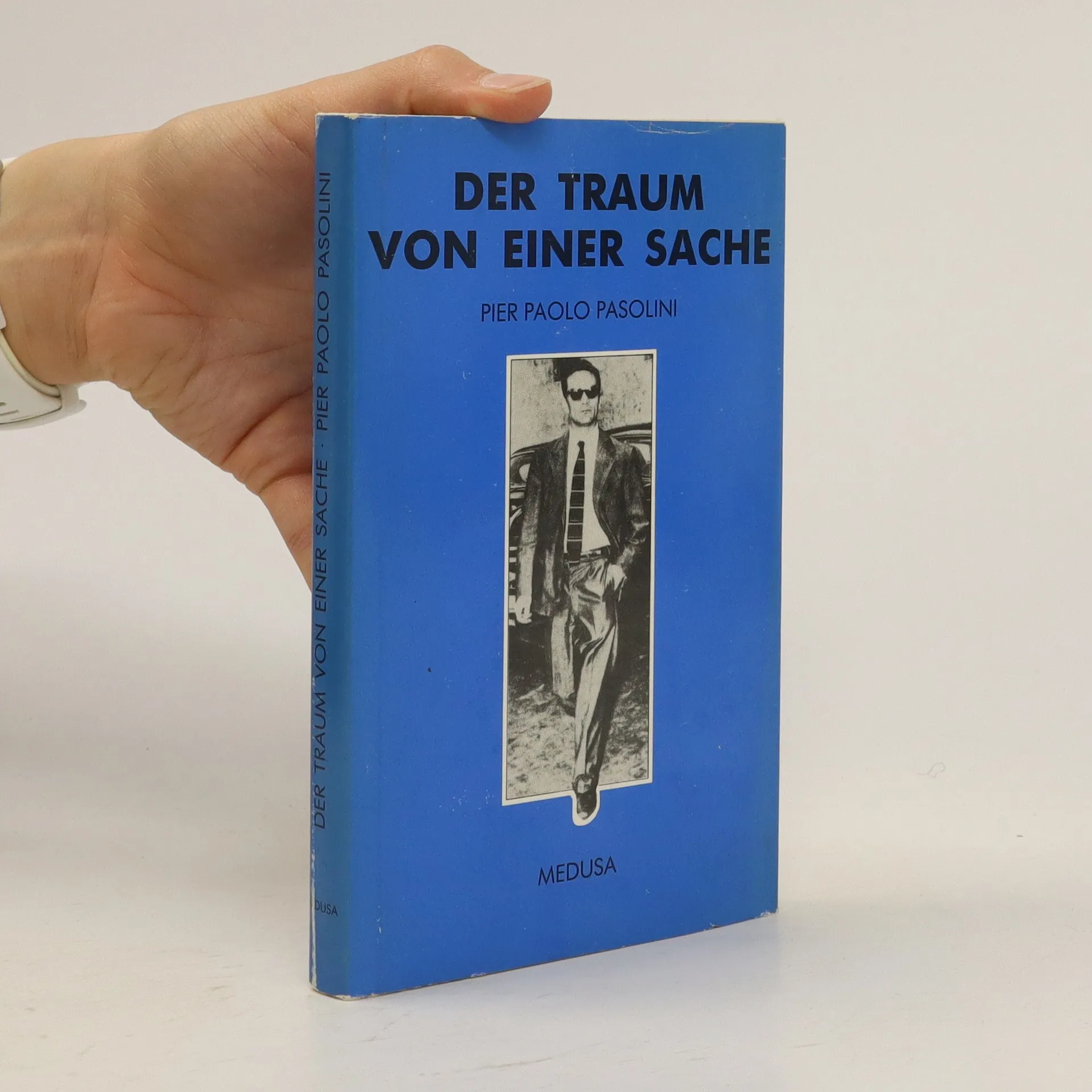
Der Traum von einer Sache
- 198pages
- 7 heures de lecture
Konzipiert und geschrieben in den Jahren 1948-1949, beschreibt "Der Traum von einer Sache" das Leben dreier friulanischer Jungen an der Schwelle zur Volljährigkeit. Sie erleben ihre kurze Jugend und stellen sich der Welt: der Elend ihrer Herkunft, der Flucht nach Jugoslawien, den Bauernkämpfen, der Emigration..., aber auch Freundschaft, Liebe und Solidarität. Man beginnt mit dem Rausch eines Festes und endet mit der Traurigkeit eines Todes: "die beste Jugend" ist bereits vorbei.
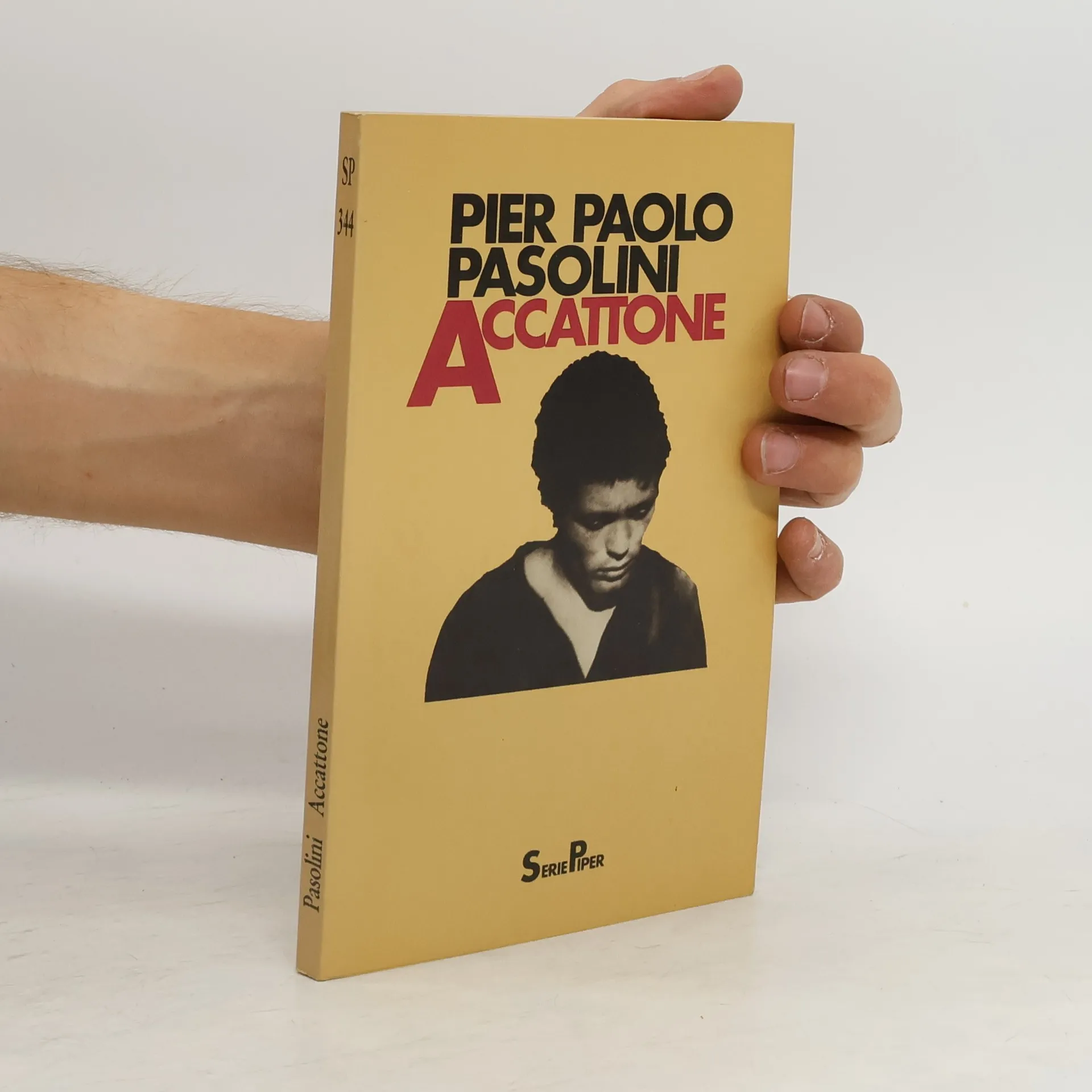
Accattone
- 124pages
- 5 heures de lecture
Zu seinem ersten, 1961 gedrehten Film greift Pasolini Themen und Motive auf, die er bereits in seinen Romanen "Ragazzi di vita" (1955) und "Una vita violenta" (1959) behandelt hatte. Auch "Accattone" ist angesiedelt in der Welt des römischen Subproletariats, die Helden sind Tagediebe, kleine Gauner, Hungerleider. Ihre Rebellion gegen die Trostlosigkeit der Umwelt drückt sich vor allen Dingen in der Sprache aus, einer "nicht artikulierten, nicht organisierten" Sprache (Carlo Levi), die voller Ingrimm, voller Zynismus, aber auch voller Witz ist.Für Accattone und seine Kumpel ist jeder, der einer geregelten Arbeit nachgeht, ein Verräter - sie selbst leben von Zuhälterei und Diebstahl und schlagen die Zeit mit Kartenspiel und Raufereien tot. Als Accattone sich zum erstenmal in seinem Leben wirklich verliebt, hindert ihn dies nicht daran, das Mädchen auf den Strich zu schicken. Stella, die Tochter einer Hure, ist jedoch unfähig zu diesem Gewerbe, und so sucht sich Accattone, wiederum zum erstenmal in seinem Leben, eine Arbeit, der er aber körperlich nicht gewachsen ist. Die einzige Erlösung für ihn, vorweggenommen im Traum, ist der Tod: Accattone wird bei einem Diebstahl erwischt und kommt bei der Flucht ums Leben. "Jetzt gehts mir gut!" sind seine letzten Worte.
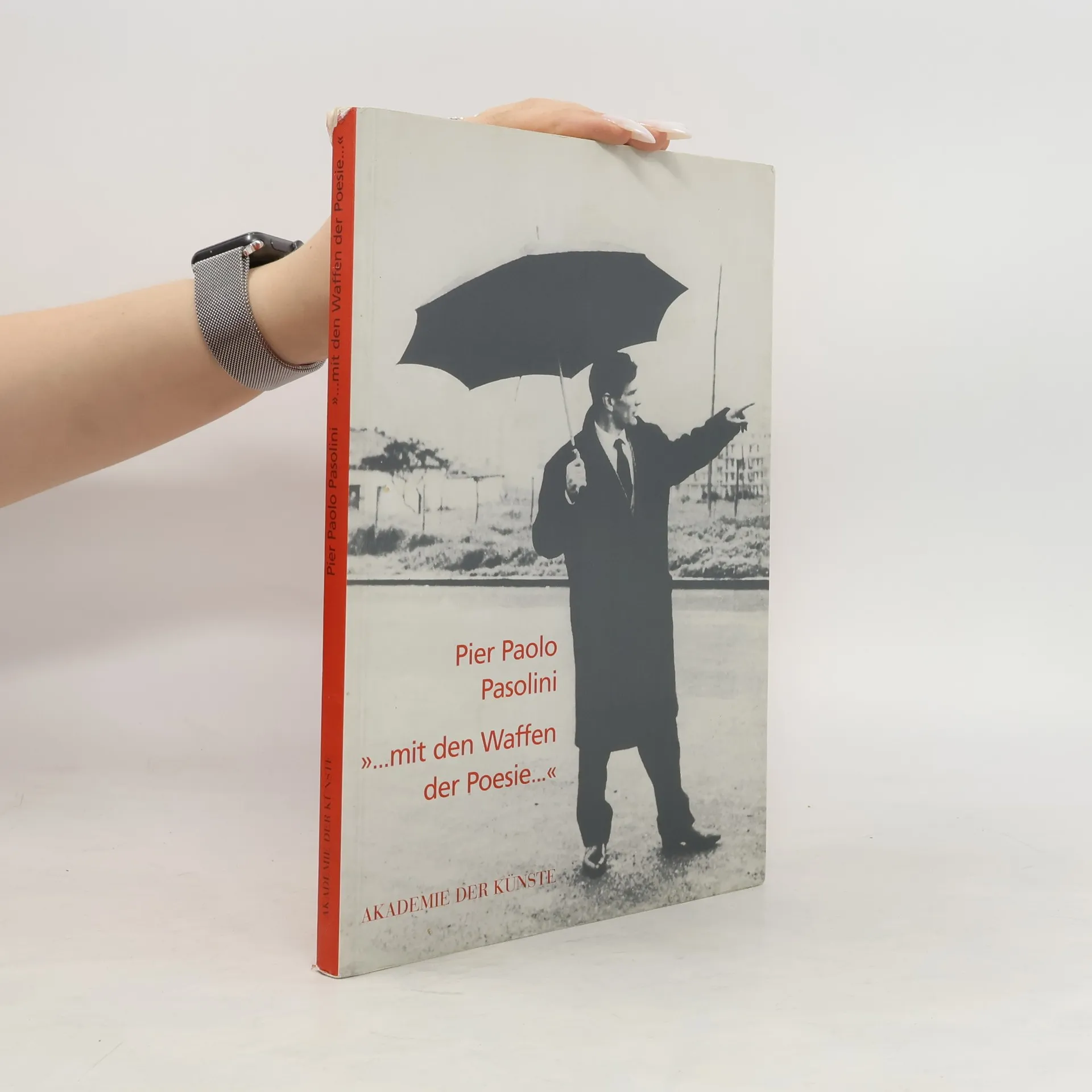
Pier Paolo Pasolini, "... mit den Waffen der Poesie ..."
- 165pages
- 6 heures de lecture
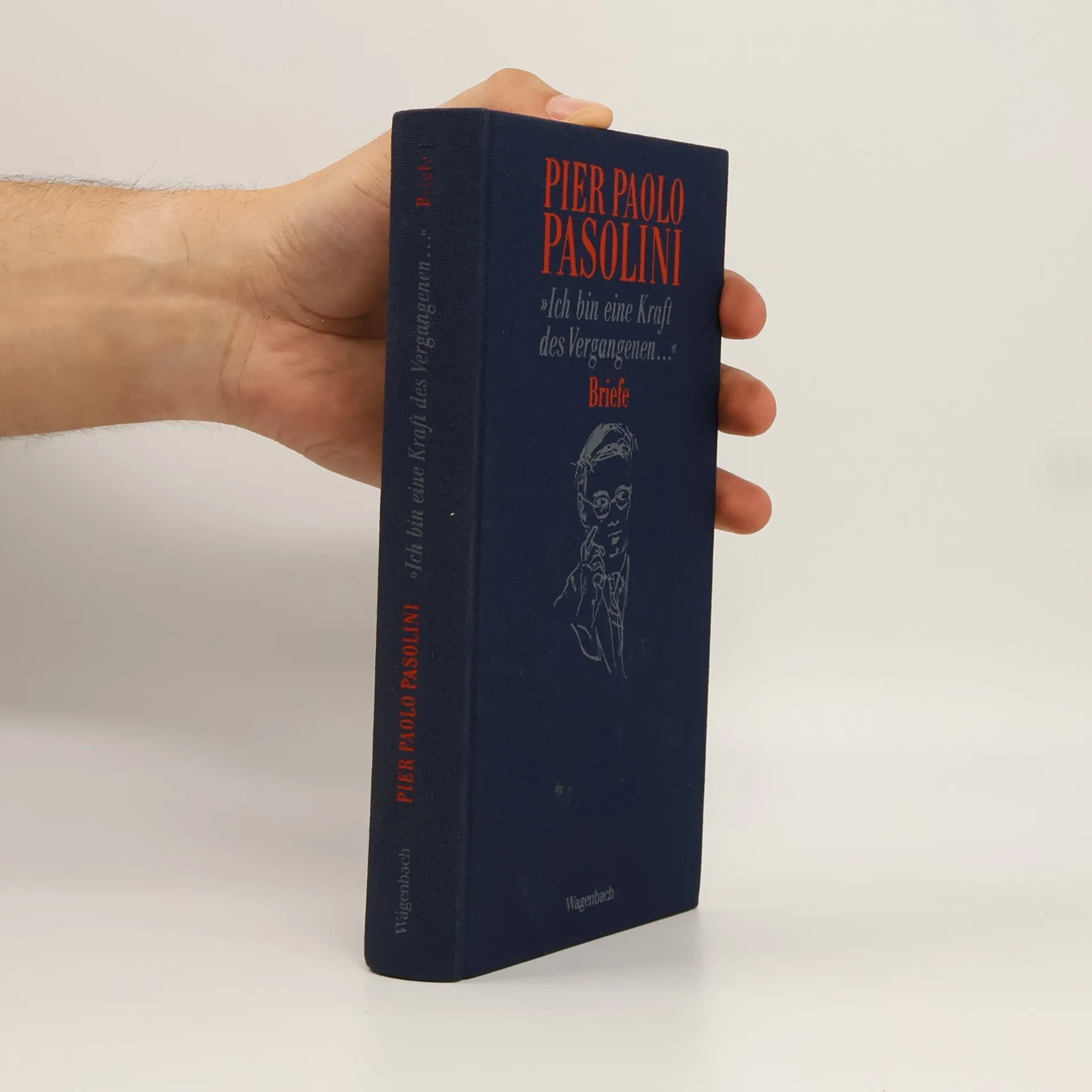
"Ich bin eine Kraft des Vergangenen ..."
- 313pages
- 11 heures de lecture
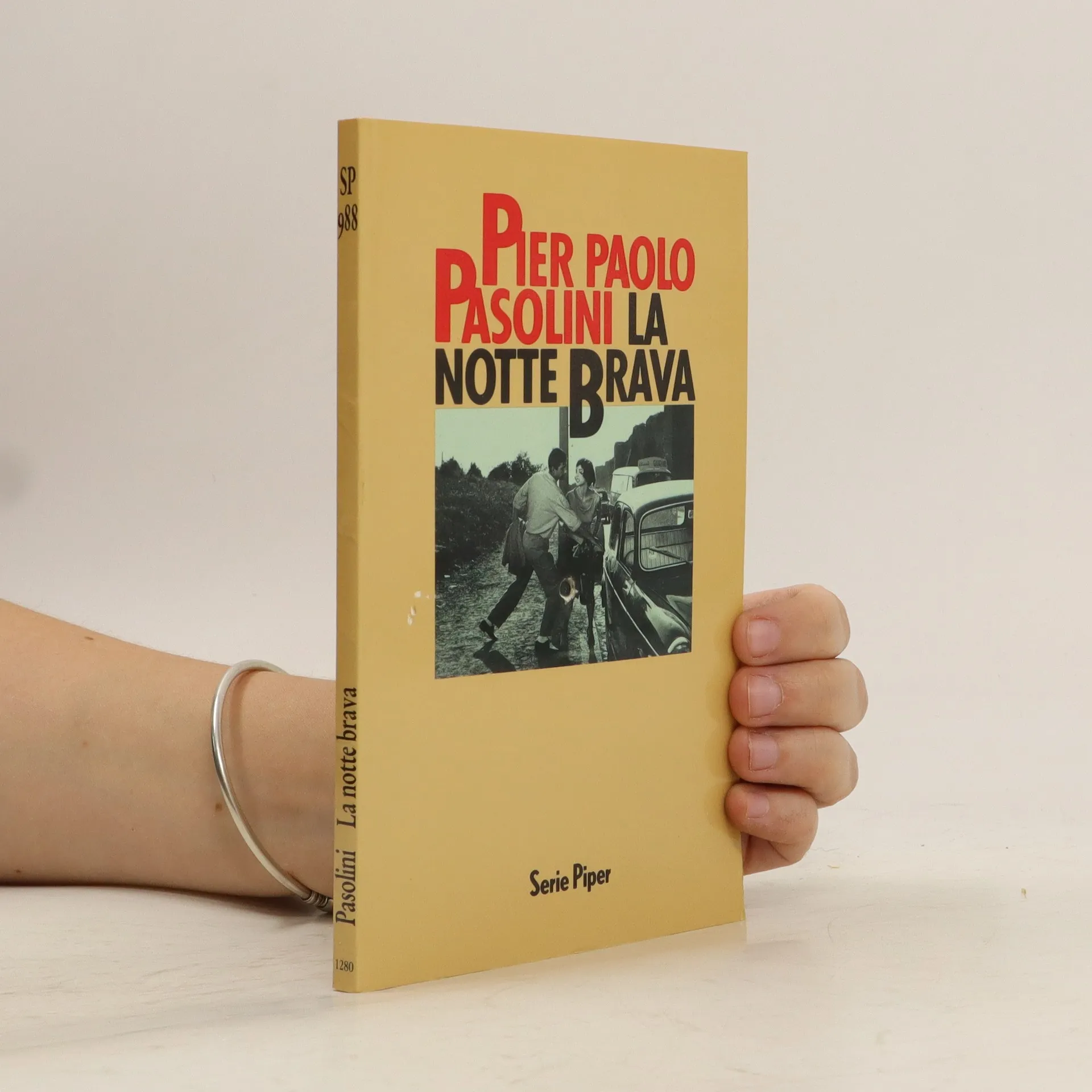
"La notte brava", die Geschichte einer turbulenten Nacht, ist das Drehbuch zu Pasolinis Roman "Ragazzi di vita", das er zusammen mit Laurence Bost für den Regisseur Mauro Bolognini geschrieben hat. In der deutschen Synchronfassung hat der Film den Titel "Wir von der Straße".In der sprachlichen Umsetzung seines eigenen Textes für das Medium Film sind bereits viele seiner, erst wesentlich später abgefaßten, Theorien über das Kino zu erkennen. Deutlich wird hier, daß Pasolini in dieser neuen Gattung eine neue Art Poesie entdeckte. Er findet eine Darstellungsform, die ganz im Zeichen seines tiefen Glaubens an die Realität steht, eine Art, diese erste und einzige Liebe, zu der er durch das Kino gelangte, auch literarisch wiederzugeben."Ich glaube, daß einige meiner scripts, wie 'La notte brava', zu den besten literarischen Werken zählen, die ich je geschrieben habe." (Pier Paolo Pasolini)
Zeichnungen und Gemälde
- 246pages
- 9 heures de lecture
Sbírka vesměs rozlehlejších lyrickoepických veršů italského básníka, filmového režiséra a scenáristy (nar. 1922), která je pokládána za jedno z reprezentačních děl nové básnické generace. Vzrušivě postihuje problémy a rozporné city soudobé italské společnosti i člověka žijícího vní svou dobu.
Román italského spisovatele a neméně známého filmového scenáristy a režiséra (nar. 1922), jednoho z hlavních představitelů italského neorealismu. Podává pravdivý a úděsný obraz života v římských kolonkách a bídy obyvatel periférie, která je od narození poznamenává. Děj se odvíjí vmistrných dialozích mezi skupinou předčasně dospělých mladých lidí, už od nejútlejšího dětství narušených a odcizených společnosti.
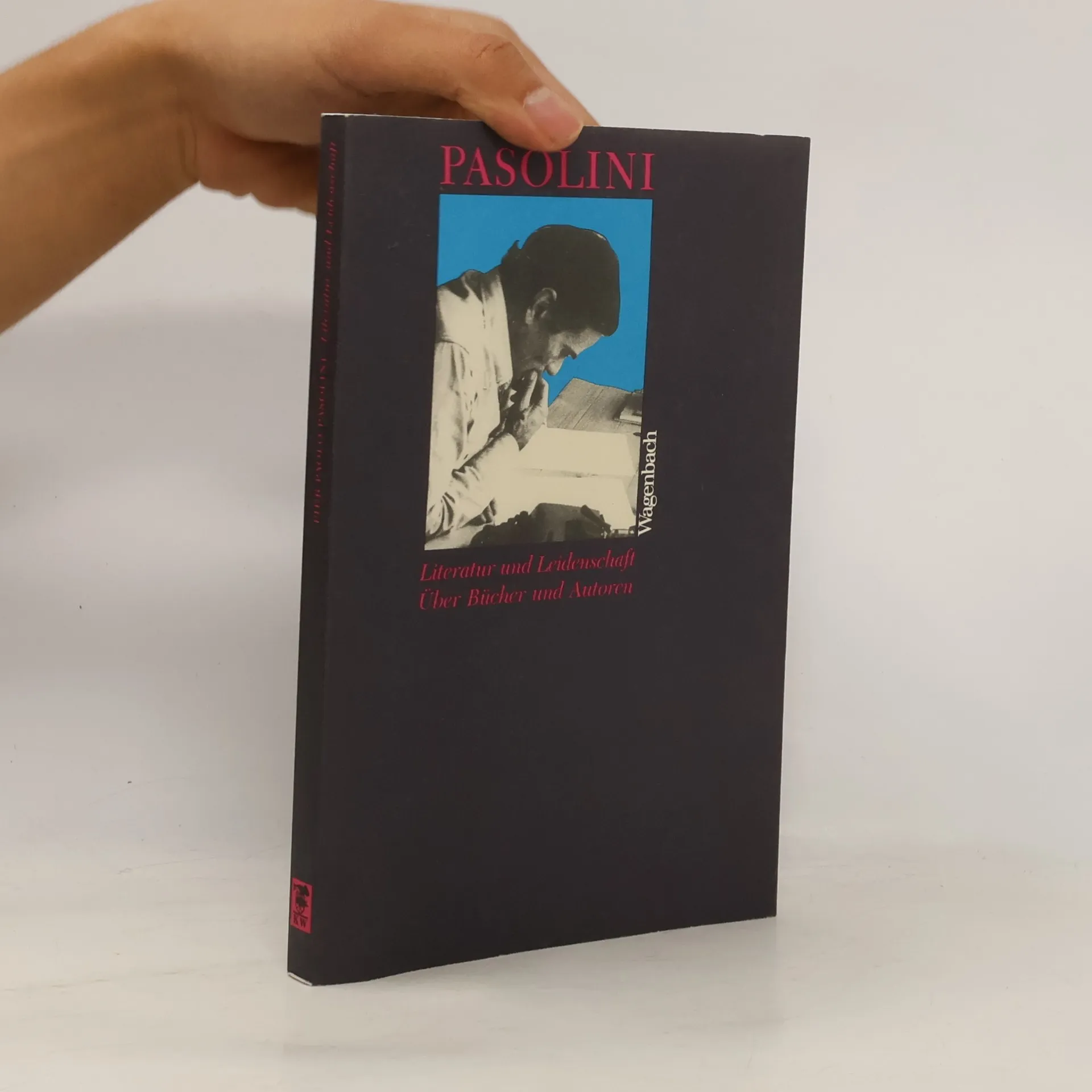
Literatur und Leidenschaft
- 159pages
- 6 heures de lecture
Der Atem Indiens
- 133pages
- 5 heures de lecture
In 1961, Pasolini and his friends, Elsa Morante and Alberto Moravia, travel in India.