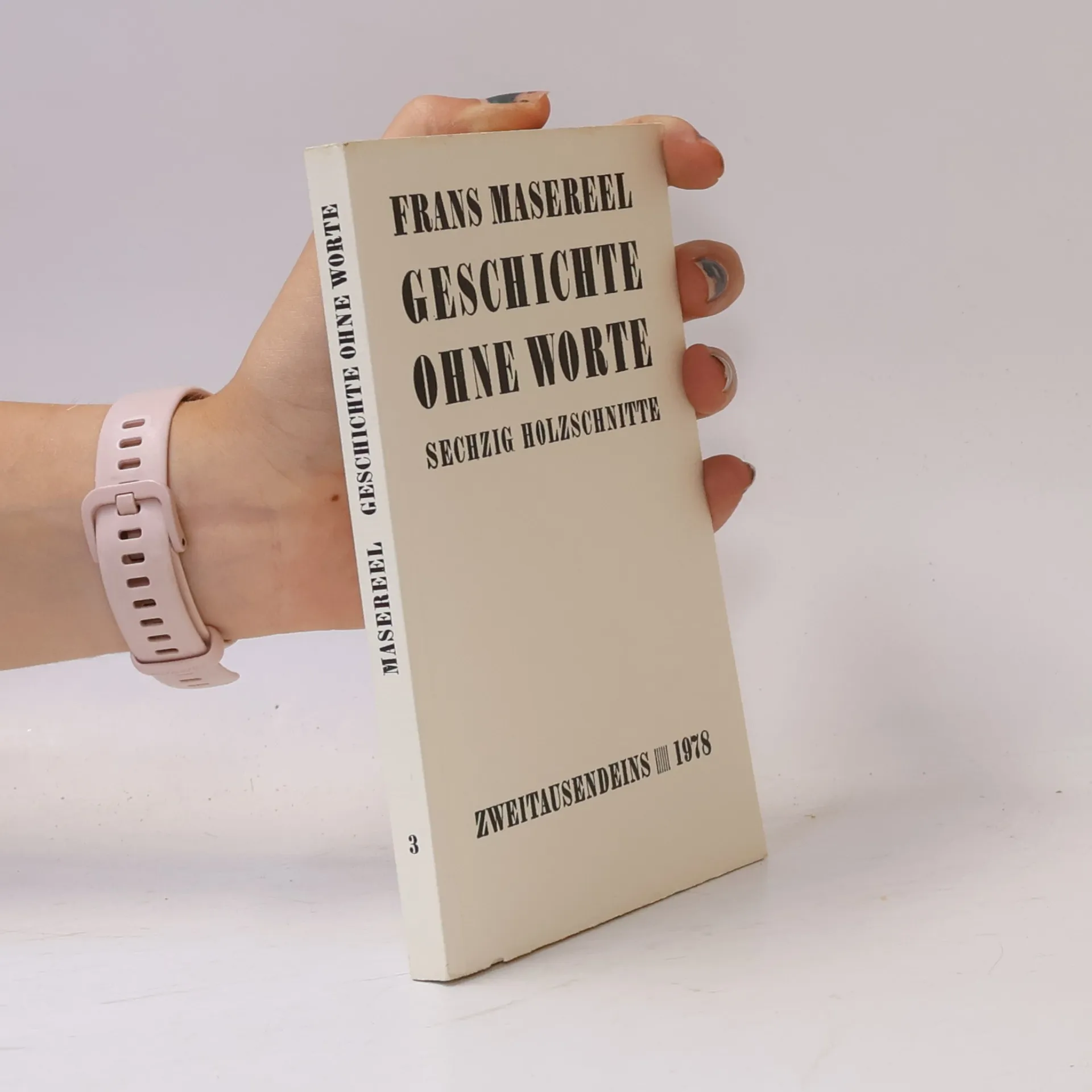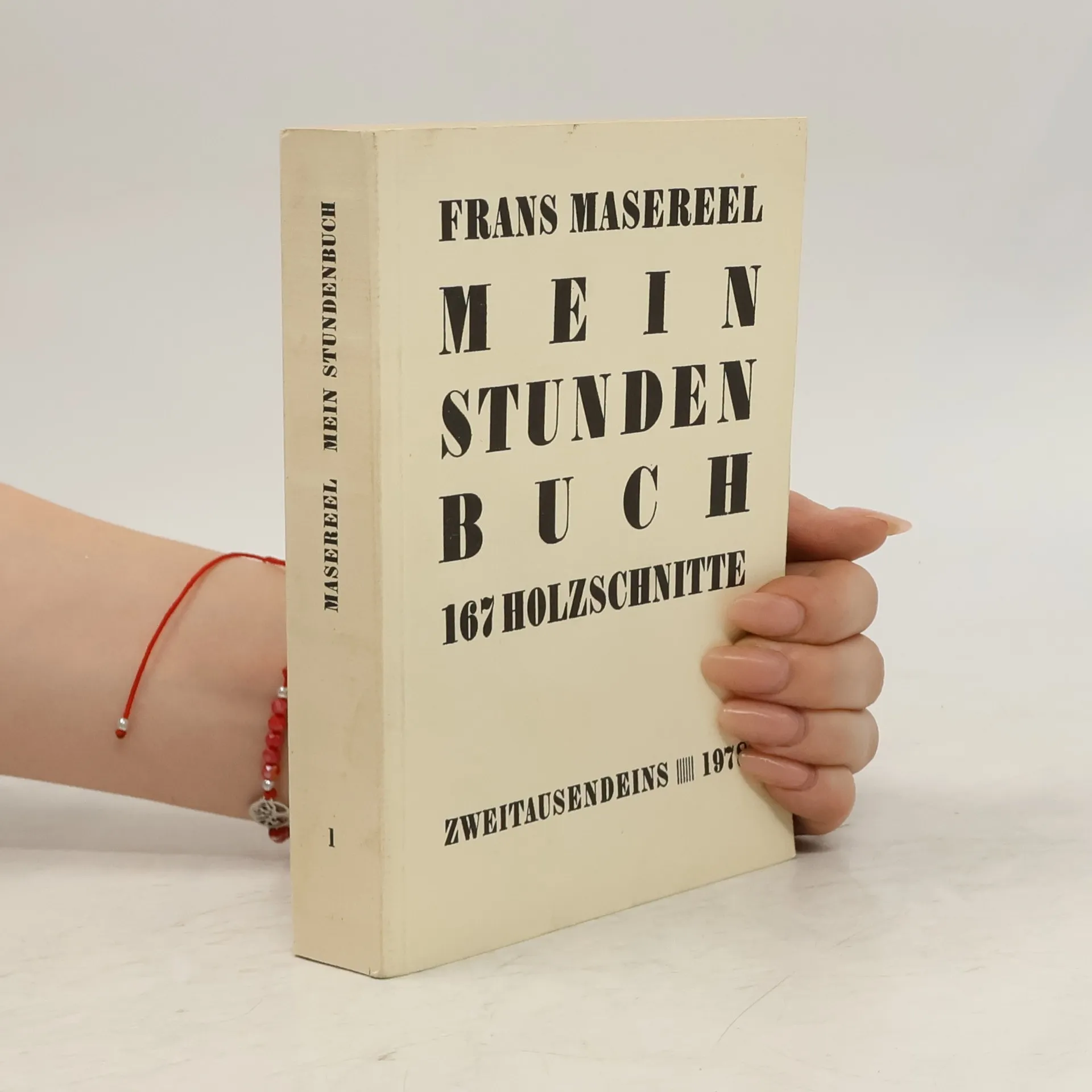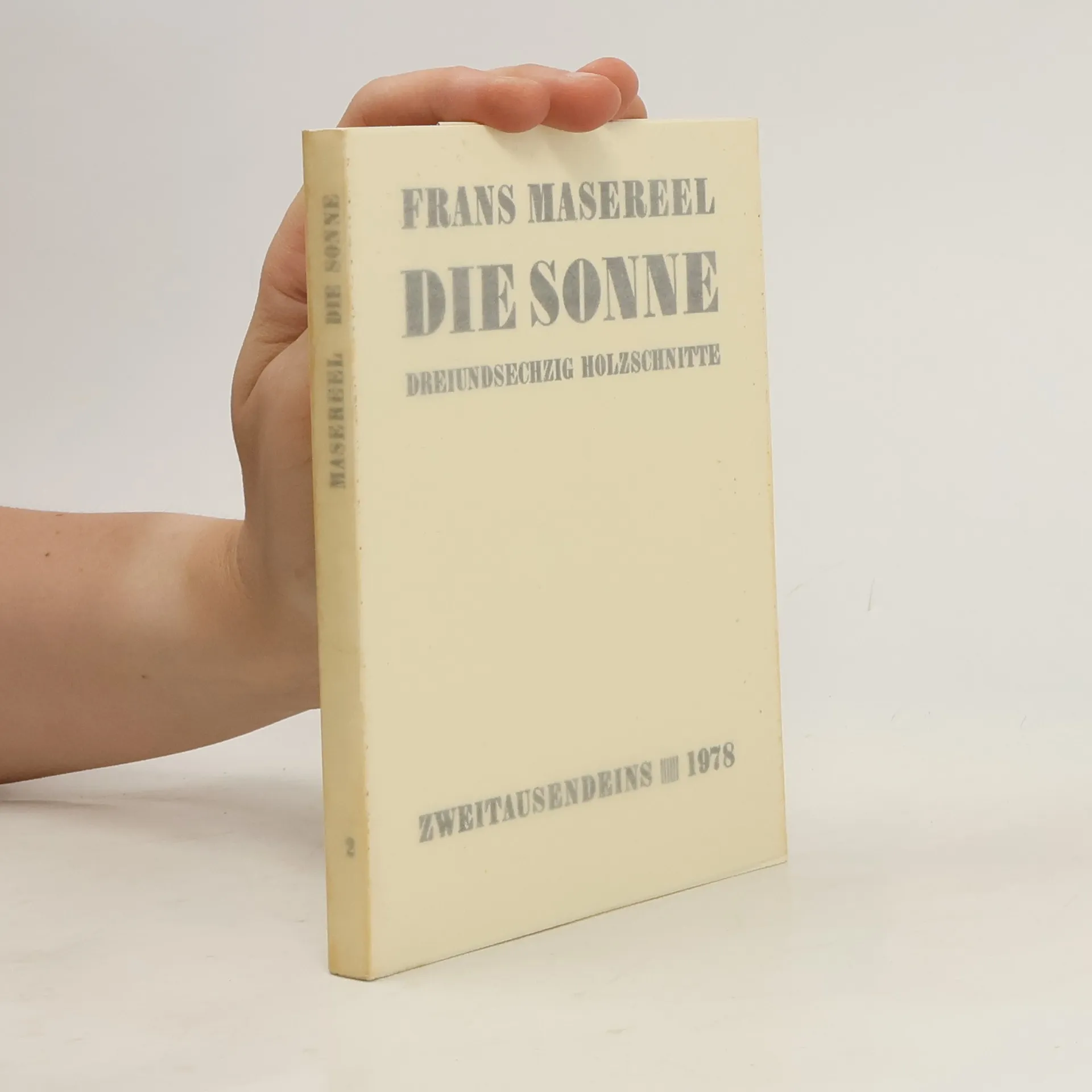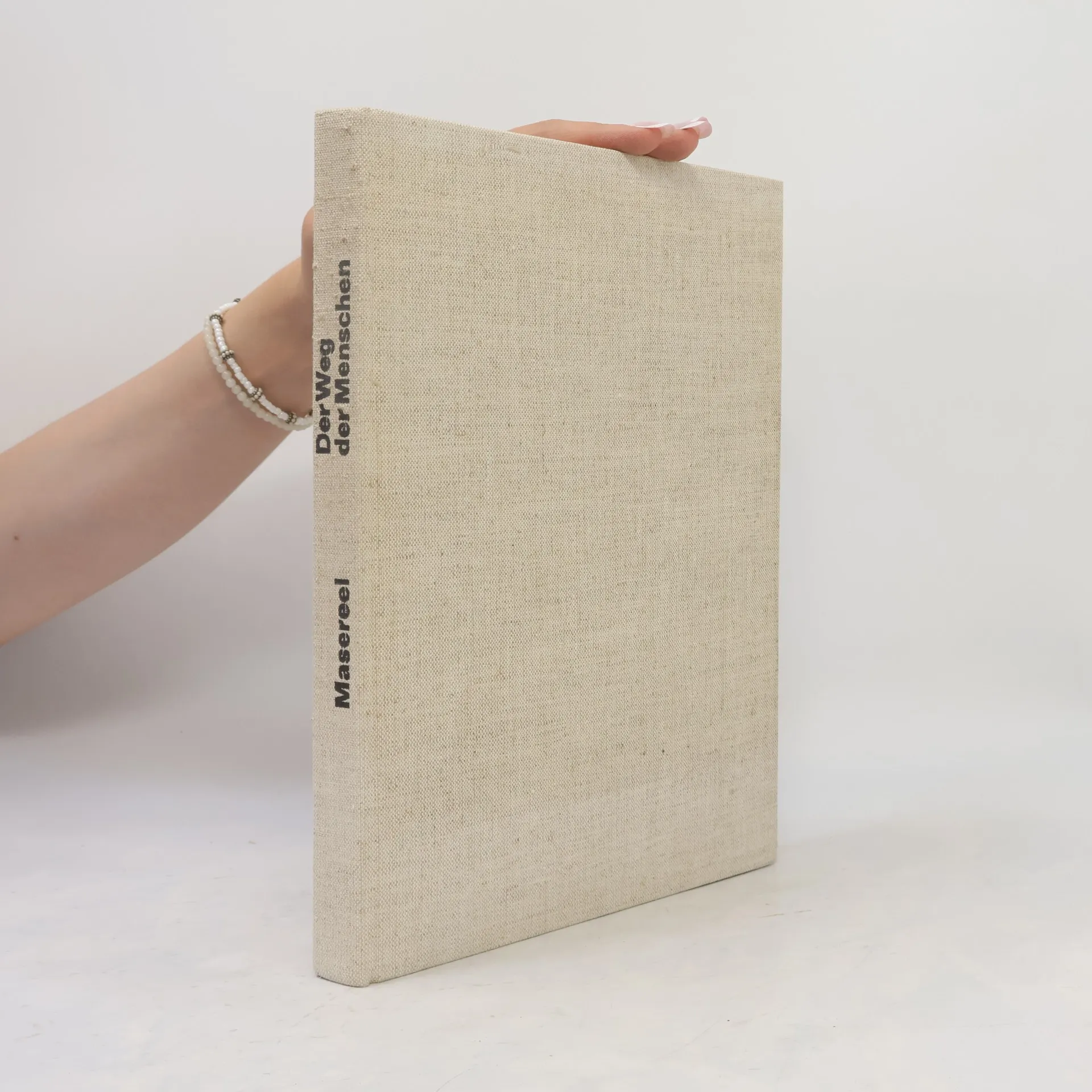
Franz Masereel - Bilder der Großstadt
- 63pages
- 3 heures de lecture
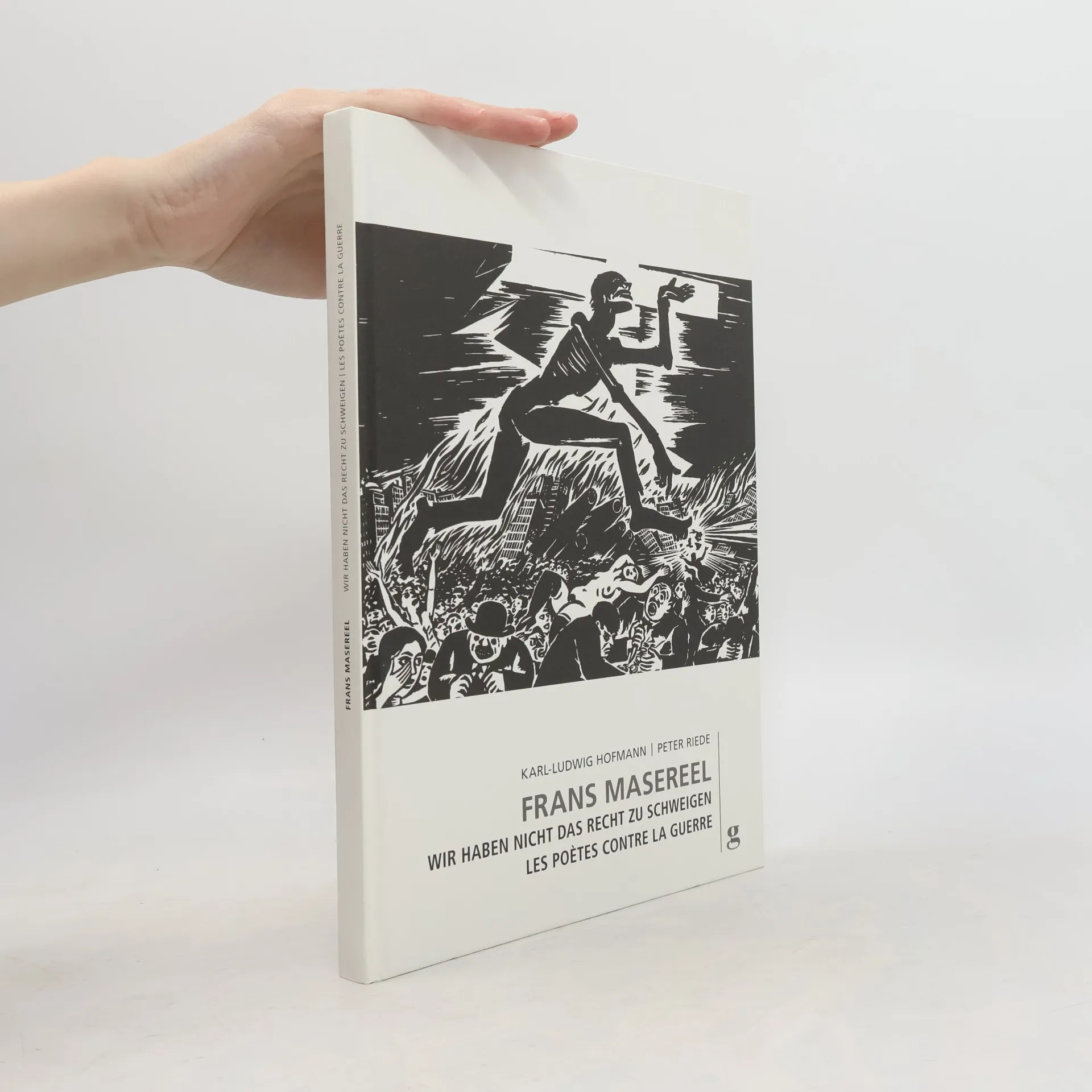
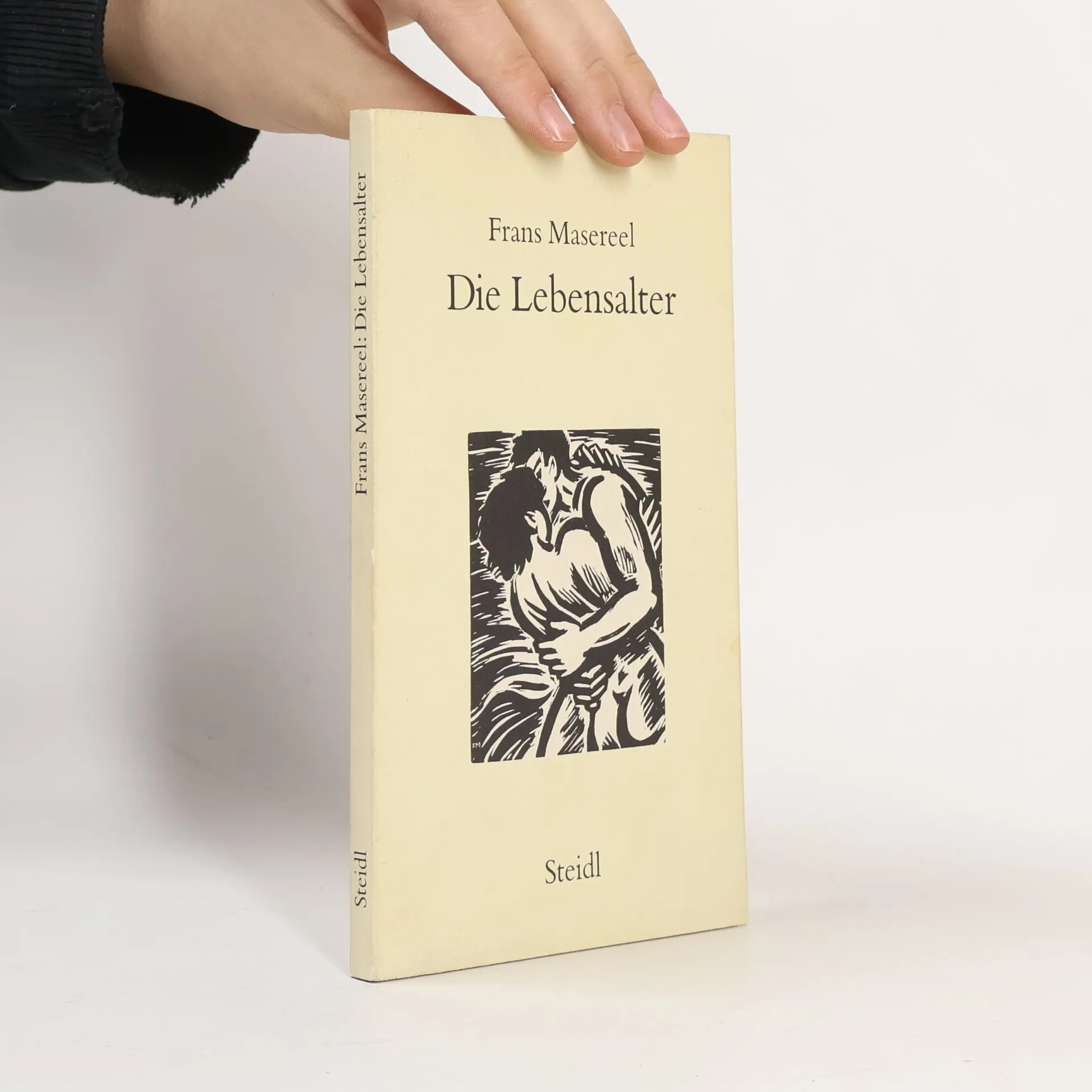
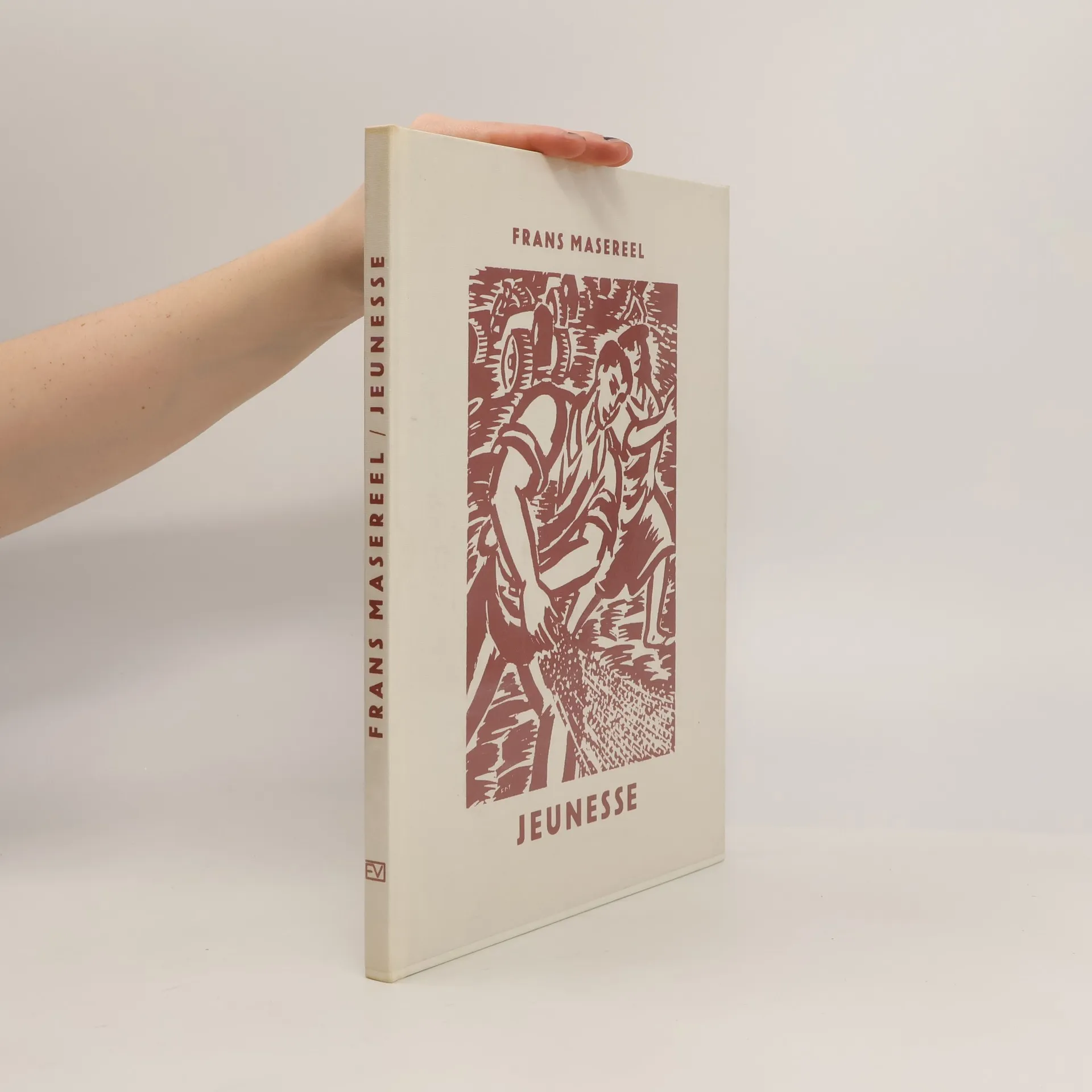
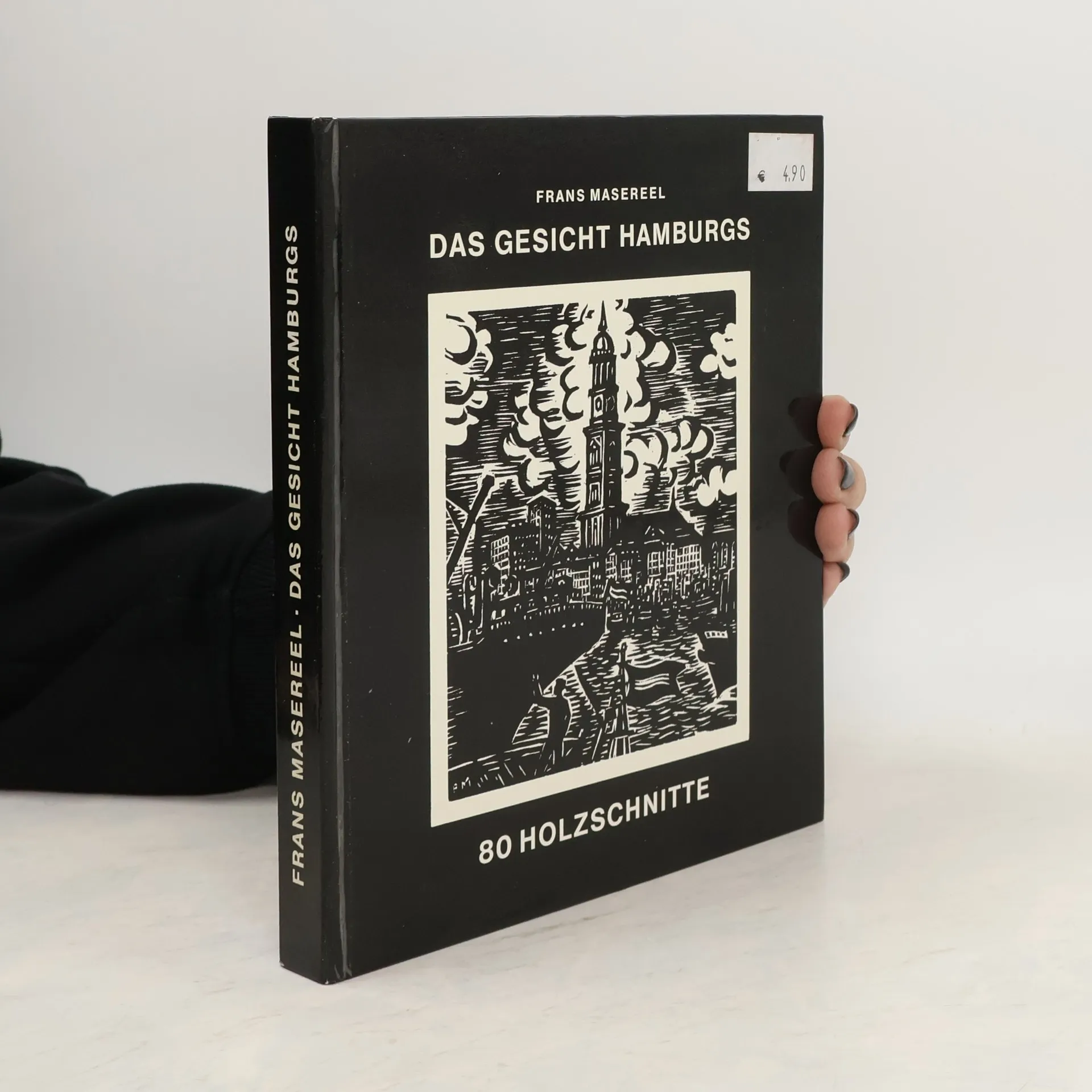
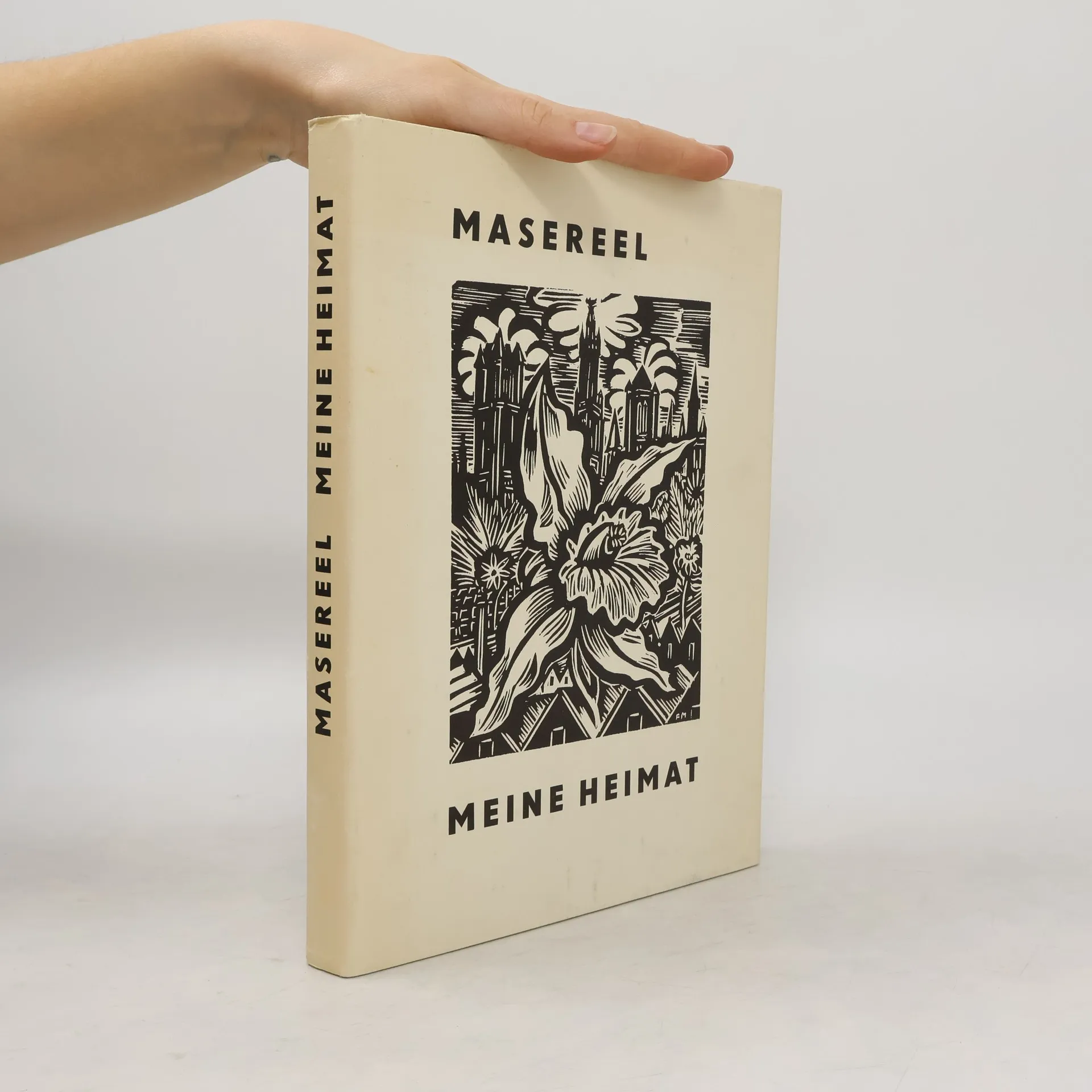
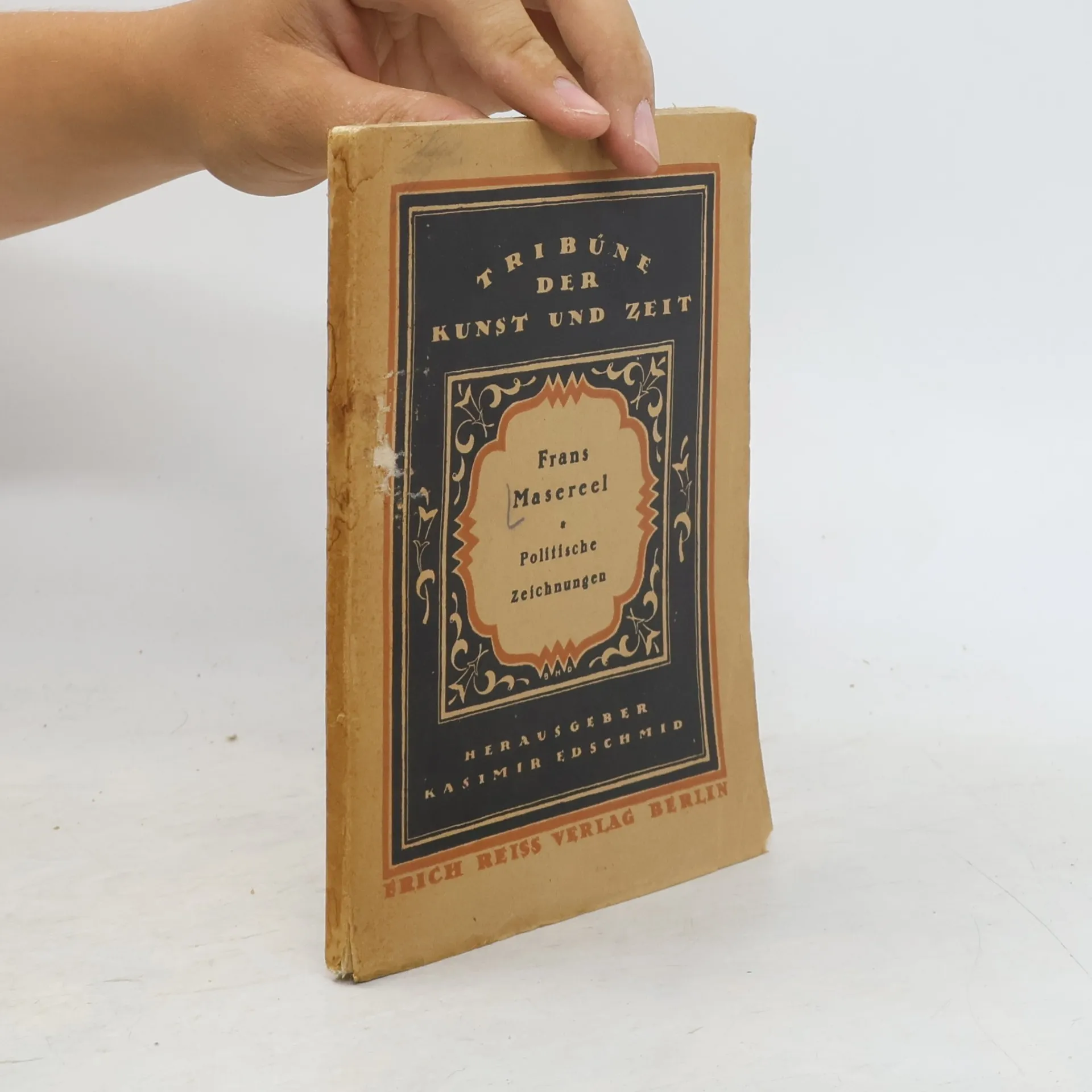
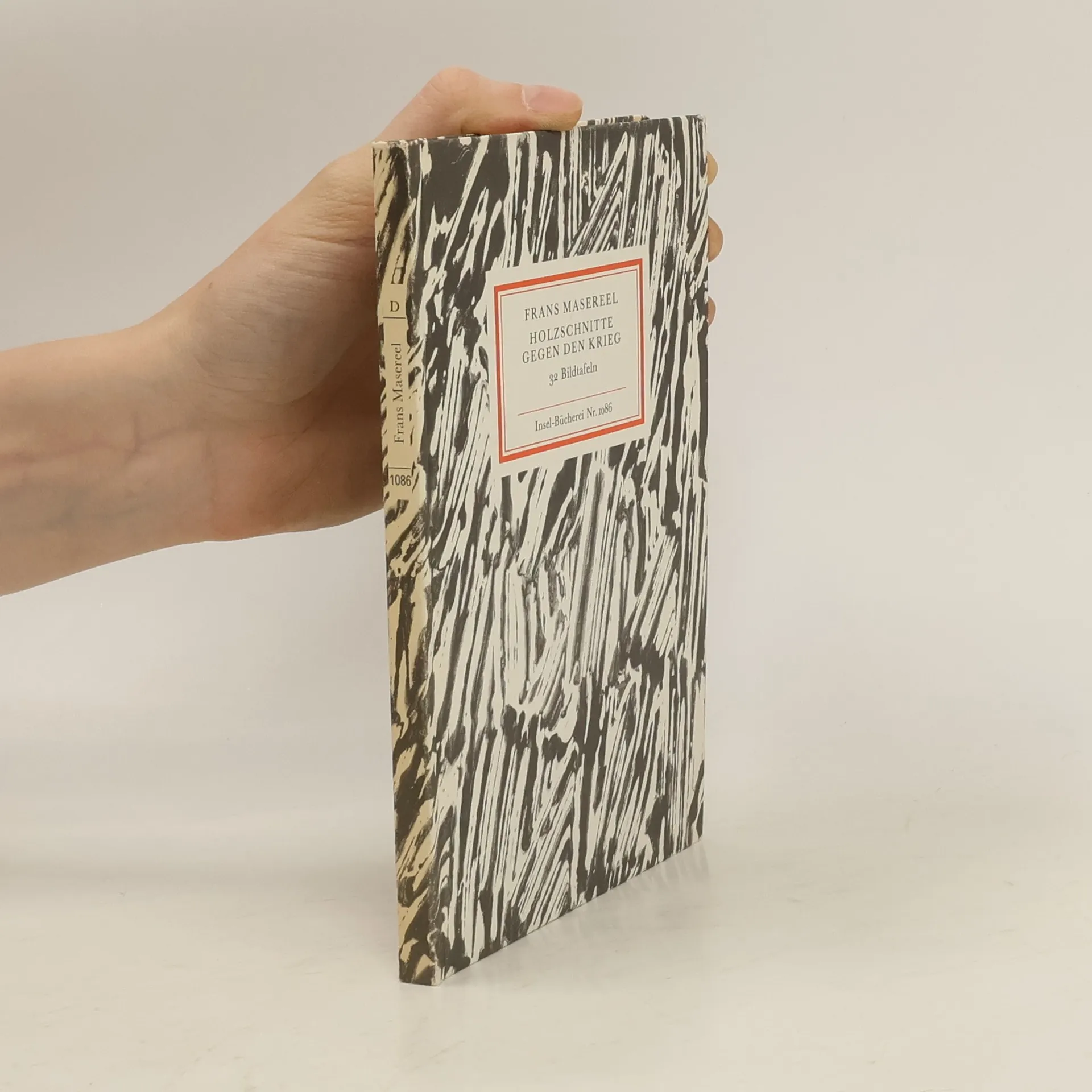
Frans Masereel fut un peintre et graveur flamand, célébré principalement pour ses xylographies magistrales. Son œuvre, souvent empreinte d'une forte critique sociale et d'un idéal humaniste, explore les tensions entre l'individu et le collectif. Il est particulièrement réputé pour ses xylographies pleine page et comme pionnier du roman moderne sans paroles, un médium narratif visuel qu'il a exploré avec une habileté et une résonance émotionnelle exceptionnelles.


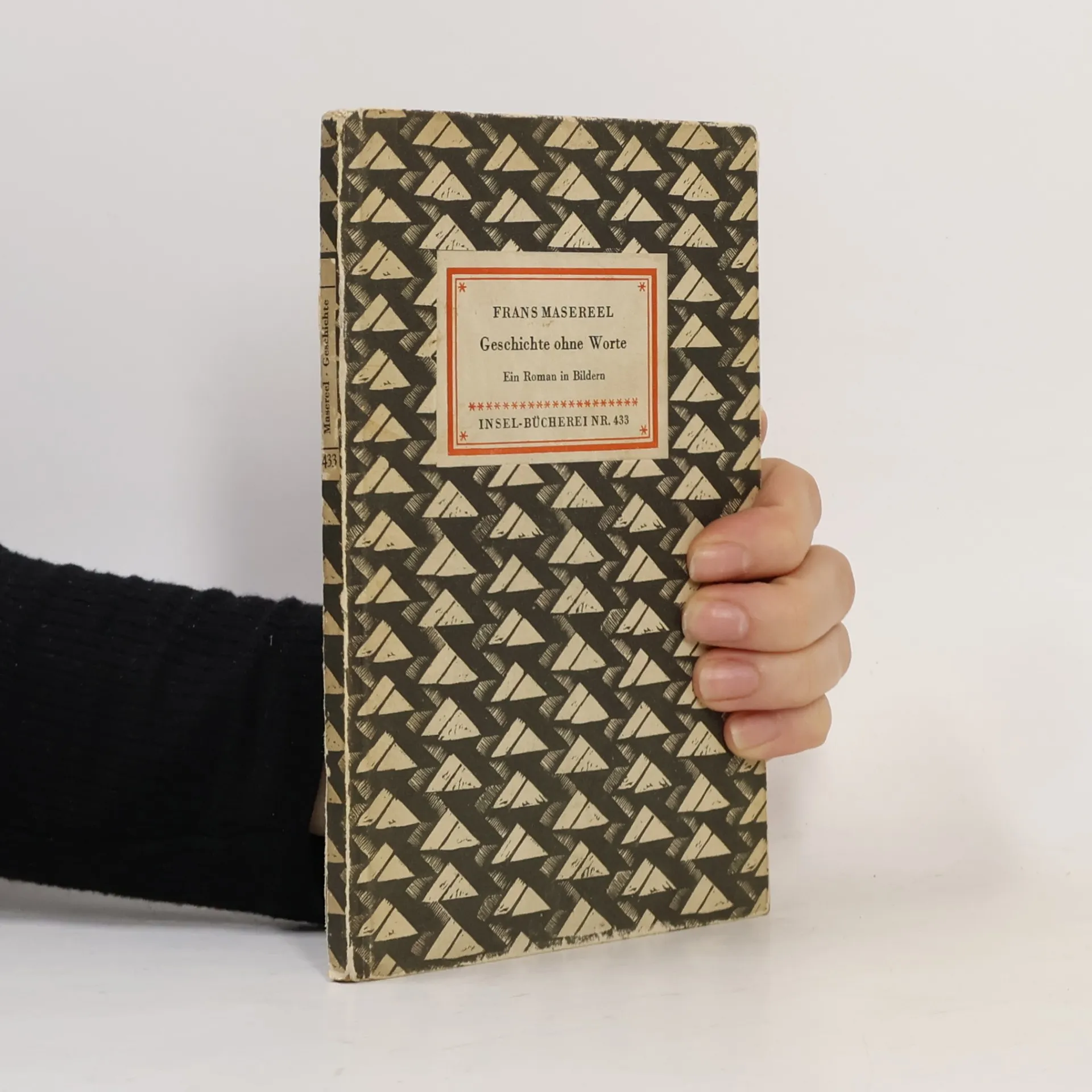
Ein Roman in Bildern
" Un matin, comme je me promenais près de mon parterre de rosiers, je vis, je vis distinctement tout près de moi, la tige d'une des plus belles roses se casser comme si une main invisible l'eût cueillie, la fleur resta suspendue dans l'air transparent, toute seule, immobile, effrayante, à trois pas de mes yeux. Saisi d'une épouvante folle, je me jetai sur elle pour la saisir. Je ne trouvai rien. Elle avait disparu... A partir de ce moment-là, je sus qu'il existait près de moi un être invisible qui m'avait hanté et qui revenait. Un peu plus tard, j'en eus la preuve. " Confession lucide et maîtrisée d'un homme qui assiste au naufrage de sa propre raison, Le Horla nous révèle la trajectoire secrète et fulgurante qui relie la plénitude de la santé au martyre de la démence. Nul autre récit fantastique - en raison, peut-être, de certains accents autobiographiques - n'a développé avec plus de rigueur, et de vérité clinique l'implacable logique de l'imaginaire.
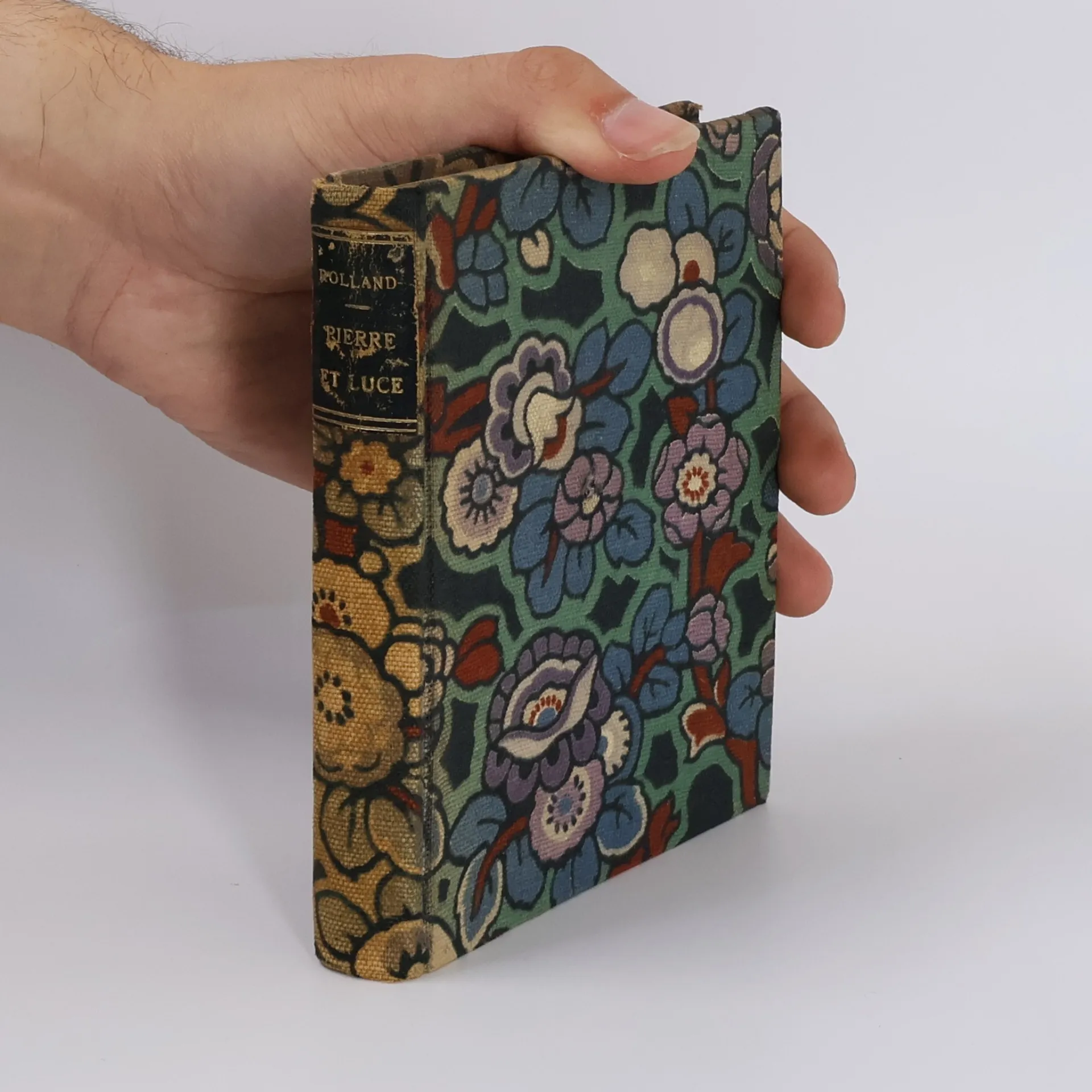
Svetoznáma psychologická novela je prejavom Rollandovho bytostného odporu k vojne. Rozvíjajúci sa ľúbostný vzťah dvoch mladých ľudí, ktorý končí smrťou v ruinách zbombardovaného kostola. Postavil v nej do protikladu úpadok morálnych a spoločenských hodnôt, ktoré zapríčinila vojna a humanistický ideál krásnej lásky. Dej novely sa odohráva v krátkom časovom úseku (od 30. januára do Veľkého piatku 29. marca 1918). Osemnásťročný Peter, syn meštianskej rodiny, ktorá si potrpela na svoju stavovskú príslušnosť, sa uprostred náletov nepriateľských lietadiel na Paríž náhodne stretáva v metre s Luciou, ktorá z finančných dôvodov nedokončila štúdium maliarstva a živí sa maľovaním gýčovitých obrázkov pre malomeštianskych zákazníkov. Obaja sa do seba zaľúbia a ich vzájomný cit im vracia vieru do života. Pretože Peter má ísť o pol roka na front, zámerne sa izolujú od sveta a chcú žiť len jeden pre druhého. Peter si pod vplyvom Lucie uvedomuje korene spoločenskej nespravodlivosti a odmieta bojovať za republikánske ideály. Ich nežná láska neunikne ničivému vplyvu vonkajšieho sveta. Na Veľký piatok, uprostred prebúdzajúcej sa jari, sa ich láska tragicky napĺňa. Zomierajú pri bombardovaní Paríža v ruinách chrámu. Autor vyjadruje túžbu po ideáloch čistého vnútorného sveta.
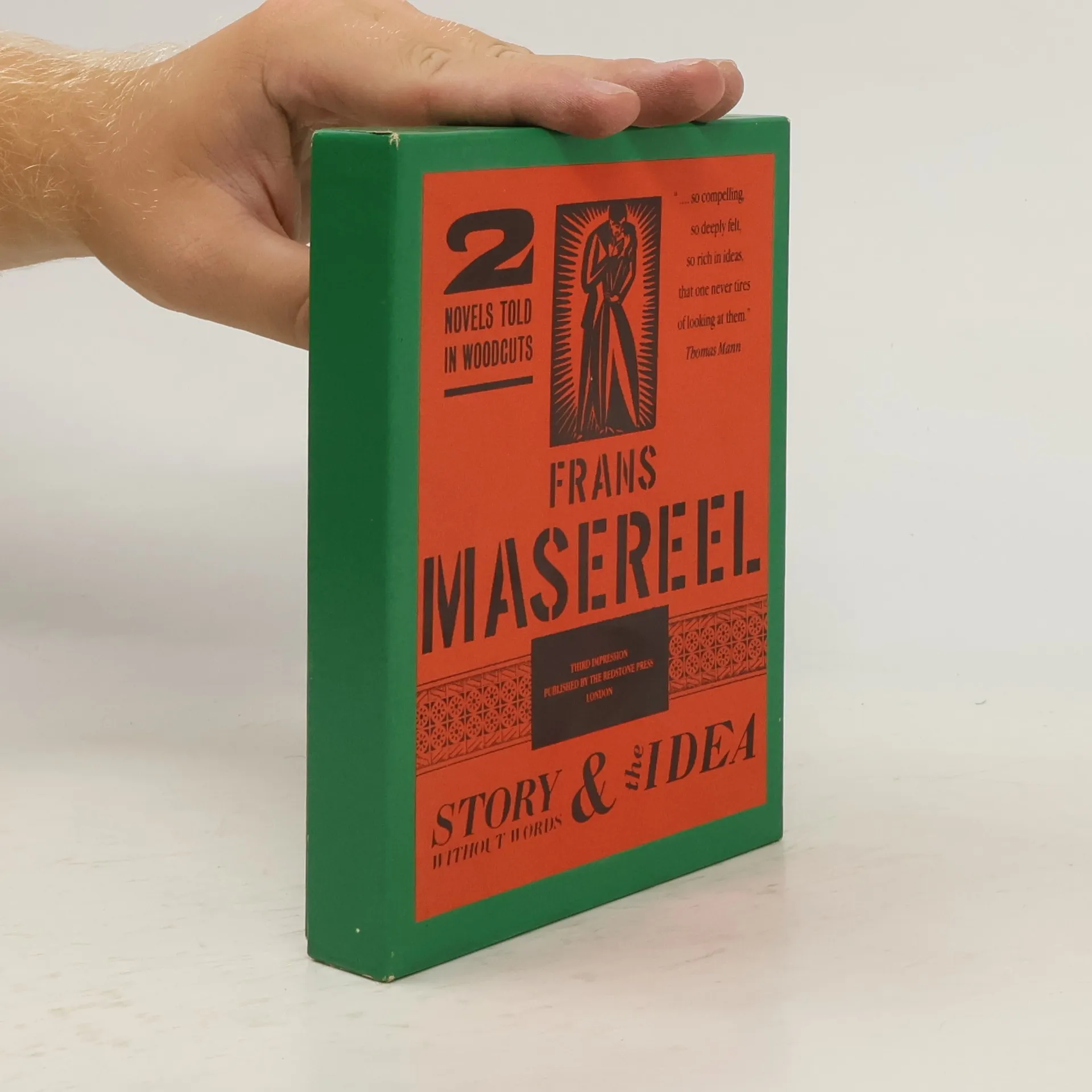
Created in the 1920s by the acclaimed wood-engraver Frans Masereel, this book contains two picture novels in one. The Idea depicts the life cycle of an idea, as personified by a naked woman, struggling in the streets of an industrialized city peopled by politicians and businessmen who try to use and destroy her. Story Without Words is a tale of unrequited love and courtship, its images rich with symposium.
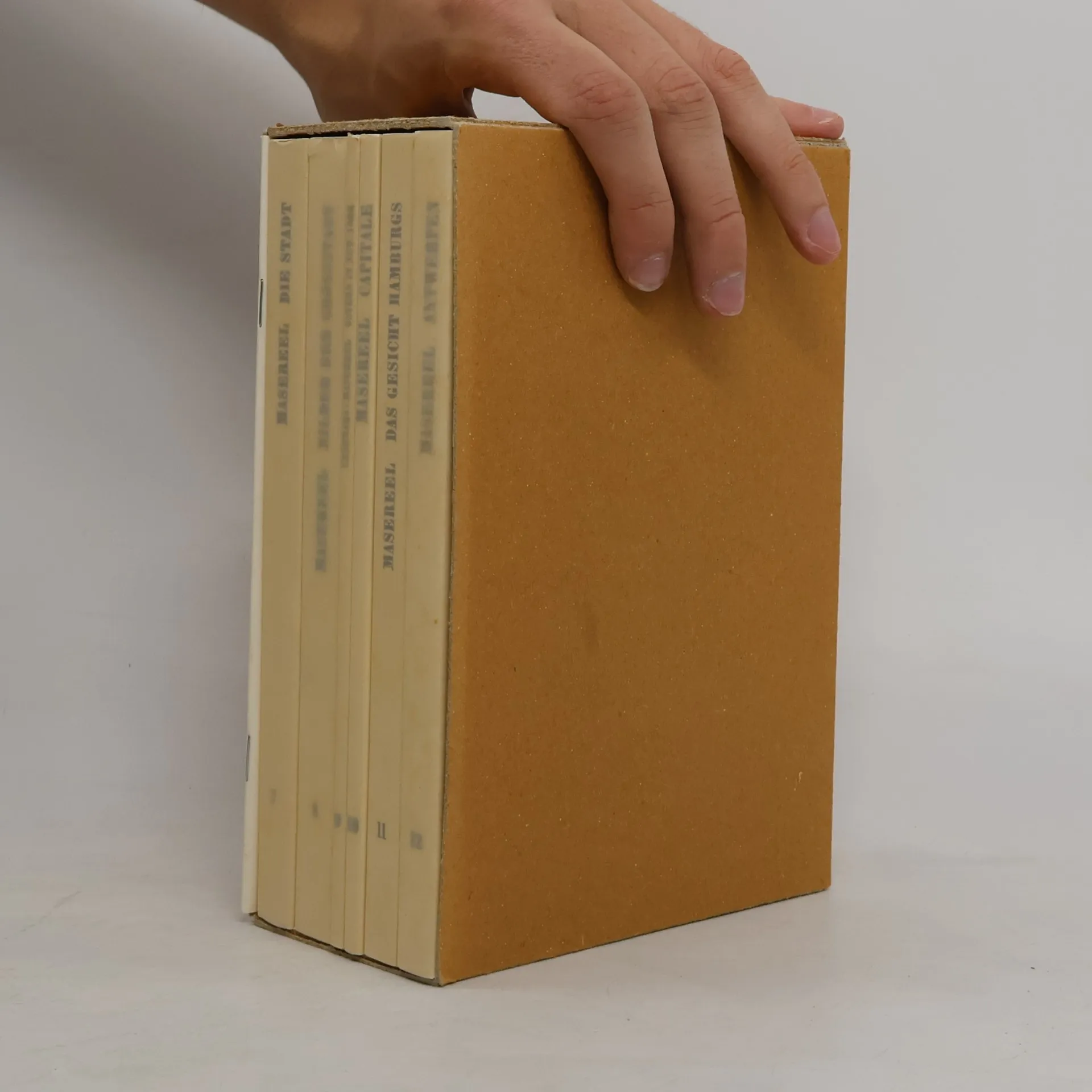
1986 63 Seiten mit der Abbildung von 22 Holzschnitten, illustrierter OLeinenband mit Klarfolienumschlag und Kartonschuber, 28,6 x 20,6 cm Europaverlag, Woien - München - Zürich,
167 Holzschnitte
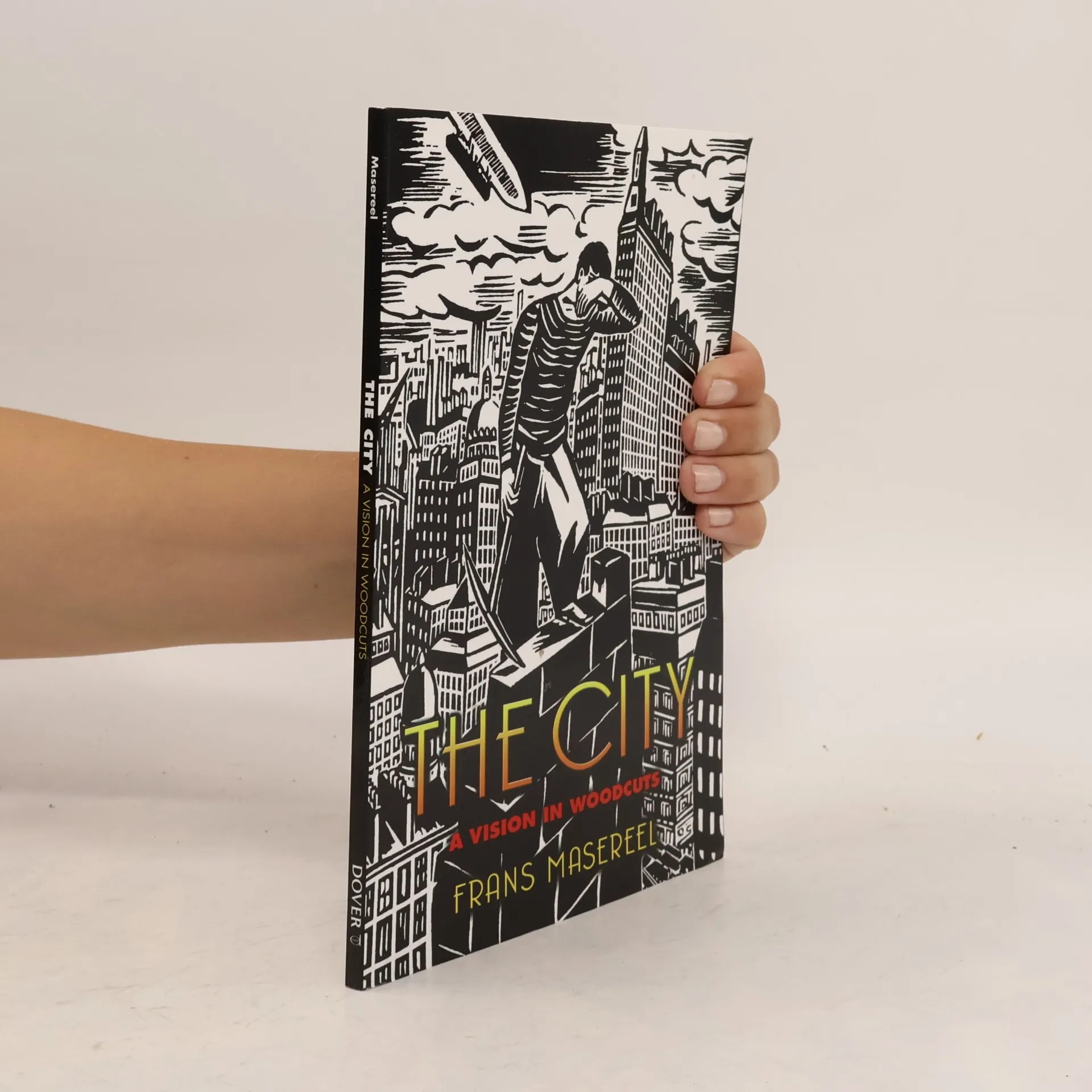
"An absolute song for an ongoing visit with timelessness." — The New York TimesThis graphic novel by an Expressionist master offers a stunning depiction of urban Europe between the world wars. First published in Germany in 1925, it presents unforgettable images from the tense and dynamic Weimar period, rendered in 100 woodcuts of remarkable force and beauty.A pacifist during World War I, Belgian-born Frans Masereel (1889-1972) sympathized with the struggles of the working classes and strived to make his art accessible to ordinary people. His evocative woodcuts convey scenes of work and leisure, wealth and deprivation, and joy and loneliness. Banned by the Nazis, Masereel's works were championed in Communist countries; however, the artist steered clear of political affiliations. His clarity of vision transcends any propagandist use of the images, which stand as timeless indictments of oppression and injustice.Thomas Mann described Masereel's works as "so strangely compelling, so deeply felt, so rich in ideas that one never tires of looking at them." Epic and unflinching in its scope, The City continues to influence modern fine and graphic art, while recapturing the mood of a vanished era.
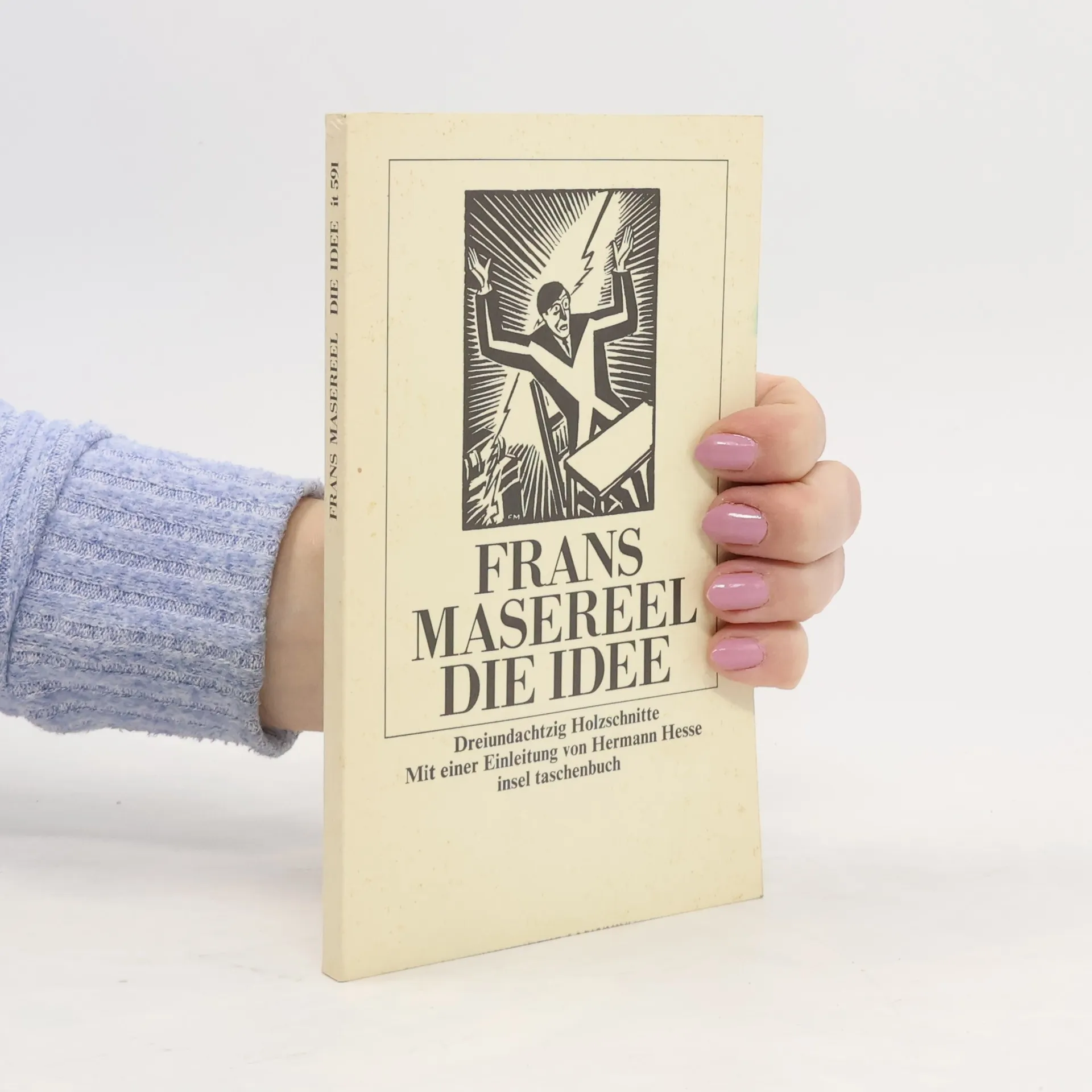
Mit einer Einleitung v. Hesse, Hermann 83 Holzschnitte.
Die Geschichte folgt dem Leben eines prototypischen Jedermann des frühen 20. Jahrhunderts, nachdem er in eine Stadt eingetreten ist. Sie ist mal komisch, mal tragisch; eine kranke Frau, um die sich der Mann kümmert, verliert ihr Leben; der Mann furzt vor einer Gruppe von Geschäftsleuten; und er wird von einer Prostituierten, in die er sich verliebt hat, zurückgewiesen. Er unternimmt auch Reisen zu verschiedenen Orten auf der Welt. Am Ende verlässt der Mann die Stadt und geht in den Wald, hebt die Arme zur Lobpreisung der Natur und stirbt. Sein Geist erhebt sich von ihm, stampft auf das Herz seines toten Körpers und winkt dem Leser zu, während er sich ins Universum aufmacht.
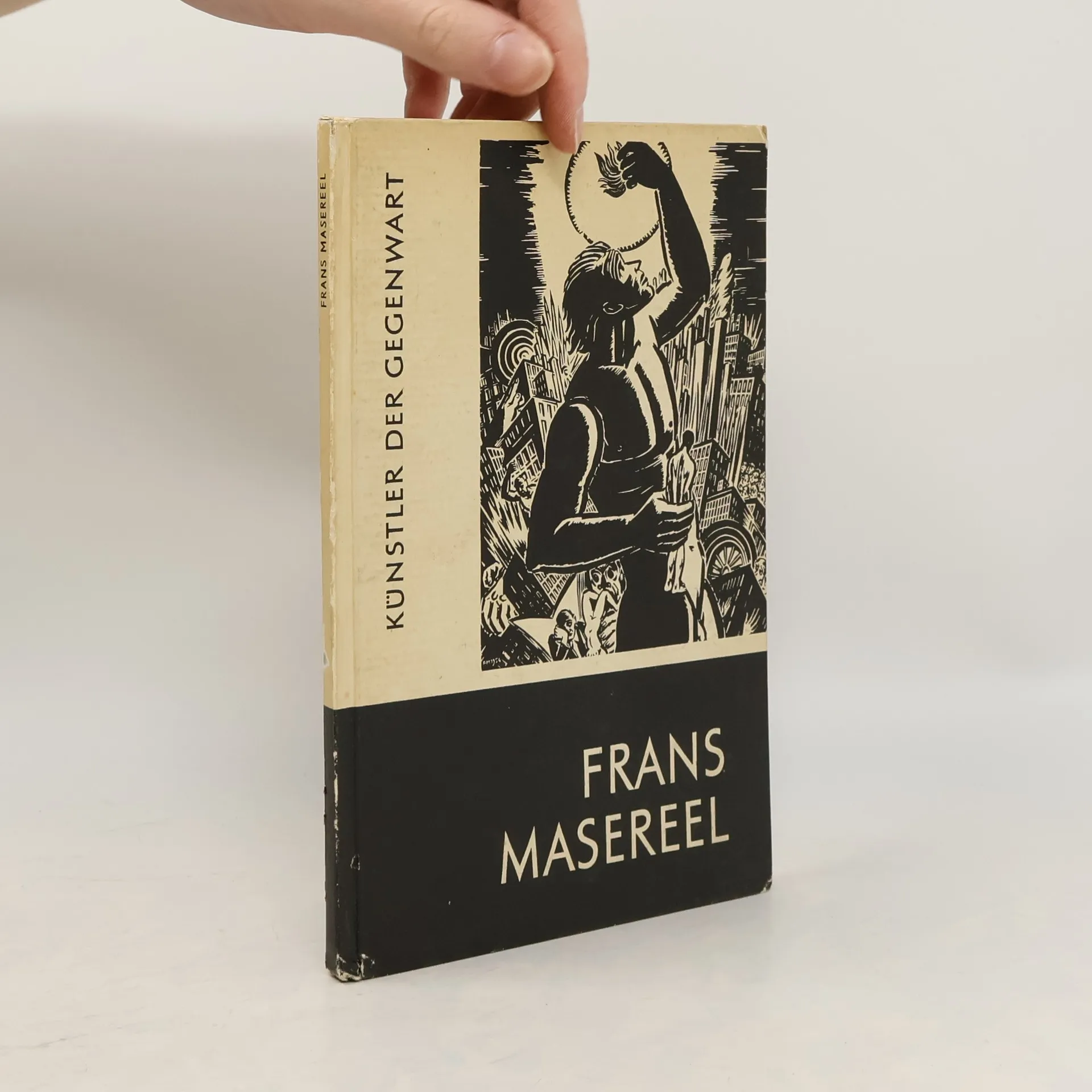
Monographie de l'artiste belge Frans Masereel.