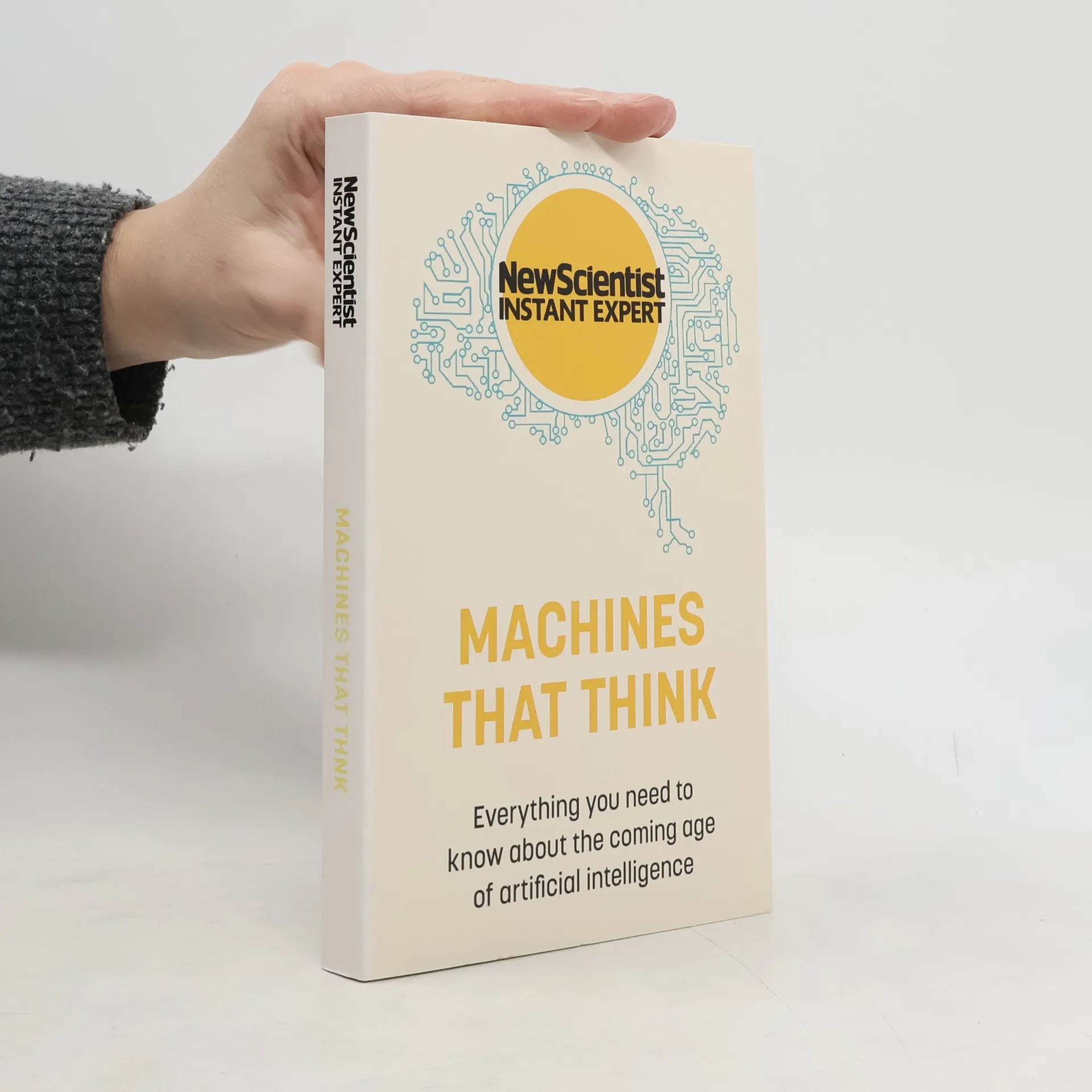
Machines that Think
- 224pages
- 8 heures de lecture
Machines That Think explores how artificial intelligence helps us understand human intelligence, machines that compose music and write stories - and asks if AI is really a threat.





Machines That Think explores how artificial intelligence helps us understand human intelligence, machines that compose music and write stories - and asks if AI is really a threat.
A myth-busting, scientifically proven guide to living a healthier, happier life - without the self-help fads
The journey of a lifetime exploring the question of whether life is inevitable or a one-off fluke, and how it got kick-started.
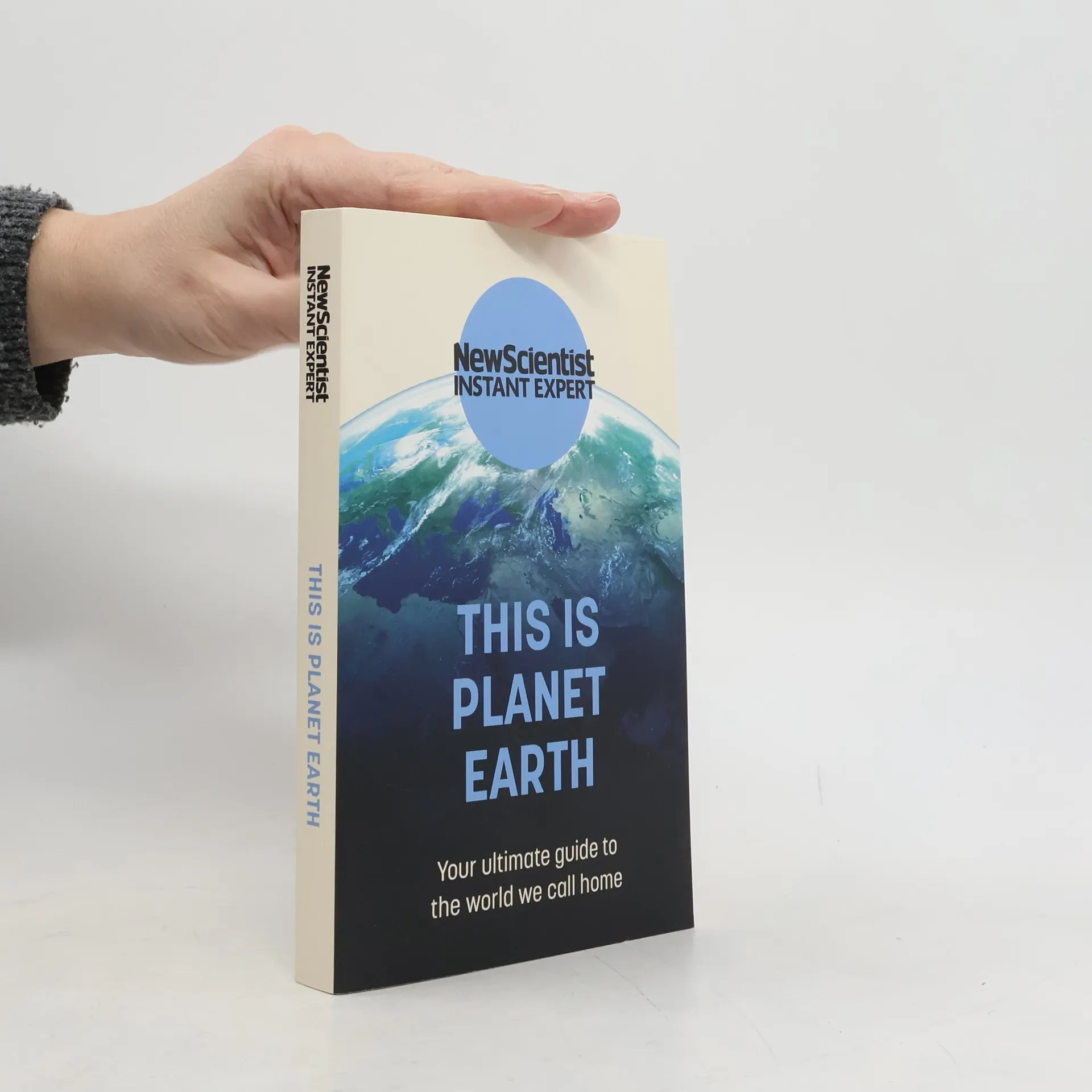
The Earth as you've never seen it before. The ancient Greeks called it Gaia; the Romans Terra. We know it simply as Earth, the planet we call home. And what a planet it is. Formed around 4.6 billion years ago from the debris of the big bang and long-dead stars, at first it was nothing special, but somehow it evolved to become the most amazing place in the known Universe. The only living planet we know of, it also has a very unusual moon, a remarkably dynamic surface, a complex atmosphere and a deeply mysterious interior. This is Planet Earth is dedicated to the wonders of planet Earth. Its past is long and dramatic and its future shrouded in mystery. Yet despite centuries of research, only now are we starting to understand Earth's complexity.
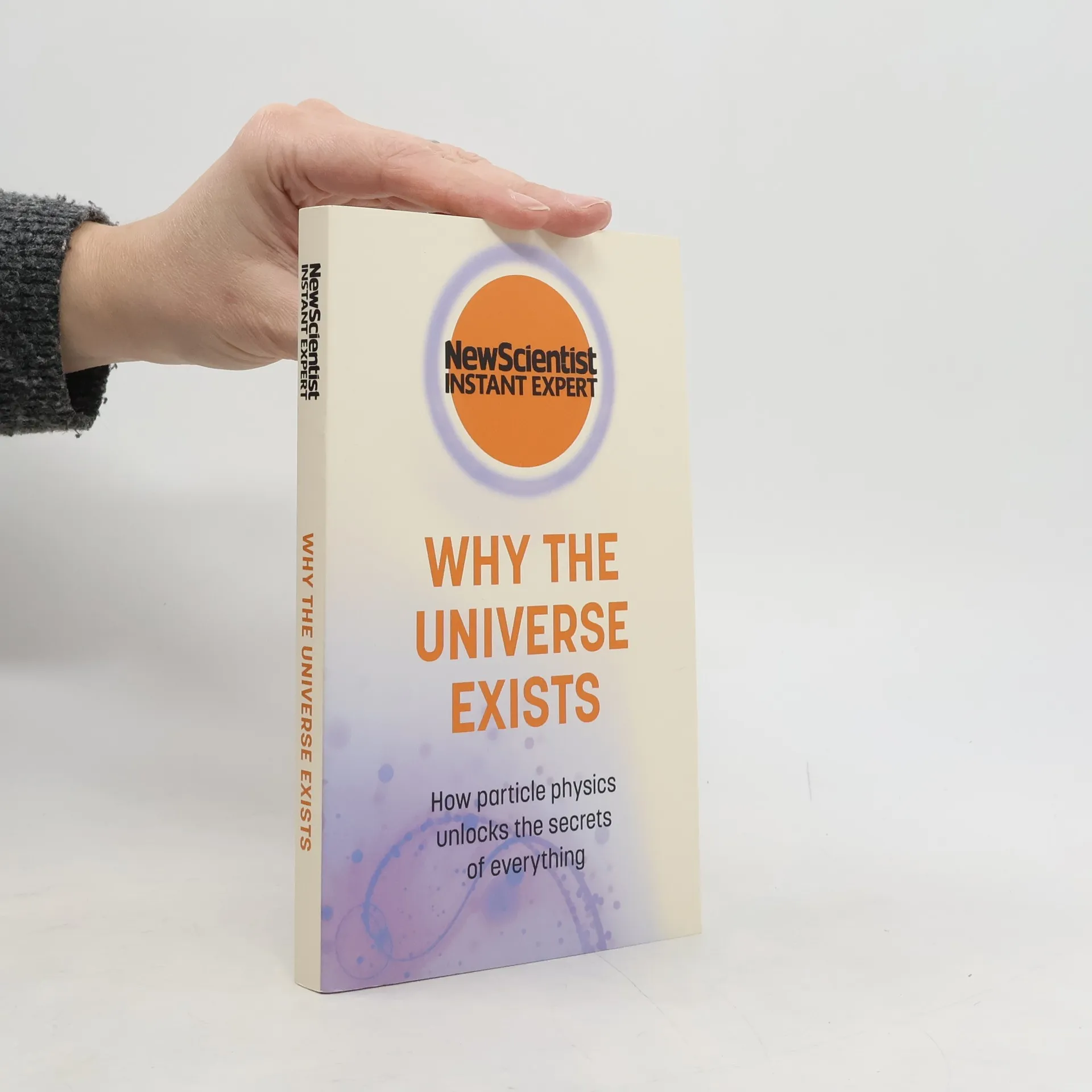
Why The Universe Exists takes you deep into the world of particle physics to explore how the universe functions at the smallest scales.
The story of how our ancestors made the first tentative steps towards becoming human, how we lost our fur but gained language, fire and tools, and how we strode out of Africa, invented farming and cities and ultimately created modern civilisation.
It's lucky you're here. But for a series of choices, accidents and coincidences - any of which could have gone otherwise - your life would have been very different. The same goes for reality. We live in just one of many possible worlds - but we can imagine parallel universes in which dinosaurs still rule the Earth, the Russians got to the moon first, everyone's a vegetarian or time itself flows backwards. And that's just for starters. What if the laws of physics were different? What if robots become smarter than us? Or, if every human on the planet simply vanished tomorrow? The answers to these questions aren't just fun to consider, but reveal deep truths about our own universe. Join New Scientist on a thrilling journey through dozens of incredible but perfectly possible alternative realities, thought experiments and counterfactual histories - each shining a surprising and unexpected spotlight on life as we know it.
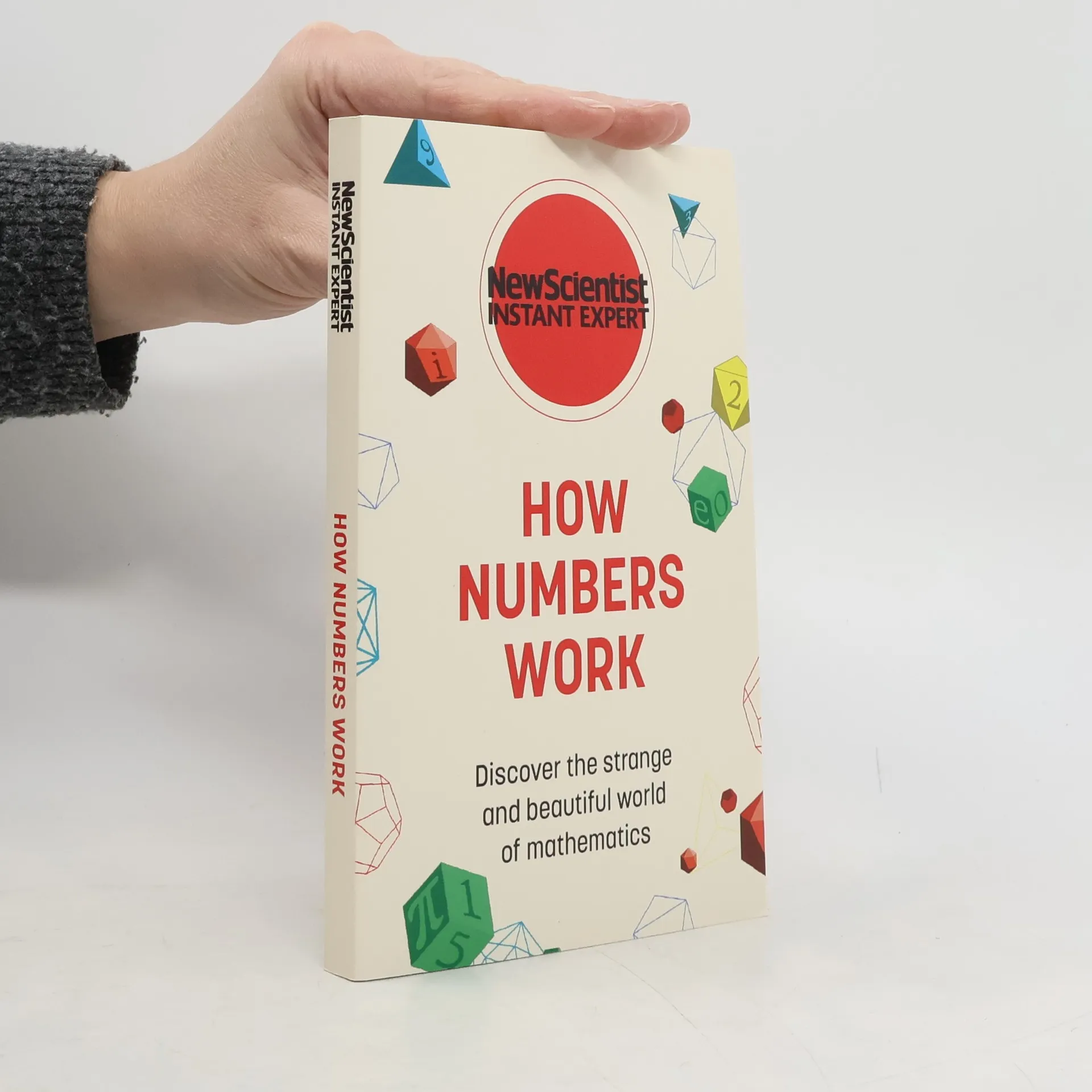
How Numbers Work is a tour of the mind-blowing but beautiful realm of numbers and the mathematical rules that connect them.
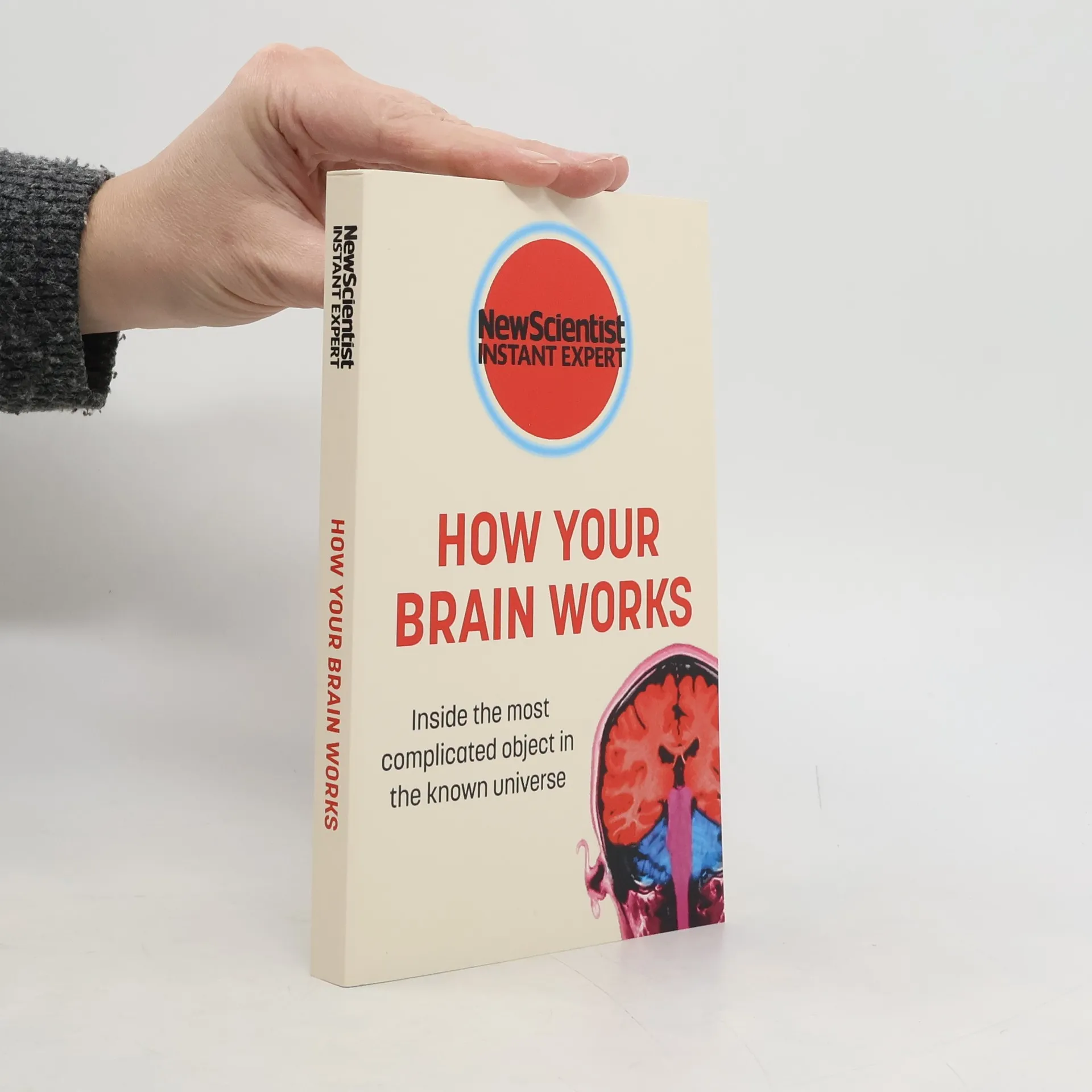
In How Your Brain Works leading neuroscientists and New Scientist introduce the evolution and anatomy of the brain viewed through traits such as: memory, emotions, sleep, sensing and perception.
If you thought you knew who you were, THINK AGAIN. Did you know that half your DNA isn't human? That somebody, somewhere has exactly the same face? Or that most of your memories are fiction? What about the fact that you are as hairy as a chimpanzee, various parts of your body don't belong to you, or that you can read other people's minds? Do you really know why you blush, yawn and cry? Why 90 per cent of laughter has nothing to do with humour? Or what will happen to your mind after you die? You belong to a unique, fascinating and often misunderstood species. How to be Human is your guide to making the most of it.
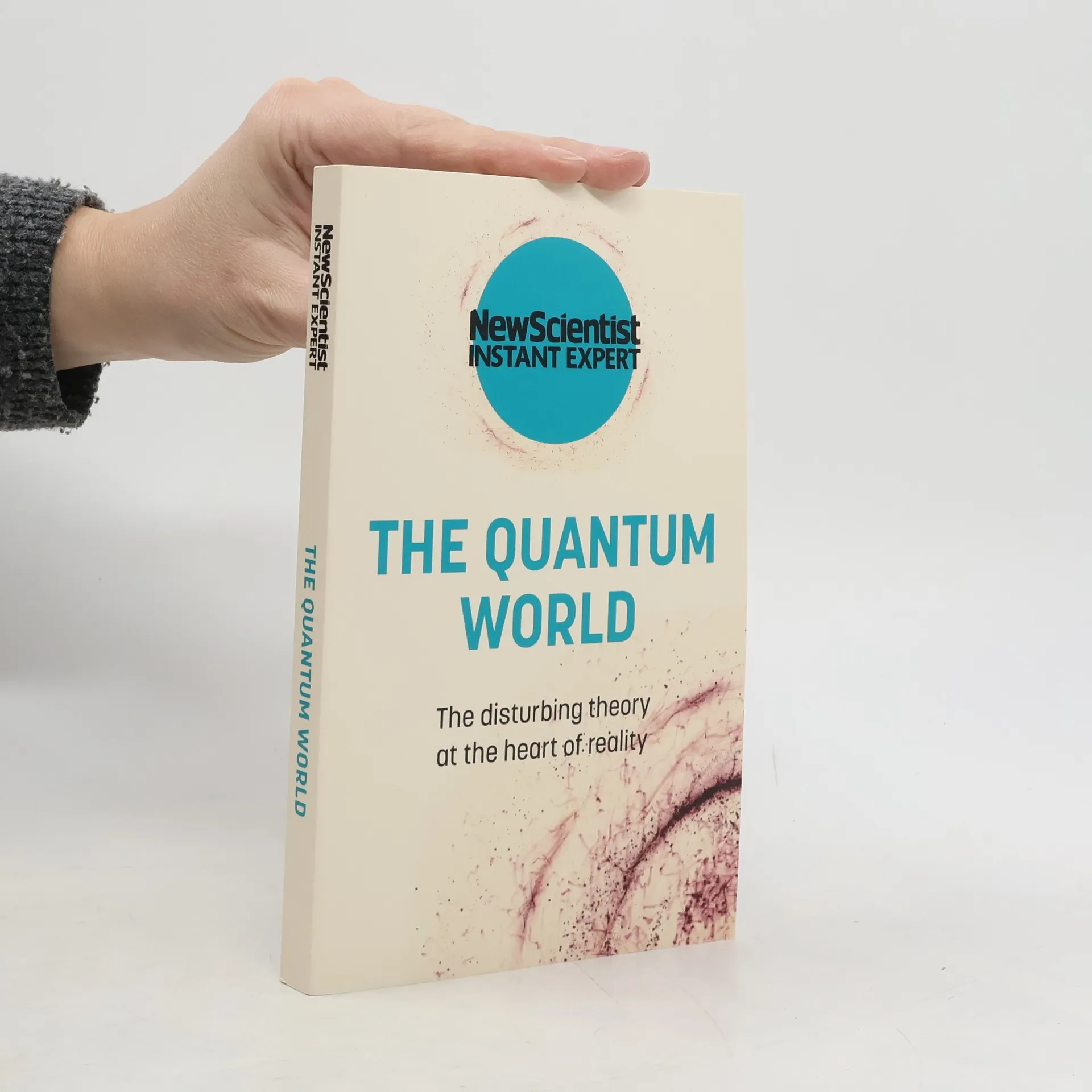
In The Quantum World leading physicists and New Scientist take you on a journey through quantum theory, its mind-bending properties and the technologies transforming our world.
Introduced by Jim Al-Khalili Could you surf down an erupting volcano? Why do zebras have stripes? Are you breathing the same air as Leonardo da Vinci? Are there any green mammals? Why do pineapples have spikes? Why do songs get stuck in your head? What happens when black holes collide? Can you extract your DNA? New Scientist has been a treasure trove of fascinating and surprising questions and answers for over a decade. From how to measure the speed of light using chocolate, to why dogs howl at sirens, Eureka! brings together 365 mindblowing questions, fascinating facts and exciting experiments. If you've ever wondered how to escape quicksand, what would happen if the moon vanished, and why cats (nearly) always land on their feet, you've come to the right place.
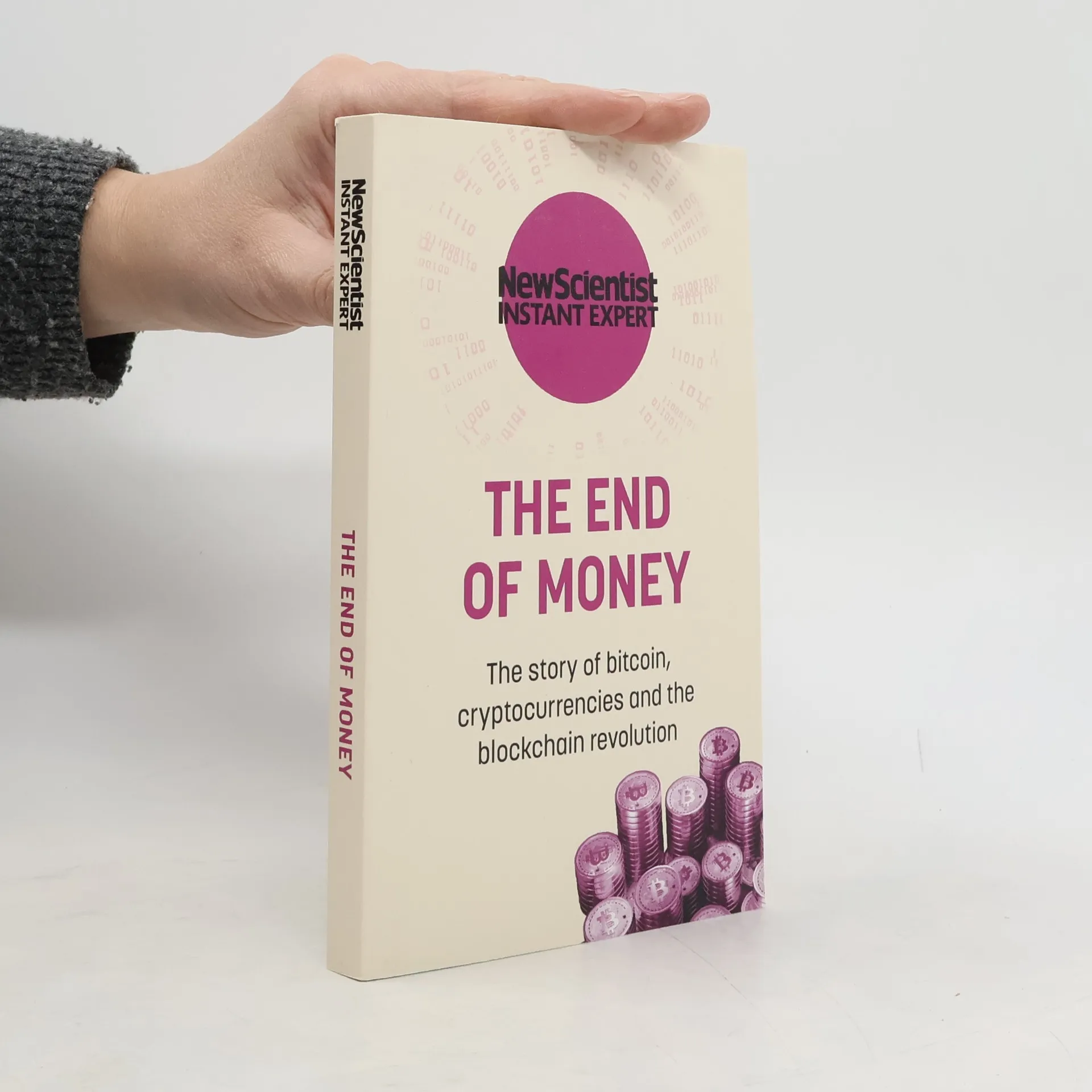
The End of Money is an essential introduction to cryptocurrencies and the blockchain revolution which has been hailed as the greatest advancement since the invention of the internet.
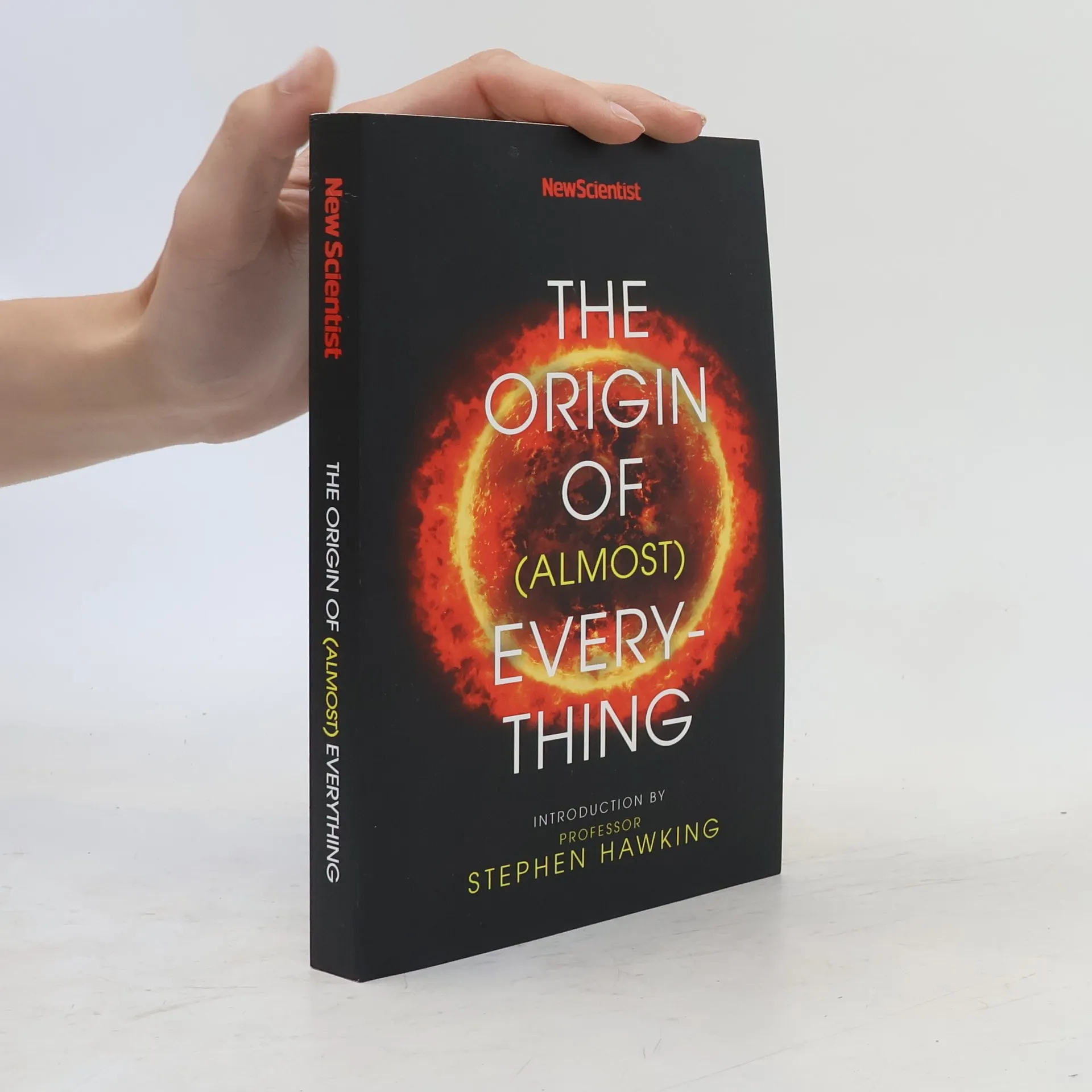
~i~>Introduction by Professor Stephen Hawking. When Edwin Hubble looked into his telescope in the 1920s, he was shocked to find that nearly all of the galaxies he could see through it were flying away from one another. If these galaxies had always been travelling, he reasoned, then they must, at some point, have been on top of one another. This discovery transformed the debate about one of the most fundamental questions of human existence - how did the universe begin? Every society has stories about the origin of the cosmos and its inhabitants, but now, with the power to peer into the early universe and deploy the knowledge gleaned from archaeology, geology, evolutionary biology and cosmology, we are closer than ever to understanding where it all came from. In The Origin of (almost) Everything, New Scientist explores the modern origin stories of everything from the Big Bang, meteorites and dark energy, to dinosaurs, civilisation, timekeeping, belly-button fluff and beyond. From how complex life evolved on Earth, to the first written language, to how humans conquered space, The Origin of (almost) Everything offers a unique history of the past, present and future of our universe. span
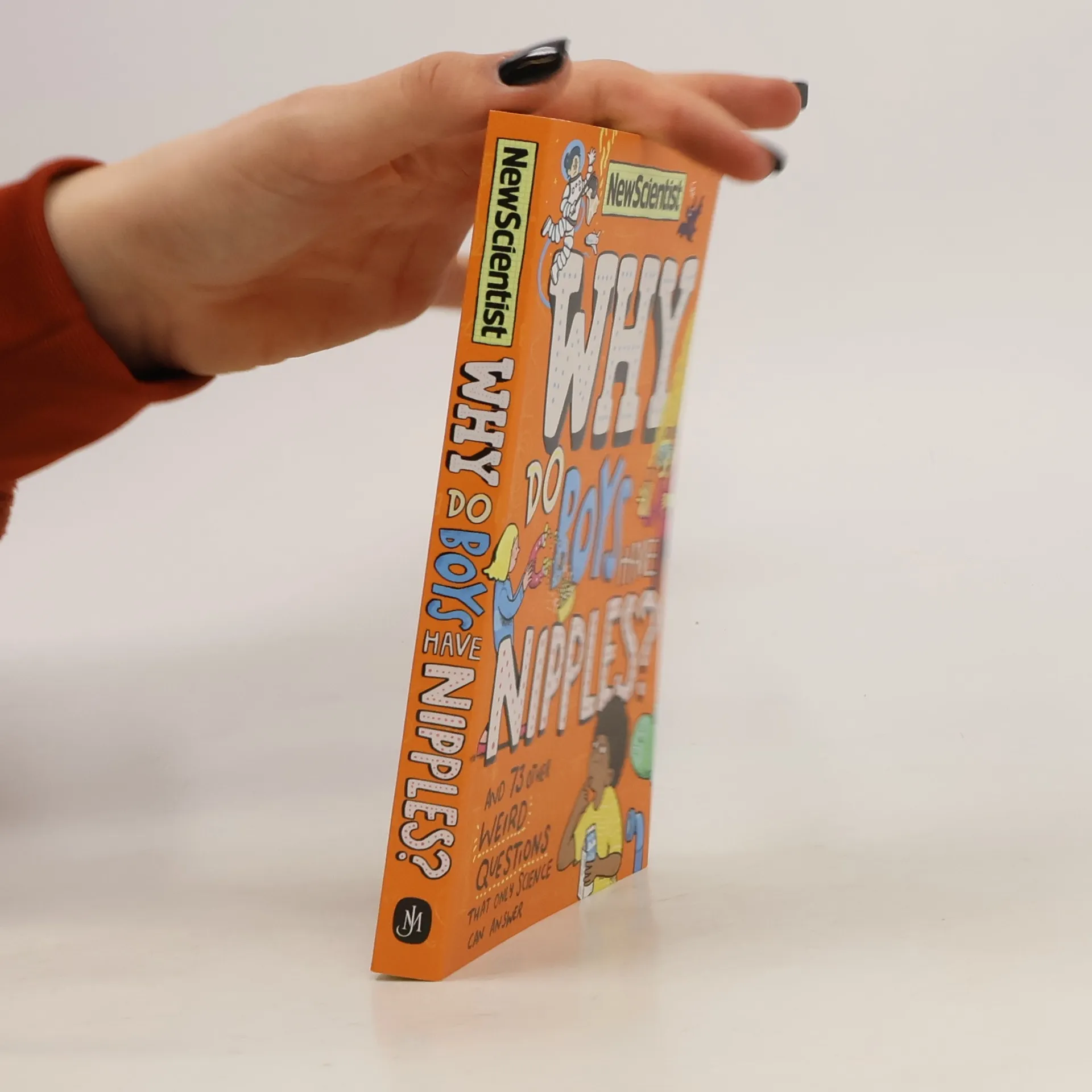
And 73 other weird questions that only science can answer
Curiosity drives this engaging exploration of intriguing scientific questions, such as the absence of green mammals and the health implications of eating bogeys. Presented in a style reminiscent of "Horrible Histories," the book offers entertaining and informative answers that spark interest in the world of science. Perfect for readers who enjoy learning through quirky facts and humor, it makes complex concepts accessible and fun.
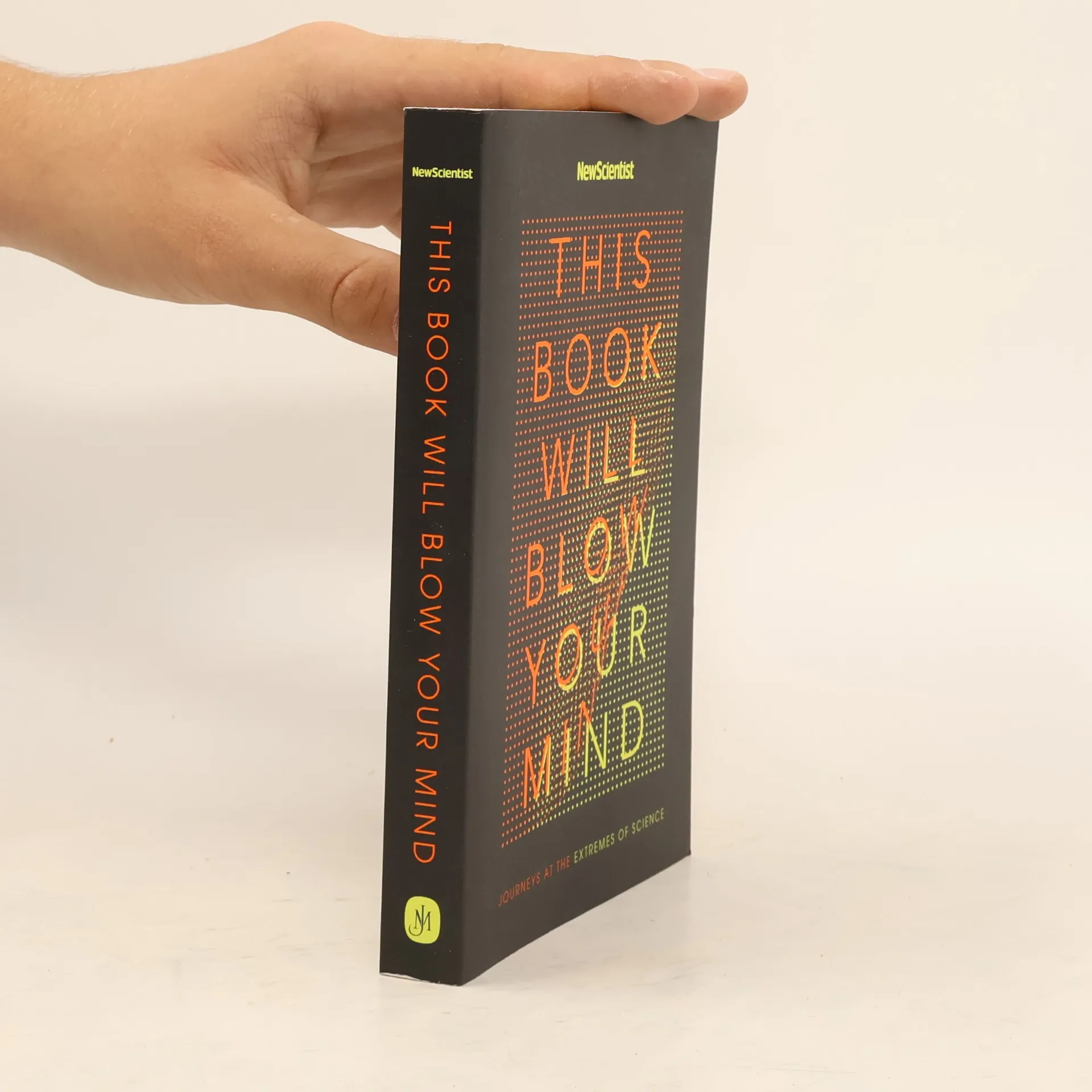
A new book from the million-selling New Scientist series that will blow your mind, and then put it back together again.
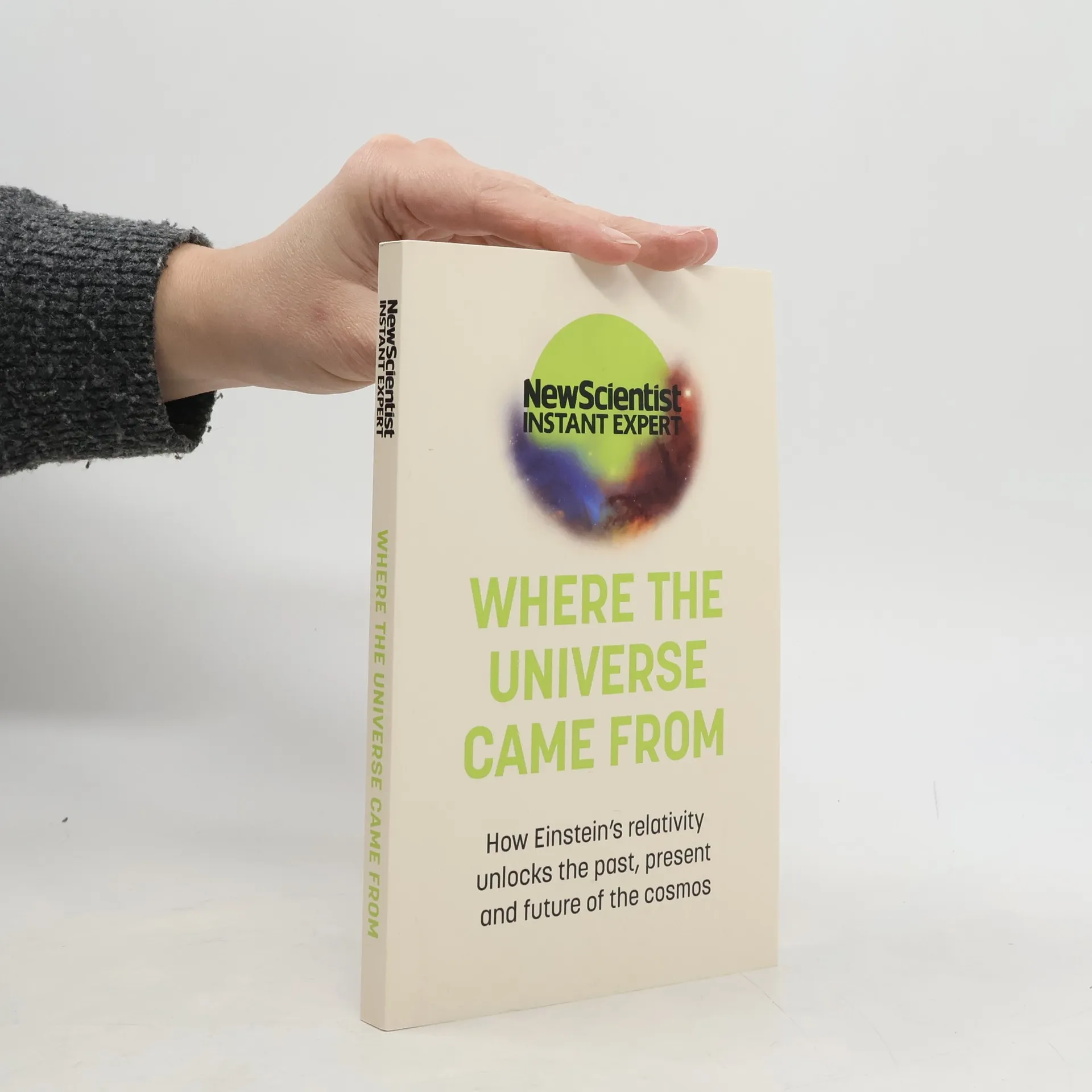
A little over a century ago, a young Albert Einstein presented his general theory of relativity to the world and utterly transformed our understanding of the universe. In Where the Universe Came From leading cosmologists and New Scientist explain that we still have plenty of unfinished business with the cosmos.
A voyage through the mind to discover what consciousness really is, and what we can learn when it goes awry.
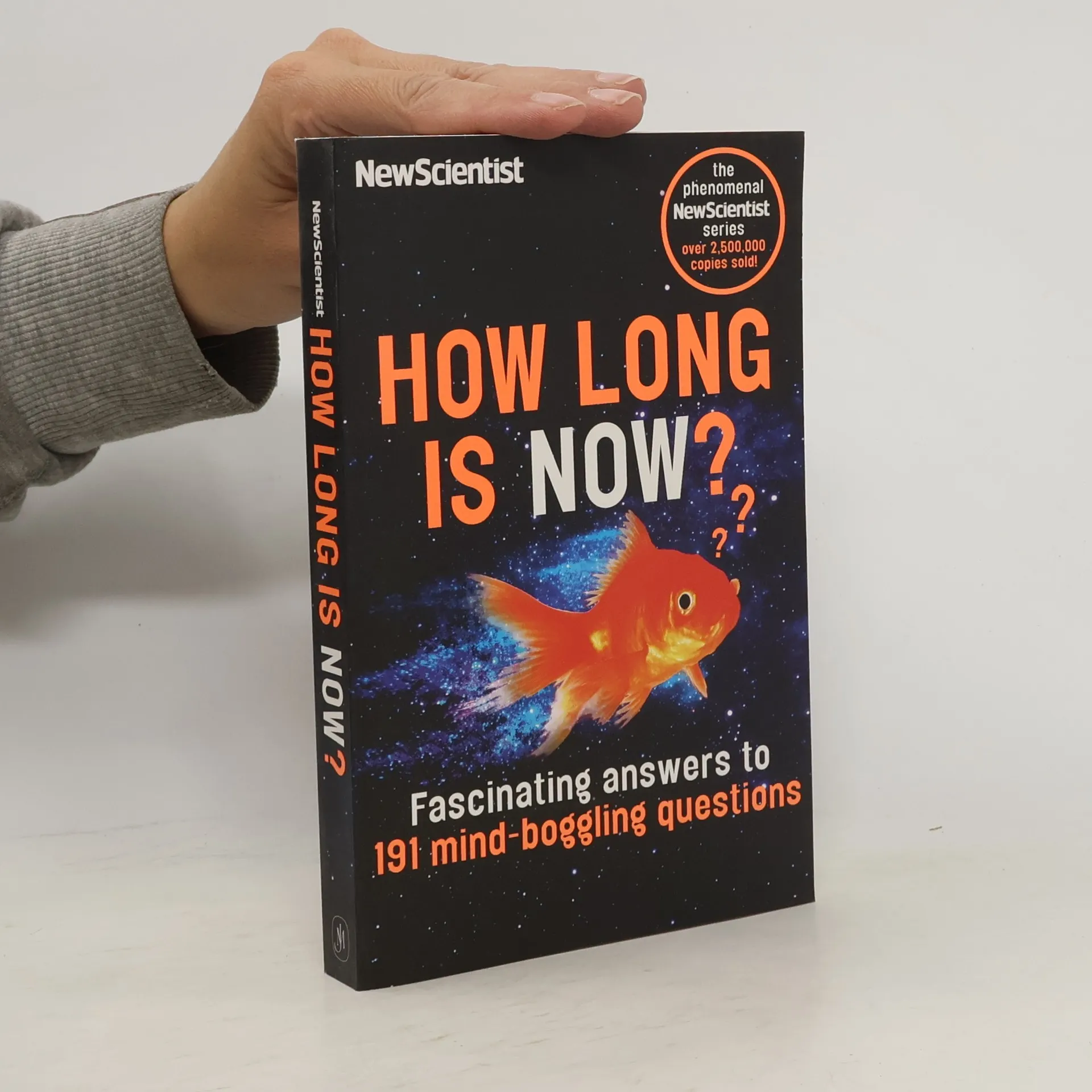
How long is 'now'? The short answer is 'somewhere between 2 and 3 seconds'. The long answer involves an incredible journey through neuroscience, our subconscious and the time-bending power of meditation. Living in the present may never feel the same. Ready for some more? Okay. Why isn't Pluto a planet? Why are dogs' noses wet? Why do hens cluck more loudly after laying an egg? What happens when one black hole swallows another? Do our fingerprints change as we get older? How young can you die of old age? And what is at the very edge of the Universe? Life is full of mind-bending questions. And, as books like What If? and Why Don't Penguins' Feet Freeze? have shown, the route to find each answer can take us on the weirdest and most wonderful journeys. How Long is Now? is a fascinating new collection of questions you never thought to ask, along with answers that will change the way you see everything.
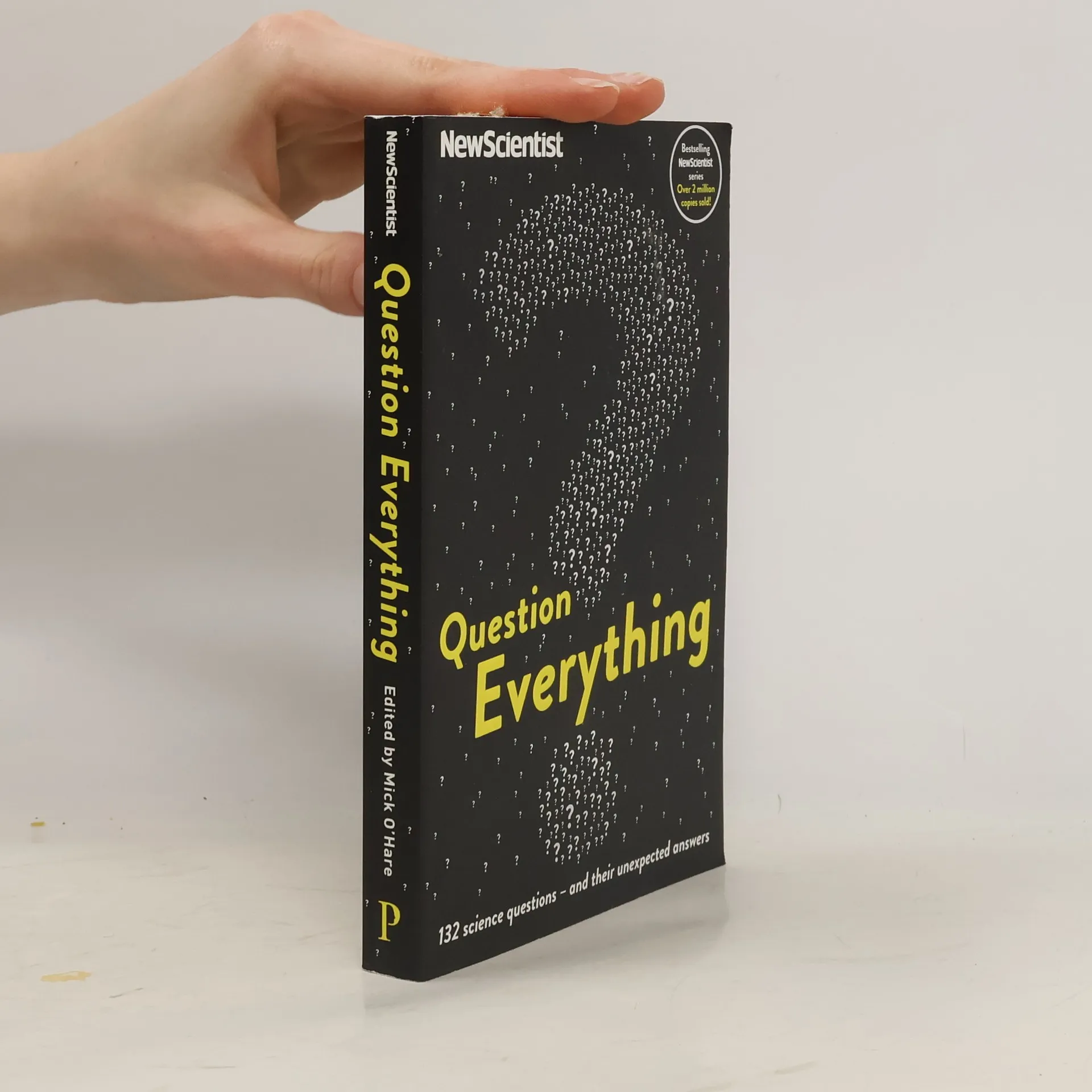
The latest in the bestselling New Scientist Last Word seriesAll science begins with questions...- Why is the night sky black, even though it's full of stars? - How do pebbles skim on water? - Why doesn't your own snoring wake you up? - And why is the Large Hadron Collider so ... er ... large? And as these intriguing, imaginative and occasionally bonkers questions and answers drawn from New Scientist magazine's archives show: question everything and you might find your way to amazing, unexpected insights into our minds, bodies and the universe, and the science behind the scenes that keeps them ticking. As you would expect from New Scientist, this is top-flight science at its most accessible, unpredictable and entertaining. This latest mind-bending addition to the No. 1 bestselling series will fascinate 'Last Word' fans and new readers alike.The New Scientist books from Profile have become sure-fire Christmas bestsellers, now selling over two million copies through bookshops. Last year's Nothing was in the bestseller lists for six weeks. This new book is sure to be at least as successful.
Three Bestsellers from The New Scientist in one big value pack!Does Anything Eat Wasps? - The classic selection of questions and answers on every scientific topic imaginable from New Scientist magazine's popular 'Last Word' column.Why Don't Penguin's feet Freeze? Another sparkling collection from the 'Last Word' column.Do Polar Bears Get Lonely? The latest brilliant selection of fascinating questions and answers from the 'Last Word' column.
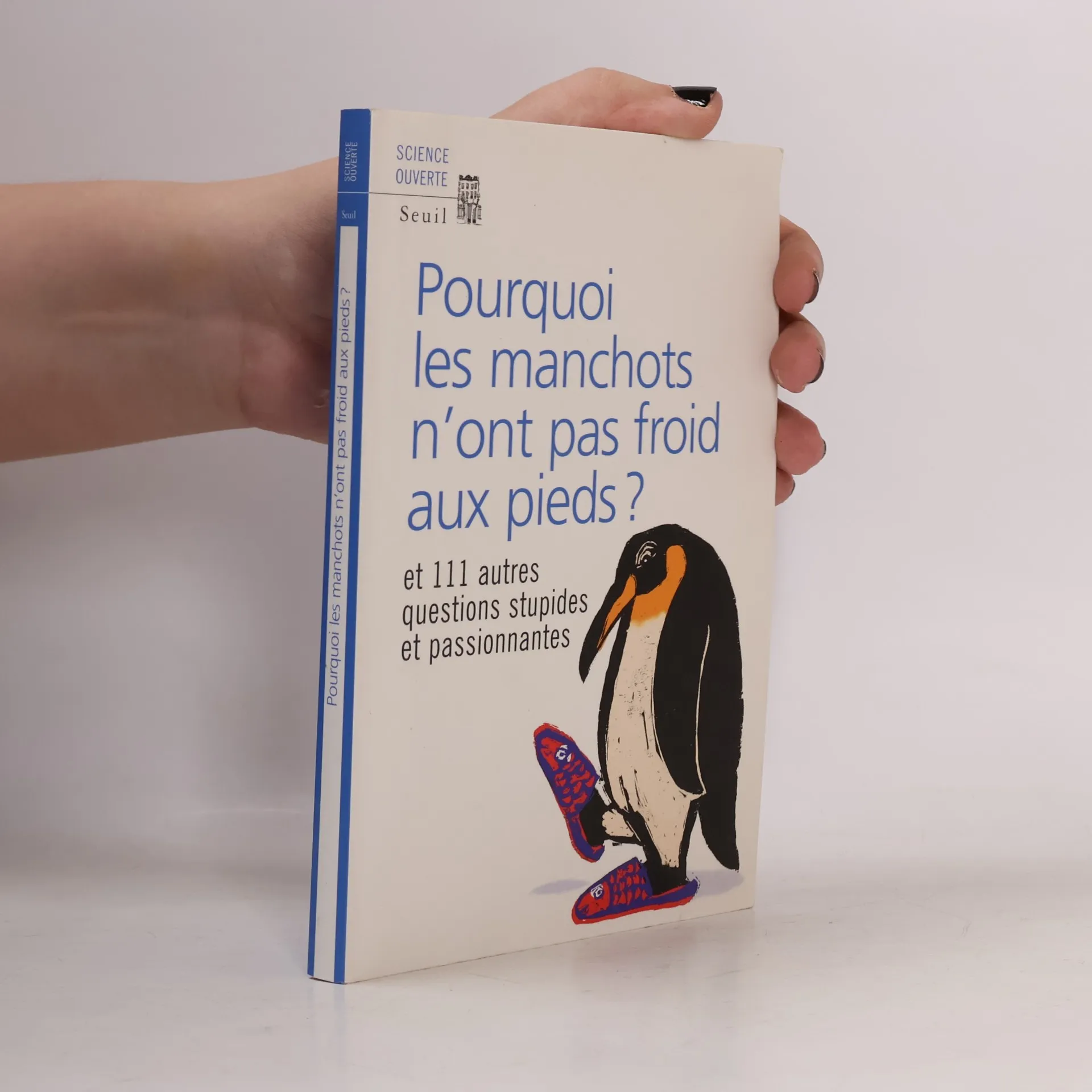
Et 111 autres questions stupides et passionnantes
• What time is it at the North Pole? • What's the chemical formula for a human being? • Why do boomerangs come back? • Why do flying fish fly? • Do the living really outnumber the dead? • Why does lightning fork? • Why does the end of a whip crack? Everyone has at one time or another thought up odd questions like these, questions that are strange, intriguing, maybe even impossible to answer. Making your morning omelet, perhaps you've wondered why most eggs are egg shaped. Or maybe, the last time you walked on the beach, you felt compelled to ask why the sea is salty. Watching Polly sit on her perch, have you ever marveled at how she stays there even when she's asleep? Well, the readers of New Scientist's wildly popular, long-running column "The Last Word" thought of these questions, too, and weren't afraid to ask them. Why Don't Penguins' Feet Freeze? is a brilliant collection of questions and answers for everyone who enjoyed the international, runaway bestseller Does Anything Eat Wasps? Guaranteed to amaze, inform, and delight with topics such as the human body, plants and animals, weird weather, and our wacky world, it'll stump you, enlighten you, entertain and amuse you.
Et 111 autres questions stupides et passionnantes
• What time is it at the North Pole? • What's the chemical formula for a human being? • Why do boomerangs come back? • Why do flying fish fly? • Do the living really outnumber the dead? • Why does lightning fork? • Why does the end of a whip crack? Everyone has at one time or another thought up odd questions like these, questions that are strange, intriguing, maybe even impossible to answer. Making your morning omelet, perhaps you've wondered why most eggs are egg shaped. Or maybe, the last time you walked on the beach, you felt compelled to ask why the sea is salty. Watching Polly sit on her perch, have you ever marveled at how she stays there even when she's asleep? Well, the readers of New Scientist's wildly popular, long-running column "The Last Word" thought of these questions, too, and weren't afraid to ask them. Why Don't Penguins' Feet Freeze? is a brilliant collection of questions and answers for everyone who enjoyed the international, runaway bestseller Does Anything Eat Wasps? Guaranteed to amaze, inform, and delight with topics such as the human body, plants and animals, weird weather, and our wacky world, it'll stump you, enlighten you, entertain and amuse you.
Et 100 autres questions idiotes et passionnantes
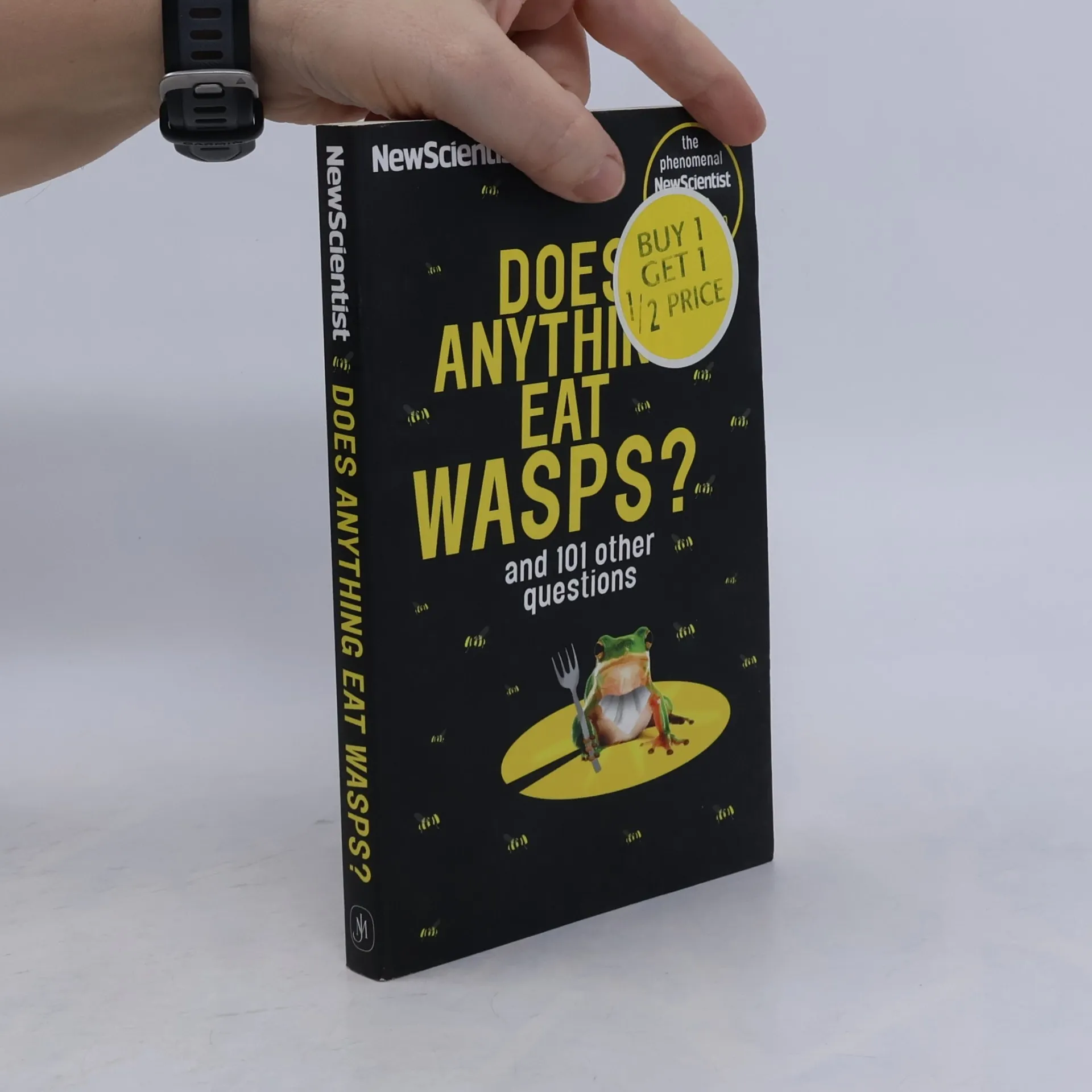
How fat do you have to be to become bulletproof? Why do people have eyebrows Why do pineapples have spines? How much does a head weigh? What affects the color of earwax? How quickly could I turn into a fossil? Have you ever thought up a question so completely off-the-wall, so seemingly ridiculous, that you couldn't even find the courage to ask it? Maybe at the sports bar you were transported by the beauty of your beer to wonder, "How long could I live on beer alone?" Or, cycling through the park, you mused, "Did nature invent any wheels?" Or looking up at the night sky, you had a moment of angst, "What would happen if the moon suddenly disappeared -- if it were vaporized or stolen by aliens?" Full of fun factlets, Does Anything Eat Wasps? is a runaway bestseller around the world. It celebrates the weird and wacky questions -- some trivial, some baffling, all unique -- and their multiple answers culled from "The Last Word," a long-running column in the internationally popular science magazine, New Scientist. Tackling the imponderables of everyday life, sparkling with humor, and bursting with delightful erudition, Does Anything Eat Wasps? is irresistibly entertaining and utterly engrossing. So, go on. Put away your lab coat and your pencil -- science is fun again.
Every year, readers send in thousands of questions to New Scientist, the world's best-selling science weekly, in the hope that the answers to them will be given in the 'Last Word' column - regularly voted the most popular section of the magazine. Does Anything Eat Wasps? is a collection of the best that have appeared, including: Why can't we eat green potatoes? Why do airliners suddenly plummet? Does a compass work in space? Why do all the local dogs howl at emergency sirens? How can a tree grow out of a chimney stack? Why do bruises go through a range of colours? Why is the sea blue inside caves? Many seemingly simple questions are actually very complex to answer. And some that seem difficult have a very simple explanation. New Scientist's 'Last Word' celebrates all questions - the trivial, the idiosyncratic, the baffling and the strange. This selection of the best is popular science at its most entertaining and enlightening.