

Bookbot

New Scientist

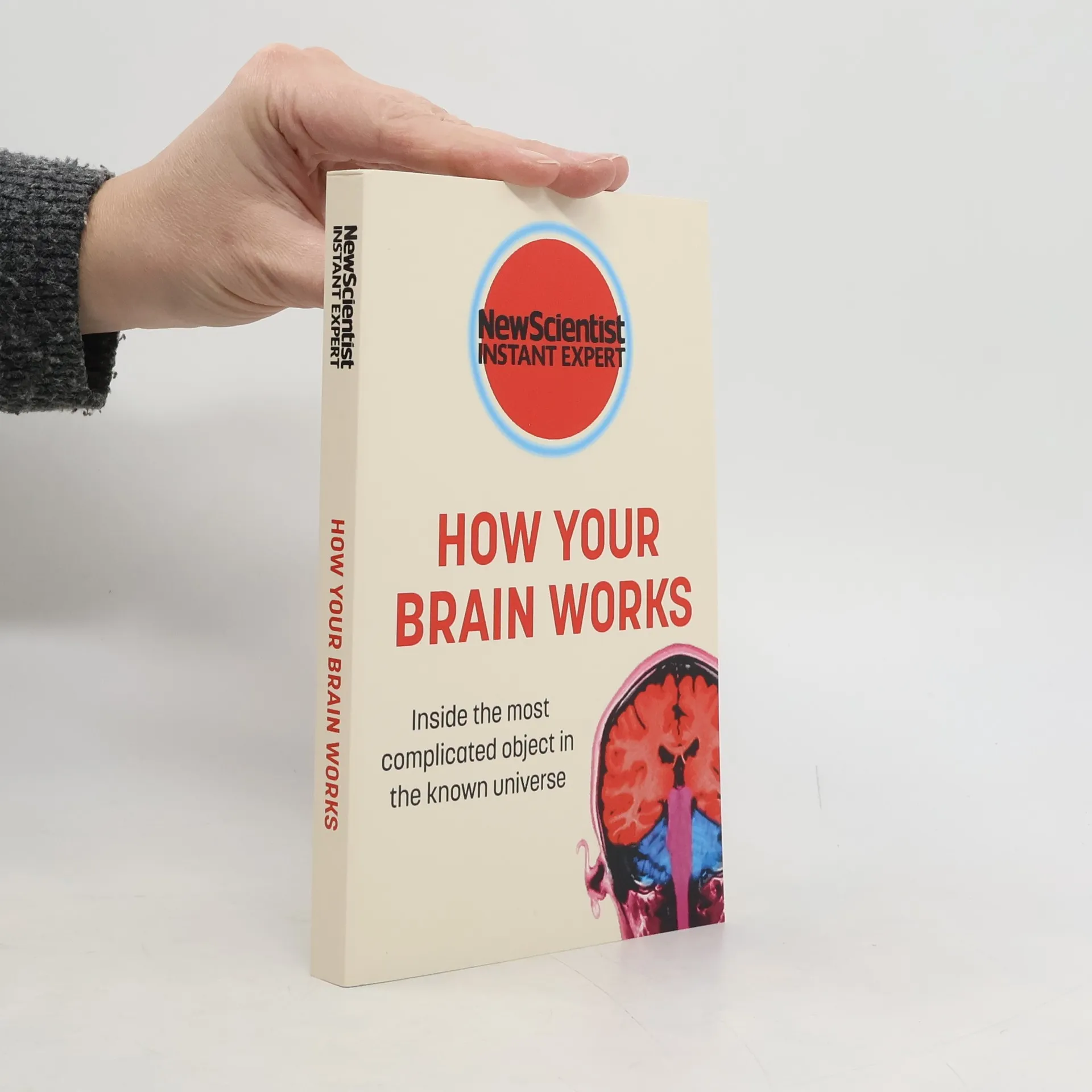
    How Your Brain Works
    Eureka!
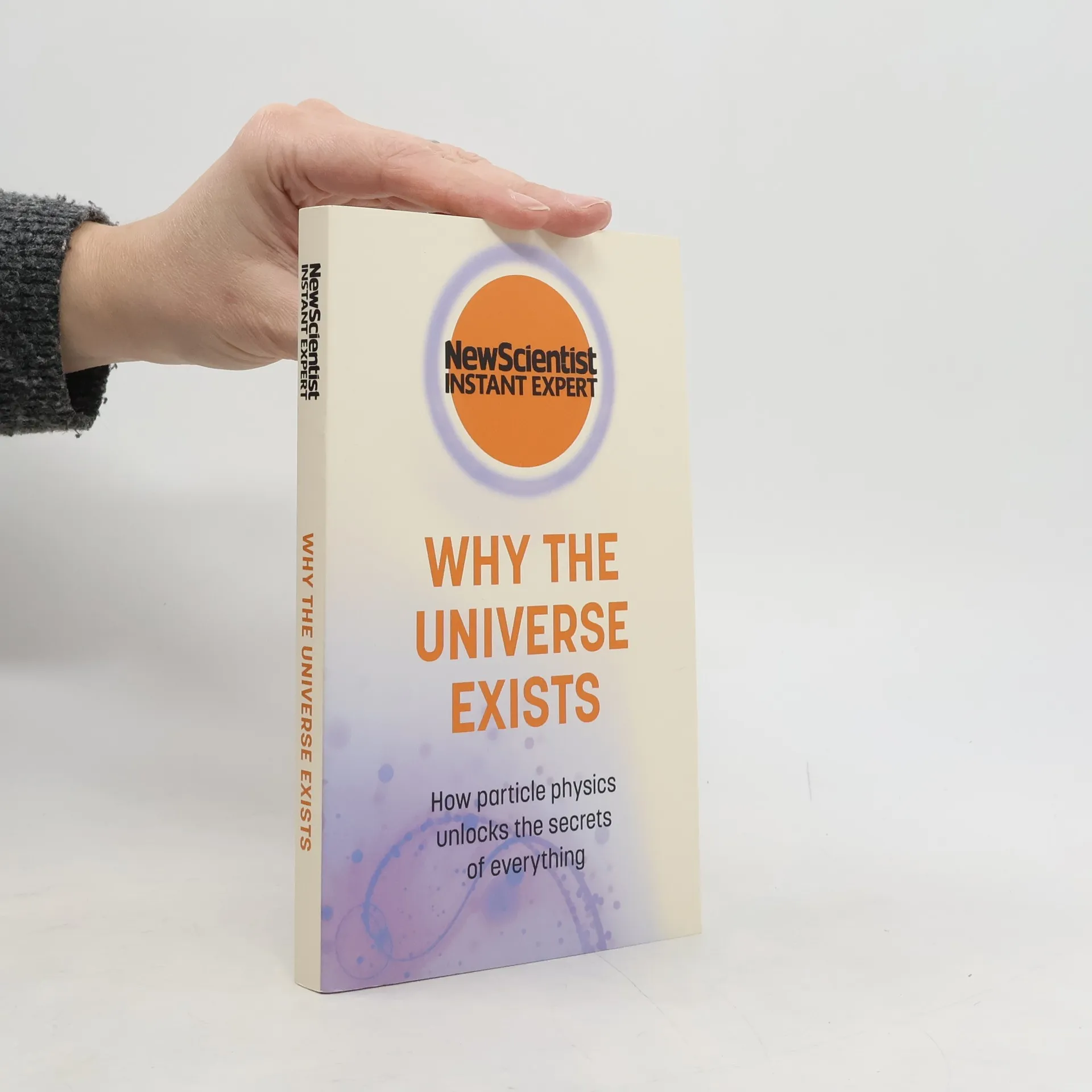
    Why the Universe Exists
    Human Origins
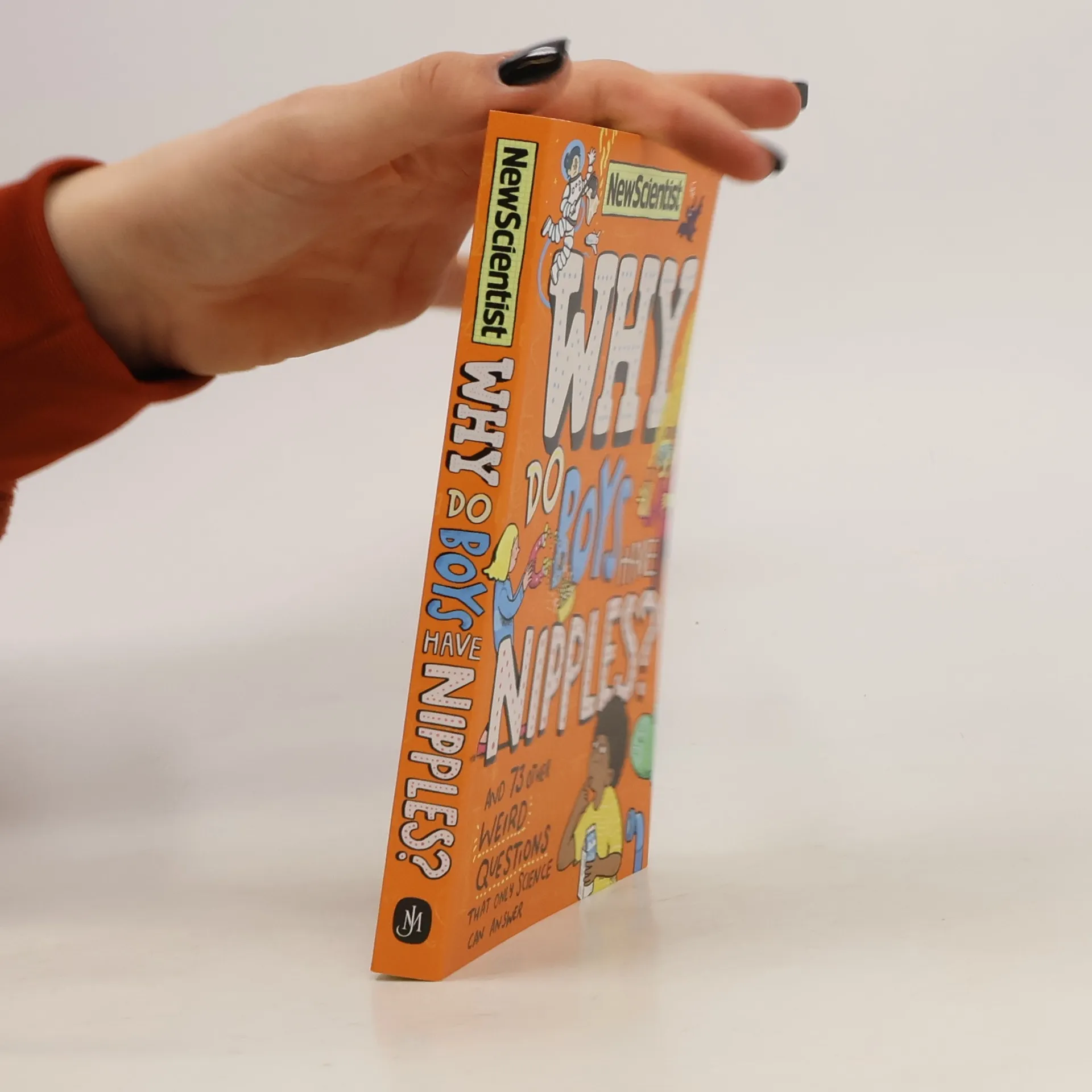
    Why Do Boys Have Nipples?
    Pourquoi les manchots n'ont pas froid aux pieds ?
    • Pourquoi les manchots n'ont pas froid aux pieds ?

      Et 111 autres questions stupides et passionnantes

      • 195pages
      • 7 heures de lecture
      3,5(1337)Évaluer

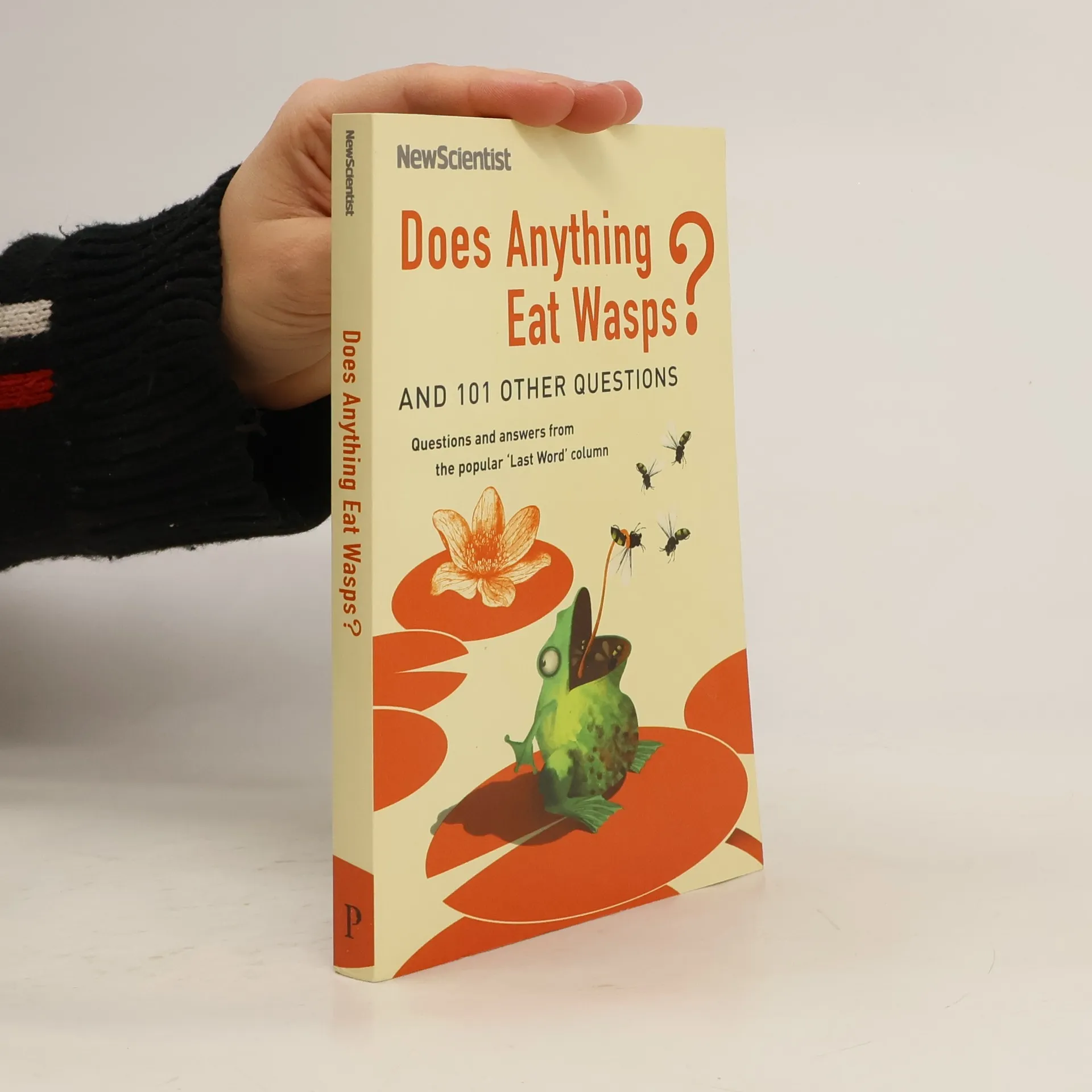
      • What time is it at the North Pole? • What's the chemical formula for a human being? • Why do boomerangs come back? • Why do flying fish fly? • Do the living really outnumber the dead? • Why does lightning fork? • Why does the end of a whip crack? Everyone has at one time or another thought up odd questions like these, questions that are strange, intriguing, maybe even impossible to answer. Making your morning omelet, perhaps you've wondered why most eggs are egg shaped. Or maybe, the last time you walked on the beach, you felt compelled to ask why the sea is salty. Watching Polly sit on her perch, have you ever marveled at how she stays there even when she's asleep? Well, the readers of New Scientist's wildly popular, long-running column "The Last Word" thought of these questions, too, and weren't afraid to ask them. Why Don't Penguins' Feet Freeze? is a brilliant collection of questions and answers for everyone who enjoyed the international, runaway bestseller Does Anything Eat Wasps? Guaranteed to amaze, inform, and delight with topics such as the human body, plants and animals, weird weather, and our wacky world, it'll stump you, enlighten you, entertain and amuse you.

      Pourquoi les manchots n'ont pas froid aux pieds ?
    • Why Do Boys Have Nipples?

      And 73 other weird questions that only science can answer

      • 256pages
      • 9 heures de lecture
      4,3(4)Évaluer

      Curiosity drives this engaging exploration of intriguing scientific questions, such as the absence of green mammals and the health implications of eating bogeys. Presented in a style reminiscent of "Horrible Histories," the book offers entertaining and informative answers that spark interest in the world of science. Perfect for readers who enjoy learning through quirky facts and humor, it makes complex concepts accessible and fun.

      Why Do Boys Have Nipples?
    • The story of how our ancestors made the first tentative steps towards becoming human, how we lost our fur but gained language, fire and tools, and how we strode out of Africa, invented farming and cities and ultimately created modern civilisation.

      Human Origins
    • Why The Universe Exists takes you deep into the world of particle physics to explore how the universe functions at the smallest scales.

      Why the Universe Exists
    • Introduced by Jim Al-Khalili Could you surf down an erupting volcano? Why do zebras have stripes? Are you breathing the same air as Leonardo da Vinci? Are there any green mammals? Why do pineapples have spikes? Why do songs get stuck in your head? What happens when black holes collide? Can you extract your DNA? New Scientist has been a treasure trove of fascinating and surprising questions and answers for over a decade. From how to measure the speed of light using chocolate, to why dogs howl at sirens, Eureka! brings together 365 mindblowing questions, fascinating facts and exciting experiments. If you've ever wondered how to escape quicksand, what would happen if the moon vanished, and why cats (nearly) always land on their feet, you've come to the right place.

      Eureka!
    • How Your Brain Works

      • 240pages
      • 9 heures de lecture
      3,8(5)Évaluer

      In How Your Brain Works leading neuroscientists and New Scientist introduce the evolution and anatomy of the brain viewed through traits such as: memory, emotions, sleep, sensing and perception.

      How Your Brain Works
    • How to be human

      • 320pages
      • 12 heures de lecture
      4,0(23)Évaluer

      If you thought you knew who you were, THINK AGAIN. Did you know that half your DNA isn't human? That somebody, somewhere has exactly the same face? Or that most of your memories are fiction? What about the fact that you are as hairy as a chimpanzee, various parts of your body don't belong to you, or that you can read other people's minds? Do you really know why you blush, yawn and cry? Why 90 per cent of laughter has nothing to do with humour? Or what will happen to your mind after you die? You belong to a unique, fascinating and often misunderstood species. How to be Human is your guide to making the most of it.

      How to be human
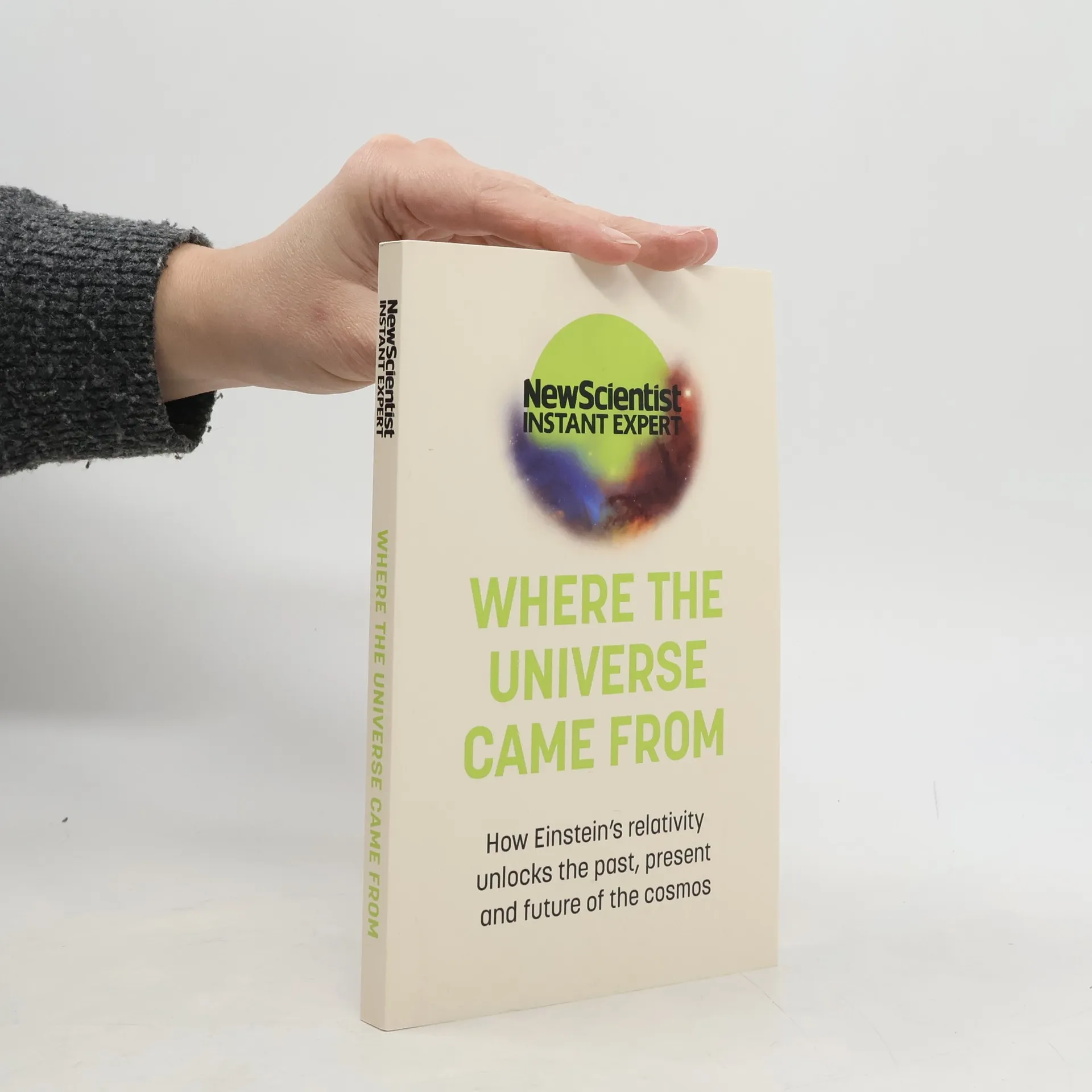
    • Where the Universe Came From

      • 208pages
      • 8 heures de lecture
      3,8(4)Évaluer

      A little over a century ago, a young Albert Einstein presented his general theory of relativity to the world and utterly transformed our understanding of the universe. In Where the Universe Came From leading cosmologists and New Scientist explain that we still have plenty of unfinished business with the cosmos.

      Where the Universe Came From
    • Cats vs Dogs

      • 240pages
      • 9 heures de lecture
      3,0(2)Évaluer

      Everything you needed to know - and didn't - about the animal kingdom, from multimillion-copy-selling New Scientist.

      Cats vs Dogs