Guy Cook est un linguiste distingué dont les travaux explorent principalement la linguistique appliquée et l'analyse du discours. Ses recherches portent sur le fonctionnement du langage dans divers contextes, de l'enseignement des langues à l'analyse de la publicité et du débat environnemental. Les écrits de Cook se distinguent par leurs profondes perspectives sur la structure et la fonction du langage, offrant aux lecteurs une nouvelle perspective sur la communication. Son expertise en stylistique et en discours en fait un auteur dont les œuvres sont appréciées pour leur profondeur intellectuelle et leur pertinence.
This study examines the relevance of schema theory to literary theory and the analysis of literary texts. Schema theory suggests that people understand texts and experiences by comparing them with stereotypical mental representations of similar cases. The new experience is then processed in terms of its deviation from that structure or its conformity to it. The book concludes with a section on pedagogical implications and an analysis of three well-known literary texts.
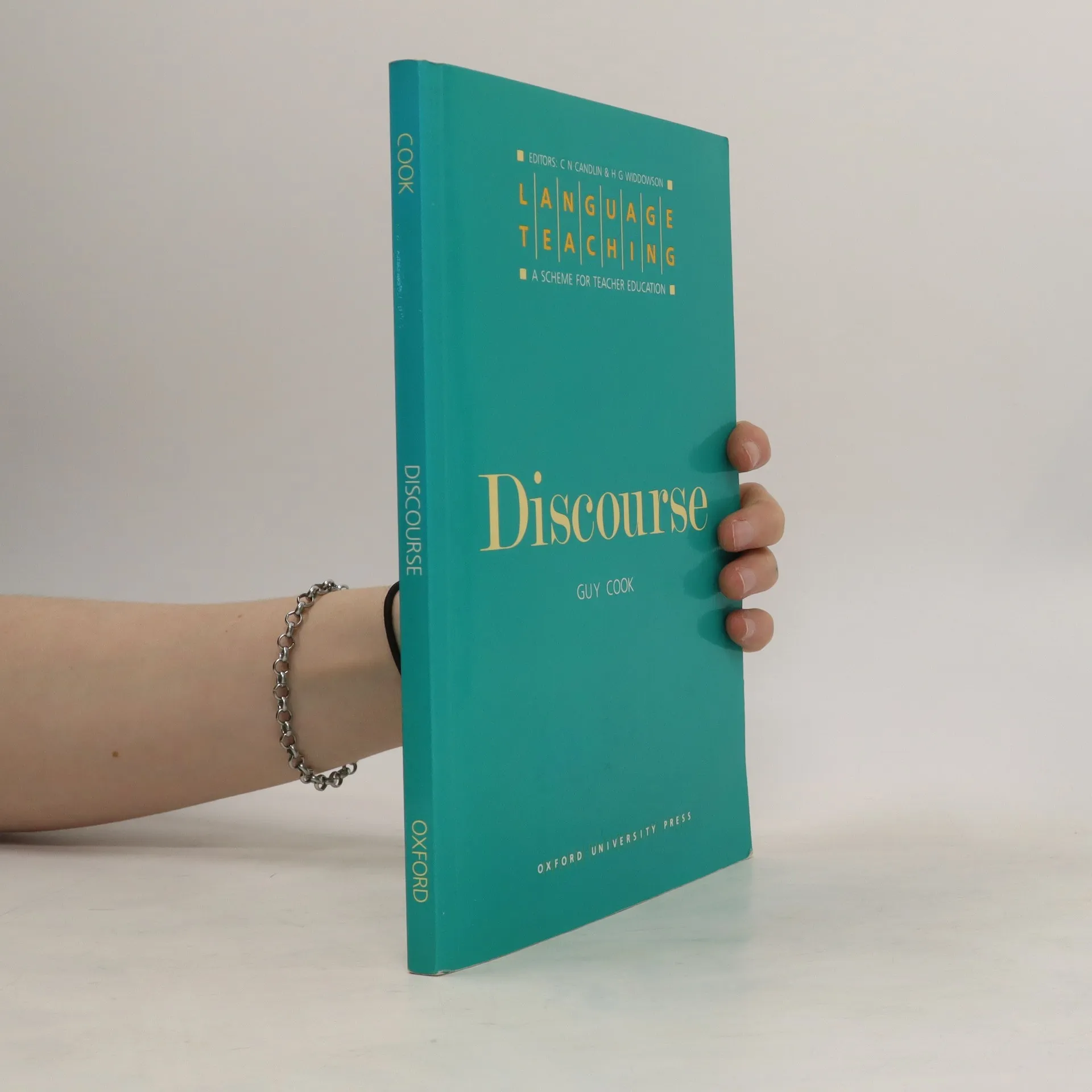
Discourse analysis is the study of spoken and written language in its social and psychological context. This book explains the relevant theory, and applies it to classroom activities designed to improve students' discourse skills. The teacher is then shown how these activities may be further developed in specific teaching situations.
Focusing on contemporary advertising, this second edition serves as a thorough reference guide that explores the evolving language and techniques in the field. It highlights the impact of recent communication changes, making it an essential resource for understanding modern advertising practices.
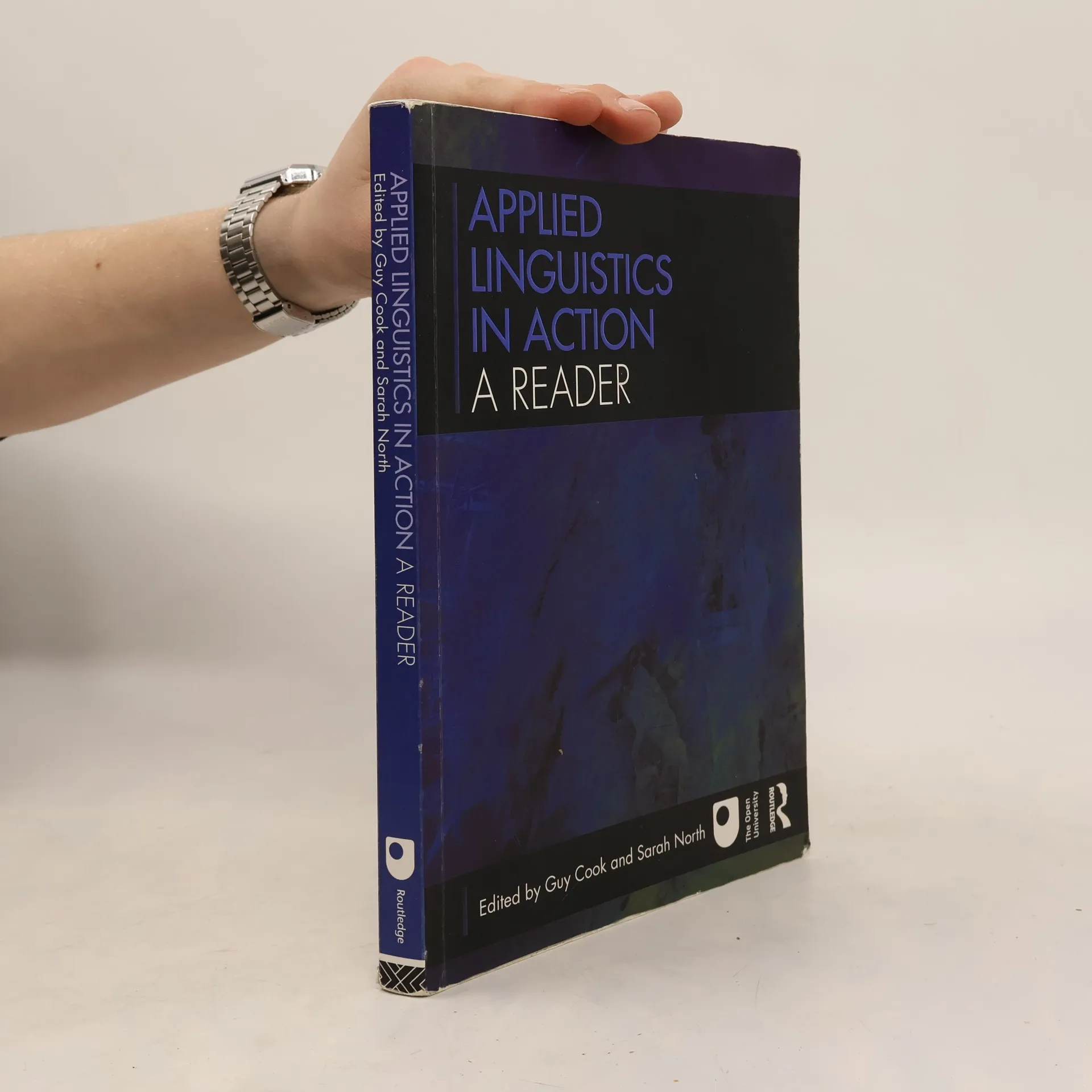
This reader presents an applied linguistics framework for analyzing real-world language issues, enabling students to cultivate essential theoretical and empirical skills for language teaching and related professions. The first part features seven key discussions on contemporary applied linguistics, linking language theory and usage to educational and professional contexts. Topics include the politics of applied linguistics, responses to globalization, and connections to social theory. While these discussions are primarily theoretical, the second part offers abridged versions of thirteen case studies that apply the principles from Part One to specific real-world challenges. Most studies focus on educational settings, but the range of applied linguistic inquiry also encompasses legal forensics, literary analysis, translation, language therapy, lexicography, and workplace communication. The editors provide introductions to the volume and each part, facilitating students' transition from general theory to specific applications. These introductions highlight significant issues and demonstrate the relevance of both theory and practical applications to students' studies and future professional practices. This reader is essential for advanced undergraduates and postgraduates in Applied Linguistics, English Language, and TESOL/TEFL courses.