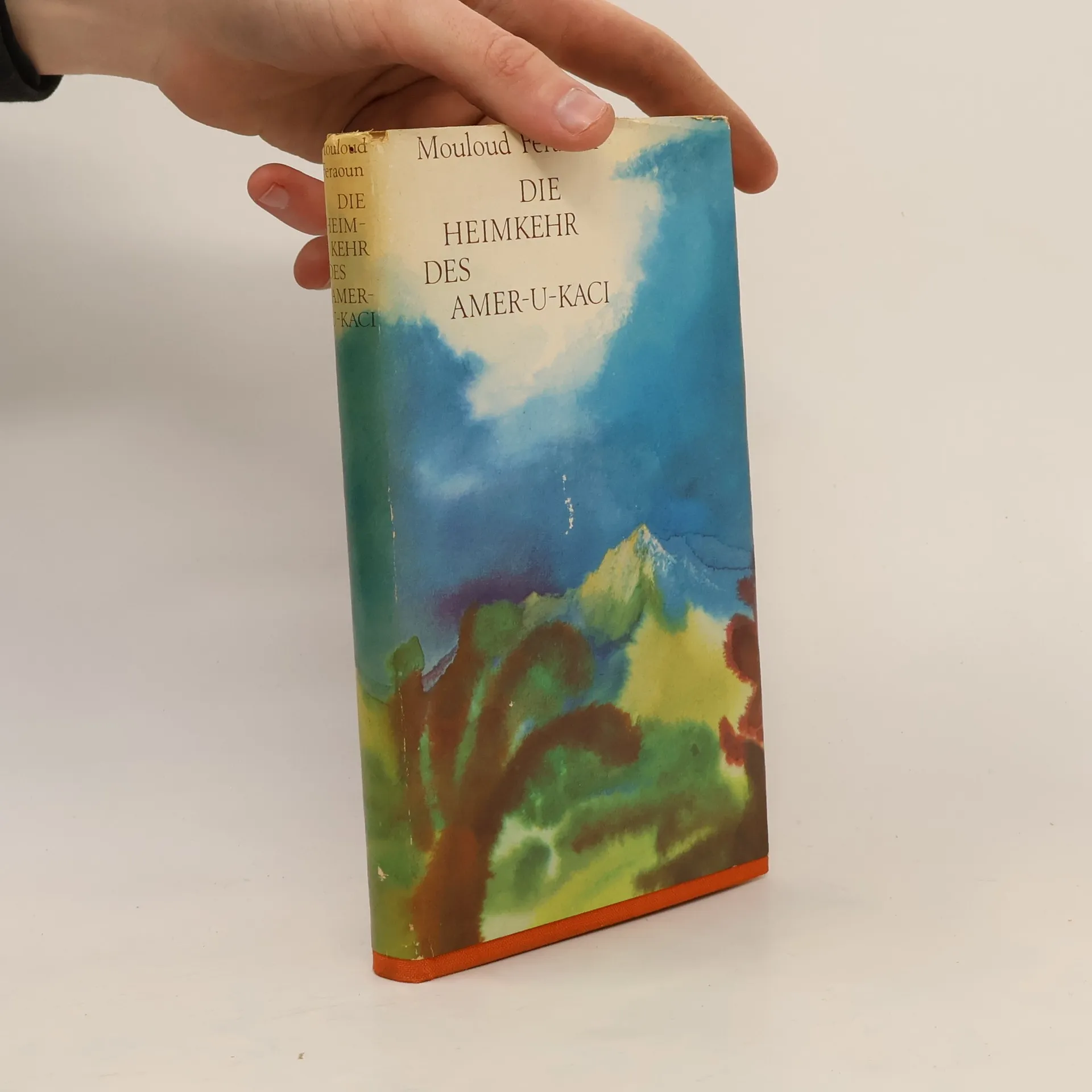
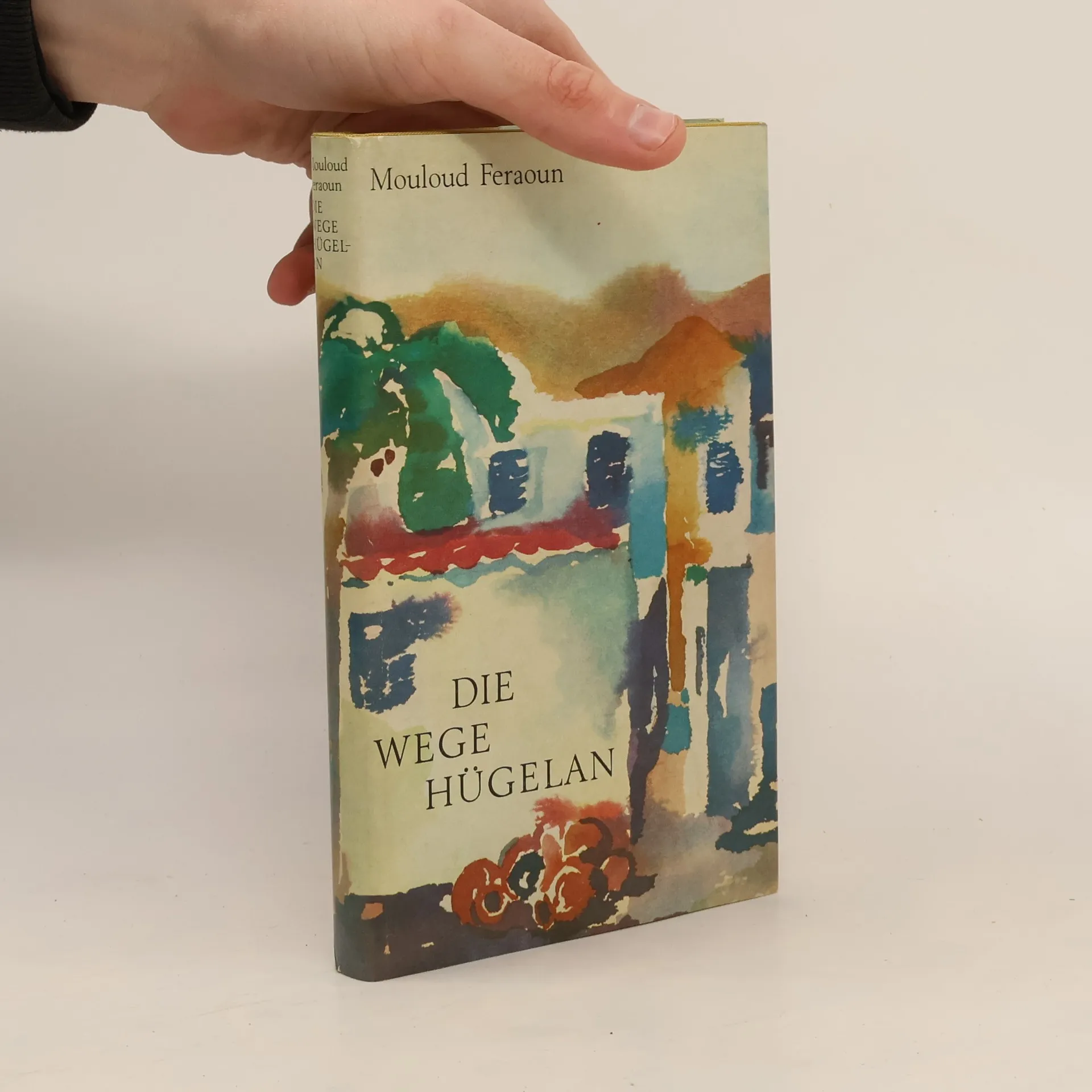
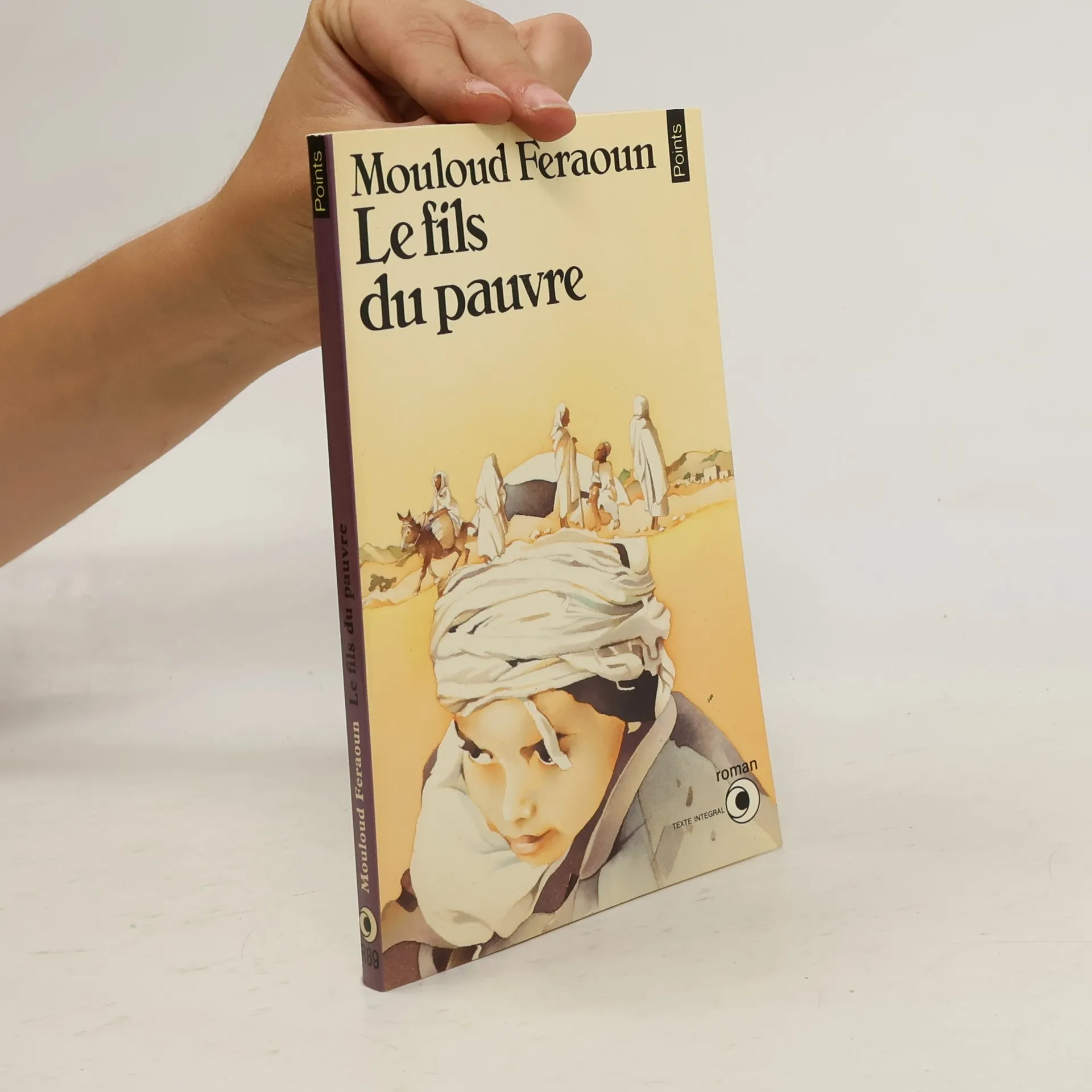
Cet écrivain algérien et martyr de la révolution algérienne s'est fait connaître par ses écrits dans cette langue. Il a enseigné pendant plusieurs années avant de devenir inspecteur des centres sociaux. Son œuvre littéraire, souvent inspirée par sa propre vie et sa culture, explore des thèmes d'identité, de lutte et de changement social. Des romans acclamés par la critique ont été traduits dans plusieurs langues, témoignant de leur impact universel.
Un village de montagne, Kabylie, début du siècle. C'est là que vivent les Menrad. Ils ne se rendent pas compte qu'ils sont pauvres. Ils sont comme les autres; voilà tout. Mouloud Feraoun raconte, à peine transposée, sa propre histoire. Il était voué à devenir berger, le destin en décidera autrement.
"This honest man, this good man, this man who never did wrong to anyone..." Germaine Tillion's poignant words reflect the tragic assassination of Mouloud Feraoun by the Organisation Armee Secrete, just days before the cease-fire that marked the end of Algeria's struggle for independence from France. Despite the violence, Feraoun's journal, published posthumously in 1962, stands as a vital record of daily life in Algeria during this tumultuous period. As one of Algeria's foremost writers and a friend to influential intellectuals like Albert Camus, Feraoun dedicated his life to educating the youth of Algeria, striving for a brighter future. His unique perspective as a Muslim and Kabyle writer offers deep insights into Algerian nationalism and the complexities of identity amidst colonialism. Feraoun's Journal poignantly captures the heartache of a writer acutely aware of the social and political upheaval surrounding him. This essential account, now available in English, is a must-read for those interested in the legacies of European colonialism and the ongoing struggles of contemporary Algeria.