
Bookbot

Mouloud Feraoun Ordre des livres (chronologique)

    Cet écrivain algérien et martyr de la révolution algérienne s'est fait connaître par ses écrits dans cette langue. Il a enseigné pendant plusieurs années avant de devenir inspecteur des centres sociaux. Son œuvre littéraire, souvent inspirée par sa propre vie et sa culture, explore des thèmes d'identité, de lutte et de changement social. Des romans acclamés par la critique ont été traduits dans plusieurs langues, témoignant de leur impact universel.

    Korte verhalen uit Afrika, Azië en Latijns-Amerika
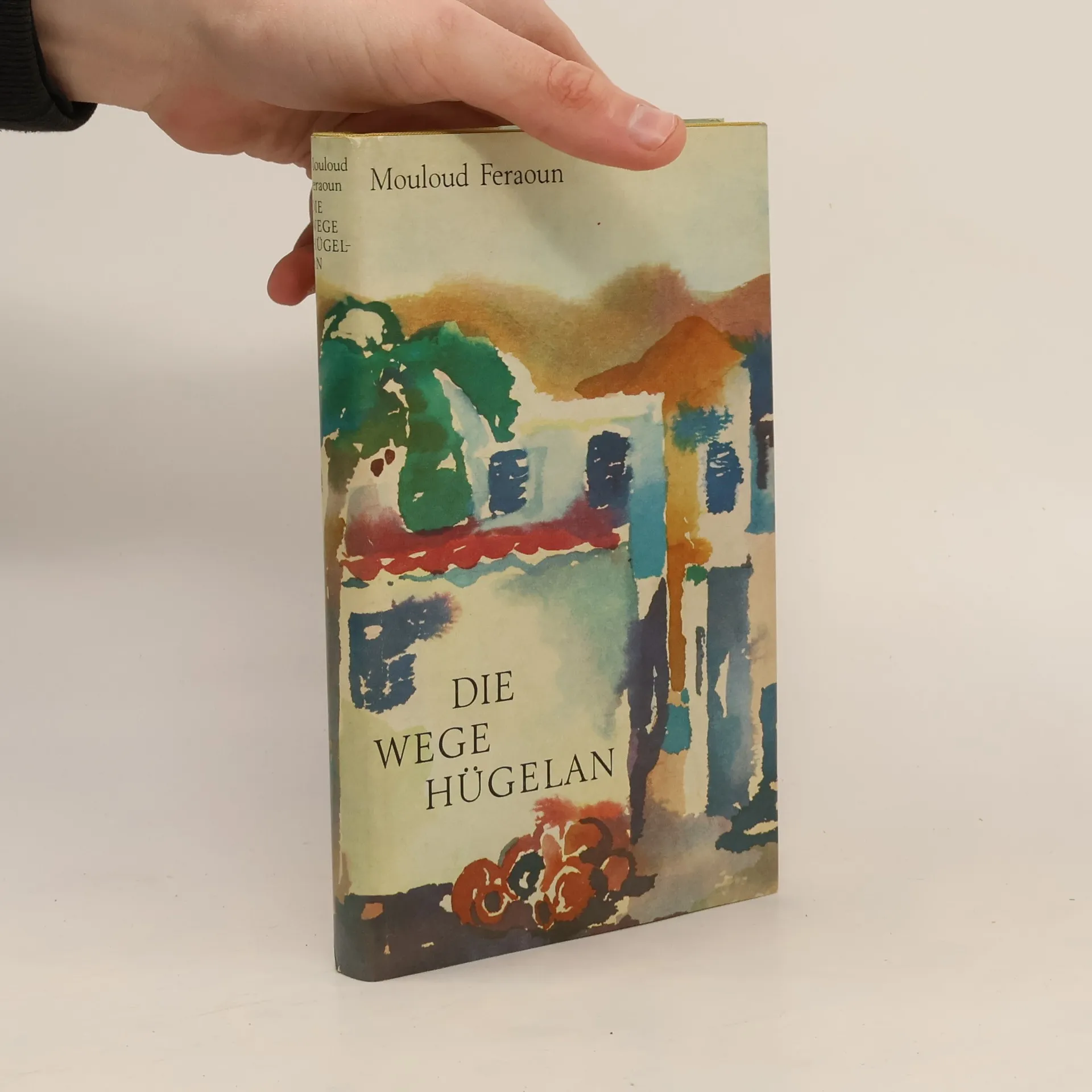
    Die Wege hügelan
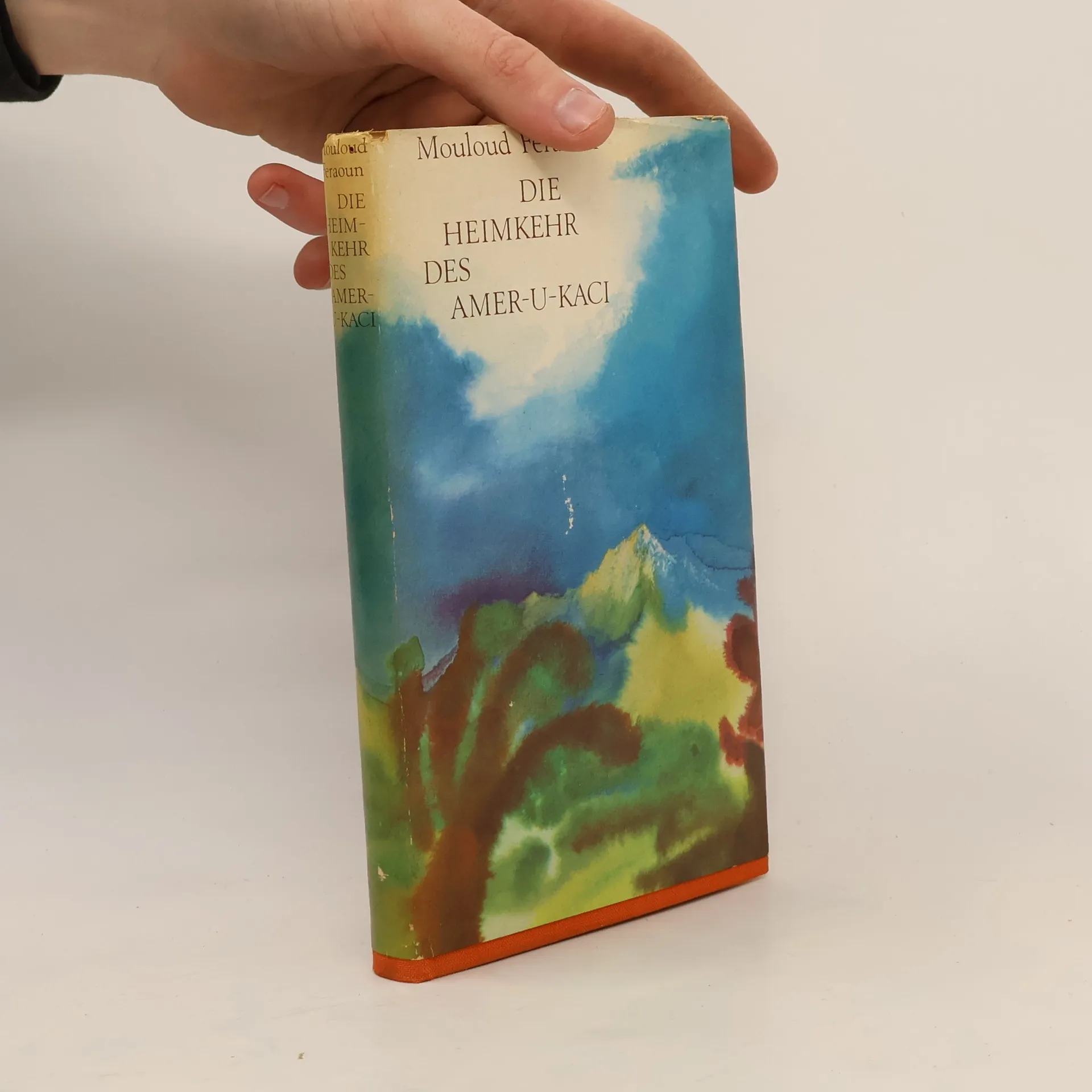
    Die Heimkehr des Amer-U-Kaci
    Journal, 1955-1962
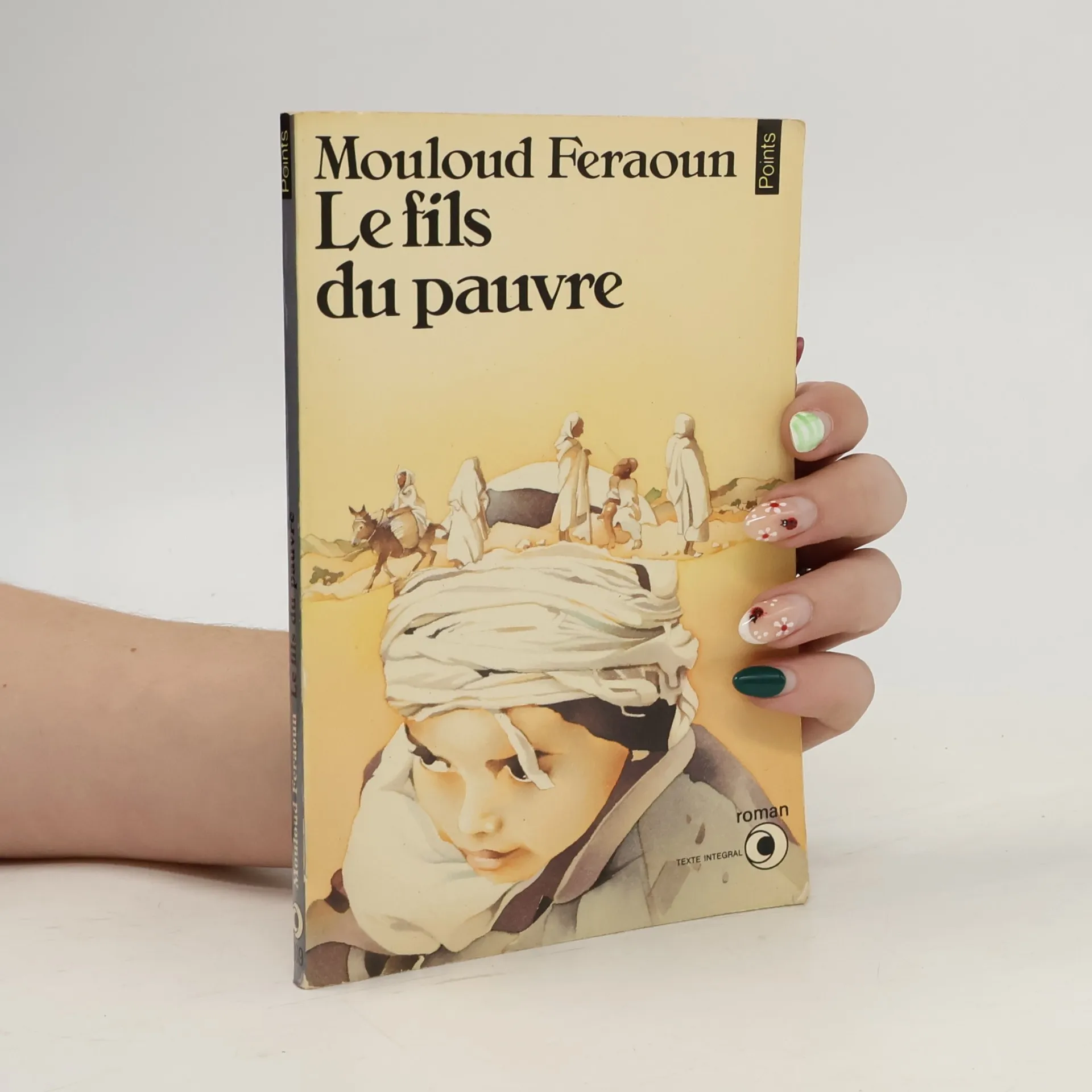
    Le fils du pauvre
    • Journal, 1955-1962

      • 340pages
      • 12 heures de lecture

      "This honest man, this good man, this man who never did wrong to anyone..." Germaine Tillion's poignant words reflect the tragic assassination of Mouloud Feraoun by the Organisation Armee Secrete, just days before the cease-fire that marked the end of Algeria's struggle for independence from France. Despite the violence, Feraoun's journal, published posthumously in 1962, stands as a vital record of daily life in Algeria during this tumultuous period. As one of Algeria's foremost writers and a friend to influential intellectuals like Albert Camus, Feraoun dedicated his life to educating the youth of Algeria, striving for a brighter future. His unique perspective as a Muslim and Kabyle writer offers deep insights into Algerian nationalism and the complexities of identity amidst colonialism. Feraoun's Journal poignantly captures the heartache of a writer acutely aware of the social and political upheaval surrounding him. This essential account, now available in English, is a must-read for those interested in the legacies of European colonialism and the ongoing struggles of contemporary Algeria.

      Journal, 1955-19622000
      4,1
    • Deze verhalenbundel geeft een algemeen en gevarieerd beeld van de problematiek van de Derde Wereld. Hoewel de verhalen per continent zijn samengebracht, blijkt hoe weinig verschil er bestaat tussen de moeilijkheden waarmee de mensen in Latijns-Amerika, Azië of Afrika dagelijks worden geconfronteerd. Toch hebben de samenstellers ernaar gestreefd voor elk continent enkele verhalen te kiezen die de eigen-aardigheid van het denken van de bewoners van het betrokken continent duidelijk naar voren brengen. Ook de onderdrukking van de vrouw is een thema dat in de verhalen meer dan eens wordt behandeld. Frapperend is dat ondanks de verscheidenheid in taal, stijl en origine in deze verhalen toch een leidmotief is te ontdekken: de strijd van de mensen uit de Derde Wereld om een humaan bestaan, vrij van onderdrukking door tirannen en vrij van honger en armoede.

      Korte verhalen uit Afrika, Azië en Latijns-Amerika1984