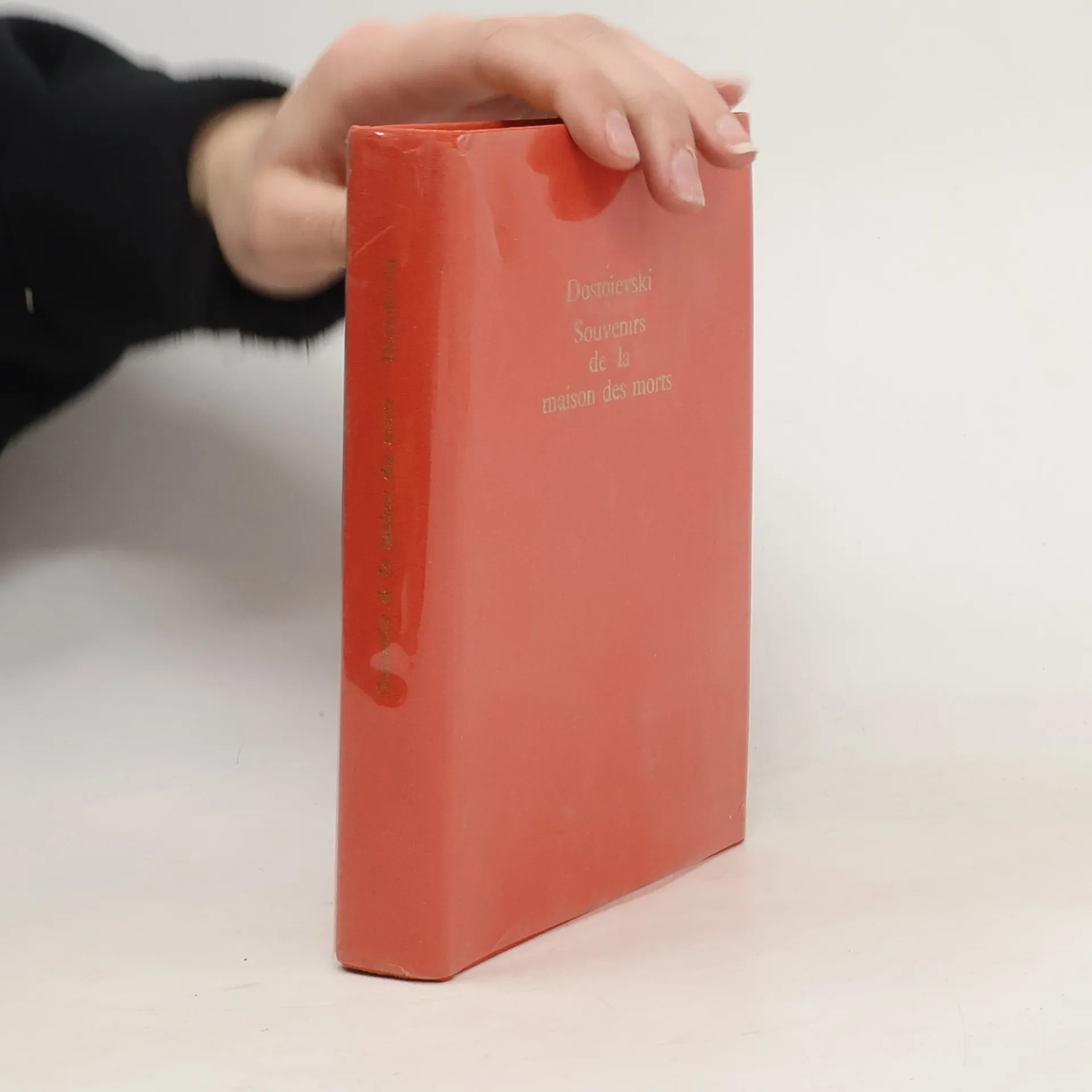
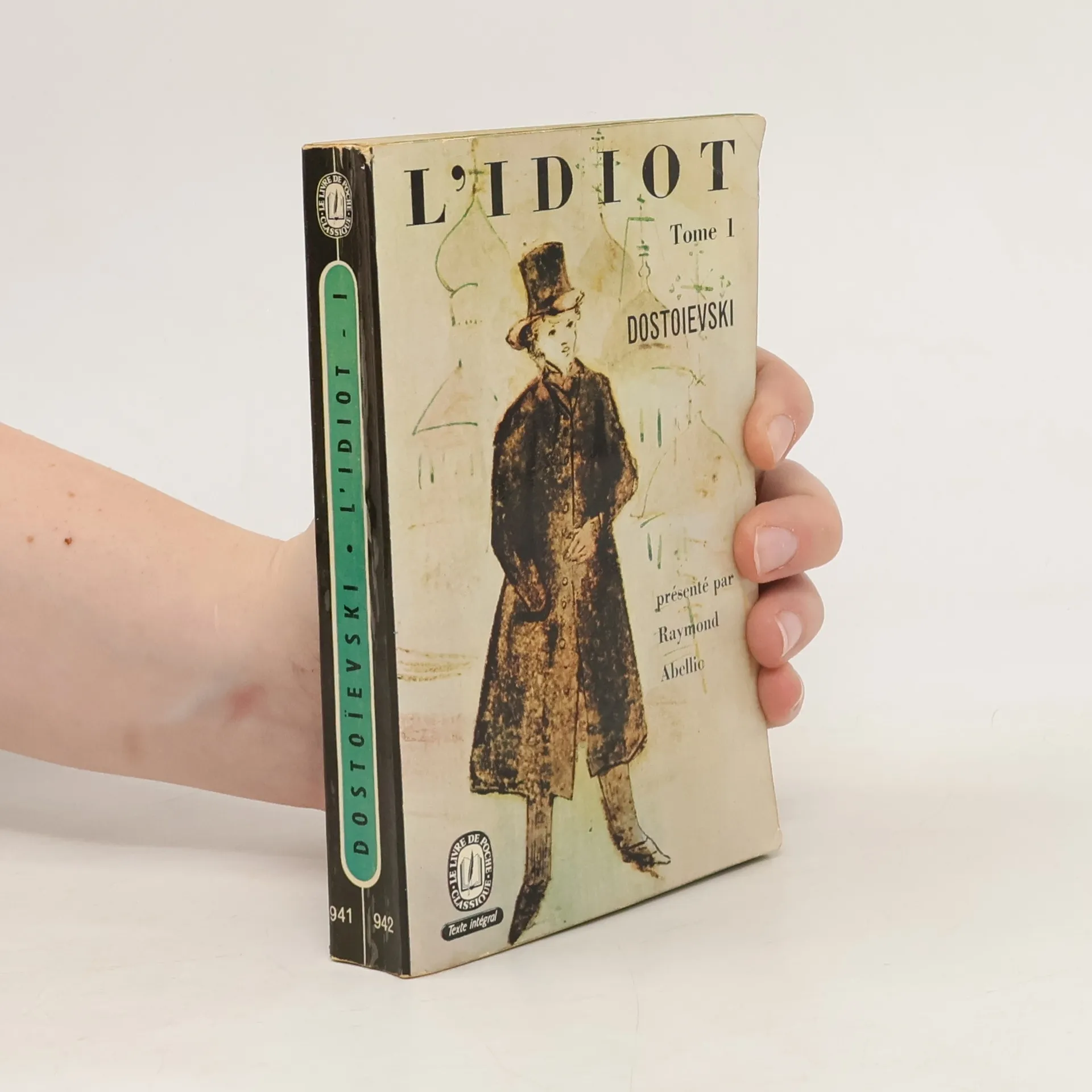
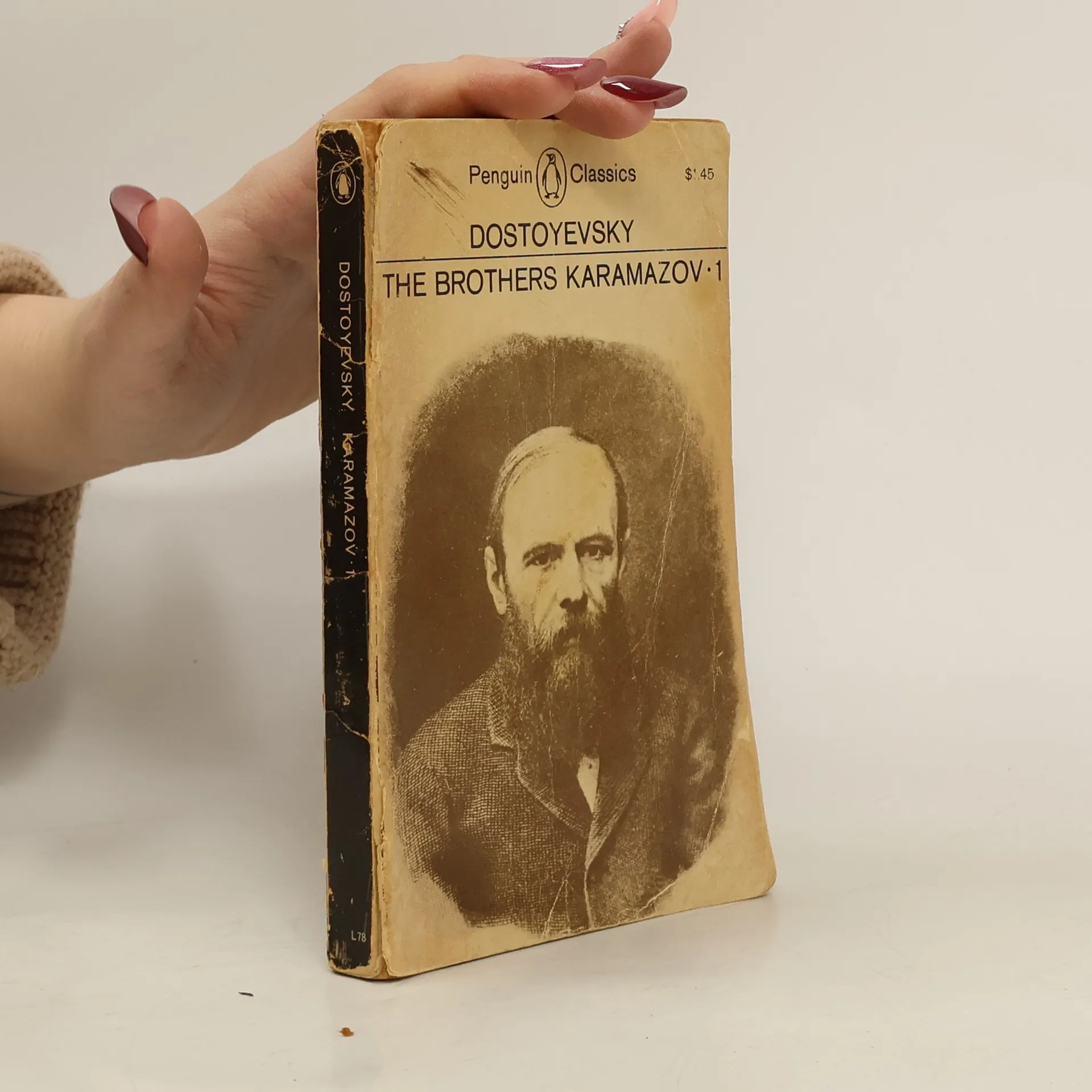
Quel est ce dernier et célèbre roman de Dostoïevski ? C'est un roman criminel, socio-philosophique, religieux-mystique, familial, polémique, accusateur, ou quelque chose comme un traité ecclésiastique ? Les débats à ce sujet se poursuivent, et tous ces attributs peuvent recevoir une réponse affirmative. Mais il serait encore plus juste de dire que c'est tout cela à la fois, et de plus, c'est un livre terrible, cruel, presque effroyable, dont les problèmes et les questions, surtout à l'époque de sa création, ont tourmenté la vie et continuent d'émaner dans la littérature moderne. On y trouve tout un monde de types russes, un large tableau de la vie russe, un roman sur le destin de l'homme, de la Russie, de l'humanité, mais aussi l'ensemble de la pensée et de la quête de Dostoïevski, son conflit avec le matérialisme philosophique et le socialisme, ainsi que toutes ses propres doutes, son protest contre l'injustice et la cruauté du monde et son ordre divin et humain. L'intrigue du roman reflète les pensées torturées, les passions ardentes et les doutes cruels de Dostoïevski, avançant avec une tension et un drame irrésistibles, pleins de rebondissements ; les personnages des frères Karamazov et de leur père resteront à jamais gravés dans la mémoire du lecteur.
Fjodor Michajlovič Dostojevskij Livres
Fiodor Dostoïevski est réputé pour ses romans profondément psychologiques qui plongent dans les complexités de l'âme humaine et les dilemmes moraux. Ses œuvres explorent des thèmes tels que la foi, le doute, la souffrance et la rédemption avec une intensité qui pousse le lecteur à l'introspection. Dostoïevski crée de main de maître des personnages aux prises avec des conflits intérieurs et des pressions sociales. Son style unique et sa perspicacité sur la nature humaine en font l'un des écrivains les plus influents de la littérature mondiale.



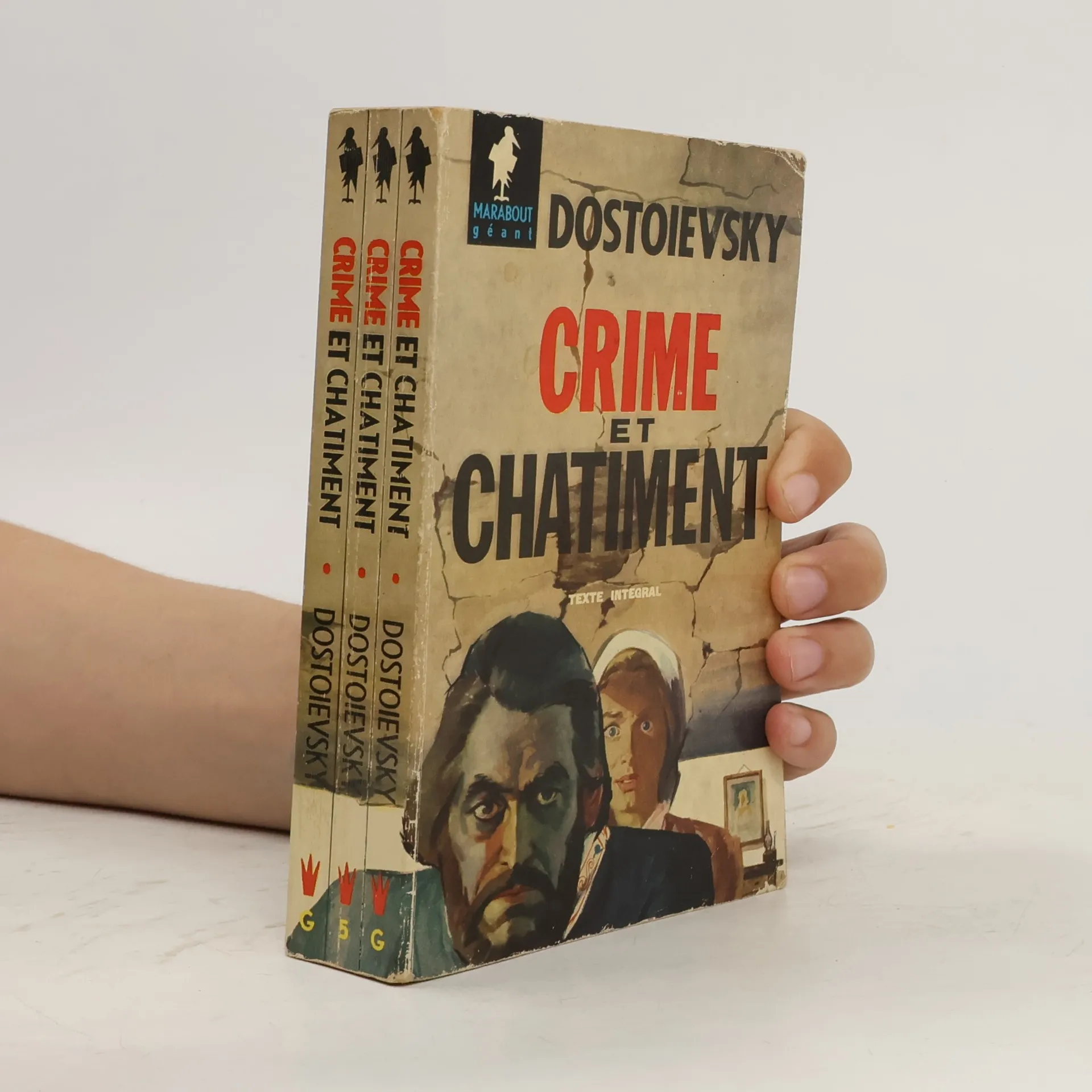

Seul l'être capable d'indépendance spirituelle est digne des grandes entreprises. Tel Napoléon qui n'hésita pas à ouvrir le feu sur une foule désarmée, Raskolnikov, qui admire le grand homme, se place au-dessus du commun des mortels. Les considérations théoriques qui le poussent à tuer une vieille usurière cohabitent en s'opposant dans l'esprit du héros et constituent l'essence même du roman. Pour Raskolnikov, le crime qu'il va commettre n'est que justice envers les hommes en général et les pauvres qui se sont fait abusés en particulier. "Nous acceptons d'être criminels pour que la terre se couvre enfin d'innocents", écrira Albert Camus. Mais cet idéal d'humanité s'accorde mal avec la conscience de supériorité qui anime le héros, en qualité de "surhomme", il se situe au-delà du bien et du mal. Fomenté avec un sang-froid mêlé de mysticisme, le meurtre tourne pourtant à l'échec. Le maigre butin ne peut satisfaire son idéal de justice, tandis que le crime loin de l'élever de la masse, l'abaisse parmi les hommes. Raskolnikov finira par se rendre et accepter la condamnation, par-là même, il accédera à la purification. Crime et Châtiment est le roman de la déchéance humaine, l'oeuvre essentielle du maître de la littérature russe.
Les Frères Karamazov
- 992pages
- 35 heures de lecture
Il y a le père, Fiodor Pavlovitch, riche, malhonnête et debauché, et ses trois fils légitimes: Mitia, impulsif, orgueilleux, sauvage; Yvan, intellectuel, raffiné, intransigeant; Alliocha, sincère, pieux, naïf. Et puis il y a le fils illégitime : Smerdiakov, libertin cynique vivant en serviteur chez son père. Roman complet et flamboyant, les frères Karamazov rassemble une intrigue policière, plusieurs histoires d'amour, des exposés théologiques et métaphysiques éblouissants et des personnages inoubliables. Sans doute le chef-d'oeuvre de Dostoïevki.
Folio classique: Les Démons
- 759pages
- 27 heures de lecture
«Chacun de vous a une lourde tâche à accomplir. Vous êtes appelés à rénover une société décrépite et puante : que cette pensée stimule continuellement votre courage ! Tous vos efforts doivent tendre à ce que tout s'écroule, l'État et sa morale. Nous resterons seuls debout, nous qui nous sommes préparés depuis longtemps à prendre le pouvoir en main. Nous nous annexerons les gens intelligents, et pour ce qui est des imbéciles, nous monterons sur leur dos. Cela ne doit pas vous troubler. Il nous faudra rééduquer la génération actuelle pour la rendre digne de la liberté.
L'acte fondateur du roman est le meurtre de la vieille usurière, dans un immeuble de Saint-Pétersbourg, par l'étudiant Raskolnikov : sa réflexion sur le mobile du crime, l'influence de Sonia ou une mystérieuse puissance intérieure, poussent le héros à se dénoncer et à devenir l'objet d'un châtiment librement consenti. C'est pendant les années de bagne que se révèle à lui son amour pour Sonia, et le chemin de la rédemption. Crime et Châtiment est le deuxième "grand roman" de Dostoïevski, qu'il écrivit en même temps que Le joueur, en 1866, alors qu'il était revenu de sa déportation en Sibérie et qu'il entrait dans les années les plus productives de sa carrière : L'Idiot, L'Eternel Mari et Les Démons allaient paraître de 1866 à 1871.
L'idiot
- 934pages
- 33 heures de lecture
"C'est marqué par toutes sortes d'expériences dramatiques (condamnation à mort et grâce du tsar, déportation, crises d'épilepsie, perte d'un premier enfant, déboires au jeu ...), que Dostoïevski écrivit L'Idiot, publié en 1868-1869.
Wspomnienia z martwego domu est l'œuvre la plus personnelle de Fiodor Dostoïevski. En 1849, Dostoïevski a été condamné à mort pour son appartenance au Cercle de Pietrashevski, mais sa peine a été commuée en travaux forcés. L'auteur a passé quatre ans en prison, et ses expériences lui ont permis de dépeindre la vie dans une prison sibérienne. Dans ce récit, il fait parler un noble condamné à dix ans de travaux forcés pour avoir tué sa femme. Il décrit les coutumes en vigueur dans le bagne, les relations entre les prisonniers, leurs histoires, comportements et caractères, ainsi que divers aspects de la vie pénitentiaire (séjours à l'hôpital, trafic d'alcool, fêtes, punitions corporelles, comportement des autorités, travaux) et de nombreux portraits de condamnés. Parmi eux, certains sont bons et dignes, mais la majorité est sombre, fière, ambitieuse, jalouse, malveillante. Les conflits, vols et bagarres sont quotidiens, et l'atmosphère morale dans les baraquements est difficile à supporter. La plupart des condamnés viennent de la paysannerie et manifestent parfois de la haine envers leurs anciens maîtres.
Les Nuits blanches
- 112pages
- 4 heures de lecture
Lors d'une des "nuits blanches" de l'été à Saint-Pétersbourg, où le soleil ne se couche presque jamais, deux jeunes se rencontrent sur un pont au-dessus de la Neva, donnant naissance à une histoire empreinte de fantaisie et de lyrisme. Publié en 1848, ce livre se distingue dans l'œuvre de Dostoïevski par son affinité avec l'école romantique, en contraste avec le réalisme dominant de l'époque. La figure centrale, le Songeur, ainsi que l'atmosphère délicate et fantomatique, enveloppent l'intrigue, le décor et les protagonistes. La ville de Saint-Pétersbourg, avec ses palais et ses ponts, devient un personnage à part entière. L'œuvre a suscité l'intérêt de réalisateurs tels que Luchino Visconti et Robert Bresson, qui ont cherché à traduire son charme au cinéma. Fiodor Mikhaïlovitch Dostoïevski, né à Moscou en 1821, a débuté dans la littérature avec "Gens pauvres" en 1844. Après avoir été emprisonné et condamné à mort par le régime tsariste en 1849, sa peine fut commuée en travaux forcés en Sibérie, expérience qu'il a retracée dans "Souvenirs de la maison des morts". Il a ensuite écrit de grands romans, tels que "Crime et châtiment" et "L'idiot", culminant avec "Les Frères Karamazov" en 1880. Reconnu comme l'un des plus grands auteurs de la littérature, il est décédé à Saint-Pétersbourg en 1881.
Ce volume contient - ''L' Adolescent'', ''Les Nuits blanches'', ''Le Sous-sol'', ''L'Éternel mari''.
Imaginez Don Juan plein de remords et hanté par un mari trompé. Accablé de soucis d'argent, n'ayant le goût à rien, Veltchaminov est poursuivi par un homme en deuil. Troussotzky a perdu sa femme. Toute faute, pour Dostoïevski, doit être expiée; le péché engendre la maladie et la folie. Le vaudeville tourne au drame, car il y a une victime innocente, Lisa, une enfant. De qui est-elle ? L'éternel mari retrouvera une épouse, l'éternel amant sa vigueur et le jeu recommence. L'auteur rit lui-même, se souvenant de son premier mariage. Ce roman tragique et comique révèle un autre Dostoïevski. Mais ses personnages sont toujours aussi grands d'être conscients de leur petitesse. Edition traduite et présentée par Dominique Arban, commentée par Georges Philippenko.
Le jeu brûle tout. Il est la passion. Il est le rêve. L'enfer et la démesure. Le révélateur des abîmes de l'âme et l'ignoble concentré de la comédie bourgeoise. Il est l'argent ! Autour de ses tapis, le général déchu se fait l'esclave du marquis et attend le décès de la richissime Baboulinka, sa tante. Hypothèques...Héritages...Intrigues...Corruption morale sur fond de bonnes manières. Qui donc résistera à ce tourbillon de folie ? Dans ce désordre furieux, Alexis succombe à son tour au cancer de jeu. Le jeune précepteur veut séduire l'intraitable Pauline, belle-fille de son employeur. Il est pauvre et doit devenir riche. Il veut surprendre et se tuerait pour ça... Sur Roulettenbourg, ville d'eau paisible, souffle le vent du gâchis...Une tempête frénétique emportant les derniers fétus d'une vieille Europe en lambeaux...
Une heure de lecture flippante
- 93pages
- 4 heures de lecture
Une heure pour redécouvrir que la lecture peut être flippante; 1 playlist, 4 nouvelles, des défis terrifiants et 1 sélection de films.
Une fâcheuse histoire
- 285pages
- 10 heures de lecture
"A Nasty Story" (Russian: Скверный анекдот, Skverny anekdot), also translated as "A Disgraceful Affair", as well as "A Most Unfortunate Incident" and "An Unpleasant Predicament", is a satirical short story by Fyodor Dostoyevsky concerning the escapades of a Russian civil servant. Contains also the stories "Une Femme douce", "Coeur Faible", "Le Bouffon" and "L'arbre de Noël".
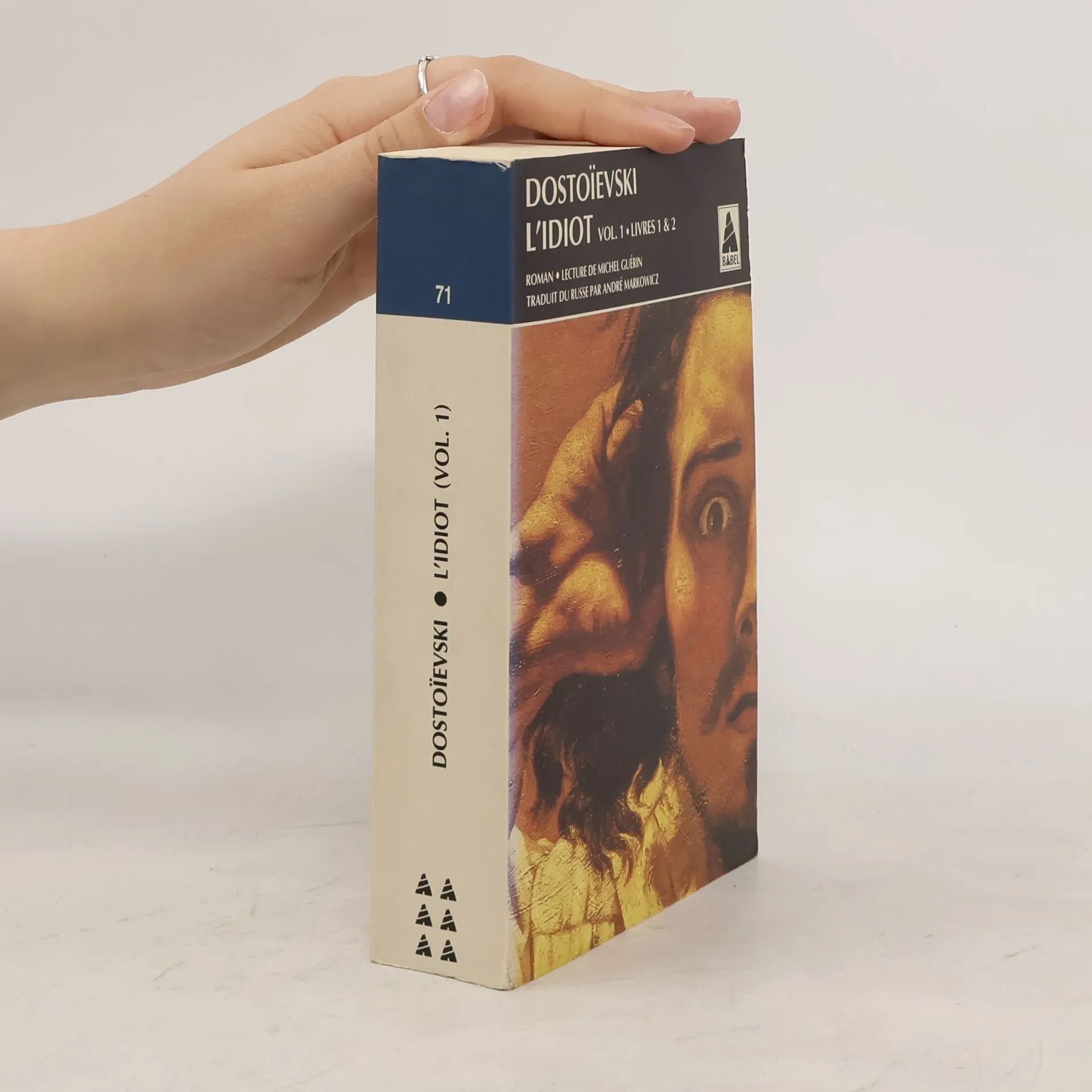
L'idiot. Livres 1 et 2
- 529pages
- 19 heures de lecture
D'abord trois hommes sont " embarqués ". Ils ne se connaissent pas. Face à face dans le train de Petersbourg, Rogojine le noiraud et le blond Mychkine, prince à la race abolie, forment un contraste parfait ; bientôt ils s'appelleront " frères " et le seront. Dans la mort. Ou plutôt : auprès de la morte, ayant accompli leur destin, cousu au nom, puis au visage bouleversant de Nastassia Filippovna. Le coryphée est là aussi, sous l'aspect du fonctionnaire Lebedev (...). L'Idiot est une tragédie biblique, un drame coupé d'apologues, commenté par toutes les voix de l'humain concert... MICHEL GUERIN (extrait de la lecture) Traduire l'Idiot, c'est vivre, pendant un an, dans une tension incessante, avec une respiration particulière : jamais à pleins poumons, toujours à reprendre son souffle, toujours en haletant, à tenir cet élan indescriptible qui fait de presque chaque mouvement de la pensée, de chaque phrase une longue montée, une explosion et une descente brusque (...). Jamais encore auparavant l'image physique d'un auteur écrivant son roman ne m'avait autant suivi. Tous les matins, me mettant au travail avec une sorte de bonheur terrorisé, je le voyais paraître devant moi, et je me demandais : " Mais comment donc un homme peut-il écrire cela ? " ANDRE MARKOWICZ (extrait de l'avant-propos du traducteur)
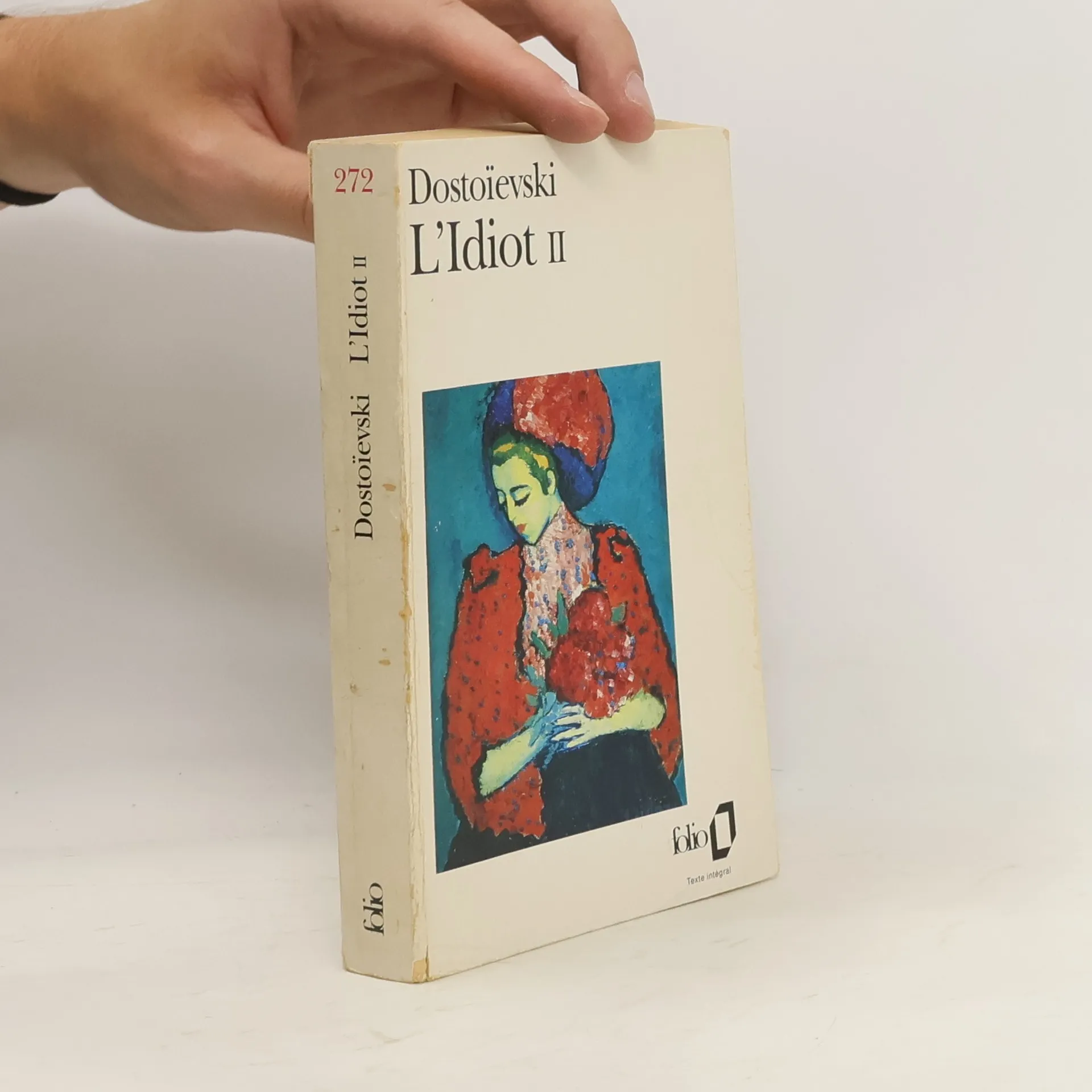
L'Idiot II
- 1005pages
- 36 heures de lecture
Roman "L'Idiot" est l'un des chefs-d'œuvre de la littérature russe. Le jeune prince Mychkine, totalement ruiné et atteint d'épilepsie, vit des événements si extraordinaires après son retour d'un sanatorium en Suisse qu'il sombre à nouveau dans sa maladie mentale. Il rencontre le marchand Parfjon Rogožin, dont la jalousie le pousse à commettre le meurtre de sa bien-aimée Nastasja. Cependant, le prince voit en lui un homme malheureux et éprouve de la compassion. Mychkine lui-même s'effondre psychologiquement. Les gens, incapables de comprendre sa bonté, le qualifient d'idiot, bien qu'il possède une grande noblesse intérieure et une humanité qui le distinguent de son entourage. Mychkine fascine par son innocence et son équilibre – l'auteur dépeint le héros comme un homme capable d'élever le monde ; pourtant, sa philosophie d'humilité et d'amour universel entraîne dans le malheur ceux qu'il aime, et finalement lui-même…
Explorant la condition humaine à travers un regard critique, cette œuvre confronte des thèmes existentiels à des idéologies philosophiques telles que le collectivisme et le nihilisme. Publiée pour la première fois en 1864, elle constitue une pièce fondamentale de la littérature existentielle. L'œuvre permet aux lecteurs d'engager directement avec les réflexions profondes de Dostoïevski, enrichissant ainsi la compréhension de l'impact de son travail sur la littérature et la philosophie.
Carnets du sous-sol
- 377pages
- 14 heures de lecture
'Carnets du Sous-sol', édition bilingue (français/russe), présent un monologue intérieur de Anton Antonytch, connu comme l'homme souterrain. Cet oeuvre, publiée en 1864 pour Dostoïevski, il s'agit de la réalité psychique d'une névrose obsessionalle chez un homme, avec son aspect narcissique. Dans le préface de cette édition Brudny affirme que l'oeuvre est 'une tentative clairement autoanalytique'.
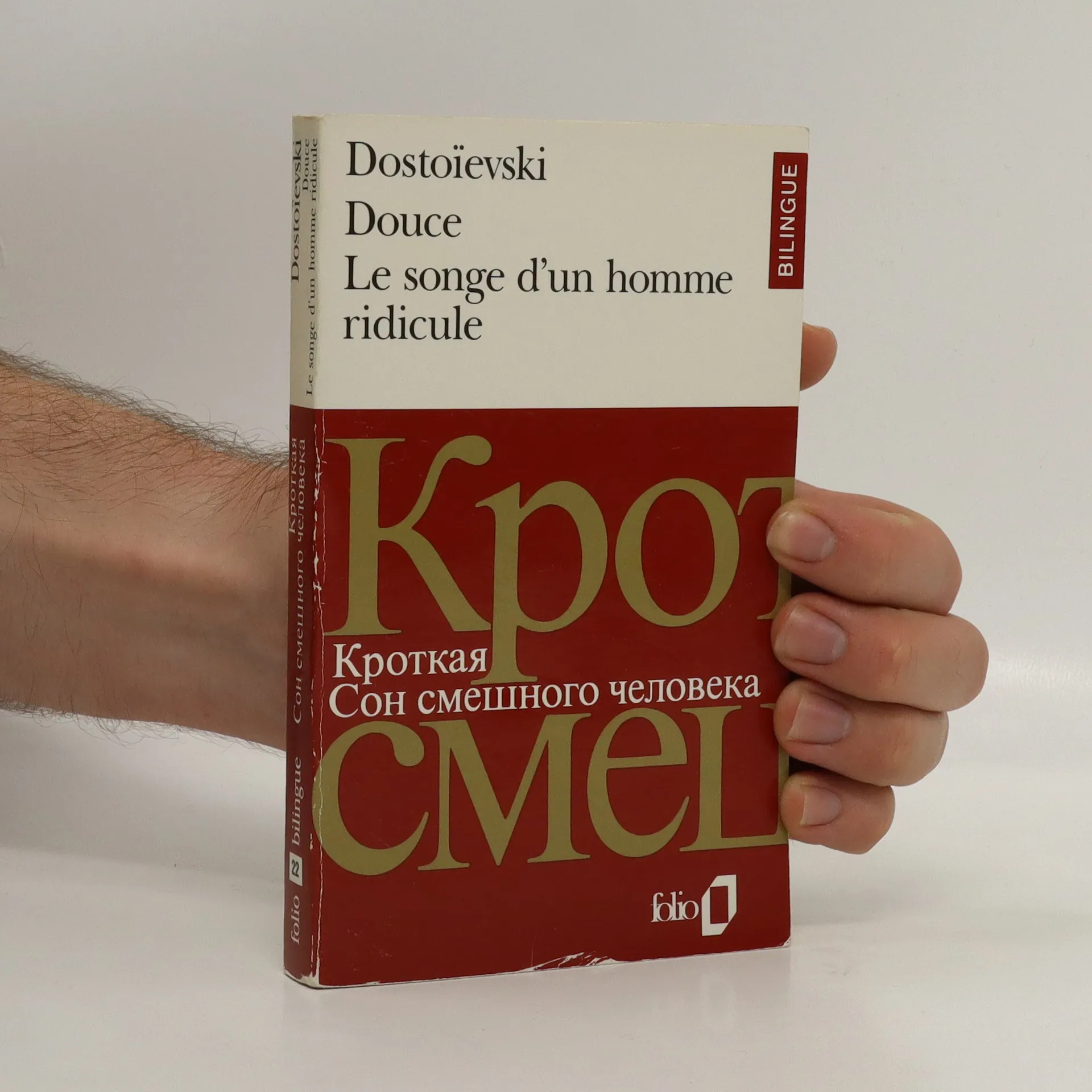
Recueil de deux récits, d'inégale longueur, extraits du 'Journal d'un écrivain'. Texte bilingue sans notes lexicographiques.
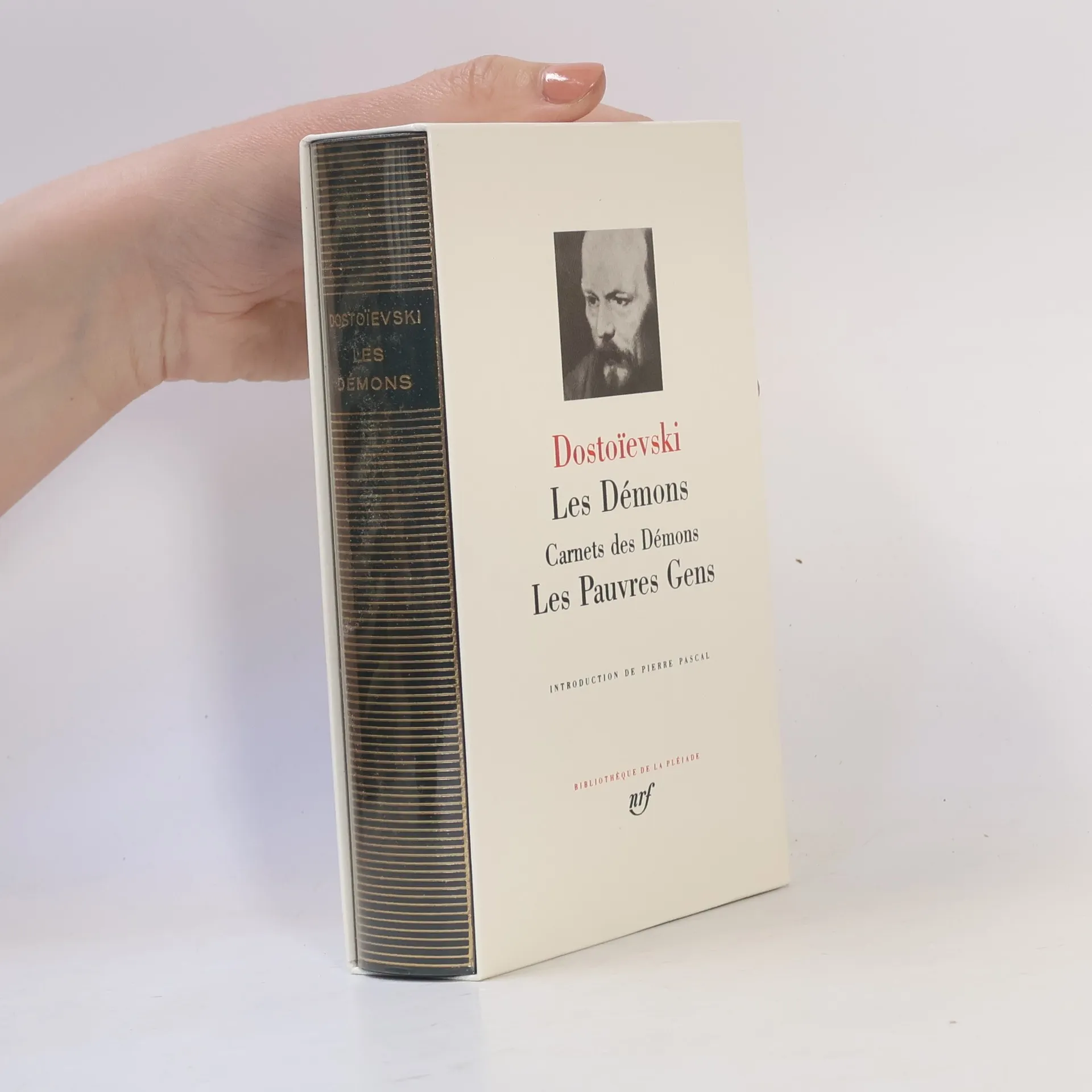
Les Démons - Les Pauvres gens
- 1392pages
- 49 heures de lecture
Pyotr and Stavrogin are the leaders of a Russian revolutionary cell. Their aim is to overthrow the Tsar, destroy society, and seize power for themselves. Together they train terrorists who are willing to lay down their lives to accomplish their goals. But when the group is threatened with exposure, will their recruits be willing to kill one of their own to cover their tracks? Savage and powerful yet lively and often comic, Demons was inspired by a real-life political murder and is a scathing and eerily prescient indictment of those who use violence to serve their beliefs. The Possessed, also known in English as Devils ('Besy') and The Demons is the third of Dostoevsky's five major novels.
Grands Écrivains choisis par l'Académie Goncourt: Le Joueur
- 222pages
- 8 heures de lecture
Folio - 2: Les Frères Karamazov
- 506pages
- 18 heures de lecture
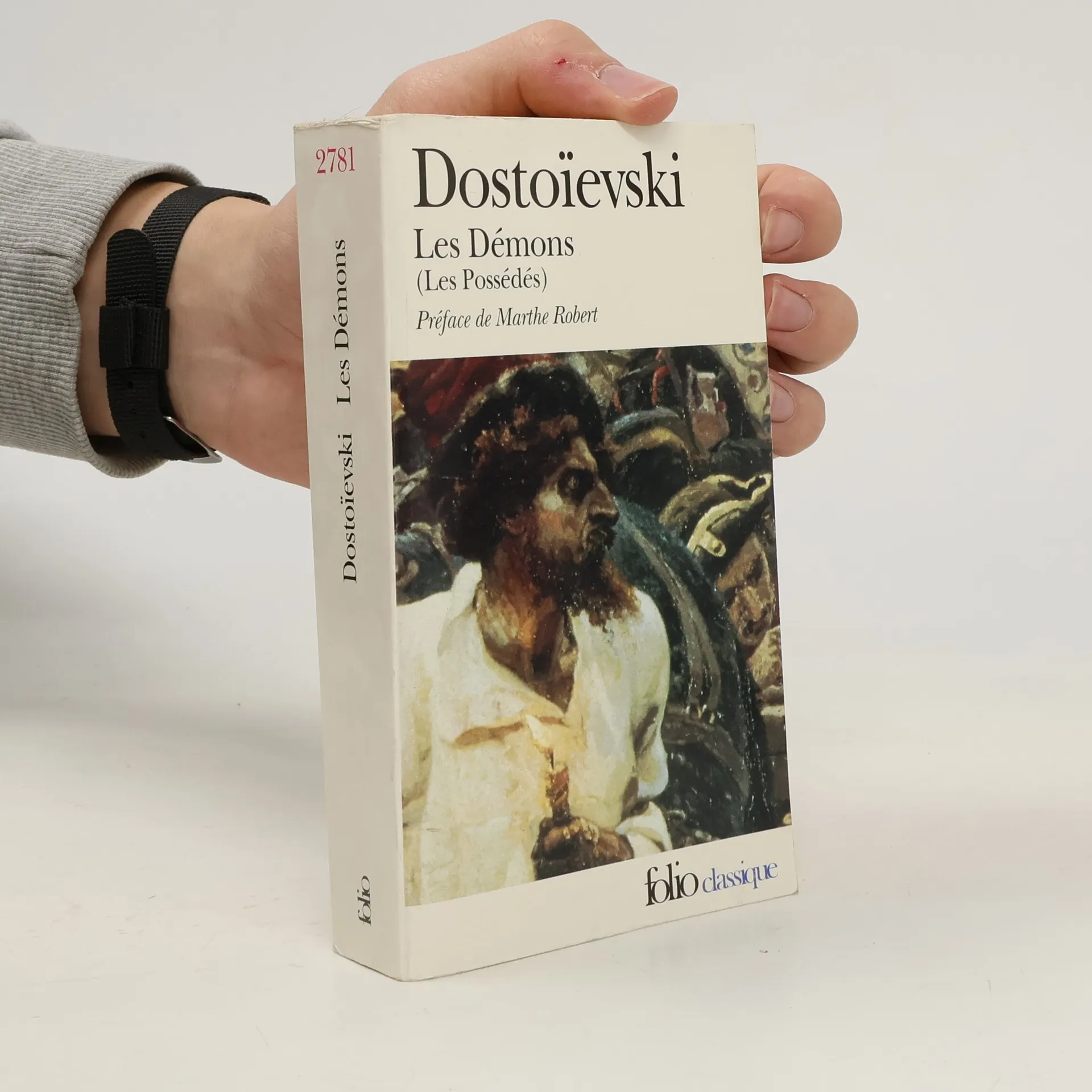
Ce n’est pas seulement sa mère, la générale Stavroguine, ce n’est pas seulement son ancien précepteur, Stépane Trofimovitch, c’ est toute la ville qui attend l’arrivée de Nicolas, ce jeune homme séduisant, fascinant, inquiétant. Il a vécu dans la capitale, il a parcouru l’Europe ; on raconte sur lui d’étranges choses. Il arrive. De quels démons est-il accompagné ? Avant même la parution du roman en 1873, l’éditeur avait refusé de publier un chapitre jugé choquant, « La confession de Stavroguine ». Afin de mieux préserver l’architecture de l’ensemble, on l’a réintégré ici à la place qui était prévue pour lui au coeur du roman. On n’en comprend que mieux à quel point Les Démons est une formidable méditation sur Dieu et le suicide, sur le cabotinage et l’inaccessible authenticité, mais aussi sur le crime et la volonté de domination.Collection Classiques dirigée par Michel Zink et Michel Jarrety.Traduction d’Élisabeth Guertik et Jean-Louis Backès.Édition préfacée, annotée et commentée par Jean-Louis Backès.
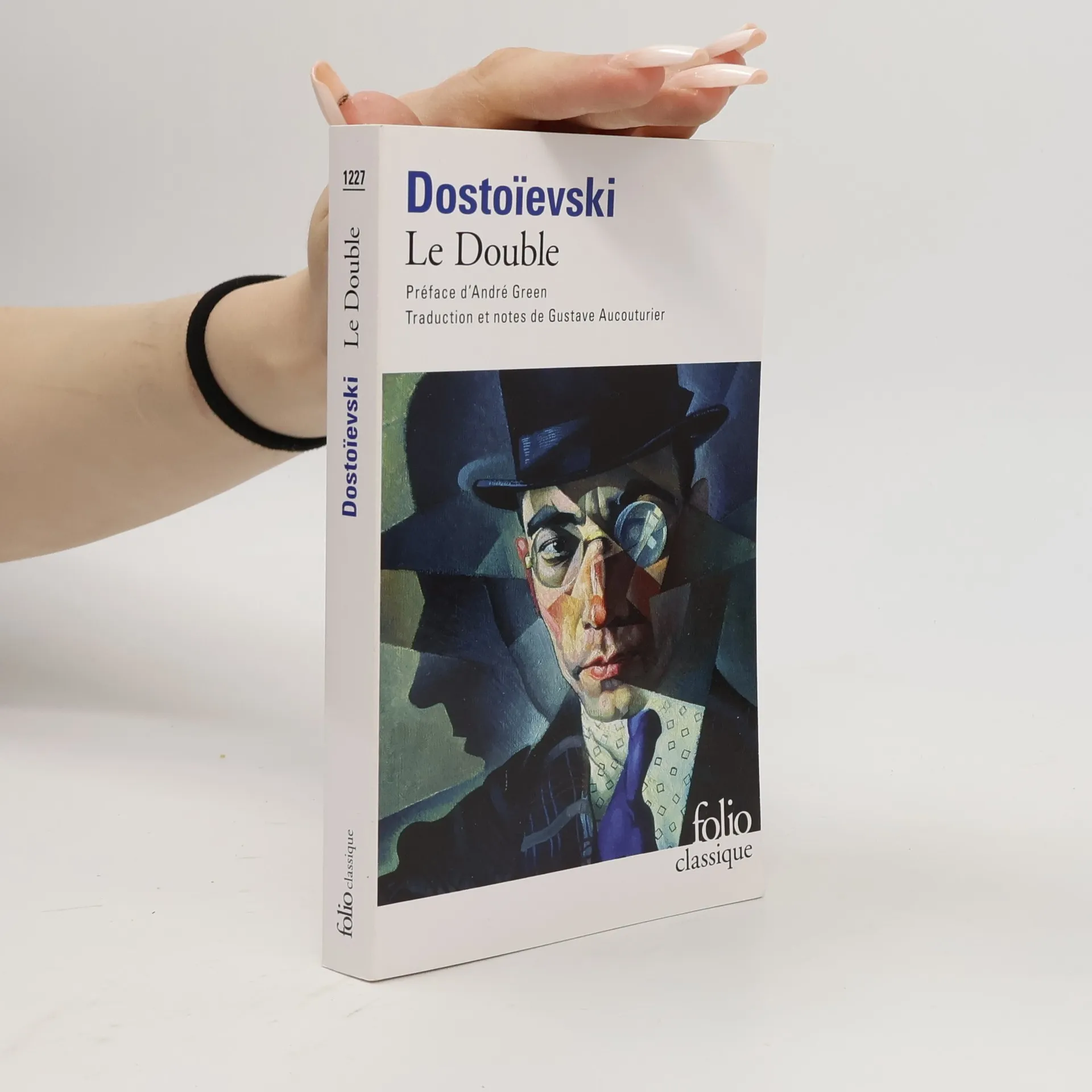
Folio: Le double - Texte intégral
- 275pages
- 10 heures de lecture
"Un jeune homme, Hans Castorp, se rend de Hambourg, sa ville natale, à Davos en Suisse pour passer trois semaines auprès de son cousin en traitement dans un sanatorium. Pris dans l'engrenage étrange de la vie des " gens de là-haut " et subissant l'atmosphère envoûtante du sanatorium, Hans y séjournera sept ans jusqu'au jour où la Grande Guerre, l'exorcisant, va le précipiter sur les champs de bataille. Chef-d'œuvre de Thomas Mann, le plus célèbre écrivain allemand de ce siècle, La Montagne magique est un roman-miroir où l'on peut déchiffrer tous les grands thèmes de notre époque. Et c'est en même temps une admirable histoire aux personnages inoubliables que la lumière de la haute montagne éclaire jusqu'au fond d'eux-mêmes.
A reckoning of a disillusioned individual, embodying the archetype of the angry citizen and misanthrope. A former civil servant bitterly resides in his basement apartment on the outskirts of St. Petersburg, lamenting the world around him. Although in his forties, he has resigned from his position and lives poorly off a small inheritance. His fury is directed at the "modern man" and the society shaped by him. With unrestrained candor, he recounts his own experiences of failure, alienation, and misunderstandings. As he delves deeper into his personal reckoning, he becomes increasingly relentless in his self-criticism. Dostoevsky's masterful psychological study captivates with the compelling force of a radically honest self and world description.
Following the Call
- 380pages
- 14 heures de lecture
Fifty-two readings to spark weekly group discussion on putting Jesus’ most central teachings into practice. Jesus’ most famous teaching, the Sermon on the Mount, possesses an irresistible quality . Who hasn’t felt stirred and unsettled after reading these words, which get to the root of the human condition?This follow-up to the acclaimed collection Called to The Life Jesus Wants for His People taps an even broader array of sources, bringing together prophetic voices from every era and a range of traditions to consider the repercussions of these essential words.More than a commentary or devotional , this book is designed to be read together with others, to inspire communities of faith to discuss what it might look like to put Jesus’ teachings into practice today.
Crime and Punishment. The Gambler. Notes from the Underground
- 696pages
- 25 heures de lecture
The Gambler is a short novel by Fyodor Dostoevsky about a young tutor in the employment of a formerly wealthy Russian general. The novella reflects Dostoevsky's own addiction to roulette, which was in more ways than one the inspiration for the book: Dostoevsky completed the novella under a strict deadline to pay off gambling debts.
Fire and Spirit
- 130pages
- 5 heures de lecture
"Lightning and forest fires could strike terror in primitive humans, yet they also cherished fire as a life-giving gift from the gods"-- Provided by publisher
The Idiot by Fyodor Dostoevsky
- 348pages
- 13 heures de lecture
The Idiot Dostoevskys Idiot, is one of the most famous novels by Fyodor Dostoevsky. After a five-year stay in a Swiss sanatorium, 26-year-old Prince Lev Myshkin returns to Russia one November morning to settle an inheritance matter in St. Petersburg following the death of a relative. Although his epilepsy has been successfully treated, his isolation has caused him to develop childishly naive behaviors and he is ridiculed by society as an "Idiot." The Idiot is rightly considered one of the greatest works of world literature. In his naive, unconventional way, the protagonist sees people in their personal and social tensions and contradictions and their resulting suffering. He fails in his efforts to help them and sinks back into his disease state of mental isolation. Dostoevksi the Idiot is a must for everyone's bookcase. A "Kultverlag Klassik" novel.
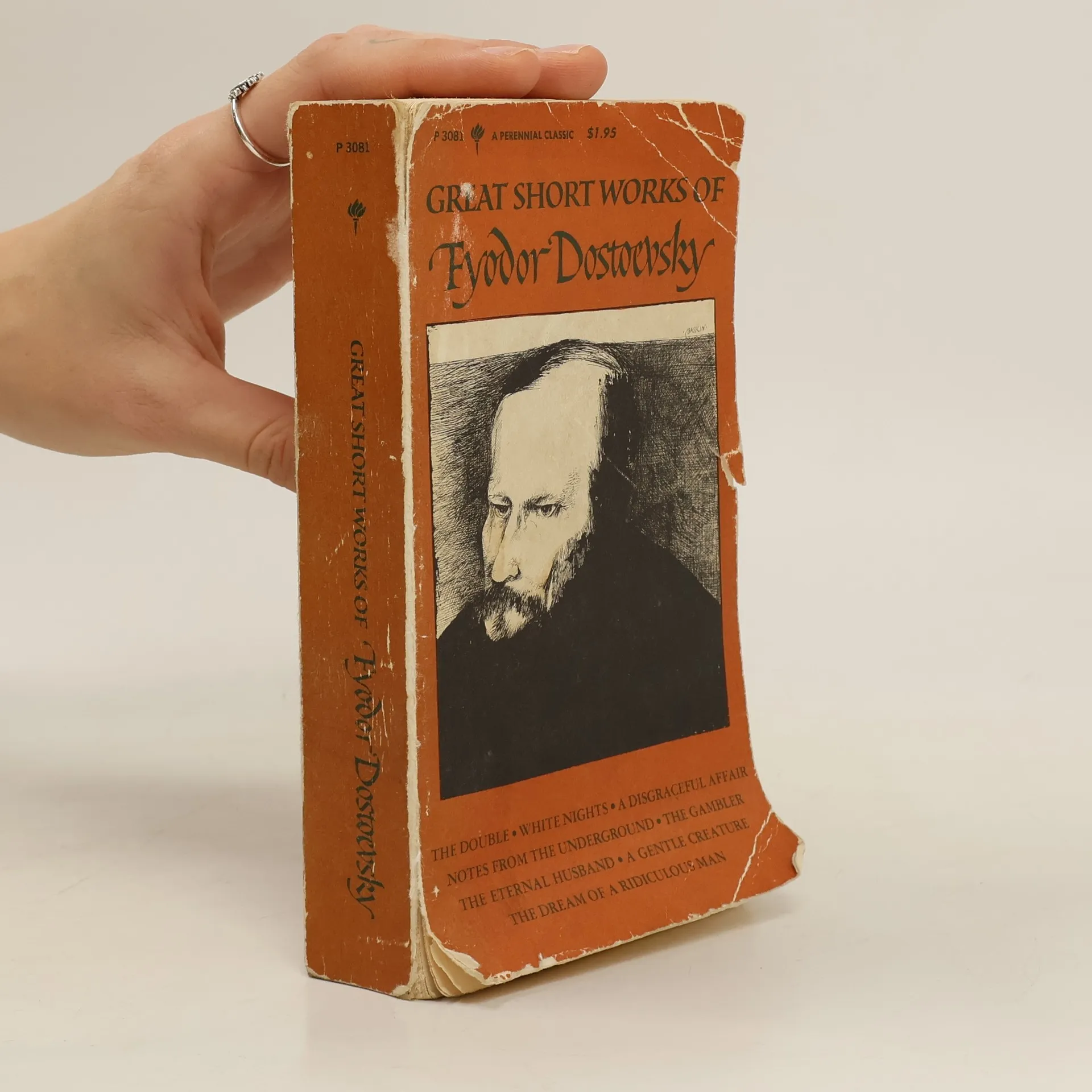
Presents a collection of short stories by the Russian author, including "White Nights," "The Peasant Marey," and "A Gentle Creature."
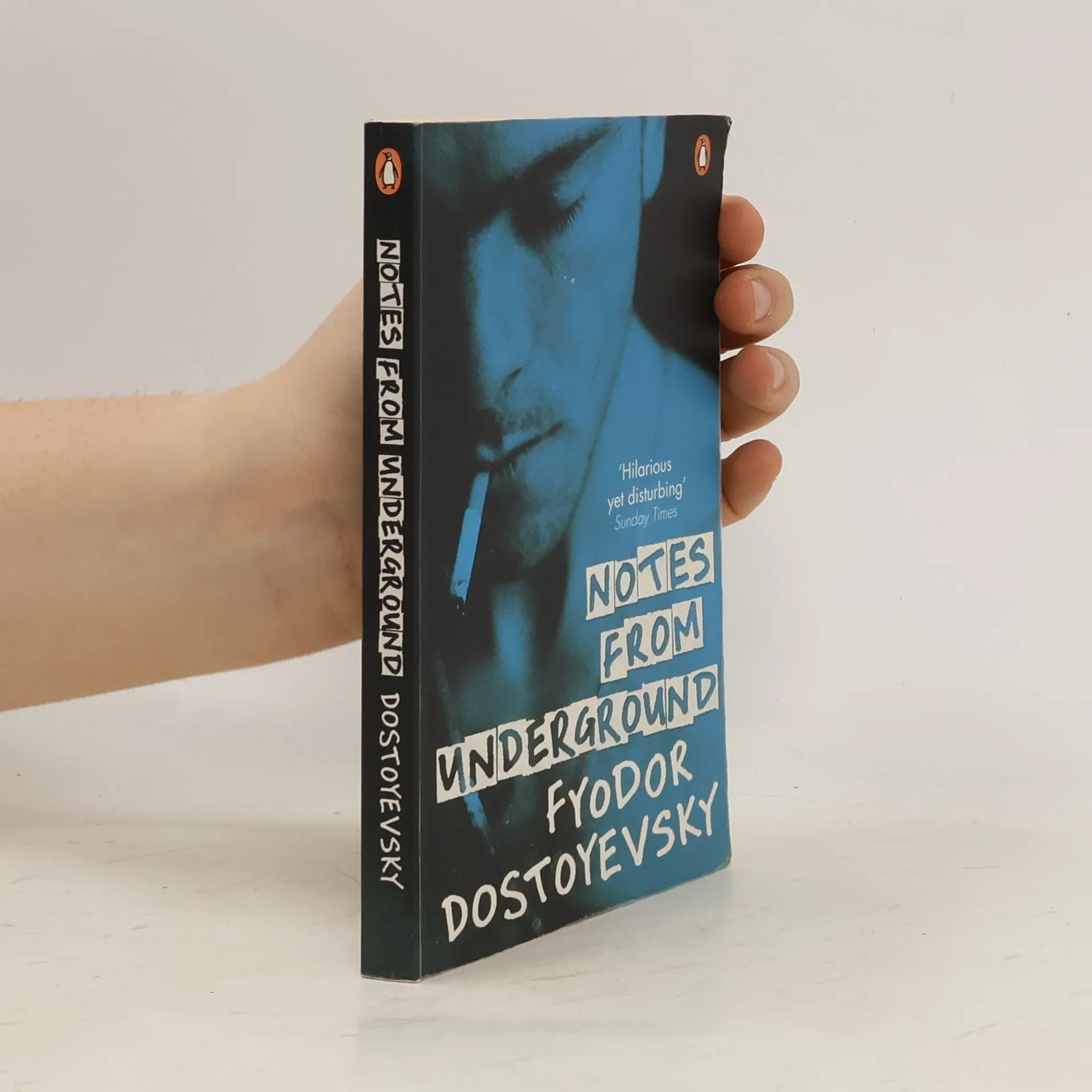
Notes from Underground
- 128pages
- 5 heures de lecture
How far would you go to escape the real world? The underground man had always felt like an outsider. He doesn't want to be like other people, working in the 'ant-hill' of society. So he decides to withdraw from the world, scrawling a series of darkly sarcastic notes about the torment he is suffering. Angry and alienated, his only comfort is the humiliation of others. Is he going mad? Or is it the world around him that's insane?
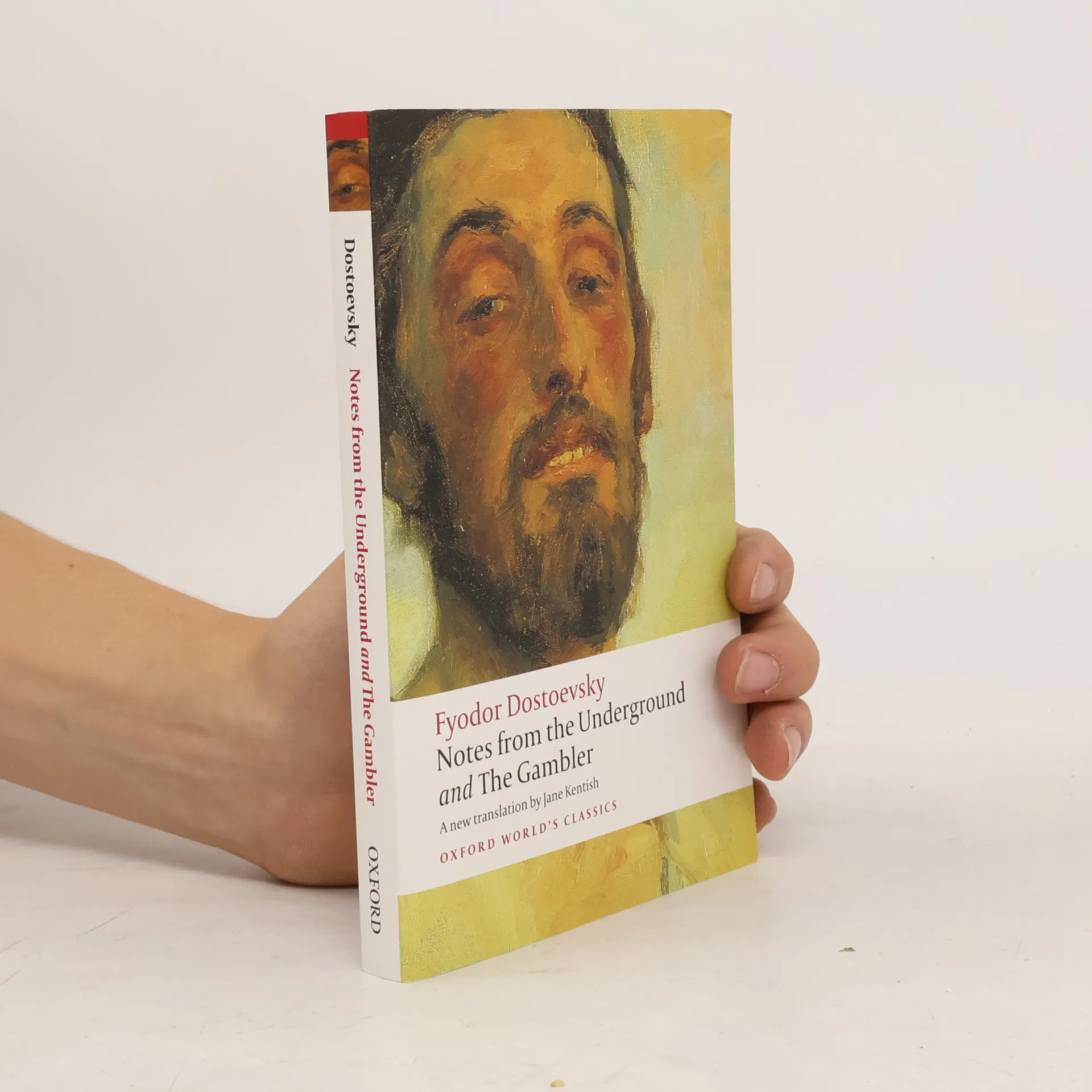
Notes from the Underground and The Gambler
- 284pages
- 10 heures de lecture
Notes from the Underground (1864) is one of the most profound works of nineteenth-century literature. A probing, speculative book, often regarded as a forerunner of the Existentialist movement, it examines the important political and philosophical questions that were current in Russia and Europe at the time. The Gambler (1866), set in the fictional town of Roulettenberg, explores the compulsive nature of gambling, one of the author's own vices and a subject he describes with extraordinary acumen and drama. Specially commissioned for the World's Classics, this new translation includes a full editorial apparatus.
The writing process involved in the creation of Fyodor Dostoevsky's novel 'Crime and punishment'.
The House of the Dead
Man is sometimes extraordinarily, passionately, in love with suffering...
- 205pages
- 8 heures de lecture
Fyodor Dostoyevsky was born on November 11, 1821, and was introduced to literature early in life, with his mother teaching him to read and write using the Bible. His literary immersion was profound, fueled by his parents' nightly readings. Tragedy struck in 1837 when his mother died of tuberculosis, and he and his brother were enrolled at the Nikolayev Military Engineering Institute, where Dostoyevsky found little interest in military studies, preferring drawing and architecture. His father's death in 1839 may have triggered his epilepsy, yet he persevered, eventually becoming an engineer cadet. His first completed work, a translation of Balzac's "Eugénie Grandet," was published in 1843 but failed commercially. He then wrote "Poor Folk," which was a success, followed by "The Double," which received poor reviews and exacerbated his health issues. Involved in socialist circles, Dostoyevsky faced arrest in 1849 for distributing banned works, leading to a death sentence commuted to four years of hard labor in Siberia. His prison experiences inspired "The House of the Dead," published in 1861. He later completed "The Gambler" in just 26 days. Despite continued health decline, including a diagnosis of pulmonary emphysema, he published "Demons" in 1873. Dostoyevsky died on February 9, 1881, after suffering multiple pulmonary hemorrhages.
The Dream of a Ridiculous Man
- 72pages
- 3 heures de lecture
Mad - Foolish - Ridiculous - I've been called many things.On an uneventful Wednesday in a drab Borough of East London, an ordinary man has a startling revelation: life is an unhappy accident in a meaningless universe.He gets himself a gun.But before he can use it, he dreams of an innocent, alternative earth, where people live in harmony with nature and each other. Elated, he sets out to tell the world about his dream and share his new vision of a happy planet.Dostoevsky's tragic-comic adventure The Dream of a Ridiculous Man is transported to 21st-century London in a one-person tale of wonder with an urgent warning for our world, adapted by Laurence Boswell. A funny and serious story of hope, that with love and trust we can build a better world. Maybe.This edition was published to coincide with the world premiere at London's Marylebone Theatre in March 2024.
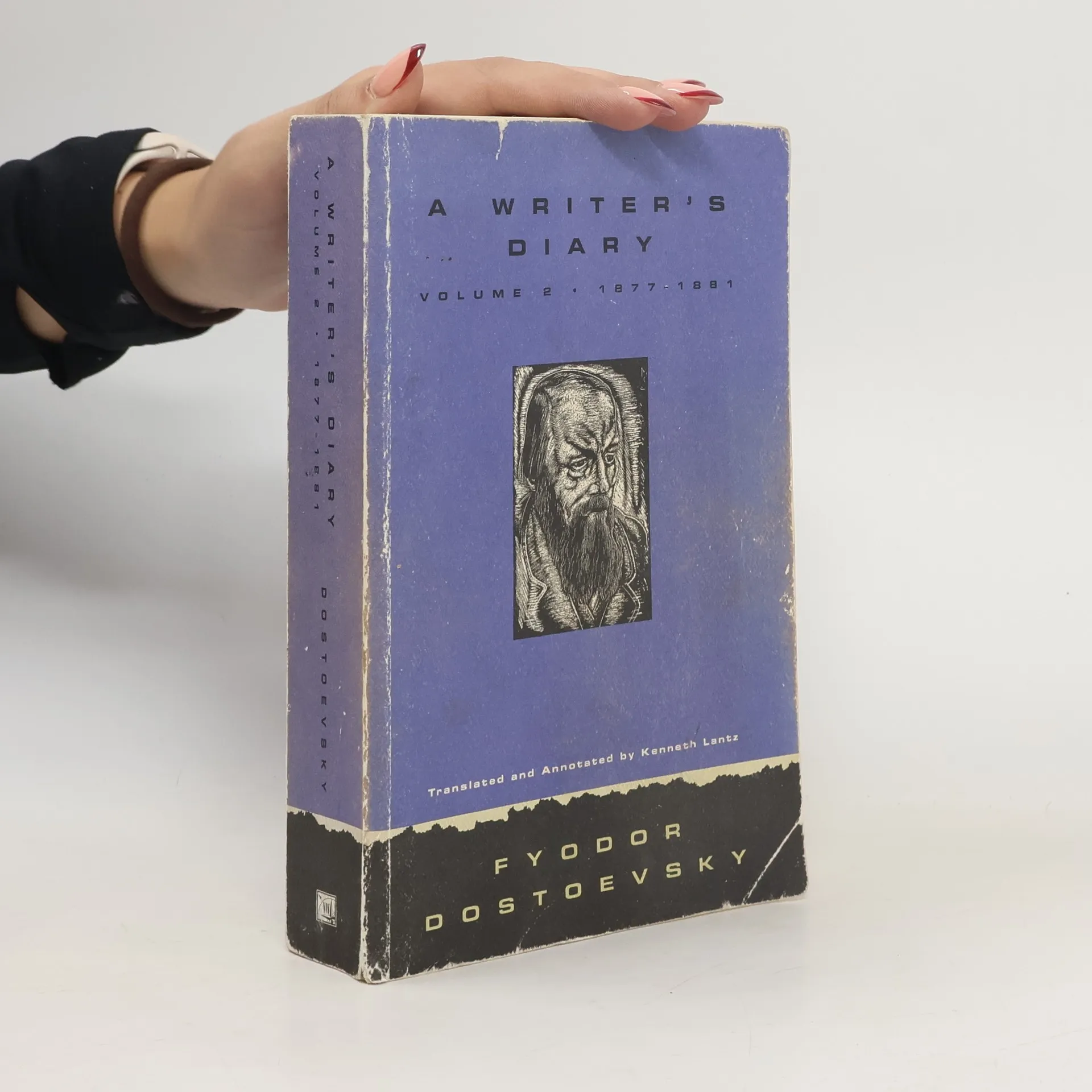
A Writer's Diary
- 644pages
- 23 heures de lecture
This is the first paperback edition of the complete collection of writings that has been called Dostoevsky's boldest experiment with literary form; it is a uniquely encyclopedic forum of fictional and nonfictional genres. A Writer's Diary began as a column in a literary journal, but by 1876 Dostoevsky was able to bring it out as a complete monthly publication with himself as editor, publisher, and sole contributor, suspending work on The Brothers Karamazov in order to do so.The Diary's radical format was matched by the extreme range of its contents. In a single frame A Writer's Diary was to combine an astonishing variety of material: short stories; humorous sketches; reports on sensational crimes; historical predictions; portraits of famous people; autobiographical pieces; and plans for stories, some of which were never written while others appeared later in the Diary itself. A range of authorial and narrative voices and stances, and an elaborate scheme of allusions and cross-references, preserve and present Dostoevsky's conception of his work as a literary whole.Volume 2 contains a comprehensive index to both volumes.
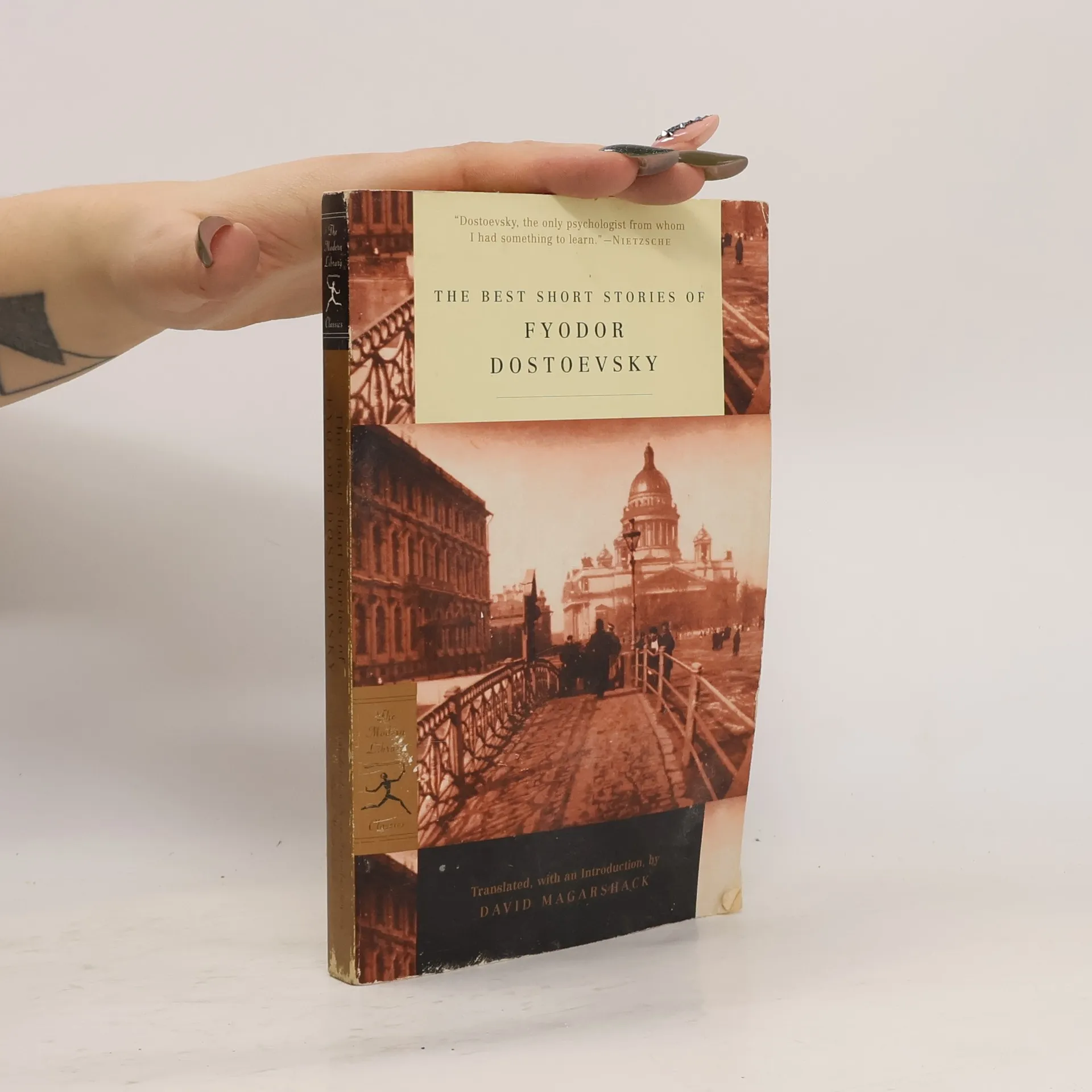
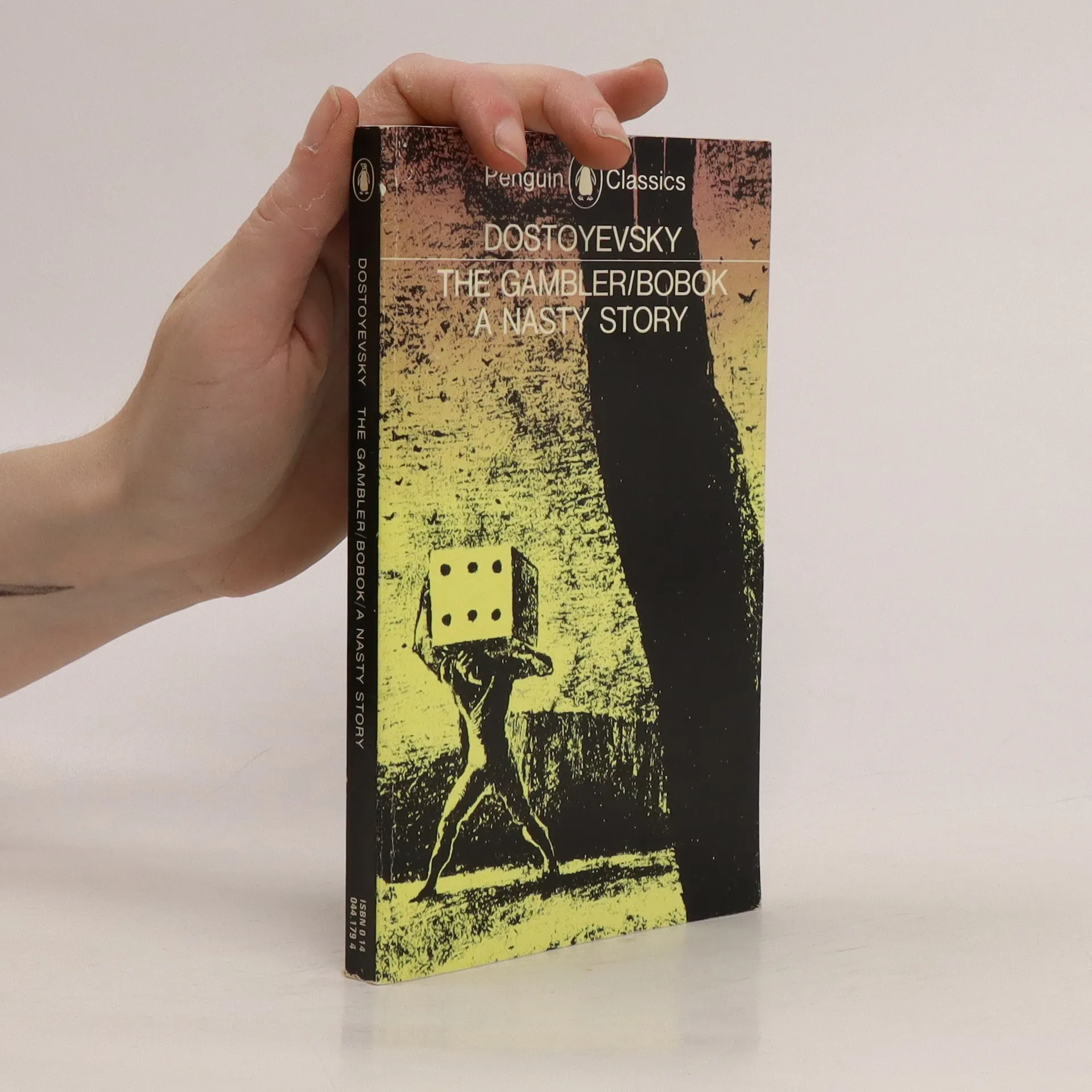
A collection of one novella and six short stories - The Gambler, Bobok, The Dream of a Ridiculous Man, A Christmas Party and a Wedding, A Nasty Story and The Meek One.
Uncle's Dream: New Translation
- 244pages
- 9 heures de lecture
Uncle's Dream is a humorous drawing-room novella, a satire of Russian society that can be enjoyed as a lighter counterpoint to the author's later works.
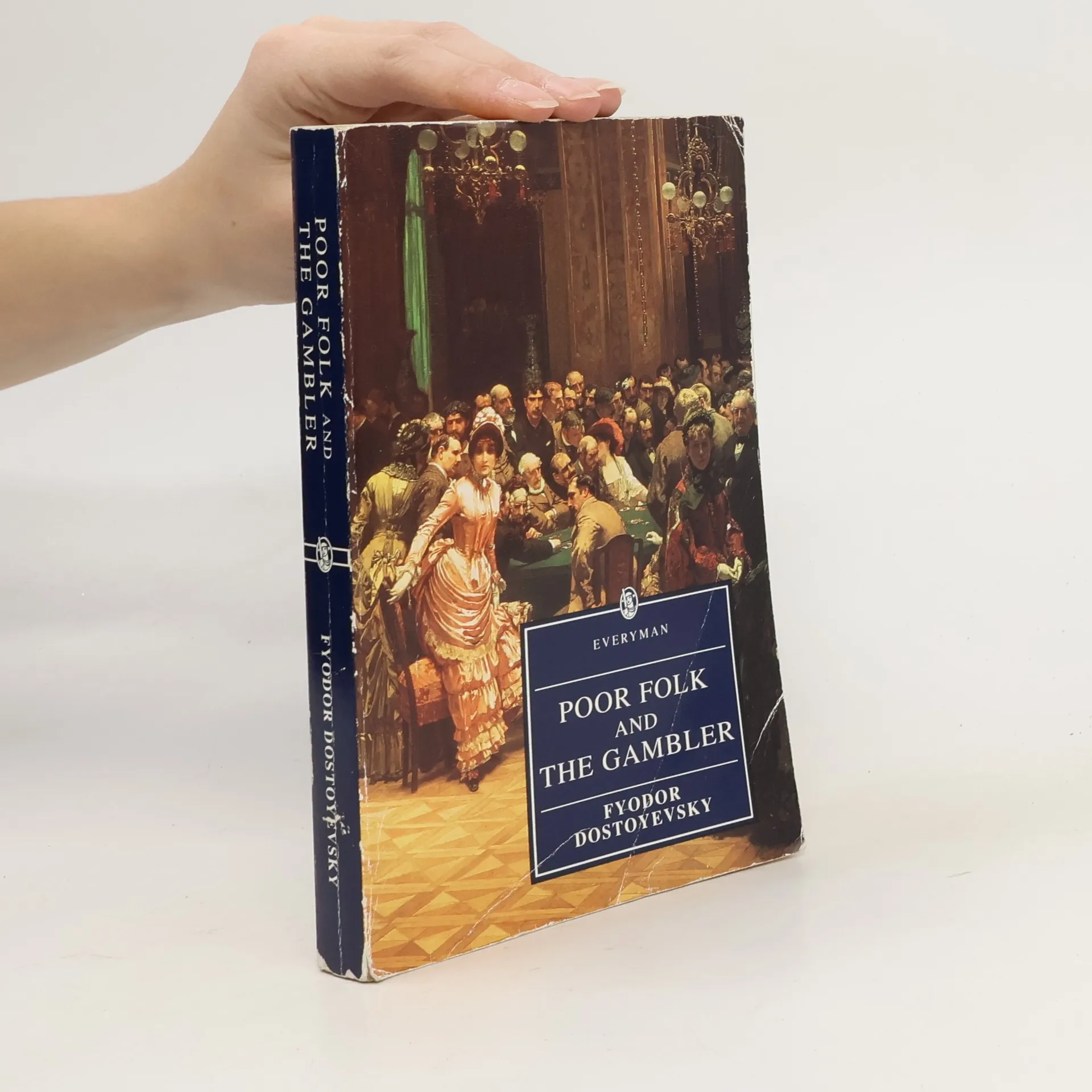
Poor Folk and The Gambler
- 296pages
- 11 heures de lecture
Part of the "Everyman" series which has been re-set with wide margins and easy-to-read type and includes a themed introduction, chronology of the life and times of the author, plot summary and selected criticism.
The House of the Dead and Poor Folk (Barnes & Noble Classics Series)
- 480pages
- 17 heures de lecture
In "The House of the Dead, Dostoevsky give vent to his perceptions of prison life, writing from his grueling experience in a Siberian camp, and introduces a gallery of boastful and ridiculous convicts surrounding the narrator. The epistolary novel "Poor Folk was Dostoevsky''s first major literary success, and shows hte early sparks of his genius.
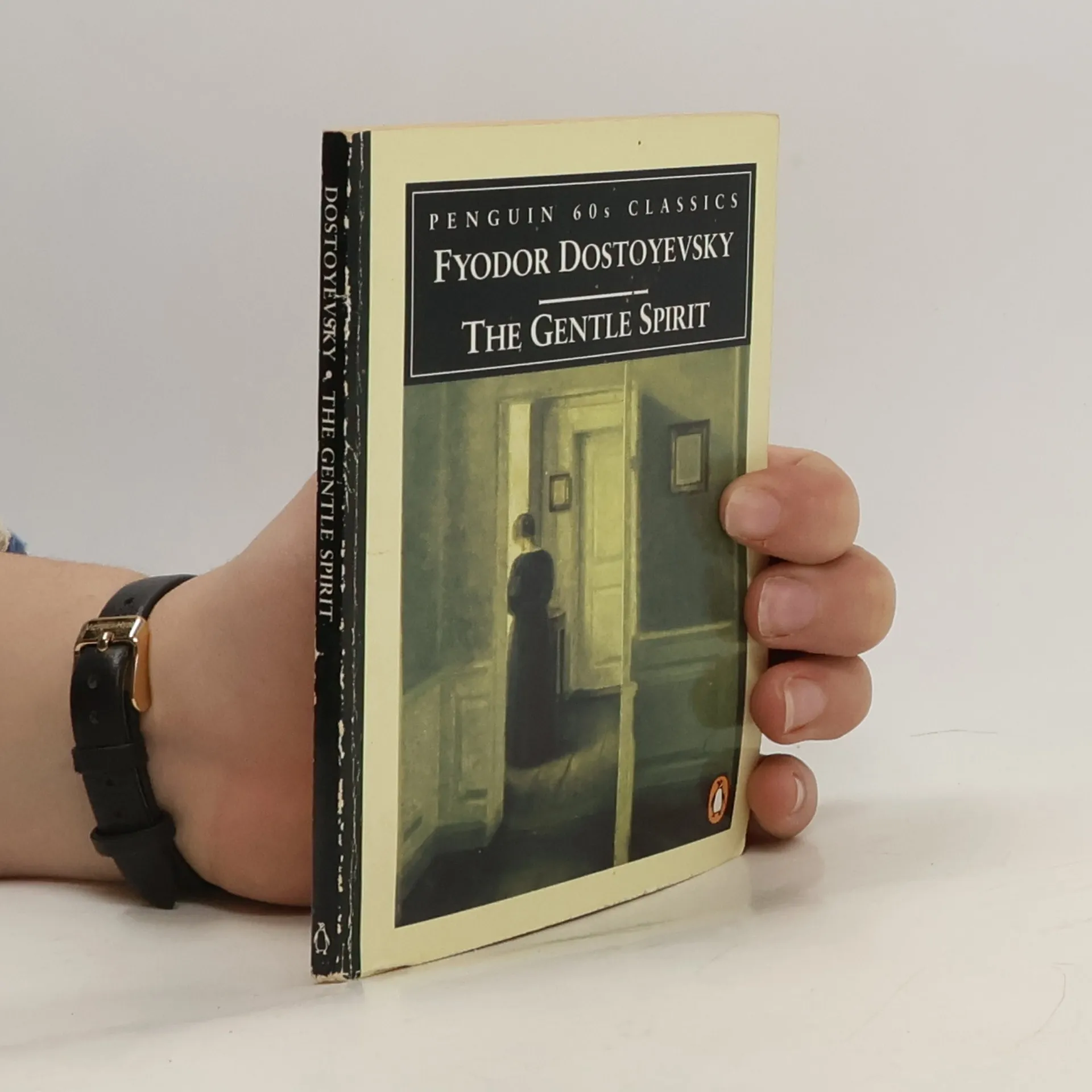
The Gentle Spirit
- 96pages
- 4 heures de lecture
In this compelling study of despair, based on a real-life incident, a pawnbroker mourns the loss of his wife, a quiet, gentle young girl. Why has she killed herself? Could he have prevented it? These are the questions the pawnbroker asks himself as he pieces together past events and minor incidents, changes of mood and passing glances, in his search for an answer that will relieve his torment. Translated by David McDuff.
Short Stories
- 190pages
- 7 heures de lecture
The collection features classical short stories that have played a significant role in literary history. It has been meticulously reformatted and redesigned for clarity and readability, ensuring its preservation for future generations. This volume is categorized within Slavic languages and literature, emphasizing its cultural and linguistic importance.
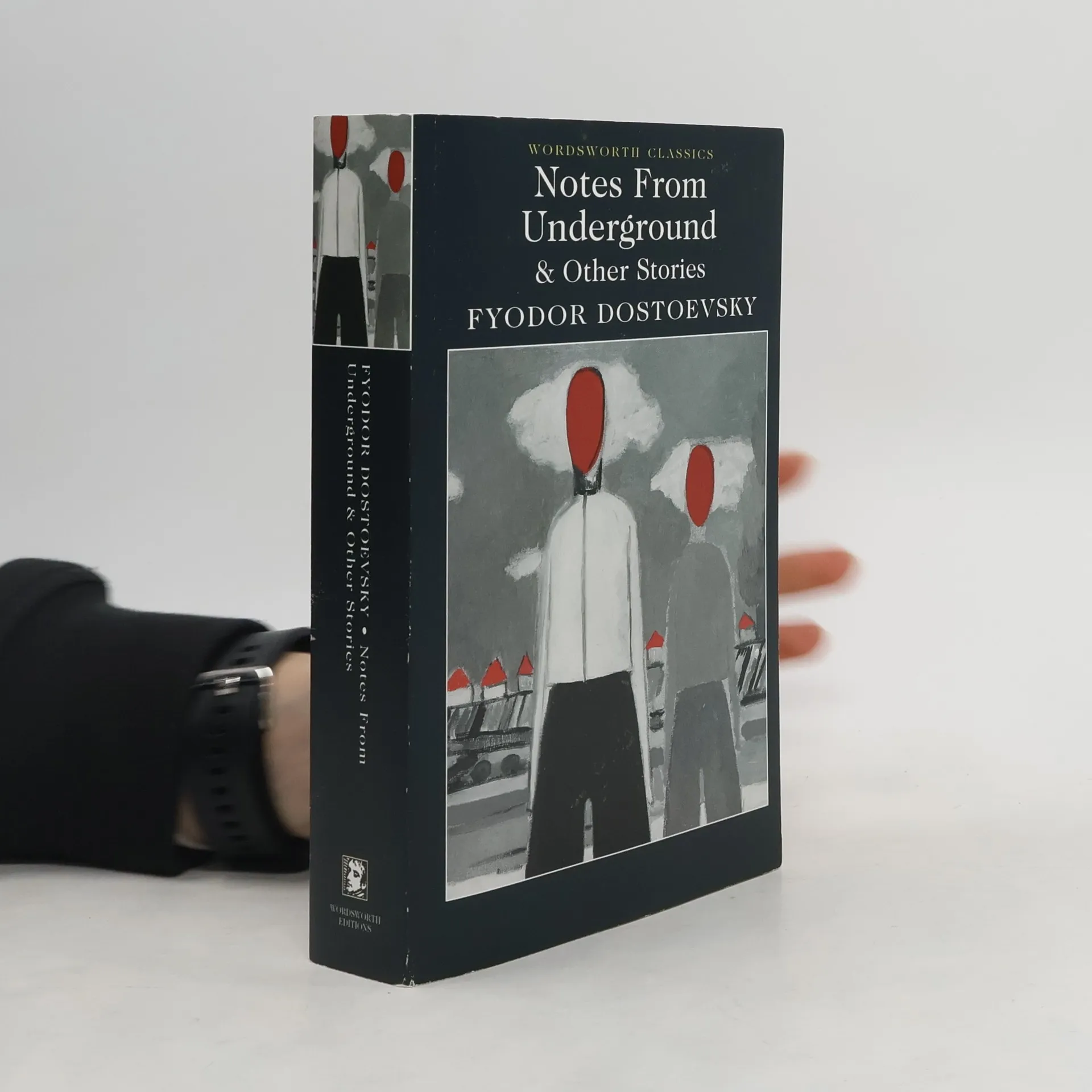
Notes from the Underground and Other Stories
- 686pages
- 25 heures de lecture
A collection of Dostoevsky's short stories, including Notes From The Underground which is considered to be one of the first works of existential literature.
Exploring themes of faith, free will, and authority, this pivotal chapter features a powerful encounter between Jesus and the Grand Inquisitor during the Spanish Inquisition. The Inquisitor challenges Jesus' teachings, arguing that humanity prefers security over freedom. Through this dialogue, Dostoevsky delves into the complexities of belief and the moral dilemmas faced by individuals in a world governed by oppressive power. This thought-provoking narrative raises profound questions about the nature of faith and the human condition.
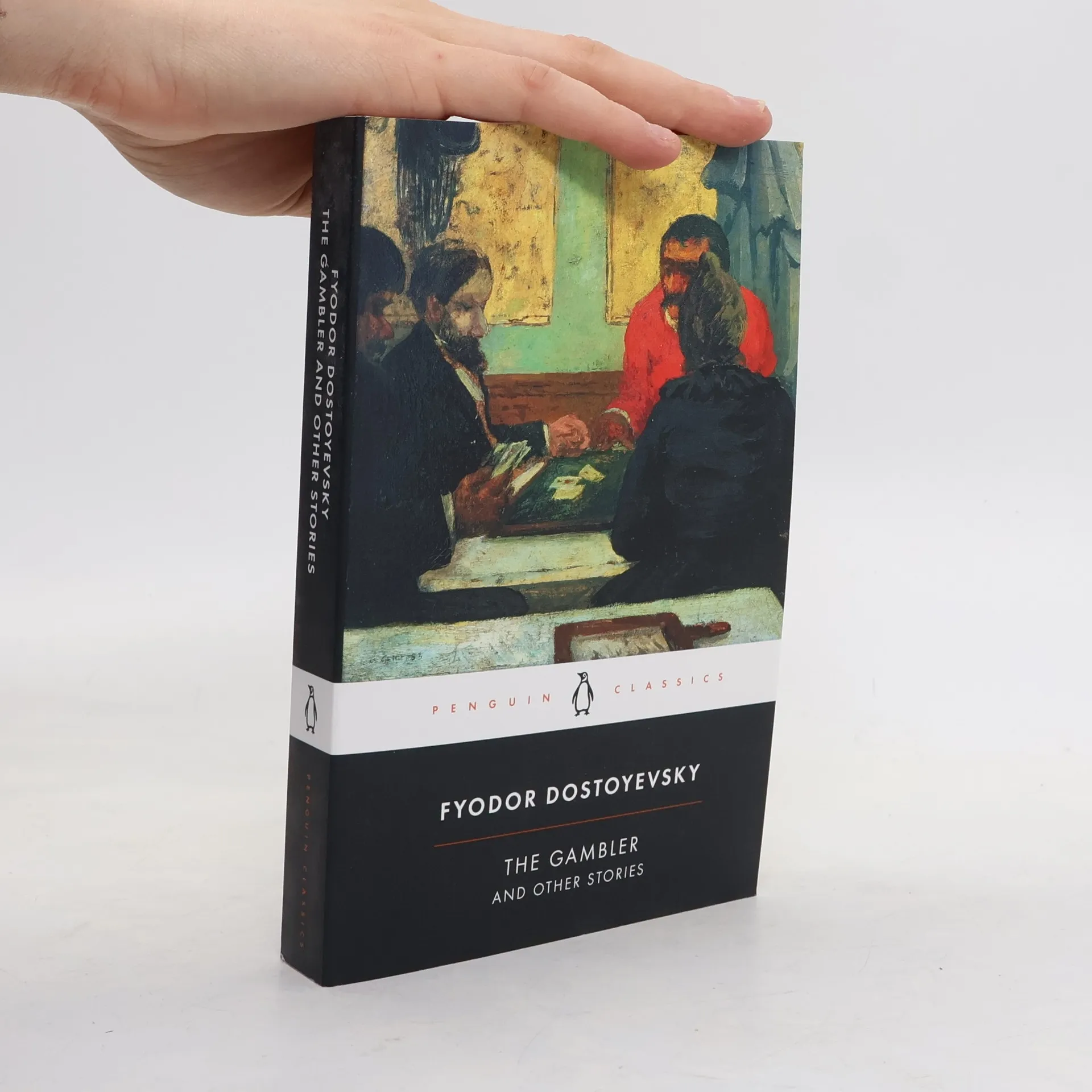
The stories in this volume demonstrate Dostoyevsky’s genius for fusing caricature, irony and the grotesque to create a powerful dark humour. The Gambler is a breathtaking portrayal of an intense and futile obsession. Based on Dostoyevsky’s own experience of financial desperation and the compulsive desire to win money, it focuses on the characters that take their places at the gaming tables of ‘Roulettenburg’: the outspoken, aristocratic ‘Grandmamma’, the mercenary Mademoiselle Blanche, the cool, mysterious Polina and Alex, the author’s self-portrait; a man gripped by exhilaration and hopelessness. Bobok is a blackly comic satire in which a desolate writer becomes drawn into the conversations of the dead, and A Nasty Story is a humorous look at the disparity between a man’s exaggerated ideal of himself and the sad reality.
This compilation features seven works by Fyodor Dostoyevsky, showcasing his profound psychological insight into the human soul, which significantly influenced 20th-century literature. Dostoyevsky, a Russian novelist, journalist, and short-story writer, was born as the second son of a former army doctor. He received his education at home and in a private school, but his life took a dramatic turn after the death of his mother in 1837. He moved to St. Petersburg to attend the Army Engineering College, where he faced further tragedy with the death of his father in 1839, rumored to be murdered by his serfs. After graduating as a military engineer, he resigned in 1844 to pursue writing, debuting with his novel, Poor Folk, in 1846. His involvement with utopian socialists led to his arrest in 1849 and a death sentence, later commuted to imprisonment in Siberia. He endured four years of hard labor followed by four years as a soldier in Semipalatinsk, Kazakhstan. Returning to St. Petersburg in 1854, Dostoyevsky emerged as a writer with a religious mission, producing works like The House of the Dead, which reflects his prison experiences, and The Insulted and Injured, addressing the complexities of evil and naive Utopianism.
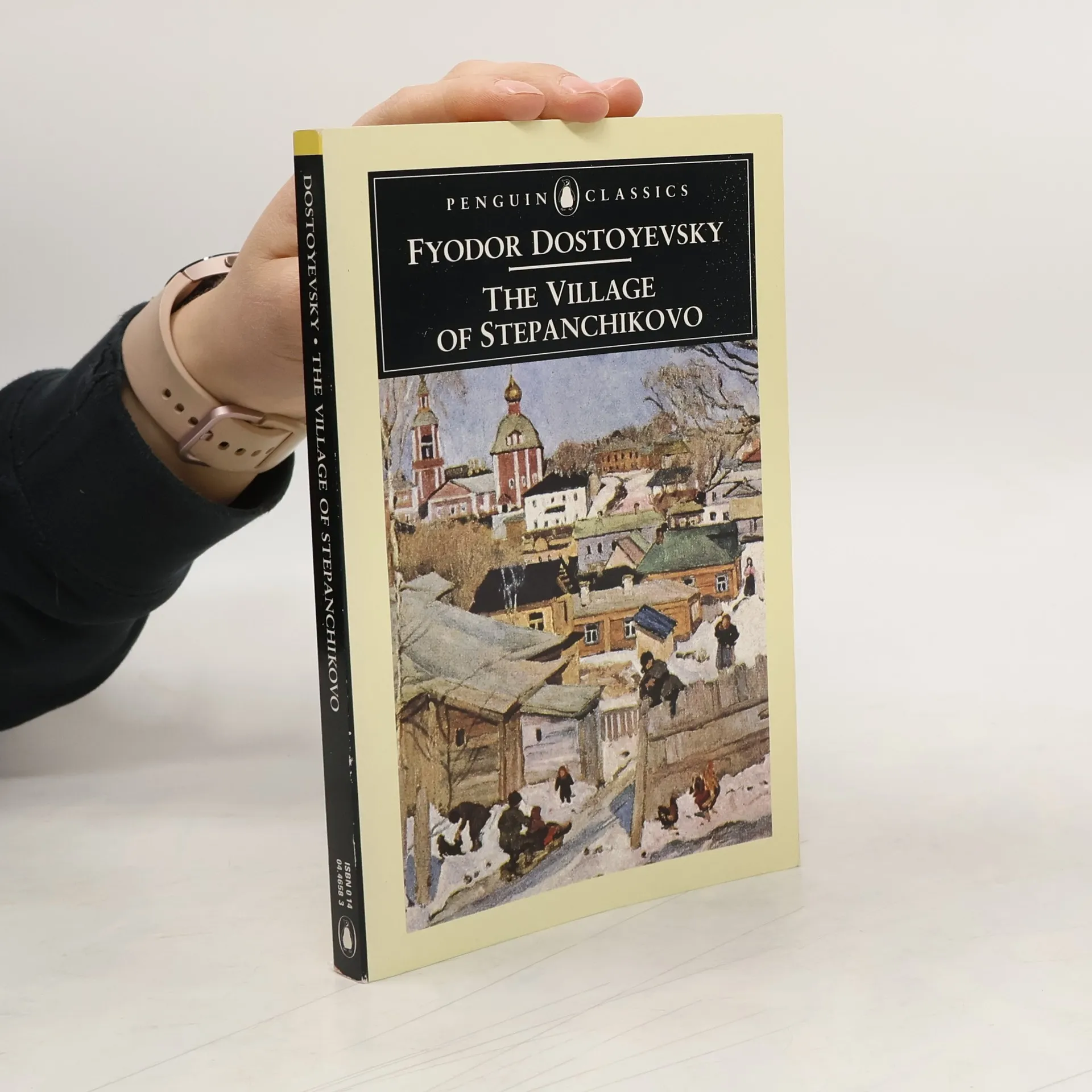
Summoned to the country estate of his wealthy uncle Colonel Yegor Rostanev, the young student Sergey Aleksandrovich finds himself thrown into a startling bedlam. For as he soon sees, his meek and kind-hearted uncle is wholly dominated by a pretentious and despotic pseudo-intellectual named Opiskin, a charlatan who has ingratiated himself with Yegor’s mother and now holds the entire household under his thumb. Watching the absurd theatrics of this domestic tyrant over forty-eight explosive hours, Sergey grows increasingly furious - until at last, he feels compelled to act. A compelling comic exploration of petty tyranny, The Village of Stepanchikovo reveals a delight in life’s wild absurdities that rivals even Gogol’s. It also offers a fascinating insight into the genesis of the characters and situations of many of Dostoyevsky’s great later novels, including The Idiot, Devils and The Brothers Karamazov.
The Crocodile
- 128pages
- 5 heures de lecture
The civil servant Ivan Matveich and his wife Yelena Ivanovna are spectators of an exhibition – in a shopping arcade – of a crocodile owned by a German, when Ivan is suddenly swallowed alive by the animal. Unsuccessful in his attempts to be freed from his prison, due to the German's concern for his crocodile and excessive desire for compensation, the civil servant gradually comes to appreciate his new environment, while his wife begins to enjoy her new-found freedom. Inspired by Gogol's surreal tales, Dostoevsky's hilarious story has been interpreted by some as a vitriolic piece of social criticism and a veiled attack on the revolutionary philosopher Nikolai Chernyshevsky.
The Meek One
- 64pages
- 3 heures de lecture
Based on a St Petersburg news report, Dostoyevsky's searing tale of a man who drives his wife to suicide.
Tells the story of a childhood dominated by her stepfather, Efimov, a failed musician who believes he is a neglected genius. The young girl is strangely drawn to this drunken ruin of a man, who exploits her and drives the family to poverty. But when she is rescued by an aristocratic family, the abuse against Netochka's delicate psyche continues.
Two Crocodiles
- 96pages
- 4 heures de lecture
Two Crocodiles highlights two literary masters from opposite ends of the world - Russia's Fyodor Dostoevsky and Uruguay's Felisberto Hernández. Dostoevsky's crocodile, cruelly displayed in a traveling sideshow, gobbles whole a pretentious high-ranking civil servant. But the functionary survives unscathed and seizes his new unique platform to expound to the fascinated public. Dostoevsky's Crocodile is a matchless, hilarious satire.Hernandez's Crocodile, on the other hand, while also terribly funny, is a heartbreaker. A pianist struggling to make ends meet as a salesman finds success when he begins to weep before clients and audience alike, but then he can't stop the crocodile tears.
Most significant of the Russian novelist's early stories (1846) offers a straight-faced treatment of a hallucinatory theme. Golyadkin senior is a powerless target of persecution by Golyadkin junior, his double in almost every respect. Familiar Dostoyevskan themes of helplessness, victimization, scandal — beautifully handled in this small masterpiece.
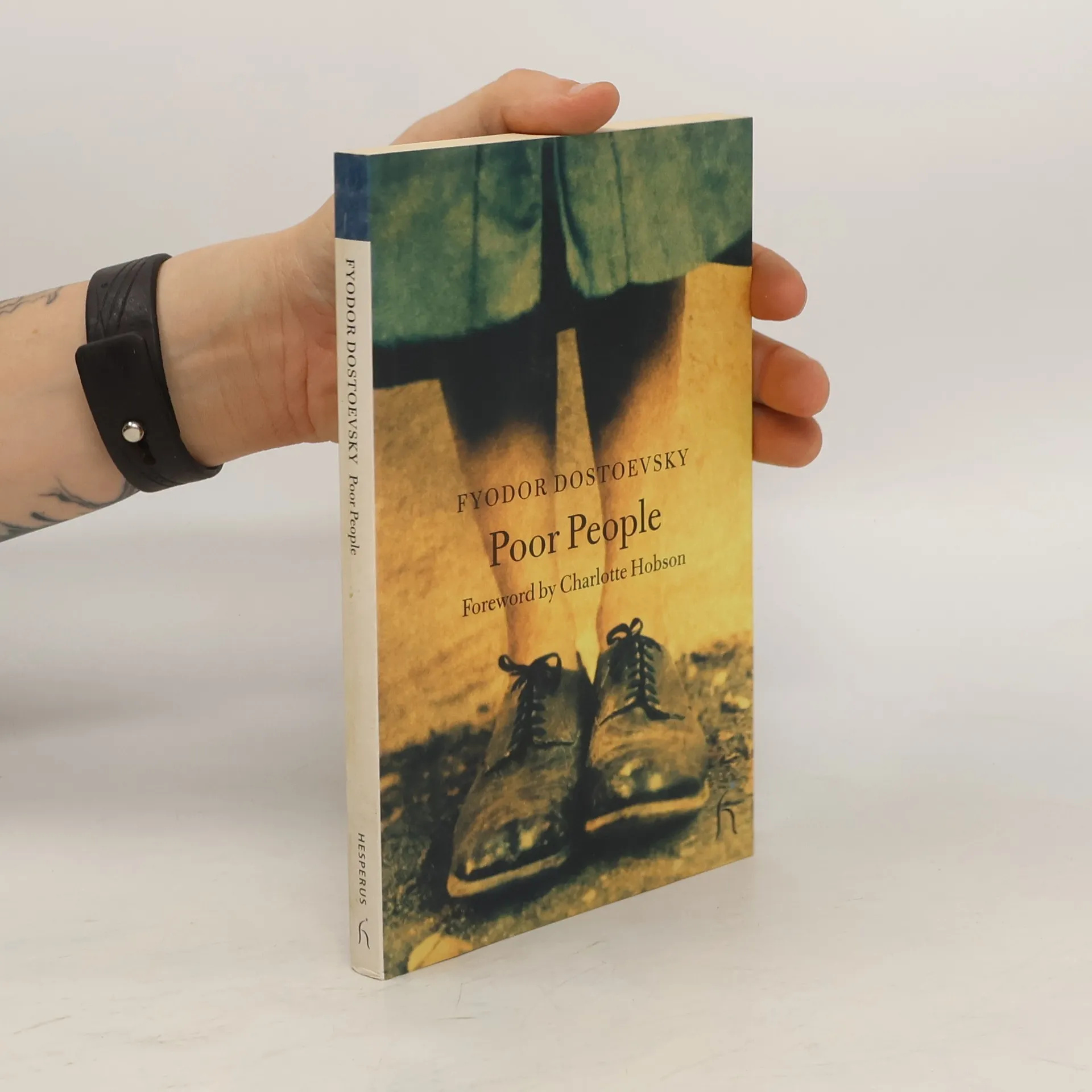
Poor People
- 152pages
- 6 heures de lecture
Presented as a series of letters between the humble copying-clerk Devushkin and a distant relative of his, the young Varenka, Poor People brings to the fore the destitute of St Petersburg, who live at the margins of society in the most appalling conditions and abject poverty.
'40,000 francs, which lay before him in a heap of gold and banknotes.' Written in twenty-six days to pay off Dostoyevsky's own roulette debts, The Gambler is a graphic psychological study of addiction, accompanied here by a brilliant short story of excruciating social embarrassment. Ten new titles in the colourful, small-format, portable new Pocket Penguins series
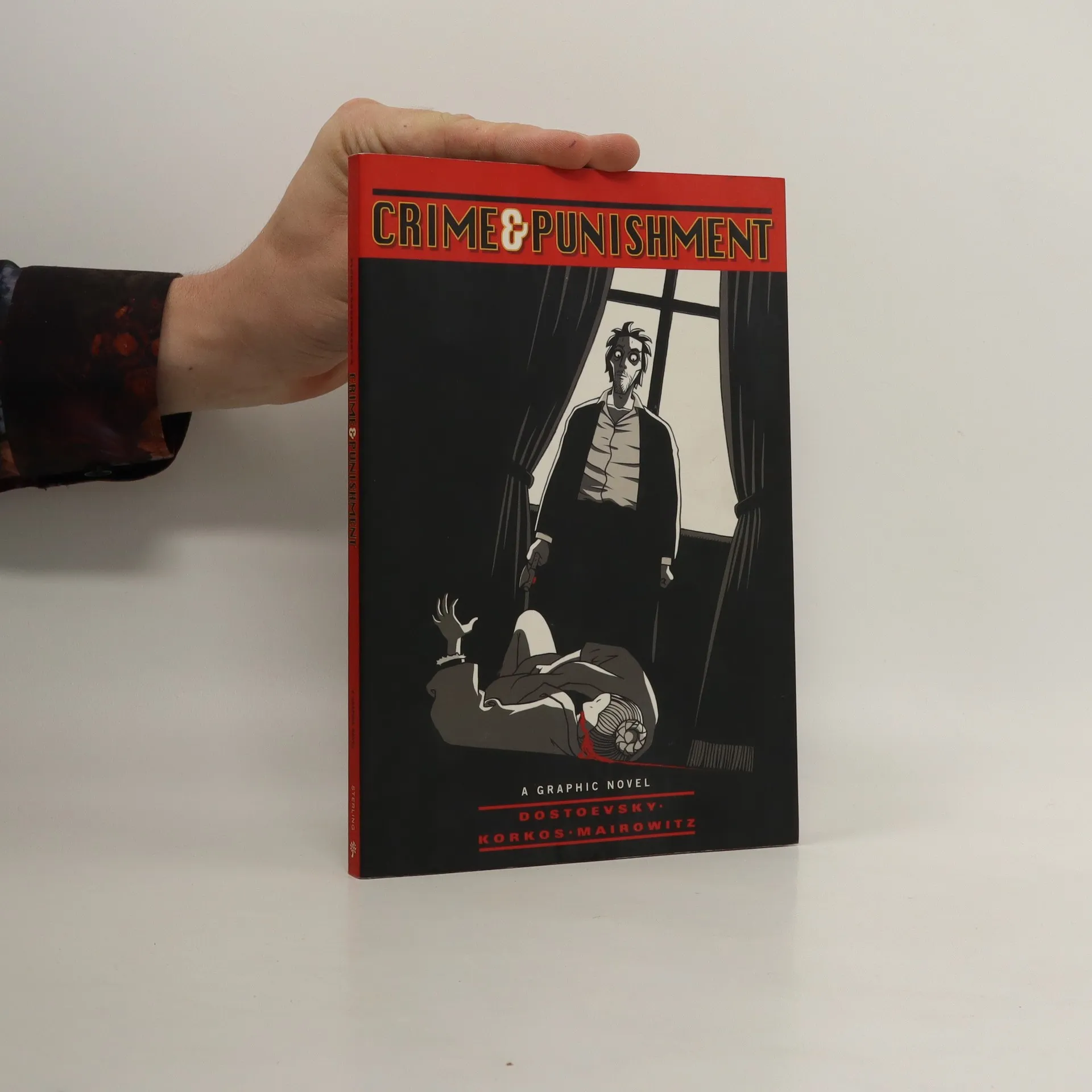
Crime and Punishment: A Graphic Novel
- 128pages
- 5 heures de lecture
Retells the classic story of a murderer and the psychological punishment he endures before he finally comes to trial, in graphic novel format.
This classic Russian novel has it all: murder, suspense, passion, struggle, and redemption. Originally published in 1866, Crime and Punishment is a psychological thriller that deals with issues of morality, conscience, and redemption. Widely considered to be one of the greatest novels written in any language, this novel explores the life of Rodin Raskolnikov, a young Russian man who robs and murders a pawnbroker to save himself from a life of poverty. As a consequence, he must deal with the oppressive mental anguish of being a criminal while attempting to maintain relationships with his friends and family.
The Grand Inquisitor on the Nature of Man
- 52pages
- 2 heures de lecture
The narrative centers on an unnamed civil servant, known as the Underground Man, who reflects on his profound isolation in St. Petersburg. This seminal work is one of the first existentialist novels, challenging contemporary ideologies such as nihilism and utopianism. Through the Underground Man's perspective, Dostoevsky critiques the limitations of idealized rationality in utopian visions, emphasizing the inherent irrationality of human nature. The novel's profound themes have significantly influenced later writers and philosophers, including Kafka and Nietzsche.
The Best Of Russian Short Stories
- 354pages
- 13 heures de lecture
This collection showcases the richness of Russian short stories, featuring works by literary giants such as Dostoyevsky, Tolstoy, and Chekhov. Each story is a classic, reflecting the depth and diversity of Russian literature. Notable pieces include "The Queen of Spades" by Pushkin and "The Cloak" by Gogol, alongside lesser-known gems. This anthology highlights the enduring appeal of the short story format, offering readers a vibrant tapestry of themes and styles that capture the essence of Russian storytelling.
Demons: 150th Anniversary Edition
- 652pages
- 23 heures de lecture
Set against the backdrop of 1869 Russia, the story revolves around the murder of Ivan Ivanov, a student at the Petrov Agricultural Academy, who is lured to retrieve a printing press after protesting against the nihilist leader Sergei Nechaev. This event serves as a catalyst for Dostoevsky's exploration of ideological conflict in "Demons." The narrative delves into the clash between personal beliefs and societal pressures, drawing on characters that reflect historical tensions and philosophical debates of the time.
The Possessed; Or, The Devils, A Novel In Three Parts
Part 2 - in large print
- 404pages
- 15 heures de lecture
This book is a reproduction of a historical work, presented in large print format to enhance accessibility for readers with impaired vision. Published by Megali, a company dedicated to making historical texts more readable, it aims to preserve and share important literature while catering to the needs of those who require larger text.
The Possessed; Or, The Devils, A Novel In Three Parts
Part 3 - in large print
- 356pages
- 13 heures de lecture
This publication focuses on making historical works accessible by reproducing them in large print, catering specifically to individuals with impaired vision. The initiative by Megali aims to enhance readability and preserve important texts, ensuring that a broader audience can engage with historical literature.
This publication focuses on reproducing historical works in large print, catering specifically to individuals with impaired vision. Megali, the publishing house behind this initiative, aims to enhance accessibility and promote inclusivity in reading, ensuring that important historical texts are available to a wider audience.
The Possessed; Or, The Devils, A Novel In Three Parts
Part 1 - in large print
- 332pages
- 12 heures de lecture
Focusing on accessibility, this book is a reproduction of a historical work presented in large print. Published by Megali, a house dedicated to enhancing reading experiences for individuals with impaired vision, it aims to make classic literature more approachable and enjoyable.
The Grand Inquisitor
in large print
The book is a reproduction of a historical work, published by Megali, which focuses on making literature accessible to individuals with impaired vision through large print. This initiative highlights the importance of inclusivity in reading and preserves significant texts for future generations.
Crime and Punishment is one of the greatest and most readable novels ever written. It is built out of a series of supremely dramatic scenes that illuminate the eternal conflicts at the heart of human existence.
Notes from Underground: New Translation
- 160pages
- 6 heures de lecture
The unnamed narrator of the novel, a former government official, has decided to retire from the world and lead a life of inactivity and contemplation. His fiercely bitter, cynical and witty monologue ranges from general observations and philosophical musings to memorable scenes from his own life, including his obsessive plans to exact revenge on an officer who has shown him disrespect and a dramatic encounter with a prostitute. Seen by many as the first existentialist novel and showcasing the best of Dostoevsky’s dry humour, Notes from Underground was a pivotal moment in the development of modern literature and has inspired countless novelists, thinkers and film-makers.
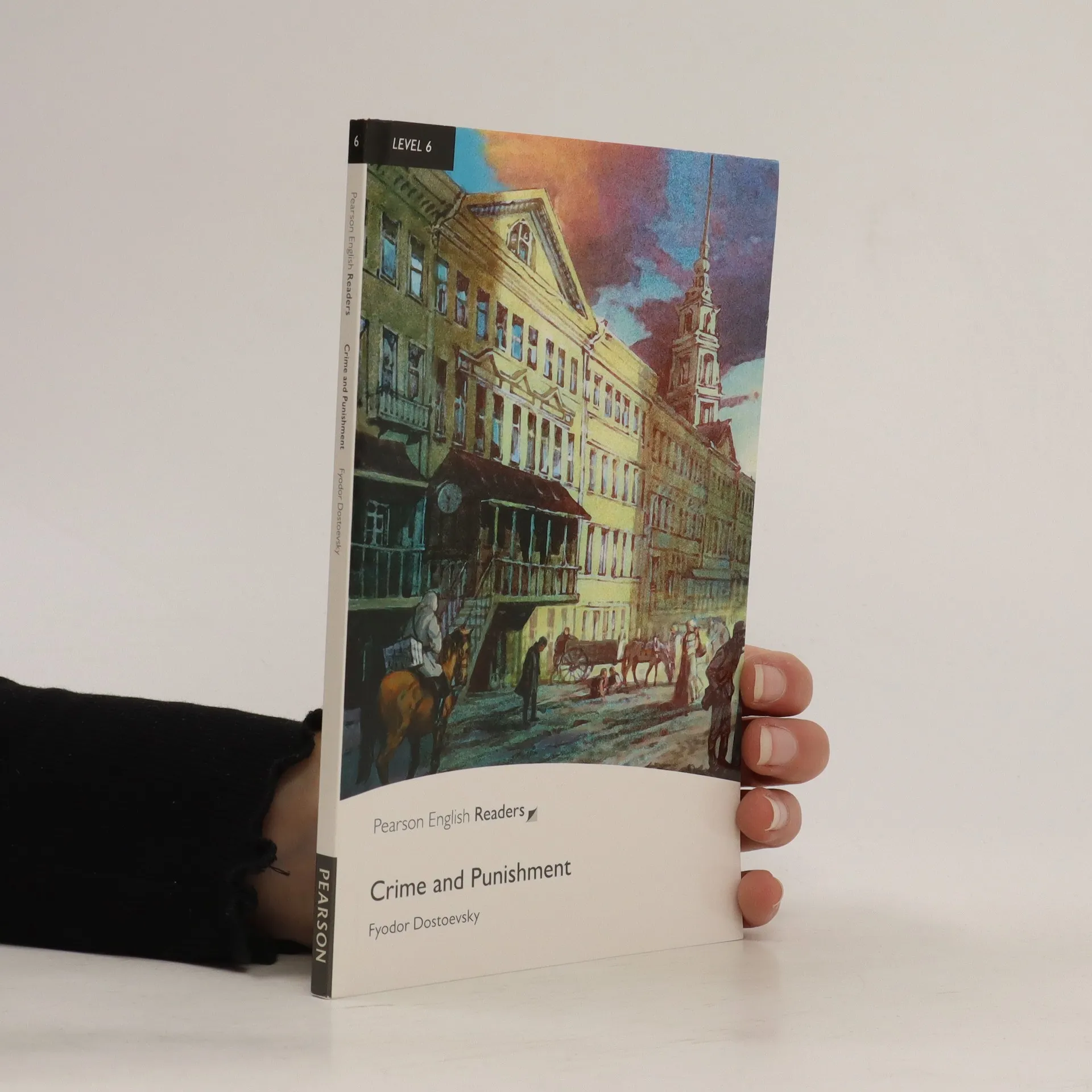
Crime and Punishment. Level 6
- 108pages
- 4 heures de lecture
Raskolnikoff, a young student, has been forced to give up his university studies because of lack of money. He withdraws from society and, poor and lonely, he develops a plan to murder a greedy old moneylender. Surely the murder of one worthless old woman would be excused, even approved of, if it made possible a thousand good deeds? But this crime is just the beginning of the story...
Stories include:"First Love" by Turgenev"The Gambler" by Dostoyevsky"Master and Man" by Tolstoy"The Duel" by Chekhov
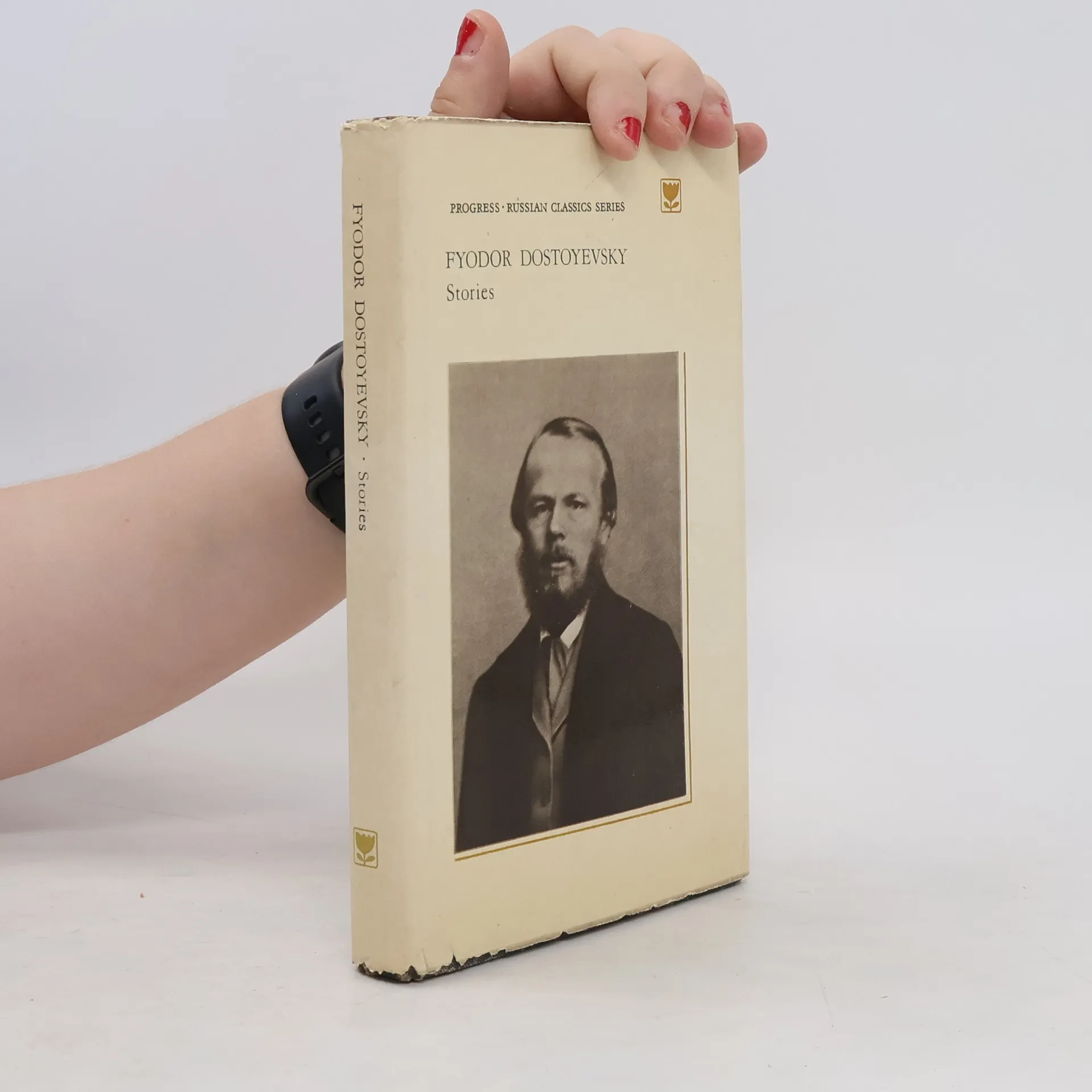
In 1973, Progress Publishers commenced publication of the Russian Classic Series offering the reader English translations of novels by famous writers such as Turgenev, Dostoyevsky, and Tolstoy, the poetry of Pushkin and Lermontov, the biting satire of Gogol and Saltykov-Shchedrin, and the brilliant short stories of Chekhov, Leskov and Korolenko. This collection includes Dostoyevsky's best short stories: "Poor People", "White Nights", "A Most Unfortunate Incident", "A Faint Heart", and "The Dream of a Ridiculous Man". The present volume will therefore present to the reader the different facets of the great master's genius. The book is illustrated with drawings by Andrei Goncharov.