Dan Gardner Ordre des livres (chronologique)
Dan Gardner est un journaliste, auteur et conférencier qui explore en profondeur la psychologie et les mécanismes de la prise de décision humaine. Ses travaux examinent pourquoi nous craignons les mauvaises choses et surestimons les prédictions d'experts, révélant comment les processus psychologiques et sociaux influencent notre perception du risque. Le style captivant et l'analyse incisive de Gardner en font une voix importante pour comprendre le comportement et les choix humains.



TRUST
Die 7 Regeln des Vertrauens oder wie man Dinge von Dauer schafft | Der Wikipedia-Gründer über die Prinzipien seines Erfolgs
- 224pages
- 8 heures de lecture
Das erste Buch des Wikipedia-Gründers In einer Zeit, die von Desinformation und einem Vertrauensverlust in Institutionen geprägt ist, steht das Fundament des Vertrauens, das für den Erwerb neuen Wissens unerlässlich ist, auf dem Spiel. Vertrauen ist der Schlüssel zu fairen Wahlen, einer zukunftssicheren Bildung und dem Schutz unseres Klimas. Der renommierte Tech-Visionär Jimmy Wales nimmt uns mit auf eine faszinierende Reise zu den Anfängen von Wikipedia im Jahr 2001. Wales zeigt, wie er mithilfe von sieben Vertrauensregeln eine einzigartige Website geschaffen hat, die auf den Prinzipien von Freiheit, Transparenz und Zugänglichkeit basiert. Diese Website ist inzwischen ein integraler Bestandteil unseres täglichen Lebens und hat den Zugang zu Wissen auf radikale Weise demokratisiert. Anhand der inspirierenden Geschichte von Wikipedia verdeutlicht Jimmy Wales' erstes Buch die entscheidende Bedeutung von Vertrauen und erläutert die Prinzipien, auf denen diese weltweit einzigartige Website basiert . Gleichzeitig zeigt er auf, wie man selbst ein verantwortungsvoller Entscheidungsträger werden kann.
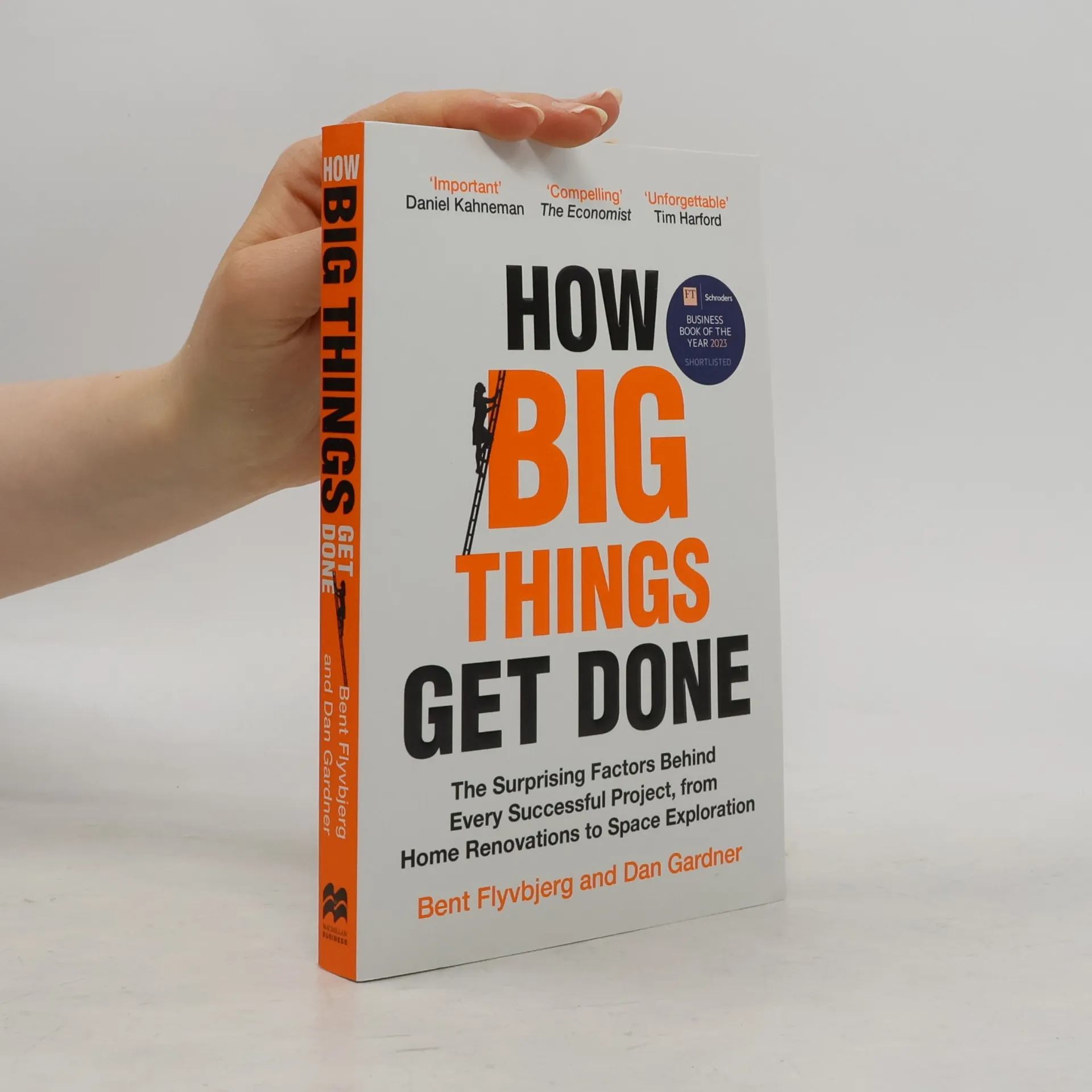
Discover the secrets to successfully planning and executing ambitious projects of any scale, from home renovations to space exploration, by the leading expert on megaprojects. While inspiring stories like the Empire State Building's rapid completion and Apple's iPod launch showcase triumphs, the reality is that most large visions often turn into costly failures. A staggering 92% of megaprojects exceed budgets or schedules, with California's high-speed rail project ballooning from $33 billion to $100 billion without fulfilling its promises. Even smaller endeavors, such as launching a business or organizing an event, frequently encounter setbacks. Bent Flyvbjerg, an Oxford professor recognized as the foremost authority on megaprojects, delves into the reasons behind these failures and outlines research-based principles for success. Key strategies include understanding your odds, planning slowly but acting swiftly, and starting with your end goal to identify necessary steps. He emphasizes the importance of building from small components, fostering teamwork, and mastering the unknowns that often derail projects. Flyvbjerg also highlights that the greatest risk often lies within ourselves. Through vivid examples—from the Sydney Opera House to Pixar films and a Brooklyn renovation gone wrong—this guide reveals how to achieve any ambitious project on time and within budget.
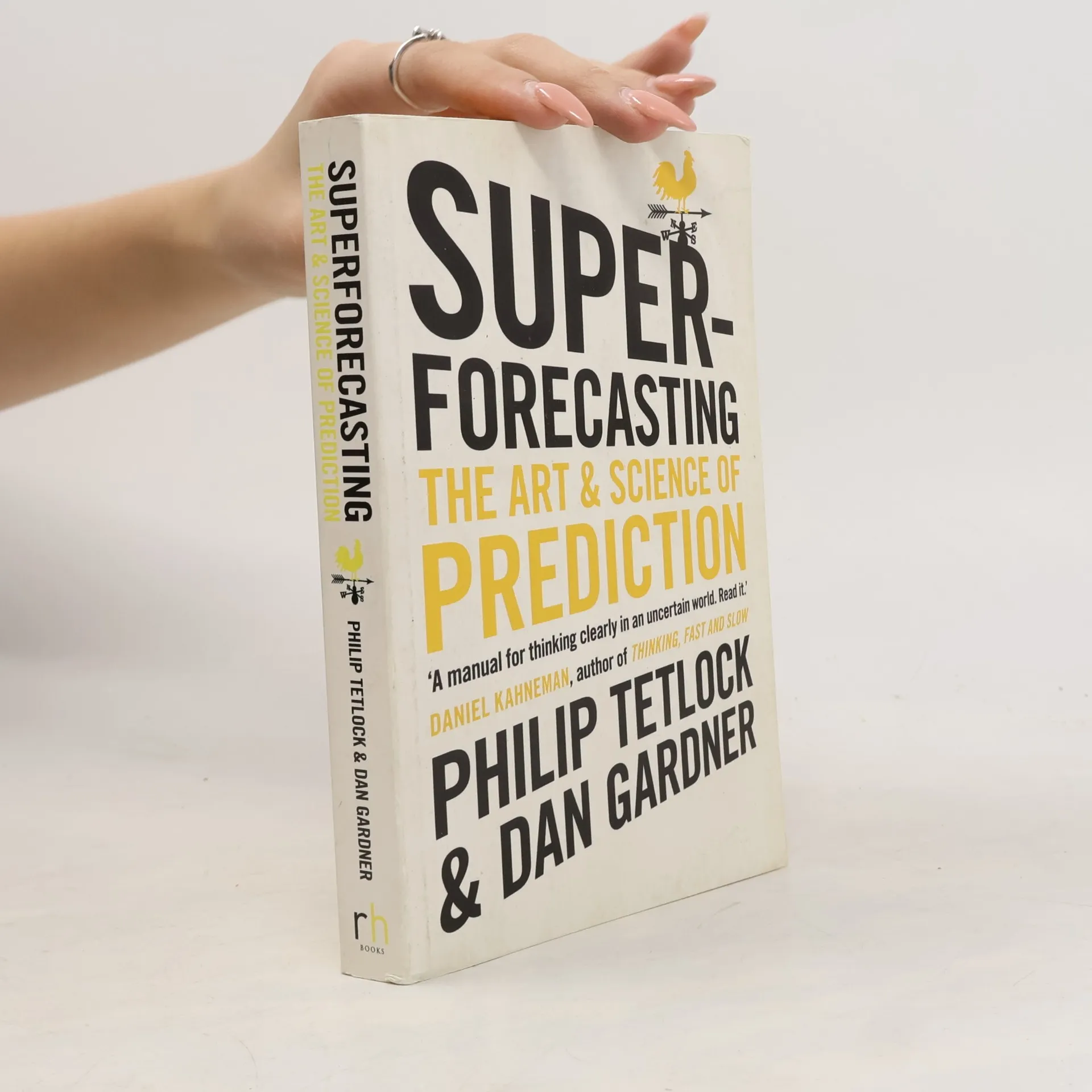
What if we could improve our ability to predict the future? Everything we do involves forecasts about how the future will unfold. Whether buying a new house or changing job, designing a new product or getting married, our decisions are governed by implicit predictions of how things are likely to turn out. The problem is, we're not very good at it. In a landmark, twenty-year study, Wharton professor Philip Tetlock showed that the average expert was only slightly better at predicting the future than a layperson using random guesswork. Tetlock's latest project - an unprecedented, government-funded forecasting tournament involving over a million individual predictions - has since shown that there are, however, some people with real, demonstrable foresight. These are ordinary people, from former ballroom dancers to retired computer programmers, who have an extraordinary ability to predict the future with a degree of accuracy 60% greater than average. They are superforecasters. In Superforecasting, Tetlock and his co-author Dan Gardner offer a fascinating insight into what we can learn from this elite group. They show the methods used by these superforecasters which enable them to outperform even professional intelligence analysts with access to classified data. And they offer practical advice on how we can all use these methods for our own benefit - whether in business, in international affairs, or in everyday life.
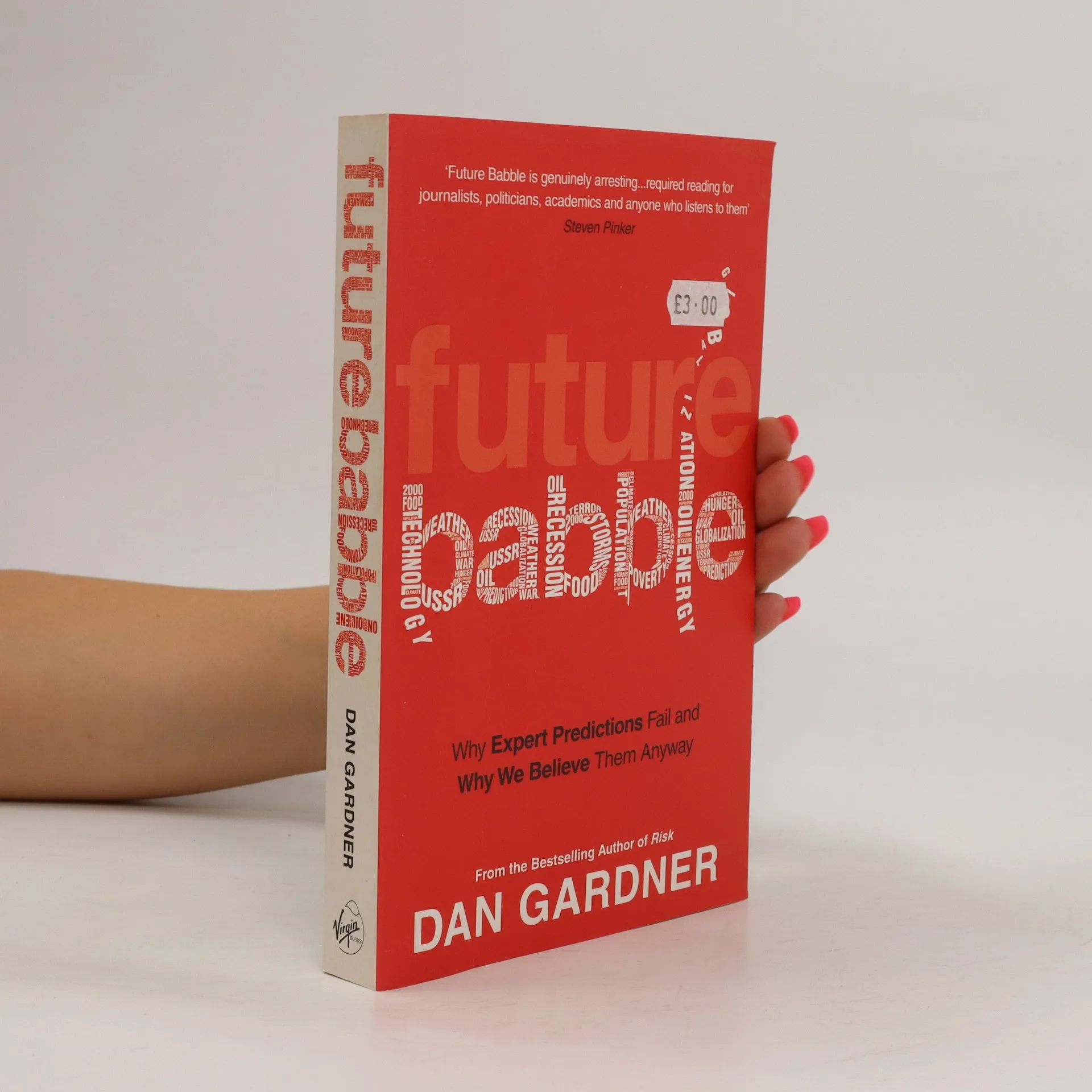
Future babble : why expert predictions fail and why we believe them anyway
- 305pages
- 11 heures de lecture
In 2008, as the price of oil surged above $140 a barrel, experts said it would soon hit $200; a few months later it plunged to $30. In 1967, they said the USSR would be the world's fastest-growing economy by 2000, the USSR no longer existed. In 1908, it was pronounced that there would be no more wars in Europe; we all know how that turned out. Face it, experts are about as accurate as dart-throwing monkeys. And yet every day we ask them to predict the future - everything from the weather to the likelihood of a terrorist attack. Future Babble is the first book to examine this phenomenon, showing why our brains yearn for certainty about the future, why we are attracted to those who predict the future confidently, and why it's so easy for us to ignore the trail of outrageously wrong forecasts. In this fast-paced, example- packed, sometimes darkly funny book, Dan Gardner shows how seminal research by professor Philip Tetlock proved that the more famous a pundit is, the more likely they are to be right about as often as a stopped watch. Gardner also draws on current research in cognitive psychology, political science, and behavioral economics to discover something quite reassuring: The future is always uncertain, but the end is not always near.
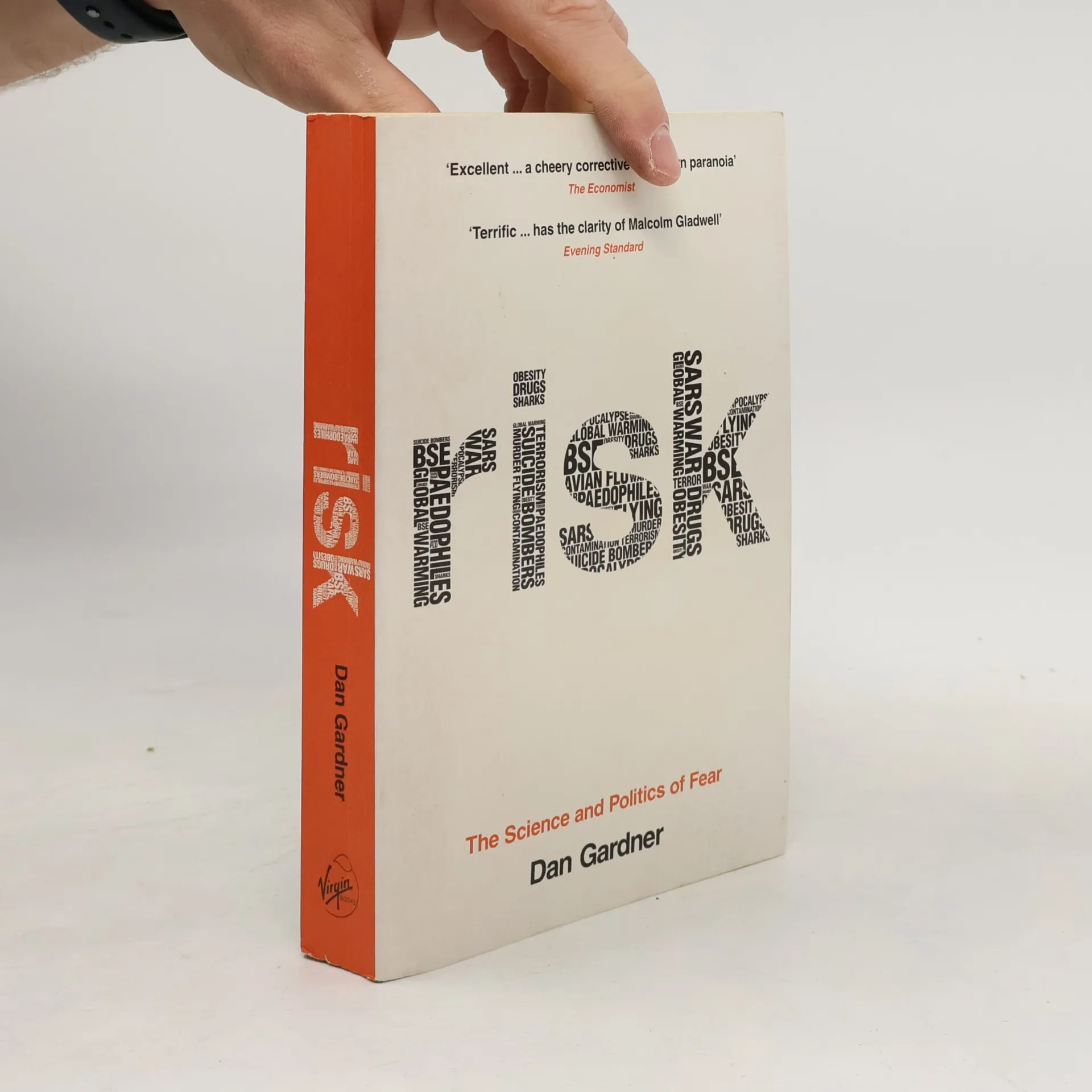
Risk : The Science and Politics of Fear
- 432pages
- 16 heures de lecture
Every day we hear about terrorism, war and apocalypse. But the real risk of these events happening to us is about as likely as winning the lottery. Dan Gardner explains our risk perception through our brain's two simultaneous responses to risk - the ancient 'fight or flight' instinct and the rational, considered response.