


We Still Here
- 128pages
- 5 heures de lecture
In the midst of loss and death and suffering, our charge is to figure out what freedom really means-and how we take steps to get there.
Le Dr. Marc Lamont Hill est une voix intellectuelle de premier plan dont le travail explore les intersections de la culture, de la politique et de l'éducation. En tant que Distinguished Professor of African American Studies, ses recherches explorent les complexités de la vie et de l'identité noires en Amérique. L'approche de Hill est profondément ancrée dans l'activisme et l'organisation pour la justice sociale, visant à éclairer les inégalités systémiques et à plaider en faveur des populations vulnérables. Ses écrits examinent de manière critique les victimes des structures sociétales, offrant des aperçus profonds sur les luttes auxquelles sont confrontées les communautés marginalisées.


In the midst of loss and death and suffering, our charge is to figure out what freedom really means-and how we take steps to get there.
This compelling exploration examines how visual media has transformed the narrative on race and reignited the quest for justice. Marc Lamont Hill and Todd Brewster delve into pivotal moments in the racial divide, such as the killings of George Floyd and Ahmaud Arbery, and the harassment of Christian Cooper, placing them within a historical framework. They highlight the crucial role of video recordings and technology in reshaping conversations about race, often shifting power dynamics in favor of historically marginalized communities. The authors pose a critical question: Why did the footage of George Floyd spark such widespread sympathy and outrage, despite prior evidence of police violence against people of color? Drawing parallels to significant works like The New Jim Crow and Caste, this analysis connects contemporary issues to America's racial history while emphasizing the unique aspects of today's struggles compared to past civil rights movements. Ultimately, it seeks to understand what is necessary to advance social justice in the current landscape.
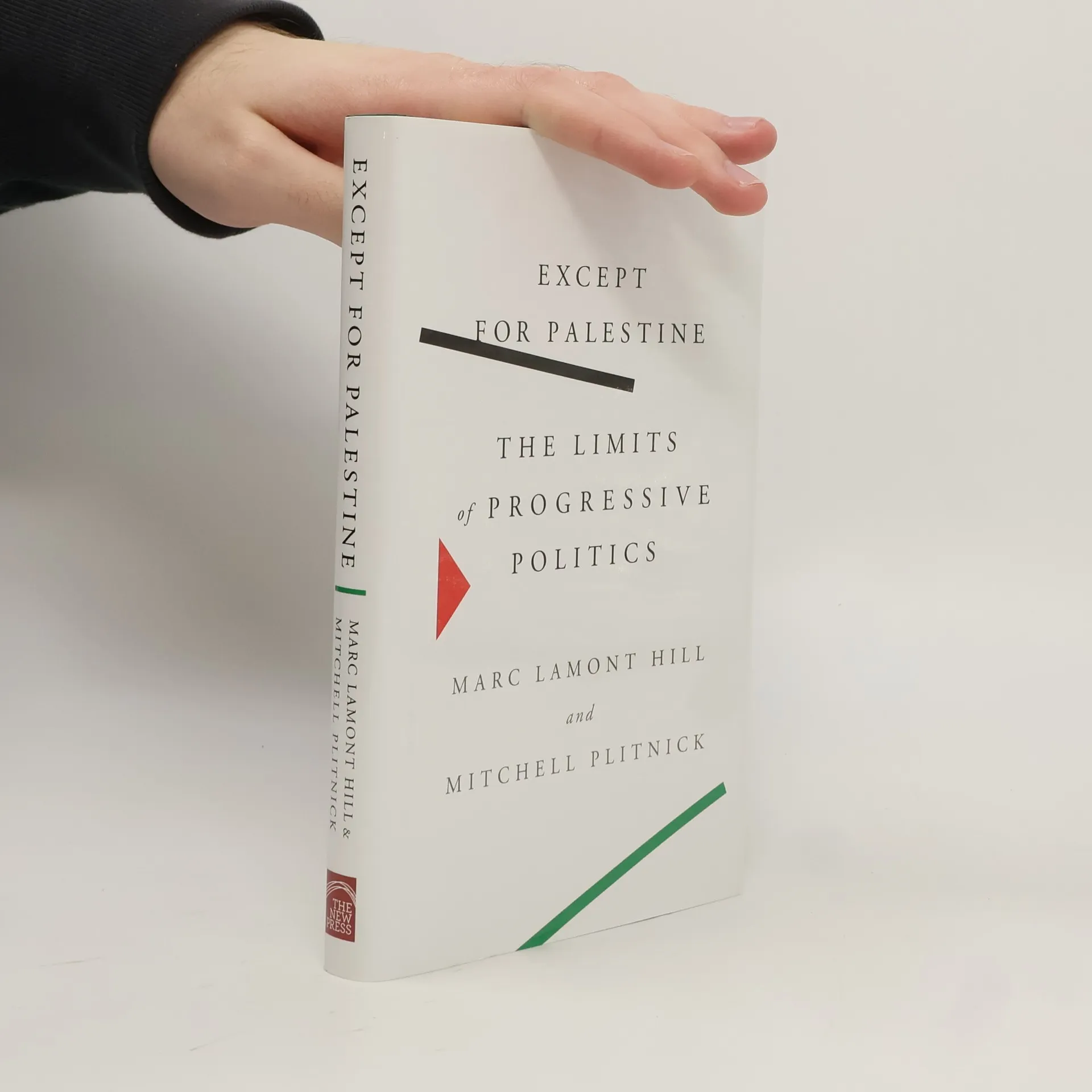
"In this major work of daring criticism and analysis, scholar and political commentator Marc Lamont Hill and Israel-Palestine expert Mitchell Plitnick spotlight how one-sided pro-Israel policies reflect the truth-bending grip of authoritarianism on both Israel and the United States. Except for Palestine argues that progressives and liberals who oppose regressive policies on immigration, racial justice, gender equality, LGBTQ rights, and other issues must extend these core principles to the oppression of Palestinians. In doing so, the authors take seriously the political concerns and well-being of both Israelis and Palestinians, demonstrating the extent to which U.S. policy has made peace harder to attain. They also unravel the conflation of advocacy for Palestinian rights with anti-Semitism and hatred of Israel."-- Provided by publisher
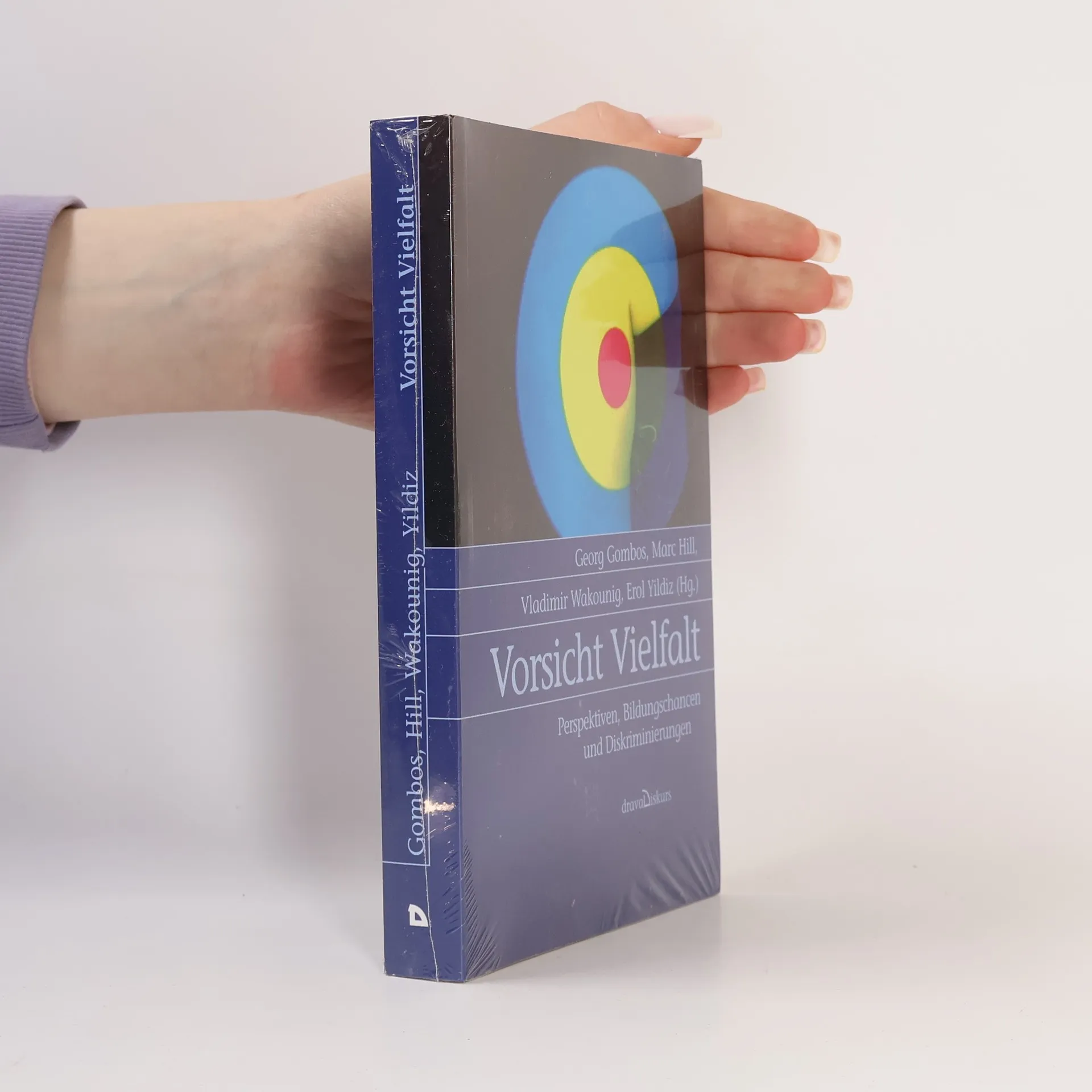
Migration wird als alltägliche Realität angesehen, die eine neue, postmigrantische Denkweise erfordert. Marc Hill hinterfragt traditionelle Sichtweisen und beleuchtet die Bedeutung von provokanten Aussagen wie „integriert Euch nicht“ und „Der Tschusch ist da“ als epistemologisches Potenzial. Durch künstlerische Ansätze bietet er ein erweitertes Verständnis von Migration, das das Differenzdenken herausfordert und einen globalen, urbanen und konvivialen Rahmen schafft. Die Verbindung von Migration und Bildung wird als Schlüssel zu einer zeitgemäßen Pädagogik hervorgehoben.
Neue Felder für die Soziale Arbeit
Solidarität ist in Bewegung geraten. Spätestens seit dem langen Sommer der Migration erleben wir, wie in regionalen und transnationalen Allianzen kreative Ideen für ein solidarisches Zusammenleben in der Weltgesellschaft entstehen - zugleich manifestiert sich eine Abschottungspolitik gegenüber geflüchteten Menschen. Der Band nimmt dieses Spannungsfeld zum Ausgangspunkt, um neue Felder solidarischen Handelns wie Seenotrettung, Klimaaktivismus oder solidarische Theaterformen für die Soziale Arbeit zu explorieren. Die Beiträge fragen vor diesem aktuellen Hintergrund ganz grundlegend nach dem verbindenden Potenzial von Solidarität jenseits eines dichotomen Denkens in ein 'wir' und 'die anderen'. Hierbei gehen die Autor*innen von der gemeinsamen Schnittmenge aus, dass Menschen, Lebewesen, Natur und Ökonomie auf der ganzen Welt miteinander in Beziehung sind. In Form von Aufsätzen und Essays gibt der Band einen All-Round-Einblick in ausgewählte Schreiblabore und Handlungspraxen von Wissenschaftler*innen, zivilgesellschaftlichen Protagonist*innen und Künstler*innen. Schrittweise bringen die Autor*innen den Diskurs um ein weltoffenes, nachhaltiges und geselliges Verständnis von Solidarität für soziale Handlungsfelder und die Soziale Arbeit in Bewegung. Quelle: Internet