


Le Dr. Stefan G. Hofmann se consacre à la recherche en psychothérapie et en émotions, avec un accent particulier sur les troubles anxieux. Son travail explore l'efficacité de traitements tels que la thérapie cognitivo-comportementale, en examinant les mécanismes de changement sous-jacents et en identifiant les composantes thérapeutiques actives. Hofmann s'efforce de faire le lien entre les découvertes des neurosciences fondamentales et les applications cliniques, en étudiant comment améliorer les thérapies et les rendre plus sensibles culturellement et accessibles. Ses recherches portent également sur la psychopathologie du trouble d'anxiété sociale et l'impact des stratégies de régulation émotionnelle.
Focusing on the innovative approach of process-based therapy (PBT), this workbook provides mental health professionals with a detailed framework for understanding its theoretical foundations. Renowned psychologists Steven C. Hayes and Stefan G. Hofmann present practical strategies and a step-by-step guide to help clinicians create personalized treatment plans that address their clients' specific needs, enhancing their therapeutic practice and effectiveness.
The book provides a comprehensive approach to managing anxiety through evidence-based strategies from cognitive behavioral therapy (CBT) and mindfulness. Written by psychologist Stefan Hofmann, it offers practical tools to help readers overcome worry and shift their focus towards living a fulfilling life. With its accessible format, the workbook aims to empower individuals to transform their relationship with anxiety and cultivate a more positive mindset.
Focusing on core competencies in cognitive behavioral therapy (CBT), this essential resource is edited by Steven C. Hayes and Stefan G. Hofmann. It aligns with new training standards from The Inter-Organizational Task Force on Cognitive and Behavioral Psychology Doctoral Education. The book integrates insights from the behavioral, cognitive, and acceptance and mindfulness approaches, featuring contributions from leading experts in the field, making it a pivotal guide for practitioners and students alike.
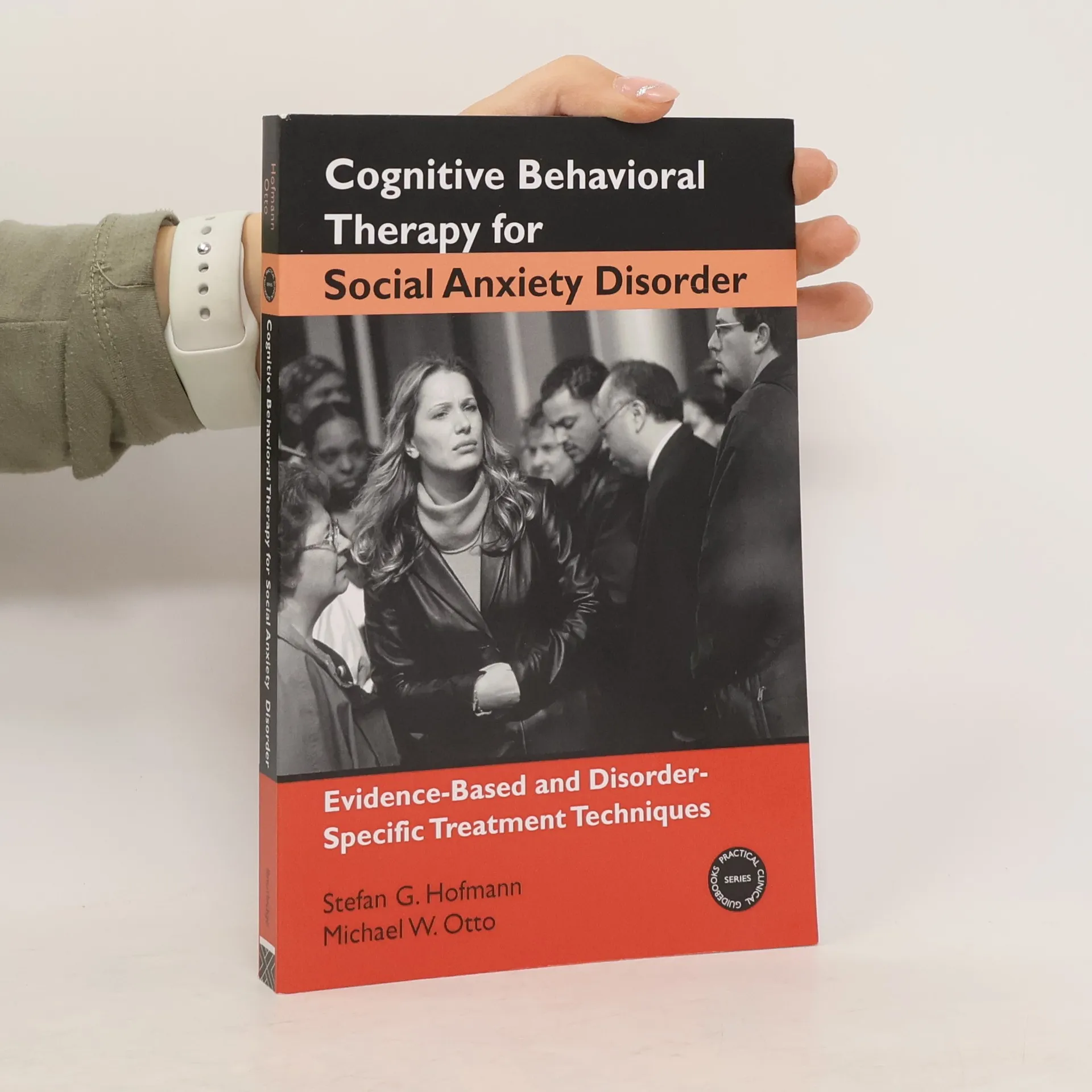
Social phobia, or social anxiety disorder, is among the most common (and debilitating) of the anxiety disorders, and at any given time it effects somewhere between 3 and 5% of the US population, with similar statistics found in countries around the world. Cognitive-Behavioral Therapy (CBT) has been demonstrated to be the most effective form of treatment for social phobia, but research has shown that conventional CBT principles and general interventions fall short of the mark. With this in mind, Hofmann and Otto have composed an organized treatment approach that includes specifically designed interventions to strengthen the relevant CBT strategies. This volume builds upon empirical research to address the psychopathology and heterogeneity of social phobia, creating a series of specific interventions with numerous case examples.
Terapie zdrowia psychicznego oparte na dowodach naukowych były dotychczas definiowane głównie przez naukowo potwierdzone protokoły skoncentrowane na zespołach objawów, co pomijało indywidualne procesy istotne dla skuteczności terapii. Obecnie uznani klinicyści i badacze proponują alternatywne podejście, które koncentruje się na podstawowych procesach psychologicznych odpowiedzialnych za powstawanie i utrzymywanie problemów klientów w kontekście ich życia. Książka przedstawia strategie wdrażania tego podejścia w praktyce klinicznej oraz szczegółowe wskazówki dotyczące opracowania efektywnego planu terapii. Specjaliści w zakresie zdrowia psychicznego dowiedzą się, jak wykorzystać podstawowe kompetencje terapii opartej na procesach, uwzględniając różne nurty podejścia poznawczo-behawioralnego oraz łącząc je z innymi modelami. Nauczą się identyfikować kluczowe procesy biopsychospołeczne, na które należy zwrócić uwagę w pracy z klientem, biorąc pod uwagę jego osobistą historię i nieadaptacyjne sposoby radzenia sobie. Poznają techniki tworzenia zindywidualizowanej terapii, co przyczyni się do zmniejszenia cierpienia oraz wprowadzenia trwałych zmian w życiu klientów. Książka dostarcza cennych strategii i narzędzi dla skutecznych psychoterapeutów.
Lęk to emocja, która działa jak alarm w naszym ciele, pomagając unikać niebezpieczeństw. Czasami jednak przejmuje kontrolę, zaburzając nasze funkcjonowanie i powodując nadmierny stres. Zamartwiamy się przyszłością lub rozpamiętujemy przeszłość, co prowadzi do unikania sytuacji wywołujących lęk. Choć przynosi to chwilową ulgę, w dłuższej perspektywie utrudnia osiąganie celów i wzmacnia obawy, które często są nierealistyczne. Mogą pojawić się także nieprzyjemne doznania fizyczne, takie jak ból głowy, nudności, problemy ze snem czy koncentracją. Lęk i zamartwianie się mogą przeszkadzać w odczuwaniu szczęścia. Poradnik ten oferuje naukowo potwierdzone strategie radzenia sobie z lękiem, oparte na terapii poznawczo-behawioralnej i technikach uważności. Dowiesz się, jak myśli, zachowania i doznania fizyczne tworzą błędne koło lęku. Znajdziesz skuteczne ćwiczenia, które pomogą ci skupić się na chwili obecnej oraz narzędzia do przezwyciężania unikania. Odkryjesz źródła swojego lęku i dostosowane do swoich potrzeb rozwiązania, co pozwoli ci zmienić sposób myślenia i w konsekwencji całe życie. Dzięki praktycznym ćwiczeniom nauczysz się stawiać czoła lękowym sytuacjom, zmieniać negatywne wzorce myślenia oraz realizować to, co jest dla ciebie ważne, mimo obaw.
Einfache Strategien, um wieder gern unter Menschen zu sein
Reden halten, Smalltalk auf Partys oder von Fremden nach dem Weg gefragt werden – in diesen Situationen fühlen sich viele Menschen sehr unwohl. Soziale Ängste betreffen 13 Prozent der Menschen in Deutschland und können ihre berufliche Entwicklung, ihre Beziehungen und ihr Selbstvertrauen erheblich beeinträchtigen. Doch das muss nicht so bleiben. In diesem Ratgeber versammelt der international renommierte Experte für soziale Ängste Stefan G. Hofmann die wichtigsten Strategien, um sie zu überwinden. Anschaulich erklärt der Psychologieprofessor Betroffenen, wie ihre sozialen Ängste funktionieren. Schritt für Schritt führt er durch seine Übungen und zeigt, wie Denkfehler behoben werden können und so das Selbstvertrauen wächst. Hofmanns Strategien, Übungen und Tipps helfen, wieder gerne vor die Tür zu gehen und sich im nächsten Teammeeting selbstbewusst zu Wort zu melden.