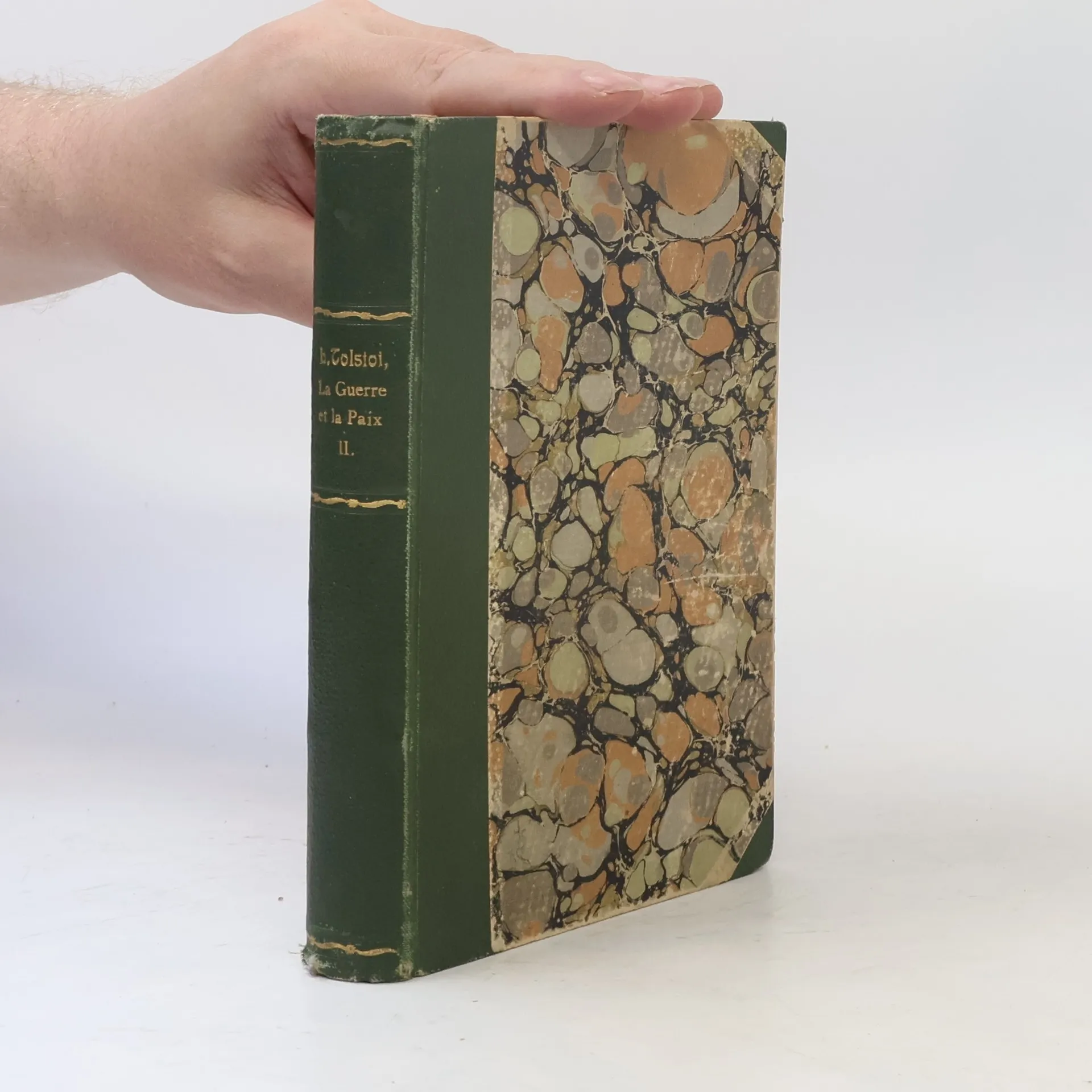
1805 à Moscou, en ces temps de paix fragile, les Bolkonsky, les Rostov et les Bézoukhov constituent les personnages principaux d'une chronique familiale. Une fresque sociale où l'aristocratie, de Moscou à Saint-Pétersbourg, entre grandeur et misérabilisme, se prend au jeu de l'ambition sociale, des mesquineries, des premiers émois. 1812, la guerre éclate et peu à peu les personnages imaginaires évoluent au sein même des événements historiques. Le conte social, dépassant les ressorts de l'intrigue psychologique, prend une dimension d'épopée historique et se change en récit d'une époque. La "Guerre" selon Tolstoï, c'est celle menée contre Napoléon par l'armée d'Alexandre, c'est la bataille d'Austerlitz, l'invasion de la Russie, l'incendie de Moscou, puis la retraite des armées napoléoniennes. Entre les deux romans de sa fresque, le portrait d'une classe sociale et le récit historique, Tolstoï tend une passerelle, livrant une réflexion philosophique sur le décalage de la volonté humaine aliénée à l'inéluctable marche de l'Histoire ou lorsque le destin façonne les hommes malgré eux. --Lénaïc Gravis et Jocelyn Blériot
Bohumil Mužík Livres


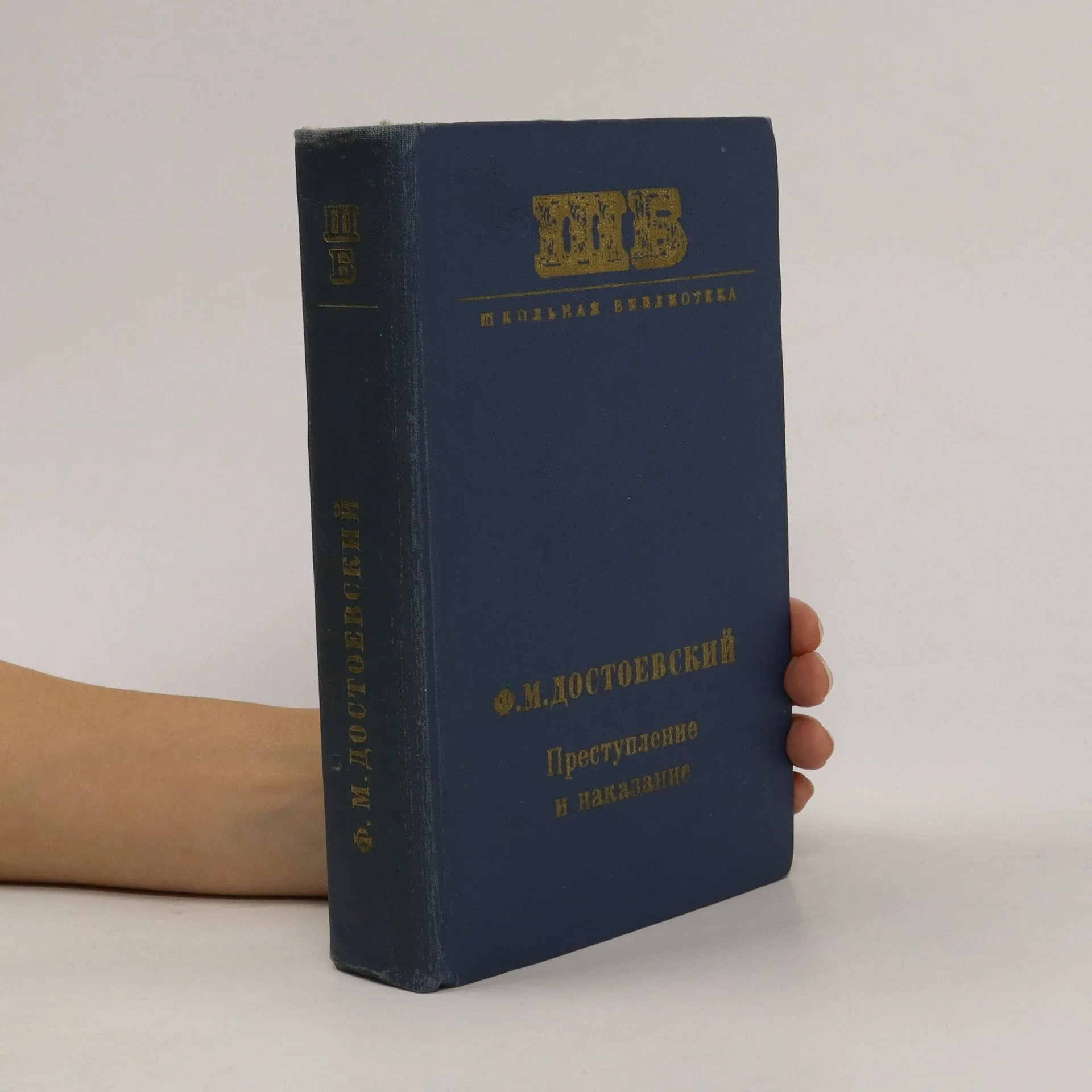
Fassung in russischer Sprache! Schuld und Sühne ist der 1866 erschienene erste große Roman von Fjodor Dostojewski. Der Roman wurde, während Dostojewski laufend weitere Kapitel schrieb, als Feuilletonroman in 12 Fortsetzungen in der Monatszeitschrift Russki Westnik veröffentlicht, beginnend Ende Januar 1866 und endend im Dezember 1866.
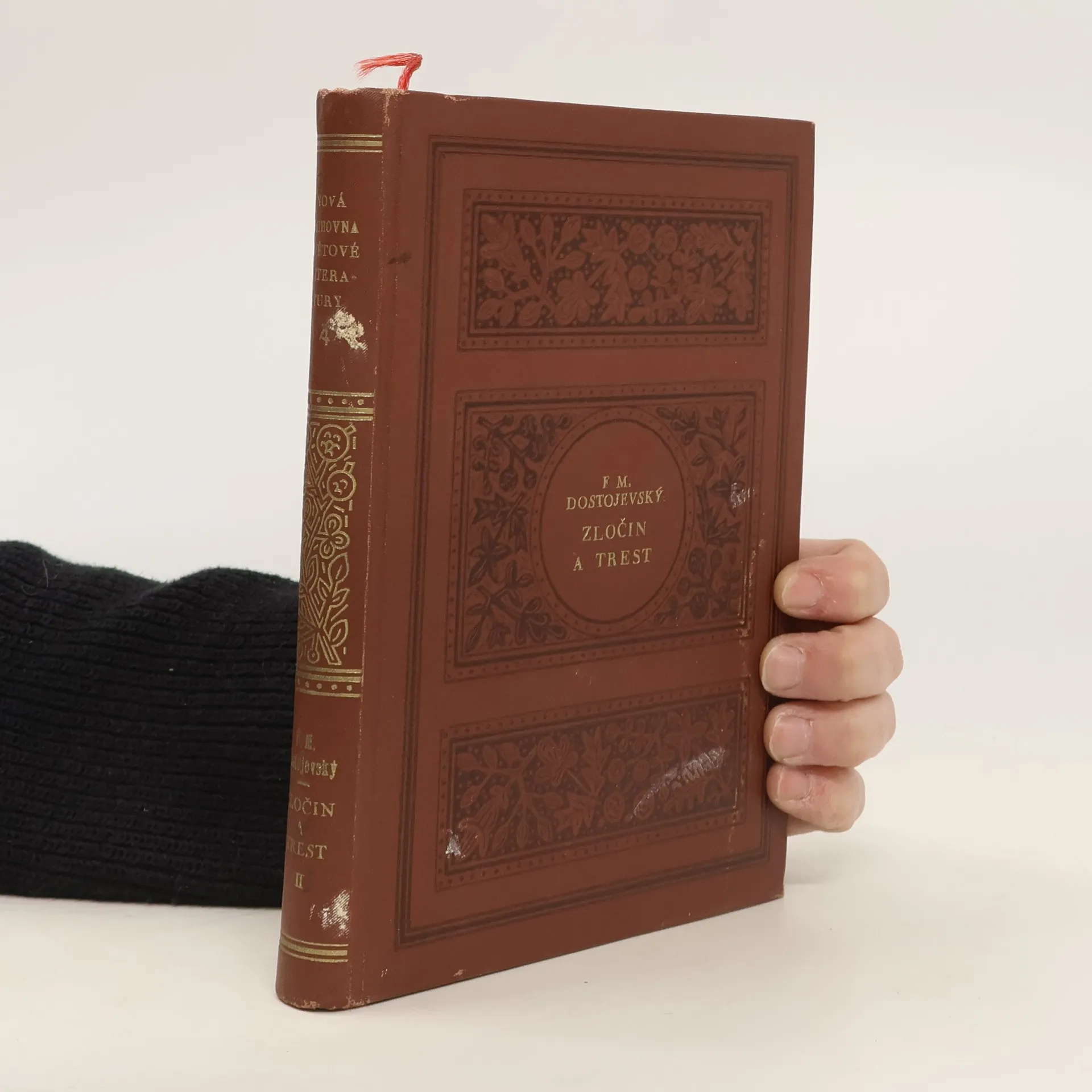
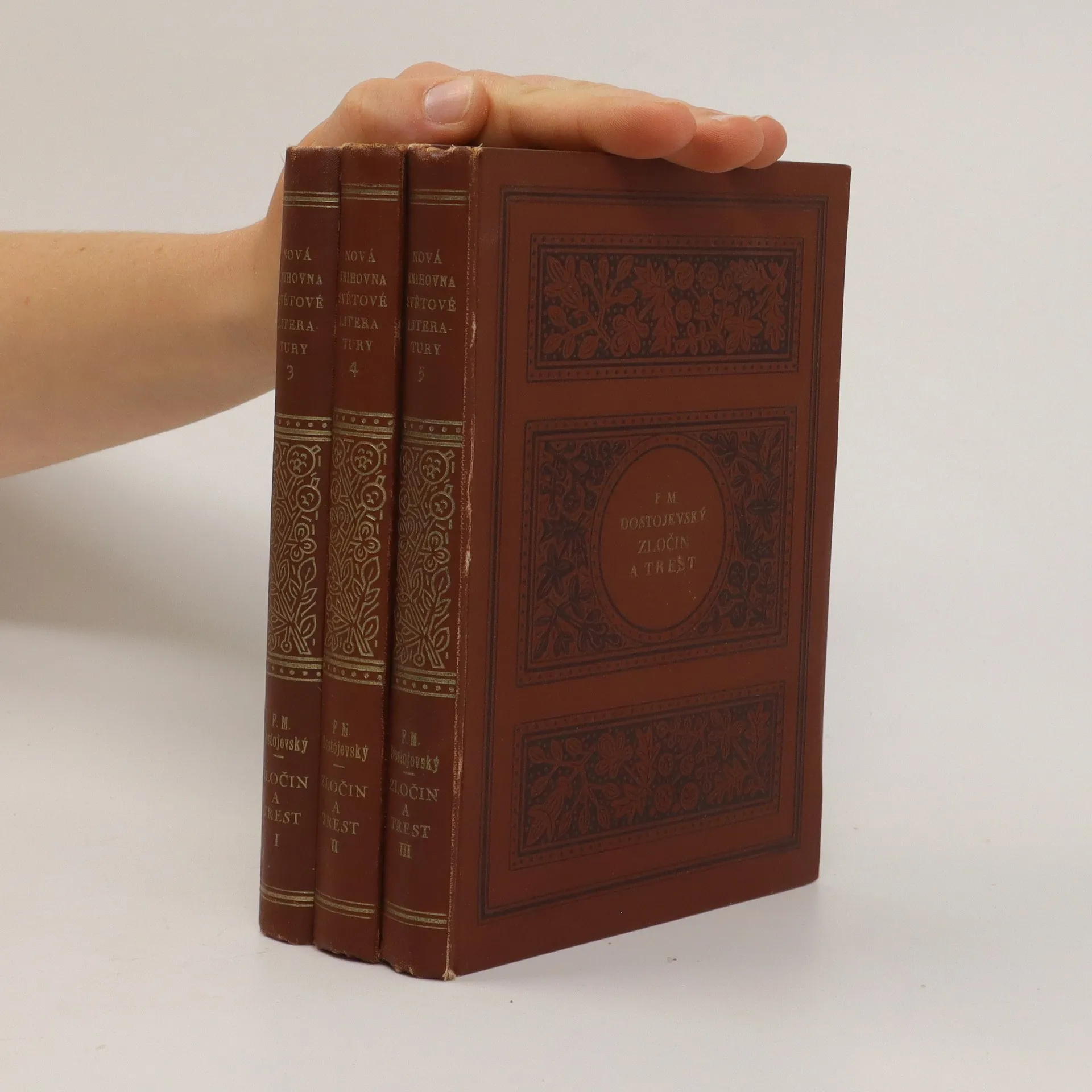
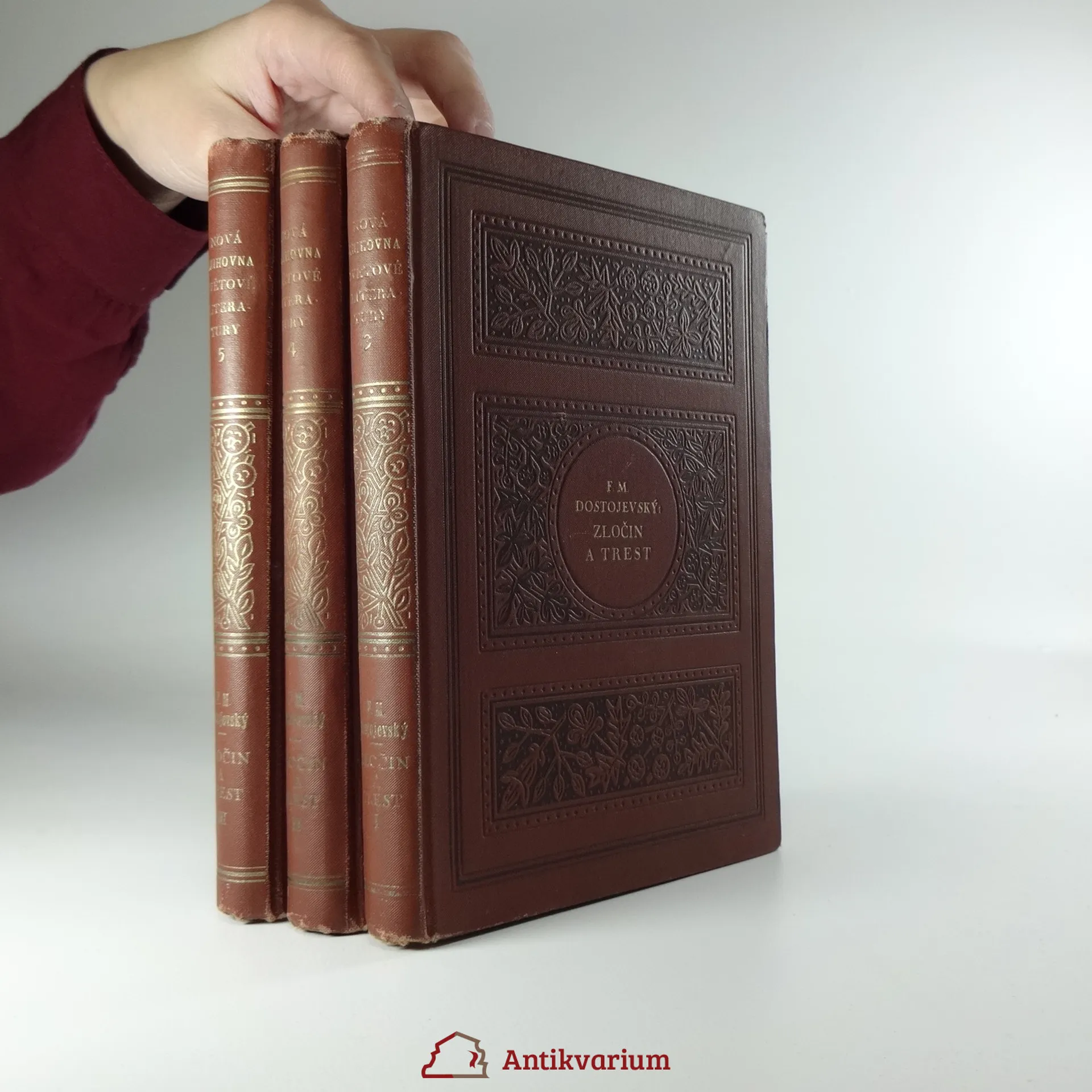
Dvousvazkové vydání. Děj se odehrává v Petrohradě ve druhé polovině 19. století. Hlavní hrdina student Rodion Romanovič Raskolnikov je velmi chudý a právě z nedostatku peněz je nucen odejít ze studií. Rodion žije v zatuchlém pronajatém pokoji, nemá peníze, hladoví, ale přesto nemá zájem si najít nějakou poctivou práci. Jako jediné mu stále ještě zbyl přítel Razumichin, se kterým kdysi studoval na univerzitě. Aby dokončil školu, chce se jeho sestra provdat za bezcharakterního boháče Lužina. Rodion je zásadně proti a sestře sňatek rozmluví. Rodinu napadají hrůzné myšlenky jak lehce přijít k penězům.
Like Death
- 218pages
- 8 heures de lecture
A devastating novel about the treachery of love by Maupassant, now in a new translation by National Book Award and Pulitzer Prize winning poet and translator Richard Howard Olivier Bertin is at the height of his career as a painter. After making his name as a young man with his Cleopatra, he has gone on to establish himself as “the chosen painter of Parisiennes, the most adroit and ingenious artist to reveal their grace, their figures, and their souls.” And though his hair may be white, he remains a handsome, vigorous, and engaging bachelor, a prized guest at every table and salon. Olivier’s lover is Anne, the Countess de Guilleroy, the wife of a busy politician. Their relationship is long-standing, close, almost conjugal. The countess’s daughter is Annette, and she is the spitting image of her mother in her lovely youth. Having finished her schooling, Annette is returning to Paris. Her parents have put together an excellent match. Everything is as it should be—until the painter and countess are each seized by an agonizing suspicion, like death. . . . In its devastating depiction of the treacherous nature of love, Like Death is more than the equal of Swann’s Way. Richard Howard’s new translation brings out all the penetration and poetry of this masterpiece of nineteenth-century fiction.
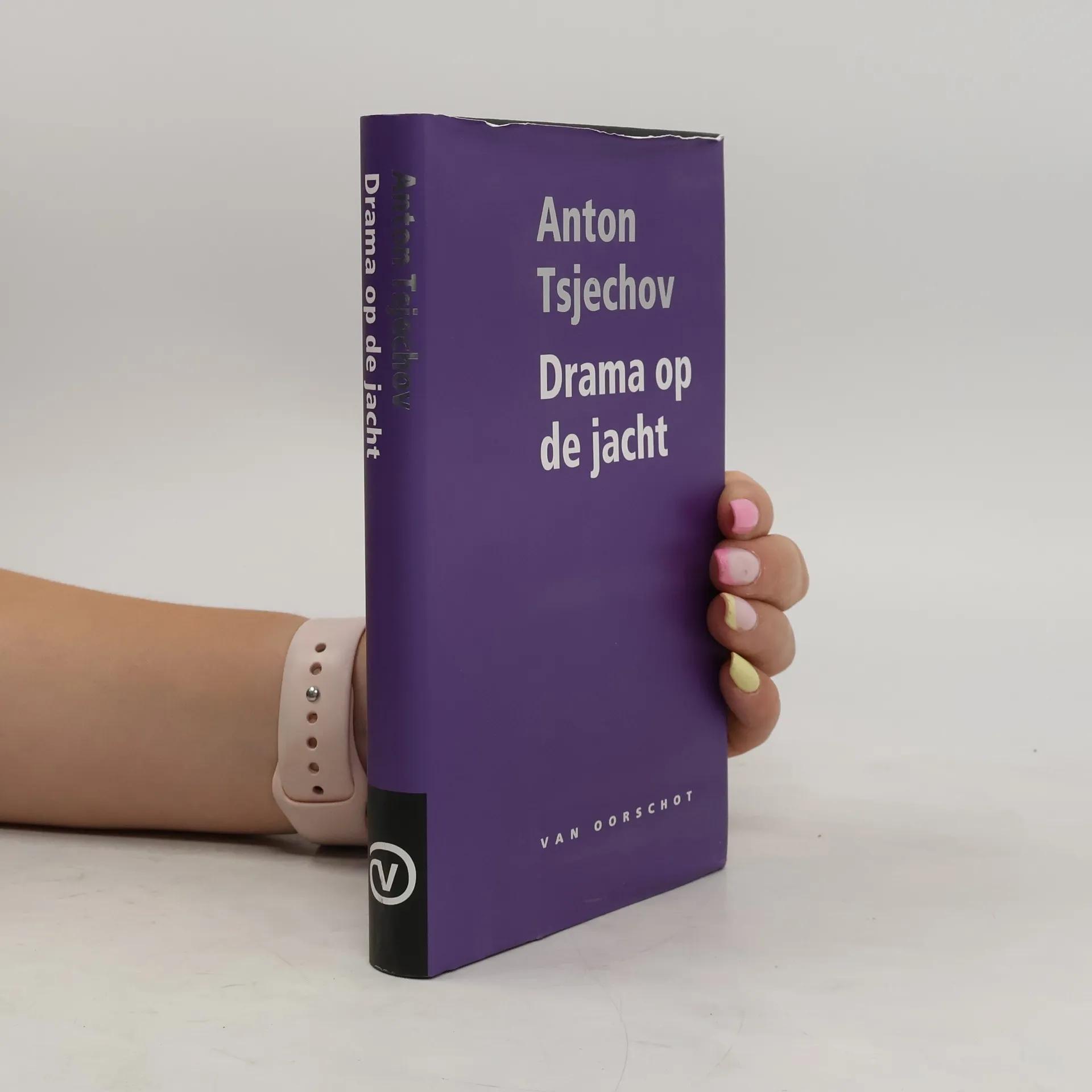
Drama op de jacht - druk 1
- 180pages
- 7 heures de lecture
Voor wie wat huiverig is om direct aan zijn verzamelde werken te beginnen, biedt de onvervalste 'whodunnit' Drama op de jacht , die Anton P. Tsjechov (1860-1904) op zijn 24ste schreef, een onbekommerde kennismaking met zijn werk. In Anne Stoffels prachtige vertaling (uit onze vermaarde Russische Bibliotheek) treden onder meer op: een verteller, een politieman, een ontaarde graaf die zijn geld erdoor jaagt en drinkt, een beeldschoon meisje, wonend in het bos van de graaf, met haar vader die houtvester is en krankzinnig, en een uiterst onsympathieke Pool die de graaf grote bedragen afhandig maakt. Door de kracht waarmee Tsjechov hartstocht, dronkenschap, beestachtigheid en valsheid op papier zet, en door de verrassende ontknoping, mag Drama op de jacht uniek heten in de detectiveliteratuur.
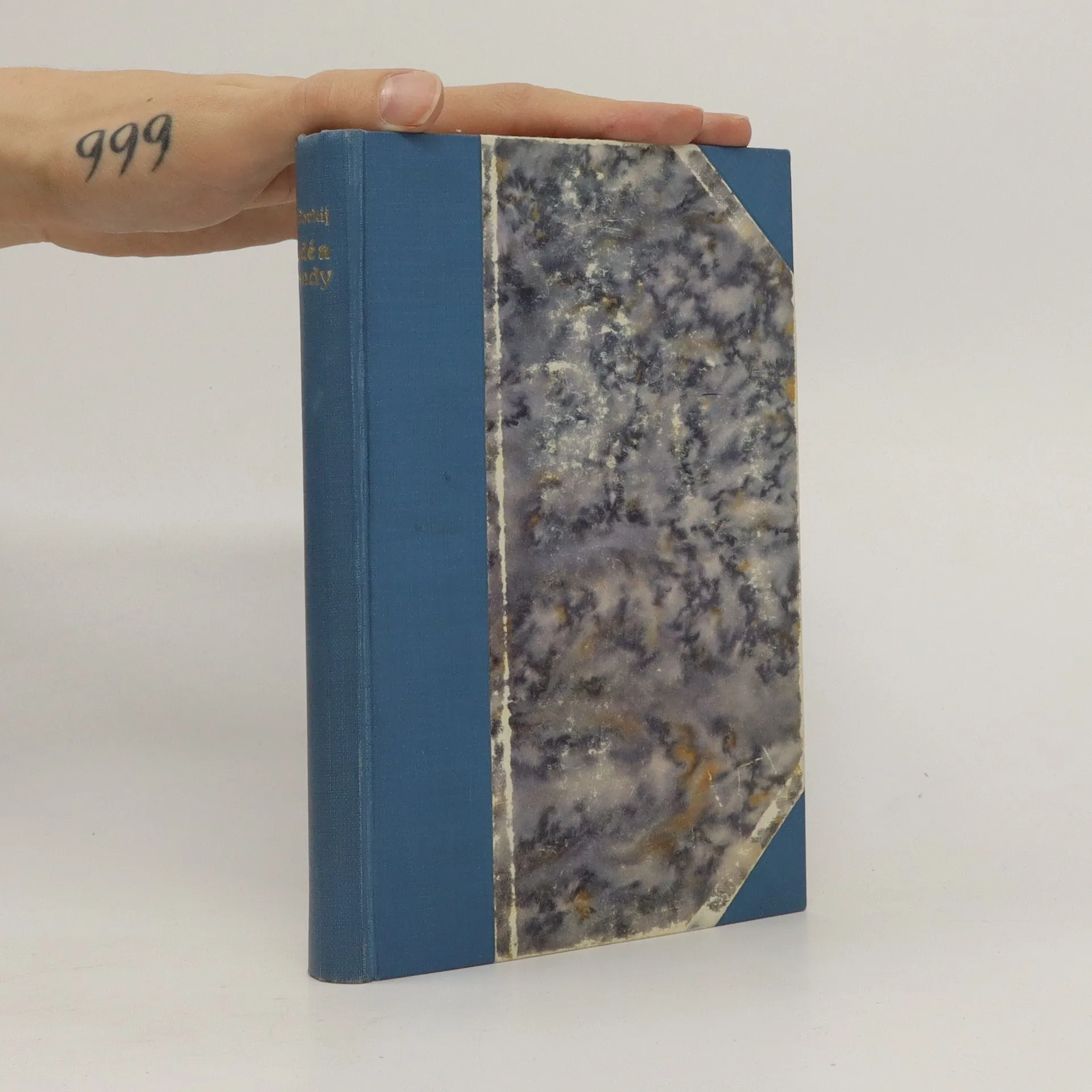
Druhá kniha řady Nové ruské knihovny. OSUDY a postavy z míru, války a revoluce, charakterisované tak životně, že se na nás Rusko z této knihy dívá jako z tisíce velkých očí. V těchto vzpomínkách, v nichž se umění Gorkého obrozuje a pročisťuje až k průzračné jasnosti, jest plno sympatie i humoru, kteréžto dvě vlastnosti vyznačují nejzralejší období tvorby u každého autora.
Pátá a šestá část třísvazkového románu. Závěr románu, Raskolnikov se přiznává ke zločinu, přijímá trest, jeho milá s ním sdílí jeho osud, a dochází ke katarzi.
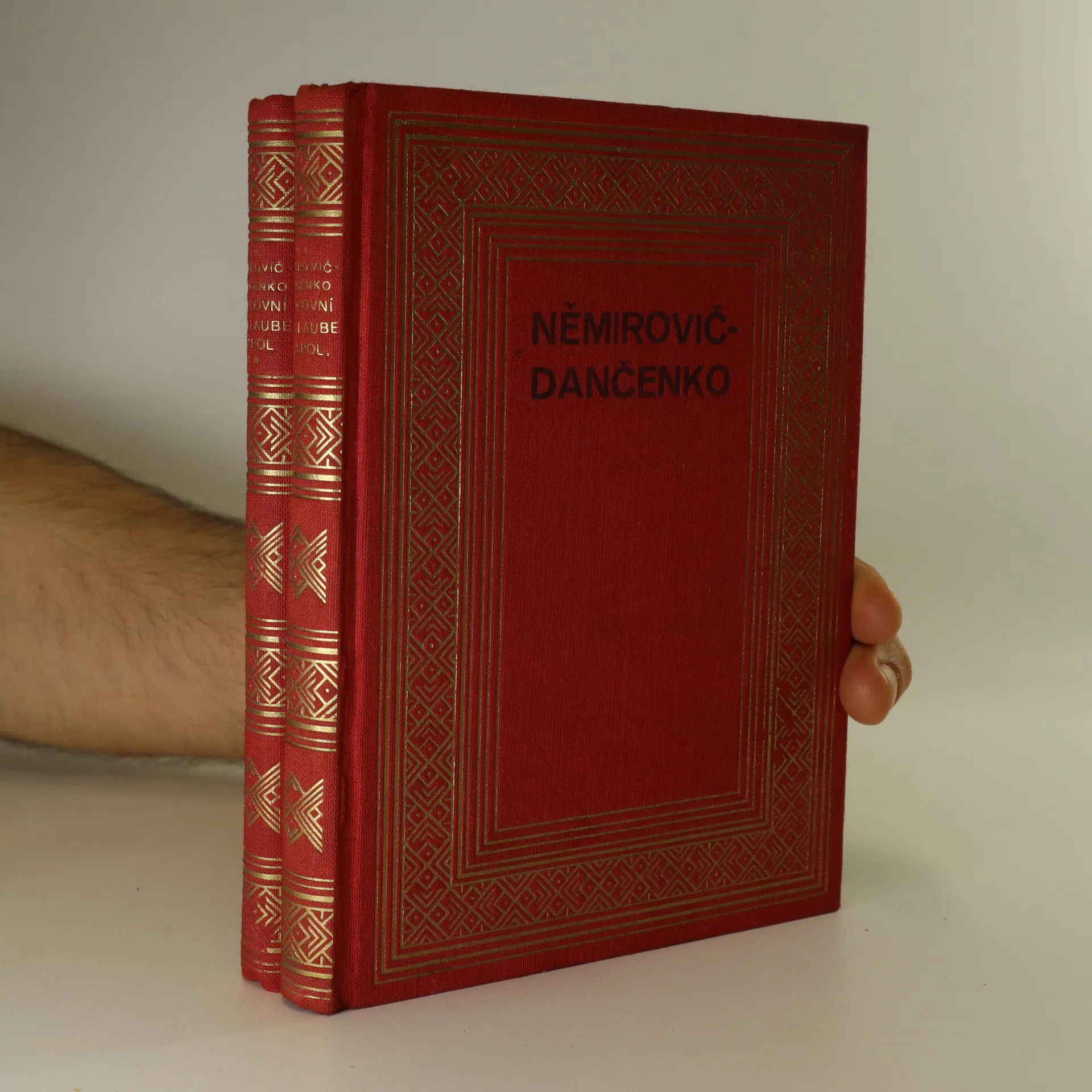
Bankovní dům Laube a spol.
- 2volumes