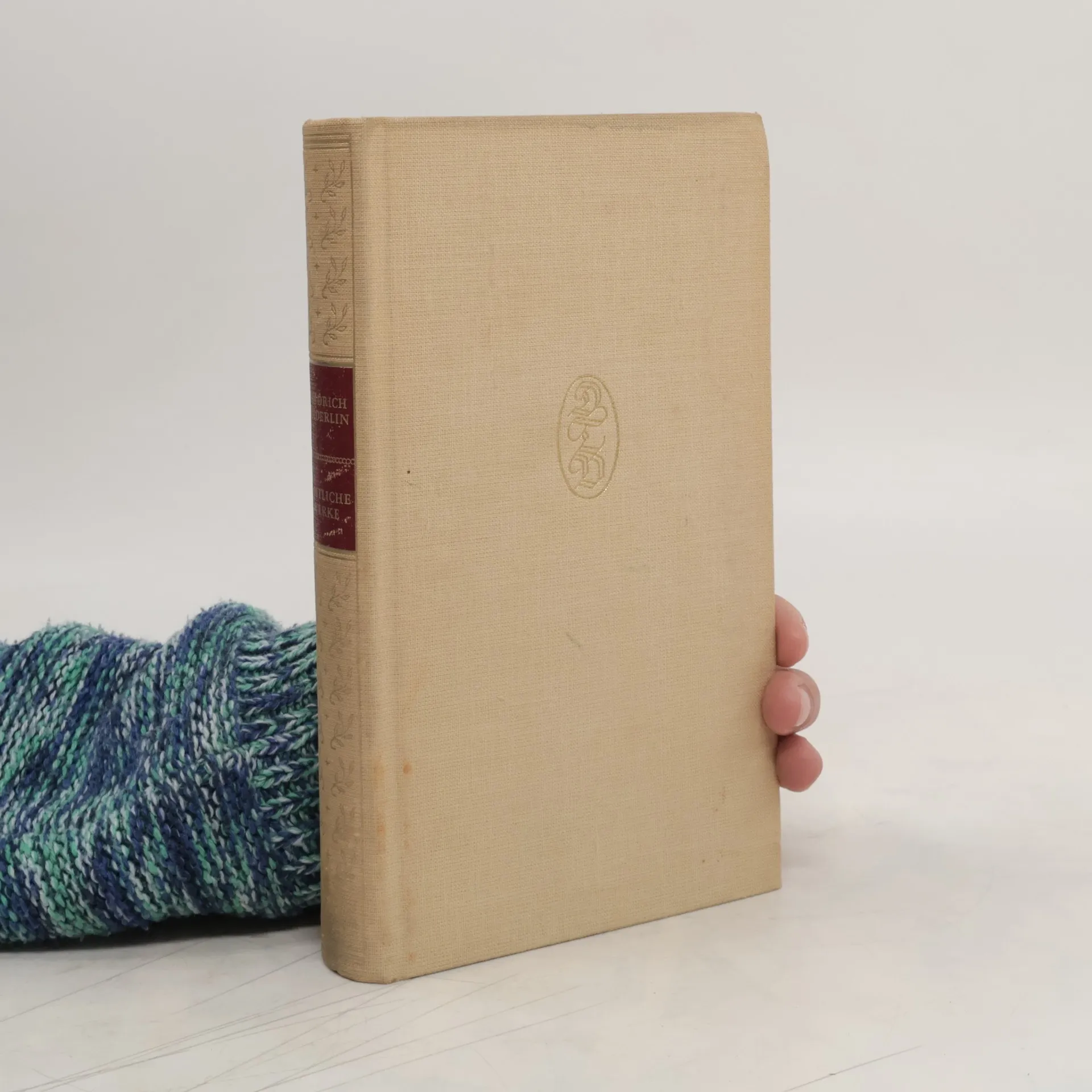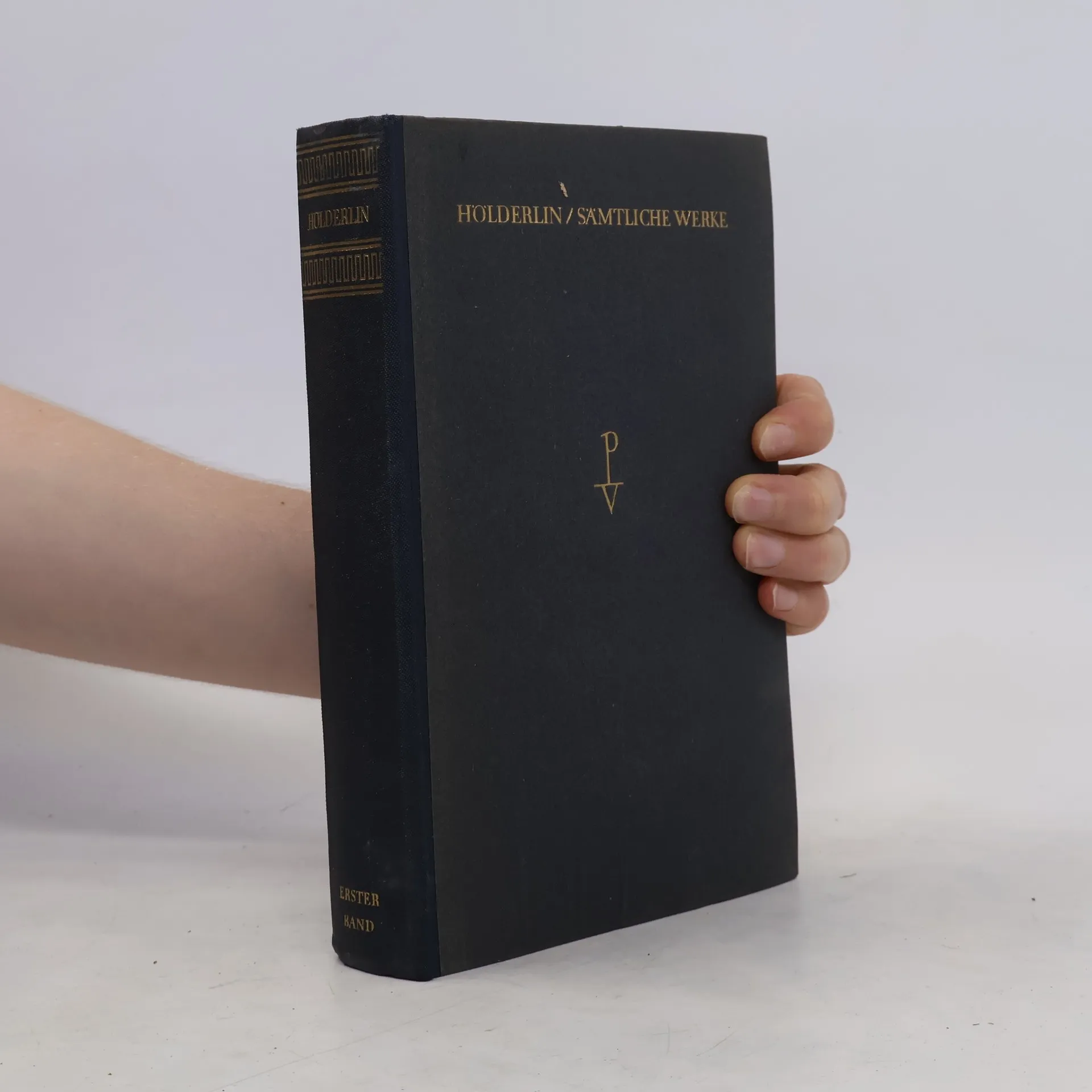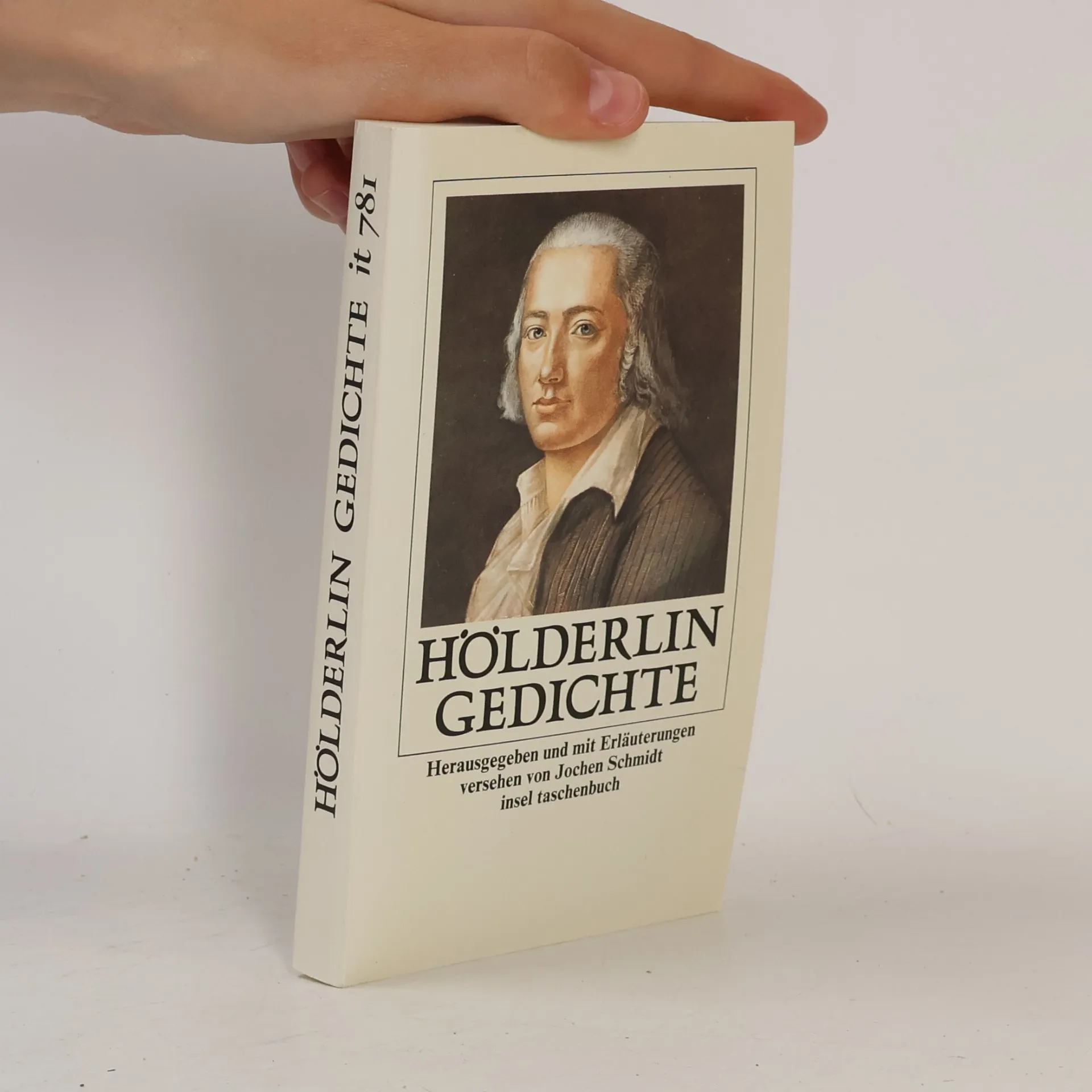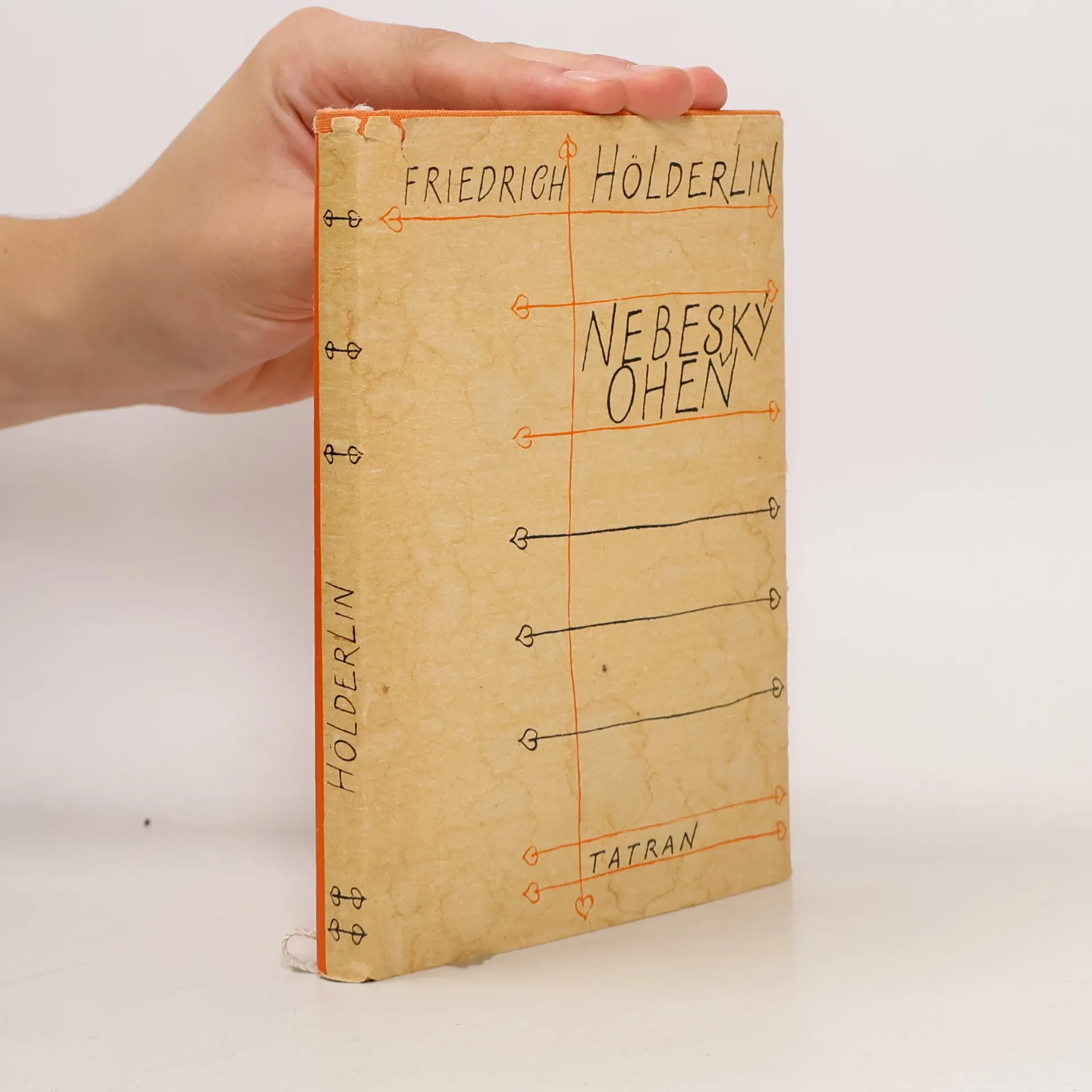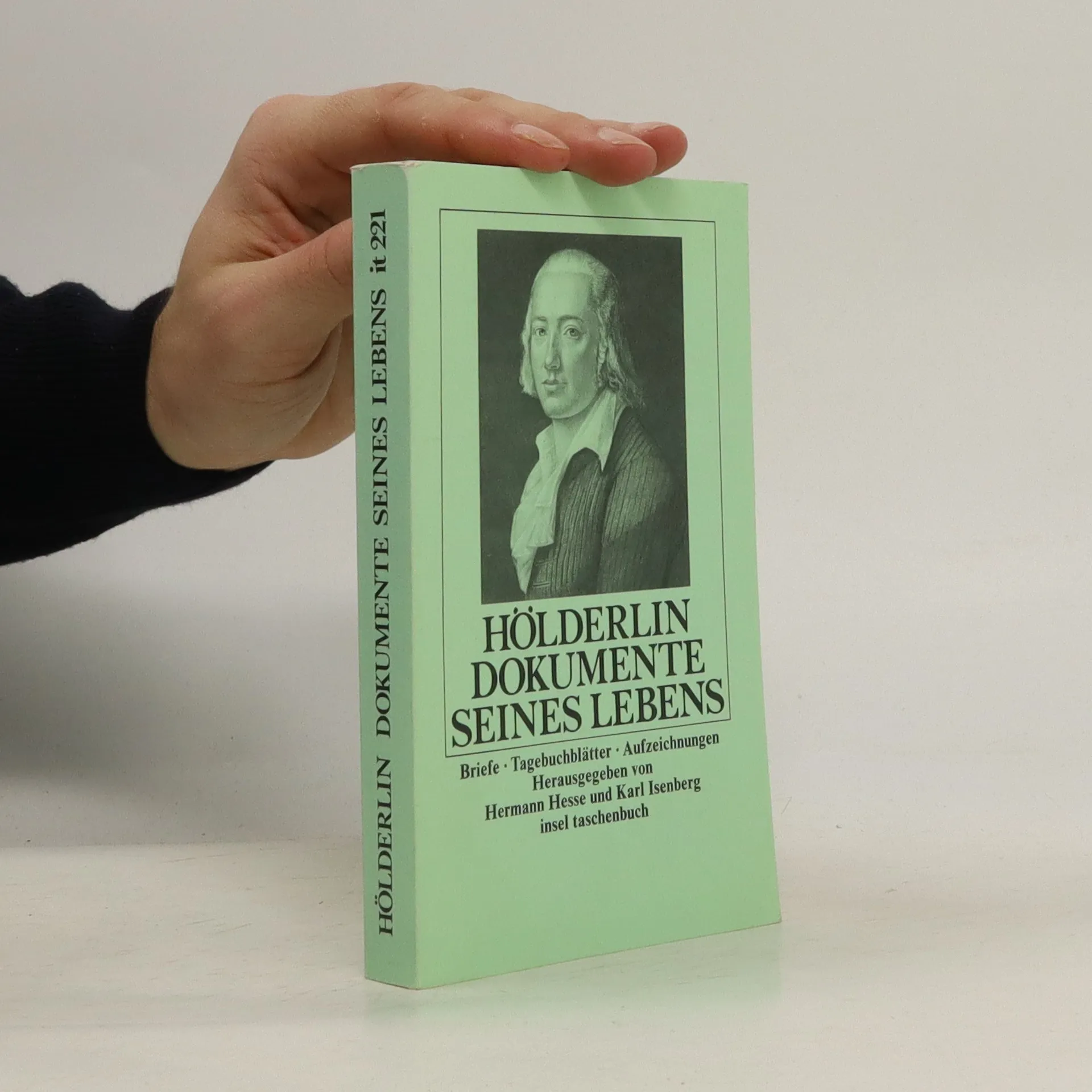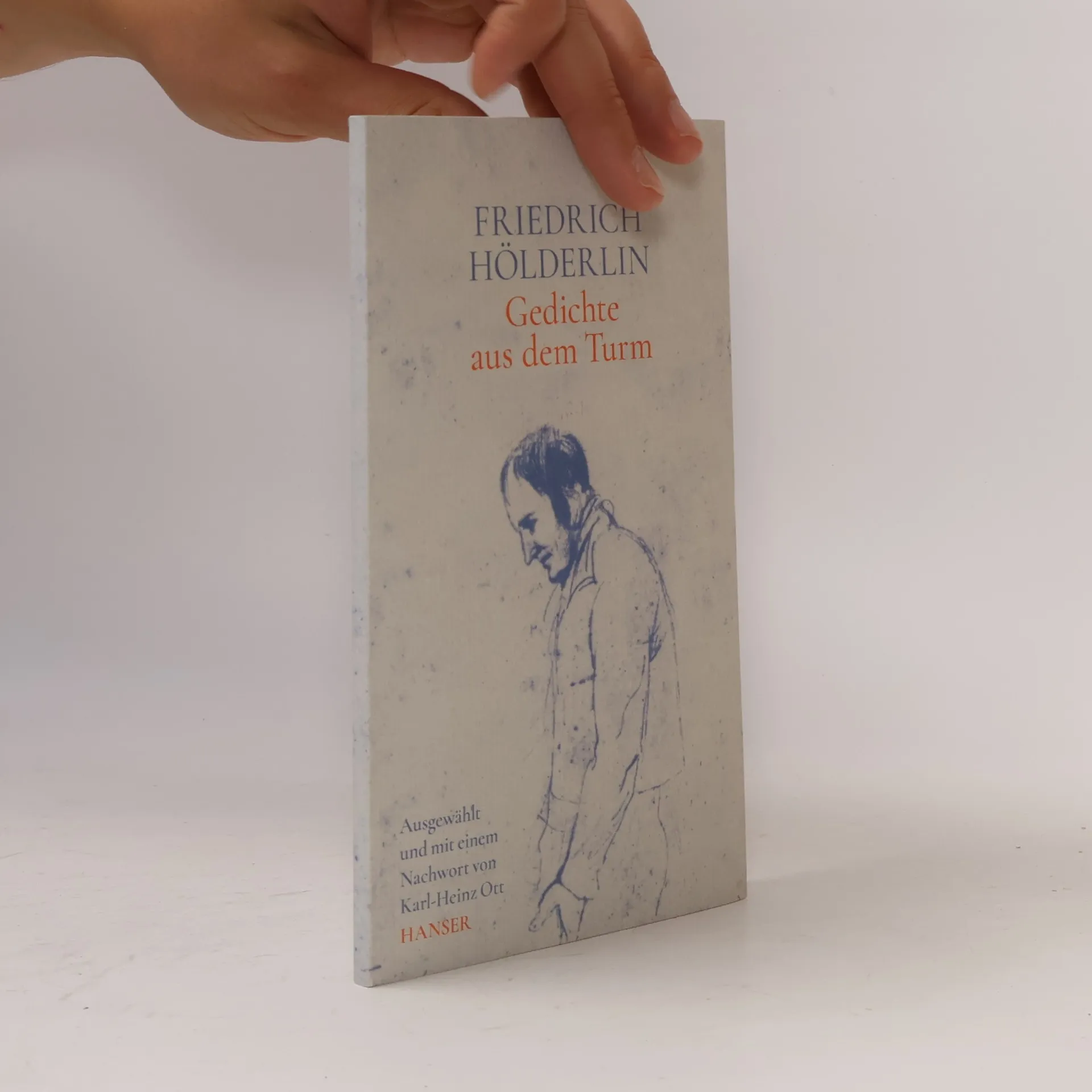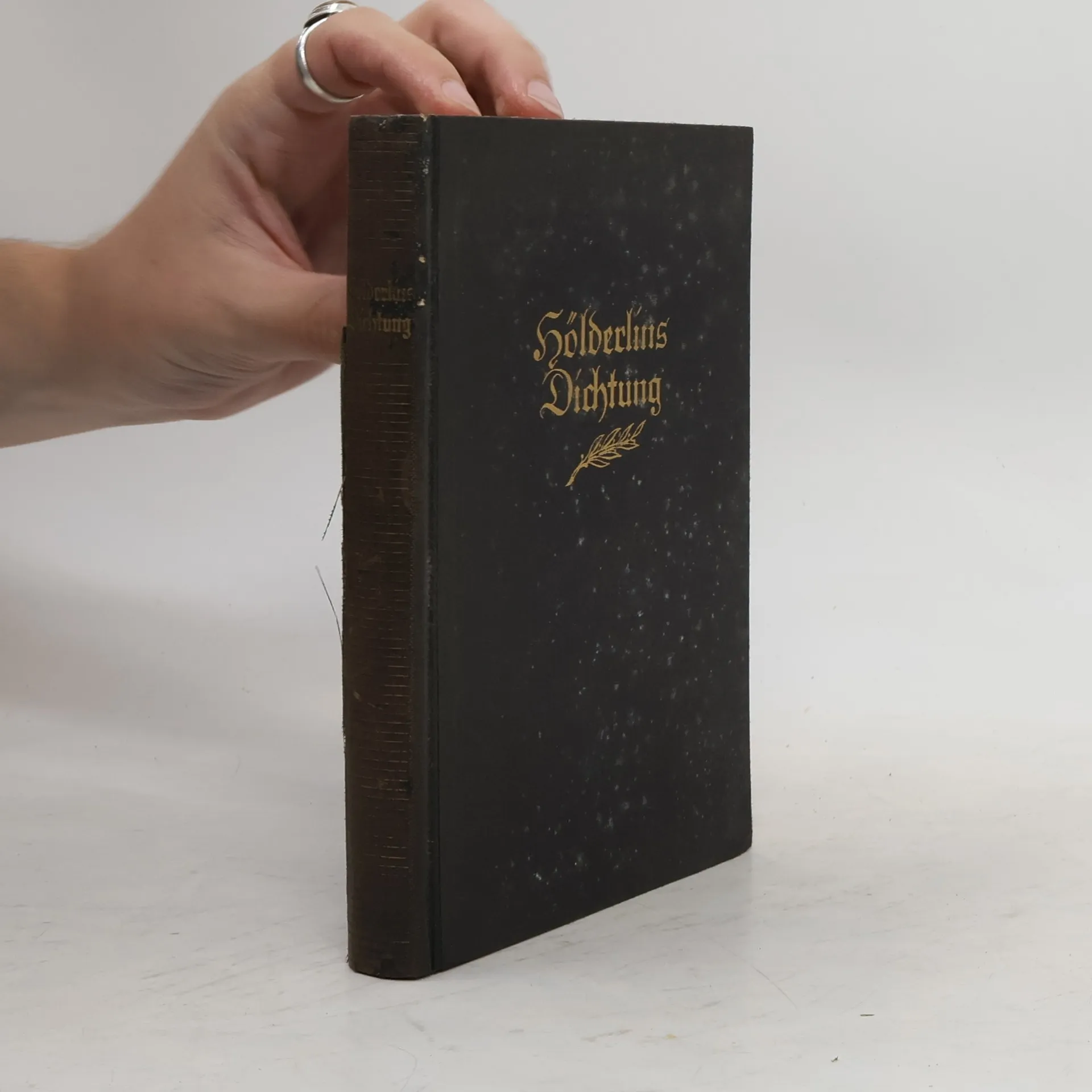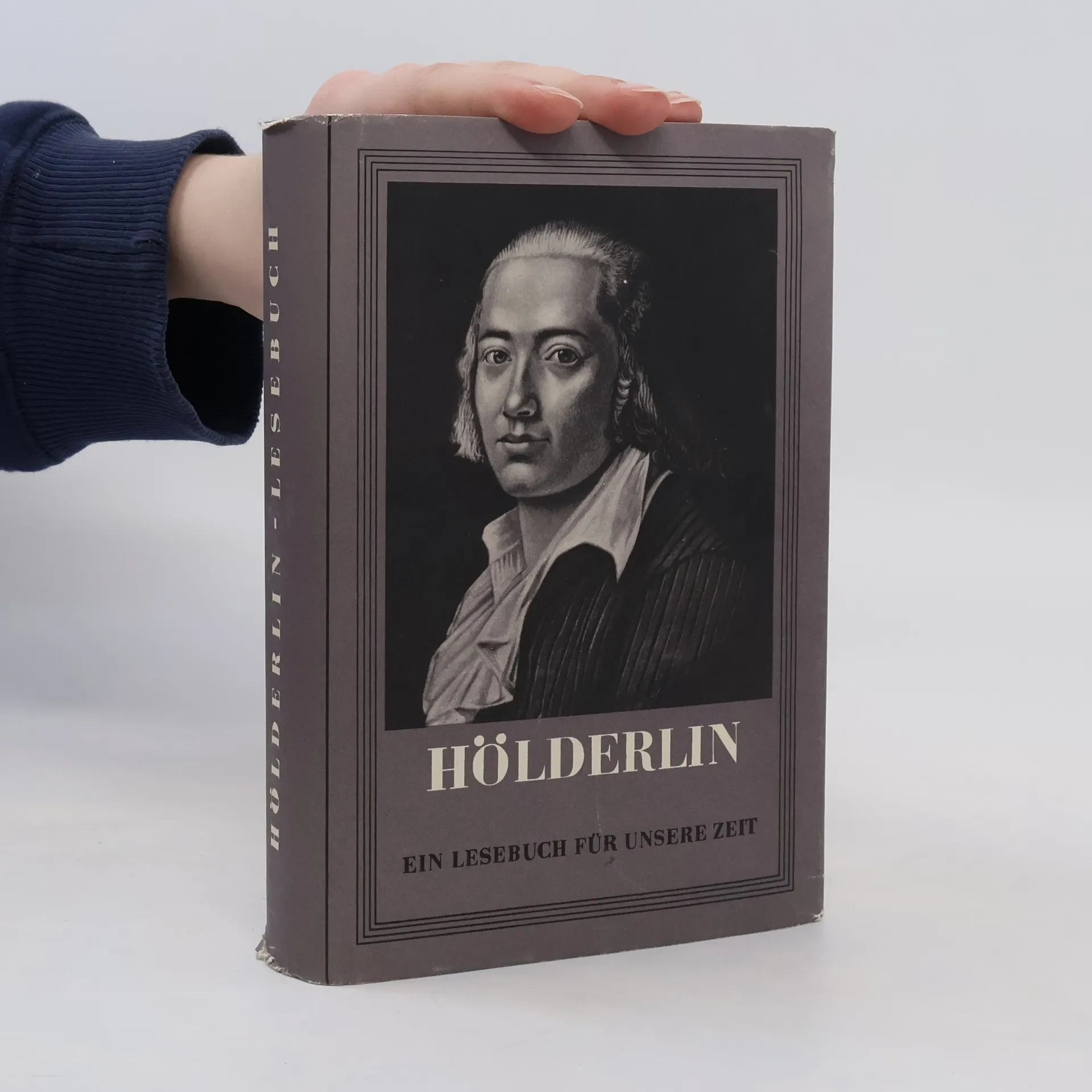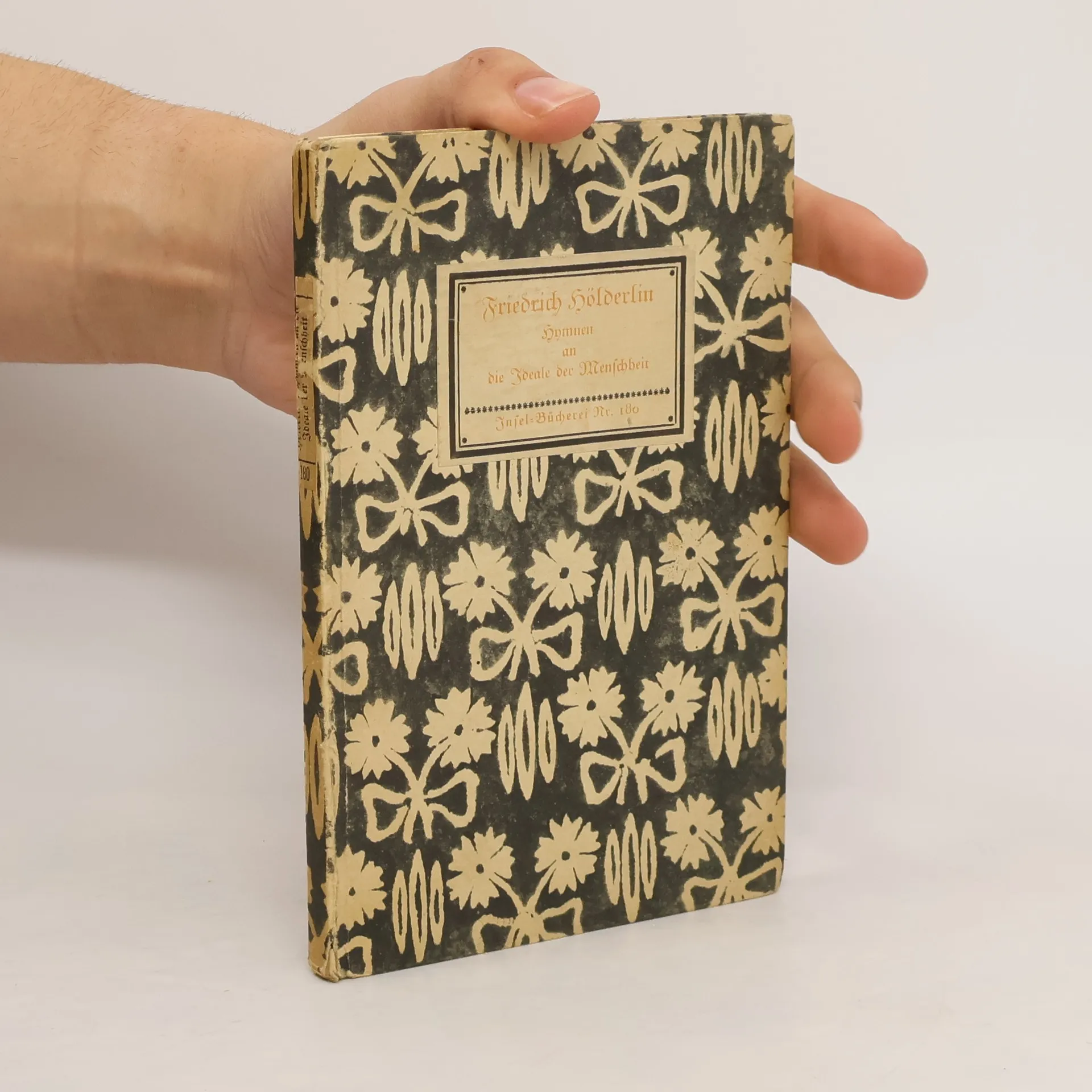

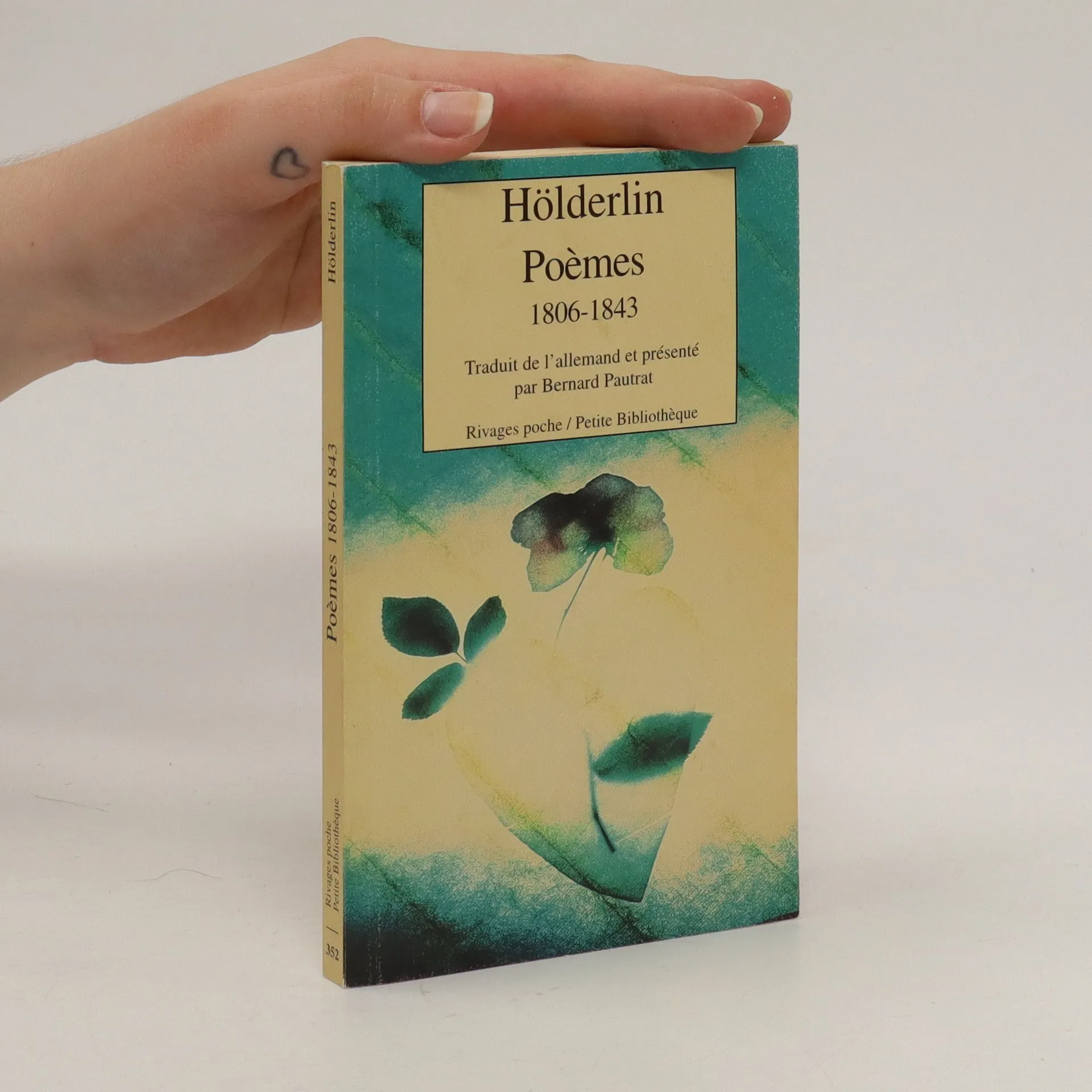
La vie de Hölderlin (1770-1843) nous apparaît comme coupée en deux. Ses trente-six premières années lui firent don des grandes œuvres, roman et poèmes, qui attestent son génie et ont fait sa gloire : il y invente en effet un singulier lyrisme dont l'écho n'a cessé, jusqu'à nous, de se faire entendre comme un son absolument neuf. Mais s'ensuivirent encore trente-six autres années, que le poète passa dans une tour, chez un menuisier qui le recueillit lorsque le monde se fut accordé à dire qu'il avait perdu la raison. De cette seconde moitié de sa vie, nous restent une cinquantaine de poèmes, dont on trouvera ici un essai de traduction. Ces poèmes dits " de la folie ", que Hölderlin confia à ceux qui vinrent le voir comme une attraction ou un modèle, témoignent d'un non moins singulier tournant dans son existence et son œuvre : pendant trente-six ans, il n'aura plus fait que regarder autour de lui, bornant son travail à rendre, poétiquement, le passage du temps sur ce paysage. De cette simplicité ressassée, où il s'applique à effectuer en lui la réconciliation de la Nature et de l'Esprit, s'élève pour nous, très étrange, une autre beauté.
Friedrich Hölderlin Livres
Johann Christian Friedrich Hölderlin fut un poète lyrique allemand majeur, couramment associé au mouvement artistique connu sous le nom de Romantisme. Hölderlin fut également un penseur important dans le développement de l'Idéalisme allemand, particulièrement pour son association précoce et son influence philosophique sur ses colocataires de séminaire et compatriotes souabes, Georg Wilhelm Friedrich Hegel et Friedrich Wilhelm Joseph Schelling.


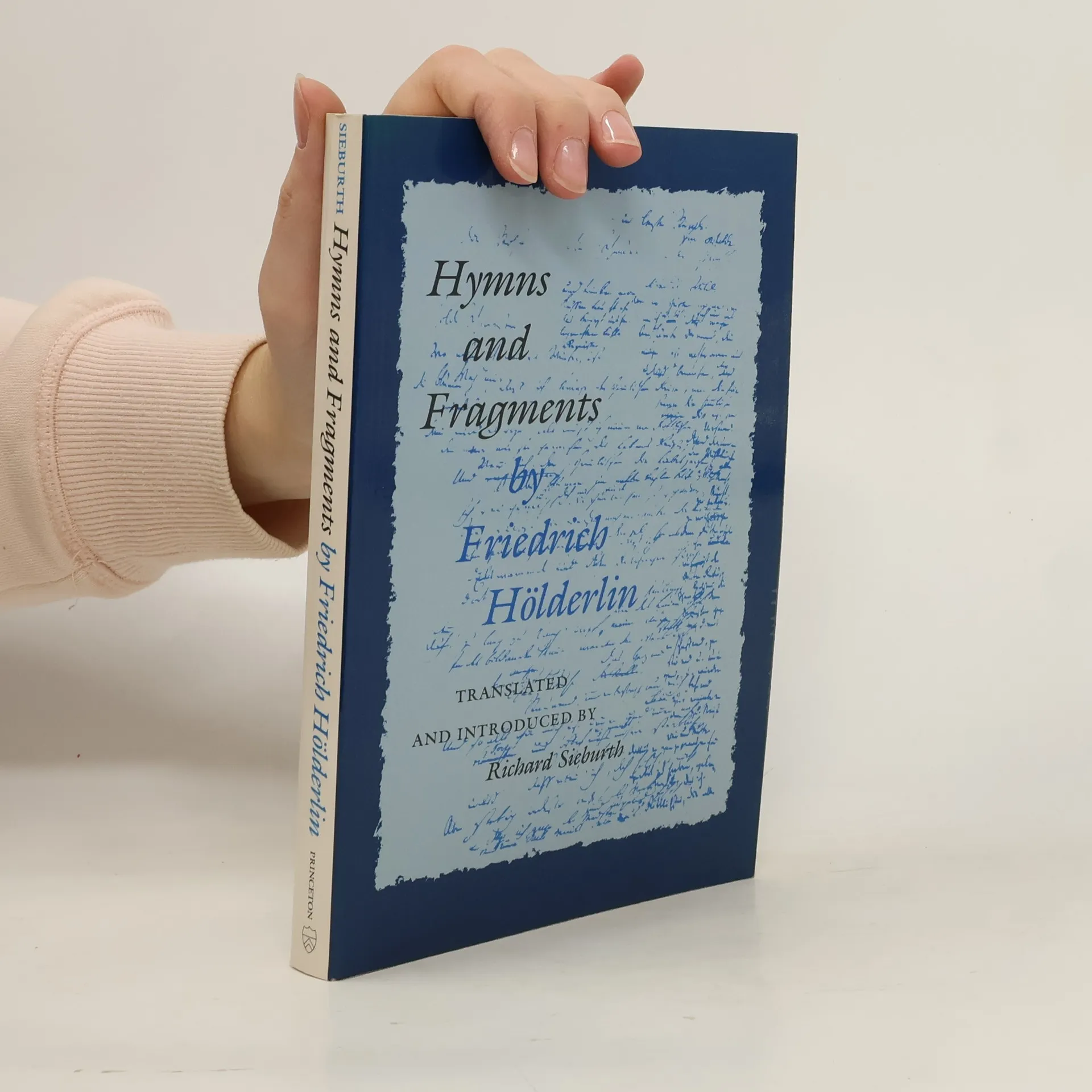
The description for "Hymns and Fragments" is not yet available.
Odes and Elegies
- 260pages
- 10 heures de lecture
The book features impactful translations of works by a pivotal modern poet, showcasing their innovative style and profound themes. It captures the essence of the poet's voice, allowing readers to appreciate the depth and complexity of their language. The translations aim to convey the emotional resonance and cultural significance of the original texts, making them accessible to a wider audience. This collection serves as both an introduction to the poet's work and a celebration of their lasting influence on contemporary literature.
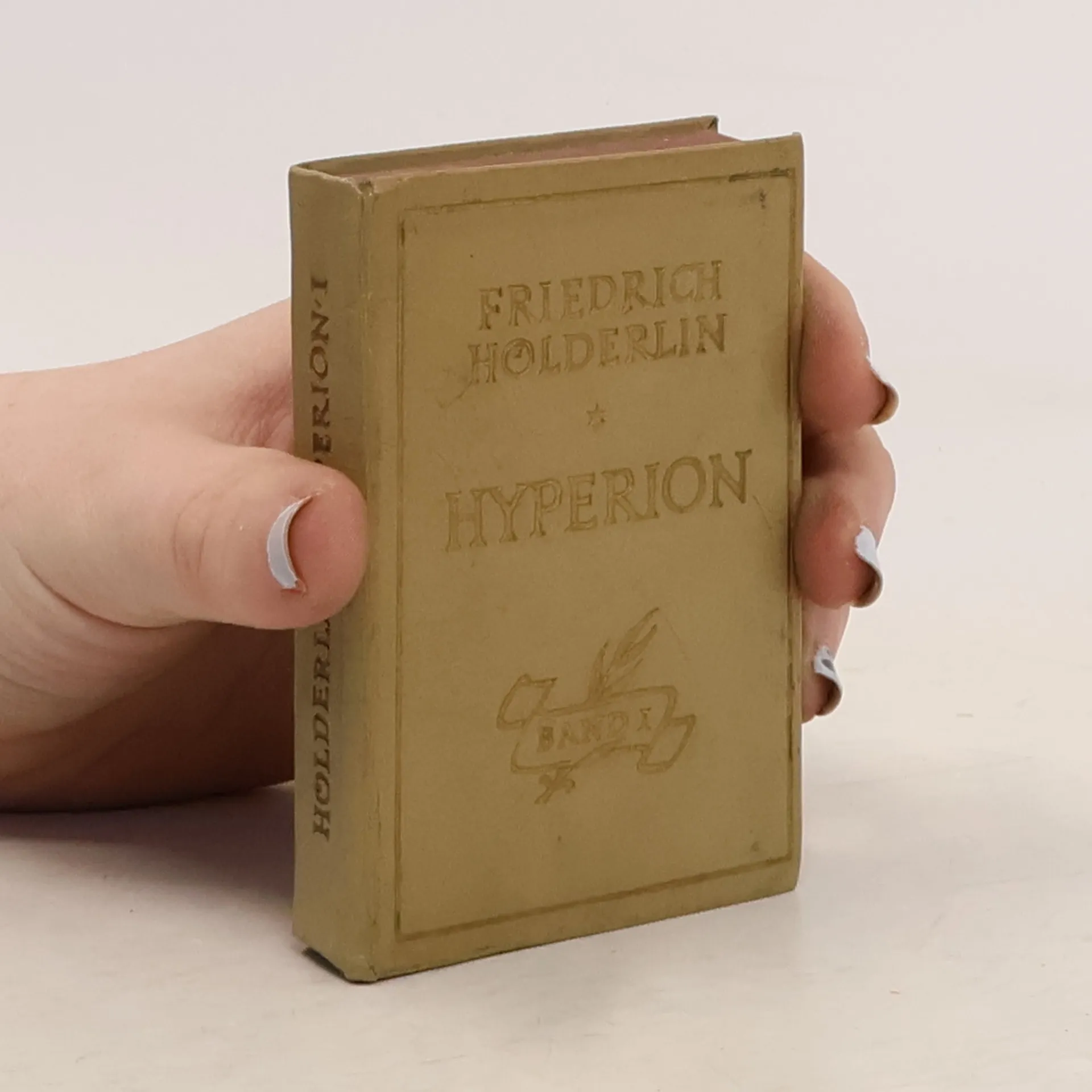
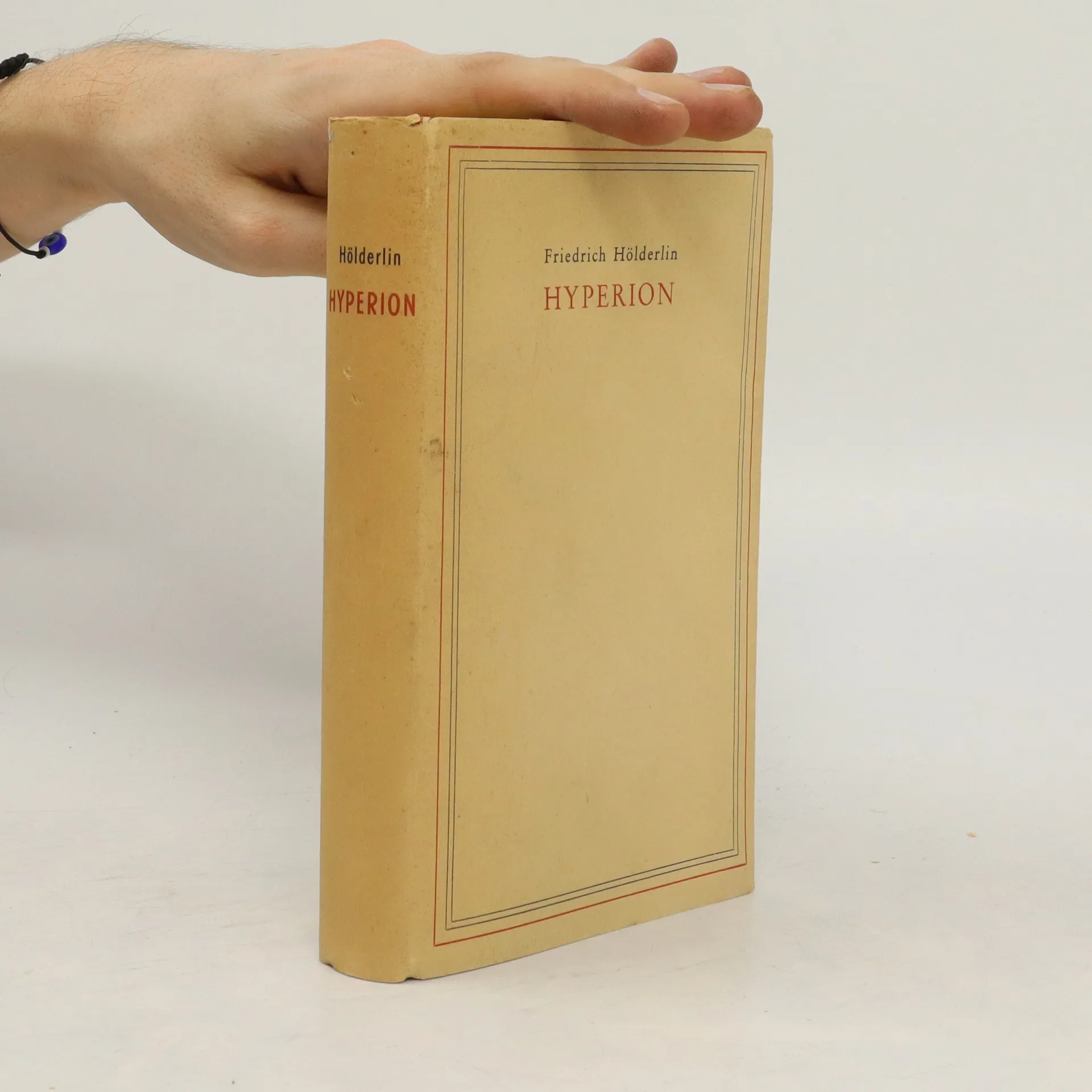
Hyperion
- 168pages
- 6 heures de lecture
The vivid imagery evokes a haunting scene of Athens, portrayed as a desolate shipwreck after a storm, with its once-majestic pillars resembling charred tree trunks. This powerful description captures the city's abandoned beauty and the devastation that has befallen it, suggesting themes of loss and the passage of time. The comparison to a fleet in ruins emphasizes the stark contrast between past glory and present desolation, inviting reflection on the fragility of civilization.
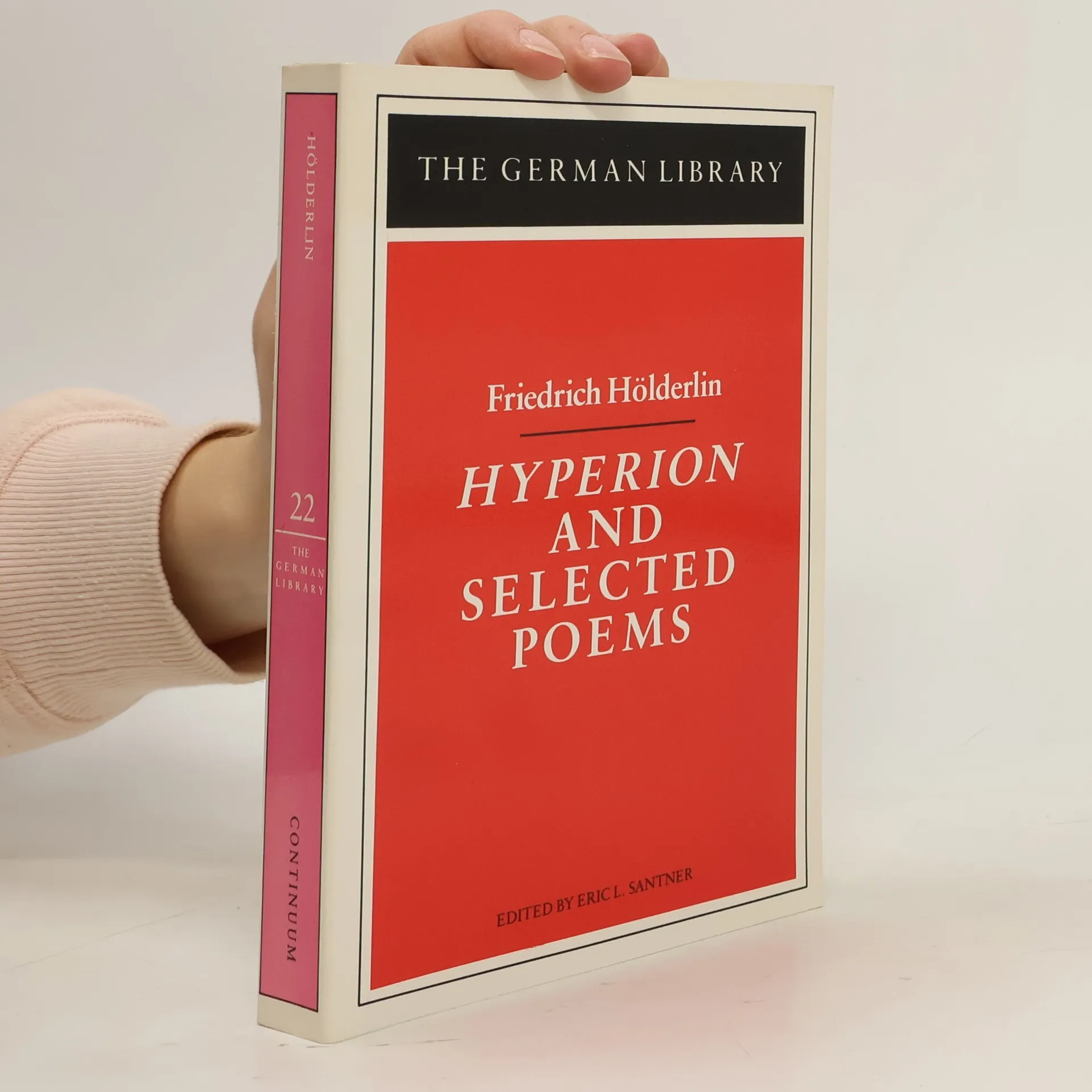
The German Library - 22: Hyperion and Selected Poems
- 320pages
- 12 heures de lecture
English (translation)Original German
In his exploration of existence, Hölderlin presents a profound inquiry into how ordered consciousness can coexist with the essence of life. He poses this question with a sense of masculinity and purity, ensuring the preservation of a secret kingship. The poems from his time in Homburg and the essence of Empedocles reflect this singular theme: the relationship between creative impulse and consciousness. Rather than being adversaries, Hölderlin suggests that goal-oriented awareness serves as the greatest ally to creative drive, functioning as its purest medium. From a higher perspective, human endeavors—art, science, and religion—are not antagonistic to nature but rather its priestesses, channeling the spirit of humanity into the vast ocean of existence. Thus, the labor of human creativity transforms into a form of divine service, reinforcing the interconnectedness of all pursuits. This work is a significant historical reproduction, utilizing advanced technology to restore and preserve the original format while addressing imperfections in the aged text. Forgotten Books is committed to maintaining the integrity of such works, ensuring that they remain accessible to readers.
Básníkovy verše jsou inspirovány řeckou vzdělaností, antickými ideály a mytologií a autor sám adaptoval klasický verš, v němž psal přírodní, náladovou a milostnou lyriku. Ve svých hymnech vyjadřoval naději na myšlenkovou obrodu lidstva, v elegiích se pak odráží jeho smutek nad ztrátou antické dokonalosti i nad neutěšeným stavem světa. Svazek je doplněn ukázkami z Hölderlinovy korespondence a zasvěcenou studií o jeho životě a díle.
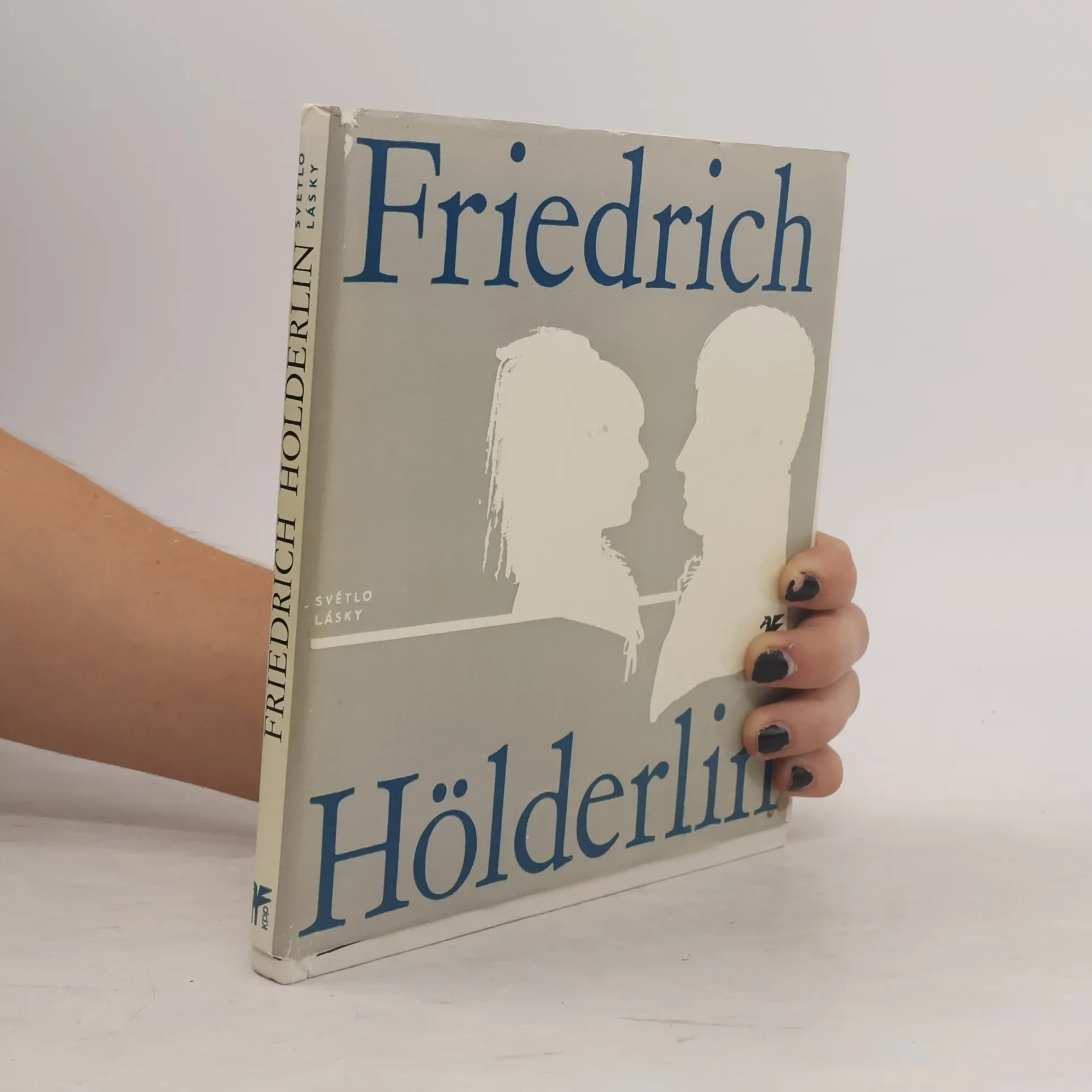
Milostná poezie Friedricha Hölderlina, v překladu Vladimíra Mikeše. První ucelený překlad básnického díla německého lyrika, objeveného a pochopeného teprve naším stoletím. Filozoficky orientovaná poezie, vznikající na hranicích klasicismu a romantismu, řeší otázky, jaký je vztah mezičlověkem a světem, jedincem a společností a zda může moderní člověk vykročit k objektivnímu poznání jsoucna. Svazek doplňují ohlasy velkých osobností na autorovo dílo. Vybral, přeložil, uspořádal a úvodní esej Pojď! do otevřena, příteli napsal Vladimír Mikeš.
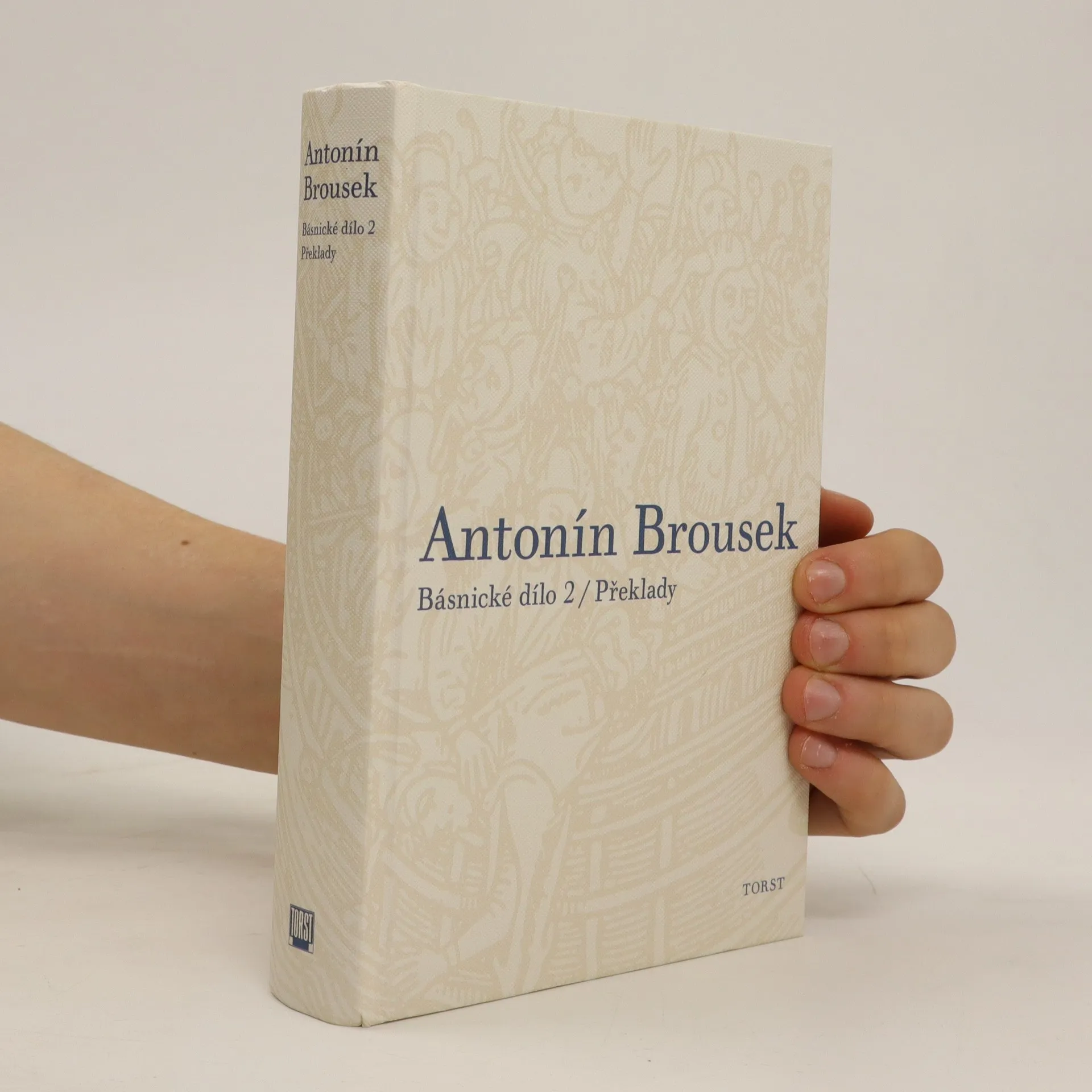
Antonín Brousek: Básnické dílo 2 / Překlady
- 512pages
- 18 heures de lecture
Druhý svazek Básnického díla Antonína Brouska (1941–2013) shrnuje všechny Brouskovy básnické překlady. Vedle souboru veršů německého básníka Manfreda Petera Heina a několika souborů překladů drobnějších (Sebastian Brant) jde zejména o dosud nevydaný obsáhlý svazek Brouskových překladů básní Friedricha Hölderlina. Brouskovy překlady Hölderlinovy poezie se objevily v několika časopiseckých otiscích v 60. letech a byly přijaty k vydání ve velké řadě Klubu přátel poezie nakladatelství Československý spisovatel v roce 1969. Již časopisecké ukázky naznačily, že jde o Brouskův básnický překlad životní. Kniha byla redaktorem Josefem Bruknerem dovedena do stránkových korektur, vydání se však po Brouskově odchodu do exilu nakonec neuskutečnilo. V 90. letech, kdy se objevily snahy Brouskovy překlady Hölderlina konečně po více než dvaceti letech vydat, byla jak stránková korektura knihy, tak překladatelovy rukopisy považovány za ztracené, a to i samotným překladatelem. Díky úsilí editorky Barbory Chybové se je nedlouho před básníkovou smrtí podařilo nalézt. Edice přináší i další Brouskovy překlady Hölderlina, do původního svazku nezahrnuté. Opatřena je podrobnými komentáři k dílu Brouskovu i Hölderlinovu. Svazek ukazuje Antonína Brouska jako mimořádného básníka, jehož překlady starší německé poezie, díla Hölderlinova i německé poezie moderní patří k důležitým hodnotám českého básnického překladu a české poezie vůbec.