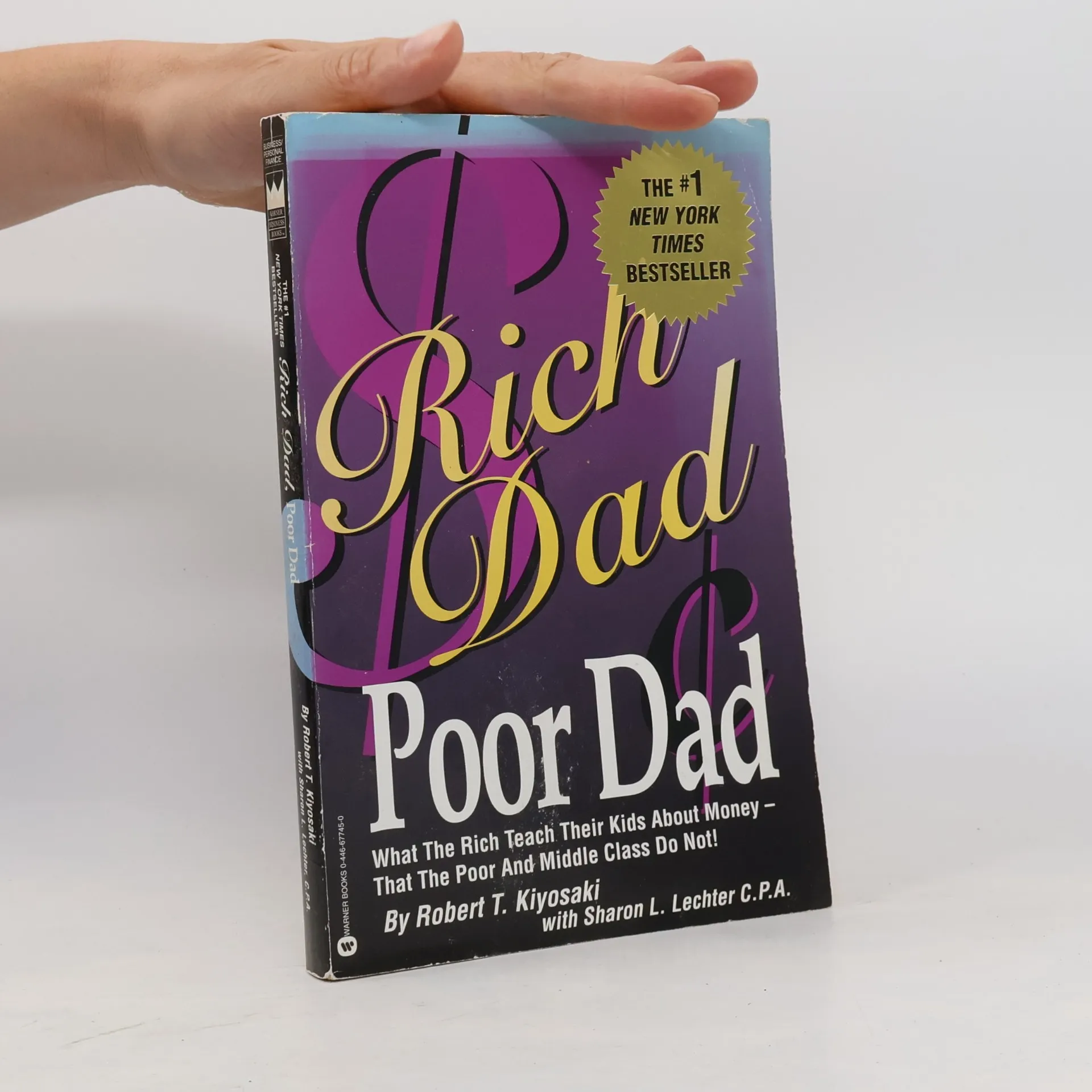
Rich Dad, Poor Dad
- 207pages
- 8 heures de lecture
Learn to have money working for you, instead of the other way around.


Cette série explore le monde de la littératie financière et des principes d'investissement tels qu'imaginés par un auteur de premier plan. Elle examine les concepts fondamentaux de la création de richesse et de l'atteinte de l'indépendance financière. L'objectif est d'apprendre aux lecteurs à penser comme les riches et à prendre le contrôle de leur avenir financier. Elle offre des conseils pratiques et des perspectives qui remettent en question l'éducation financière traditionnelle.
Learn to have money working for you, instead of the other way around.
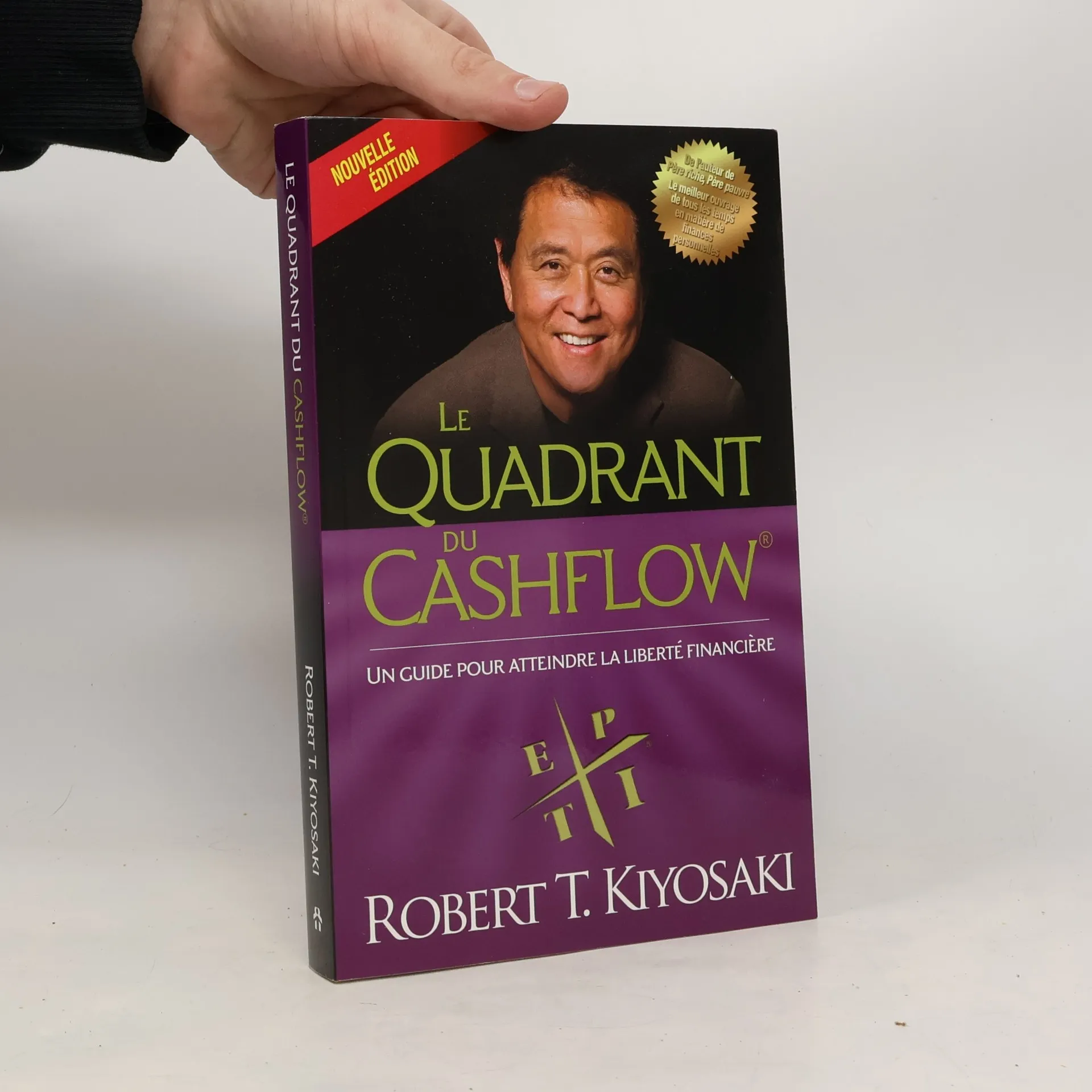
Un guide pour atteindre la liberté financière - Nouvelle édition
Vous est-il jamais arrivé de vous demander : Pourquoi certaines investisseurs font de l'argent en risquant peu alors que la plupart des autres investisseurs s'en tirent sans gains ni pertes ? Pourquoi la majorité des employés passent d'un emploi à l'autre alors que d'autres quittent leur emploi et bâtissent des empires commerciaux ? Que signifie pour ma famille et moi cette transition entre l'ère industrielle et l'ère de l'information ? Comment puis-je tirer parti de cette transition et tracer ma voie vers la liberté financière ? Le Quadrant du CASHFLOW® a été écrit pour vous si vous êtes prêt à : Abandonner la sécurité d'emploi et à vous aventurer dans le monde de la liberté financière. Effectuer de profonds changements dans votre vie. Prendre le contrôle de votre avenir financier. La suite du best-seller de Robert T. Kiyosaki, Père riche, père pauvre.
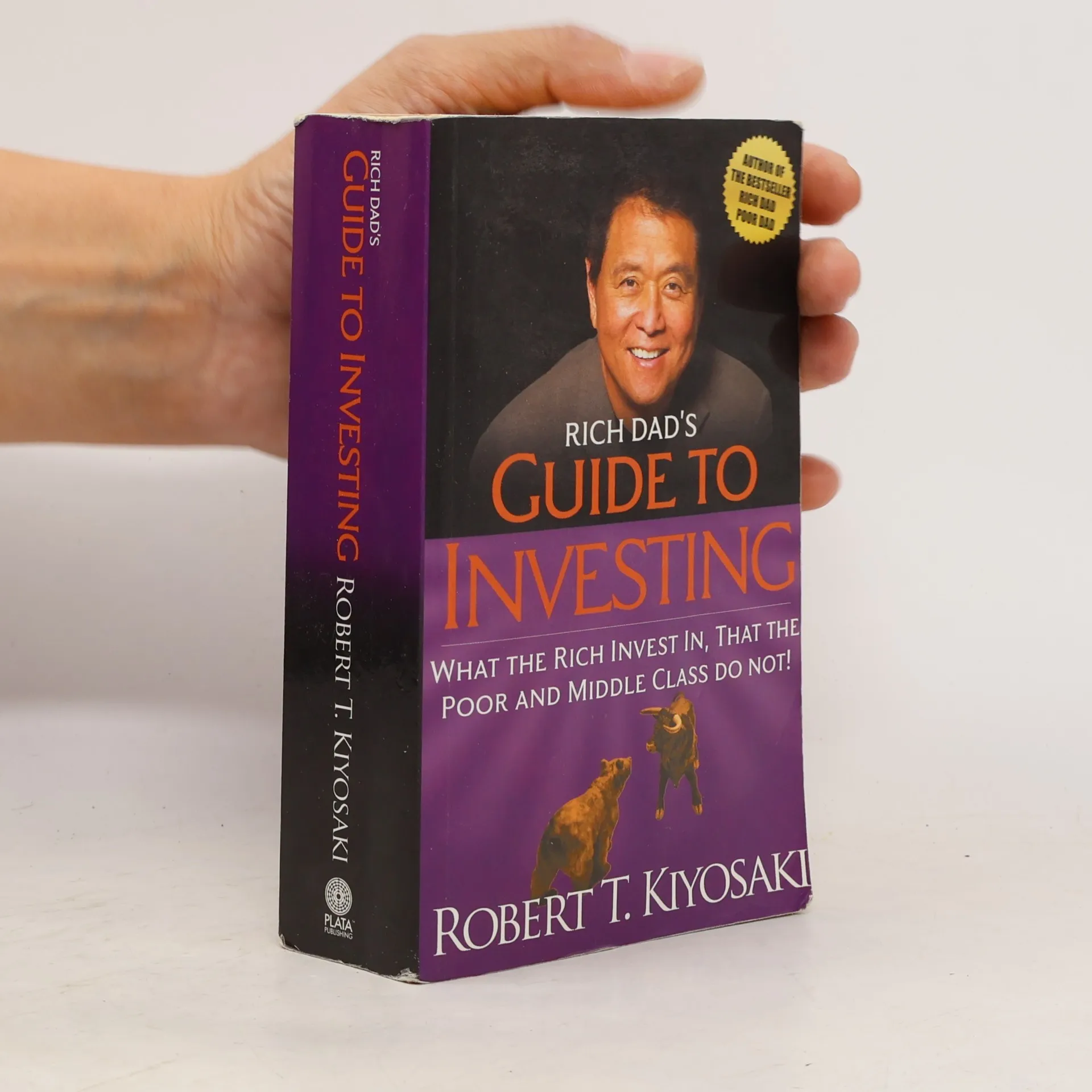
Rich Dad's Guide to Investing is a roadmap for those who want to become successful investors and invest in the types of assets that the rich do. Whether your goal is to become financially secure, comfortable, or rich this book is your guide to understanding the asset classes and investment strategy. Robert explains his basic rules of investing, how to reduce your risk and Rich Dad's 10 Investor Controls as well as ways to convert your earned income into passive portfolio income
This handbook for parents explains how to teach children the fundamental principles of finance, introducing problem-solving skills that help youngsters understand the importance of a good education and financial planning in their lives.
Make the American Dream a reality with help from the bestselling authors of "Rich Dad Poor Dad." In this fifth book in the Rich Dad series, financial guru Kiyosaki provides practical insight on how to put together a financial plan and achieve the retirement goals of a lifetime.
A collection of more than two dozen business success stories discusses how the principles from Rich Dad Poor Dad can be effectively applied, citing numerous individuals from all walks of life who changed their financial outlook through strategic investments. Original.
Citing the factors that make typical investments insufficient for one's average long-term needs, a guide to maximizing returns offers advice on how to speed up investments and enable high-rate growth. Original.
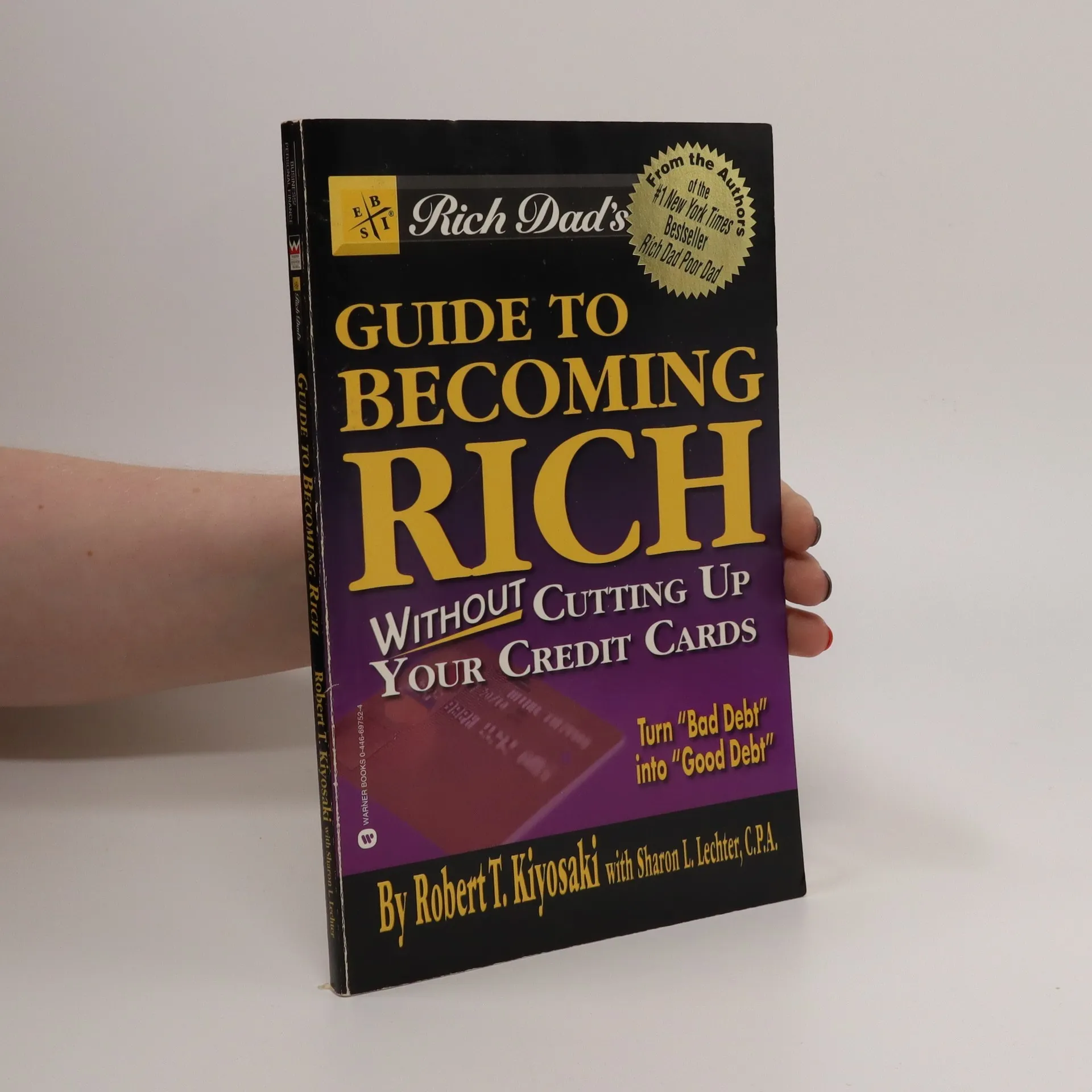
Discusses the importance of a financial education, explaining the difference between good debt and bad debt and how to use money to its fullest potential.
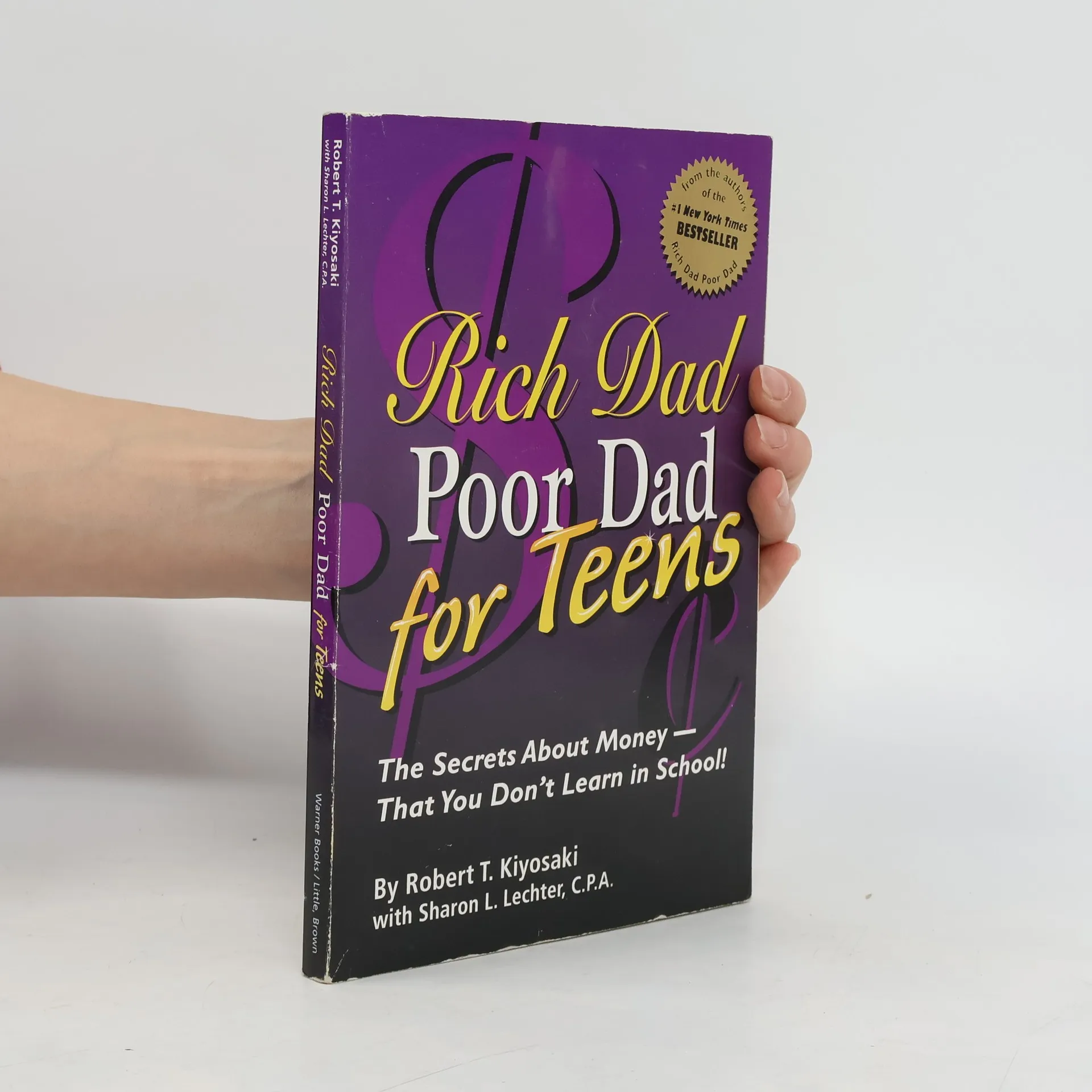
An age-appropriate guide based on the financial advice series encourages the development of confident and responsible money skills, providing case examples, sidebars, and attitude recommendations that demonstrate how to achieve security in today's challenging job market. Reprint.
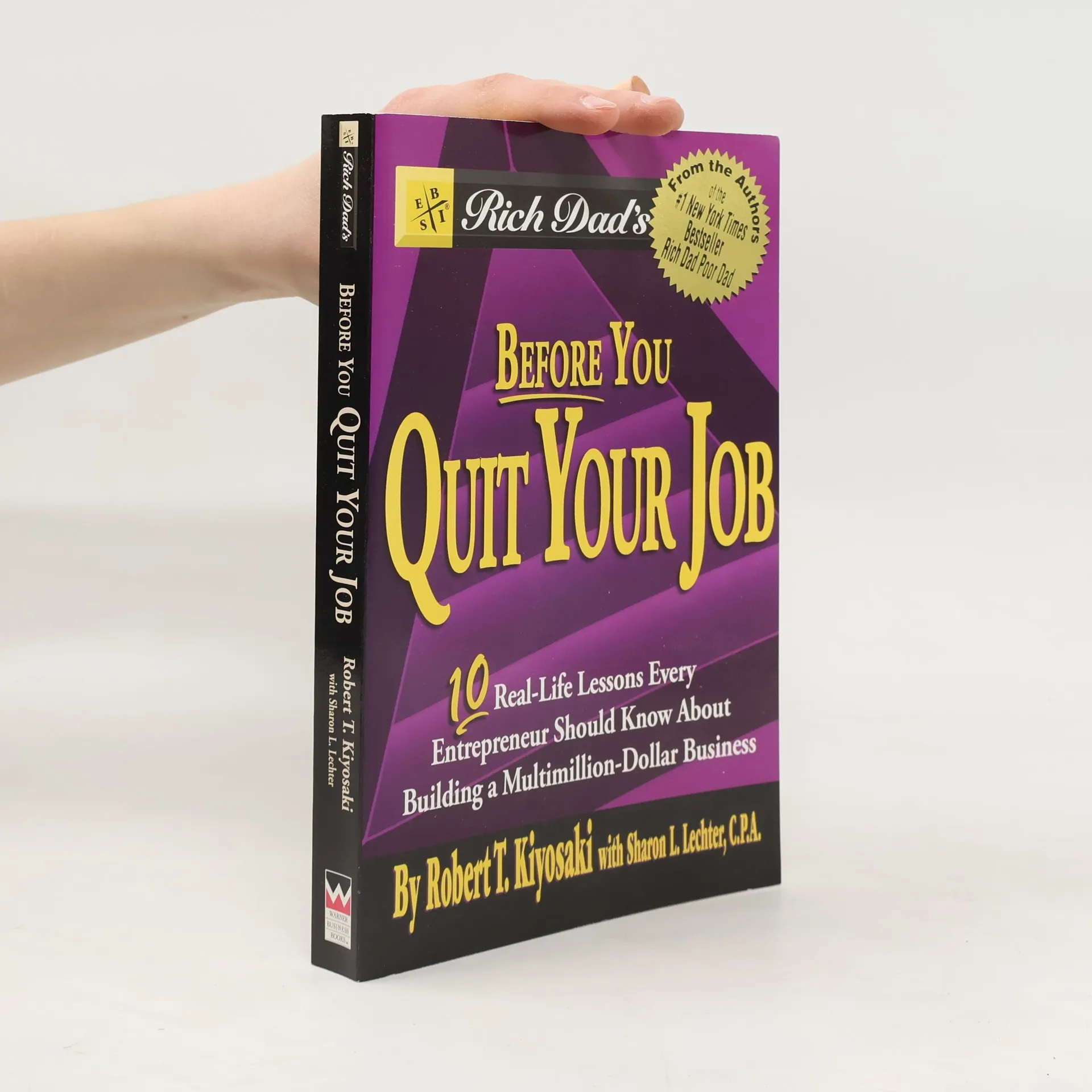
The tenth book in the series provides firsthand accounts of the author's startup companies, what he learned from his successes and failures, and other topics a reader needs to know in order to start a company and quickly develop it.
The Business School is a popular book written by Robert T. Kiyosaki. From this book the reader will get know all information of Multi-level marketing. He explains beautifully why Multi- level-marketing is important. Multi-level marketing is a marketing approach in which the sales strength is repaid not only for sales they produce, but also for the sales of the other salespersons that they hire. This hired sales force is mentioned as the participant's "downline" and can offer multiple levels of return. MLM is also known as pyramid selling, network marketing and referral marketing. You will get to know the ebb and flows of MLM through this book.
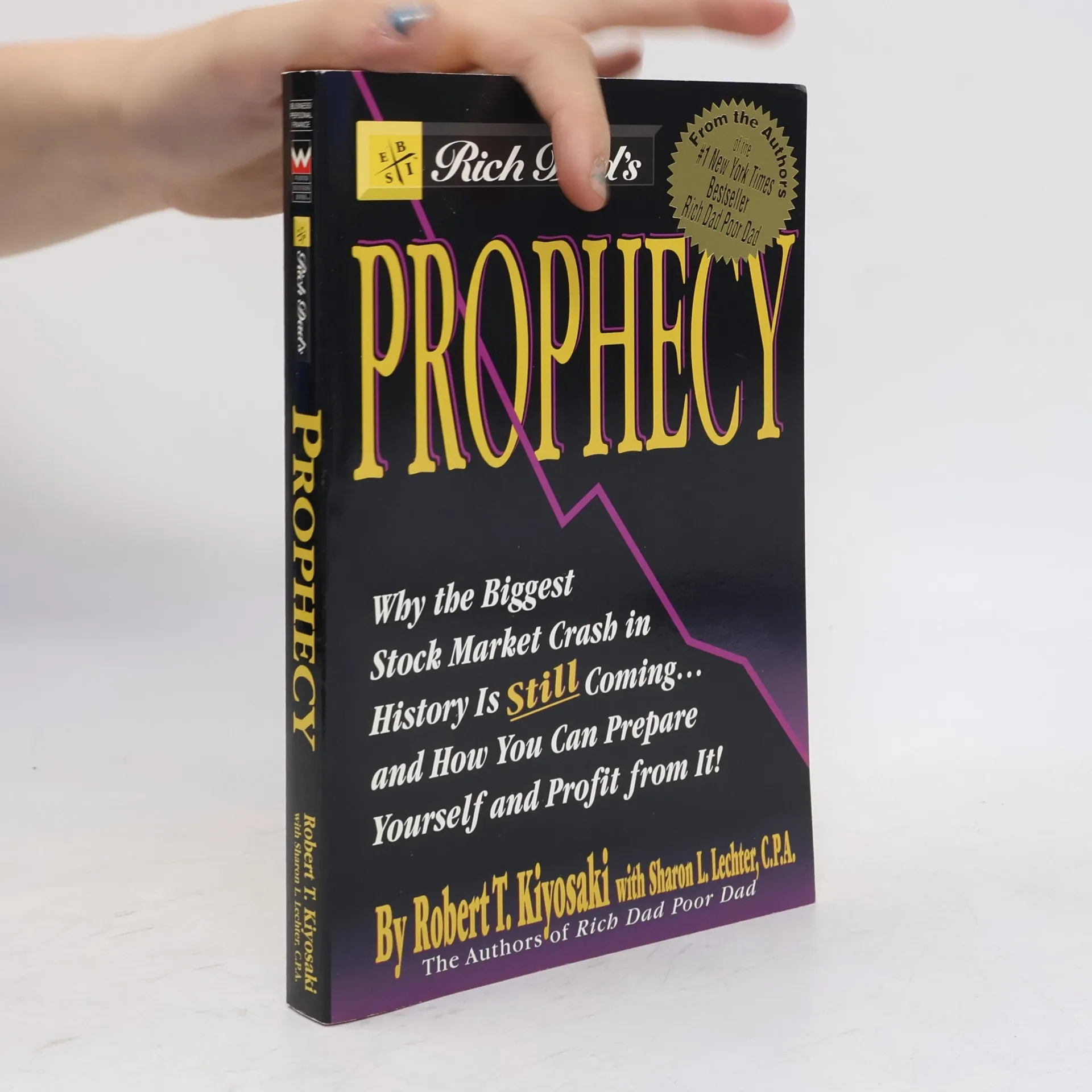
Explains how Baby Boomers can look forward to a profitable retirement by presenting a detailed financial plan to help them prepare for the worst and avert a long-term financial crisis. Reprint.
From Robert Kiyosaki, the bestselling author of Rich Dad Poor Dad and The Rich Dad series of books. In this book Robert shares important financial information on how to raise your child's financial I.Q. while having family fun in the process.