Cette série explore des événements cruciaux et des moments charnières du monde antique à travers des livres accessibles rédigés par des érudits renommés. Elle propose de nouvelles interprétations de sujets célèbres comme de thèmes moins connus méritant une attention accrue. Chaque volume offre une synthèse narrative, intégrant des preuves littéraires et archéologiques pour faire revivre le passé aux lecteurs contemporains.
"In a follow-up to 1177 BC, this book provides a portrait of the 400 years following the collapse of the Bronze Age, a period referred to as the First Dark Age, but which Cline will show was also an era of rebirth and resilience"--
Drawing on new archaeological evidence, this authoritative history examines the Great Fire of Rome and its lasting impact on the Roman Empire. According to legend, Emperor Nero set fire to the city on July 19, 64 AD, but much of this narrative is likely untrue. The distinguished historian Anthony Barrett provides a comprehensive account of the fire, its immediate aftermath, and its long-term consequences. By analyzing remarkable archaeological discoveries and literary evidence, Barrett reveals what truly happened and argues that this disaster marked a pivotal moment in Roman history, leading to Nero's downfall and the end of the Julio-Claudian dynasty.
The fire devastated much of Rome, causing panic among the populace and destroying Nero's golden statue. It also triggered a financial crisis and currency devaluation that had a lasting effect on the Roman economy. The book showcases recent archaeological findings, including photographs that illustrate the fire's destruction. Additionally, it explores the fire's enduring legacy in literature, opera, ballet, and film. This richly detailed and factual narrative seeks to dispel myths surrounding the event, positioning itself as the definitive account of the Great Fire of Rome for contemporary readers.

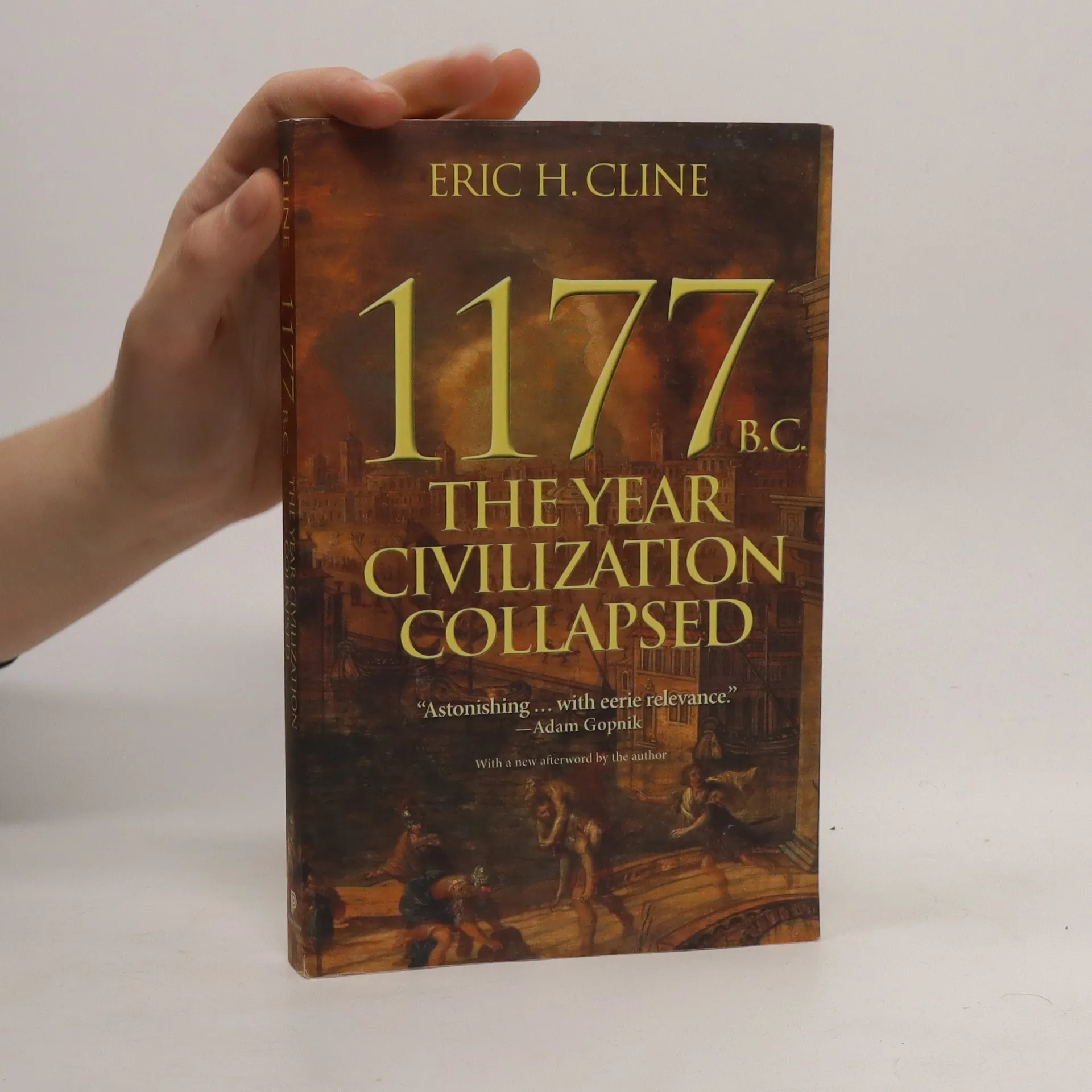
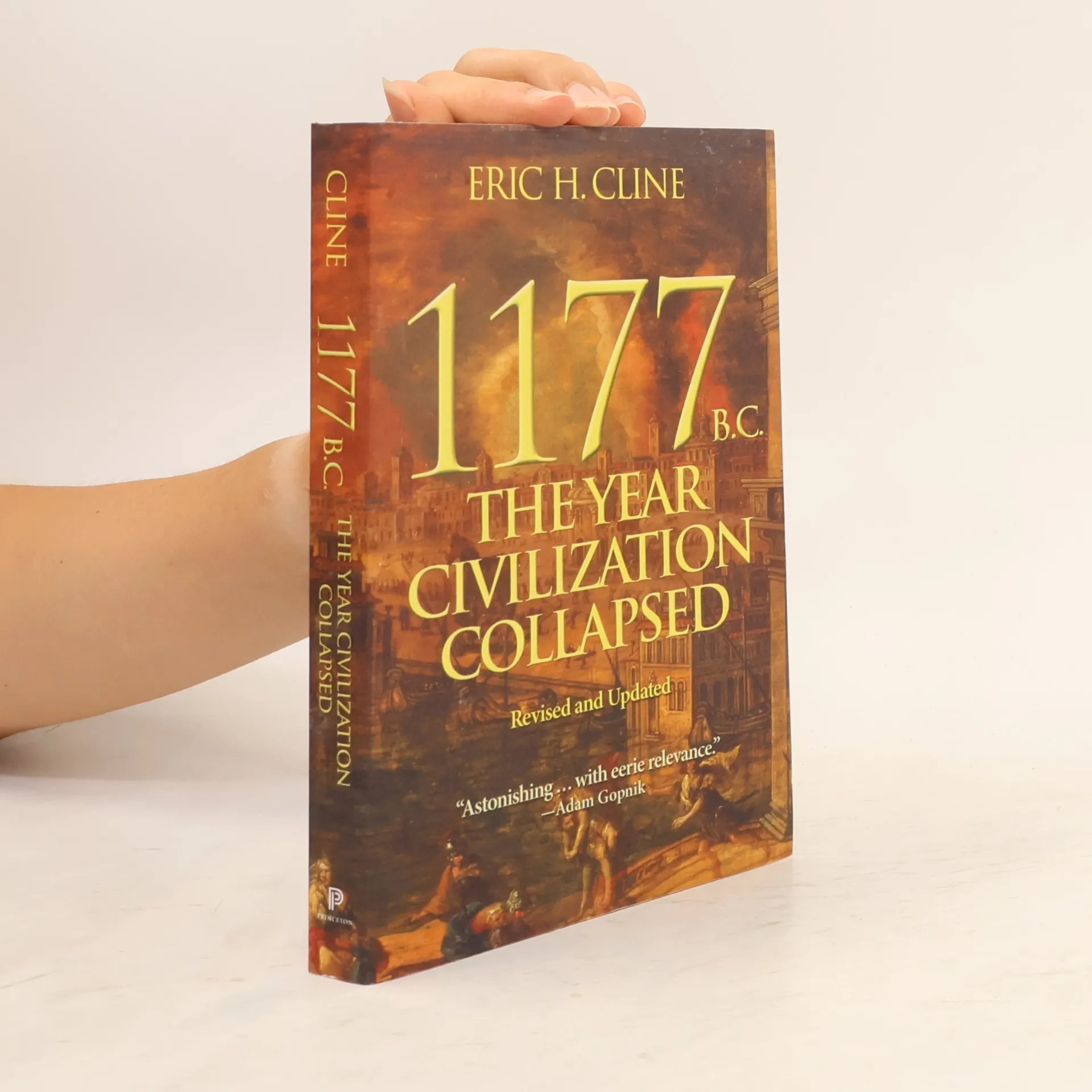
In 1177 B.C., the invasion of Egypt by marauding groups known as the "Sea Peoples" marked the beginning of a significant decline for Egypt and surrounding civilizations. Although the pharaoh's forces managed to repel the invaders, the victory left Egypt weakened, leading to a rapid collapse of the Bronze Age world. Within a few decades, prominent kingdoms like the Minoans, Mycenaeans, Trojans, Hittites, and Babylonians vanished, along with their vibrant economies, cultures, writing systems, and monumental architecture. The Sea Peoples were not solely responsible for this widespread breakdown; it was the result of multiple interconnected failures, including invasions, revolts, natural disasters like earthquakes and droughts, and the disruption of international trade routes. This account brings to life the rich multicultural tapestry of the Late Bronze Age, illustrating how the very interdependence of these civilizations contributed to their downfall. By weaving together narrative and contemporary scholarship, the text reveals the complex relationships that fostered both the flourishing and the eventual destruction of these great civilizations, setting the stage for the emergence of classical Greece and a dark age that lasted for centuries.
Griechenland bankrott, Armut und Zerstörung in den Städten des heutigen Palästina, Syrien und Ägypten. Diese Lunte brannte schon einmal: 1177 vor Christus! Troja fiel. Mykene fiel, geheimnisvolle Seevölker griffen Ramses III. an. Folgen Sie dem preisgekrönten Autor Eric Cline in die Geschichte des ersten Untergangs der Zivilisation.
Im Jahr 1177 v. Chr. stehen die ersten großen Zivilisationen unserer Menschheit vor dem Untergang. Marodierende Seevölker bedrohen Ägypten unter König Ramses III. Wie Dominosteine fallen Mykene, Troja und Milet nach Jahrhunderten des Aufstiegs und des Glanzes. Konnte das allein das Werk der Seevölker sein? In seinem internationalen Bestseller erzählt Eric H. Cline die packende Geschichte vom »ersten Untergang der Zivilisation«: Erst durch die katastrophale Summe von Krieg, Revolten, Wirtschaftskollaps und Naturkatastrophen stürzte die erste große Zivilisation für Jahrhunderte in die Dunkelheit. Folgen Sie dem renommierten Archäologen Eric H. Cline in eines der spannendsten Kapitel der Menschheitsgeschichte!
Zhroucení první globalizované společnosti světových dějin Kniha amerického archeologa a historika je pátráním po tom, co způsobilo oslabení a v některých případech i zánik vyspělých civilizací a měst ve východním Středomoří, jakými byly Egypt, Chetitská říše nebo třeba kosmopolitní obchodní přístav Ugarit na konci 13. století př. Kr. – v období, které můžeme s jistou rezervou označit jako „první mezinárodní věk“ v dějinách lidstva. Hledá odpovědi na otázku, jak vlastně v těchto oblastech došlo k nástupu „doby železné“ a jaký to mělo význam pro formování kořenů dnešní „západní“ kultury. Tyto změny jsou tradičně spojovány s příchodem tzv. mořských národů. S paralelami k dnešní situaci nejen ve Středomoří se spolu s autorem můžeme ptát, zda tyto změny lze z větší části přičíst jednomu faktoru, události a datu, nebo spíše sérii katastrof a dominovému efektu, posílenému vzájemným propojením tehdejších politických útvarů.
In 1177 B.C., marauding groups known only as the "Sea Peoples" invaded Egypt. The pharaoh's army and navy managed to defeat them, but the victory so weakened Egypt that it soon slid into decline, as did most of the surrounding civilizations. After centuries of brilliance, the civilized world of the Bronze Age came to an abrupt and cataclysmic end. Kingdoms fell like dominoes over the course of just a few decades. No more Minoans or Mycenaeans. No more Trojans, Hittites, or Babylonians. The thriving economy and cultures of the late second millennium B.C., which had stretched from Greece to Egypt and Mesopotamia, suddenly ceased to exist, along with writing systems, technology, and monumental architecture. But the Sea Peoples alone could not have caused such widespread breakdown. How did it happen? In this major new account of the causes of this "First Dark Ages," Eric Cline tells the gripping story of how the end was brought about by multiple interconnected failures, ranging from invasion and revolt to earthquakes, drought, and the cutting of international trade routes. Bringing to life the vibrant multicultural world of these great civilizations, he draws a sweeping panorama of the empires and globalized peoples of the Late Bronze Age and shows that it was their very interdependence that hastened their dramatic collapse and ushered in a dark age that lasted centuries. A compelling combination of narrative and the latest scholarship, 1177 B.C. sheds new light on the complex ties that gave rise to, and ultimately destroyed, the flourishing civilizations of the Late Bronze Age--and that set the stage for the emergence of classical Greece.