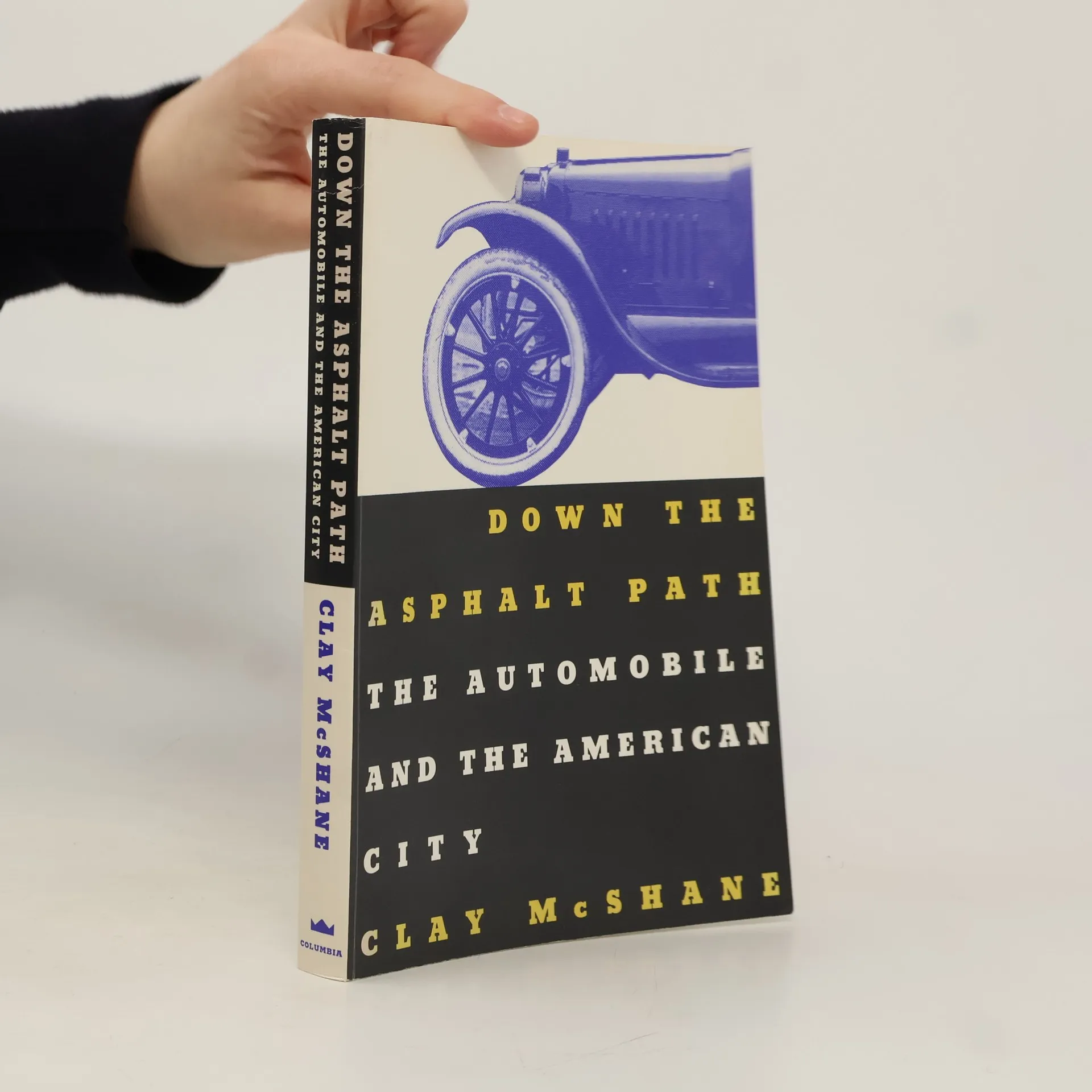
Imagine a world devoid of automobiles, traffic lights, and interstate highways. For a nation that values freedom of movement, this seems almost unimaginable. In this work, Clay McShane explores the distinctively American relationship between automobility and urbanization, focusing on how transportation systems, particularly the private automobile, and urban concepts have redefined each other in modern America. McShane takes readers on a journey from Boston to New York to Milwaukee to Los Angeles, chronicling the urban integration of the automobile. He begins with mid-nineteenth-century municipal bans on horseless carriages, driven by public concerns over accidents and pollution. As cities redesigned roads to accommodate new transport forms like trolley cars and bicycles, these bans faded by the 1890s. The rise of the automobile saw it quickly established as a status symbol among metropolitan elites, while also appealing to many Americans seeking escape from traditional social constraints. The book features over thirty photographs that illustrate the evolution of urban transportation, covering topics such as pre-trolley travel, the push for parks and suburbanization, the car's role in popular culture, and the fight for traffic safety. McShane’s analysis of gender relations in automobility—particularly the association of driving with male power—is both relevant and innovative. This engaging work will captivate readers interest
Columbia: Histoire de la vie urbaine Séries
Cette série complète plonge dans la riche histoire de la vie urbaine en Amérique, retraçant son évolution des premières colonies à l'ère moderne. Elle examine méticuleusement les transformations sociales, économiques et culturelles qui ont façonné les centres urbains. Les lecteurs obtiennent des informations détaillées sur la vie des citoyens ordinaires comme des personnages influents qui ont habité ces environnements dynamiques. C'est une lecture essentielle pour quiconque s'intéresse à l'impact profond des villes sur l'histoire et vice versa.