


Paramètres
- 464pages
- 17 heures de lecture
En savoir plus sur le livre
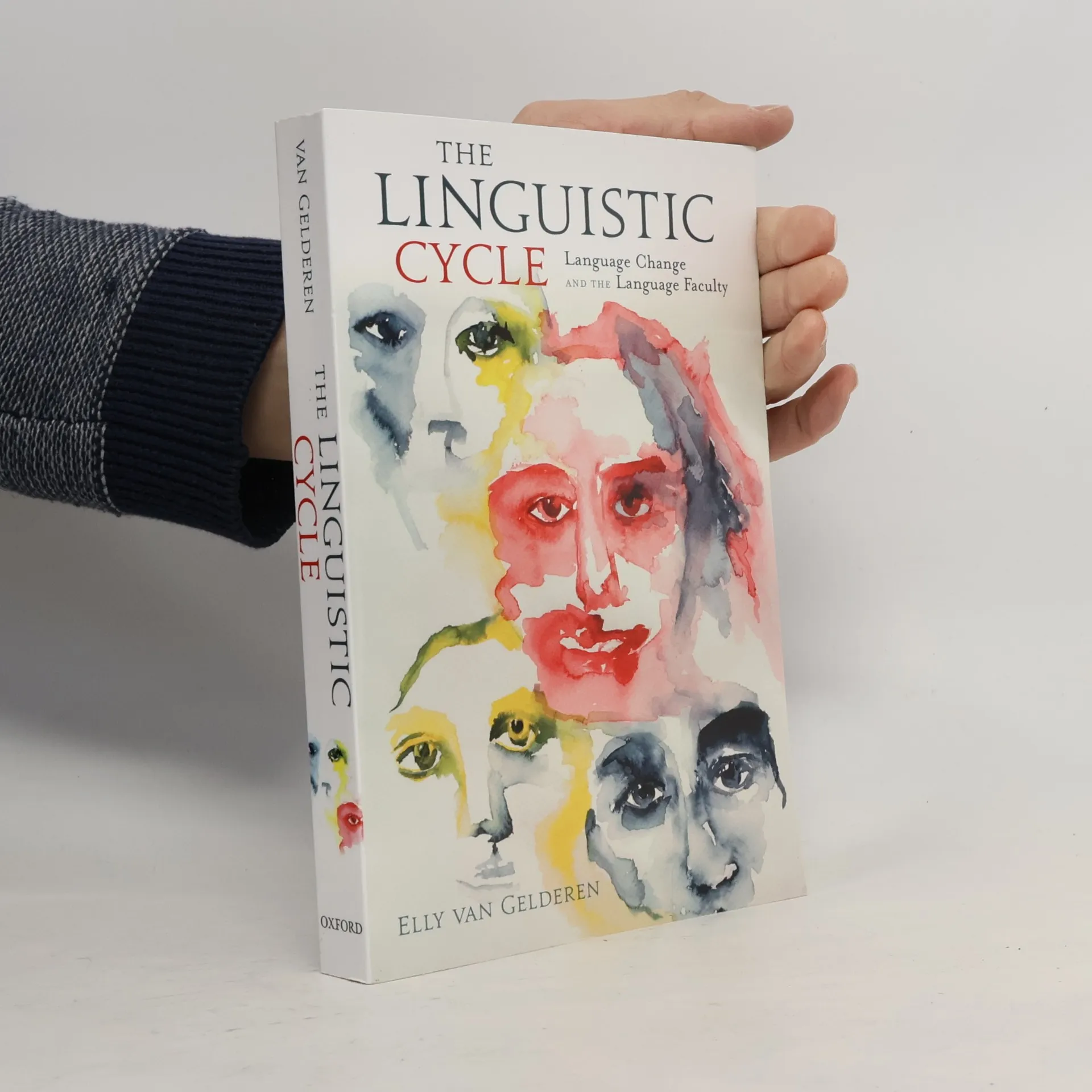
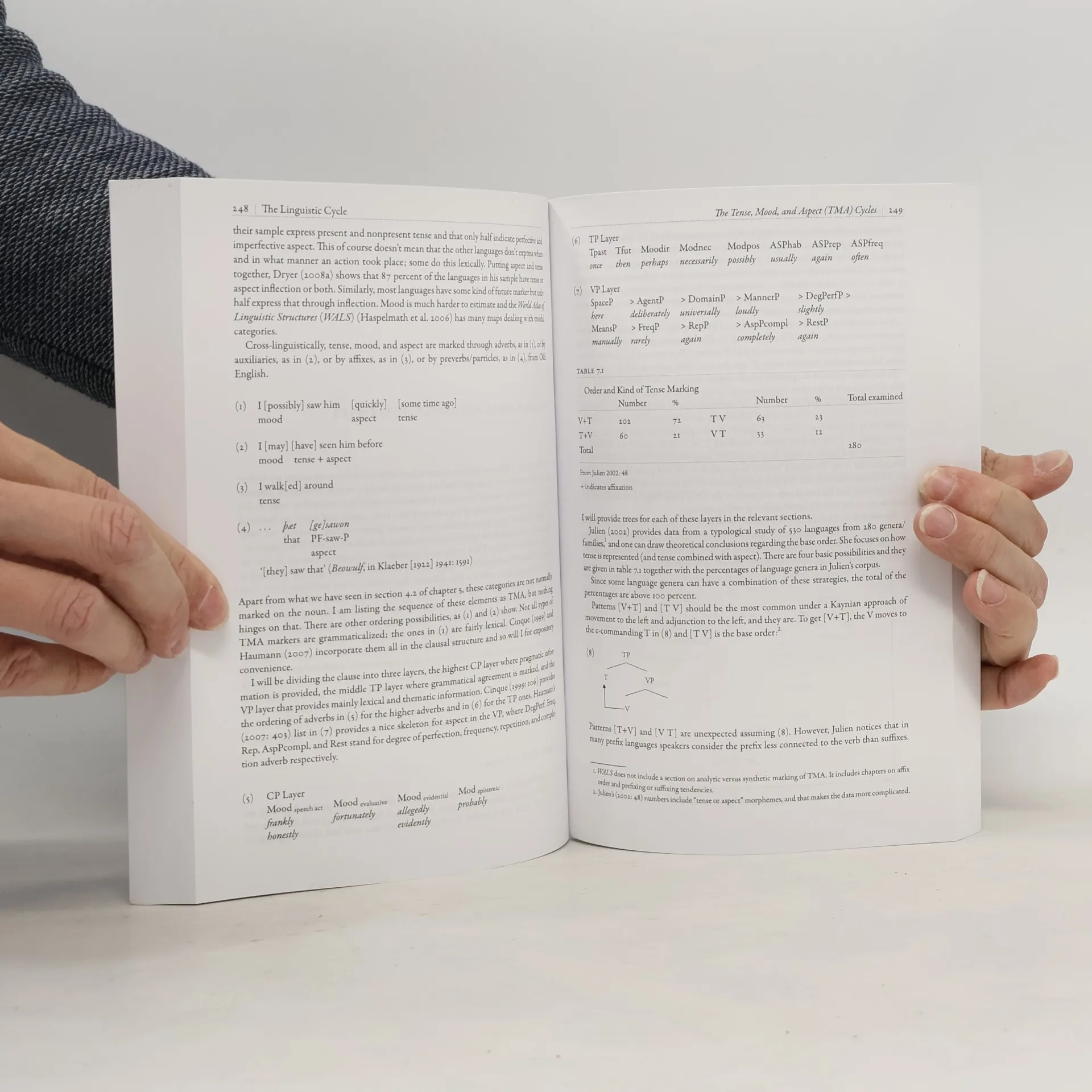
Elly van Gelderen provides examples of linguistic cycles from a number of languages and language families, along with an account of the linguistic cycle in terms of minimalist economy principles. A cycle involves grammaticalization from lexical to functional category followed by renewal. Some well-known cycles involve negatives, where full negative phrases are reanalyzed as words and affixes and are then renewed by full phrases again. Verbal agreement is another example: full pronouns are reanalyzed as agreement markers and are renewed again. Each chapter provides data on a separate cycle from a myriad of languages. Van Gelderen argues that the cross-linguistic similarities can be seen as Economy Principles present in the initial cognitive system or Universal Grammar. She further claims that some of the cycles can be used to classify a language as analytic or synthetic, and she provides insight into the shape of the earliest human language and how it evolved.
Achat du livre
The Linguistic Cycle, Elly van Gelderen
- Langue

- Année de publication
- 2010
- Reliure
- (souple),
- État du livre
- Très bon
- Prix
- 24,39 €
Modes de paiement
Personne n'a encore évalué .
- Titre
- The Linguistic Cycle
- Sous-titre
- Language Change and the Language Faculty
- Langue
- Anglais
- Auteurs
- Elly van Gelderen
- Éditeur
- Oxford University Press
- Publié
- 2010
- Format
- souple
- Pages
- 464
- ISBN10
- 019975604X
- ISBN13
- 9780199756049
- Séries
- Description
- Elly van Gelderen provides examples of linguistic cycles from a number of languages and language families, along with an account of the linguistic cycle in terms of minimalist economy principles. A cycle involves grammaticalization from lexical to functional category followed by renewal. Some well-known cycles involve negatives, where full negative phrases are reanalyzed as words and affixes and are then renewed by full phrases again. Verbal agreement is another example: full pronouns are reanalyzed as agreement markers and are renewed again. Each chapter provides data on a separate cycle from a myriad of languages. Van Gelderen argues that the cross-linguistic similarities can be seen as Economy Principles present in the initial cognitive system or Universal Grammar. She further claims that some of the cycles can be used to classify a language as analytic or synthetic, and she provides insight into the shape of the earliest human language and how it evolved.