

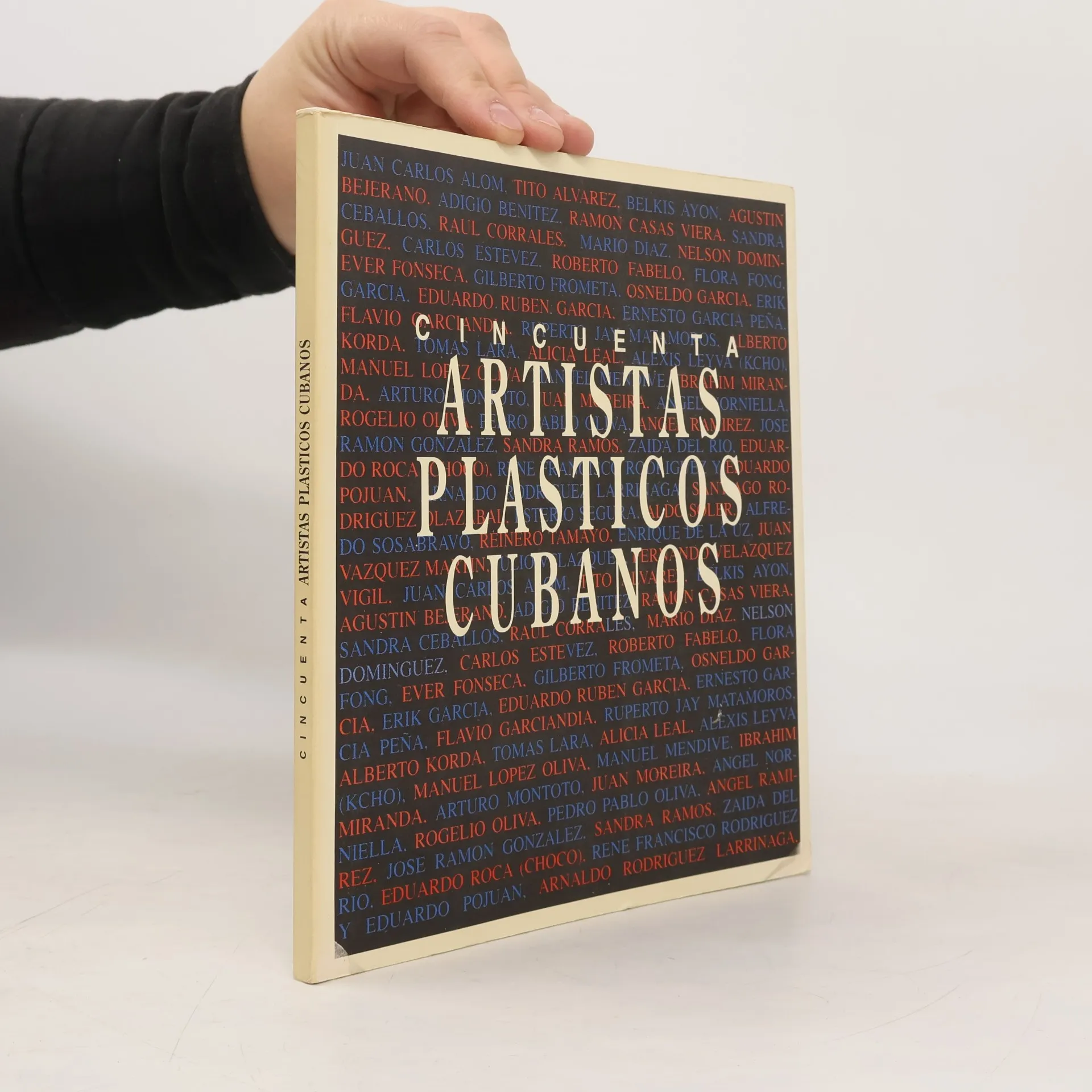
Cincuenta artistas plásticos cubanos (Cuba y Puerto Rico) (Spanish Edition)
Auteurs
- Juan Carlos Alom
- Tito Alvarez
- Belkis Ayon
- Agustin Bejerano
- Adigio Benitez
- Ramon Casas Viera
- Sandra Ceballos
- Raúl Corrales
- Mario Diaz
- Nelson Dominguez
- Carlos Estevez
- Roberto Fabelo
- Flora Fong
- Ever Fonseca
- Gilberto Frometa
- Osneldo Garcia
- Erik Garcia
- Eduardo Ruben Garcia
- Ernesto Garcia Peña
- Flavio Garciandia
- Ruperto Jay Matamoros
- Alberto Korda
- Tomas Lara
- Alicia Leal
- Alexis Leyva
- Manuel Lopez Oliva
- Manuel Mendive
- Ibrahim Miranda
- Arturo Montoto
- Juan Moreira
- Angel Norniella
- Rogelio Pérez Olivares
- Pedro Pablo Oliva
- Angel Ramirez
- Jose Ramon Gonzalez
- Sandra Ramos
- Zaida Del Rio
- Eduardo Roca
- Rene Francisco Rodriguez
- Eduardo Pojuan
- Arnaldo Rodriguez Larrinaga
- Daniel Garcia Santos
En savoir plus sur le livre
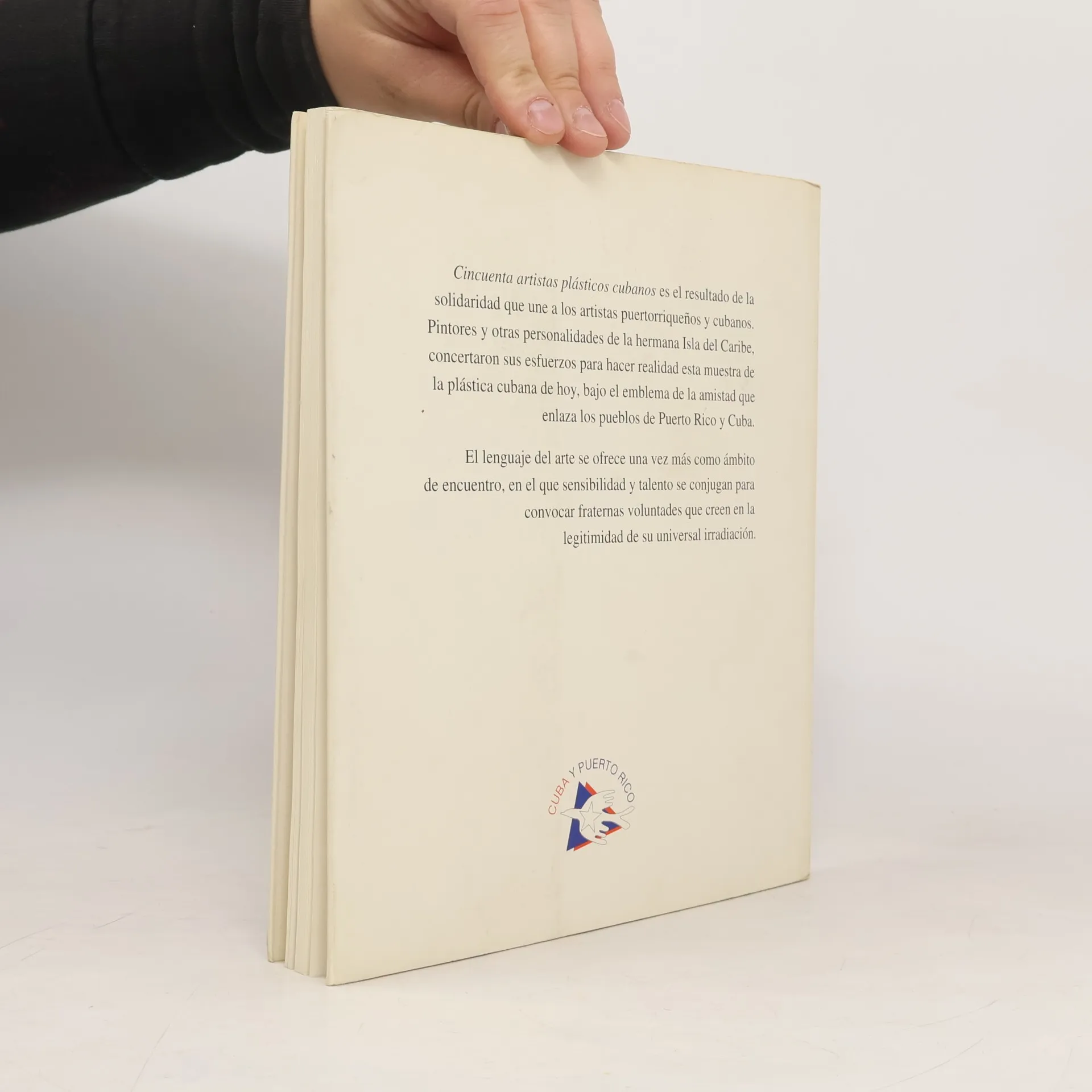
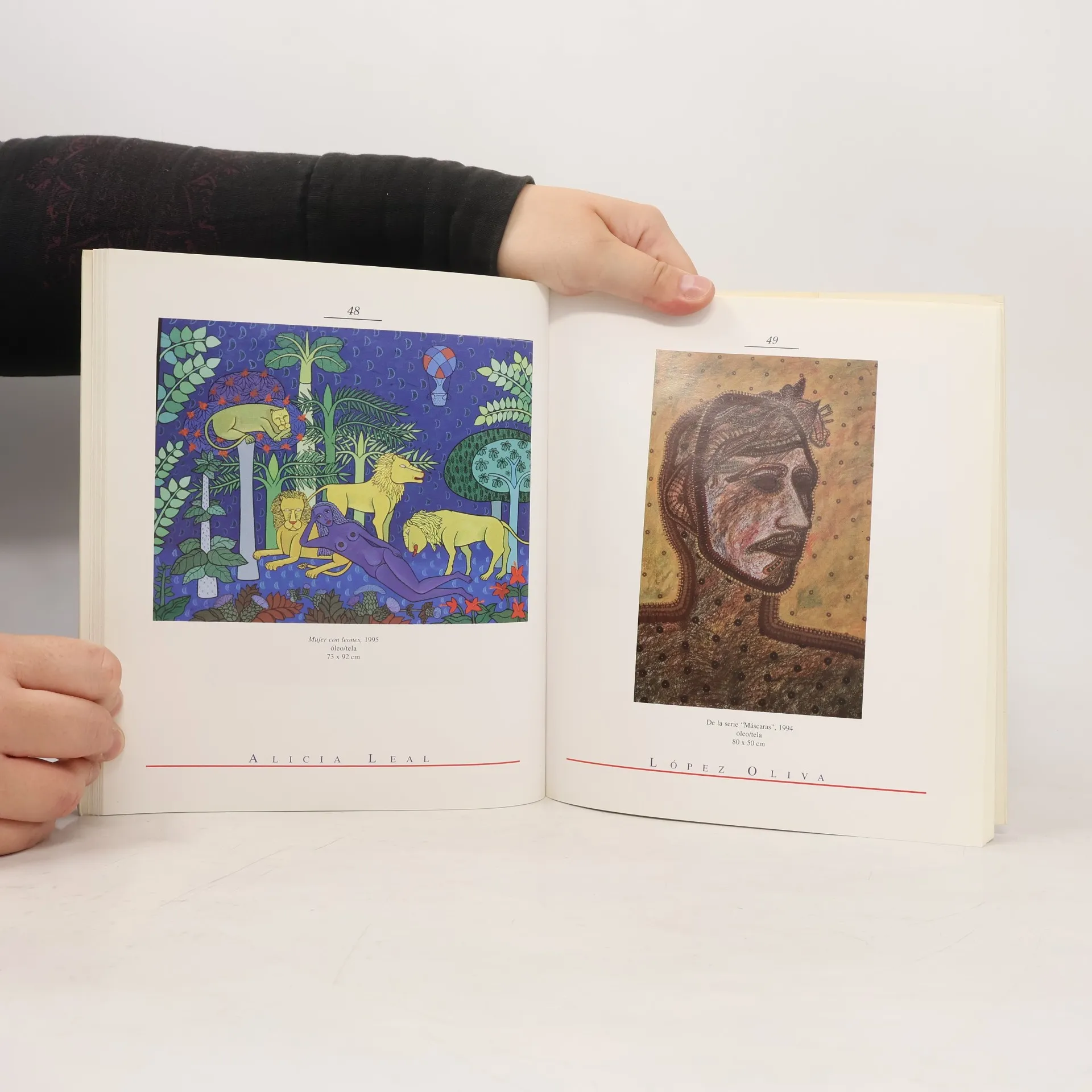
"Catalog of exhibition presented by Adelaida de Juan in Puerto Rico of works by contemporary artists who are members of the Asociación de Artistas Plásticos, of the la Unión de Escritores y Artistas de Cuba. Includes biographical data on artists and color reproductions of the works. Selection is interesting because the installations so popular in Cuba in recent years are conspicuously absent, but includes painting, drawing, and sculpture"--Handbook of Latin American Studies, v. 58.
Achat du livre
Cincuenta artistas plásticos cubanos (Cuba y Puerto Rico) (Spanish Edition), Juan Carlos Alom, Tito Alvarez, Belkis Ayon, Agustin Bejerano, Adigio Benitez, Ramon Casas Viera, Sandra Ceballos, Raúl Corrales, Mario Diaz, Nelson Dominguez, Carlos Estevez, Roberto Fabelo, Flora Fong, Ever Fonseca, Gilberto Frometa, Osneldo Garcia, Erik Garcia, Eduardo Ruben Garcia, Ernesto Garcia Peña, Flavio Garciandia, Ruperto Jay Matamoros, Alberto Korda, Tomas Lara, Alicia Leal, Alexis Leyva, Manuel Lopez Oliva, Manuel Mendive, Ibrahim Miranda, Arturo Montoto, Juan Moreira, Angel Norniella, Rogelio Pérez Olivares, Pedro Pablo Oliva, Angel Ramirez, Jose Ramon Gonzalez, Sandra Ramos, Zaida Del Rio, Eduardo Roca, Rene Francisco Rodriguez, Eduardo Pojuan, Arnaldo Rodriguez Larrinaga, Daniel Garcia Santos
- Langue

- Année de publication
- 1996
- Reliure
- (souple),
- État du livre
- Abîmé
- Prix
- 42,99 €
Modes de paiement
Personne n'a encore évalué .
- Titre
- Cincuenta artistas plásticos cubanos (Cuba y Puerto Rico) (Spanish Edition)
- Langue
- Espagnol
- Auteurs
- Juan Carlos Alom, Tito Alvarez, Belkis Ayon, Agustin Bejerano, Adigio Benitez, Ramon Casas Viera, Sandra Ceballos, Raúl Corrales, Mario Diaz, Nelson Dominguez, Carlos Estevez, Roberto Fabelo, Flora Fong, Ever Fonseca, Gilberto Frometa, Osneldo Garcia, Erik Garcia, Eduardo Ruben Garcia, Ernesto Garcia Peña, Flavio Garciandia, Ruperto Jay Matamoros, Alberto Korda, Tomas Lara, Alicia Leal, Alexis Leyva, Manuel Lopez Oliva, Manuel Mendive, Ibrahim Miranda, Arturo Montoto, Juan Moreira, Angel Norniella, Rogelio Pérez Olivares, Pedro Pablo Oliva, Angel Ramirez, Jose Ramon Gonzalez, Sandra Ramos, Zaida Del Rio, Eduardo Roca, Rene Francisco Rodriguez, Eduardo Pojuan, Arnaldo Rodriguez Larrinaga, Daniel Garcia Santos
- Éditeur
- Ediciones Union
- Publié
- 1996
- Format
- souple
- Pages
- 102
- ISBN10
- 9592091153
- ISBN13
- 9789592091153
- Séries
- Mots clés
- Catalogues
- Description
- "Catalog of exhibition presented by Adelaida de Juan in Puerto Rico of works by contemporary artists who are members of the Asociación de Artistas Plásticos, of the la Unión de Escritores y Artistas de Cuba. Includes biographical data on artists and color reproductions of the works. Selection is interesting because the installations so popular in Cuba in recent years are conspicuously absent, but includes painting, drawing, and sculpture"--Handbook of Latin American Studies, v. 58.