


En savoir plus sur le livre
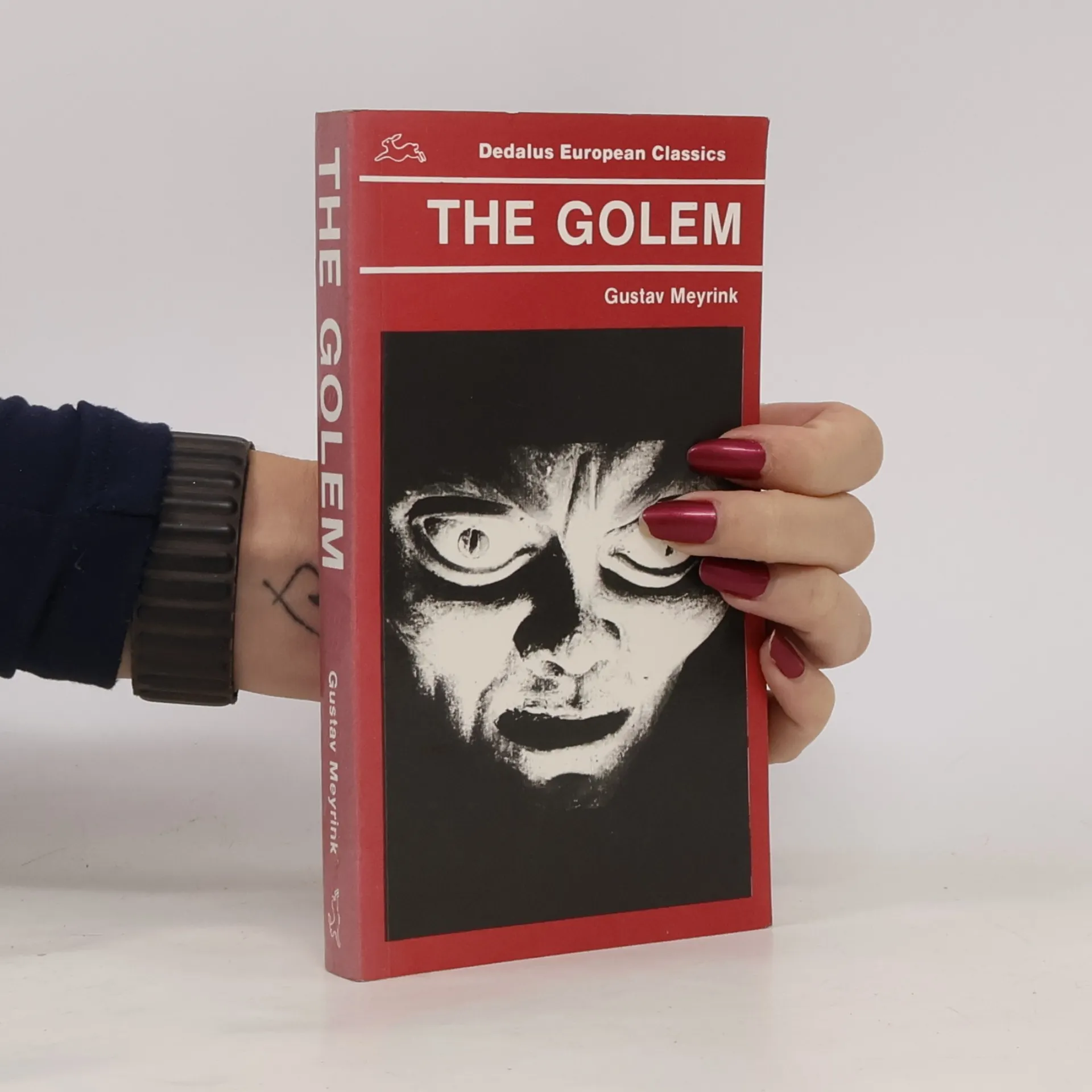
First published in serial form as <i>Der Golem</i> in the periodical <i>Die weissen Blätter</i> in 1913–14, <i>The Golem</i> is a haunting Gothic tale of stolen identity and persecution, set in a strange underworld peopled by fantastical characters. The red-headed prostitute Rosina; the junk-dealer Aaron Wassertrum; puppeteers; street musicians; and a deaf-mute silhouette artist. Lurking in its inhabitants’ subconscious is the Golem, a creature of rabbinical myth. Supposedly a manifestation of all the suffering of the ghetto, it comes to life every 33 years in a room without a door. When the jeweller Athanasius Pernath, suffering from broken dreams and amnesia, sees the Golem, he realises to his terror that the ghostly man of clay shares his own face. . . . The Golem, though rarely seen, is central to the novel as a representative of the ghetto's own spirit and consciousness, brought to life by the suffering and misery that its inhabitants have endured over the centuries. Perhaps the most memorable figure in the story is the city of Prague itself, recognisable through its landmarks such as the Street of the Alchemists and the Castle.
Achat du livre
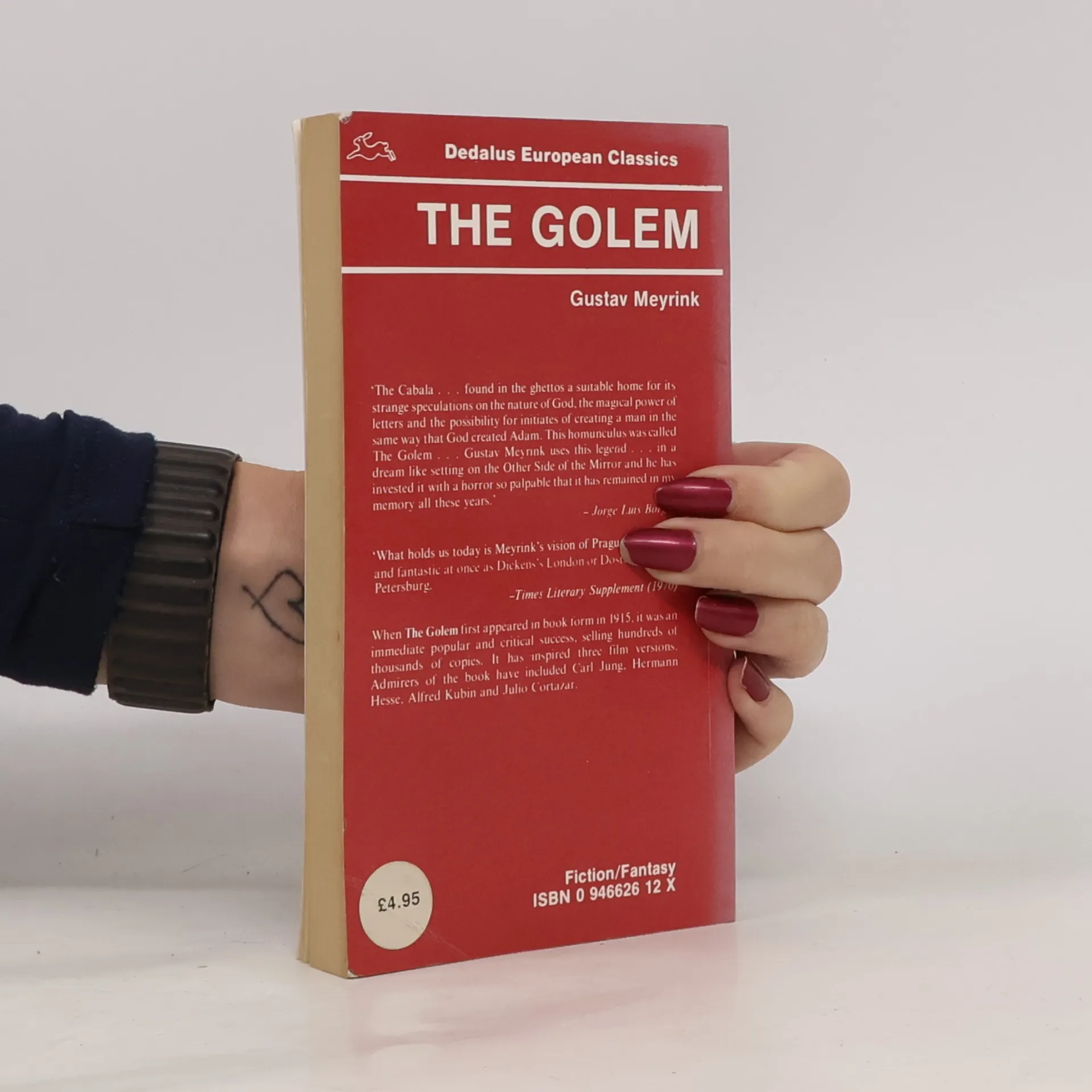
Dedalus European Classics: The Golem, Gustav Meyrink
- Langue

- Année de publication
- 1985,
- État du livre
- Abîmé
- Prix
- 11,99 €
Modes de paiement
Personne n'a encore évalué .
- Titre
- Dedalus European Classics: The Golem
- Langue
- Anglais
- Auteurs
- Gustav Meyrink
- Éditeur
- Dedalus
- Publié
- 1985
- Pages
- 265
- ISBN10
- 094662612X
- ISBN13
- 9780946626120
- Séries
- Mots clés
- Littérature allemande, 20e siècle, Mythologie, Autriche, Gothique, Cruauté, terreur
- Description
- First published in serial form as <i>Der Golem</i> in the periodical <i>Die weissen Blätter</i> in 1913–14, <i>The Golem</i> is a haunting Gothic tale of stolen identity and persecution, set in a strange underworld peopled by fantastical characters. The red-headed prostitute Rosina; the junk-dealer Aaron Wassertrum; puppeteers; street musicians; and a deaf-mute silhouette artist. Lurking in its inhabitants’ subconscious is the Golem, a creature of rabbinical myth. Supposedly a manifestation of all the suffering of the ghetto, it comes to life every 33 years in a room without a door. When the jeweller Athanasius Pernath, suffering from broken dreams and amnesia, sees the Golem, he realises to his terror that the ghostly man of clay shares his own face. . . . The Golem, though rarely seen, is central to the novel as a representative of the ghetto's own spirit and consciousness, brought to life by the suffering and misery that its inhabitants have endured over the centuries. Perhaps the most memorable figure in the story is the city of Prague itself, recognisable through its landmarks such as the Street of the Alchemists and the Castle.